Anoa 6×6 IFV (PK20) - Early Indonesian IFV prototype with a South African punch

Would you like to see this vehicle in-game?
  • Yes
  • no
0 voters

Panser Cannon 20mm (Prototype)

Hello everyone! Today I would like to suggest the Anoa 6x6 PK20 Prototype. This suggestion is primarily made to compelement the already suggested Indonesian Ground Forces Sub-tree.

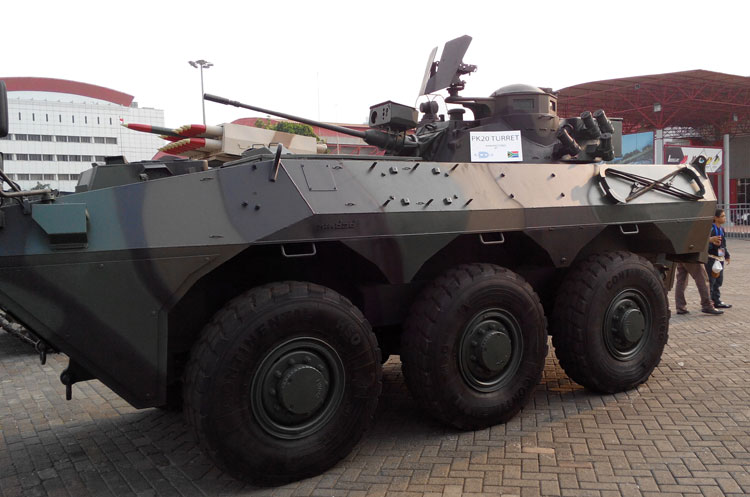
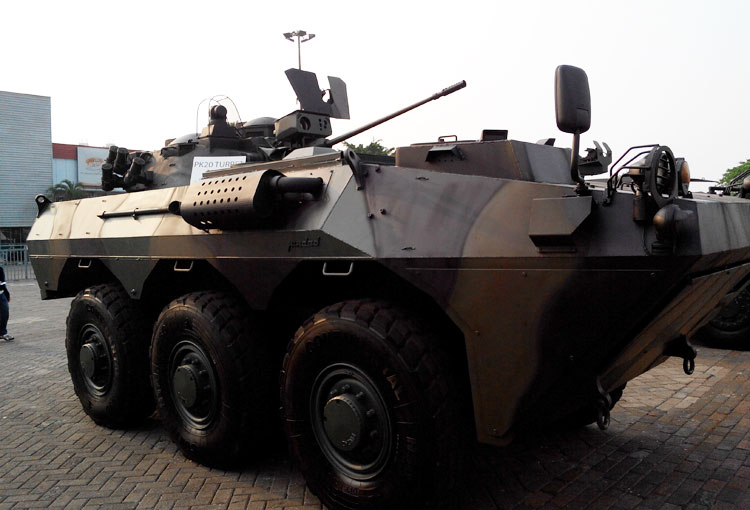
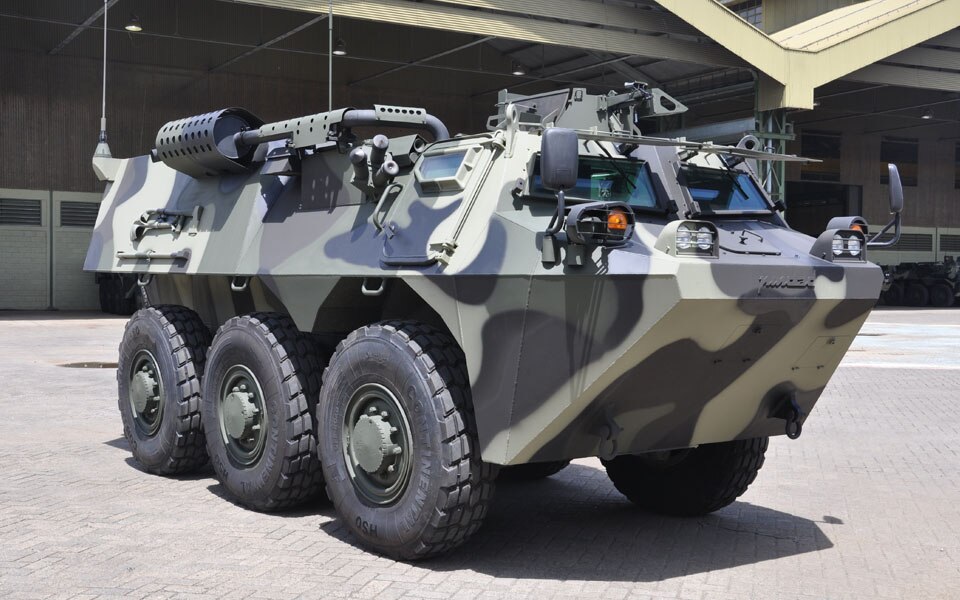
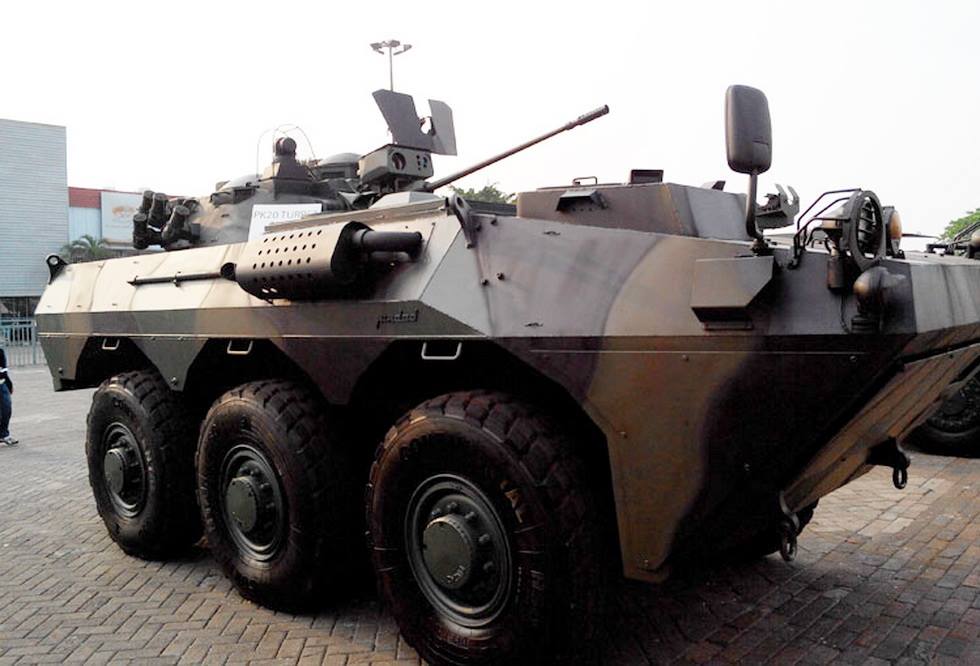
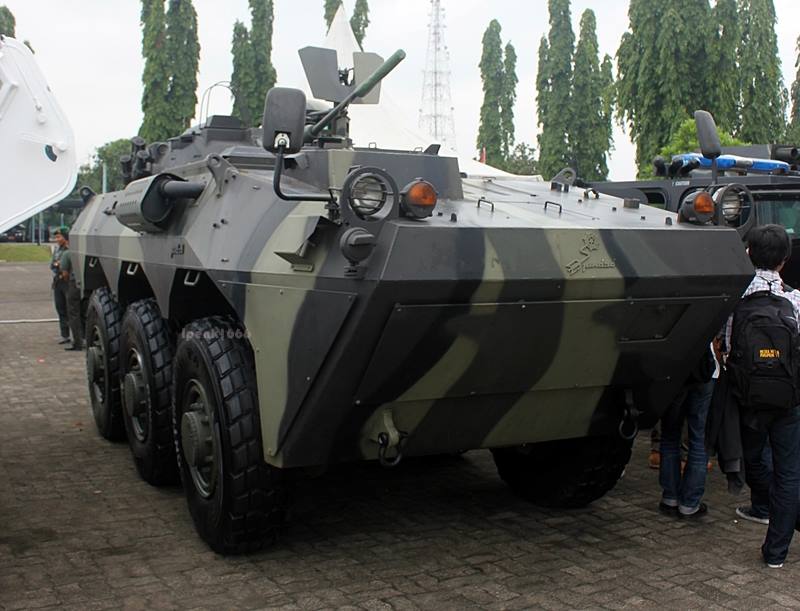
The “Panser Cannon 20mm (Armored Vehicle, Cannon, 20mm)” as it was known then was a prototype IFV which uses the reworked Anoa 6x6 Hull which would eventually become the Badak FSV. However this IFV Variant never left the Prototype stage. The vehicle is equipped with the South African PK20 Turret (a further modification of the LCT-20 in 2011) armed with the Denel GI-2 20mm Autocannon (Same one as the Ratel 20 which we have in the game). The gun itself can fire a wide range of ammunition, including NATO standard 20mm Rounds like the DM63 APDS. The vehicle is also equipped with a day/night sight, thermals, & laser rangefinder.

Considering its equipment and armament, ingame this vehicle would perform most similarly to the Type 87 RCV (P) & Luchs A2 at Rank 5 with a BR of around 7.3 - 7.7 as a light vehicle capable of entering and leaving the battlefield easily and flank the enemy team or as a long-range scouting/sniper vehicle utilizing its Thermals & Laser Rangefinder.


A. Background

Details

The vehicle originally evolved from the Anoa APC. Specifically the Anoa APS-3 APC. The original story of the APCs can be traced back in 2003, when there was a demand for a more modernized Armored Vehicle to fight against the Insurgency in Aceh. Pindad responded in 2004 by making the APR-1V Light Personnel carrier based on a 4x4 Isuzu truck chassis, however the vehicle was cancelled and not purchased.

The development then continued with the next prototype being the APS-1, a 6x6 design based on the Domestic Perkasa truck chassis manufactured by PT Texmaco, this vehicle was also not selected for production, however the experience gained from developing the vehicle results in PT Pindad being given the green light to develop the next-generation of APCs for the Armed Forces. This vehicle would be the APS-2.

PT Pindad’s Original APCs, (from left to right: APR-1V, APS-1, APS-2)

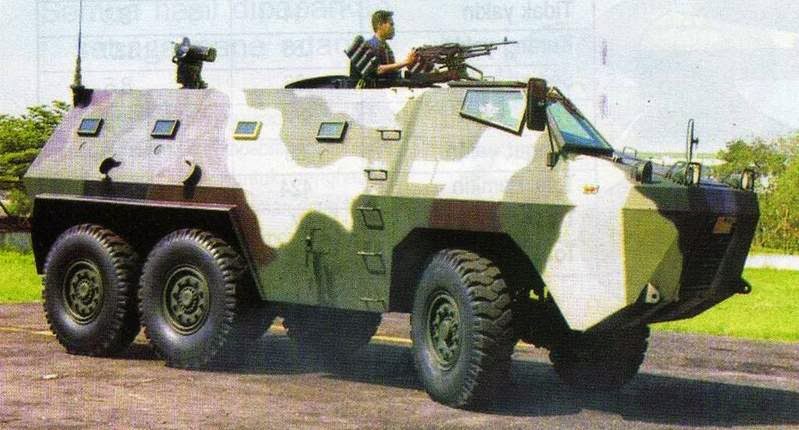
In 2006, PT Pindad began developing the APS-3 a new variant which has an amphibious capability, this resulting in the APS-3 Anoa, originally a 4x4 variant, it was later expanded into the 6x6 platform. The prototype trials was conducted in 2007 & the vehicle was handed over to the Armed Forces in 2009.

The design of the APS-3 can be considered quite conventional. It has 6 large rubber road wheels, the vehicle has an independent torsion bar control suspension system. The APS-3 has the French Renault MIDR 062045 series inline, 6-cylinder, turbocharged diesel engine deilvering 320hp @ 2500 rpm. A german Behr cooling pack is also installed in the power pack. The transmission is a German ZF Friedrichshafen S6HP502 Series automatic transmission featuring 6 forward gears and a single reverse giving the vehicle a top speed of around ~90km/h.

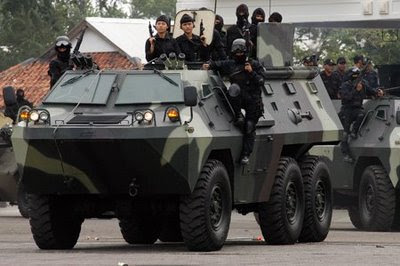
PT Pindad’s Anoa APS-3 APC, the basis for the 20mm & 90mm variant

For the 20mm variant, as described by PT Pindad’s then Production Manager of the Special Vehicle Division, Yadi Kussuryadi in 2011, the vehicle was originally planned to be used by the Mechanized Infantry Battalion with its classification as an IFV. The 20mm variant was being developed at the same time as the Anoa FSV with the 90mm Cockerill MK3 gun mounted with the Scorpion 90 Turret and that variant is meant for the Cavalry Battalion to be used as a Fire Support Vehicle.

In the same year, PT Pindad’s then Manufacturing director Tri Hardjono commented that the two cannon variants of the vehicle is to be jointly developed with South Korea the next year. That joint development would eventually result in the 90mm Tarantula FSV and seems to not include the Anoa IFV.

90mm Tarantula FSV (An FSV variant derived from the Doosan DST Black Fox)

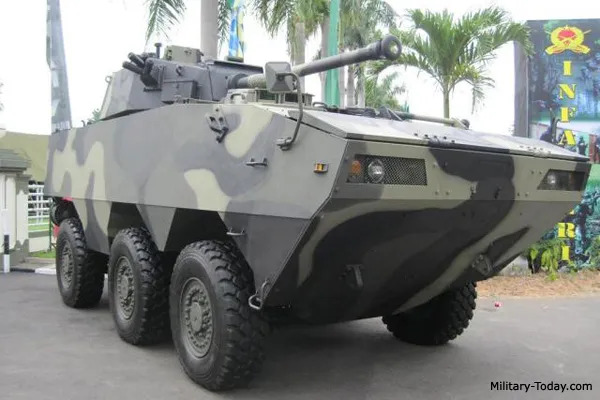
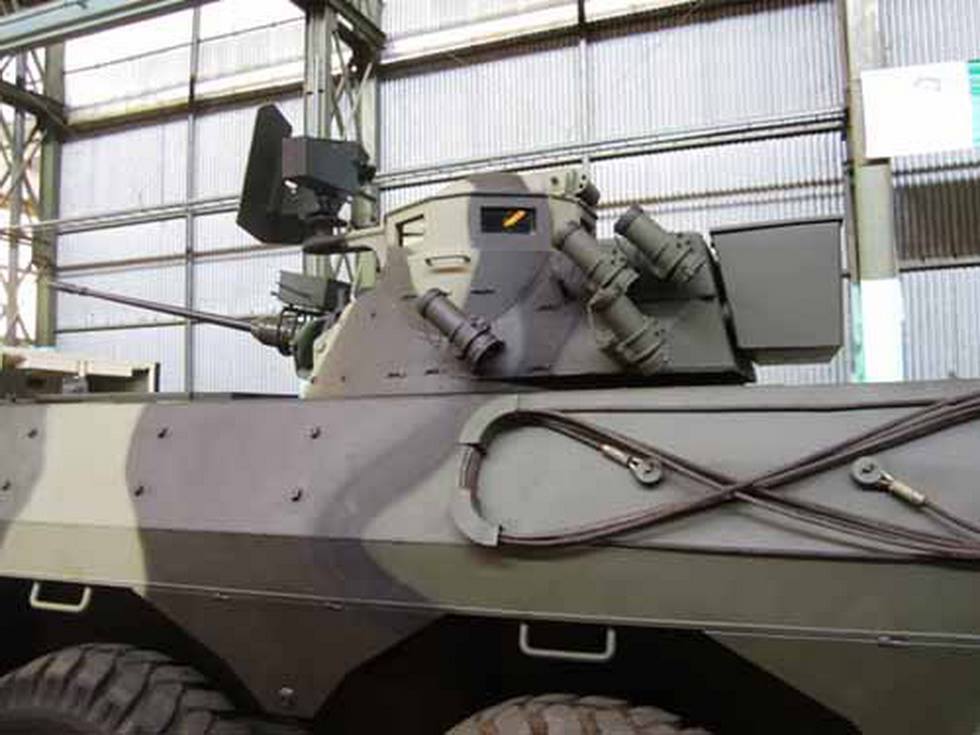
The design of the IFV itself can be described as extremely similar to the base APS-3 APC, the only major difference is the changes in the upper part of the hull and the frontal plates. With the gunner windows being changed to vision ports instead, and the moving of the driver’s position to the right-hand side of the hull, with the engine sitting beside them on the left-hand side. The exhaust however is still on the right hand side. Additionally the top part of the hull is slimmed down in profile to compensate for the additional turret. One noticable downside of the turret addition is the limited amount of troops it can carry. from an original of around ~10 men to only 2 extra infantry, with 3 crew manning the vehicle (Commander, Gunner, Driver).

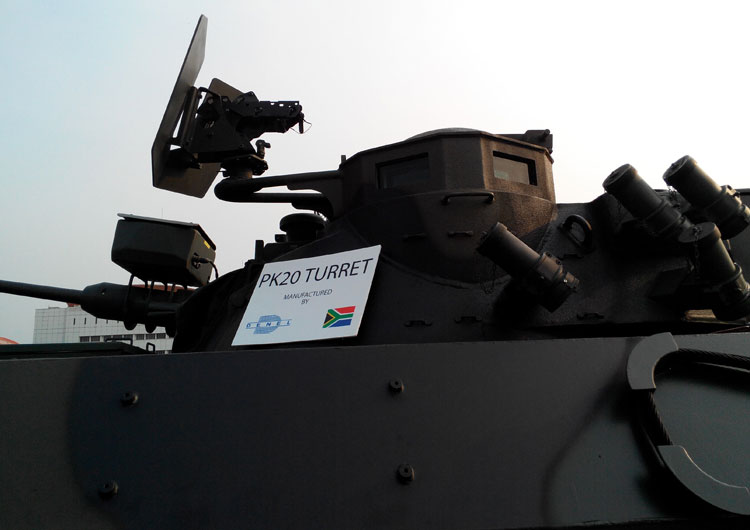
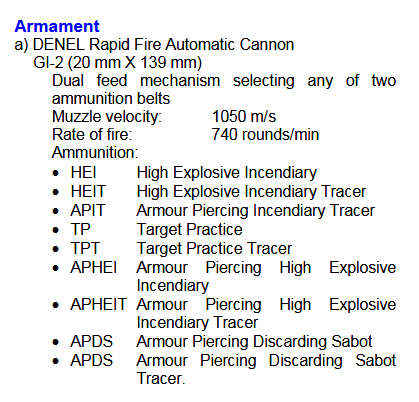
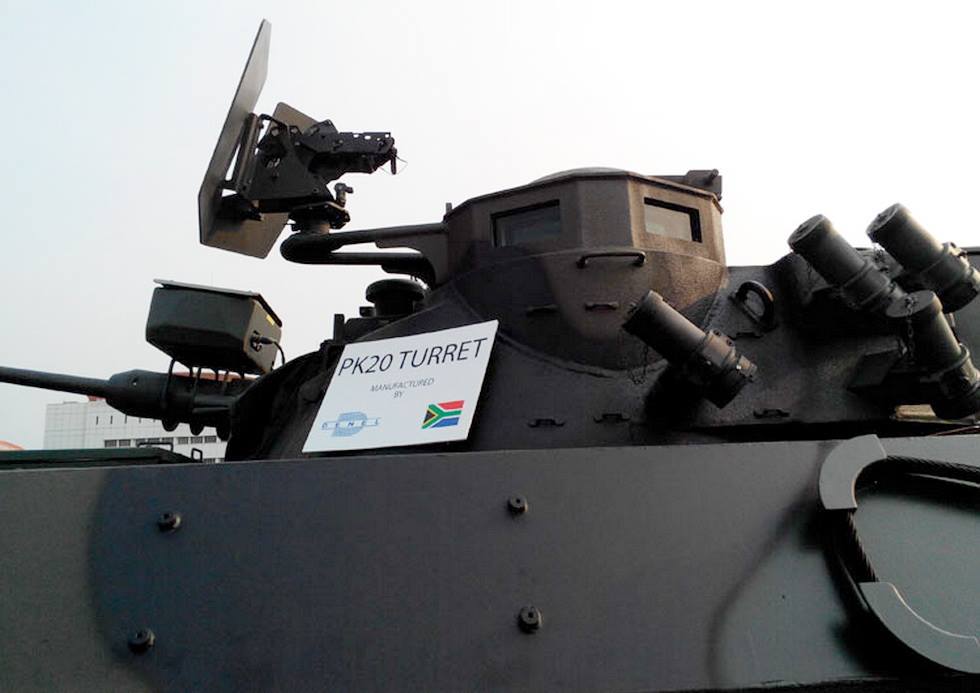
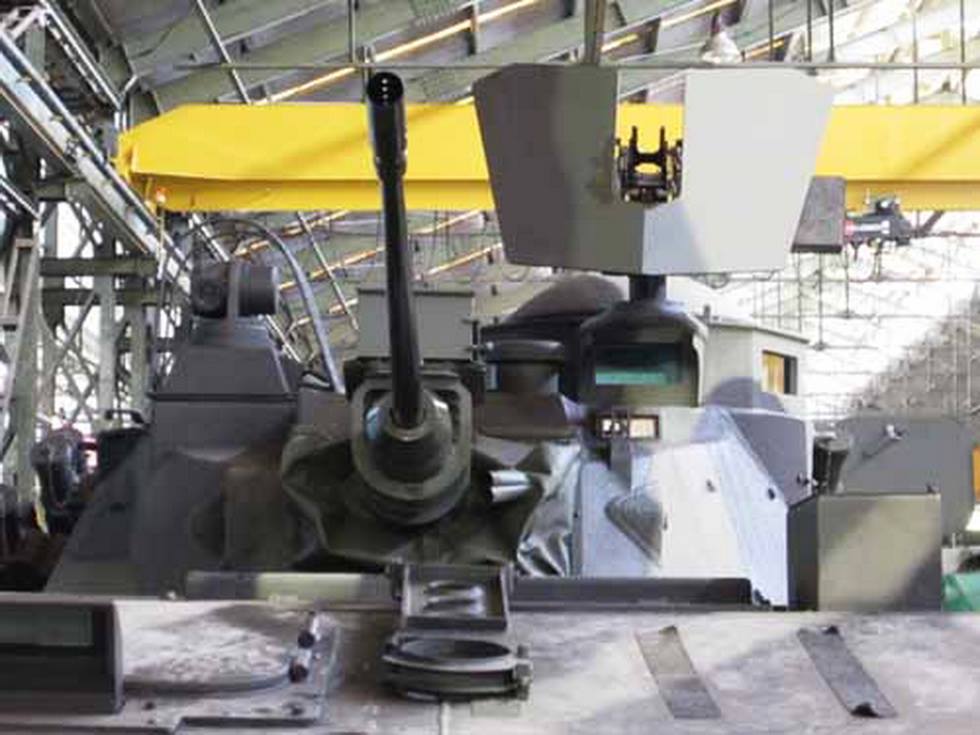
The turret mounted on the IFV is the PK20 turret, which is a modification of the South African LCT-20. The PK20 can be assumed as the name of the Vehicle’s role, “Panser Cannon (Kanon), 20 mm”. The vehicle is armed with the 20mm Denel GI-2 Autocannon, capable of firing a wide range of South African ammunition & also NATO standard 20mm x 139mm, such as the DM63 APDS belt. South African armament is not exactly a stranger for the Indonesian Armed Forces either, as Indonesia had already been operating Denel’s weapons before such as the NTW-20 Anti Materiel Rifle & the Vektor G12 Anti-Aircraft autocannon.

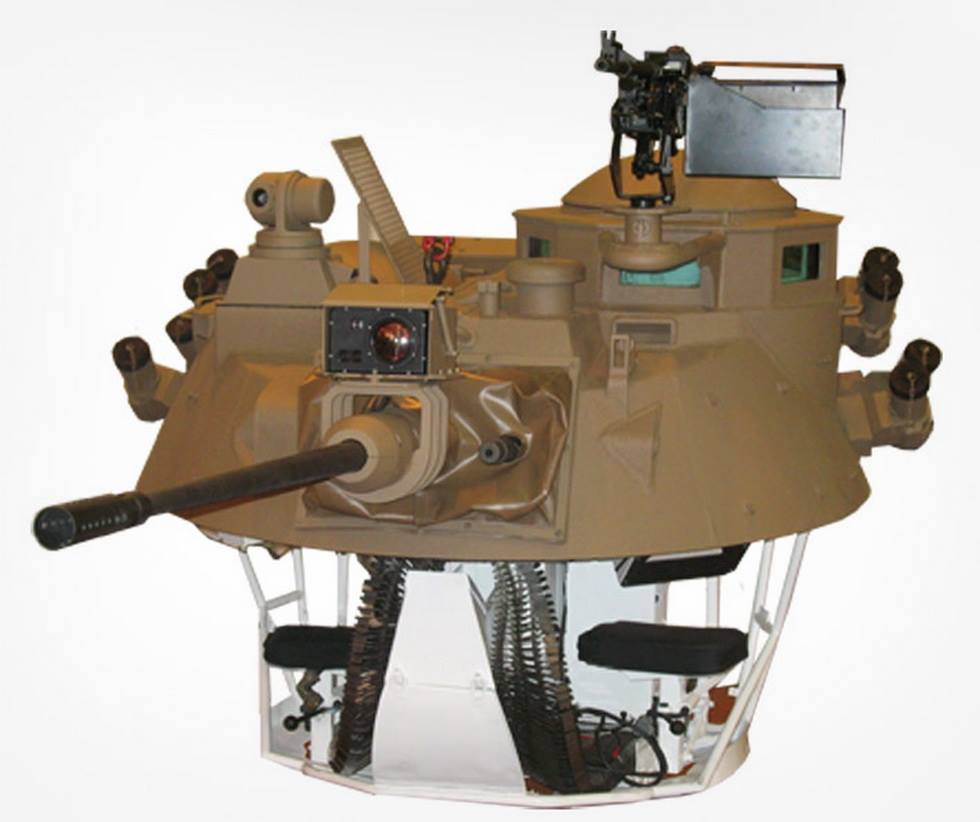
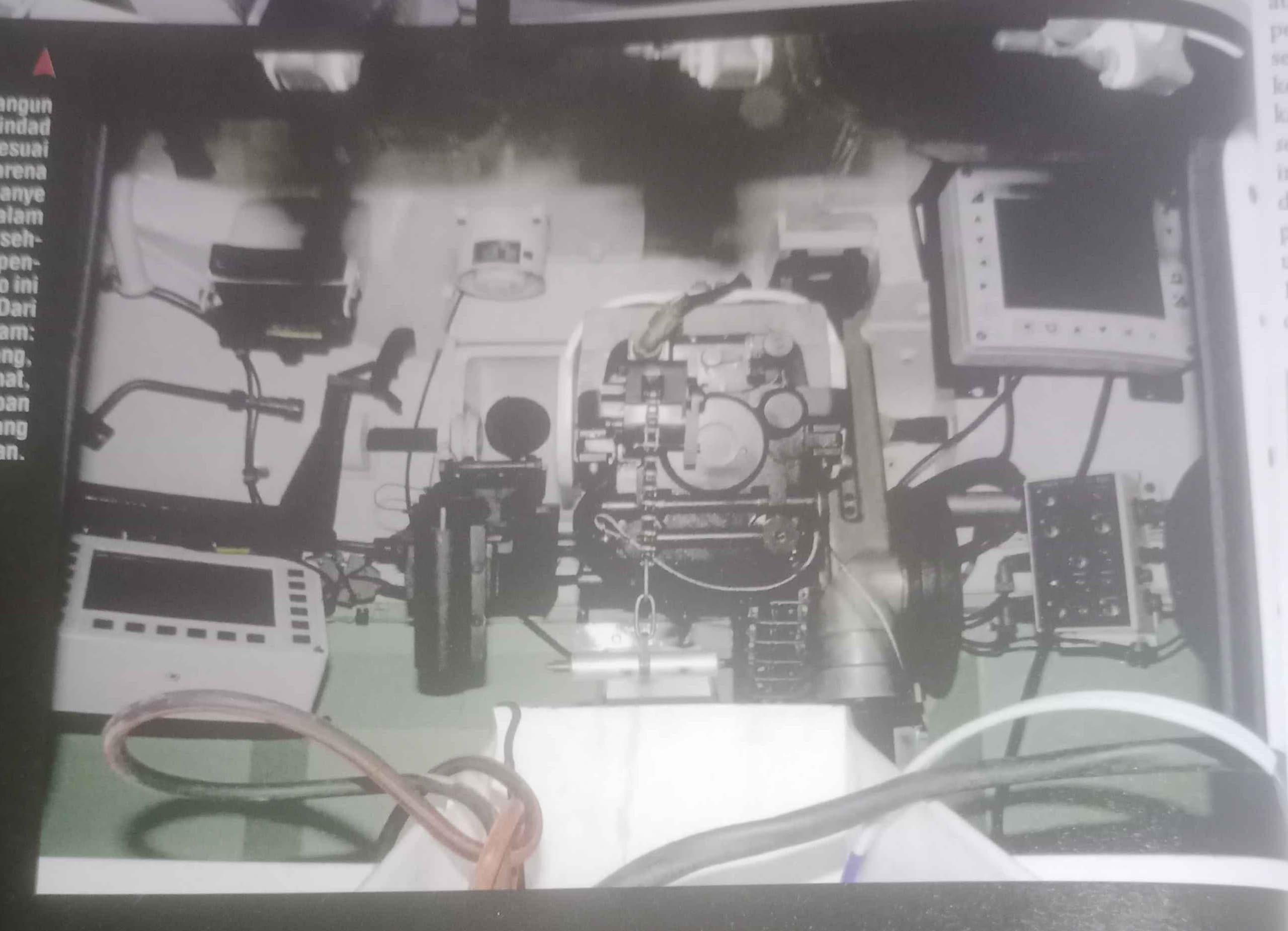
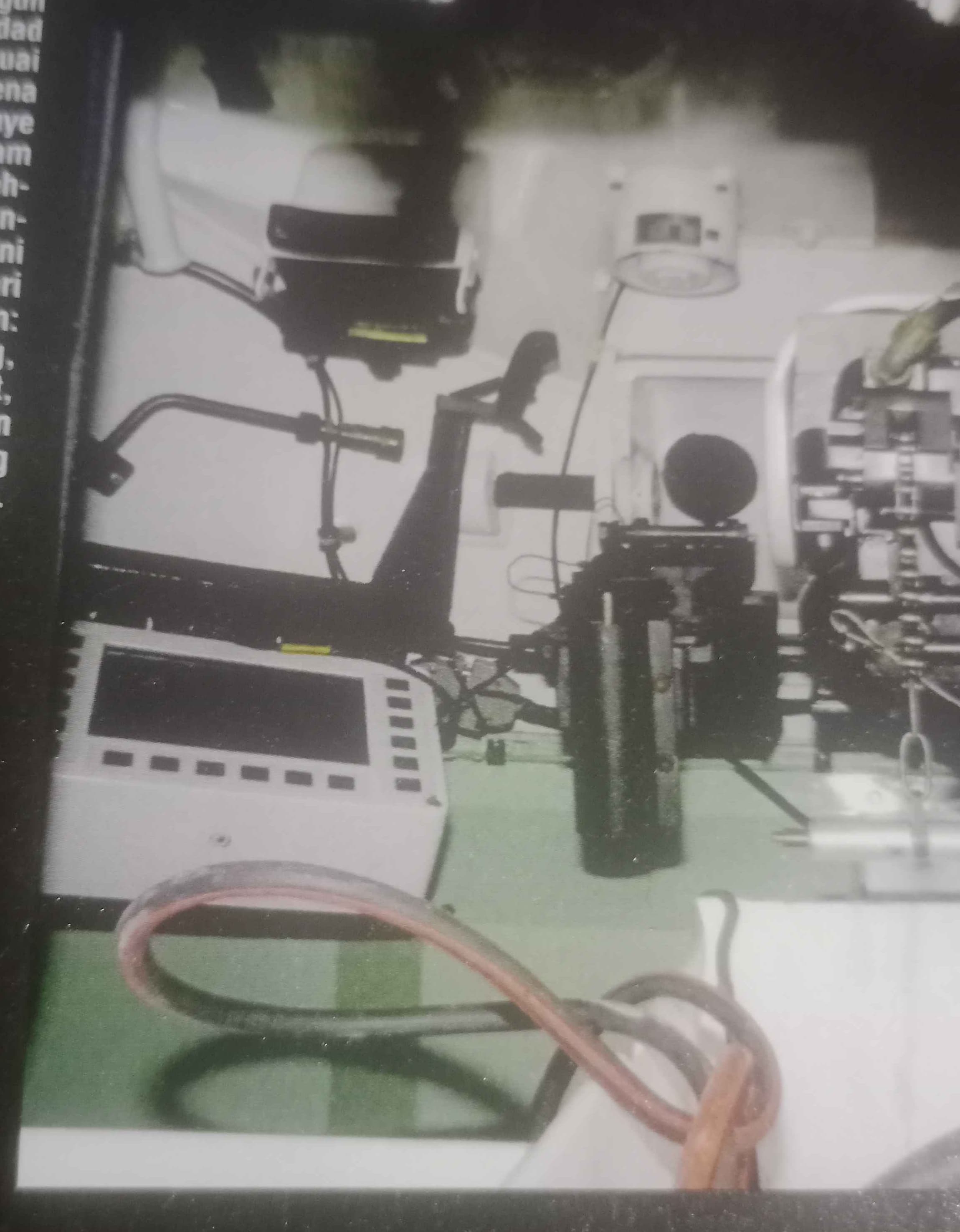
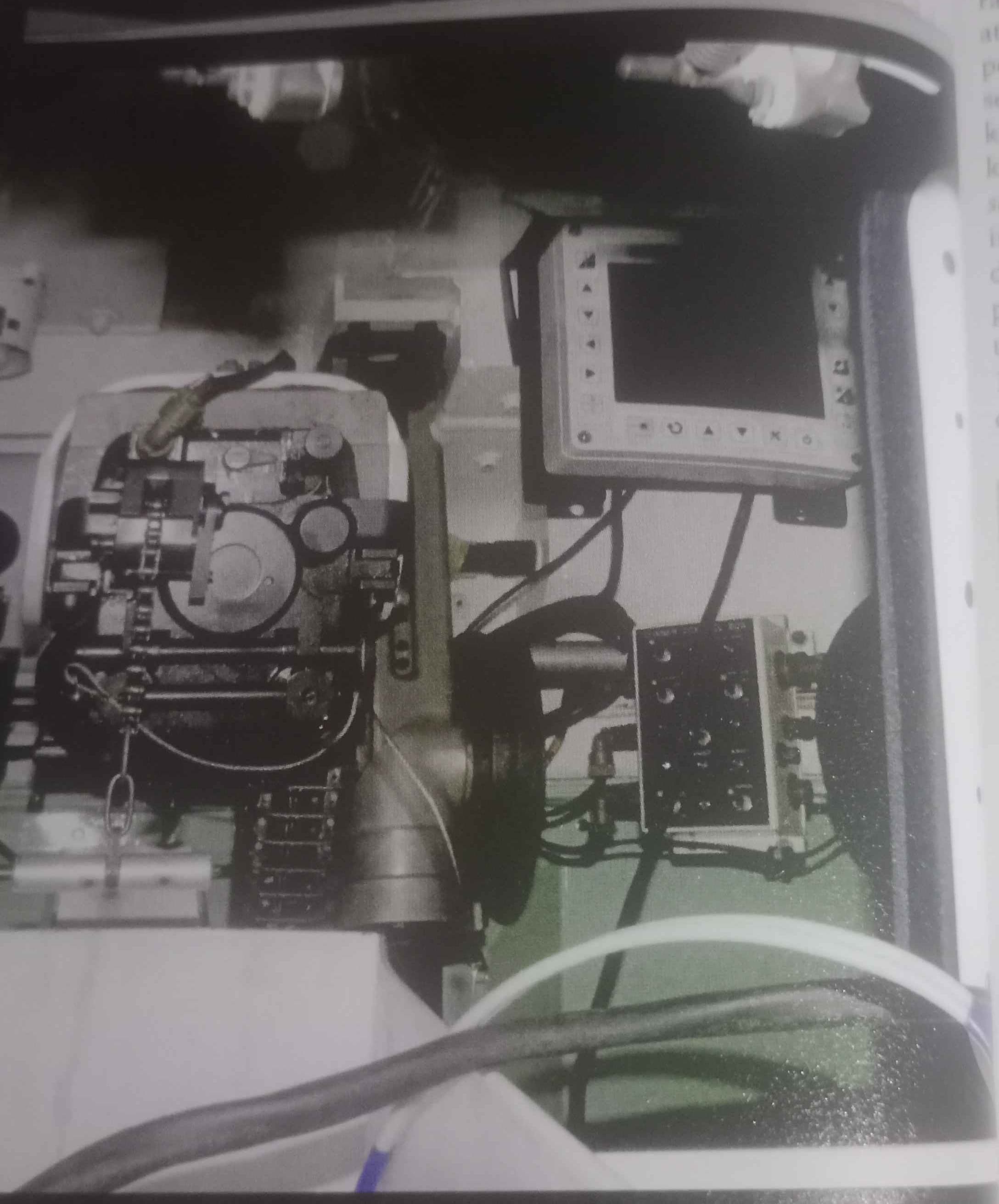
Even though the design of the turret seems a bit old-school, the equipment housed within it is not. The Turret is manned by a two-man crew supported by a zoomable day/night sight (advanced electro-optical sighting) device, thermal sight and a laser rangefinder. Other than the 20mm main autocannon, the vehicle is equipped with two 7.62mm Machine guns, one in the turret coaxially, and one above the turret on the Commander’s hatch with a shield mount. For the turret crew, Ranging and Target analysis is digitalized, provided via the Gunner Colour Display Panel.

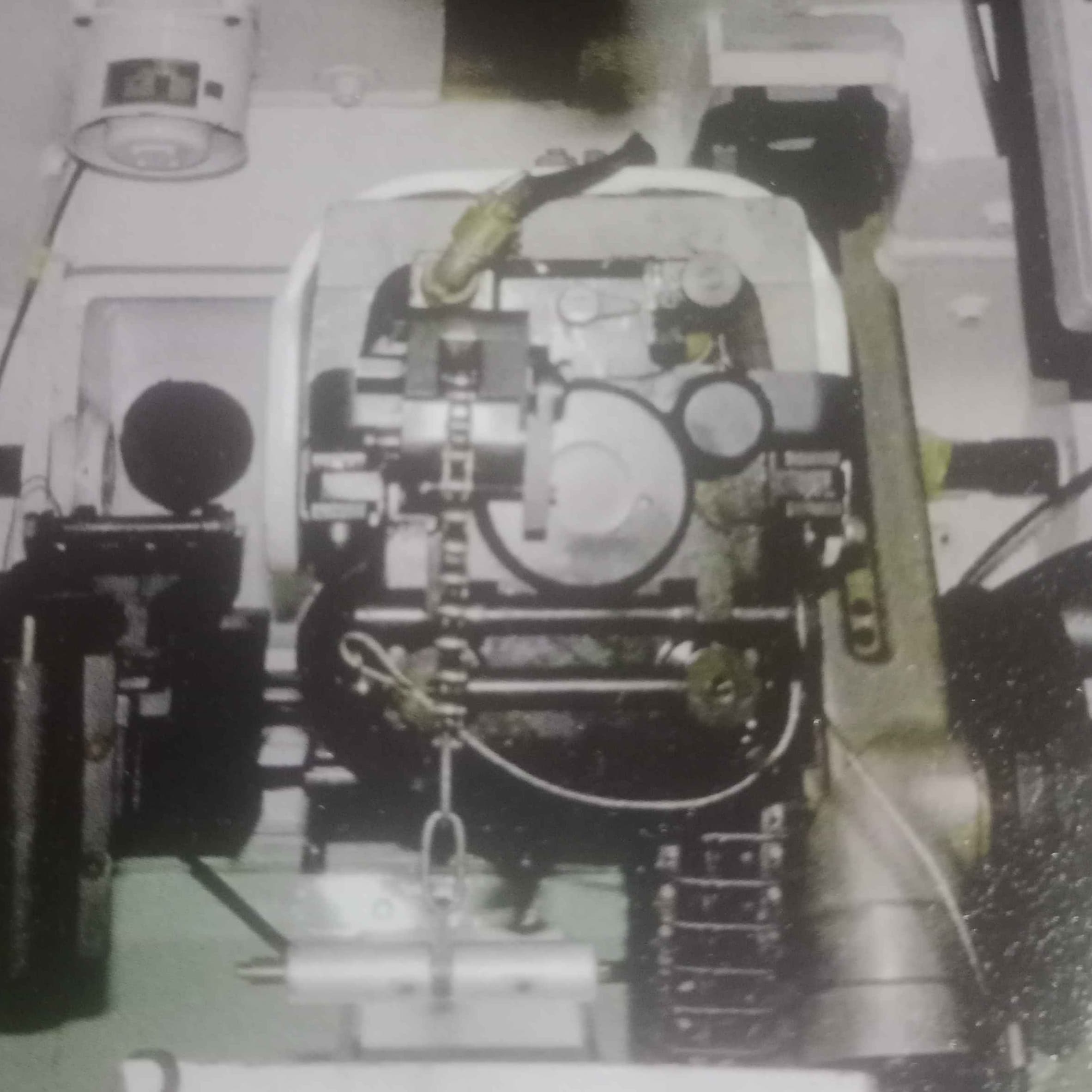
PK20 Turret Information plaque

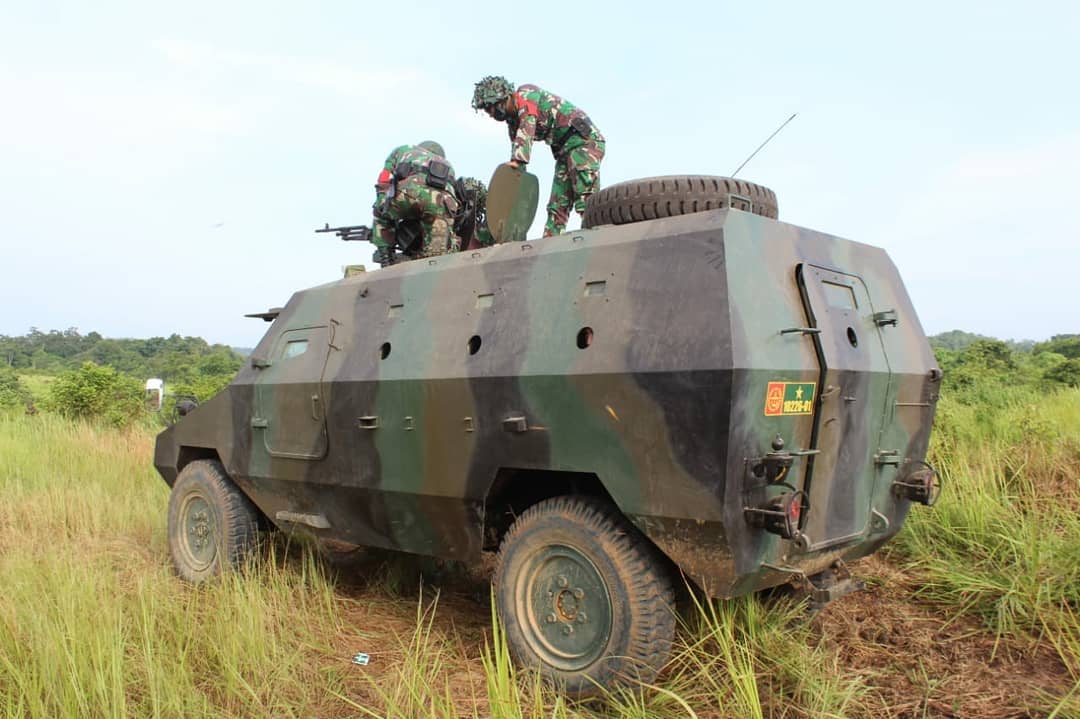
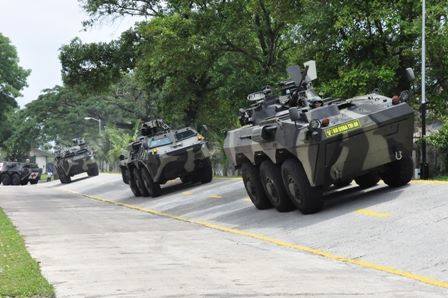
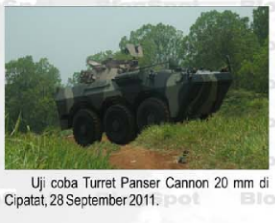
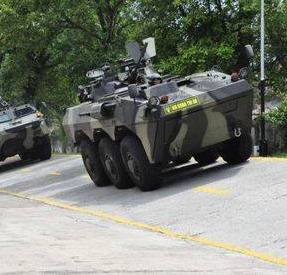
The vehicle was tested by PT Pindad in Cipatat in the 28th of September, 2011. The Armed Forces also trialed the vehicle circa ~2013 as it was spotted during mobility trials, and the vehicle was showcased during IndoDefence 2014 in November of that year, however any further news of the project isn’t exactly known. As such it’s safe to pressume that the vehicle was not selected for service with the Army and was eventually cancelled. However, its brother the 90mm FSV variant continued to be developed, resulting in the Modern Badak FSV which is currently in active service with the Indonesian Army.

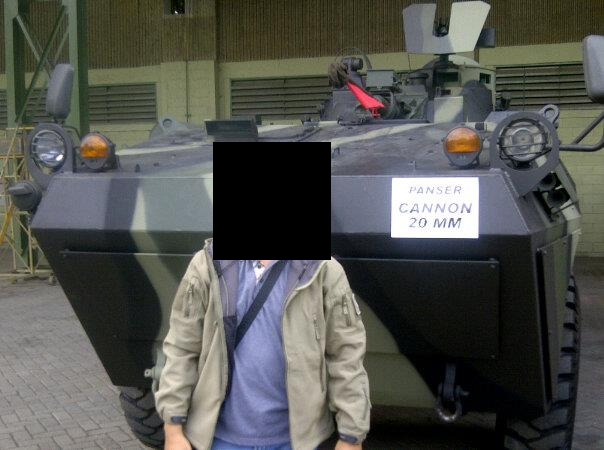
Anoa PK20 during Mobility trials in 2013. Notice there’s a sticker on the front hull commonly found on Indonesian vehicles when being trialed by the Army


B. Specifications

Details

General Specifications

  • Crew: 3 (+2 rear)
  • Length: 5.56 m
  • Width: 2.7 m
  • Height: 2.73 m
  • Weight (turret only): 14 t (1.55 t)
  • Armor: all-welded steel monocoque (STANAG Level 3)
Profile


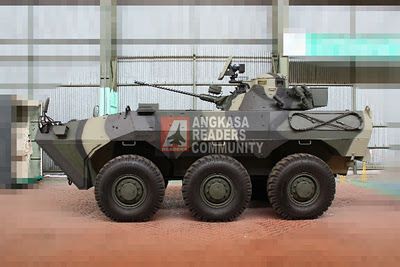
Left


Right


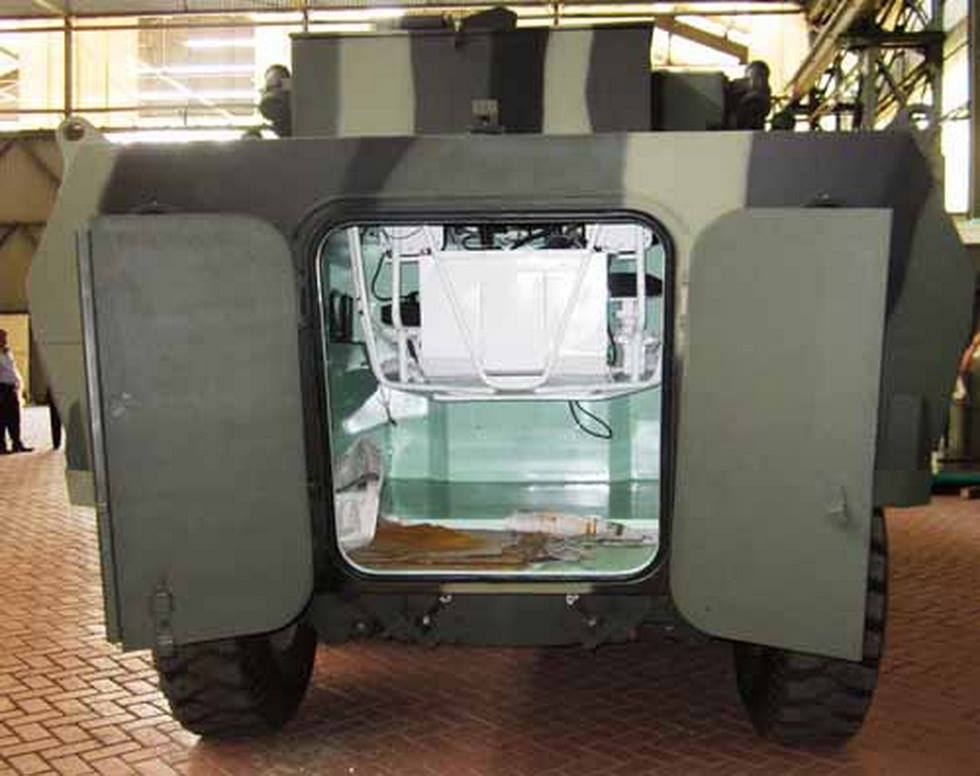
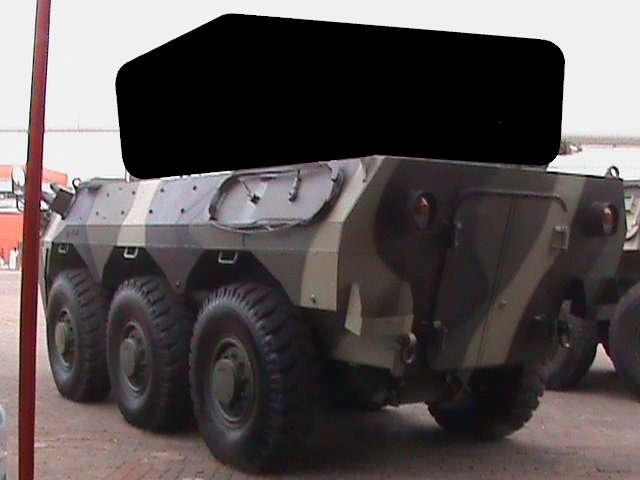
Rear (same hull as the Anoa FSV Prototype)


Front
  • Transmission: ZF S6HP502 automatic transmission
    • Gears: 6 forwards, 1 reverse
  • Engine: Renault MIDR 062045 inline 6 cylinder turbo-charged diesel engine
    • Horsepower: 340hp
  • Max Speed: 80-90 km/h

Armament

  • PK20 Turret
  • 20mm Denel GI-2 Autocannon
    • 300x rounds
  • 7.62mm Machine guns (Coaxial & Roof Mount)
    • 200x rounds

Ammunition types:
HEI. HEIT, APIT, TP, TPT, APHEI, APHEIT, APDS, APDS-T

Systems

  • -8°/+38° Gun Elevation
  • 360° Turret horizontal rotation
  • 8x Smoke grenade launchers (4x each side)
  • Zoomable Day/Night sight ( advanced electro optical sighting)
  • Thermal Imaging Camera
  • Laser Rangefinder
  • Gunner Colour Display Panel
Turret & Crew Compartment


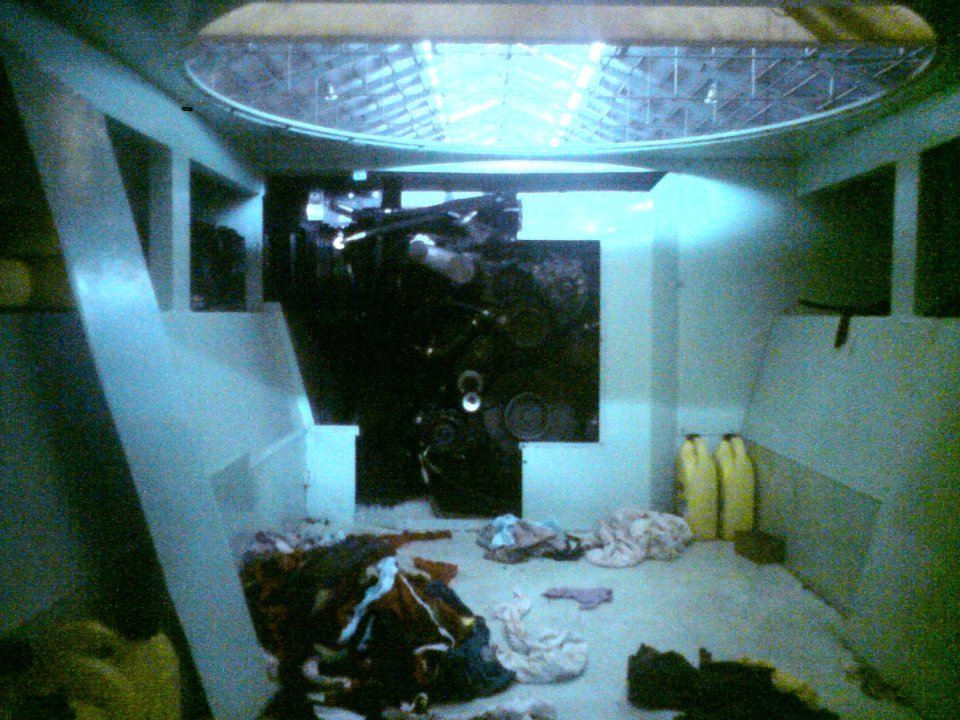
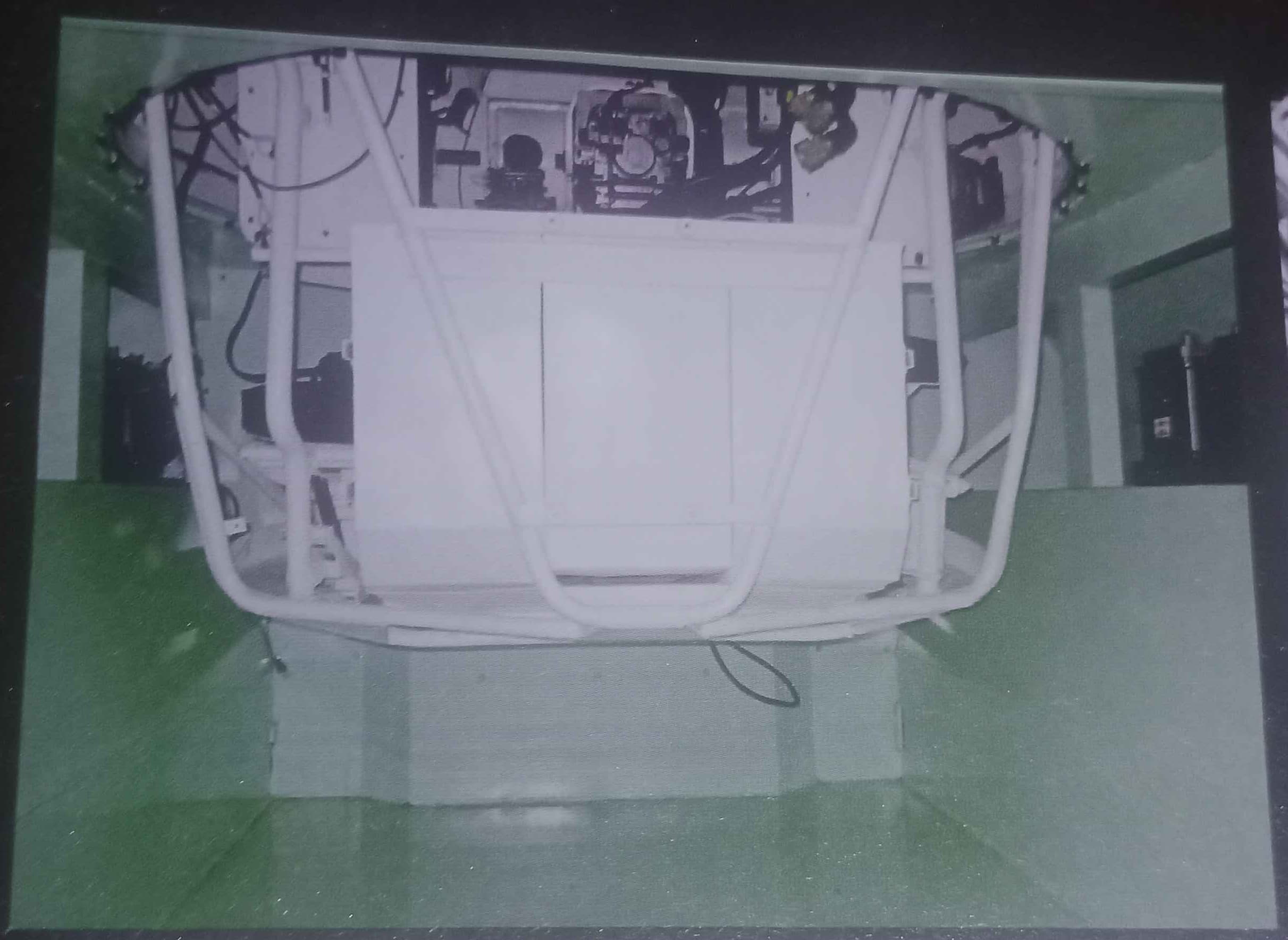
Empty hull view of the Anoa PK20, engine is already fitted


rear compartment with turret


Gun Ammunition selection


Turret


C. More Images

Details


Translation: Trials of the 20mm Panser Cannon Turret in Cipatat, 28 September 2011
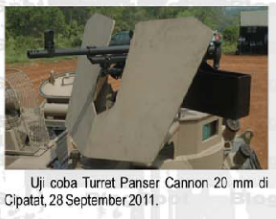

Translation: Trials of the 20mm Panser Cannon Turret in Cipatat, 28 September 2011

Anoa PK20 during mobility trial in ~2013

Anoa PK20 in PINDAD’s facility in 2011
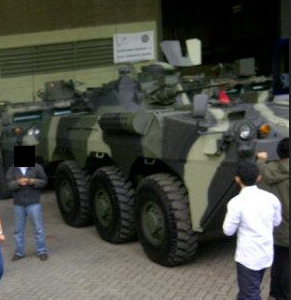

Alternative image of the vehicle in PINDAD’s facility


D. Sources

Details

Image Sources:


Any suggestions or corrections would be highly appreciated!

Additionally, you can check out more Indonesian suggestions below!
2 Likes

+1 quite cool