- Yes
- No
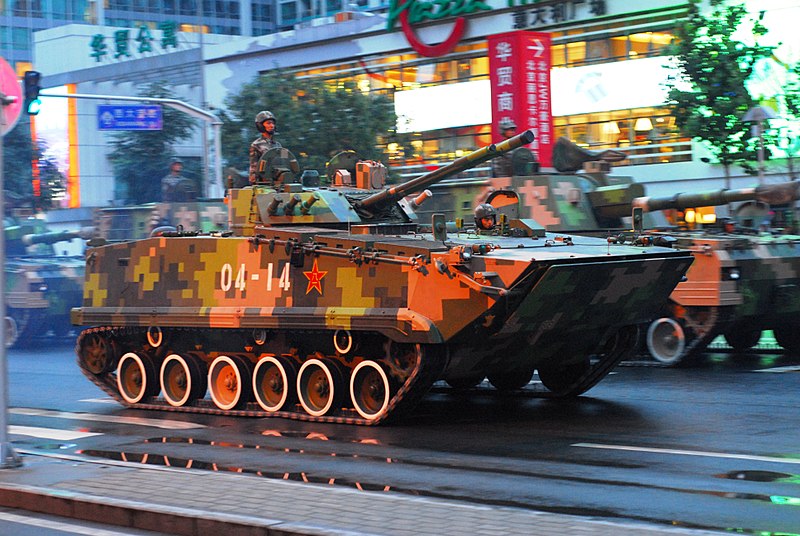
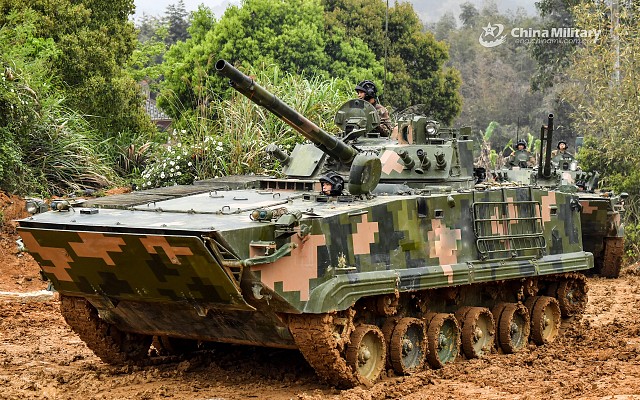
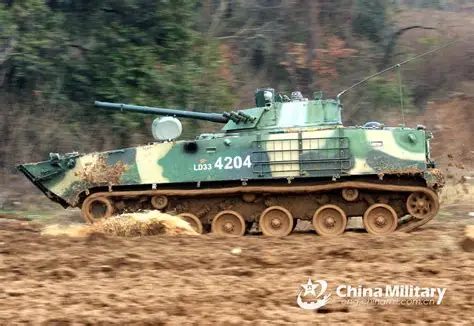
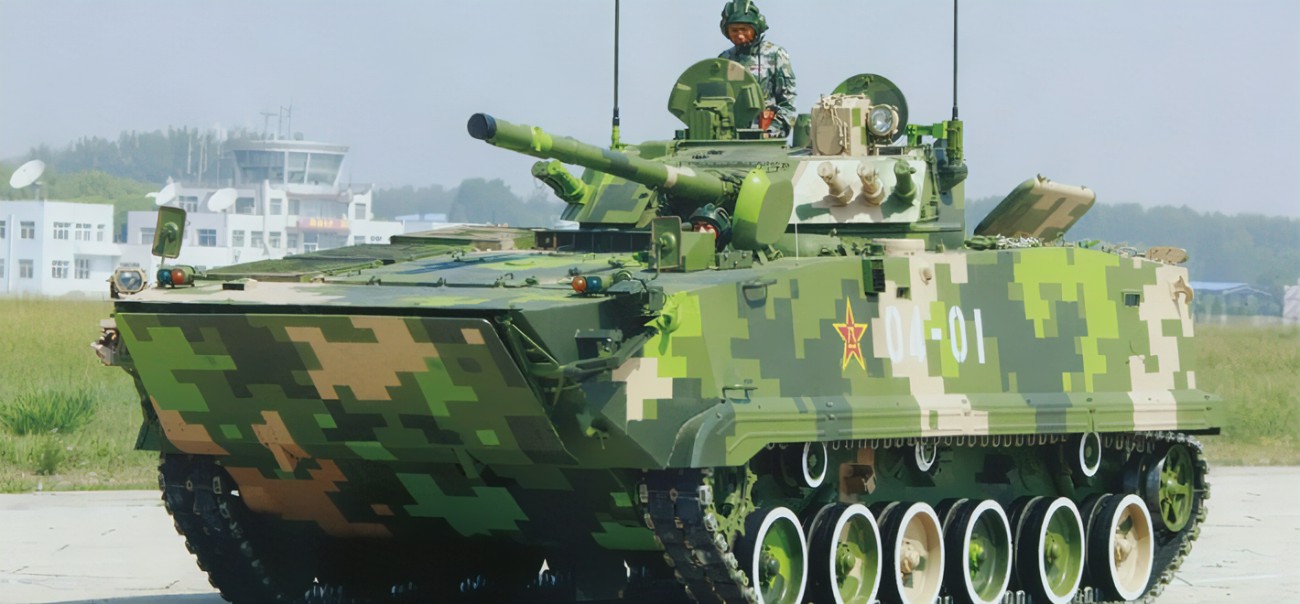
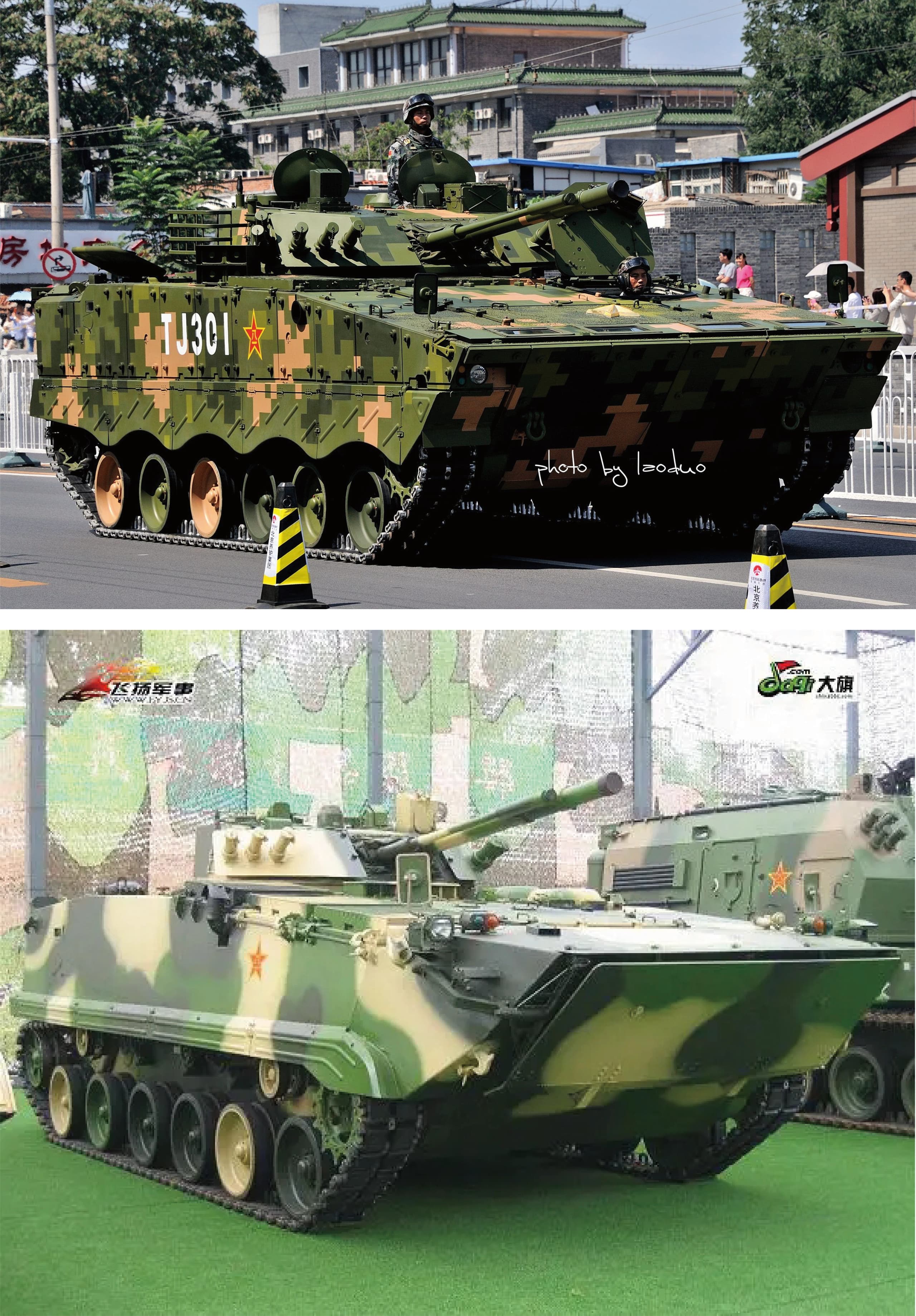
Hello everyone! Welcome to the ZBD04 suggestion. The game already features the ZBD04A infantry fighting vehicle, and there is also a suggestion for the ZBD04-SW1 on the forum. However, I noticed that its predecessor, the ZBD04, is missing a suggestion. As a vehicle widely used in China, I believe it deserves a proper suggestion to help you understand it. Let’s begin!
History
In the late 1970s, following global trends in army development and in order to shorten the research cycle, China imported and reverse-engineered the БМП-1 from Romania, eventually producing its own improved version under the name ZBD86. This marked the first time the PLA had an IFV in its order of battle, and it also fixed the operational habits of the Chinese military regarding the use of IFVs. For a long period afterward, Chinese IFV designs and operational practices remained tied to those of the БМП-1. For example, some subsequent armored vehicle designs retained the БМП-1’s crew placement behind the driver.
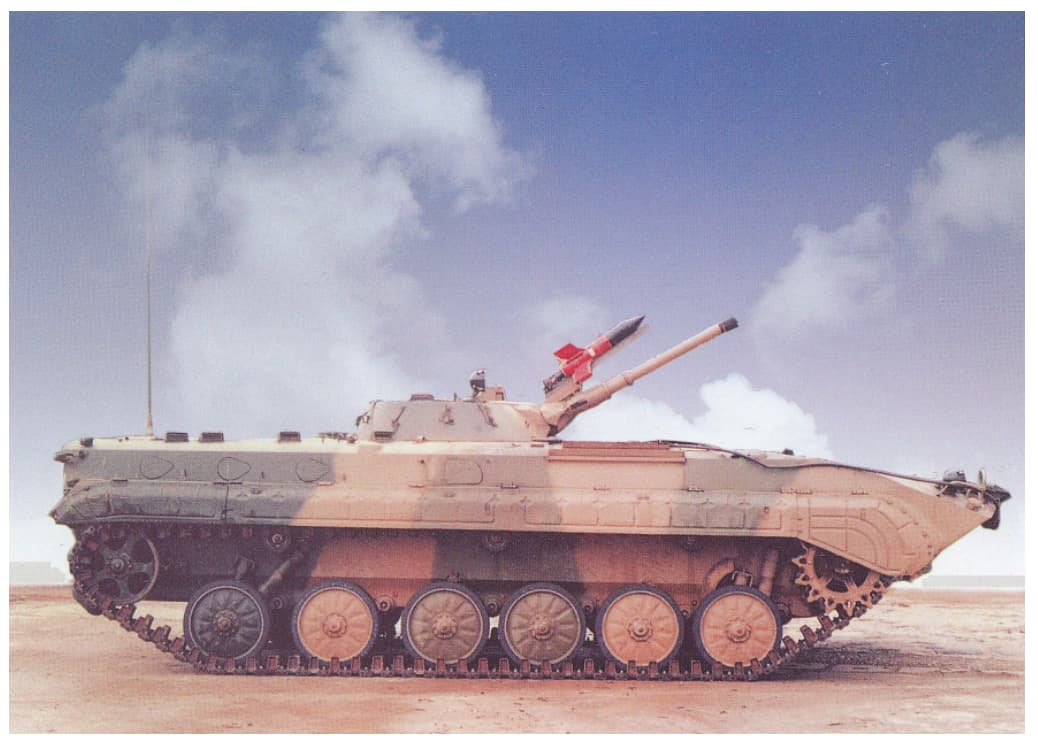
ZBD86
Although the ZBD86 filled the gap in the PLA’s mechanized infantry forces, by the time it was widely deployed, newer generations of IFVs had already appeared internationally. From the start, the ZBD86 was relatively outdated. While other nations’ IFVs typically carried 25–35 mm autocannons, the ZBD86’s 73 mm smoothbore gun was clearly lagging. To catch up, China experimented with mounting the ZPT90 turret from the ZSL92 onto the ZBD86 chassis, creating the ZBD86-1. This represented an early attempt to mount an autocannon on a light tracked chassis. However, due to the ZSL92’s reliability issues, this variant was never mass-produced, and China began seeking a better solution to replace its existing systems.
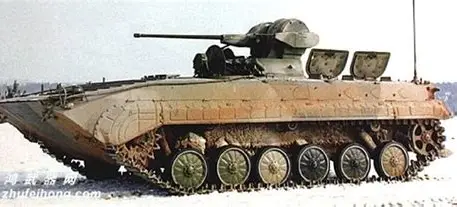
ZBD86-1
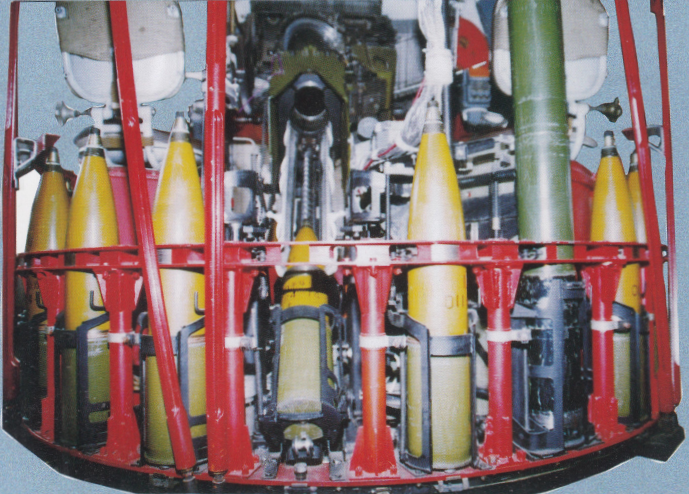
Years later, at a Russian arms exhibition, Chinese representatives came into contact with the БМП-3. After studying its structure, they were impressed by its weapons system. The БМП-3 not only carried a 100 mm gun, a 30 mm cannon, and multiple machine guns, but also had an advanced fire-control system.
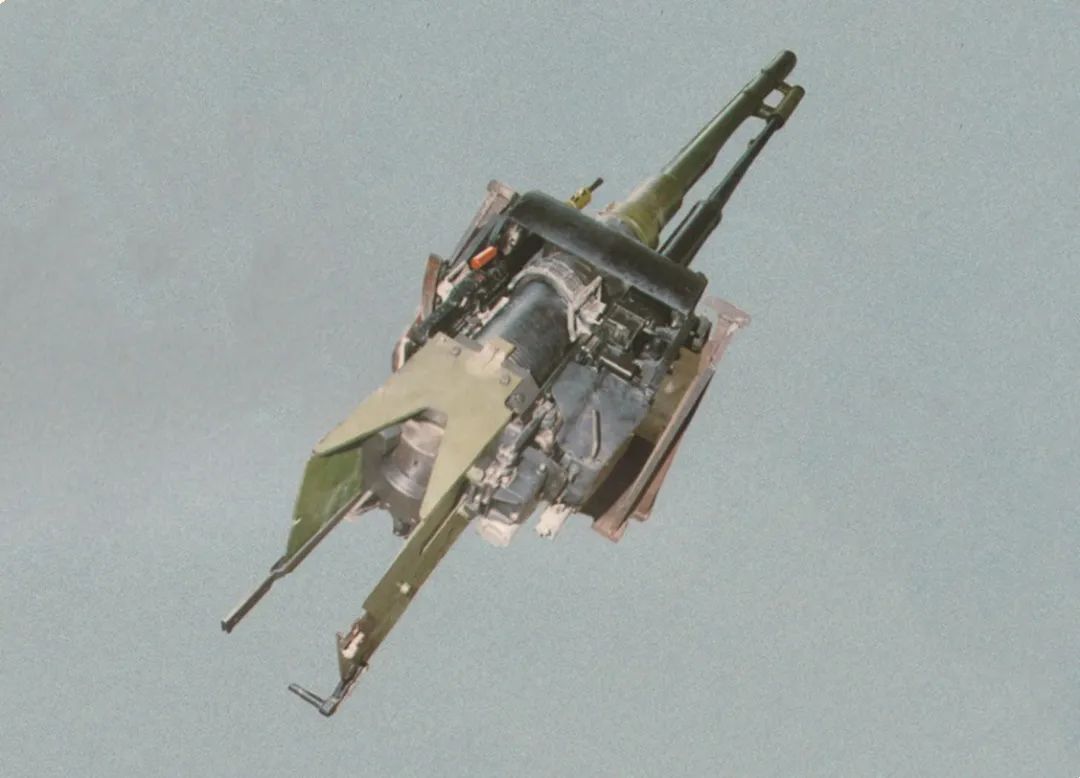
БМП-3’s 100 mm + 30 mm weapon system
After evaluating domestic technical foundations and operational needs, China set the БМП-3’s impressive armament suite as the benchmark for the development of its next-generation IFV. At the same time, they also set design requirements for mobility, protection, and amphibious capability. Ultimately, they decided not to copy the БМП-3 hull design but instead retained the traditional IFV layout, while importing and adapting Russian weapon systems. For the weapon choice, they deliberately selected the more advanced Бахча-У system for testing and procurement, ensuring superior performance.

БМП-3 equipped with the Бахча-У system undergoing trials in China
At the end of 1997, the relevant authorities approved the development of a new tracked IFV and its matching weapons system. That same year, development began under the codename WZ502. In 2004, the vehicle was formally approved and designated the ZBD04. The Chinese-produced version of the 100 mm 2A70 was named ZPL04, and the domestically produced 2A72 was named ZPZ02. The latter, as a lightweight autocannon, was later widely used in new IFVs and in upgrades to the ZBD86 (the upgraded variant being ZBD86A).
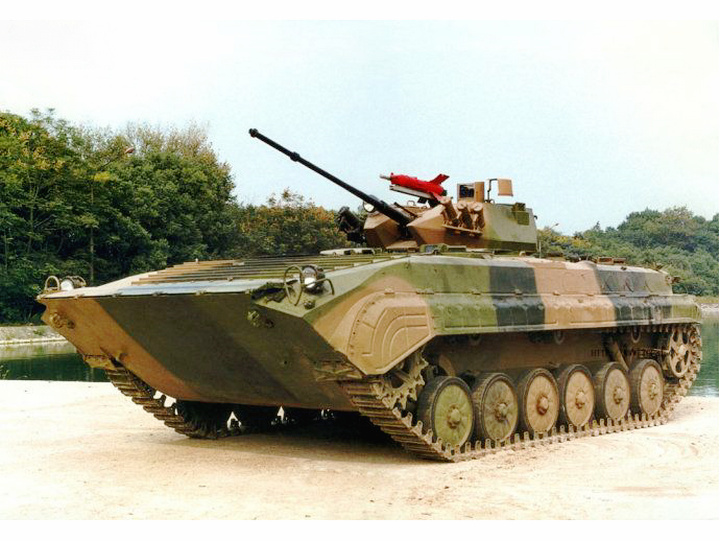
ZBD86A equipped with a 30 mm autocannon
The ZBD04’s fire-control system integrated dual-axis stabilization, full electric servo, day/night optics, daylight sighting, laser-beam guided missile control, and laser rangefinding. The commander was equipped with a simple but reliable and cost-effective day/night optical device, commonly used in Chinese armored vehicles of that era. To facilitate the commander’s target acquisition and weapon control, an imported optical commander’s sight was installed in front of the device. Notably, the ZBD04 was also fitted with a laser-warning system on the roof—later widely adopted across Chinese armored vehicles.
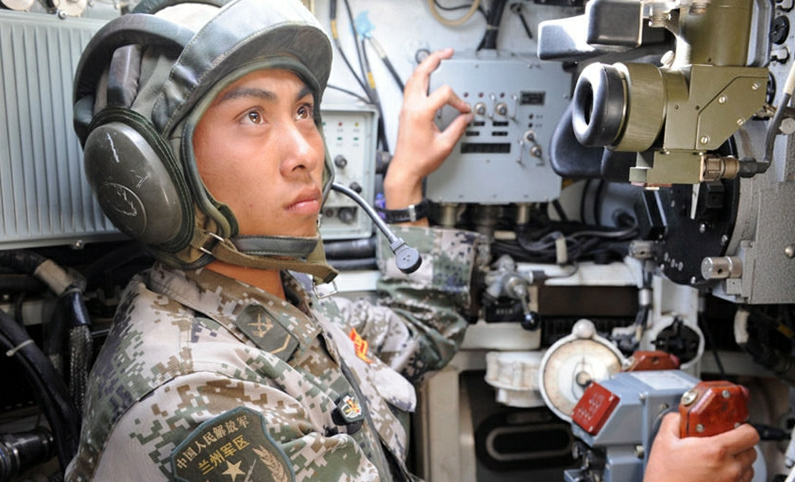
ZBD04 gunner’s station
Aside from the weapon system, the rest of the ZBD04 was of indigenous design. Following the design philosophy of previous light tracked vehicles, it was powered by the B6V150ZAL, a six-cylinder turbocharged, water-cooled, intercooled diesel engine. This engine was an improved version of the 6V150 used in the ZBD86, arranged in a 90° V configuration, with a maximum output of 404 kW (441 kW in water mode). The chassis was fitted with a trim vane and water jets, allowing a top water speed of 13 km/h, enabling the vehicle to operate in sea states up to level 3.
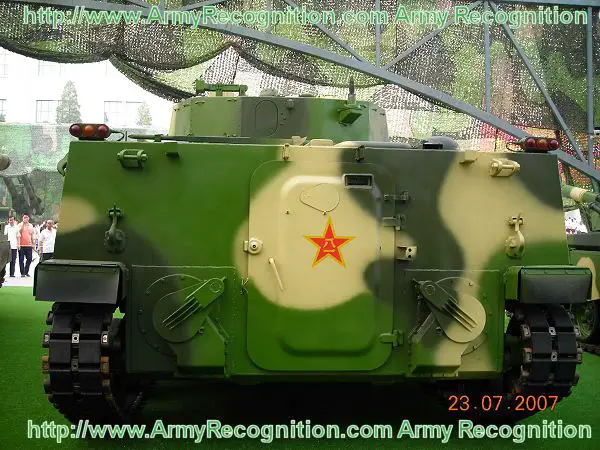
ZBD04 water-jet system
In terms of protection, the ZBD04’s turret featured spaced steel armor with a curved profile, improving resistance to small-caliber AP rounds. Its hull was built with sloped aluminum armor, providing protection against 25 mm AP rounds from the front and 7.62 mm AP rounds from the side at any range—comparable to the protection level of the БМП-3.
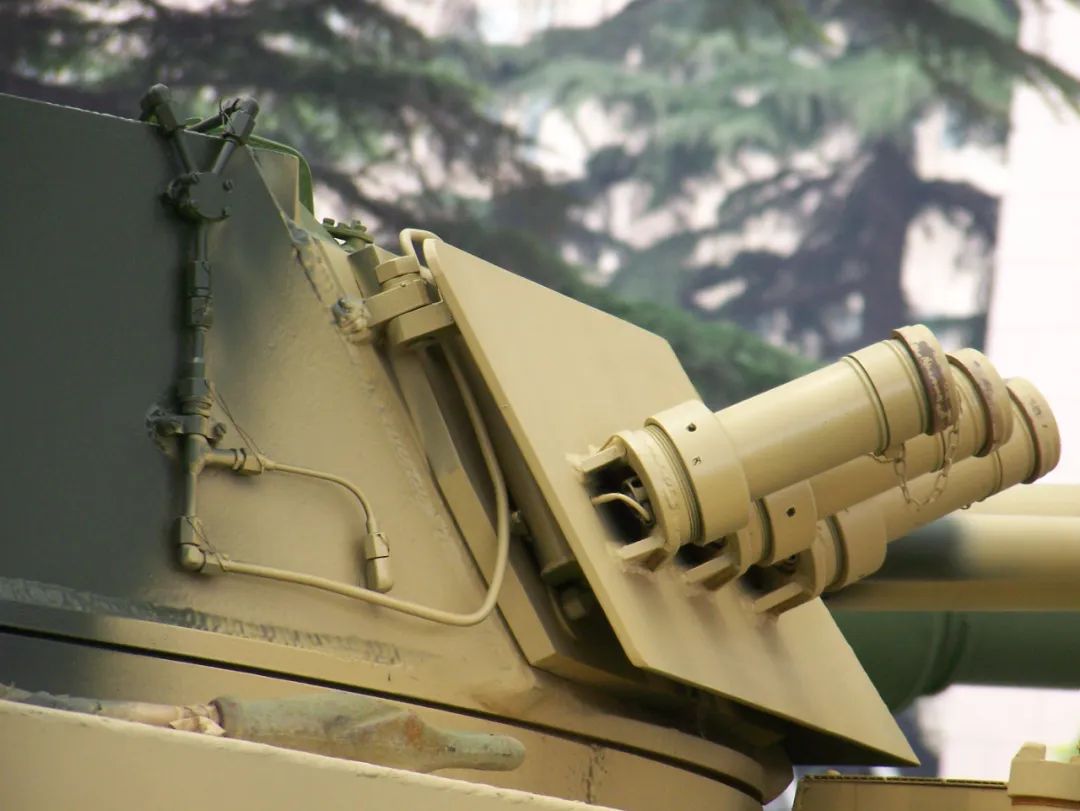
ZBD04 turret armor
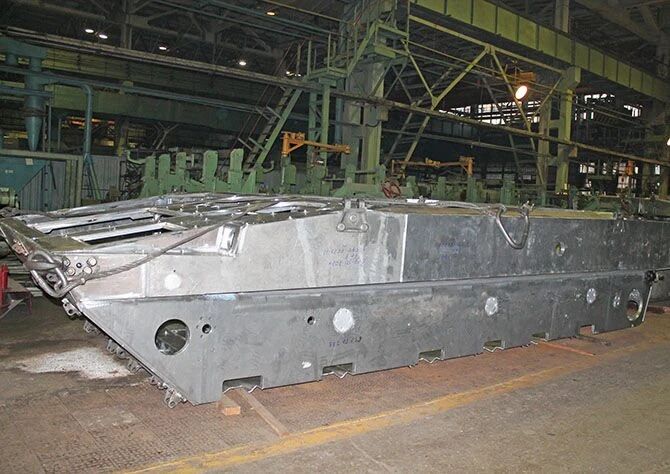
ZBD04 hull
In War Thunder
The upgraded ZBD04A has already been added to the game. Compared to the original, it has improved fire control, more engine power, and enhanced armor, but it lost the water-jet propulsion, meaning it can no longer travel at high speed over water. Overall, the ZBD04 can be seen as having thinner armor, slightly inferior fire control, but superior amphibious capability compared to the ZBD04A—or as a faster-loading, larger-hulled, no-gunner-thermal version of the БМП-3.
Spefications
Mass: 21.5 t
Length: 7.2 m
Width: 3.2 m
Crew: 3
Passengers: 7
Armament: 30 mm ZPZ02 (350 rounds) /00mm ZPL04
Secondary armament: 7.62 mm machine gun & APS03 missiles
Engine: 590 hp B6V150ZAL
Speed 70 km/h on the road,13 km/h on the water