- Yes
- No
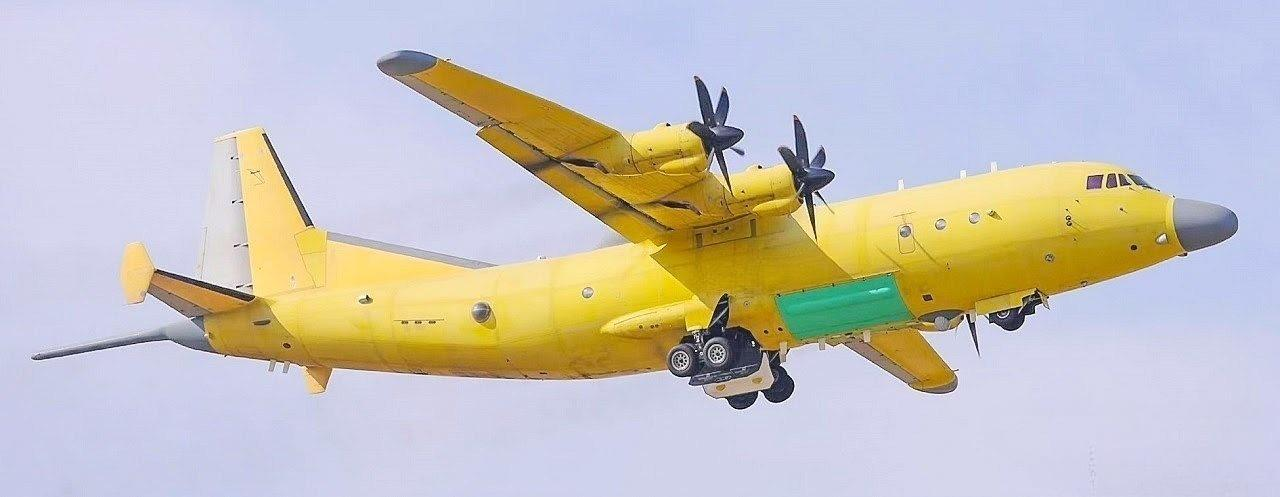
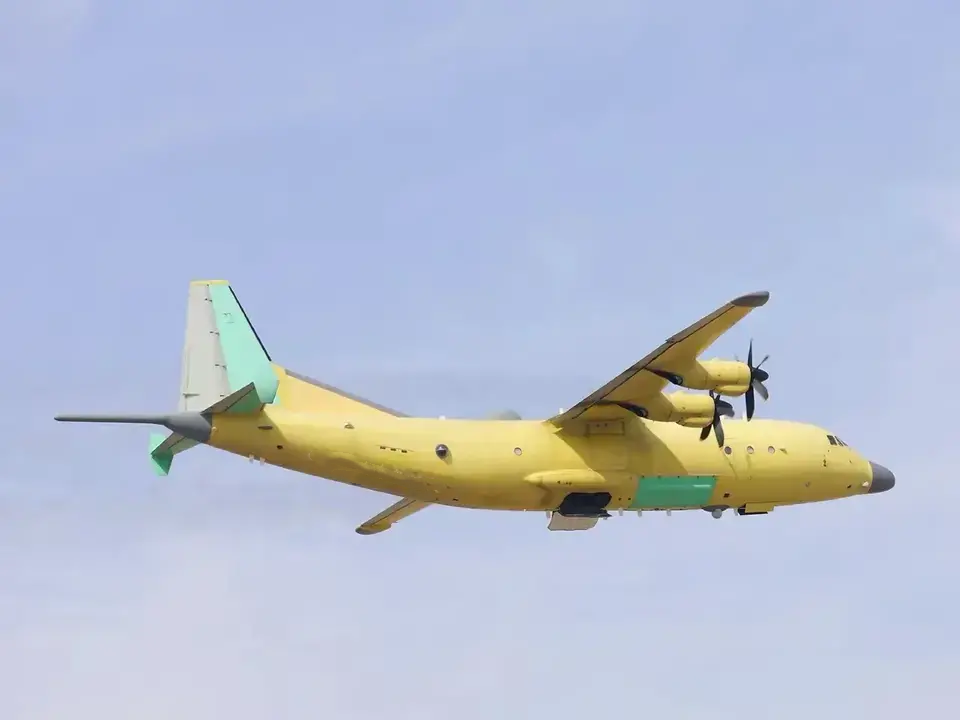
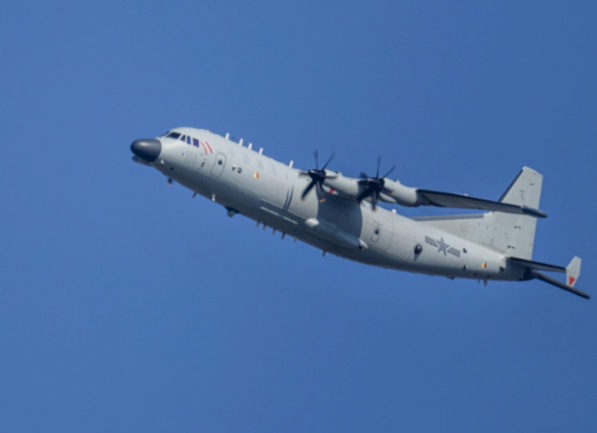
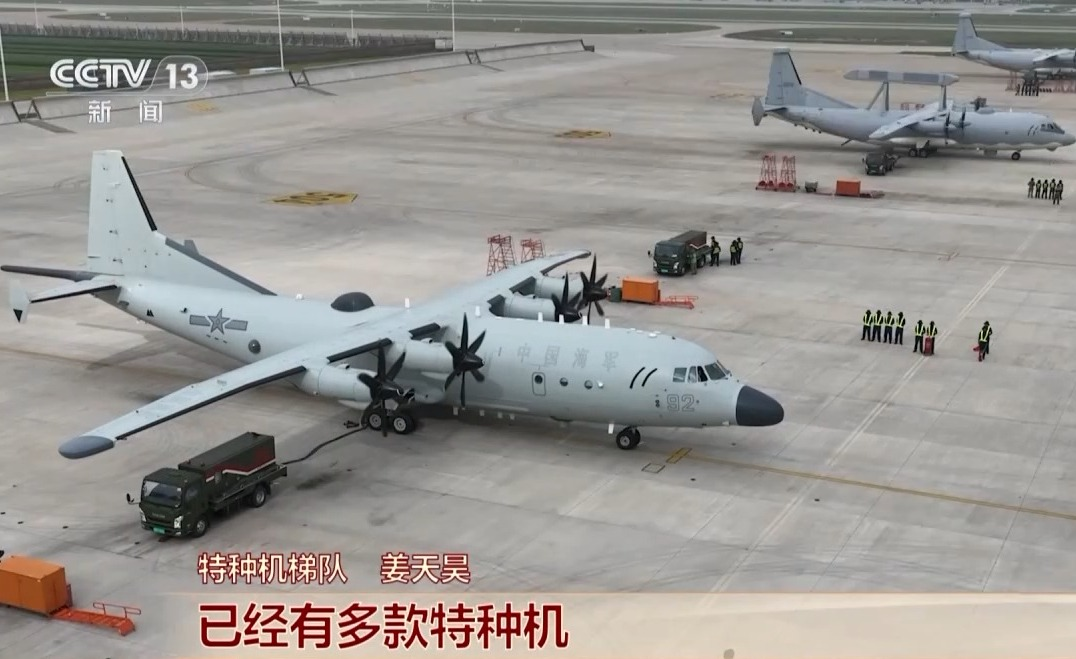
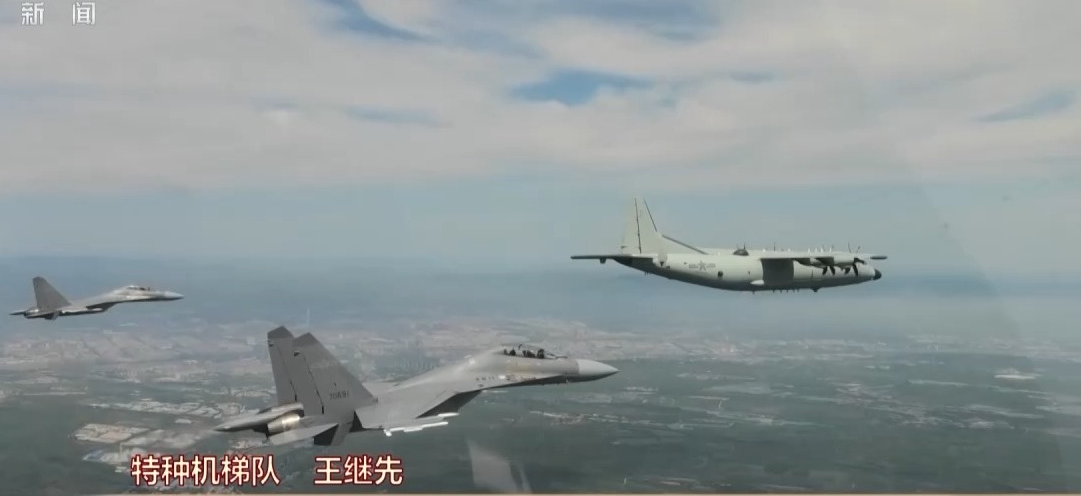
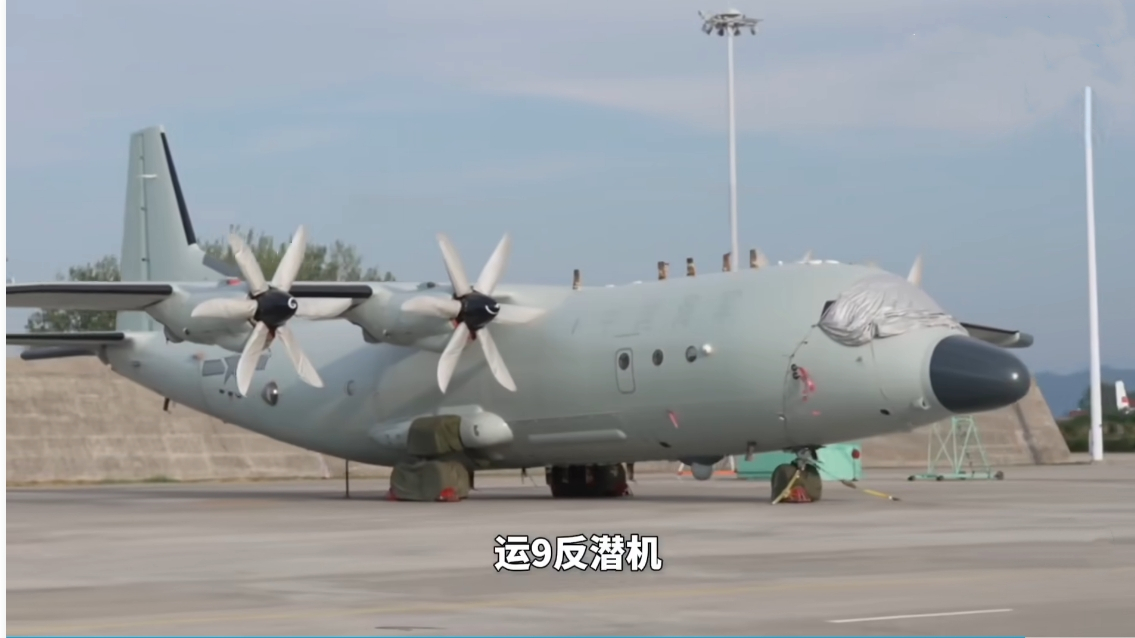
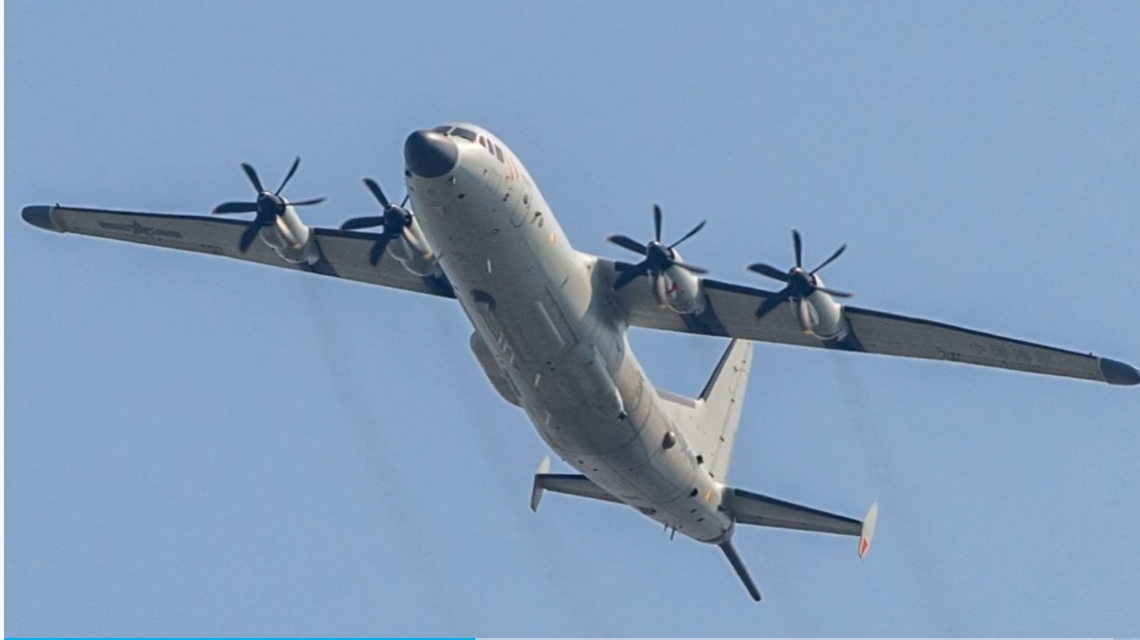
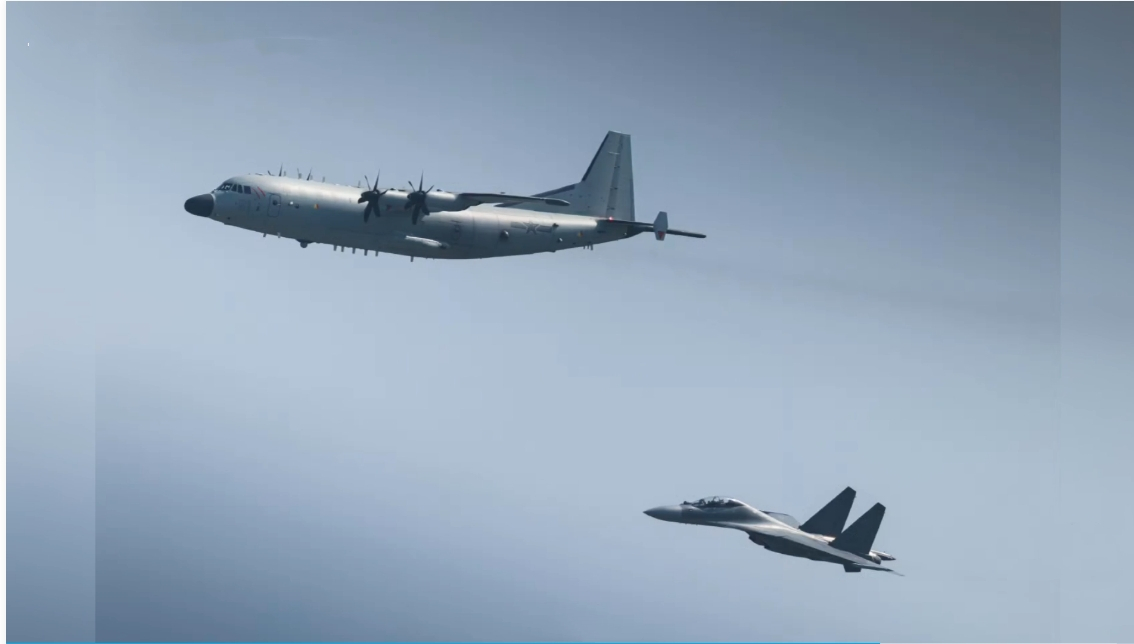
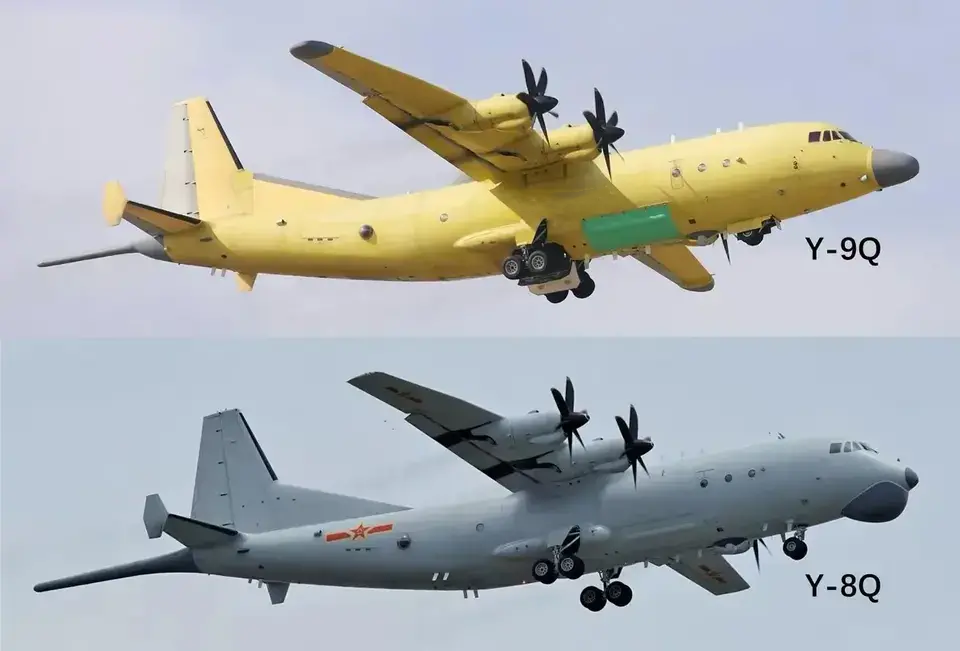
The Y-9Q anti-submarine aircraft is an upgraded version of the Y-8Q anti-submarine aircraft (designated Y-9Q). It is a specialized anti-submarine warfare aircraft modified by AVIC Shaanxi Aircraft Industry Group based on the Y-9 tactical transport platform, which was developed from the Y-8F600. It officially entered service with the People’s Liberation Army Air Force in 2012 and is primarily used as a replacement for the Y-8Q anti-submarine aircraft.The differences between the Y-9Q and the Y-8Q are not significant, primarily involving improvements in various details as well as upgrades to electronic equipment and systems.
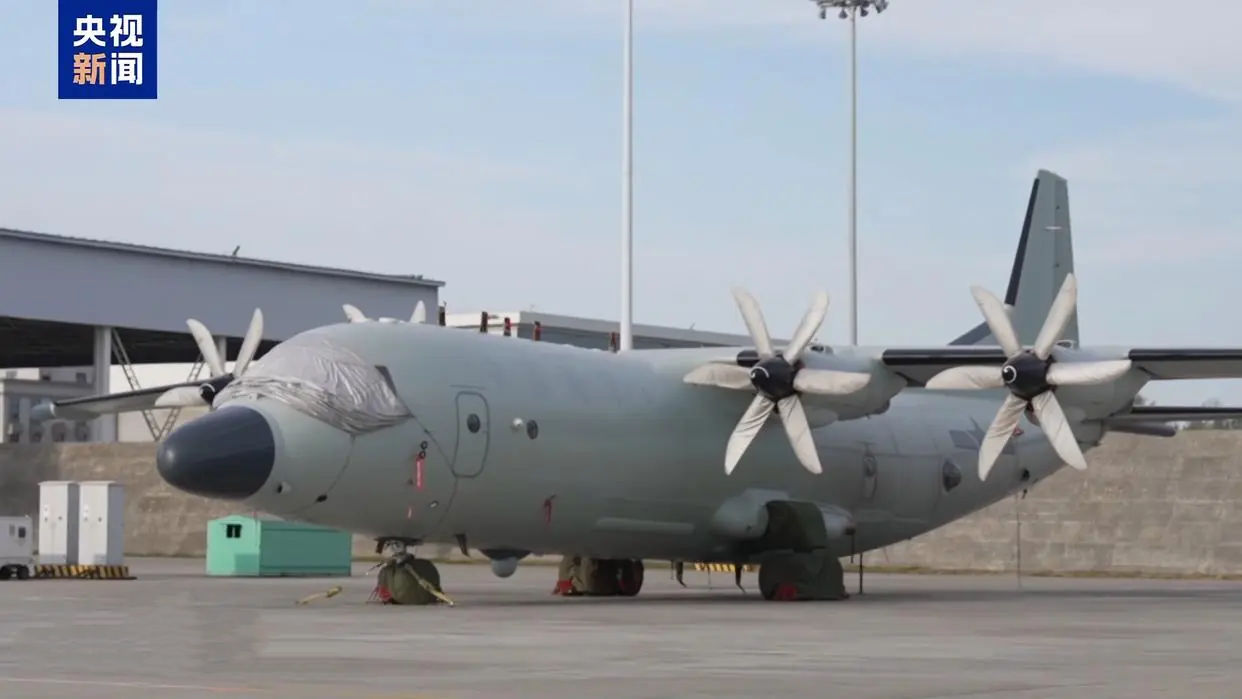
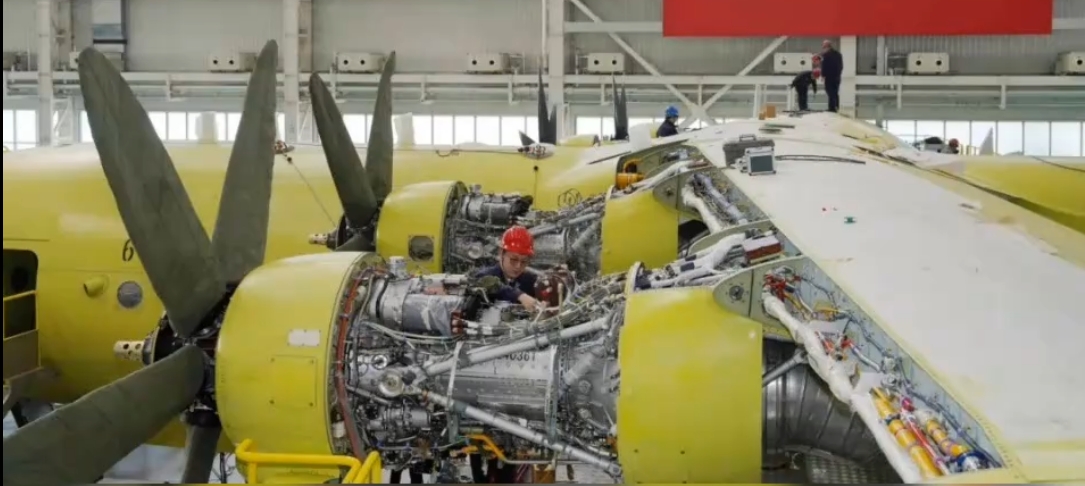
The development of the Y-9 began as early as 2002, under the Y-8X project. This project was a collaborative effort with the An-12 design bureau, aimed at competing with the Lockheed Martin C-130J Super Hercules. By September 2005, the designation Y-9 started to be used. The Y-9 incorporated features originally designed for the Y-8F600, including a redesigned nose section, an updated integrated cockpit flight instrument system, a two-person crew configuration, and the replacement of engines with WJ-6C turboprop engines using six-blade propellers. The fuel tank layout was also improved, extending its range to approximately 6,000 km. The project was canceled in 2008. Shaanxi Aircraft Industry originally hoped to achieve the first flight as early as 2006, but it was delayed. Design adjustments were made in 2006, and the aircraft eventually made its maiden flight in November 2010. In July 2022, Aviation Industry Corporation of China (AVIC) publicly unveiled its naming system for military and civilian aircraft, officially designating the Y-9 anti-submarine aircraft as the “Sea Eagle” (Hai Diao).
After entering the early 21st century, the Y-8Q series of anti-submarine warfare aircraft, designed based on the Y-8 transport aircraft platform, became increasingly outdated. Following the full maturity of the Y-9 medium transport aircraft, Shaanxi Aircraft Industry Group introduced the Y-9Q series of anti-submarine warfare aircraft based on the Y-9 platform. The differences between the Y-9 series and the Y-8 are not significant, primarily involving improvements in various details, electronic equipment, and systems. The cockpit of the Y-9 was redesigned to adopt a two-person crew, reducing the seats for navigators or mechanics. Compared to the Y-8, the forward and rear fuselage sections, engine nacelles, and dorsal fin were redesigned. The fuselage length was increased from 32.93 meters to 36.09 meters. To balance the effects of asymmetric torque from the engines, the vertical stabilizer and rudder area were enlarged, and the rudder trim tab and servo tab were combined into a new rudder trim tab. A standby trim tab was newly designed on the elevator to enhance the aircraft’s handling performance. The integrated wing fuel tanks were redesigned to increase the aircraft’s fuel capacity. Structural redesigns were also implemented for the forward and rear fuselage sections, wings, vertical tail, and dorsal fin.
However, due to the use of a turboprop-powered platform, its maximum cruising speed is limited to 660 kilometers per hour, making its rapid response capability in handling sudden maritime situations still weaker than that of jet-powered anti-submarine aircraft. Neither the Y-8Q nor the Y-9Q is perfect, as they both exhibit issues in various aspects. The Y-8 and Y-9 series transport aircraft feature a high-wing design with underwing engine pods. Building upon this design to develop anti-submarine patrol aircraft has directly resulted in insufficient payload capacity. Moreover, constrained by the traditional framework of the airframe platform, there are obvious shortcomings in further upgrades for anti-submarine patrol aircraft. Therefore, while the Y-8Q and Y-9Q anti-submarine patrol aircraft can meet the current needs of the People’s Liberation Army, they are not flawless. This explains why the People’s Liberation Army has not deployed them in large numbers.
Spoiler
The Y-9Q has significantly enhanced its capabilities in detecting underwater targets and locating electronic signals through upgrades such as the installation of a new active phased array radar, a reduced-size Magnetic Anomaly Detector (MAD), and the addition of wingtip electronic reconnaissance systems. Equipped with a MAD, sonobuoy arrays, and intelligent weapon systems, the Y-9Q has established an integrated “detection, identification, strike” combat capability, demonstrating markedly improved operational effectiveness compared to its predecessor, the Y-8 anti-submarine aircraft.
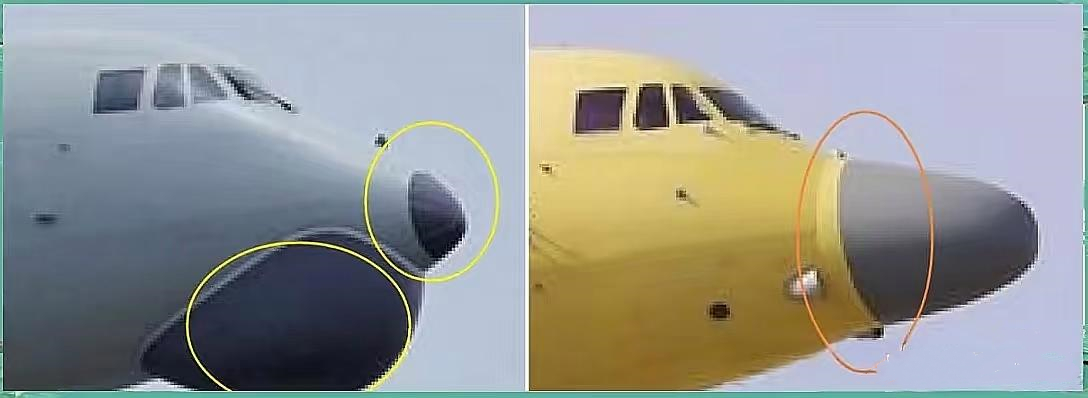
The nose section of the Y-9Q has undergone substantial changes. The distinctive “dual-radar” layout of the Y-8Q—featuring a weather radar in the nose and a surface-search radar under the chin—has been replaced by a streamlined, large radome housing a multi-functional active phased array radar. This radar truly enables “multi-role functionality,” integrating search, tracking, navigation, weather monitoring, and even electronic warfare capabilities. It possesses integrated radio frequency functions, allowing it to detect small targets such as submarine periscopes amid rough seas while simultaneously performing communication relay tasks.
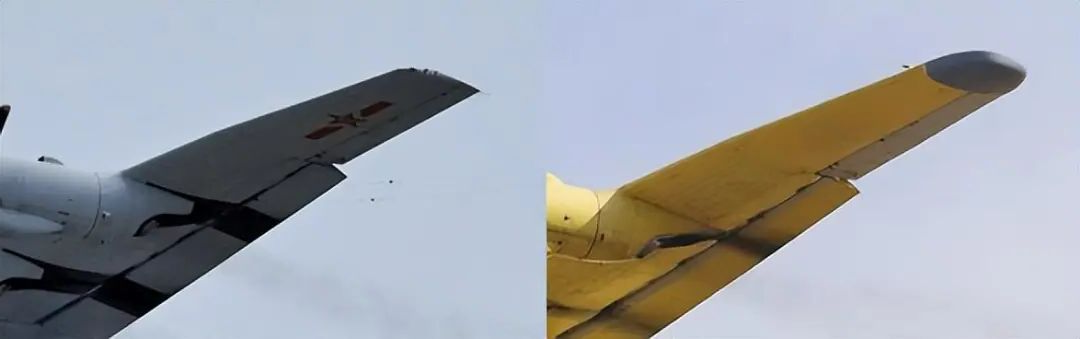
Two distinctive fairings have been added to the wingtips of the Y-9Q, housing a high-precision electronic reconnaissance system. These contain electromagnetic signal direction-finding and positioning antennas, which employ short-baseline time-difference-of-arrival (TDOA) technology to accurately capture and locate various types of electromagnetic signals. Such antennas are typically deployed in pairs and spaced apart to enhance direction-finding and positioning accuracy. This indicates that the Y-9Q not only retains anti-submarine capabilities but may also possess a certain level of electronic reconnaissance capability. It can conduct patrols while performing electronic surveillance, analyzing intercepted electronic signals to determine their source, location, performance, and nature.
The Magnetic Anomaly Detector (MAD) located at the tail of the Y-9Q has undergone an optimized design, with its size significantly reduced compared to that of the Y-8Q. The primary detection function is now achieved through the sonobuoy array.
The Y-9 anti-submarine patrol aircraft is equipped with a comprehensive aerial anti-submarine warfare system, including:
- Surface-Search Radar: Detects submarines on the surface or at periscope depth, with Inverse Synthetic Aperture Radar (ISAR) imaging capability.
- Magnetic Anomaly Detector (MAD): Locates submerged submarines by detecting magnetic field variations, deployed within an extended “MAD boom” at the tail.
- Sonobuoy System: Receives submarine acoustic signatures via radio signals, supporting both active and passive detection.
- Electronic Support Measures (ESM): Intercepts submarine communication or radar signals to aid in target identification.
- nfrared/Electro-Optical Detection System: Monitors surface targets during night-time or low-visibility conditions.
- Self-Protection System: Includes a Missile Approach Warning System (MAWS) and infrared countermeasure flares to enhance survivability.
Compared to the Y-8 anti-submarine aircraft, the new model, through sensor fusion, achieves:
- A 30% expansion in detection radius.
- A 45% improvement in target localization accuracy.
- Enhanced multi-mission parallel processing capability.
Spoiler
- Crew: 4–8 personnel
- Length: 36.065 m
- Wingspan: 38 m
- Height:11.3 m
- Wing Area:121.9 m²
- Empty Weight: 39,000 kg
- Payload:25,000 kg
- Maximum Takeoff Weight: 65,000 kg
- Fuel Capacity: 23,000 kg
Performance
- Maximum Speed: 660 km/h
- Cruising Speed: 560 km/h
- Rate of Climb: 10 m/s
- Operational Altitude: 8,000 m
- Service Ceiling: 10,400 m
- Ferry Range: 5,700 km (with maximum fuel)
Engines
- Powerplant: 4 × WJ-6C turboprop engines
- Propellers: Six-blade JL-4 composite constant-speed fully feathering propellers
- Maximum Power (Takeoff):20,400 hp
- Power-to-Weight Ratio: 0.234 kW/kg
Spoiler
- 6 × Anti-submarine torpedoes (e.g., Yu-7, ET-60)
- 16 × Depth charges
- 16 × Naval mines
- Underwing hardpoints: Optionally configured for lightweight anti-ship missiles (e.g., YJ-83K), though this remains unconfirmed.