- Yes
- No

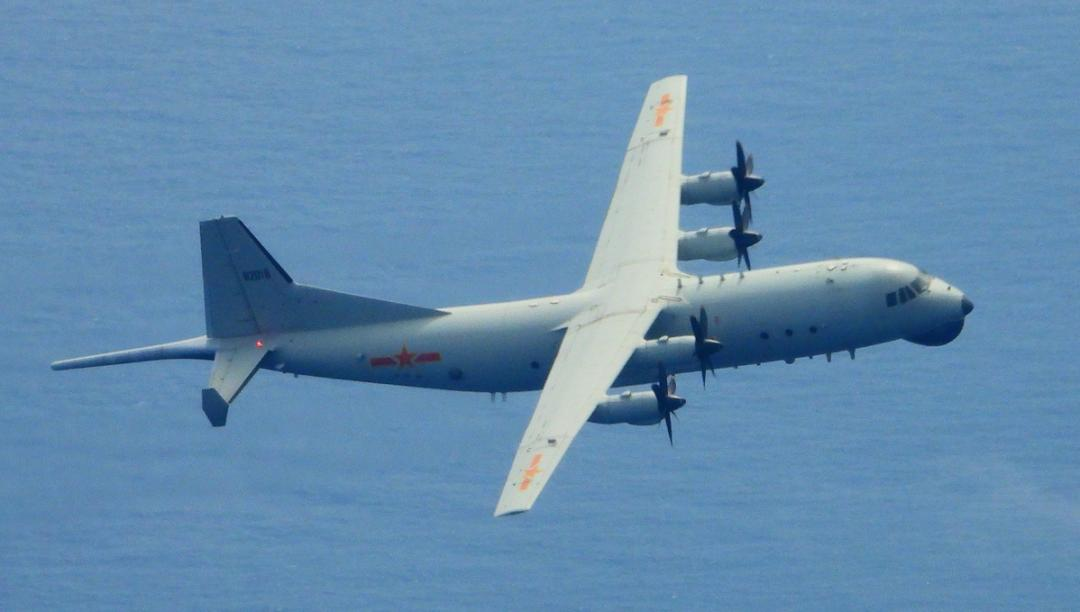
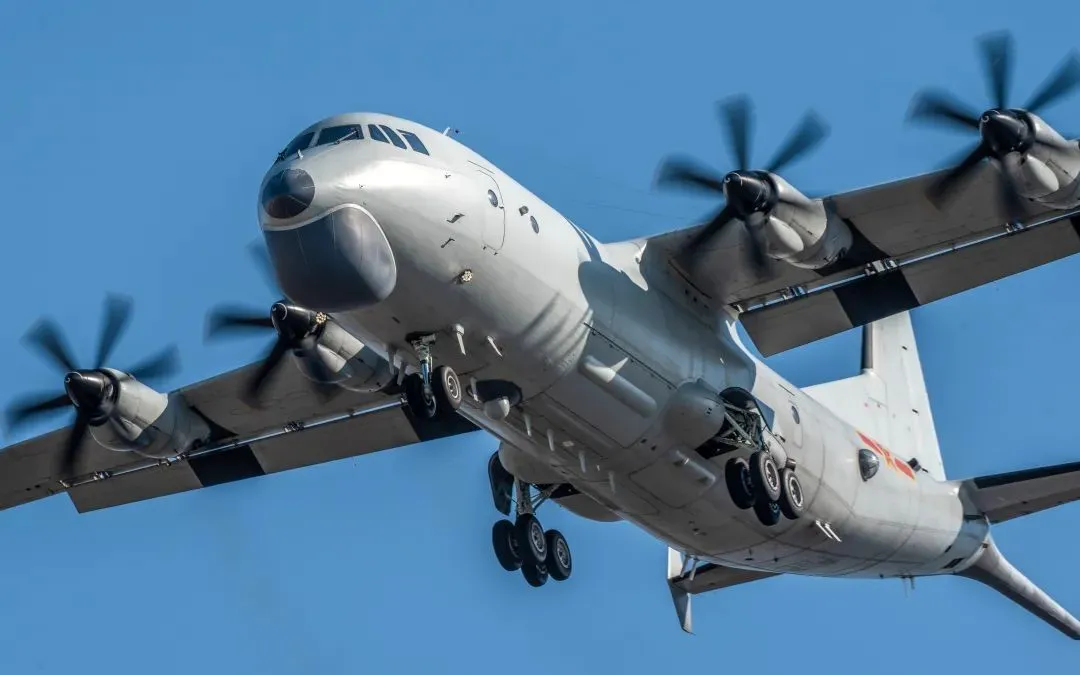
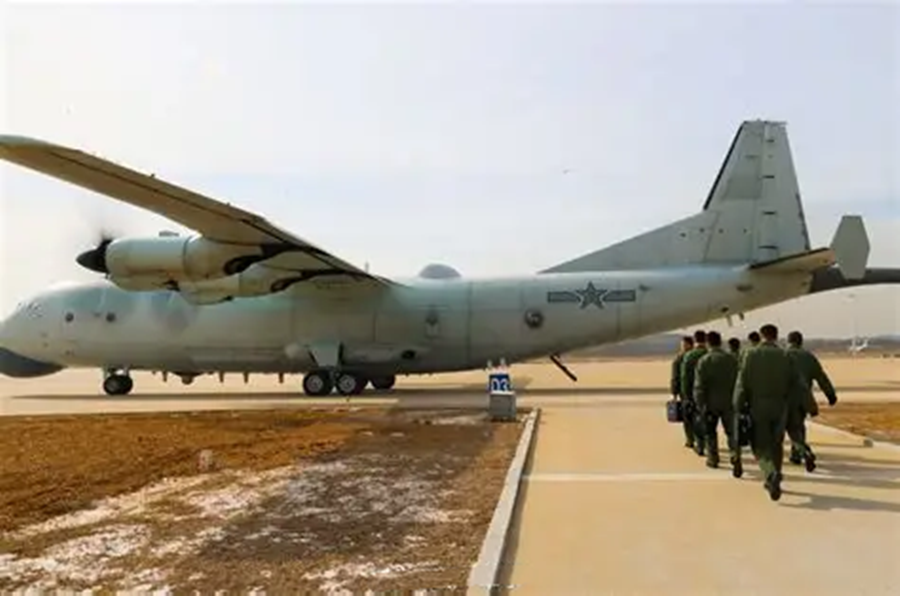
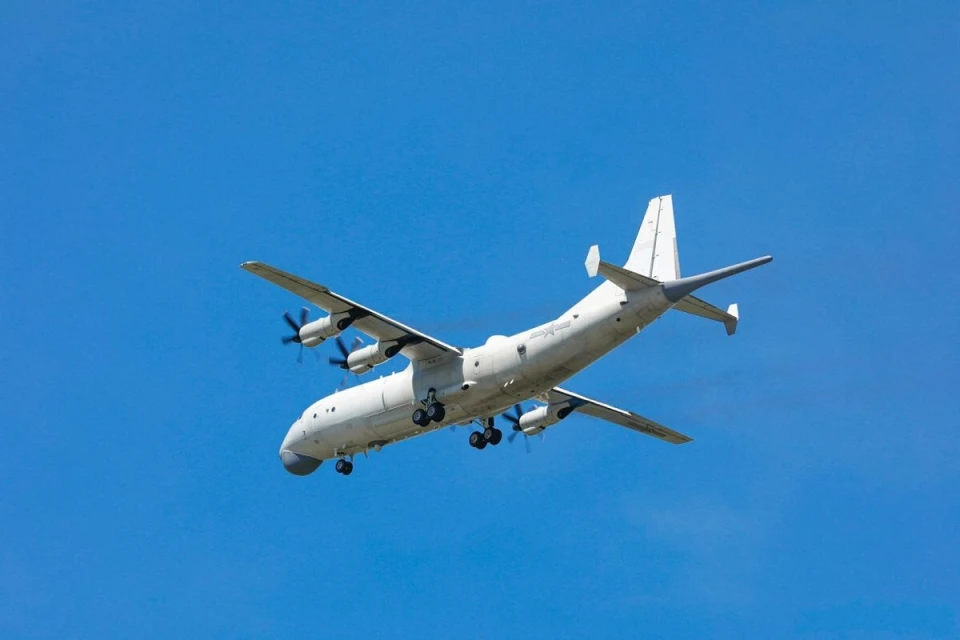
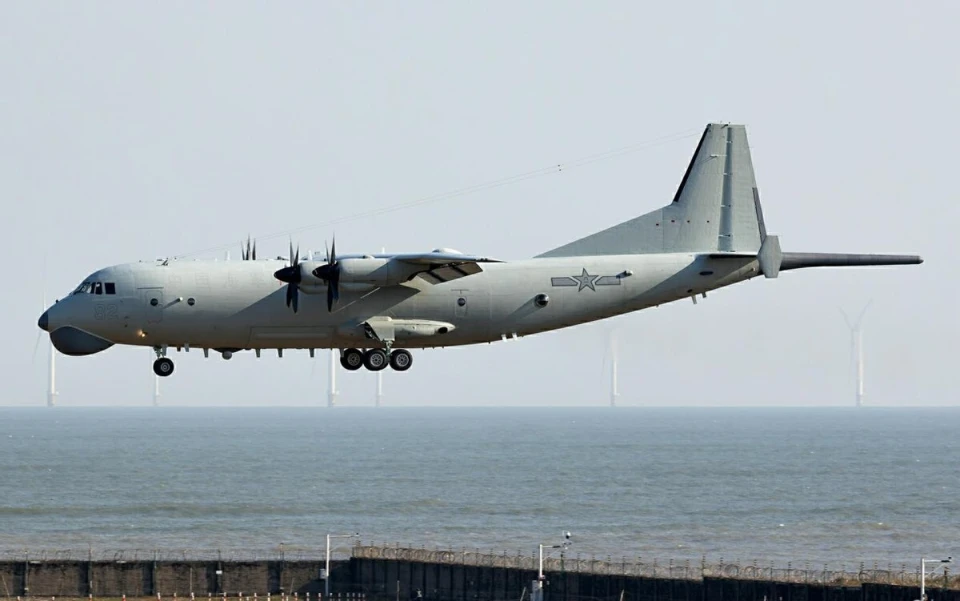
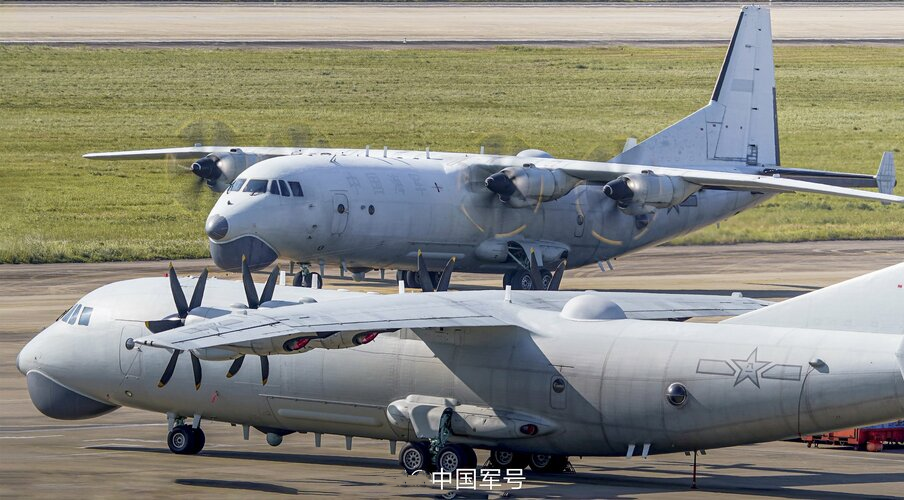
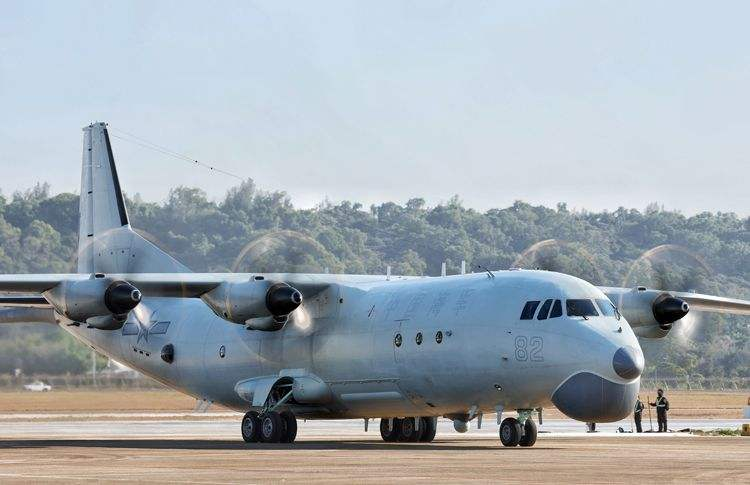
The Y-8Q is China’s first-generation fixed-wing anti-submarine warfare (ASW) patrol aircraft, officially designated as the KQ-200. It was developed and modified by Shaanxi Aircraft Industry (Group) Company Ltd. based on the Y-8 medium transport aircraft (which originates from the Soviet An-12). Integrating various submarine detection methods and anti-submarine weapons, it achieves “reconnaissance-strike integration” and is also capable of maritime patrol, surveillance, and attack missions. The Y-8Q is the only variant in the Y-8 aircraft series that carries armed weapons.
The story of the Y-8 began in 1969 when China decided to reverse-engineer and replicate the Soviet An-12B transport aircraft. The prototype successfully completed its maiden flight on December 25, 1974. Prior to the Y-8Q, the Chinese Navy primarily relied on surface vessels, helicopters, and the aging SH-5 amphibious anti-submarine bomber for submarine detection and anti-submarine warfare, facing significant shortcomings in long-range, open-ocean anti-submarine capabilities. With the changing times, the existing anti-submarine aircraft could no longer meet the demands of long-range operations, creating an urgent need for a fixed-wing anti-submarine patrol aircraft within the Chinese Navy.
In October 1983, Shaanxi Aircraft Manufacturing Corporation was tasked with developing a maritime patrol aircraft, using the Y-8 as the base platform. In less than a year, Shaanxi completed the design of 11,000 standard pages of drawings and conducted over 20 tests, delivering the first Y-8 maritime patrol aircraft to the military by the end of 1984. That same year, Shaanxi initiated the development of the milestone Y-8C variant. This model, known as the Y-8C fully pressurized version, featured significant modifications compared to the original prototype: the non-pressurized cargo hold was converted into a fully pressurized cabin, the inward-opening cargo door was replaced with a downward-opening ramp door, and the air conditioning system was redesigned. These changes laid the foundation for the future development of various special mission aircraft, including the Y-8Q anti-submarine patrol aircraft.
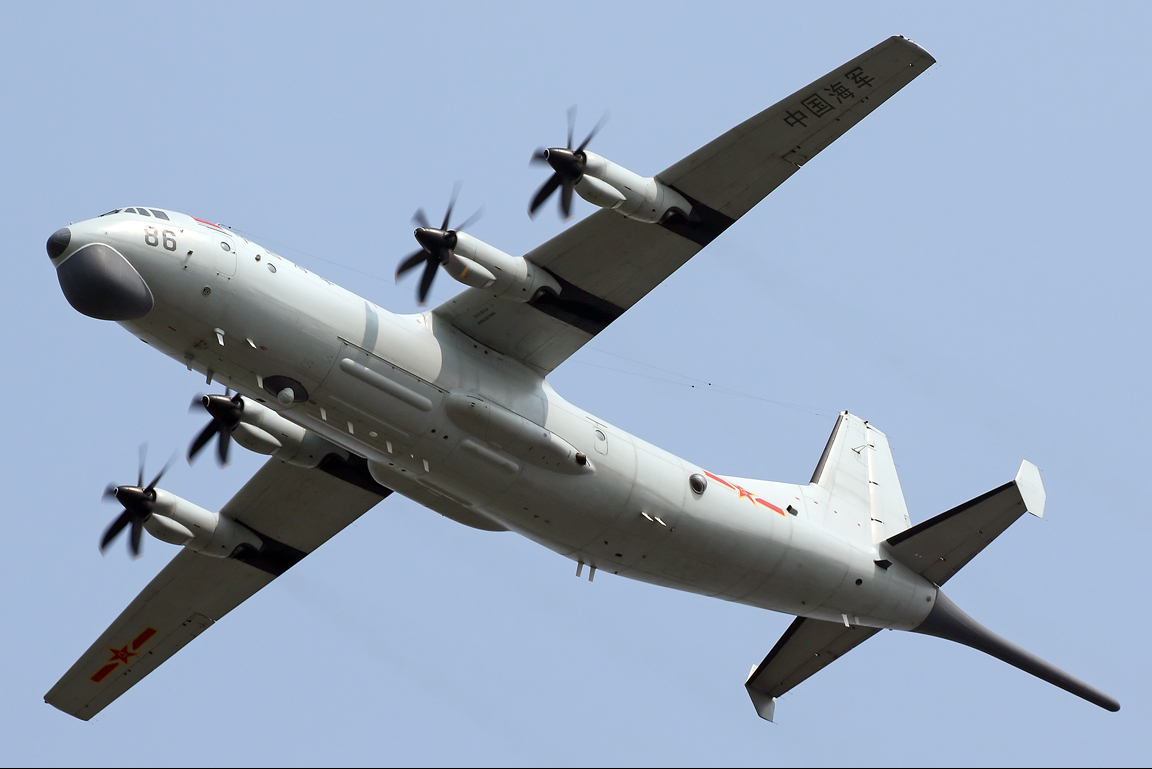
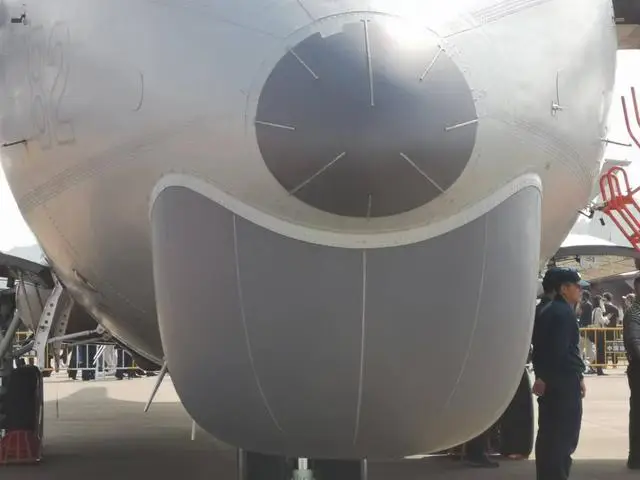
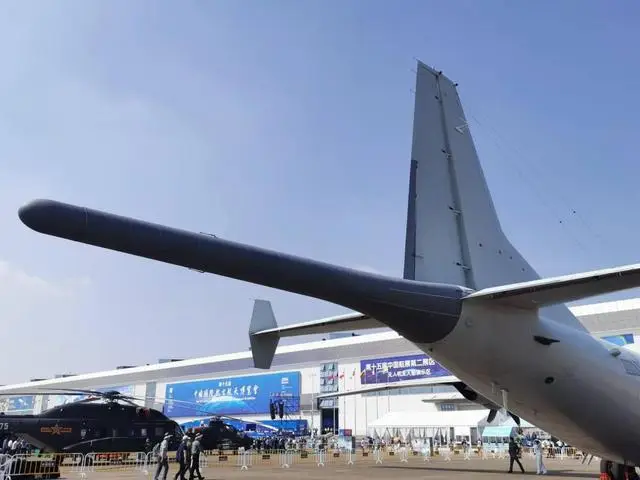
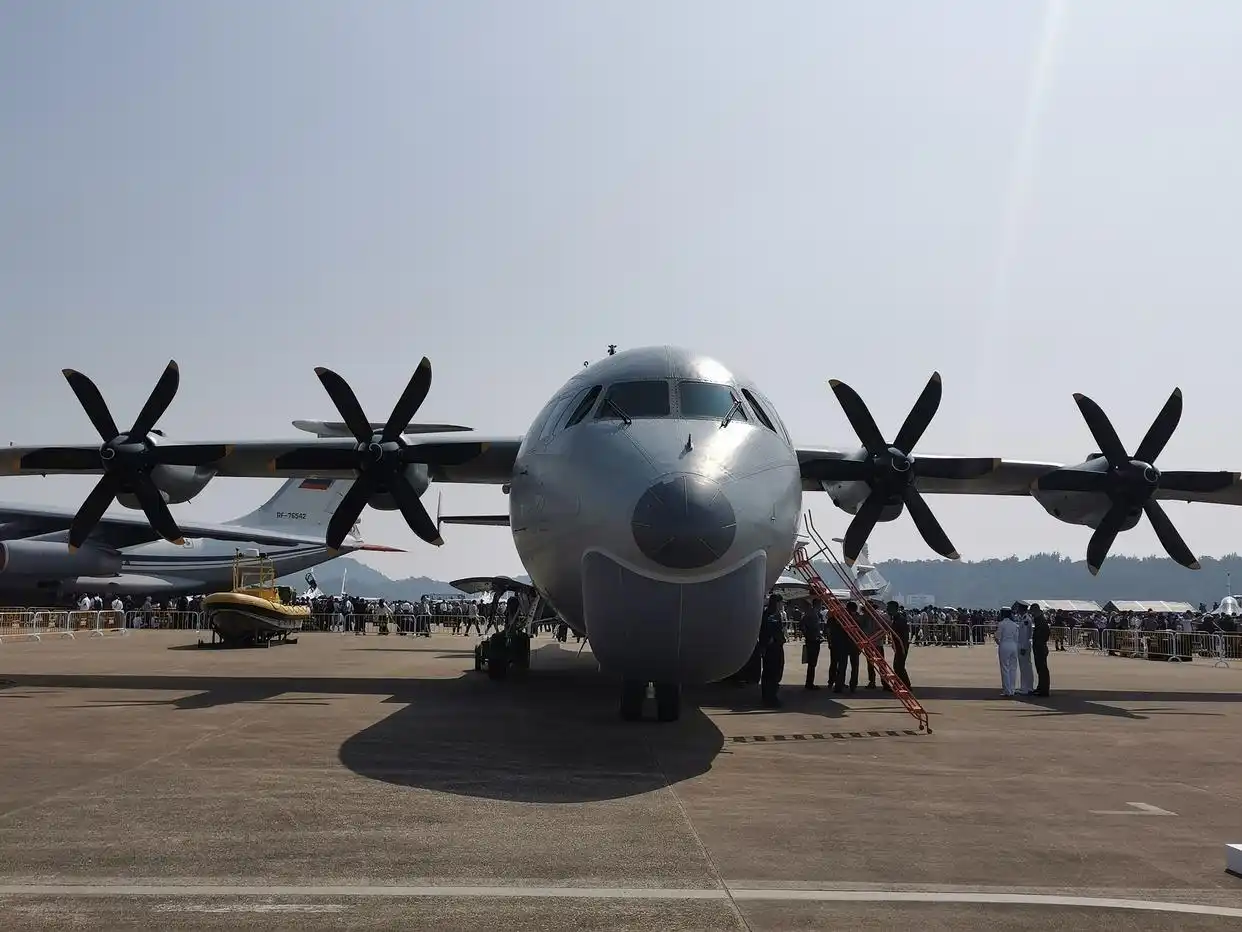
The Y-8Q made its first public appearance in November 2011 and achieved initial operational capability by June 2015. Based on the Y-8C, it incorporated a redesigned wing with an integrated panel structure fuel tank and was equipped with new WJ-6C engines and six-blade composite propellers. This increased the maximum power from 3,124 kW (4,250 hp) to 3,800 kW (5,100 hp), The maximum power increased by approximately 21.64%. This upgrade significantly enhanced the flight platform’s power performance。Its most distinctive external modifications include a Magnetic Anomaly Detector installed on the lower fuselage, a large maritime search radar under the nose, numerous blade-type transmission and reception antennas mounted on the fuselage, and sonobuoy launchers installed on the side of the aircraft.
Spoiler
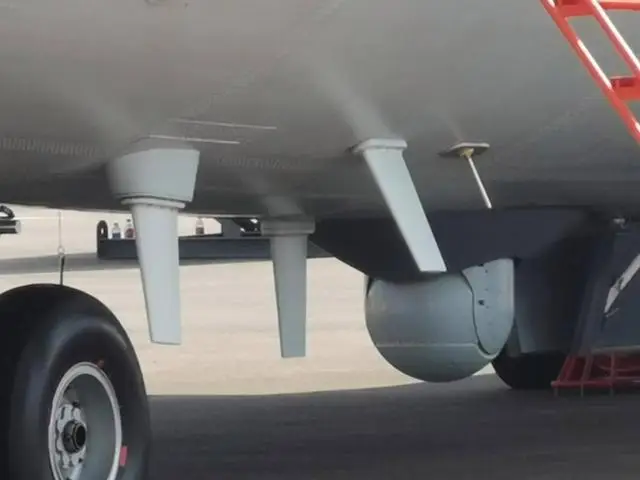
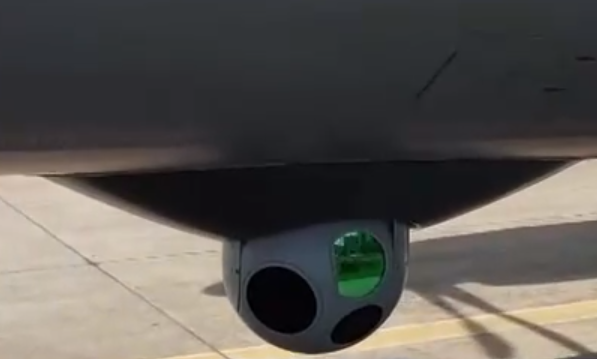
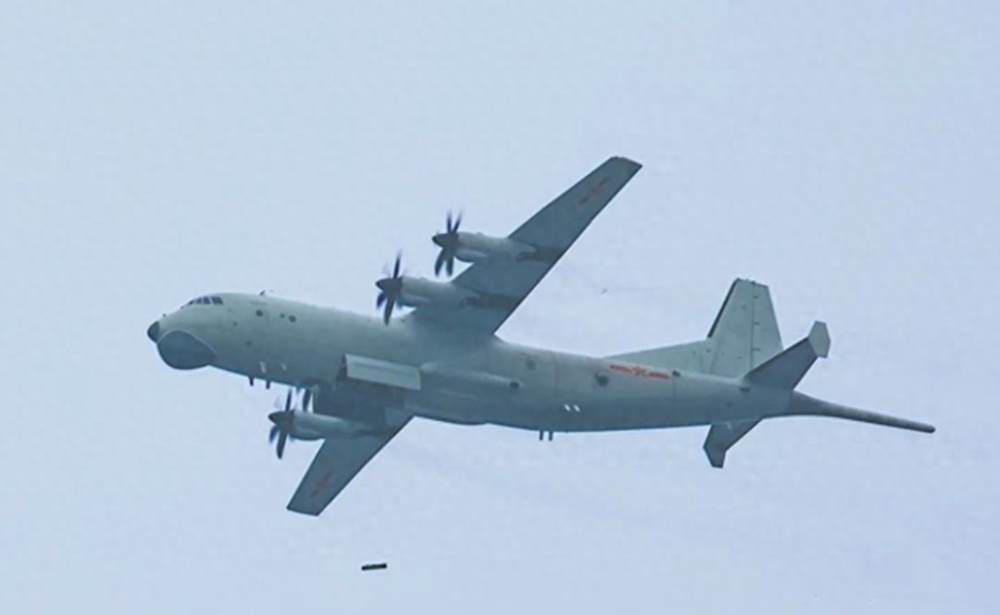
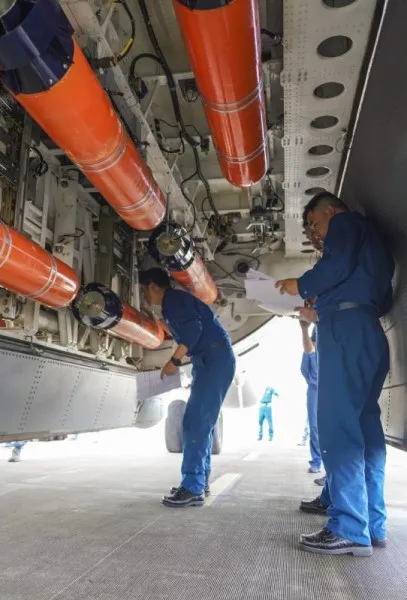
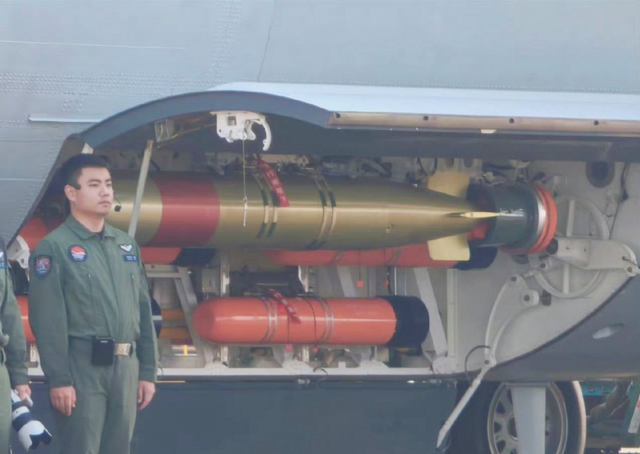
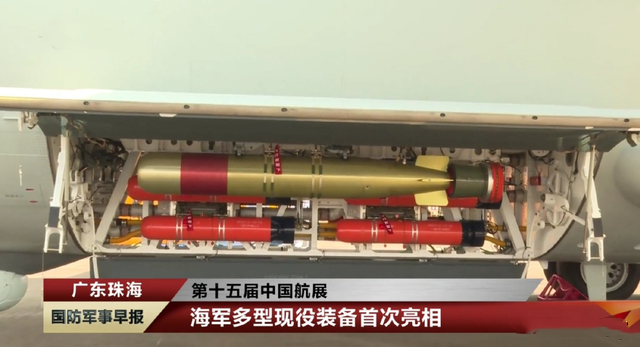
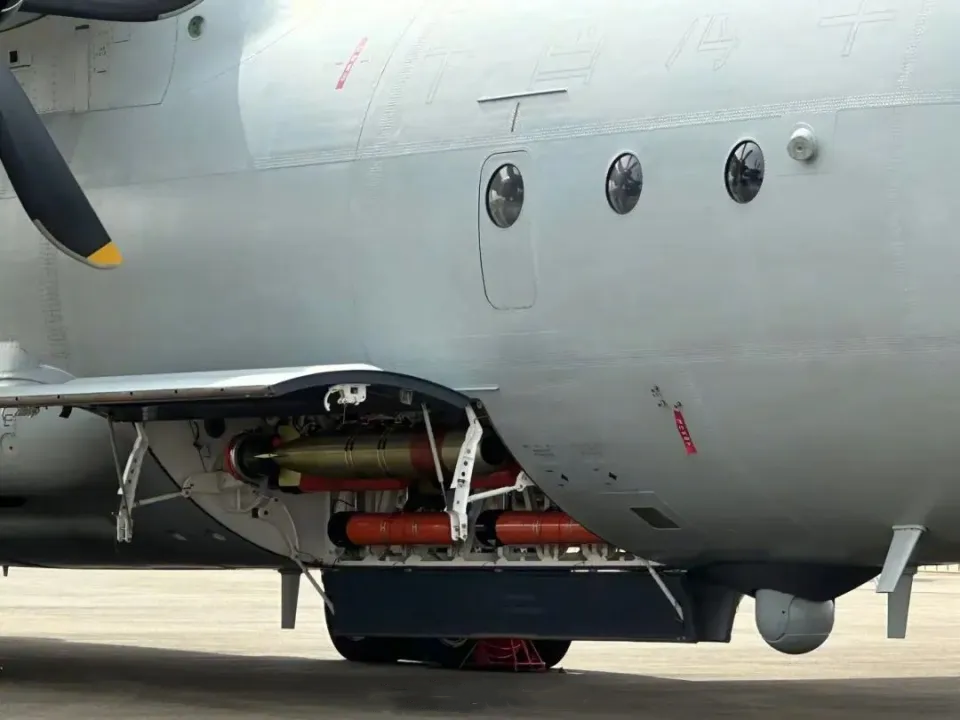
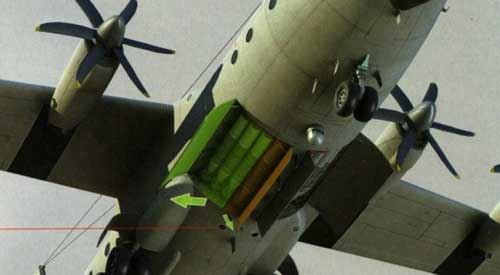
The Y-8Q integrates various advanced submarine detection equipment and an airborne fire-control computer. The large radome under its nose houses a maritime search radar used to detect submarine snorkels, periscopes, and surface vessels. An electro-optical turret is installed under the fuselage for optical and infrared detection. The aircraft features a 7-meter long Magnetic Anomaly Detector (MAD) protruding from its tail, which confirms the presence of submerged submarines by detecting anomalies in the Earth’s magnetic field. The fuselage is equipped with sonobuoy launchers used to deploy an underwater listening network for capturing acoustic signals from submarines. It contains two internal weapon bays capable of carrying torpedoes and depth charges, giving it an integrated ‘detection-and-strike’ capability against submarines. It is reportedly capable of carrying four YJ-83K anti-ship missiles under its wings, but this remains unconfirmed.
A recent video report from China Central Television (CCTV) showcased the interior of the People’s Liberation Army Navy (PLAN) Y-8Q maritime patrol aircraft, revealing at least 3 + 6 + 2 modern combat consoles.
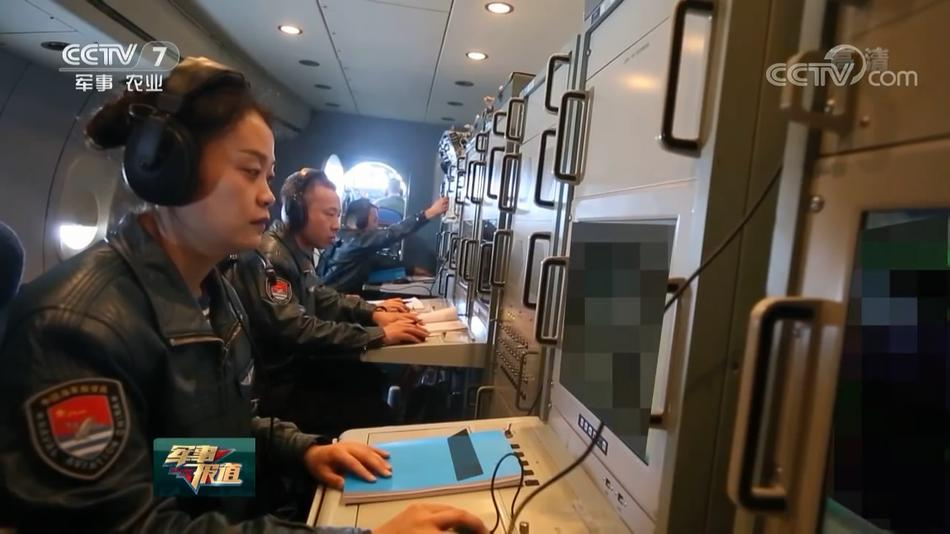
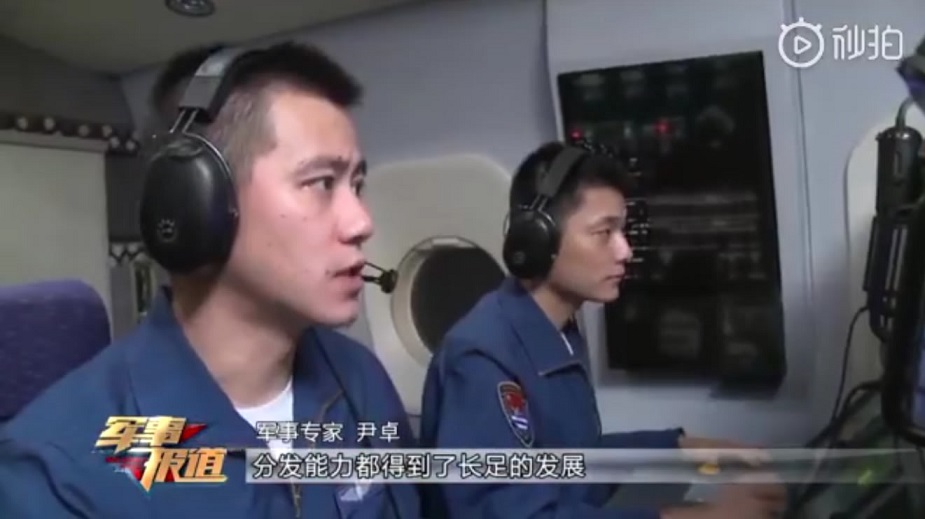
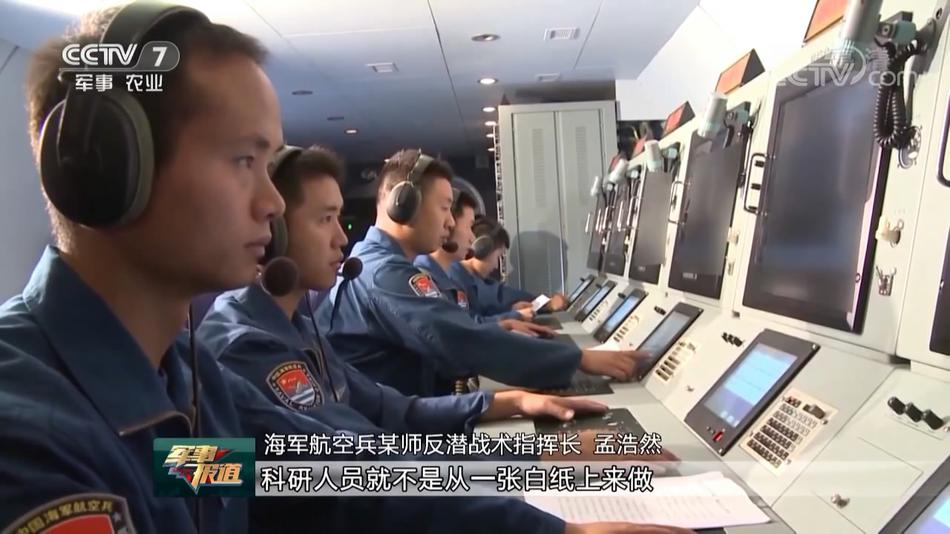
According to currently available public data and video footage, the Y-8Q is primarily used for maritime surveillance and anti-submarine warfare. Therefore, its armament consists mostly of anti-ship weapons. There are no public mentions of air-to-ground weapons in the documentation.
Consequently, in the game, it could be equipped with some conventional bombs to fill the gap for low-tier Chinese bombers between Battle Ratings 4.7 and 8.0. Due to its powerful universal radar, airborne fire-control computer, laser designation capability, universal infrared camera, and TV camera, the aircraft offers a wide variety of options for selection within the game.
Spoiler
-
Crew:7 -10 personnel
-
Length: 34.02 meters
-
Wingspan: 38.0 meters
-
Height: 11.16 meters
-
Wing Area: 121.86 square meters
-
Maximum Level Flight Speed: 662 km/h
-
Cruising Speed: 550 km/h
-
Climb rate: 10 m/s
-
Service ceiling: 8,000 meters
-
Maximum Service Ceiling: 10,050 meters
-
Empty Weight: 35,488 kilograms
-
Maximum payload: 20 tonnes
-
Maximum Takeoff Weight: 61 tonnes
-
Range: 4,500 - 5,620 km(at full fuel load)
-
Endurance: 8 - 10.5 hours
-
Takeoff Run: 1,270 meters
-
Landing Run: 1,050 meters
Engines:
- 4 × WJ-6C turboprop engines (3,800 kW / 5,100 hp each), equipped with six-blade low-noise propellers.
Armament:
The aircraft features two internal weapon bays in the lower fuselage.
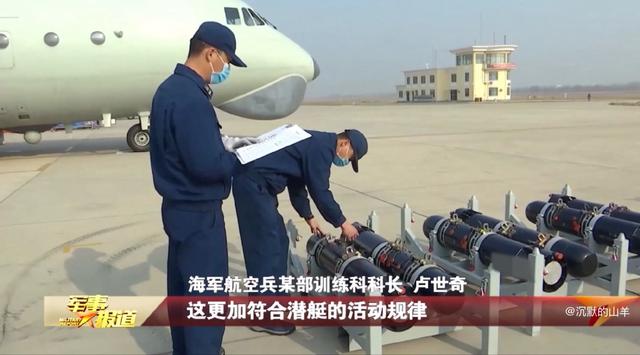
- 6 x Lightweight anti-submarine torpedoes (e.g., Yu-7)
- 16 x Aerial Depth Charges. (These are very similar to the Russian “Zagon-2” model. Each weighs approximately 120 kg, with a 35 kg warhead. They are equipped with a tail-mounted parachute and use traditional hydrostatic or timed fuzes.)
- Naval Mines
- The wings are equipped with four YJ-83K anti-ship missiles, though this has not been confirmed.
Spoiler
China’s Y-8Q anti-submarine aircraft exposed with nuclear submarines’ nemesis
Y-8/KQ-200
China’s latest special mission aircraft Primary
Y-8
[China’s Submarine Hunting Plane Has A Giant Stinger](China's Submarine Hunting Plane Has A Giant Stinger Y-8)