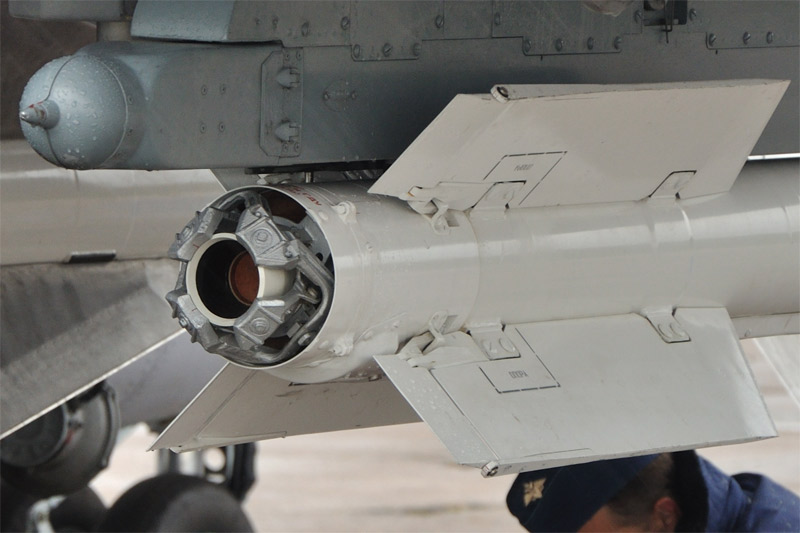
Interesting, Not like Gaijin to nerf soviet stuff
so it would have like 100m turning radius? low k not buying it
g pull is irrelevant here because the iris-t uses a lower thrust phase in the booster to achive that turn
so in that case it has nothing to do with the max g load
why?
like i explained here the g pull dosentatter for the iris-t in that case
Except it is relevant. Yes, it can acheive a very low turn radius thanks to being slow off the rails. But even a very slow missile would need at least the setup to be able to pull hard, even if its not actually pulling that right off the rails.
yeah but whats its min rad. who knows.
r73 likely has more thrust deviation most likely due to the way its nozzles work, it has 12.7 degrees of thrust deflection.
I forgot what method iris t uses to move its nozzles
Unlike a lot of soviet era stuff. This kind of thing tends to be classified
of the rails is when the min radius is most important so that the missile can orient itself towards the target to then get a hit
you wont need your missile to do a min radius turn besides dirictly of the rail in a hobs
1 Like
Idk, watching a video of it in HOBS, it turns stupidly tight, particularly off the rail. Missiles almost sideways compared to its flight path in this pic:
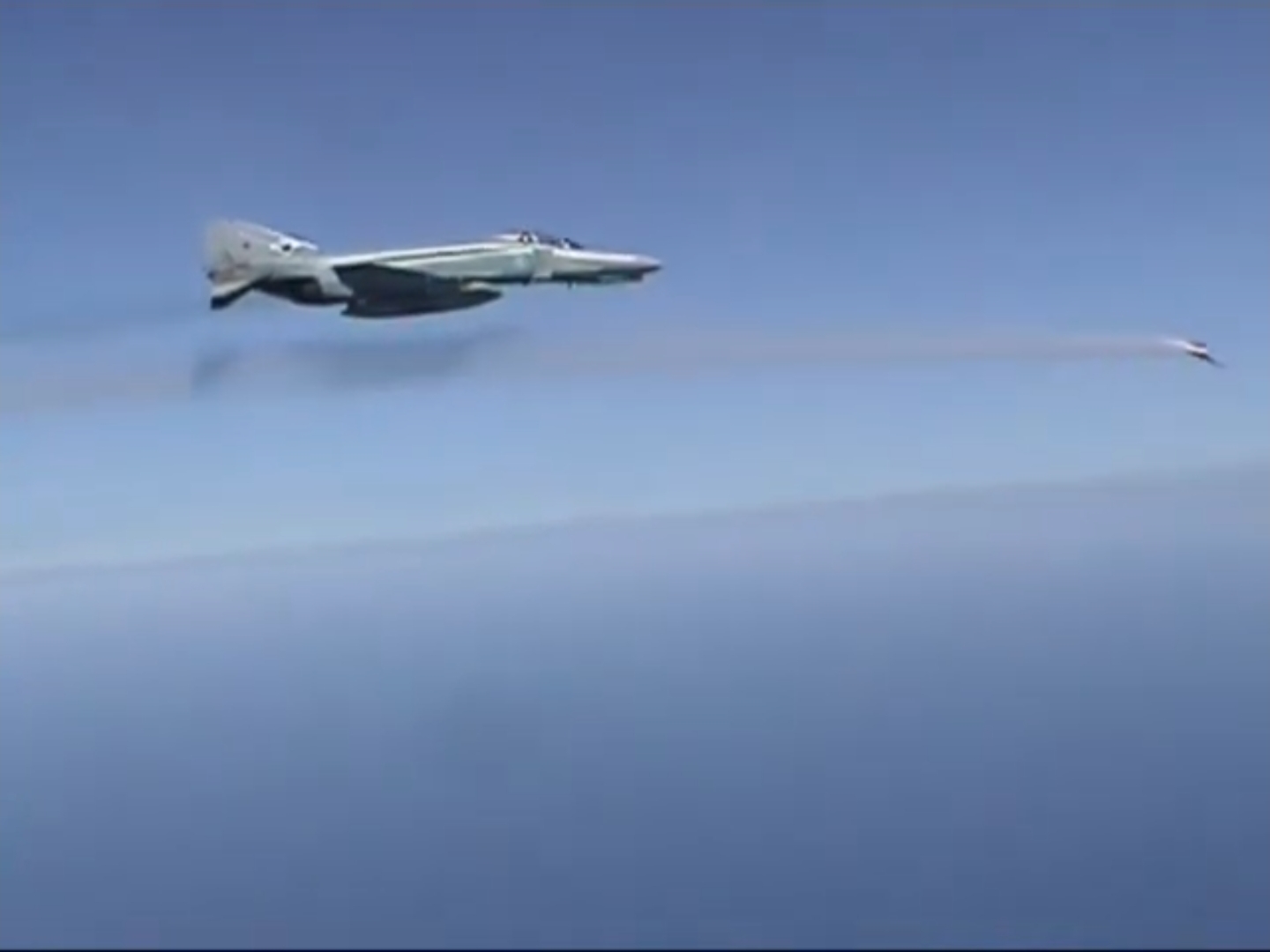
The germans allegedly dropped out of the ASRAAM program due to the ASRAAM being less maneuvrable than the R-73 the germans already had, which they considered unacceptable for a modern missile iirc.
3 Likes
do you have any numbers for deflection from the thrust vector? I think i remember seeing some numbers for them once
Exactly?
Unless you are saying that IRIS-T would still be able to pull a very tight turn with only 5G of pull?
Its probably pulling at least 40G off the rails.
and the setup that allows it to achieve 60+G is what gives it the control needed to do those kinds of turns.
no, thats mostly at higher speed. below mach even with tvc youre never pulling more than 30 gs due how g pull is calculated.
At those kind of speeds, min rad is a better measuring term
And radius is affected by both speed and G.
The more you pull the tighter the turn, but also the faster you are the bigger the turn radius. Its why ASRAAM isnt that great in extremely close WVR fights. It’s designed to accelerate as quickly as possible, Hitting Mach 4.5+ very very quickly.
at really low speeds
yes probably, since your g overload is directly influenced by the speed or rather inertia
at basically zero airspeed you could probably build something that can only survive 5Gs and does a 360 with a turn radius of half a meter
also the acceleration the missile experiences will also induce g forces
IRIS-T uses vanes as well, and I know theoretically how much the vanes can deflect, but idk what the resulting deflection of the exhaust gas is. Also not sure if I can post the info yet. Looking into it.
so yeah while the vanes might move a lot, the actual deflection of thrust itself might not be that much
Germany pulled out of ASRAAM in June 1989, officially for budgetary reasons. As the Berlin Wall did not fall until November 1989, West Germany did not possess R-73s at the time they pulled out.
I guess it may be possible that they pulled out because they learnt what R-73 was capable of though intelligence gathering. Though the official reason they gave for pulling out - budgetary constraints - does make sense considering there was a 6-year delay between Germany pulling out of ASRAAM and them starting the IRIS-T project.
3 Likes
to have a radius of 100m with only 5Gs of pull you would need a velocity of ~250 Km/h IAS
which is well bellow any reasonable launch speed for the missile disregarding its own acceleration
clearly you’ve never dueled in the su-30sm lol. shooting r-73s from NEGTATIVE speed isn’t too uncommon (relative to forward motion)
You sure thats the R-73? Cuz the R-73 uses jet tabs, not a gimballed nozzle: