being accurate in its “penetration” will. They are quite significantly off of realistic max thickness for scabbing. The 76mm HESH from an Alvis Saladin or Alvis Scorpion will scab through roughly 110mm of Homogenous armour according to field tests, not far off what 105mm HESH is doing right now with a third of the HE yield.
smaller ones will benefit from hull break on small targets but they really need their more realistic armour defeat thicknesses. a realistic HESH pen from the 105mm or 120mm would be close to being a better pick than the APDS with how those shells work at the moment too.
In truth, I have been working on a heavily revised penetration calculator to fix all of War Thunder’s weirdness. It initially began as a project to show the missing kinetic impact force of large HE rounds, which are still generally 10-15% filler by mass, and all that steel doesn’t just go “poof” upon impact. As HESH is simply HE specialized to maximize internal spalling, this formula works the same for HESH, giving it a sizeable kinetic penetration effect that is reduced by armor sloping like any kinetic projectile, which the actual HESH spalling penetration then adds on top of.
The 76mm T170E3 HESH using said calculator gets 60mm of kinetic pen vs point-blank flat plate, and 79mm from the HESH spalling effect. 5.08kg shell firing at 783m/s with 0.61kg explosive mass of Composition A.
And note - this same calculator also provides accurate results for AP, APHE, APCR, APDS, and even APFSDS because it is a DeMarre-LO hybrid. Though some bugs with APFSDS still need ironing out.
Do you happen to know the exact specs of this 76mm HESH for Britain? To add it properly to my revised calculator I need: 1) mass 2) muzzle velocity 3) filling amount and type (if any) 4) diameter 5) projectile length and 6) ideally the round’s actual name if you happen to know that.
Also is this a round solely for a unique 76mm low-pressure gun or is said gun related in any manner to the 17-pdr or Comet 77mm guns?
If I remember I’ll send them here later tonight. Got a busy day as it’s my other halves birthday today. If I don’t ping me again and I’ll give you all the info I have
The 77HV is just a 17pdr with a smaller charge. Completely different from the low pressure gun.
Do you by chance maybe know if the rotation of the round from rifling would have an effect of the HESH round?
The reason i ask, is from my understanding, is that HESH requires rifling to be able to be fired from a cannon. However I am not entirely sure why, and would guess that it is mostly to be able to stablize the round during flight.
But would the speed of the rotation of the round, then also change how the round impacts upon hitting an armor plate? Or would that only have a negligible effect?
I like that WoT’s HE damage system allows for “residual” chip damage through armor it couldn’t pierce. I wish we had something like that in WT to make HE less all or nothing. It’s rather absurd when large caliber HE is harmlessly dispersed just because it struck a plate with a few mm more armor than its explosive pen.
I got so sick of that very thing that it directly inspired me to go make a revised version of War Thunder’s armor penetration calculator to fix that. It later grew into a project to address all major ammo types.
Testing reports have that shell with maybe HALF the explosive filler, they only ever built 1 shell for testing with the heavier HE charge, and the walls we so thin that they were afraid it would just explode in the barrel. It was litterally just the enginears saying “Hey lets to this for the fun of it, who cares if we waste millions of tax payers dollars blowing up a 1 off gun barrel.”
Fv4005 should has a 72KG HESH round, and somehow has less filler inside it.
or because the shell existed and they have changed their ways before. :mind-blown: even some oneoff missles on other premiums today are added and some arent
Heres information i believe will be most relevant to you
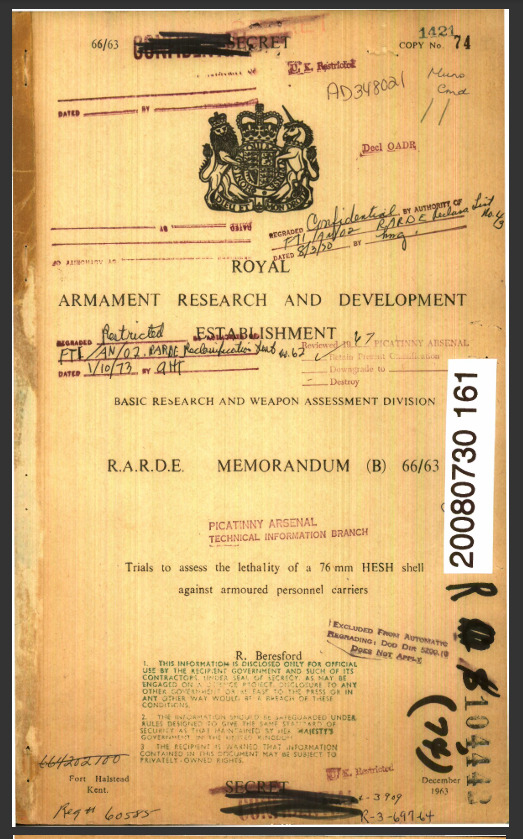
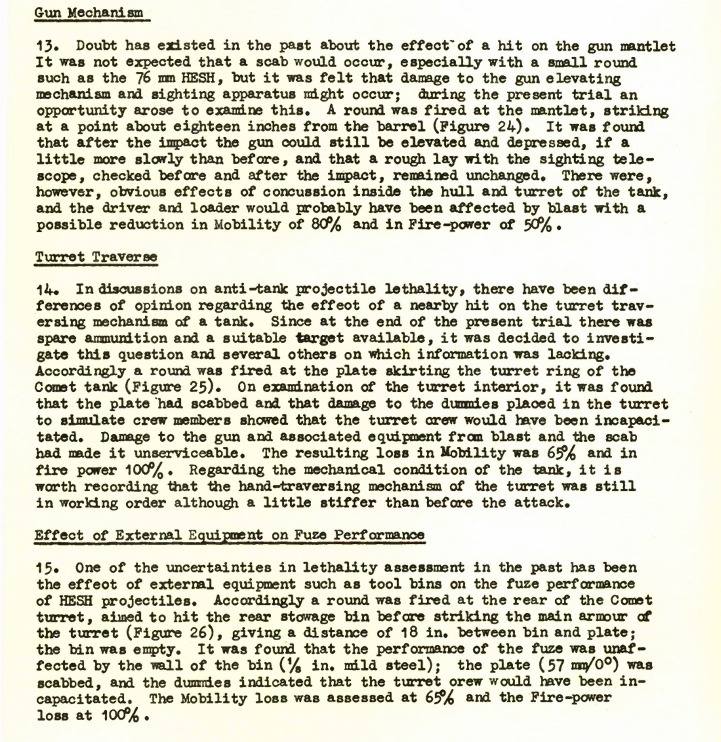
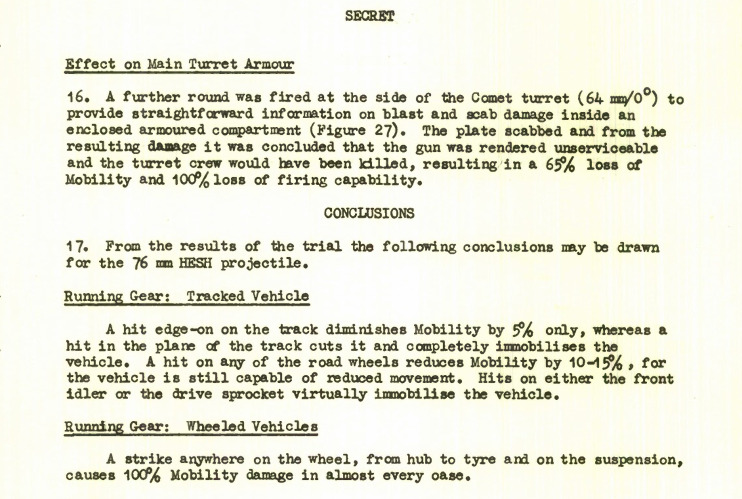
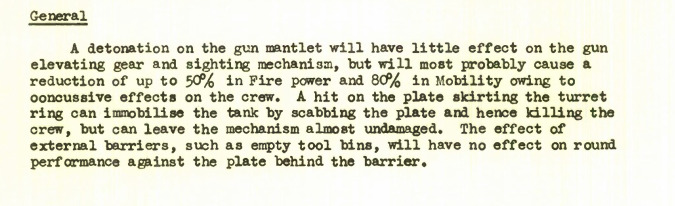
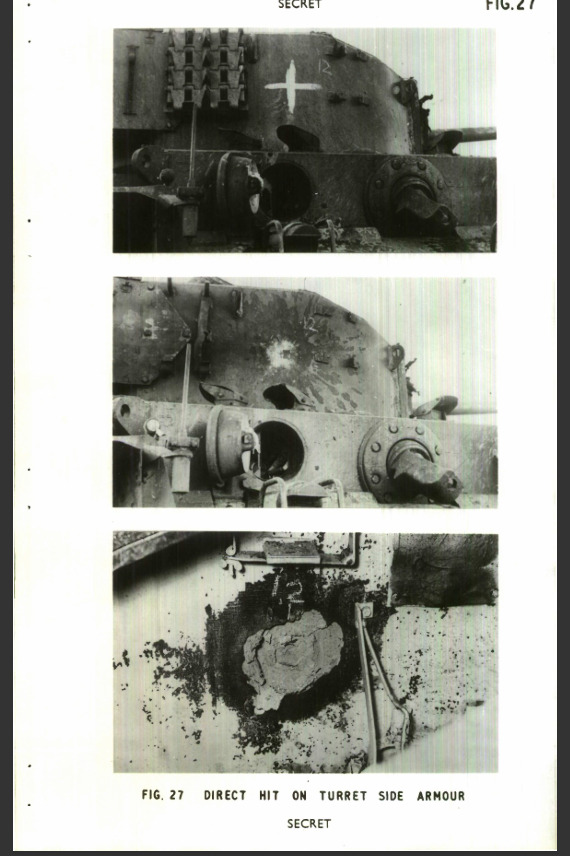
RARDE report on L23 HESH
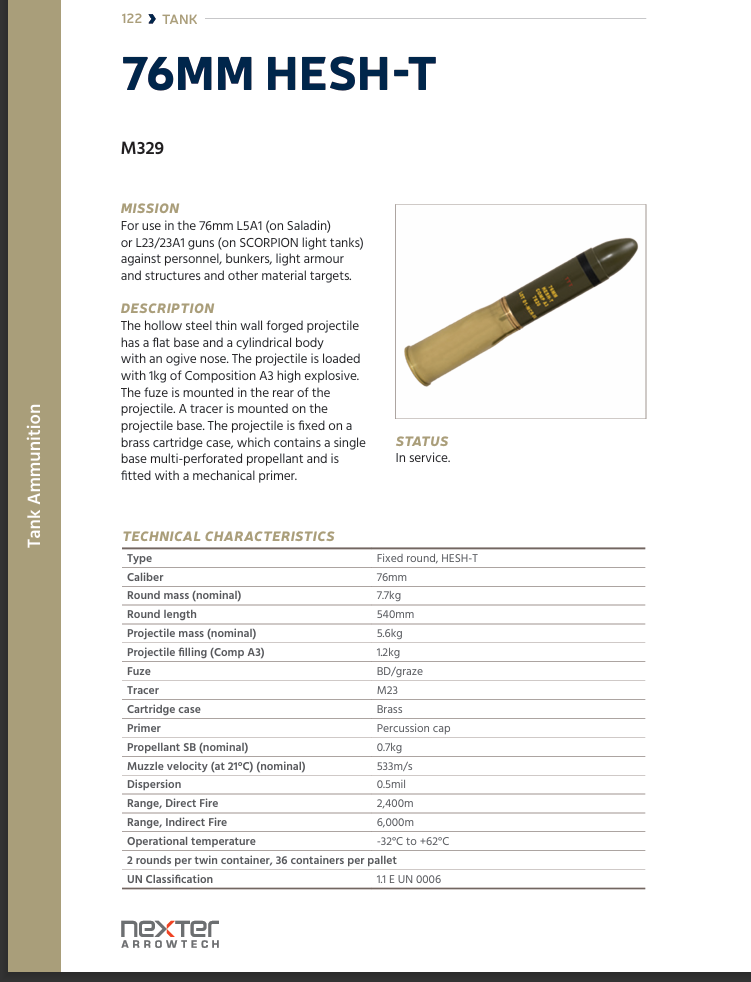
Ammunition catalogue from KNDS showing the specs of 76mm HESH for the L23 canon
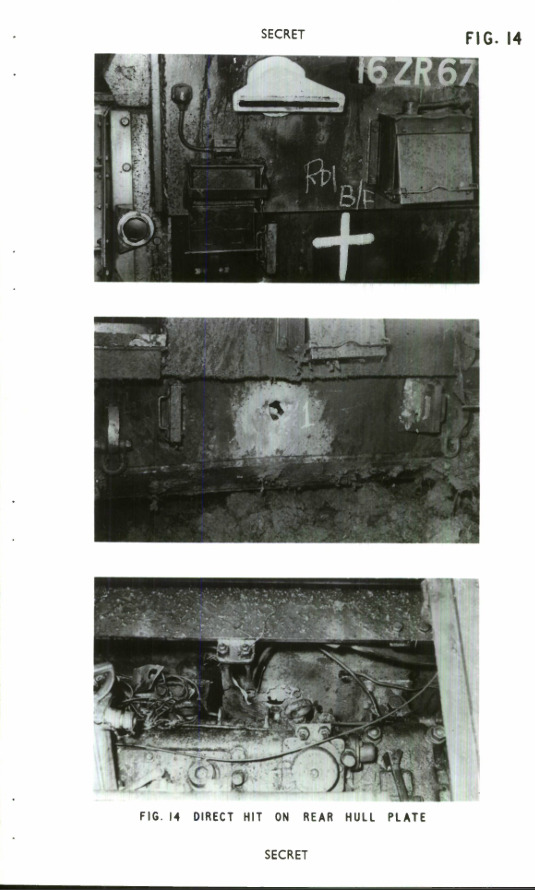
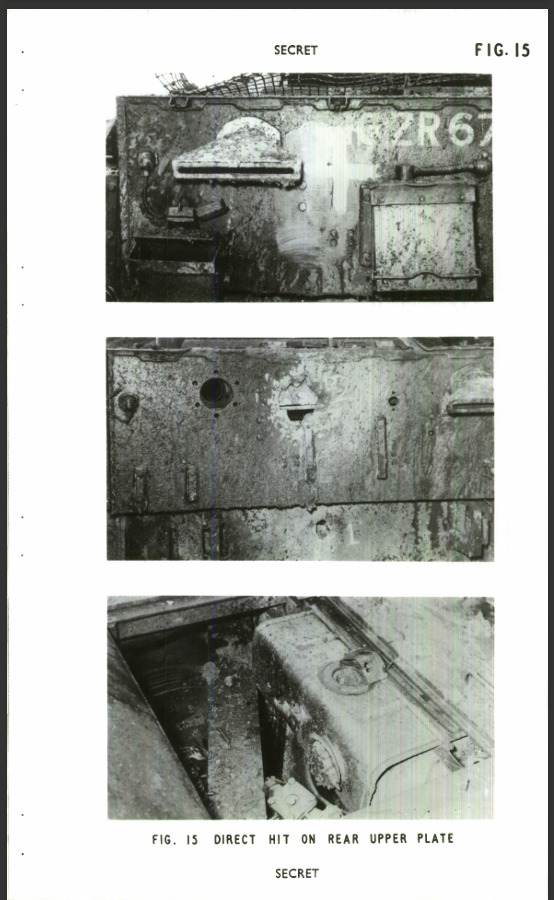
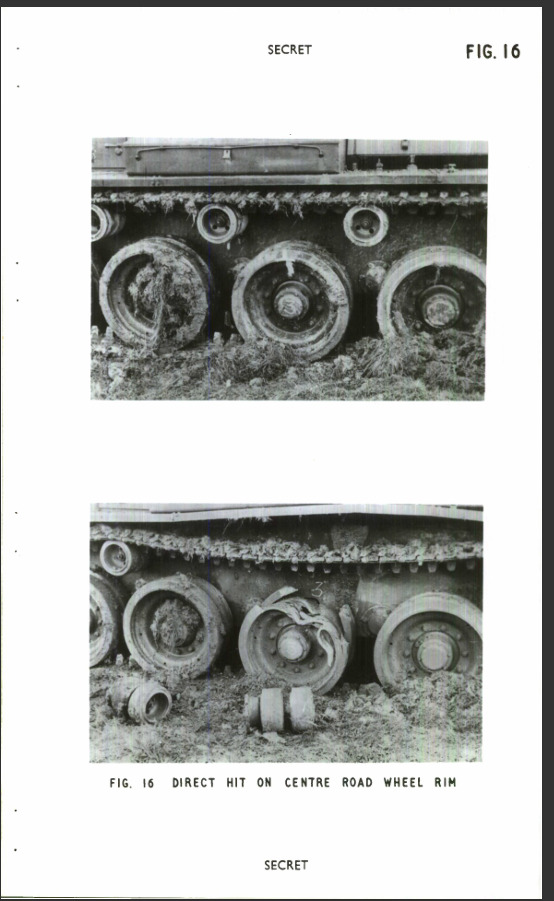
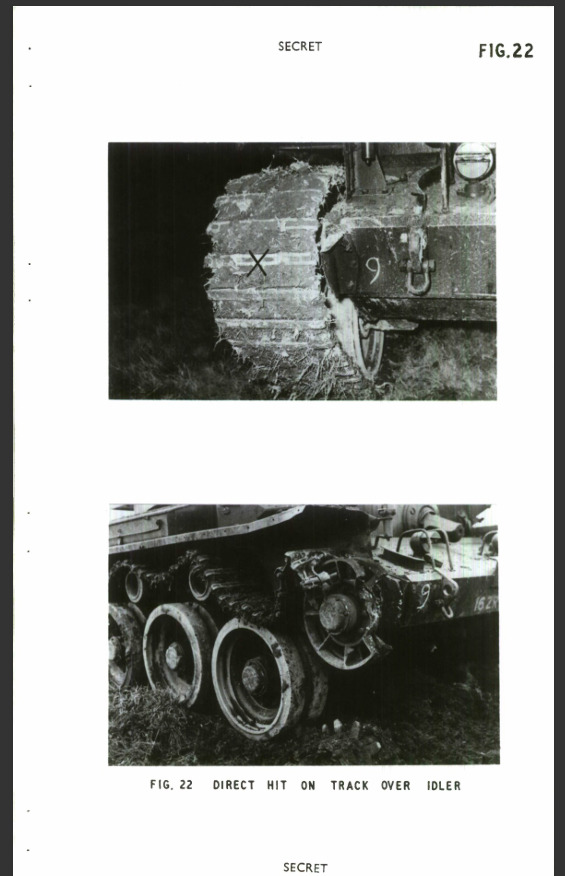
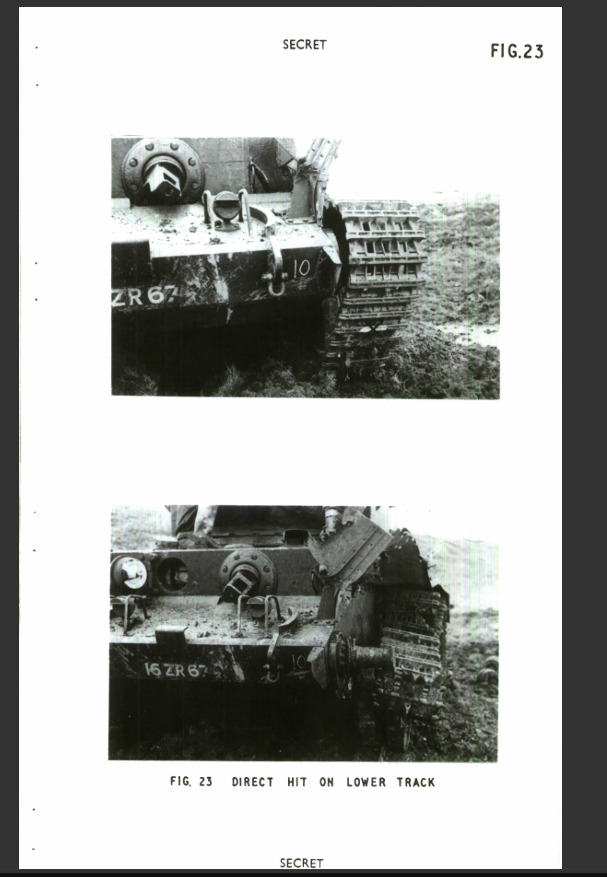
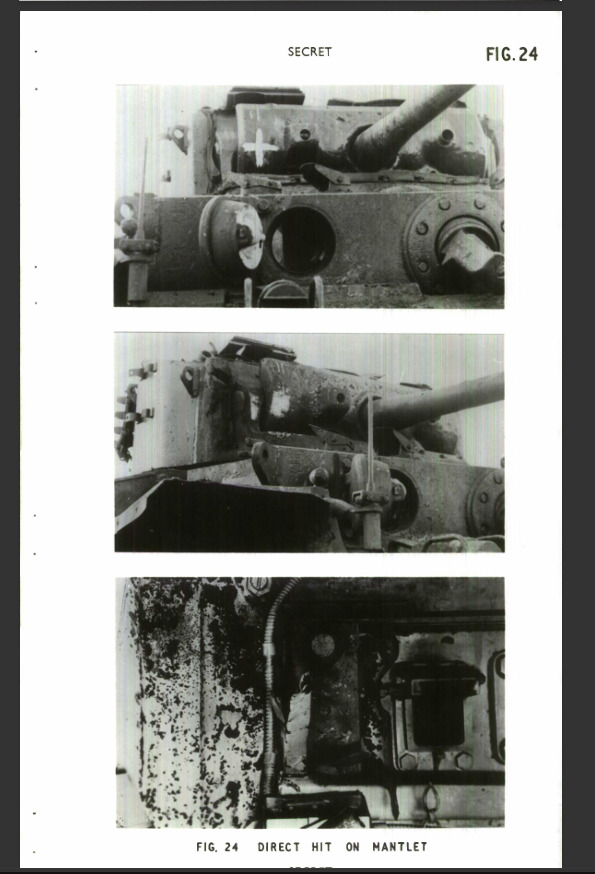
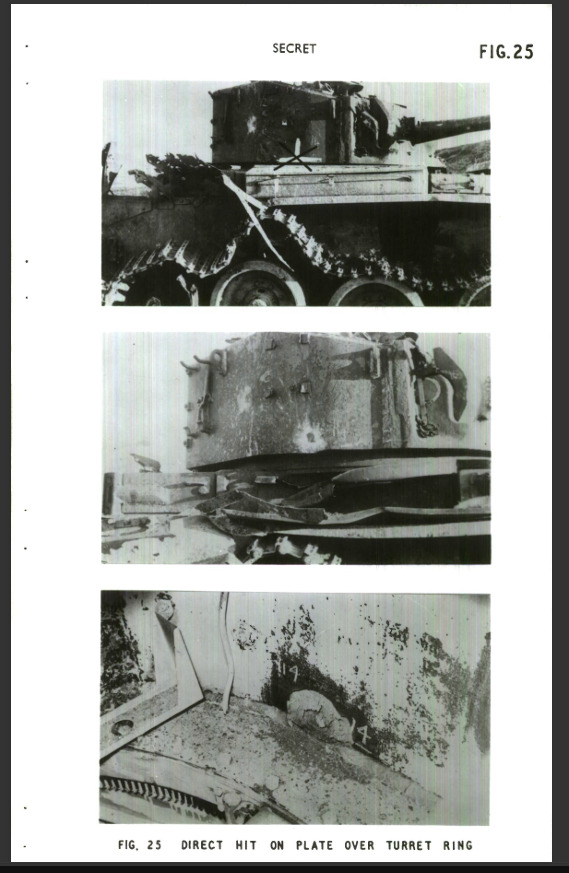
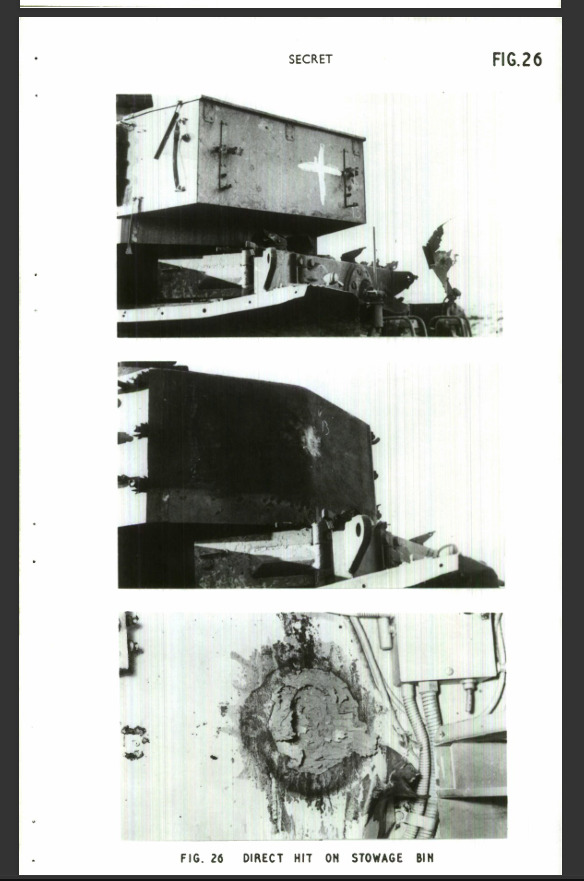
TLDR. HESH is highly destructive for a non “armour piercing” shot, with the 76mm low pressure gun being more than capable of causing heavy amounts of damage to reasonably well armoured vehicles compared to what it was meant to. Its capable of causing a notable scab even on armour as thick as a Comet’s mantlet, however, the test shot was at the edge of the plate so the scabbing was caught by the metal trunnion behind the mantlet, a more central shot to the mantlet would have sent a scab and spalling through the tank undoubtedly. However for a more effective shot, shooting the middle of the hull upper plate would be best against a comet. Tanks with a similar thickness of armour (roughly 100mm RHA) without metal overlap from a large mantlet would most likely be damaged enough to be unable to return fire.
The shell shown in the KNDS catalog uses comp A3 which is 91% RDX explosive, so 1092g of RDX is in the shell. As Royal Development Explosive is about 1.6 times more powerful than standard TNT, the shell has roughly a TNT yield of 1747g/1.747 Kilograms.
It weighs 72.6 Kg ingame with 17 Kg explosives with 21.8 Kg TNT equivalent. The rest of the weight was from the shell casing which had to endure the immense pressure from the propellant, hence the weight.