- Yes
- No
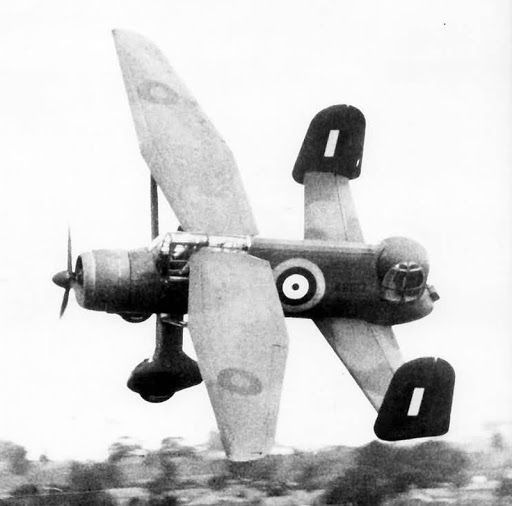
‘Lovechild of a Lysander and a Lancaster’ - Ed Nash
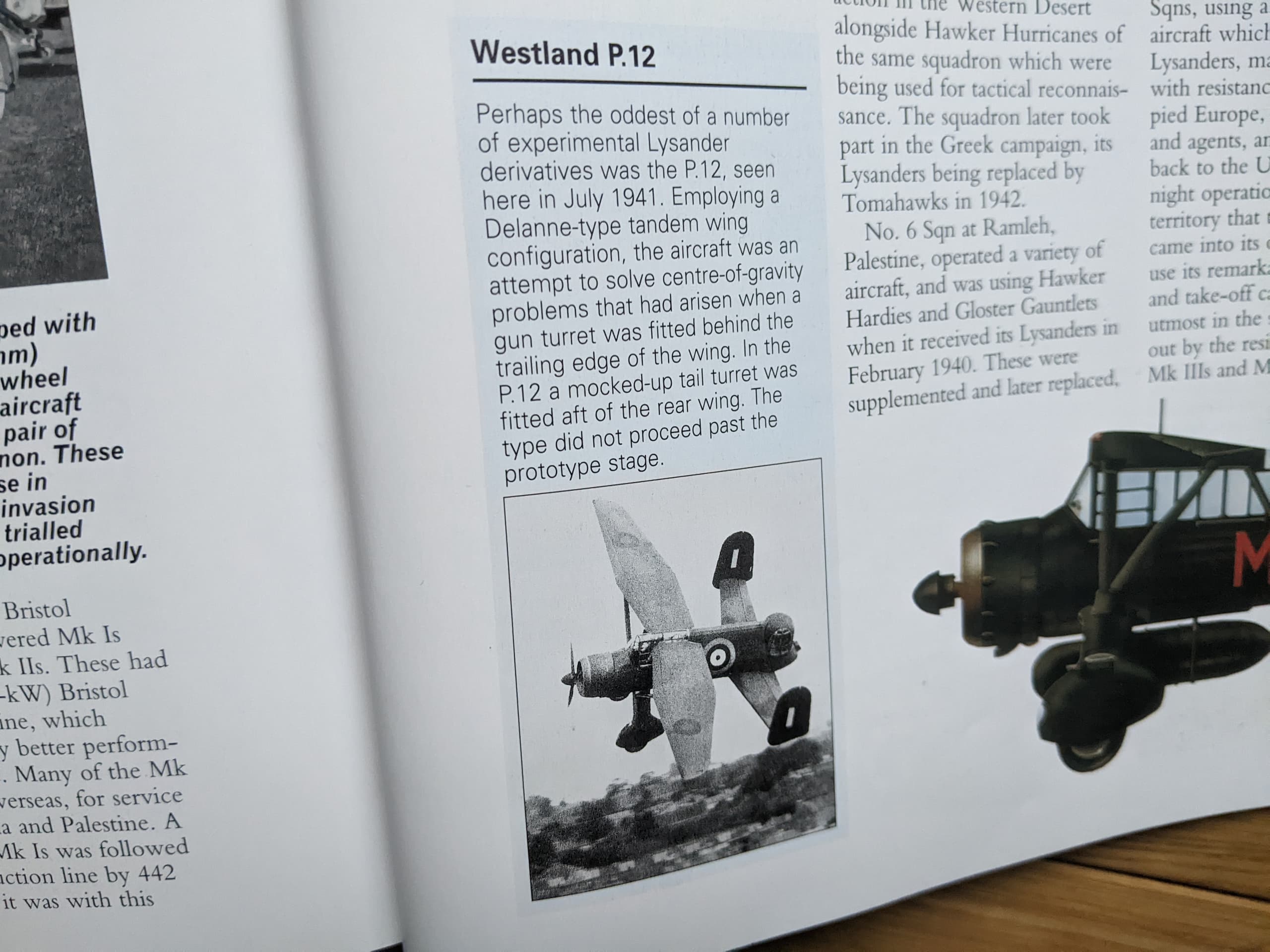
I am sure many of you would have heard of the famed British Westland Lysander, which has been suggested here already. However, not many of you will be familiar with the Mk.V variant of this aircraft, subsequently renamed the ‘Wendover’, or less frequently the ‘Lysander Delanne’.
Summary
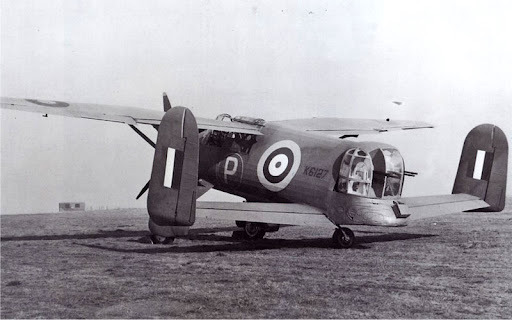
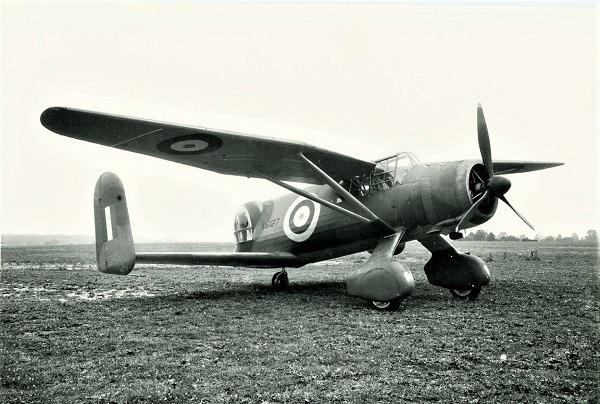
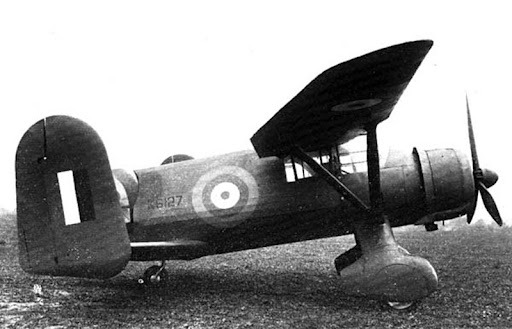
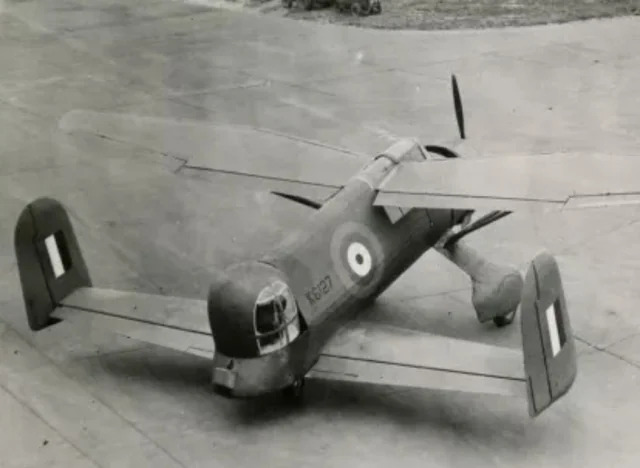
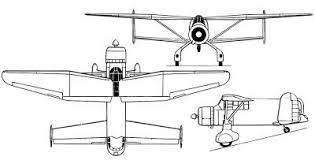
This aircraft, as you can see from the image above, is indeed most peculiar. Sporting a tandem wing design, it was a unique sight over the skies of Britain and further led into similar designs later into the war. The original aircraft, being the Lysander, may have been a successful STOL and recon plane, however this derivative was intended for ground-attack and strafing runs in an anticipated German land invasion of the British isles during 1940, mounting a standard British bomber tail fitted with a 4x .303 Browning machineguns in a turret that features on many British bombers already in-game with the standard weaponry fittings of the Lysander of a variety of guns and bombs.
Short History and Design
During 1940, it was believed a German invasion of the UK was imminent, and during this time the RAF lacked a suitably protected strike aircraft. The Lysander proved useful in this very role during the Battle of France, however they sustained heavy losses due to the general lack of defensive armament against attacking Luftwaffe fighters due to the low speed and mediocre manoeuvrability.
According to the A&AEE trials report from Boscombe Down: “The principle was merely an experiment to determine whether it was possible to provide really adequate rear defence on small aircraft without destroying the general flying characteristics.”
Thus, the decision was made to upgrade this aircraft. However, it was unable to supply the demanded defensive capabilities to such a small aircraft using conventional methods during this time, and this proved evident in the ultimate idea of a tandem wing. This allowed the potent Frazer-Nash FN20 turret to fit, providing formidable rearward firepower at an unprecedented level for such a light aircraft.
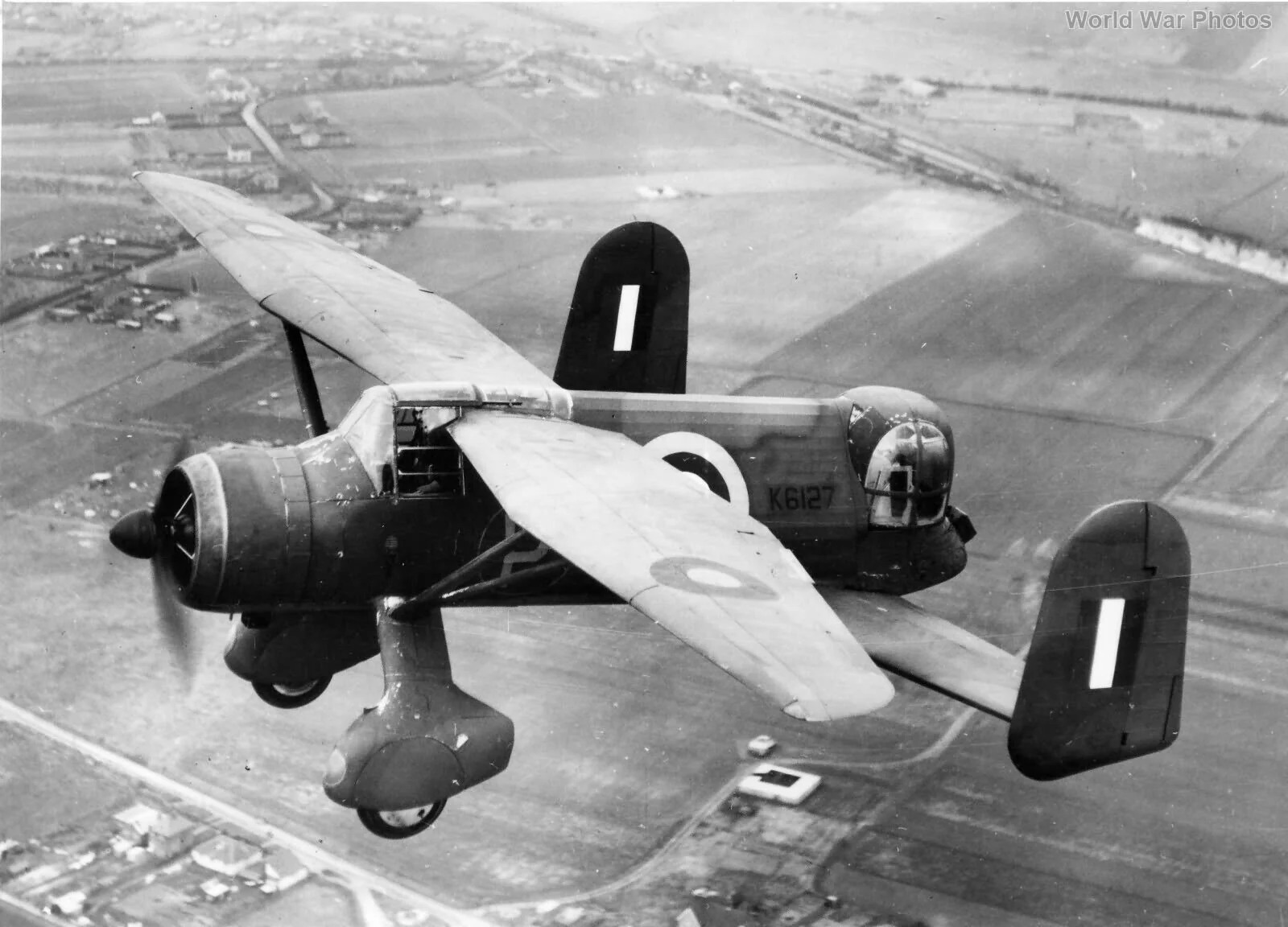
(Please note this turret was never actually fitted, however the dummy one seen in the picture of the prototype mimicked almost perfectly the actual weight and aerodynamic characteristics of this turret. I am sure this will not hinder this aircraft’s addition due to the fact the Vought XF5U was recently added, which never even made it to the sky!)
The modified and rebuilt Lysander Mk.III K6127 took to the sky in July 1941 and demonstrated almost indifferentiable flight performance to the standard Lysander, however due to the nature of the aircraft itself that included a subpar top speed and manoeuvrability, but retained the excellent low-speed handling and incredibly low stall speed of just 65mph - no wonder it was coined ‘easy to fly’.
However, as the Battle of Britain raged on, it soon became clear that the feared land invasion was not going to realise and the tactical need for this aircraft diminished rapidly, so sadly the project was cancelled shortly after the test-flight. A tragic fate for an unique and ungainly aircraft which had many novel characteristics yet was hindered by the changing nature of the Second World War.
Specifications:
General characteristics:
-
Crew: 2 (1 pilot, 1 gunner)
-
Length: 30 ft 6 in (9.30 m)
-
Wingspan: 50 ft 0 in (15.24 m)
-
Height: 14 ft 6 in (4.42 m)
-
Wing area: 260 sq ft (24 m^2)
-
Empty weight: 4,365 lb (1,980 kg)
-
Maximum takeoff weight: 6,330 lb (2,871 kg)
-
Powerplant: 1 × Bristol Mercury XX 9-cylinder air-cooled radial piston engine, 870hp (650kW) or 995hp (732kW) with WEP
-
Propellor: 3-bladed
Performance:
-
Maximum speed: 212 mph (341 km/h, 184 kn) at 5,000 ft (1,500 m)
-
Stall speed: 65 mph (105 km/h, 56 kn)
-
Range: 600 mi (970 km, 520 nmi)
-
Service ceiling: 21,500 ft (6,600 m)
-
Time to altitude: 10,000 ft (3,000 m) in 8 minutes
-
Take-off distance to 50 ft (15 m): 915 ft (279 m)
Armament: (planned)
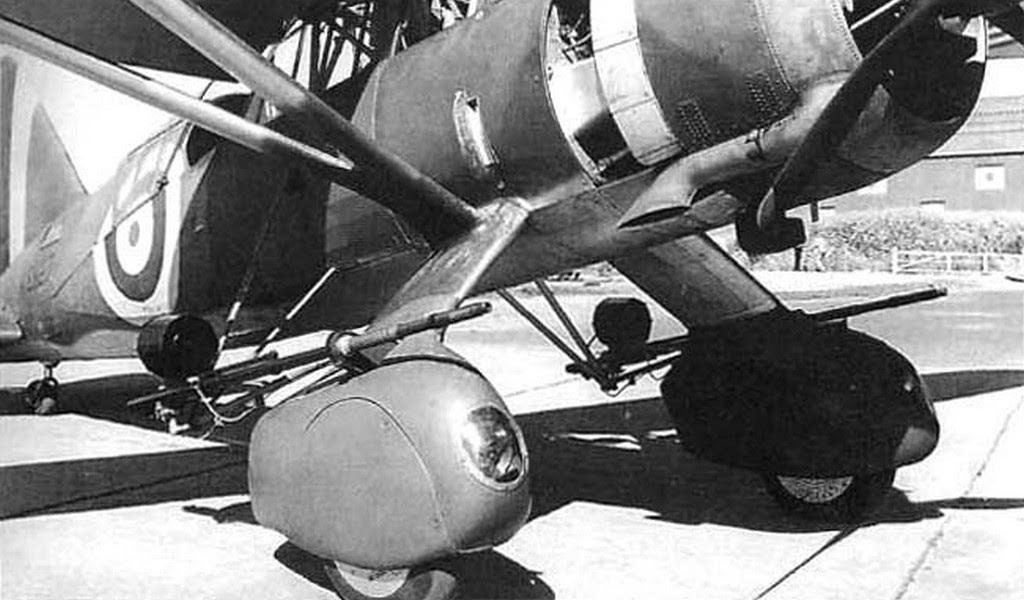
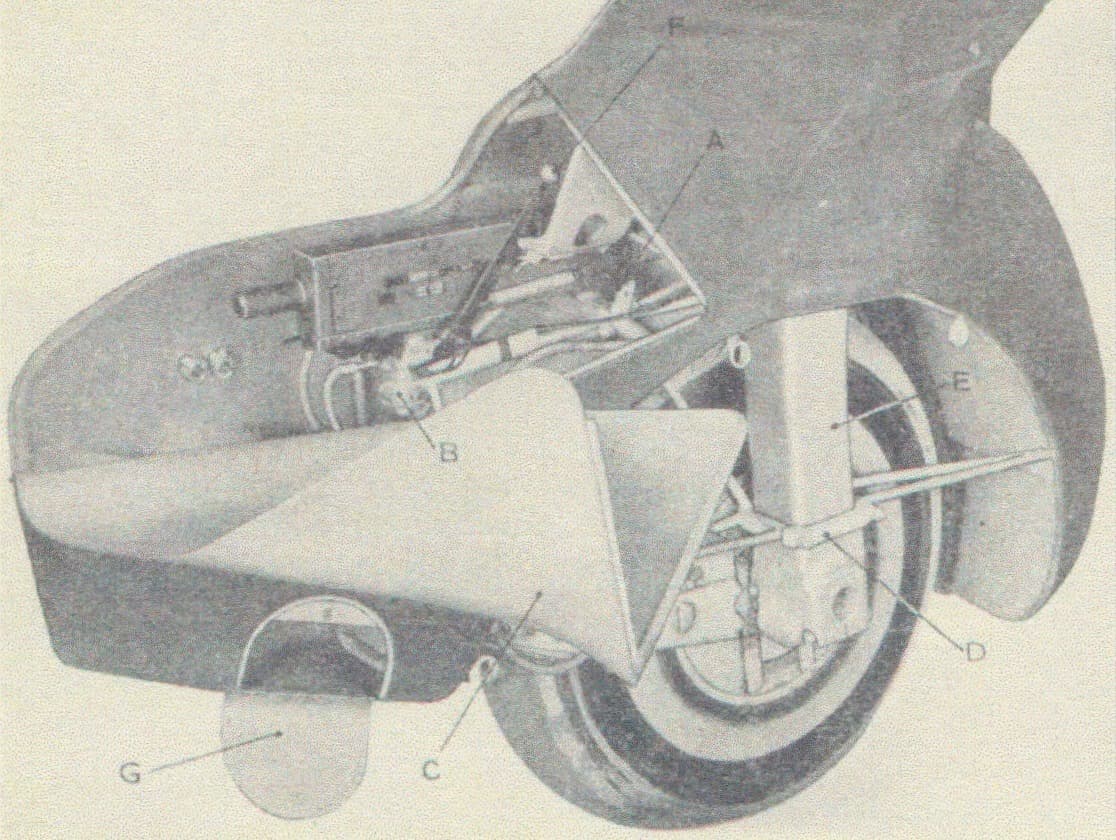
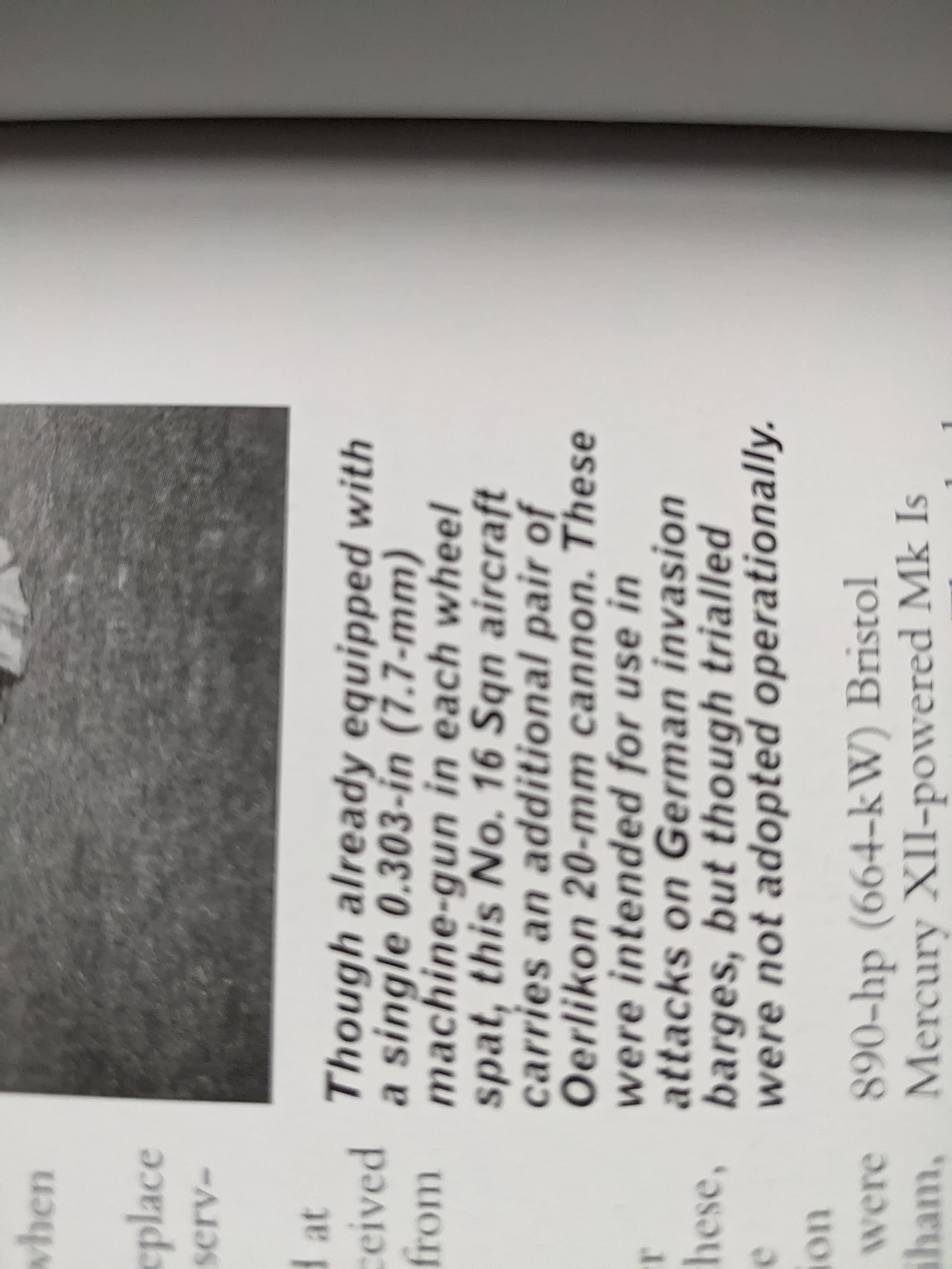
- Guns: Interchangeable 2x Browning .303 Machine Guns, 2x 20 mm Oerlikon Cannons or 2x Hispano Cannons mounted in the wheel fairings (picture shown later)
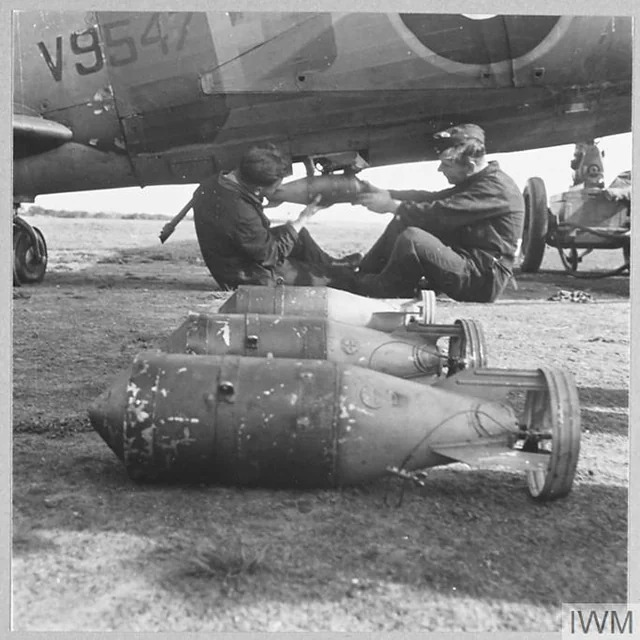
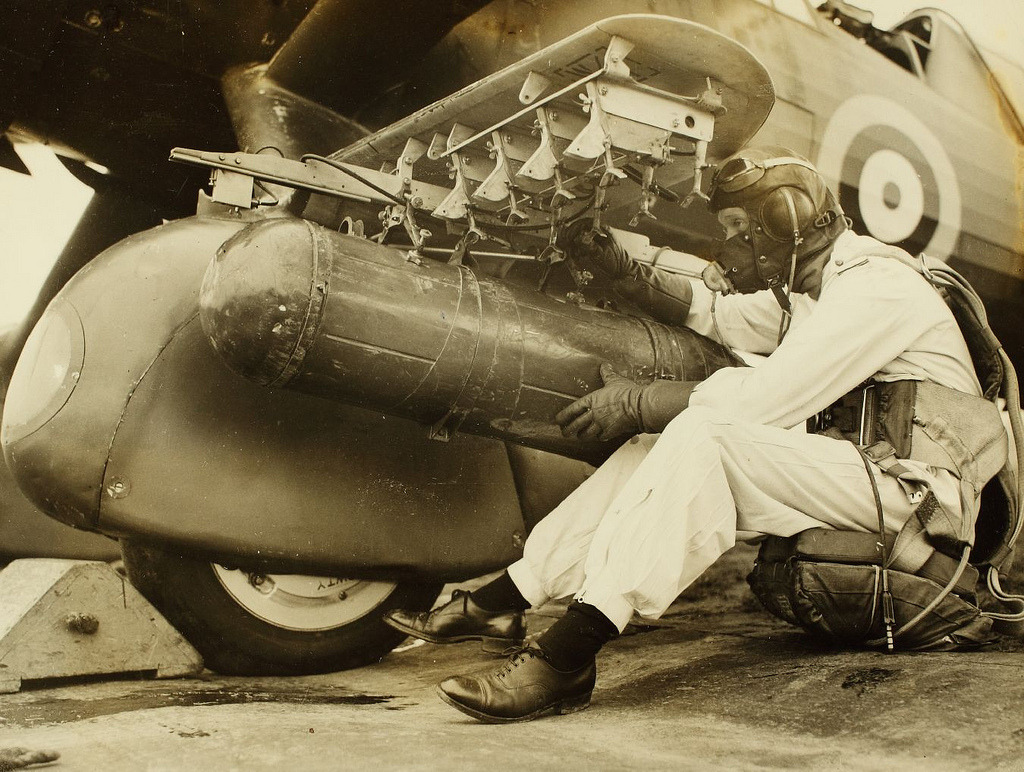
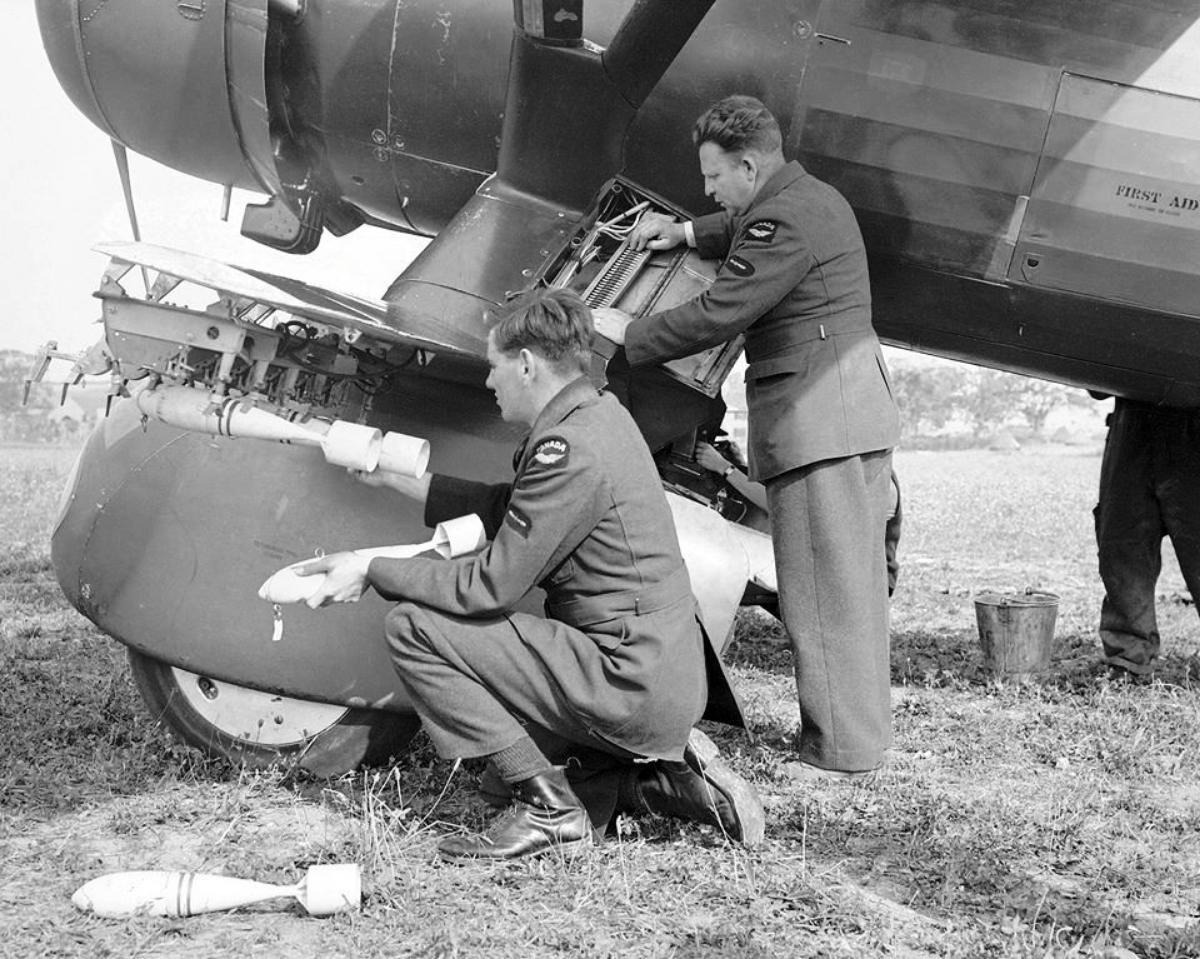
4x Browning .303 Machine Guns mounted in a Frazer-Nash FN20 rearward turret - Bombs: 2x GP250lb bombs under winglets attached to landing-gear struts, 8x 20lb HE bombs in rear-fuselage bomb rack or under winglets attached to landing-gear struts
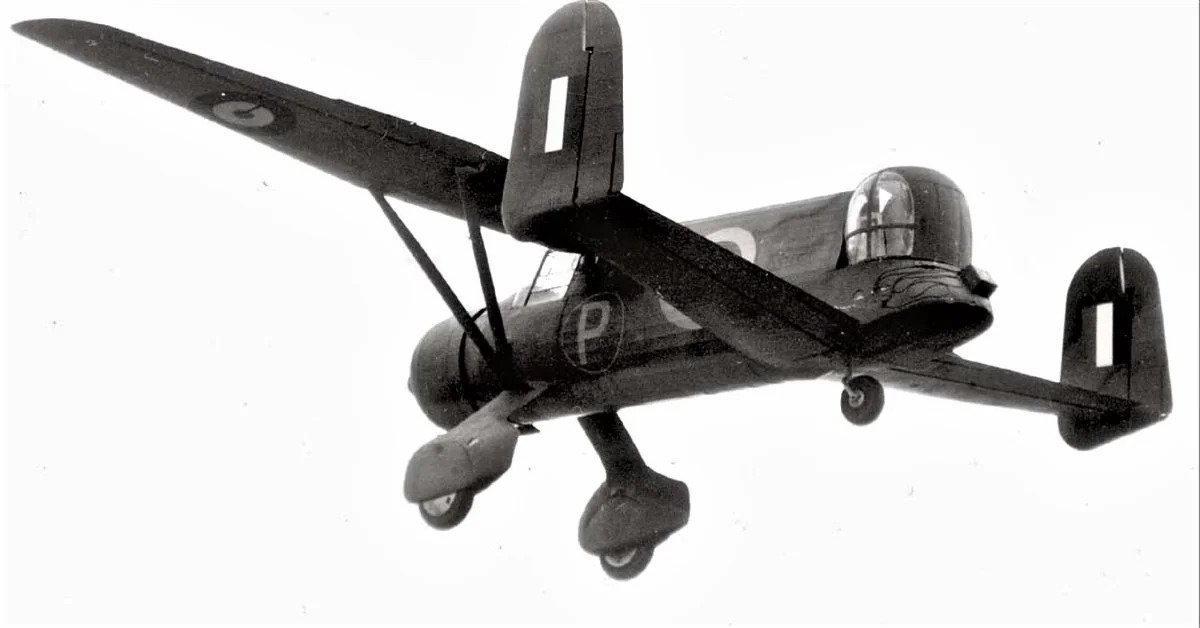
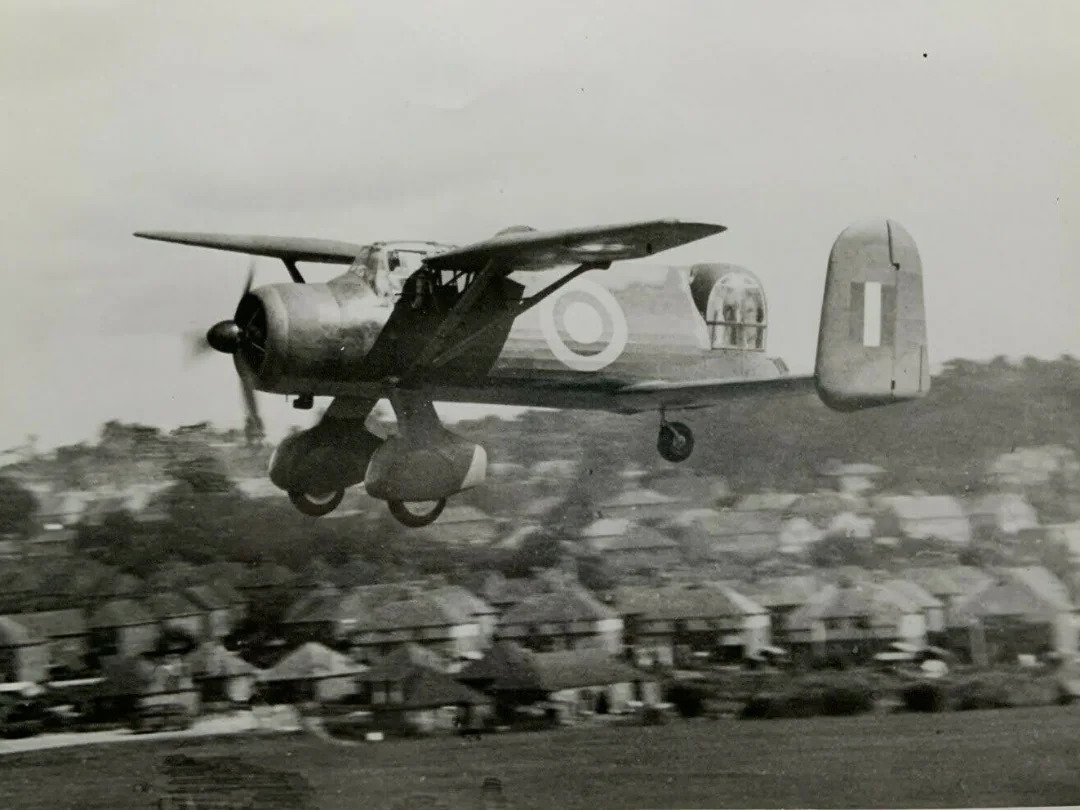
Why I think it should be added and how
This aircraft will not only provide Rank 1 Britain a very nice new attacker, but if placed at a reasonable BR it should also perform pretty well.
I personally believe a BR of 1.3 - 2.3 would be suitable for this aircraft, due to the following:
-
Slow top speed
-
Mediocre manoeuvrability, but low-speed handling is supposedly similar to that of the PO-2 already in-game.
-
Hard-to-aim offensive armament - being mounted on the wheel fairings they will not have conventional aiming characteristics
-
A suitable payload for an attacker of this BR, and the cannons would shred almost anything they hit
-
Potent defensive armament that will be sure to rip apart the fragile fighters it would face
This aircraft could be implemented to the game as either a premium like the DB-LK, which in a way could be it’s rival, albeit with less offensive firepower and a significantly larger bomb load. Or, instead it could be an event vehicle, laid out as such:
- Mark of Distinction for Pilots 1: Battle Trophy with random reward
- Mark of Distinction for Pilots 2: Decal ‘Westland Wendover’ (similar to the ‘I want to believe’ decal)
- Mark of Distinction for Pilots 3: Battle Trophy with random reward
- Mark of Distinction for Pilots 4: Profile Background ‘Westland Wendover’
- Mark of Distinction for Pilots 5: Battle Trophy with random reward
- Mark of Distinction for Pilots 6: Westland Wendover aircraft
Each stage would need 20-35,000 mission score.
Overall, I believe this vehicle, if added, would proved Great Britain a unique aircraft with devastating offensive and defensive armament a solid airframe and amiable flight characteristics, but relying mostly on its guns for the desired role of strafing and ground attack rather than its limited bomb load, preying on the thinly-armoured ground vehicles and aircraft of 1.3-2.3.
Sources:
Westland Wendover; WHAT THE….. - Forgotten Aircraft - Military Matters (And a video on this page too)
https://www.reddit.com/r/WeirdWings/comments/10zsv8u/the_westland_p12_wendover_was_a_prototype/
A.39/34 Westland Lysander | Secret Projects Forum
Oh boy I love SPF
https://www.key.aero/article/busy-lizzie
https://www.youtube.com/watch?v=zQNhN6UCdJw
https://www.youtube.com/watch?v=xCaSNPBSTdQ
From the book ‘The Enclyclopedia of Aircraft of WW2’, general editor Paul Eden
My brilliant picture quality