- Yes
- No
- Tech Tree
- Premium
- Event
- Battlepass
- Squadron
- I said no
- Reserve
- 1.0
- 1.3
- 1.7
- Other (comment)
- I said no
Westland Lysander Mk.IIIA - Busy Miss Lizzie!
History:
During the interwar period, a new type of aircraft emerged as strategies and tactics shifted and evolved to meet the needs of the modern battlefield: the army co-operation aircraft. Envisioned as a light and fast aircraft which could perform multiple tasks, such as liaison, reconnaissance, artillery spotting, and occasionally light attack/close air support, the army co-operation aircraft concept became extremely popular during the 1920s and 1930s. In the UK, several were developed over the course of the two decades, with the majority of them being biplanes. At the start of the 1930s, the primary plane in this role was the Hawker Hector. A decent plane when it was introduced, but by 1934 it was getting old and needed replacement. For said replacement, the Royal Air Ministry issued Specification A.39/34 and invited Hawker, Avro, and Bristol to compete. After some discussion, Westland was eventually invited as well.
Westland’s entry, initially dubbed the P.8, was developed by Arthur Davenport and William “Teddy” Petter, two of the most prolific British aircraft designers in history. Petter took the time to interview dozens of RAF pilots to find out what would make the ideal aircraft for this role. After this extensive campaign, Petter came up with three primary characteristics which he believed must be incorporated into the design: wide field of view, excellent low-speed handling, and most importantly, STOL capabilities. All of these aspects would be considered when putting together the P.8 prototype, creating a high-wing monoplane powered by a Bristol Mercury radial engine. Primarily constructed of duralumin and stainless steel, the wings were fabric covered and both them and the wheels were supported with Elektron magnesium alloy tubes. This made it extremely light and nimble, important for its role.
The P.8 faced stiff competition from the Bristol Type 148, with these two being selected as the final contenders for the specification. In the end, the Westland P.8 was selected, entering production as the Lysander in September of 1936. It would enter service in June of 1938, with the first examples being used primarily for artillery spotting and message dropping. By the time the Second World War broke out, most models had been replaced with the Mark II, which boasted an improved engine, with the earlier Mark Is mostly sent to the Middle East and British India.
The service history of the Lysander was long and storied, serving with multiple countries across many fronts in both wartime and civilian use. I won’t be able to cover it all here, but I’ll try to touch on some of the important moments. With the UK, the British expeditionary Force operated five squadrons of Lysanders. Once the Germans invaded France, they began operations as artillery spotters and light bombers, with some success but a high attrition rate, even with the introduction of the most successful model, the Mark III, in July of 1940. They were able to evacuate at Dunkirk, changing their role to supply drop aircraft. Flying missions across the Channel, their loss rate grew, with the final total growing to 118 out of 175 Lysanders used in France lost. Given these numbers and a further analysis of the inadequacies of the Lysander for modern combat, the Lysander in British service was retained for home defense, being organized into squadrons either for search and rescue in the English Channel or for attacking potential landing beaches of a German invasion.
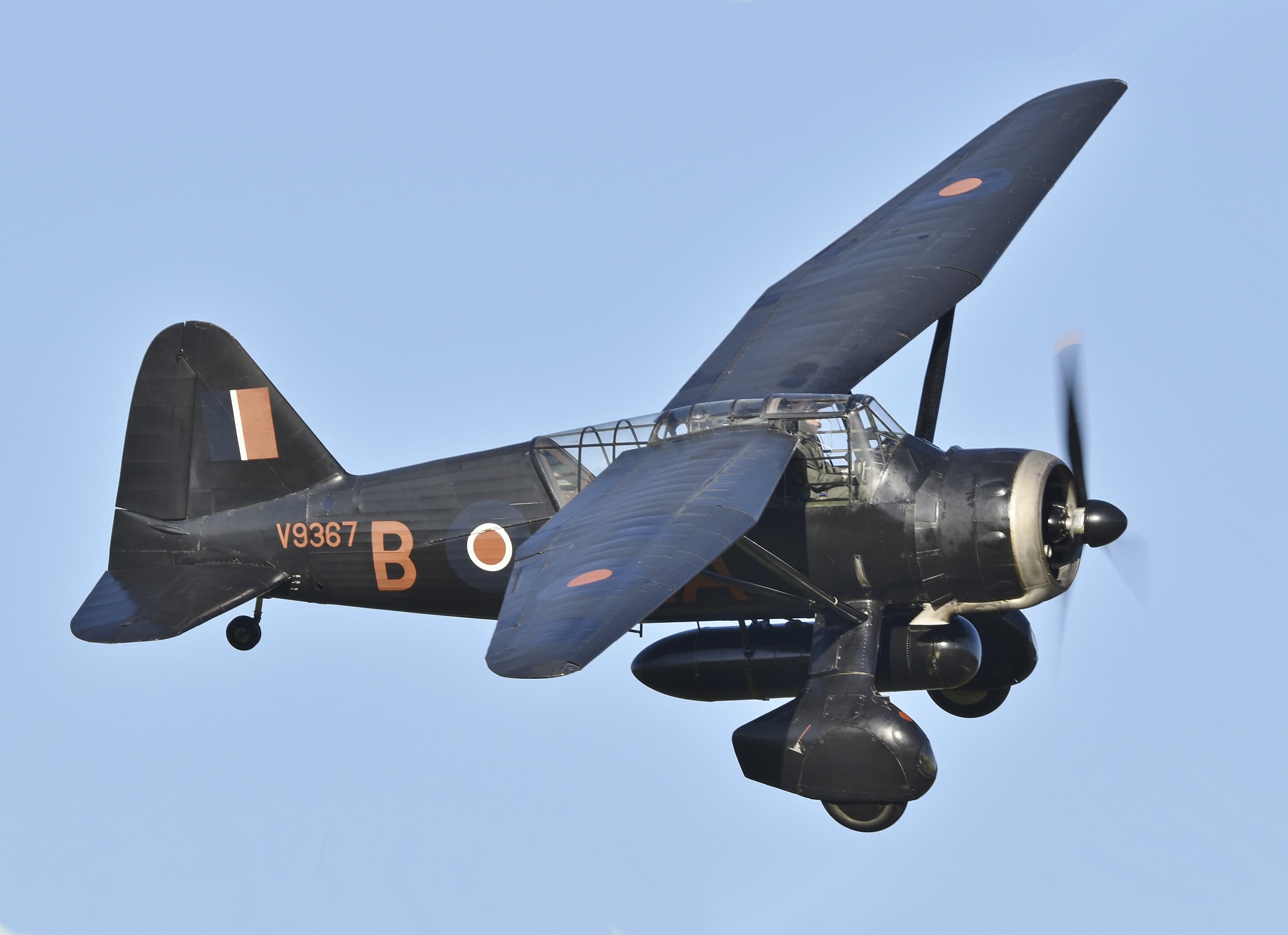
This would all change in August of 1941, however, with the introduction of a special variant of the Lysander: the Mk III (SD), or Special Duties. This variant, painted all-black and mounting a 160 gallon long-range drop tank under the fuselage, had their armaments removed to save weight. Equipping RAF Squadron No. 138 (Special Duties) and later Squadron No. 161, these aircraft were used to fly secret nighttime missions in conjunction with the French Resistance. They served in this role through 1944, ferrying agents to and from occupied France and RAF bases, primarily RAF Newmarket and RAF Tempsford. Though usually only carrying one passenger, they could, in emergencies, carry up to three. To avoid having to land, the pilot would fly into the landing zone low and slow and the passenger, wearing a special padded suit, would climb down the fixed side ladder and jump off, rolling to cushion the impact. This proved to be surprisingly effective, helping the Lysander keep loss rates to a near-zero number. After proving themselves in France and being freed from their need with its liberation in 1944, the Special Duties Lysanders were transferred to RAF Squadron No. 357 in Burma, where they dropped agents to support the Fourteenth Army against the Japanese.
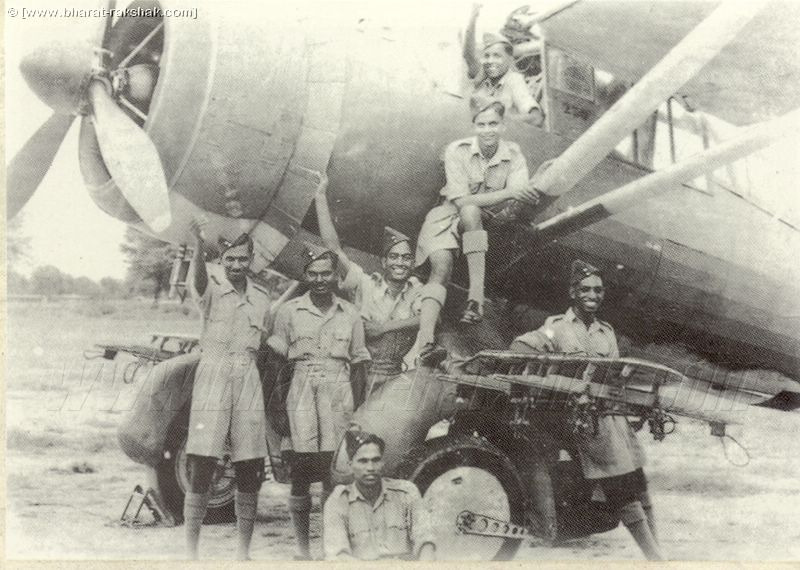
Those in British India had a highly decorated career, as did those operated by the Royal Canadian Air Force, though neither retained the aircraft after WWII. Free French forces operated 24 Lysanders for covert reconnaissance missions. Other major operators included Turkey, the United States, Ireland, Finland (who modified theirs with ski-based landing gear), and Egypt, who were the last to use them in combat during the 1947-1949 Arab-Israeli War. While in some ways it was an outdated aircraft even before its life began, the Lysander served as best it could throughout WWII, seeing use as a target tug as it was slowly replaced by newer and better aircraft.
Description:
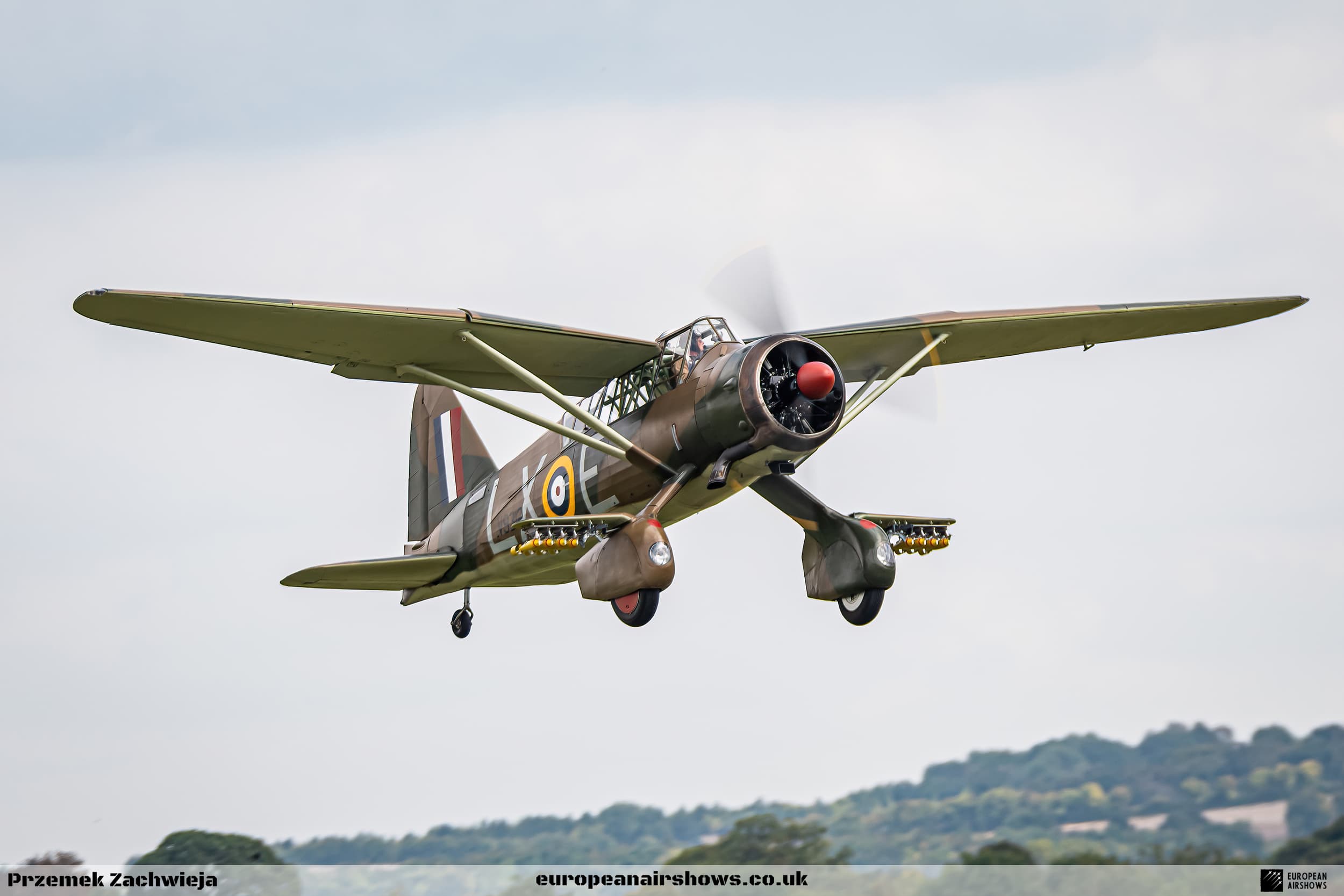
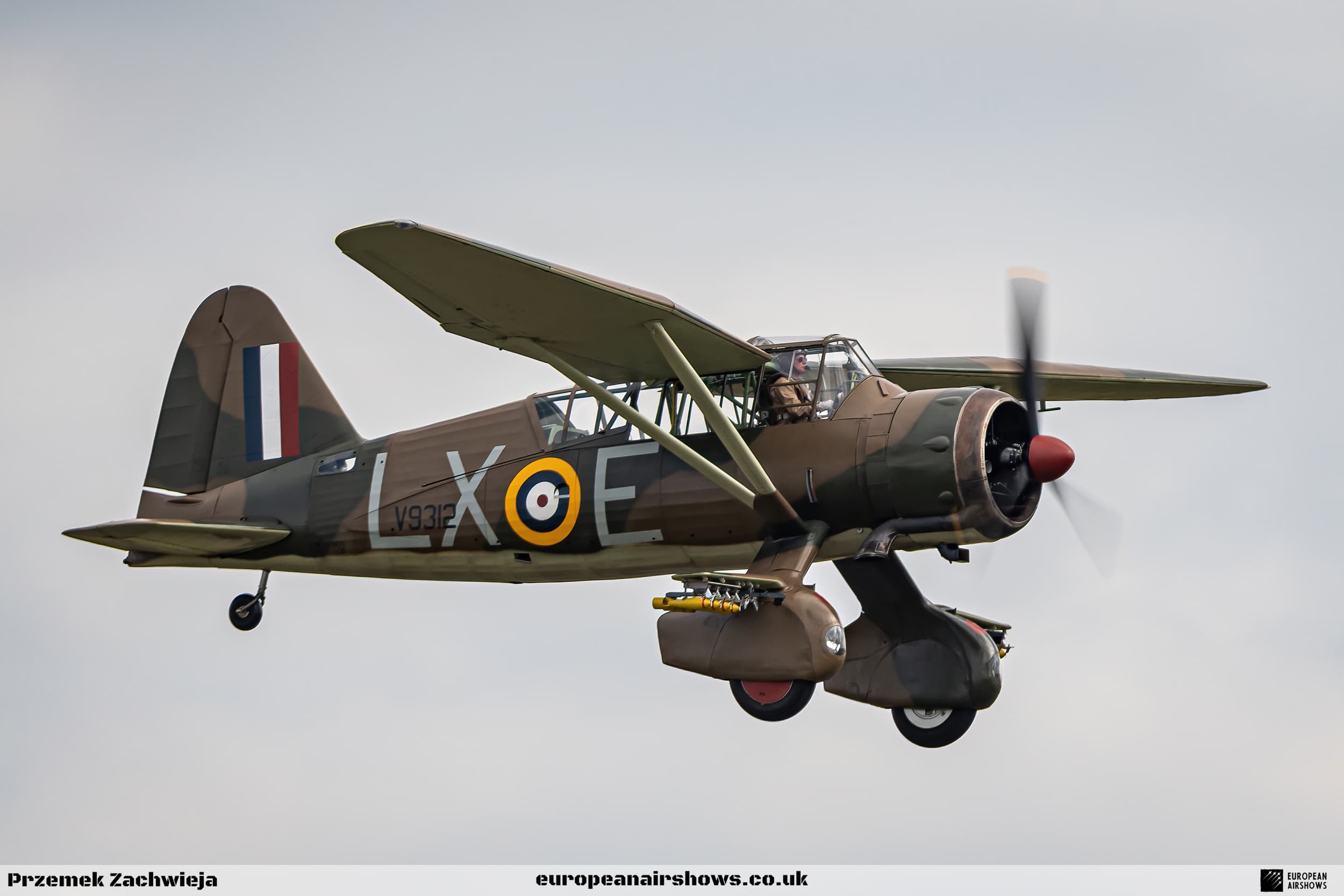
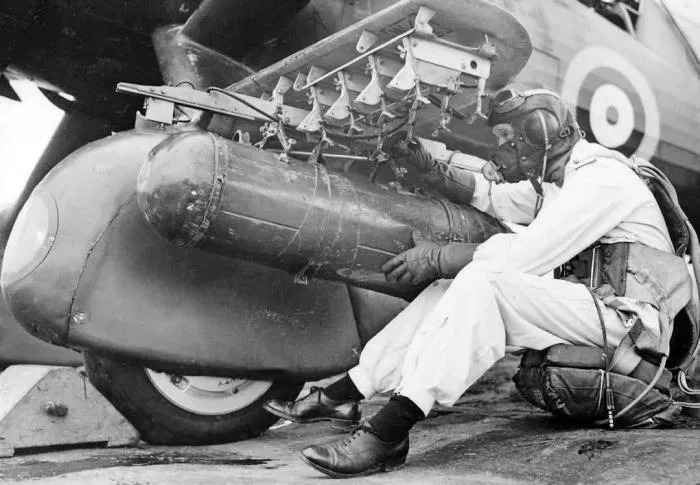
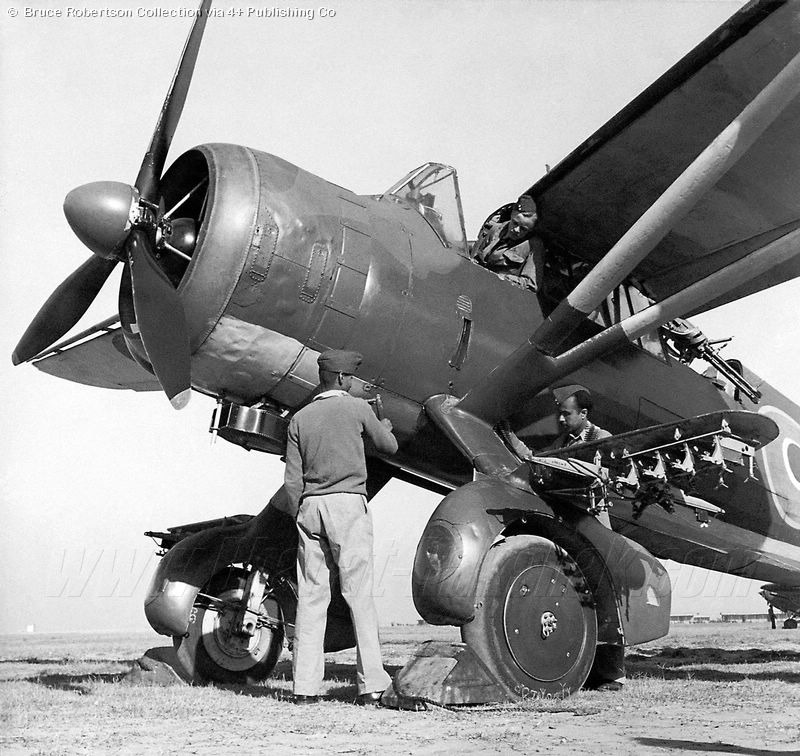
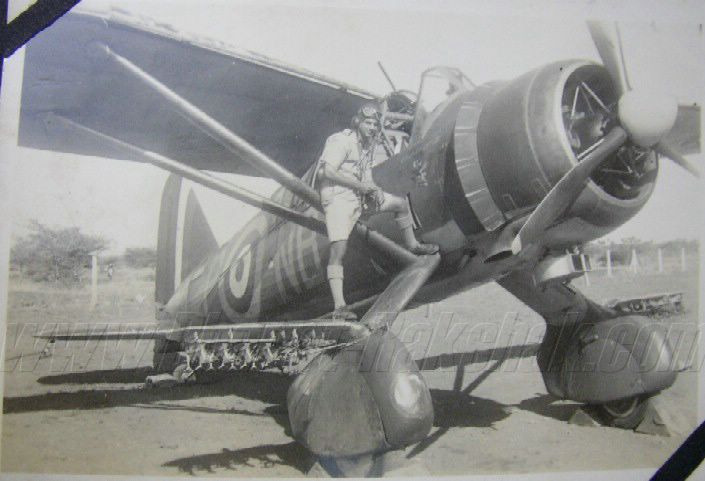
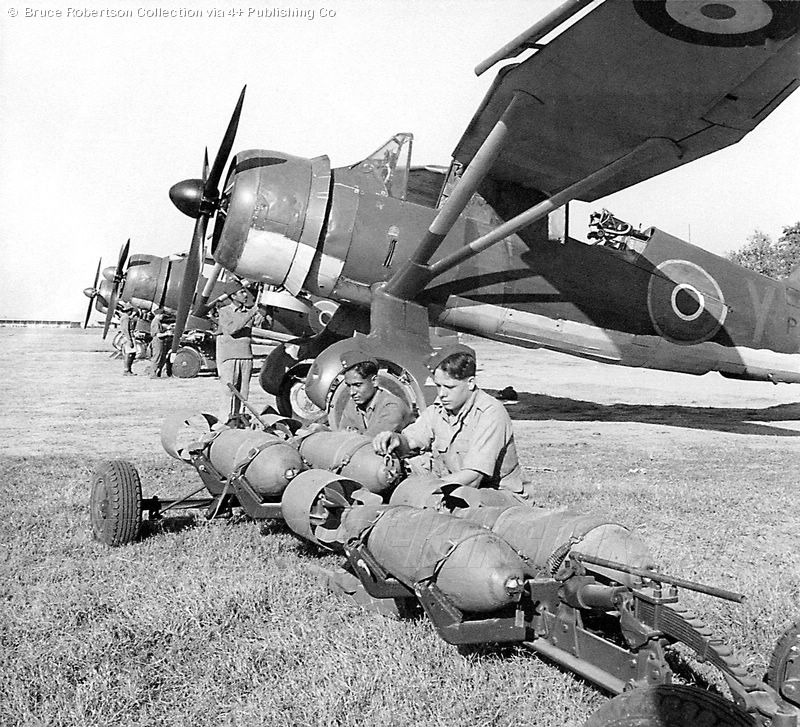
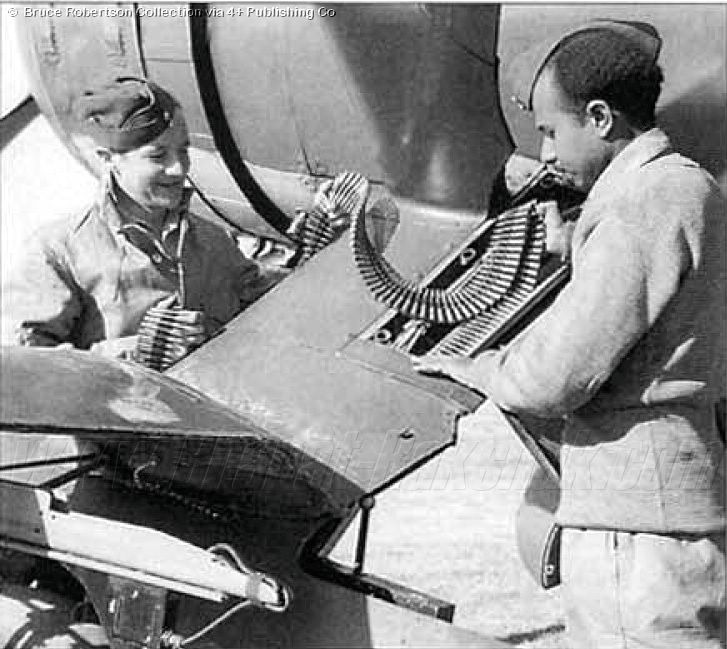
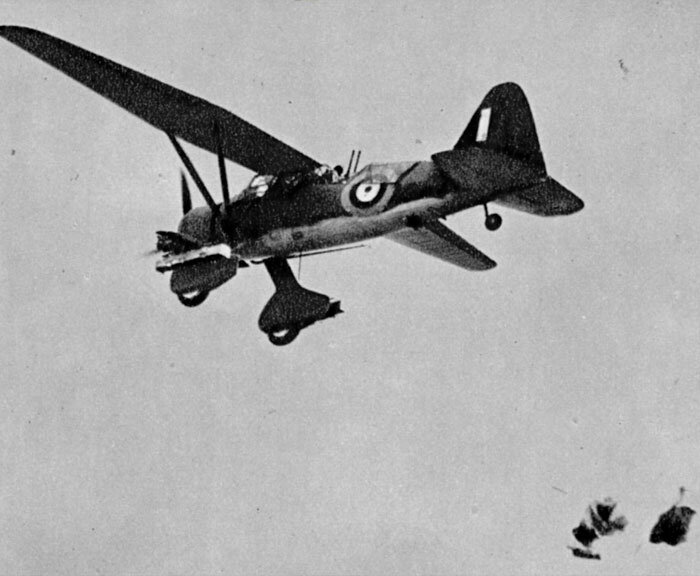
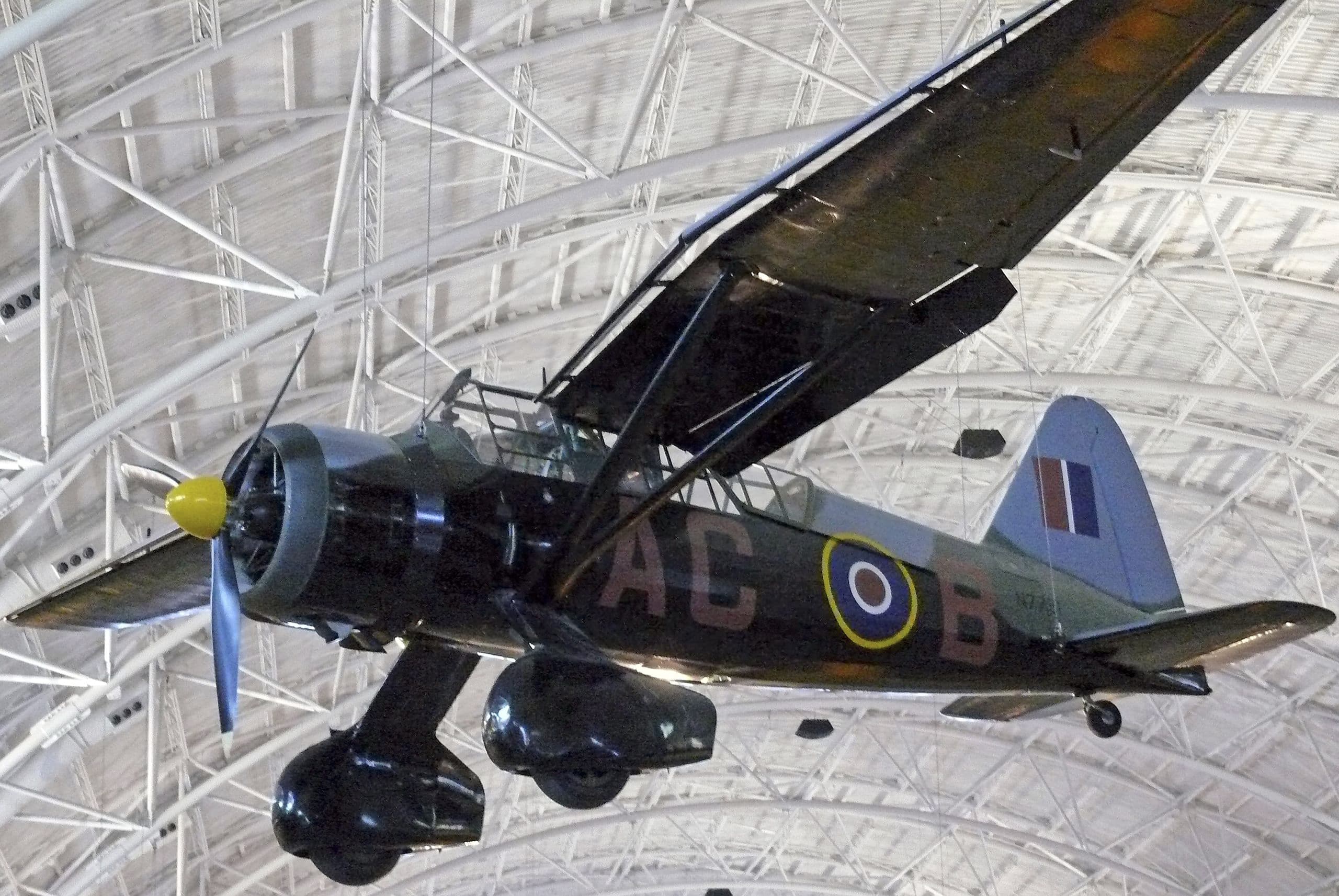
The specific model being suggested here is the most-produced and most successful model, the Mk IIIA. It features a simple fuselage made of duralumin and stainless steel with steel and magnesium extrusions forming many of the spars, struts, and brackets. The high-seated wings use some wood to save weight and are also fabric-covered, but they feature innovative full-wing leading-edge slats, giving the Lysander incredible low-speed performance. The wings are actually seated above the cockpit, providing the pilot and rear gunner/bombardier incredible visibility. The landing gear are fixed, but they have aerodynamic cowlings which are also where the two offensive 7.7mm Browning machine guns are located - one in each cowling. Additionally, two stub wings can be fitted to the wheel fairings which equip hardpoints for a variety of bombs. Each stub wing has four hardpoints for a total of eight, and they can carry up to 500 lb (227 kg) of bombs in three combinations (2x 250 lb HE or 4x 120 lb GP or 8x 20 lb HE). In addition to these bombs, there are four more hardpoints for four 20 lb HE bombs near the rear of the fuselage.
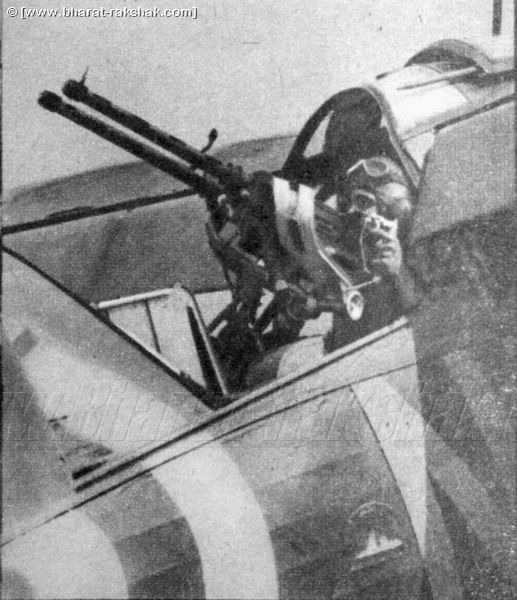
As for the crew, they sit in a large greenhouse-style cockpit with excellent visibility all around. The pilot sits at the front and the rear gunner/bombardier sits facing the other way a little further back, manning another pair of 7.7mm Browning machine guns. He also has an optical bomb sight that he can use, giving the Lysander an edge in bombing accuracy over other aircraft in its class.
The engine used by the Lysander Mk IIIA is the 870 hp Bristol Mercury 30 9-cylinder radial engine. Coupled with a 3-blade propeller, this gave the Lysander a top speed of 341 km/h (212 mph). While somewhat slow, the Lysander had incredible agility and could take off on the shortest of improvised runways. I believe the Lysander would be an interesting low-rank attack aircraft for the UK, bringing a combo of low-speed agility and a surprisingly accurate load of bombs to battle!
Specifications:
Spoiler
Spoiler
General Characteristics:
Length: 9.3 m (30 ft 6 in)
Wingspan: 15.24 m (50 ft)
Height: 4.42 m (14 ft 6 in)
Wing Area: 24 m2 (260 sq ft)
Airfoil: Modified RAF 34
Empty Weight: 1,980 kg (4,365 lb)
Max Takeoff Weight: 2,871 kg (6,330 lb)
Engine: 1x 870 hp Bristol Mercury 30 9-cylinder air-cooled radial engine
Propeller: 3-blade fixed pitch
Crew: 2 (Pilot, Dorsal Gunner/Bombardier)
Performance:
Max Speed: 341 km/h (212 mph)
Stall Speed: 105 km/h (65 mph)
Rate of Climb: 7.1 m/s (1,410 ft/min)
Service Ceiling: 6,600 m (21,500 ft)
Range: 970 km (600 mi)
Armament:
Machine Guns: 2x 7.7mm Browning (forward-firing in wheel fairings), 2x 7.7mm Browning (twin flexible dorsal mount)
Suspended Weapons: Up to 500 lb (227 kg) of bombs on wheel fairing stub wings (2x 250 lb HE or 4x 120 lb GP or 8x 20 lb HE) and/or 4x 20 lb HE bombs on rear fuselage rack
Gallery:
(Some images may be of other marks of the Lysander, as they are very similar visually)