- Yes
- No
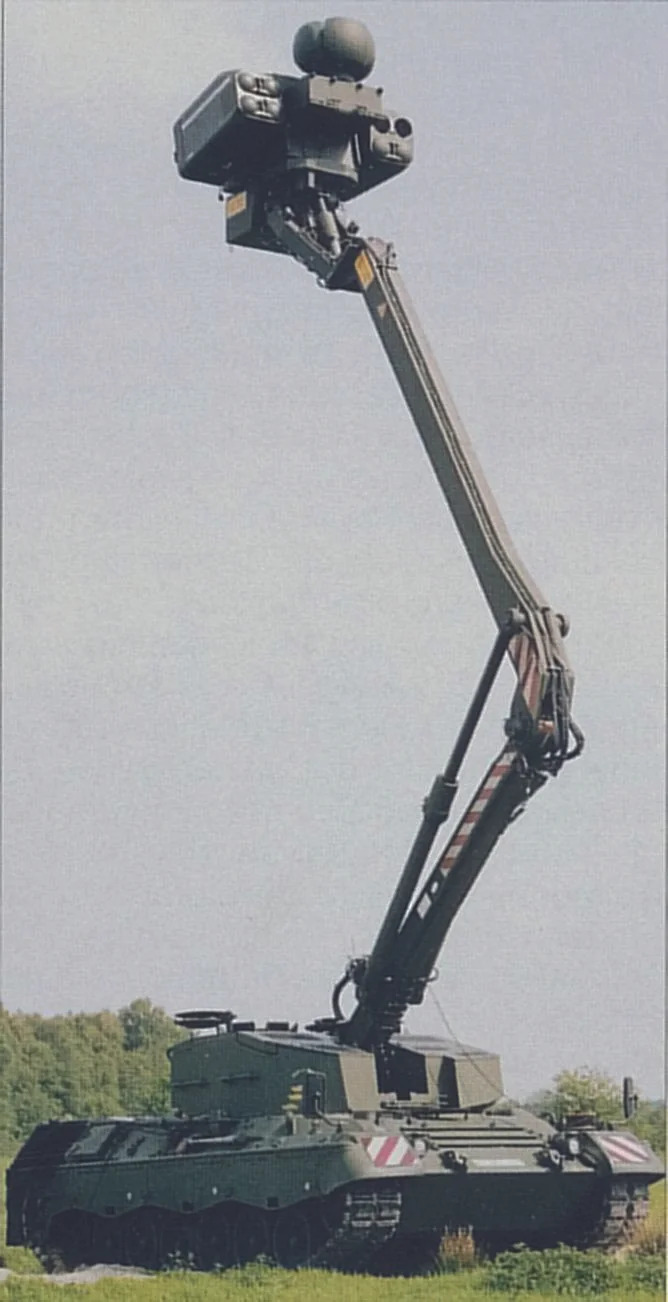
While detailed information on this vehicle is sparse and hard to find, its existence is proven by Photos and the prototype being an exhibit in the Panzermuseum (Tank Museum) in Münster, Hall 2, Area 8.
The “Giraffe Concept” involves the usage of a telescopic weapons platform to maximize visibility and overcome obstacles, mainly for Anti-Tank Guided Missiles (ATGM). While early concepts date back as far as 1937 with the bristish patent for the “praying mantis” (2 Prototypes), efforts ramped up during the Cold War in response to Soviet Armored threats. Due to the frequent operation of such vehicles at heights exceeding 6 meters above ground, surpassing the average height of a Giraffe at 5.5 meters, led to them being commonly referred to as ‘Giraffe.’
Many nations explored this new type of vehicle, like Croatia with the M-95 Cobra, Britain, Switzerland and Israel for example.
German Engineers also explored the integration of anti-tank guided missiles (ATGMs) on liftable/telescopic modules, resulting in the development of the Trilateraler Versuchsträger (TVT) during the 1970s. The Vehicle was based on the Leopard 1 Chassis with a remotely operated ATGM launcher platform on a telescoping mast with a full height of 18,28 meters when fully erect.
By 1981 Germany entered into an agreement with France and Britain to jointly develop the PARS 3 LR (Anti-Tank Missile System 3-Long Range) missile. It was intended to replace the HOT guided missile by the 1990s and could be deployed by both Ground Vehicles and Helicopters. Contracts between the nations were officially signed in 1988, official starting the “Trigat Program”.
France and Britain opted to adopt the German TVT Concept in 1991 resulting in a cooperative venture. It was intended to provide an alternative to expensive and complex attack helicopters at the time. Therefore, Germany, France, and Great Britain developed a rocket launch platform on the chassis of the ‘Leopard 1’ main battle tank, which, with an extendable articulated arm equipped with a launching device for anti-tank rockets, was intended to attack enemy targets from positions behind hills or forests.The Panther Tank Destroyer was produced in the 1970s to 80s period to demonstrate functionality of the system from a ground based platform. It used the HOT/HOT 3 missile with manual guidance by wire or laser for tests.
An upgraded prototype was built during the 1990s and finished in 1995. The Leopard 1 Chassis remained, but the launcher now used the fire-and-forget PARS 3 LR missiles from the joint development program and reached a height of 12.5 to 13 meters in 30 seconds. Firing tests began in 1996 and were deemed a success, although the concept was abandoned in 1995 due to the changed security policy situation. Great Britain withdrew from the project in 1993 and France postponed the procurement of the PARS 3 LR missile indefinitely in 2005, making Germany the sole operator of the Missile after a 30 year long development period.
Technological advancements of ATGM’s eventually led to the abandonment of the Giraffe Concept as ATGM carriers, but the concept still endures in various roles to this day.
PARS 3 LR Specifications
Spoiler
- Guidance System: Completely passive, imaging infrared (IIR) “fire-and-forget”.
- Effective Range: Up to 7,000 m.
- Speed: Mach 0.9 (approximately 298 m/s or 1,044 km/h).
- Warhead: Tandem shaped-charge, designed to defeat modern reactive armor.
- Missile Weight: 49 kg (including the launch tube).
- Dimensions: 1,600 mm length, 159 mm caliber.
- Engagement Capabilities: Can attack stationary or moving targets (main battle tanks, helicopters, or command posts) with salvo firing (up to 4 missiles in 10 seconds).
- Attack Modes: Offers selectable flight profiles including direct attack and top-attack. [1, 2, 3]
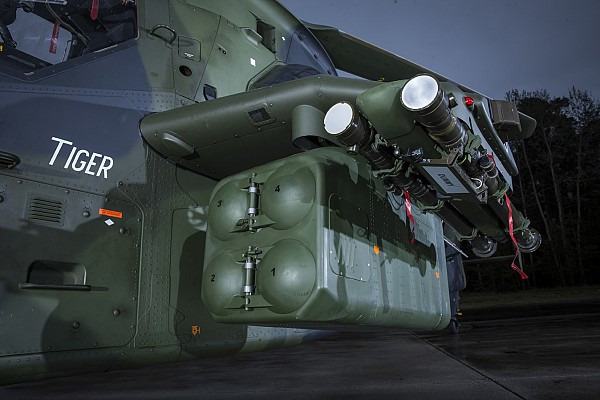

Leopard 1 Chassis Specifications
Spoiler
- a welded design made of homogeneous rolled steel armor.
- Hull length: 7.09 meters (compared to 9.54 meters overall length with the main gun facing forward).
- Width: 3.37 meters.
- Hull roof height: Approx. 1.45 to 1.50 meters (excluding turret structures; standard total vehicle height with turret is around 2.40 meters).
- Hull weight: Approx. 25 to 26 metric tons (a complete standard turret weighs around 12 to 15 tons, bringing the full combat weight to roughly 42 tons).
Propulsion & Performance
- Engine: MTU MB 838 CaM-500, a 10-cylinder V-configuration multi-fuel diesel engine.
- Power output: 830 hp (610 kW) at 2,200 rpm.
- Transmission: ZF 4HP250 hydromechanic shifting, reversing, and steering gearbox with 4 forward and 2 reverse gears.
- Top speed: 65 km/h (40 mph) on paved roads.
- Operational range: Approx. 600 kilometers on roads, approx. 400 kilometers cross-country.
Armament
- 8 PARS 3 LR Missiles with imaging infrared (IIR) “fire-and-forget” seeker/targeting
Pictures
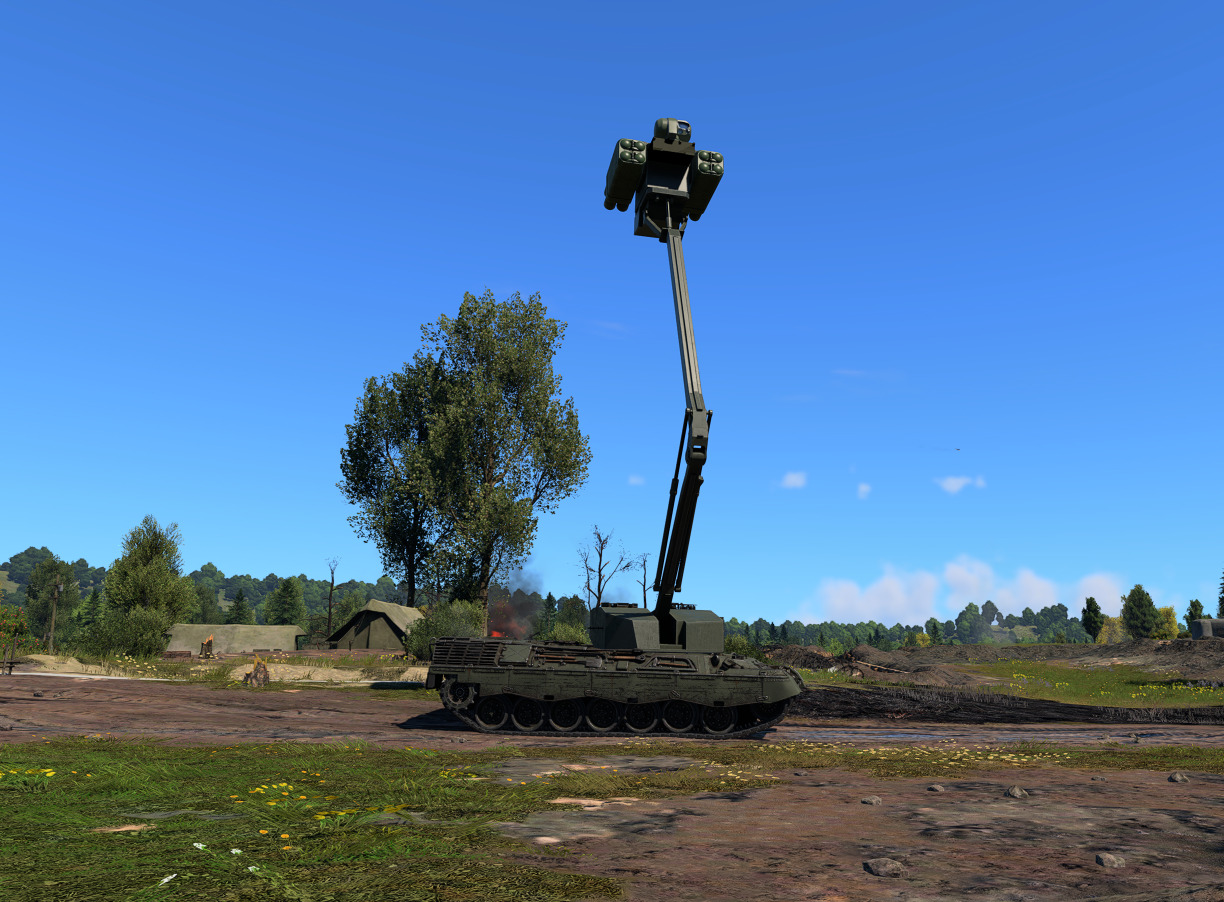
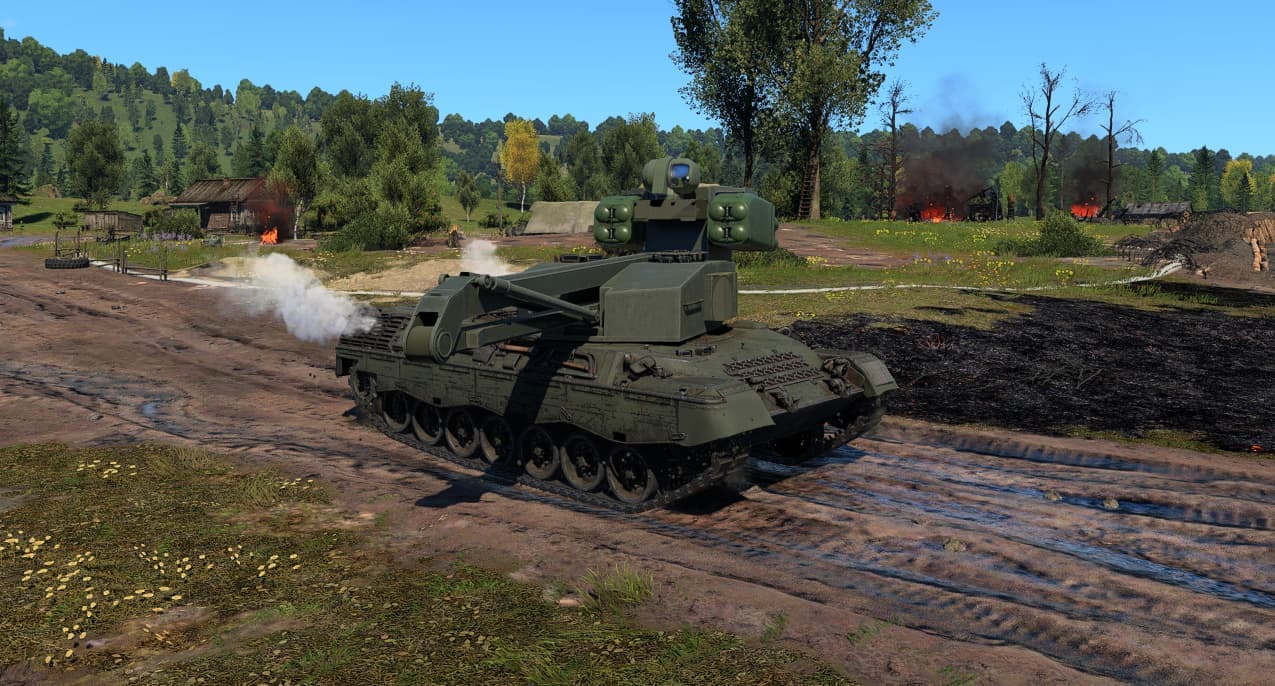
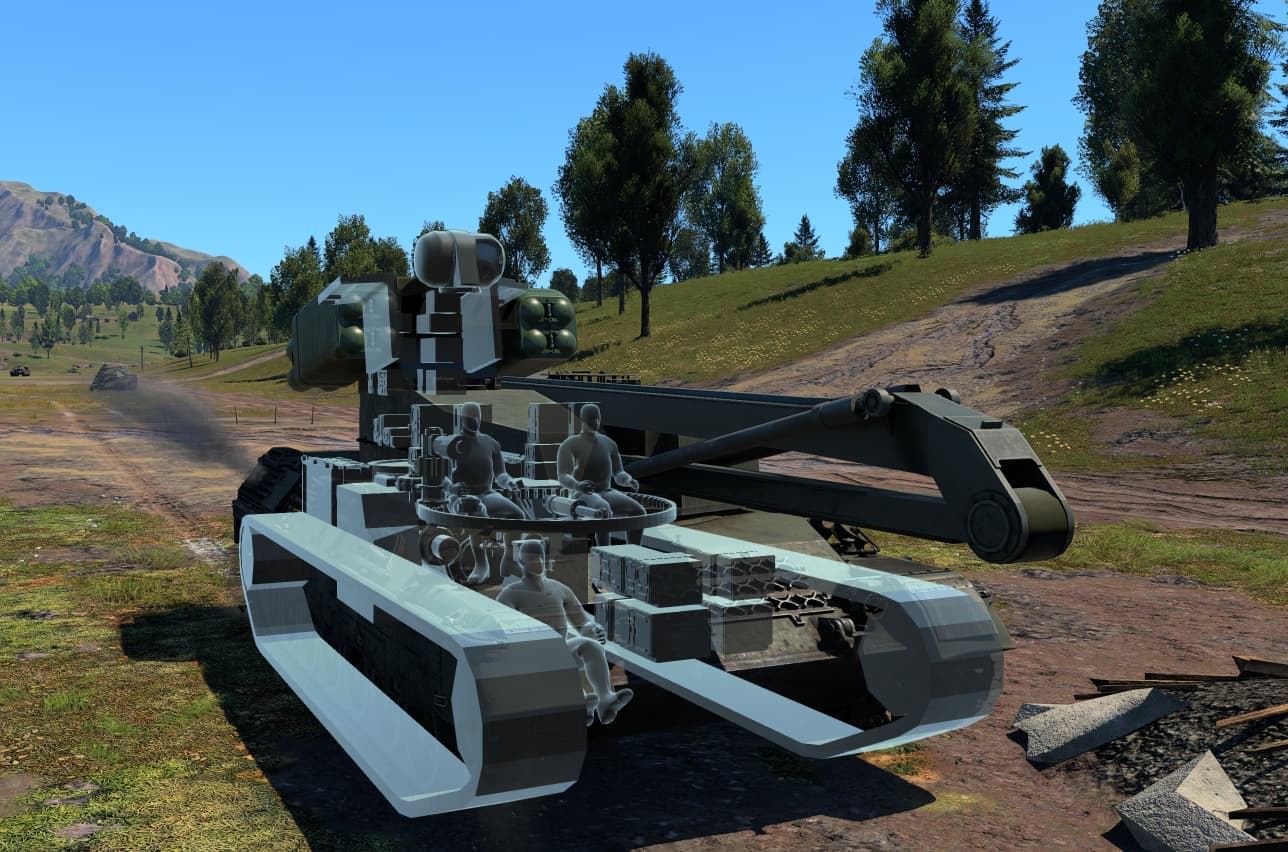
A WiP user model by @LudendorffVT-live
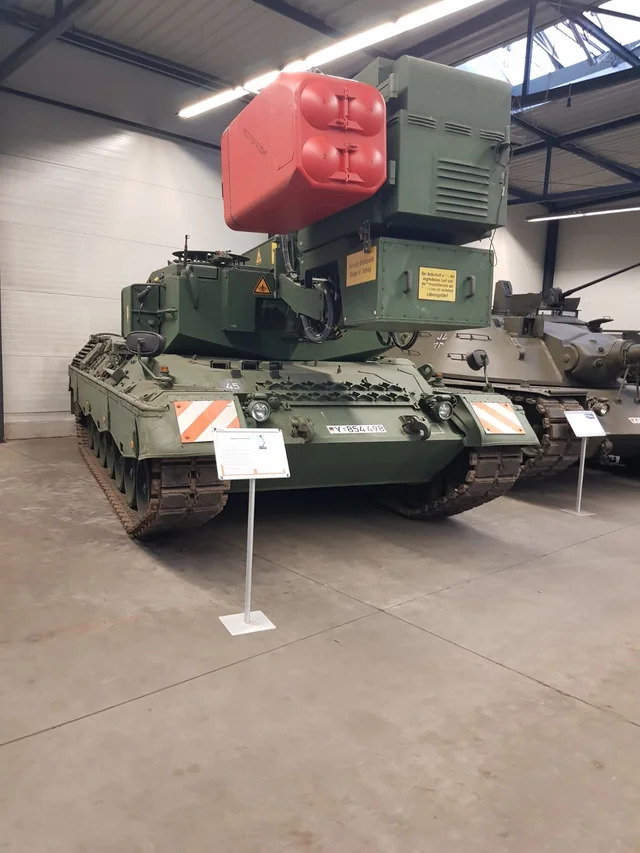
TVT Leopard 1 in the Tank Museum Münster with 1 mock PARS 3 LR Pod installed.
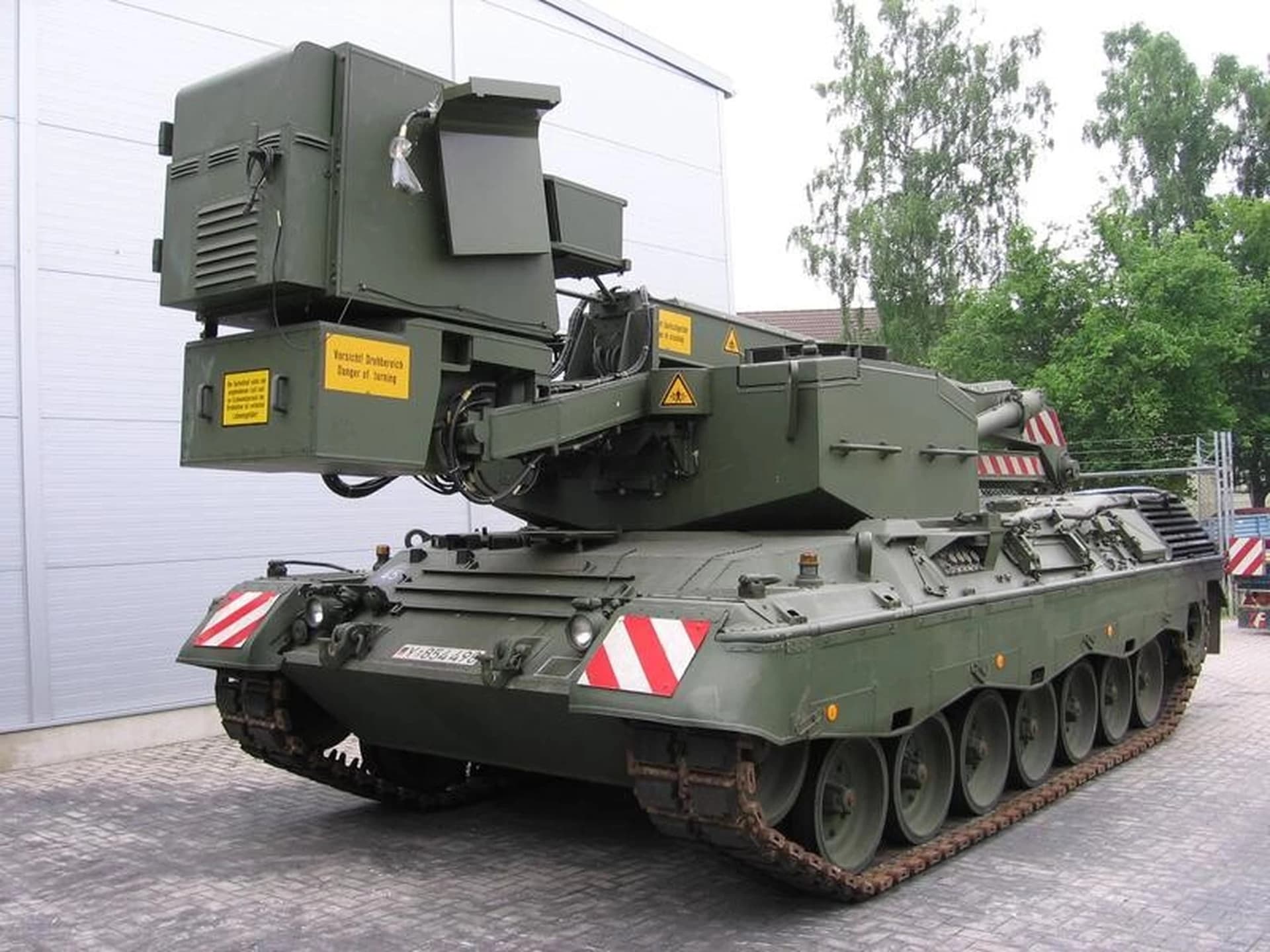
The TVT Leopard 1 without PARS 3 LR Pods installed
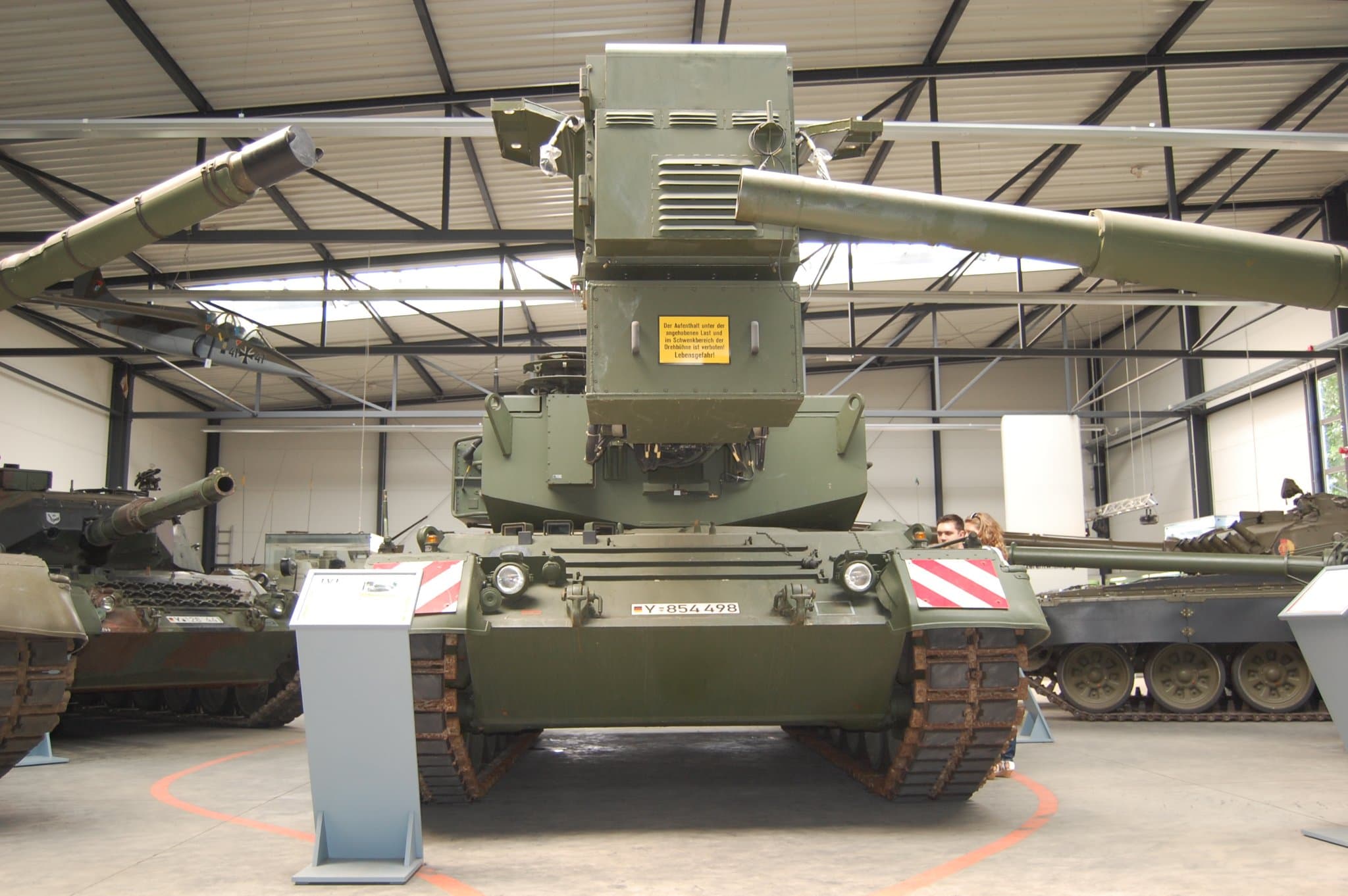
Front view without PARS 3 LR
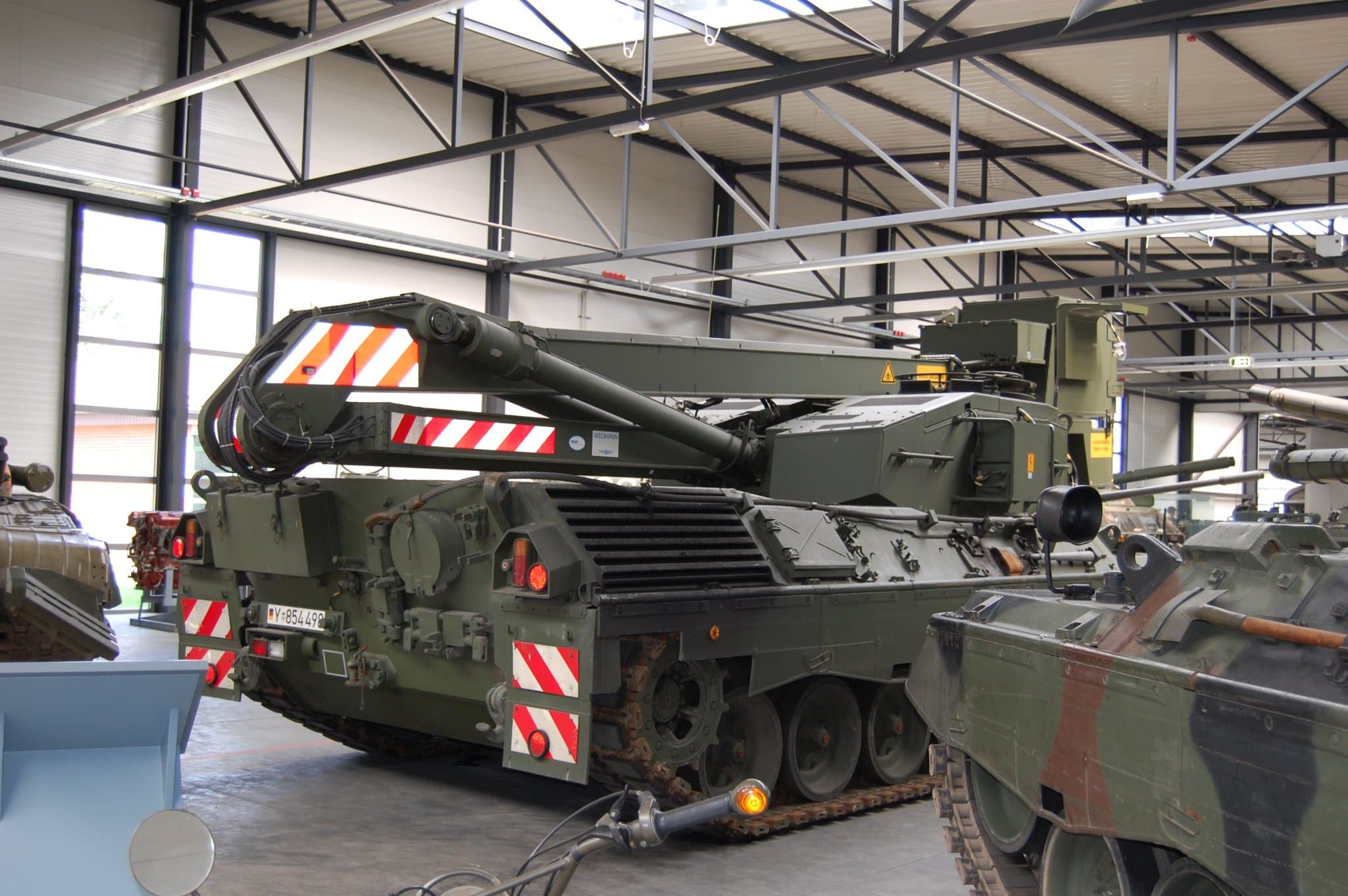
Rear view without PARS 3 LR
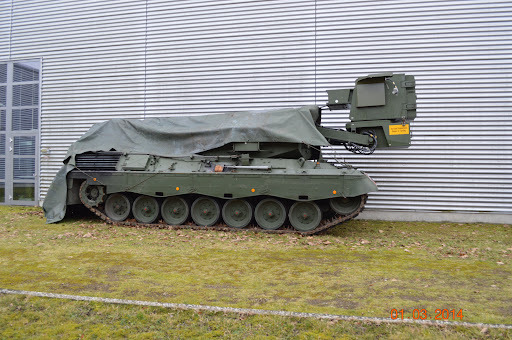
Side view, partially covered
Video (German)
Bibliography
- pp. 12-13 wd-2-070-18-pdf-data.pdf
- Russian soldiers revive outdated Cold War-era Giraffe vehicle in Ukraine
- Trilateral Experimental Vehicle (TVT) Prototype Walk Around Page 1
- Caesar auf X: „German experimental Trilateral Experimental Vehicle (TVT) prototype based on Leopard 1 MBT chassis https://t.co/9xawRn5UeM“ / X
- MDBA-Deutschland, PARS 3 LR
Sorry for the long read, I am not experienced with making Suggestions at all. I hope you enjoyed it, make sure to vote and share your feedback.