Some points to consider before reading the list
- This post has no correlation with the ongoing drama in the community and I have been working on this post for more than a week, before the drama started.
- This is not a suggestion post and so this list does not include any technical details on any of the vehicles mentioned here and I have mostly just copied the description of the vehicle from other sources and pasted here, or wrote a summary of the available info on them myself.
- This list only contains High Tier and Top Tier vehicles but if you’re interested, I can make another one for vehicles in lower tiers as well (Interwar, World War 2, Cold War).
- This list is centered around the current nations in War Thunder and so it contains other nations under some nations like we have in game (For example, India under Great Britain or Thailand under Japan, etc).
- This list also contains 5th generation aircrafts and vehicles in prototype/development stage.
- Many of the vehicles mentioned here have already been suggested on the forum and this post only acts as a list that mentions most of the possible additions to the game and if you are interested to know more about any vehicle mentioned here, search it in the forum and read the in depth posts about that vehicle written by other members.
- This list does not include bombers as balancing them would be hard and they would not be considered High Tier or Top Tier and will probably be placed around Mid Tier to High Tier (I can cover them in the other list I mentioned in the first point).
- Vehicles mentioned here are not going to be added immediately and it may take years to be implemented and not all of them might get added.
- Sorry if there are lots of drop down lists, I tried to make this list as compact as I can so had to use lots of drop down lists.
With those points out of the way, here are some vehicles we can expect to be eventually added (suggest any vehicles you think I missed in the comments):
USA
USA
.
USA Air
F-15EX Eagle II
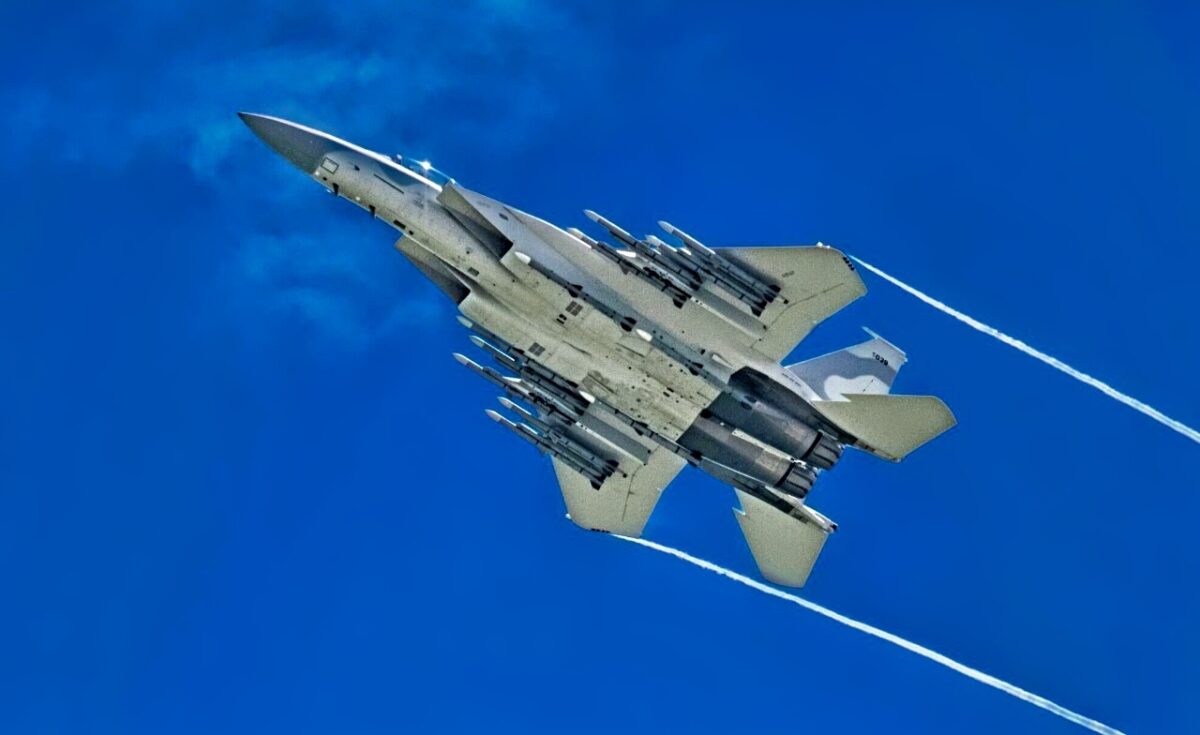
An upgraded version of F-15E that can carry 12 AIM-120 missiles or up to 25 smaller munitions with a total weight of 29,500 lb (13,400 kg).
F-15SE Silent Eagle
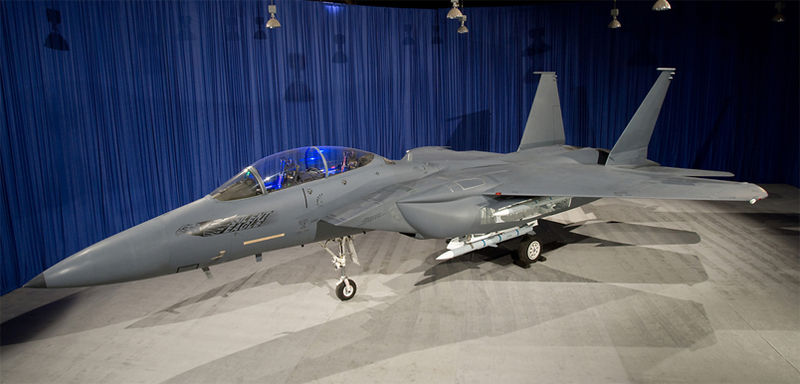
A modified version of F-15E with stealth characteristics developed to compete with the F-35A to be sold to South Korea but lost the competition and other potential buyers such as Japan, Saudi Arabia and Israel chose other aircrafts and F-15SE was eventually put away.
F-15 STOL/MTD
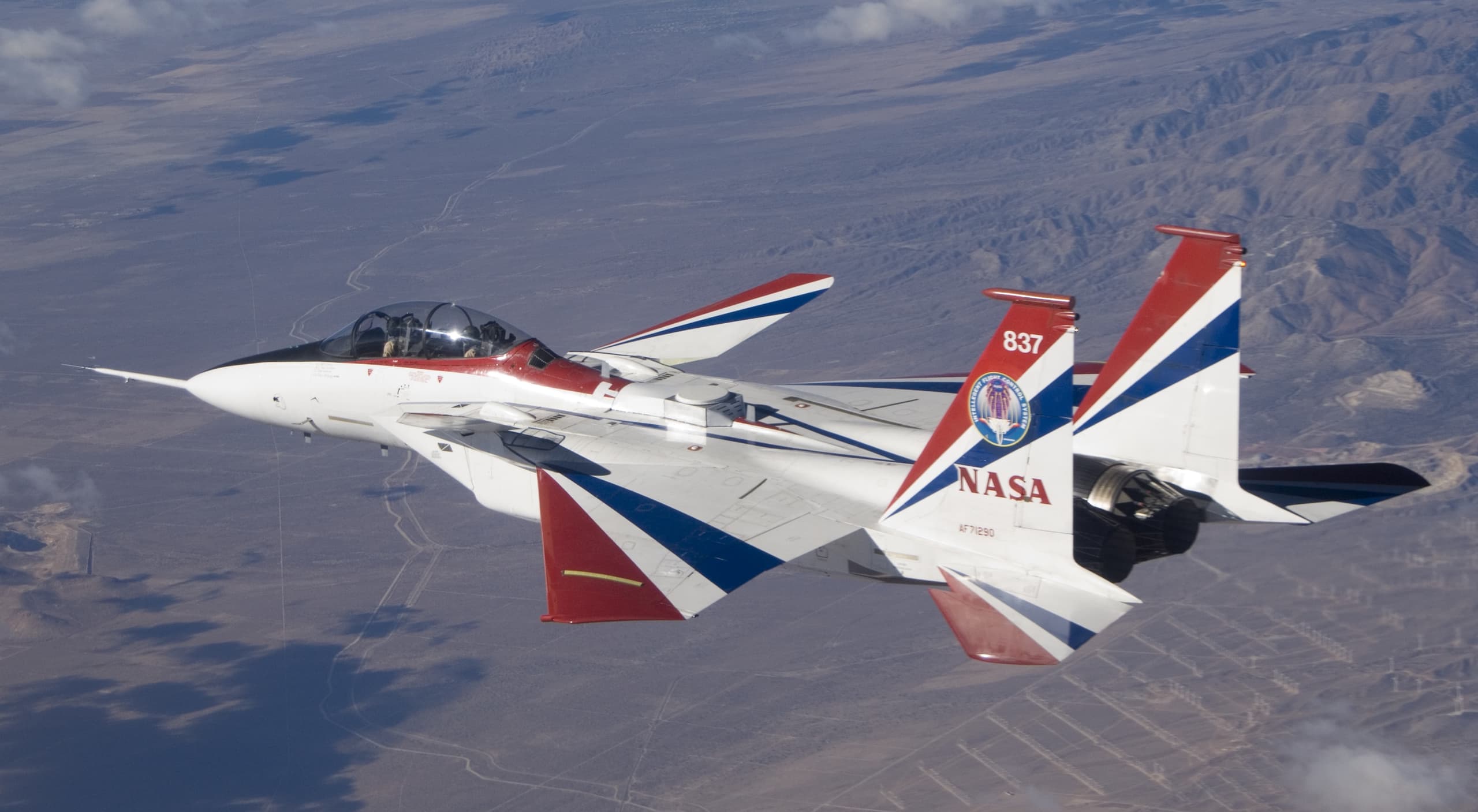
A variant of F-15B modified to have canards and 3D thrust vectoring nozzles and used to test new features such as ACTIVE (Advanced Control Technology for Integrated Vehicles) and IFCS (Intelligent Flight Control System).
F-16XL
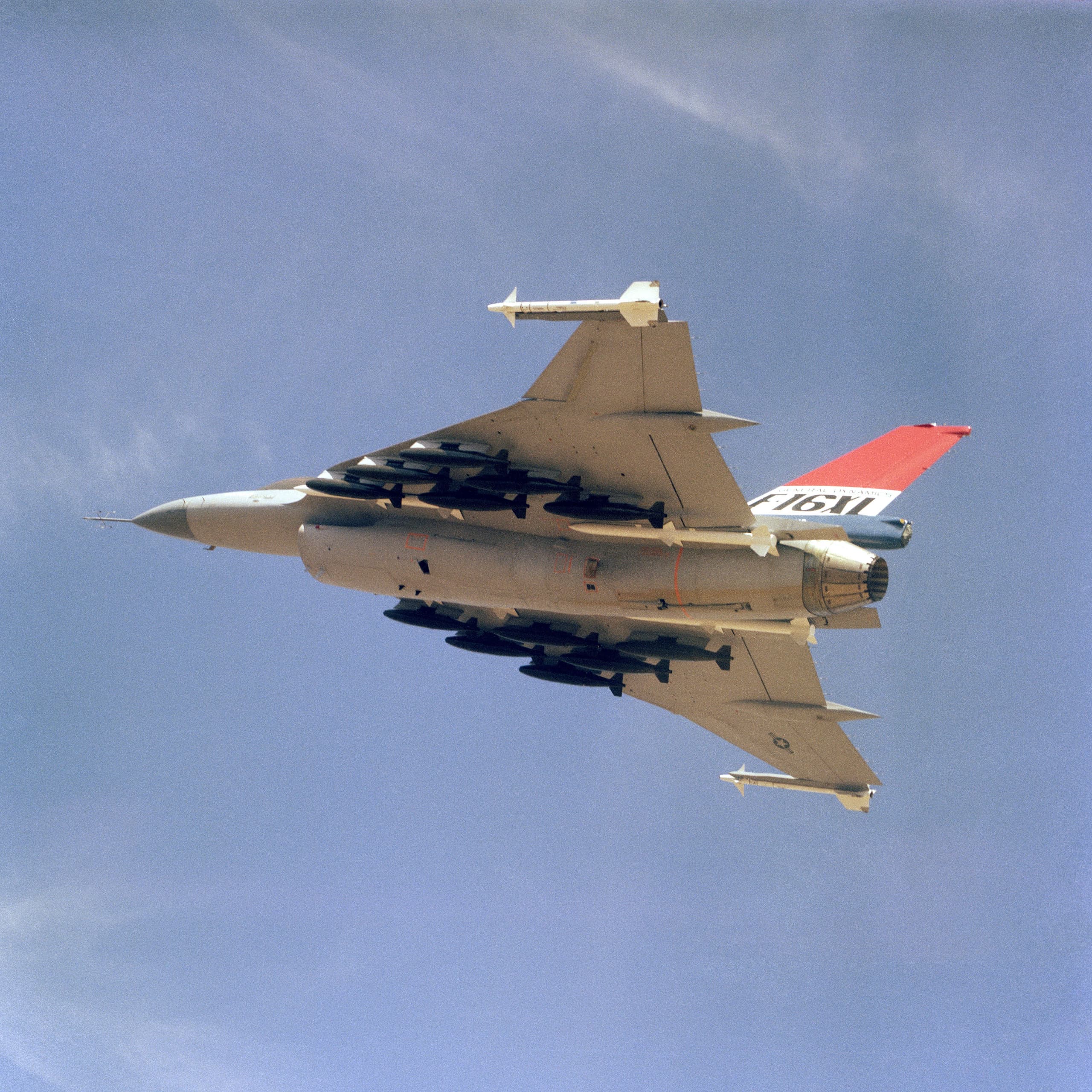
A variant of F-16 developed to compete with F-15E but was defeated. Had 17 pylons and could carry up to 16,000 lb (7,300 kg) of payload and could also carry AIM-120 missiles (as shown in the picture).
F-16CJ/DJ Wild Weasel
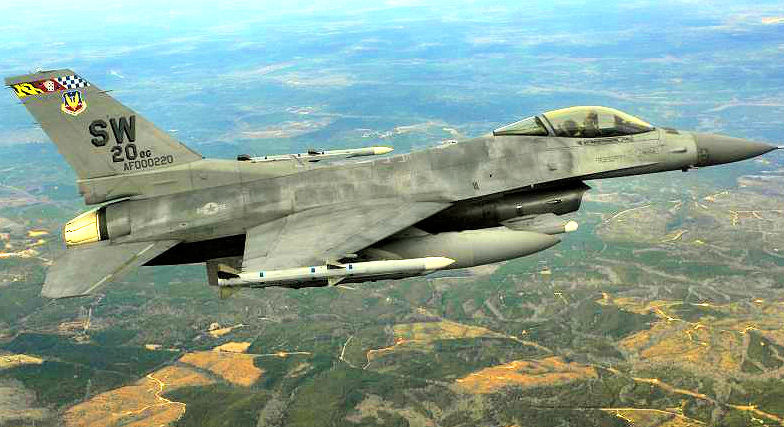
Now that ARM missiles are going to be added, might as well add aircrafts specially designed to carry them and perform SEAD (Suppression of Enemy Air Defense) missions such as F-16CJ/DJ which are called Wild Weasels.
EA-18G Growler
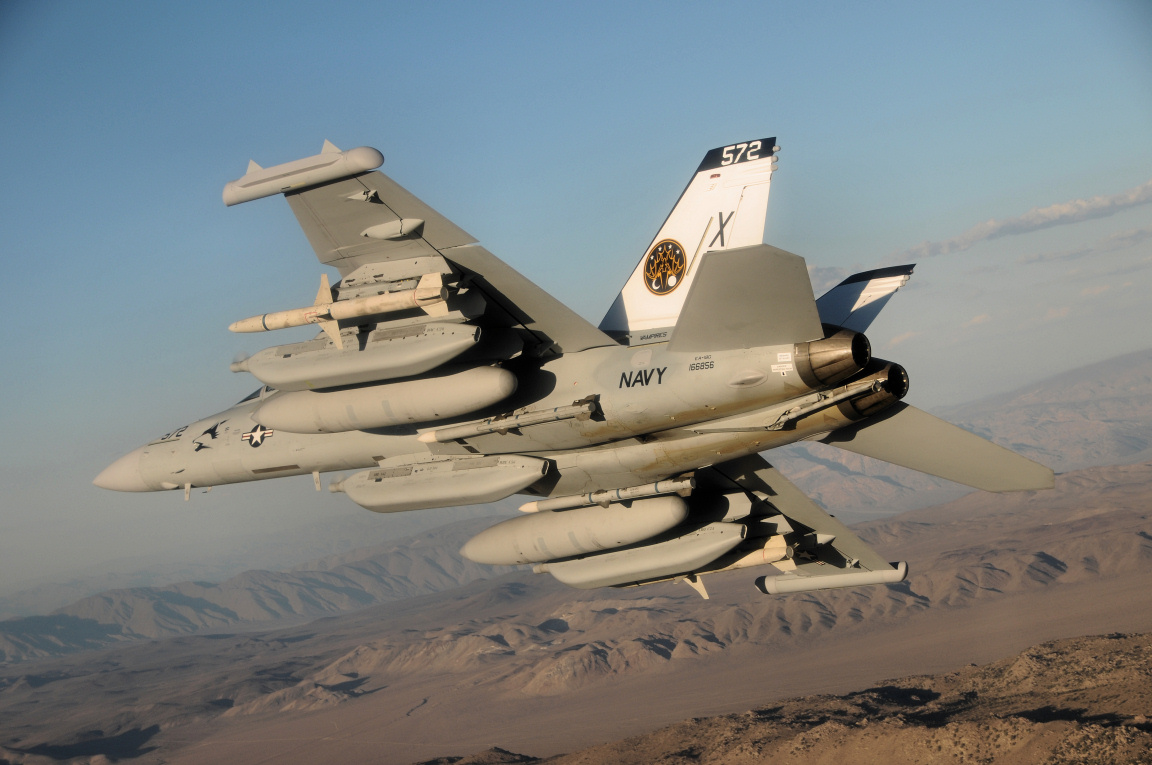
A variant of F/A-18F Super Hornet designed to perform electronic warfare and SEAD missions for the Navy similar to Wild Weasels for the Air Force and to achieve this, the gun had to be removed to make more space for electronic warfare systems.
YF-23
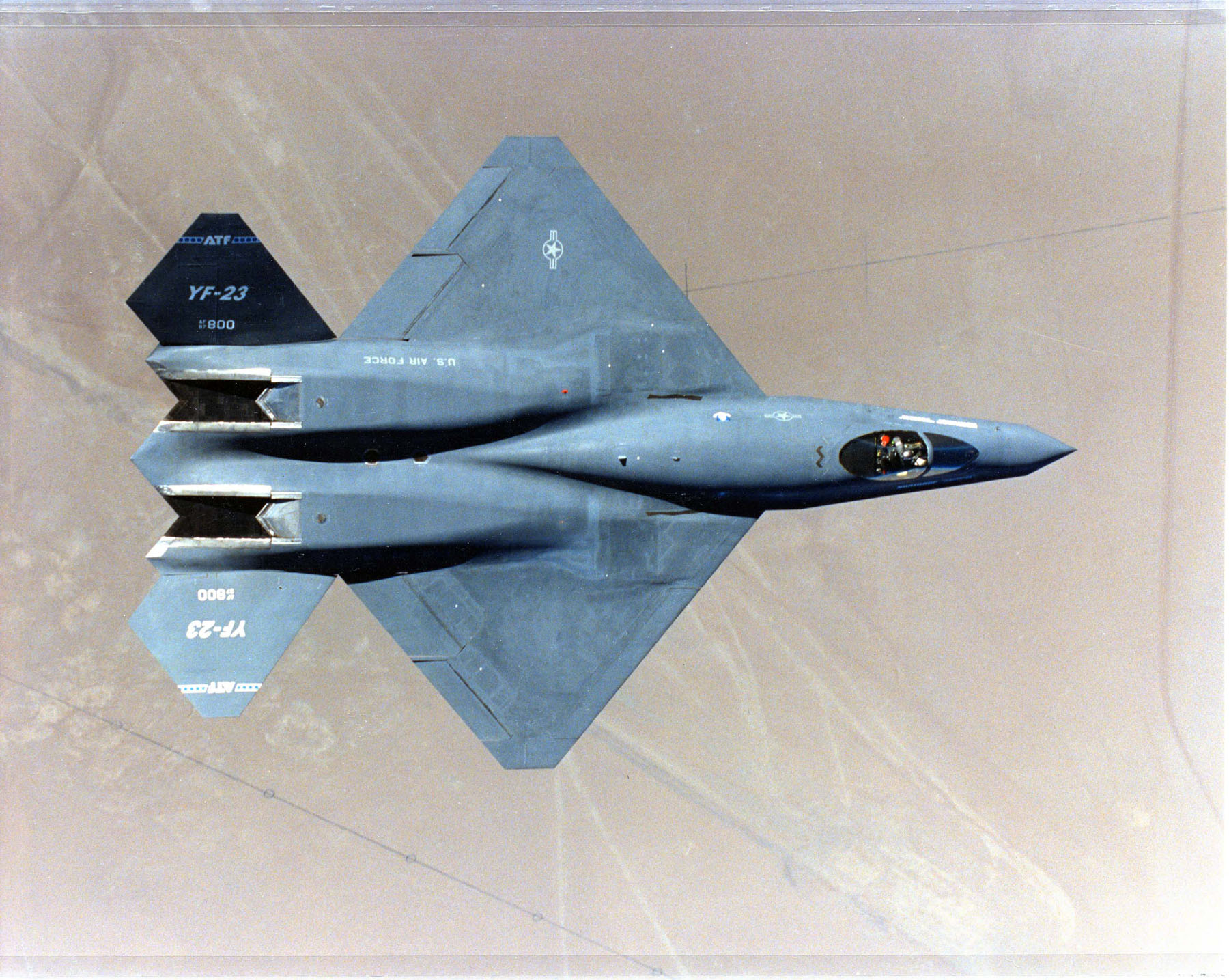
A 5th generation aircraft produced to compete with YF-22 (later F-22A Raptor) but was defeated. Some say it had better stealth characteristics compared to YF-22 and YF-22 only won because of a better maneuverability. Could carry 4 AIM-120 and 2 AIM-9.
F-22A Raptor
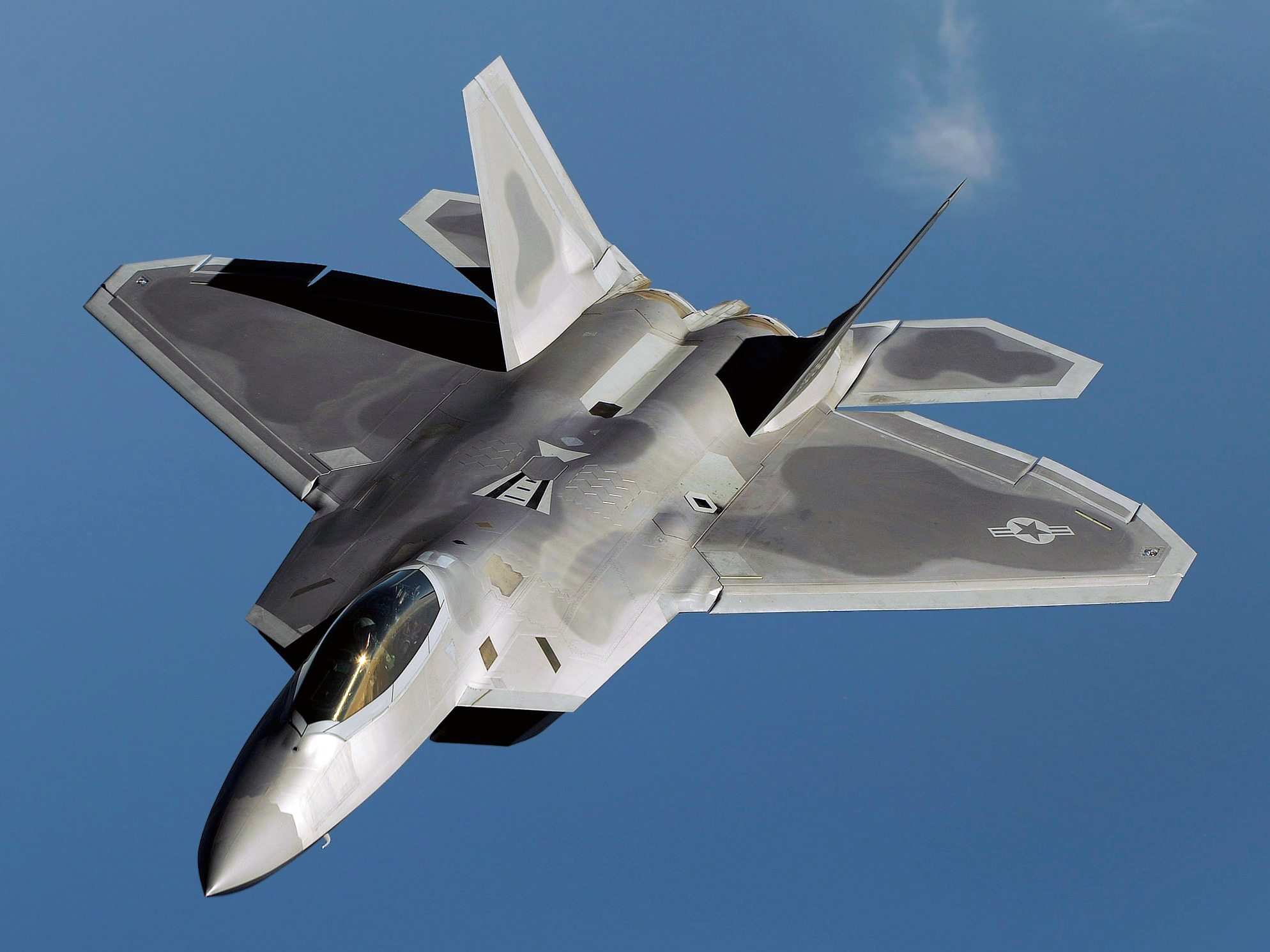
First 5th generation superiority fighter in the world. Can carry 6 AIM-120C/D and 2 AIM-9M/X.
X-32
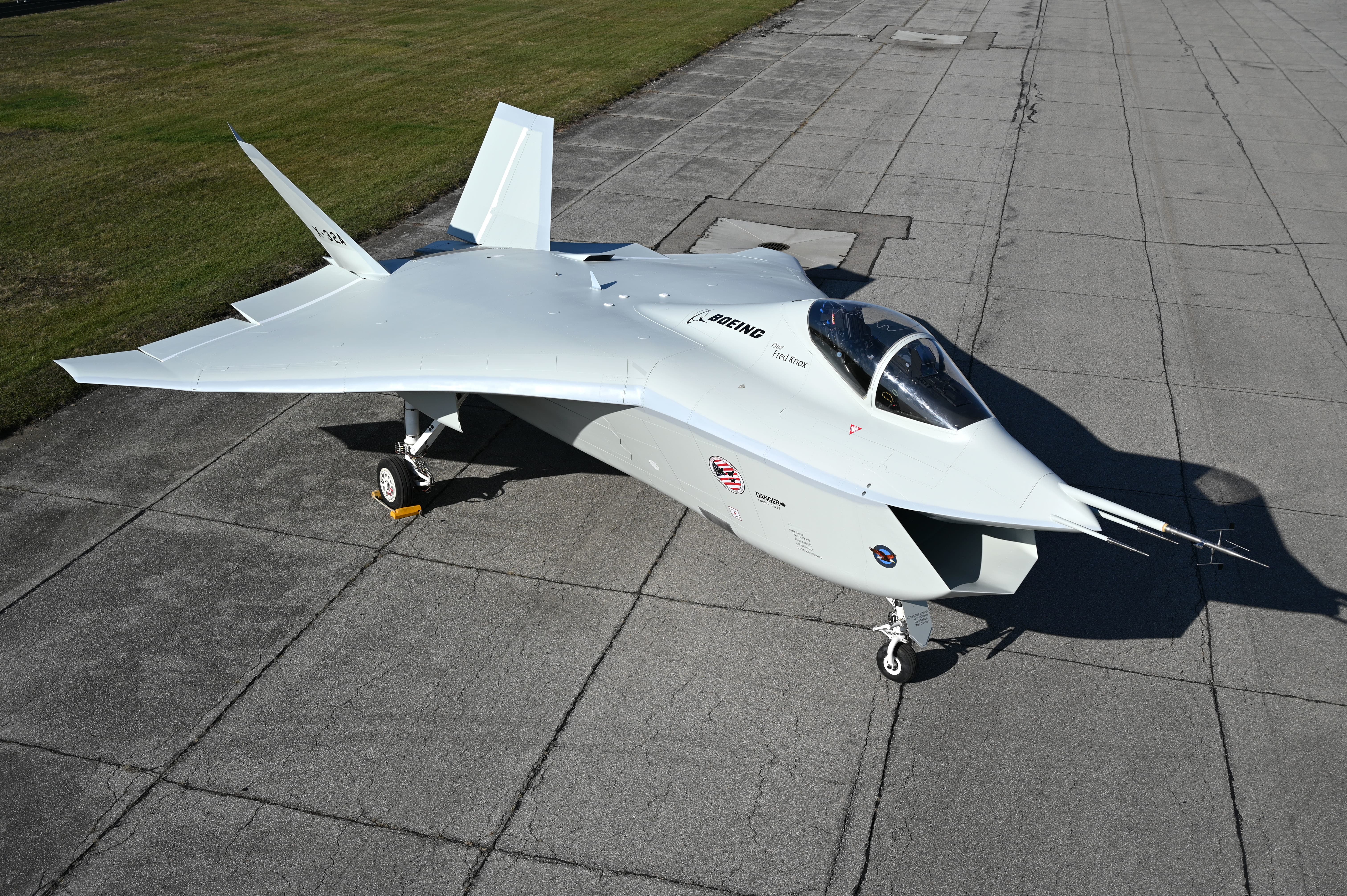
Built to compete with X-35 (later F-35 Lightning II) but failed. Could carry 6 AIM-120 and 2 AIM-9.
F-35A Lightning II
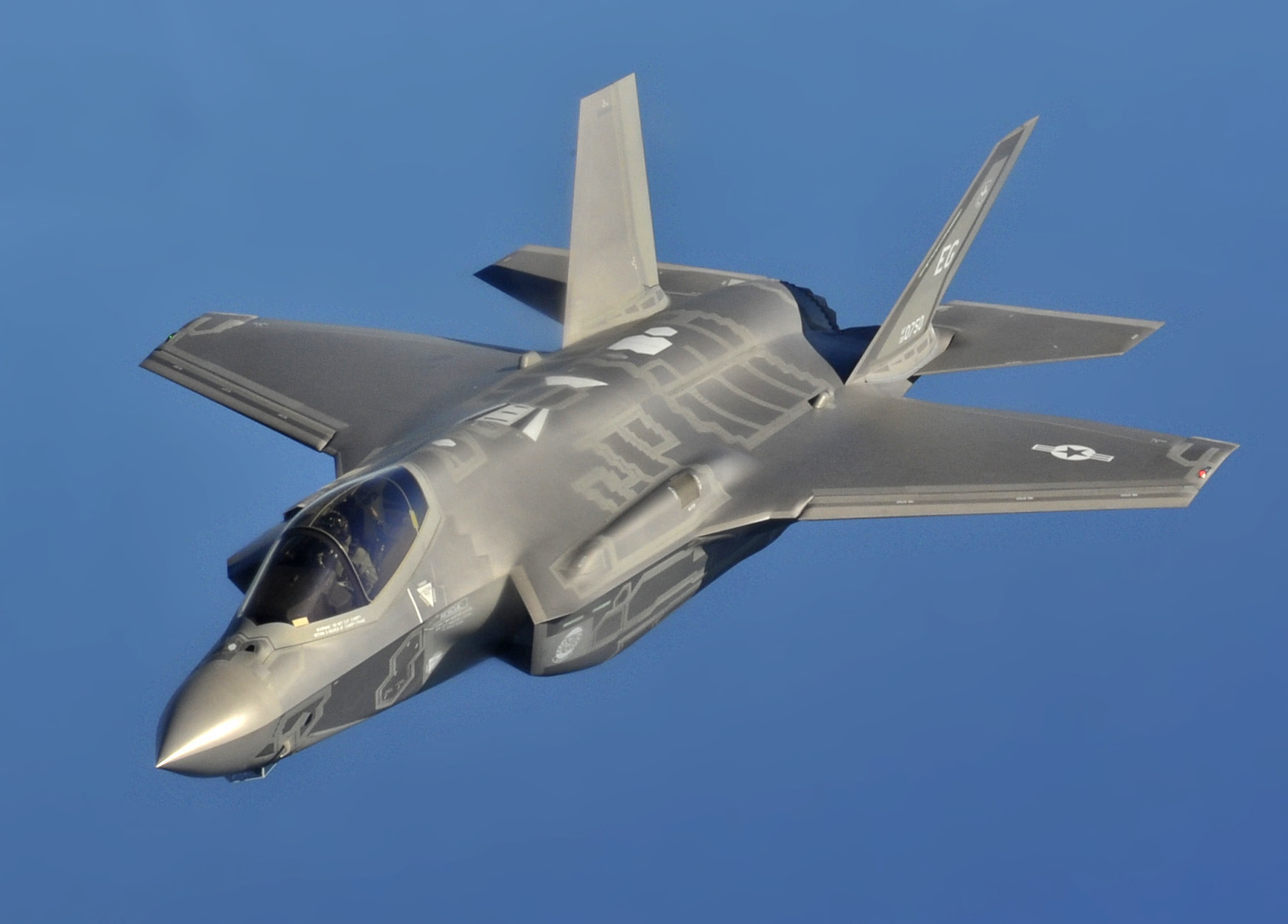
F-35A is the version of F-35 in use by US Air Force. Unlike previous fighters, it uses a 25mm gun instead of the 20mm found in other American fighters and can also carry different types of missiles such as AIM-9, AIM-120, AIM-132, AIM-260, AGM-88G, AGM-158.
F-35B Lightning II
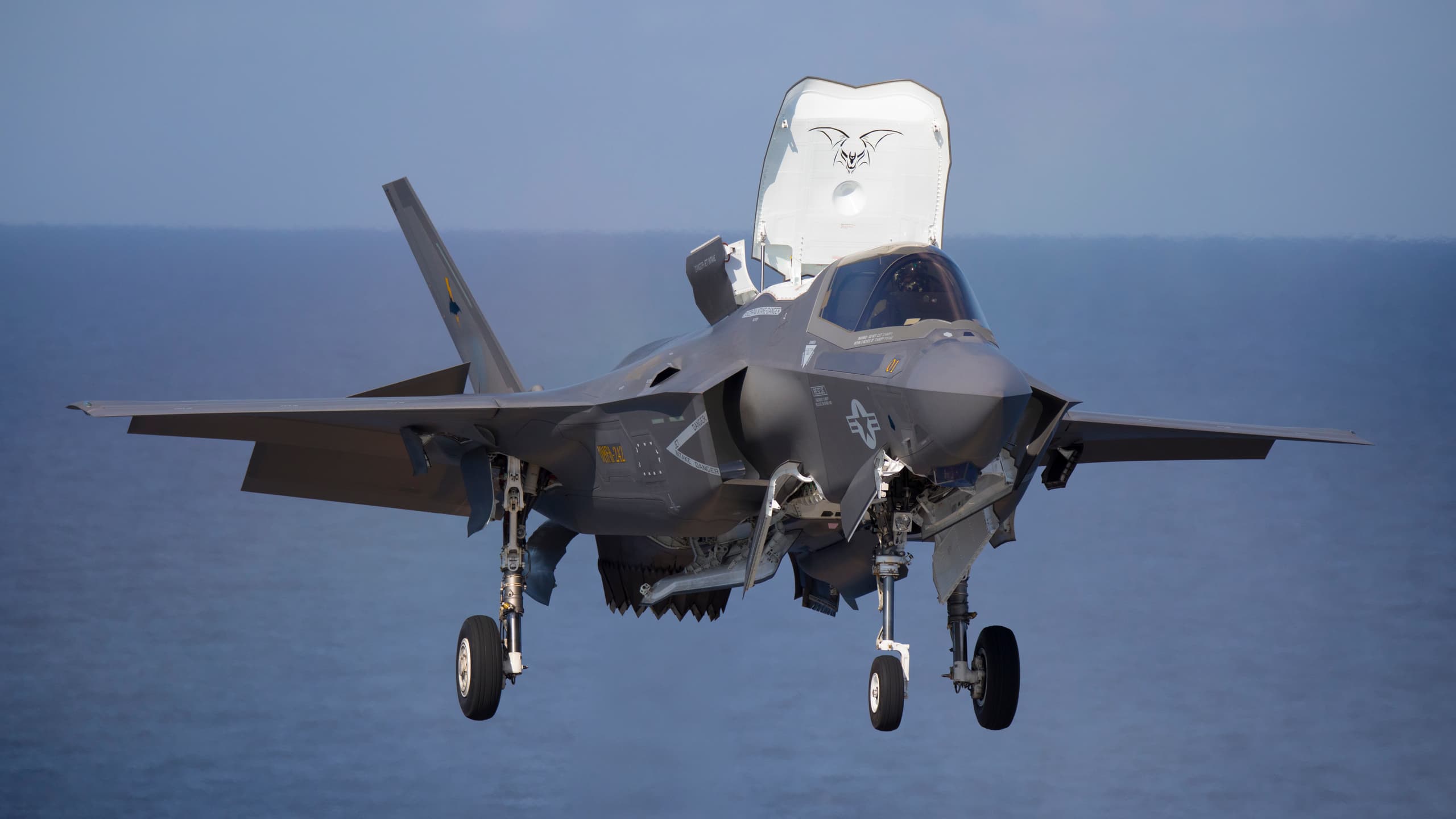
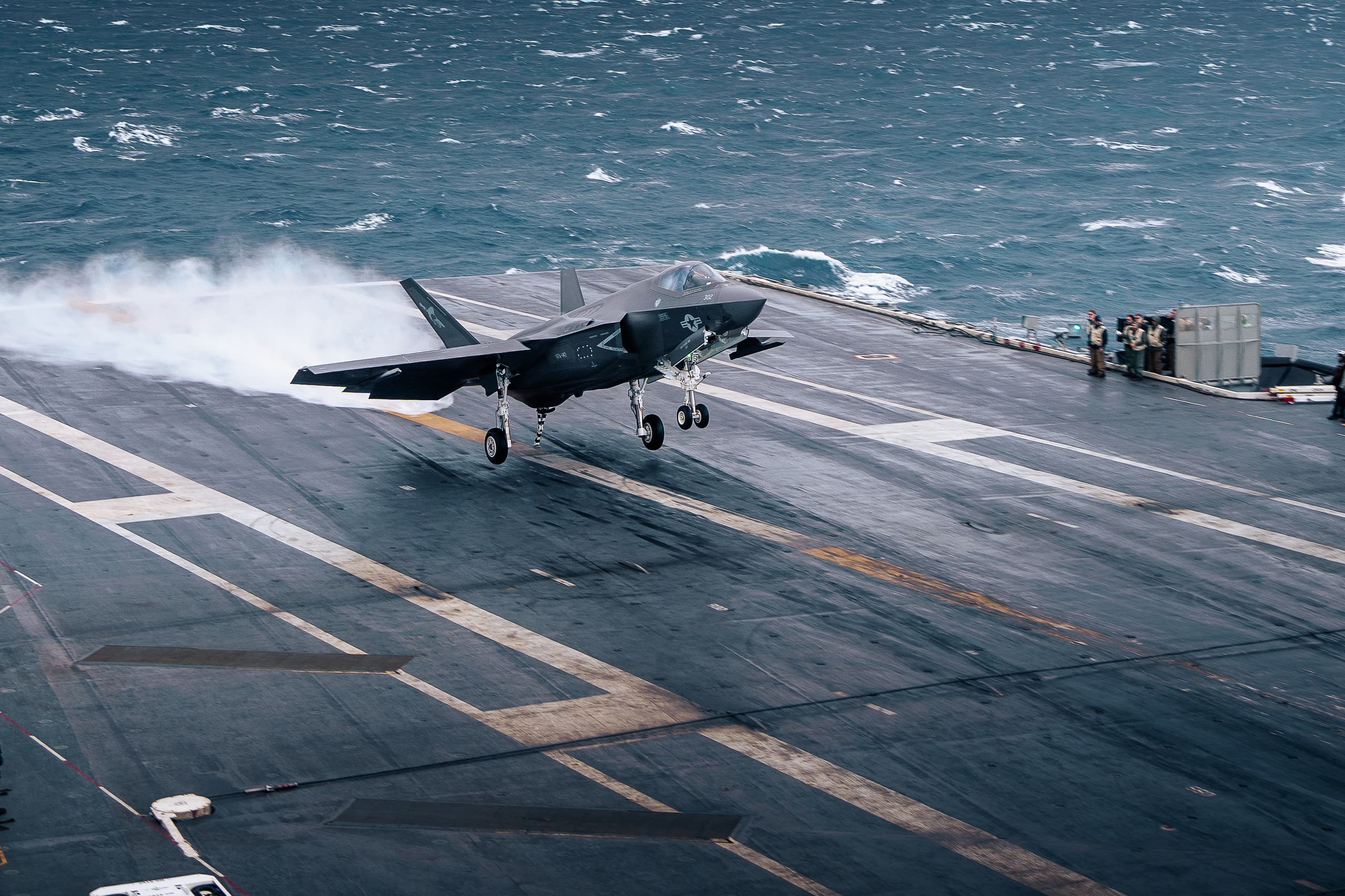
This version of F-35 doesn’t have a gun but instead has STOVL (short take-off and vertical landing) ability and contrary to popular belief, it cannot takeoff vertically with a combat load and it must have no loadout with low fuel to perform vertical takeoffs. It is used by Marine Corps and lacks a landing hook and 1/3 of the fuel capacity of F-35A and is limited to only 7g of force.
.
USA Ground
M1 TTB
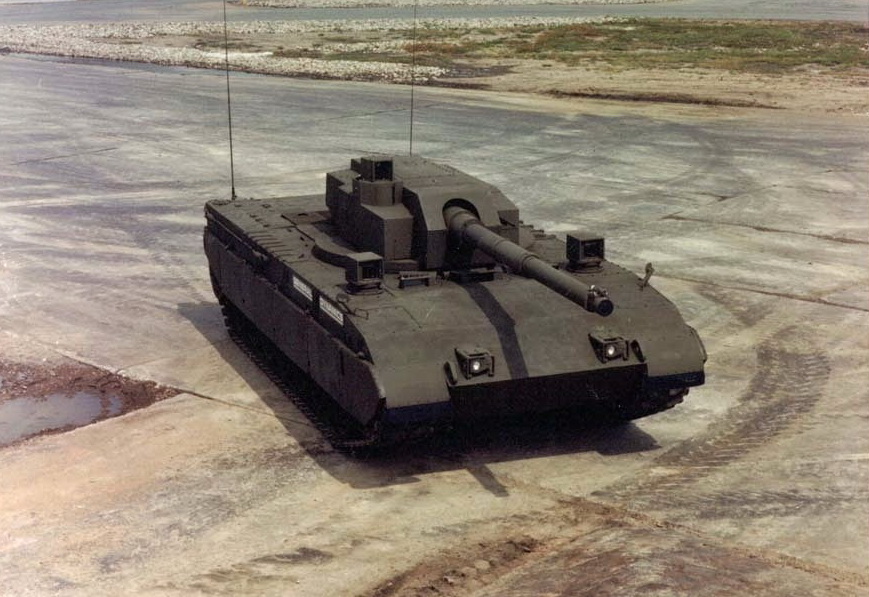
Also known as Abrams Block III Tank Test Bed was a prototype of M1 Abrams with an unmanned turret that had the 120mm M256 L/44 cannon and a 44 round carousel type mechanized magazine autoloader.
M1 Thumper and M1 CATTB
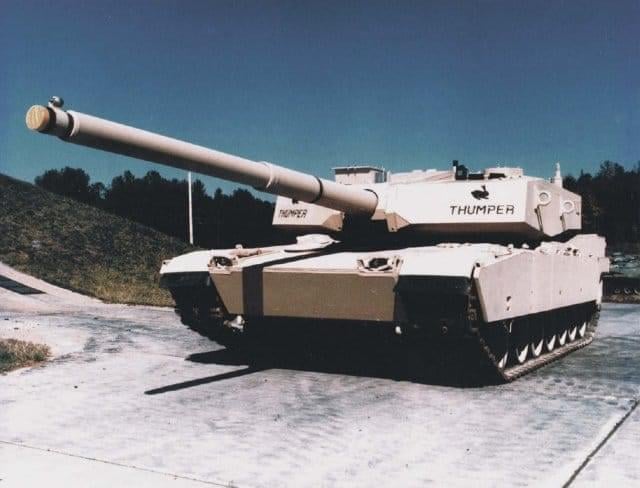
These two tanks are not the same and are two different prototypes despite having the same gun and autoloader and both being built on M1A1 hull. They both used the XM291 140mm cannon and XM91 mechanical cassette autoloader.
M1E3

This version of Abrams has an autoloader and so it only has 3 crew members similar to Eastern tanks but the crew sit inside a heavily armored capsule within the hull and the turret has no crew inside.
Abrams X
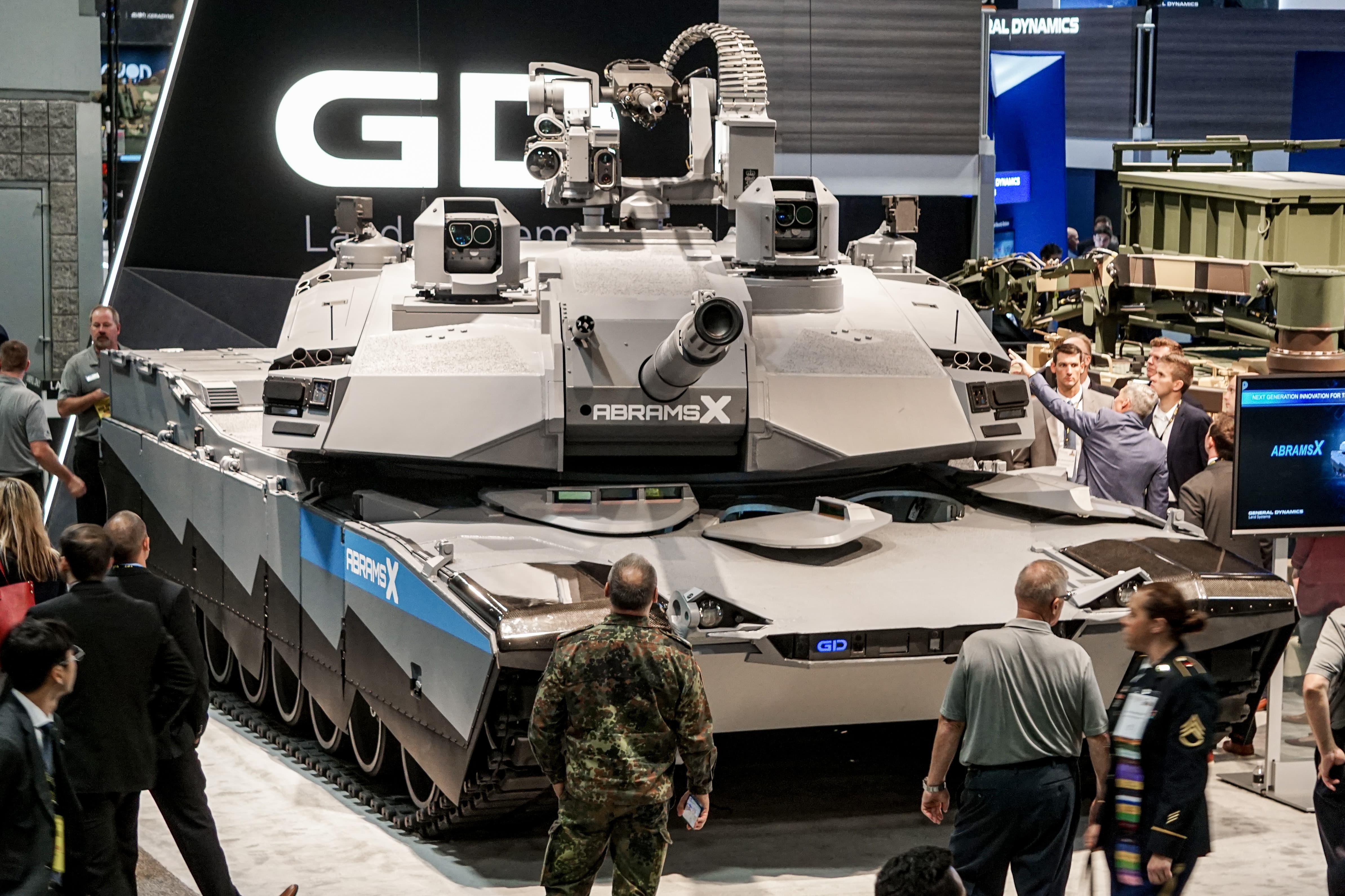
This is a technology demonstrator and like M1E3, also has an autoloader and 3 man crew which inside the hull and the turret has no crew inside. It also has a remotely controlled 30mm roof mounted gun and many other features.
Griffin I
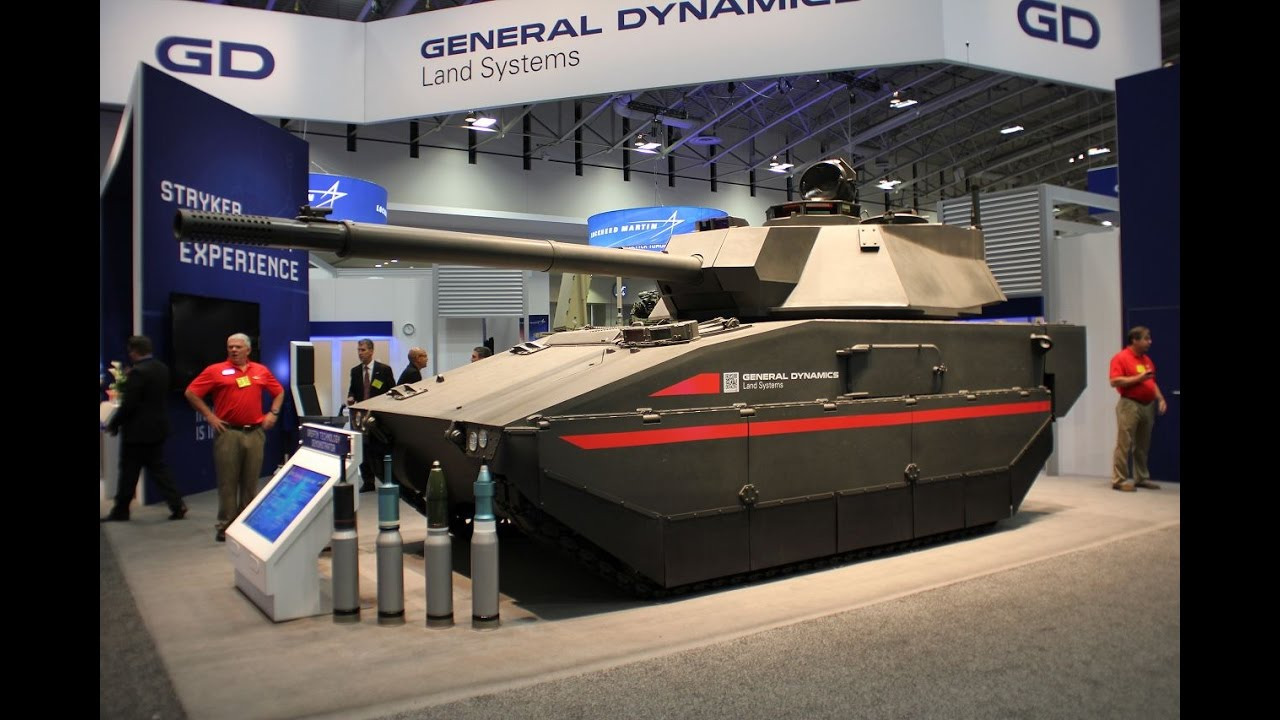
Griffin I is a light tank based on the Ajax chassis and carried the experimental 120 mm XM360 gun and was developed to enter the Future Combat Systems (FCS) program but the program was cancelled.
M3A4 Bradley
This version of Bradley has a 675 horsepower engine that gives it better mobility. I could unfortunately not find a picture of this version and most of the pictures that are labeled as M3A4 are actually other versions like M2A4.
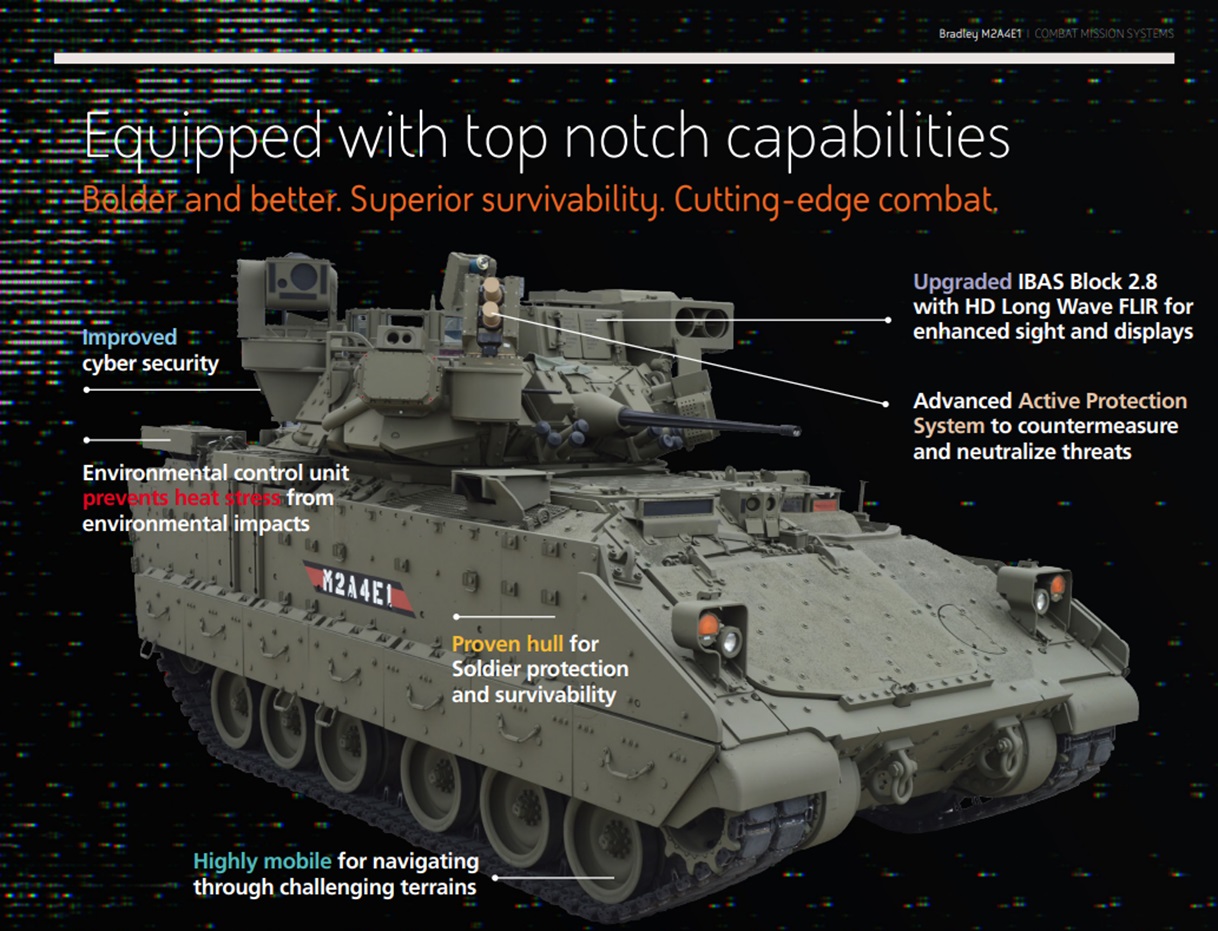
Lynx XM30
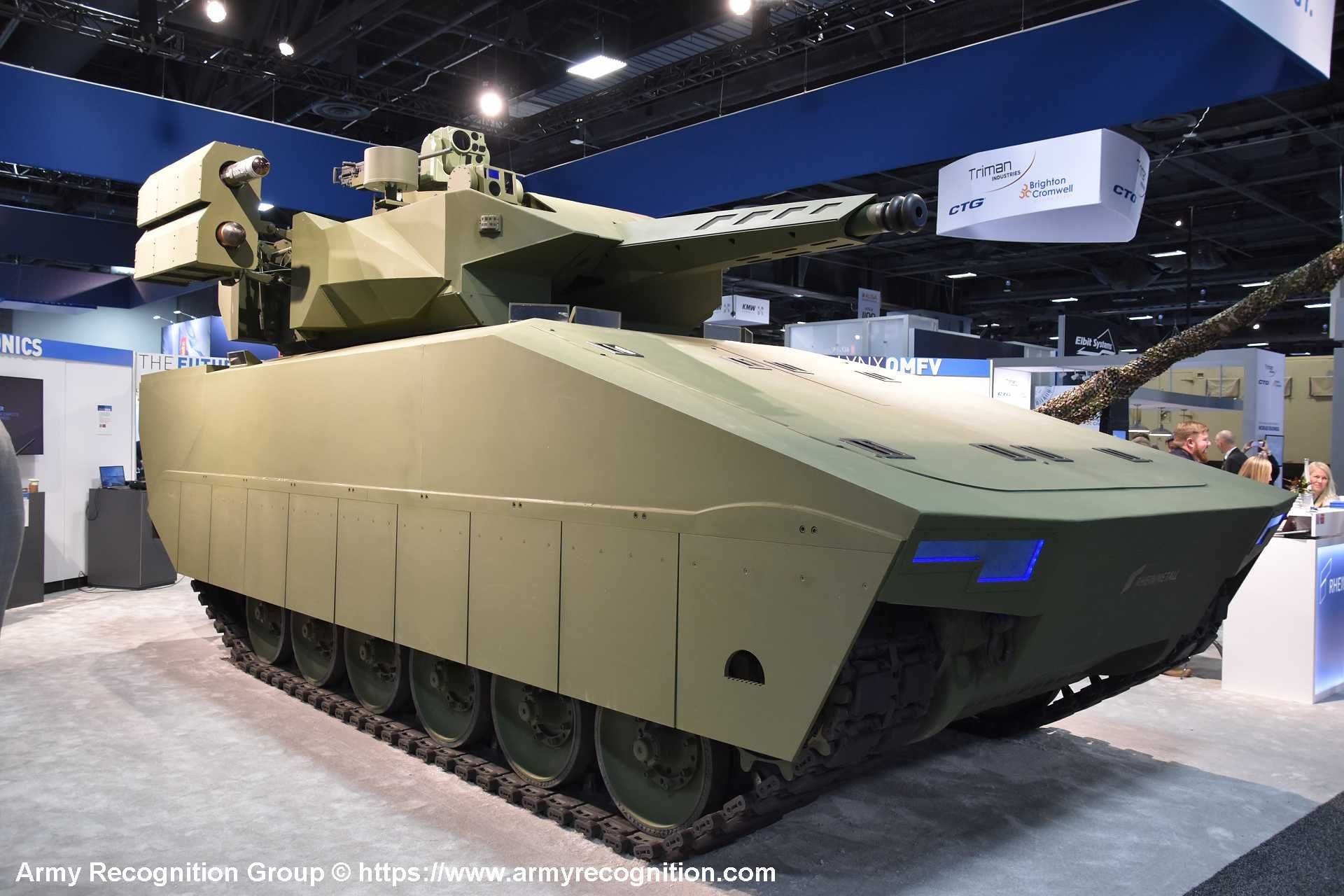
The XM30 Mechanized Infantry Combat Vehicle (MICV), formerly known as the Optionally Manned Fighting Vehicle (OMFV) is a program supposed to replace the Bradley. Rheinmetall has proposed a vehicle based on its KF41 Lynx chassis that calls it the Lynx XM30 and has a 50mm cannon paired with an ATGM launcher able to use TOW and Close Combat Missile System - Heavy (CCMS-H).
Wolf XM30
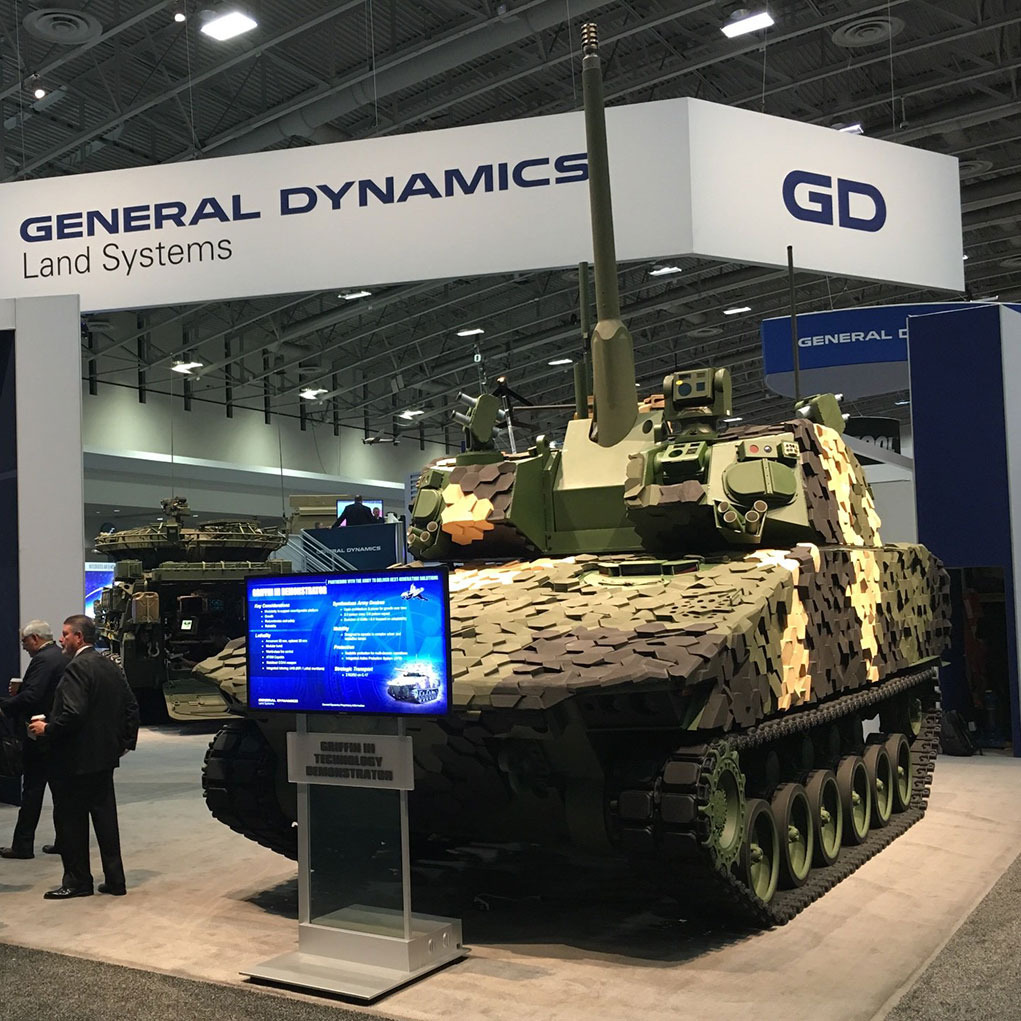
The competitor of Lynx XM30 is Wolf XM30 developed by General Dynamics to compete in the XM30 program. Wolf XM30 is an improved version of Griffin III which was showcased in 2018 but it has been changed a lot since then but I could not find a picture of this prototype in recent years so I posted a picture of Griffin III in 2018 here. Griffin III was equipped with a 50 mm XM913 gun system. It was equipped with the IMI Systems’ Iron Fist Active Protection System (APS) and AeroVironment’s Switchblade loitering munition system.
BAE Systems OMFV
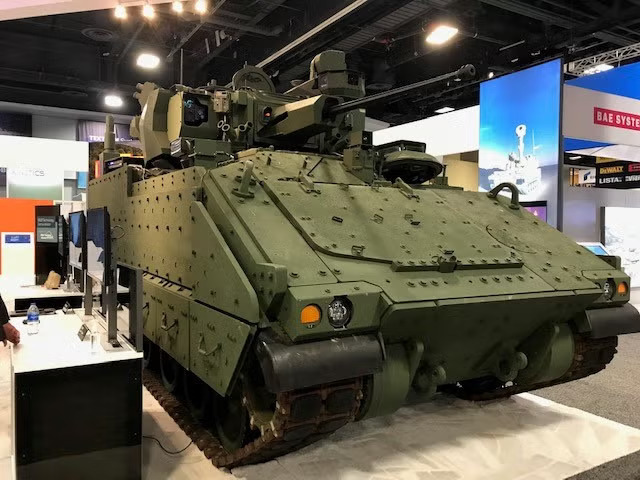
Another proposed vehicle in the XM30 program built by BAE Systems. The name OMFV stands for Optionally Manned Fighting Vehicle which was the name of the program before it was changed to XM30. This vehicle is supposed to have only 2 crew members with an unmanned turret and the overall design of the vehicle looks similar to Bradley IFV.
AS21 Redback
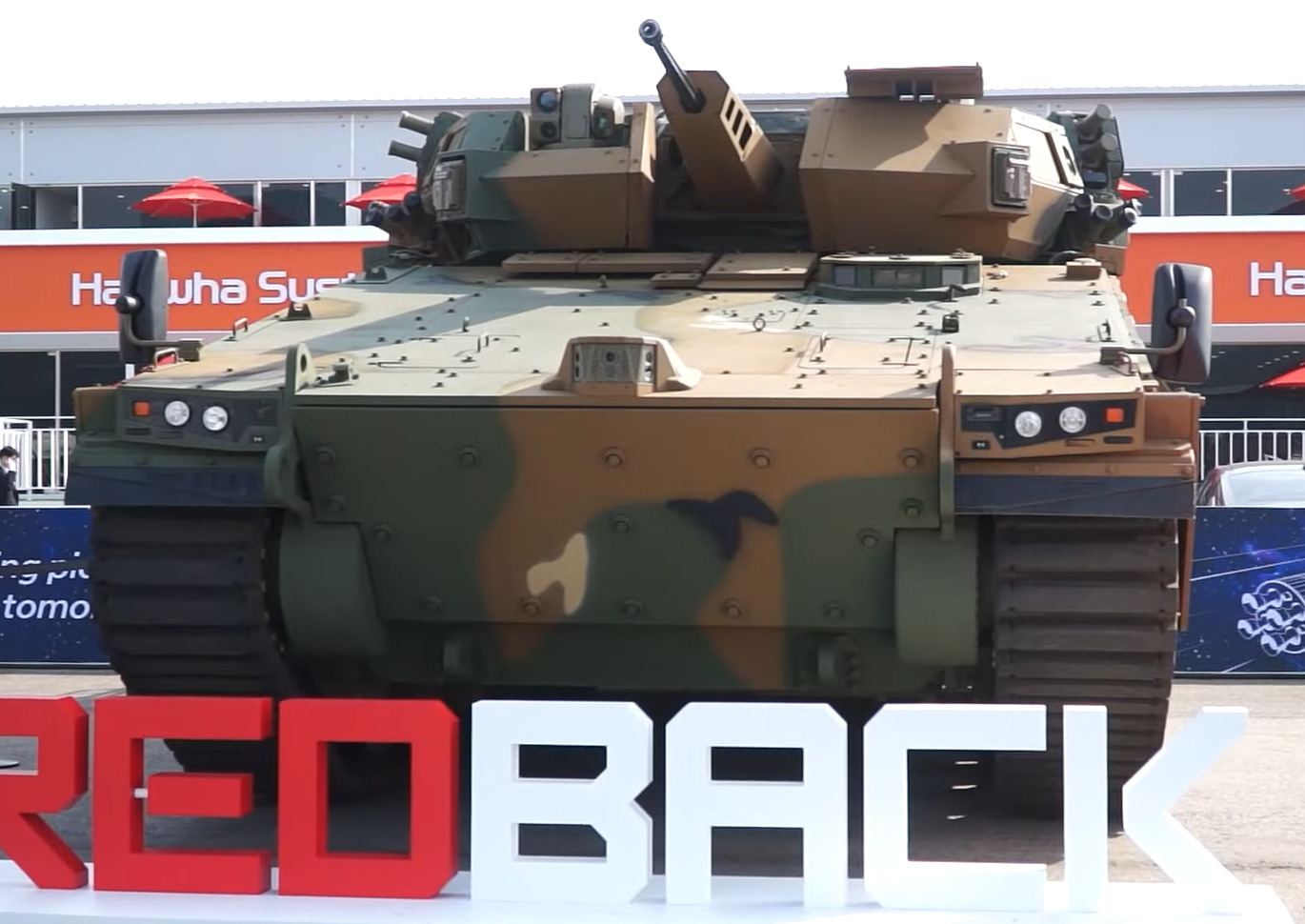
The fourth proposed vehicle in XM30 program proposed by Oshkosh Defense in cooperation with Hanwha Defense in South Korea that built the K21 IFV which the AS21 is based on. It is equipped with a 30 mm Mark 44S Bushmaster II autocannon (The original K21 is equipped with a K40 40×365mmR autocannon instead) and 2 Spike LR missiles.
.
USA Bluewater
USS Washington (BB-56)
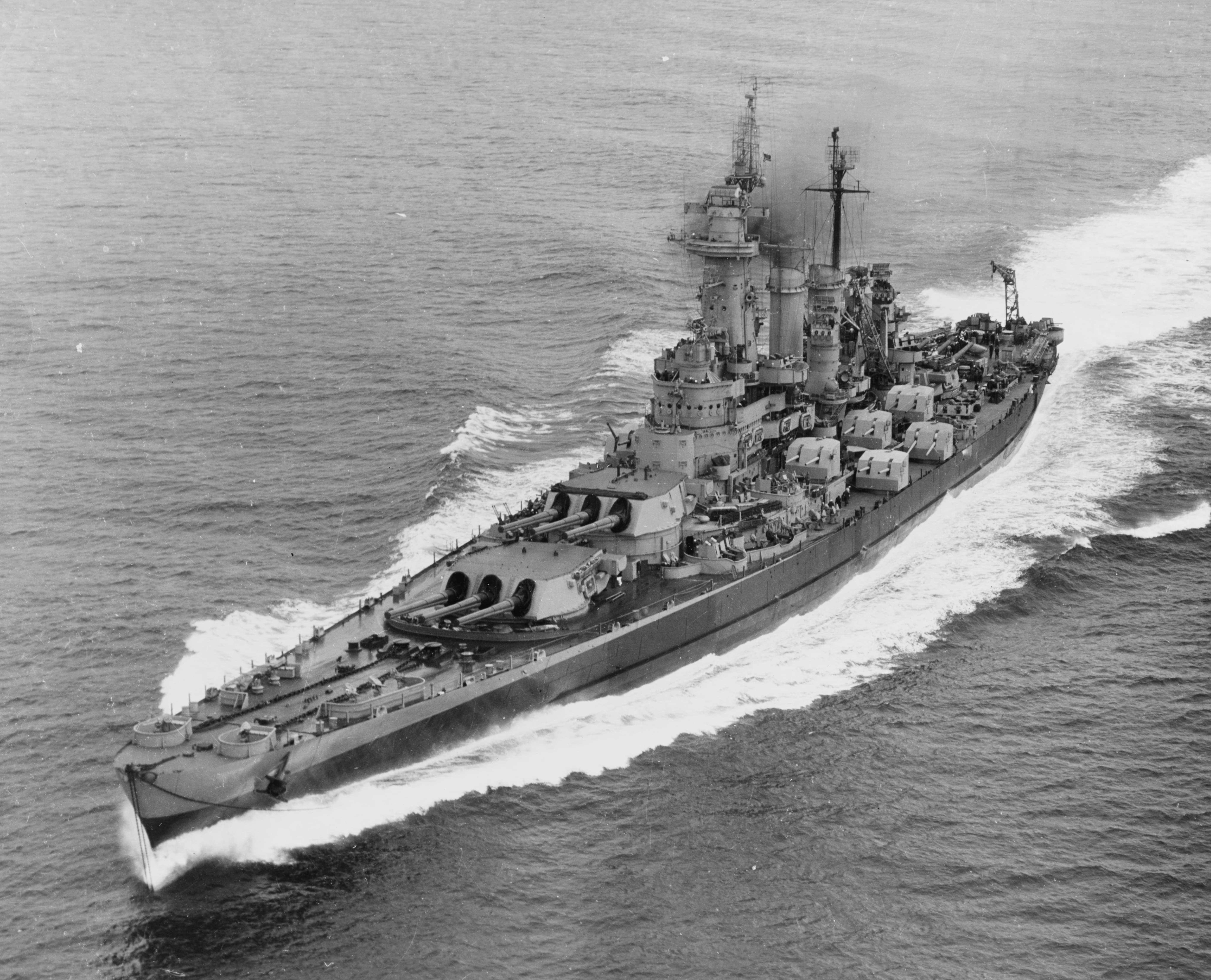
This the second ship of North Carolina class and very similar to USS North Carolina (BB-55) and the only difference I could find between them is that USS North Carolina (BB-55) has 373mm of armor on its conning tower whereas USS Washington (BB-56) has 406mm of armor there. Everything else is pretty much the same.
USS Indiana (BB-58)

USS Indiana (BB-58) is the second ship in South Dakota class and the difference between them is in their armaments, USS South Dakota (BB-57) has 9 × 16 in/45 caliber Mark 6 guns, 16 × 5 in/38 caliber DP guns, 7 × quad 40 mm Bofors AA guns, 7 × quad 1.1 in guns, 34 × 20 mm Oerlikon AA guns, 8 × .50-cal machine guns whereas USS Indiana (BB-58) has 9 × 16 in/45 caliber Mark 6 guns, 20 × 5 in DP guns, 7 × quad 40 mm Bofors AA guns, 35 × single 20 mm Oerlikon AA guns.
USS Massachusetts (BB-59)
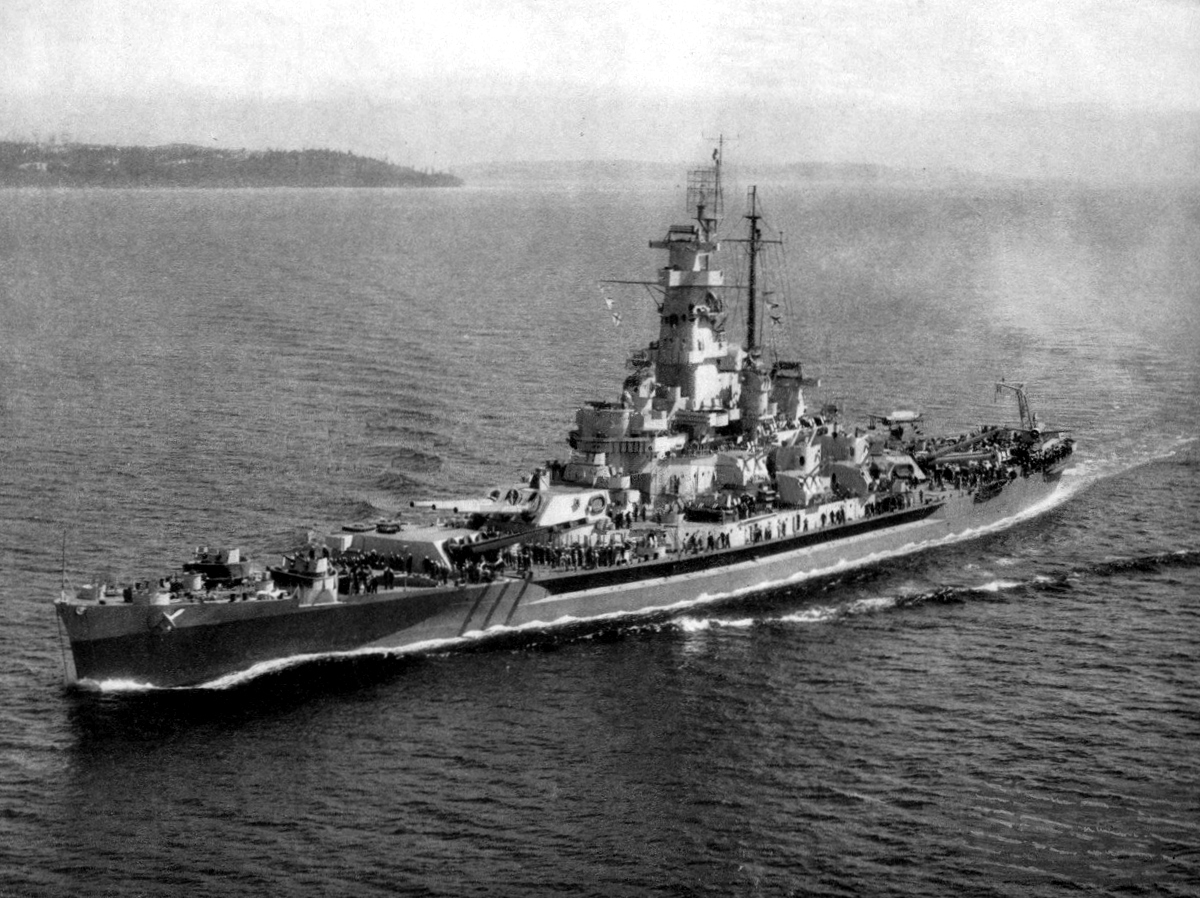
This is the third South Dakota class battleship and her armament is practically the same as USS Indiana (BB-58).
USS Alabama (BB-60)
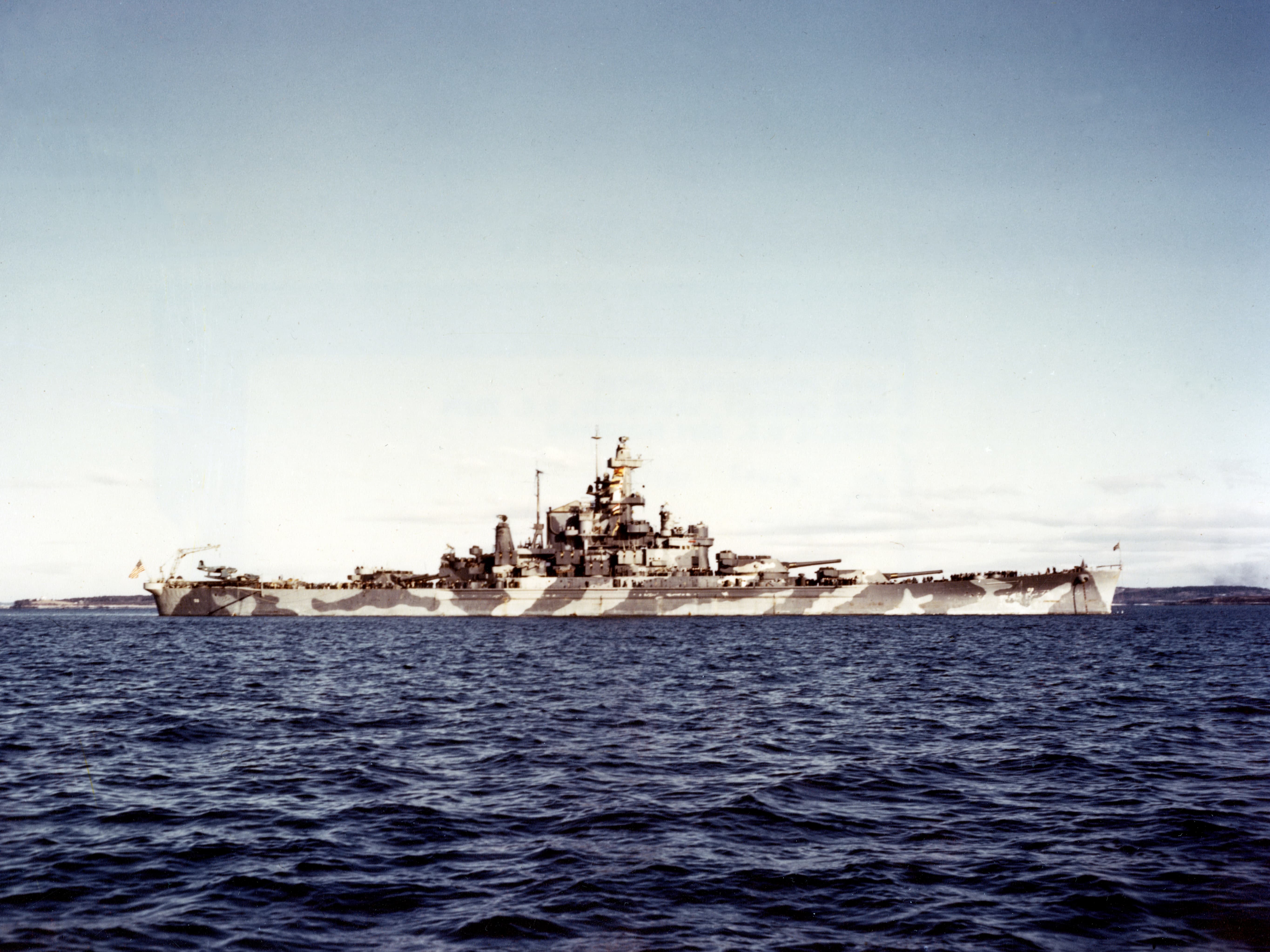
This is the last battleship of South Dakota class and the only difference between her and USS Massachusetts (BB-59) is that she has 6 quadruple 40mm Bofors guns instead of 7 on USS Massachusetts (BB-59).
USS New Jersey (BB-62)
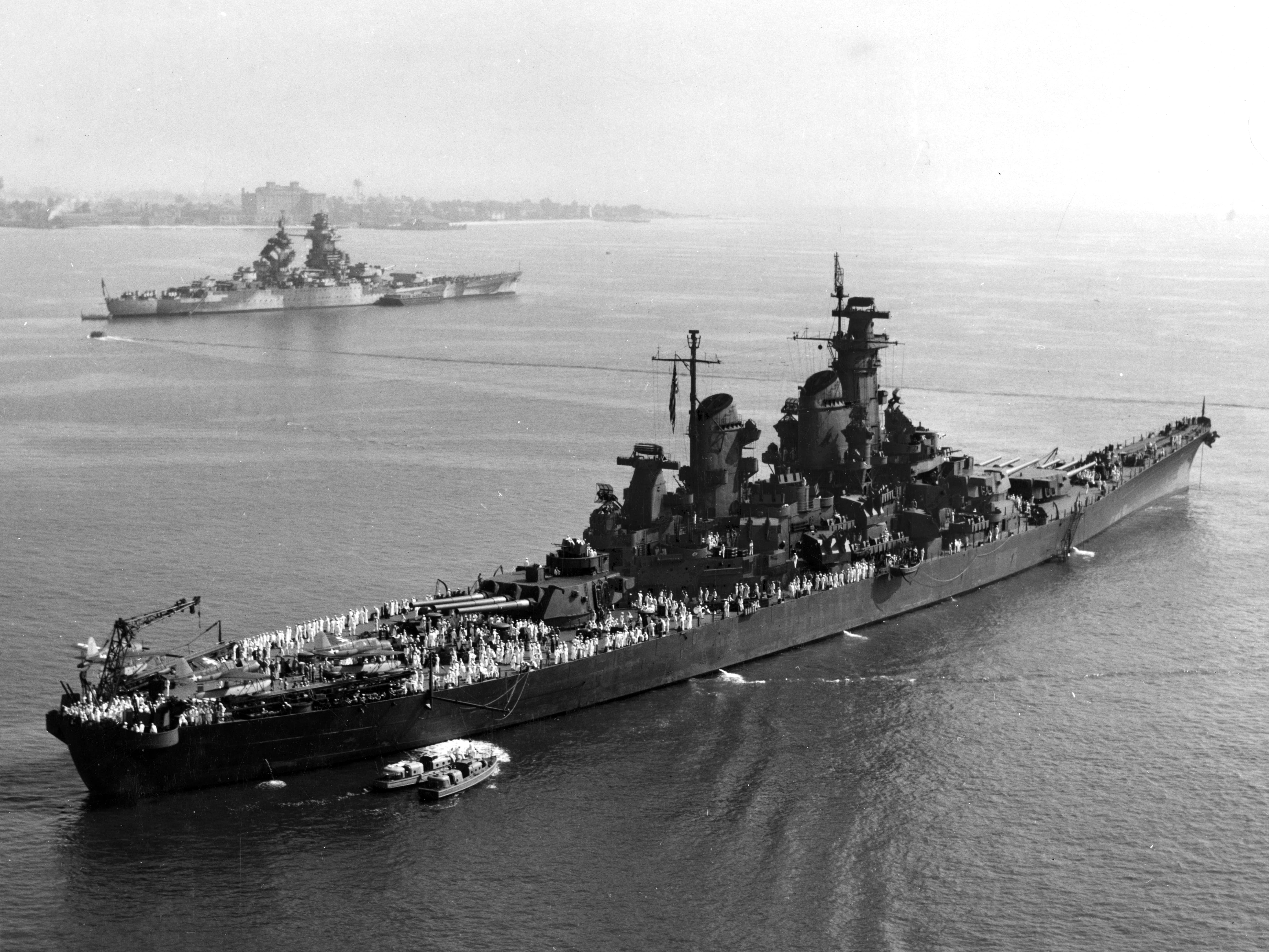
She is the second Iowa class battleship and their difference is in their armament. USS New Jersey (BB-62) has 4 more 40mm Bofors guns and 3 less 20mm Oerlikon guns than USS Iowa (BB-61).
USS Missouri (BB-63)
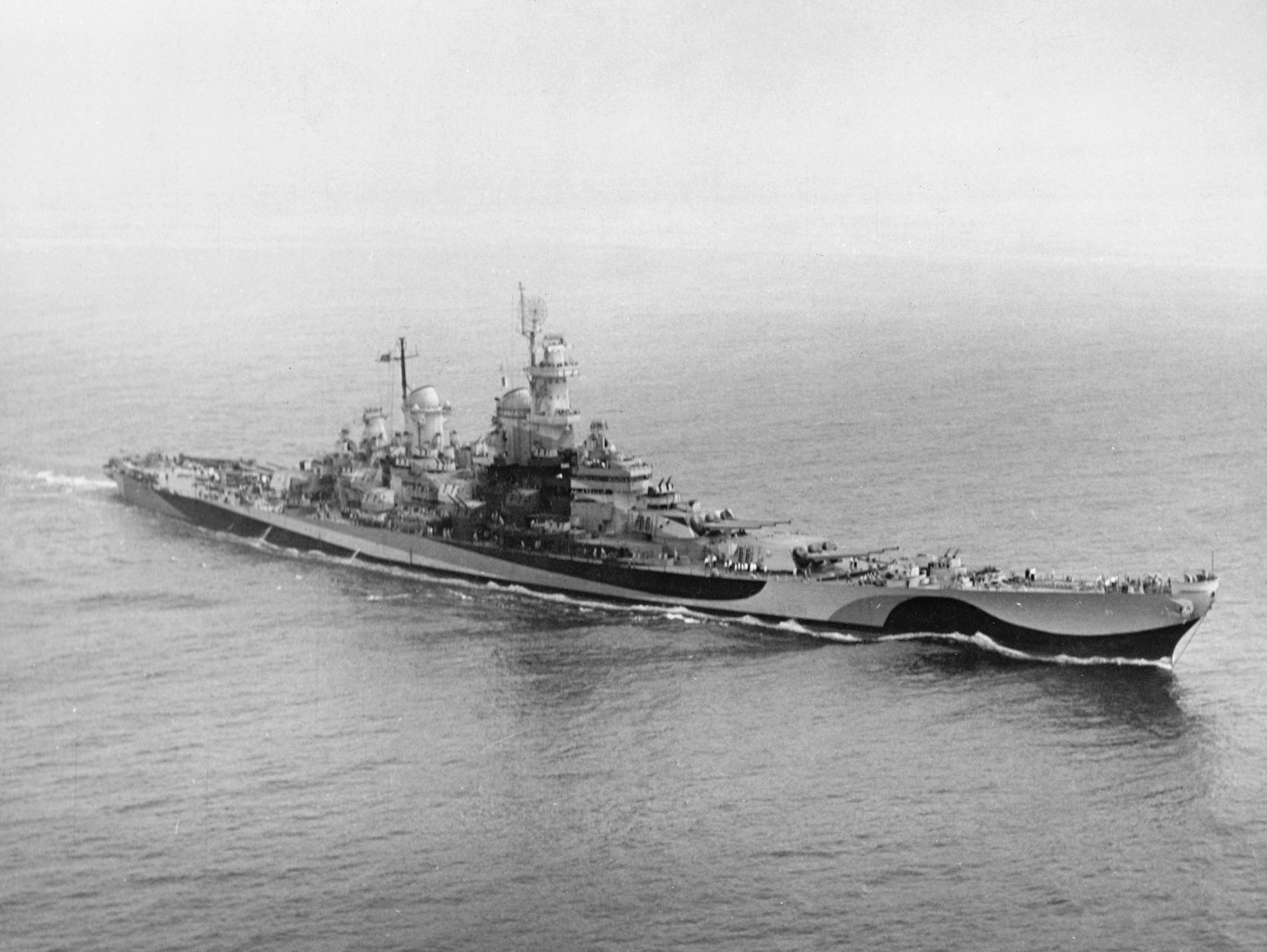
Third Iowa class battleship and had the same armament as USS New Jersey (BB-62) but had increased armor in her bulkheads (14.5 in compared to 11.3 in on USS New Jersey (BB-62)).
USS Wisconsin (BB-64)
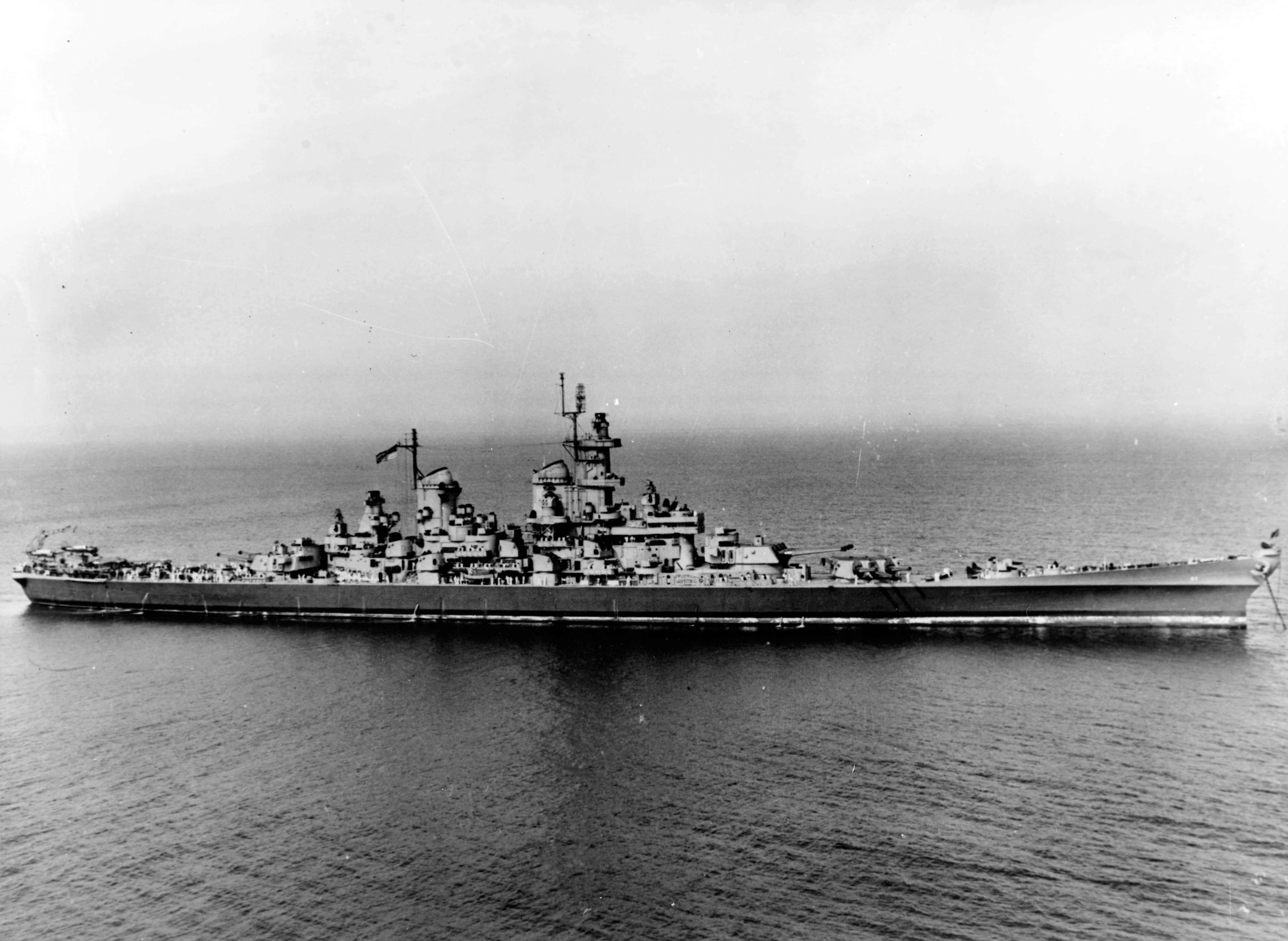
Last Iowa class battleship to be built and is pretty much the same as USS Missouri (BB-63).
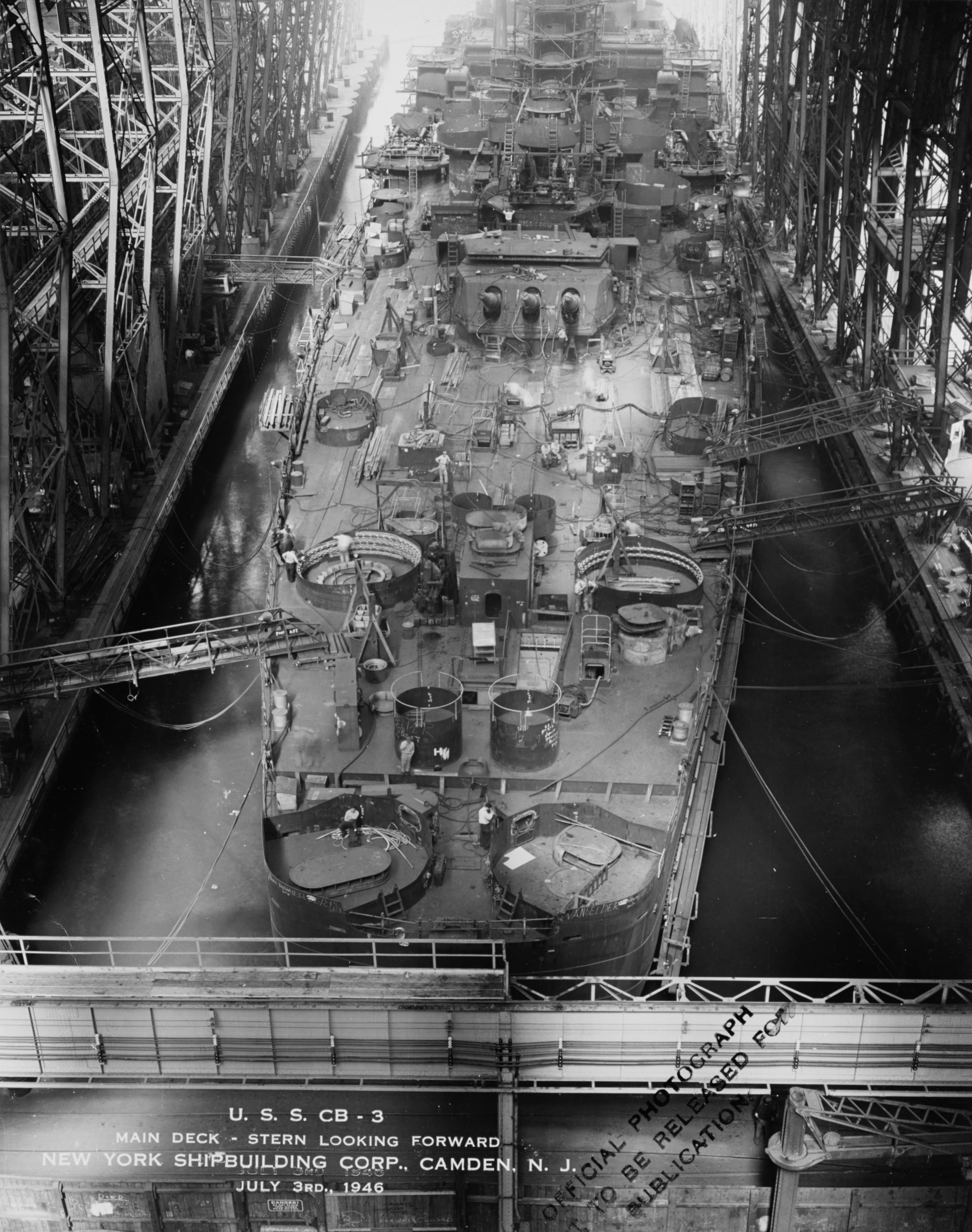
USS Guam (CB-2)

The second Alaska class large cruiser and is pretty much the same as USS Alaska (CB-1).
.
USA Coastal
Claude Jones class
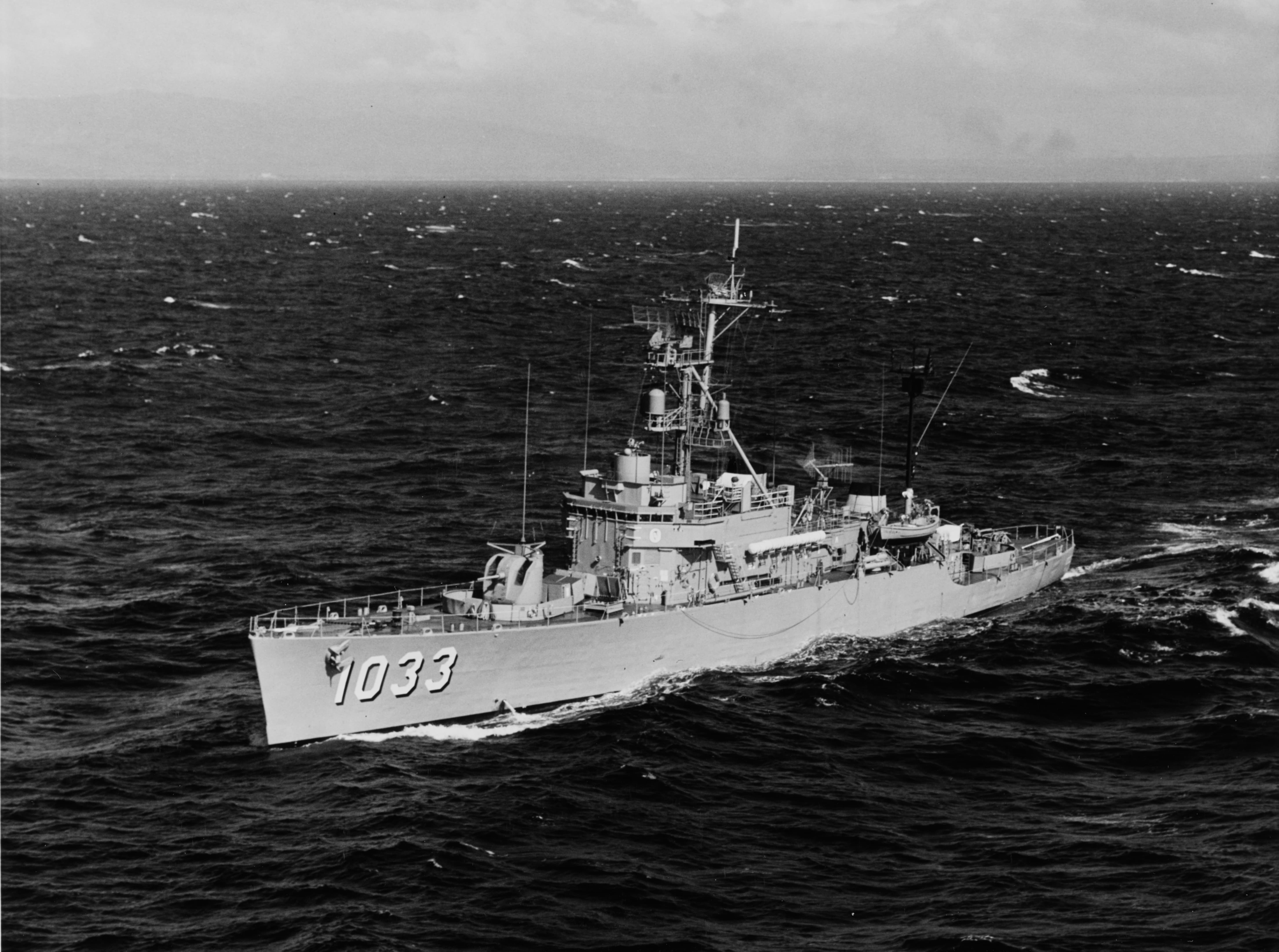
The Claud Jones-class destroyer escorts were four destroyer escorts built in 1950s. USS Claude Jones (DE-1033), USS John R. Perry (DE-1034), USS Charles Berry (DE-1035) and USS McMorris (DE-1036). They had 2 × single 3-inch/50-caliber guns, 2 × triple 12.75 in (324 mm) Mk.32 torpedo tubes, 2 × Hedgehog anti-submarine mortars.
Bronstein class
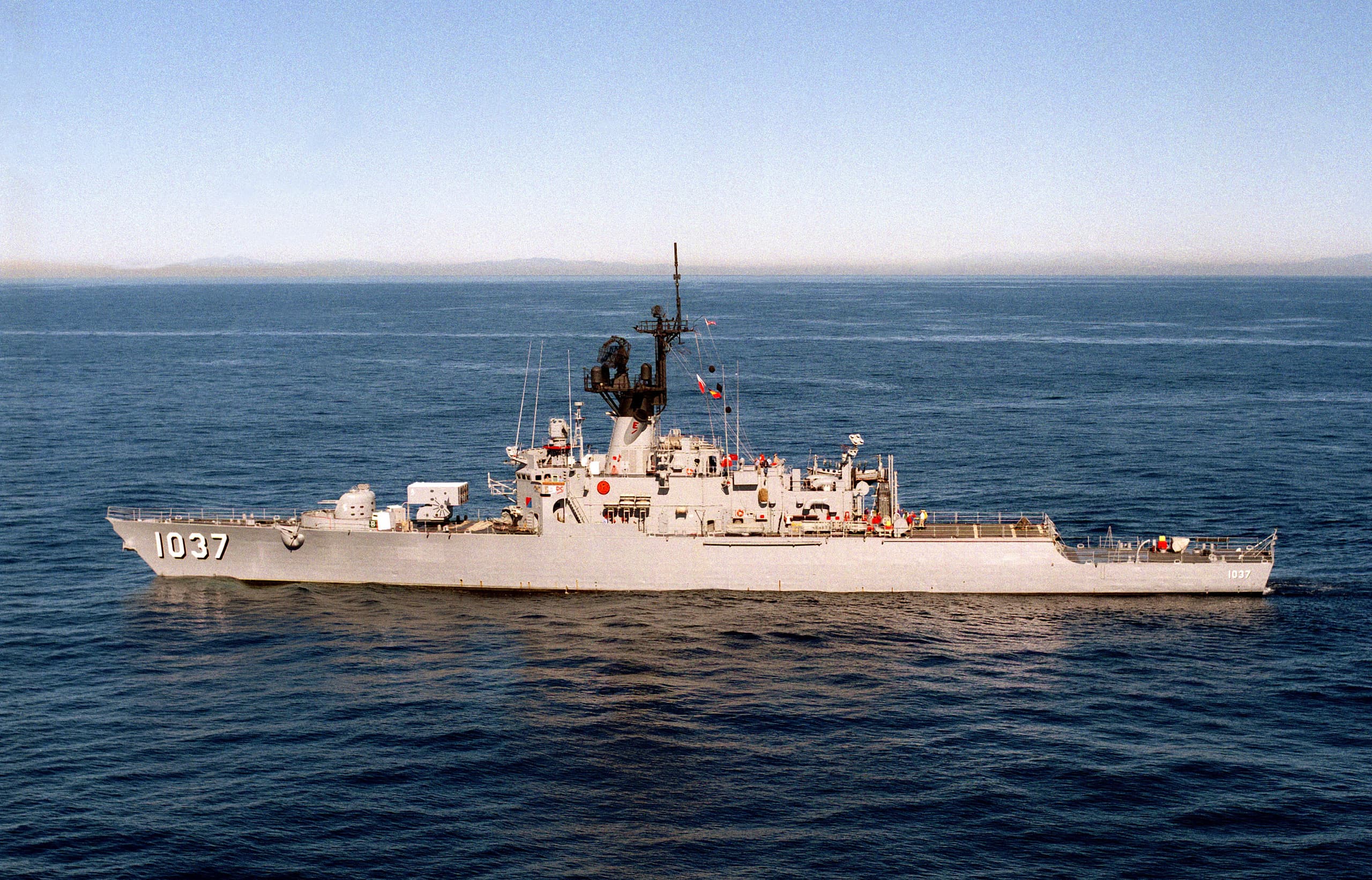
Two frigates of this class were built in 1960s, USS Bronstein (DE-1037) and USS McCloy (DE-1038). They had MK-16 octuple RUR-5 ASROC launcher without reload capability, 6 torpedo tubes (2, MK 32 triple torpedo mounts), 1 twin 3 in (76 mm)/50 caliber MK 33 guns operated by an MK 56 radar director and MK 114 Mod 7 ASW fire-control system using MK 1 target designation system.
Garcia class
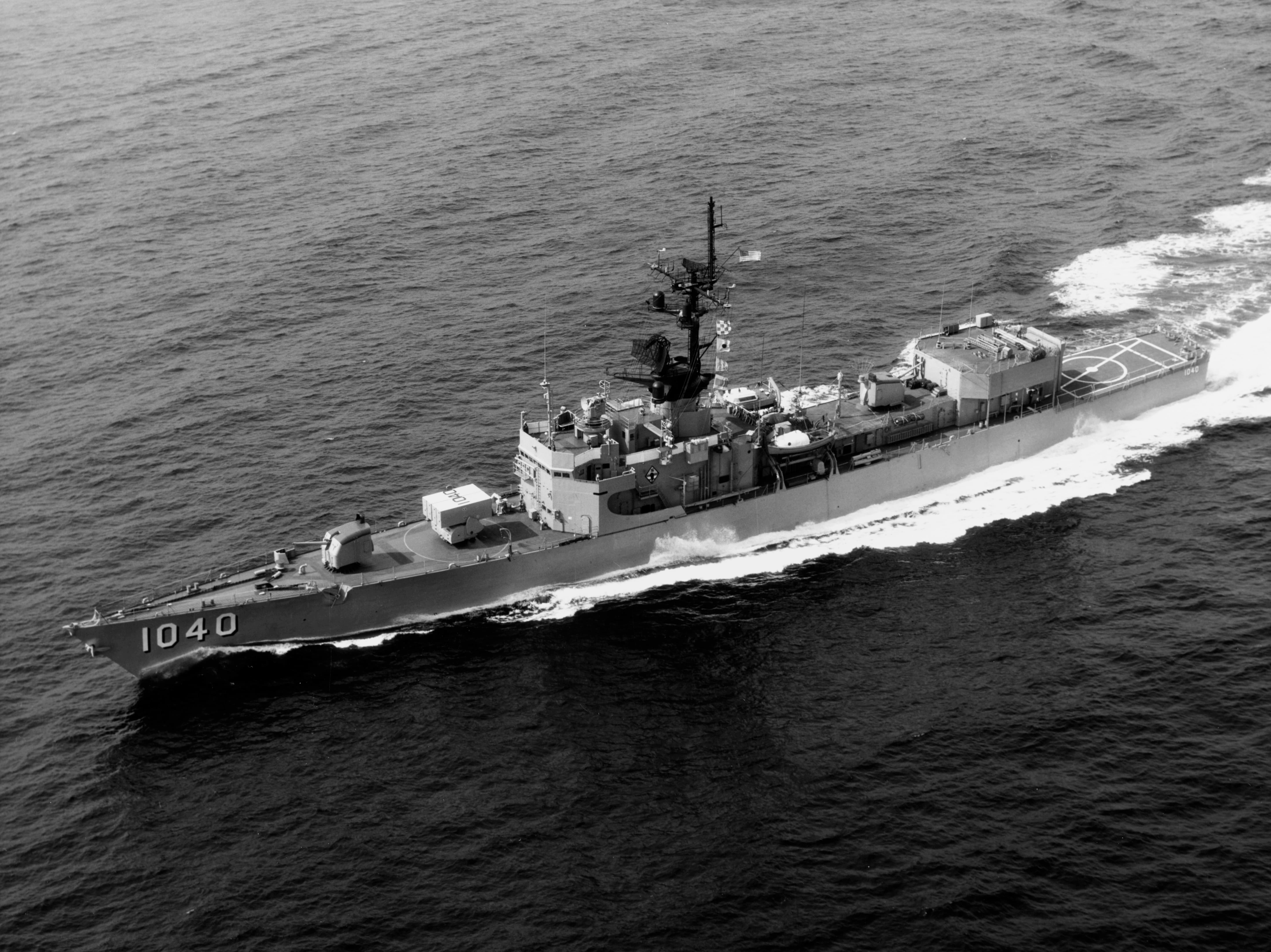
Eleven ships were built in this class during the 1960s and were equipped with 2 × single 5 in (127 mm)/38 cal. Mk 30 guns, 1 × 8-tube ASROC Mk16 launcher (16 missiles), 2 × triple 12.75 in (324 mm) Mk 32 torpedo tubes, Mk 46 torpedoes (18 torpedoes), 2 × Mk 25 twin torpedo tubes for Mk 37 torpedo (fixed, stern) (removed later) (8 torpedoes).
Germany
Germany
.
Germany Air
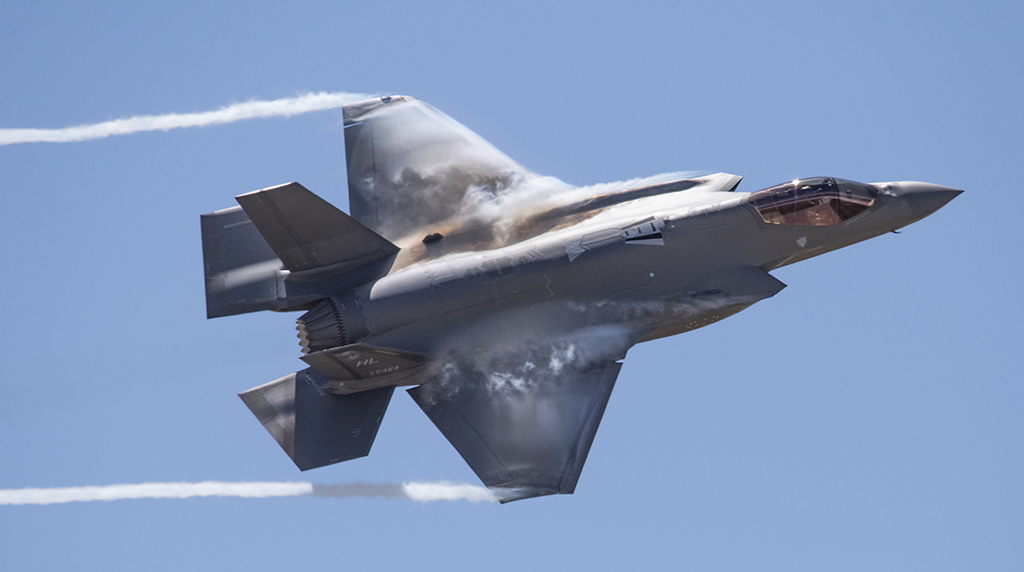
Eurofighter Typhoon Tranche 4
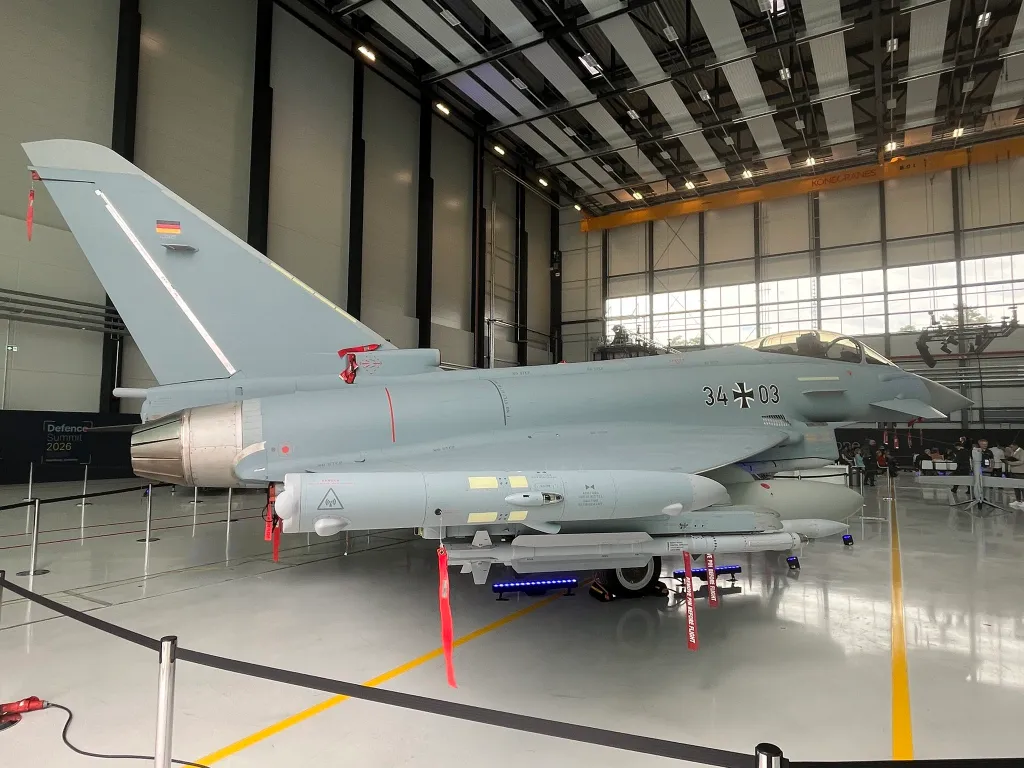
Overall upgrade over the previous versions and Germany ordered thirty single-seater and eight twin-seater Tranche 4 Eurofighters in late 2020 with cost of €5.4 billion under the Quadriga contract.
Eurofighter Typhoon Tranche 5
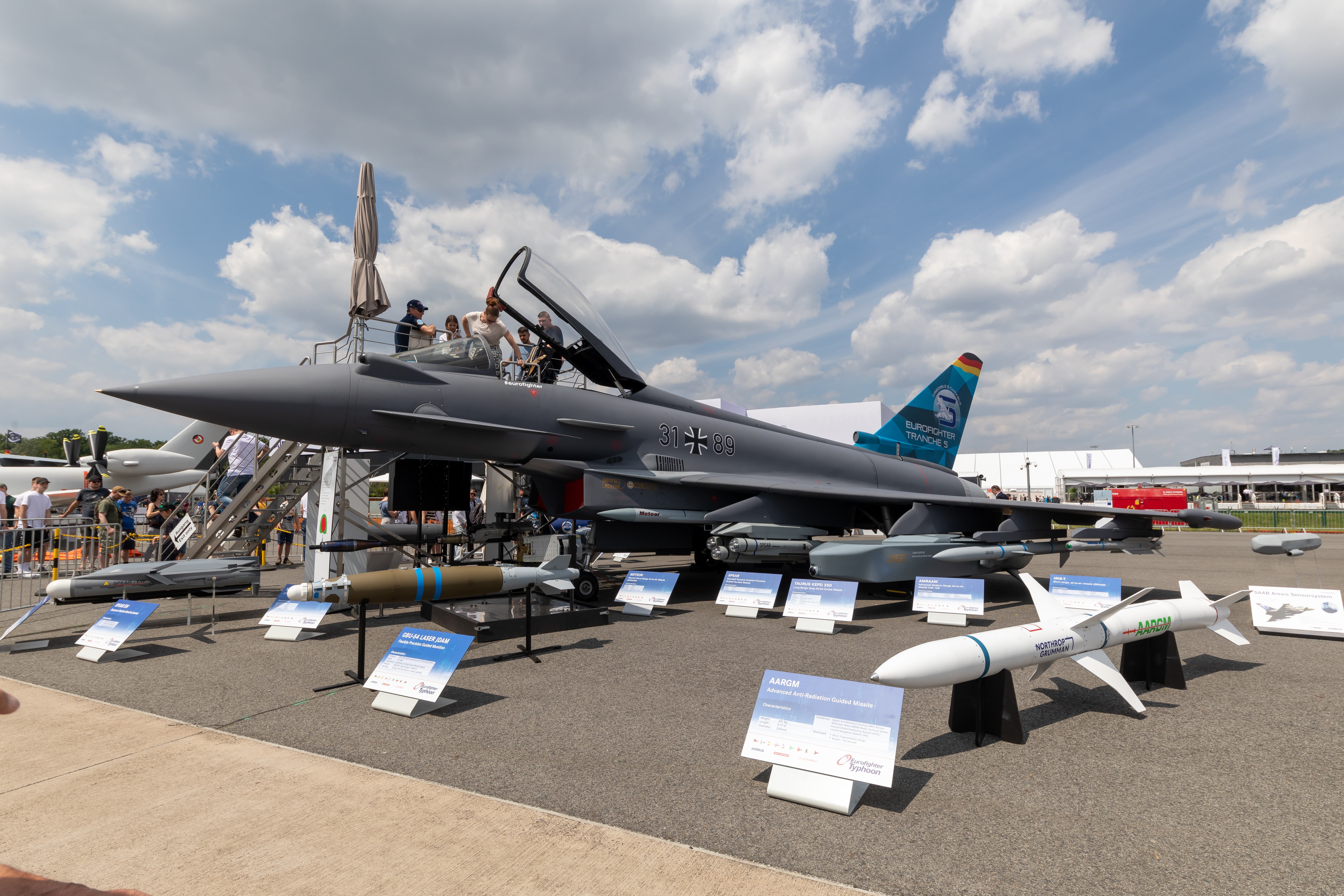
Tranche 5 has bigger displays in the cockpit and more powerful computers on board and Germany ordered 20 fighters with deliveries beginning in 2030.
.
Germany Helicopter
.
Germany Ground
Leopard 2-140
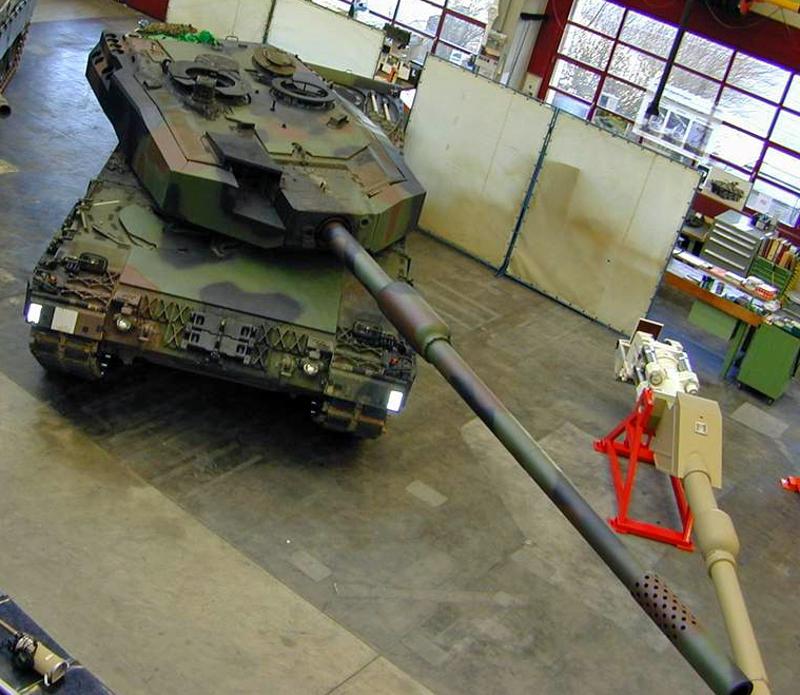
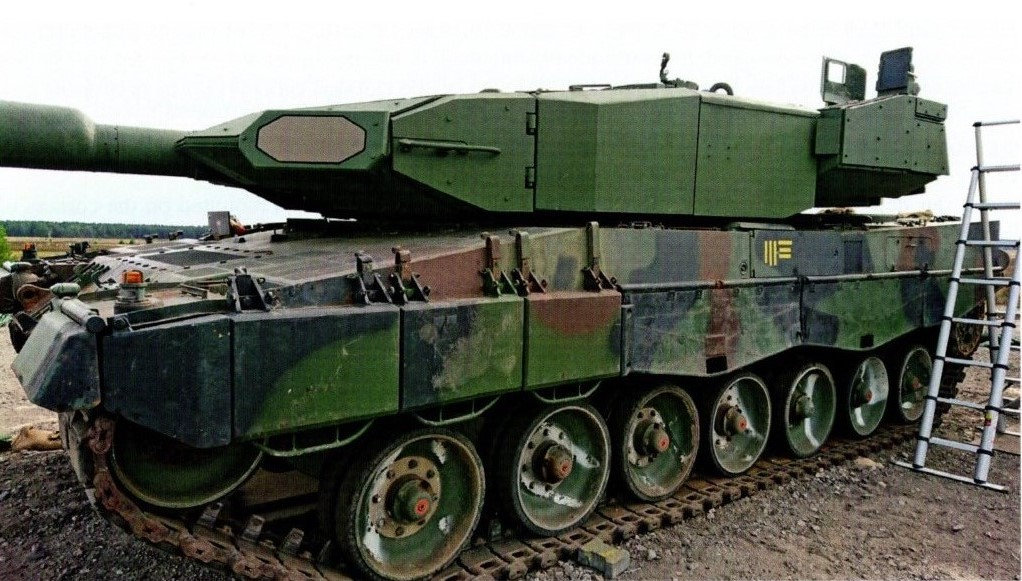
An experimental version of Leopard 2 equipped with a 140mm cannon and a 32 round autoloader with the ammo being stored in the back of the turret and reducing the crew count from 4 to 3.
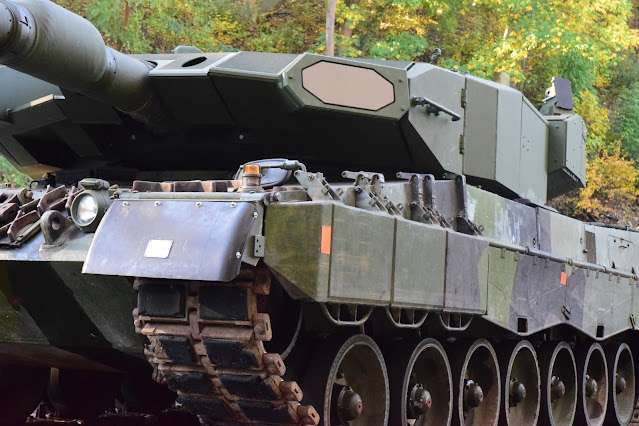
Leopard 2A7+
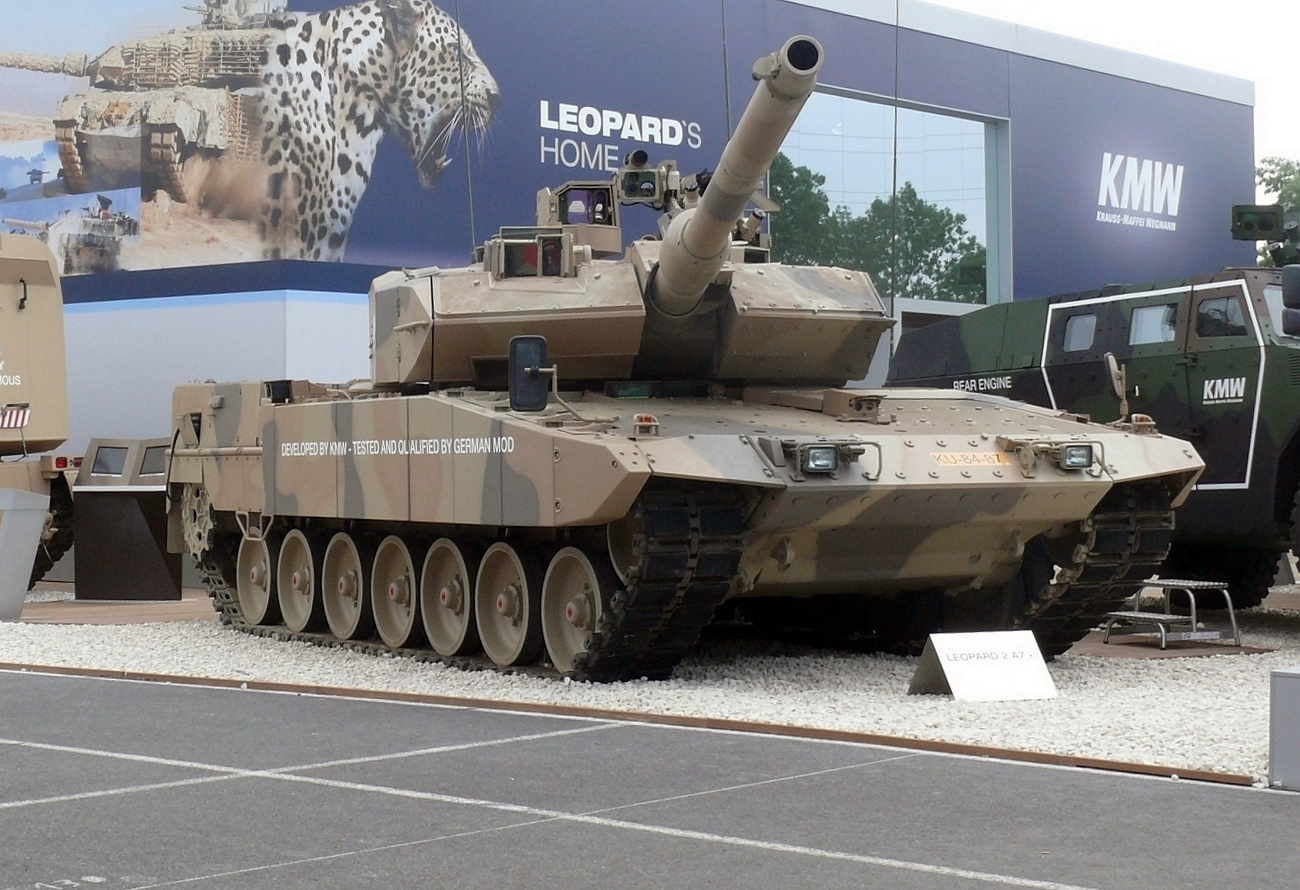
Leopard 2A7+ was first shown to the public during the Eurosatory 2010, featuring the label “Developed by KMW – tested and qualified by the German Ministry of Defence”. The Leopard 2A7+ has been tested by the Bundeswehr under the name UrbOp (urban operations).
The tank’s protection has been increased by modular armor. The frontal protection has been improved with a dual kit on the turret and hull front and the turret-mounted MG3 has been replaced with a stabilised FLW 200 remotely controlled weapon station. Hungarian Leopard 2A7HU is of this version.
Leopard 2A8
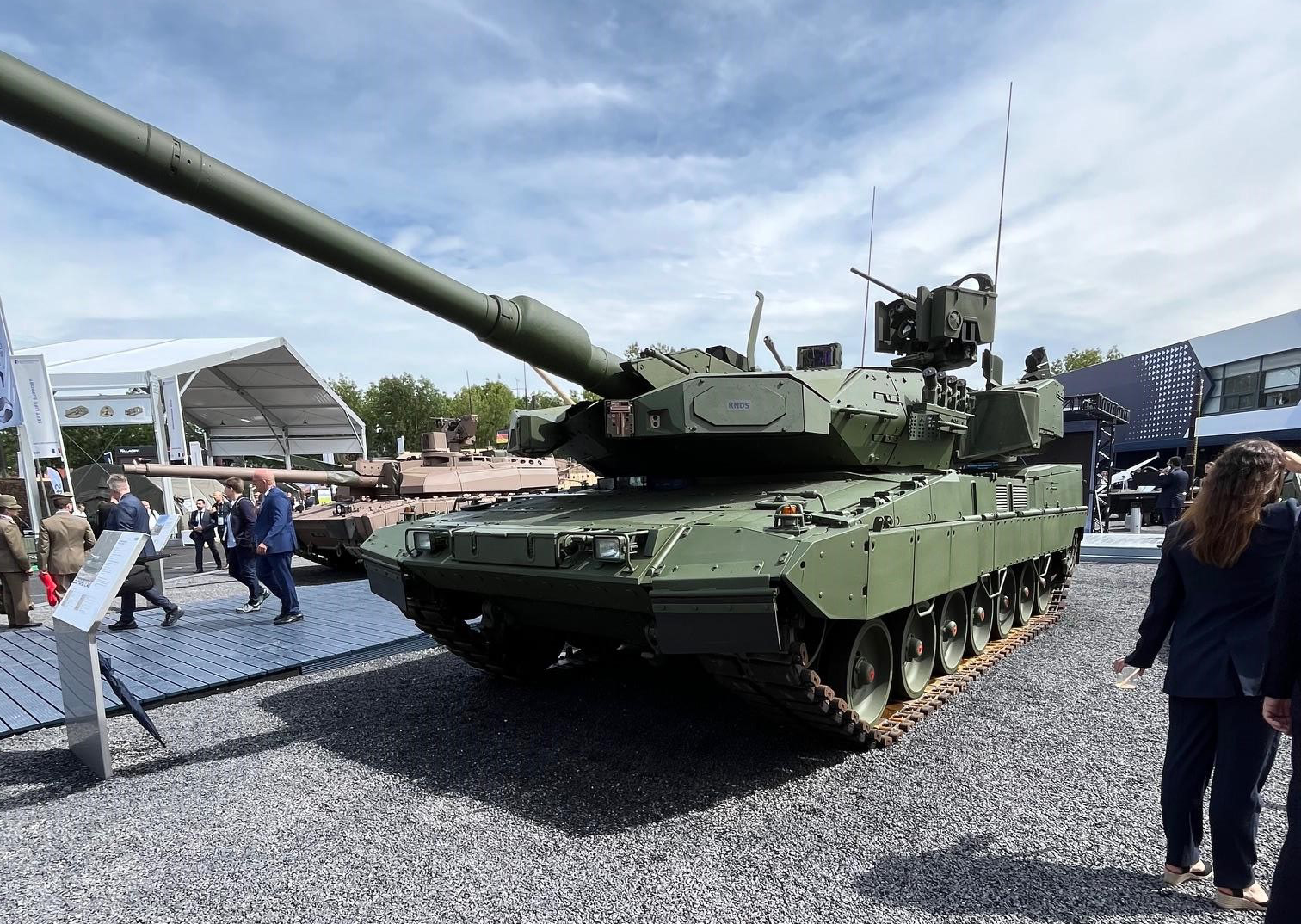
Leopard 2A8 has many improvements over previous versions such as Trophy APS, improved engine, better roof armor, more sensors to name a few.
German Ministry of Defence begun planning a purchase a batch of eighteen Leopard 2A8 tanks (with the option for a further 105) in May 2023. In July 2024, Germany’s budget committee approved a purchase of the remaining 105 tanks, in a contract worth 2.93 billion €. Deliveries are planned between 2027 and 2030.
Panther KF51
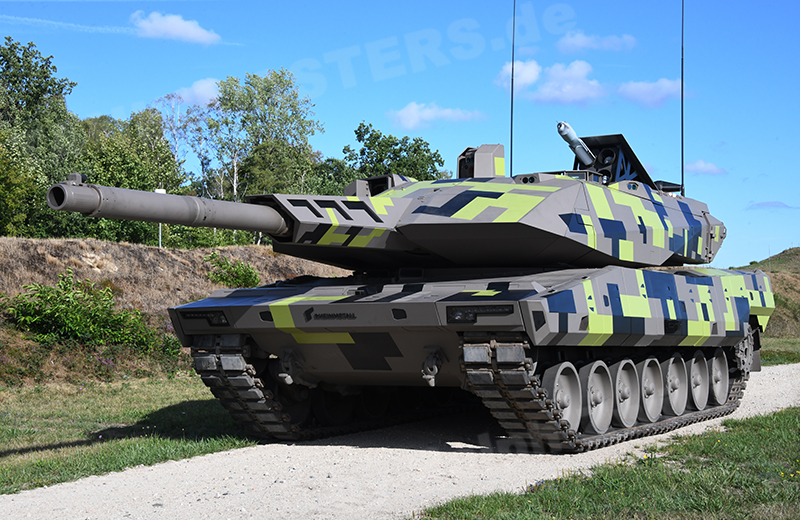
Panther KF51 is based on the hull of the Leopard 2A4, but with a new turret mounting an autoloaded 130mm main gun and 3 crew members, commander, gunner, and driver. Commander and gunner are still placed in the turret.
Panther KF51-U
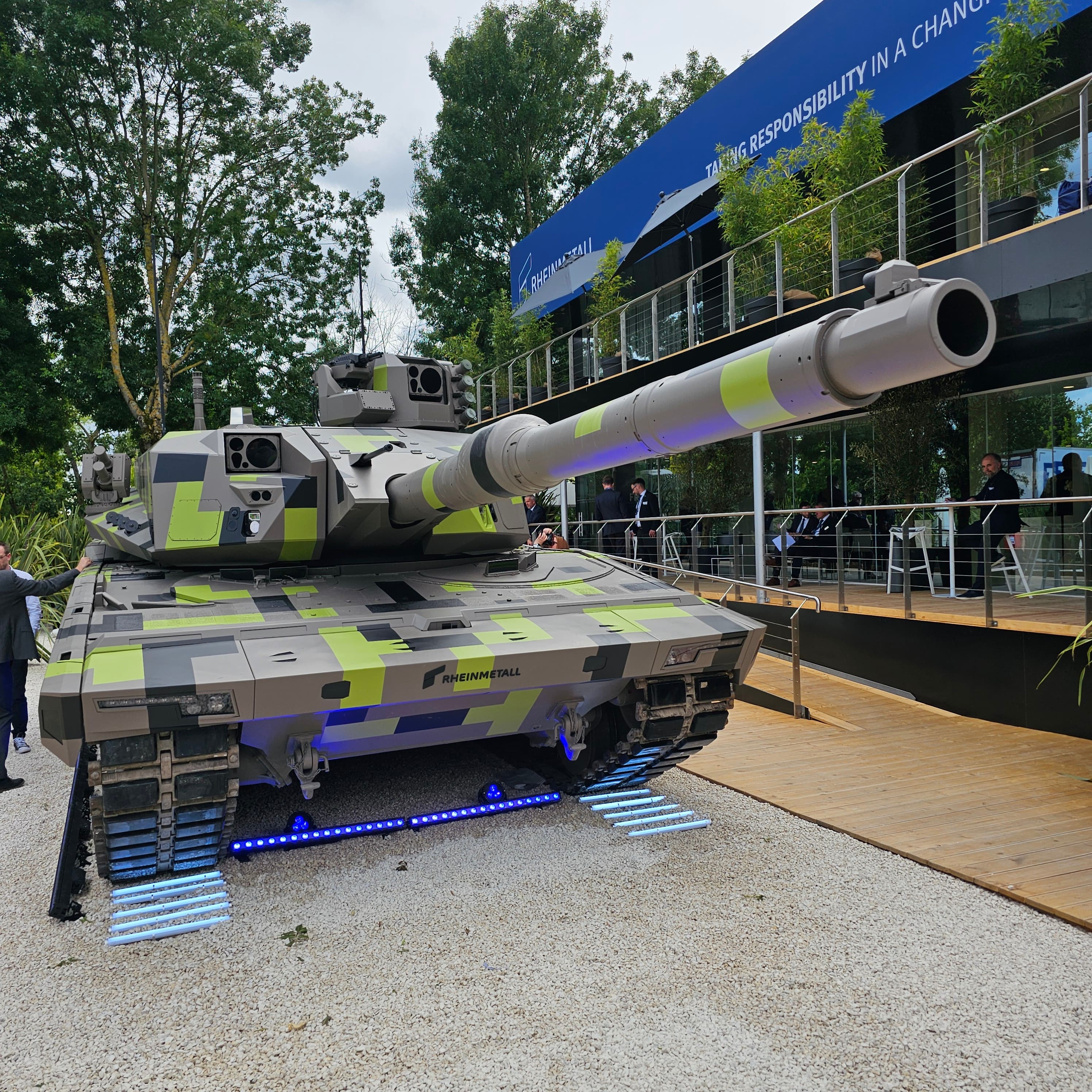
In June 2024, Rheinmetall presented the KF51-U at the Eurosatory defence fair. It uses a modified version of the original Panther demonstrator hull fitted with the Concept Unmanned Turret (CUT). Its three men crew sit in the hull just in front of the turret. The KF51-U retains the 130 mm smoothbore gun and 20 round autoloader from two magazines, but can carry a further 5 spare rounds in the turret. As secondary armament, the KF51-U has a coaxial 12.7 mm heavy machine gun and a 7.62 mm RMG as Main Sensor Slaved Armament (MSSA). The main gun has a maximum depression of −9° and a maximum elevation of +20°. In addition to the StrikeShield system mounted on the hull, the KF51-U is also fitted with the Iron Fist and MUSS 2.0 active protection systems. Additionally, the ROSY_VL system is installed on top of the turret for protection against top-attack missiles and drones.
Leopard 2 A-RC 3.0
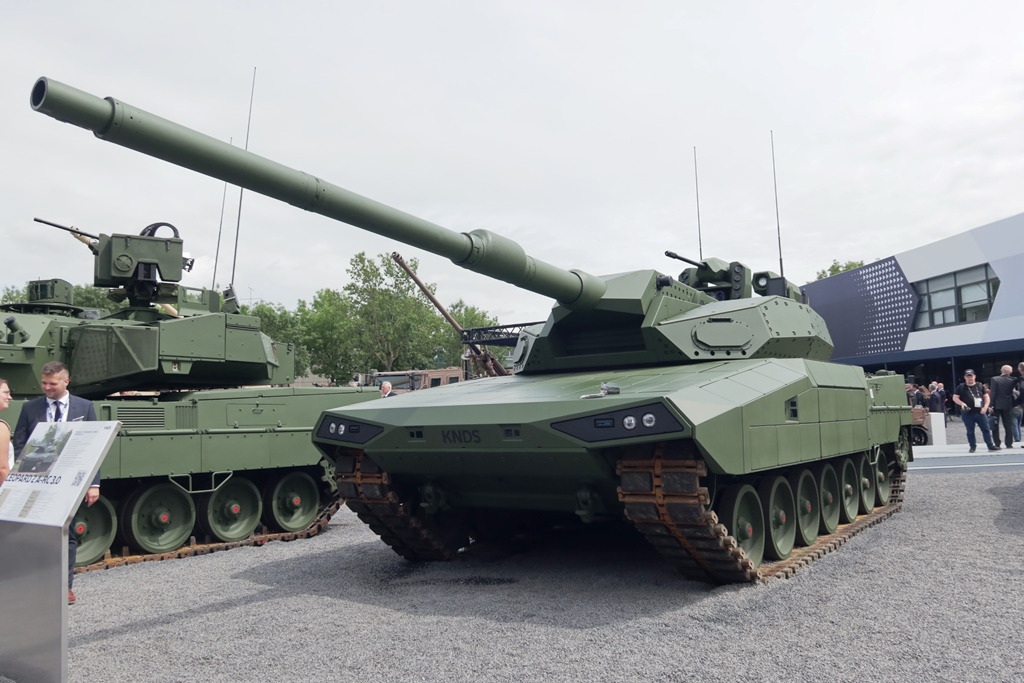
Variant presented in June 2024 at the Eurosatory exhibition. It is equipped with an unmanned turret armed with a 120 mm smoothbore gun fed by a modular linear autoloader, the 120 mm gun can be exchanged for a 130 mm or 140 mm gun, the auto loader is capable of loading 3 rounds in 10 seconds. Its secondary armament consists of a RWCS armed with a 30x113mm cannon capable of countering drone threats and an anti-tank missile. The weapon suite can be configured for 3D line-of-sight (LOS) and non-line-of-sight (NLOS) engagement. For its protection, it has a proven active protection system and smoke grenade launcher. It weighs less than 60 t (59 long tons; 66 short tons), measures 7.95 m (26.1 ft), extending to 11.17 m (36.6 ft) with the barrel, 3.77 m (12.4 ft) wide and 2.44 m (8 ft 0 in) high to the roof of the turret. Its engine generates 1,500 hp (1,100 kW), allowing the tank to move at a speed of 65 km/h (40 mph) and its autonomy is 460 km (290 mi). It has a crew of 3 men, commander, driver and gunner, all located inside the chassis.
European Main Battle Tank (2018 EMBT)
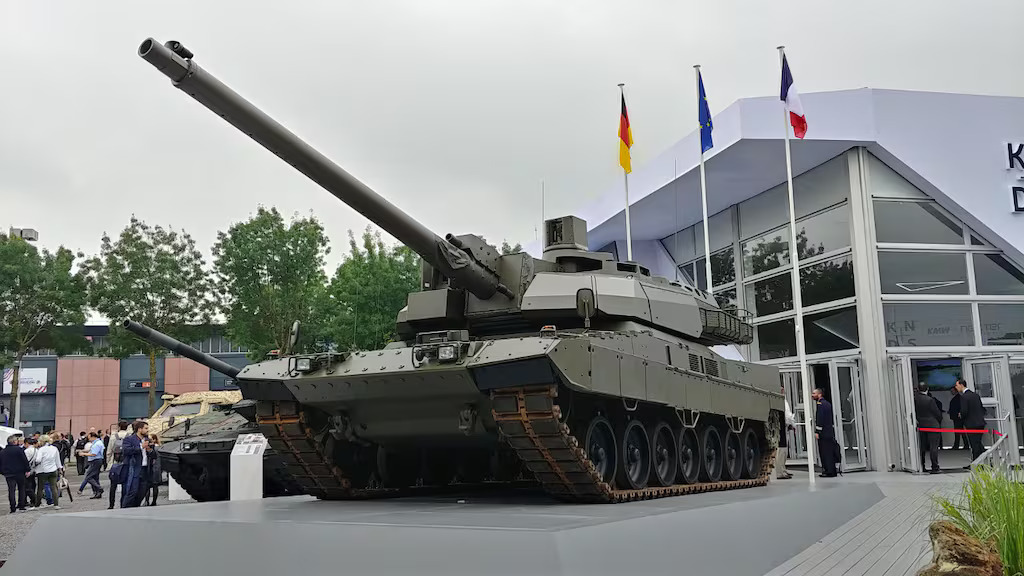
A first technology demonstrator known as EMBT or European Main Battle Tank was presented in 2018, combining a Leopard 2A7 hull with a Leclerc turret using a special turret ring adapter. It was sometimes nicknamed Leo-Clerc. Compared to the Leopard 2 turret, the Leclerc turret is operated by only 2 crew members instead of 3 thanks to the autoloader. Since the Leclerc’s turret is therefore lighter compared to the one of the manually loaded Leopard 2A7, the EMBT is lighter and has a greater growth potential of around 6 tonnes (5.9 long tons; 6.6 short tons).
Enhanced Main Battle Tank (2022 EMBT)
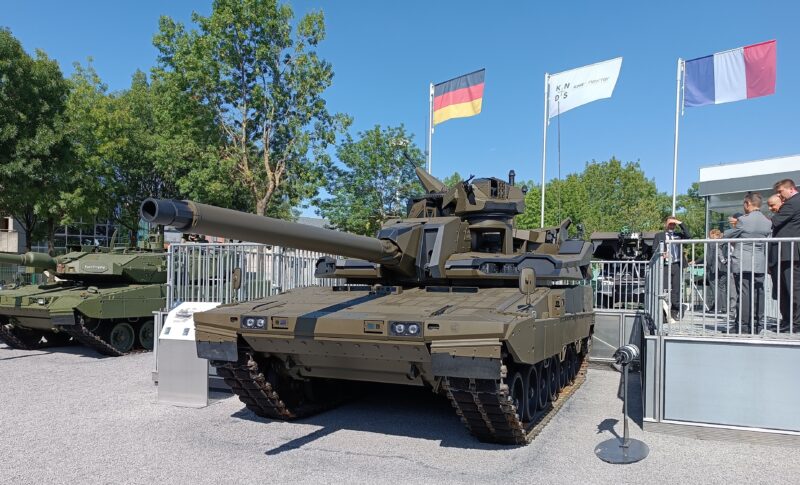
At Eurosatory 2022, a second technology demonstrator was presented as Enhanced Main Battle Tank, featuring a modified hull and a new turret fitted with the 120-millimeter CN120-26 L/52 main gun. The hull of the EMBT is based on the Leopard 2A7’s, but modified in a few key areas: the power pack is replaced with the EuroPowerPack, consisting of the MTU MT883 engine and Renk HSWL 295TM transmission. As the EuroPowerPack is smaller in size, this allows moving back the turret ring by about 0.2 metres. This enabled KNDS’ engineers to lengthen the glacis plate, making enough space for a fourth crew member (sitting in the same location where the hull ammo rack is in the Leopard 2). The fourth crew member can operate the remote weapon station or drones. The turret of the EMBT is completely new and has a reduced profile with an 80 millimetres (3.1 in) lower roof height than the Leclerc. The EMBT’s main armament is the 120 mm CN120-26 L/52 gun from the Leclerc, but its architecture is designed to be compatible with the ASCALON gun system under development by KNDS France. It is loaded by a 22-round conveyor-belt type autoloader located in the turret bustle. Secondary armament consists of a co-axial 12.7 mm machine gun with 680 rounds, a 30 mm x 113 mm ARX30 remote controlled weapon station with 150 rounds and a 7.62 mm machine gun with 800 rounds, which is attached to the commander’s sight. The EMBT uses vectronics derived from the EBRC Jaguar and is fitted with the Trophy-MV hardkill active protection system for protection against ATGMs and rocket-propelled grenades. The EMBT’s turret was designed with the system in mind from the onset, hence the sensors are directly embedded into the turret structure. Additionally, the EMBT is fitted with the ELAWS laser warning system from Elbit Systems.
EMBT ADT140
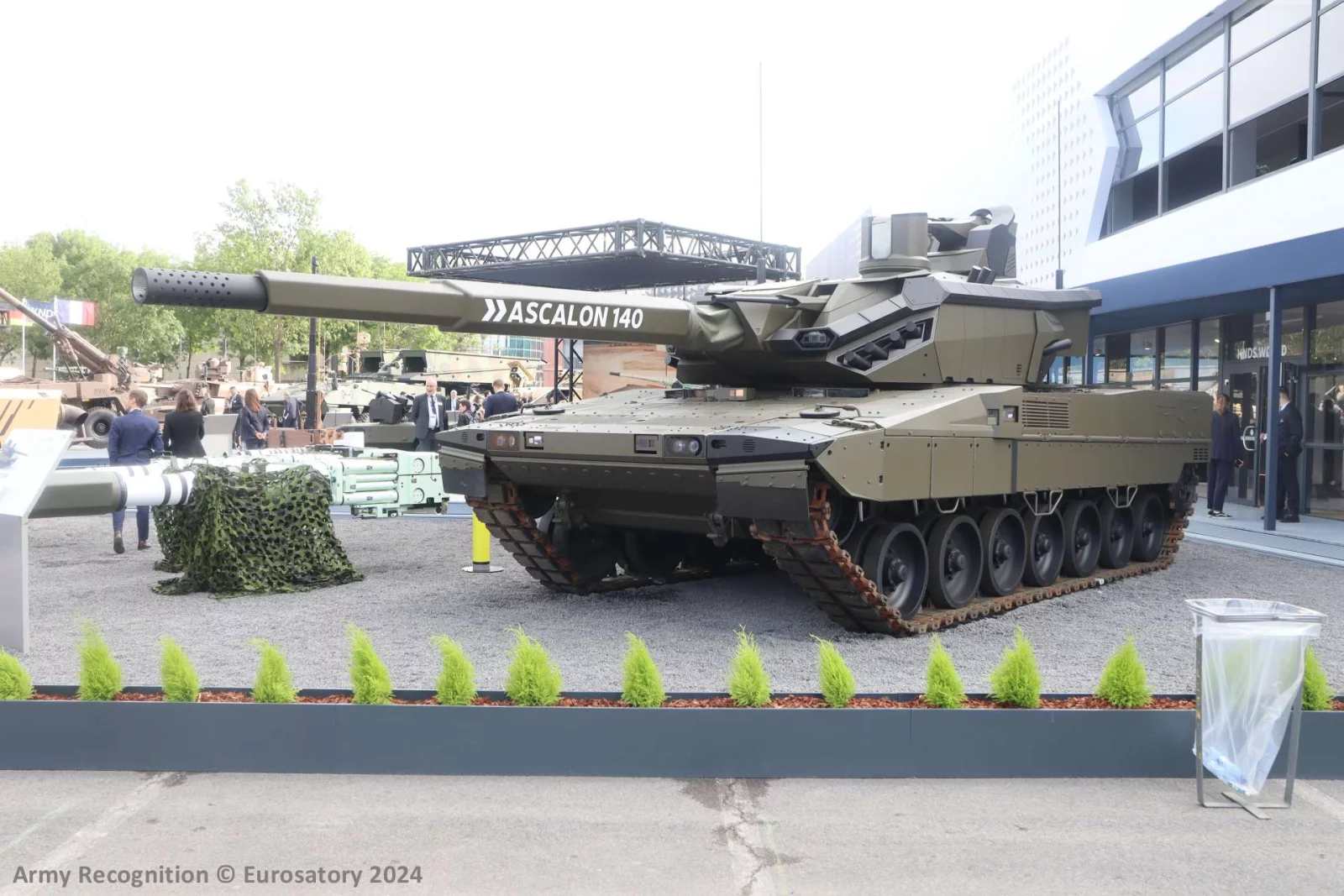
At Eurosatory 2024, a new configuration of the Enhanced Main Battle Tank was presented as EMBT ADT140, featuring a mock-up Ascalon Demonstrator Turret (ADT140) with autoloaded 140-millimeter Ascalon main gun, a coaxial 20 × 102 mm autocannon and the ARX30 remote controlled weapon station. The hull of the earlier EMBT demonstrator was reused, while its turret was mounted on a modified Leclerc hull, creating the Leclerc Evolution. The EMBT ADT140 features six anti drone radars, four laser and missile warning sensors, an acoustic gunshot detection system and provides 360-degree coverage of the surroundings for enhanced situational awareness. It was also fitted with a mock-up of the Prometheus active protection system and features an AI enabled “SAFE” fire control system, an internally developed solution designed to assist the autonomous selection and queuing of weapon systems on board the platform to successfully prosecute targets in order of priority.
Boxer Skyranger 30
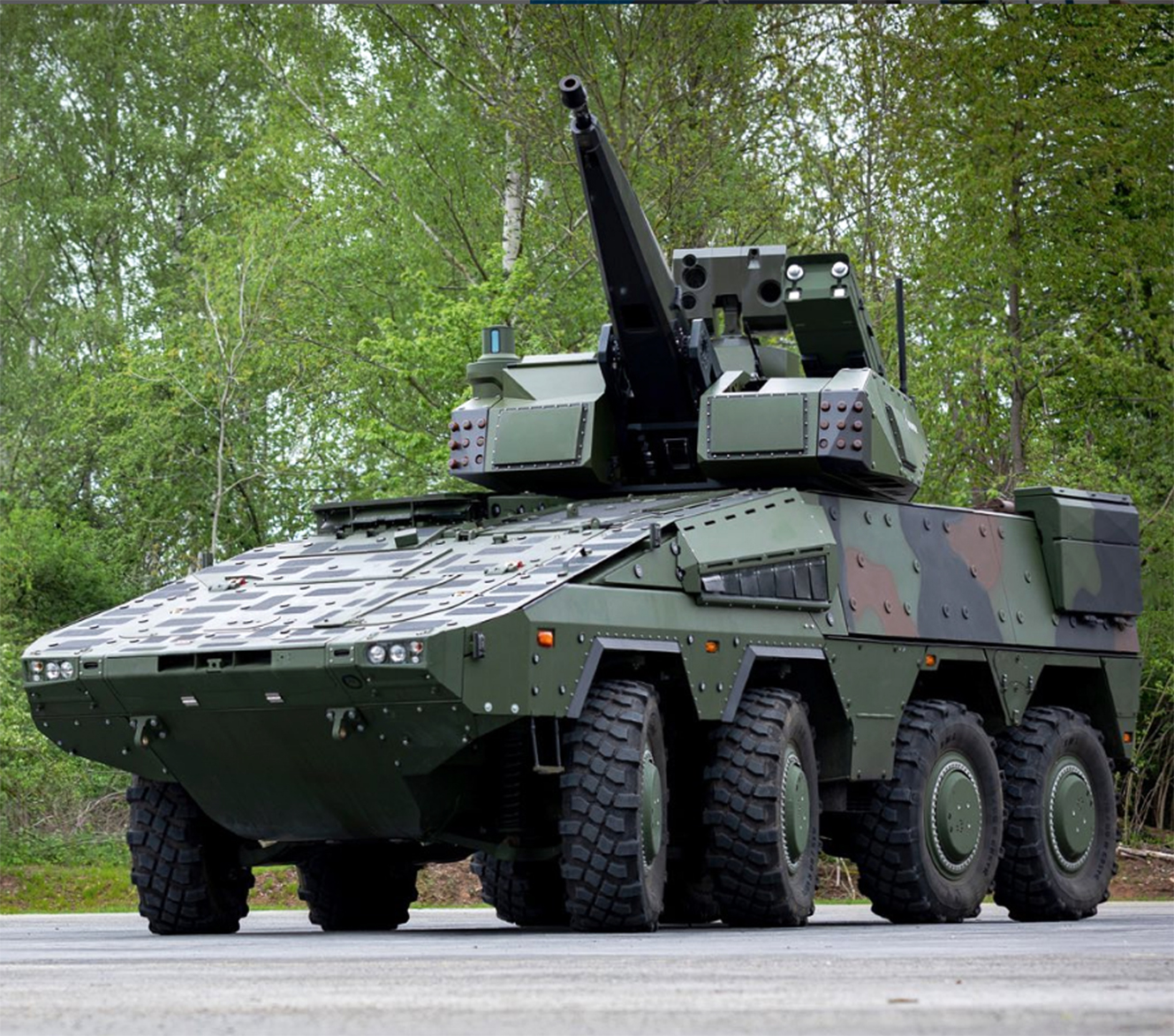
The German Army ordered 19 systems on GTK Boxer vehicles for €595 million in February 2024 and 30 more are planned. The variant of the German Army will carry 9 SADM missiles.
RCH 155
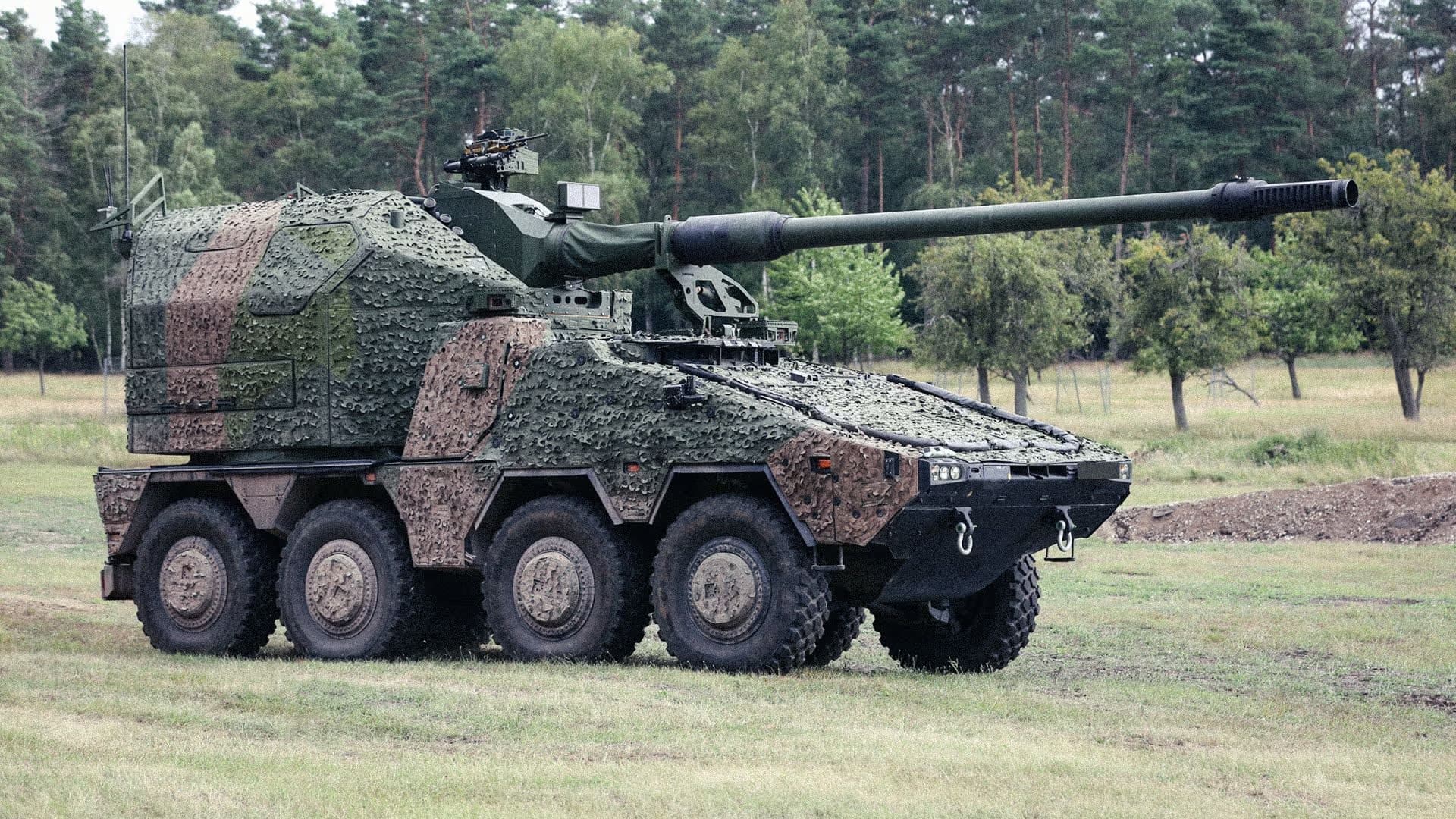
The RCH 155 is the world’s first howitzer that can fire while in motion. This is mainly to avoid enemy counter-artillery fire, as modern counter-battery radars such as COBRA can be used to reconnoitre fire positions after firing in near real-time. Its traverse and firing controls allow firing the gun at targets in the vicinity, such as an enemy tank, in a direct-fire, rather than indirect artillery mode.
Framework agreement approved by the German Budget Office for up to 500 RCH-155 in December 2025.
Panzerhaubitze 2000 A5
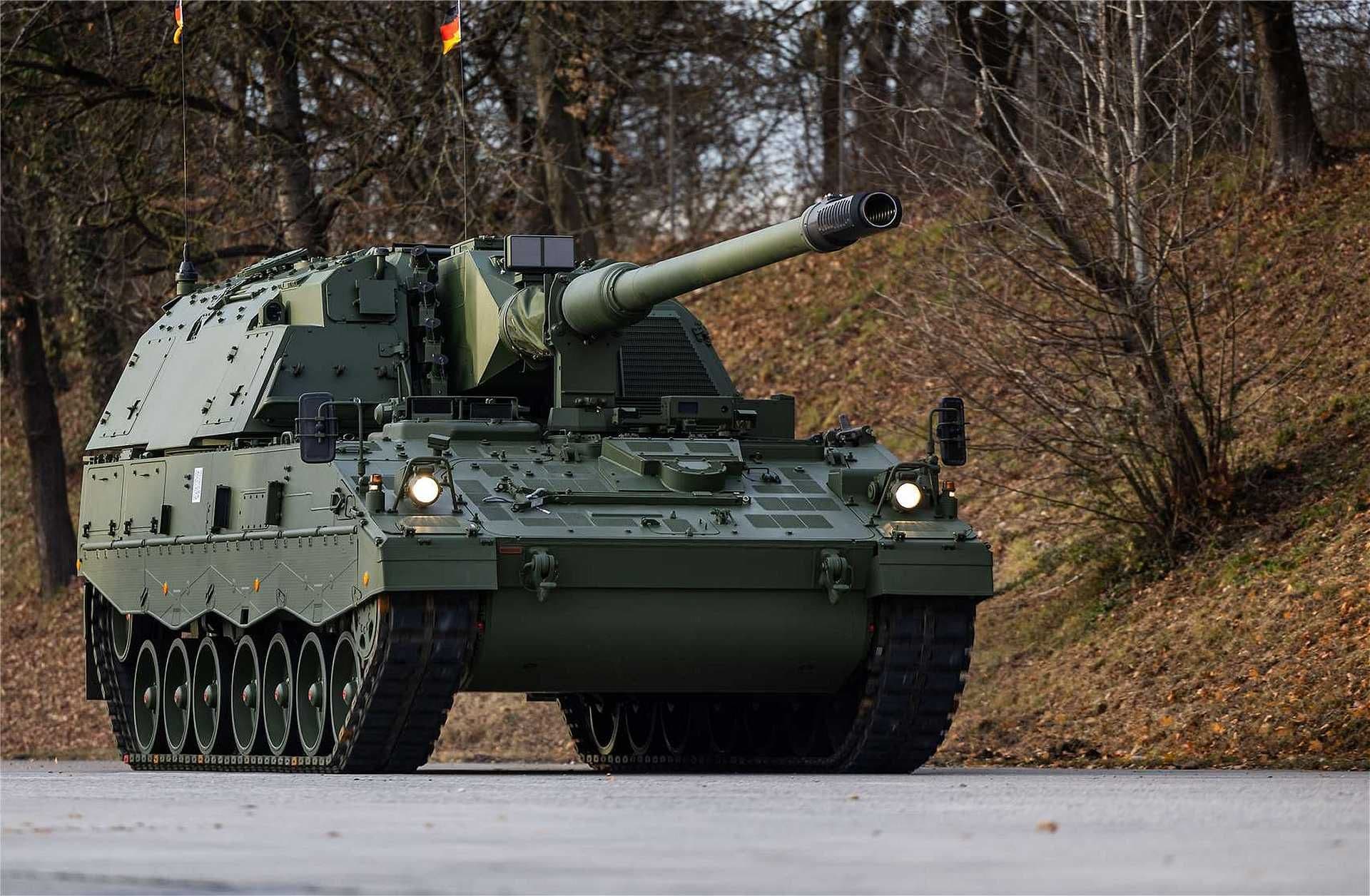
In 2021, Germany and the Netherlands agreed to jointly define & execute a Mid-Life Update to the operational Pzh2000 in their inventories and ensure standardisation and availability. The MLU variant is the PzH 2000 A5, it is designed for all customers, with core common elements, and optional elements, it is expected to be ready by 2028. Upgrades include the options below and other upgrades done in previous versions:
- Transition to a fully electronic / digital architecture, with a semi-open architecture (standardised electronic interfaces) of the weapon system.
- Ammunition auto loader improvements.
- Gun laying system improvements.
- Two-slip ring solution for the turret (to cope with the ammunition handling system).
Wiesel 1 MELLS
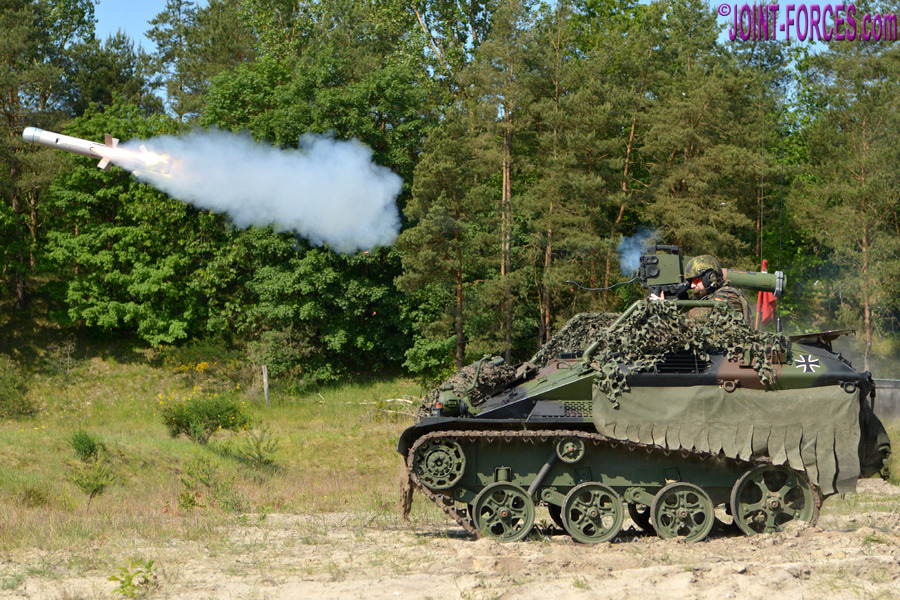
This variant of Wiesel is equipped with Spike fire and forget missiles instead of TOW missiles.
Wiesel 1 ATM HOT
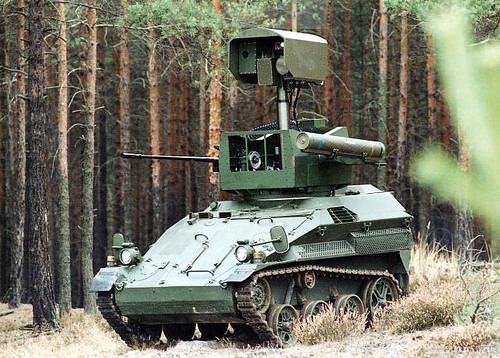
This variant of Wiesel 1 could carry different weapon configurations consisting of HOT launchers, Mk 20 Rh202, RMK 30.
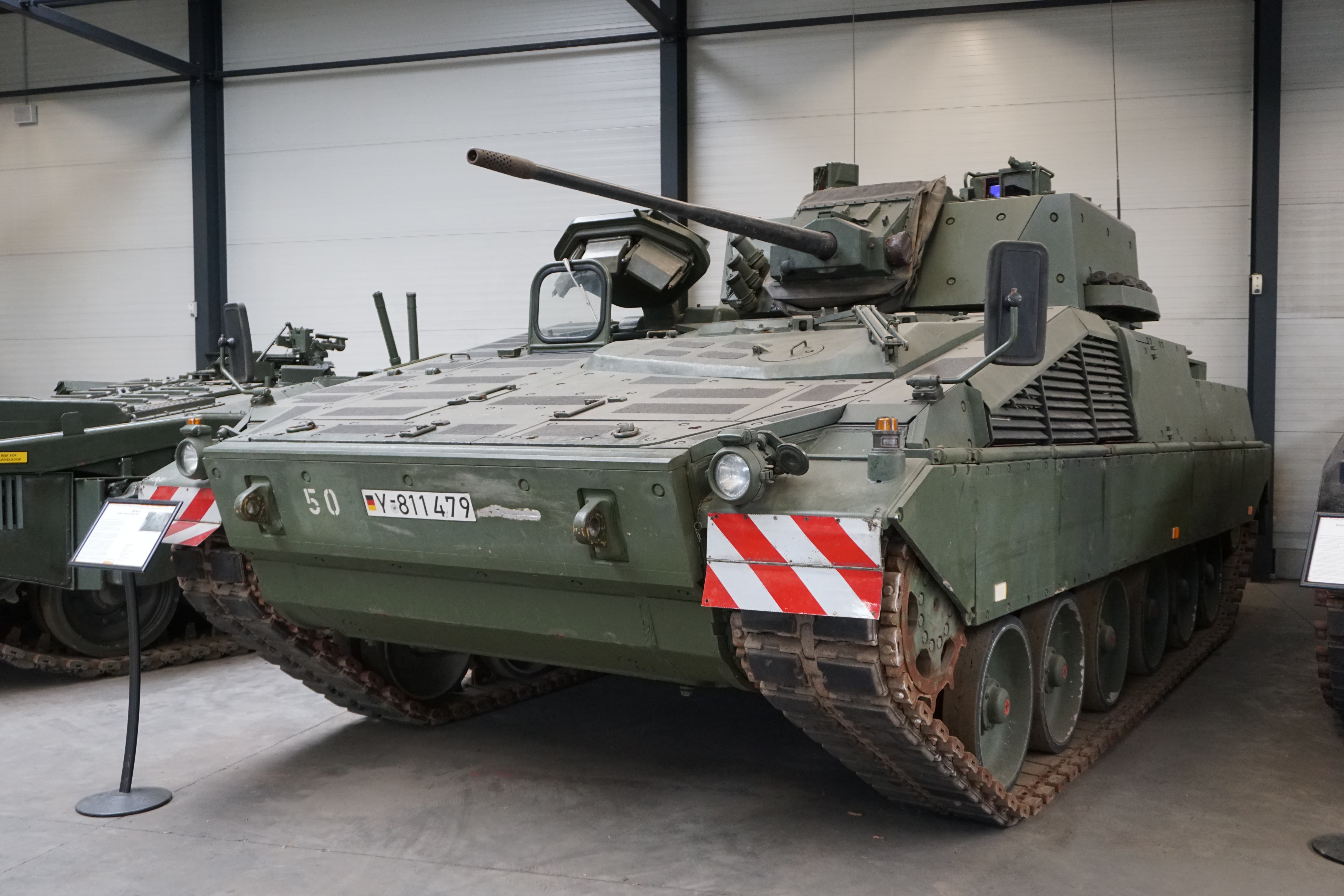
Marder 1A5A1
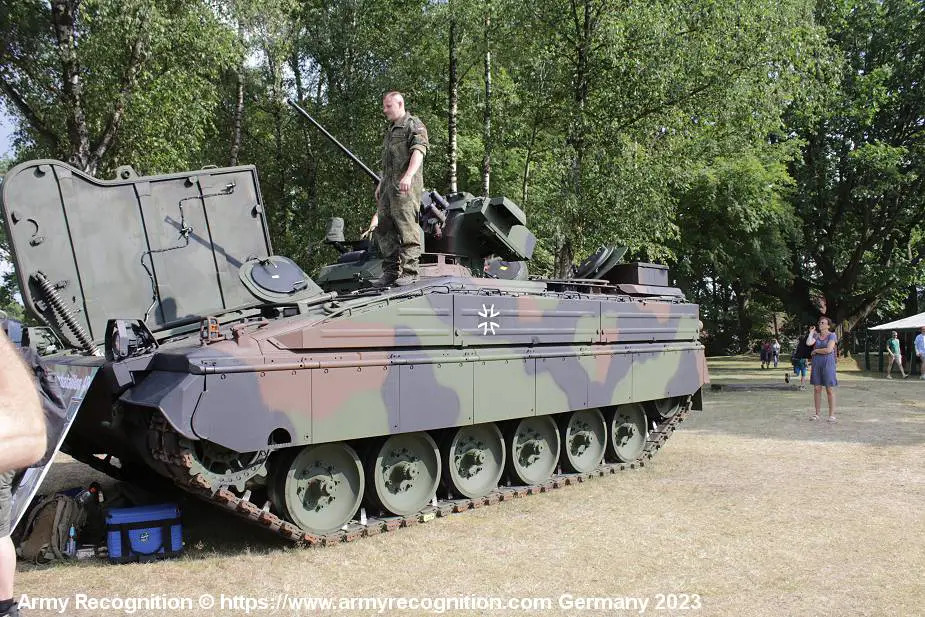
This version of Marder 1 carries the MELLS launcher which fires the Spike fire and forget missile. It is similar to Puma VJTF but with weaker armor and gun but a higher fire rate.
.
Germany Bluewater
Tirpitz
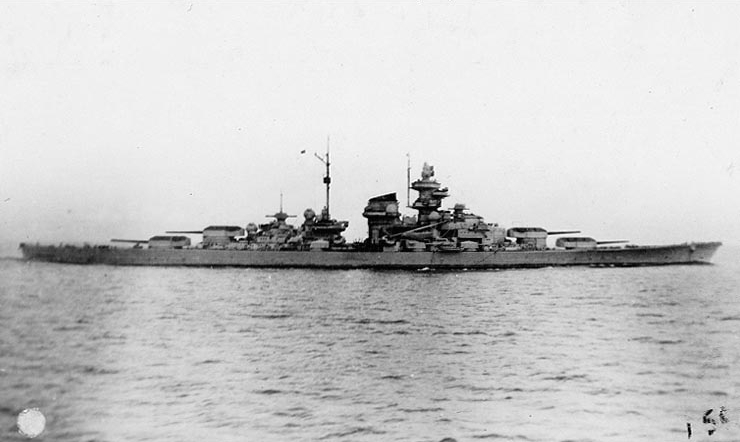
The second and last Bismarck class battleship built and was very similar to Bismarck.
.
Germany Coastal
Köln class
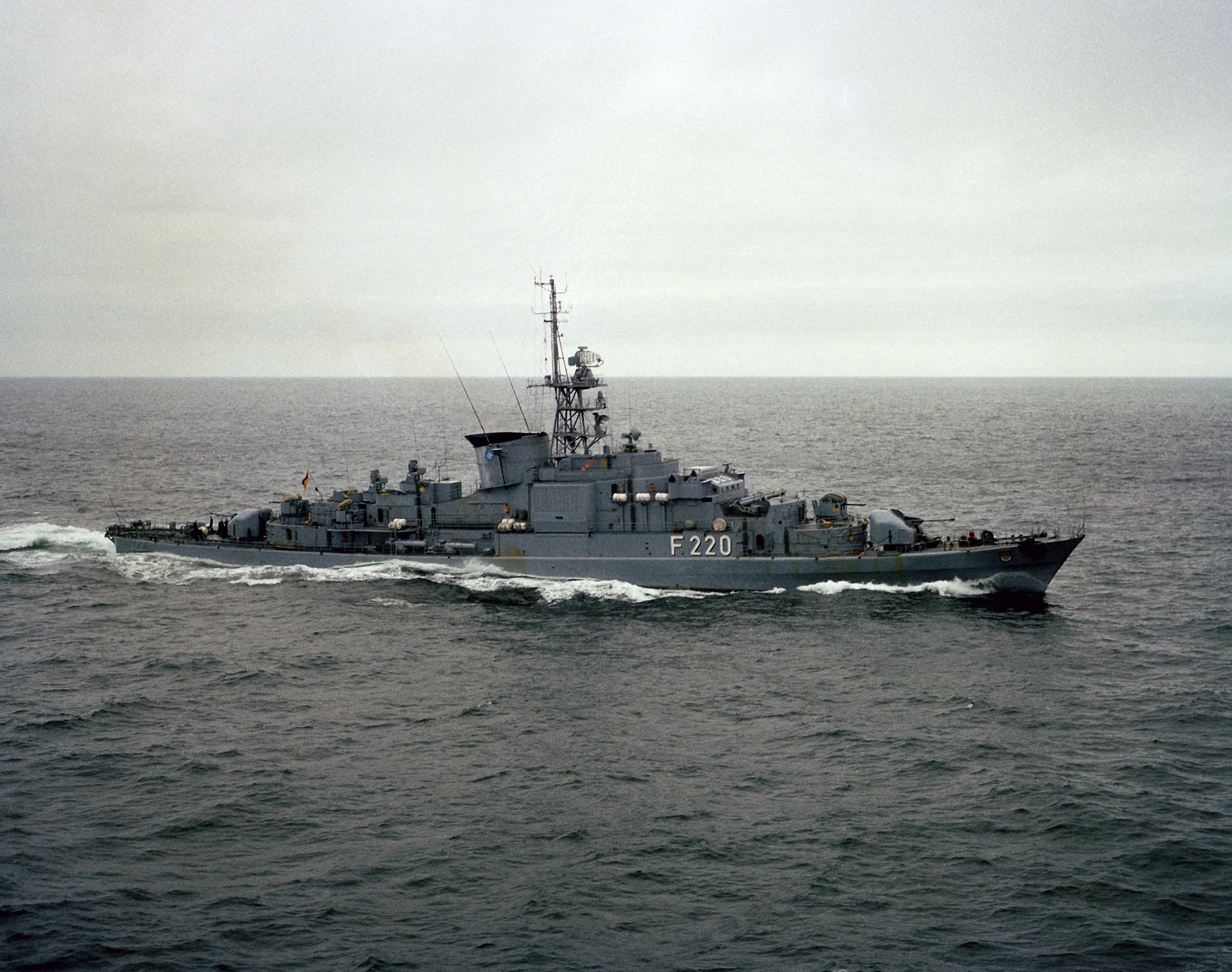
The F120 or Köln class was a six ship class of frigates operated by the Bundesmarine. The ships of this class were the first major warships built in Germany after World War II. Ships in this class armed with 2 × 100 mm METL 53 guns, 2 twin barreled 40 mm/L70 Breda Mod 58 II MDL anti-aircraft guns, 2 single barreled 40 mm/L70 Bofors Mod 58 anti-aircraft guns, 4 × 533 mm torpedo tubes, 2 quadruple 375 mm anti-submarine mortar.
Type 143 Albatros class
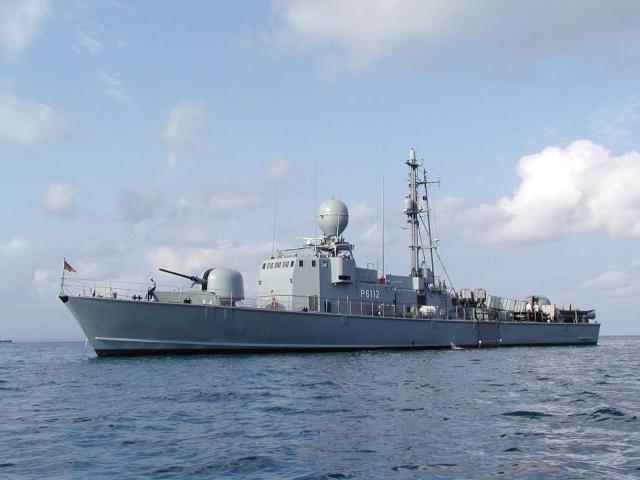
The Type 143 Albatros class was a class of missile bearing fast attack craft with 10 ships in this class armed with 2 × OTO-Melara 76 mm guns, 4 × MM38 Exocet anti-ship missiles, 2 × 533 mm (21 in) torpedo tubes.
Type 143A Gepard class
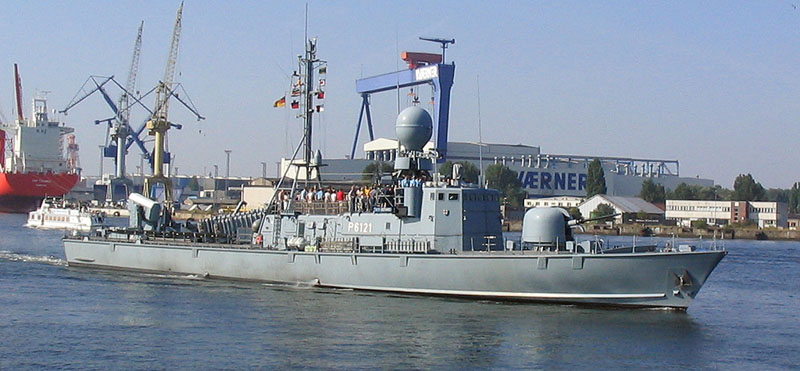
This class is an evolution of the Albatros class, the main difference being the replacement of the second 76 mm gun by the RAM system. There were 10 ships in this class equipped with 1 × Otobreda 76 mm gun, 4 × MM38 Exocet anti-ship missiles, 1 × GDC RAM launcher, 21 cells, 2 × MG50-1 machine guns
Type 148 Tiger class
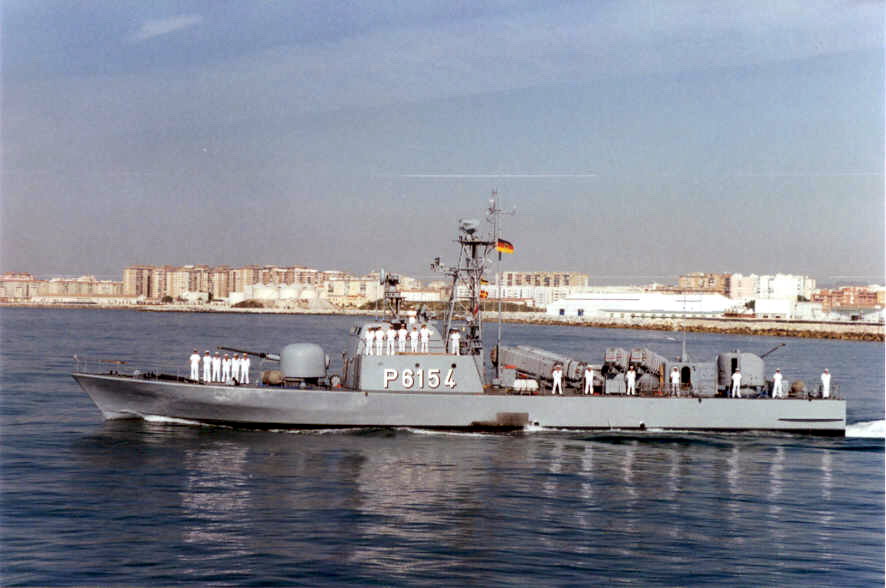
The Type 148 Tiger-class fast attack craft are a group of missile boats built to a Franco-German design and seeing service in the German Navy. The vessels entered service in the 1970s and served into the early 21st century. There were 20 ships in this class armed with 1 × OTO Melara 76mm gun, 1 × Bofors L/70 40mm gun, 4 × MM38 Exocet launchers, 8 × naval mines.
Kondor class
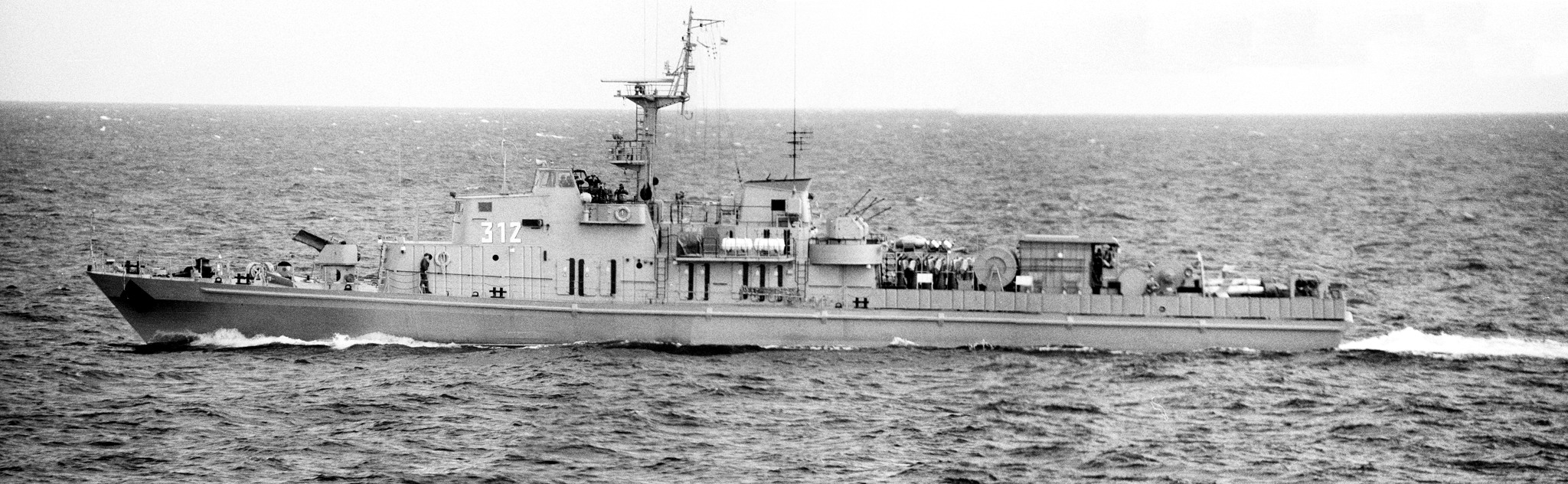
The Project 89 minesweeper, also known as the Kondor class, was a class of minesweepers designed in the German Democratic Republic which was given the NATO designation of “Kondor”. There were three versions, namely, the prototype unit, Project 89.0 which was unarmed; the first version, Project 89.1 (NATO designation: Kondor I) that were armed with 1 × 25 mm FlaK 2M-3 and up to 28 mines or 20 depth charges; and the second version, Project 89.2 (NATO designation: Kondor II) that were armed with 3 × 25 mm FlaK 2M-3 and up to 24 mines or 24 depth charges.
USSR
USSR
.
USSR Air
Su-27M/Su-35
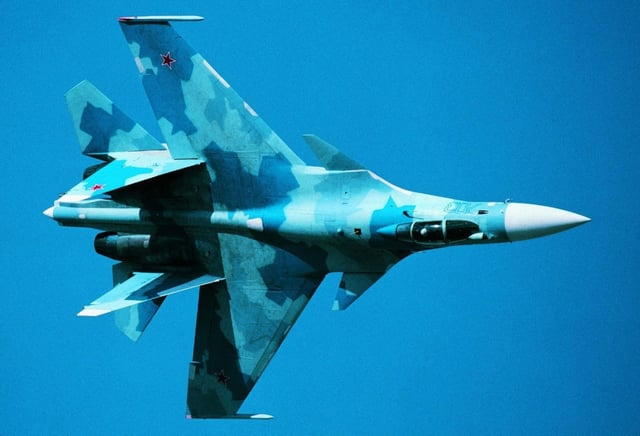
Su-27M was the original Su-35 and was later renamed to Su-35. It was powered by a pair of AL-31FM engines. It could be considered to be somewhat between Su-27SM and Su-30SM in War Thunder.
Su-37 Terminator
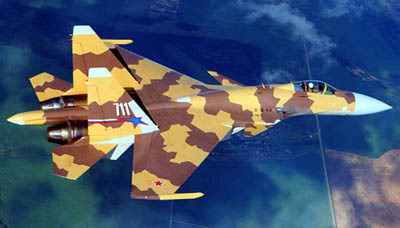
It was a technology demonstrator based on the eleventh Su-27M (T10M-11) and only one prototype built. It was powered by a pair of AL-37FU engines specifically designed for Su-37 and N011M radar. It had 12 hardpoints and could carry up to 8,000 kg (17,630 lb) of ordnance.
Su-47 Berkut
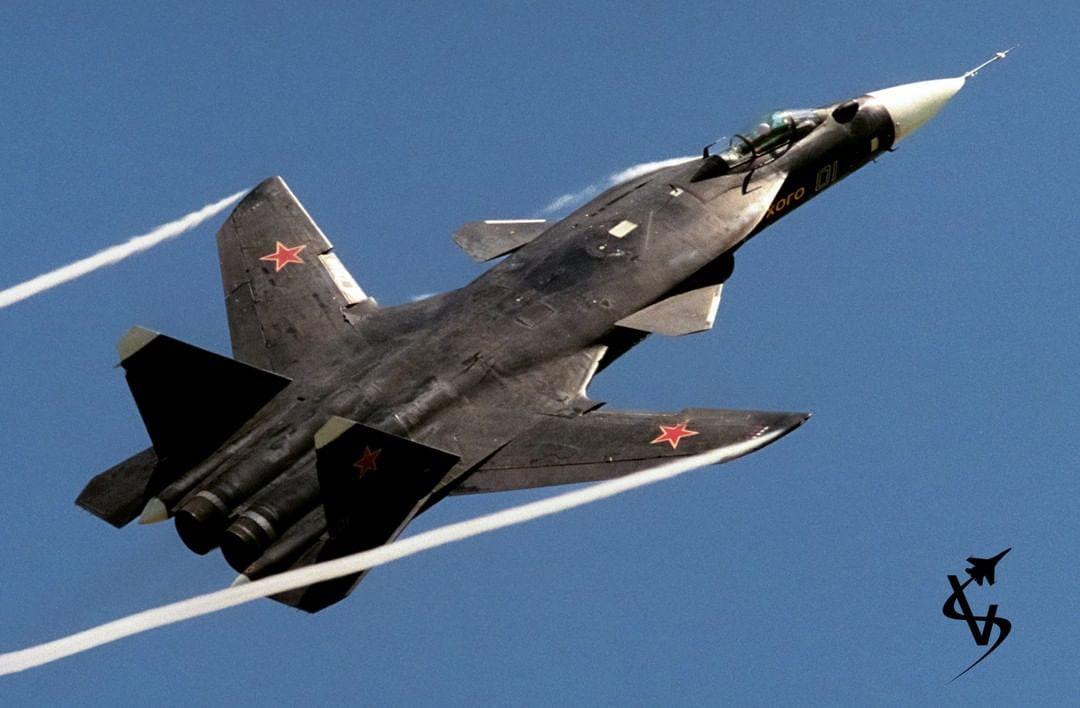
A technology demonstrator built by Sukhoi that had forward swept wings giving it better maneuverability in low speeds. Supposedly, it had 14 hardpoints and could carry different types of missiles and a 30 mm GSh-30-1 cannon could be installed on it.
Su-35S/Su-35BM Flanker-M
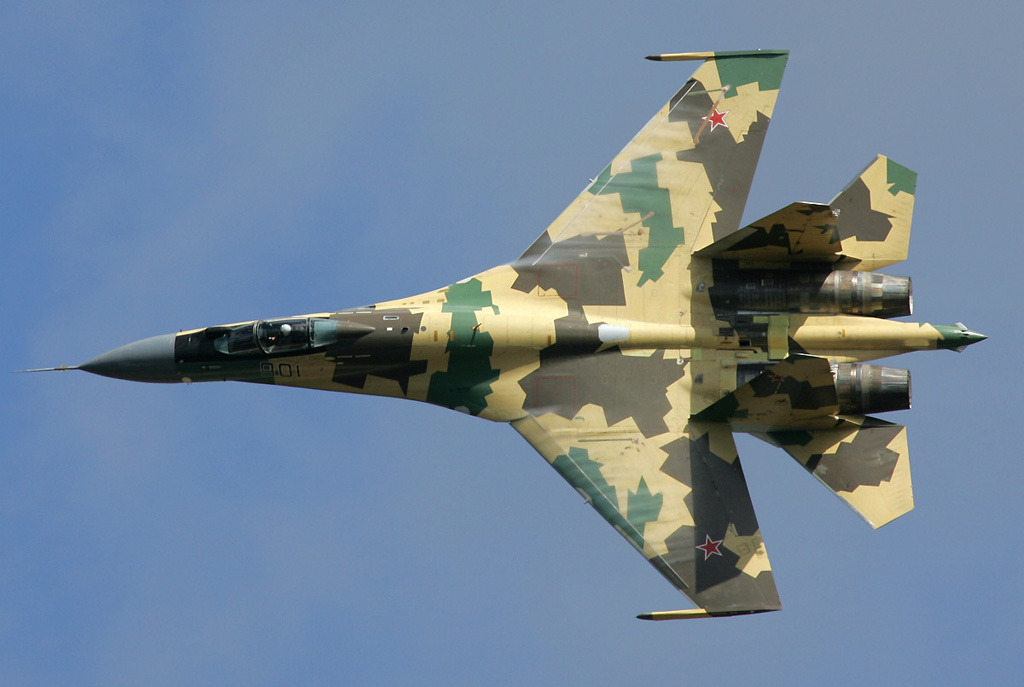
Su-35BM was a major redesign of Su-27M/Su-35. The canards and dorsal airbrakes were removed, new N035 Irbis-E radar was added, the cockpit was redesigned and the engines were upgraded to AL-41F-1S amongst other modifications to the plane and was designated Su-35BM an it received the designation Su-35S in the Russian Aerospace Forces.
Su-35SM
This is supposed to be an upgrade for the current Su-35S that was announced pretty recently based on the experience gained during the Russian Ukrainian war. This upgrade aims to enhance the electronic warfare capabilities of Su-35S and adds the N036 Byelka AESA radar for more range and better detection, Himalaya electronic warfare suite for protection against radar guided threats and a DIRCM system to counter the infrared missiles. Unfortunately due to how recent the upgrade is, I could not find any pictures of any Su-35SM.
Su-34M
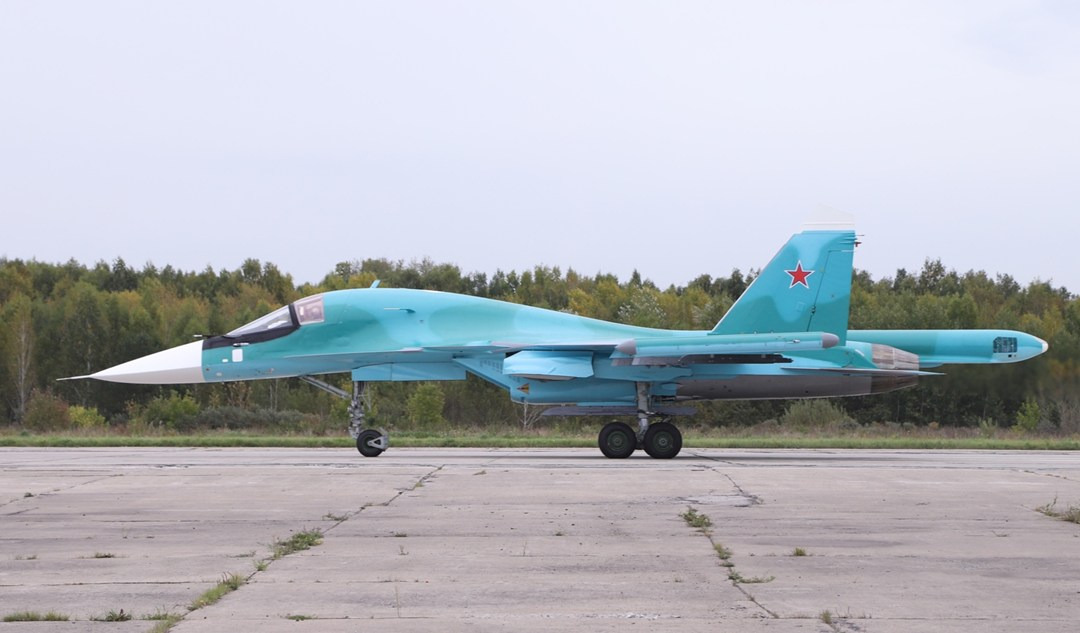
Upgraded version of Su-34 also known known as Su-34 Sych (Russian for Athene). The Russian contract was signed in 2020 and replaced basic Su-34 in production. This upgrade seriously affects almost all of the aircraft’s avionics. The radar, sight, and communication systems improved. The range of guided munitions that the bomber can use significantly expanded. EW capabilities also expanded with introduction of new hardpoints. The version was reportedly armed with long range cruise missiles in September 2023. An armed reconnaissance version entered service in July 2025.
MiG-25PDS Foxbat-E
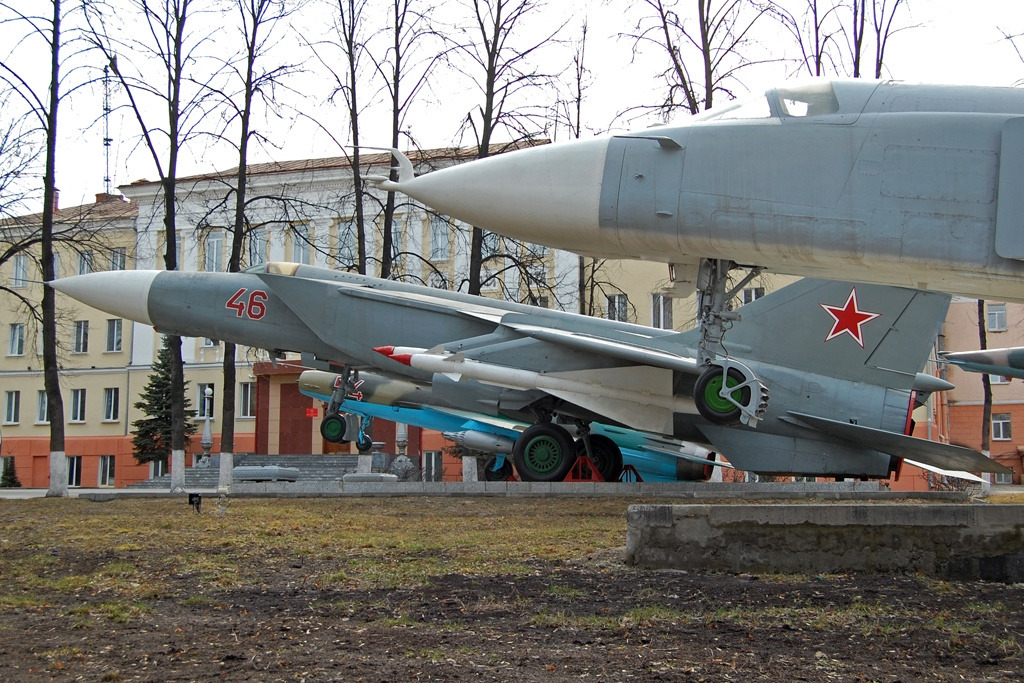
After the introduction of MiG-25PD (Izdeliye 84D) which we have in game as an event vehicle, a program was launched to upgrade the existing MiG-25P aircrafts to MiG-25PD specifications and the upgraded MiG-25P aircrafts were designated MiG-25PDS. In this upgrade, the RP-25 Smerch-A radar of MiG-25P was replaced with S-25 Sapphire-25 radar and the its R-15B-300 engines were also replaced with R-15BD-300 engines. The upgraded MiG-25PDS were able to fire R-40RD and R-40RT and R-60/R-60M missiles. This variant of MiG-25 can be a tech tree replacement for the event MiG-25PD.
MiG-25RBSh (Izdeliye 02Sh) Foxbat-D
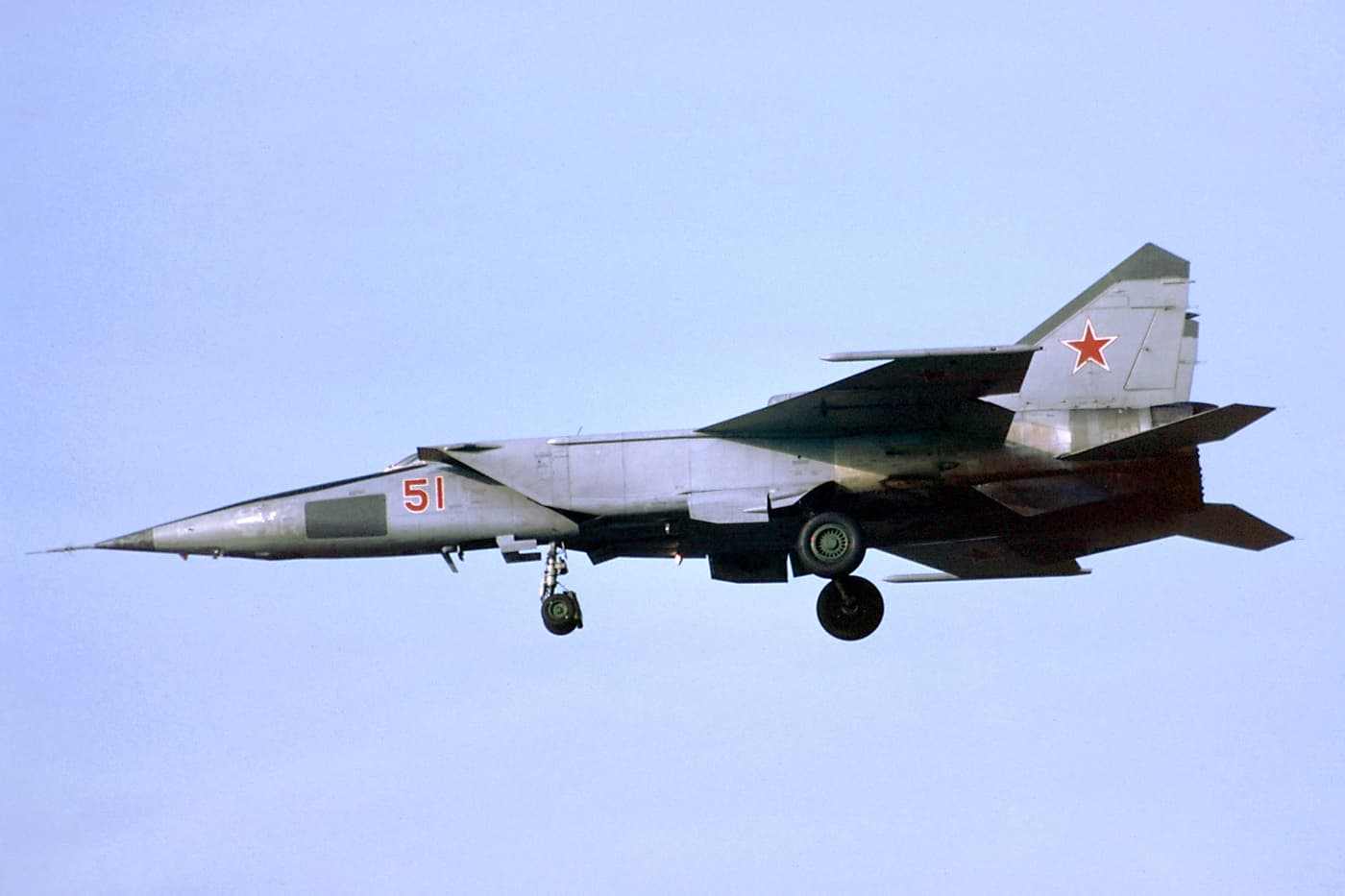
A single seat reconnaissance bomber version of MiG-25RB (which itself is a reconnaissance bomber derivative of MiG-25R (which is high altitude daylight reconnaissance aircraft version of MiG-25)) with the Shompol side looking radar for all weather radio reconnaissance of the ground targets in poor visibility conditions (night time and clouds) featuring enhanced resolution at low and high altitudes and “moving-target-selection-within-the-swath” mode. This variant could carry bombs as well.
MiG-25BM (Izdeliye 02M)

A special variant of MiG-25 designed for SEAD (Suppression of Enemy Air Defenses) missions able to carry Kh-31 and Kh-58 missiles.
MiG-31 (Izdeliye 01)
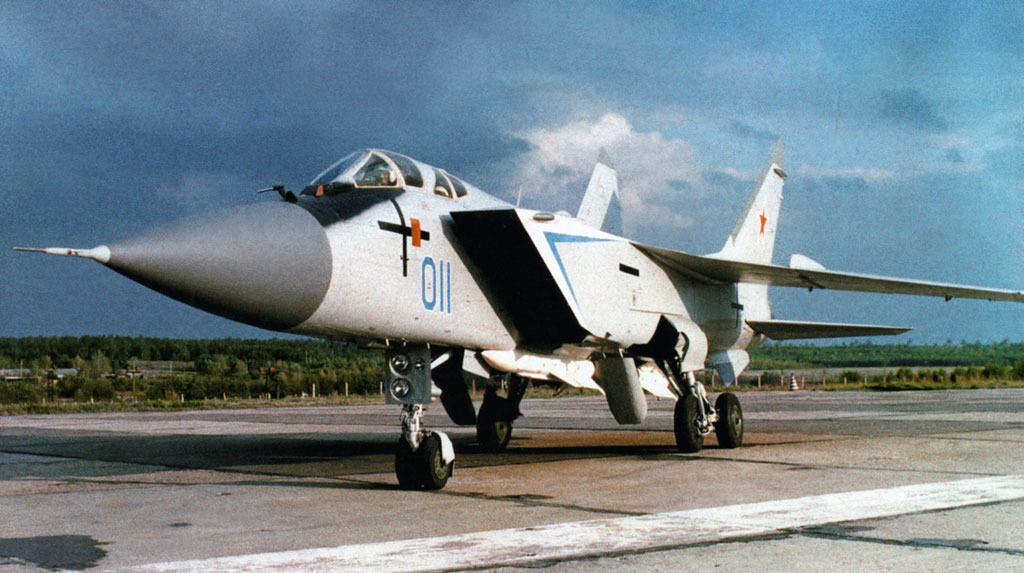
First variant of MiG-31 that entered mass production. MiG-31 was built to be an upgrade over MiG-25 and replace it. It was equipped with a 23 mm GSh-6-23 gun with 260 rounds and could carry different types of missiles.
MiG-31B (Izdeliye 01B)
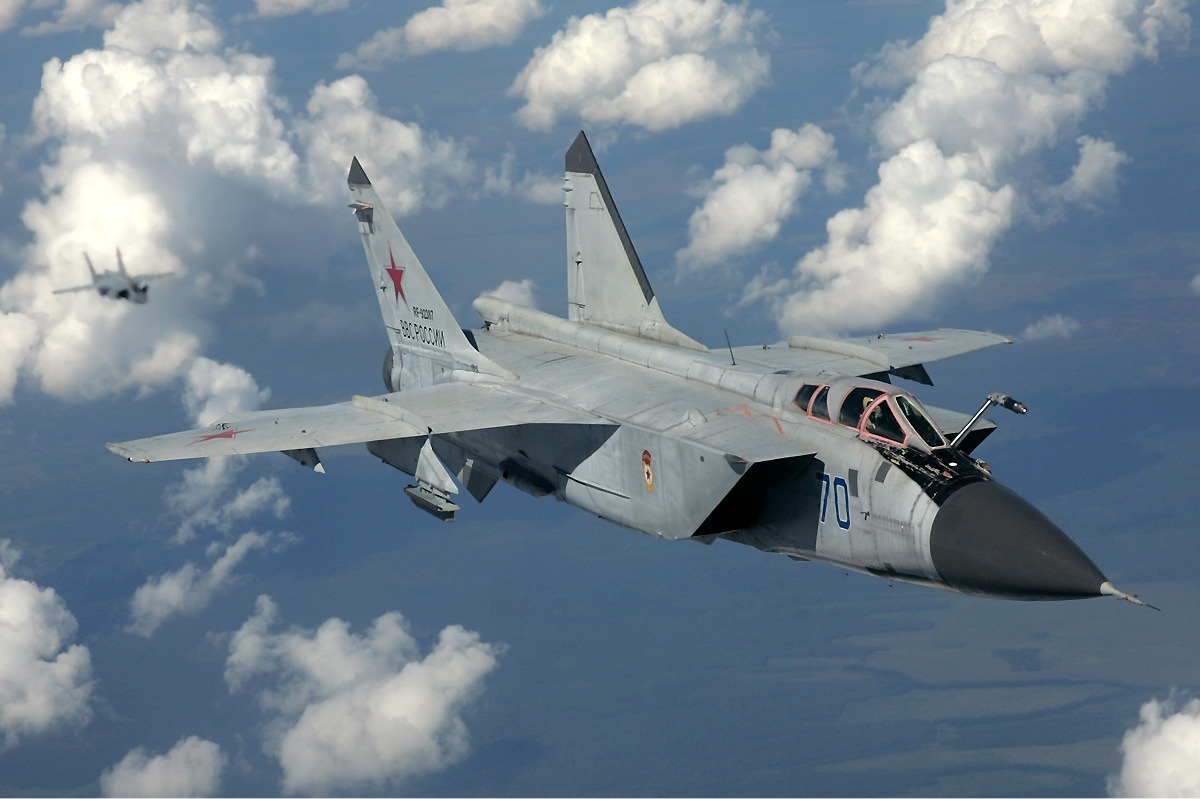
Second production batch with upgraded avionics and in-flight refueling probe introduced in 1990. Its development was the result of the Soviet discovery that Phazotron radar division engineer Adolf Tolkachev had sold information on advanced radars to the West. A new version of the compromised radar was hastily developed. MiG-31B also have the improved ECM and EW equipment with integration of improved R-33S missiles.
MiG-31BM
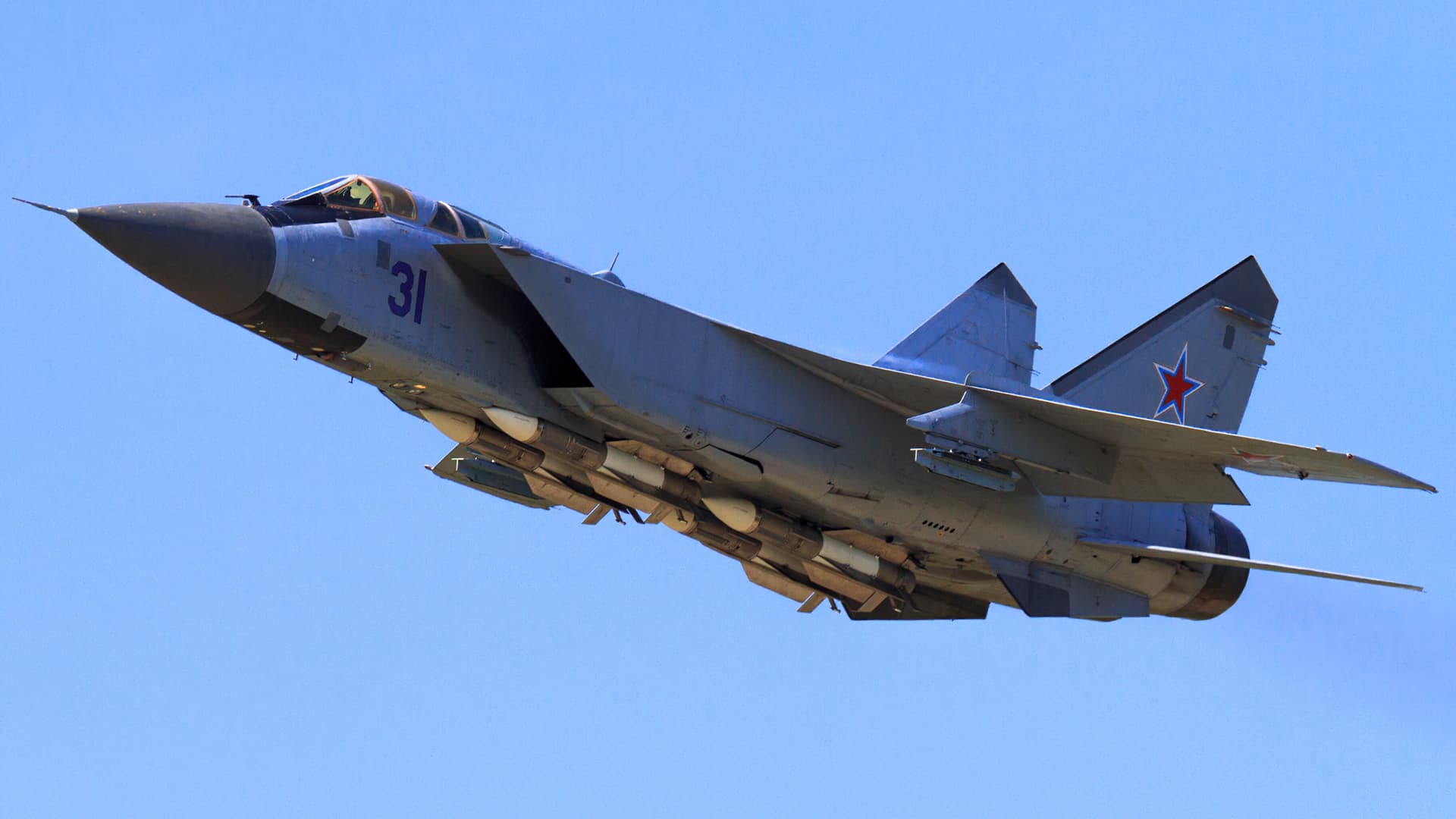
A modernized version of MiG-31B with increased detection range to 320 km (200 mi) and the ability to track 10 targets automatically and simultaneously engage up to eight targets. The on-board Argon-K is replaced with the new Baget 55-06 computer that selects four targets of the highest priority, which simultaneously are engaged by long-range R-33S and R-37M and medium range R-77-1 air-to-air missiles. The MiG-31BM has a multi-role capability, and is capable of using anti-radar, air-to-ship and air-to-ground missiles. Some of its avionics are unified with the MiG-29SMT. It also has a refueling probe.
MiG-29KR Fulcrum-D
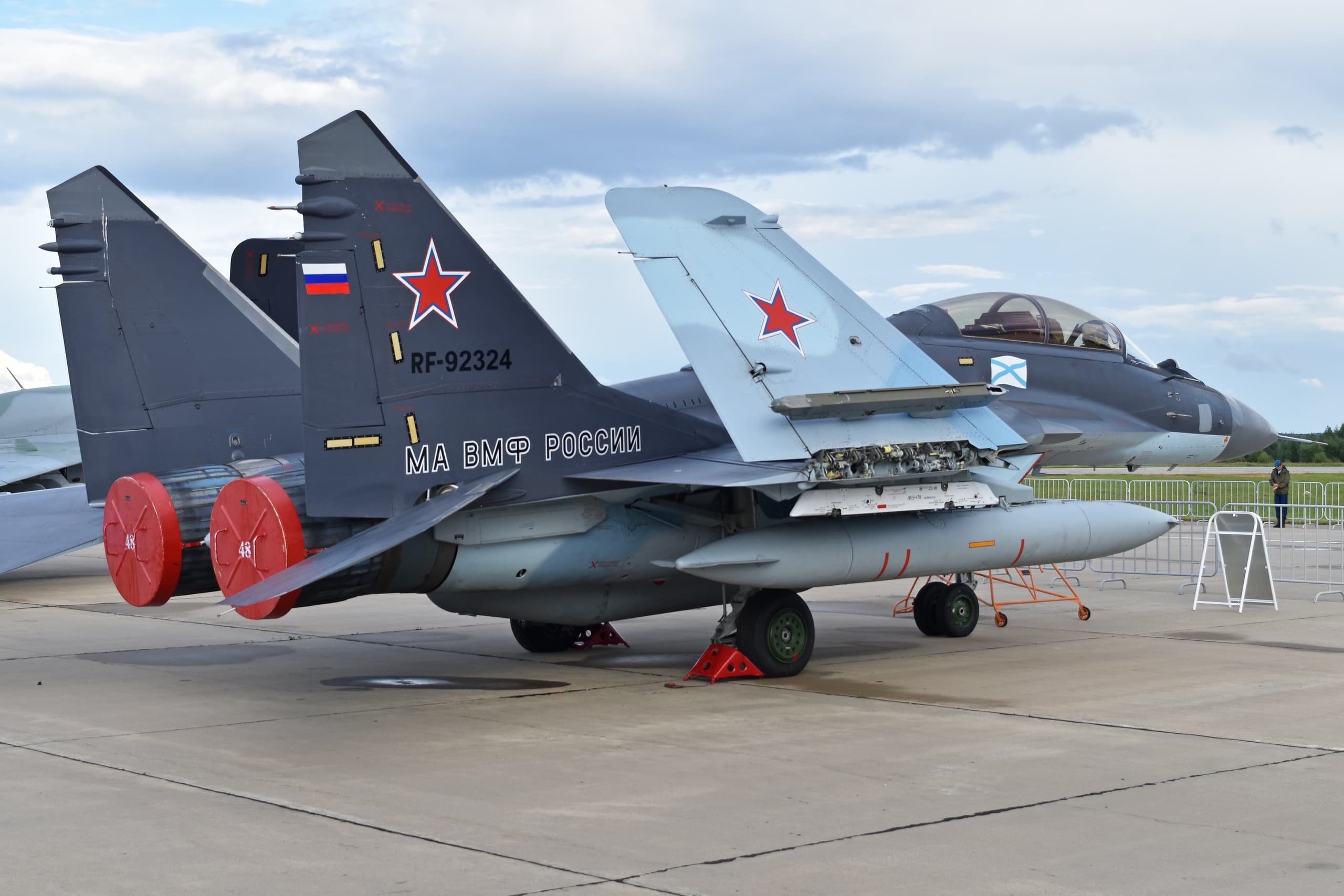
MiG-29K is a carrier based multirole fighter developed from MiG-29M and is used by two countries, Russia and India. MiG-29K in Russian Navy gets the designation MiG-29KR. It is equipped with N010M Zhuk-M radar also found on MiG-29SMT but it has better engines compared to MiG-29SMT. MiG-29SMT is powered by two RD-33 series 3 engines while MiG-29KR uses the RD-33MK “Morskaya Osa” (Russian: Морская Оса: “Sea Wasp”) engines which were developed in 2001 and can produce up to 9,000 kilograms force (88,000 N; 20,000 lbf) while using afterburner.
MiG-35S/MiG-35UB Fulcrum-F
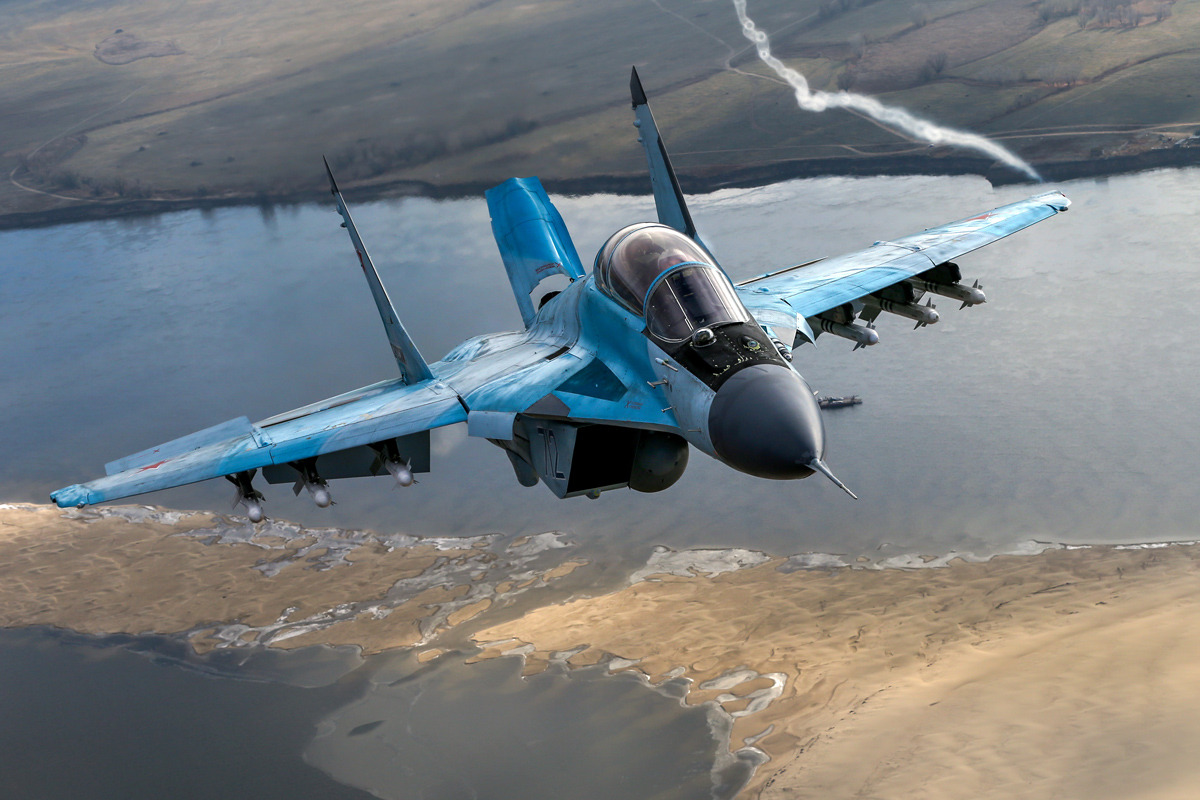
MiG-35 is essentially an upgraded variant of the MiG-29KR. The single seat variant is designated MiG-35S and the double seat variant is MiG-35UB. It is equipped with N010M Zhuk-M radar but it is stated that the export variants (single seat MiG-35 and double seat MiG-35D) will have AESA radars (Zhuk-AE/Zhuk-AME).
MiG Project 1.44/1.42
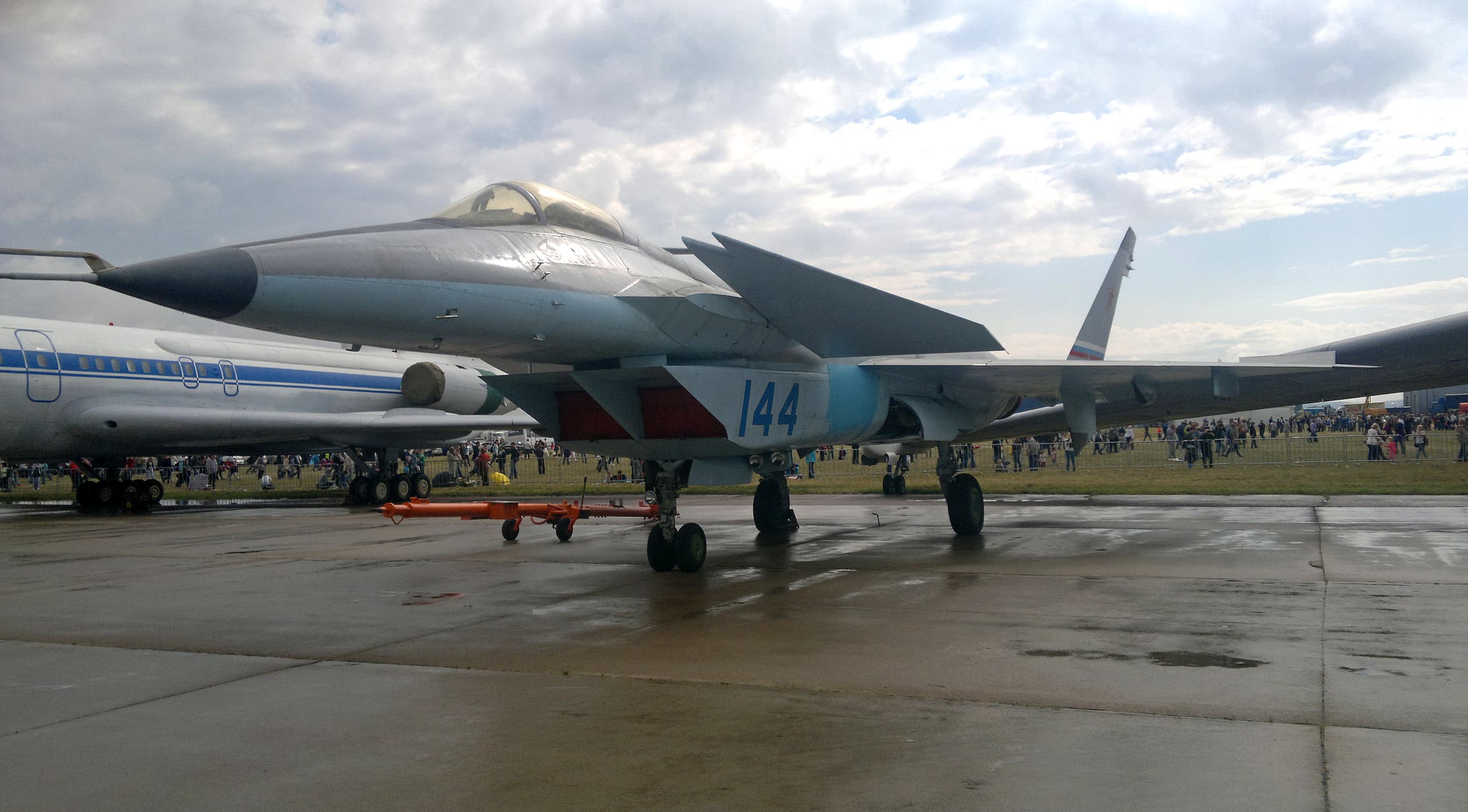
It was a technology demonstrator but was cancelled and PAK FA program was instead chosen which resulted in Su-57. MiG 1.44 was just the demonstrator prototype and MiG 1.42 was the production version and there were other version as well such as MiG 1.42K which was the naval variant with folding wings, arrestor hook, strengthened landing gear and enhanced corrosion protection, MiG 1.42R which was the reconnaissance variant with reconnaissance equipment in the weapons bay and a double seat version to be a trainer. MiG 1.44/MiG 1.42 was equipped with a 30 mm GSh-30-1 gun with 250 rounds and had 12 hardpoints. It was powered by two AL-41F engines and N014 PESA radar.
Su-57 Felon
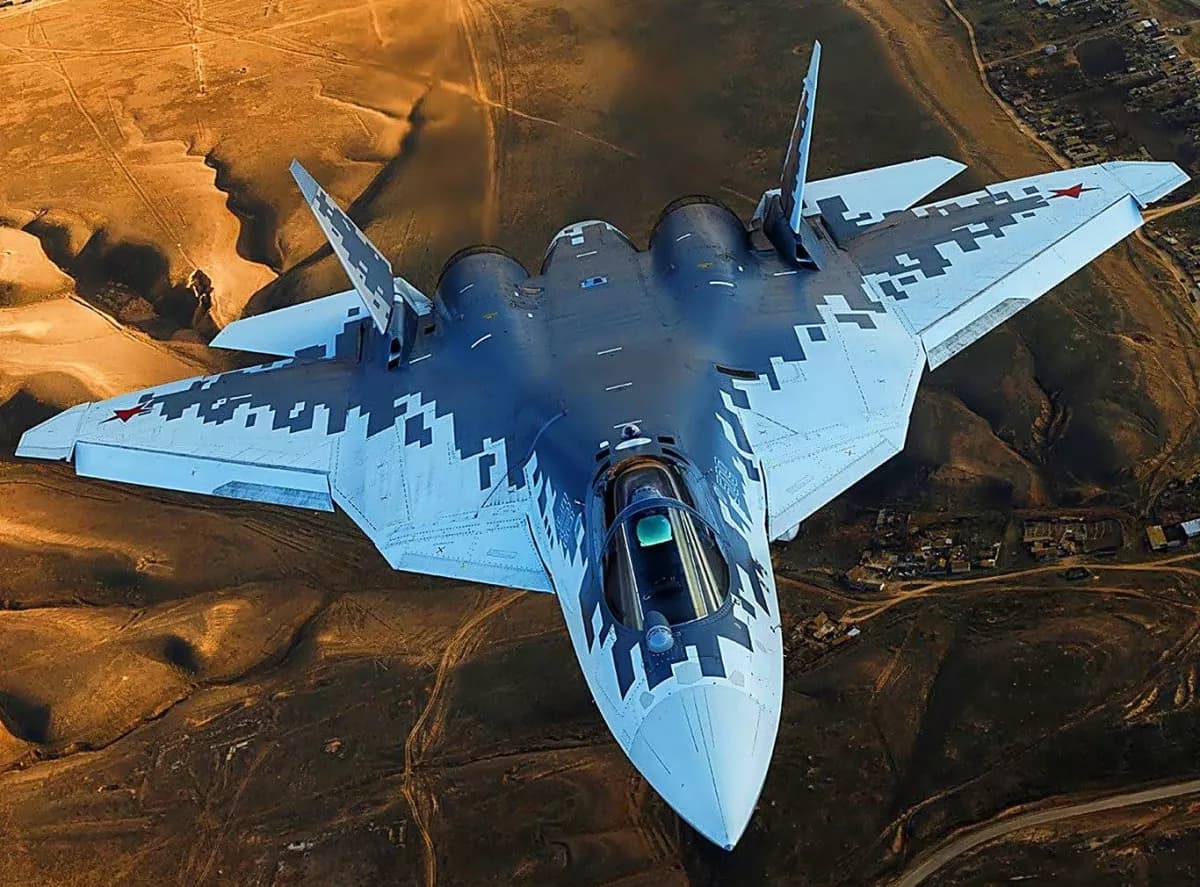
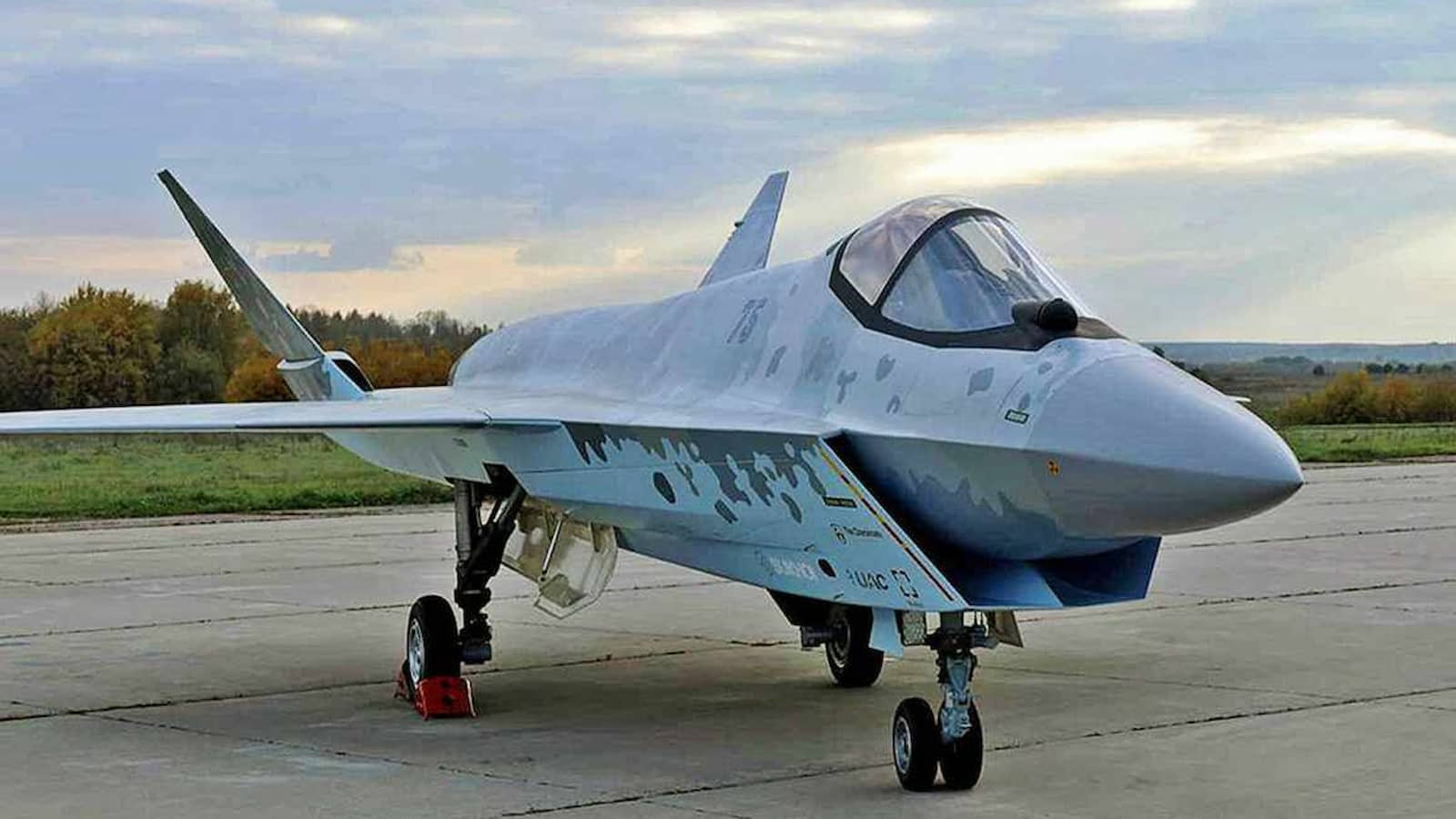
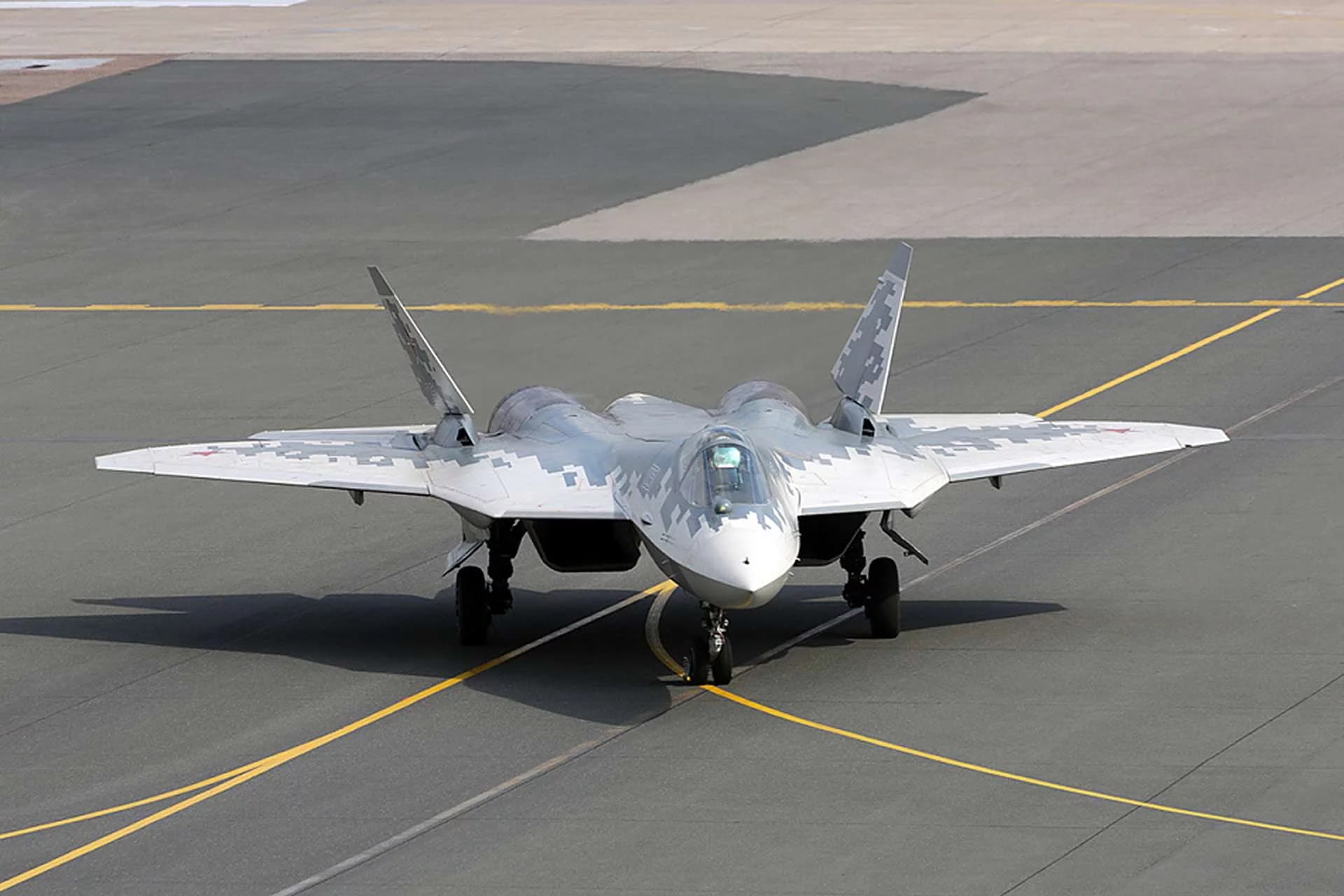
First Russian mass produced 5th gen fighter (I don’t care that it is less stealth or you think that it is a 4.5th gen fighter, I’m just writing the things I find). It incorporates stealth features and carries the N036 Byelka AESA radar and is powered by two AL-41F1 (117) engines. Su-57 has 6 internal and 6 external hardpoints and can carry up to 7,500 kg (16,500 lb) of ordnance and is equipped with a 30 mm GSh-30-1 gun.
.
USSR Helicopter
Ka-52K Katran
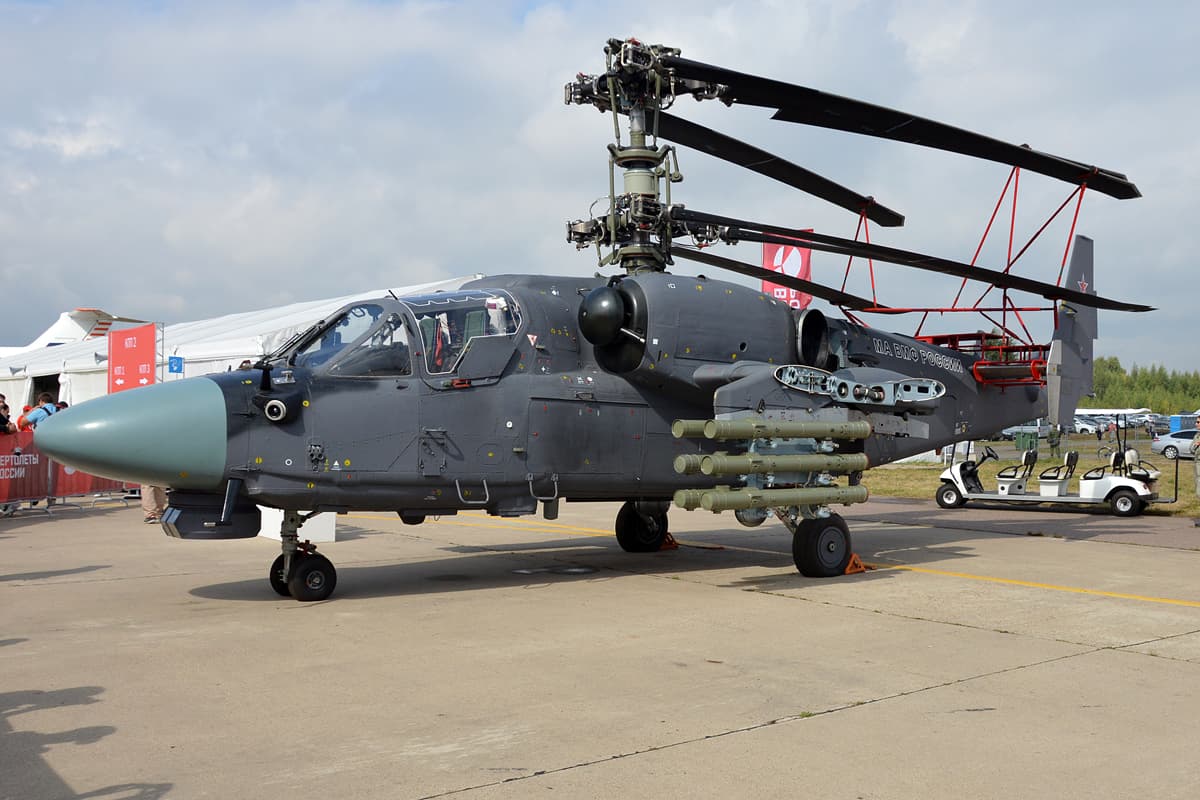
Ka-52K “Katran” (Russian: Катран, ‘mud shark’), a navalised derivative of the Ka-52. Its features include folding rotor blades, folding wings, and reinforced landing gear. Since its wings are shorter than those of the land-based variants, the Ka-52K only has four weapons pylons, instead of six on the land-based Ka-52. There are plans to install a new radar in the Ka-52K, with longer range compared to the Ka-52’s radar. The Ka-52K will also be able to use Kh-35 and Kh-38 missiles. However, they haven’t yet been integrated in the helicopter’s mission suite.
Ka-52M
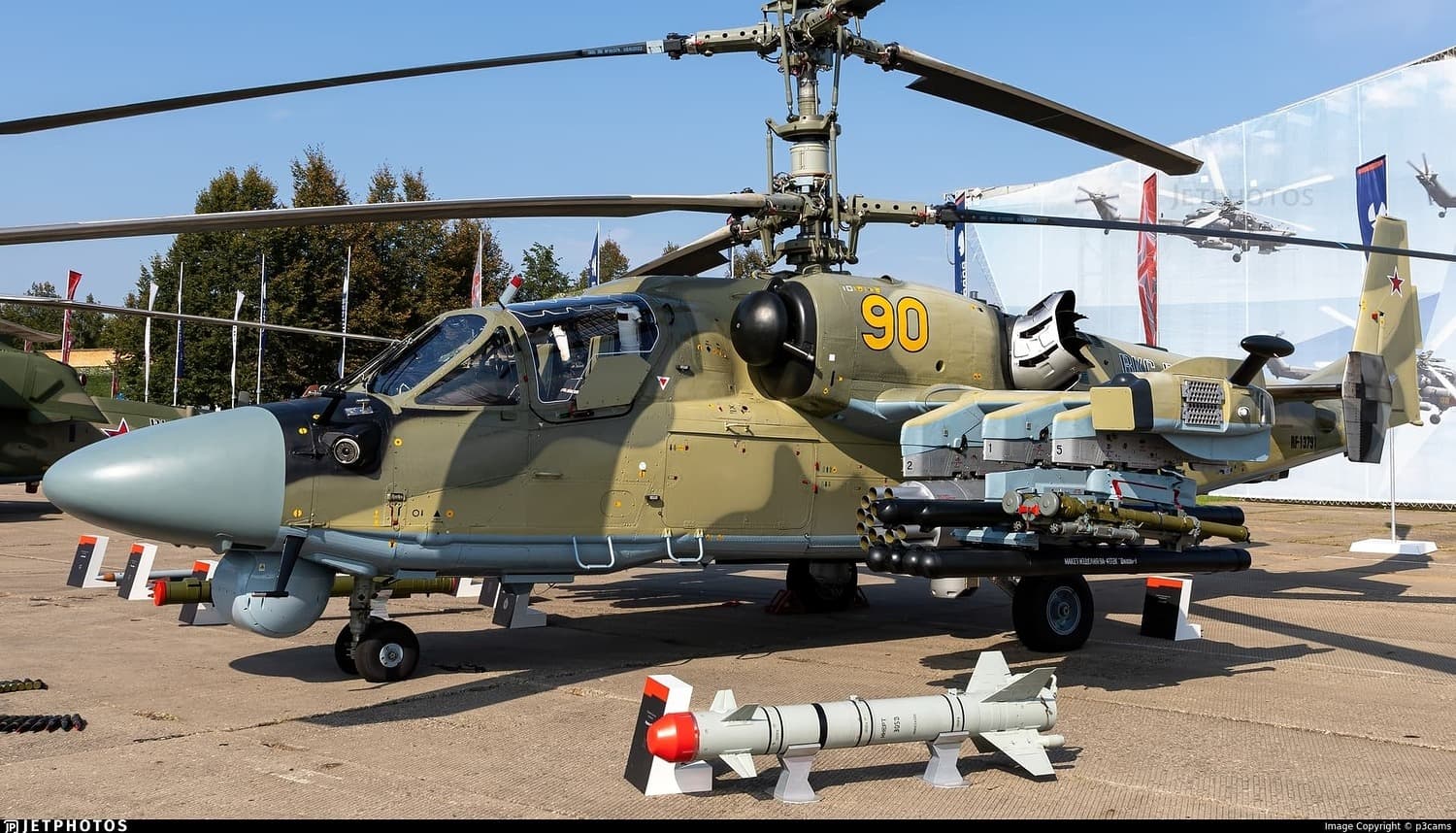
An upgraded version of Ka-52. Upgrades include a modernized GOES-451M electro-optical targeting turret with an increased range, stronger undercarriage wheels, and improved cockpit ergonomics, with better adaptation to the use of night-vision goggles. The LMUR missile is added to the helicopter’s armament options. Several new radar types are being considered for the Ka-52M. A new self-protection system will also be fitted to the Ka-52M, replacing the current L370-5 Vitebsk. Lastly, the Ka-52M is adapted to work within a new battlefield command and control system.
.
USSR Ground
T-90M2 Ryvok-1
This is the upgraded version of T-90M based on the experience gained in Russian Ukrainian war. It has a better reverse speed and Arena-M APS and other upgrades applied. Unfortunately, I could not find a picture of this tank similar to M3A4 Bradely and Su-35SM.
Kurganets-25 with the Bumerang-BM turret
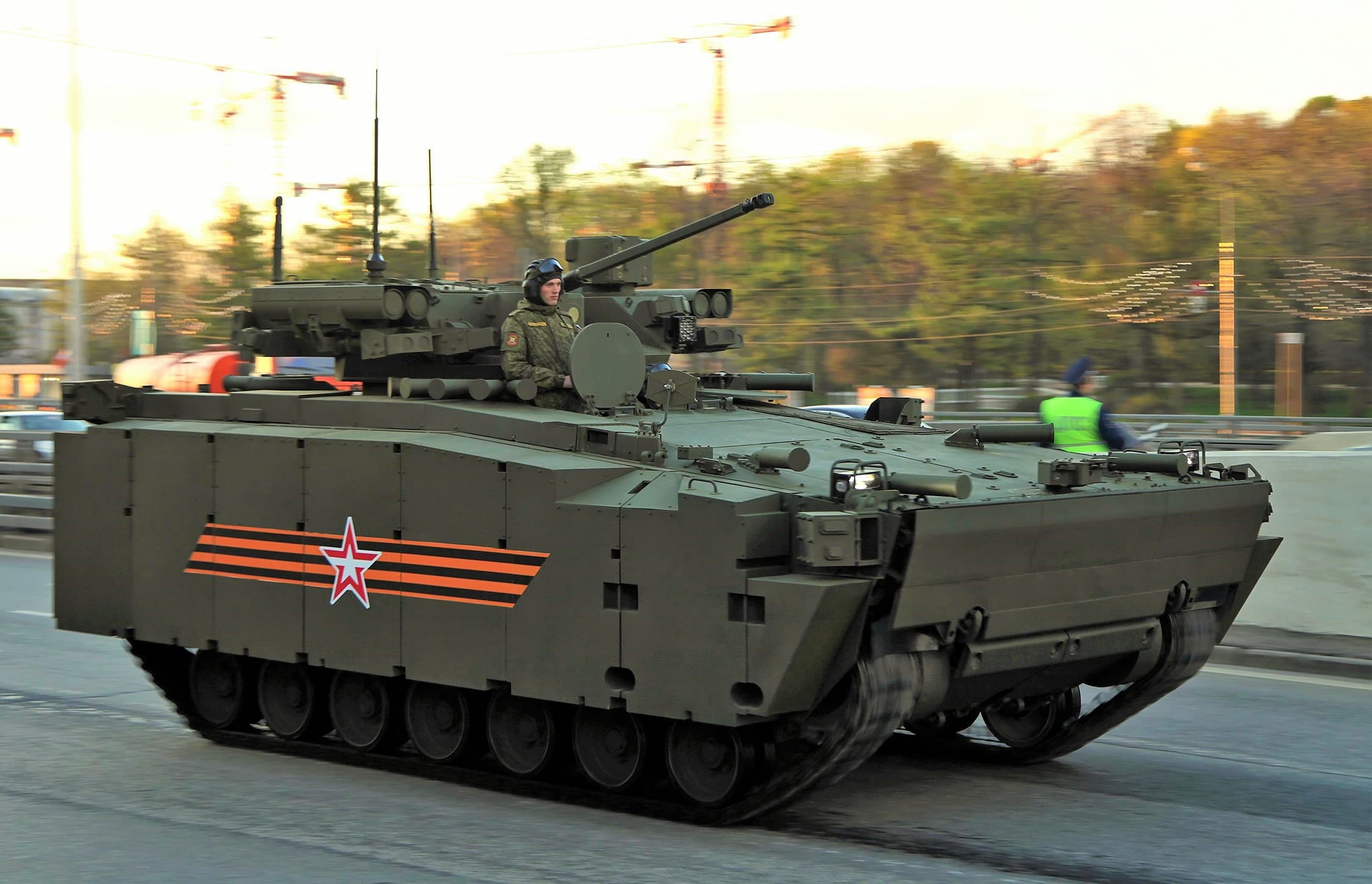
Kurganets-25 is a Russian tracked amphibious IFV planned to evolve into various models, gradually replacing BMP, BMD, MT-LB and other types of tracked Soviet armored platforms. The Kurganets-25 is based on the Armata Universal Combat Platform while being lighter than the T-15 Armata. This version of Kurganets-25 is equipped with the Bumerang-BM remote controlled turret that has the 30 mm 2A42 gun and 9M133 Kornet-EM ATGM launchers and 7.62 mm PKT coaxial machine gun.
Kurganets-25 with the Epokha (Epoch) turret
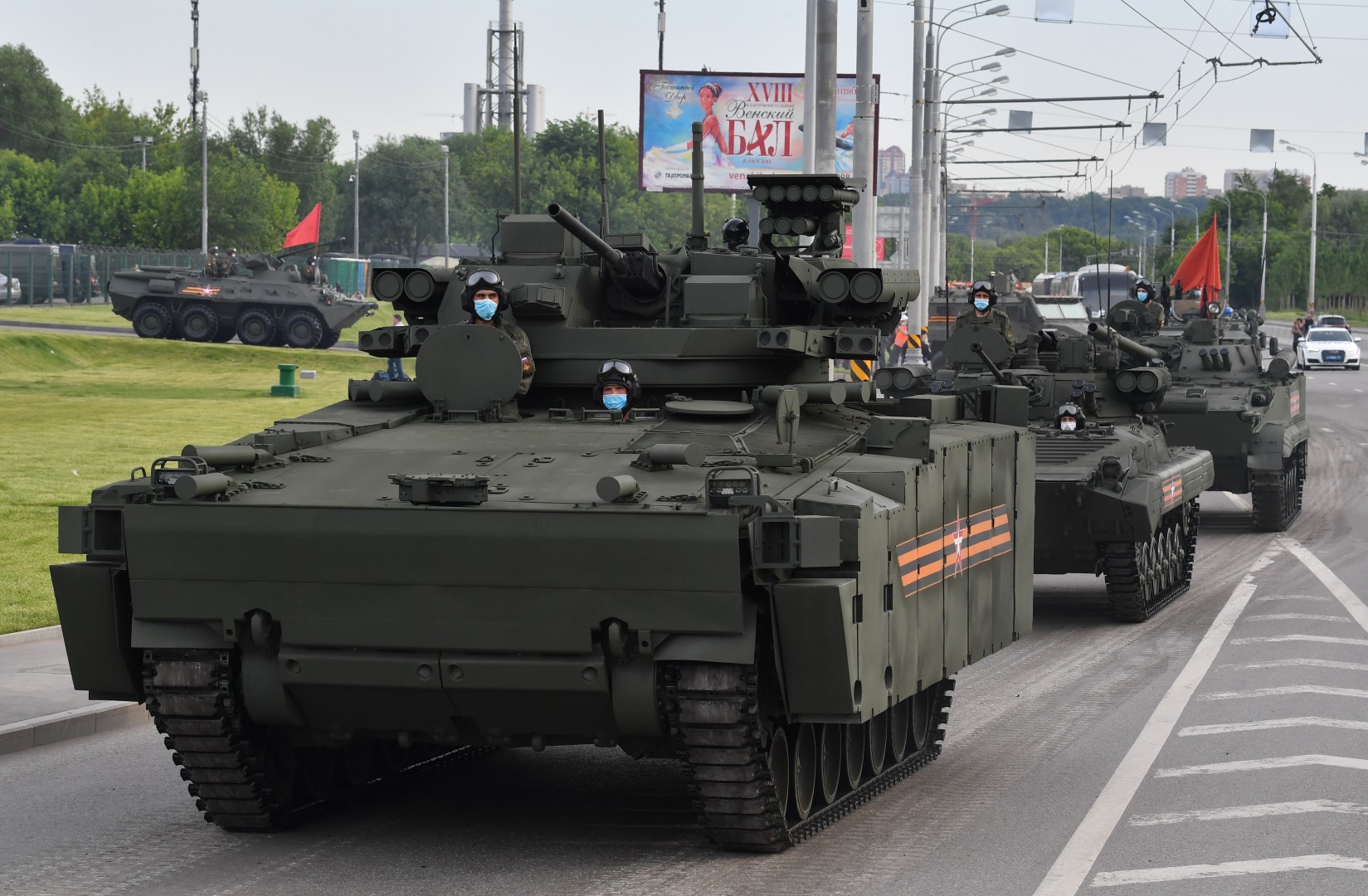
This is another variant of Kurganets-25 equipped with the 57 mm low velocity LShO-57 gun, 4 9M133 Kornet-EM and 8 9M134 Bulat on top of the turret.
Kurganets-25 with the AU-220M Baikal turret
Many sources claim that Kurganets-25 can be equipped with the unmanned AU-220M Baikal turret that has a high velocity 57 mm cannon similar to 2S38 but I could not find a picture of any Kurganets-25 with this turret.
VPK-7829 Bumerang/Boomerang with the Bumerang-BM turret
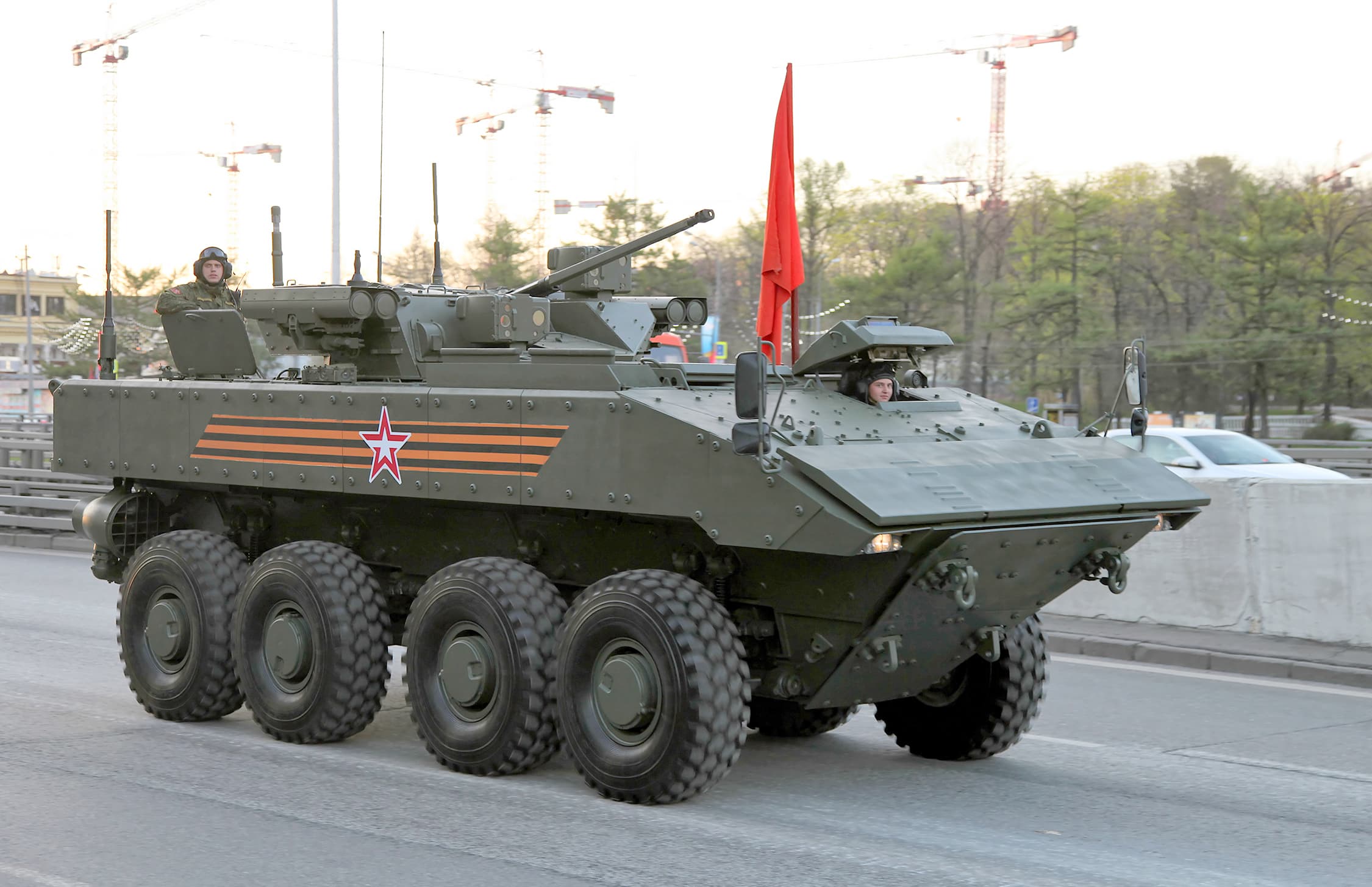
This is a wheeled amphibious IFV equipped with a 30 mm 2A42 gun and 8 9M133 Kornet-EM ATGMs and 7.62 mm PKT coaxial machine gun. It is built to replace the BTR-80 and BTR-82 vehicles.
VPK-7829 Bumerang/Boomerang with the AU-220M Baikal turret
Many sources claim that VPK-7829 Bumerang can be equipped with the unmanned AU-220M Baikal turret similar to Kurganets-25 but yet again there’s no picture of a VPK-7829 Bumerang equipped with this turret.
2S31 Vena
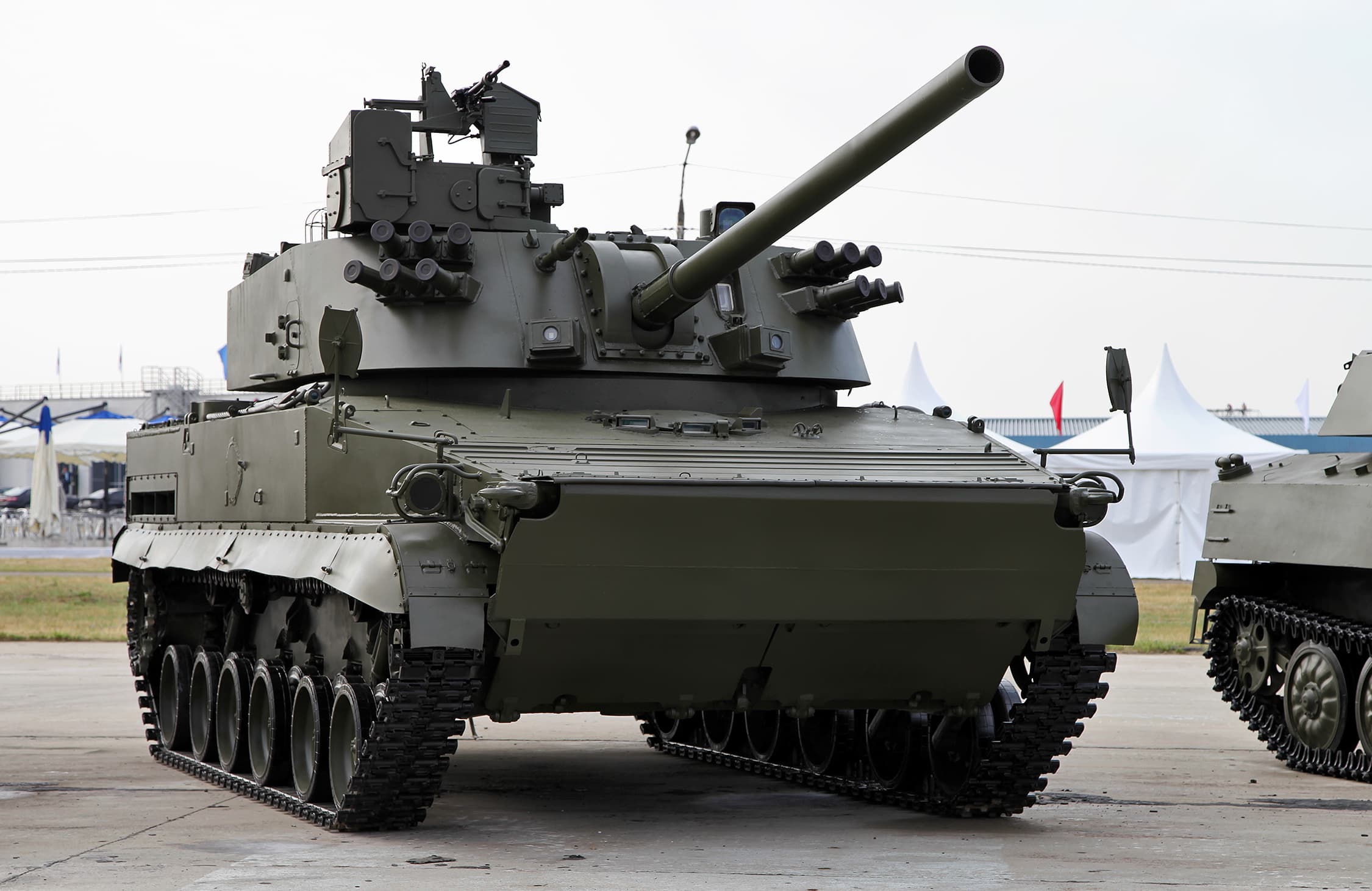
This vehicle is a tracked amphibious self propelled 120 mm gun-mortar system based on the chassis of BMP-3 and equipped with the 2A80 rifled gun mortar with the ability of direct fire that can fire high explosive and HEAT rounds with a penetration of up to 650 mm.
2S35 Koalitsiya-SV with the T-90 chassis
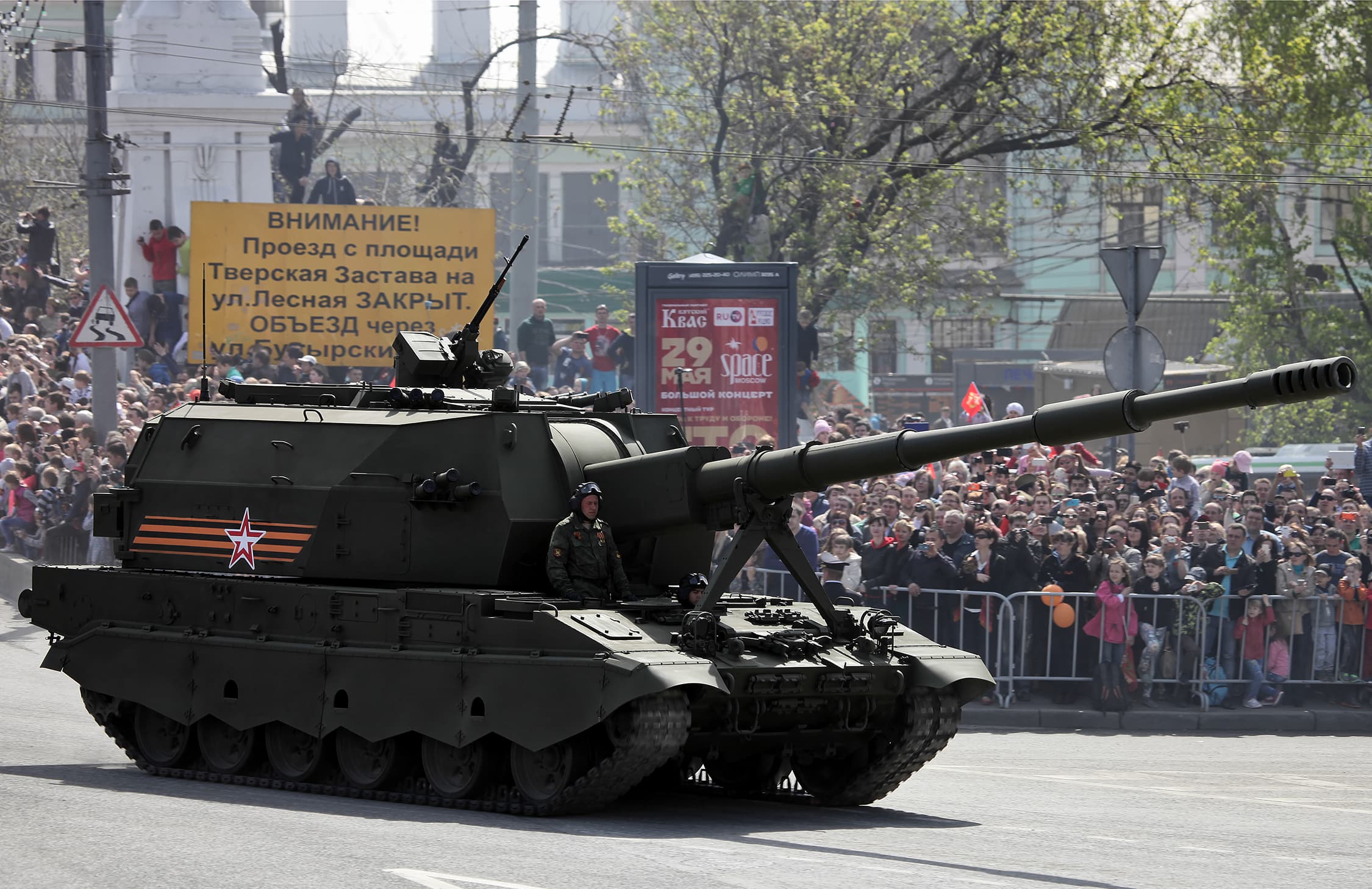
2S35 Koalitsiya-SV is a self propelled gun based on the T-90 chassis and equipped with the 2A88 152 mm gun. The turret can be remotely controlled and it can fire up to 16 rounds per minute thanks to the new pneumatic loader. The 2S35 will feature a modular ammunition charge system, which allows changing the amount of propellant used in firing of each individual shell.
2S35 Koalitsiya-SV double barrel
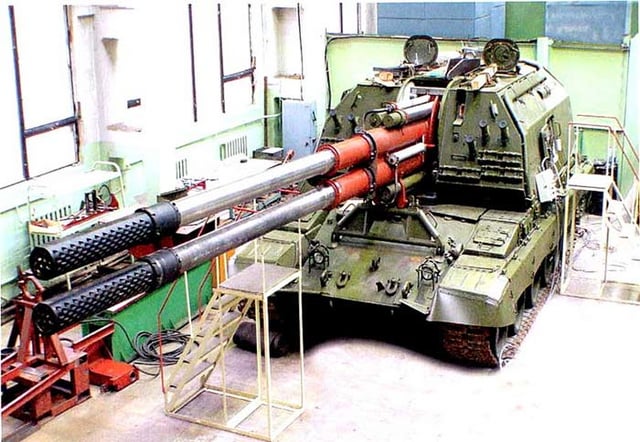
A prototype of 2S35 Koalitsiya-SV with two barrels which was cancelled and the single barrel version has been chosen instead.
2S35 Koalitsiya-SV with the Armata chassis
Many sources claim that a number of 2S35 Koalitsiya-SV have been built on Armata chassis but I could not find any photo of a 2S35 Koalitsiya-SV built on Armata chassis and instead they were all T-90 chassis. But why write it separately from the T-90 chassis one if I am not sure of its existence? because being able to have a 152 mm high explosive launcher with a reload rate of 3.75 seconds that can reverse at around 80 km/h and quickly go back to cover makes all the differences in the world.
T-15 Armata with the Bumerang-BM turret
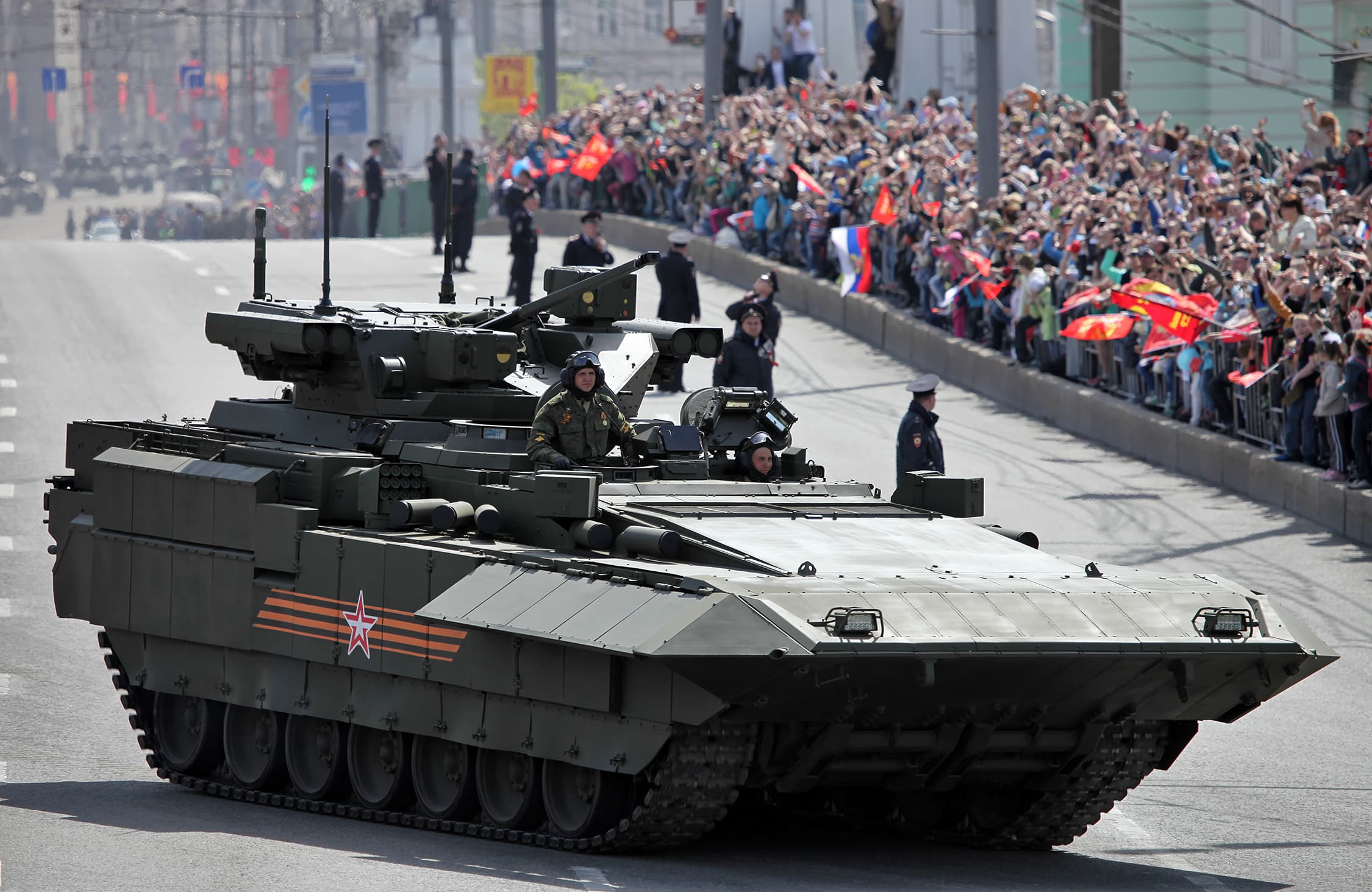
T-15 Armata is a tracked heavy infantry fighting vehicle based on the Armata chassis. This variant is equipped with the Bumerang-BM turret that has a 30 mm 2A42 gun and 9M133 Kornet-EM launchers. This vehicle is also equipped with the Afganit APS.
T-15 Armata with the AU-220M Baikal turret
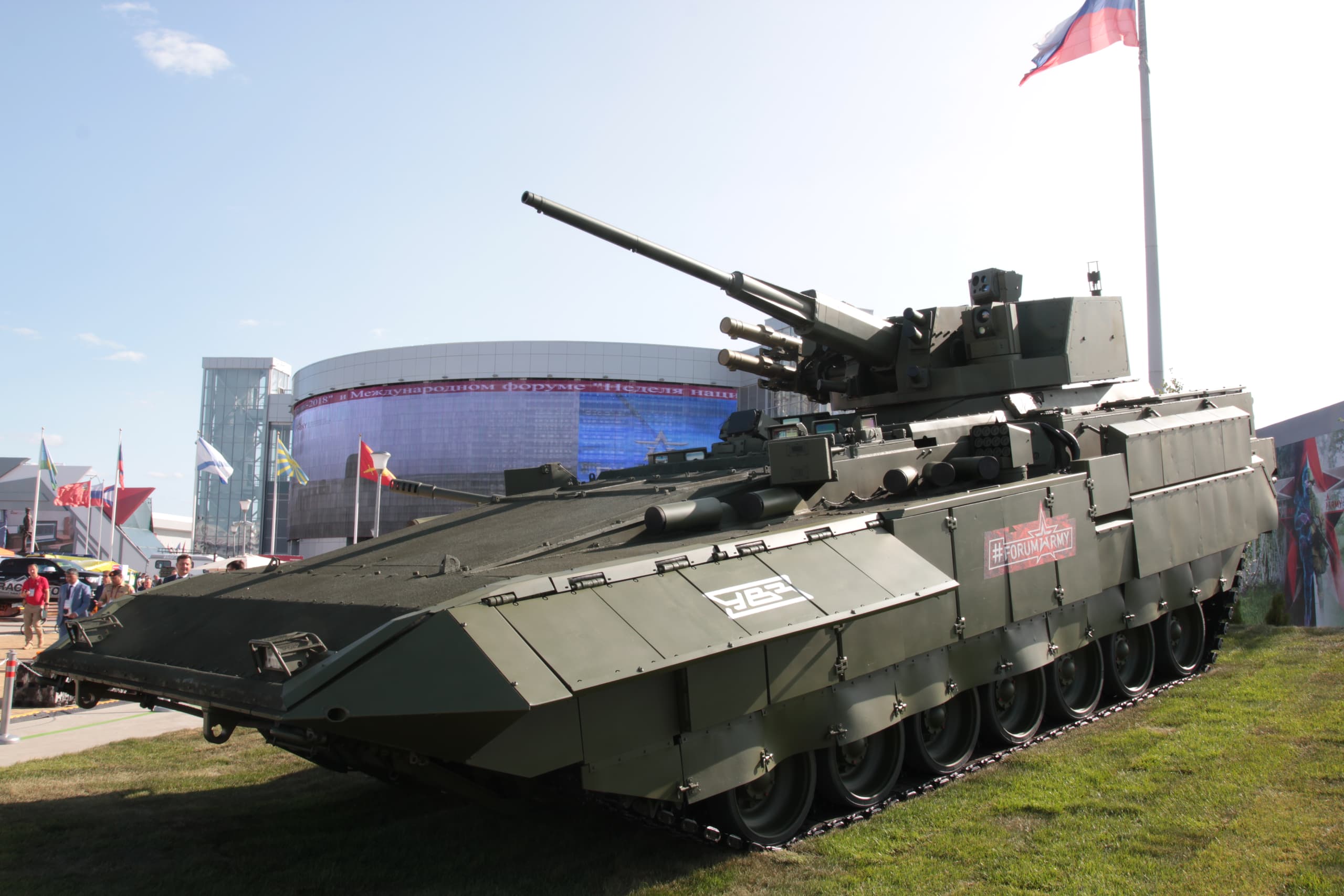
This version of T-15 Armata is equipped with the AU-220M Baikal turret (finally a vehicle with this turret that has some pictures of it available). This variant carries the 57 mm BM-57 gun and 9M120-1 Ataka missiles and a coaxial PKMT machine gun.
T-15 Armata with the DUBM-57 Kinzhal turret
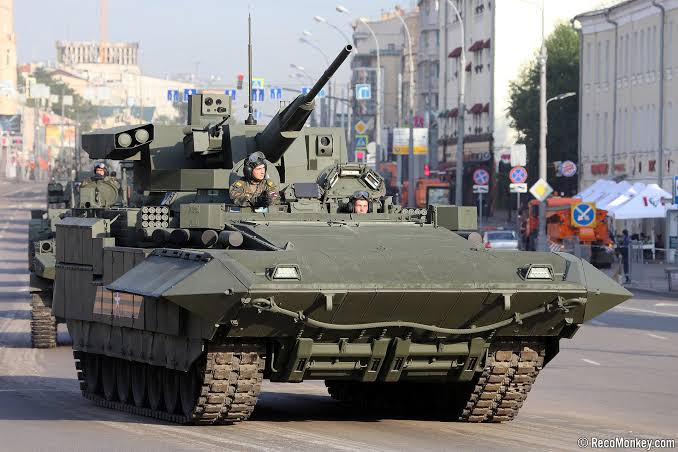
This variant of T-15 Armata is equipped with the DUBM-57 Kinzhal turret that also has the 57 mm BM-57 gun and 9M120-1 Ataka missiles.
BMPT Terminator 3
This variant of BMPT Terminator will be based on the Armata chassis and could also be equipped with a 57 mm gun instead of the two 30 mm guns it currently has. It has not been produced yet and so there are no pictures of it available.
BTR-T

This was a heavy infantry fighting vehicle based on the T-55 chassis built in the 1990s. It could have different weapon configurations with 30 mm 2A42 guns, 9M113 Konkurs missiles, AGS-30 grenade launcher, 30 mm 2A38 guns and 12.7 mm NSV machine guns.
T-14 Armata
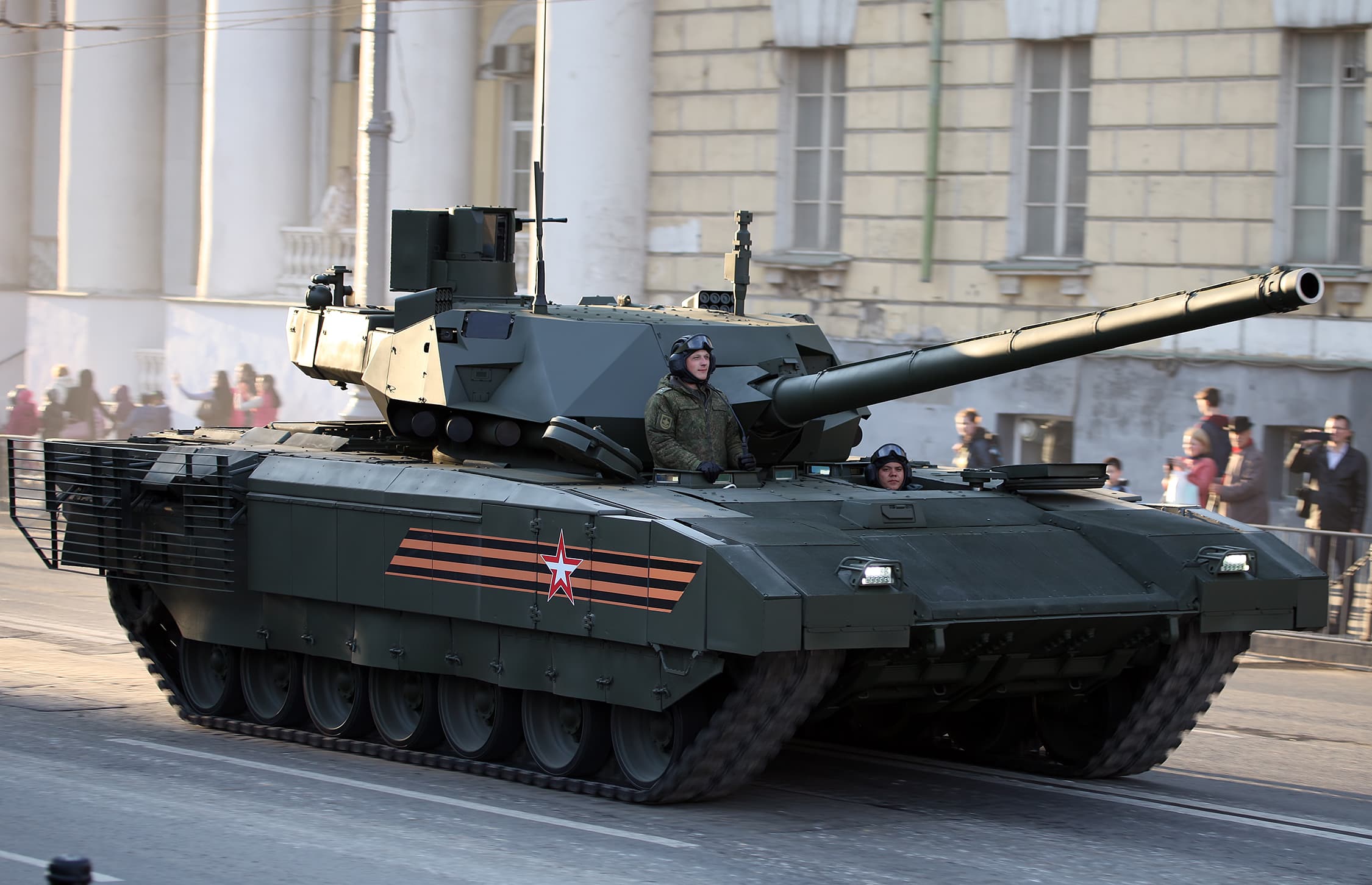
A main battle tank built in 2010s that has an unmanned turret with 3 crew sitting in an armored capsule in the front of the hull that also has a toilet for them in there (super important information btw). This tank is equipped with a 125 mm gun but it is said that a 152 mm gun can be installed on this tank in the future.
Object 195/T-95
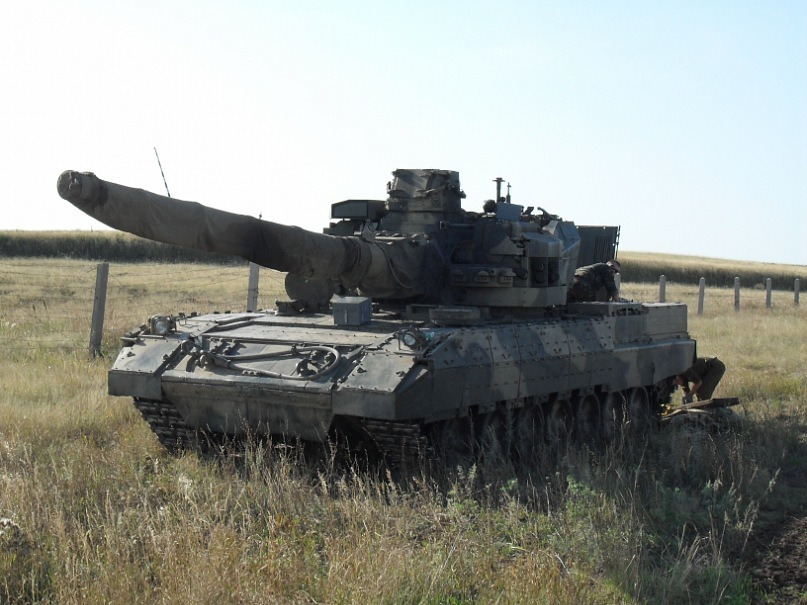
This prototype that was being developed from 1988 to 2010 had an unmanned turret equipped with a 152 mm 2A83 gun and a 30 mm 2A42 gun for softer targets. The crew sat within an armored capsule placed in the front of the hull. This prototype was unfortunately cancelled in 2010 but the experience gained from it was used to develop Object 148 which became the T-14 Armata.
Object 640 Black Eagle

Two prototypes of this tank were built, one in 1997 and the other in 1999 and they were based on the T-80U tank. This tank had an elongated hull with seven pairs of road wheels instead of the T-80’s six, and a turret still mostly obscured by camouflage netting. Later footage and photographs revealed it without the netting, where gunner sight on the right, commander’s panoramic sight on the left, and Arena APS launchers have become clearly visible. On each side of the turret, there were three forward-facing and four side-facing APS charges, turning it up to fourteen charges in total. The tank had a new turret. It appeared to have had very thick turret front armour and new-generation multi-layered Kaktus (Russian: Кактус, “cactus”) ERA on it. Two additional Kontakt-5 ERA modules were mounted on each side of the hull, to the existing three on each side.
Object 477A Molot
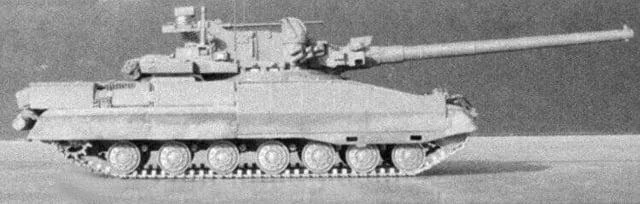
It was a tank built to carry the 152 mm 2A73 gun and had an unmanned turret and the crew sat within the hull. The project began in 1981 but couldn’t be completed before the collapse of USSR but it was resumed in Ukraine after the collapse of USSR however it never moved past the prototype stage.
Object 299
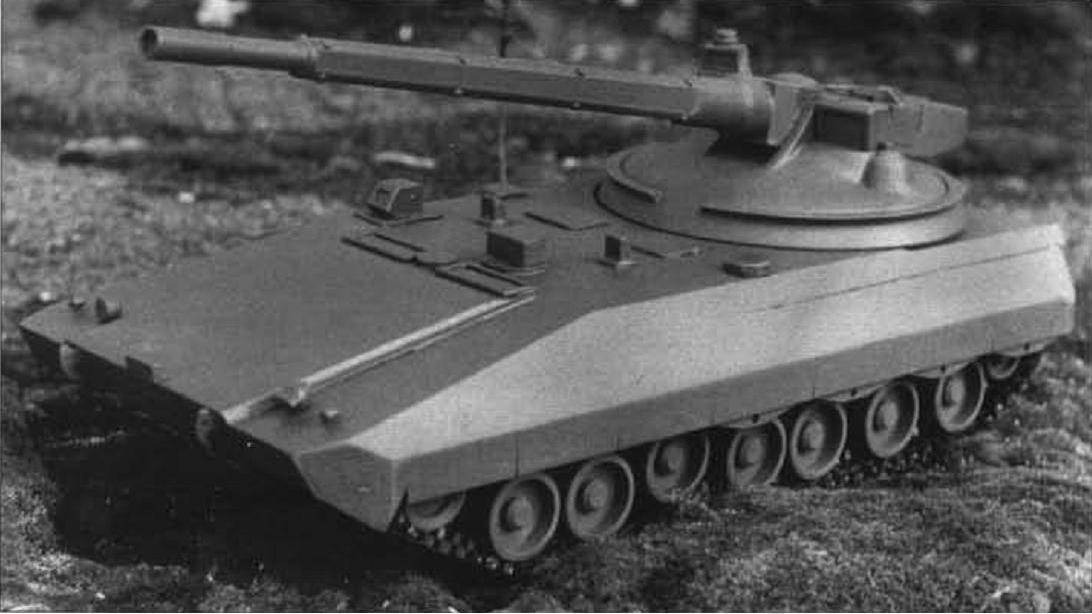
Another 152 mm tank concept but some sources say that it was not completed and only the hull was built but the weapon was not mounted on it similar to E-100. It was supposed to have an unmanned turret with the engine being placed in the front of the hull and the crew sat behind the engine within the hull.
Object 490 Poplar
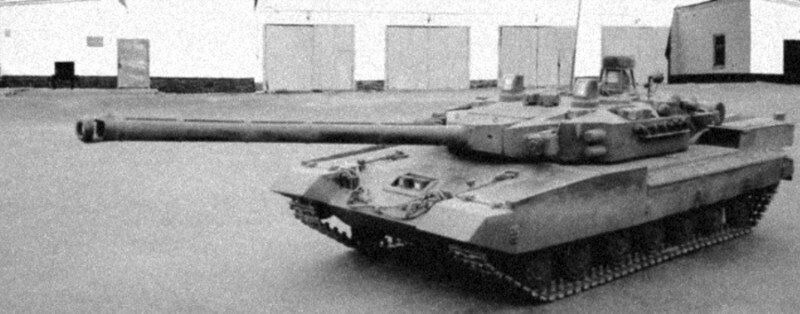
A prototype made in 1980s which was supposed to be the next main battle tank of USSR but had many changes applied to it during its lifetime and many versions were made. This tank usually gets mistaken for Object 490B which I will not include in this list because I’m not sure if it will be considered a high tier tank due to its unconventional design but I will include it in my lower tiers list.
Object 490A Rebel
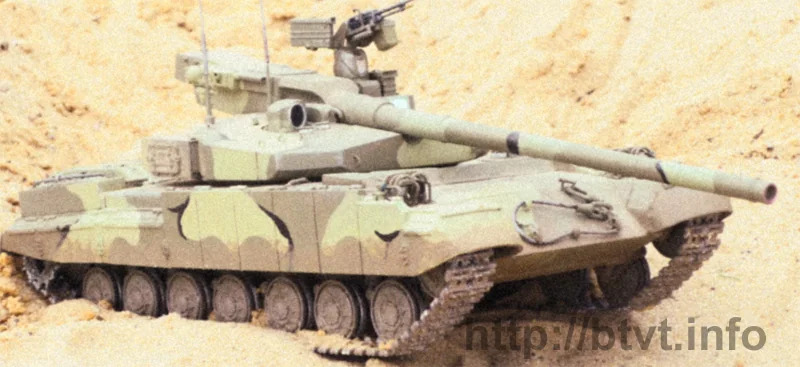
A version of Object 490 that had the cannon outside the turret giving it a lower profile, kind of similar to HSTV-L and RDF/LT.
Object 785
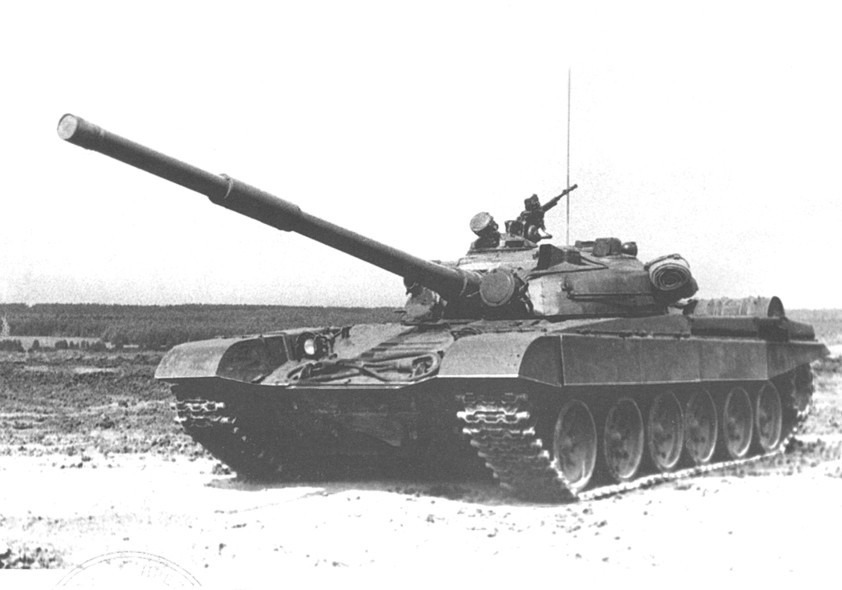
This was an improved variant of T-80B that had a 7th road wheel added and was armed with the 125 mm 2A82 smoothbore gun, carrying 50 rounds of ammunition, 30 of which in the loading mechanism. It was also testing a 130 mm rifled gun, an improved variant of the M-65 gun used on tanks like the Object 279.
Object 187
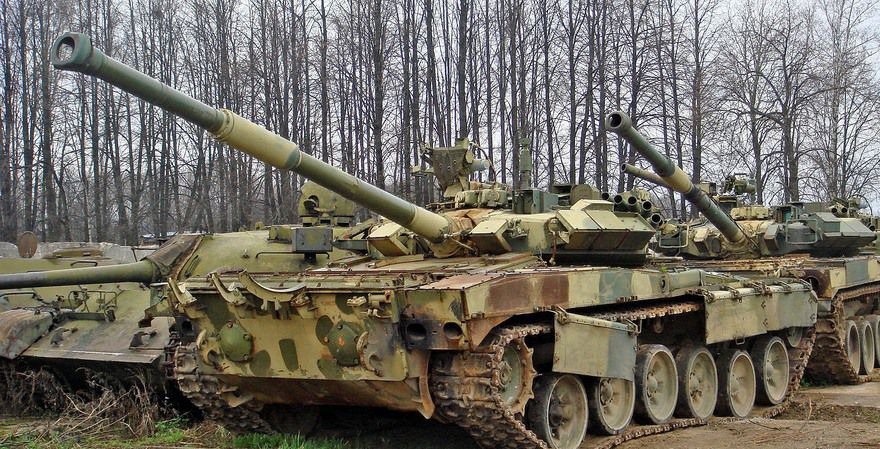
This tank was developed in parallel with Object 188 which later became the T-90 aiming to replace the T-72B. This tank was superior to Object 188 but it eventually was cancelled after the collapse of USSR when the newly established Russian Federation lacked the budget to continue its development and chose the cheaper T-90 tank to be mass produced. There were 6 prototypes built in 3 different phases and sb5 and sb6 are the most advanced prototypes equipped with better engine and many other upgrades over the previous prototypes and over Object 188.
.
USSR Bluewater
Sovetskaya Ukraina
Since most top tier USSR ships are not completed, this one can also be added since it was a sister ship to Sovetsky Soyuz already in game and both of them weren’t completed before being scrapped. Sovetskaya Ukraina was 17.98% done before it was scrapped and Sovetsky Soyuz was 21.19% done before being scrapped.
.
USSR Coastal
Mukha class/Project 11451 Sokol
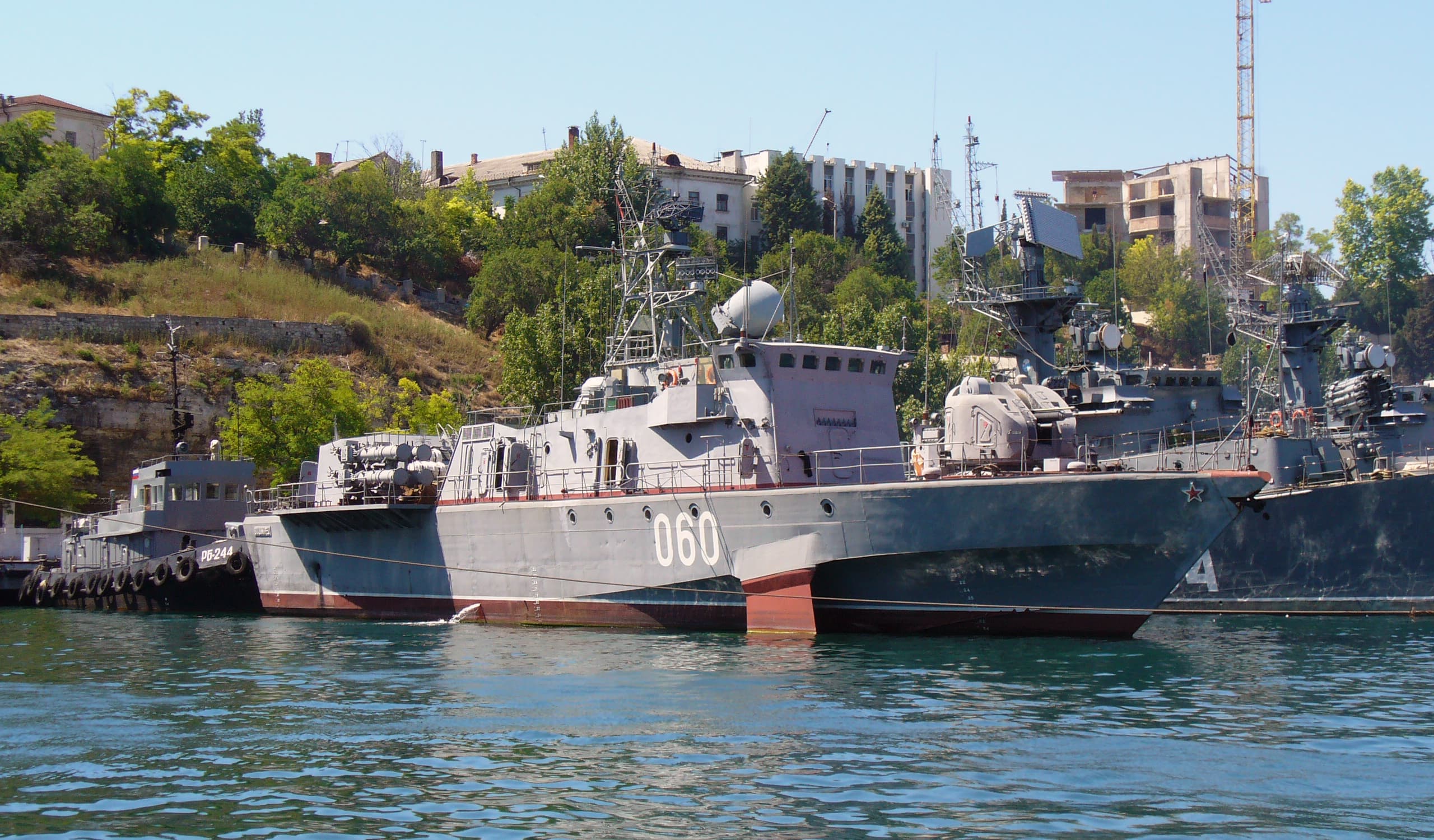
There were two ships built in this class, MPK-215 and MPK-220 and they were anti submarine hydrofoils used primarily for experimental purposes and were armed with 1 × 76 mm AK-176 naval gun, 1 × 30 mm AK-630 gun, 2 × 4 400 mm TR-224 torpedo tubes (8 torpedoes SET-72), 1 × 8 9K34 Strela-3 SAM system launcher.
Grisha V class
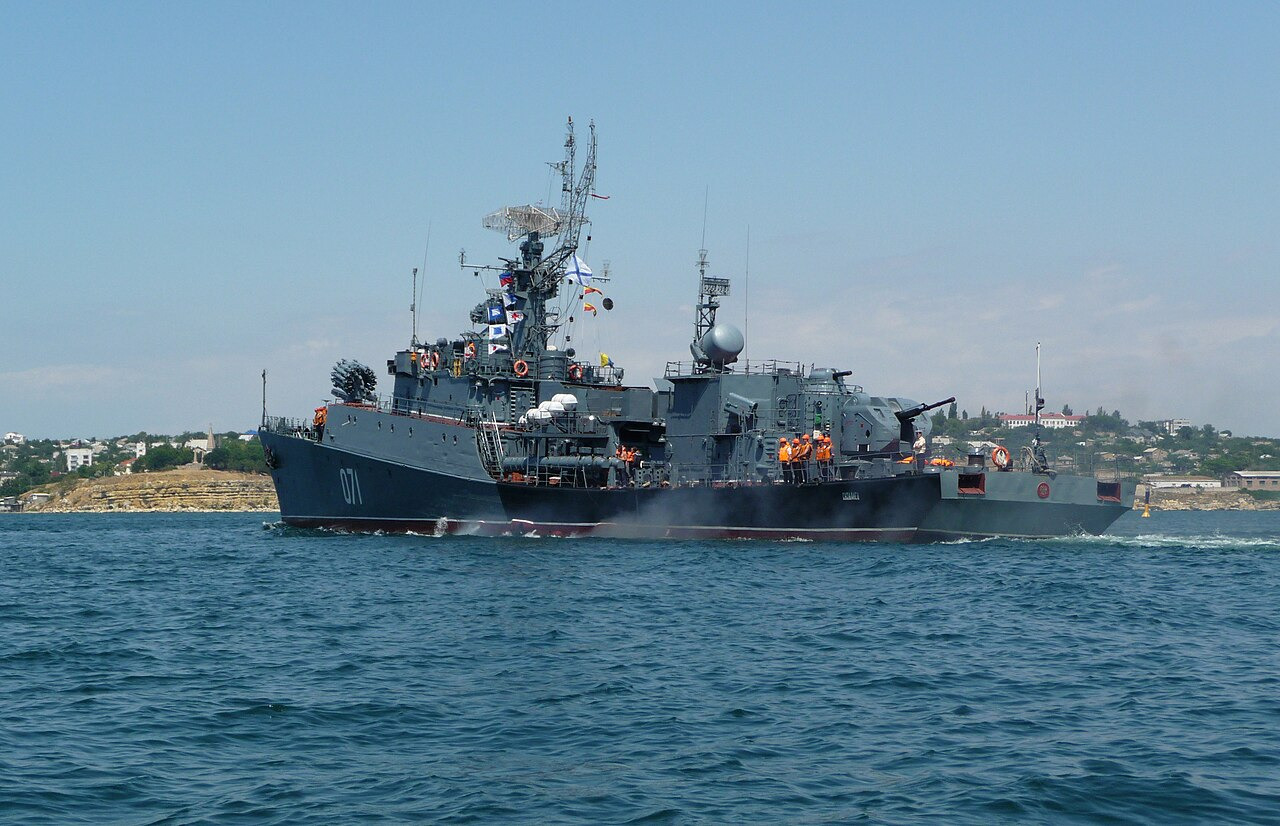
Grisha classes built and Grisha class V was the most advanced one incorporating 1 × twin SA-N-4 Gecko surface-to-air missile launcher (20 missiles), 1 × 76 mm AK-176 gun, 2 × RBU-6000 anti-submarine rocket launchers (96 rockets), 2 × twin 533 mm torpedo tubes, 2 × depth charge racks (12 depth charges) or up to 18 × mines in place of depth charges.
Great Britain
Great Britain
.
Great Britain Air
F-35A Lightning II
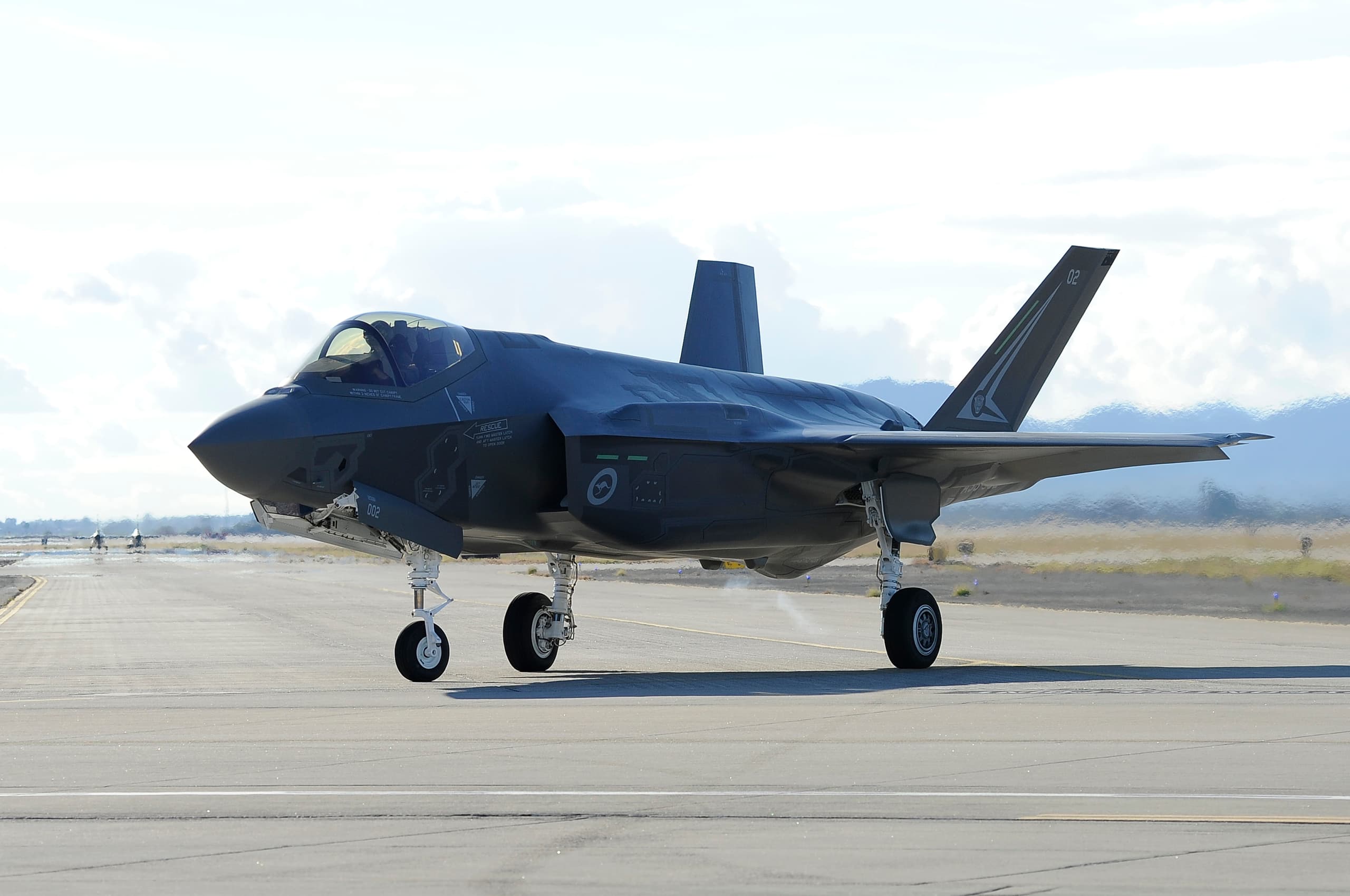
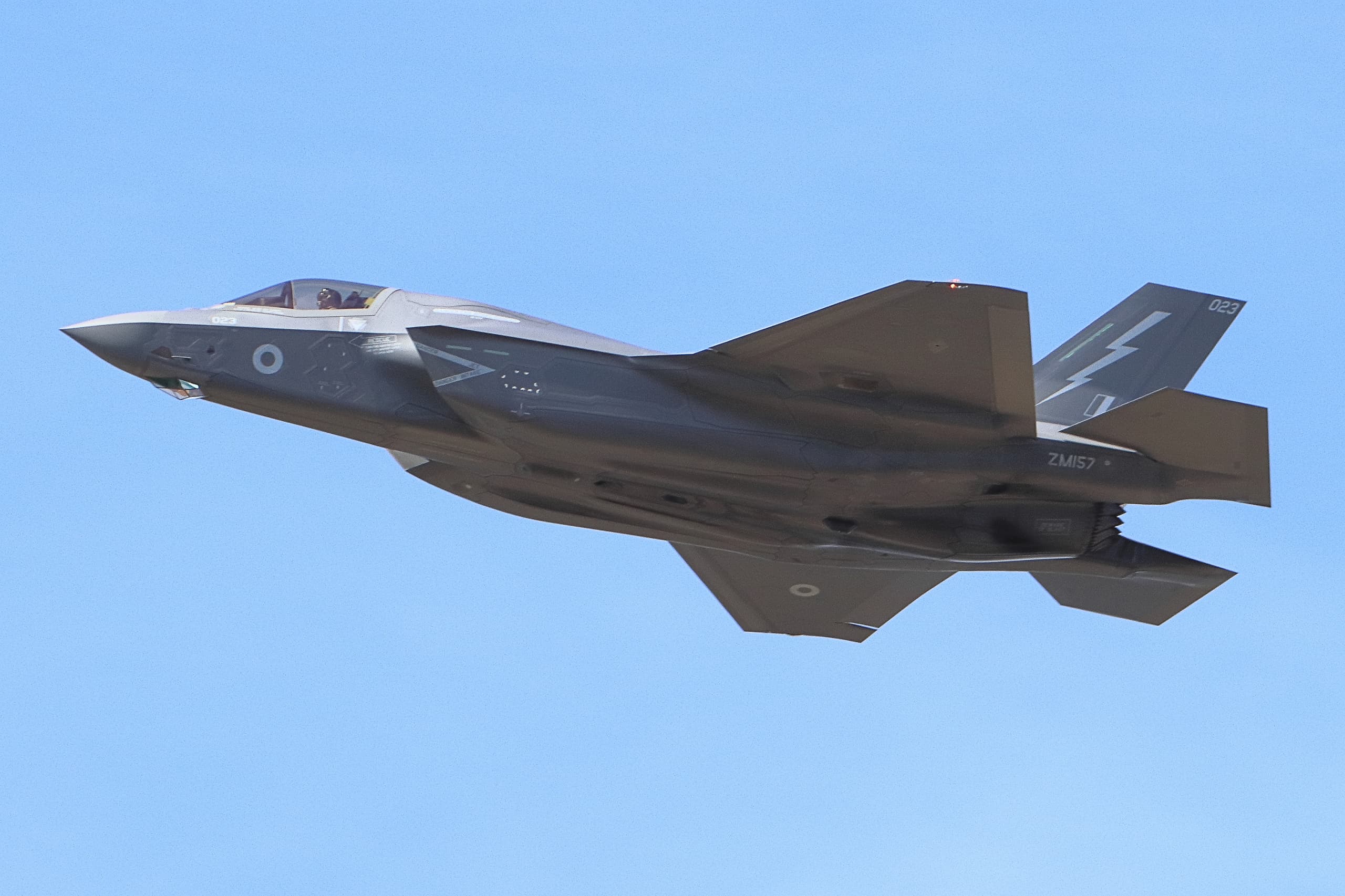
Australia operates 75 F-35A Lightning II fighters. Canada is also supposed to receive first F-35A Lightning II fighters in 2026 which will be designated CF-35. RAF has also placed an order for 12 F-35A.
EA-18G Growler
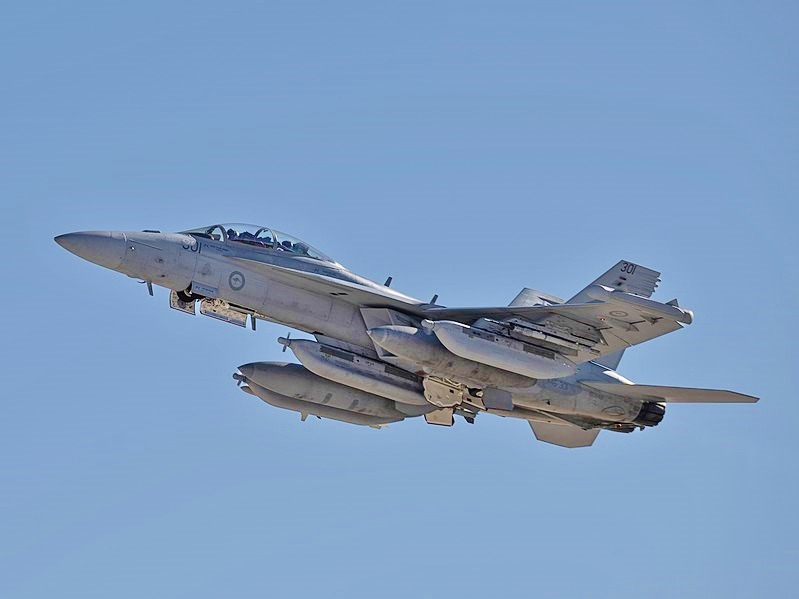
Australia operates EA-18G Growlers purchased from USA in 2015.

Tejas Mk 1A
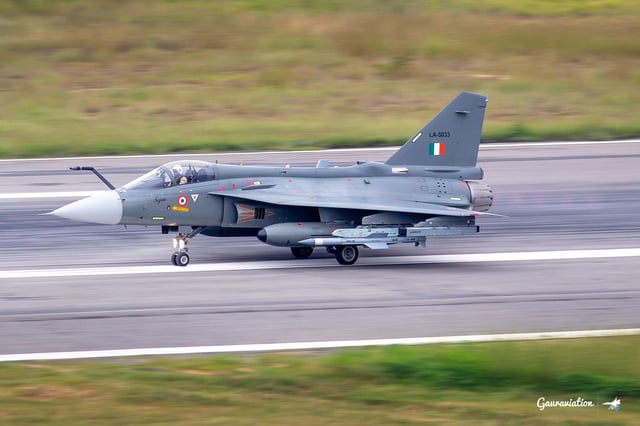
An upgraded version of Tejas Mk 1 now equipped with EL/M-2052 and Uttam AESA radar, self-protection jammer, radar warning receiver, as well as being able to mount an external ECM pod. The first Limited Series Production (LSP) aircraft of the Mark.1A variant rolled out in April 2022, and meant to be used as a Flying Testbed (FTB). A second LSP rolled out in late 2022, and shall be used to validate design changes meant to make the Mark.1A variant lighter than the Mark.1, and to optimize weight distribution.
Tejas Mk 2
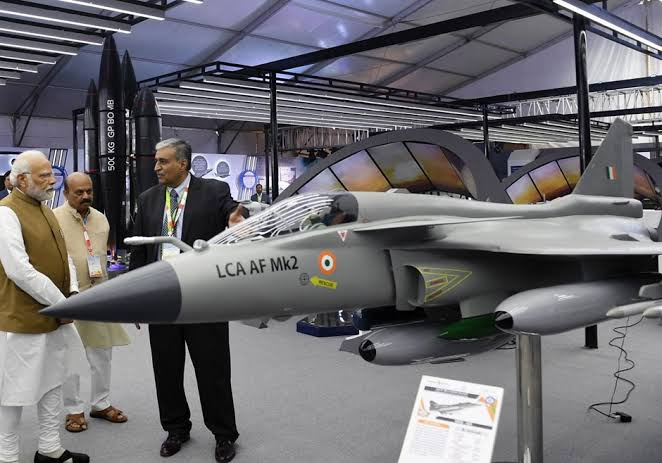
A 4.5th generation single engine delta canard aircraft currently in development and is supposed to replace many aircrafts within the Indian Air Force such as MiG-29, Mirage 2000, and Jaguar. It will supposedly have 13 hardpoints and will be equipped with an AESA radar.
Mirage 2000H/TH
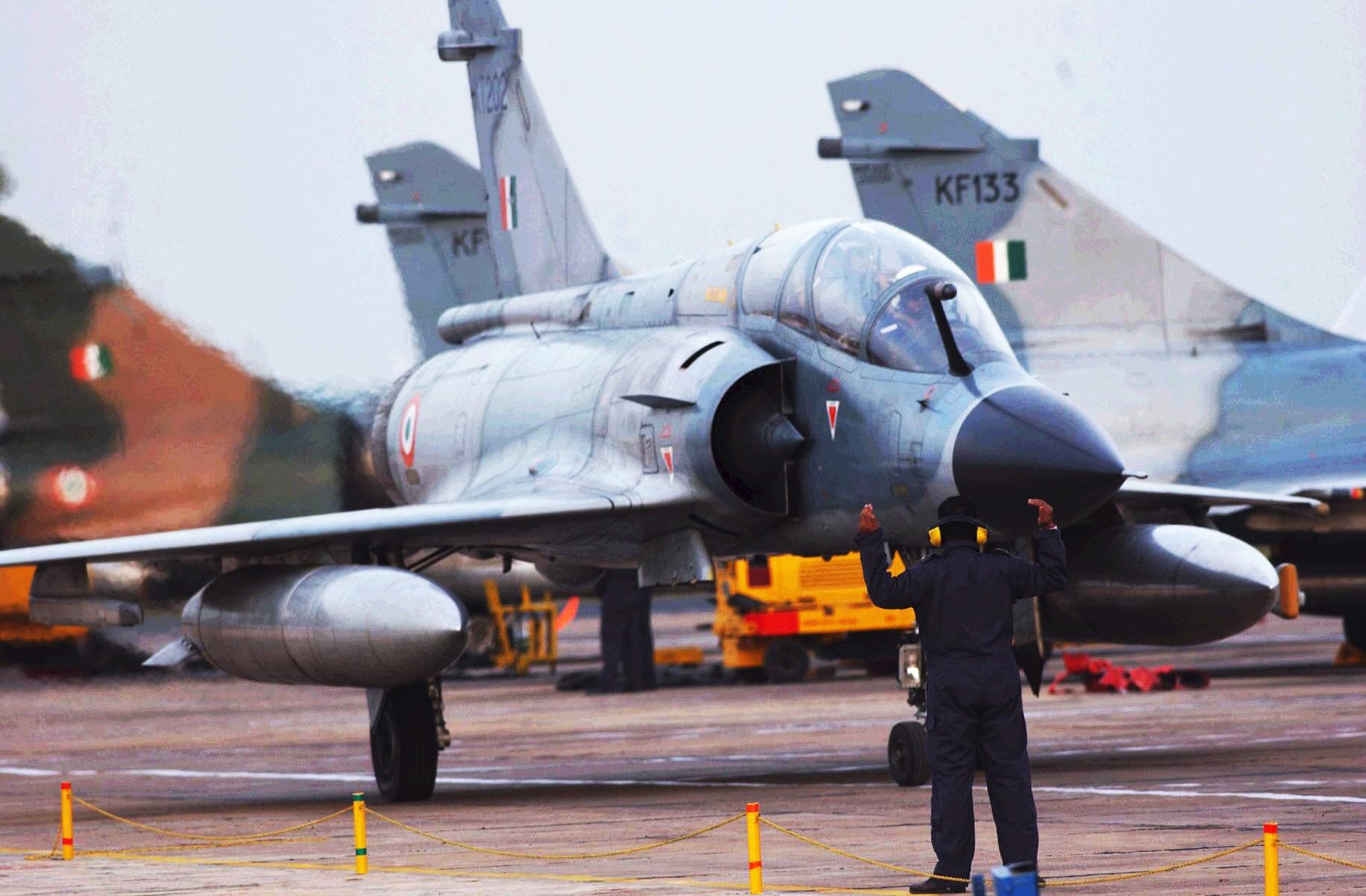
Mirage 2000 fighters in IAF. They were also modified to be able to use the R-73E missiles. The single seat variant is called Mirage 2000H while the double seat variant is Mirage 2000TH.
Mirage 2000I/TI
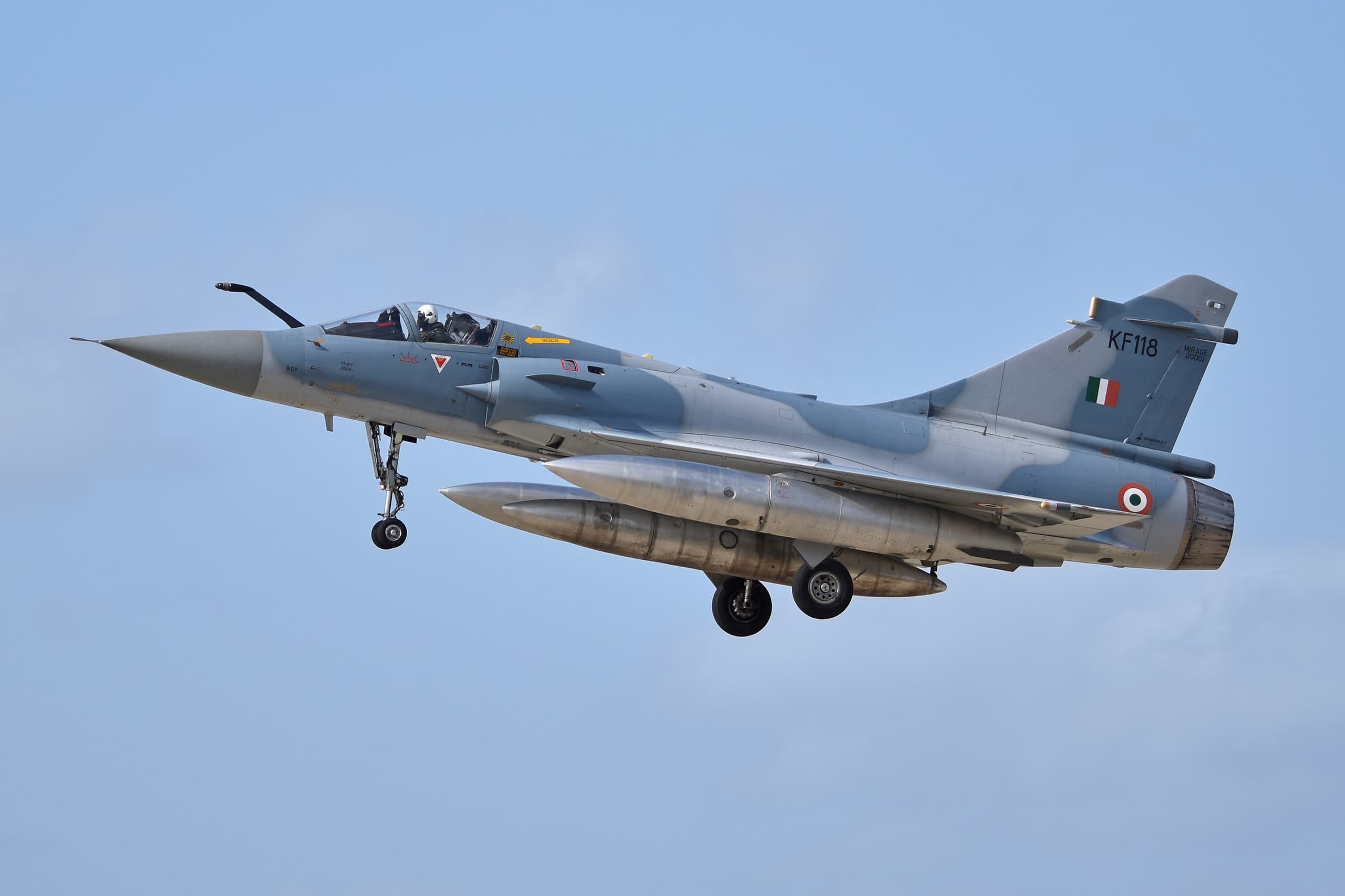
Upgraded Mirage 2000H/TH fighters equipped with Indian, French and Israeli avionics and weapon packages.
Rafale EH/DH
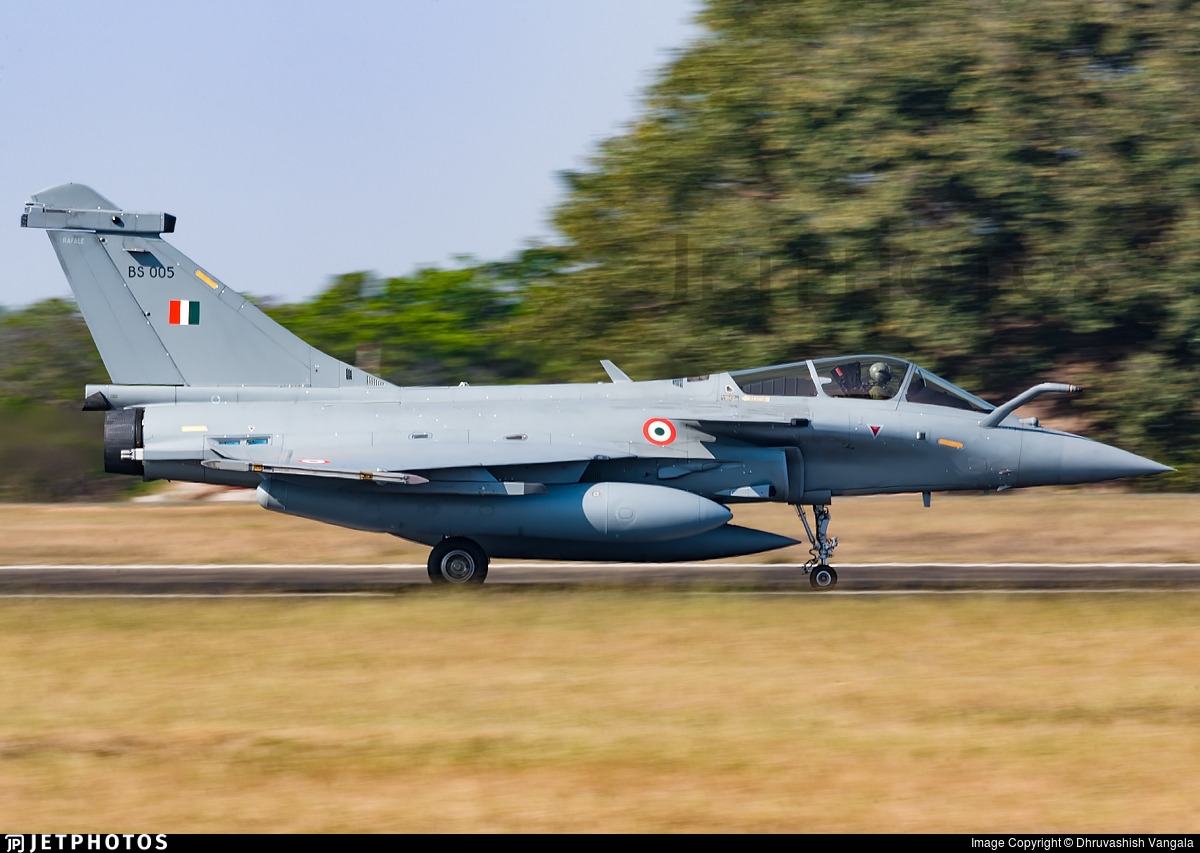
Export version of Rafale for Indian Air Force. Single seat version is designated Rafale EH and the double seat version is Rafale DH.
MiG-29B
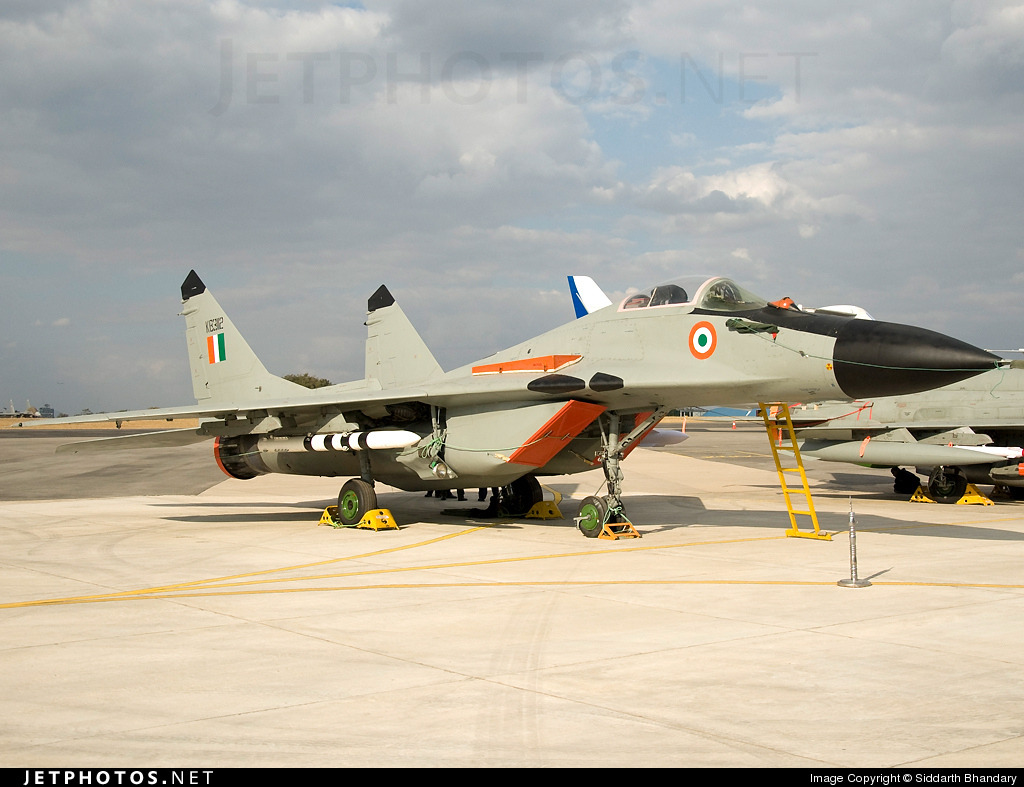
MiG-29B is a degraded variant of MiG-29 intended for export and India currently has around 40 of them.
MiG-29UPG
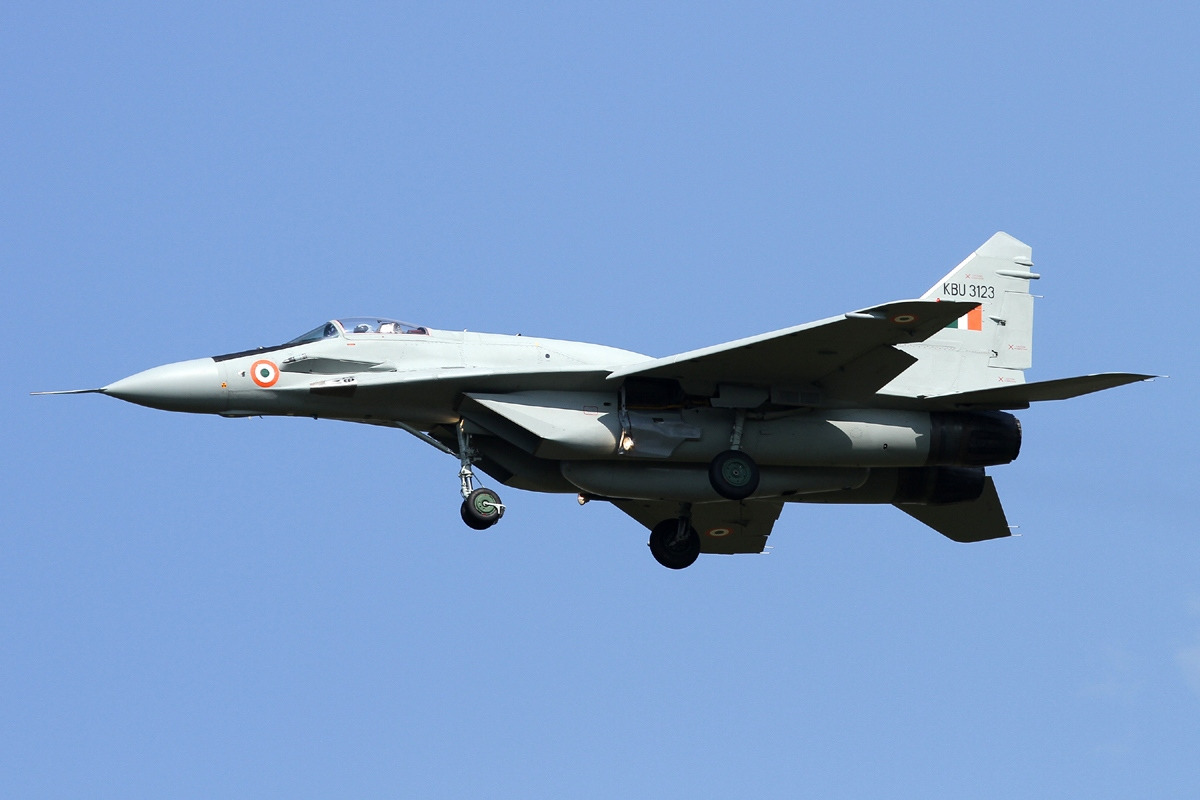
The UPG was a modified variant intended to upgrade the MiG-29Bs used by the Indian Air Force. The version is similar to the SMT variant with an imported avionics suite. It includes Zhuk-M radar, new avionics, an IFR probe, DRDO D-29 electronic warfare system, and enhanced RD-33 series 3 turbofan engines.
Su-30MKI
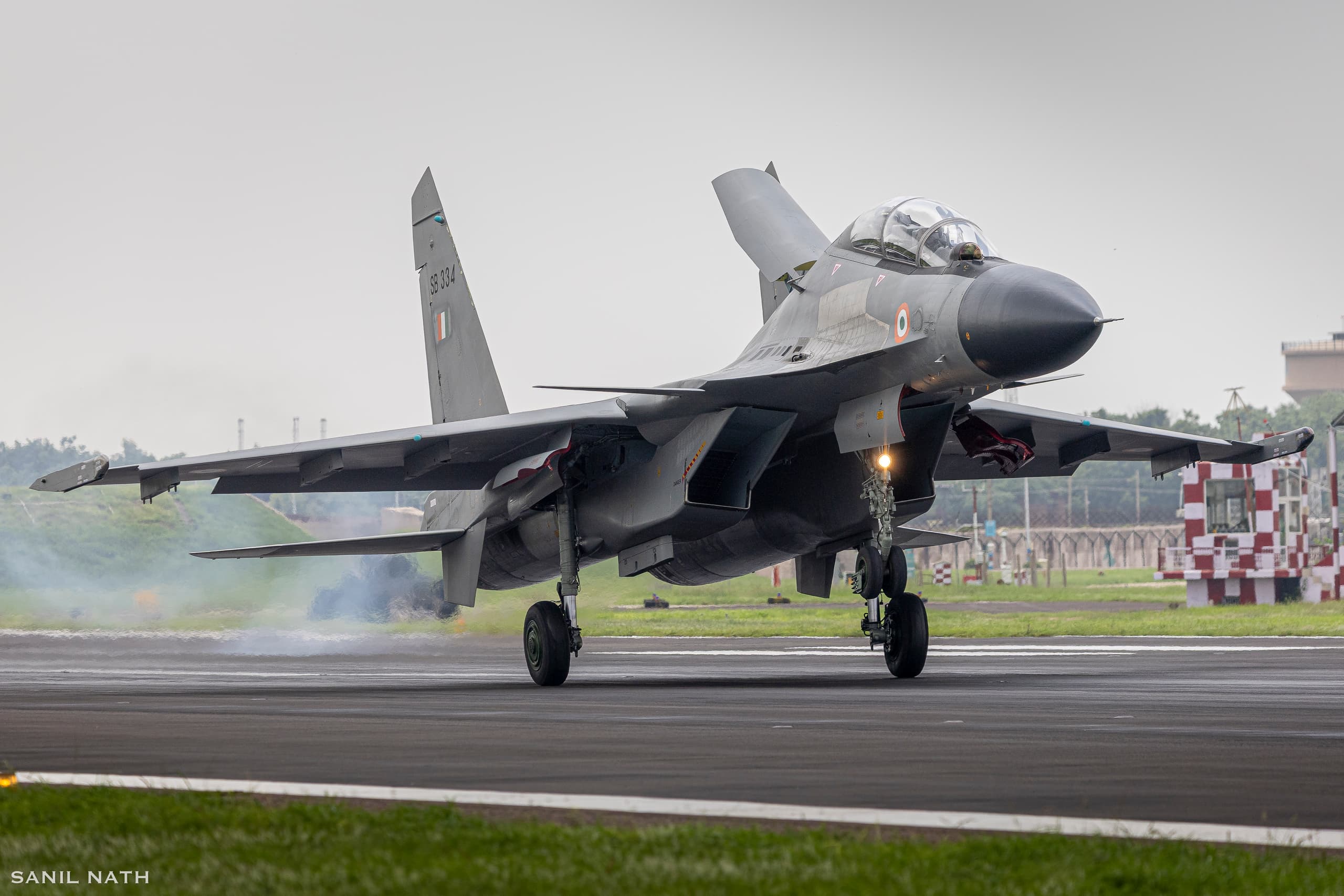
A variant of Su-30 built to be used by the Indian Air Force and upgraded by India to be able to carry different kinds of munitions and not just the Russian ones.
Jaguar IM
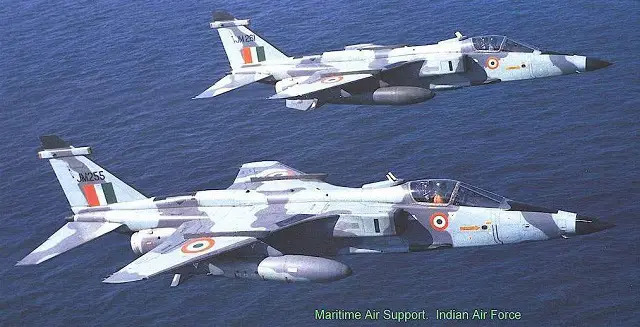
Single seat maritime strike aircraft for the Indian Air Force. Fitted with Agave radar and capable of carrying Sea Eagle and AGM-84L Harpoon anti ship missile, 12 built by HAL. Refitted with the Elta EL/M-2052 radar set under the DARIN III upgrade program.
Rafale M
India has ordered 26 Rafale M naval fighters and has not received them so there’s no picture of them out there yet.
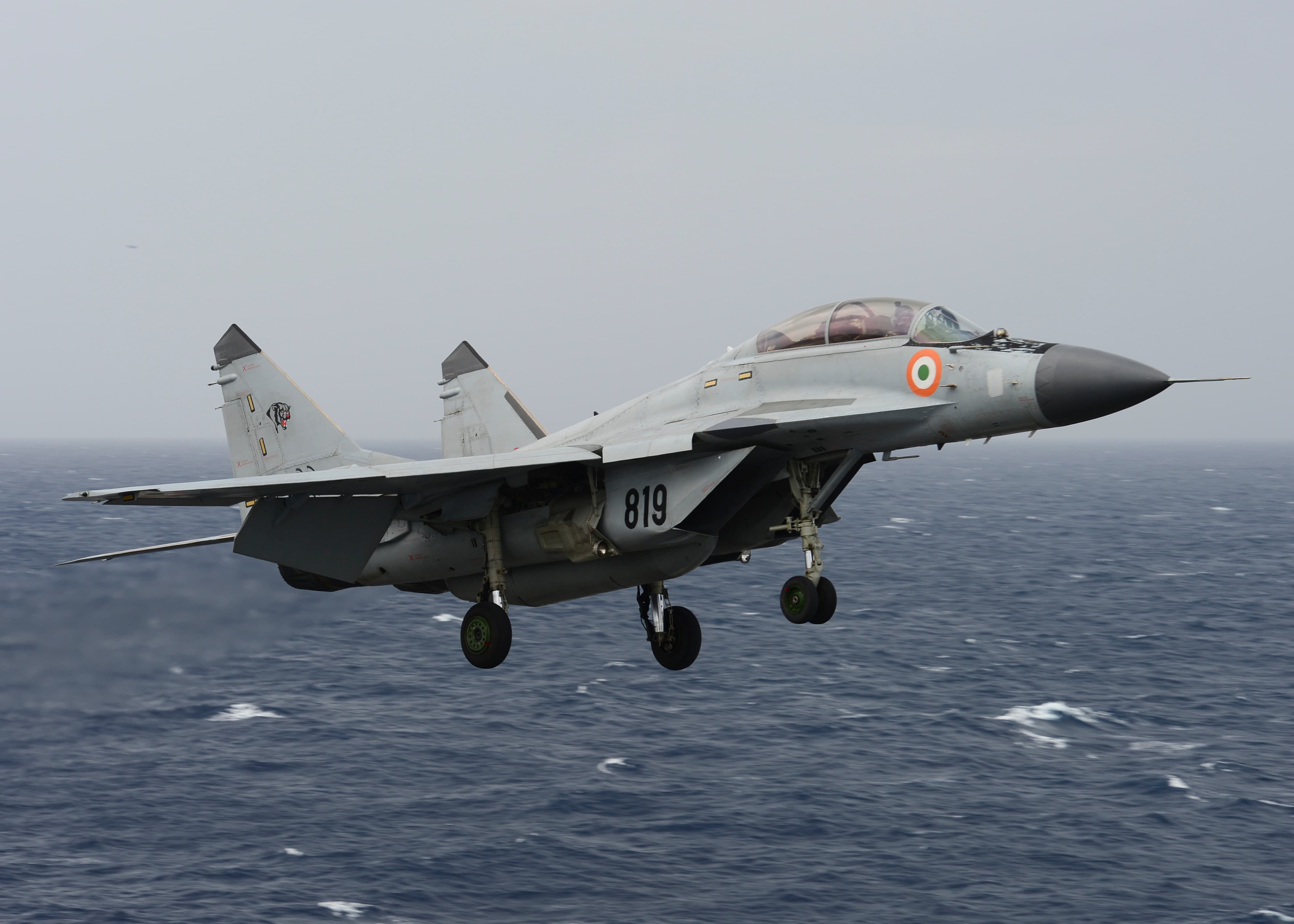
.
Great Britain Helicopter
Tiger ARH

Tiger ARH (Armed Reconnaissance Helicopter) was the version ordered by the Australian Army to replace its OH-58 Kiowas and UH-1 Iroquois-based ‘Bushranger’ gunships. The Tiger ARH is a modified and upgraded version of the Tiger HAP with upgraded MTR390 engines as well as a laser designator incorporated in the Strix sight for the firing of Hellfire II air-to-ground missiles.
Rudra Mark IV
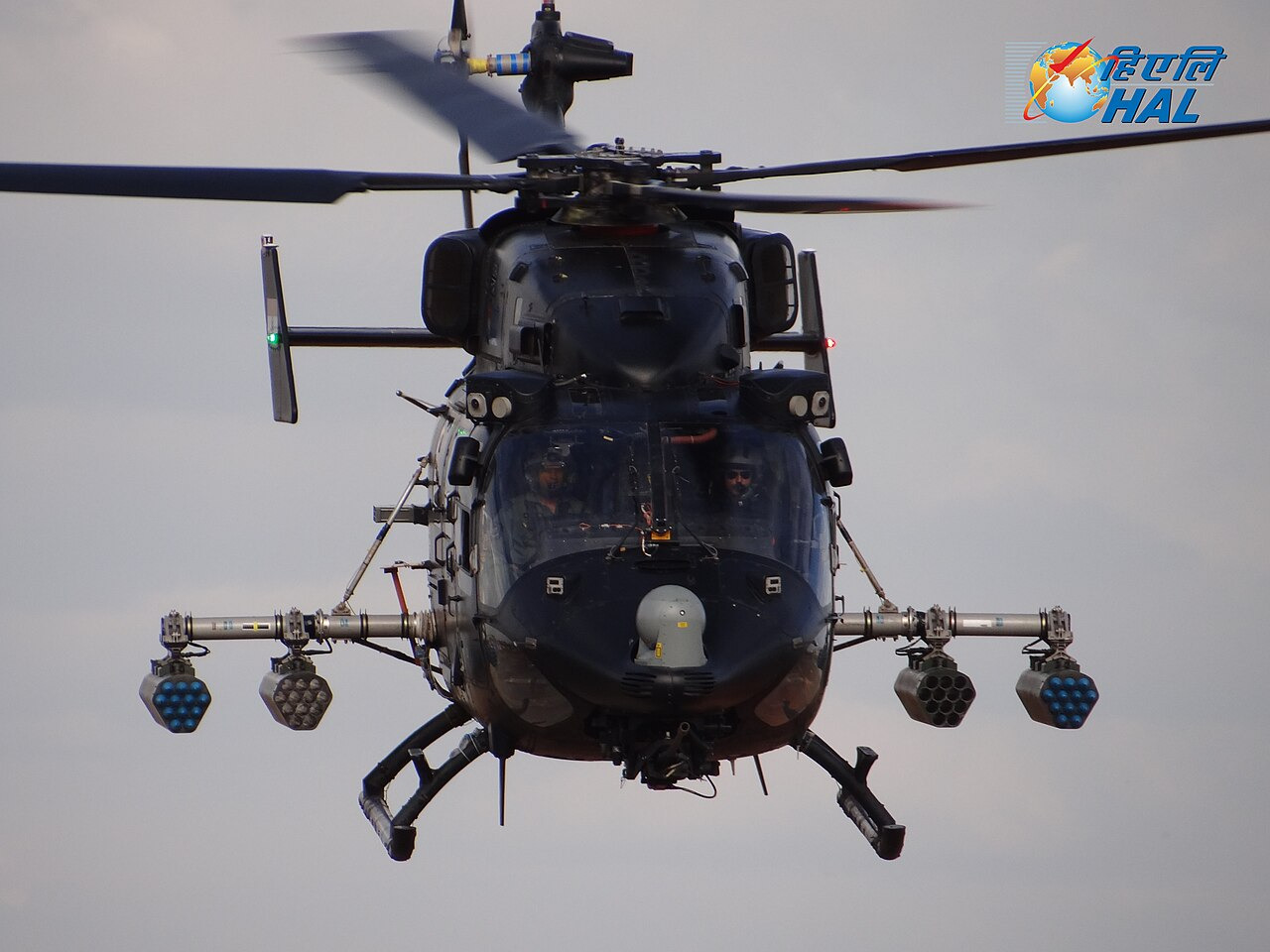
Rudra is a utility/attack helicopter and the Mark IV version has a French Nexter 20 mm turret gun, Belgian 70 mm rockets, and MBDA air-to-air missiles, and the Helina anti-tank missile. Armed variant for Attack, Close Air Support and High altitude operations.
Parchand
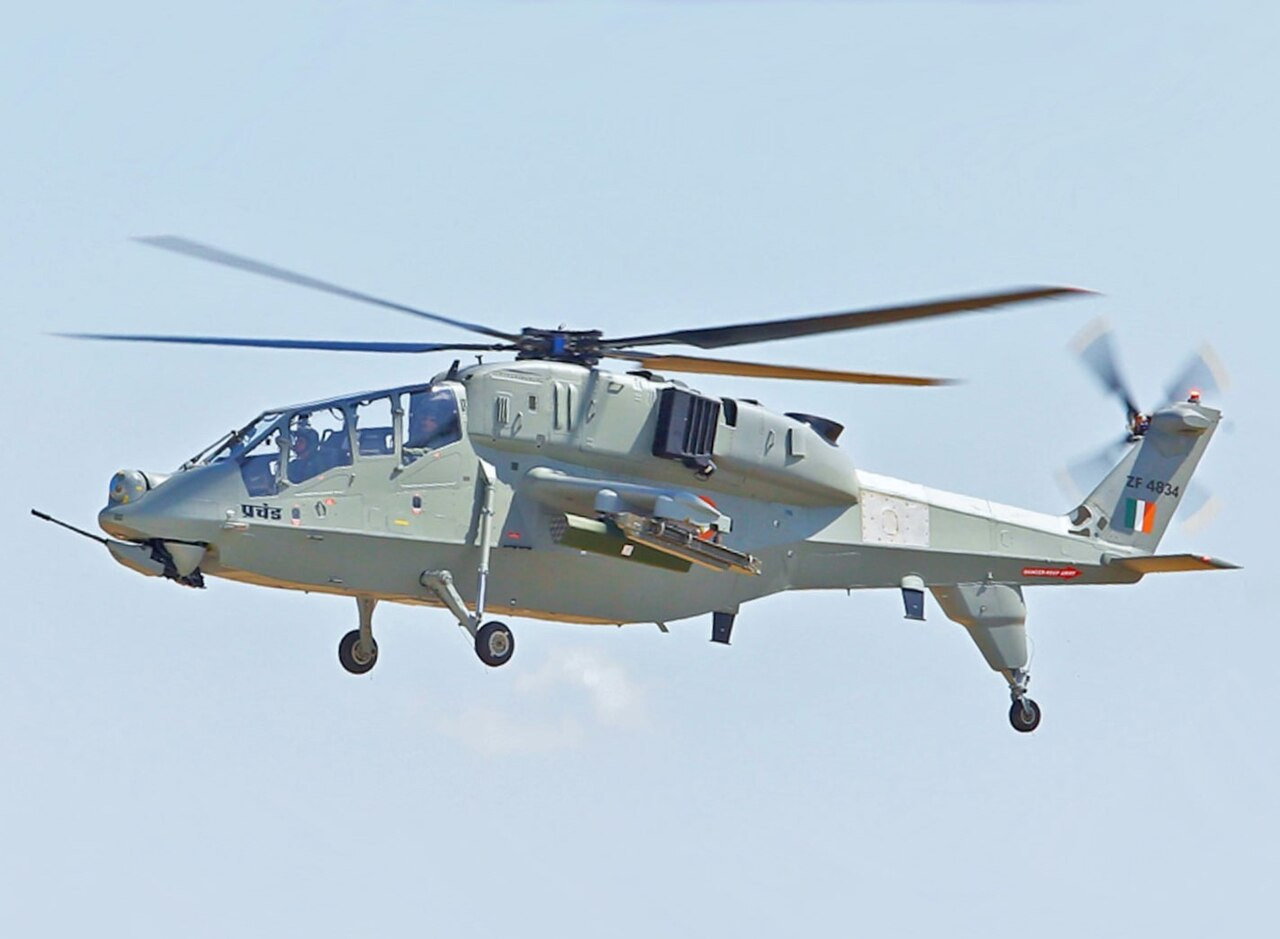
Parchand is an indian attack helicopter armed with a 20 mm M621 gun in a turret controlled by a helmet mounted sight. It can carry different types of missiles and rockets including HELINA/Dhruvastra which is a fire and forget ATGM and Mistral-2 for anti air operations. Parchand is equipped with RWR, LWR, MAWS.
.
Great Britain Ground
AS21 Redback
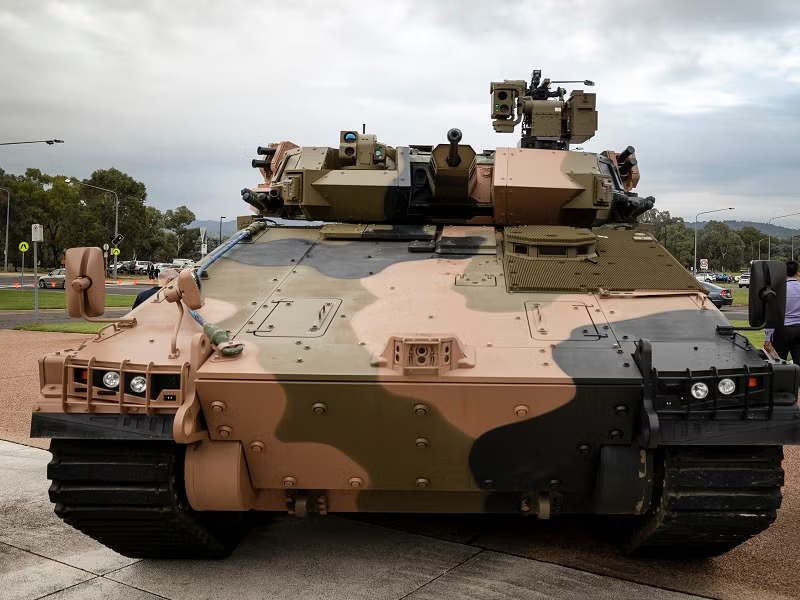
A modified version of South Korean K21 IFV for the Australian Army equipped with a 30 mm Mark 44S Bushmaster II autocannon and 2 Spike LR missiles and the Iron Fist APS. 129 units are to be ordered by the Australian Army
Boxer Mounted Close Combat Overwatch (MCCO)
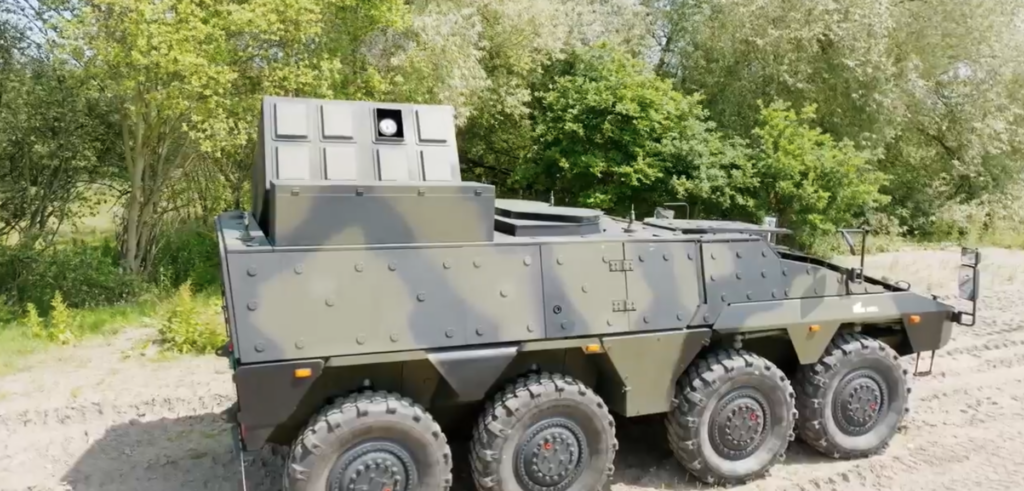
This variant of Boxer doesn’t have a turret but instead has a module that houses multiple Brimstone fire and forget ATGMs.
Boxer Recce/Fire Support Vehicles (Recce/FSV)
A variant of Boxer used by the British Army but I could not find a picture of this exact variant.
LAV 6.0 Mk2
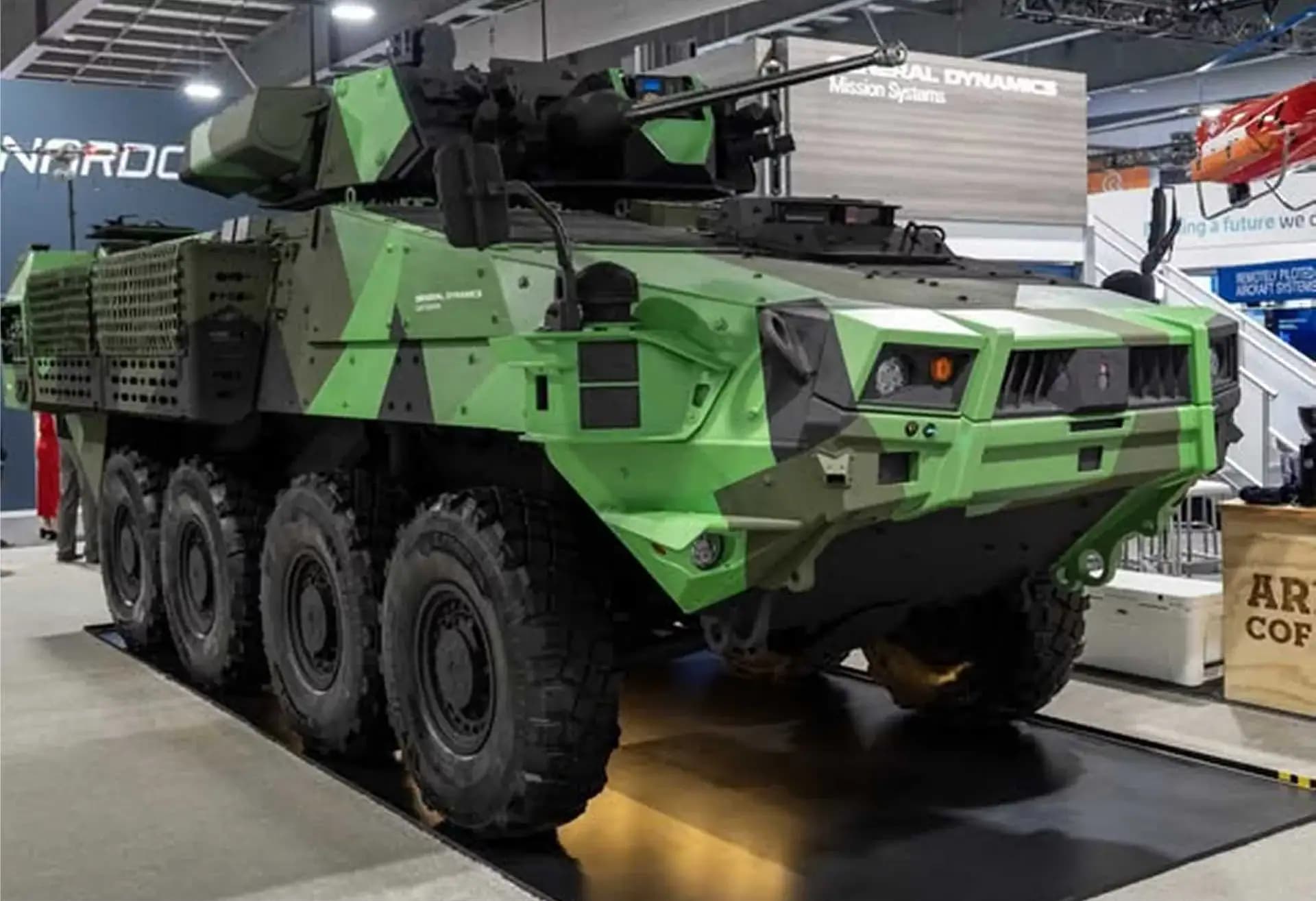
An upgraded version of LAV 6.0 used by the Canadian Army equipped with a 30 mm XM813 variant of the Mk44 autocannon, Switchblade loitering munitions, and an ATGM launcher. It is powered by a 450 hp Caterpillar C6 power pack, an upgraded hydropneumatic suspension, and a six-speed automatic transmission.
Leopard 2A6M
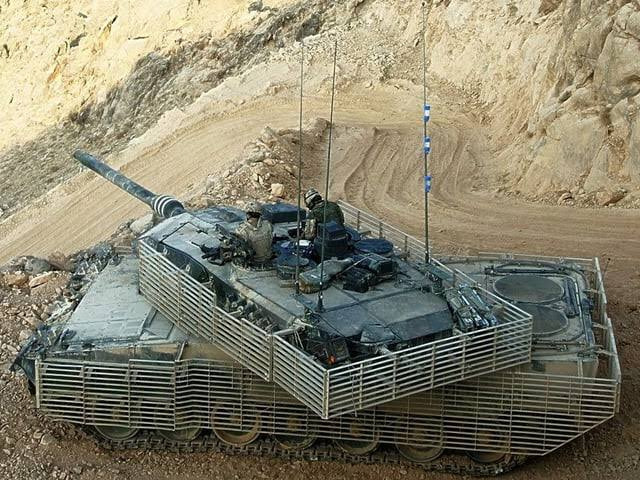
This is a modified version of Leopard 2A6 used by the Canadian Army that has enhanced mine protection under the chassis, and internal enhancements to improve crew survivability.
Arjun Mk 1
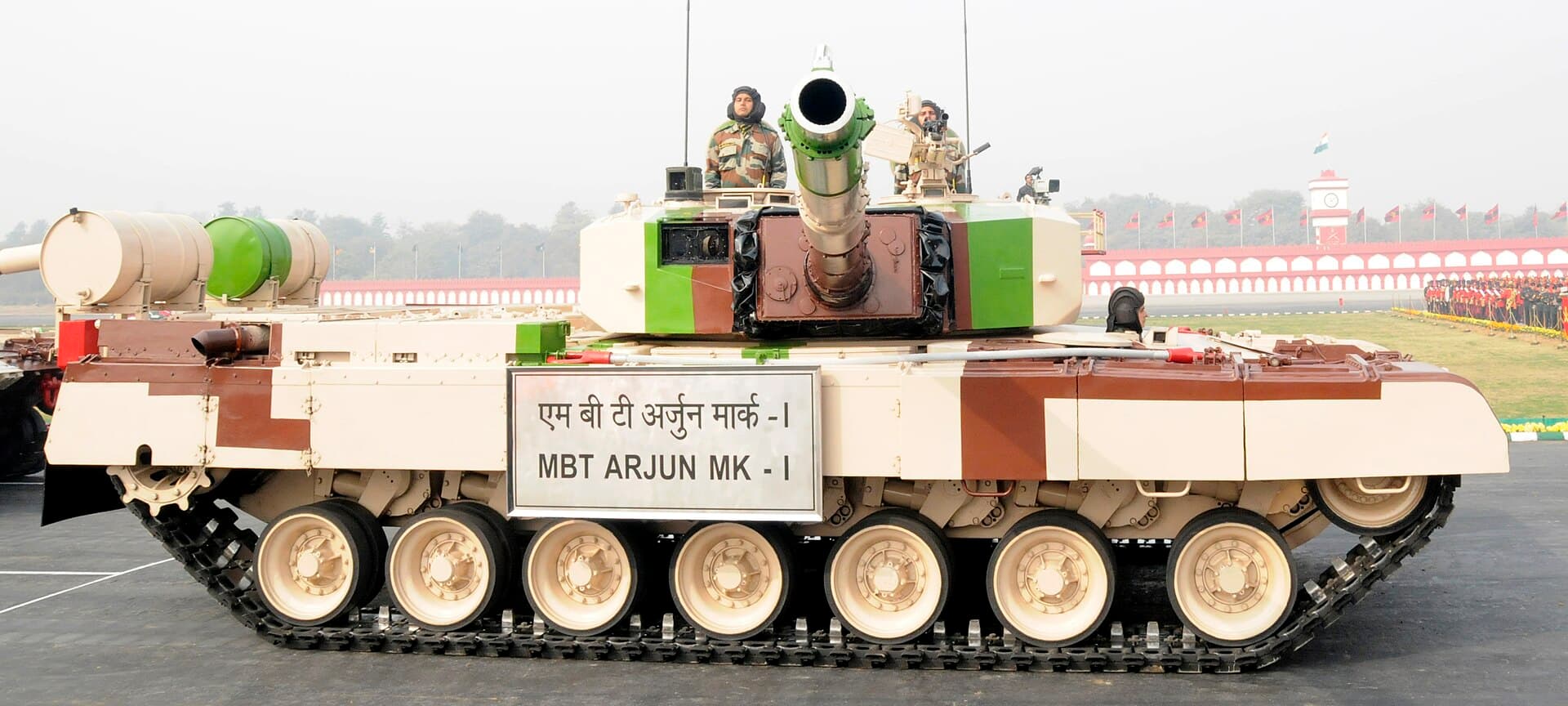
The Arjun features a 120 mm rifled main gun with Indian developed APFSDS ammunition, one PKT 7.62 mm coaxial machine gun and a NSVT 12.7 mm machine gun. Powered by a single MTU multi-fuel diesel engine rated at 1,400 hp, it can achieve a maximum speed of 70 km/h (43 mph) and a cross-country speed of 40 km/h (25 mph). It has a four-man crew: commander, gunner, loader and driver.
Arjun Mk 1A
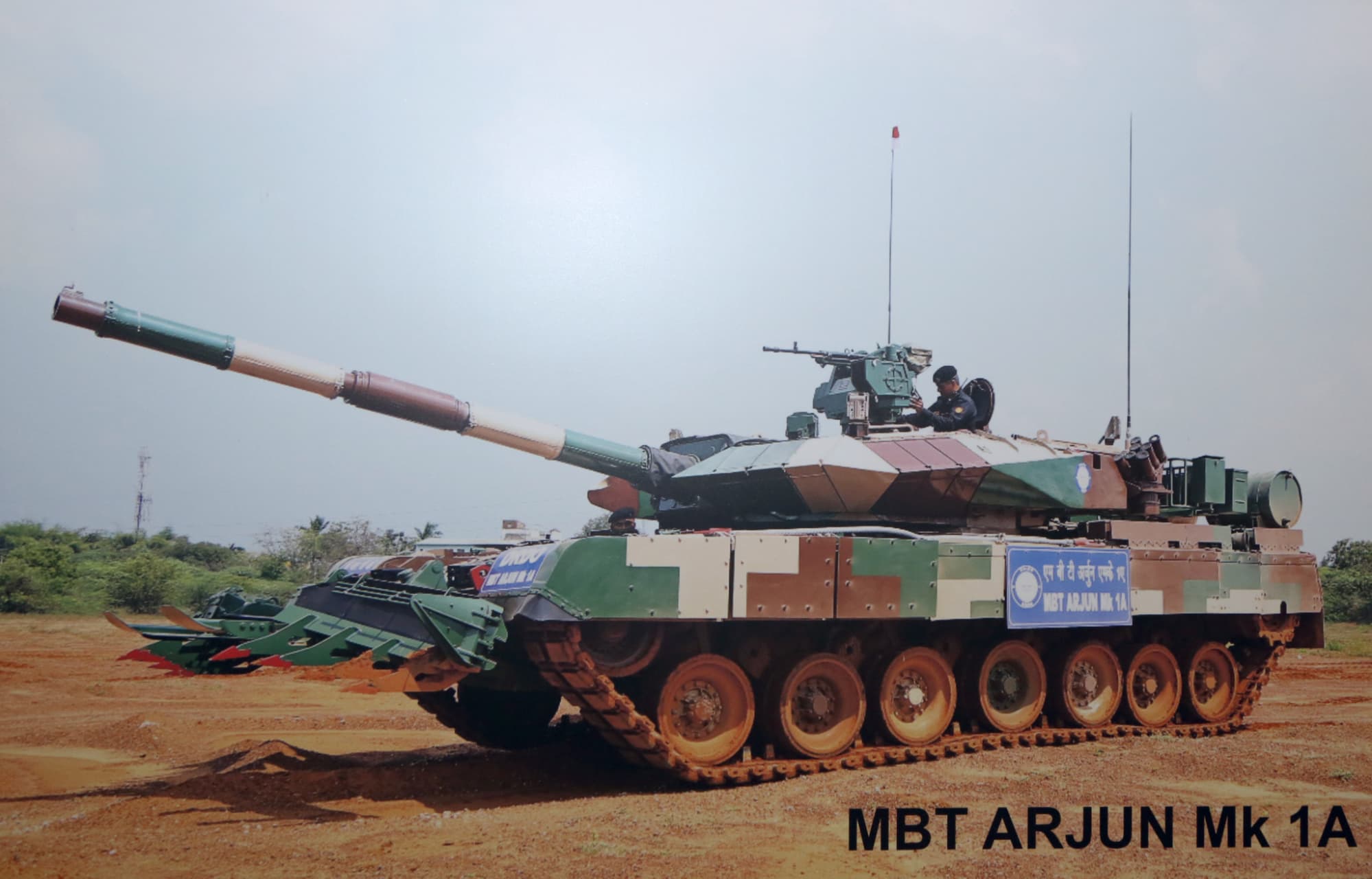
An upgraded version of Arjun Mk 1 designed to enhance firepower, mobility and survivability. It has a completely redesigned turret protected with improved Kanchan armor and ERA. major improvements include the addition of NERA for protection, integration of the gun launched SAMHO ATGM, integration of the gunner’s main sight with the automatic target tracking system, integration of the commander’s panoramic sight (CPS MK-II) with the laser rangefinder and dual magnification day sight, the addition of an uncooled thermal sight interfaced with the FCS for hunter-killer capability, the addition of an uncooled sight system with binocular vision for the driver, a remote controlled weapon station, a track width mine plough, a containerized ammunition bin with individual shutter (CABIS) for crew safety, an advanced land navigation system, a new auxiliary power unit with double power generation capacity, and a redesigned hydropneumatic suspension system with new advanced running gear system (ARGS) to enhance agility. (Not trying to glaze, just copied it off of wikipedia)
T-90S Bhishma Mk 3
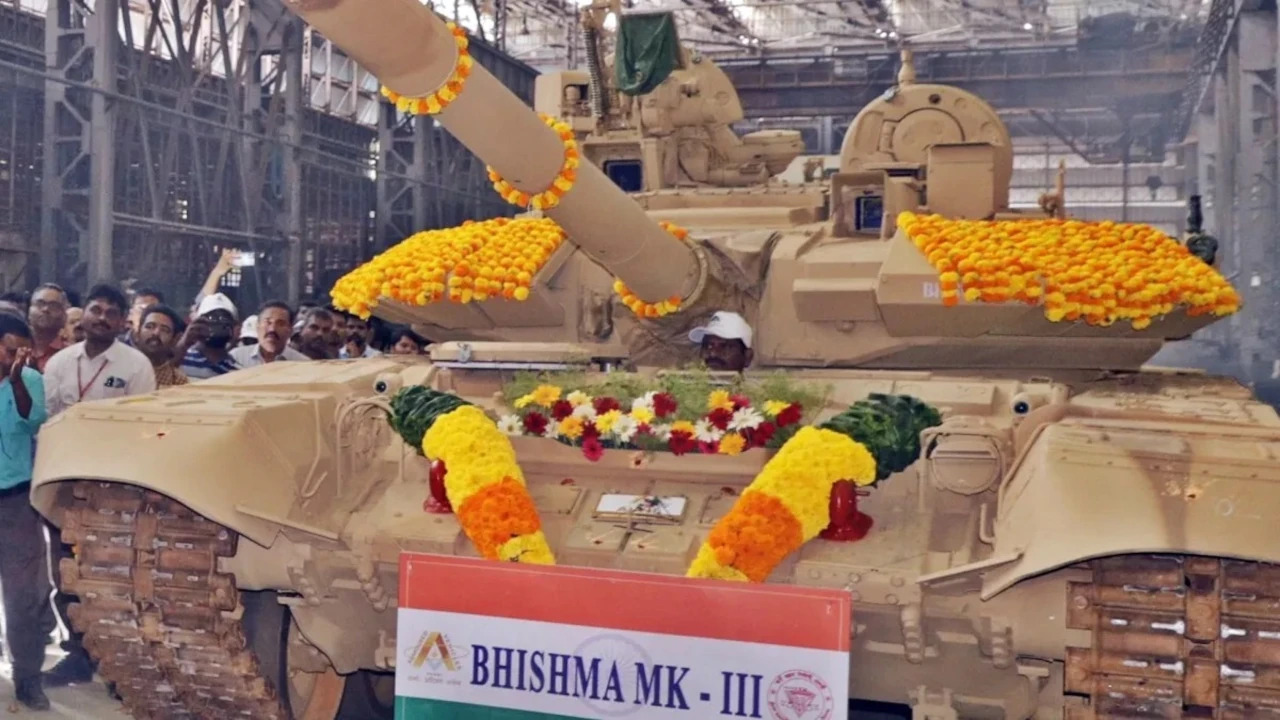
An upgraded version of T-90S Bhishma. The upgrades included advanced Mid Wave Thermal Image based sighting systems (8 km range) and Laser Range Finder (LRF; 5 km range) for commanders developed by DRDO and BEL (replacing Image Converter tube-based sight on older versions), a Digital Ballistic Computer to improve ammunition trajectory (derived from that of Arjun MBT), Automatic Target Tracker. It is also expected that the new variant tanks will feature new generation ammunition like FSAPDS Mk2 (originally developed for Arjun MBT), and cannon-launched SAMHO missiles that is under development. Reports also suggest the use of a more efficient and powerful engine. There are plans for further upgradation of the T-90 tanks by including indigenous Active Protection Systems, Loitering Munitions and more advanced ammunitions. India started the licensed production of Russian tank rounds 3VBM17 used by the T-72 and T-90 tanks in July 2024.
Combat Improved Ajeya
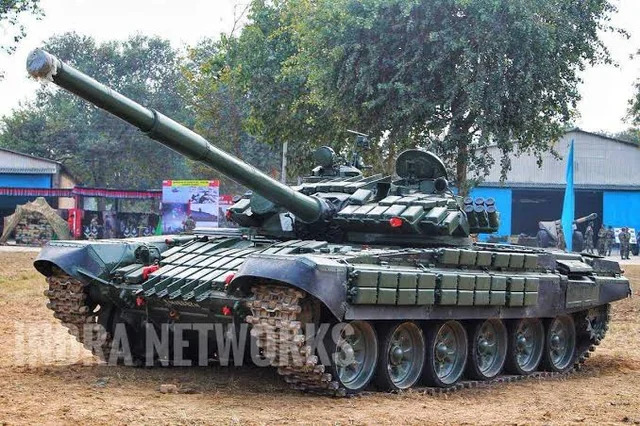
This tank is just an upgraded Ajeya which is just a T-72M1 (I did not include Ajeya Mk 1 and Ajeya Mk 2 because T-72M1 does not have that high of a BR in War Thunder and this list is supposed to only be about High Tier and Top Tier vehicles). The upgrade program provides for installation of a Polish SKO-1T DRAWA-T fire control system/thermal imager supplied by the Polish PCO/Cenzin (from PT-91 Twardy), DRDO explosive reactive armour, a navigation system from Israel’s Tamam, German Litef or South African RDI, a locally developed laser illumination warning system, new radios manufactured by Tadiran or GES Marconi and an improved NBC protection system will be fitted. The tank is planned to be powered by a 1,000 hp (750 kW) S-1000 engine made by the Polish firm PZL-Wola (also from PT-91 Twardy). It is also upgraded with new fire detection and suppression systems and laser warning systems on either side of the turret.
Zorawar
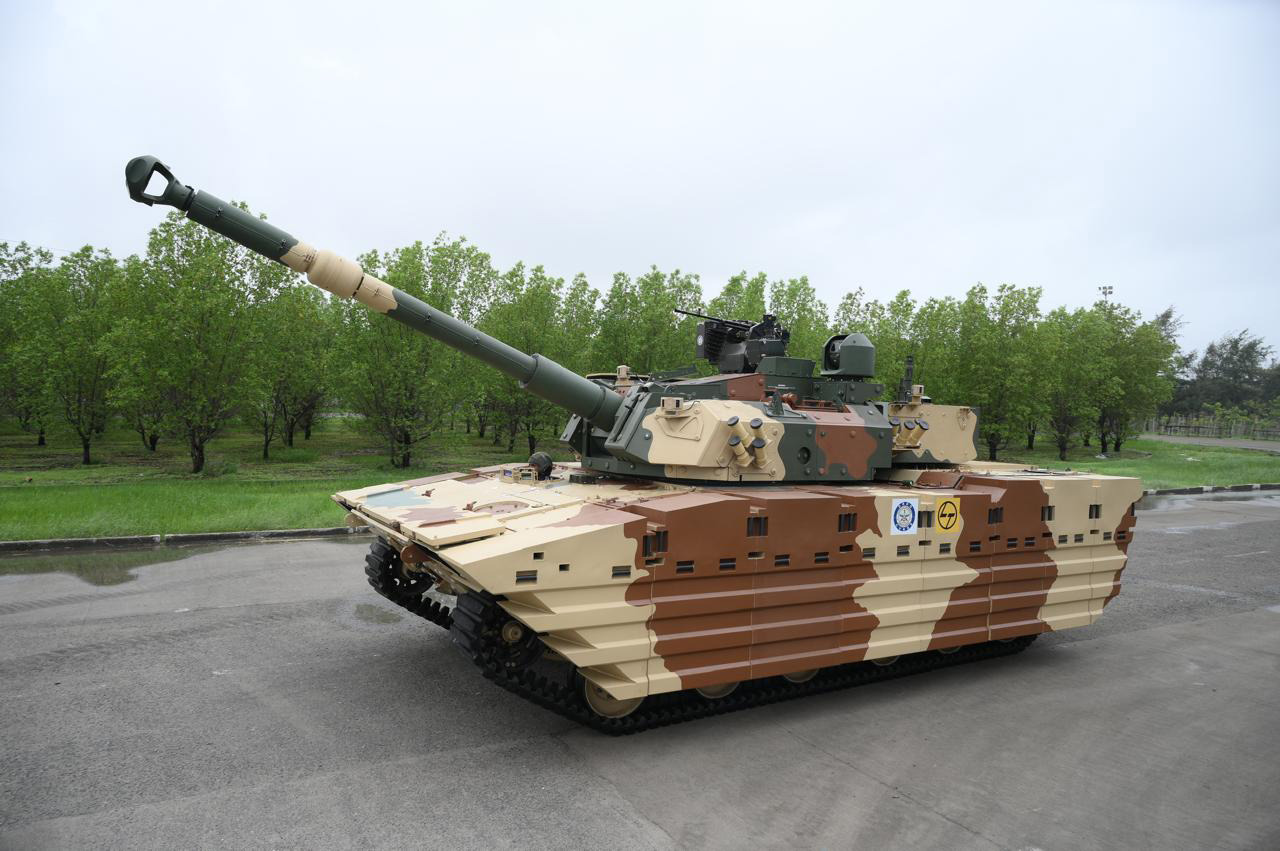
Zorawar is a tracked amphibious light tank that weighs 25 tonnes and has 3 crew members. It is equipped with a 105 mm gun and has a remote controlled 7.62 mm machine gun. The tank can launch anti tank guided missiles from the main gun as well as a twin side mounted launcher on the left side. In October 2025, the tank’s ability to fire Nag Mk 2 missiles in both direct and top-attack modes from the side launcher was demonstrated. It also features two Safran Paseo electro optical systems for hunter killer capabilities, thermal imaging and laser rangefinders. The tanks are also reportedly equipped with C-UAS systems. Zorawar has an 80mm modular armored plate on its lightweight, highly durable titanium body. The tank’s AI powered fire control system enables it to recognize and lock onto targets automatically. The integrated counter unmanned air system is capable of autonomously detecting, tracking, and eliminating airborne threats. (Why do Indian wikipedia editors glaze themselves so much?)
NAMICA-1

NAG is an Indian third generation fire and forget ATGM with LOAL (Lock On After Launch) ability. The NAMICA (Nag Missile Carrier) is a stretched, license-built BMP-2 with additional wheels, nicknamed “BMP-2 Sarath” in India. The NAMICA along with the Nag missile is designated as the NAMIS (Nag Missile System). It is classified as a tank destroyer. It is equipped with various electro optical systems including a thermal imager (TI) and a laser rangefinder (LRF) for target acquisition. As unveiled in DefExpo 2008, the NAMICA carries a total of twelve missiles, with eight in ready to fire mode and four in storage.
NAMICA-2
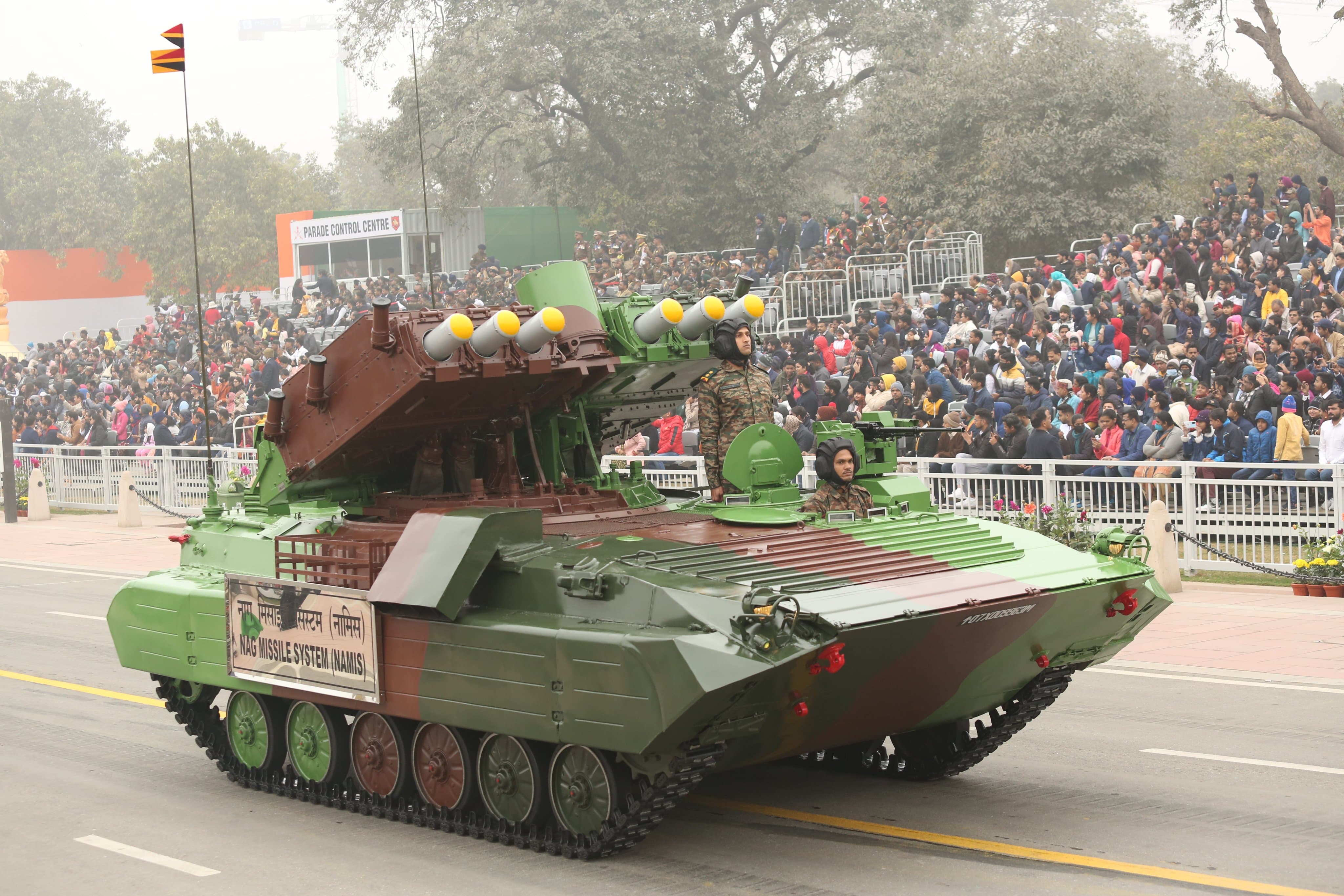
Another version of the missile launcher, NAMICA-2, was first tested in 2019. The newer variant was equipped with an improved targeting system and a launcher configuration of six combat ready missiles against earlier eight. Guided by NAMICA-2’s Imaging Infra Red (IIR) seeker, Nag ATGM has a range of 7.5 kilometres. All the six missiles can be fired within 20 seconds in quick firing mode. It carries a crew of four.
NAMICA Mk 2/NAMIS Mk 2
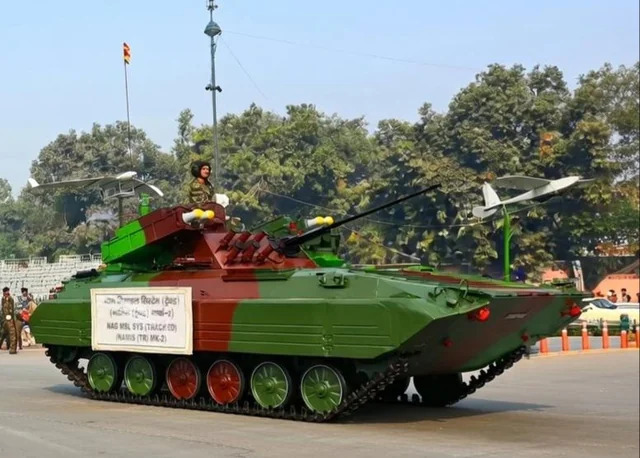
The NAMICA Mk2 is the second generation launch platform for the design. Though it inherits the BMP-2 as its chassis, it has a different configuration from its predecessor. The system retains the 30mm autocannon turret and is fitted with two twin Nag ATGM launchers on the sides of the turret. The passenger compartment is replaced with a missile storage system. The system is poised to be lighter. On 13 January 2025, the Field Evaluation Trial of NAMICA Mk2 with Nag Mk2 was successfully carried out at Pokhran Field Range and was ready for induction by the Army.
.
Great Britain Bluewater
HMS King George V (41)

HMS King George V (pennant number 41) was the lead ship of the five British King George V class battleships of the Royal Navy. Laid down in 1937 and commissioned in 1940, King George V operated during the Second World War in all three major naval theatres of war, the Atlantic, Mediterranean and Pacific, as part of the British Home Fleet and Pacific Fleets.
HMS Duke of York (17)
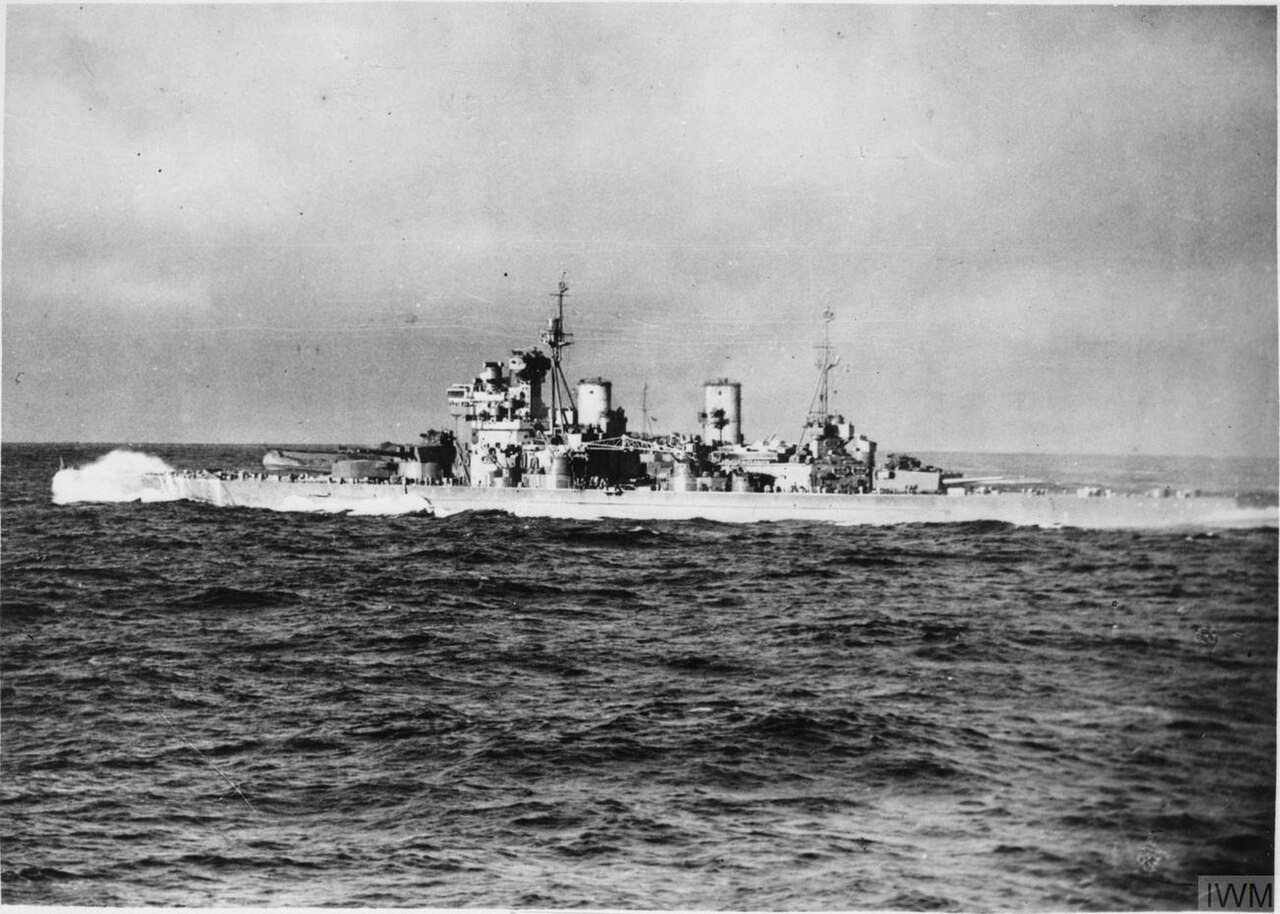
HMS Duke of York was the third ship in King George V class battleships. Completed in November 1941, the ship transported Prime Minister Winston Churchill to the United States to meet President Franklin D. Roosevelt the following month. Between March and September 1942 she was assigned to convoy escort duties in the Arctic as the flagship of the Second Battle Squadron, but in October she was transferred to Gibraltar where she became the flagship of Force H.
HMS Anson (79)
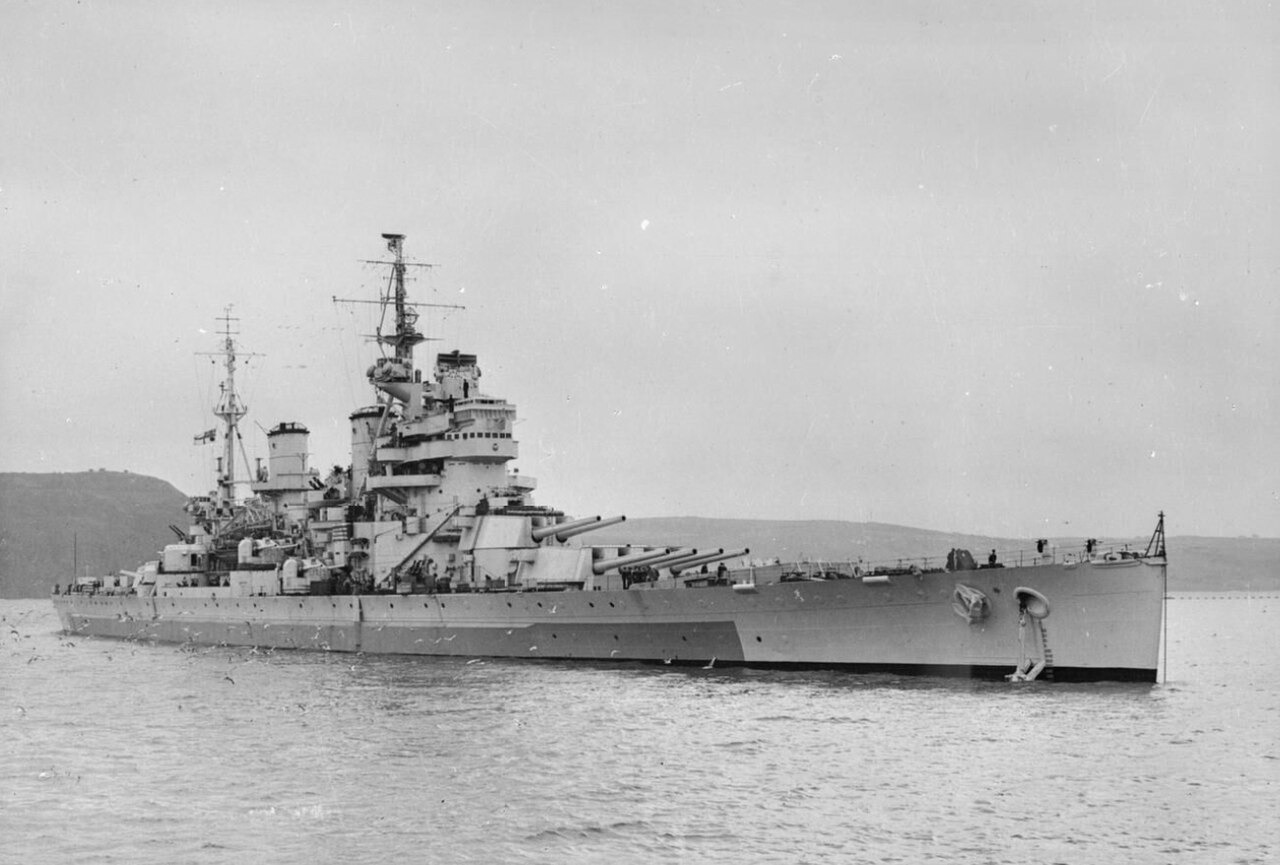
HMS Anson was the fourth ship in King George V class battleships named after Admiral George Anson. Her completion was delayed to allow the fitting of fire-control radar and additional antiaircraft weapons. She was originally to have been named Jellicoe, but was renamed Anson in February 1940. In February 1944, she provided cover for Operation Tungsten, the successful air strike against the German battleship Tirpitz.
HMS Howe (32)
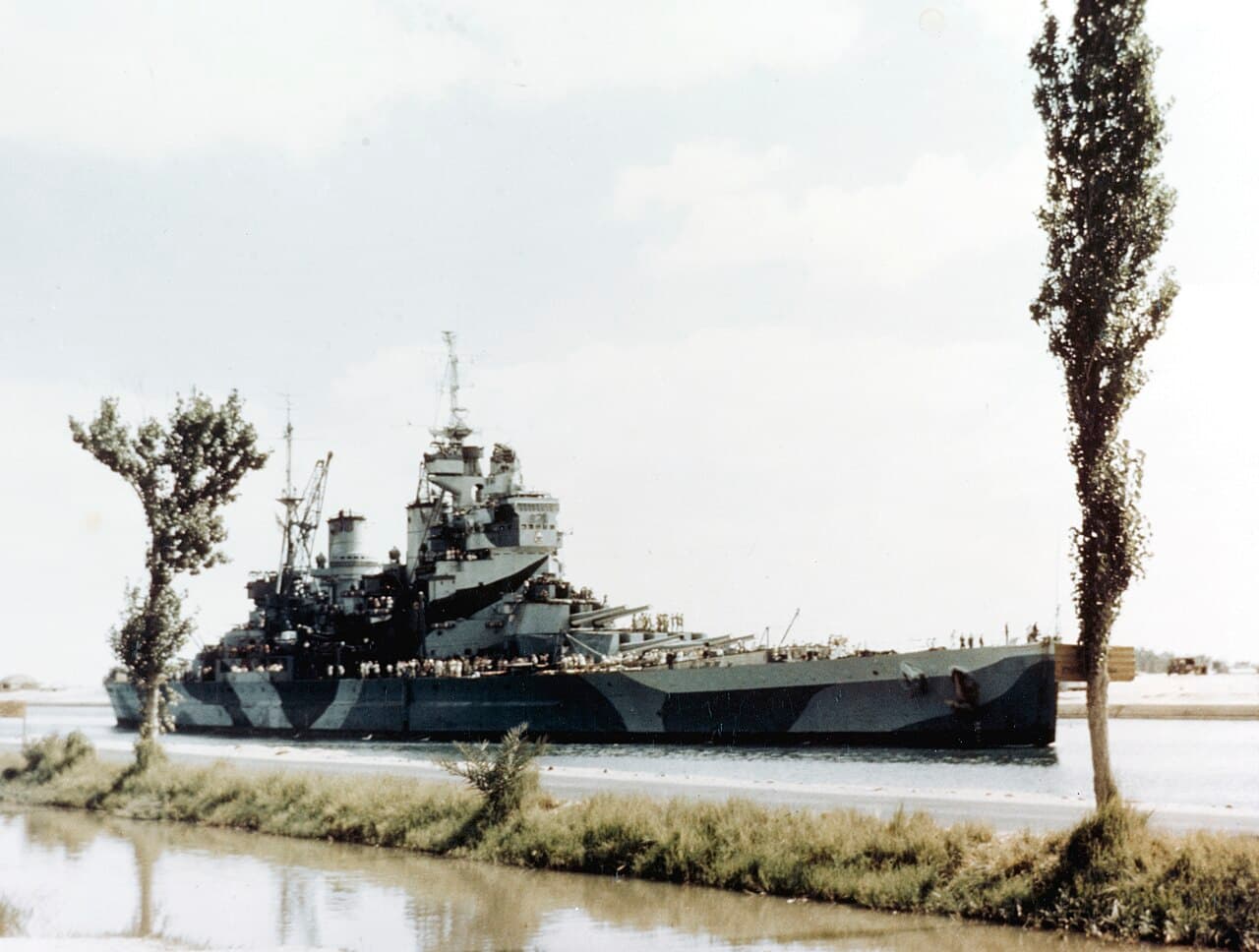
HMS Howe was the last of the five British King George V class battleships of the Royal Navy. Built by Fairfield Shipbuilding & Engineering Company, Glasgow she was laid down on 1 June 1937 and launched 9 April 1940. She was originally to have been named Beatty but this was changed to Howe, after Admiral Richard Howe. Howe was completed on 29 August 1942 after her building time was extended, as supplies were diverted to work of a higher priority such as the construction and repair of merchant ships and escort ships. Like her sister-ship HMS Anson, Howe spent most of her career in the Arctic Ocean providing cover for Russian convoys.
HMS Queen Elizabeth (1913)

HMS Queen Elizabeth was the lead ship of her class of five dreadnought battleships built for the Royal Navy in the early 1910s, and was often used as a flagship. She served in the First World War as part of the Grand Fleet, and participated in the inconclusive action of 19 August 1916. Her service during the war generally consisted of routine patrols and training in the North Sea. She and the other super-dreadnought battleships were the first of their type to be powered by oil instead of coal. Queen Elizabeth later served in several theatres during the Second World War, and was scrapped in 1948.
HMS Valiant
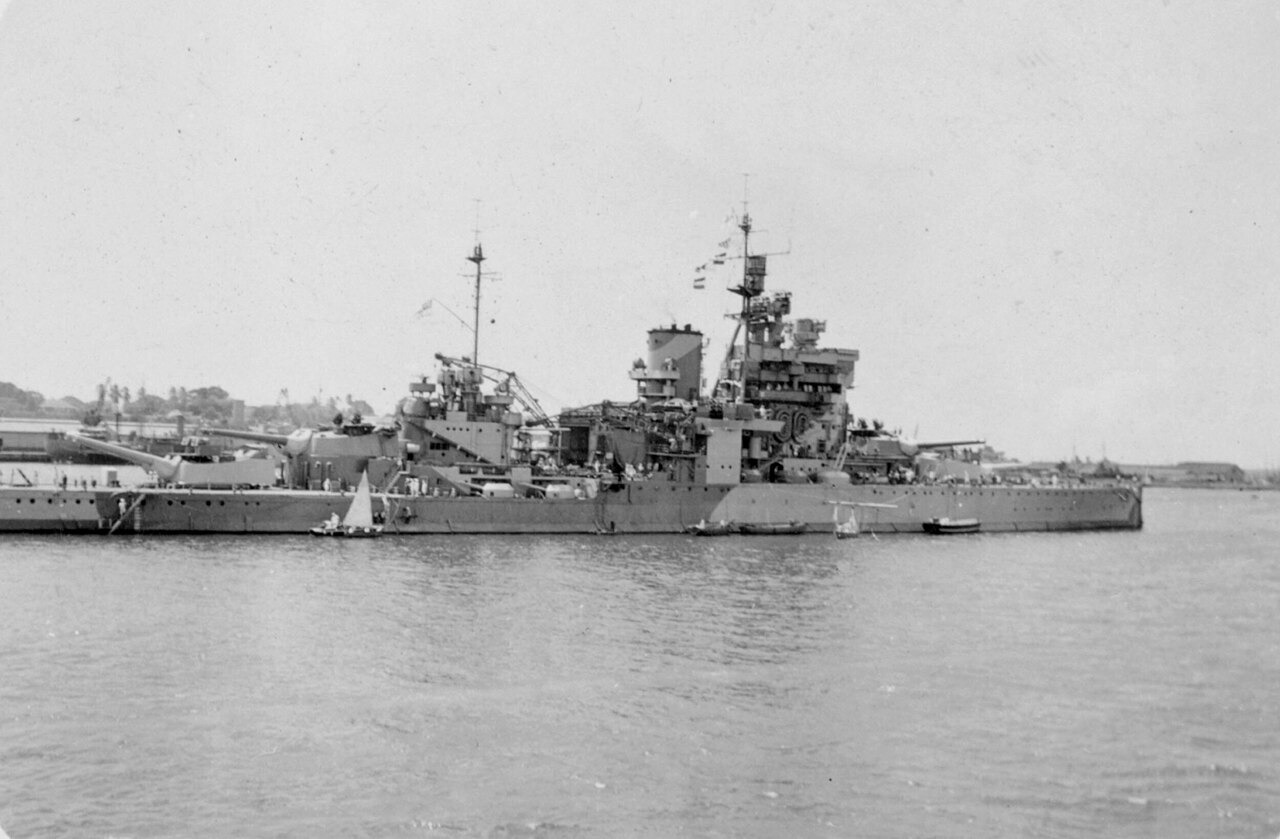
HMS Valiant was the third ship of five Queen Elizabeth class battleships built for the Royal Navy during the early 1910s. She was built at Devonport Royal Dockyard between January 1914 and November 1914, and entered service shortly after the outbreak of the First World War. Valiant saw further action during the Second World War in the Mediterranean, where her service included destroying Vichy ships at Mers-el-Kébir and the Battle of Cape Matapan, during which time Prince Philip, Duke of Edinburgh served aboard as a midshipman.
HMS Malaya
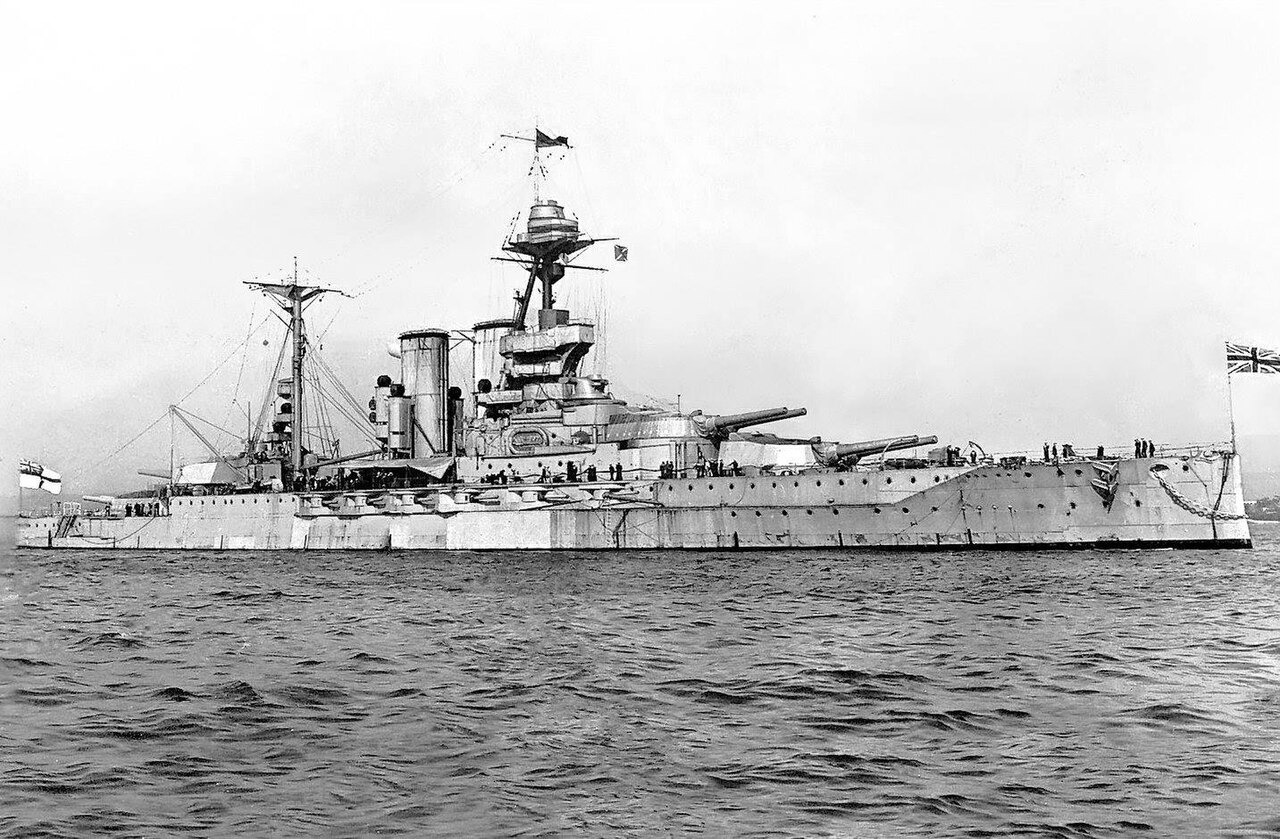
HMS Malaya was the last ship of Queen Elizabeth class battleships. Shortly after commissioning in early 1916, she participated in the Battle of Jutland of the First World War as part of the Grand Fleet. With the outbreak of the Second World War, Malaya served with the Mediterranean Fleet, serving as a convoy escort and fighting in the Battle of Calabria and Operation Grog. In March 1941, she was transferred to the North Atlantic to perform convoy escort duties, during which she prevented the German battleships Scharnhorst and Gneisenau from attacking a convoy.
.
Great Britain Coastal
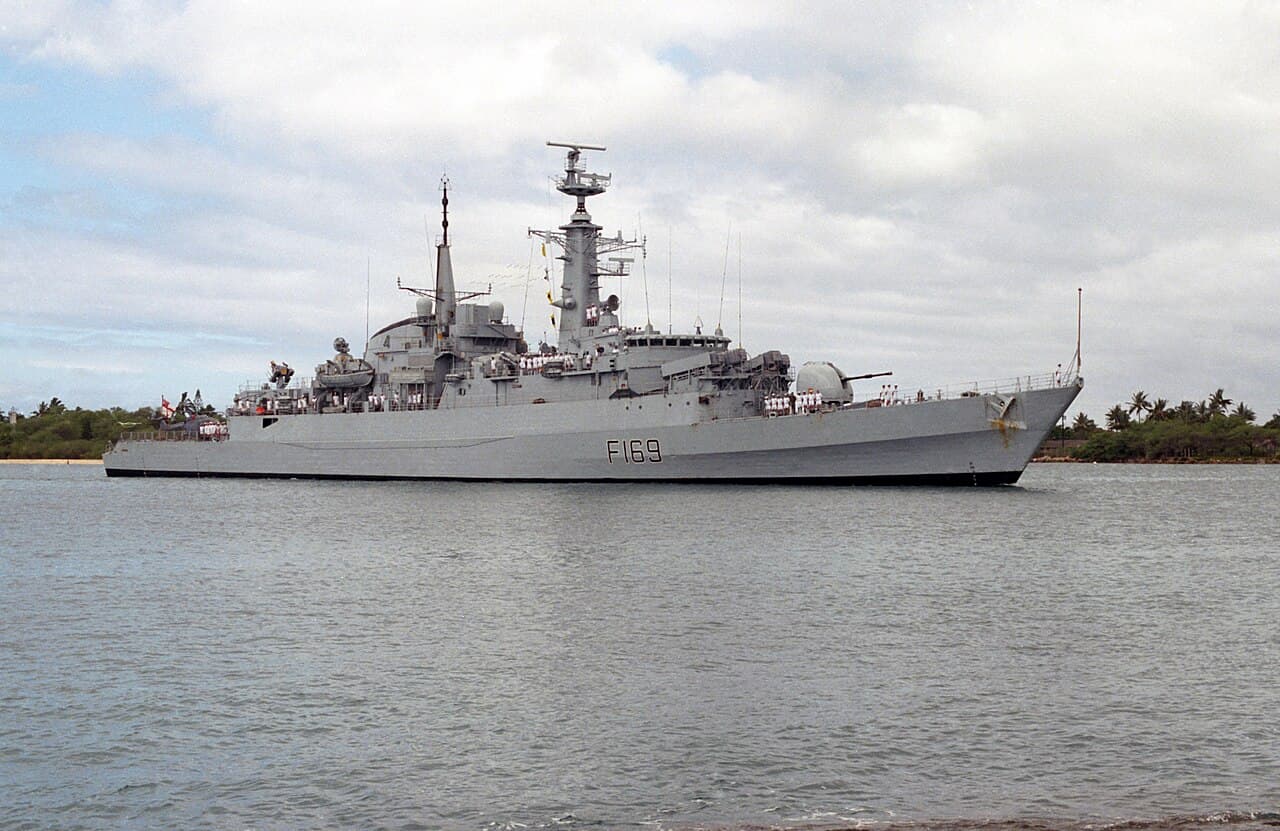
Tribal class
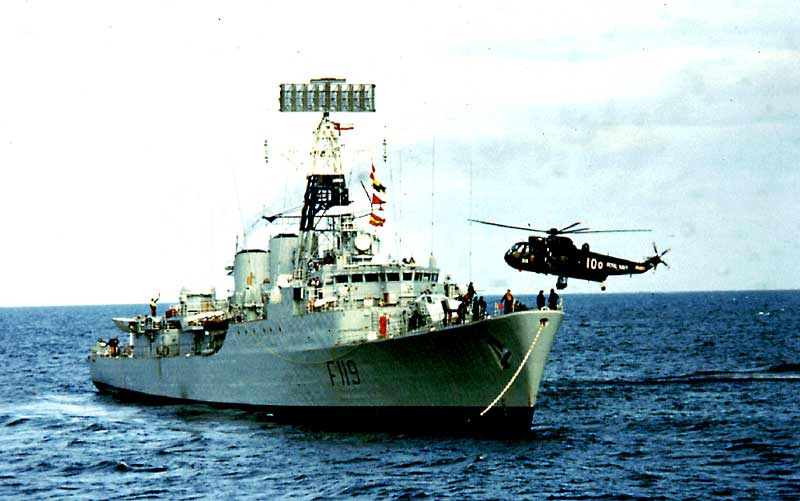
The Type 81, or Tribal class, frigates were ordered and built as sloops to carry out similar duties to the immediate post-war improved Black Swan-class sloops and Loch-class frigates in the Persian Gulf. In the mid-1960s, the seven Tribals were reclassified as second-class general-purpose frigates to maintain frigate numbers.
Rothesay class
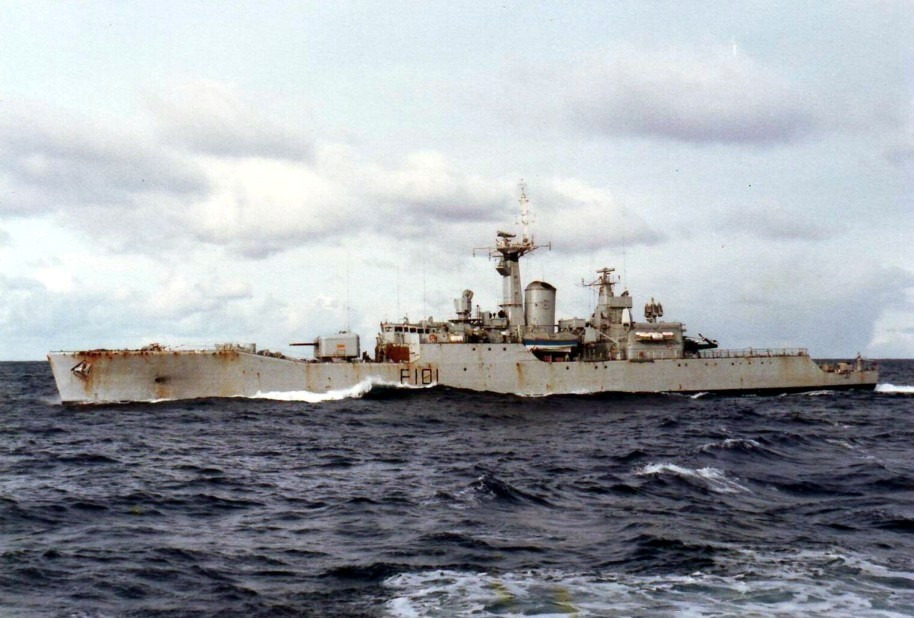
The Rothesay class, or Type 12M frigates were a class of frigates serving with the Royal Navy, South African Navy (where they were called President-class frigates) and the Royal New Zealand Navy.
Japan
Japan
.
Japan Air
F-35A Lightning II
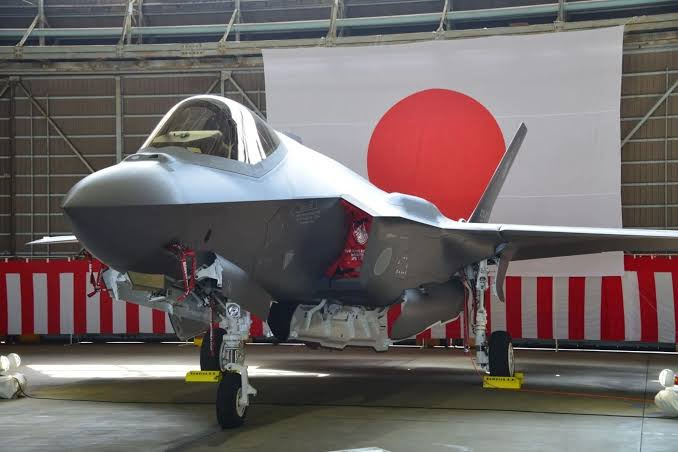
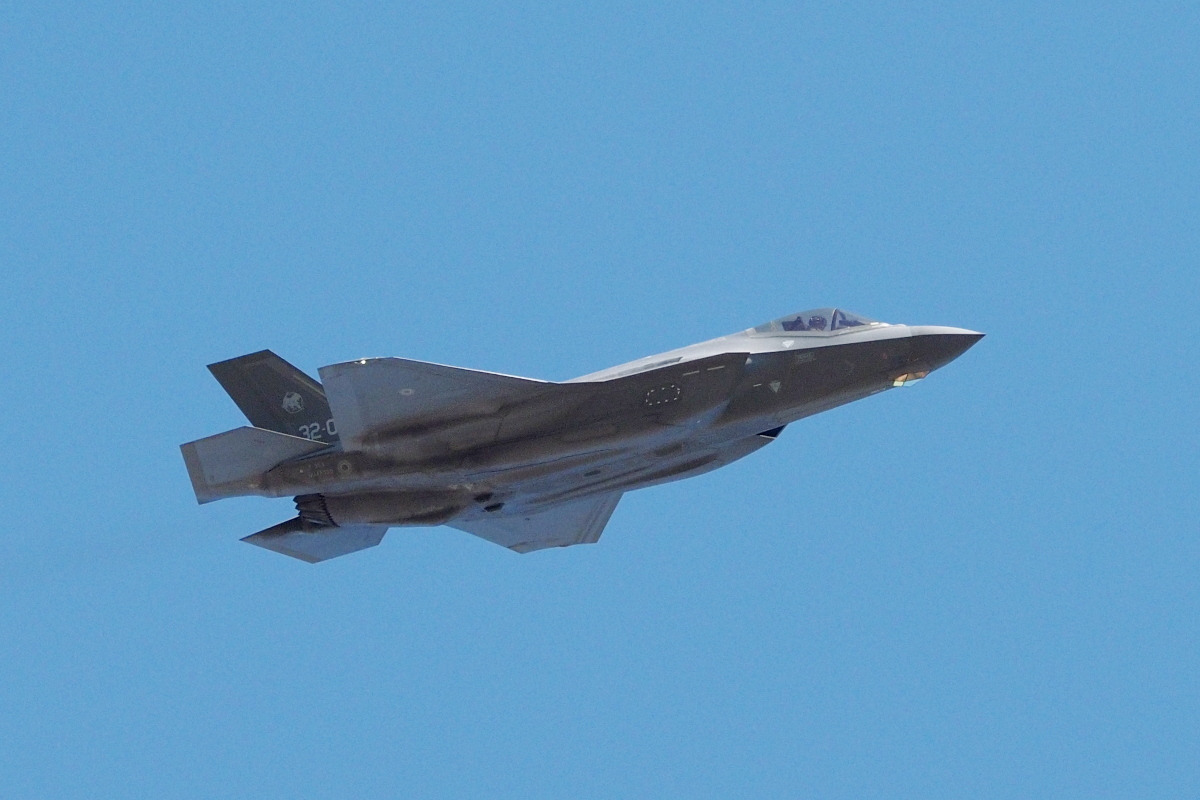
Japan operates 40 F-35A Lightning II fighters with a total order of 105 F-35A variants. 41 of these F-35As are being built by Mitsubishi.
F-35B Lightning II
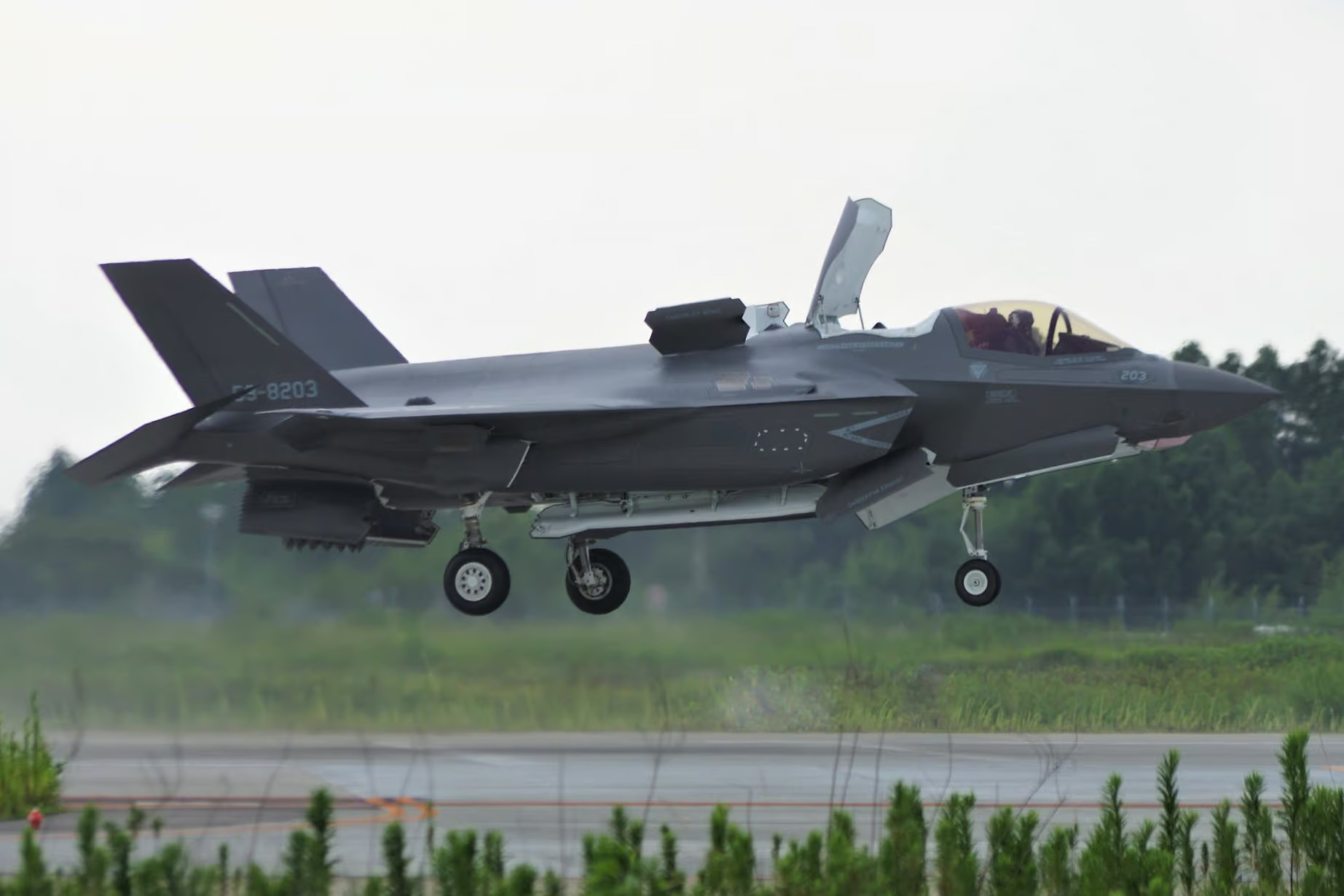
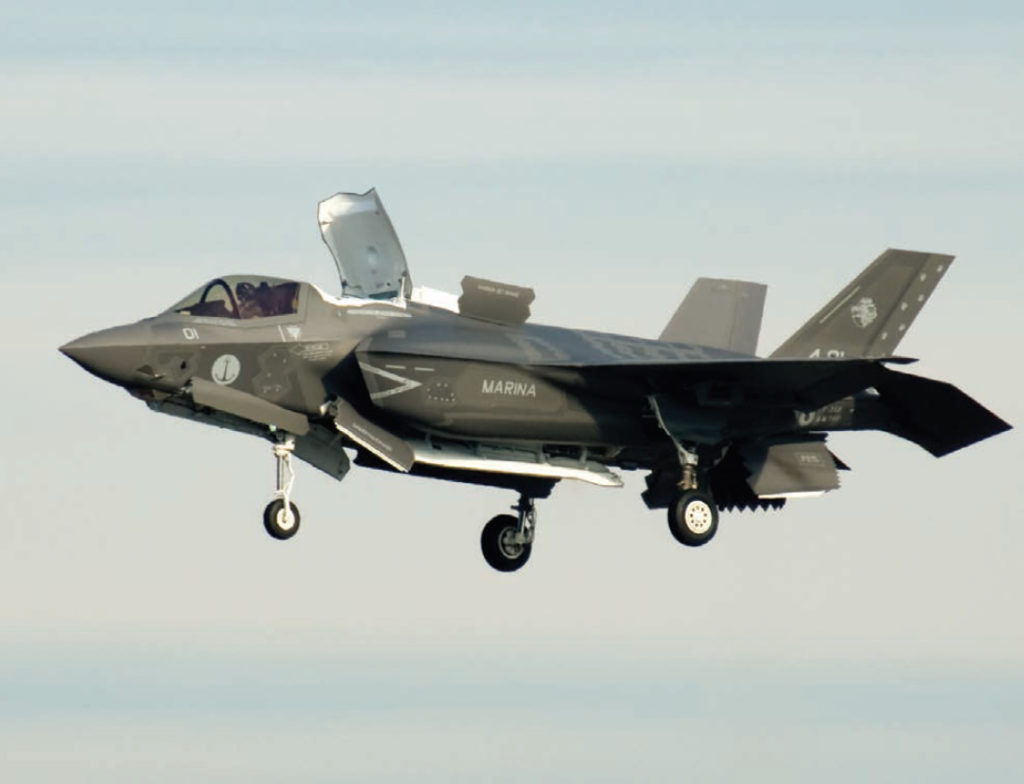
Japan received 3 F-35B Lightning II fighters in August 2025 out of the 42 ordered.
T-50i Golden Eagle
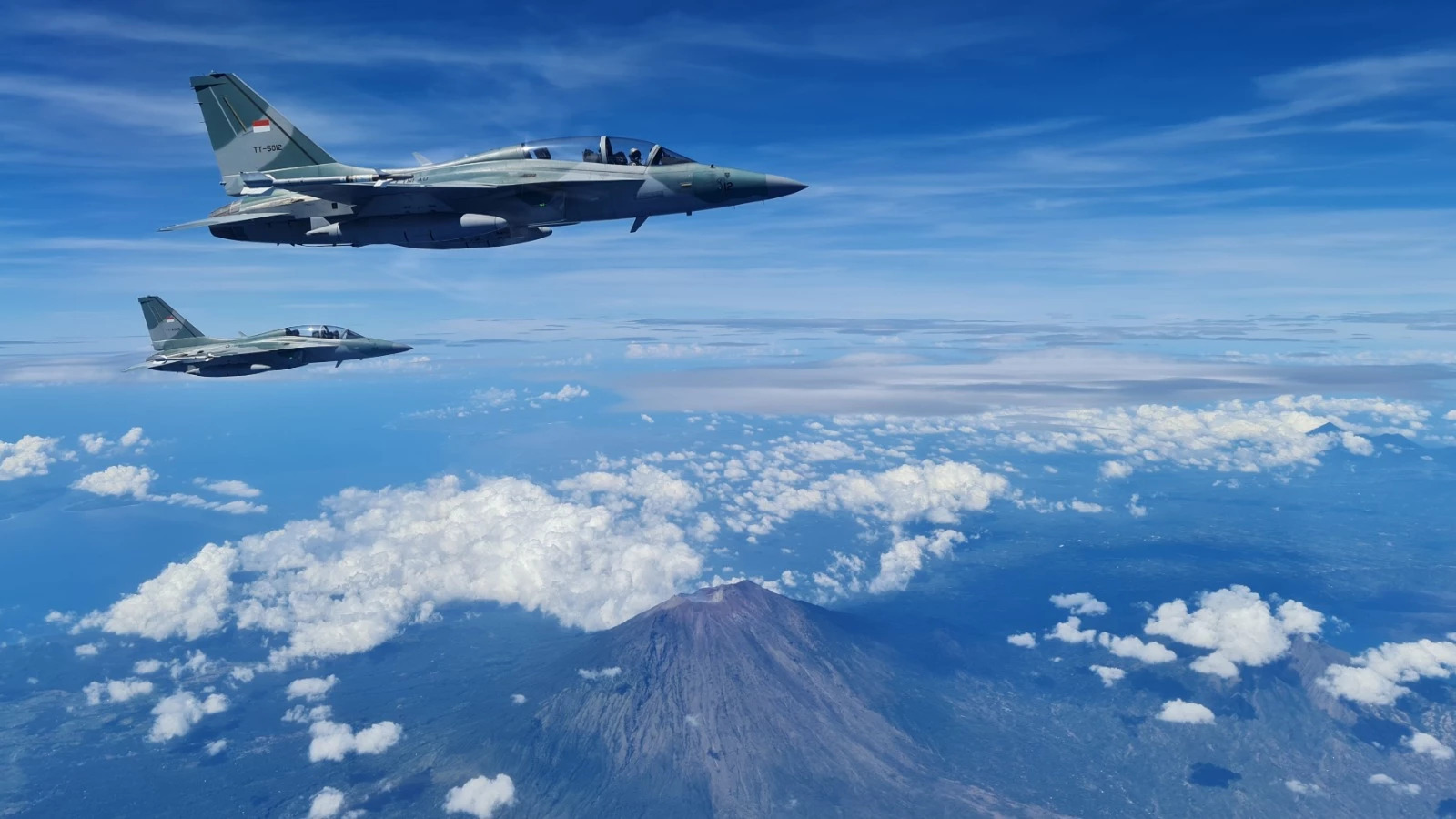
Indonesia operates 15 T-50i fitted with EL/M-2032 radars and cannons in 2018. T-50 has a maximum speed of 1,840 km/h (1,140 mph, 990 kn) at 9,150 m (30,000 ft) and can can carry up to 5,400 kg (12,000 lb) of payload under 7 hardpoints including different kinds of missiles and bombs.
T-50TH
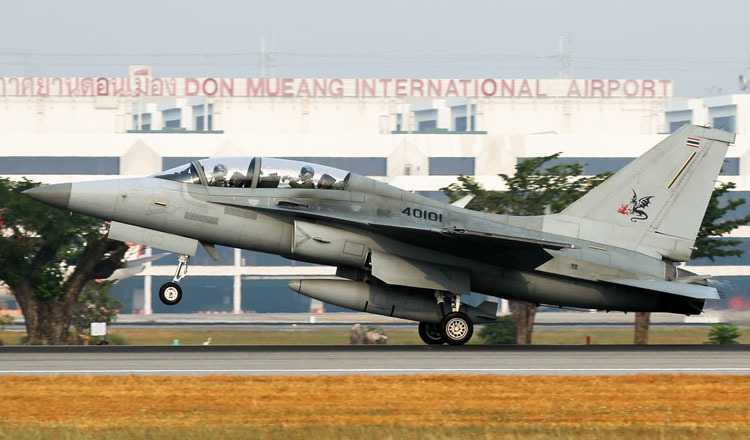
T-50TH is a variant of T-50 built for the Thai Air Force. Some of these aircrafts are of TA-50/FA-50 variant equipped with EL/M-2032 radar, MIL-STD-1760 interface, 20 mm gun, radar warning receiver, and countermeasures dispenser system. Compatible with laser-guided bombs, AIM-9 Sidewinder and AGM-65 Maverick, integration for beyond-visual-range missile. Locally designated B.KhF.2 (Thai: บ.ขฝ.๒).
FA-50M
FA-50 is the light fighter/attacker variant of T-50 Golden Eagle. Malaysian Air Force has ordered 18 FA-50 Block 70 designated as FA-50M which are upgraded for advanced air-to-air combat with dual AESA surveillance and fire control radar, compatibility with AIM-9X high off-boresight missiles supported by a Head-Mounted Display (HMD), and AIM-120 AMRAAM for beyond-visual-range (BVR) engagements.
Rafale EI/DI F4.1
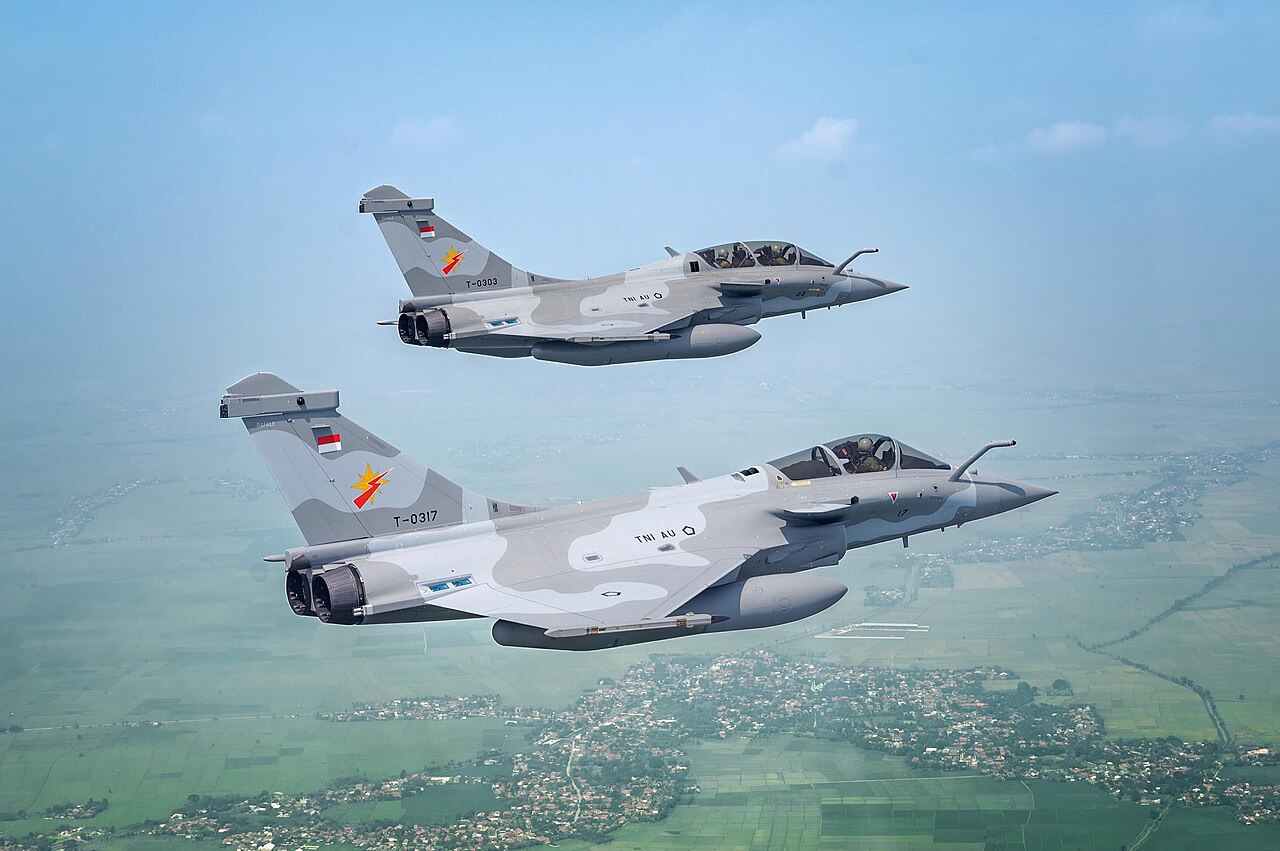
EI is the designation given to single seat Rafale fighters exported to the Indonesian Air Force and DI is the two seat version. Indonesia currently operates 6 Rafales.
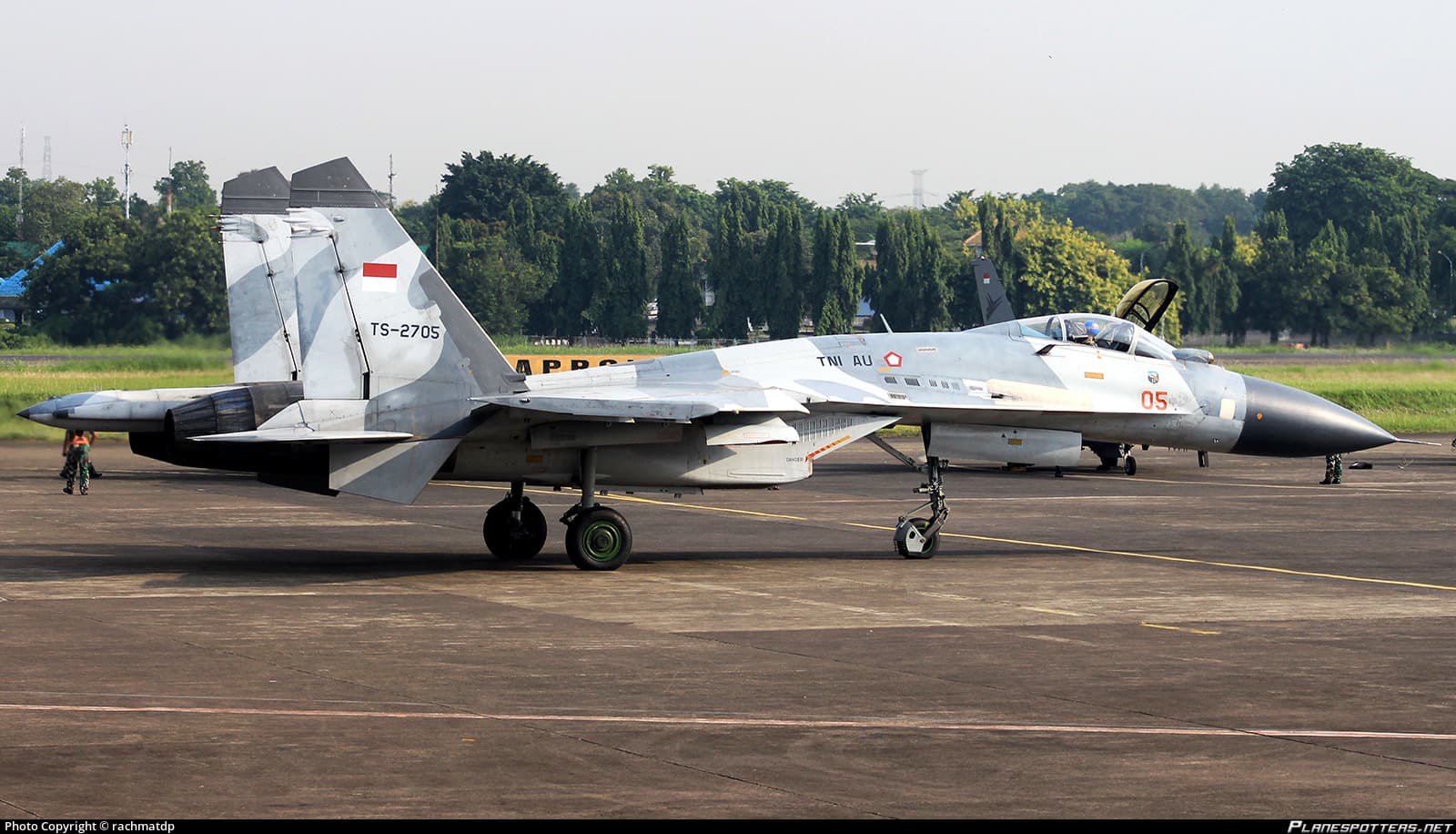
Su-30MK2
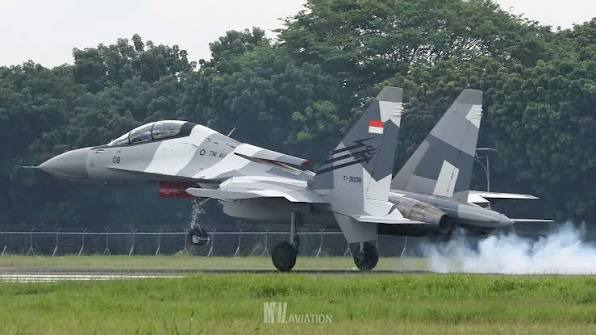
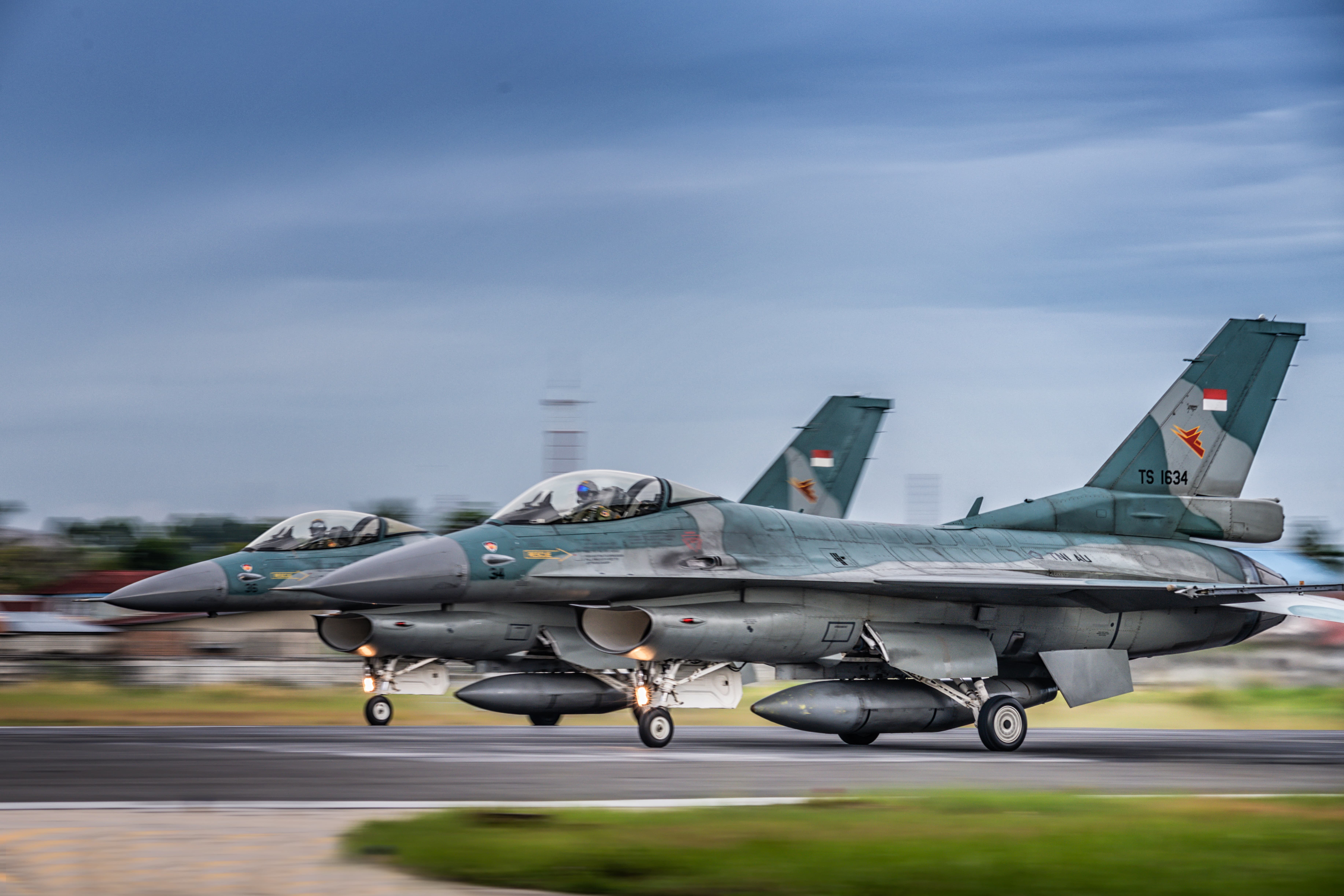
The Su-30MK2 was developed from a 2002 Chinese request for a Su-30MKK with anti-ship capabilities. Avionics changes integrated the Kh-31A anti-ship missile (AShM). The Russian Air Force version of this aircraft is Su-30M2. Indonesia operates 11 Su-30MK2.
KF-21 Boramae
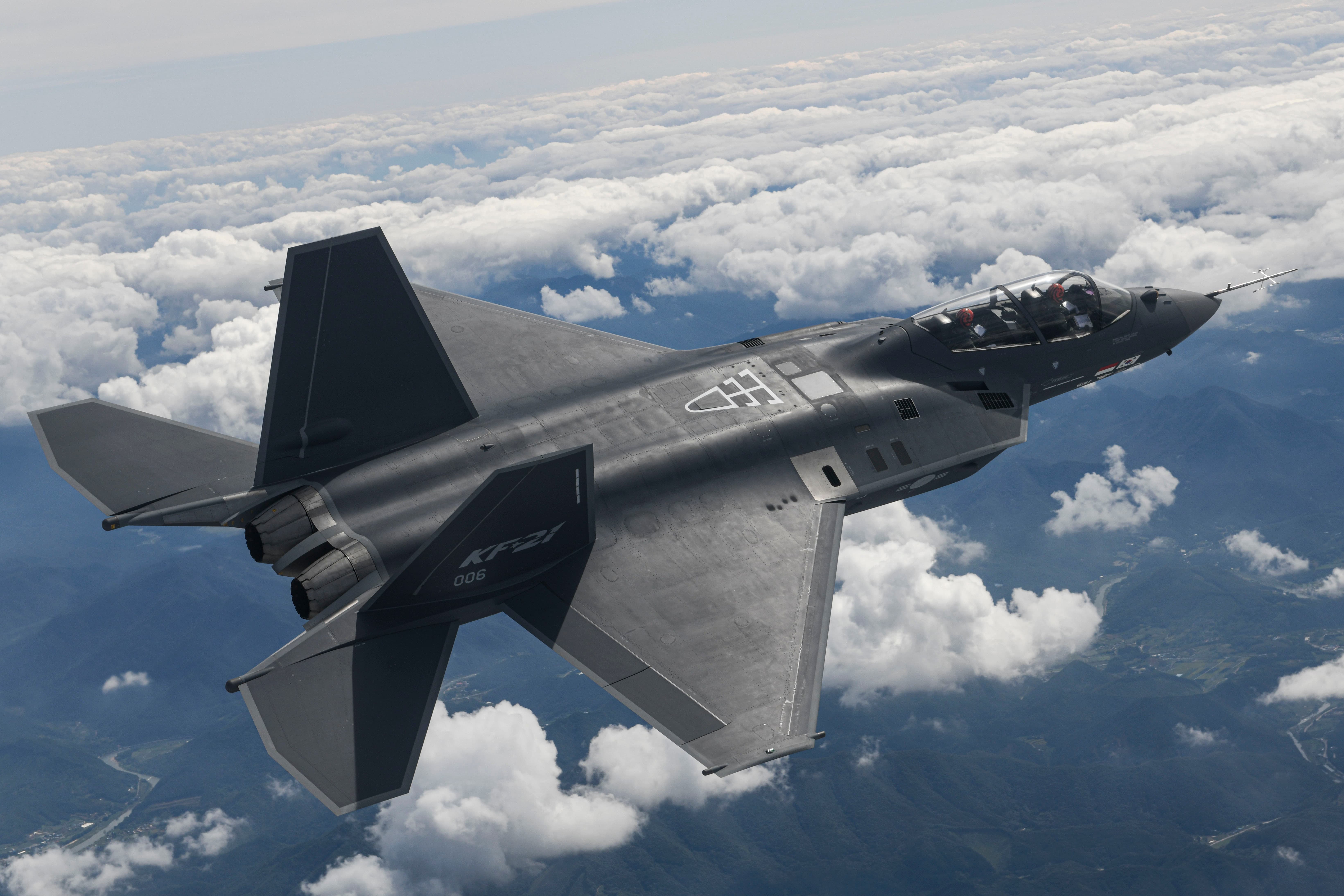
KF-21 Boramae is a South Korean twin engine 4.5/5th geneation fighter currently in development and Indonesia has agreed to pay $438 million, covering 7.4% of the development costs and plans to buy 48 KF-21 fighters. Malasiya is also interested to purchase this fighter.
TF Kaan
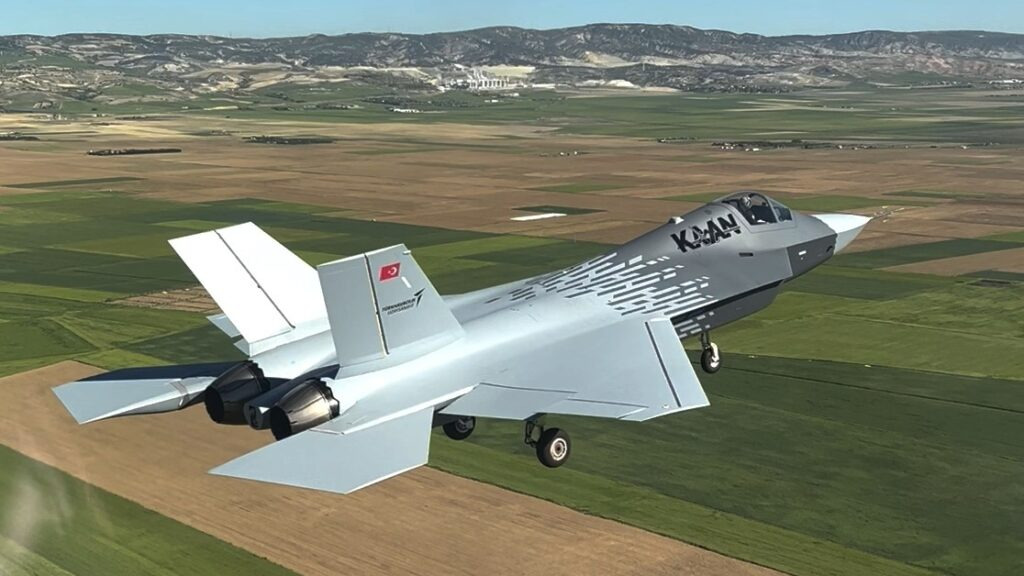
TF Kaan is a twin engine 4.5/5th generation fighter currently in development by Turkey and on 24 July 2025, Turkish Aerospace signed agreements with Indonesian Aerospace and PT Republik Aero Dirgantara (PT RAD), as the main local partners, regarding the procurement of 48 Kaan, along with cooperation in production engineering and technology transfers.
.
Japan Ground
VT-4
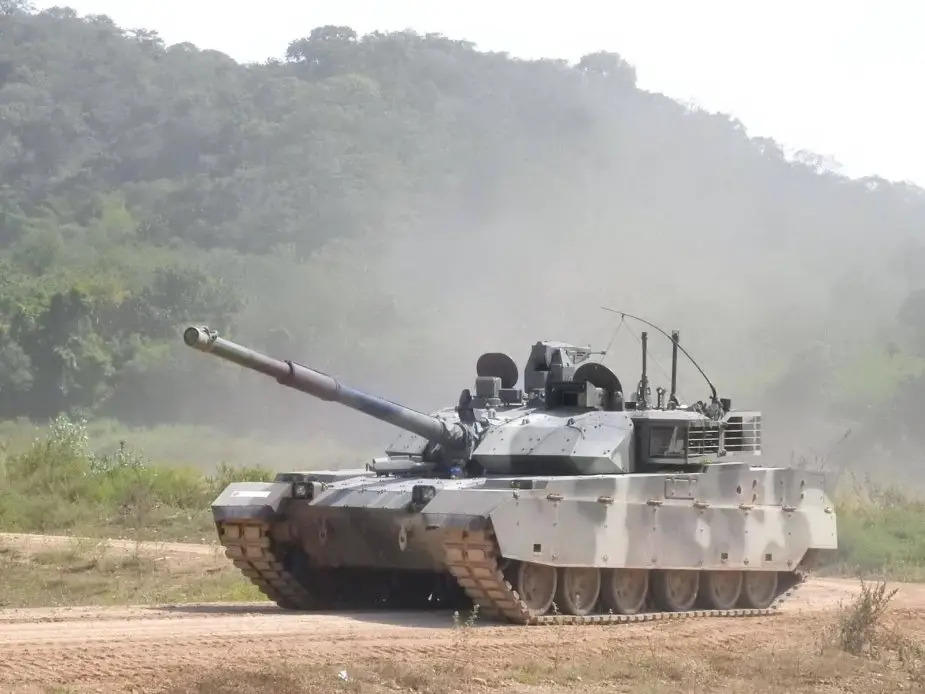
Thai Army operates 62 VT-4 tanks and I think it’s time the Chinese playerbase stops being childish and let a digital item be added to a video game and not make a big deal of it.
VN16
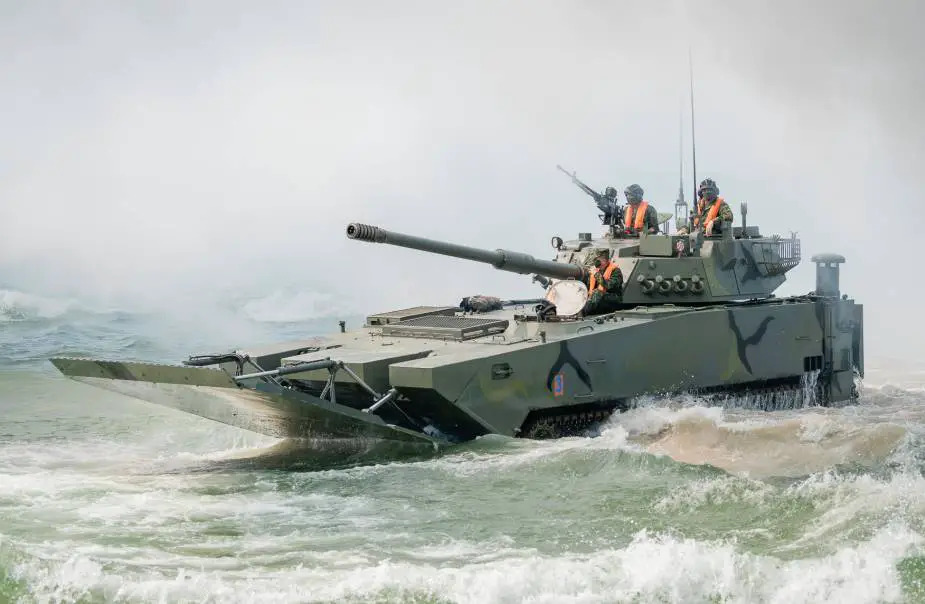
VN16 is a modified export version of ZTD05 which is the amphibious assault variant of Chinese ZBD-05 amphibious fighting vehicle. VN16 is equipped with a 105 mm ZPL98A gun and 12.7 mm QJC-88 machine gun. Thailand operates 3 VN16 in use by Thai Marines.
PT-91M Pendekar
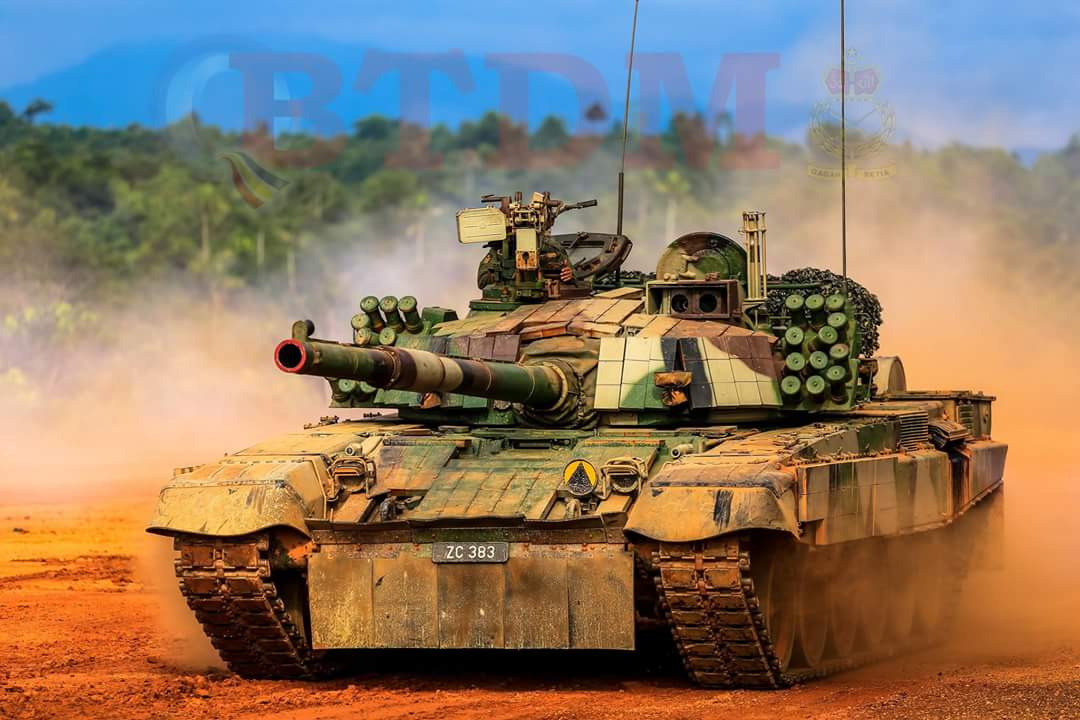
(M for Malaysia) Production export variant of PT-91 Twardy for Malaysia with a Sagem Savan-15 fire control system, a new 1,000 hp powerpack, and a Renk automatic transmission, bringing its top speed to 70 km/h. Its main gun has been changed to a ZTS 2A46MS 125 mm gun, along with a 7.62 mm FN MAG coaxial machine gun and a 12.7 mm FN Browning M2 HB AA machine gun. This variant is equipped with a Sagem panoramic sight, a Sagem laser gyro inertial navigation system, turret stabilisation system, Obra-3 laser-warning system, and is integrated with 81 mm smoke grenade launchers, CBRN warning and protection system, and Thales communication system. It also features ERAWA 2 Explosive Reactive Armour, and German-made tank tracks (Diehl Defence). Two prototypes were made (renamed PT-91E and PT-91Ex), then 48 serial PT-91M Pendekar vehicles were produced from 2007 to 2009.
AV8 Gempita
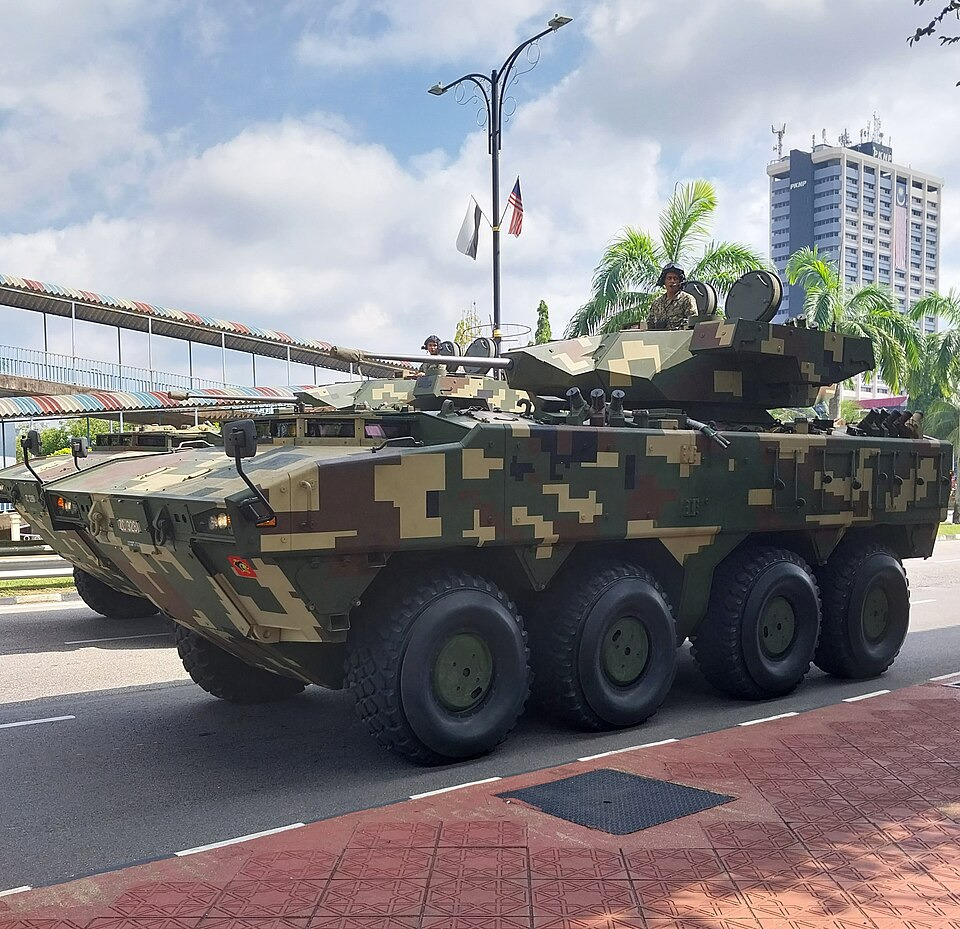
AV8 Gempita (Thunder) is an amphibious multirole armoured vehicle built in Malaysia and has 12 variants. The LCT30 ATGW variant is the most well armed variant of the AV8, and is equipped with the LCT30 ATGW turret from Denel Land Systems. The LCT30 ATGW turret is armed with a Denel GI30 30 mm gun and one 7.62 mm coaxial machine gun as well as four ZT3 Ingwe 127 mm ATGM. The Ingwe is a laser beam riding missile with a range of 5000m and the ability to engage moving targets. 54 units of this variant will be produced in the first batch of 257 AV8s.
Harimau/Kaplan MT
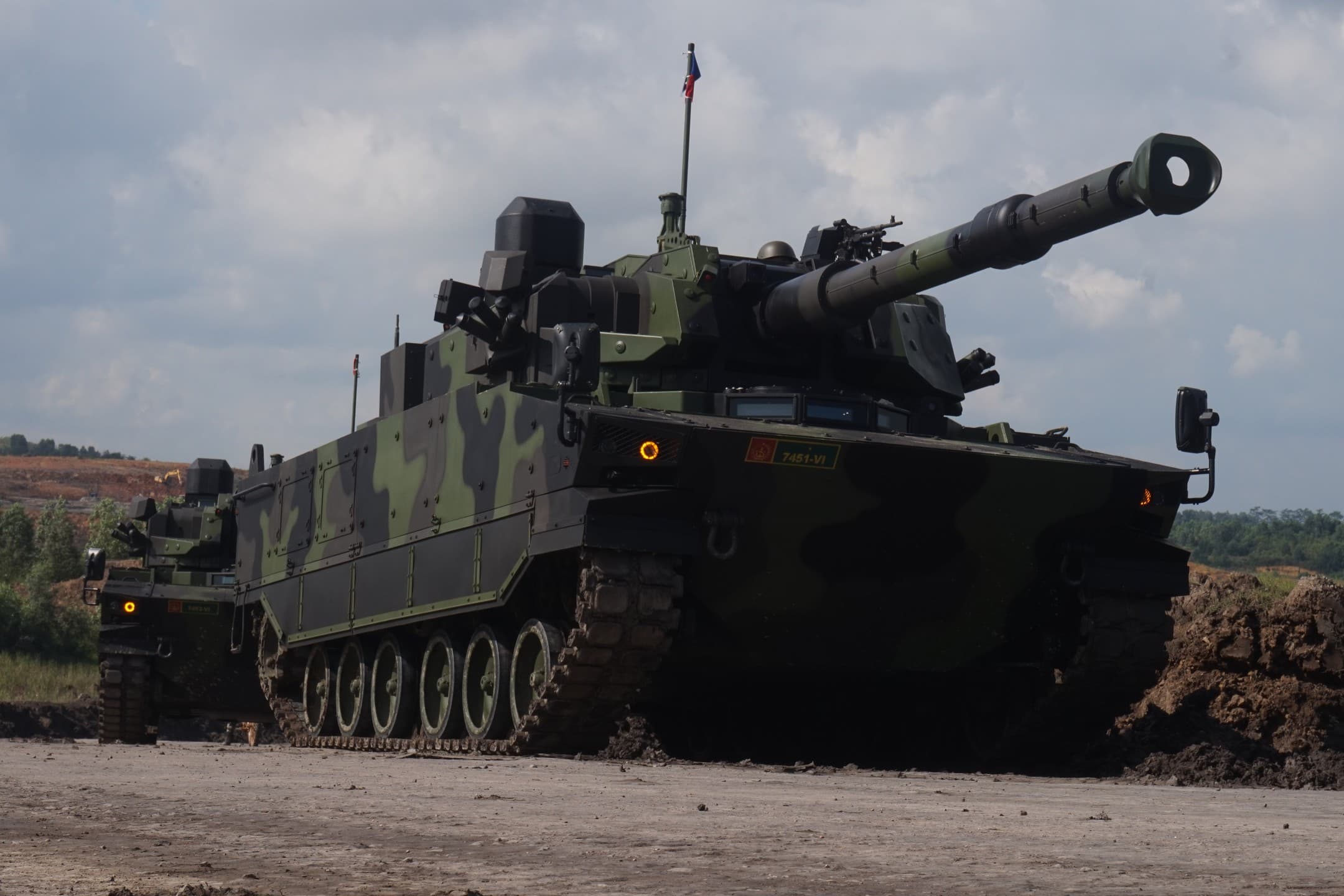
This is a medium tank jointly developed by Turkish manufacturer FNSS and Indonesian manufacturer Pindad armed with a Cockerill 105 mm high-pressure rifled gun and 2 × 7.62 mm machine guns with a maximum speed of 78 km/h powered by a Caterpillar C13 diesel engine inline-6 with 711 hp.
.
China
China
.
China Air
F-CK-1 Ching-Kuo
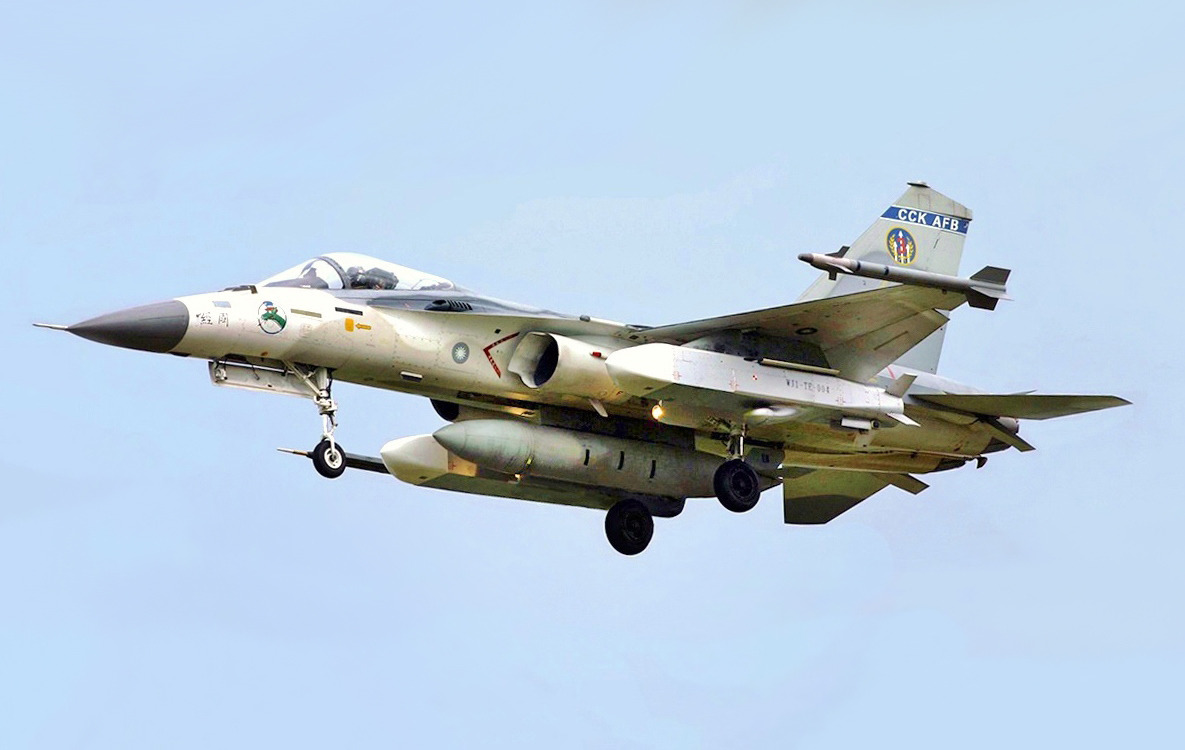
This is a double engine multi role combat aircraft developed in Taiwan and has many versions such as F-CK-1A, F-CK-1B, F-CK-1C, and F-CK-1D. It is equipped with a 20 mm M16A1 gun and can carry different missiles and bombs. F-CK-1C is an upgraded version that can carry more payload and has improved avionics.
F-16C/D Block 70
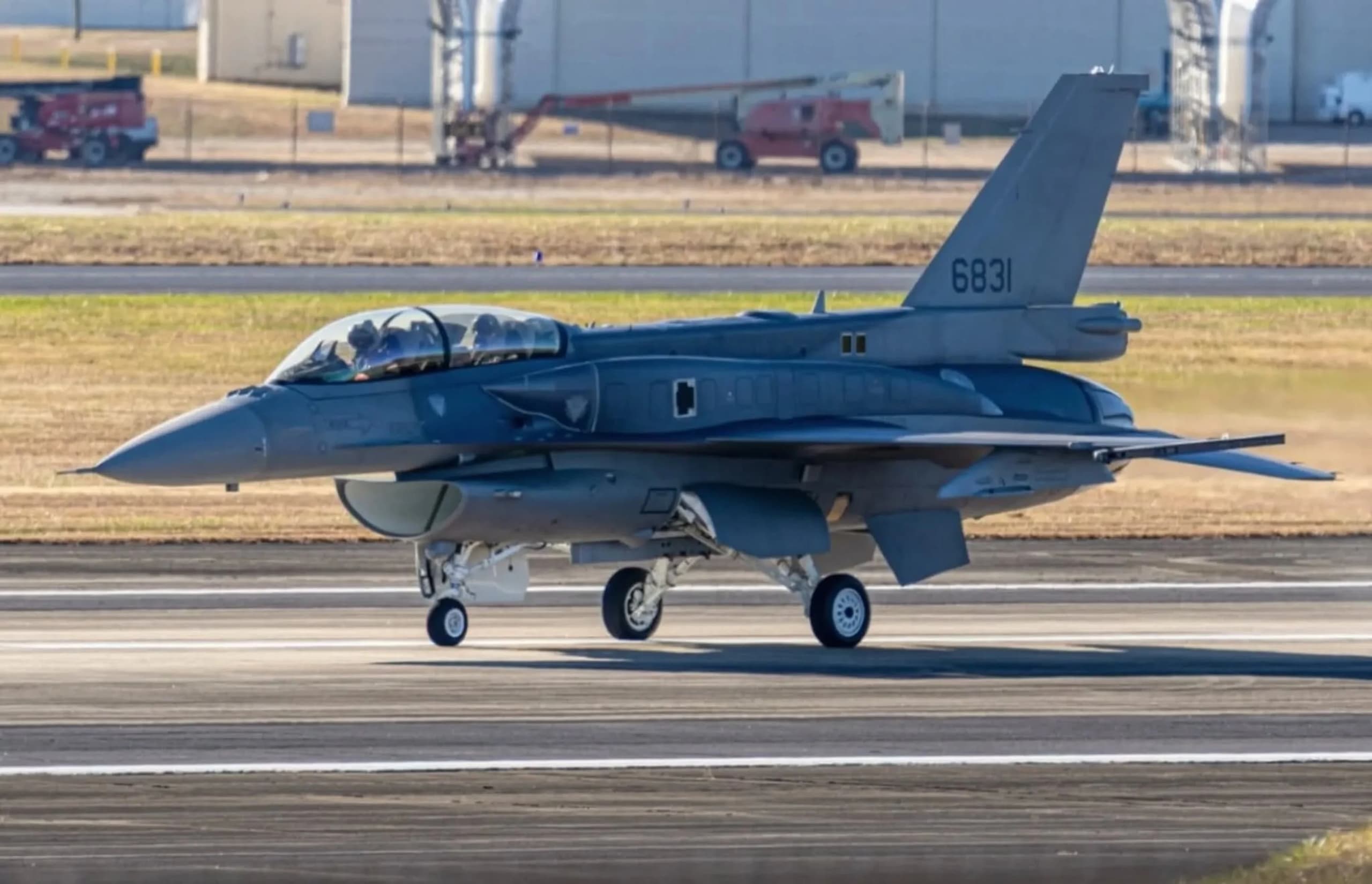
Alongside upgrading its own F-16A/B to Block 72 standards (the F-16V that was added this update), Taiwan also purchased newly built F-16C/D Block 70 aircrafts from the USA. F-16C is the single seat version and F-16D is the double seat version. These new aircrafts are sometimes referred to as F-16V Viper.
J-15DT
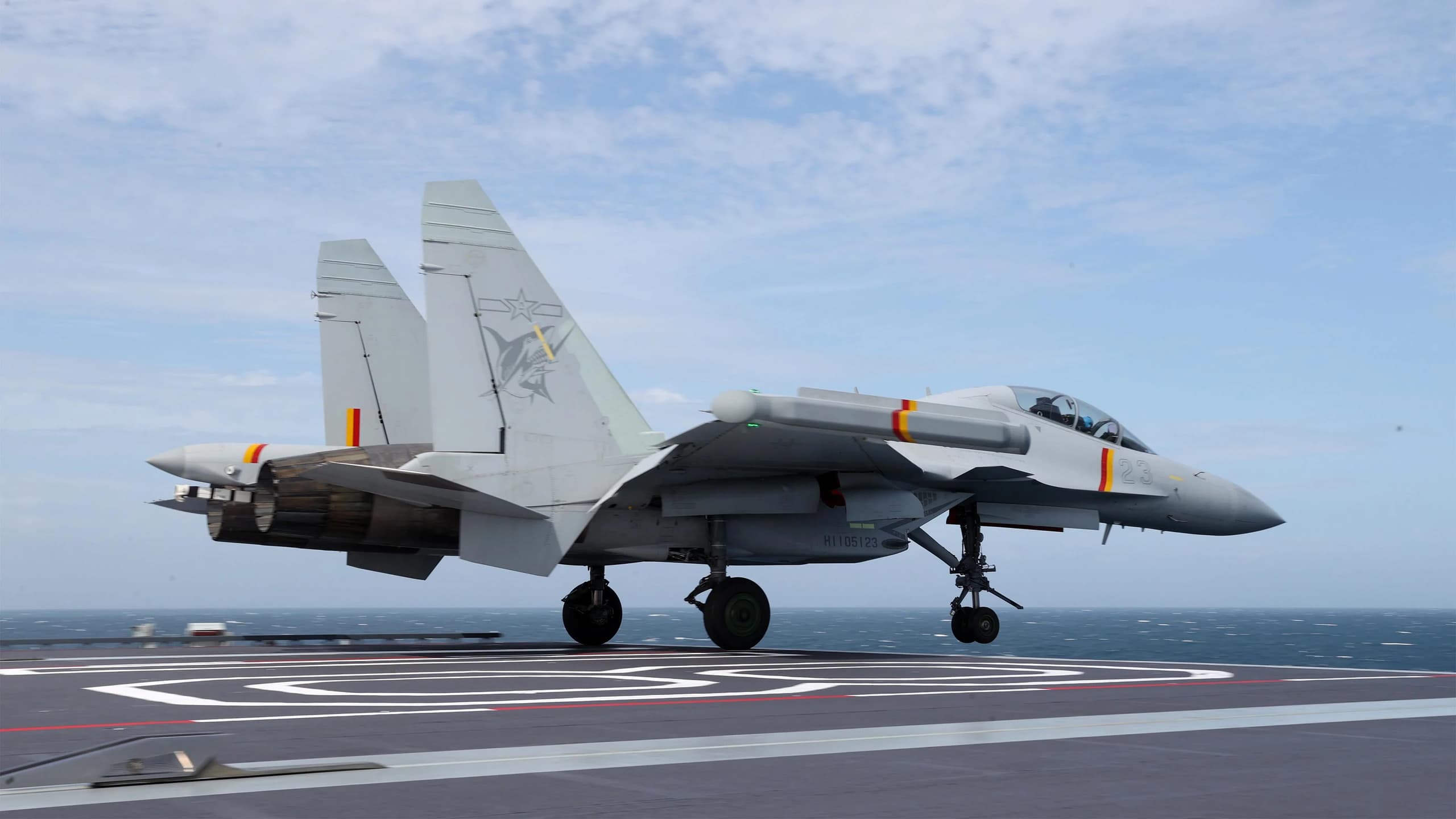
J-15DT is an upgraded version of J-15DH which is the electronic warfare version of J-15 similar to EA-18G Growler. J-15DT has upgraded electronic warfare capabilities and can also engage in strike missions.
J-16
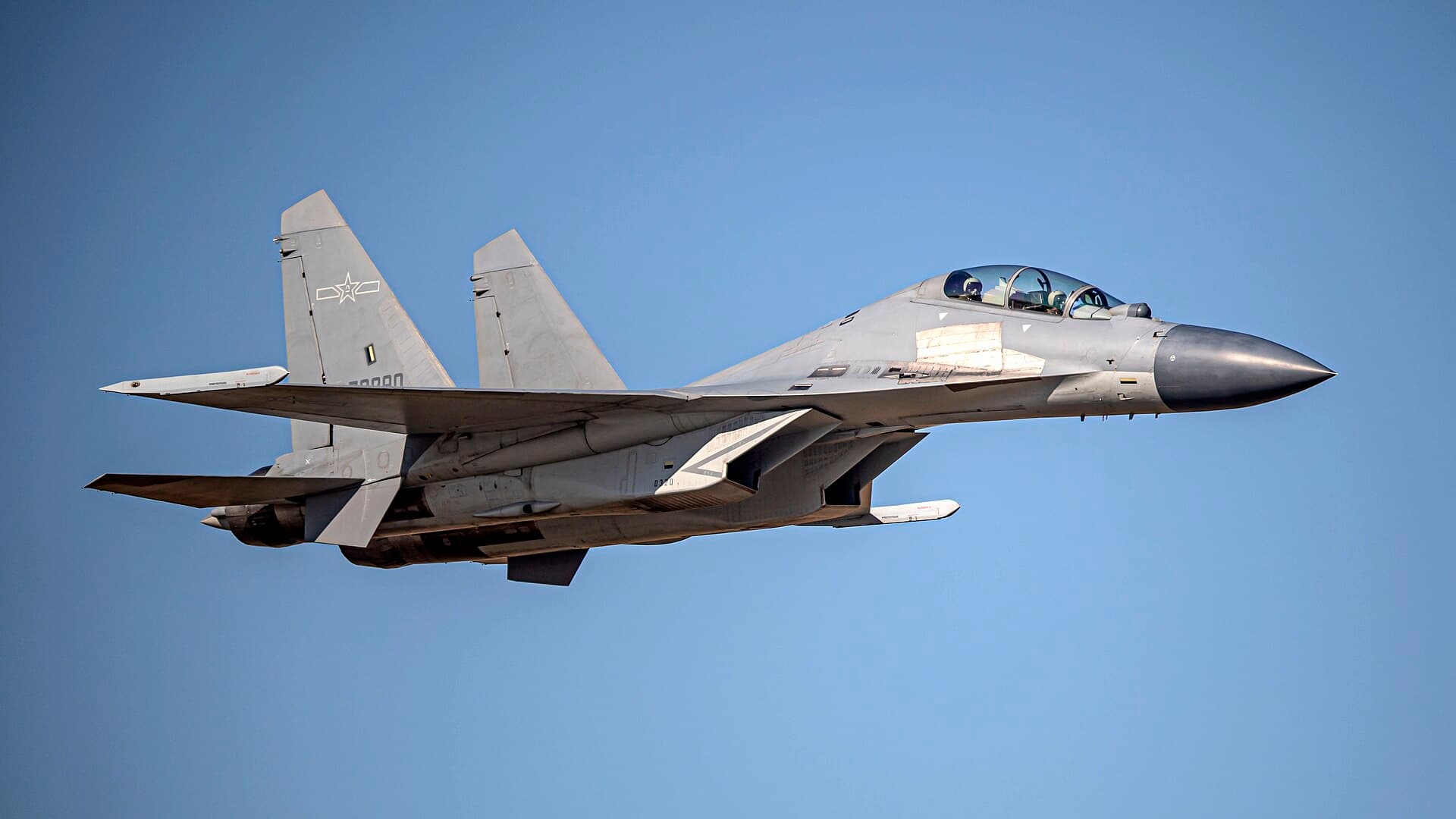
J-16 is a twin engine double seat 4.5th generation strike fighter developed from J-11BS. This version has 12 hardpoints and can carry different types of missiles and bombs. Chinese Air Force operates 330 J-16.
J-16D
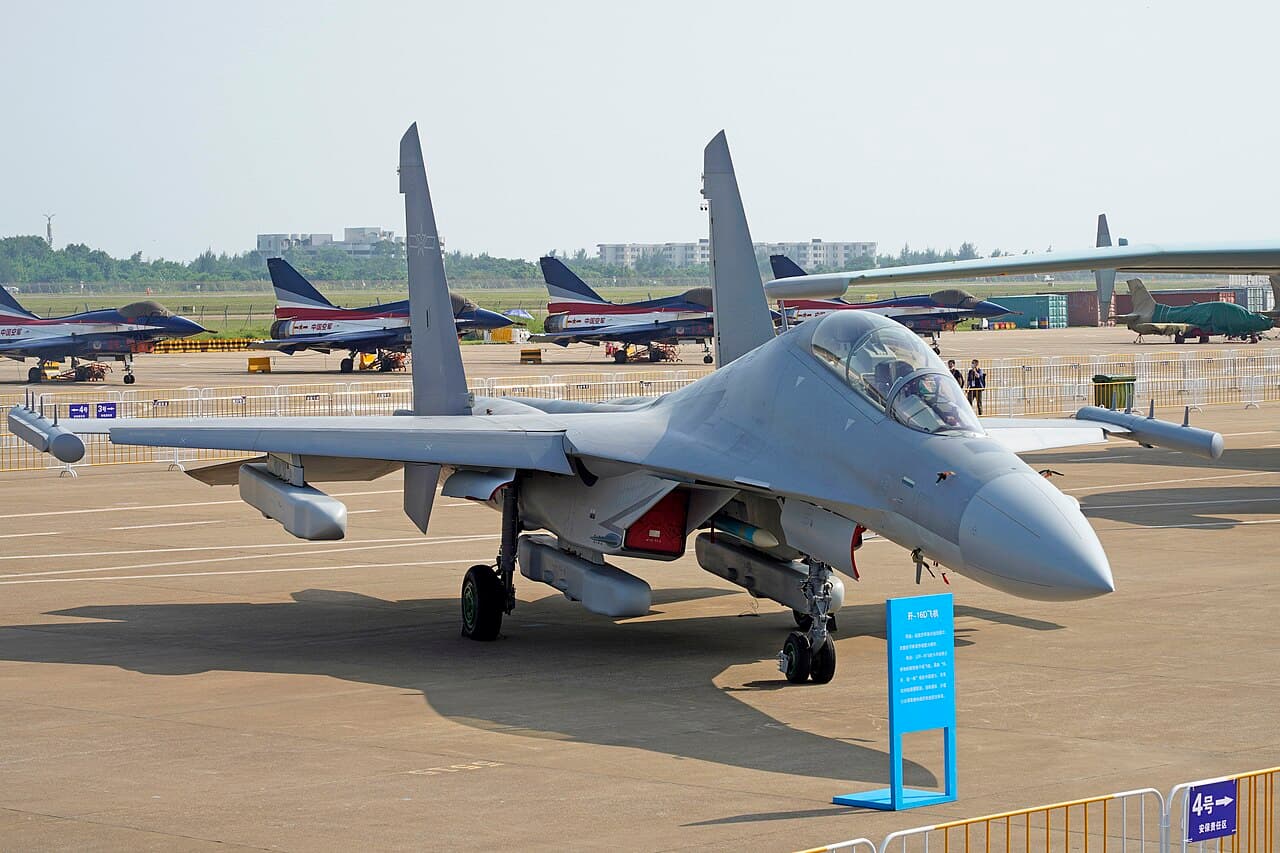
This is the electronic warfare version of J-16 that has its gun and IRST system replaced with electronic warfare systems. It can carry electronic warfare pods and has similar capabilities to J-15DT in terms of electronic warfare.
JF-17A/B Block 2

This is an upgraded version of JF-17A Block 1, the single seat variant is JF-17A Block 2 and the double seat variant is JF-17B Block 2. It has improved avionics and air to air refueling capability alongside better electronic warfare and datalink. Difference between the JF-17B Block 2 and the JF-17A Block 2 is that the JF-17B Block 2 carries fuel in its vertical stabiliser, which the JF-17A Block 2 does not.
JF-17C Block 3
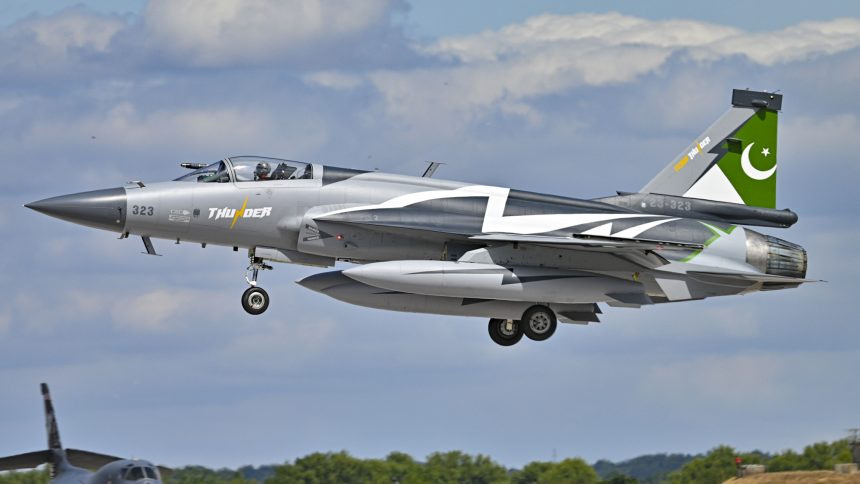
An upgraded version of JF-17 that has better avionics and capabilities. It is equipped with an IRST system, AESA radar, MAWS similar to that of J-10C, J-16, and J-20 and is planned to replace its engine with the better Guizhou WS-13.
J-20
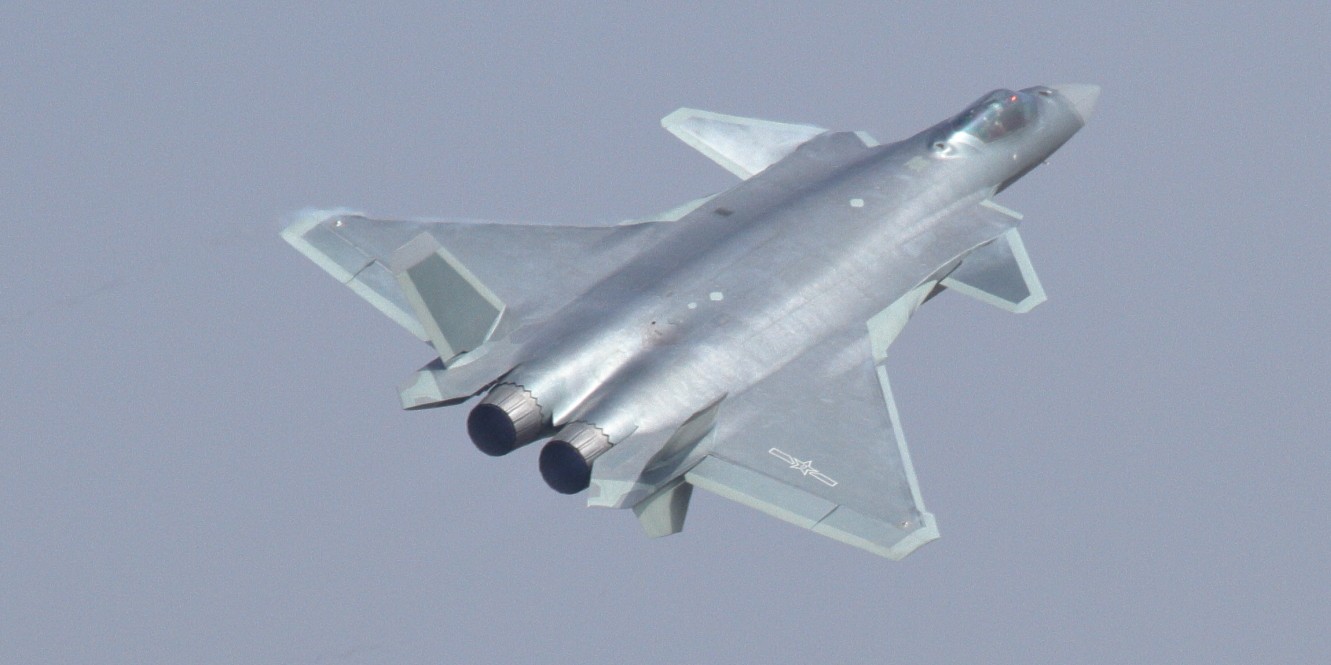
A double engine single seat 5th generation air superiority fighter developed by China. At first it was powered by two Shenyang WS-10B engines but they were replaced with Saturn AL-31FM2 in 2017 and then Shenyang WS-10C and Shenyang WS-10B-3 in 2019.
J-20A
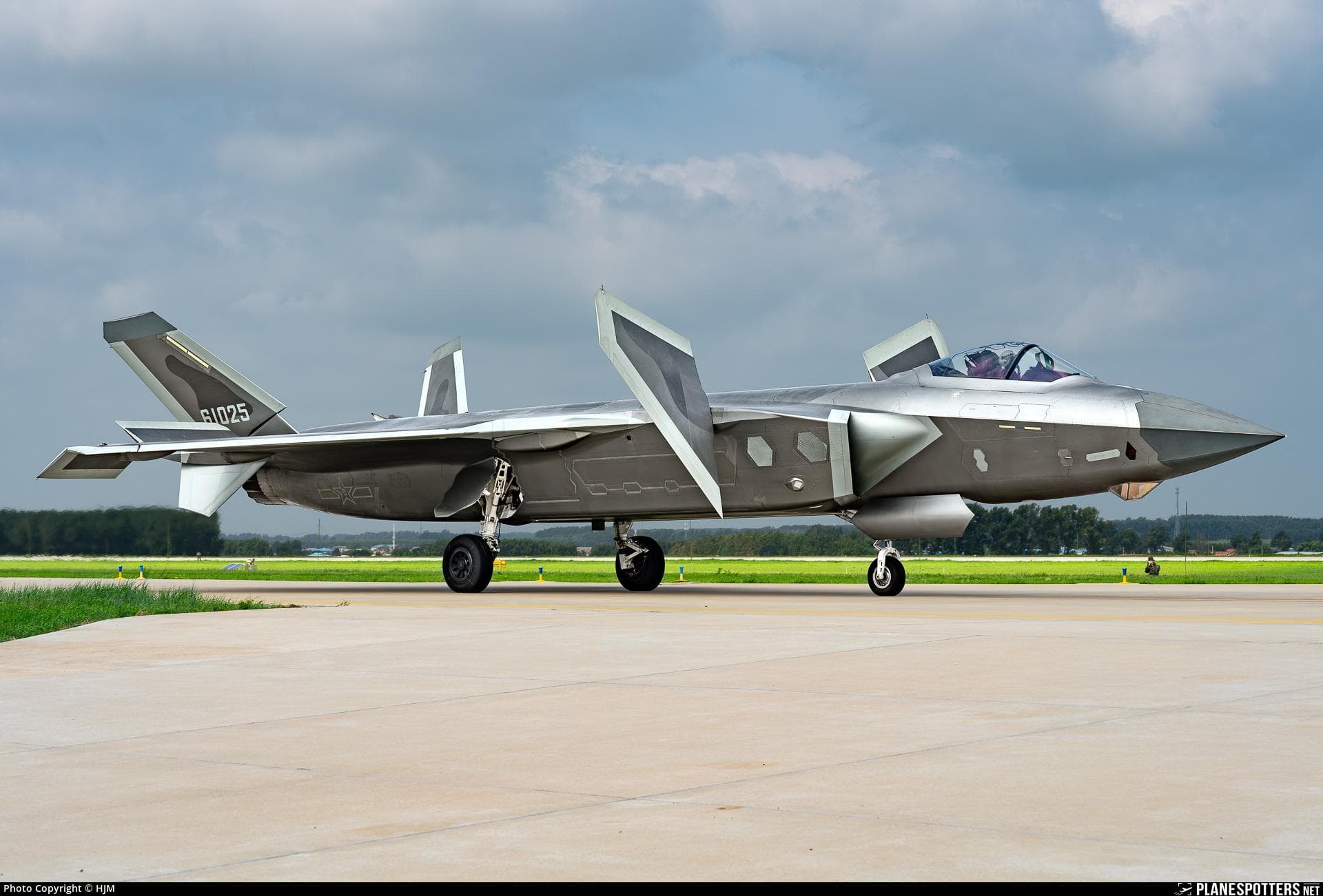
This is an upgraded and modified version of J-20 fitted with a pair of Shenyang WS-15 engines that required some modifications to the intakes and so as a result the cockpit on this variant is a bit more raised compared to J-20.
J-20S
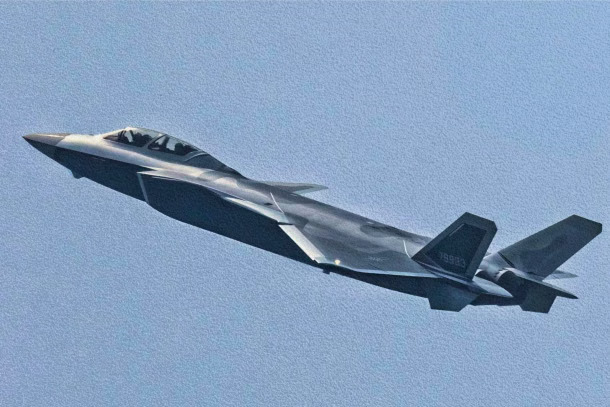
J-20S is the double seat variant of J-20. In October 2022, Chinese media showcased the concept of the J-20 two-seater controlling stealth Hongdu GJ-11 unmanned combat aerial vehicle, and the back seat is designated for the weapons officer. It could also potentially manage the LJ-1, a low-end modular drone platform.
J-35 Blue Shark
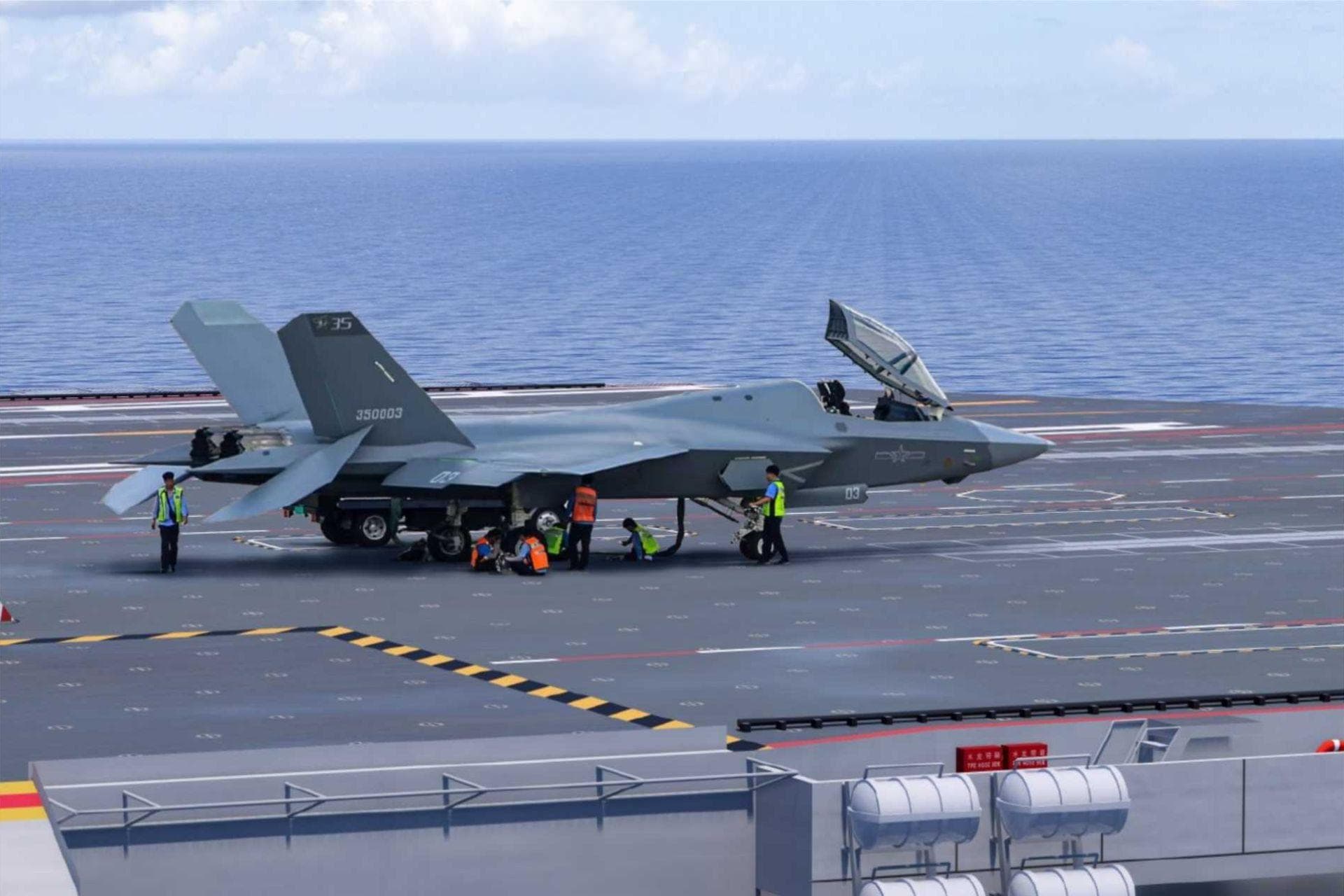
J-35 Blue Shark is the Naval version of J-35 which is a double engine 5th generation multi role fighter with 6 internal and 6 external hardpoints capable of carrying up to 8,000 kilograms (18,000 lb) total weapons payload including different types of missiles and bombs.
J-35A Cloud Dragon
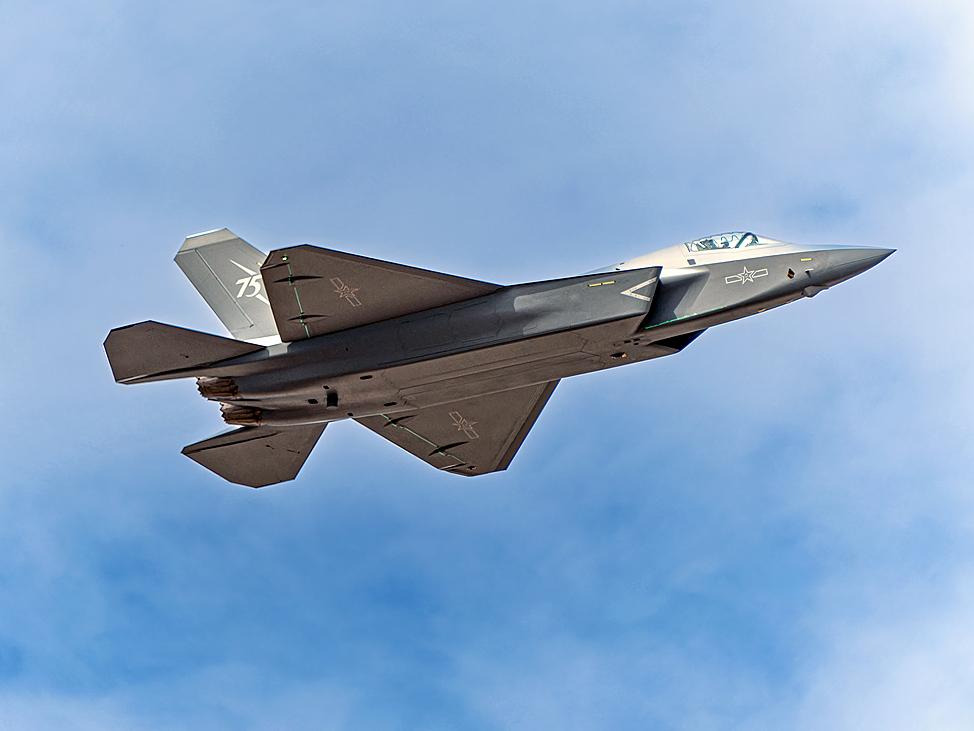
This is a land based version of J-35 built for the Chinese Air Force.
J-31B Gyrfalcon
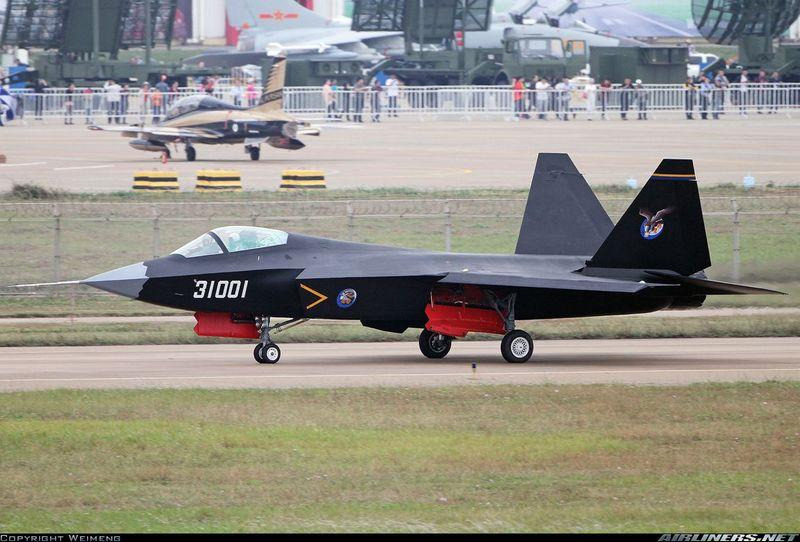
Variant unveiled by Chinese state media in July 2024. The J-31B was depicted in the video as significantly larger than the FC-31 prototype, and will have side weapon bays each capable of carrying at least two missiles in addition to a main bay. The aircraft was reported by Nikkei as being a naval variant, stating that it is expected to be deployed on the aircraft carrier Fujian. However, an expert quoted by South China Morning Post believed that the J-31B is more likely intended for the People’s Liberation Army Air Force.
.
China Helicopter
Z-11WB
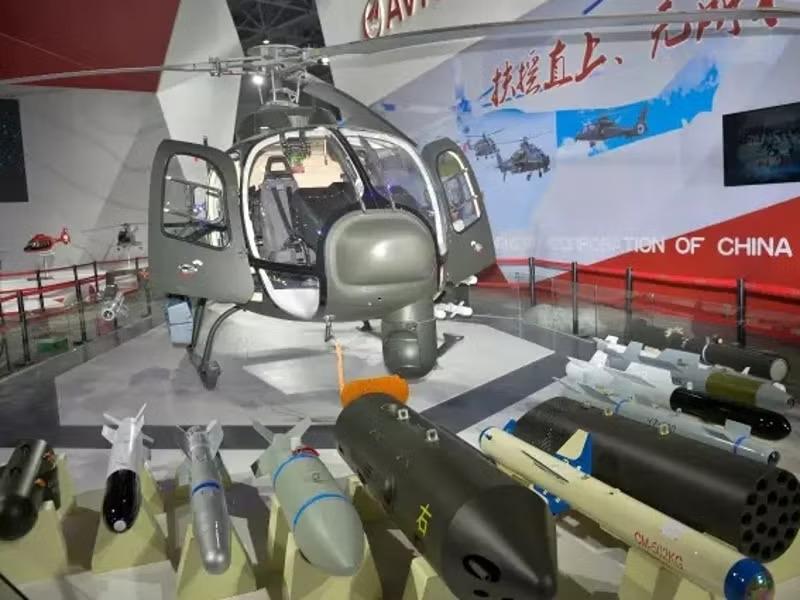
Attack/reconnaissance helicopter developed from the AC311 platform. The first flight was on 28 September 2015. Officially unveiled at Zhuhai Airshow on 1 November 2016. Enhanced attack/reconnaissance variant with a new EO ball, redesigned cockpit, SW-6 UAV, and pylons for weapons.
Z-20T
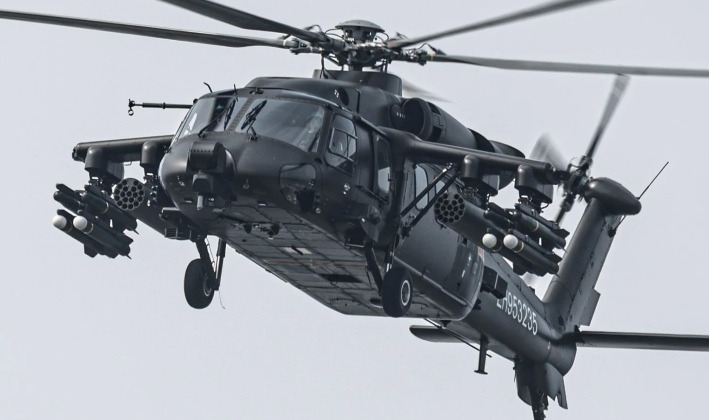
Armed assault variant of Z-20 featuring stub wings with two hardpoints each for weapons and targeting sensors, used by PLA Army.
Z-21
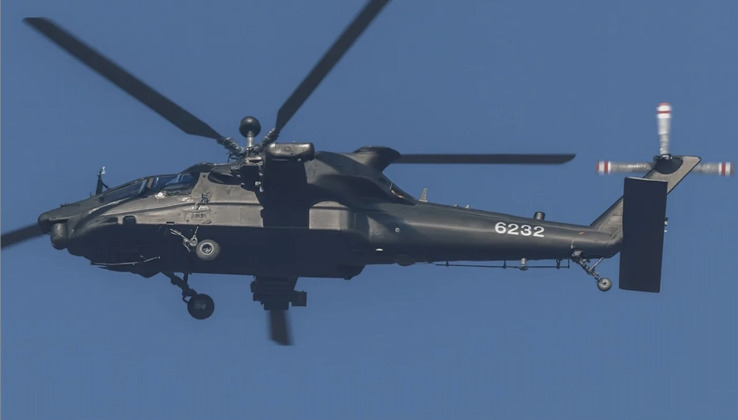
A dedicated attack helicopter based on the Z-20 airframe. The Z-21 has a tail section and rotor configuration similar to the Z-20 but with a thinner fuselage. A tandem cockpit replaces the side-by-side seating on the original, and a 23 mm autocannon is mounted below. A cheek fairing is added for additional ammunition and avionics. A mmW radar is mounted on top of the rotor mast. The engine is rated at 1,790 kW (2,400 shp) with exhaust direction is changed to upward-facing, reducing the infrared signature. Six hard points on the stub wings to provide more firepower than the Changhe Z-10. The helicopter was first observed in China in March 2024.
.
China Ground
ZTZ99B
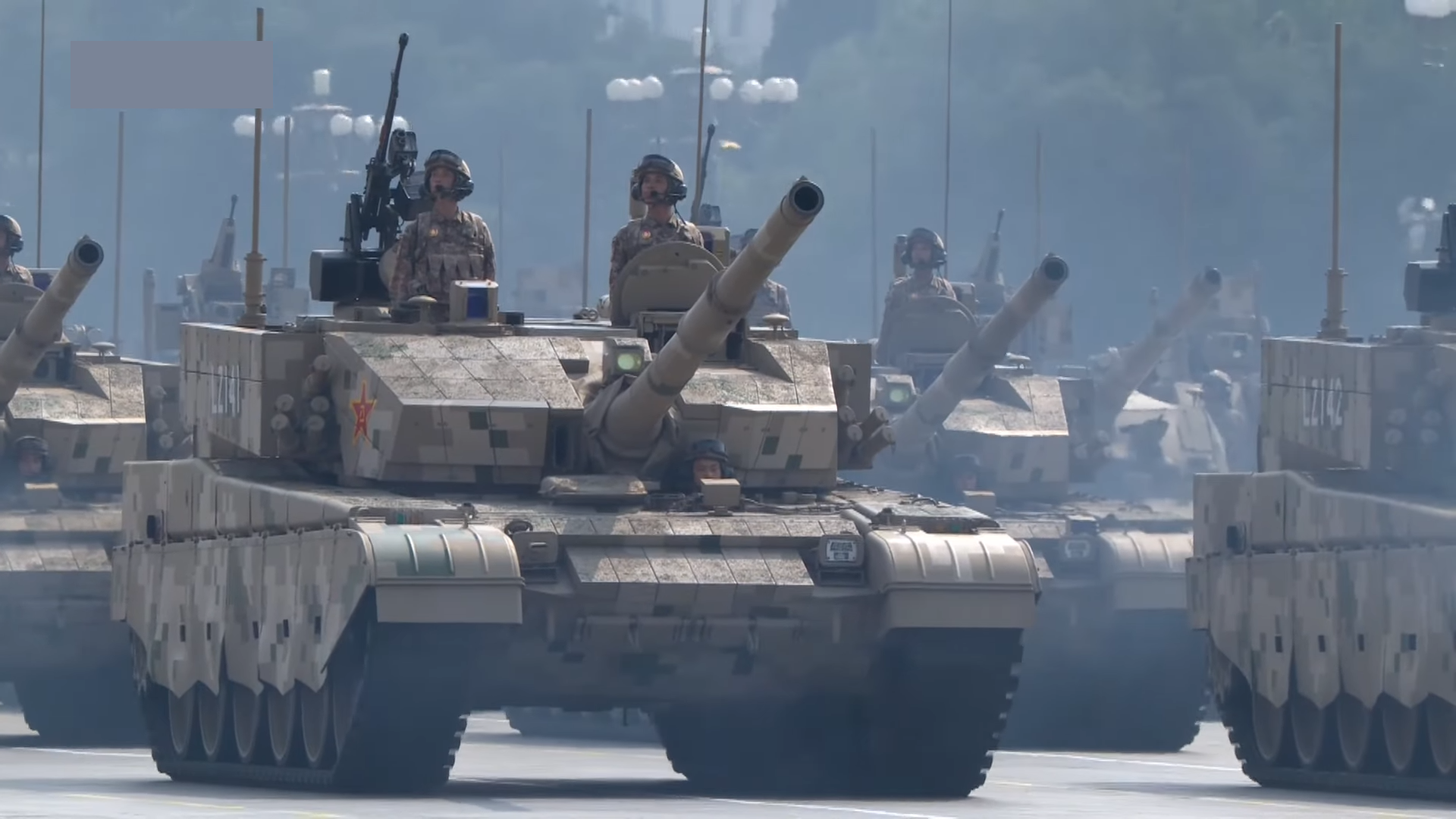
In 2024, the Type 99B prototype, fitted with two GL-6 APS launchers and four radars, was spotted in China. Improvements include with new and improved explosive reactive armor modules, upgraded information technology and information sharing with other combat vehicles, 360-degree vision system for the crew, updated fire control system with new generation thermal optics, and new photoelectric and sensor systems for improved battlefield awareness. Some versions are noted to be equipped with a remote-controlled weapon station (RCWS) for the commander and lacking the GL-6 hard kill APS launchers.
ZTZ100
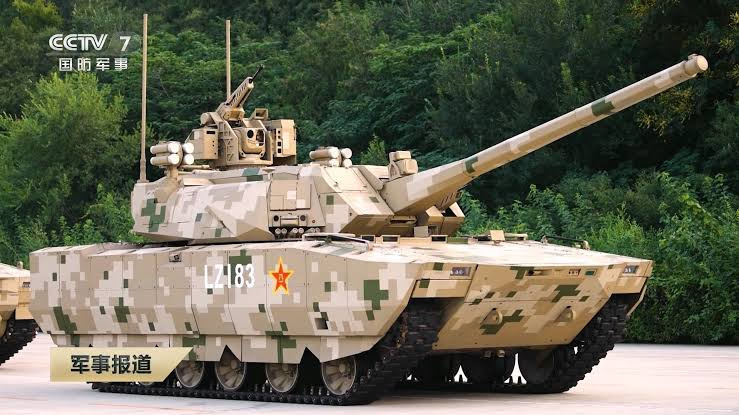
It is a Chinese 4th-generation main battle tank. The tank was first officially seen in public in mid August 2025 during rehearsals for the then upcoming Victory Day Parade. ZTZ100 is armed with an autoloaded 105 mm main gun within an unmanned turret. Due to advancements in propellant and kinetic delivery technologies, which allow APFSDS rounds to achieve a reported muzzle velocity of roughly 1,706 m/s (5,600 ft/s), the 105 mm gun is reported to be comparable to the larger 120 mm and 125 mm smoothbore guns in terms of general performance. The Type 100 also features a coaxial QJY-201 7.62mm general-purpose machine gun, and a remote weapons station (RWS) on top of the turret with a 12.7 mm heavy machine gun, which has optical and thermal imaging systems for air defence against drones.
ZTZ100 Support Vehicle
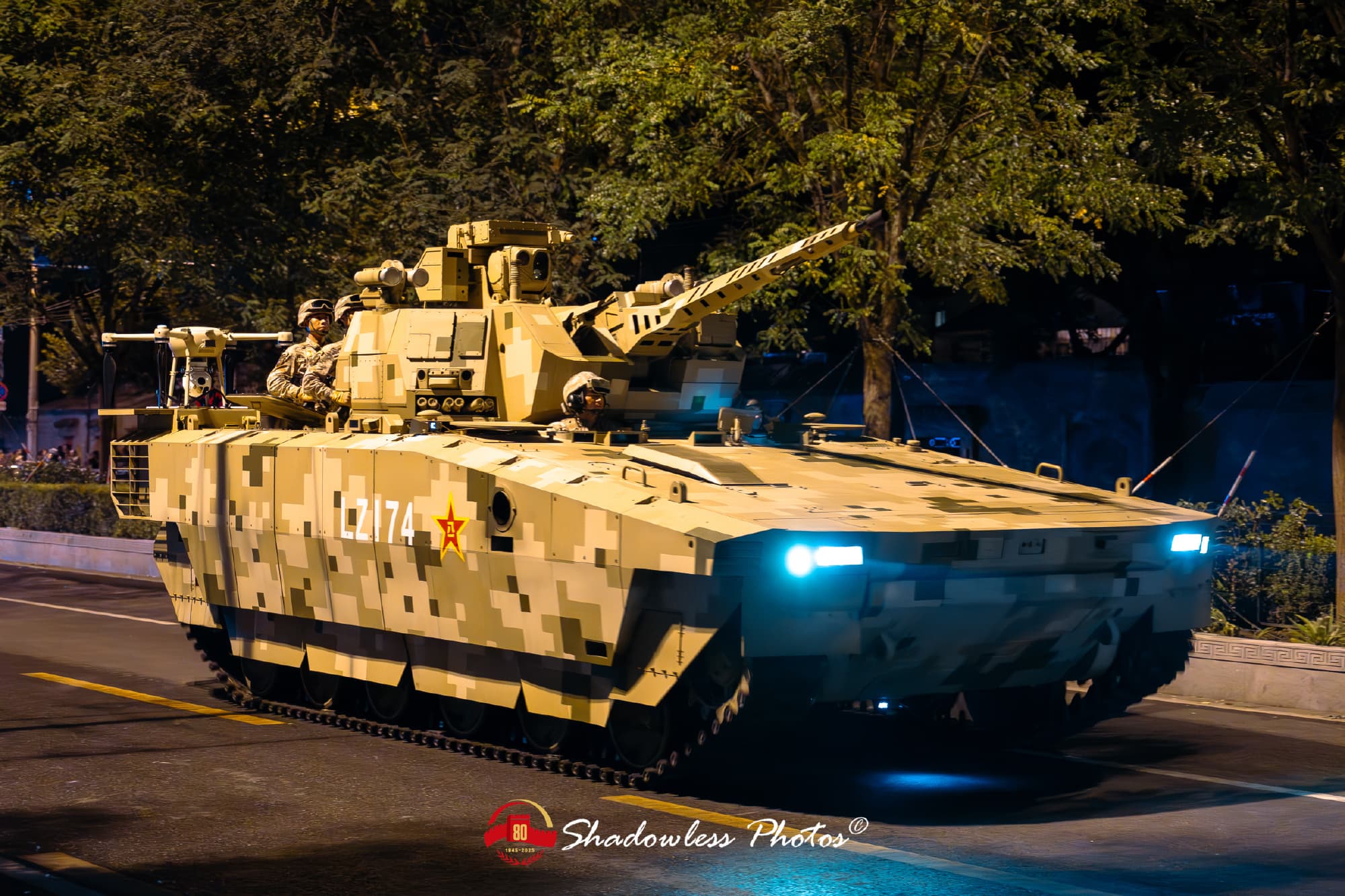
A fire support vehicle based on the chassis of ZTZ100 similar to T-15 and T-14 Armata, equipped with a 35 mm gun in an unmanned turret and an APS and ATGMs.
ZTQ15
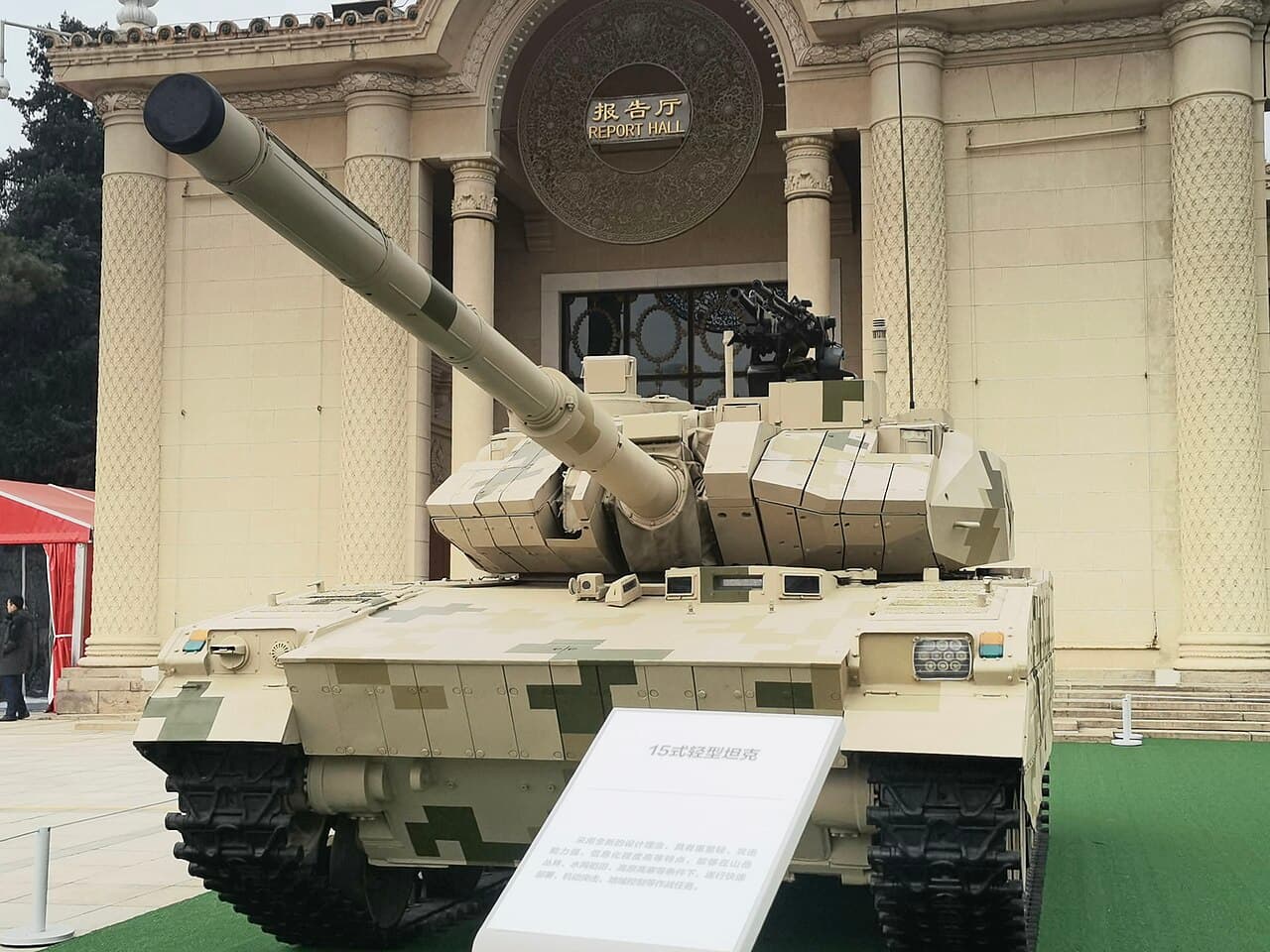
This is the version of VT5 in use by the Chinese Army (VT5 is the exporrt version of this tank) and is practically the same as the VT5 we already have in game. This can be a tech tree version of VT5.
ZBL19
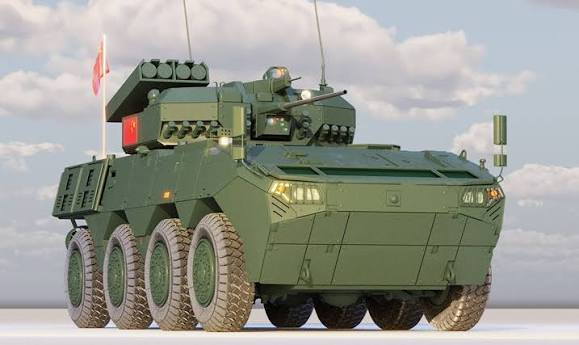
A Chinese wheeled IFV equipped with a 30 mm gun and 4 HJ-16 ATGMs with fire and forget launch mode, TV/thermal dual-mode seeker, inertial guidance, man-in-the-loop target datalink, 10 km (6.2 mi) of range, and armor penetration capability of 1000 mm. The missile can attack helicopters and target ground vehicles from top-attack angles.
ZTL19
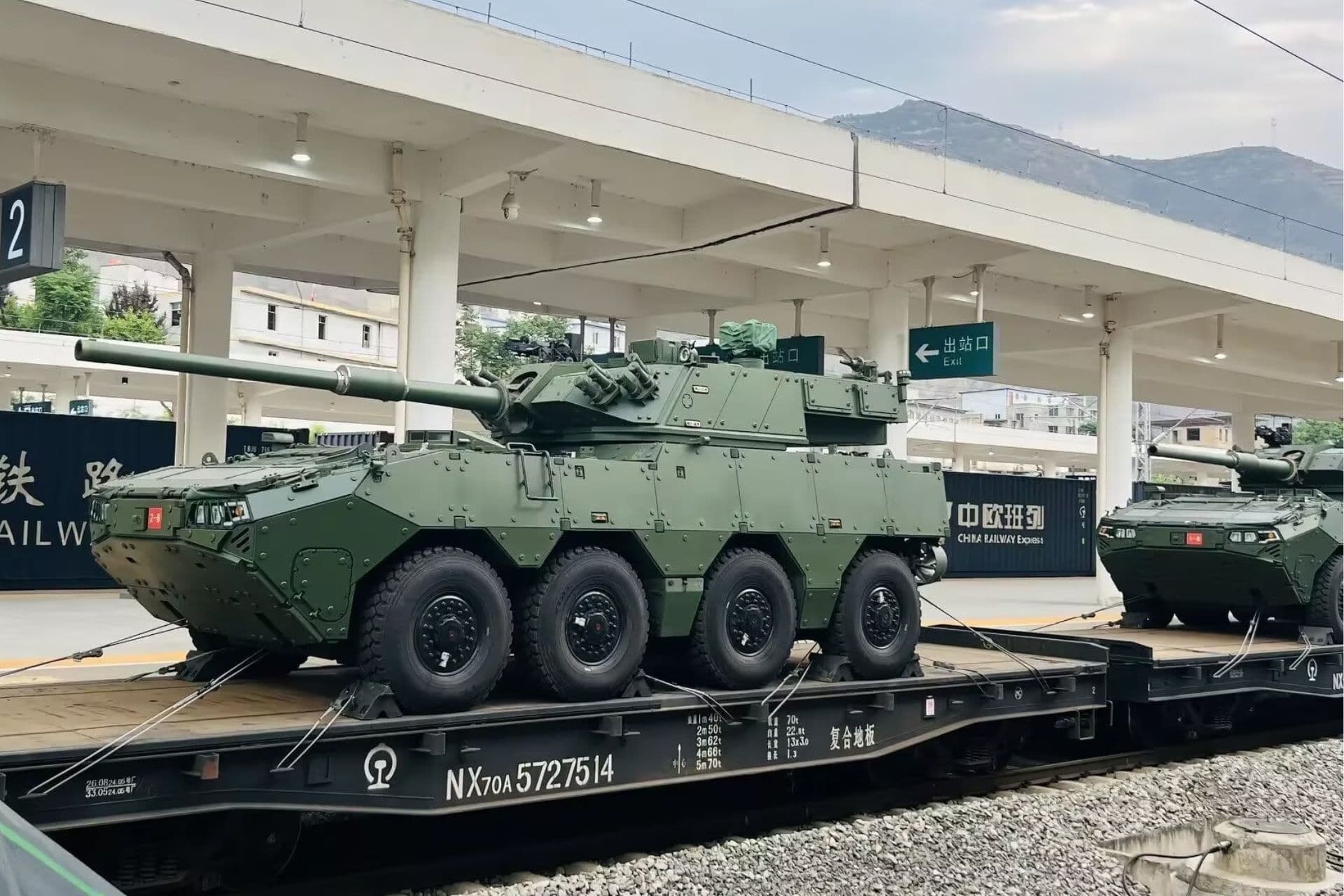
This is a variant of ZBL19 equipped with a 105 mm gun instead of the 30 mm gun and ATGMs that ZBL19 has. This variant is also known as ZBL19 Fire Support Vehicle (FSV).
VN20
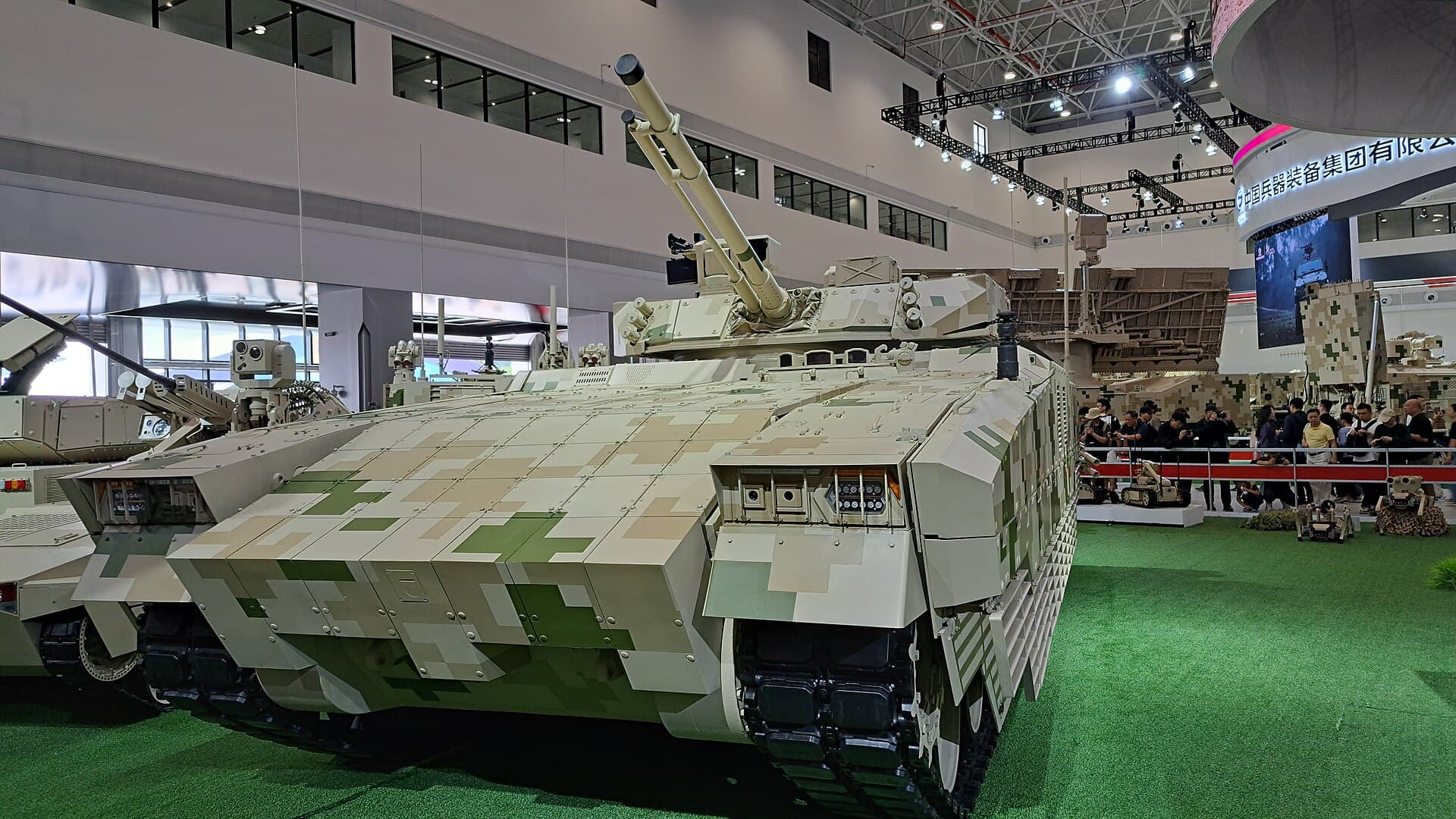
VN20 is an IFV based on the VT4 chassis and it was advertised with 2 different turrets, the exhibit was fitted with 30mm autocannon RCWS, which also houses a coaxial machine gun and a missile launcher, and the catalogue video that showed a 2-man turret which consists of a 100mm cannon and a 30mm autocannon similar to a BMP-3/ZBD-04. The turret also fits HJ-12 launchers and a smaller RCWS mounted on top and an early version was shown as a tabletop model in the UAE.
ZBD05
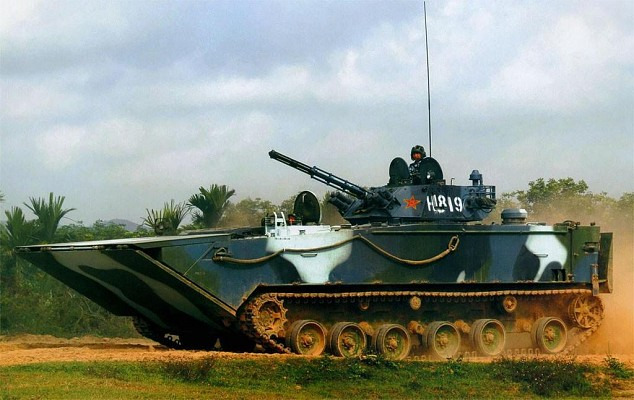
ZBD05 is a Chinese tracked amphibious IFV equipped with a 30 mm gun and HJ-73C ATGMs which are SACLOS version of Soviet 9M14 Malyutka ATGM equipped with tandem HEAT warhead to penetrate vehicles protected by ERA. Launcher is equipped with thermals.
ZTD05/ZLT05

This is the fire support version of ZBD05 equipped with the ZPL98A 105mm low recoil rifled gun and QJC-88 12.7mm anti aircraft machine gun. An improved variant, designated ZLT-05A, has upgraded computer system and digital terminals accessible for driver, gunner, and commander.
ZBD05 HQ13
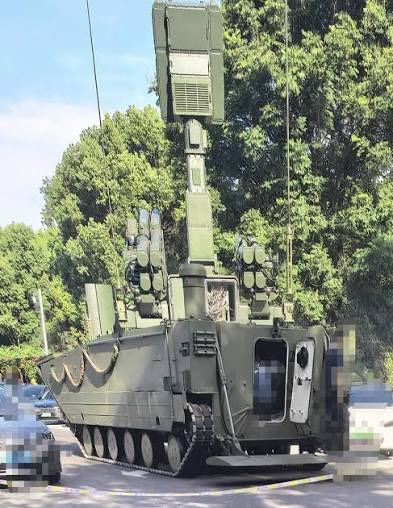
China has mounted HQ13 missiles and a radar system on a ZBD05 chassis to create an amphibious air defense vehicle.
SWS2/LD35
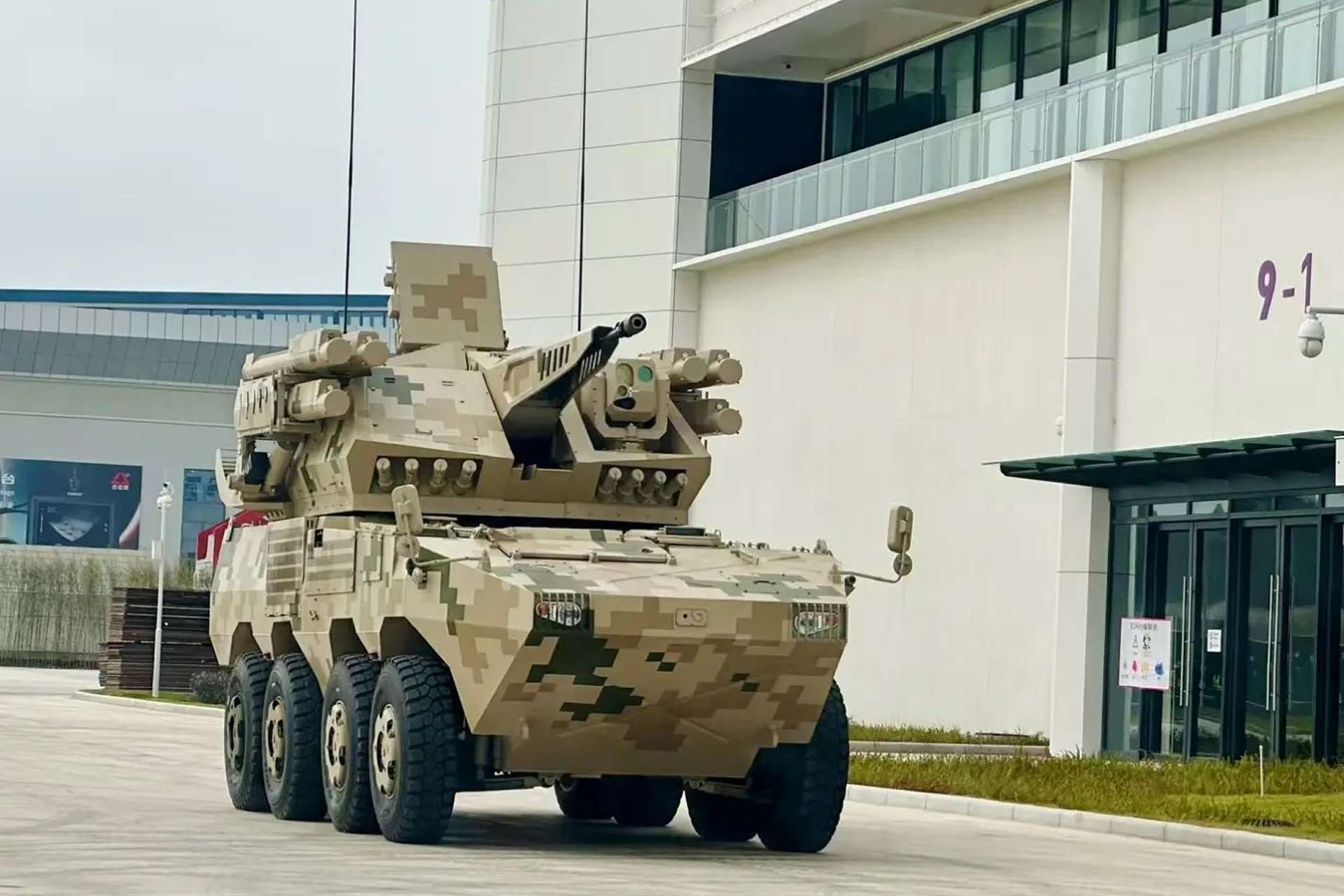
SWS2 also known as LD35 is an anti air defense vehicle equipped with a 35 mm autocannon and either four TY-90 missiles or six FB-10A missiles.
CS/MPQ-90 Bee Eye with TC-2
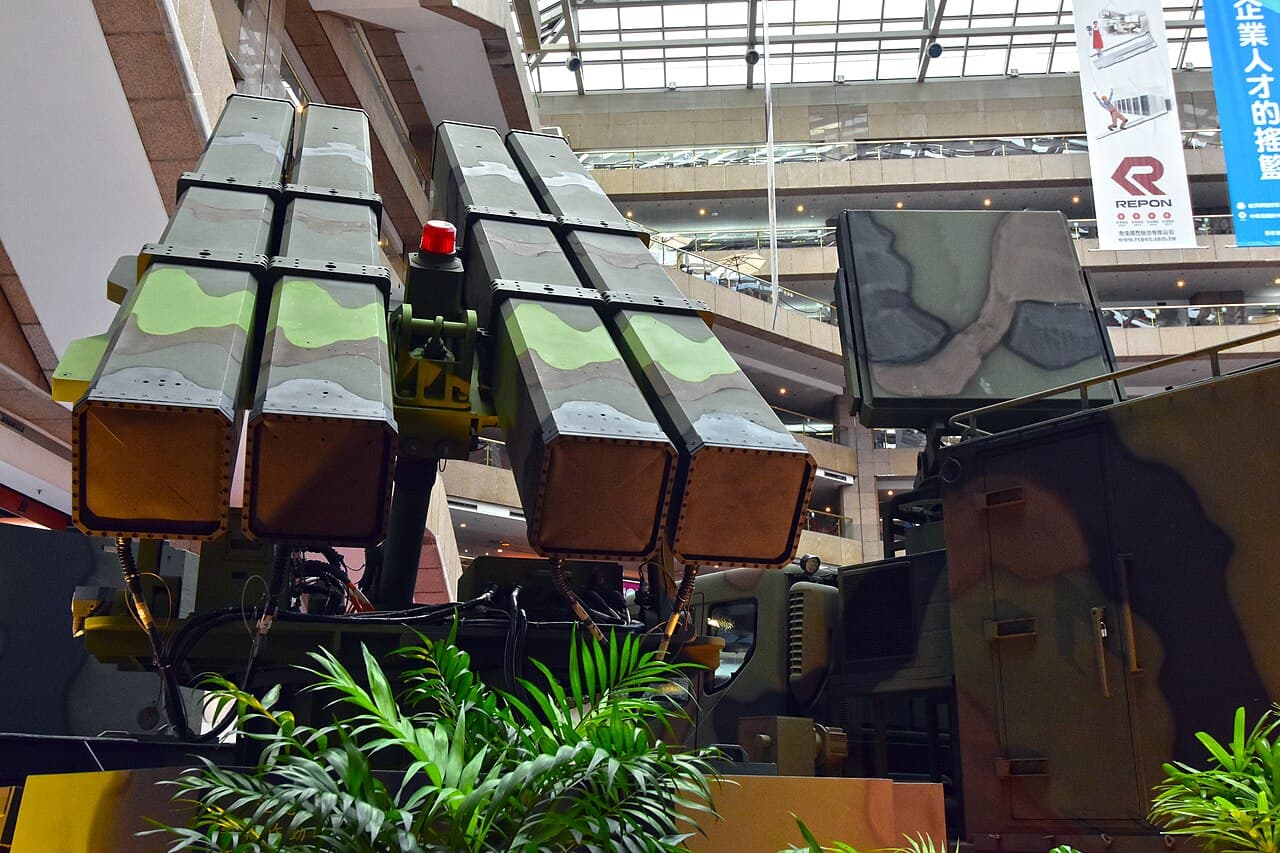
CS/MPQ-90 Bee Eye is a Taiwanese radar system that can be paired with the TC-2 Sky Sword II anti air missiles.
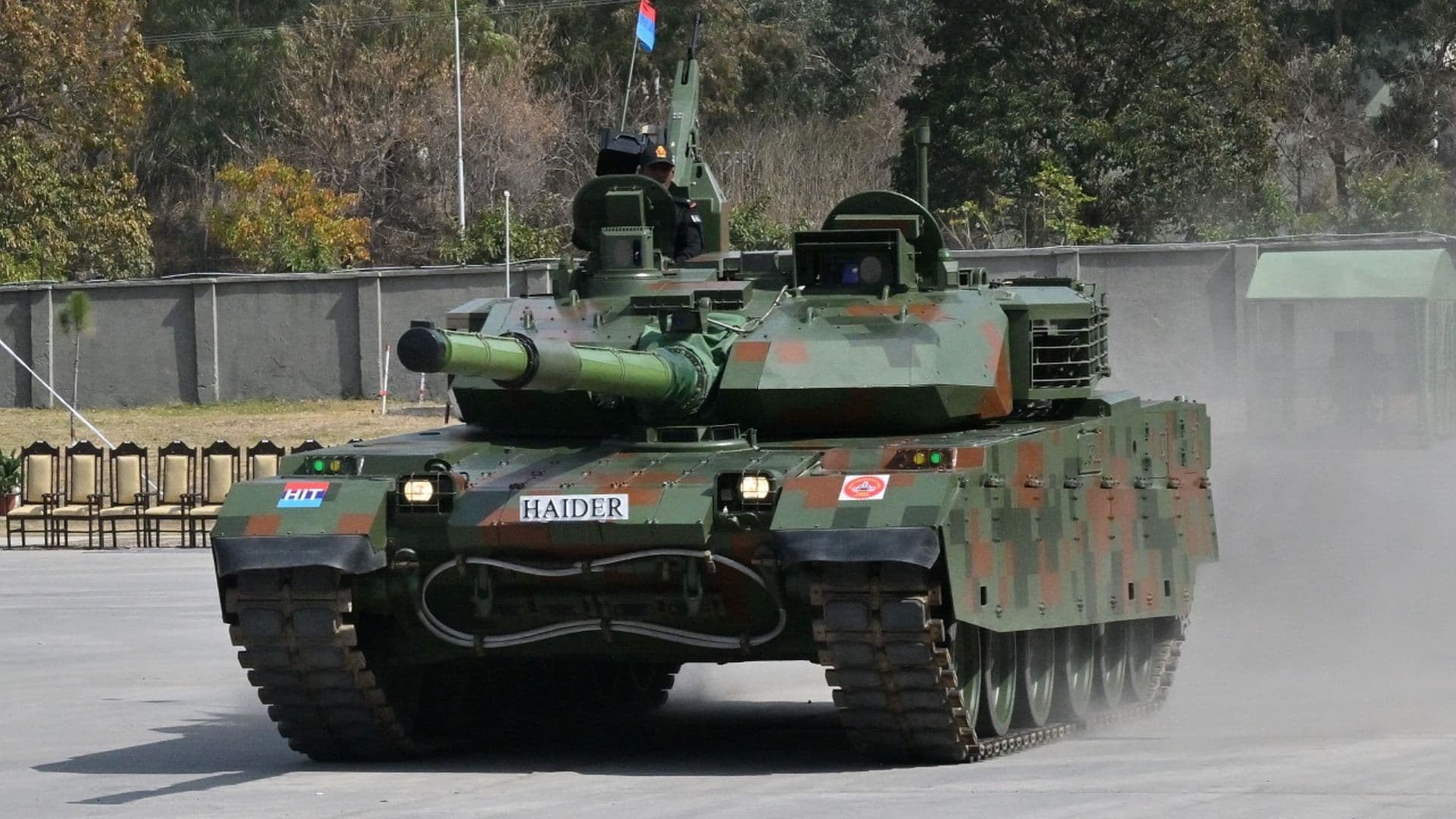
Italy
Italy
.
Italy Air
Eurofighter Typhoon Tranche 4/4+ (LTE)
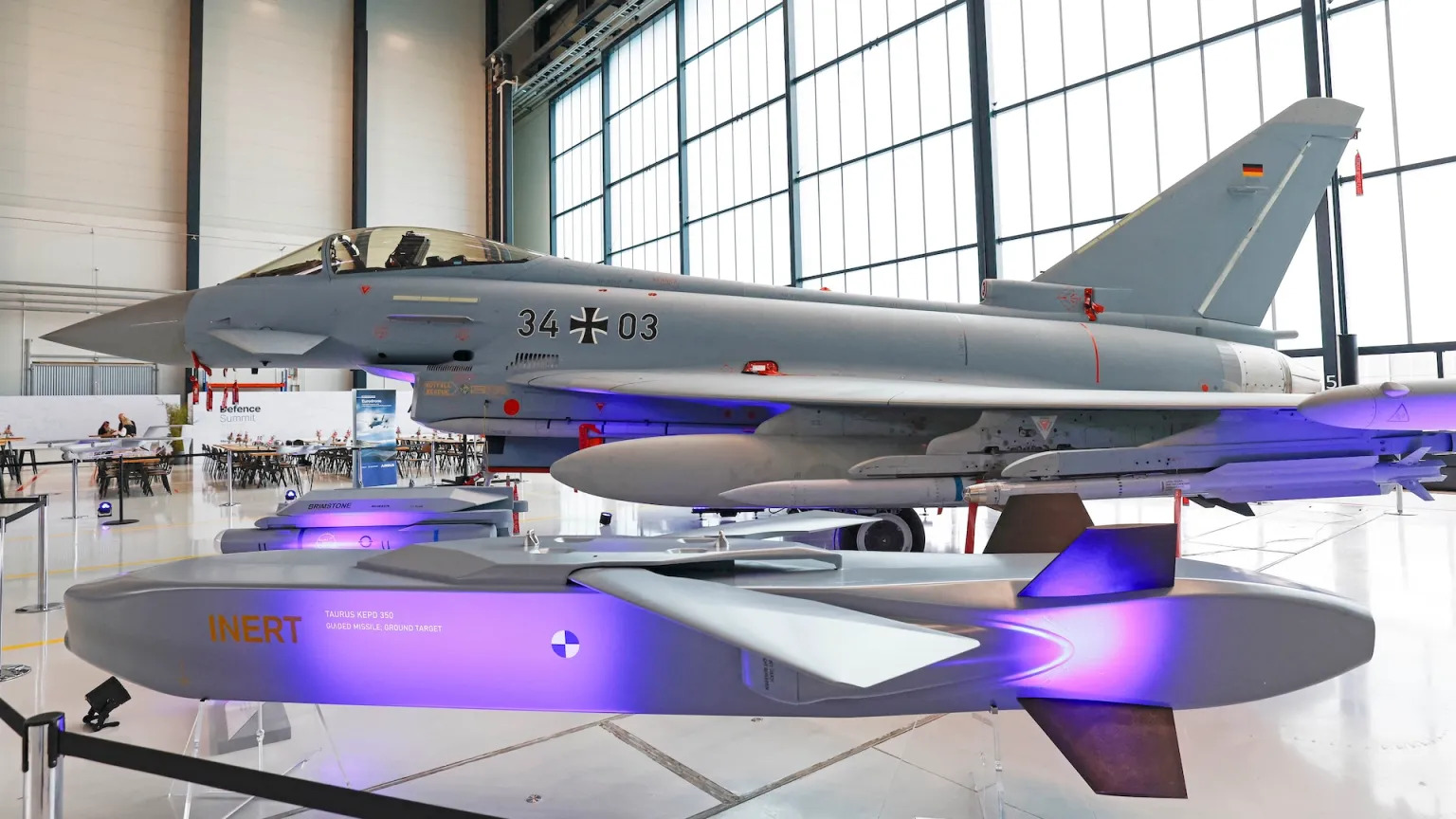
Italy has ordered 24 Tranche 4 and Tranche 4+ LTE (Long Term Evolution) Typhoons to replace its Tranche 1 Typhoons.
.
Italy Helicopter
AW249 Fenice
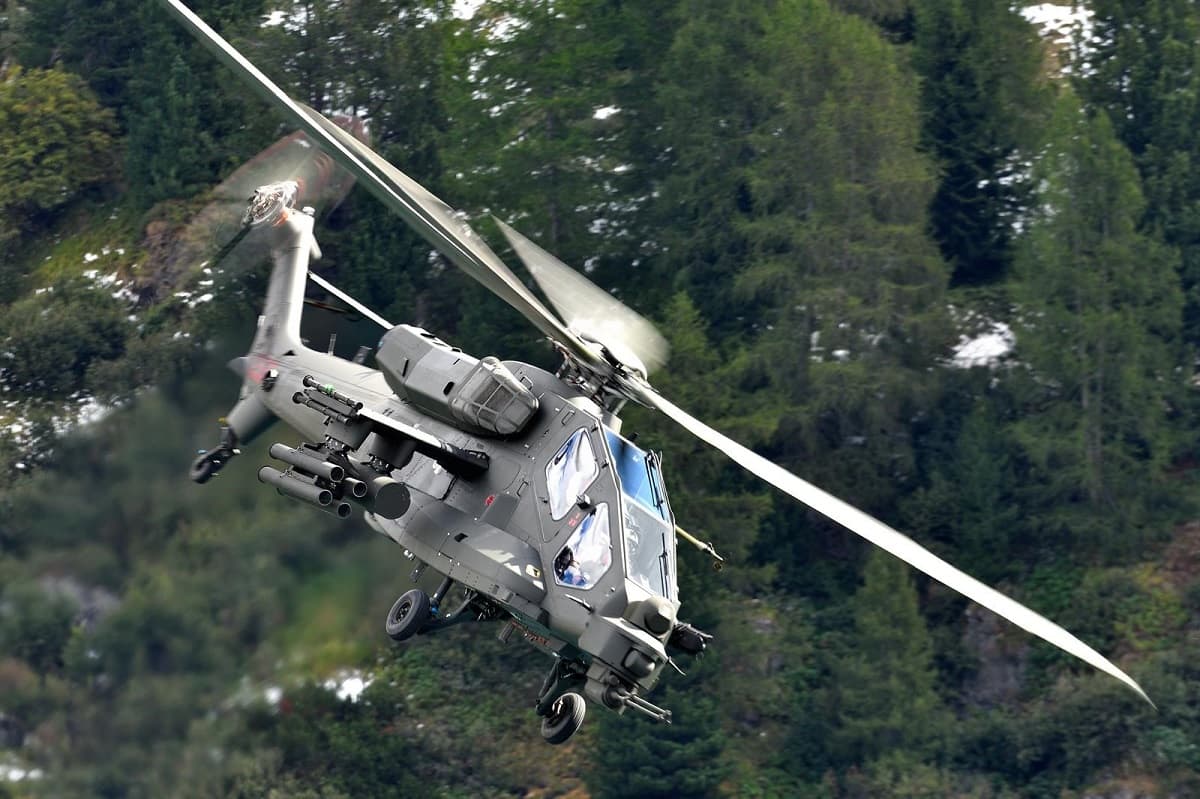
The Leonardo Helicopters AW249 Fenice (English: Phoenix) is an attack helicopter project under development by the Italian firm Leonardo. Development of the AW249 formally started upon receipt of a €487 million contract from the Italian Army as a replacement for the Agusta A129 Mangusta. It is to be larger, more survivable, and have greater autonomy than the Mangusta, incorporating stealth technologies and mission systems to control unmanned aerial vehicles (UAV)s.
.
Italy Ground
Ariete C2
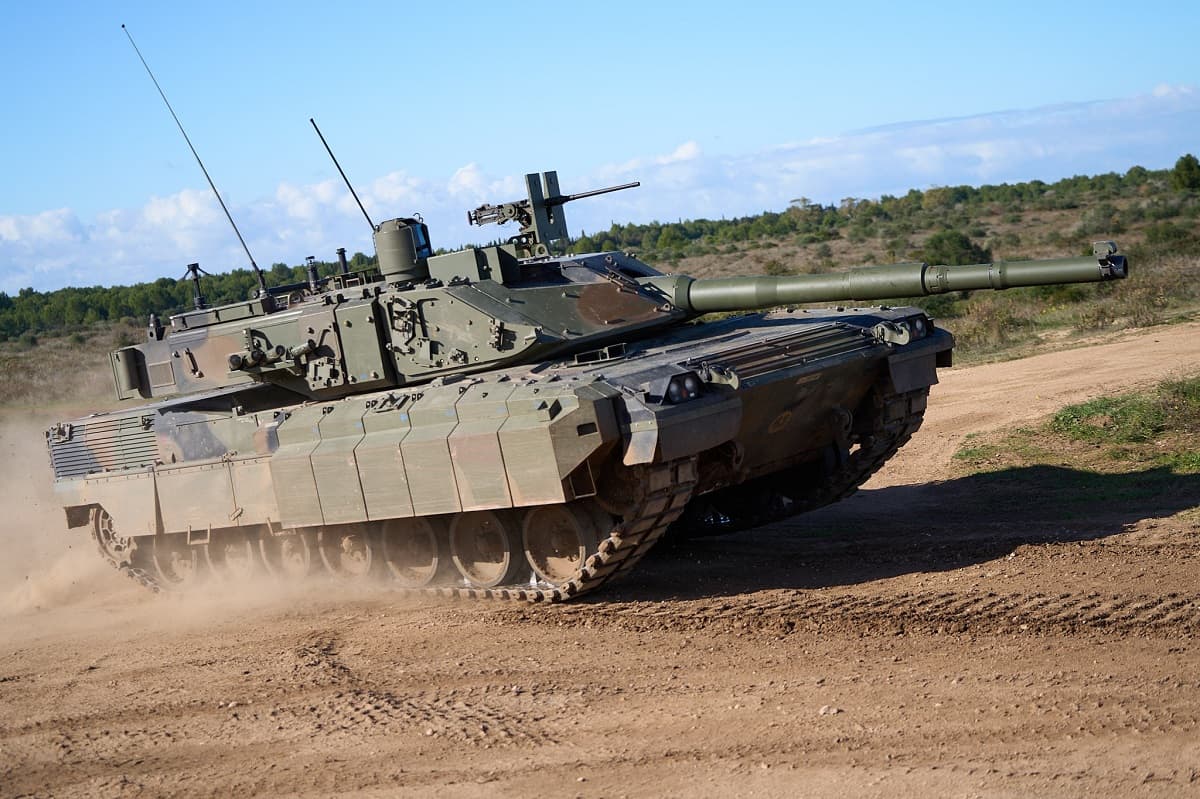
Ariete C2 is an upgraded version of Ariete MBT. Ariete AMV currently in game (according to my research which might be wrong) is from the Aggiornamento di Mezza Vita (“mid-life upgrade”) program and is more or less a prototype but Ariete C2 is the final product of that program and entered service in 2025.
M1A2R
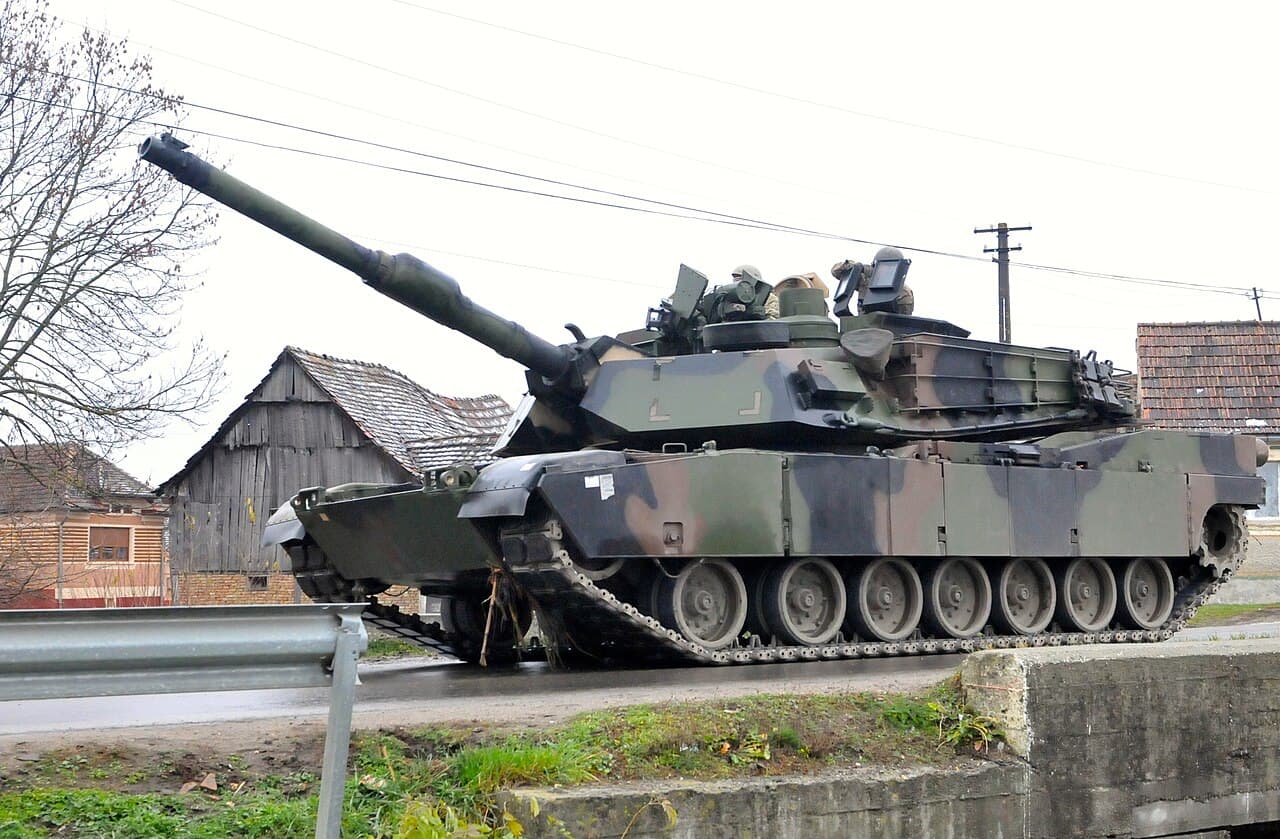
Romania purchased 54 M1A2 SEPv3 tanks in 2023 and the deliveries are supposed to begin in 2026. These tanks will be designated M1A2R (R for Romania).
Panther KF51
Italy previously wanted to purchase Leopard 2A8 but the negotiations failed and Italy shifted its focus towards Rheinmetall and its Panther KF51. Rheinmetall then formed a joint venture with Leonardo in Italy and it is very likely that Italy orders Panther KF51 tanks to be built or assembled in Italy.
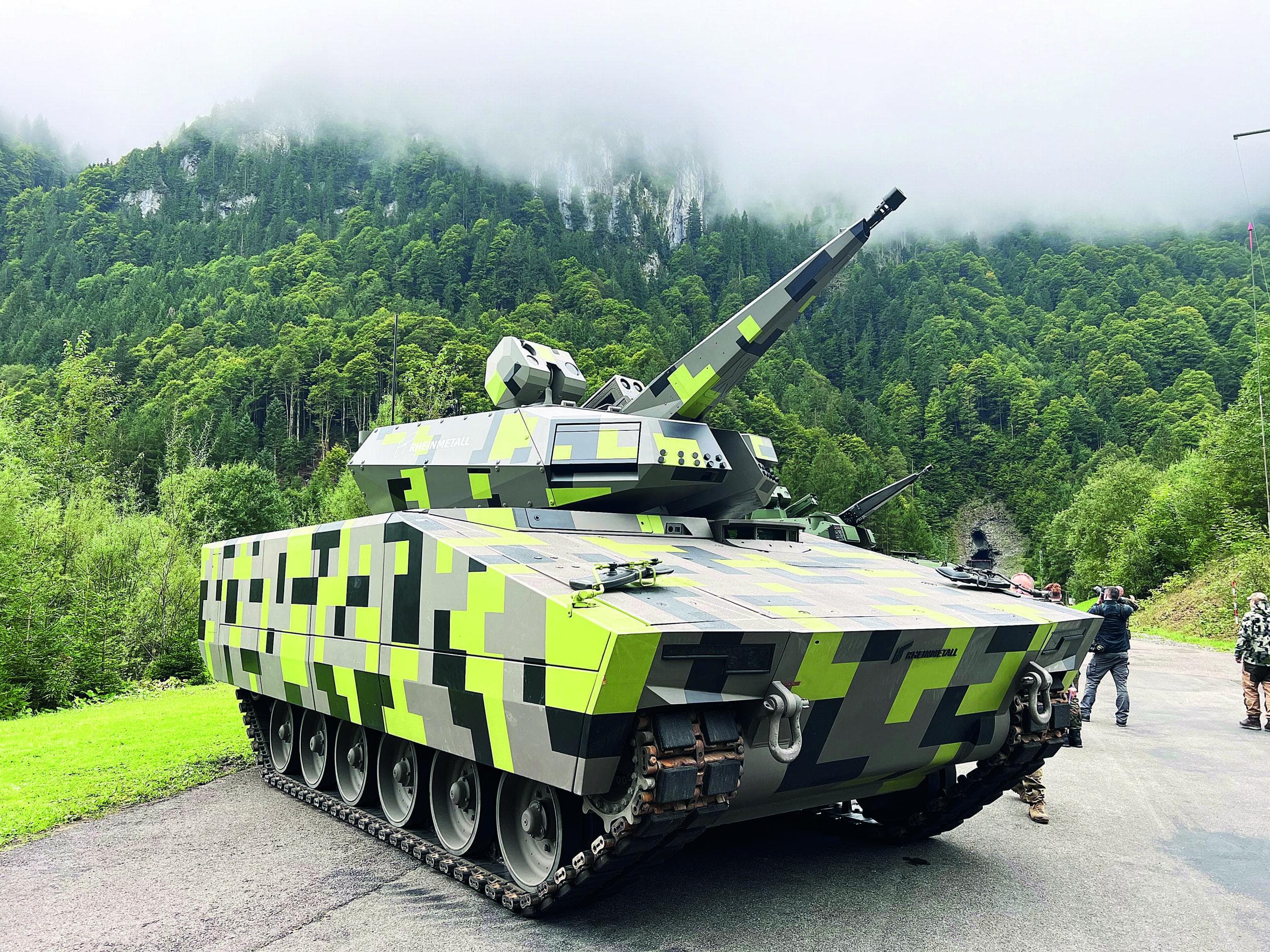
KF41 Lynx Skyranger 35
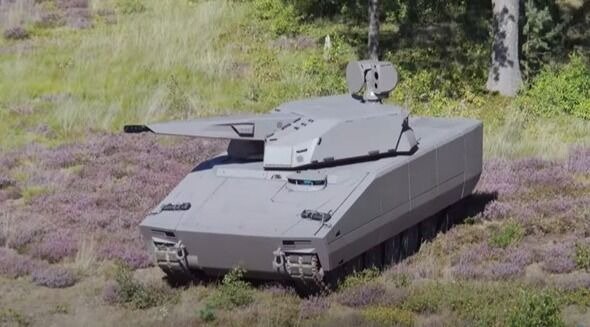
Romania and Rheinmetall signed the contract for 2 batteries of Skyranger 35 in May 2026 (24 systems), they are funded by the SAFE loan initiative, and will be based on the KF41 Lynx platform.
.
Italy Bluewater
Vittorio Veneto
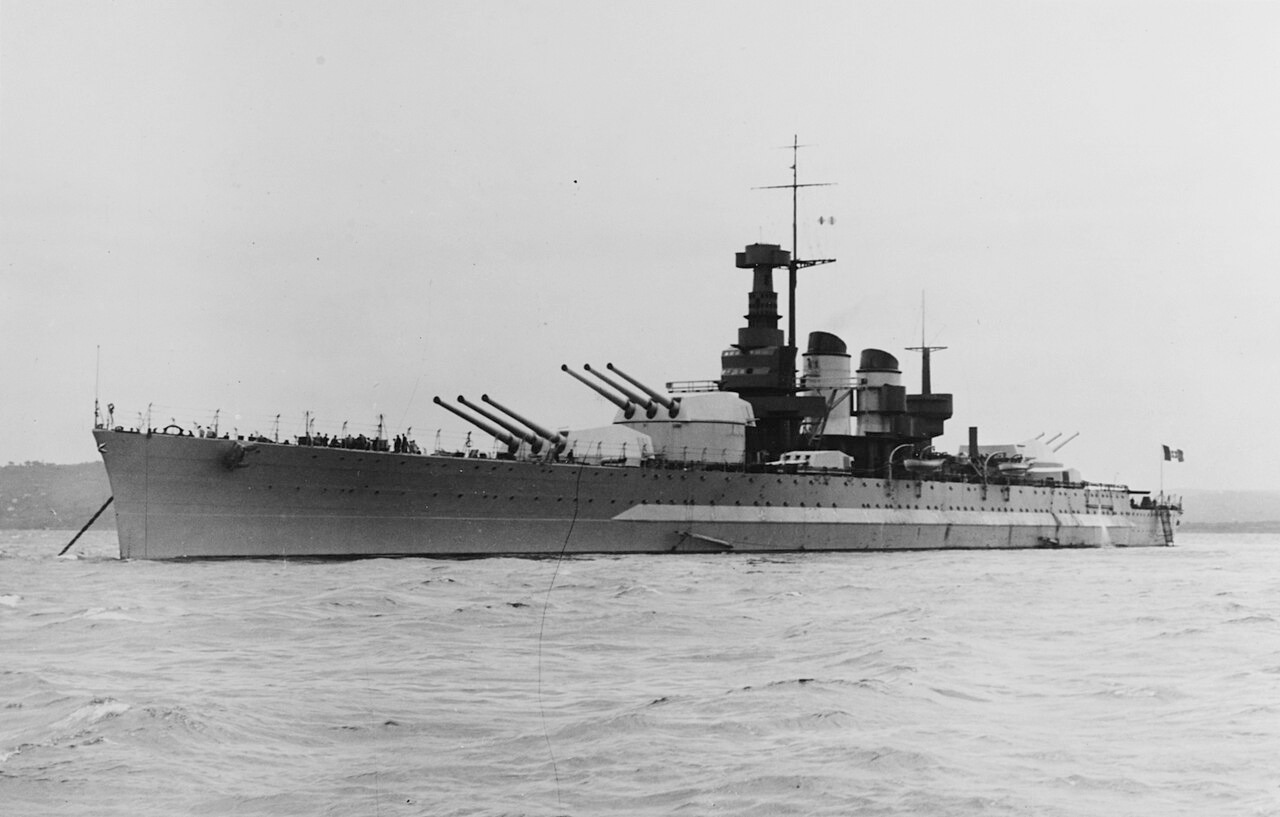
Vittorio Veneto was the second member of the Littorio class battleship that served in the Italian Regia Marina (Royal Navy) during World War II. The ship’s keel was laid down in October 1934, launched in July 1937, and readied for service with the Italian fleet by August 1940. She was named after the Italian victory at Vittorio Veneto during World War I, and she had three sister ships: Littorio, Roma, and Impero, though only Littorio and Roma were completed during the war.
Giulio Cesare
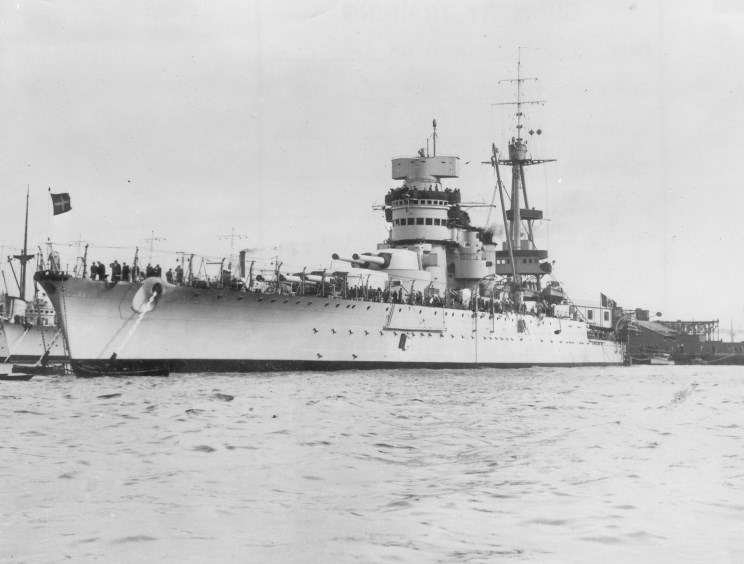
Giulio Cesare was the second of three Conte di Cavour class dreadnought battleships built for the Royal Italian Navy (Regia Marina) in the 1910s. Completed in 1914, she was little used and saw no combat during the First World War. The ship supported operations during the Corfu Incident in 1923 and spent much of the rest of the decade in reserve. She was rebuilt between 1933 and 1937 with more powerful guns, additional armor and considerably more speed than before.
.
Italy Coastal
Minerva class
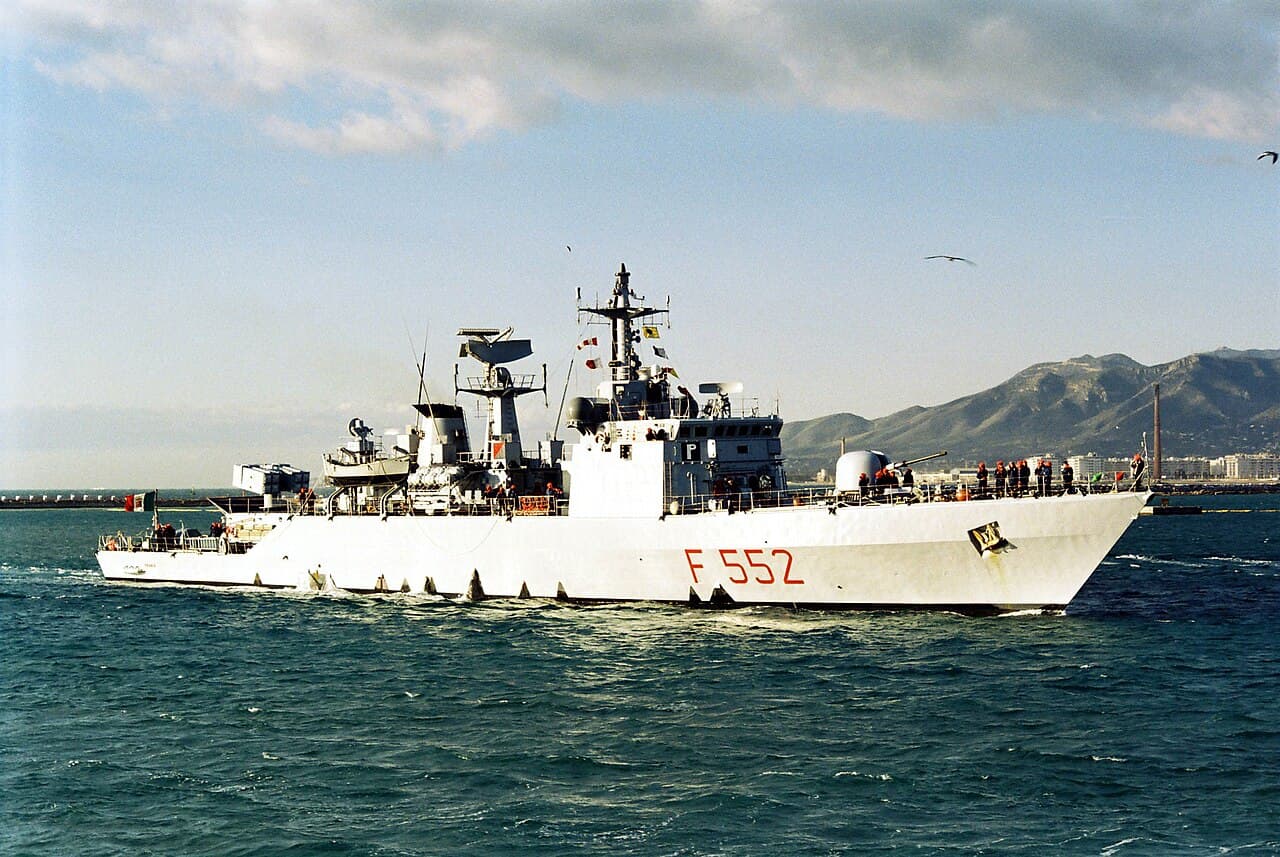
The Minerva class is a series of corvettes of the Italian Navy. They were built in two batches of four units during the 1980s and 1990s. The ships have fairly good speed and armament, including a 76 mm general-purpose gun, but, due to their emphasis on anti-submarine warfare, they lack anti-ship missile capabilities.
Sirio class
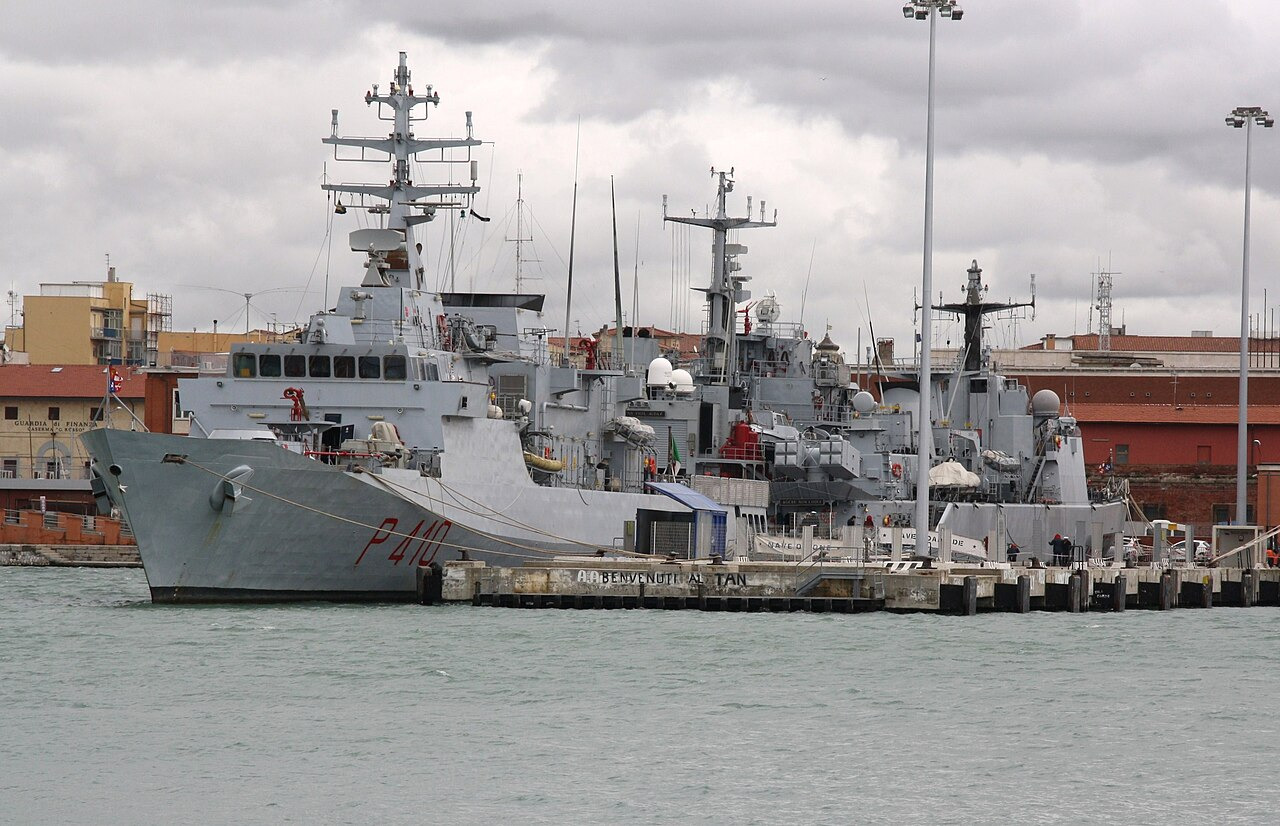
The Sirio class of patrol vessels consists of two units operated by the Italian Navy named Costellazioni II series or Nuove Unità di Pattugliamento d’Altura (NUPA). These vessels were financed by the Italian Department of Transport and Navigation, under law 413/1998, for maritime economic zone surveillance, antipollution, and rescue operations.
Bergamini class
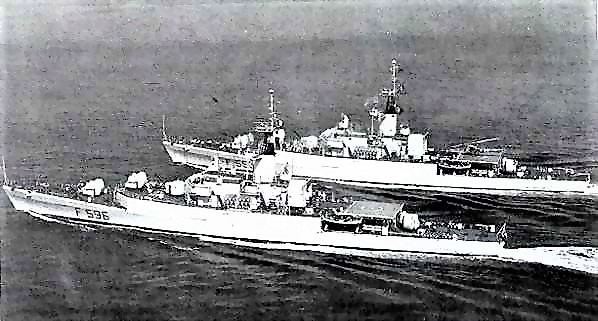
The Bergamini class was a class of four frigates operated by the Italian Navy. They entered service in 1961, with the last one being stricken in 1988.
Alpino class
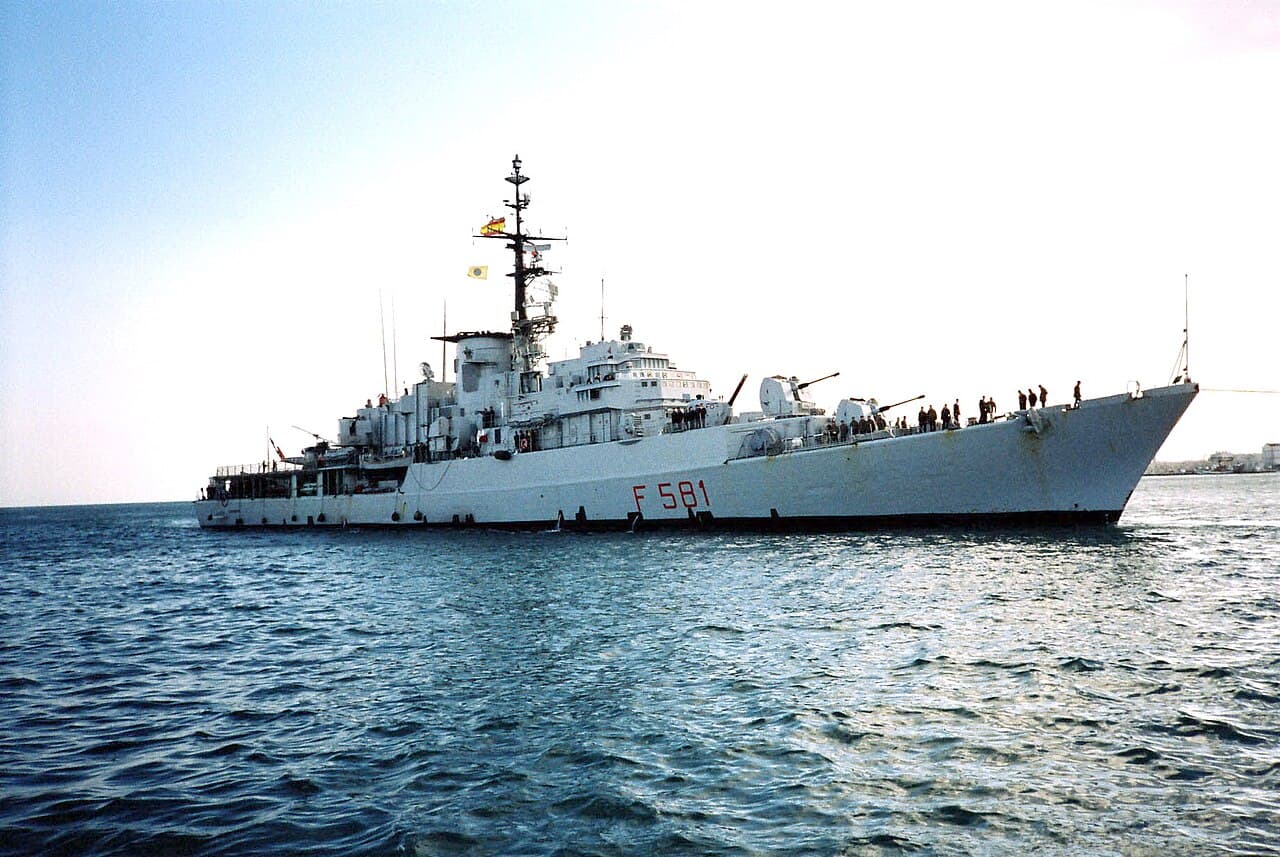
The Alpino class were a group of two frigates built for the Italian Navy during the Cold War. The design was originally conceived as an enlarged version of the Canopo class frigates. The design was however changed radically with a CODAG machinery suite comprising gas turbines and diesels. These ships introduced the use of ship-based helicopters and variable depth sonar into the Italian Navy.
Lupo class
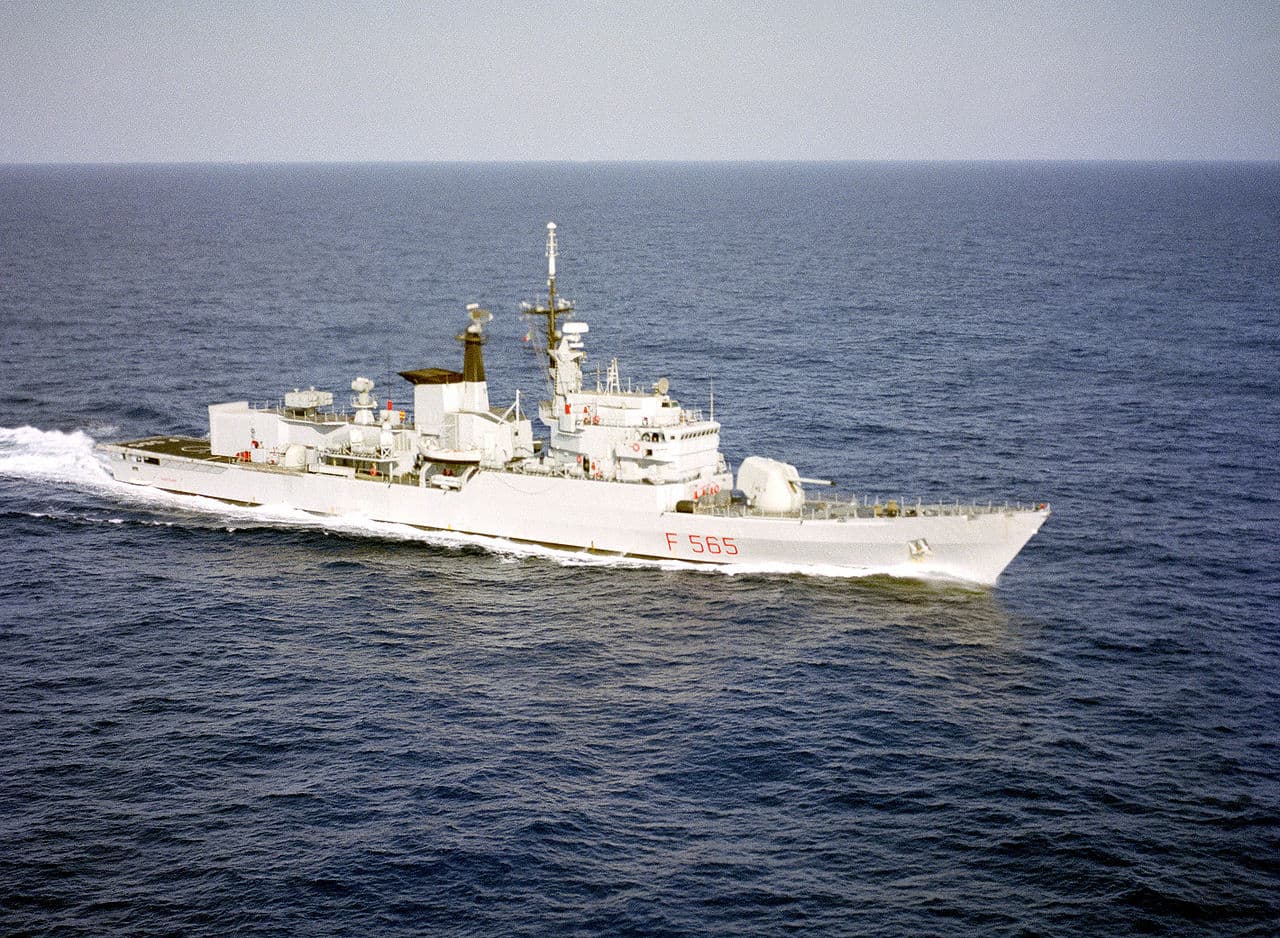
The Lupo class is a class of frigates built by Cantieri Navali Riuniti (CNR) for the Italian Navy. Designed as multipurpose warships with an emphasis on anti-surface warfare (ASuW), they have enjoyed some success in the export market, being acquired by the navies of Peru and Venezuela. A small run of a slightly updated version is known as the Soldati class.
France
France
.
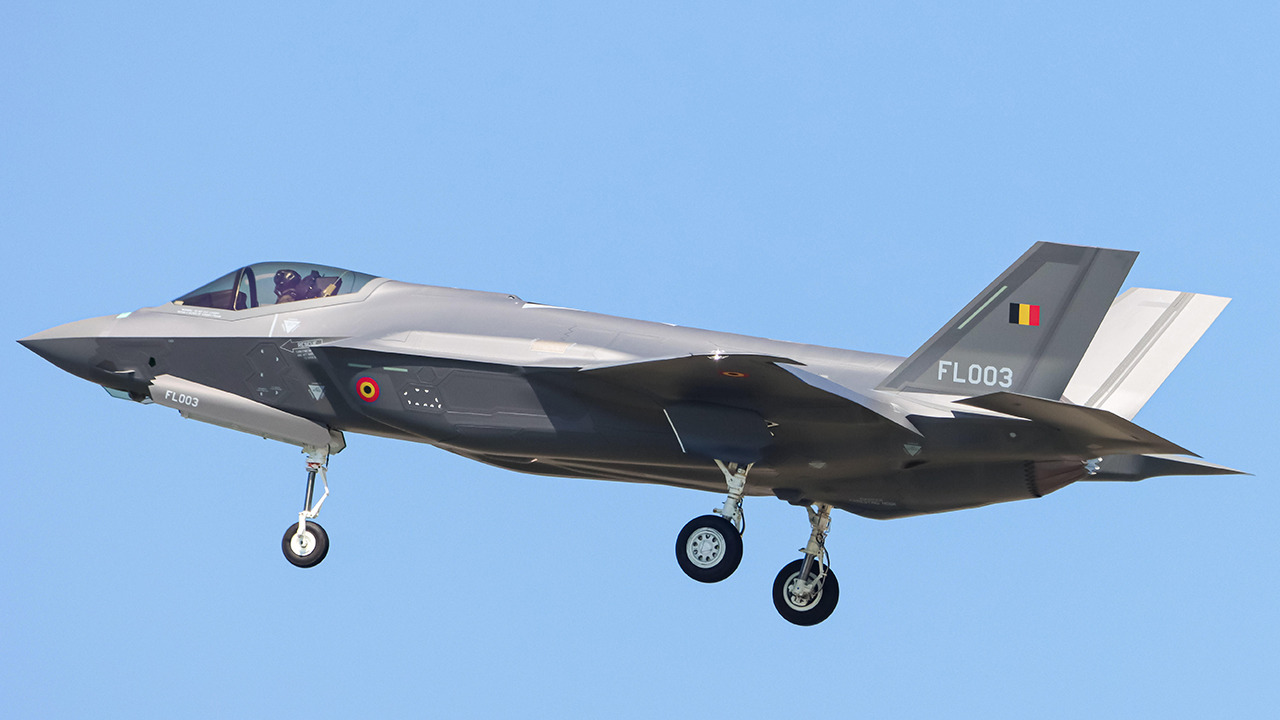
.
France Ground
Leclerc XLR
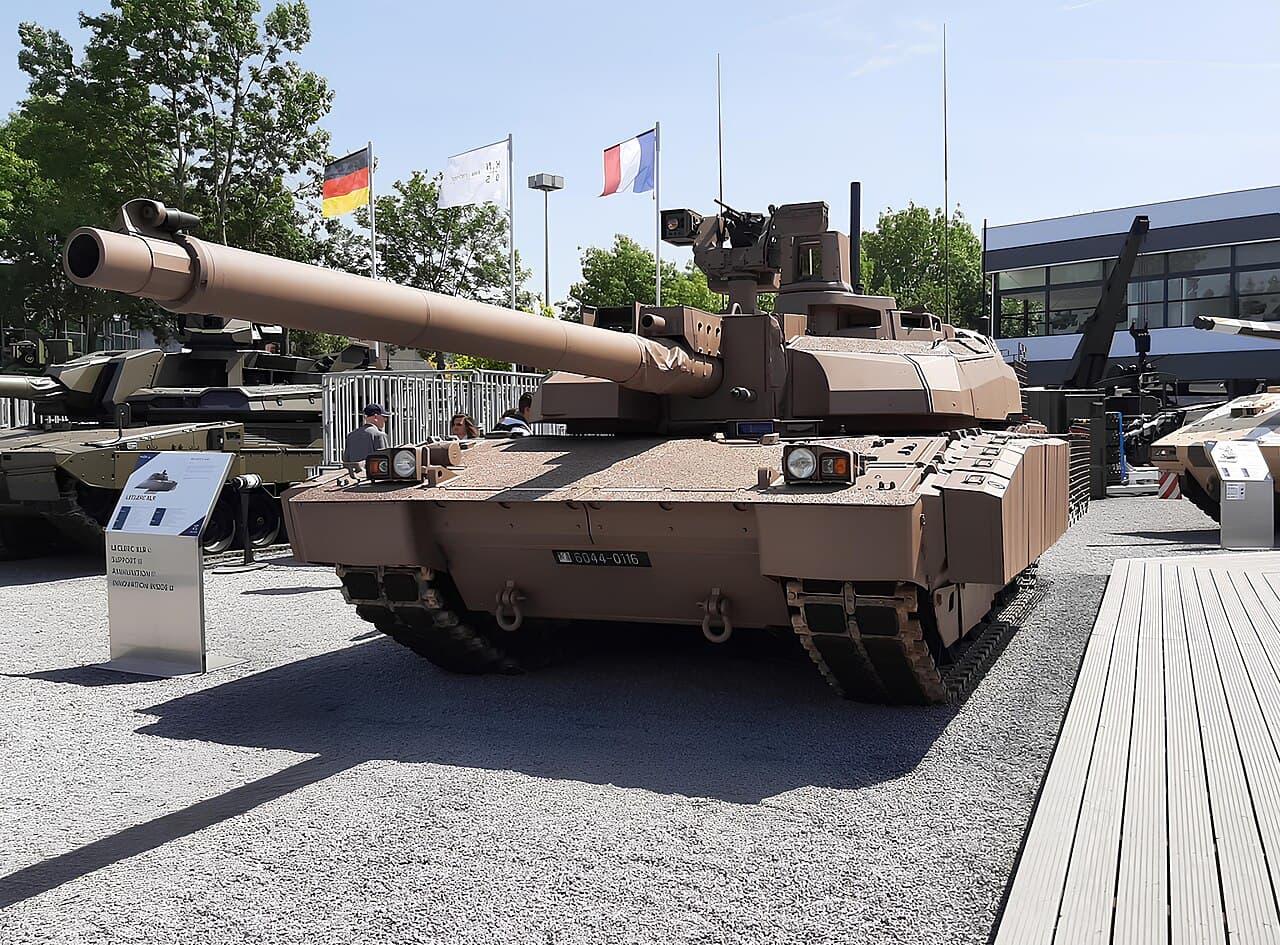
It is a modernization of the third-generation Leclerc tank with the addition of a turret-mounted remotely-operated 7.62mm caliber machine gun manufactured by Belgian company FN Herstal, additional modular armour on the turret and hull, and rear wire cage armour to protect the engine compartment against rocket propelled grenades.
Leclerc Evolution
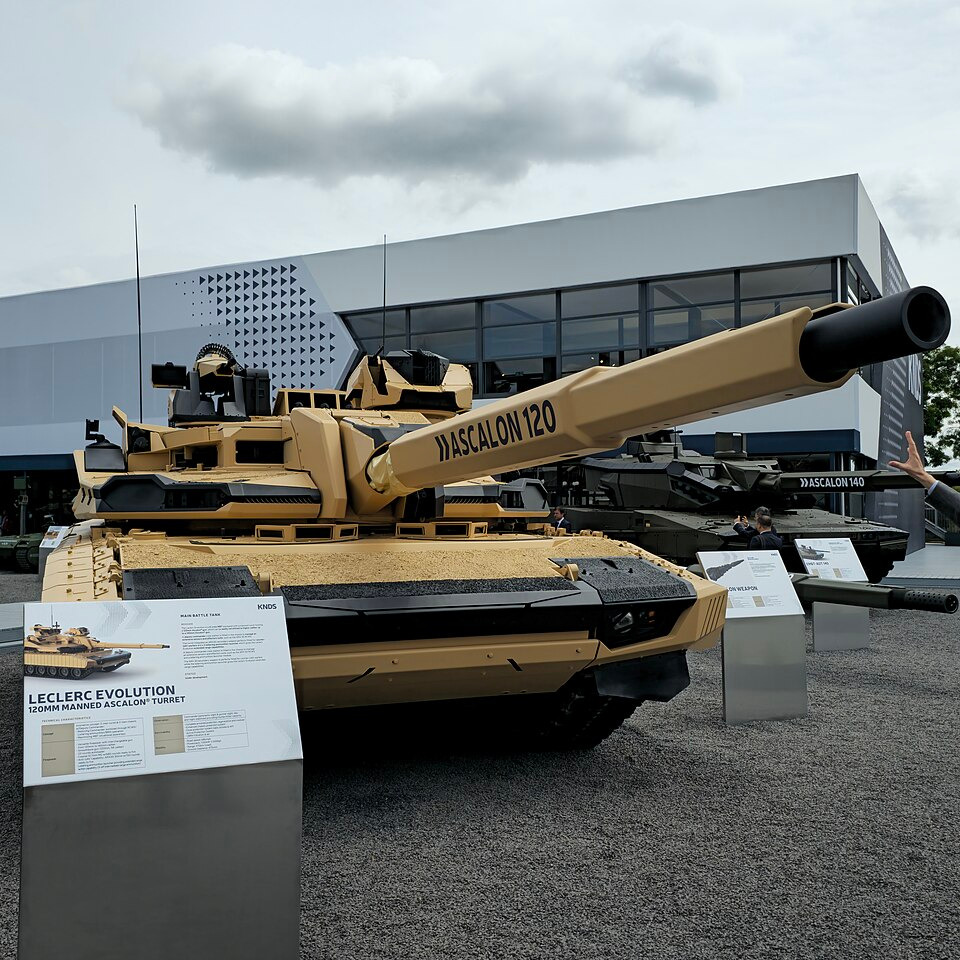
The tank is equipped with a turret armed with the ASCALON (Autoloaded and SCALable Outperforming guN) gun, capable of firing 120 or 140 mm shells, an ARX30 turret, a PASEO sight coupled with a 7.62 mm machine gun, a “Trophy” active protection system and the ability to use remotely operated ammunition.
European Main Battle Tank (2018 EMBT)
A first technology demonstrator known as EMBT or European Main Battle Tank was presented in 2018, combining a Leopard 2A7 hull with a Leclerc turret using a special turret ring adapter. It was sometimes nicknamed Leo-Clerc. Compared to the Leopard 2 turret, the Leclerc turret is operated by only 2 crew members instead of 3 thanks to the autoloader. Since the Leclerc’s turret is therefore lighter compared to the one of the manually loaded Leopard 2A7, the EMBT is lighter and has a greater growth potential of around 6 tonnes (5.9 long tons; 6.6 short tons).
Enhanced Main Battle Tank (2022 EMBT)
At Eurosatory 2022, a second technology demonstrator was presented as Enhanced Main Battle Tank, featuring a modified hull and a new turret fitted with the 120-millimeter CN120-26 L/52 main gun. The hull of the EMBT is based on the Leopard 2A7’s, but modified in a few key areas: the power pack is replaced with the EuroPowerPack, consisting of the MTU MT883 engine and Renk HSWL 295TM transmission. As the EuroPowerPack is smaller in size, this allows moving back the turret ring by about 0.2 metres. This enabled KNDS’ engineers to lengthen the glacis plate, making enough space for a fourth crew member (sitting in the same location where the hull ammo rack is in the Leopard 2). The fourth crew member can operate the remote weapon station or drones. The turret of the EMBT is completely new and has a reduced profile with an 80 millimetres (3.1 in) lower roof height than the Leclerc. The EMBT’s main armament is the 120 mm CN120-26 L/52 gun from the Leclerc, but its architecture is designed to be compatible with the ASCALON gun system under development by KNDS France. It is loaded by a 22-round conveyor-belt type autoloader located in the turret bustle. Secondary armament consists of a co-axial 12.7 mm machine gun with 680 rounds, a 30 mm x 113 mm ARX30 remote controlled weapon station with 150 rounds and a 7.62 mm machine gun with 800 rounds, which is attached to the commander’s sight. The EMBT uses vectronics derived from the EBRC Jaguar and is fitted with the Trophy-MV hardkill active protection system for protection against ATGMs and rocket-propelled grenades. The EMBT’s turret was designed with the system in mind from the onset, hence the sensors are directly embedded into the turret structure. Additionally, the EMBT is fitted with the ELAWS laser warning system from Elbit Systems.
EMBT ADT140
At Eurosatory 2024, a new configuration of the Enhanced Main Battle Tank was presented as EMBT ADT140, featuring a mock-up Ascalon Demonstrator Turret (ADT140) with autoloaded 140-millimeter Ascalon main gun, a coaxial 20 × 102 mm autocannon and the ARX30 remote controlled weapon station. The hull of the earlier EMBT demonstrator was reused, while its turret was mounted on a modified Leclerc hull, creating the Leclerc Evolution. The EMBT ADT140 features six anti drone radars, four laser and missile warning sensors, an acoustic gunshot detection system and provides 360-degree coverage of the surroundings for enhanced situational awareness. It was also fitted with a mock-up of the Prometheus active protection system and features an AI enabled “SAFE” fire control system, an internally developed solution designed to assist the autonomous selection and queuing of weapon systems on board the platform to successfully prosecute targets in order of priority.
Boxer Schakal (IFV-RCT30)
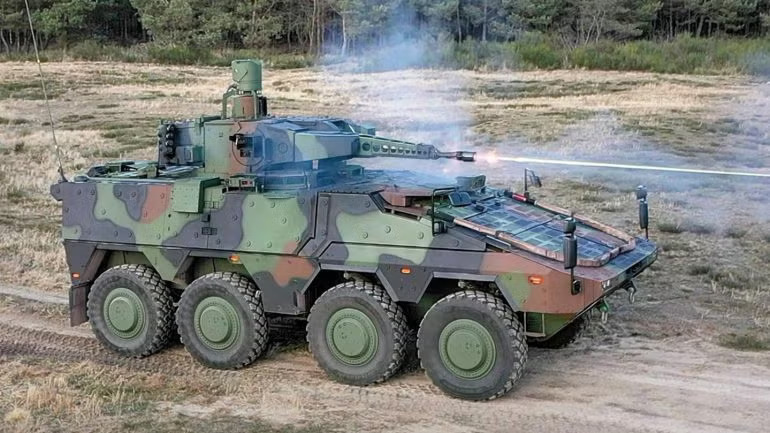
Dutch Army ordered 72 Boxer Schakal (IFV-RCT30) with 48 options exercised in 2026.
ACSV G5 Skyranger 30
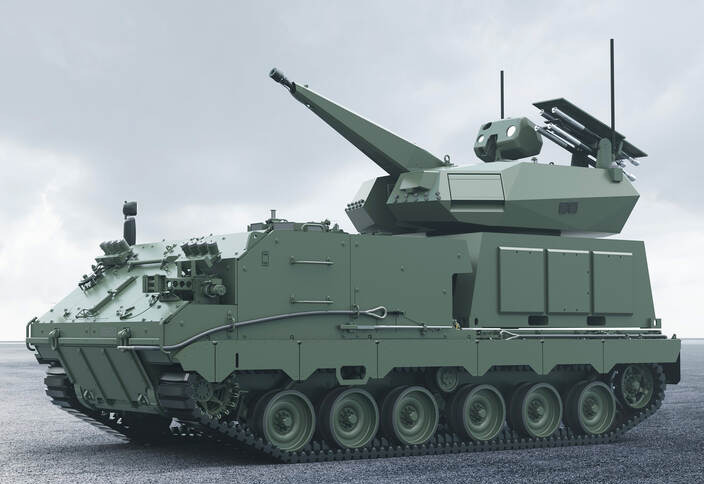
The Netherlands Army selected the Skyranger 30 to be mounted on the ACSV.
.
France Coastal
Le Normand class

The Le Normand class (or E52 Type) was a class of 14 fast frigates (Escorteurs Rapide) built for the French Navy in the late 1950s. They were an immediate follow-on from the earlier Le Corse-class (or E50 type) frigates, and like them, were long-range convoy escorts capable of high speed.
Commandant Rivière class
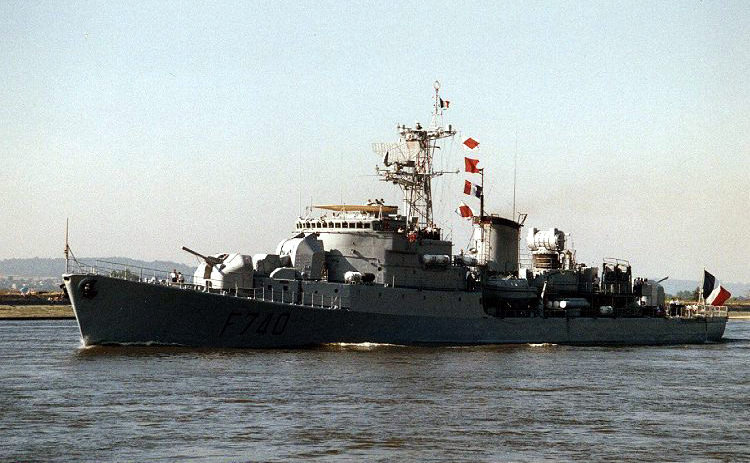
The Commandant Rivière class was a class of frigates built for the French Navy in the late 1950s and early 1960s. Labeled “aviso-escorteur” (fr: “sloop-escort”), they were designed to perform the role of overseas patrol in peacetime and anti-submarine escort in wartime. This vessel class is named after the French Navy officer Henri Rivière (1827–1883).
Spoiler
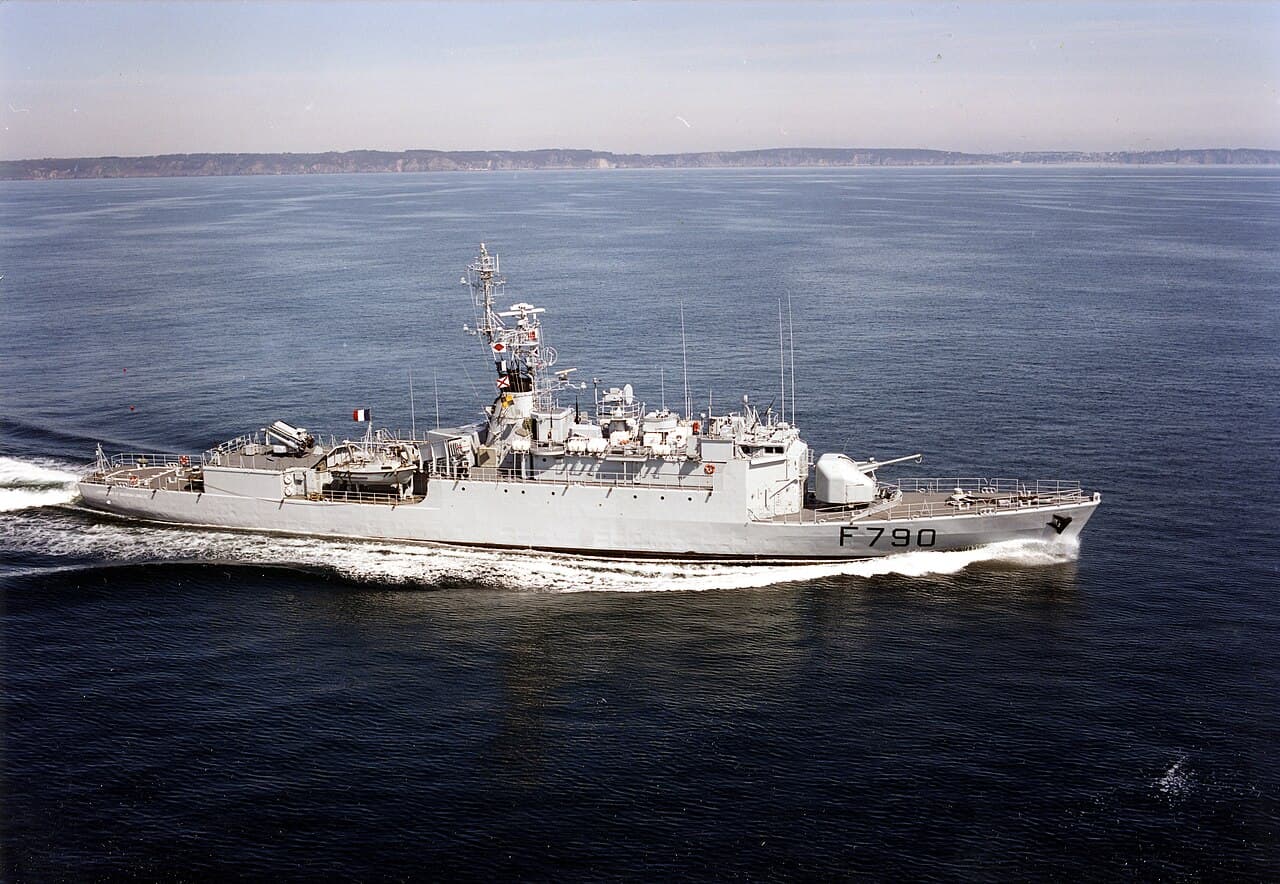
The D’Estienne d’Orves-class avisos, or type A69, is a class of French Navy avisos, comparable in size to a light corvette, mainly designed for coastal anti-submarine defence, but are also available for high sea escort missions, notably in support missions with the Strategic Oceanic Force (FOST).
Sweden
Sweden
.
Sweden Air
JAS39F Gripen F
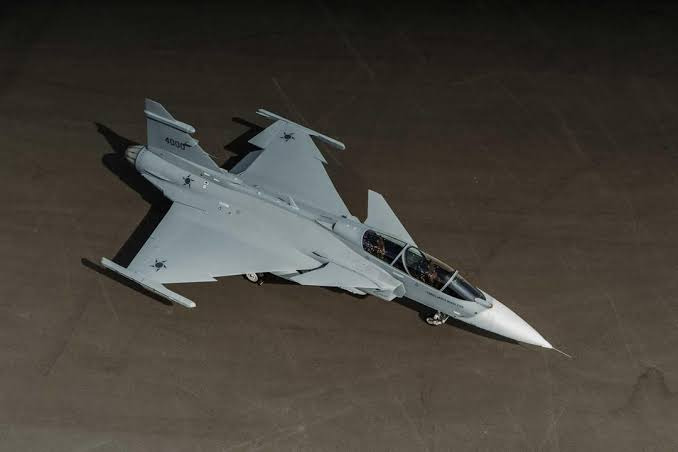
JAS39F also known as Gripen F is the double seat variant of JAS39E Gripen E.
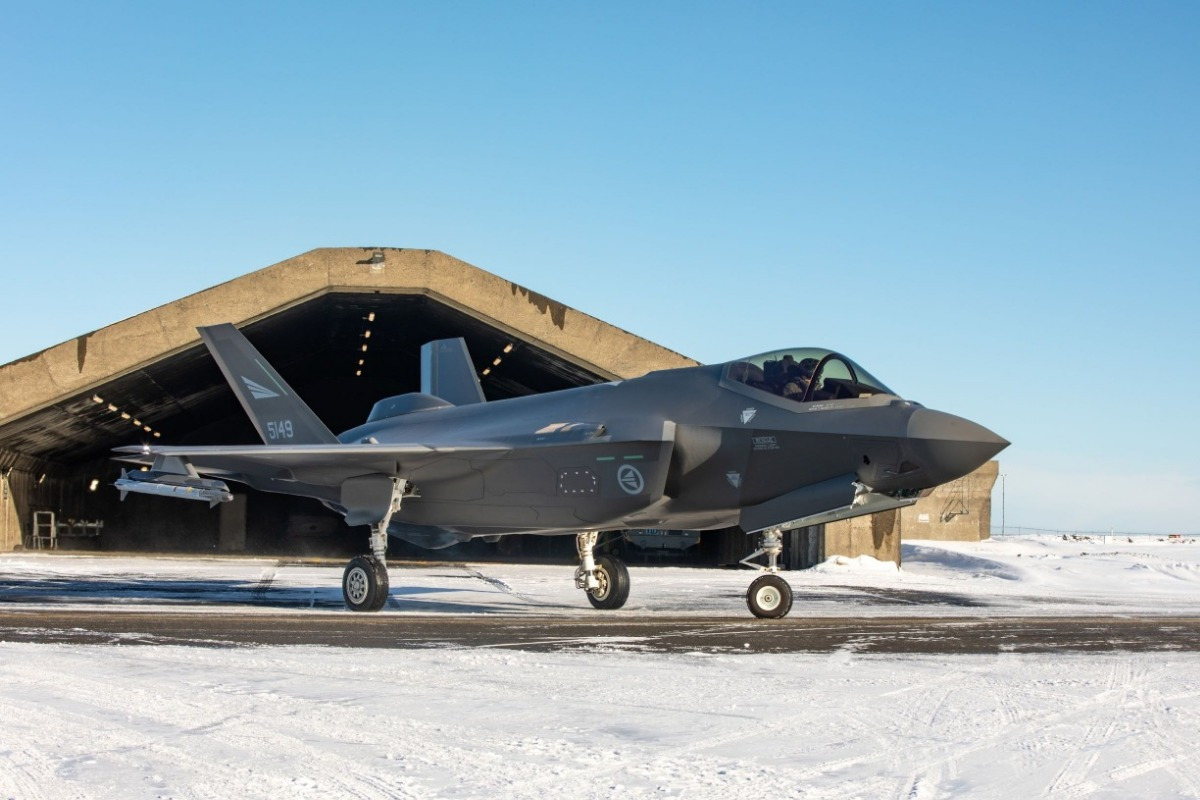
.
Sweden Ground
Stridsvagn 122B Int
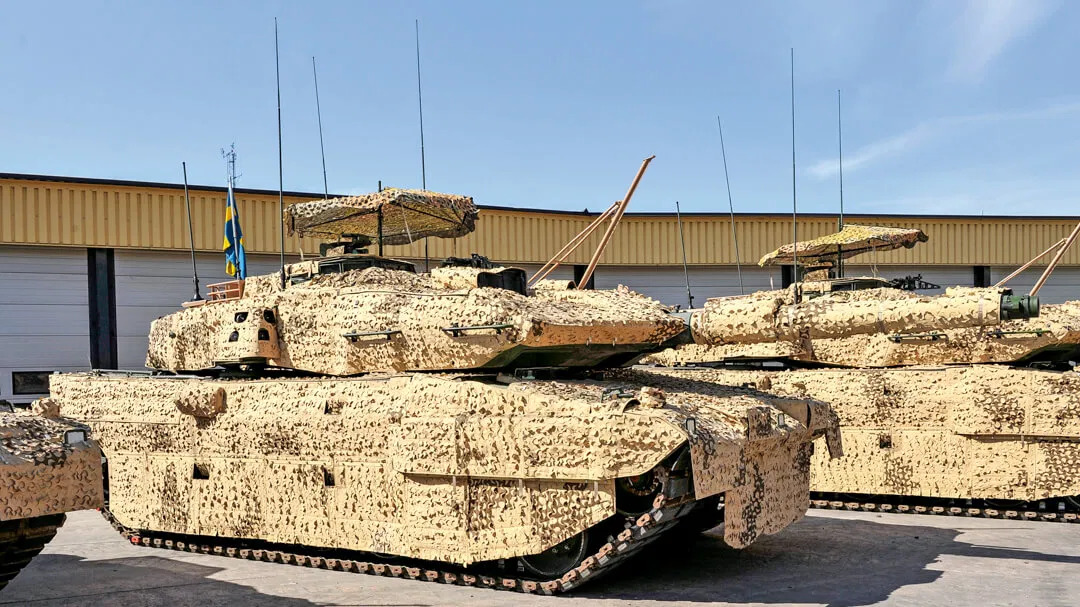
Stridsvagn 122B Int is a variant for international deployments in warmer climates with NATO-compatible command and control systems as well as infrared signature damping Barracuda camouflage nets; four were converted from strv 122A models in 2011. Could become a premium since Gaijin loves to add vehicles with camouflage as premium vehicles.
Stridsvagn 122C
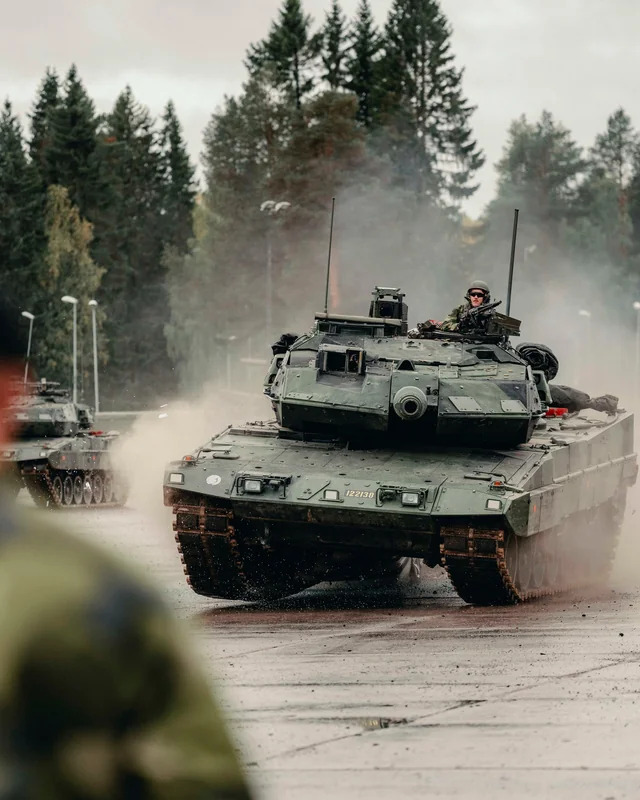
Strv 122C is a renovated Strv 122A with updated command and control systems by FMV’s FSV Mv division and Krauss-Maffei Wegmann.
Stridsvagn 122D
Renovated Strv 122B with updated command and control systems by FMV’s FSV Mv division and Krauss-Maffei Wegmann. I could not find a picture specifically stated as being a Strv 122D.
Stridsvagn 123A
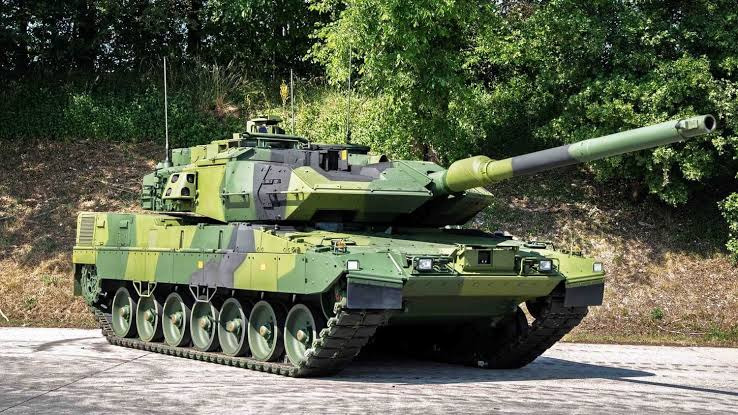
Upgraded variant with L/55 gun, programmable ammunition, new driver’s night sight and improved optics. First delivery in 2026.
Stridsvagn 123B
Leopard 2A8 ordered in January 2025. First delivery expected in 2028.
Leopard 2A5DK
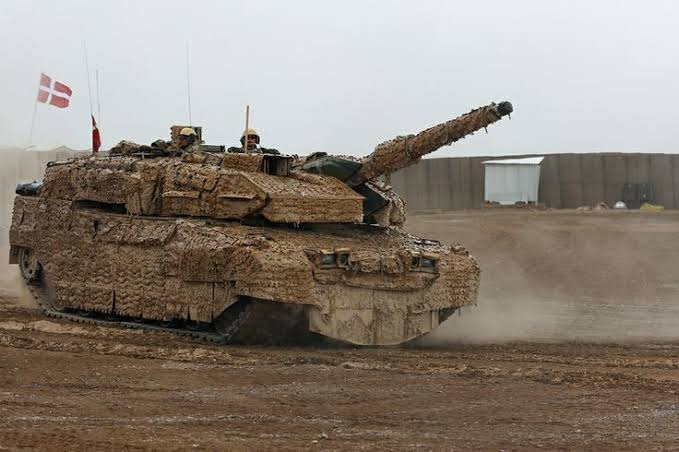
The Royal Danish Army received its first Leopard 2 tanks from surplus German stocks in 1998. These were upgraded from 2A4 standard to 2A5DK (equal to Leopard 2A6 minus the L/55 gun) in 2004–2006, at which point the army operated 57 Leopards.
Leopard 2A7DK
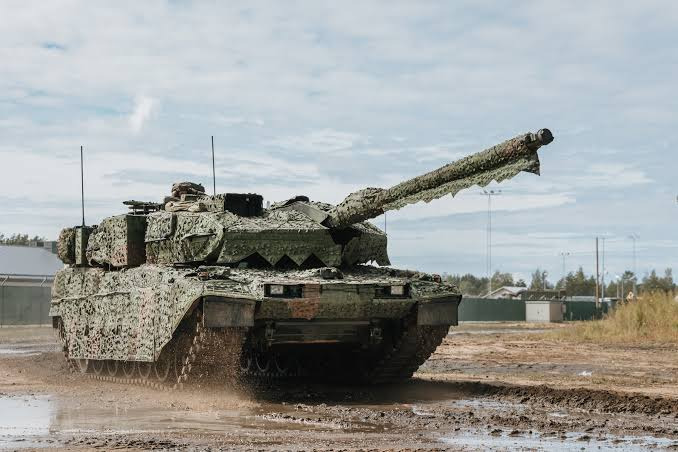
In 2023, Danish Army had 44 Leopard 2A5DK, which all were upgraded to A7 standard with Danish modifications between 2019 and 2023 and were designated Leopard 2A7DK.
Piranha V Skyranger 30

The Danish Army selected the Skyranger 30 system, and will equip it on their 8×8. During trials in Switzerland, Rheinmetall presented the variant on the Piranha V.
Leopard 2A4 NO
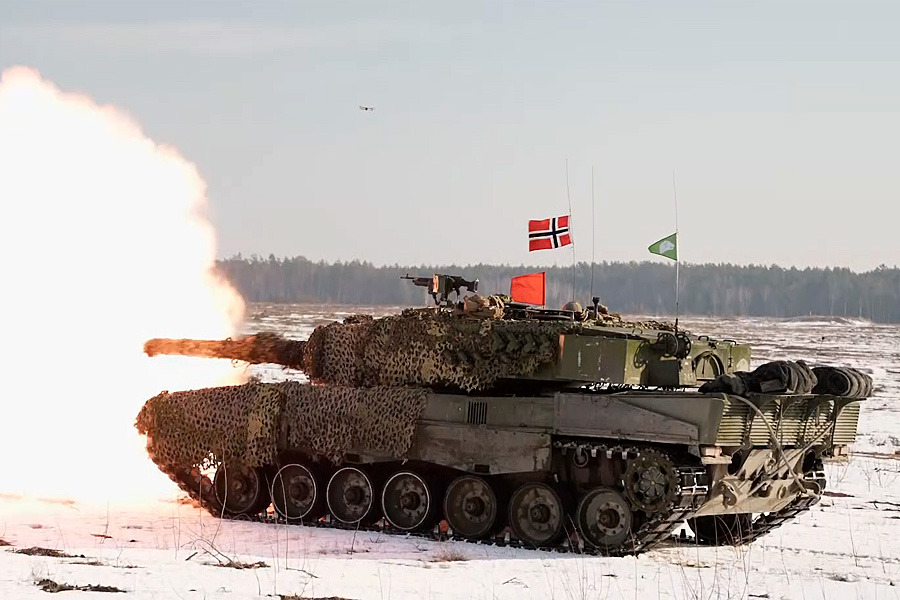
Norway acquired 52 second hand Leopard 2A4 from the Netherlands in 2001. The tanks were modified, including among others the Norwegian battle management system, new radios and a weapons rack.
Leopard 2A8 NOR
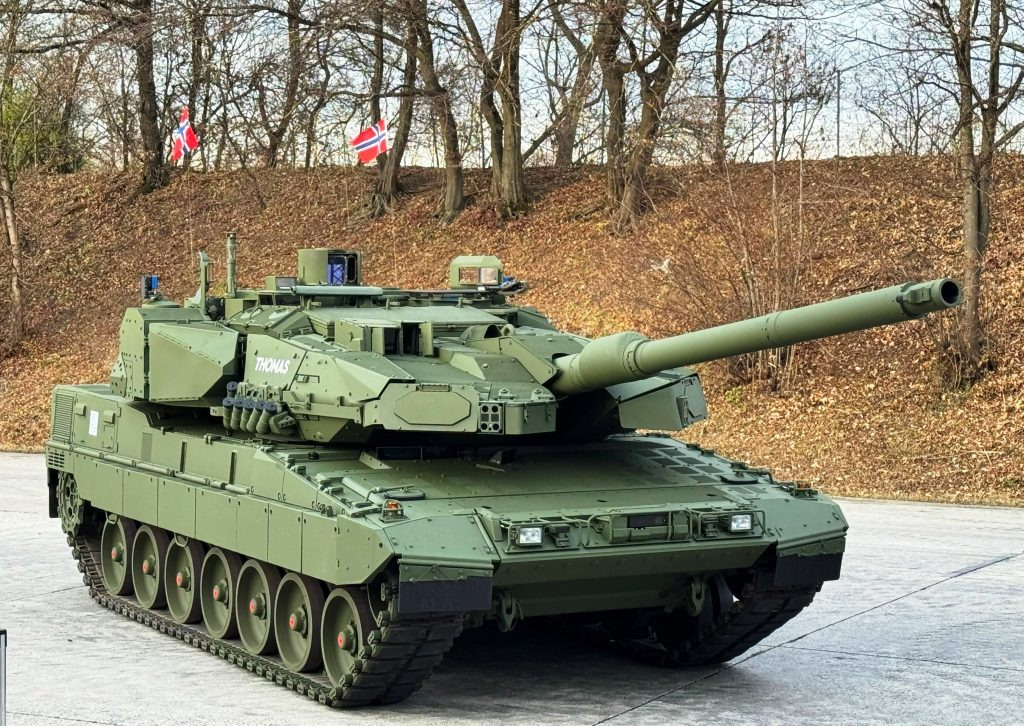
The Norwegian armed forces’ order of fifty-four Leopard 2A7NOs was changed into a new 2A8 NOR variant by the middle of June 2023. A variety of Norwegian changes and alterations necessitated the renaming of the original 2A7NO into a unique new 2A8 NOR variant. This sub-variant mainly differs from the German 2A8 by integrating a Norwegian-designed C4IS-solution that includes Kongsberg’s ICS/CORTEX-solution and Teleplan Globe’s FACNAV and NorBMS battlefield management systems.
CV9030NF1
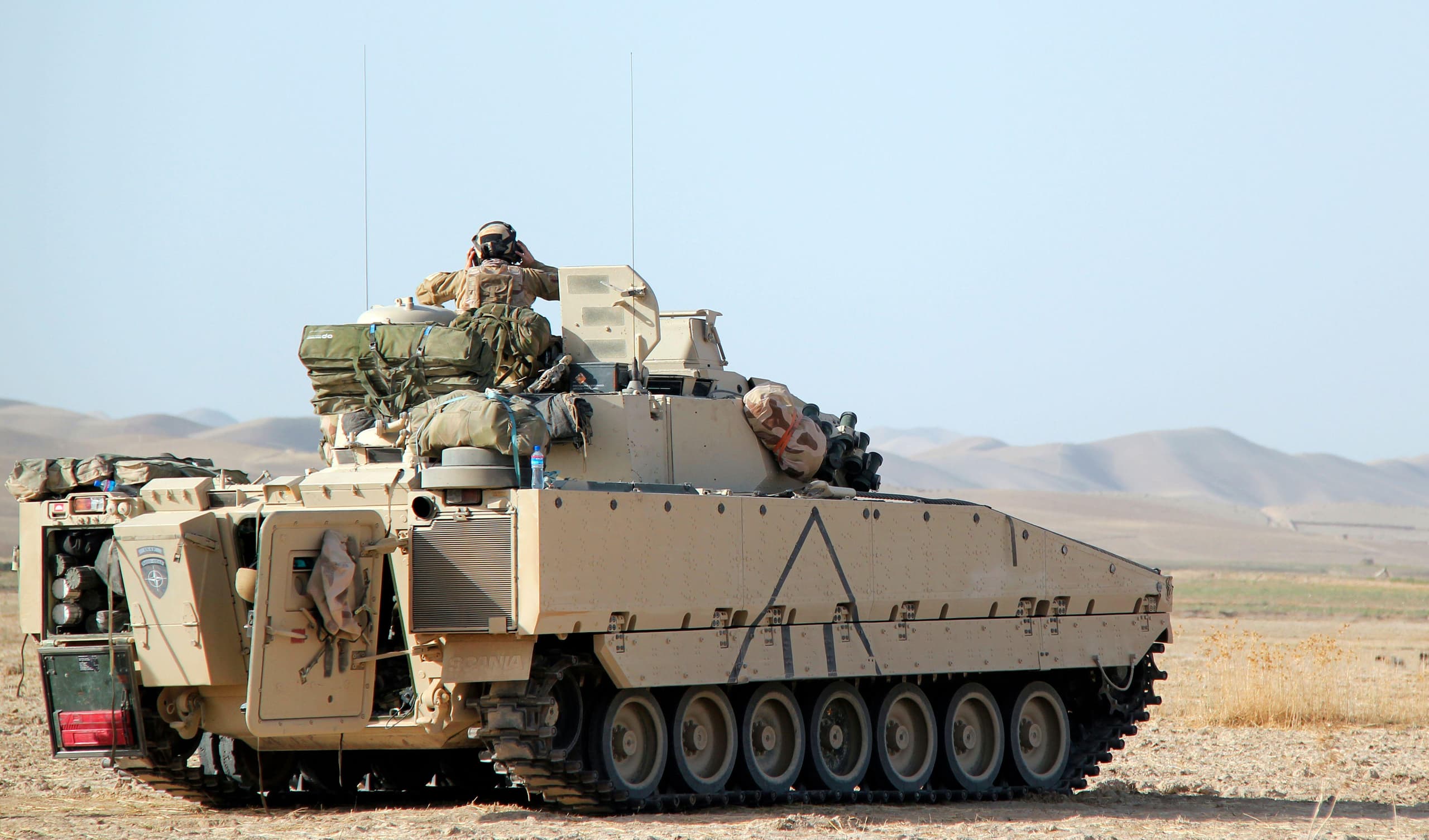
104 CV9030N were purchased in 1994, based on the CV90 MkI chassis. Among these, 17 were upgraded for international missions with air conditioning, additional mine protection, rubber tracks, rear-view cameras and a heavier and more protective add-on-armor package (AMAP), and were designated CV9030NF1, one of which was damaged in Afghanistan and not repaired.
CV9030N Mk IIIb with E30 turret and M153 Protector RWS
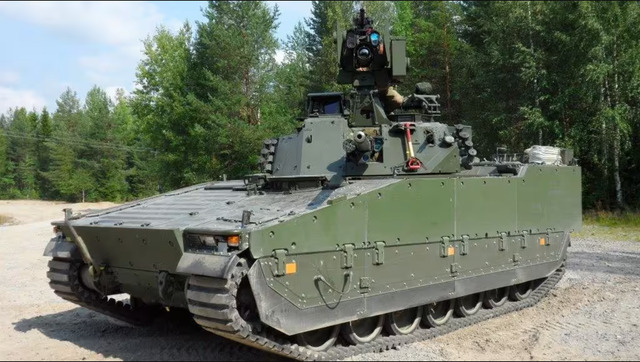
Some CV9030N were fitted with a remote controlled weapon station that could carry a variety of weapons including a 12.7 mm machine gun or a 40 mm grenade launcher with the ability to shoot HEAT grenades as well.
Israel
Israel
.
Israel Air
F-15IA Israel Advanced
The F-15IA (Israel Advanced) is a variant for the Israeli Air Force based on the F-15EX. The Israeli Air Force signed a contract for 25 F-15IA fighters based on the F-15EX in December 2025 with an option for an additional 25. It previously requested upgrade kits for 25 F-15Is to the F-15IA standard in 2023 but they are yet to be ordered. Since F-15IA has not been delivered yet, I could not find pictures of it.
F-35I Adir
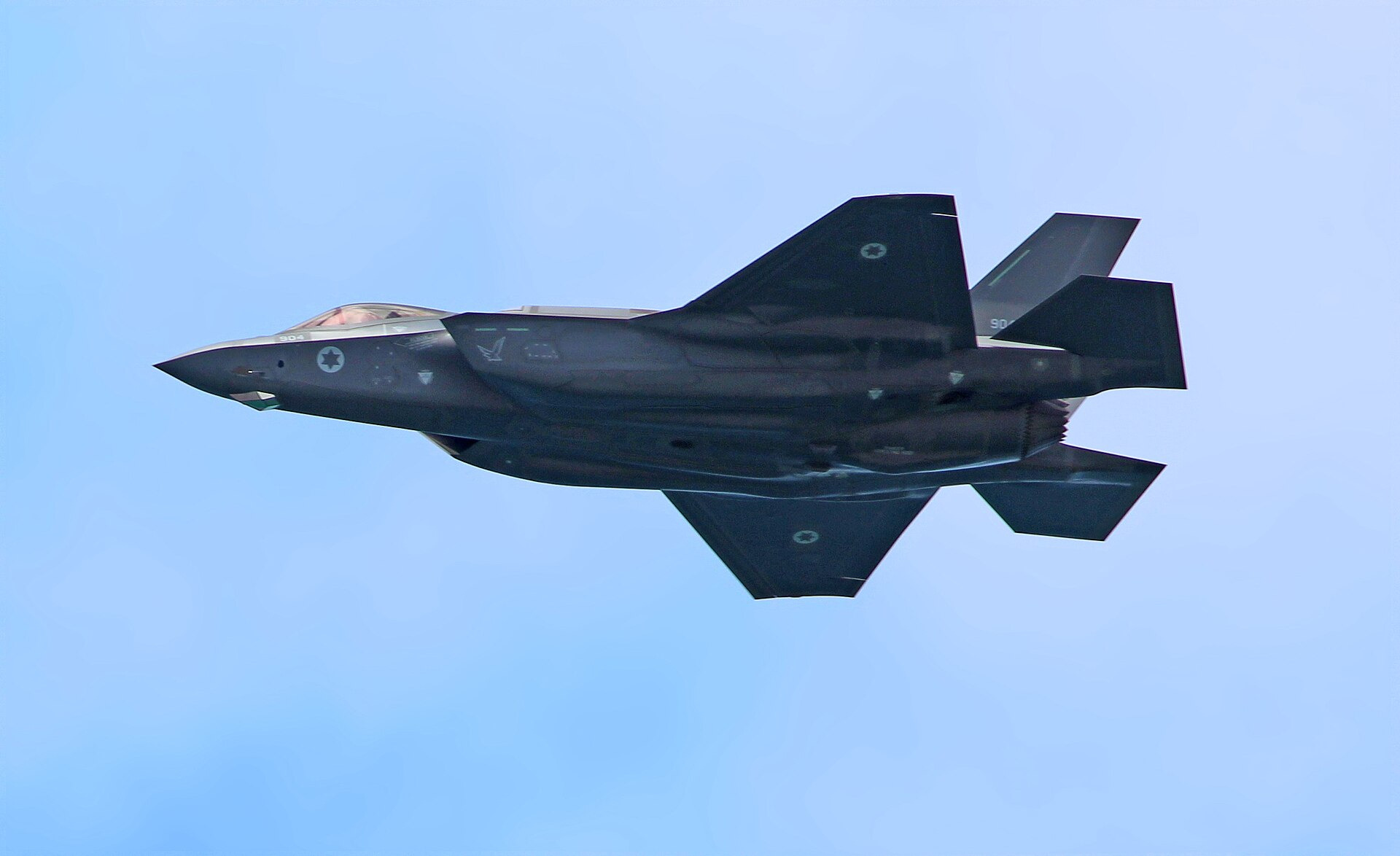
The F-35I Adir (Hebrew: אדיר, meaning “Awesome”, or “Mighty One”) is an F-35A with unique Israeli modifications. The US initially refused to allow such changes before permitting Israel to integrate its own electronic warfare systems, including sensors and countermeasures. The F-35I Adir is equipped with Israeli-made electronic warfare systems layered over the existing avionics and enhanced data gathering and processing capabilities. It comes with a specialized helmet designed for the aircraft’s systems. While many of the details are classified, it is known that the helmet is equipped with a projector for each eye that feeds information directly to the pilots, eliminating the need to look down at cockpit instruments, and tracks the pilot’s head movements to know where the pilot is looking as it relays data. The main computer has a plug-and-play function for add-on systems.
F-16C/D/D+
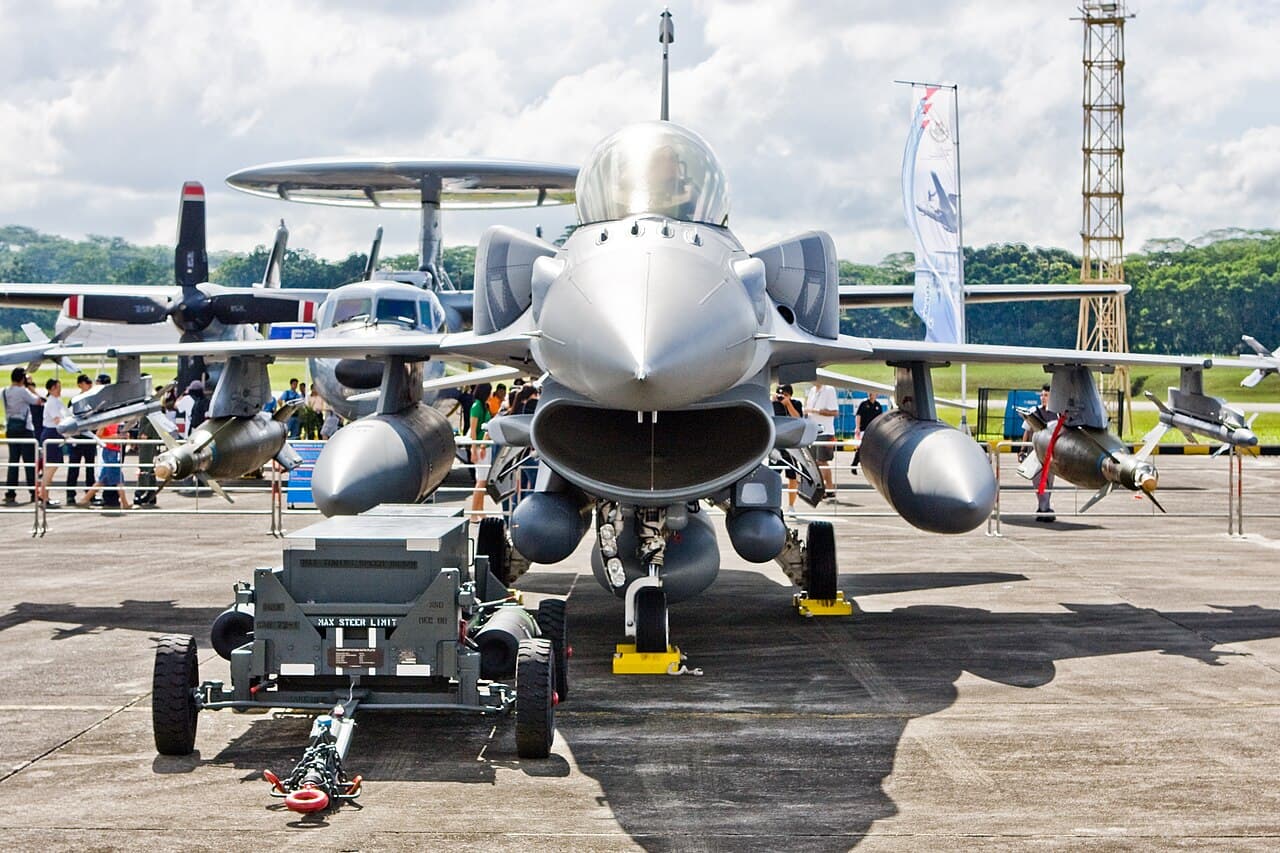
Singapore ordered eight F-16C and ten F-16D Block 52 under the Peace Carvin II program in 1994, with the first aircraft received in 1998. Additional ten F-16C and two F-16D were ordered in 1997 and further twenty F-16D in 2000, under Peace Carvin III and IV programs respectively. These F-16s were delivered in 2000–2004 period.
F-15SG
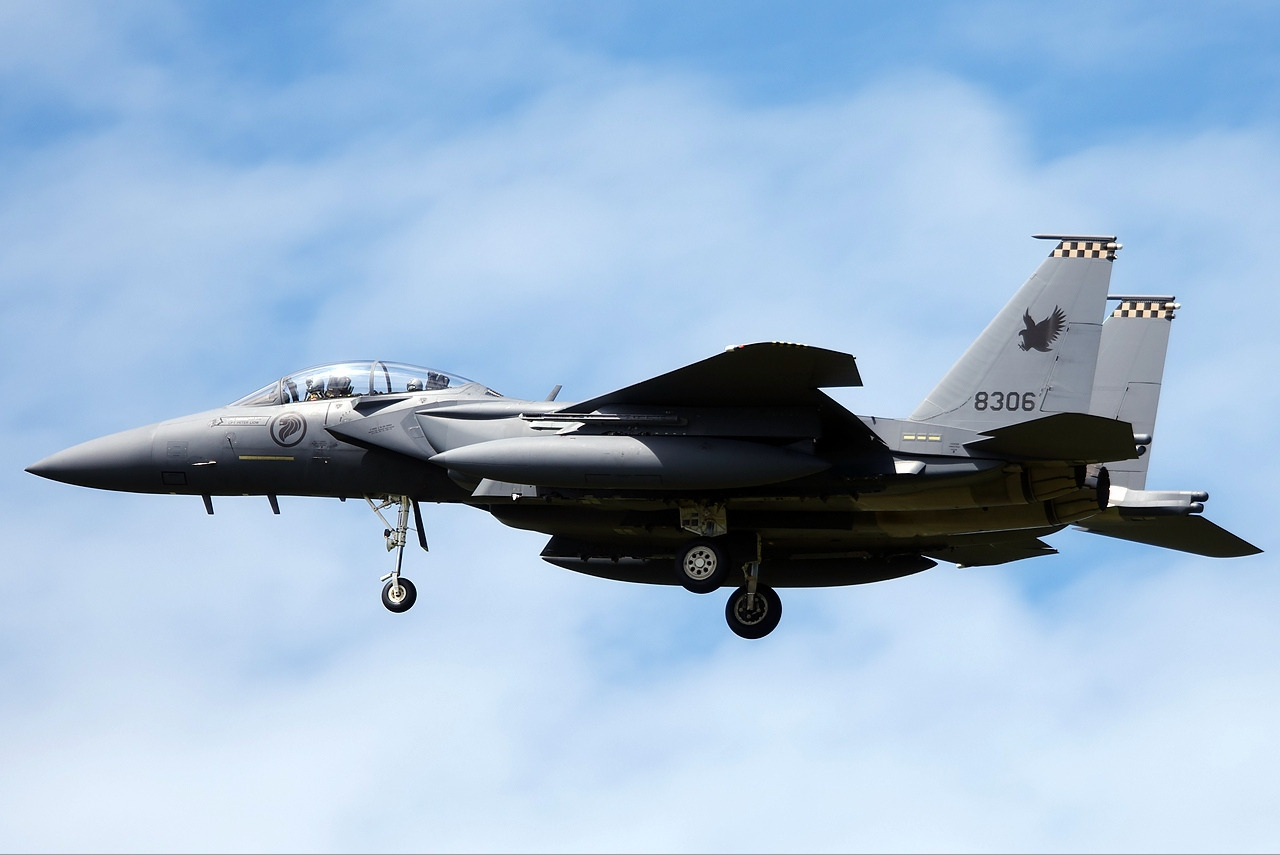
The F-15SG (formerly F-15T) is a variant of F-15E ordered by the Republic of Singapore Air Force (RSAF) after an evaluation involving five other fighters. It was chosen on 6 September 2005 over the Dassault Rafale, the only other remaining aircraft in contention. On 22 August 2005, the US Defense Security Cooperation Agency (DSCA) notified Congress of a potential Foreign Military Sale (FMS) of weapons, logistics and training to Singapore; options included AIM-120C and AIM-9X missiles; GBU-38 JDAM and AGM-154 JSOW air-to-ground weapons, AN/APG-63(V)3, night vision goggles and Link 16 terminals.
F-35A/B Lightning II
8 F-35As and 12 F-35Bs on order by Singapore as of February 2024. The first 4 F-35Bs are to be delivered in 2026, while the other 8 are to be delivered in 2028. The 8 F-35As are expected to arrive by 2030.
JAS39E/F Gripen E/F
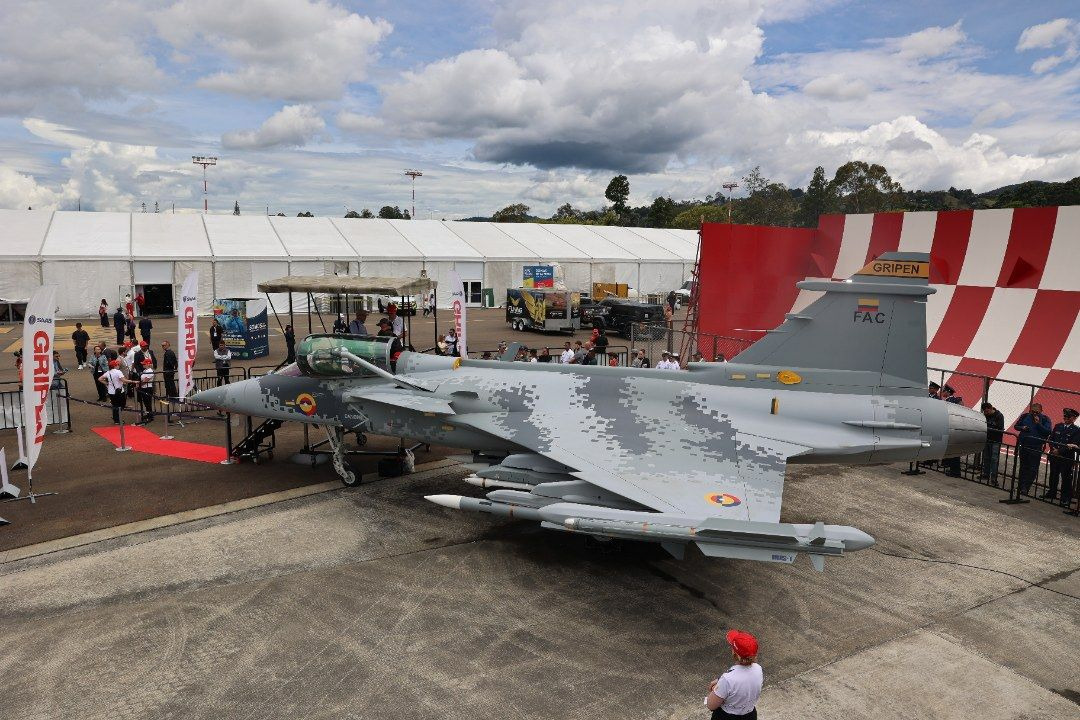
On 3 April 2025, Colombia announced it had selected the Gripen E/F to replace its IAI Kfir fleet in a deal expected to include 16 to 24 units. On 2 October 2025, a deal for 18 Gripen E aircraft was officially confirmed. On 15 November, Saab and Colombia signed a contract for the purchase of 17 aircraft, 15 Gripen E, 2 Gripen F. The contract is worth €3.1 billion, the deliveries will take place from 2026 to 2032.
.
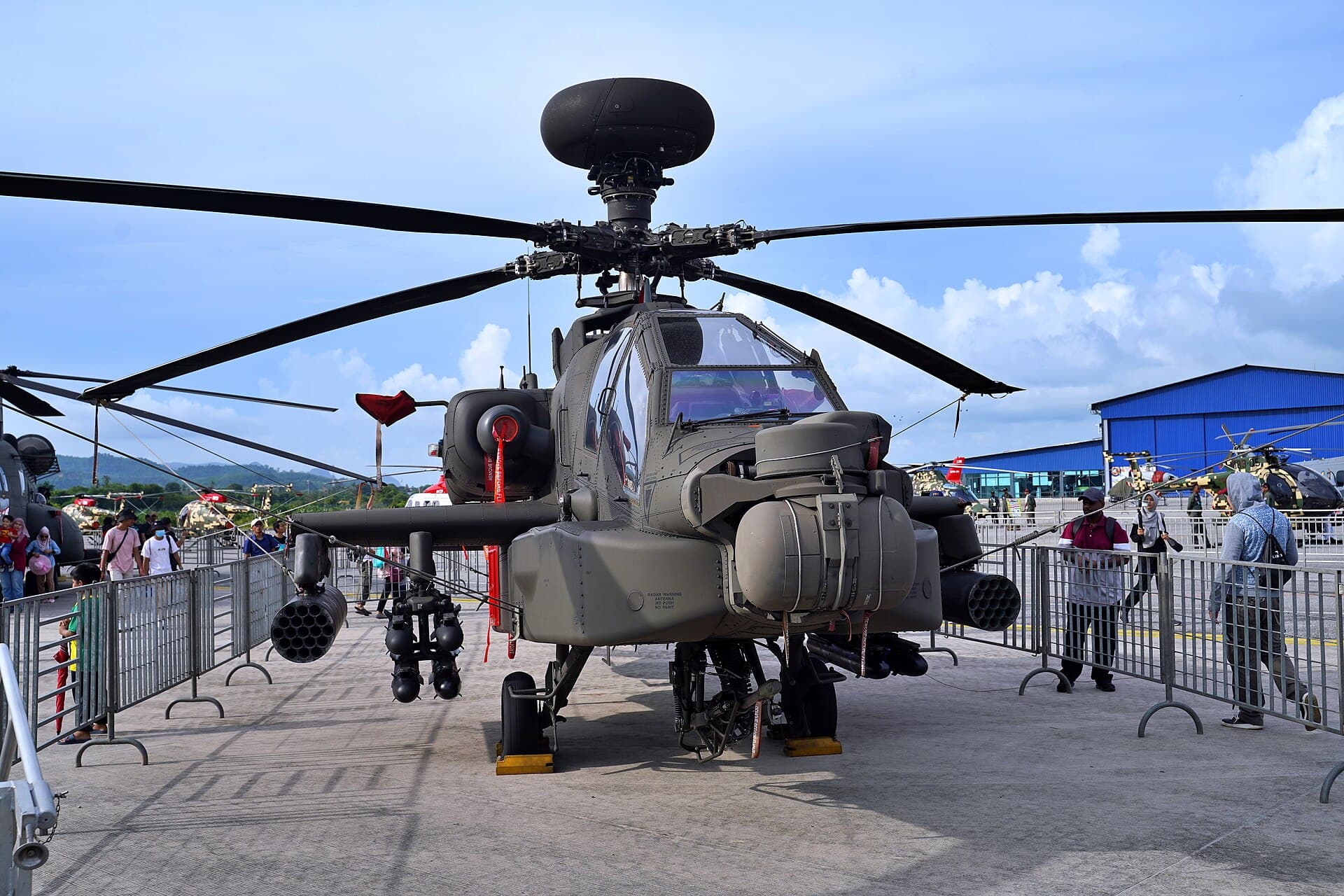
.
Israel Ground
Merkava Mk.4M 400
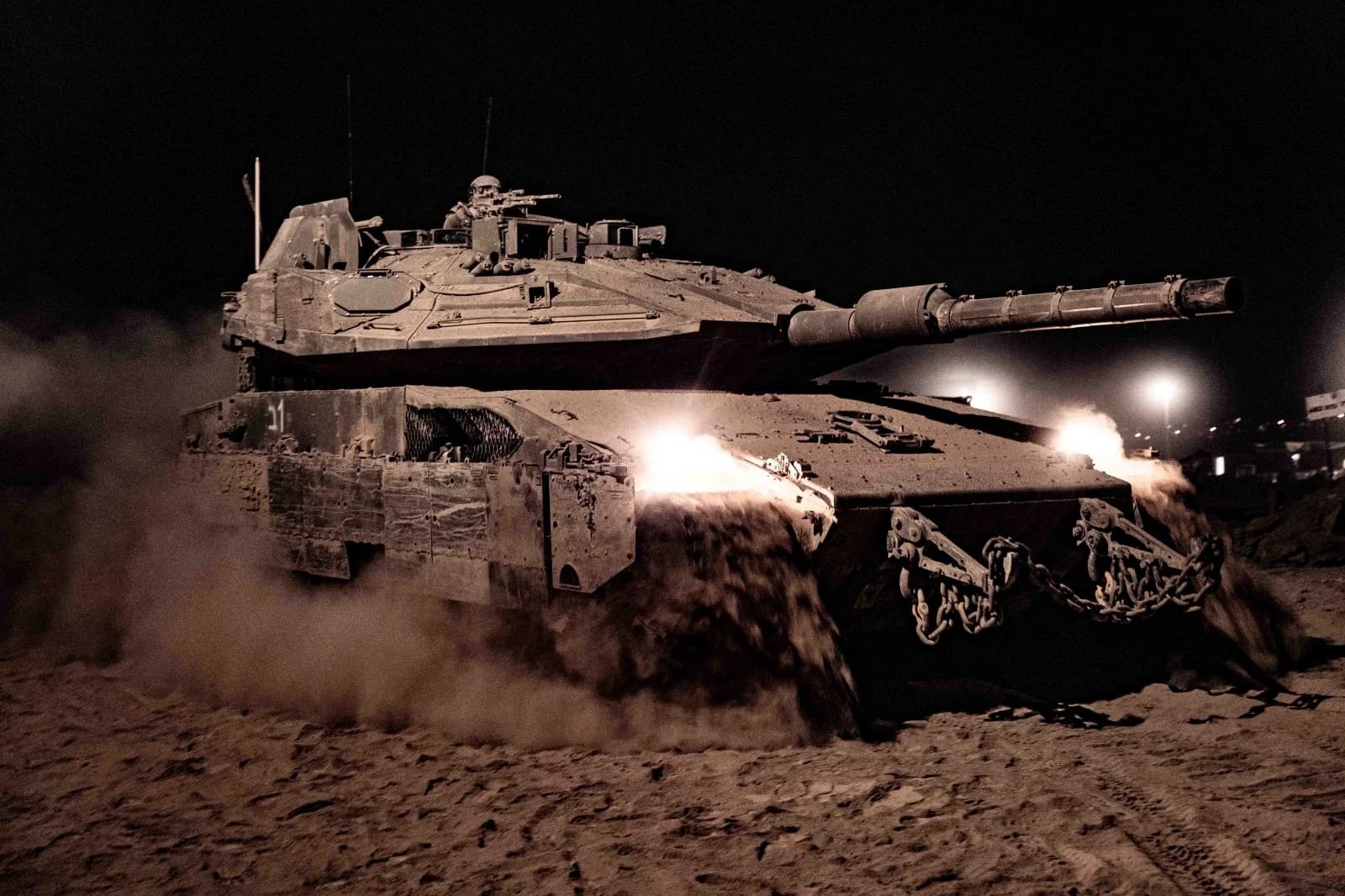
A midlife upgrade for the Mk. 4M that is somewhat of a bridge between the Mk. 4M and the Mk. 4 Barak.
Merkava Mk.4 Barak
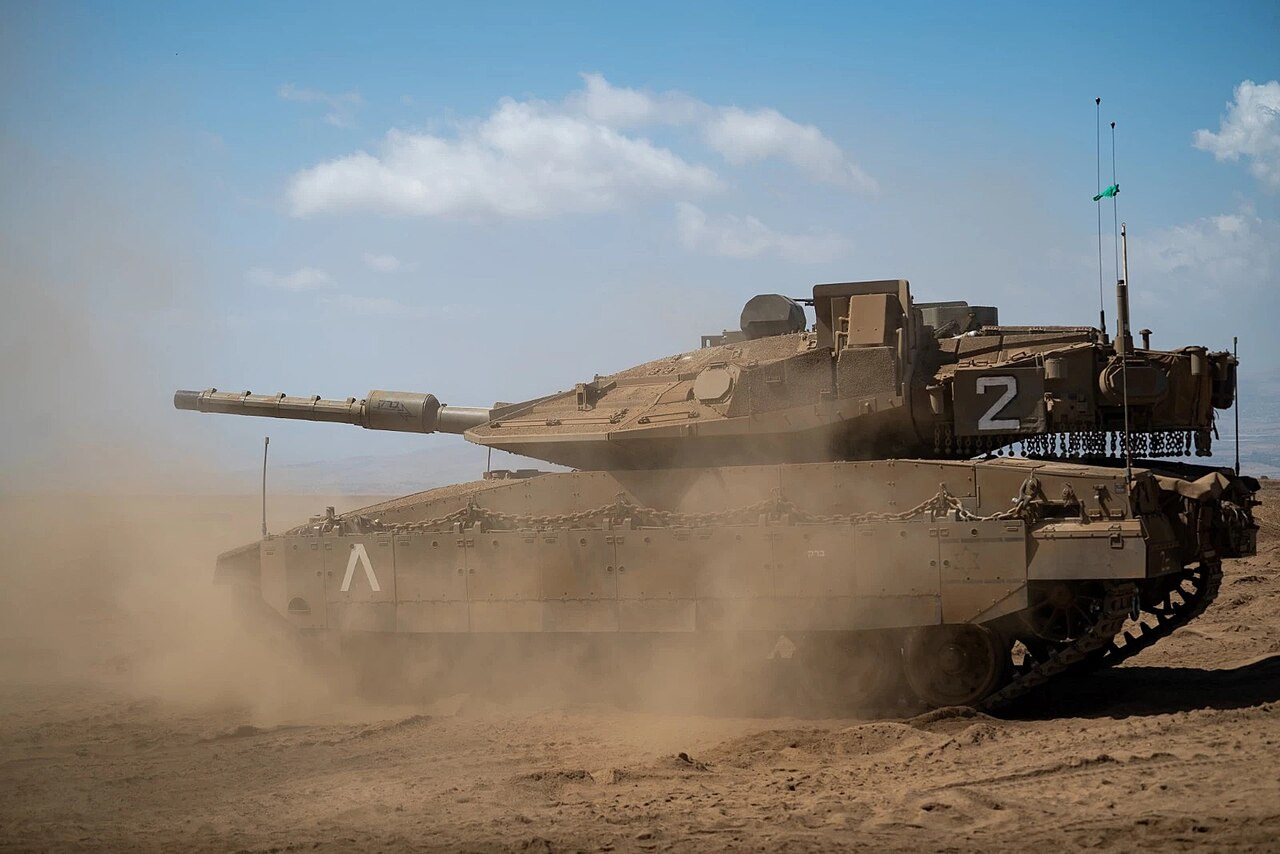
The Merkava Mark 4 Barak (Lightning) entered service in 2023. The tank has an upgraded Trophy APS, 360-degree day/night camera coverage for boosted situational awareness, a fighter jet-style helmet-mounted display for the tank commander, and new sensors enabling it to independently acquire targets and strike them rapidly, as well as having electronic warfare abilities and advanced processing systems, and a direct energy system capable of intercepting drones and cruise missiles.
Pereh

The Pereh is based on the hull of the Magach 5 tank and features an enlarged turret containing 12 Spike missiles in a pop-up missile launcher at the rear disguised as a turret bustle. The launcher is reloaded via a hatch at the rear with the launcher in the lowered position. Known as the Tamuz in Israeli service, the Spike-NLOS missile is capable of being used in both fire and forget and man-in-the-loop modes, either in the direct or indirect fire roles, and is able to destroy targets out to 25 km (16 mi). The front is fitted with a fake cannon to disguise it as a standard tank, but when deployed it can be identified by a curved antenna mounted at the rear on the roof of the turret, which is erected in the firing position. Other additional features include add-on frontal armor and storage boxes on the turret sides.
Leopard 2A4

The Singapore Army acquired 96 ex-West German Leopard 2A4, including 30 spare tanks, in 2006.
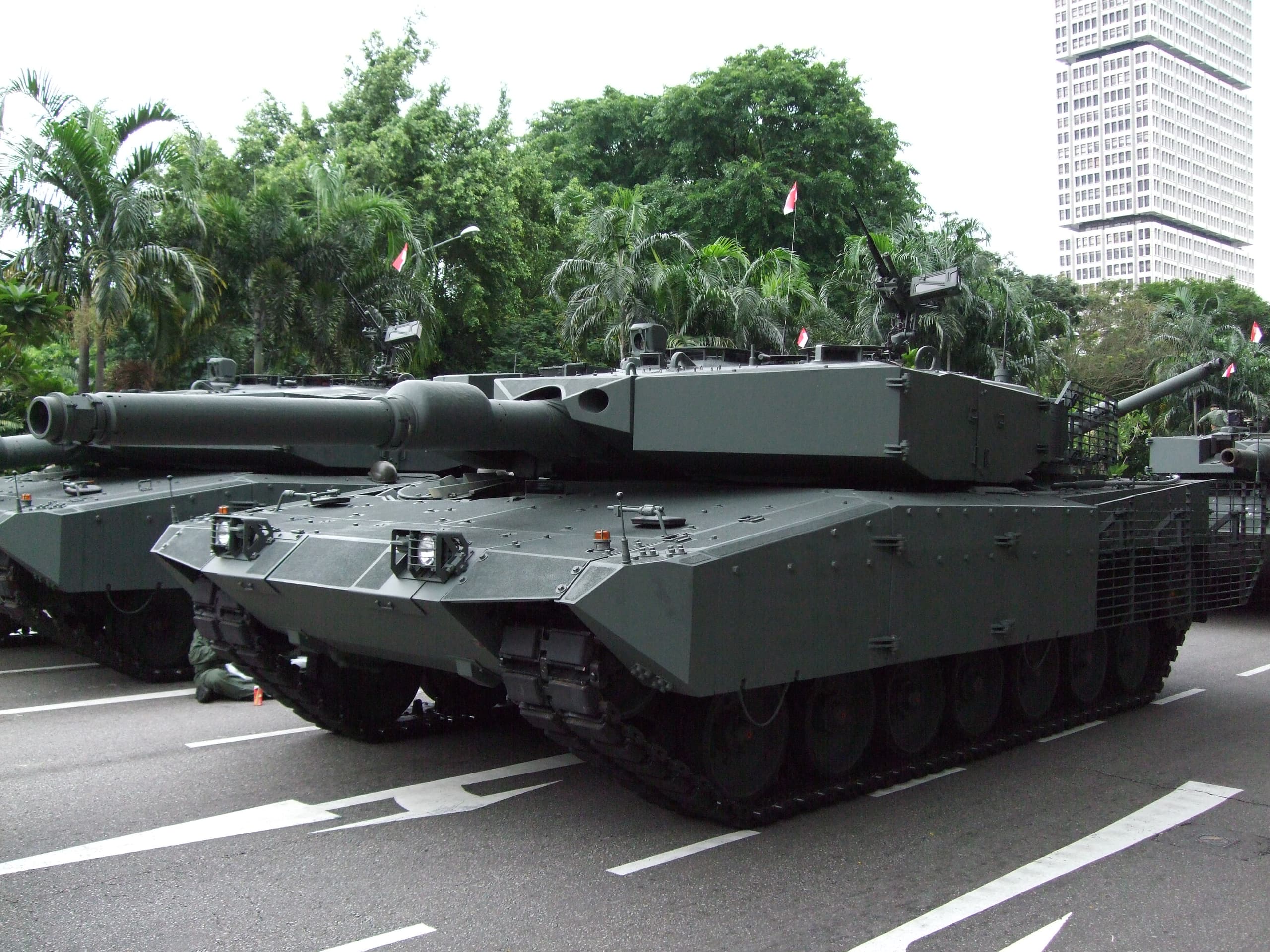
Honorable Mentions
Honorable Mentions
F-47
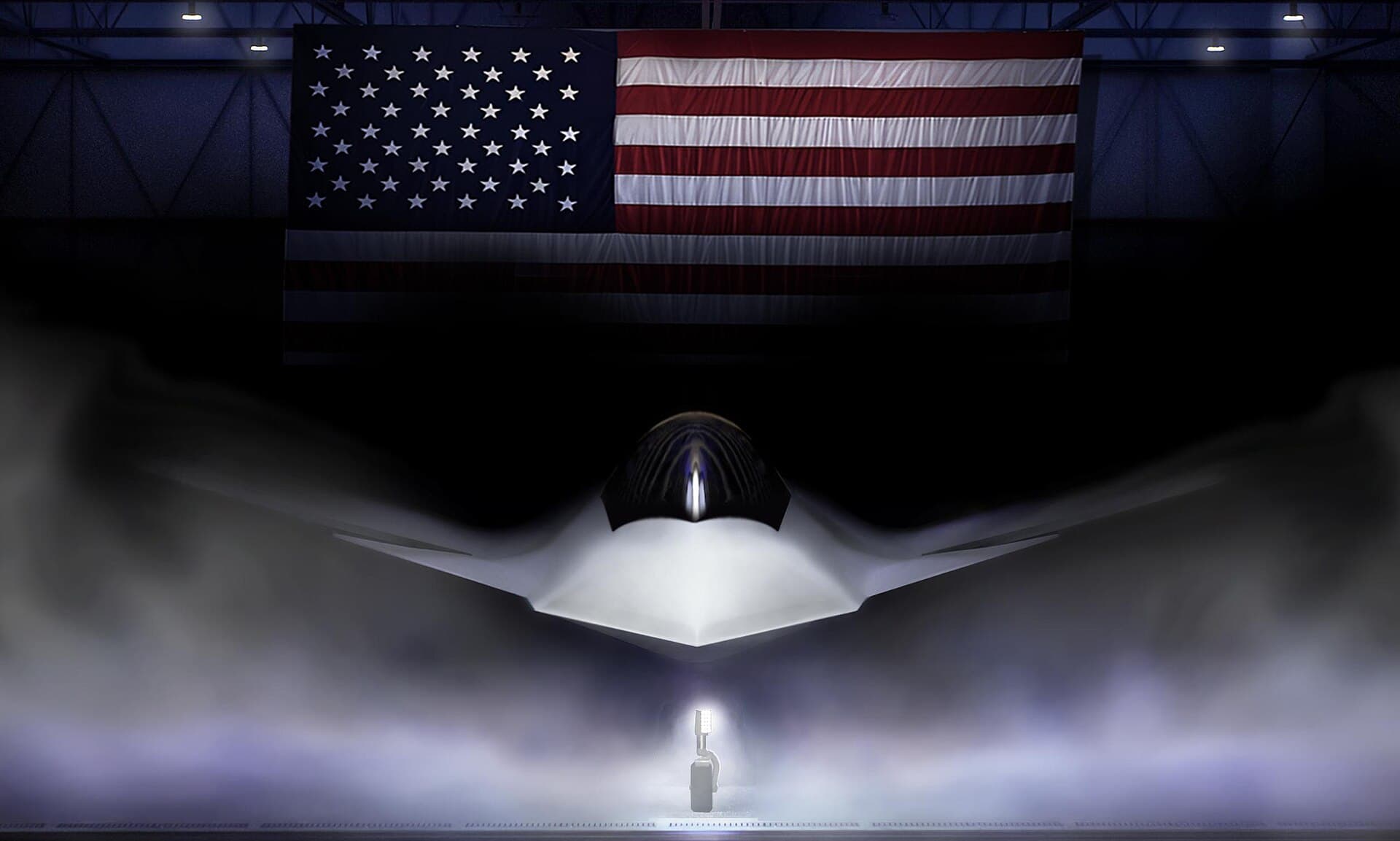
F-47 is a 6th generation air superiority fighter currently under development by Boeing for the United States Air Force.
F/A-XX
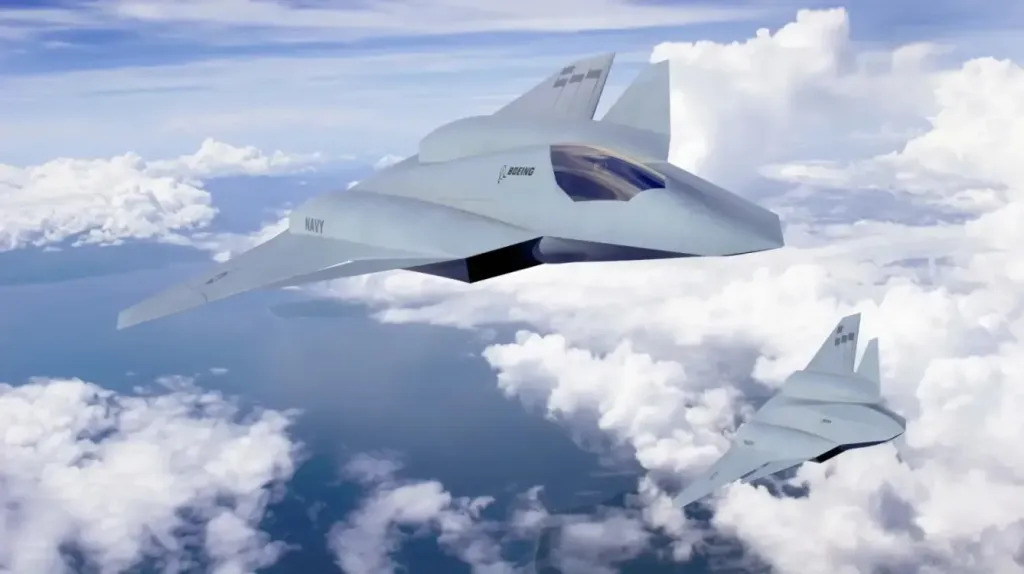
F/A-XX is a program to acquire a 6th generation fighter for the United States Navy to replace the F/A-18. Lockheed Martin was removed and currently Boeing and Northrop Grumman are competing to win this program.
J-36
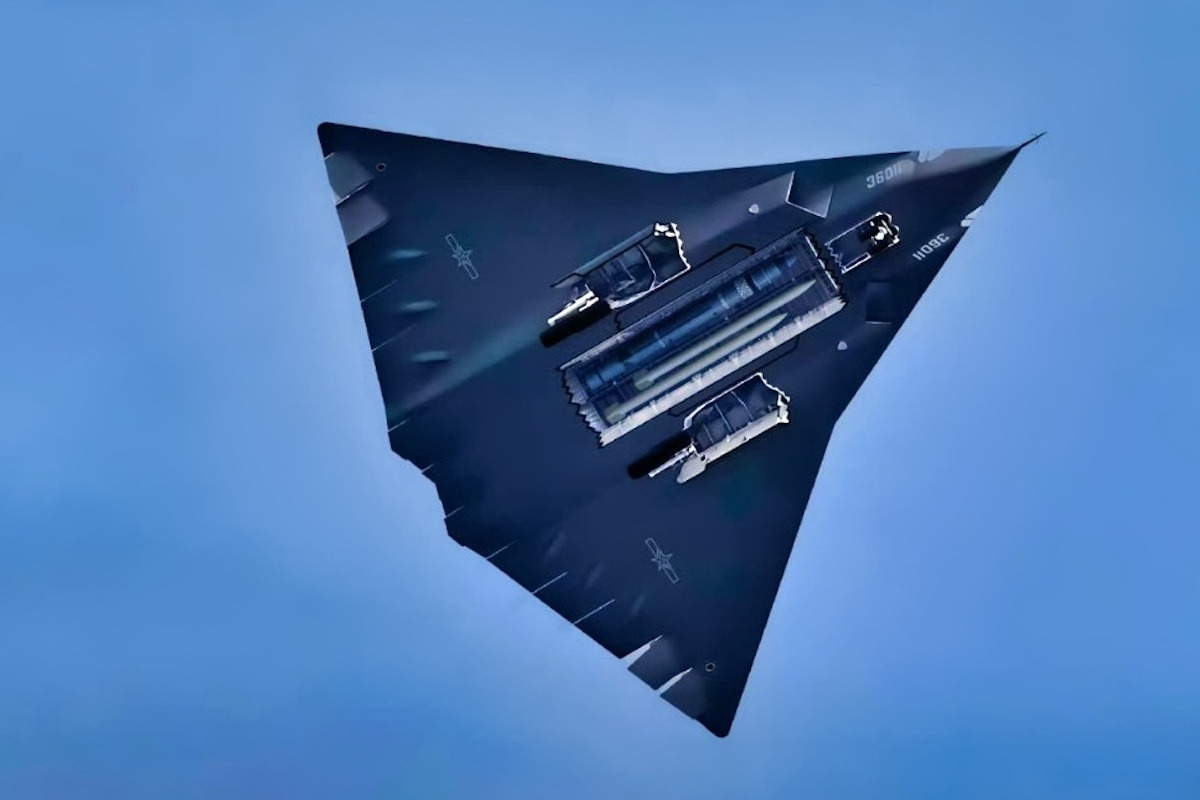
J-36 is a 6th generation fighter currently under development by Chengdu for the Chinese Air Force.
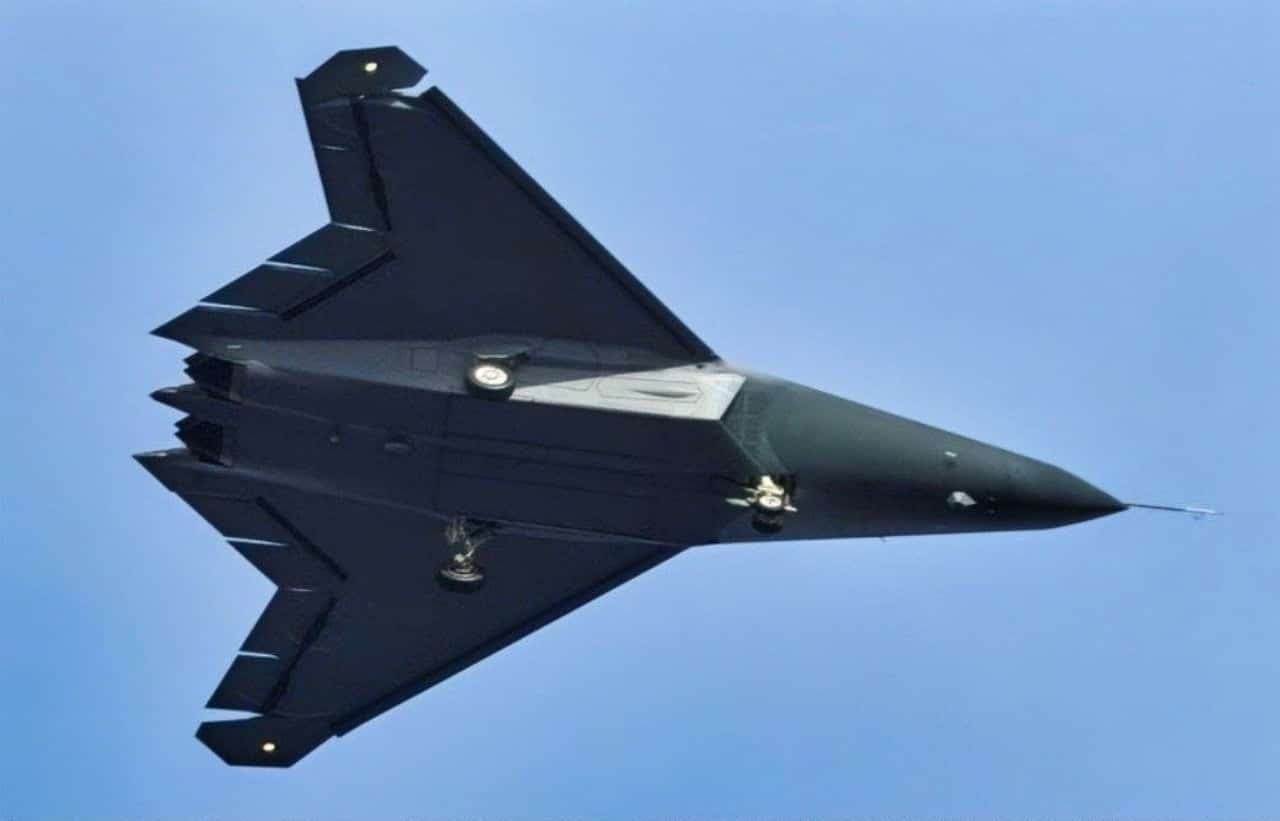
New Generation Fighter (NGF)
NGF was a 6th generation fighter under development by France, Germany, and Spain but was cancelled in June 2026.
Tempest
Tempest was a proposed 6th generation fighter under development by UK and Italy for their air forces but they decided to merge it with Japan’s F-X fighter.
F-X

The Mitsubishi F-X (unofficially called F-3) was a 6th generation fighter that was in development for the Japan Air Self Defense Force (JASDF) but was merged with BAE Systems Tempest to form the GCAP.
Global Combat Air Programme (GCAP)
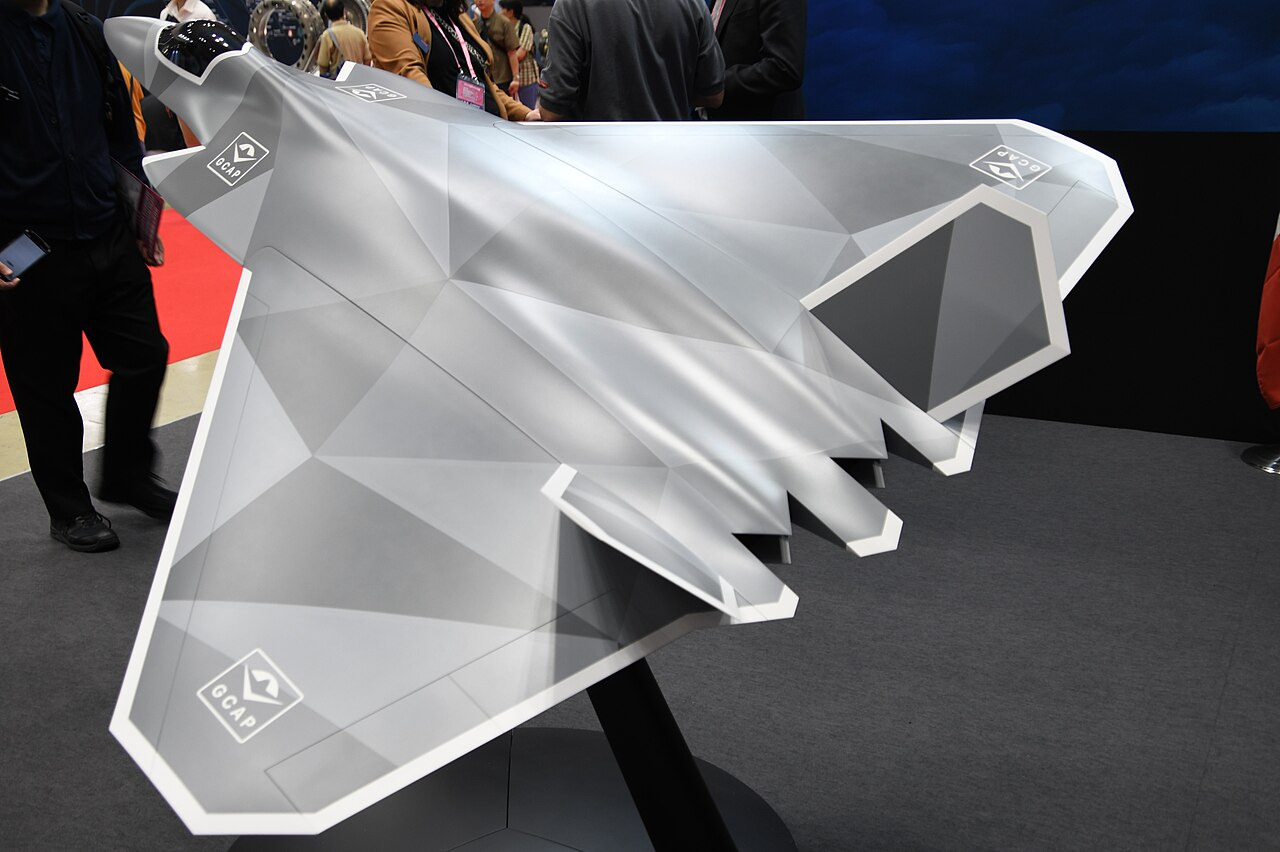
The Global Combat Air Programme (GCAP) is a a program by UK, Italy, and Japan to develop a 6th generation fighter.
MiG-41
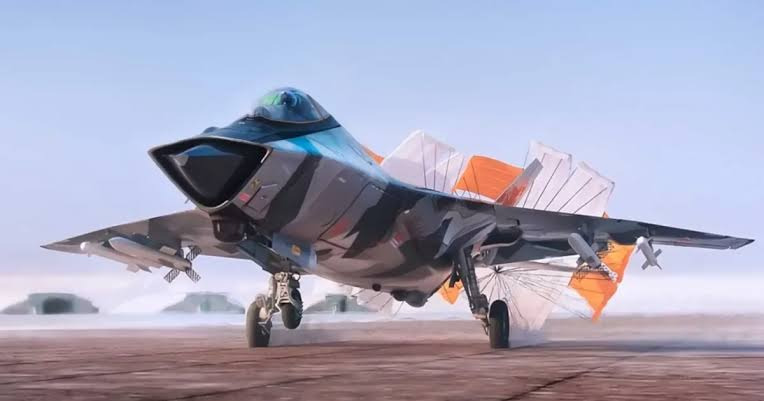
MiG-41 is a 5.5/6th generation interceptor under development by Mikoyan.