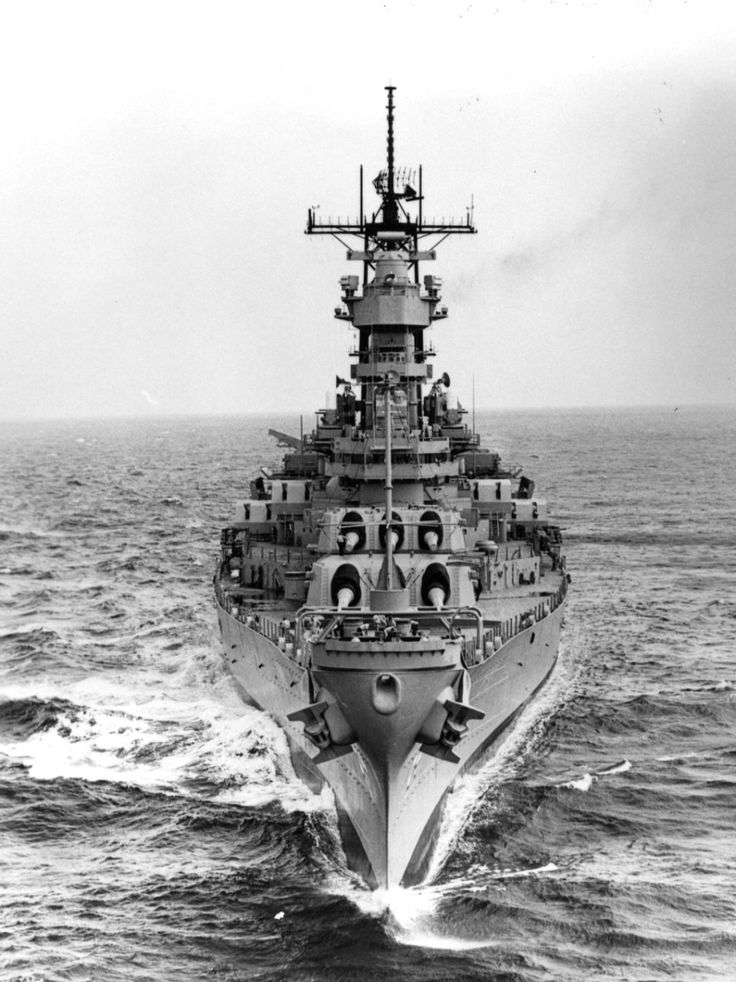
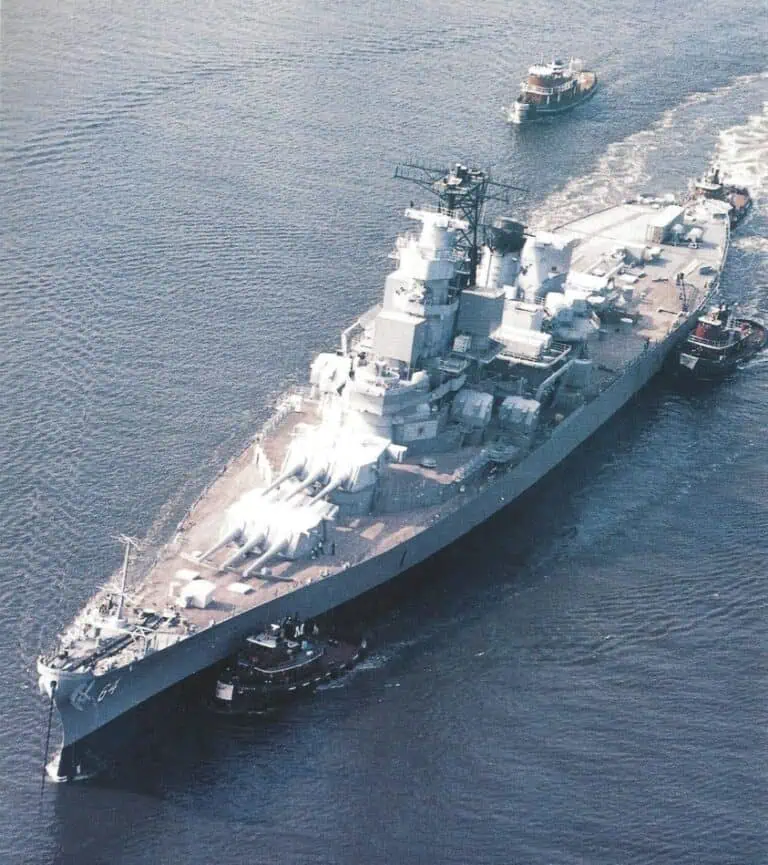
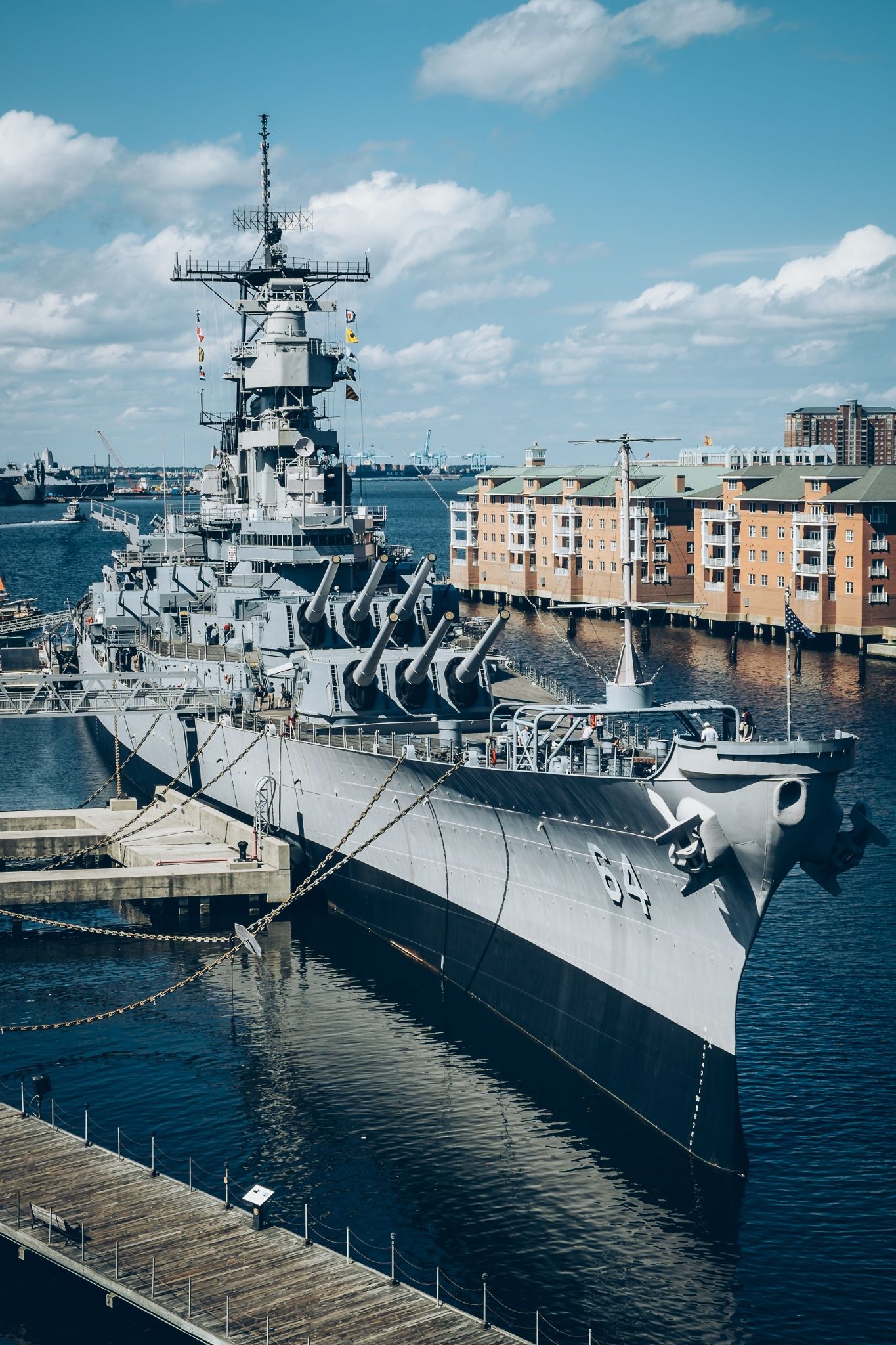
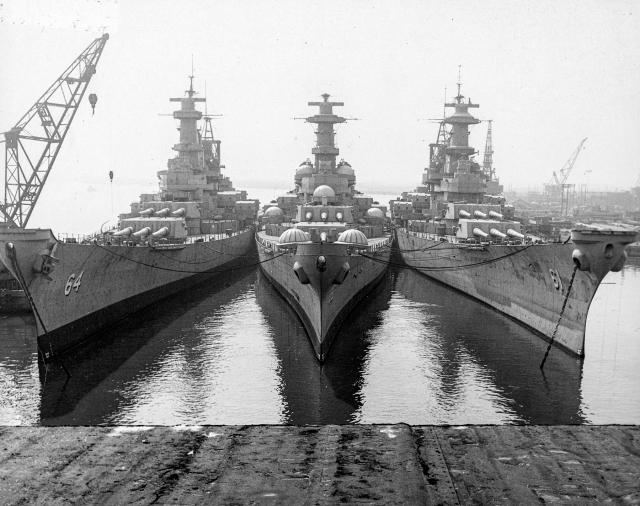
USS Wisconsin BB-64 (Korean war variant)
History
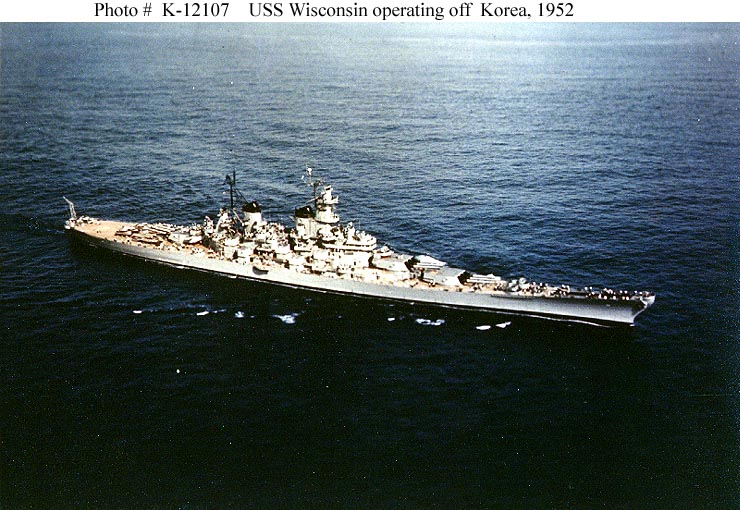
I’m sure everyone’s heard the story. Ship gets shot by shore based artillery fire, and proceeds to aim all 9 of her main guns and open fire on said artillery position. Many have heard this story, however few have heard HER story.
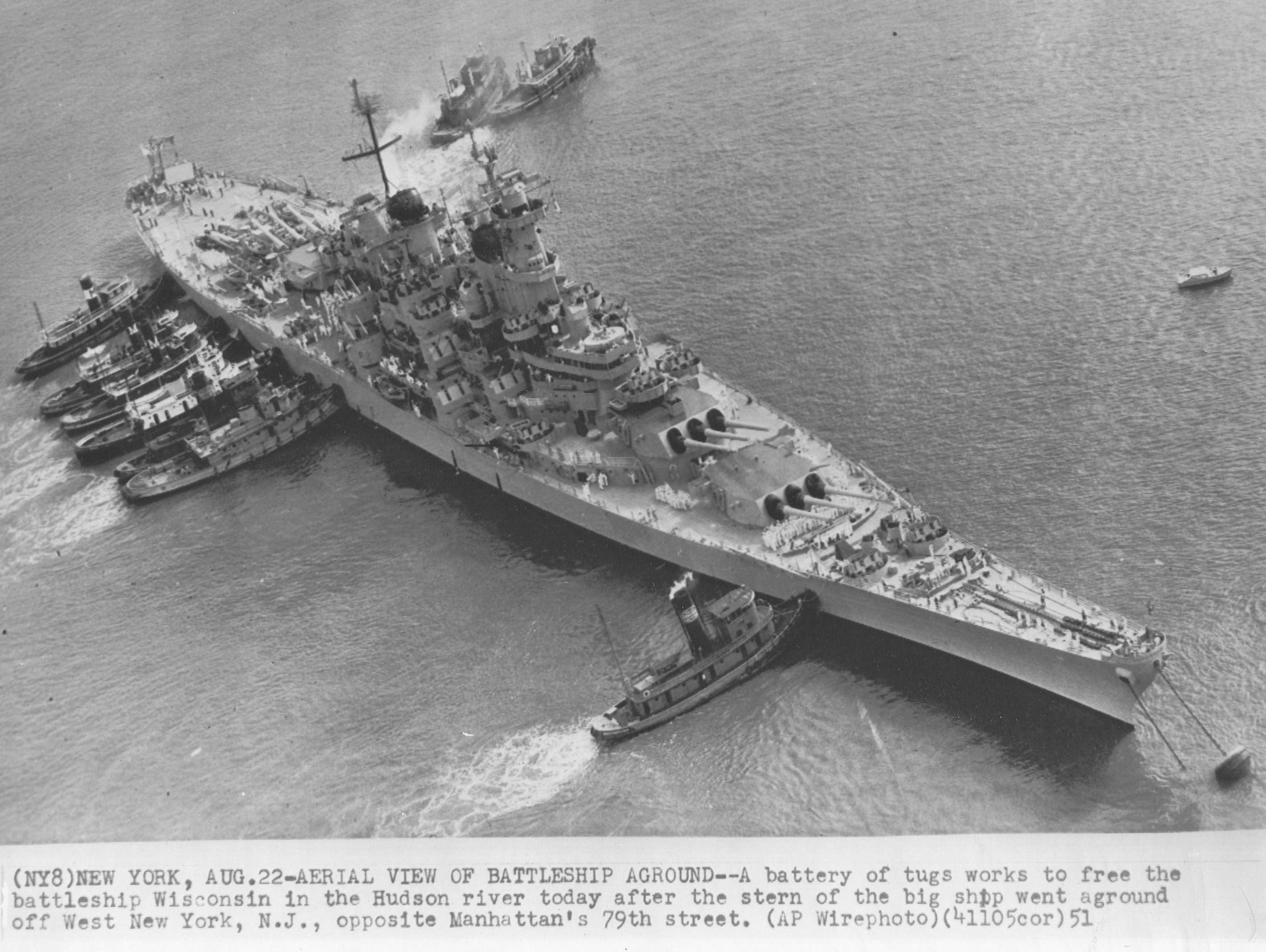
Authorized by Congress on July 6, 1939, the USS Wisconsin (BB-64) was laid down on January 25, 1941, at the Philadelphia Naval Shipyard and launched on December 7, 1943.
Commissioned in April 1944 under the command of Captain Earl E. Stone, she departed for the Pacific Theater, participating in major campaigns including Iwo Jima and Okinawa. For her World War II service, she earned five battle stars and was credited with destroying three enemy aircraft and damaging four others. Following the war, Wisconsin was relegated primarily to training duties until her decommissioning on July 1, 1948.
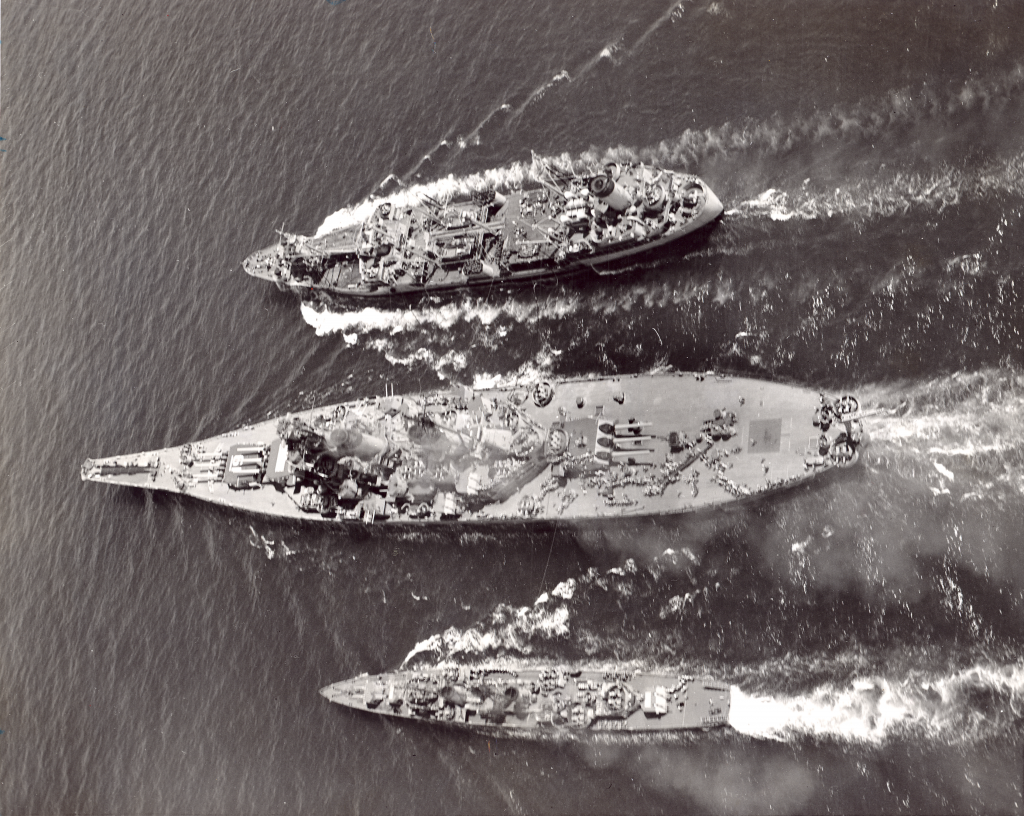
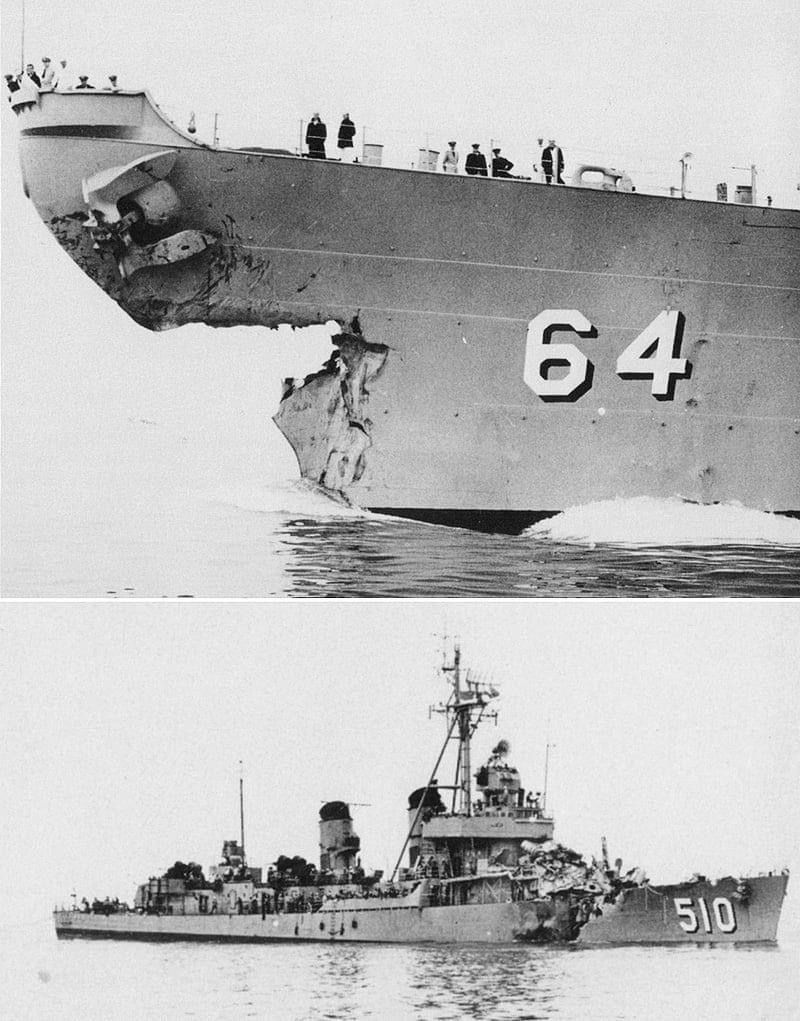
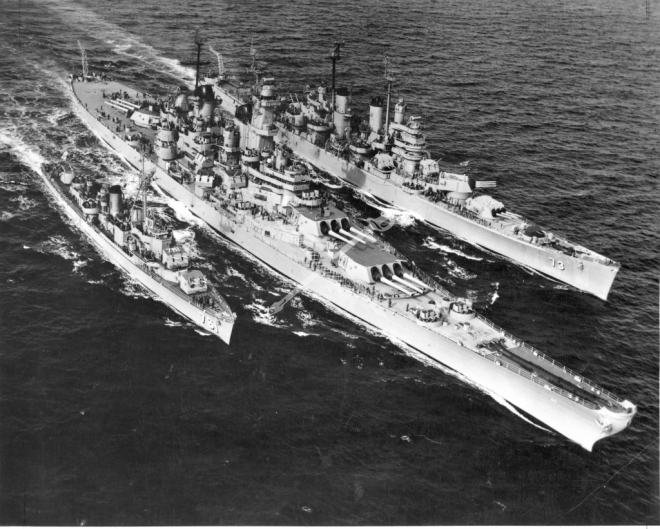
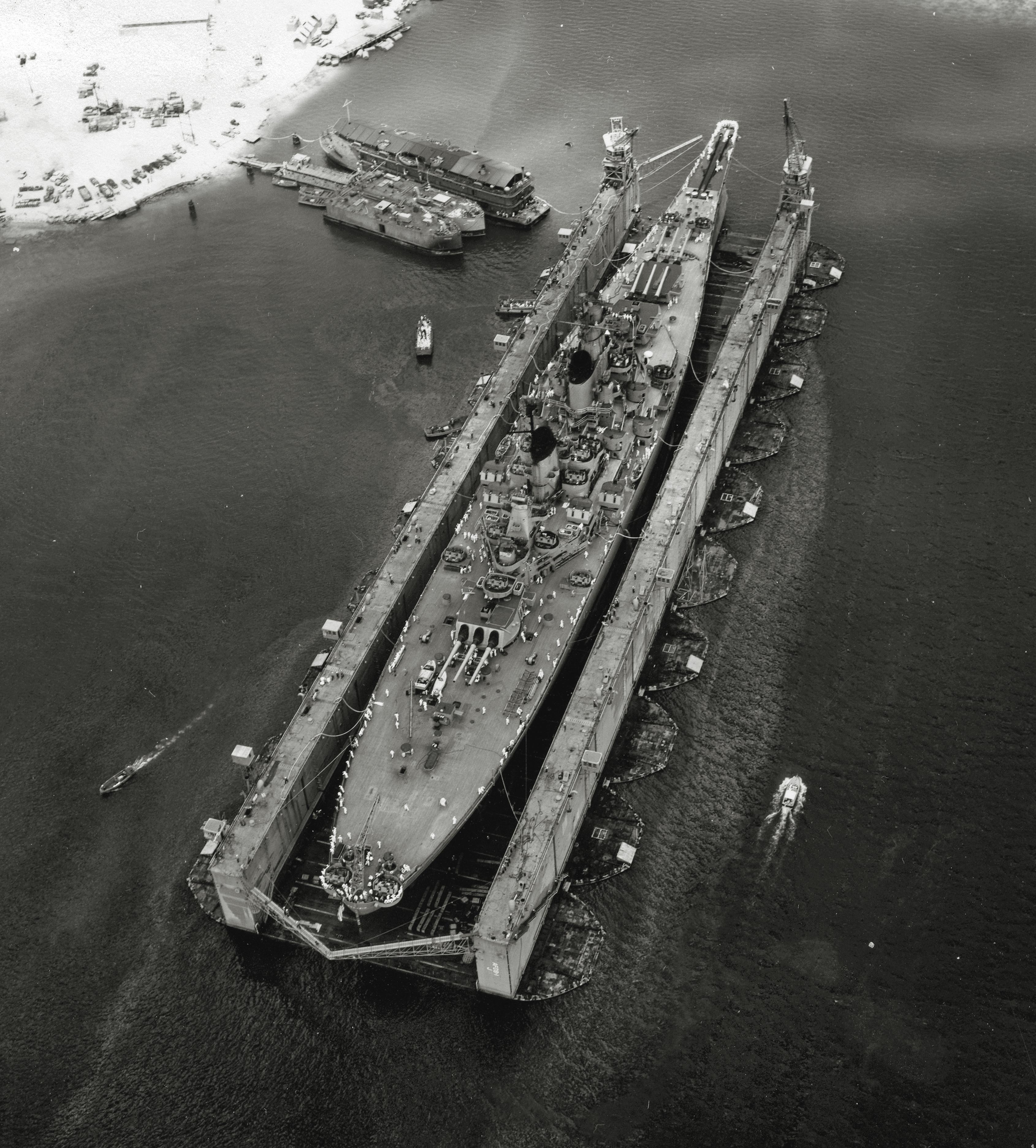
Wisconsin was recommissioned on March 3, 1951, under Captain Thomas Burrowes. After completing shakedown training, she departed Norfolk on October 25 and transited the Panama Canal on October 29. Arriving in Japan on November 21, she relieved her sister ship, the USS New Jersey (BB-62), before deploying to the Korean Theater on November 26. Operating primarily in a naval gunfire support role, she targeted enemy logistics and fortifications, successfully eliminating targets such as a tank, a communication center, a train, and an artillery position. On March 15, 1952, a North Korean artillery battery fired four rounds at the battleship, scoring a direct hit that injured three crew members. Wisconsin immediately returned fire with all nine of her 16-inch main guns, completely obliterating the enemy position. On April 4, she successfully tested the U.S. Navy’s largest floating dry dock, marking the first time an Iowa-class battleship was berthed in one.
Returning to the United States via Long Beach, California, Wisconsin sailed for her home port of Norfolk, Virginia. On August 4, 1952, command was transferred to Captain M.F.D. Flaherty, and the ship spent subsequent years engaged in global training cruises and operational exercises. She was decommissioned and mothballed in the Philadelphia Naval Shipyard alongside the USS Iowa (BB-61) in 1958.
Modernization and the Gulf War
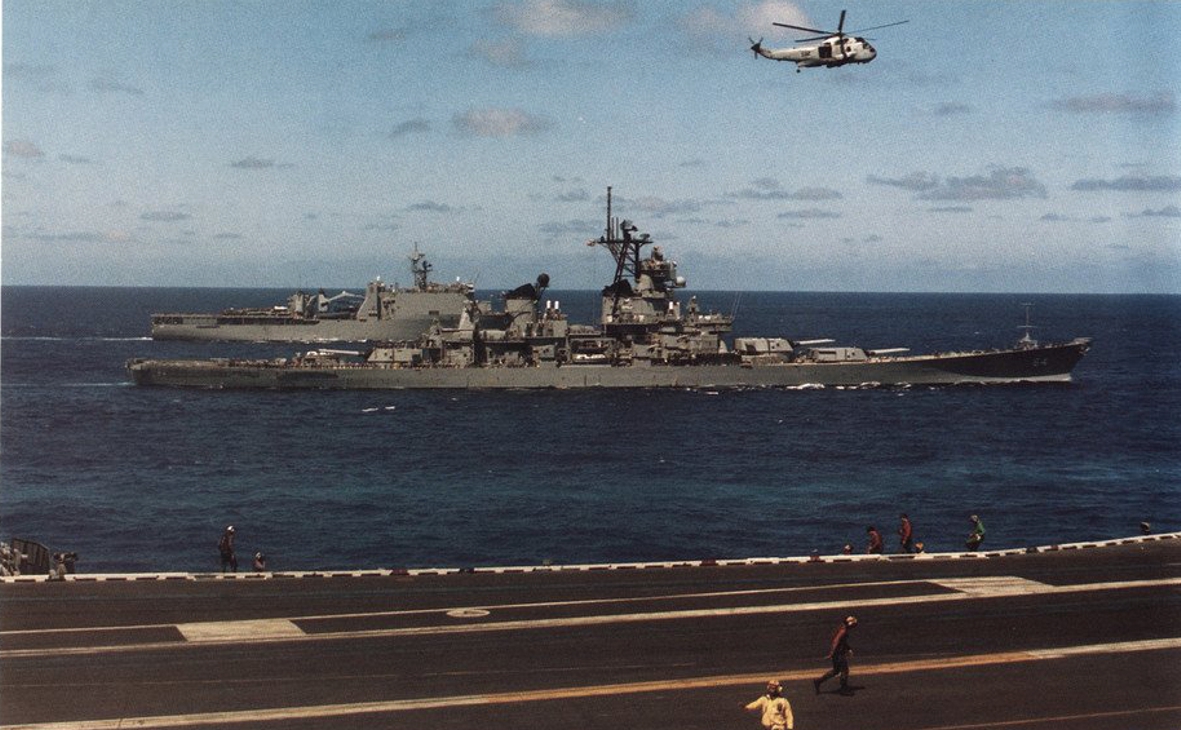
Reactivated in 1986, Wisconsin deployed in August 1990 to participate in the Gulf War. In February 1991, she provided naval gunfire support, directing her strikes using targeting data provided by an OV-10 Bronco observation aircraft. On March 1, 1991, Wisconsin achieved a unique milestone when her RQ-2 Pioneer UAV observed hundreds of Iraqi soldiers waving white flags, marking the first recorded instance of enemy combatants surrendering to an unmanned aerial vehicle. During the conflict, she expended 528 rounds of 16-inch ammunition, fired 5,200 rounds of CIWS ammunition, and recorded 661 safe helicopter landings.
Wisconsin was decommissioned for the final time on September 30, 1991. After subsequent relocation, she is preserved today as a floating museum ship in Norfolk, Virginia.
Stats
Length: 887ft 3in
Beam: 108ft 2in
Draft: 37ft 9in
Compliment: 2,672 (1949)
Displacement: 58,000 tons
Boilers: 8x 600psi Babcock & wilcox
Engines: 4x geared Westinghouse turbines producing 212,000 HP total
Propellers: 4
Top speed: “in excess of 33 knots”
Armor:
Main Waterline Belt: 12.1 inches
Lower Belt: 1.62 to 12.1 inches
Forward Transverse Bulkhead: 11.7 to 14.5 inches
Aft Transverse Bulkhead: 14.5 inches
Steering Gear Belt: 5 to 13.5 inches
Main Deck: 1.5 inches
Second Deck: 6 inches
Steering Gear Roof: 6.2 inches
Turret Faces: 19.5 inches
Turret Sides: 9.5 inches
Turret Tops: 7.25 inches
Turret Backs: 12 inches
Barbettes: 11.6 to 17.3 inches
Conning Tower Sides: 17.3 inches
Armament:
9x 16in guns in 3 turrets
20x twin 5in dual purpose guns
80x 40mm guns in quad mounts
49x 20mm single mount guns
Aircraft: None
Radar:
Main Early-Warning Radar: SK-2
Surface-Search Radars: SG
Main Battery Fire-Control Radar: Mk-8
Secondary Battery Fire-Control Radars: Mk-12 and Mk-22
Secondary/Anti-Aircraft Fire-Control Radar: Mk-27
Fire Control Computer: Ford Mark 1
- Yes’s
- No