- Yes
- No
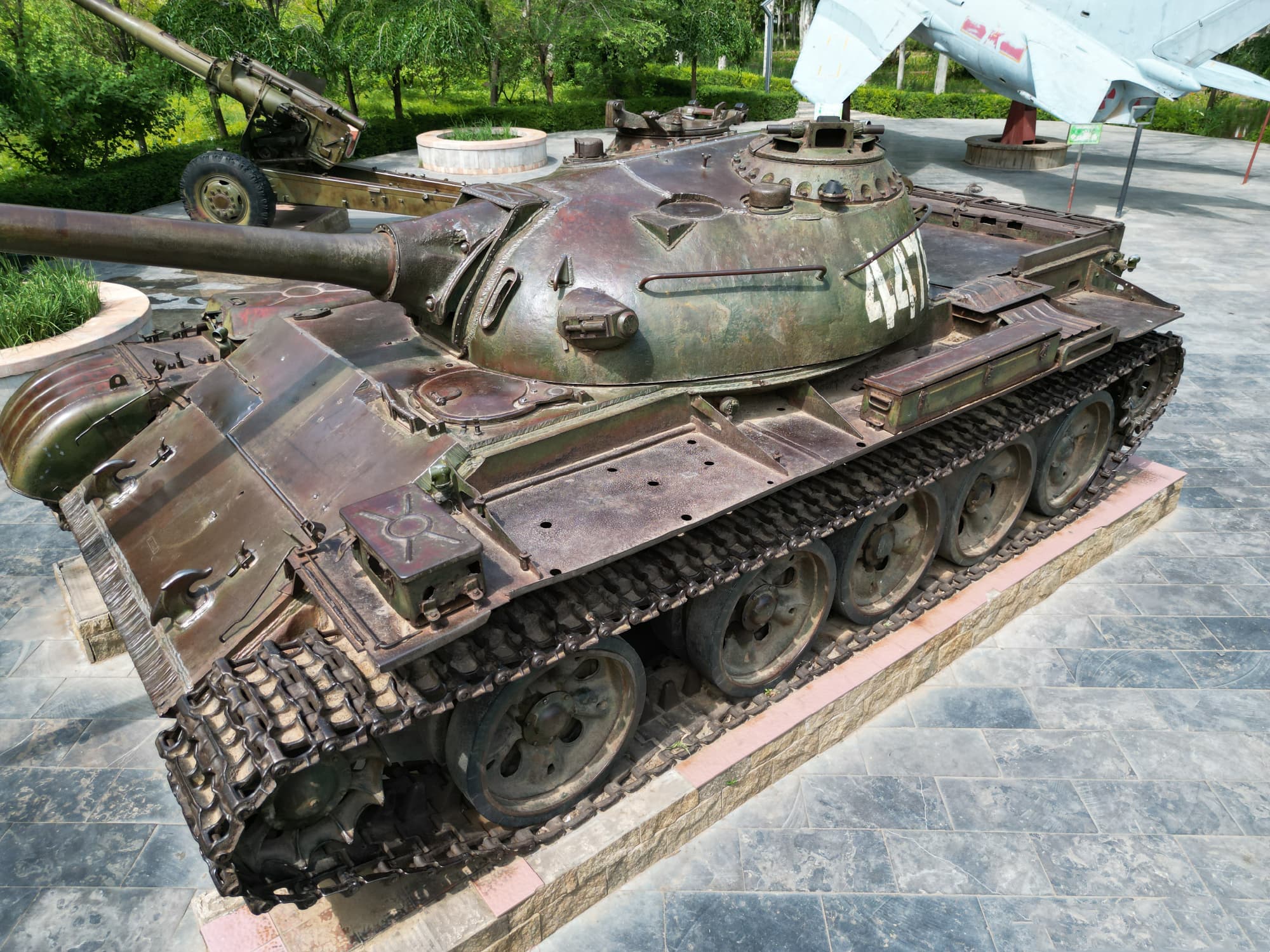
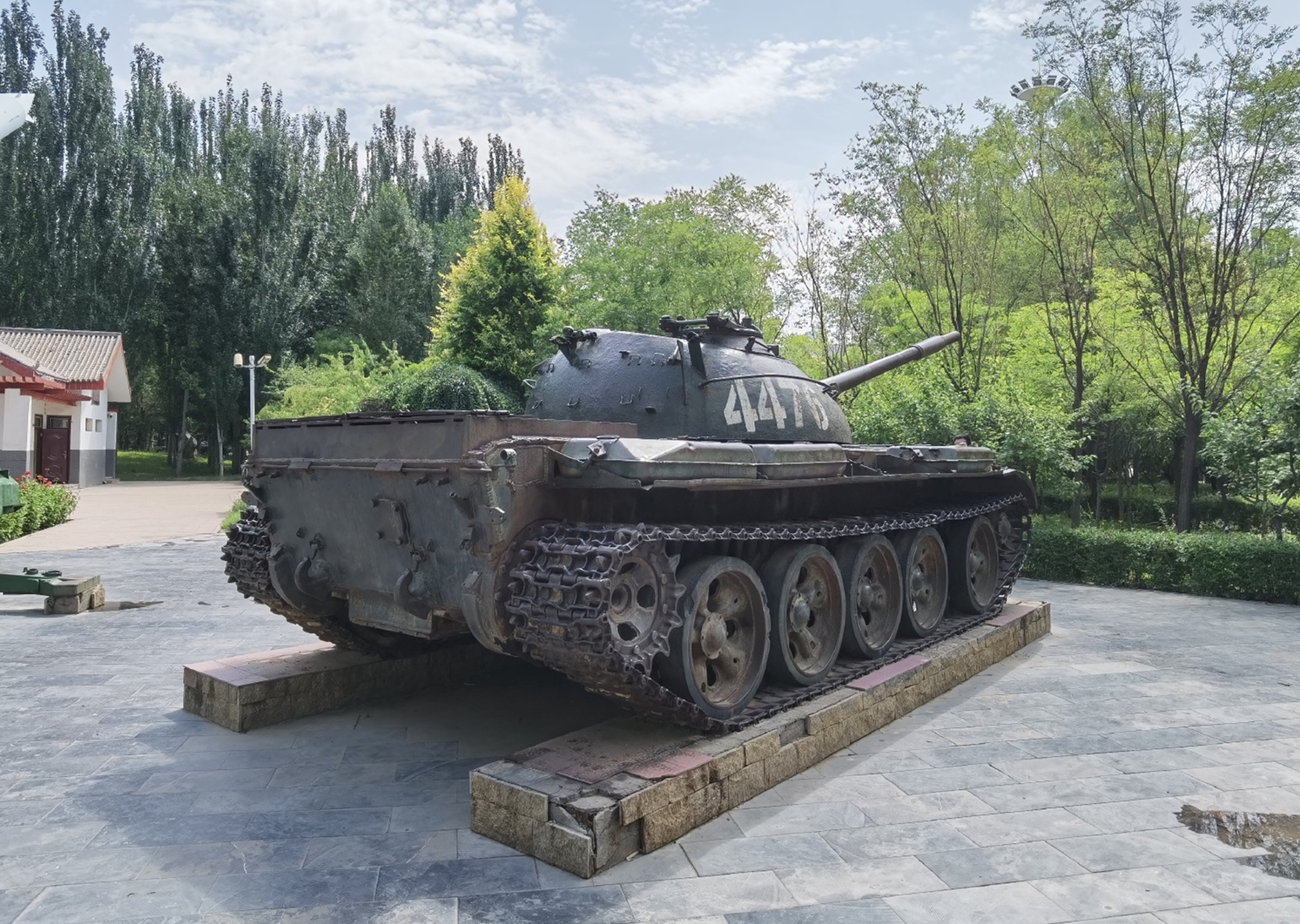
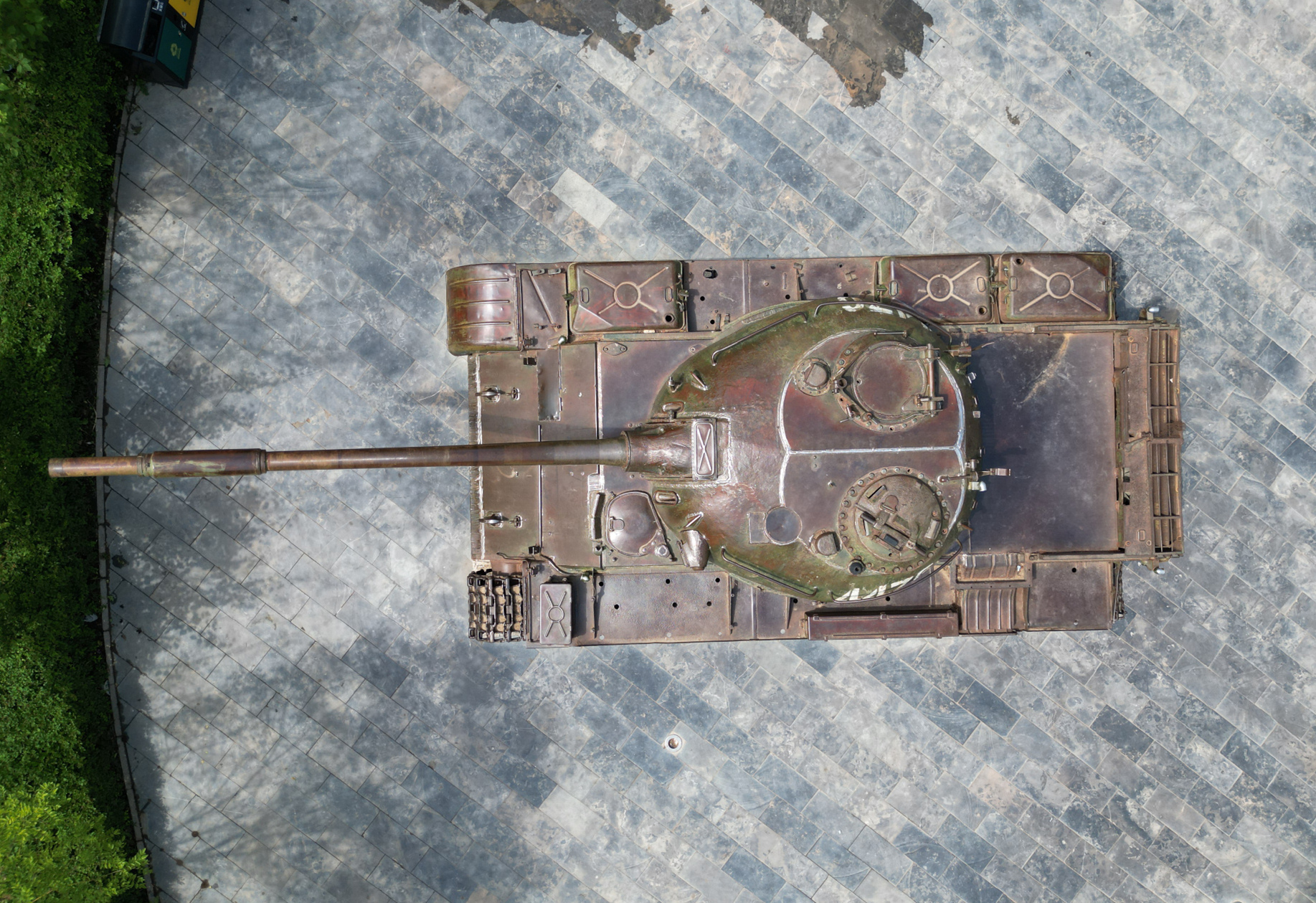
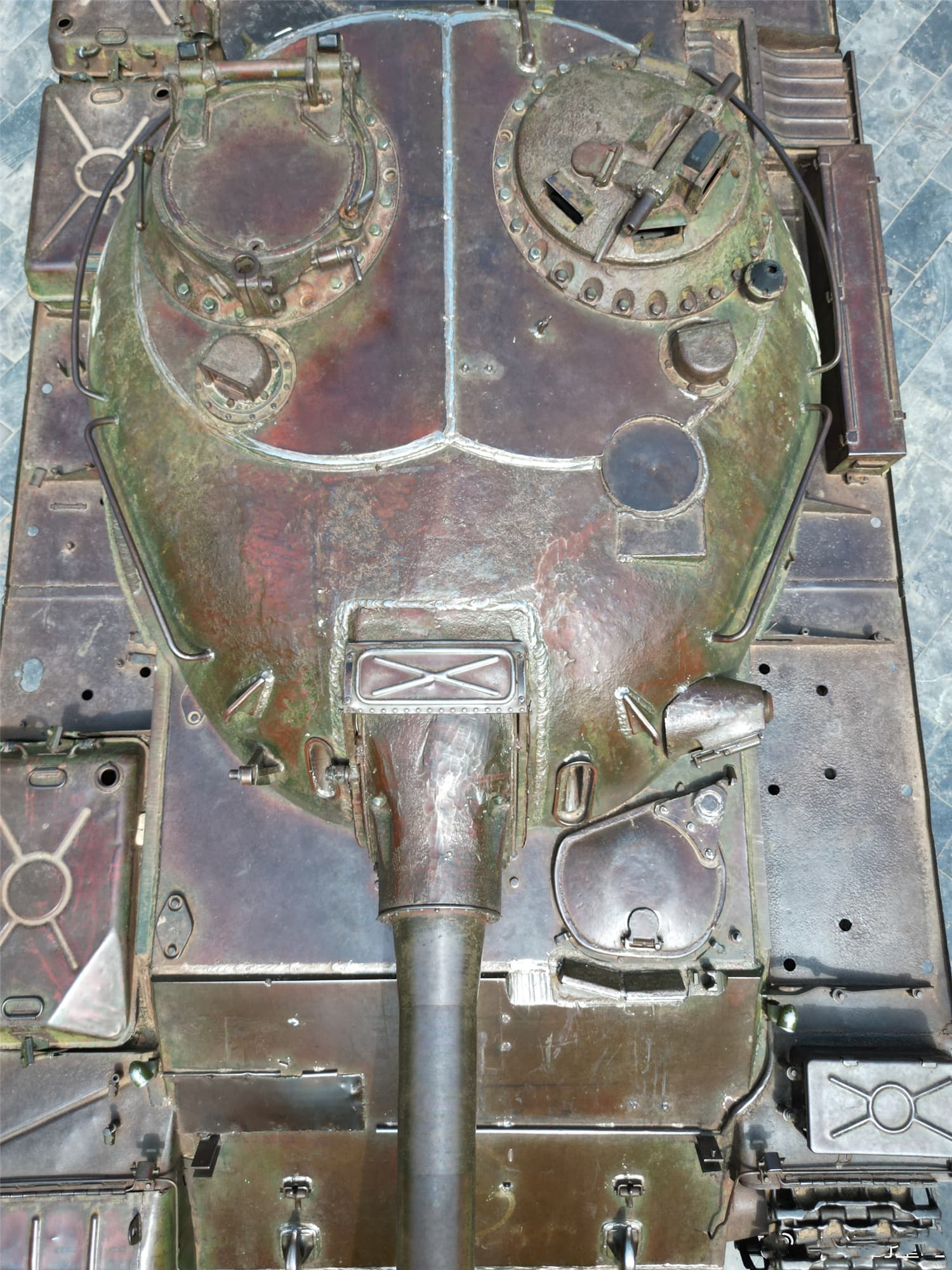
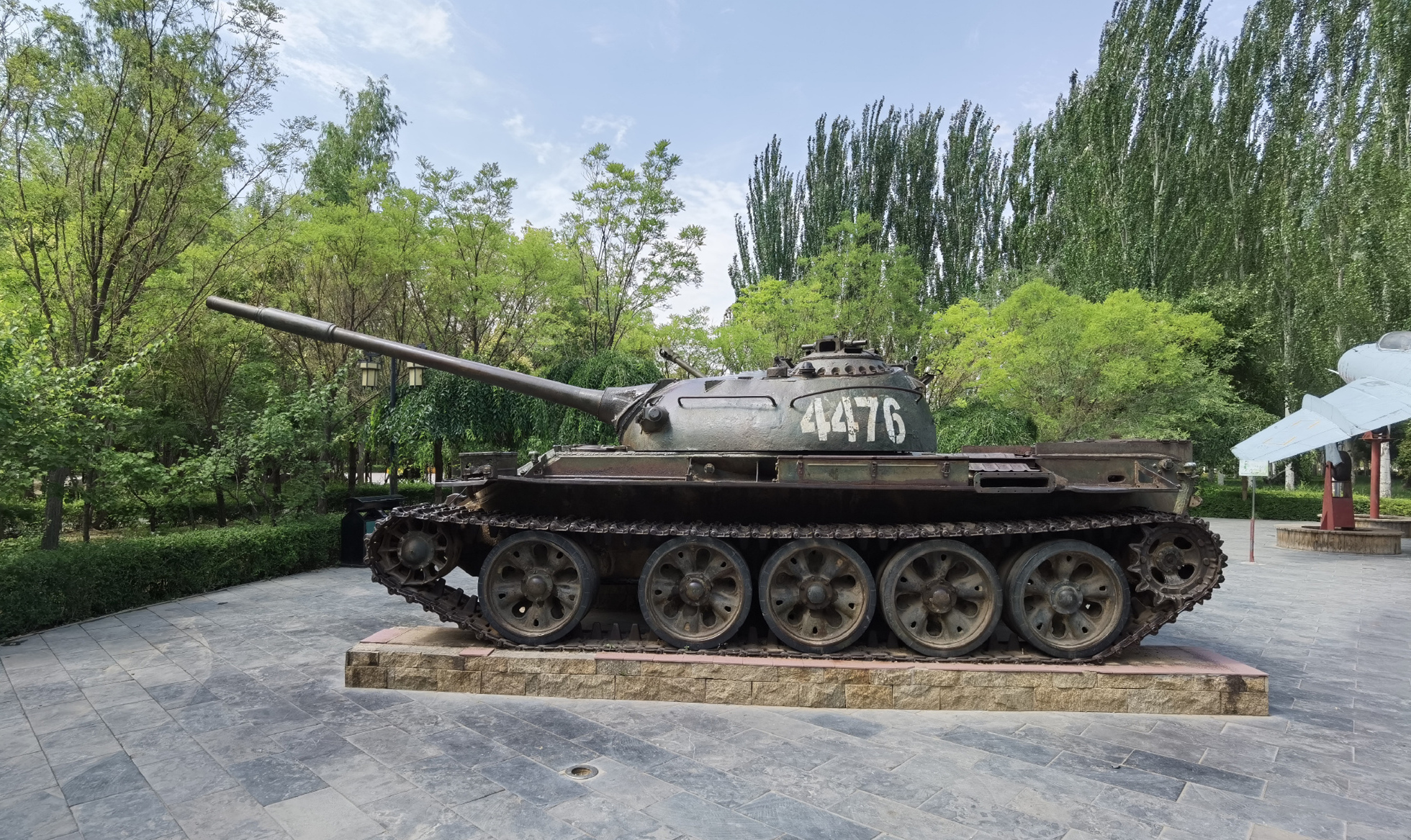
This vehicle is a Chinese technology demonstrator based on the Type 69 tank platform, modified with a gas turbine engine. It used a Pratt & Whitney Canada ST6J-771 gas turbine. The modification was completed in 1978, followed by comparative tests. Only one prototype was built.
After the end of World War II, West Germany began researching gas turbines for tanks, and France was the first to test a gas turbine installed in a tank. In the 1960s, both the Soviet Union and the United States successively carried out gas turbine trials on tanks. In 1959, Chinese military researchers proposed the concept of combining a gas turbine with hydrodynamic transmission, believing that such a solution would achieve the maximum torque coefficient without the need for gear shifting. However, at that time, China’s tank engines were all copies or improvements of Russian diesel engines, and the country was in the era of the “Great Leap Forward”; the gas turbine remained only on paper. After the Great Leap Forward, the mainstream of China’s tank power development returned to using mechanical or turbocharging methods to improve existing diesel engines, but researchers continued to follow foreign achievements in gas‑turbine‑powered tanks. It was not until the 1970s that an opportunity suddenly appeared.
In 1972, in order to improve the high‑altitude/high‑temperature performance of the Z‑5 helicopter, China negotiated with Pratt & Whitney Canada to import its new PT6T‑6 “twin‑pack” turboshaft engine. At about the same time, Pratt & Whitney was looking for a way to sell the land‑based derivative of its PT6 engine – the ST6 series (the engine had already been used on the UAC gas‑turbine locomotive that set a Canadian railway speed record, and on the US Navy’s SES‑100B experimental surface‑effect ship, which reached a speed of 96 knots. Although the ST6 had thus been extended to maritime applications, making the whole ST6 project profitable and sustainable would obviously not rely on a single test vessel). Thus, taking the PT6 modification of the Z‑5 helicopter as an opportunity, Pratt & Whitney began discussing the sale of an ST6 to China for testing. Subsequently, a gas turbine of the type ST6J‑771 arrived in China in 1977, and researchers immediately started a one‑year bench test of a simulated in‑vehicle system.
Because the ST6 was not specifically designed for tanks, the real challenge was to “squeeze” it into a selected Type 69 medium tank. Although the gas turbine was smaller in volume, its shape was relatively slender compared to a tank diesel engine. For example, the 12150L diesel engine of the Type 59 was less than 1.6 m long, while the ST6J‑771 was 1.7 m long. To mount it transversely inside the hull, engineers redesigned the starter transmission housing, relocated the starter motor and changed its installation direction, thereby compressing the overall length to below 1.6 m, and successfully installed the ST6J‑771 transversely into a Type 69 tank. There were many other modifications. Because the ST6J‑771’s air flow demand was 4‑5 times that of the 12150L diesel engine (the gas turbine ran at up to 30,000 rpm and required 2.68 kg/s of air at rated power), a two‑stage air cleaner was specially designed to meet the air intake and impedance requirements. The ST6J‑771 was a two‑spool gas turbine; when matched with the Type 69’s mechanical gearbox, it suffered from overspeed during gear shifts. By adding a small‑diameter fan to the engine output shaft, which provided a braking load during gear changes, the overspeed problem was successfully solved. An overrunning clutch was also installed between the transmission housing and the main clutch to protect the engine from reverse torque when the main clutch rotated faster than the transmission housing during downhill driving or sudden throttle reduction.
In October 1978, the modified Type 69 tank underwent a one‑year comparative performance test against a Type 59 tank. Although the ST6J‑771 had only 550 hp, which did not seem like a significant increase over the 520 hp of the 12150L, the gas‑turbine test vehicle demonstrated overall superiority during a total travel of 1,000 km, under conditions ranging from –49 °C extreme cold to +34.5 °C scorching heat. The most obvious comparison was acceleration: from a standstill to 44 km/h, the test vehicle took only 26 seconds over 214 m, whereas the Type 59 took 39 seconds over 344 m – an improvement of about one third. Moreover, the test vehicle could start directly in 5th gear, without the need to start in 2nd gear and shift up step by step as required on the Type 59, reducing driver fatigue and speed loss. At the same time, because the gas turbine’s torque characteristics were superior to those of the diesel engine, both the steering speed range and the power range were greater, giving the tank better manoeuvrability in confined spaces. When crossing obstacles or enduring rough terrain impacts, the gas turbine also exhibited greater stability. In cold‑start performance tests in winter, the test vehicle started successfully every time without any pre‑heating measures, while the Type 59 required about half an hour of warm‑up.
However, as a vehicle hastily put together on a Type 69 basis, the test vehicle had many inherent problems that prevented the full realisation of the gas turbine’s advantages. For example, the mechanical transmission did not match the gas turbine well, and as noted, the ST6 was not designed for tank use – as a result, the engine would surge during frequent throttle changes. In addition, the high fuel consumption and high cost of the gas turbine were very serious problems for China, which was still very poor at the time. Ultimately, the Chinese military abandoned the project. Only one prototype was built, and it is now displayed at Linhai Park in Wulate Front Banner.
Spoiler
| Parameter | Value |
|---|---|
| Crew | 4 |
| Combat weight | 36.5 t |
| Armor | Same as ZTZ69 in-game |
| Length (gun forward) | 9.125 m |
| Length (gun rear) | 8.953 m |
| Hull length | 6.002 m |
| Width (without skirts) | 3.27 m |
| Height (to turret roof) | 2.457 m |
| Maximum road speed | 50–55 km/h /7.5km/ |
| Maximum road range | 400 km |
| Engine | ST6J‑771 gas turbine |
| Engine power | 550 hp |
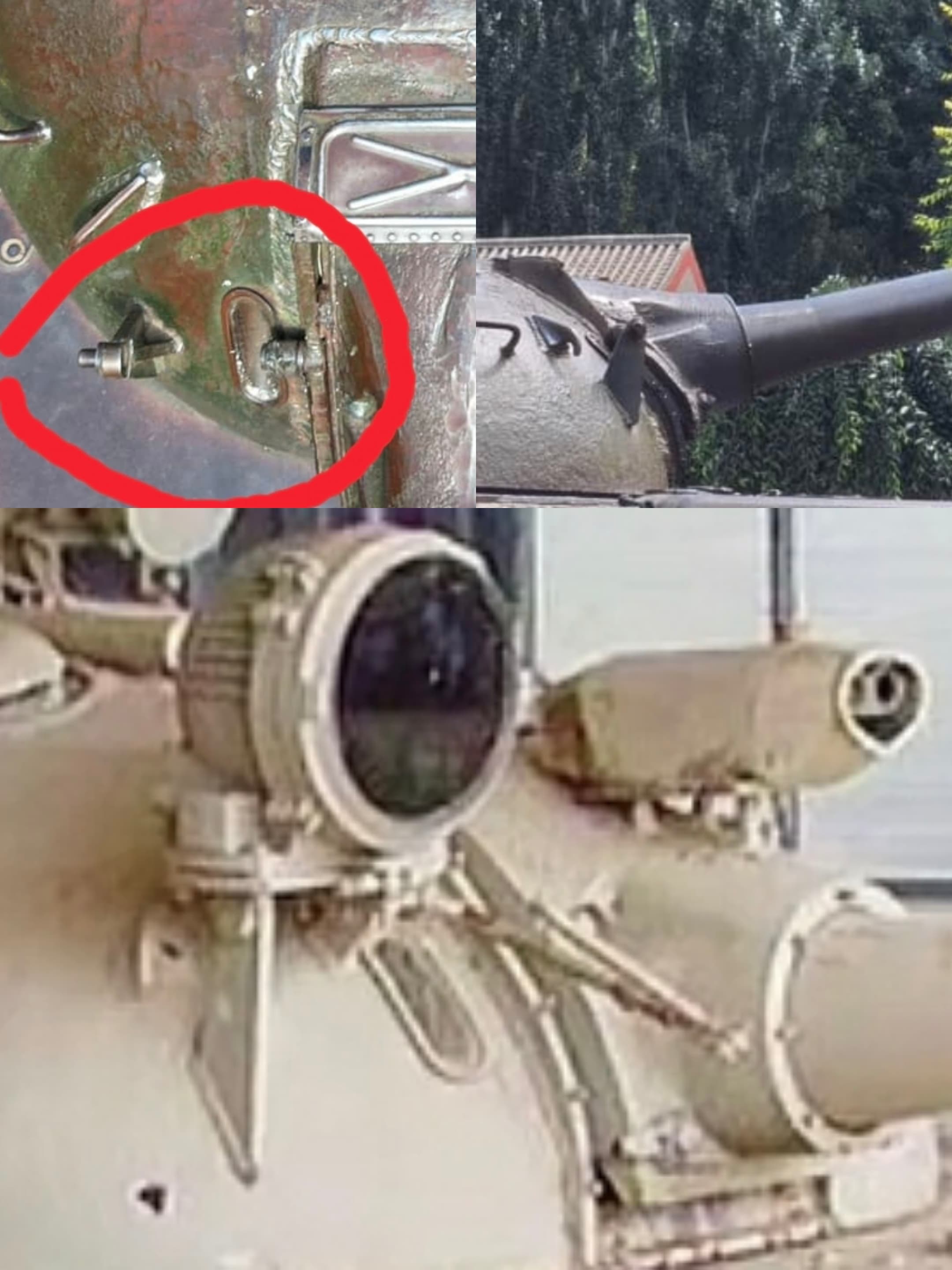
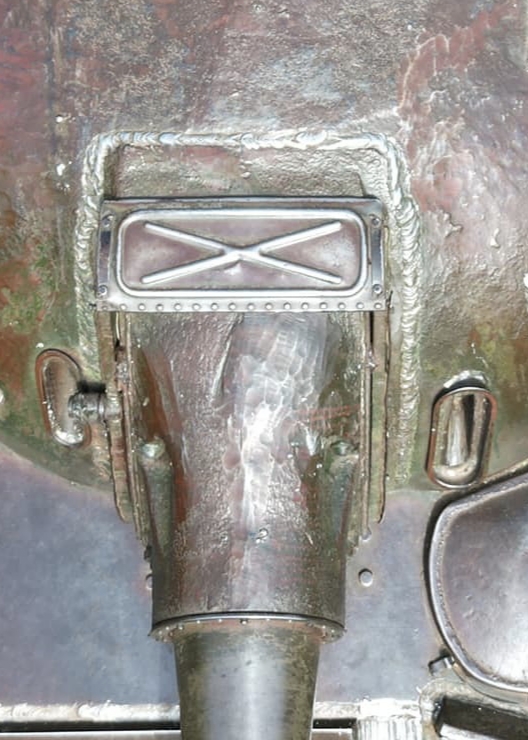
| In the game, this vehicle’s starting acceleration and small‑scale maneuverability are even more outstanding。According to the photo analysis, the tank has a device that can be used to install infrared night vision lights. There is no means for mounting the laser rangefinder. |
Spoiler
| Weapon | Specification |
|---|---|
| Main gun | 100 mm smoothbore gun (same as ZTZ69 in-game) |
| Maximum rate of fire | 7 rounds/min |
| Ammunition capacity | 44 rounds |
| Anti‑aircraft machine gun | 1 × 12.7 mm |
| Coaxial machine gun | 1 × 7.62 mm |