A Faithful but Realistic Recreation of the Panzer 68 Driving Simulator’s Map
Information
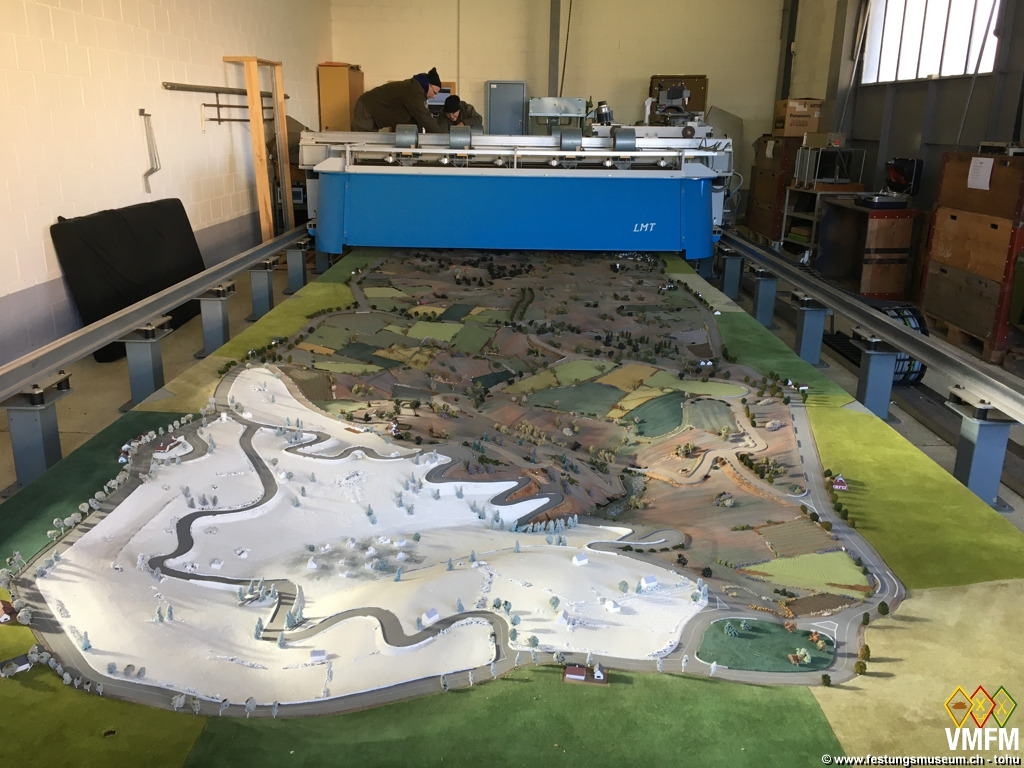
The Panzer 68 Driving Simulator (FASIP) is a Cold War-era Swiss Army tank training simulator that used a physical terrain model rather than computer graphics. Developed in the 1970s and used at the mechanized training center in Thun, it trained drivers for tanks such as the Panzer 68, Centurion, and later the Leopard 2.
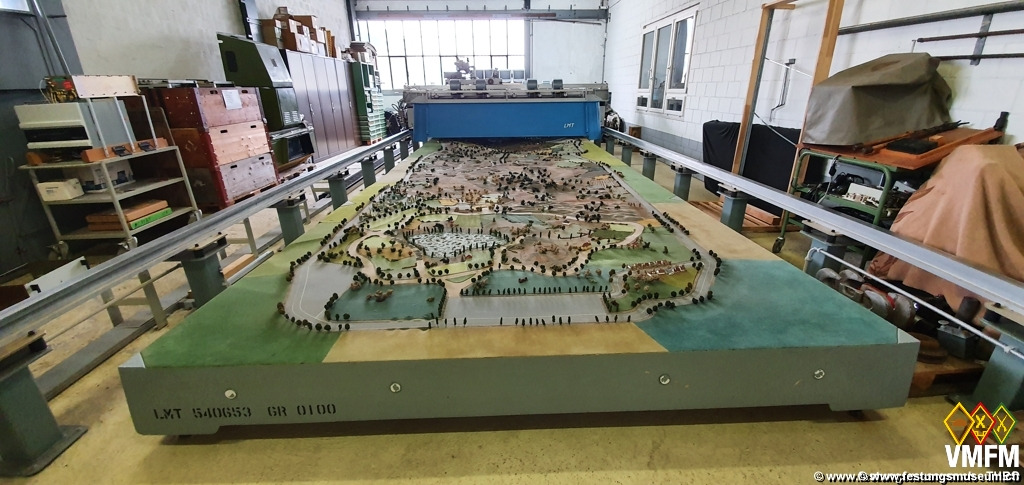
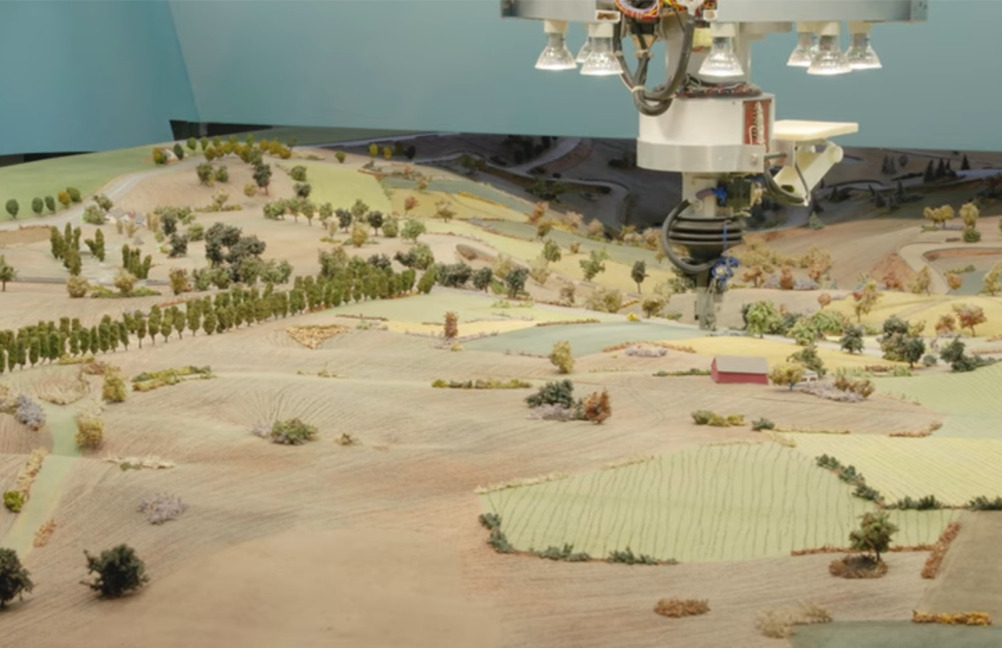
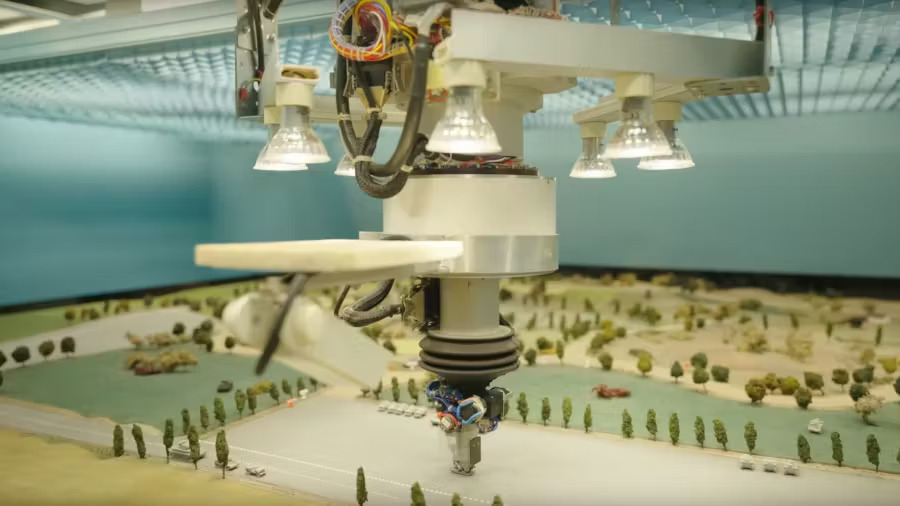
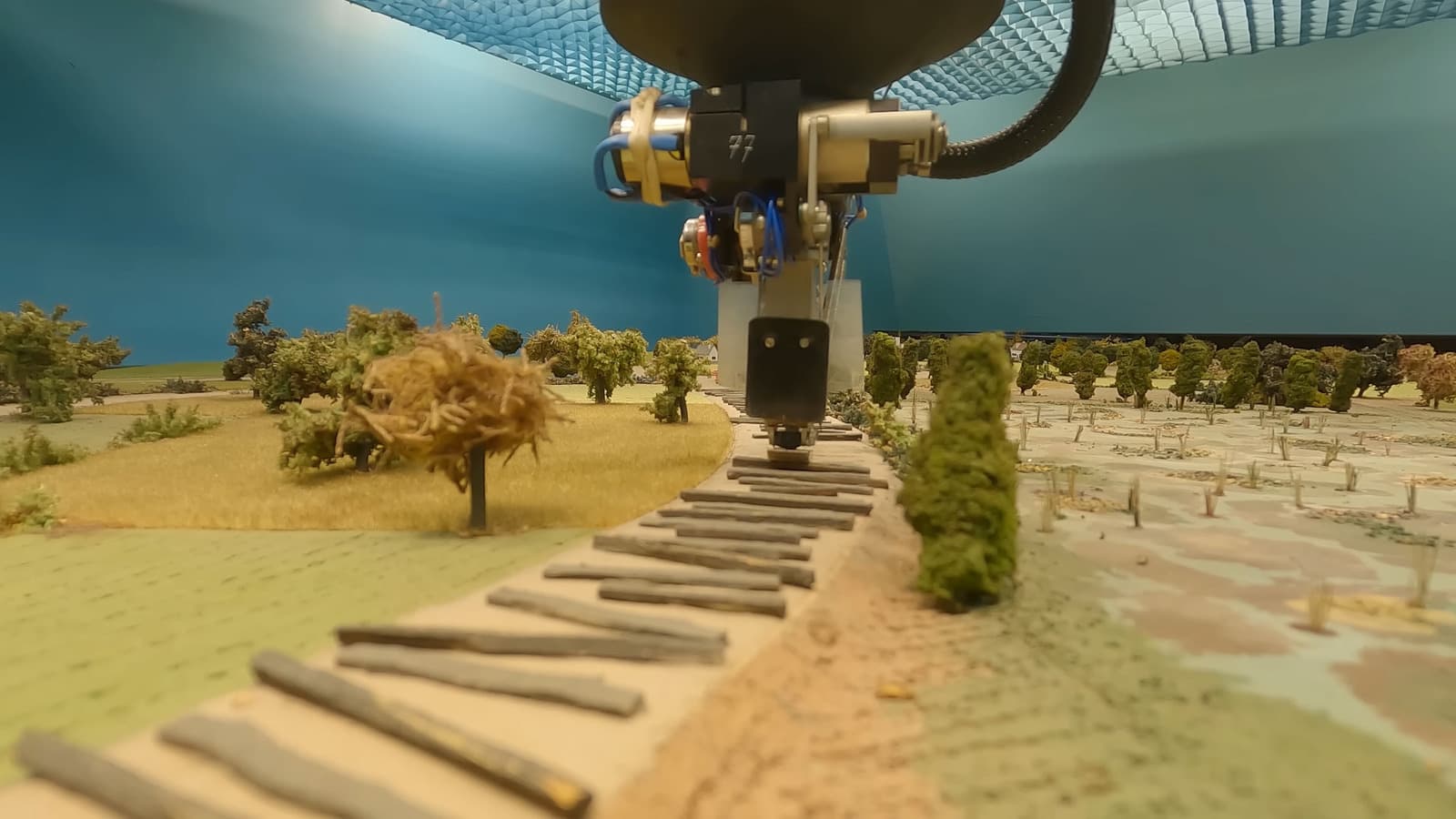
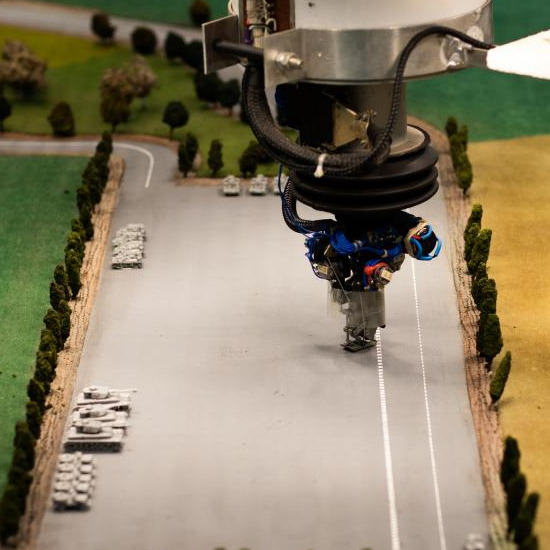
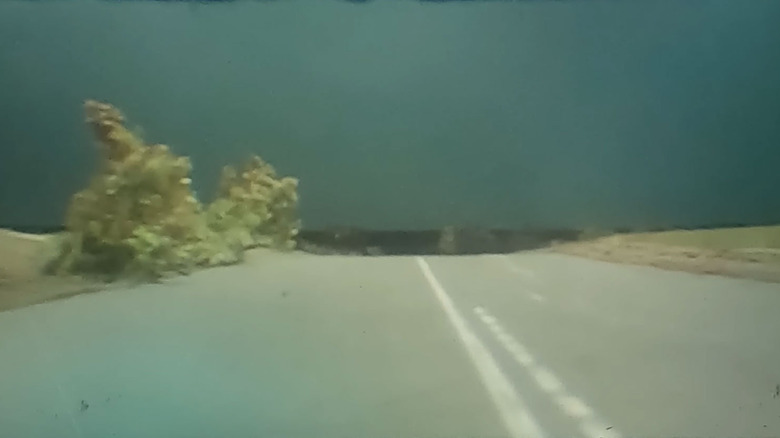
Unlike modern simulators, the system worked using real miniature terrain and analog technology. Trainees sat inside a full-scale replica of a tank driver’s station mounted on hydraulics that reproduced vehicle movement. In front of them was a screen connected to a camera moving over a roughly 12-meter-long detailed terrain model. When the driver steered, a mechanical system moved the camera through the model landscape, transmitting the view to the display and causing the cab to move realistically.
Because it used a physical diorama landscape rather than computer rendering, the terrain features roads, hills, forests, and obstacles were built as a miniature battlefield used to practice navigation and off-road driving. This makes the simulator’s terrain essentially a real, detailed Cold War training course designed for armored vehicles, which could translate well into a map concept for War Thunder.
Today, the last surviving simulator is preserved at the
Militär- und Festungsmuseum Full-Reuenthal, where it was restored and made operational again after being saved from scrapping in 2004.
Reasons For Addition
1. Historically Significant Military Technology
The Panzer 68 Driving Simulator (FASIP) represents an unusual stage in the evolution of military simulation technology. Developed during the Cold War for training drivers of the Panzer 68, it used a mechanical camera moving across a large physical terrain model rather than digital graphics. This analog simulation system shows how armies trained armored crews before modern computer simulators existed. Unlike other countries this simulator allowed input and output reaction it was not a movie style simulator. Including the terrain from this simulator would acknowledge an important and rarely represented piece of Cold War military technology.
2. Representation of Swiss Military History
Switzerland’s armored forces and military infrastructure are rarely represented in games. The simulator was used by the Swiss Armed Forces to train tank crews, reflecting Switzerland’s defensive military doctrine and its emphasis on mountainous terrain operations. A map inspired by this simulator would help bring a small but historically interesting military tradition into War Thunder.
3. A Unique and Unconventional Map Concept
Unlike most War Thunder maps based on real battlefields, this terrain originates from a historical training simulator environment. The miniature landscape was specifically designed to test tank maneuverability, terrain navigation, and obstacle handling. This would result in a compact, terrain-focused armored combat map with varied slopes, forest cover, roads, and obstacles making it stand out compared to existing locations.
4. Ideal for Future Swiss Ground Forces
War Thunder players have long discussed the possibility of a Swiss ground forces sub-tree which is likely concerning the Swiss air sub tree. A map inspired by the Panzer 68 simulator would be a natural fit if vehicles such as the Panzer 68, Panzer 61, or Swiss-modified Leopard 2 variants were introduced. It would provide a setting connected directly to the training environment these vehicles historically simulated in.
5. Easily Researchable and Accessible for Developers
One of the most practical advantages of this map concept is that the simulator still exists and is publicly documented. The restored system is preserved at the Militär- und Festungsmuseum Full-Reuenthal in Switzerland. Because the physical terrain model still exists, developers could easily reference photos, videos, and measurements of the layout when recreating the map digitally. The staff may be also helpful providing information.
6. A Map That Already Exists as a Designed Tank Course
Unlike many proposed maps that require speculative terrain design, this environment was specifically created for armored vehicle training. The terrain layout was intentionally built to challenge tank drivers with slopes, turns, and obstacles. This means the map would already have a vehicle-focused design philosophy, making it naturally suited for armored gameplay.
Changes That Would Have To Be Made
Changes That Would Need to Be Made
While the Panzer 68 Driving Simulator (FASIP) terrain provides a strong base concept, the in-game version would not need to be a perfect one-to-one recreation of the simulator model. Instead, it would be better treated as inspiration for the terrain layout, expanded and adapted into a full War Thunder battlefield.
1. Terrain Expansion and Environmental Adaptation
The original simulator terrain is a miniature training model, so the map would likely need to be scaled and integrated into a larger environment. Rather than copying the exact color scheme or visual appearance of the simulator model, the terrain could be adapted into a more natural Swiss landscape within Switzerland, while still keeping the recognizable hills, forests, and road layouts that define the simulator terrain.
2. Addition of Airfields and Helicopter Pads
To support combined arms gameplay, the map would likely require small airstrips or helicopter pads for aircraft and helicopter spawns. These will be placed slightly outside the central combat area to allow aircraft operations without interfering with the ground combat space.
3. Gameplay-Oriented Defensive Positions
Because the original terrain was designed for driving training rather than combat, additional defensive positions and cover would likely be necessary. This could include trenches, prepared defensive points, and scattered destroyed vehicles or wrecks that provide tactical cover and create more varied engagement opportunities for ground vehicles.
4. Expanded Out-of-Bounds Environment
To make the map feel like part of a larger world, the surrounding out-of-bounds area could include Swiss alpine scenery such as distant mountains, farms, and rural infrastructure typical of the Swiss countryside. This would help visually place the battlefield within a believable environment while keeping the main playable space focused.
5. Balanced Capture Point Placement
Capture points would not necessarily match locations in the original simulator terrain. Instead, they should be placed in areas that encourage balanced combat, multiple attack routes, and varied engagement distances, ensuring the map works well for War Thunder’s gameplay modes. Should be developed for something engaging not for accuracy.
6. Potential Future Infantry Integration
When infantry is finally added to War Thunder, the map could easily support a small settlement or village section where infantry combat could take place alongside vehicles. This would expand the map’s usefulness in the future without affecting current gameplay modes.
7. Environmental logic
The map has a winter zone to ground the location placing snow machines, snow piles, and melt water to make the location feel logical. And or a full winter map.

- YES
- NO
References
https://www.festungsmuseum.ch/fasip/
Thank you for reading like a like and a comment and remember it just like the simulations!