Essentially power amplifiers.
AKA accumulators, which are just glorified batteries. And those are used to bring the drives to their max speed/acceleration. It’s not stated that they are necessary for reduced power of the drives
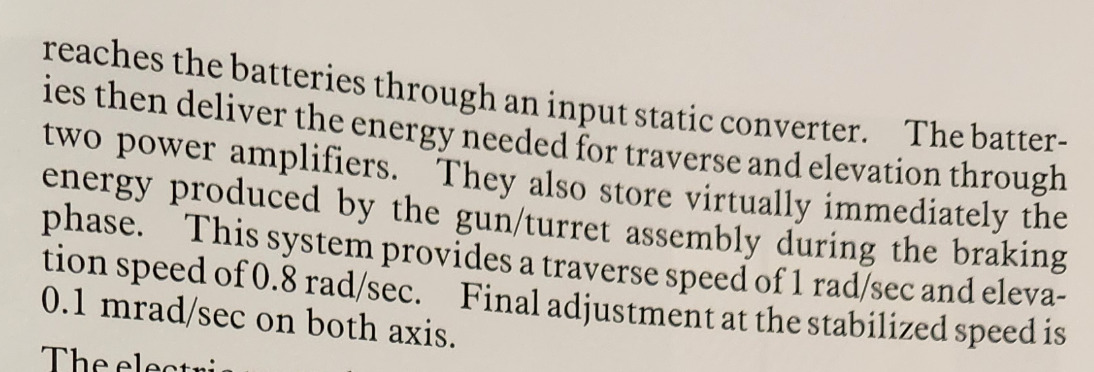
The fact that they are capable of storing the energy from stopping the gun/turret assembly essentially proves that they are what I’m talking about
Edit : And to be clear, the very notion of “power amplifier” means that you have to store a bunch of power in a time t1, so that you can empty it out in a time t2 that is smaller than t1. It’s the only way to “amplify” power. Or you’d be creating free energy. This also means that those power amplifier will run out of this stored energy, so if the power amplifiers were absolutely needed for the gun to function, then the turret would not be able to turn indefinitely, which is quite obviously untrue
3 Likes
Yeah, that might be why they aren’t up tiered. Regardless, 12.3 minimum if gaijin plays this game.
1 Like
Brother what
It’s all combined into a singular module in-game
thus if any part of it is hit and destroyed then the entire FCS (drives, control handles, displays, loading indicator etc.) will be destroyed.
Its a backup system that doesnt function as backup system currently. This is not a advantage.
Also there are two handles irl, one for the vertical- and the other for the horizontal drive.
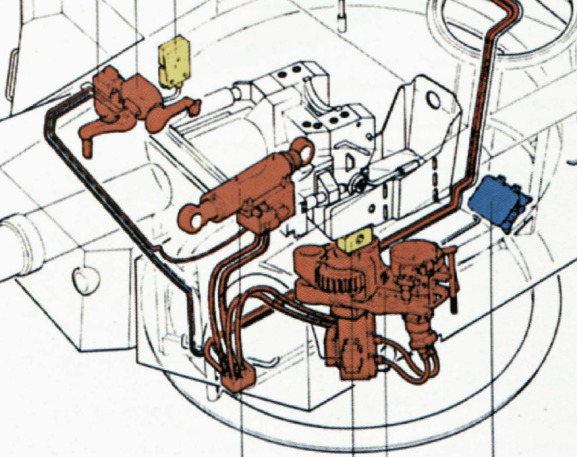
(note: orientation of horizontal drive was inverted in this image)


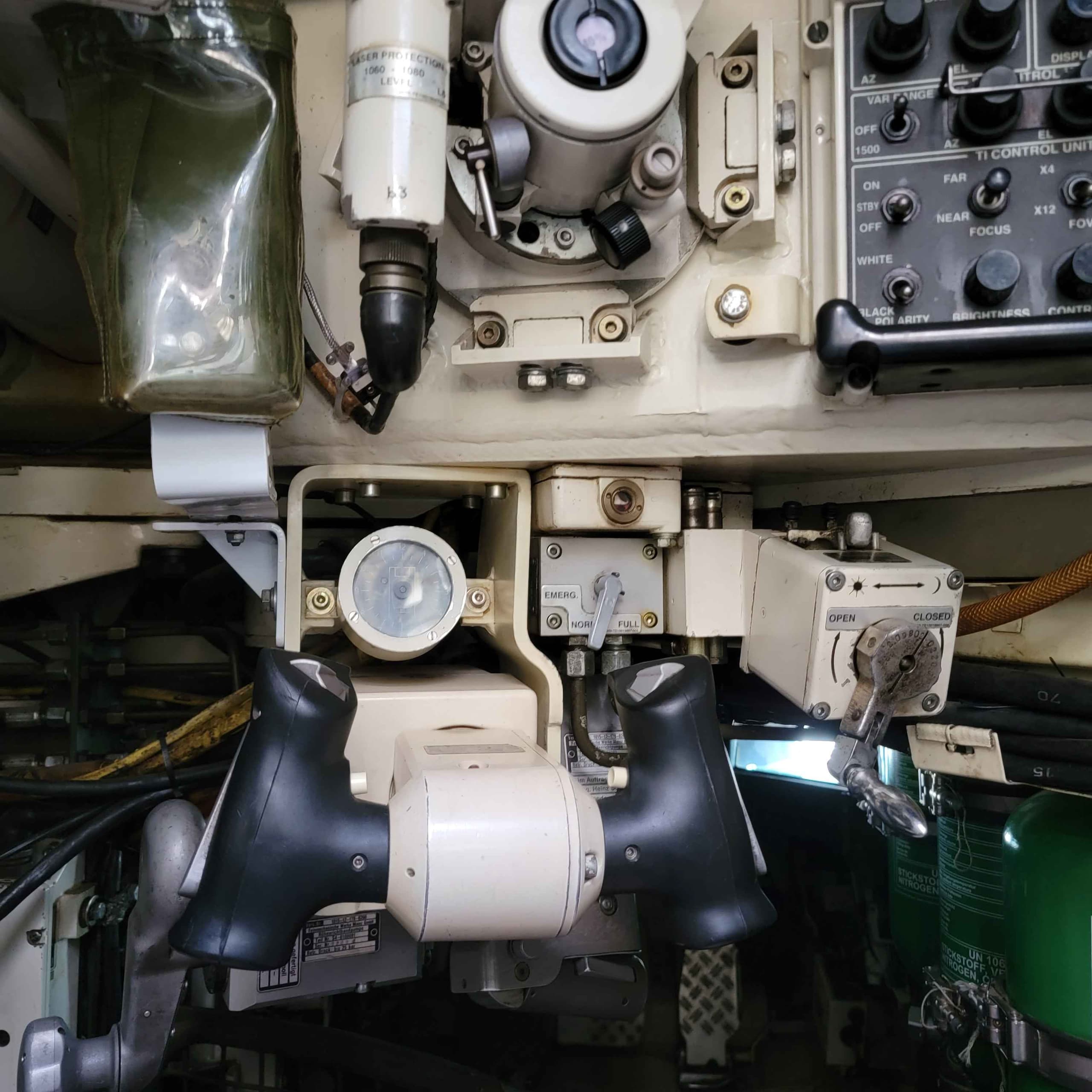
There are also emergency cranks for the commander on earlier leo 2 versions but panzer-modell site shut down and I cant be bothered to spend an hour finding pictures of it.
As for Leopard 2A5;
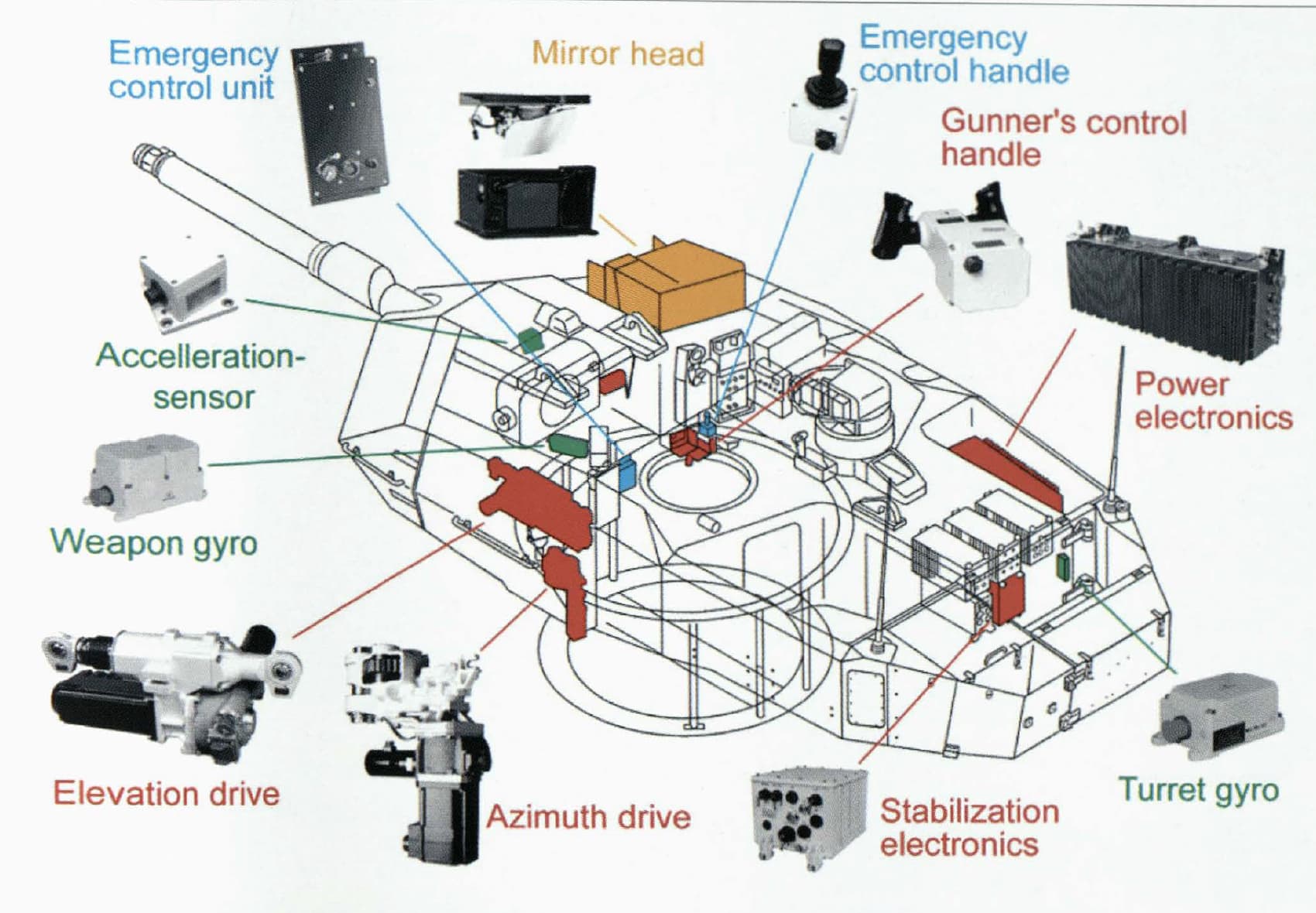
The emergency control handle is missing entirely ingame (or just misplaced)
Just for the record, the loaders ready indicator would literally nuke the entire fcs if destroyed despite being entirely irrelevant for the weapons or drives operation.
Acting as if this is somehow too difficult to figure out is just major gaslighting.
Also should I pull out the russian mbts for comparsion when we talk about modules perhaps?
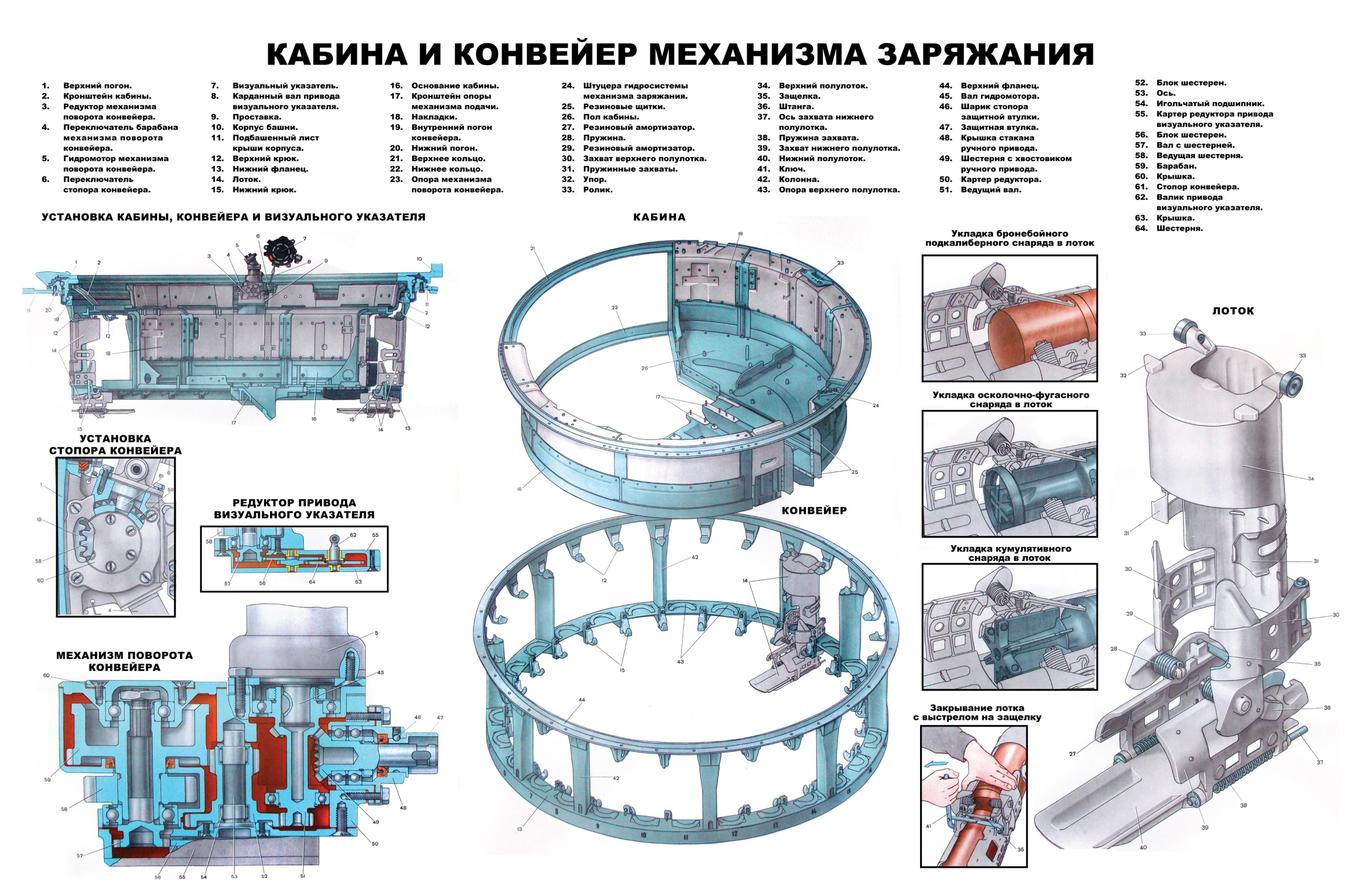
Clearly there is no basket whatsoevever and the 2mm (if even) of clearance towards the autoloader would surely not cause any issues whatsoever when perforated.
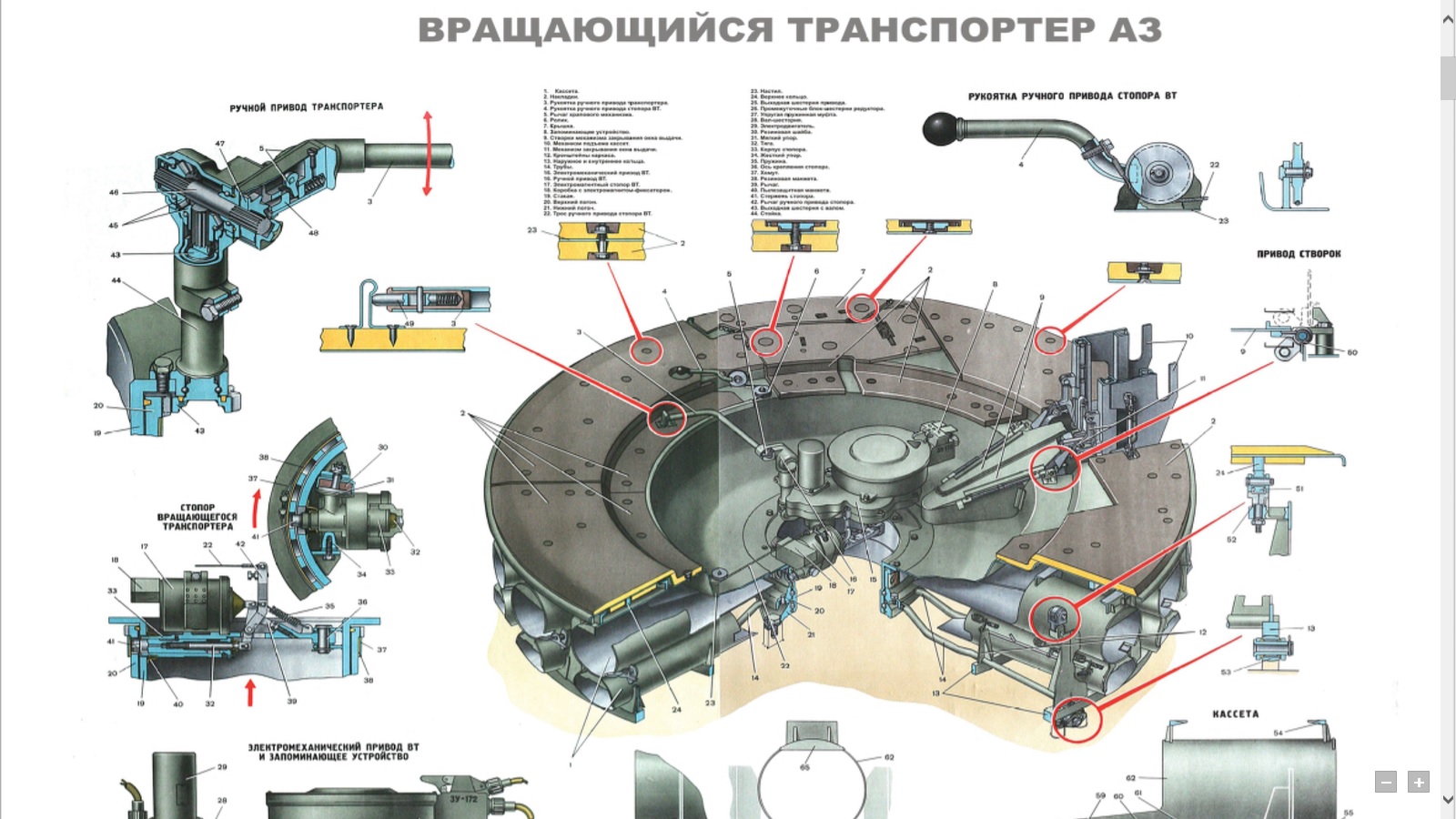
They also quite literally made the turret floor, which doesnt rotate with the autoloader during reloads, part of the autoloader, despite being a entirely separate part that has no direct affiliation with it.
This is the sole part that would be moving independently;
The plate above (that the crew sits on) should be made part of the horizontal-drive module as gaijin does on every other tank receiving these demented modules.
9 Likes
I was saying that there’s no point in singling out Leopard. It works the same way for all MBTs.
That’s it. For many other tanks, manual elevation drives are the elevation drive. Thus, it increases the “area” or, more correctly, the volume of the vertical drive and the area where it is located, which increases the chance of damage.
T-series
Spoiler
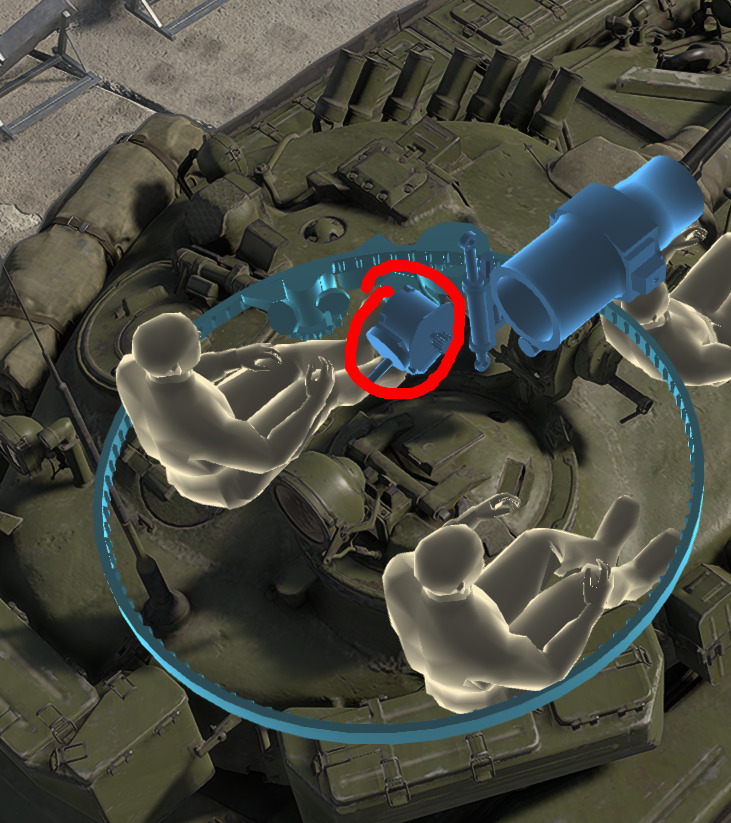
Leopard 1
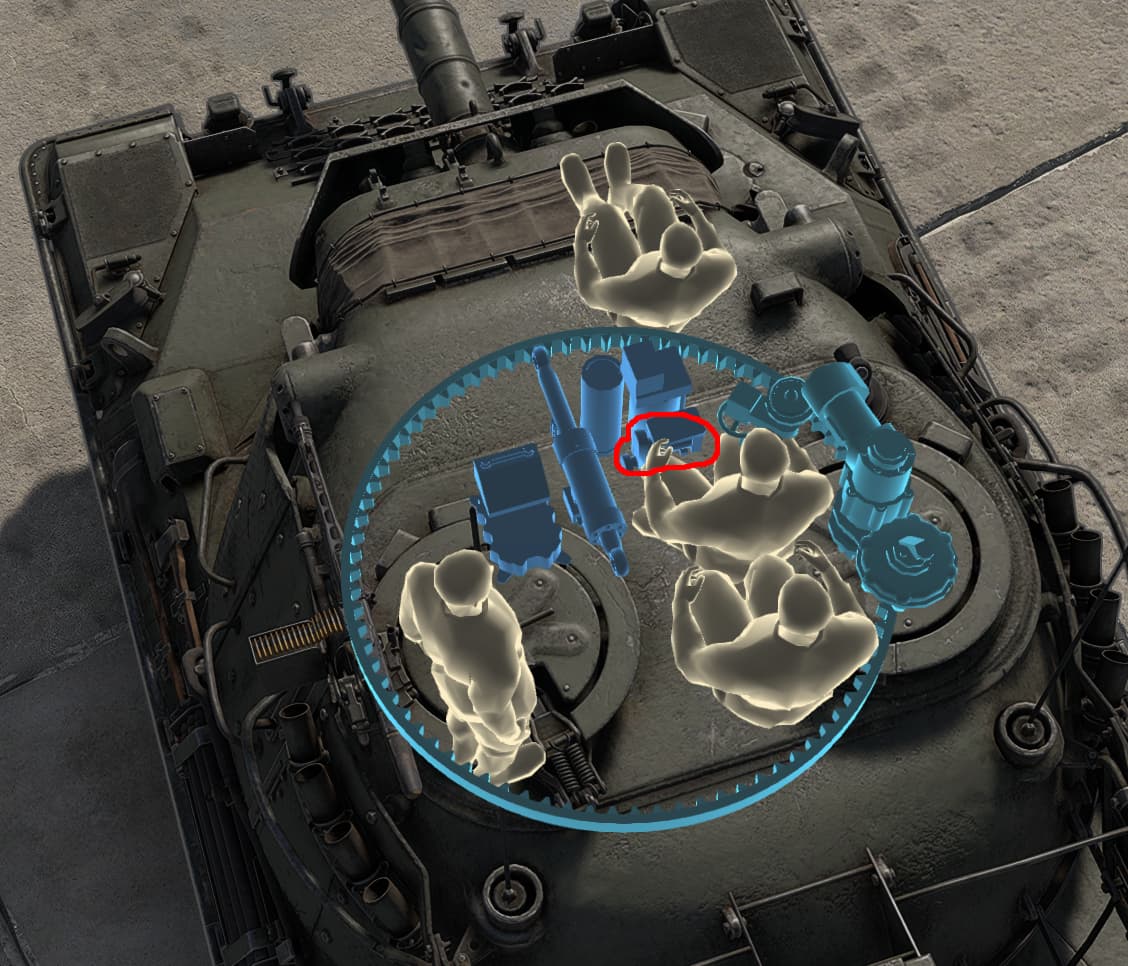
Of-40
Spoiler
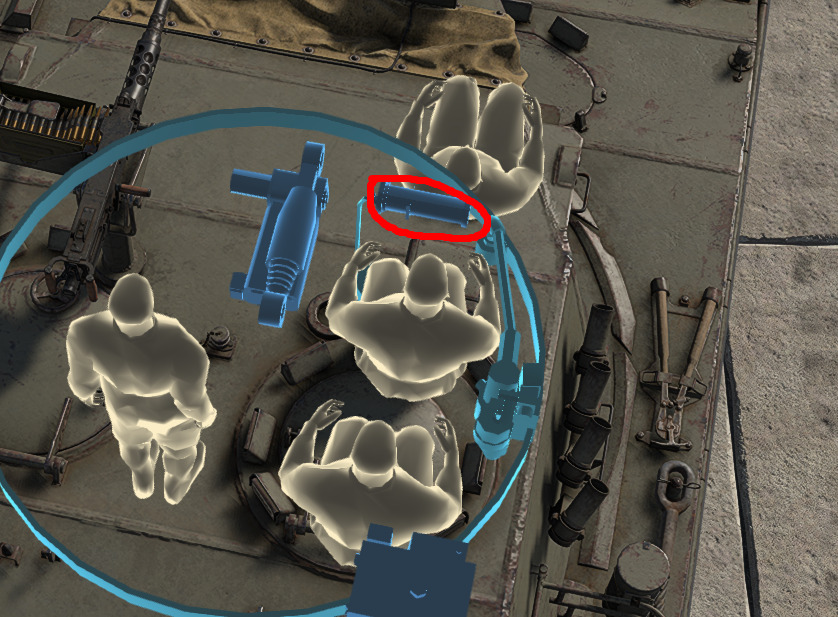
etc
Probably forgotten, but what’s the point if this handle doesn’t allow you to rotate the turret manually if the turret drive is damaged?
This is the cabin, not the turret basket. This part doesn’t actually interact with anything else in the tank. It’s attached to the loading mechanism frame and doesn’t rotate independently.
Unfortunately, you don’t understand what a basket actually is and what its function is.
1 Like
“This is frozen water, not ice” aah argument
Also how exactly is it going to reload then?
If they cant move independently from one another?
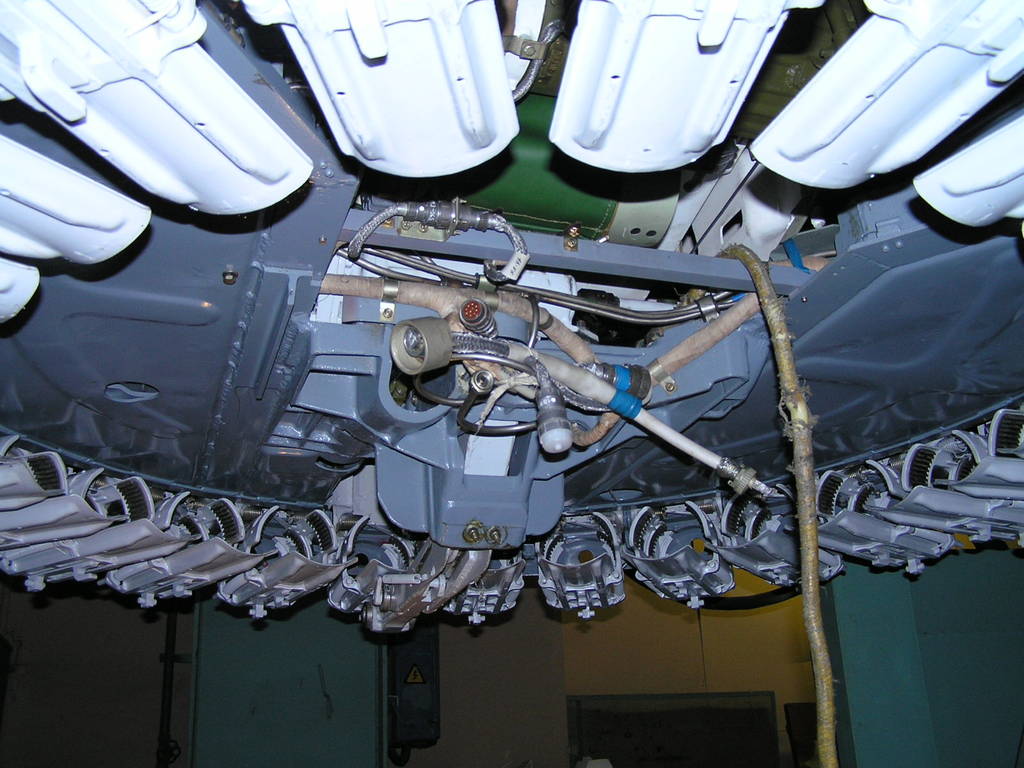
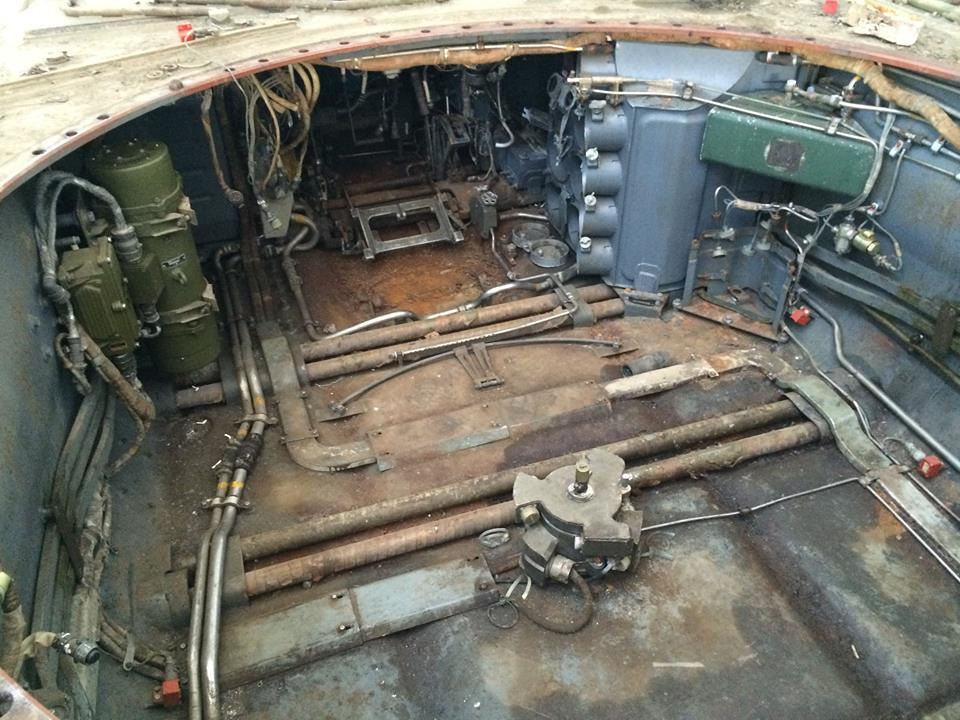
Surely none of these are important, right?
That rotary connector is clearly just there for decoration, right?
Do you think the crew members just float in mid air or what now?
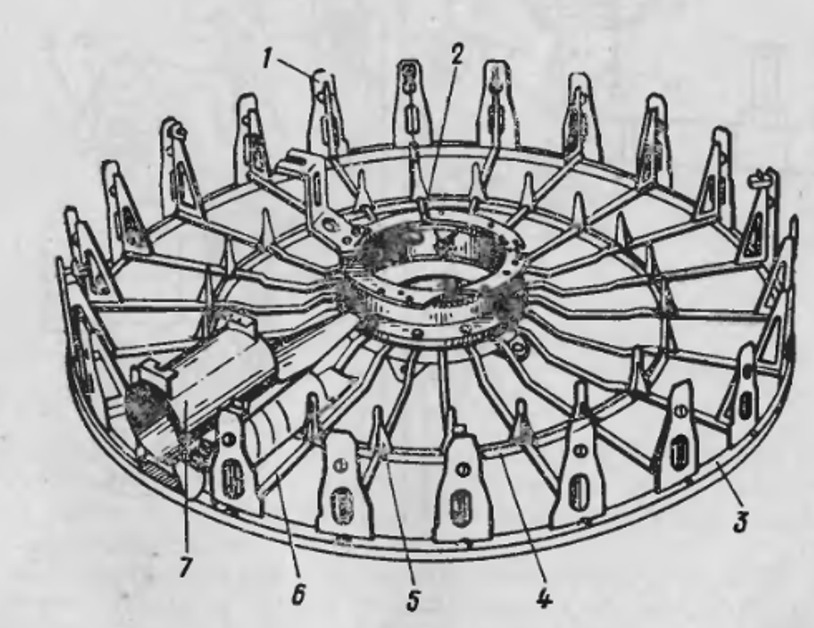
or for example, in this image you can see the ring for the autoloader itself aswell as a the ring for the turret as a whole (a bit hidden in the background I suppose)
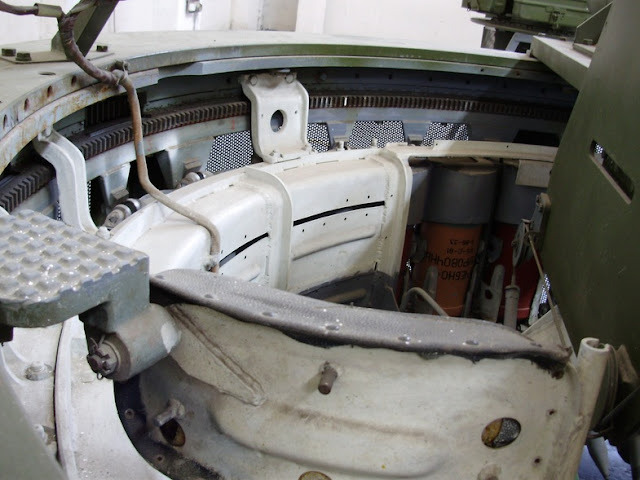
yet in-game it is not represented like this whatsoever, depicting the turret-ring (here horizontal drive module) to be within the autoloader structure.
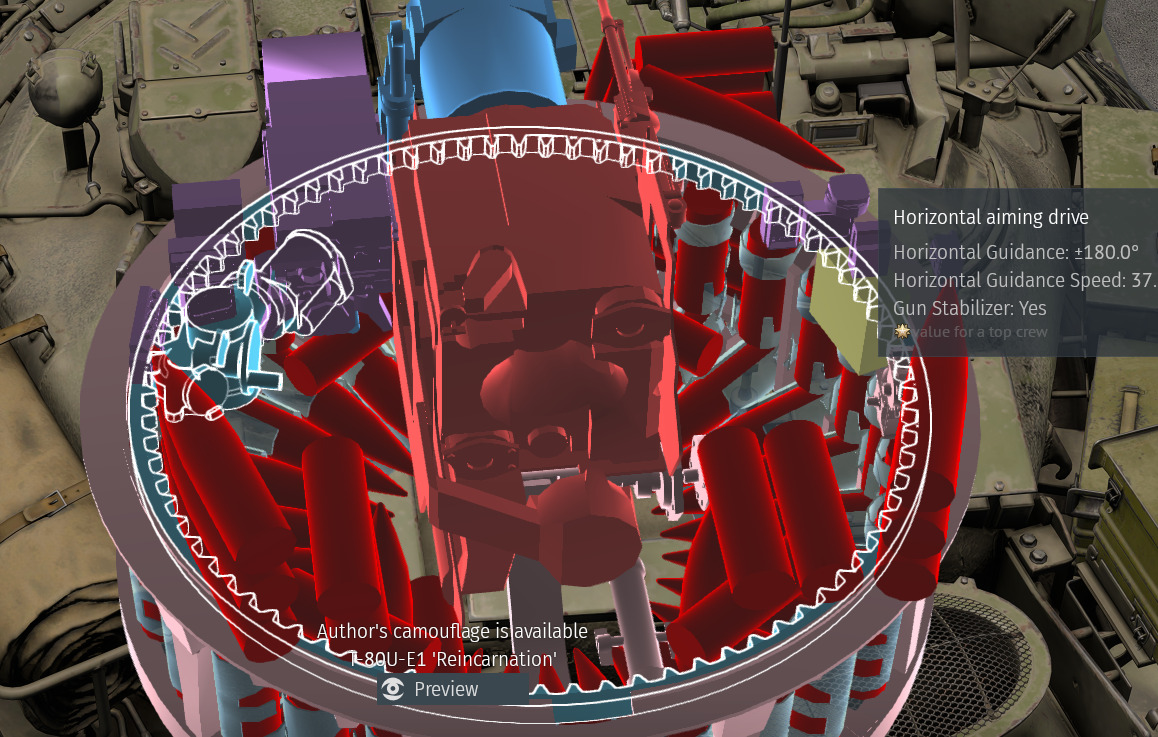
The basket itself is not attached to the autoloader itself but the turret, so is the part of that autoloader that can be rotated separately for reloading.
The floor of the “cabin” as you called it thereby qualifies as a basket just as much as the floor of any other vehicles “basket” (from those that received it) as there is virtually no clearance towards any other component.
If you look at type 90 for example, even the spall shields were made part of the basket and as such drives module, despite not being related to it whatsover and having significantly more clearance towards any further components.
If the autoloader gets perforated and thereby the rotation jammed, then it’s just as reasonable to argue that it would prevent turning alltogether as it is with any other tank.
(not to mention that the autoloaders on ingame t-series tanks (all of them iirc, otherwise just T-64/80) already clip into the side platings in the dm… not that much clearance, is it?)
*Sorry for the longer edit but I believe that I might aswell explain it a bit better in this regard.
16 Likes
What I meant was that the cabin can’t move independently of the frame. The frame can rotate around it, but when the turret rotates, they move as a single unit.
1 Like
Thank you for clarifiying.
I do still however stay with my opinion that the baskets (even if its a “cabin”) should be modelled as such if they’re on other mbts, due to the extremely low amount of clearance towards other components it can get stuck on (which is the sole reason why anyone would argue the floor of e.g. a leopard 2 to be a part of the drive and related to its functionality).
Imo, it should be either; do it for all or for none…
That aside, there still is a massive difference between how the modules function/behave;
Wheras the horizontal-drives (and as such baskets) create secondary spall, the autoloader modules do not (as far as I can tell, its caused by the latter having an insufficiently high ArmorThrough value of 1.0, wheras horizontal-drives have it at 15.0).
In this case, the lack of the “cabin” as a source of spall-creation in addition to hidden 2mm platings (T-64/80) around the autoloader (which also doesnt spall) does not appear to be a fair counterpart to the turret-baskets, which are in many cases oversized (e.g. leopard 2 baskets clipping into what would be the torsion bars) and feature parts in their dm that have absolutely no affiliation with the drives’ functionality whatsoever.
This (“detailed modules”) is one of those things that I would not mind nearly as much if it wasnt for further increasing the already extremely inconsistent post-penetration survivability of soviet/russian mbts, while vastly decreasing that of its’ ““counterparts””.
3 Likes
The jaguar GPS screen is also an integral part of the FCS for some reason as well.
Just randoms doodads considered as vital part of the FCS because why not
7 Likes
Only if 2A5 and 2A6 are 12.0 as well, since currently they’re pretty similar in performance.
Isn’t 2a5 already 12.3 ?
Yeah, so Leclercs going to 12.0 wouldn’t make much sense.
2a5 12.0, 2a6 12.3 (or even 12.7), 2a7 12.7 => Leclercs 12.0
Leclerc is poo and a paper mobile. No rationnal mind can put it at the same BR as BVM.
More likely that your skill is poo.

Placing Leclercs at 12.0 in the current state of the game is hilariously wrong.
1 Like
If M1A2 and its non-SEP derivatives can be 12.0, so can the Leclercs IMO. I’d say the M1A2 as it is, is still a superior MBT to all Leclercs.
But a bunch of BRs are just ???
T-72B3A (TT one) being 12.3 is ???
Leopard 2A5 being a step higher than M1A2 when they’re basically identical is ???
Chally 2BN being 12.7 when its only advantage is the APS is ??? (same situation as T-72B3A honestly, gets to sit at a higher BR for a trade off/side-grade)
Ariete AMV is 12.3 for some reason when M1A2 is 12.0 (I get thermals, but the armor difference is massive, one can actually take hits, the other dies to a breeze)
At the end of the day, everything has to be compared to the Strv 122s and the (unfortunately still) massively nerferd 2A7s that are the golden standard of 12.7, and as long as they are 12.7, without decompression, moving other MBTs up, is pretty hard, considering the current “balance” is already stretched too thin.
7 Likes
So 2A5 can also go down to 12.0.
At that point you’d have to reshuffle a lot of tanks around that BR which is far more work than just moving up HC and company up from 12.0.
Considering what you just wrote, I don’t see a reason why HC and company couldn’t move up, regardless of compression.
Yeah no they can easily move up, just that 2A7s and 122s should too, but they won’t cus Gaijin and “muh queue times” lol, would give wiggle space for the worse MBTs like the T-72B3A to either move a step down, or remain where it is, but wouldn’t have to fight the uparmored Leo 2s at least.
(As if queue times weren’t already an issue with how many people play Russia and sometimes it still takes up to 5 minutes to find a single match)
Should have make mixed battle more often or as an option like smaller teams in arb, let everyone taste of their own bs.
1 Like