Also where Ki-64
2 Likes
Well thats about as reason for uptiering something as 37 mm secondary is reason for chi-ri to be 5.7
But yeah its stupid enough gaijin might do that
3 Likes
Guys, something might be cooked soon. We’ll update you with details.

(just teaser but it’ll get revealed one day soon)
9 Likes
literal definition of a striptease, but for a tank. Good stuff
3 Likes
Saying Lmao cus it is
1 Like
As I recently had the opportunity to examine the original Ho-Ri gun research notes from 1943–1945, I believe I can now explain more clearly the points I previously mentioned somewhat vaguely.
First, regarding my earlier statement that two guns were produced in December, it would be more accurate to say “by December” rather than “in December.” According to a record dated October 13, 1944, one gun had already been completed by that point. It appears that the initial plan was to conduct the completion tests with this single gun, but during the December testing two guns were used.
Regarding the mantlet modification, the explanation that it was carried out on both guns and completed in February is correct. More specifically, the work was finished on February 4. As for the corrective function tests, although I previously said that they were conducted in March, they in fact took place between February and March. They were carried out from February 27 to March 7 at the Osaka Arsenal and the Ōtsugawa Range.
Lastly, I previously wrote that the two guns had been fully completed on May 27. This statement was based on the works of well-known Japanese researchers such as Sayama and Kunimoto. Of course, this is not to say that they were wrong, but the situation appears to have been somewhat different from what was expected.
The original researchers did not actually report that the guns had been fully completed on May 27. Rather, on May 11 they merely “requested” that the necessary modifications be applied by May 27, as they wanted to complete the guns by that date. Although these modifications were indeed carried out, they planned to conduct additional tests on June 22 to examine the functionality after the changes.
In other words, it seems most reasonable to look to the June test results to determine whether the guns were truly considered complete or whether further improvements were identified. The problem is that the summary report stops abruptly, leaving us with no way of knowing the outcome.
This is not an exaggeration. Near the beginning of the report, a sentence suddenly breaks off. It seems that something may have happened in late June while the report was being written, preventing its completion. Or perhaps for some reason, there was simply no longer any need to continue drafting the report.
Although I did not mention this previously, I thought it might be of interest to many of you, so I am sharing it here. It is a loading speed measurement chart for the Ho-Ri gun, conducted using Gun No. 1 at the Osaka Arsenal on February 27, 1945.
| Elev. | Loading Time | Recoil Length | Recoil Cycle Time | Loading Time (with cartridge case) |
|---|---|---|---|---|
| 0° | 1.0 | 530 | 1.1 | 1.3 |
| 0.9 | 530 | 1.1 | 1.5 (with projectile) | |
| 1.0 | 530 | 1.5 | ||
| 20° | 1.0 | 530 | 1.5 | |
| 1.0 |
While the document does not explicitly define how loading speed was measured in this test, it appears to refer to the time from when the loading tray began to tilt forward until the rammer pushed the shell fully into the chamber. Overall, when loading an actual round, the theoretical maximum loading speed of the Ho-Ri was approximately 2.6 to 3.0 seconds.
Of course, in practice it would have been difficult to tilt the tray immediately after the recoil cycle ended, and more importantly, the process of retrieving a round from the ammo rack and placing it onto the tray was entirely manual. The practical reload time would have been much longer.
Still, it is an impressive rate.
9 Likes
Oh my God, thank you! Do you possibly have original sources on hand where all this info comes from, so we do not experience issue with sourcing? I will edit the information shortly and notify one currently responsible for cooking something else
As for reload speed - it is surprisingly similar to that of Enlisted’s Chi-Ri – it’s like 2.5 seconds there iirc, but it’s a somewhat better automated loading mechanism - the tray goes back and forth on itself due to recoil, iirc. Making 3.5 second reload for Ho-Ri there, in Enlisted, and here, in War Thunder, would be a very awesome upgrade
1 Like
It is nice data!
Could I ask you is the data about reload time available? Probably can be used for bug reports like this: Community Bug Reporting System
Yes. I have photographs that I personally took at the NIDS archives. However, the issue is that I did not obtain permission for secondary use of these materials. I will need to contact NIDS again regarding this matter, but the problem is that NIDS does not accept inquiries by email. I would have to send a letter by post…
Still, a bug report might be acceptable. However, I’m not sure how materials submitted in a bug report are handled, and I haven’t asked NIDS about this either, so I can’t say for certain. It might take some time. So, if I were to submit a bug report, what would be a reasonable expected reload time? The recently adjusted Chi-Ri is at 4.5 seconds… so would something around 6 seconds be appropriate? It would be helpful if there were a suitable vehicle for comparison.
3 Likes
The table I just shared is essentially the only available source regarding the Ho-Ri’s reload time. There is also data measured in December 1944, but it only records the time required for the rammer to move forward, so I do not think it is very meaningful.
I just realized that what I mentioned earlier was referring to the reload time, not the loading time. I used the wrong term while writing a long post. I believe the reload time can be estimated as recoil cycle + loading time + α.
1 Like
they could be privately sent to Gaijin volunteers and then by them to Gaijin. But if for Gaijin there is no issue with keeping them private, volunteers… are doubtful sometimes.
Perhaps, you have identifiers of these archive folders on hand? (e.g. French Chatellerault archives have identifiers like “AA, 300H1…”)
some vehicles have reload balanced by documents, others by “pulled out of my A” for balance purposes. Swedish 120mm SPG can fire every second, American T58 can fire every 2-3 seconds iirc, then French tanks with mechanized loading are limited to 6.7 seconds, some are even worse at 12-20 seconds. (but the higher the BR, the more accurate reload is)
The archival identifier code is “中央-軍事行政兵器-619”, the document title is “ホリ砲竣工試験計画 他 昭和19年10月” , and the author is listed as “試験員科長陸軍大佐沼口匡隆他”. The loading time chart is on page 83 of this document.
Do you think this level of information would be sufficient to file a bug report? To be honest, consulting with NIDS about this would likely be extremely inefficient and troublesome…
On this point, I would like to emphasize that the Ho-Ri’s reload time is not entirely clear from the test records alone. The loading tray did not move automatically. Although it was mechanically linked to the breech, this served only as a safety interlock and did not drive the tray itself. The loader first had to visually confirm that the breech had returned forward and the spent case had been ejected, then manually tilt the tray. After that, the process became automatic. And I previously suggested that the 1.5 seconds listed in the table might include the time required to move the tray, but this is uncertain. On reflection, it may simply represent the rammer’s motion alone.
In any case, this means that a great deal of “estimation” must go into determining the Ho-Ri’s practical reload time. The time needed to take a round from the ammunition rack, place it on the tray, and then move the tray itself would largely be up to Gaijin’s discretion. As a result, even if a bug report is submitted, it may not lead to any major changes—though it would likely still make the reload slightly faster.
It would have been ideal if the researchers had measured the practical reload time, but that was not their responsibility. As far as I know, such operational values were not determined during the research phase, but only later, when the gun was standardized and manuals were prepared by organizations such as the Armored Bureau. This does not apply to the Ho-Ri, as it was still at the prototype stage.
4 Likes
2 Likes
Suggestion submitted.
That was probably the hardest suggestion of my life LOL (I’ve only written 5 but whatever)
6 Likes
「日本陸軍 試製五式砲戦車[ホリII] 」入荷 | メディオ!情報
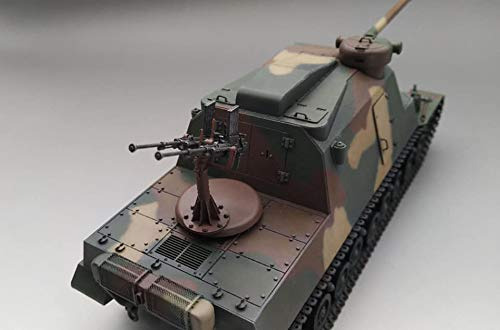
Pretty cool model. One thing I’m unsure of is the shape of the platform for the AA gun
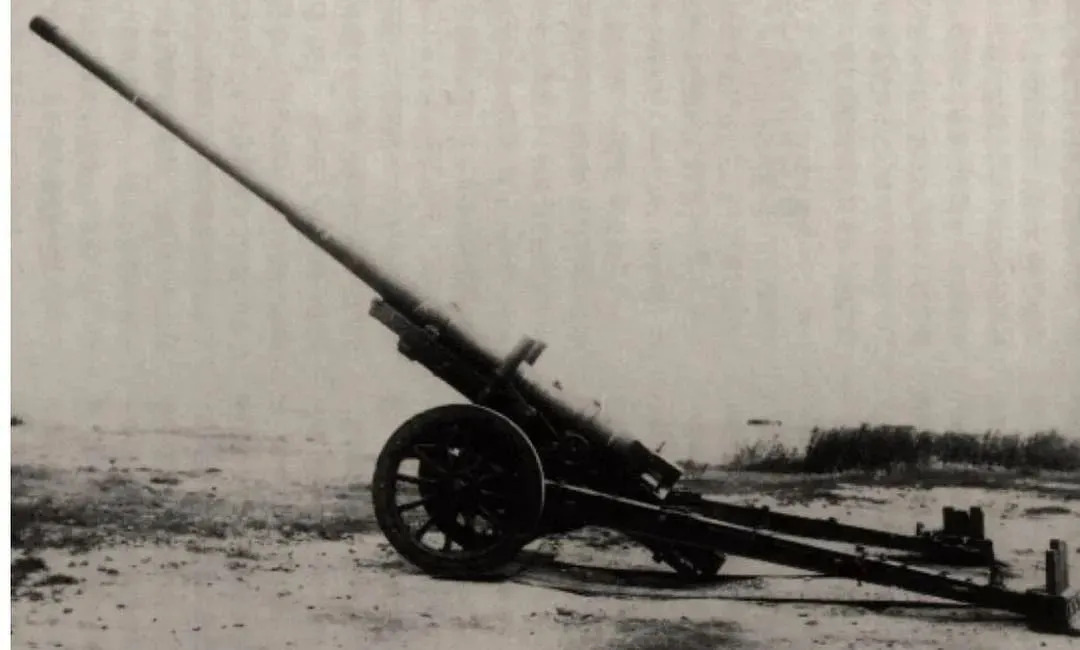
@shlee2393 Do you know if this Experimental gun is actually tied to the Ho-Ri development at all?
3 Likes
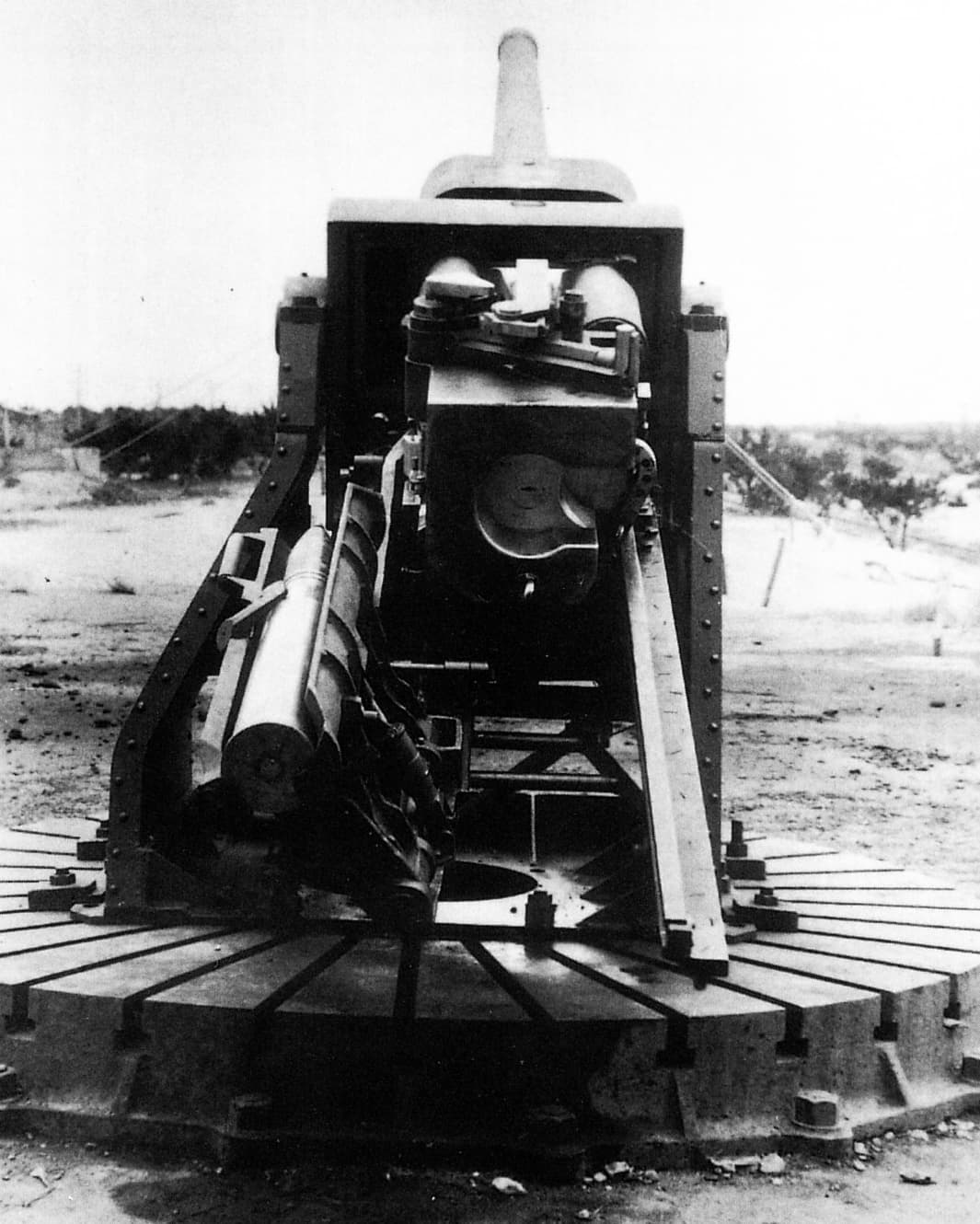
The High-Power 10 cm Cannon (大威力十糎加農砲) was an attempt to develop a gun with mobility similar to the Type 92 Cannon, but with greater firepower. Development began in July 1941, and only one prototype was completed before the project was abandoned in August 1943.
After that, the two barrel materials that had originally been at Japan Steel Works for this gun were reassigned: one to the Ho-Ri gun and the other to the Ka-To gun. However, this gun was not designed as an anti-tank weapon, and more importantly, the barrel, projectile, and cartridge case designs of the Ho-Ri and Ka-To were newly designed for those guns. So it would be hard to say that this gun directly influenced the development of the Ho-Ri. That being said, it does occasionally appear as a reference value in the Ho-Ri and Ka-To research notes. Also, during the December Ho-Ri gun test, the originally planned propellant charge was not prepared, so a charge intended for the High-Power Cannon was used instead.
4 Likes
I’ve put together a brief summary of the Ho-Ri’s shell types, so I’m sharing it here. This includes both the shells that were planned in the early stage and those that were actually fired by the Ho-Ri gun, from its first firing test on December 20, 1944, to its last recorded firing on June 27, 1945.
For reference, the original drawings for the Ho-Ri’s HE and AP shells come from the Ka-To research notes. According to Ka-To research notes, the Ka-To and Ho-Ri used exactly the same shell designs.
1. Type 91 Pointed Shell (modified driving band) (HE)
九二式十加九一式尖鋭弾 (弾帶改修セルモノ)
Weight: 15.760 kg
Explosive filler: 2.520 kg
Fuze: Type 88 instantaneous fuze, Type 88 short-delay fuze
Muzzle velocity:
667.2 m/s (propellant charge: 5.000 kg)
848.7 m/s (propellant charge: 6.400 kg)
912.8 m/s (propellant charge: 6.800 kg)
Firing period: December, March, May
Number fired: 86
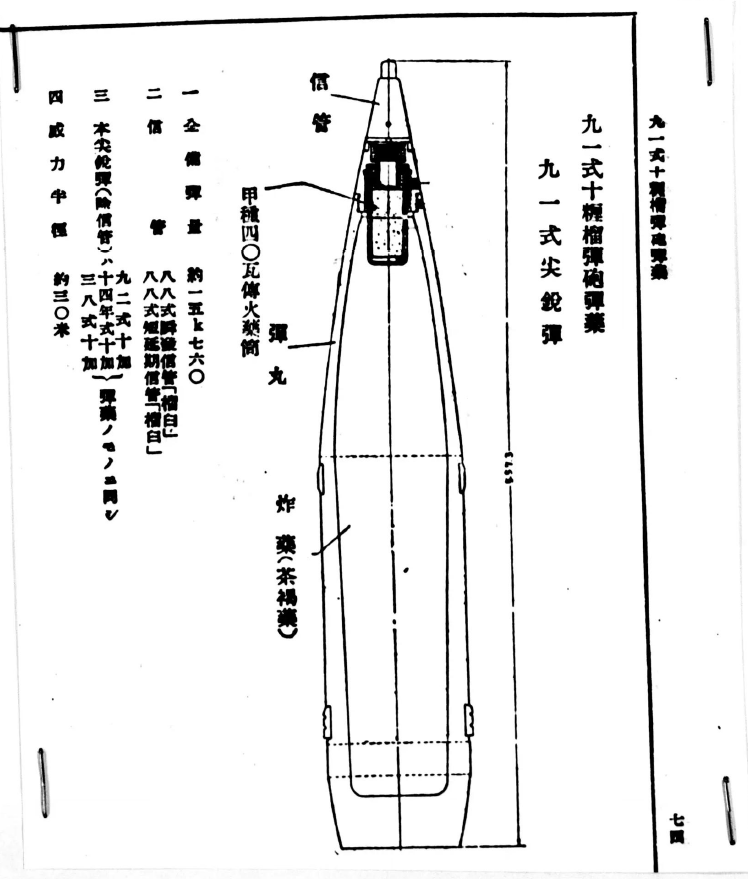
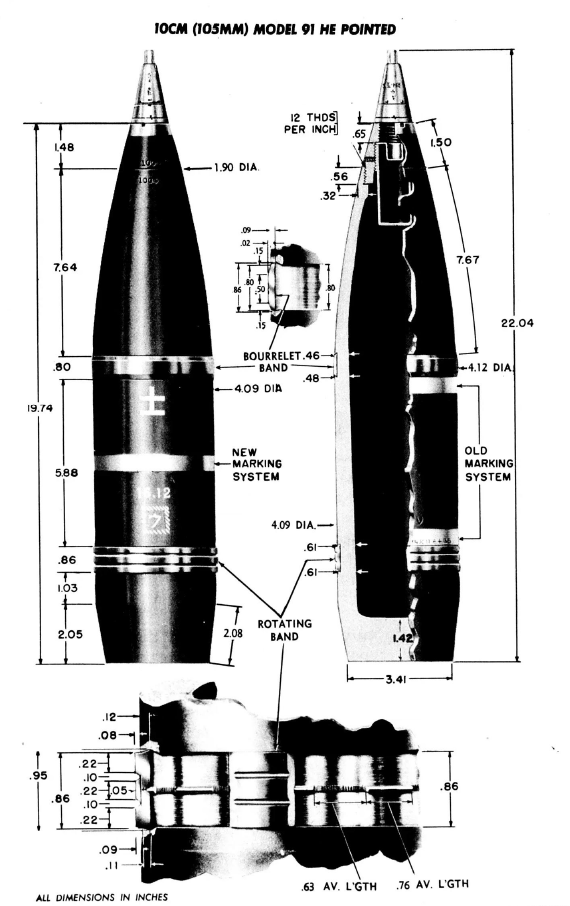
While the projectile itself was identical to that used in the Type 92 cannon, it was fired as a complete round rather than as separate-loading ammunition. In addition, its single driving band was modified into a double-band configuration before use.
Since the standard propellant charge had not yet been fixed at the time, it was tested with several different charge weights.
2. Experimental high-power 10 cm cannon cylindrical shell
試製大威力十加円壔弾
Weight: 16 kg
Explosive filler: unknown (filled with sand during testing)
Muzzle velocity: not measured
Firing period: March, May
Number fired: 86
This was a test shell originally used for the high-power 10 cm cannon that predated the Ho-Ri gun’s development. Detailed information is unknown, but from the context, it appears to have been a cylindrical projectile intended to verify internal ballistic performance.
3. Experimental pointed shell (HE)
試製尖鋭弾
Design weight: 15.76 kg
Test weight: 15.650 kg
Explosive filler: 2.52 kg
Fuze: Type 88 instantaneous fuze, Type 88 short-delay fuze
Muzzle velocity: 715.9 m/s (propellant charge: 5.1 kg)
Firing period: June
Number fired: 69
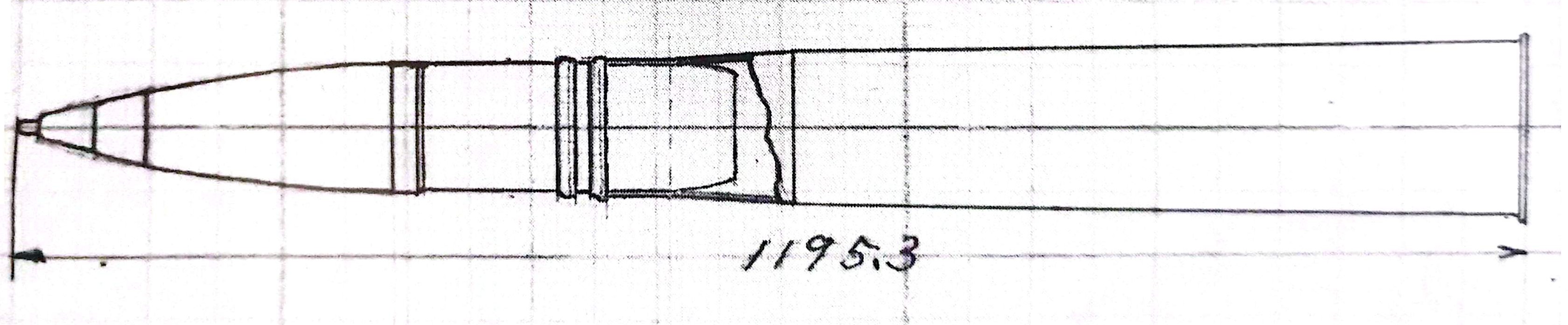
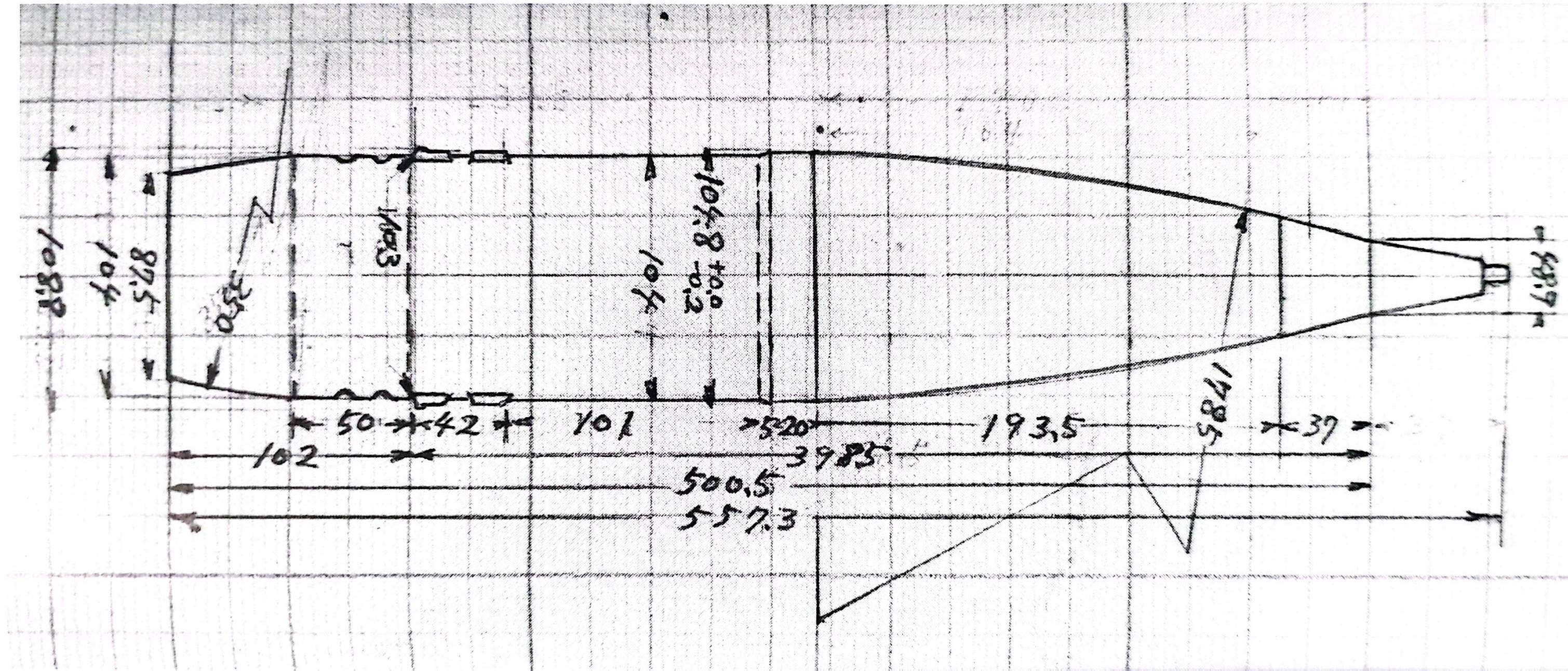
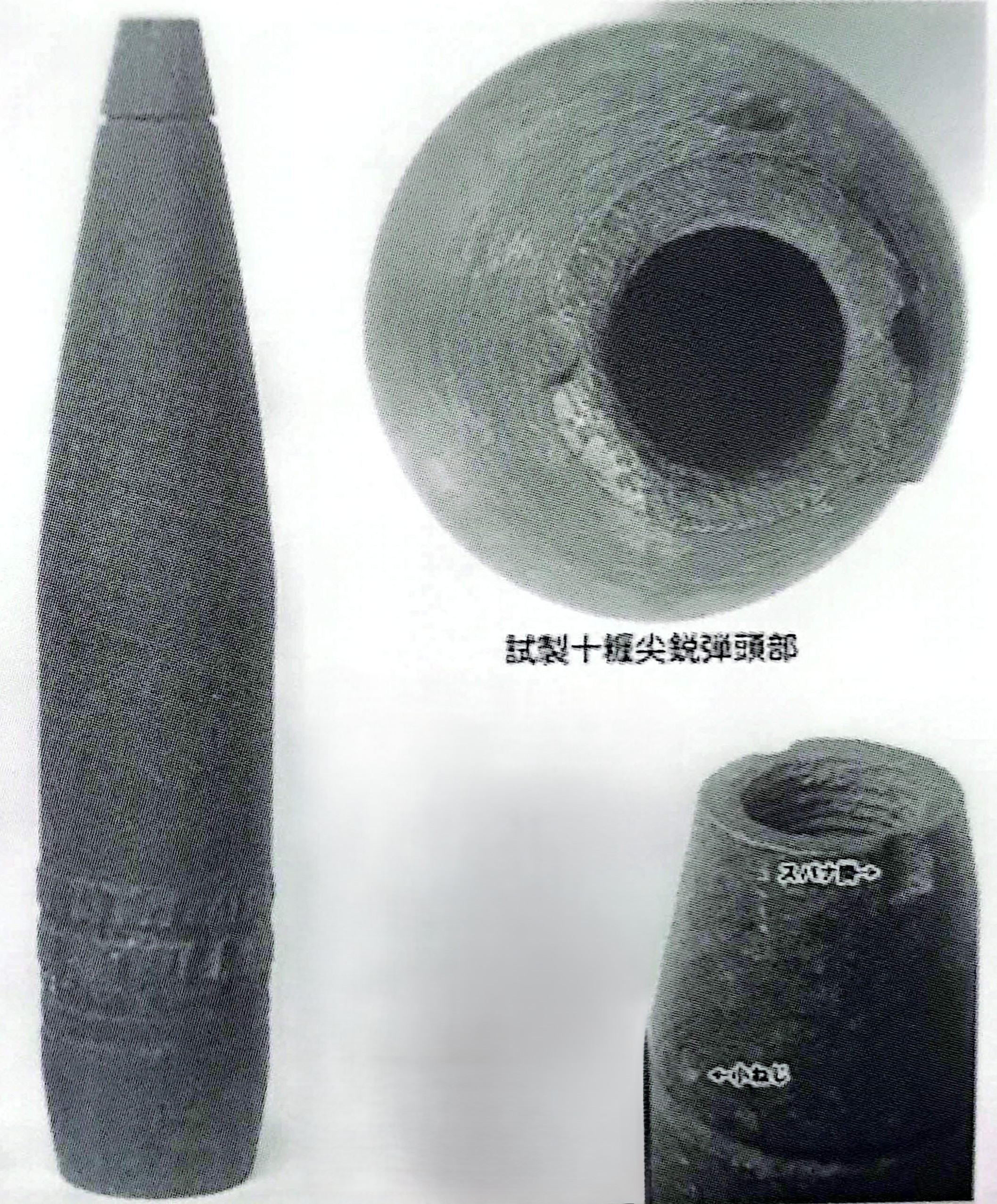
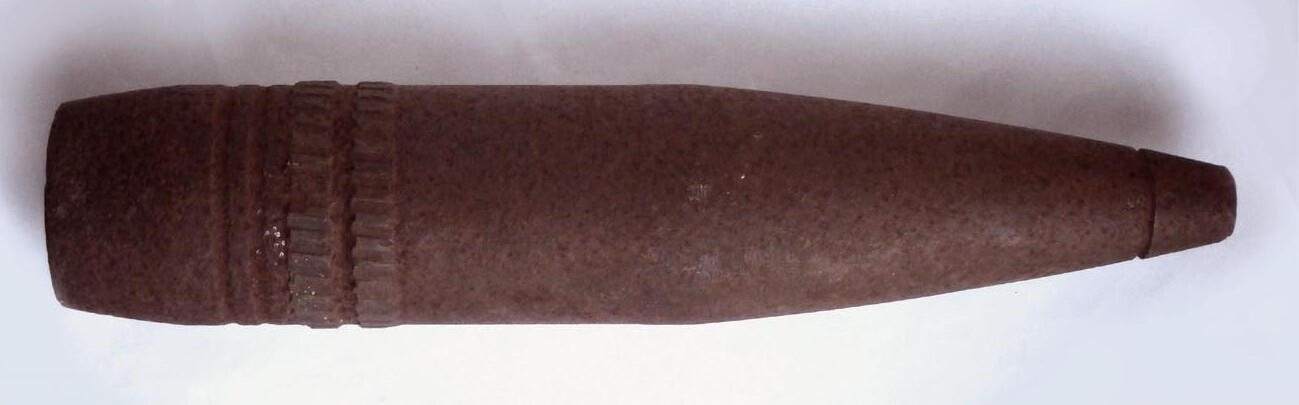
This shell was built to a design almost identical to the Type 91 HE shell, and it is currently the only surviving physical Ho-Ri projectile.
4. Experimental (Type 4) armor-piercing shell (AP)
試製(四式)徹甲弾
Design weight: 16.000 kg
Test weight: 15.640-16.240 kg (average: 16.022 kg)
Explosive filler: none
Muzzle velocity: 907.9 m/s (propellant charge: 6.45 kg)
Firing period: June
Number fired: 56
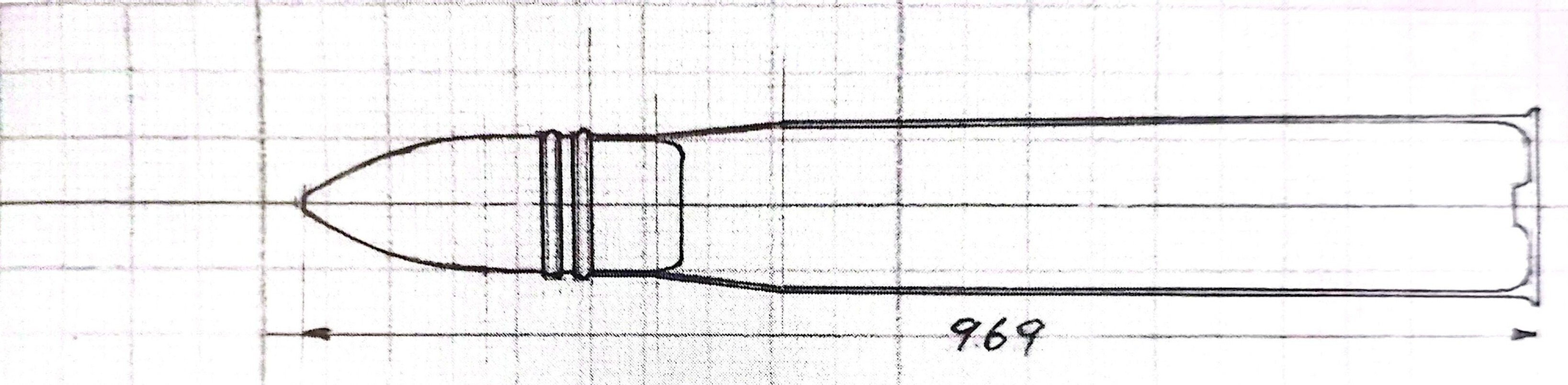
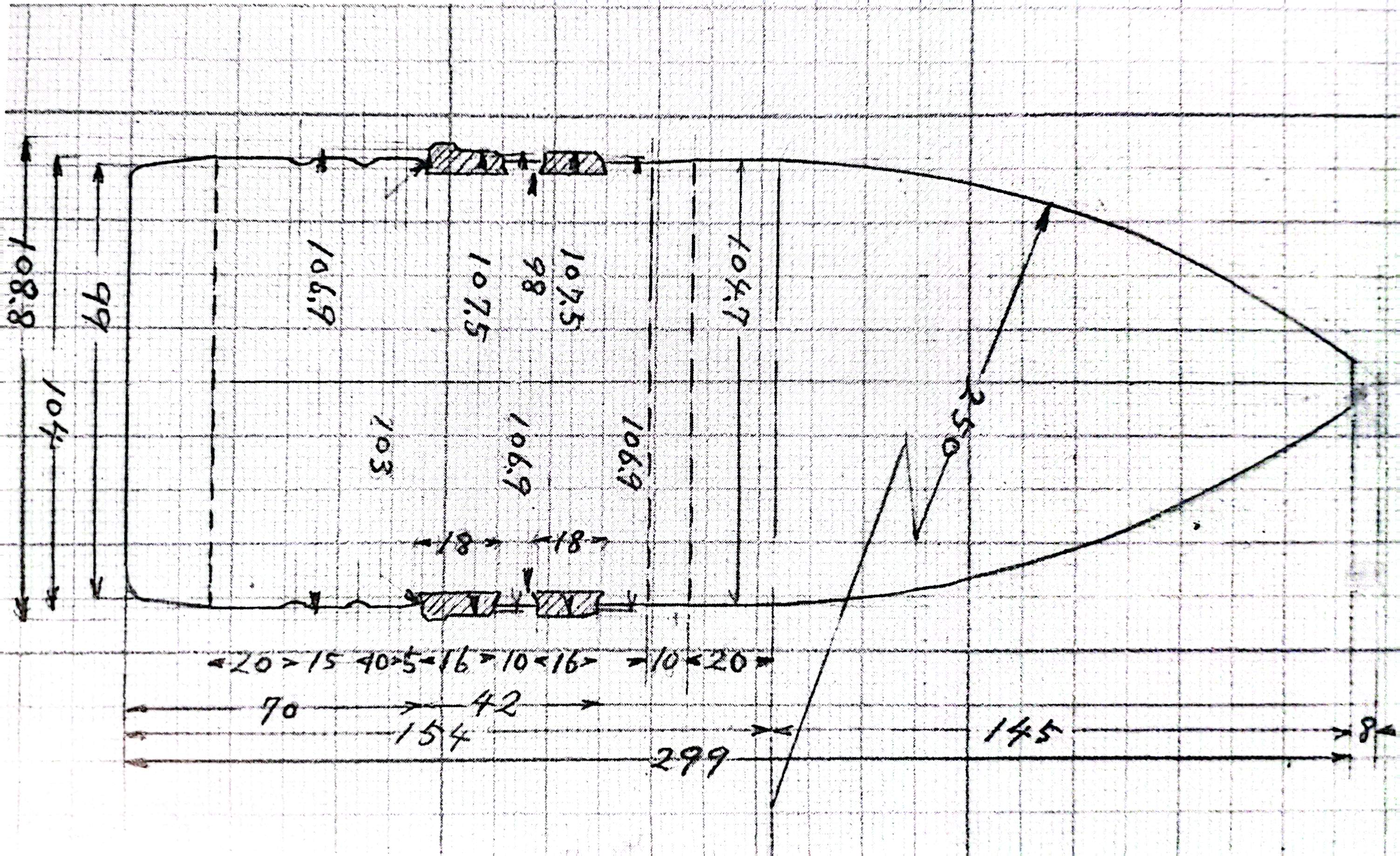
Like the other Type 4 AP shells, this was a solid AP round without explosive filler. The designation “Type 4” does not actually appear in the Ho-Ri research notes, where it is simply called an experimental AP. I borrowed the “Type 4” designation from the Ka-To research notes.
5. Substitute shell
代用弾
Weight: 16 kg
It was planned in the early design stage, but does not appear to have ever been produced. It was supposed to be based on the Type 14 substitute shell.
6. Armor-piercing shell (APHE)
徹甲弾
Weight: 16 kg
Explosive filler: unknown
Fuze: Experimental Type 1 armor-piercing medium Mk.3 base fuse
Ogive radius: 200 mm
Projectile length: 315 mm
This is the shell commonly known as the Type 2 APHE. In fact, this AP shell was not used during the Ho-Ri gun tests. The original Experimental Type 2 AP shell (試製二式徹甲弾) had been developed for the Type 92 Cannon, and the Ho-Ri’s APHE was originally supposed to be made on the basis of that shell, but it seems to have been postponed or canceled at some point.
That said, I’m still not sure whether the Ho-Ri using Type 2 APHE in WT should necessarily be considered an error. The Type 92 shells were essentially compatible with the Ho-Ri gun, and adapting them only required the simple modification of adding one more driving band and fitting them into cartridge cases.
13 Likes
Suggestion is out!
3 Likes
What’s the source giving the cupola a rangefinder?
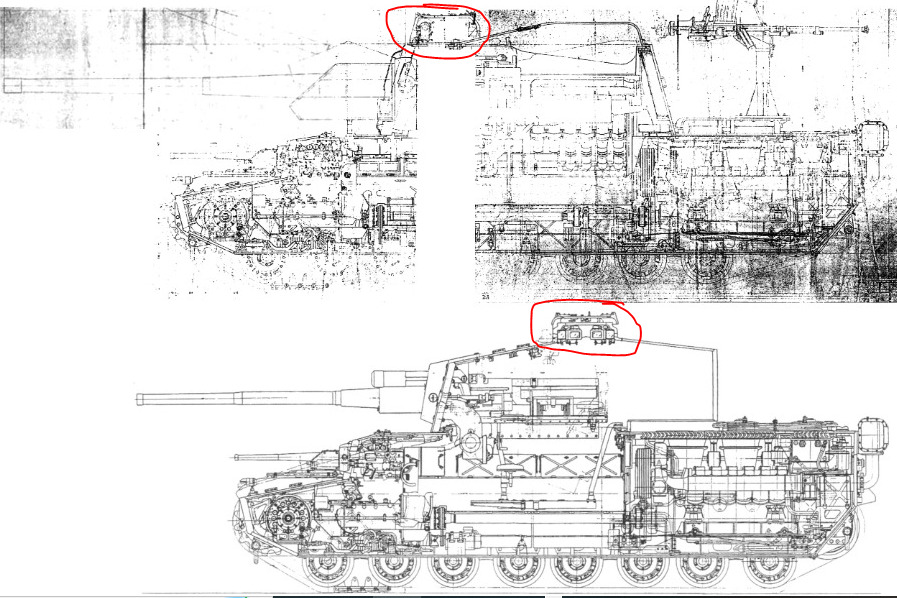
Just looks like a fairly standard cupola to me.
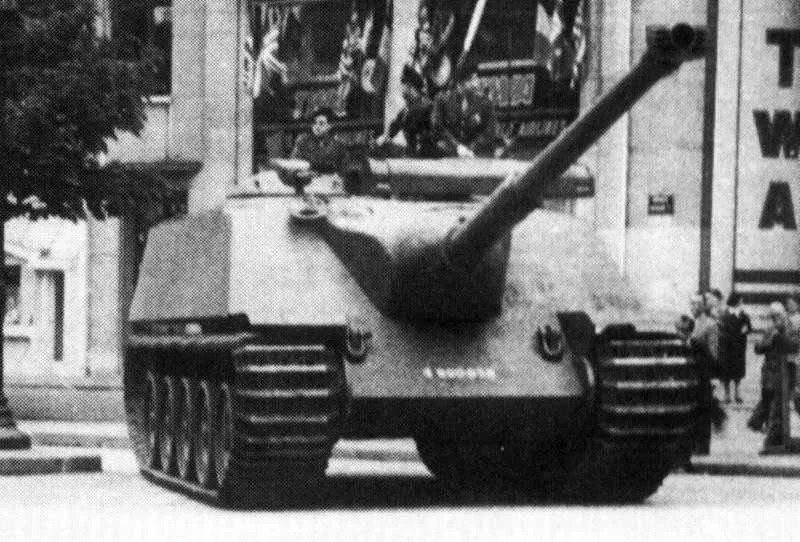
Like here’s the Foch for example and look how large its range finder is and this is the 1952.
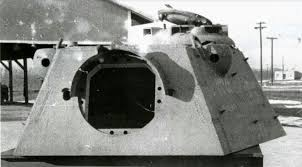
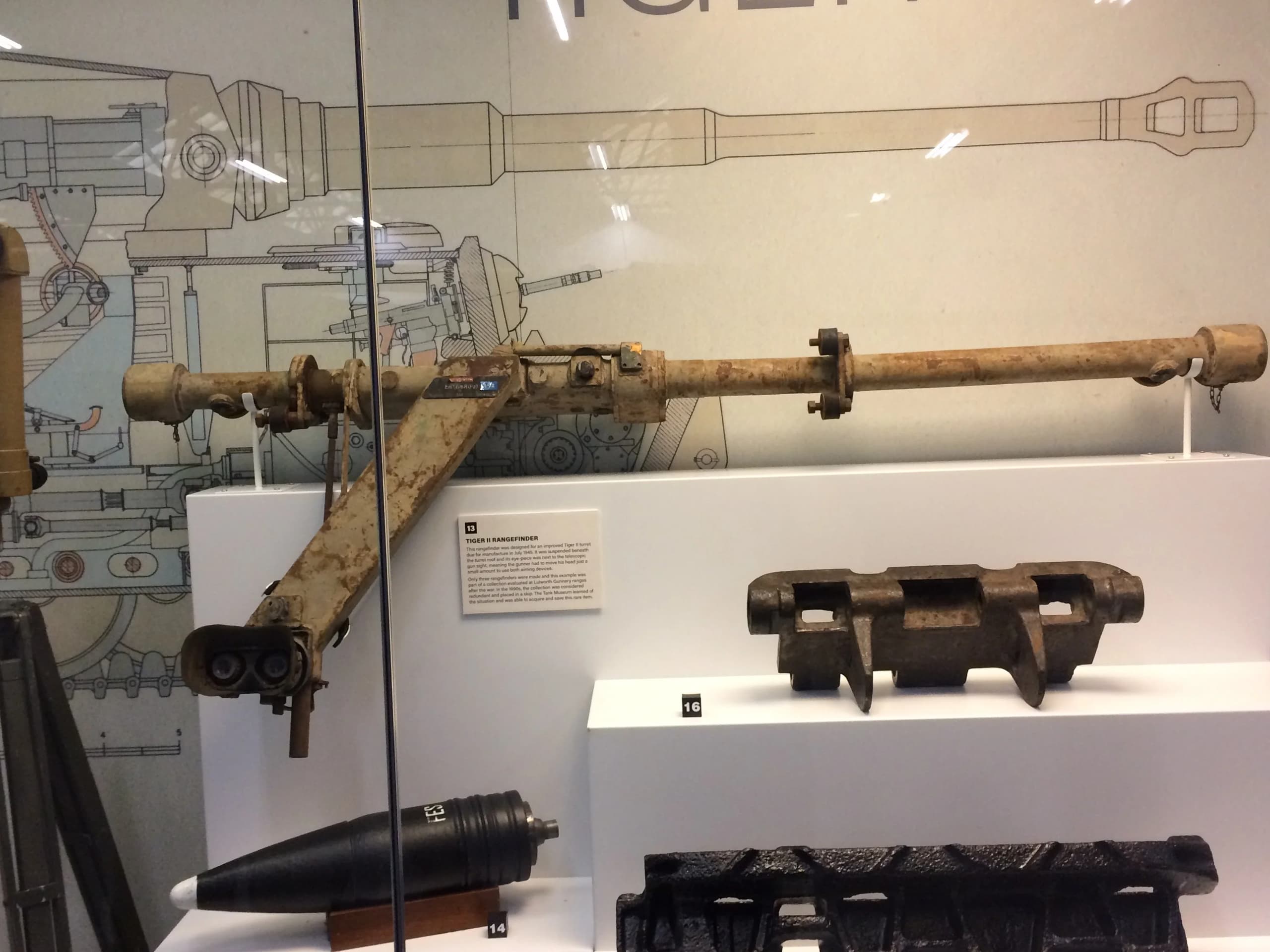
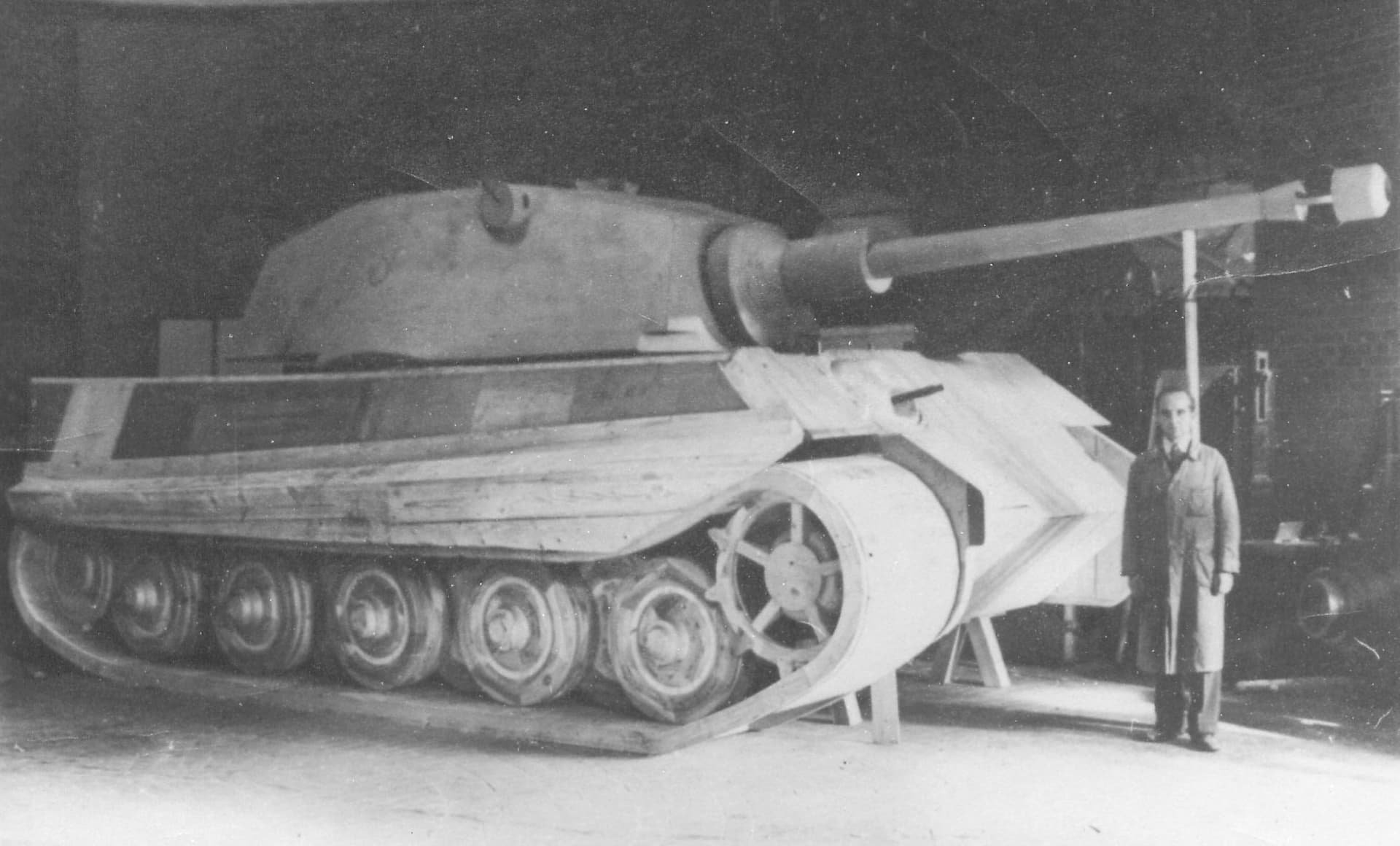
Look at the Panther and Tiger II their rangefinders extend to either side of the turret.
Just seems far too small to be a rangefinder. Edit: Perhaps I stand corrected.

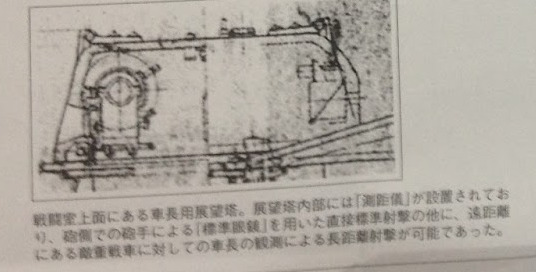
I’m not sure where this source comes from, but Google translate tells me its got a rangefinder. Though I would think a front on drawing of the vehicle might be useful, as I said, some of the 3D drawings look a bit small for the mid-1940’s.
1 Like