The Expanse Belt War
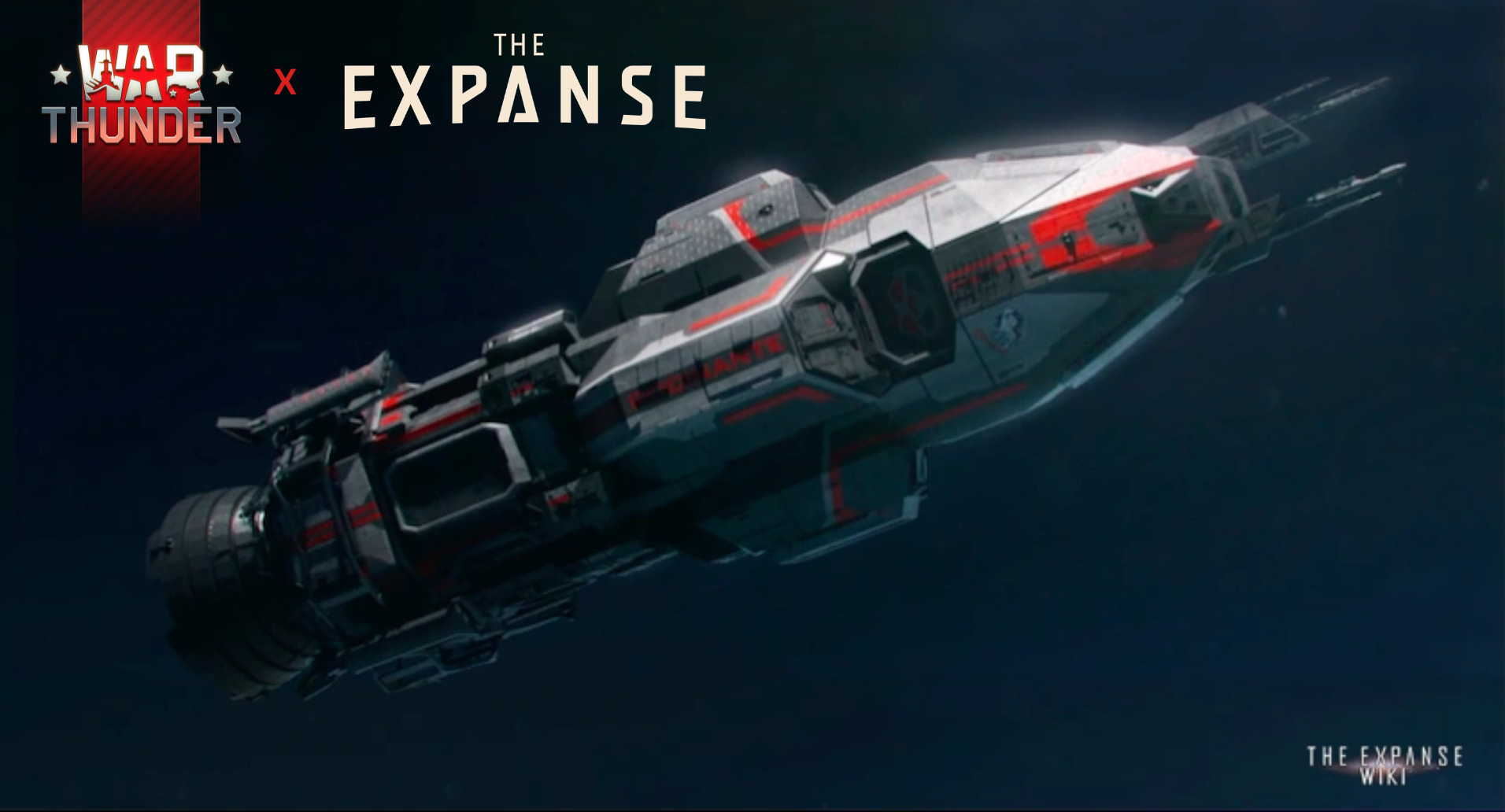
Introduction
What is it?
The Expanse is a grounded science-fiction universe set roughly 200 years in the future where humanity has colonized much of the Solar System. Earth remains the political and industrial powerhouse under the control of the United Nations, while Mars has evolved into a heavily militarized and technologically advanced rival superpower. Beyond them lies the Belt: a vast region of asteroid colonies and space stations inhabited by the “Belters,” people adapted to life in low gravity who are often exploited by the inner planets. The growing tension between Earth, Mars, and the Belt creates a cold war atmosphere filled with proxy conflicts, piracy, insurgencies, and massive naval confrontations.
Unlike many science-fiction settings, The Expanse focuses on realistic physics, believable military technology, and hard-science space combat. Warships rely on missile salvos, railguns, point-defense cannons, electronic warfare, and high-acceleration maneuvers rather than energy shields or fantasy weapons. Battles are brutal, fast, and tactical, with every faction developing its own doctrine and vehicle designs. From Martian stealth corvettes and UN battleships to Belter improvised gunships and boarding craft, the universe offers a huge range of military hardware that fits naturally into a combined-arms style game event.
An Expanse x War Thunder collaboration would introduce players to one of the most realistic depictions of future warfare in modern science fiction. The event would feature faction-based combat between the two super powers Earth and Mars over the resource rich belt ships of the line slugging it out with rail guns, missiles, and auto cannon fire. The fate of the solar system sits in the balance so aim well and don’t forget everything is in your hands.
Why should Gaijin do the event
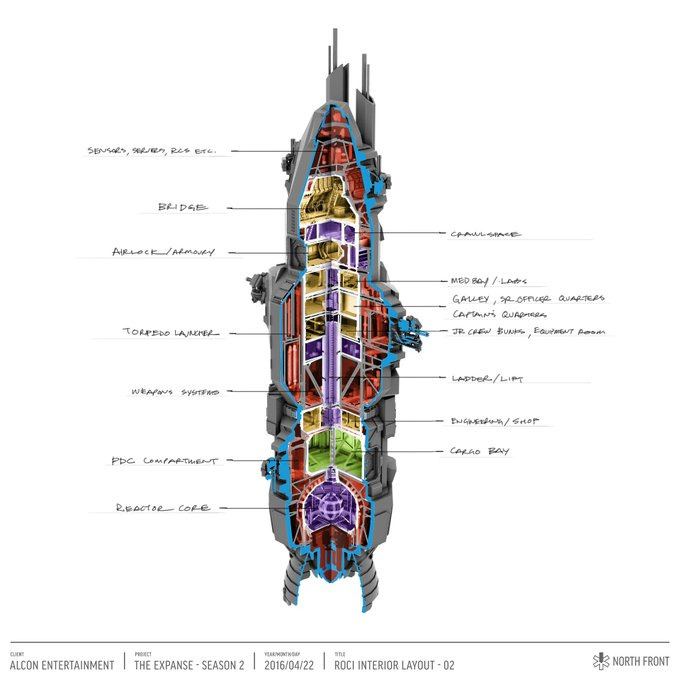
An The Expanse crossover would fit naturally within the gameplay philosophy of War Thunder because the military technology of The Expanse is grounded in realistic system-based combat rather than fantasy mechanics. Ships in the series operate much like vehicles in War Thunder: critical components can be individually damaged or destroyed, crew losses directly impact combat effectiveness, propulsion and reactor hits cripple mobility, and sensor systems determine battlefield awareness. Combat is heavily dependent on subsystem survivability, positioning, and tactical decision-making concepts already central to War Thunder’s damage and vehicle models.
The event would also provide Gaijin with an opportunity to experiment with mechanics that could directly benefit the future of naval gameplay, especially as War Thunder expands further into Cold War and modern-era combat. Unlike World War II naval warfare, modern naval engagements focus less on close-range gun duels and more on long-range detection, tracking, missile interception, electronic warfare, and coordinated fleet targeting. Battles in The Expanse reflect this evolution perfectly, with ships engaging enemies across massive distances using advanced radar, optical tracking systems, missiles, and railguns before visual contact is even established.
Introducing Expanse-inspired mechanics could allow Gaijin to prototype improved command-and-control gameplay systems for future naval content. Players could manage sensor coverage, target designation, missile interception, point-defense coordination, and electronic warfare in ways that parallel real modern naval doctrine. It would effectively serve as both a major crossover event and a testing ground for mechanics that may later become important for late Cold War and near-future naval warfare within War Thunder itself.
The setting also aligns closely with War Thunder’s emphasis on realism and vehicle authenticity. Human limitations remain a major factor in The Expanse : excessive maneuvering can incapacitate crews through extreme G-forces, while acceleration drugs, crash couches, swivel seating, and pressure suits only partially mitigate the strain of combat. This creates a believable and grounded style of space warfare that feels closer to advanced aerospace combat than traditional science-fiction space battles.
Rather than feeling disconnected from War Thunder’s identity, an Expanse collaboration would expand upon systems and gameplay philosophies already present in the game detailed damage modeling, realistic vehicle operation, crew survivability, and tactical combined-arms combat while helping explore the future direction of naval warfare mechanics.
The Event
Area of Contact
Attention all MCRN personnel.
Approximately six hours ago, a large-scale crisis erupted at Ceres Station. Civil unrest, sabotage, and multiple system failures have destabilized the station and disrupted Belt shipping across the sector. Under the pretext of a peacekeeping operations, the United Nations has begun mobilizing major fleet elements toward the Belt.
Intercepted communications confirm that the UN Navy is utilizing the Martian transfer corridor to rapidly move combat groups into the operational zone. Intelligence believes their objective is not stabilization. If Earth establishes naval superiority at Ceres, our patrol groups, reconnaissance stations, and isolated fleet detachments throughout the Belt risk being cut off and destroyed individually before reinforcements can be organized.
The Martian Congressional Republic Navy will not allow Earth to gain uncontested control over the Belt.
You are being deployed as part of an interception force tasked with halting the UN advance before it reaches Ceres operational space. Rules of engagement remain active under wartime authorization. Expect heavy resistance, including missile saturation attacks, electronic warfare interference, and close-range railgun engagements. Civilian traffic remains present throughout the combat zone. Belter vessels may attempt evacuation operations, smuggling runs, or opportunistic attacks against weakened ships from either side.
This engagement is not a border incident.
This is a strategic confrontation that may determine control of the Belt and the future military balance of the Solar System.
All combat groups are ordered to battle readiness immediately. Weapons free upon hostile confirmation.
Mars depends on your success.
— Fleet Command, Martian Congressional Republic Navy
Environmental Risks
Attention all MCRN personnel.
This operation is being conducted inside an active transfer orbit. Enemy action is not the only threat in this battlespace. The environment itself can kill you just as quickly as a railgun round.
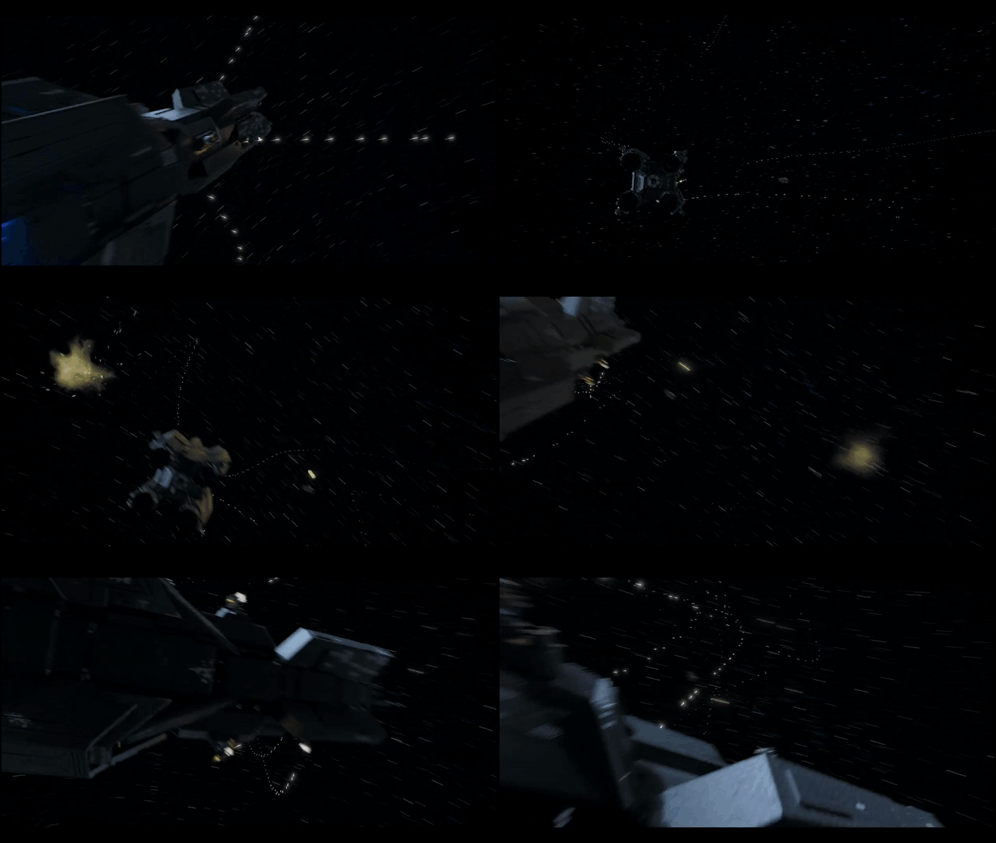
First: orbital debris. Space junk in this region includes scrap metal, rock fragments, ice, abandoned cargo containers, missile casings, and destroyed ship components. Your command-and-control systems will be under extreme load tracking hostile contacts, civilian traffic, and incoming weapons. Some debris may not appear on tactical displays until it is too late. A direct collision at transfer velocity will destroy your ship regardless of armor or reactor output.
Second: civilian and cargo traffic. Commercial vessels have been ordered to clear the operational zone by both Earth and Mars, but orbital mechanics do not care about military schedules. Many of these ships are automated, slow to maneuver, and significantly larger than frontline warships. Treat them as uncontrolled hazards. Do not attempt reckless interception maneuvers around them, and do not fire unless absolutely necessary. A collision with a civilian hauler would be catastrophic.
Third: drifting vessels. Damaged friendly and enemy ships may lose thrust control and continue moving unpredictably through the combat zone. A dead ship is still a multi-thousand-ton projectile. Avoid unnecessary close passes and do not waste missile volleys on confirmed kills unless specifically ordered.
Fourth: radiation interference. Solar radiation storms are active throughout the transfer corridor. These storms can degrade radar resolution, interfere with targeting systems, blind optical sensors, and disrupt communications. If your sensors fail, rely on formation tracking and command updates.
Fifth: Belter raiders. Independent Belter groups hostile to both Earth and Mars may attempt opportunistic attacks against isolated or damaged ships. Expect disguised civilian signatures, hidden weapons, and false transponder data. A ship may appear harmless until missile launches are already inbound.
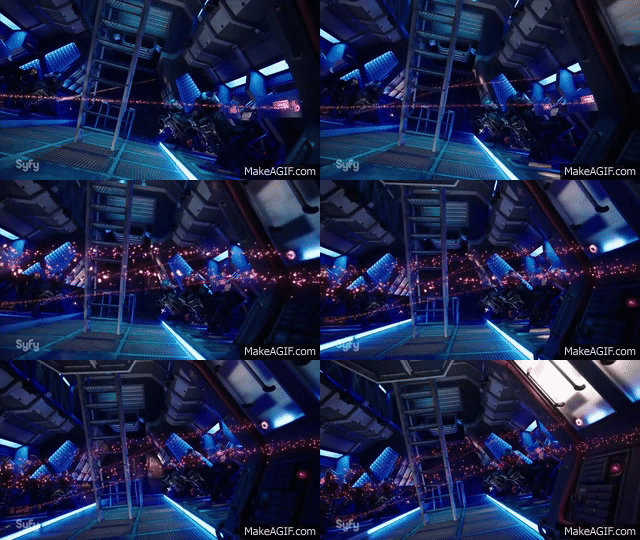
Sixth: high-G maneuvering. Your crash couches, chemical stimulants, and protective systems are designed to increase combat endurance not make you invulnerable. Excessive acceleration can still incapacitate or kill crews. Know your ship’s limits and respect them.
Finally: formation discipline. This is not atmospheric combat. If you maneuver outside the operational battlespace without authorization, orbital momentum will carry you away from the engagement zone faster than your drives can compensate. Ships separated from formation may be unable to rejoin the battle in time to matter. Maintain formation at all costs. If your ship becomes tactically crippled, withdraw only through the designated retreat orbit corridor.
Remember this clearly:
In space, mistakes are permanent.
— Fleet Command, Martian Congressional Republic Navy
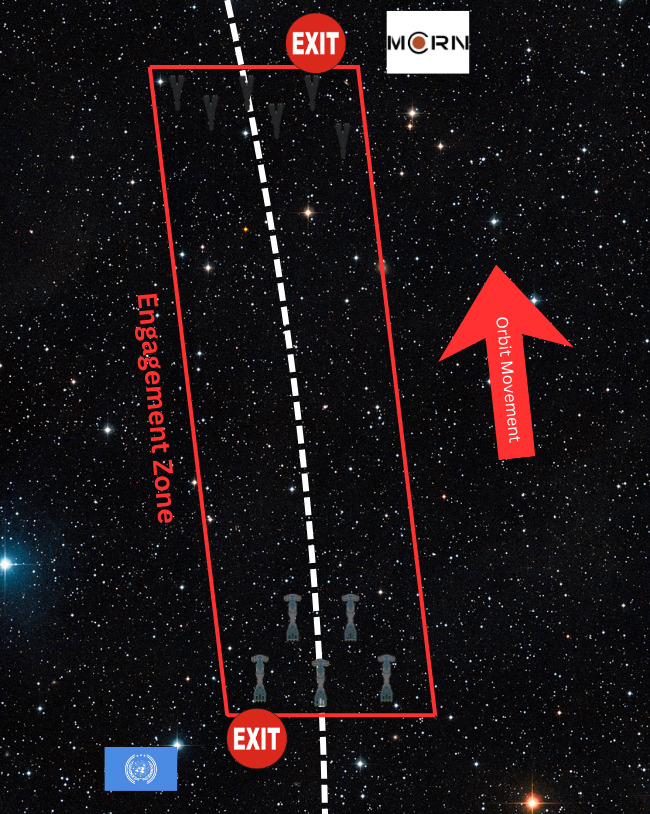
Understand this clearly, personnel:
Victory in this engagement will not be decided by who fires the first shot. It will be decided by who can remain combat effective inside the battlespace the longest.
Every missile, every maneuver, every reactor burn, and every damaged ship reduces a fleet’s ability to continue fighting. The side that maintains formation, preserves combat capability, and controls the engagement zone will dominate the battle. A ship drifting powerless outside the operational corridor is as useless as one destroyed.
Stay alive. Protect your reactor, your drives, your sensors, and your crew. Do not waste ammunition chasing dead ships or firing blindly into debris fields. Fight with discipline and purpose. A reckless captain may win a duel and still lose the battle for the fleet.
The enemy wants to force us out of the battlespace through attrition, confusion, and exhaustion. We will deny them that victory.
Hold formation. Maintain pressure. Dominate the engagement zone.
Mars does not require glory.
Mars requires results.
— Fleet Command, Martian Congressional Republic Navy
The Ships
General Equipment Report
All personnel are reminded that combat vessels operating in the current theater are equipped with a wide range of offensive, defensive, and detection systems. Equipment loadouts, ammunition reserves, and system quality may vary depending on vessel class, mission role, and fleet assignment.
Railgun Systems
Heavy magnetic accelerator weapons capable of delivering devastating kinetic strikes across extreme distances. Railguns are capable of penetrating most armor with a single direct hit, but require precise targeting solutions and disciplined firing windows. A missed shot may continue traveling through the battlespace indefinitely, posing a danger to both friendly and civilian vessels.
Anti-Ship Missile Systems
Primary long-range offensive weapons used throughout the engagement zone. Modern anti-ship missiles are equipped with advanced tracking packages, maneuvering thrusters, and autonomous attack routines designed to overwhelm enemy defenses through saturation attacks. Missile conservation remains critical. Wasteful launches reduce fleet endurance.
Point-Defense Missile Systems
Short-range interceptor missiles intended to destroy incoming torpedoes, missiles, drones, and fast attack craft before impact. These systems supplement traditional point-defense cannons and are especially effective during mass missile exchanges where reaction time is limited.
Electronic Warfare Suites
Integrated electronic warfare systems are used to jam communications, interfere with targeting systems, corrupt tracking data, and conceal fleet movements. Expect hostile electronic interference at all times. Sensor reliability may fluctuate during combat operations.
Fleet Data-Link Systems
Combat vessels share radar tracks, thermal readings, targeting data, and firing solutions through encrypted laser and radio links. Ships can engage targets using another vessel’s sensor lock, allowing fleets to fight as a coordinated network across the battlespace.
Chaff and Flare Countermeasures
Defensive countermeasure launchers disperse radar-reflective debris and thermal decoys to disrupt incoming missile guidance systems. Proper timing is essential. Premature deployment may leave your ship exposed during follow-up attacks.
Decoy Pods
Limited-use autonomous decoy systems designed to imitate the radar, thermal, and drive signatures of combat vessels. Effective deployment can redirect enemy missile salvos or force hostile railgun targeting errors. However, experienced crews may identify false signatures quickly. Use them carefully — once deployed, replacement assets are unavailable during combat operations.
Detection Radar Arrays
Primary fleet tracking systems capable of monitoring contacts across vast engagement distances. Radar systems provide targeting solutions, formation awareness, and early-warning detection but remain vulnerable to electronic warfare interference and radiation storms.
Optical and Thermal Tracking Systems
High-resolution visual and infrared sensors used to confirm contacts and monitor heat signatures, reactor emissions, and engine activity. In many cases, a ship’s drive plume can reveal its position long before radar lock is achieved.
Drive Plume Detection Systems
Specialized long-range tracking equipment designed to identify Epstein drive signatures across deep space. Even stealth-oriented vessels become vulnerable when under sustained acceleration. A bright drive plume can turn a ship into a beacon visible across the operational corridor.
Signal Intelligence Flash Detectors
Passive detection systems designed to identify sudden energy spikes, reactor fluctuations, laser communications, targeting flashes, and weapon discharge signatures. In combat, the first indication of enemy presence may not be visual it may be a brief spike across your tactical systems moments before missiles arrive.
Remember:
Space combat is decided by information as much as firepower. The ship that sees first, tracks first, and reacts first usually survives.
— Fleet Logistics and Readiness Command

The naval philosophy of the Martian Congressional Republic Navy is built around technological superiority, discipline, and rapid offensive action. Unlike Earth’s larger but often slower and politically divided fleets, the MCRN emphasizes highly advanced warships crewed by elite personnel trained for high-intensity combat in deep space. Martian doctrine focuses on striking first with precision-guided missiles, stealth technology, electronic warfare, and devastating railgun attacks while maintaining superior mobility and coordination. Every Martian vessel is designed to fight outnumbered if necessary, reflecting Mars’ belief that quality, preparation, and tactical efficiency can overcome Earth’s numerical advantage.
Martian Congressional Republic Navy
Battle Ships
Donnager-class
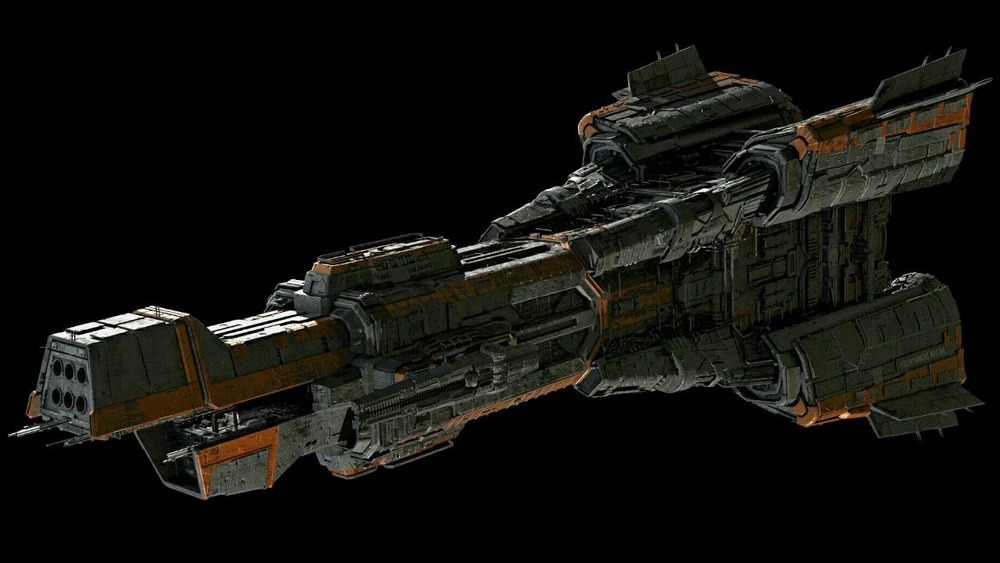
https://expanse.fandom.com/wiki/Donnager-class_(TV)
Assault cruiser
Scirocco-class assault cruiser
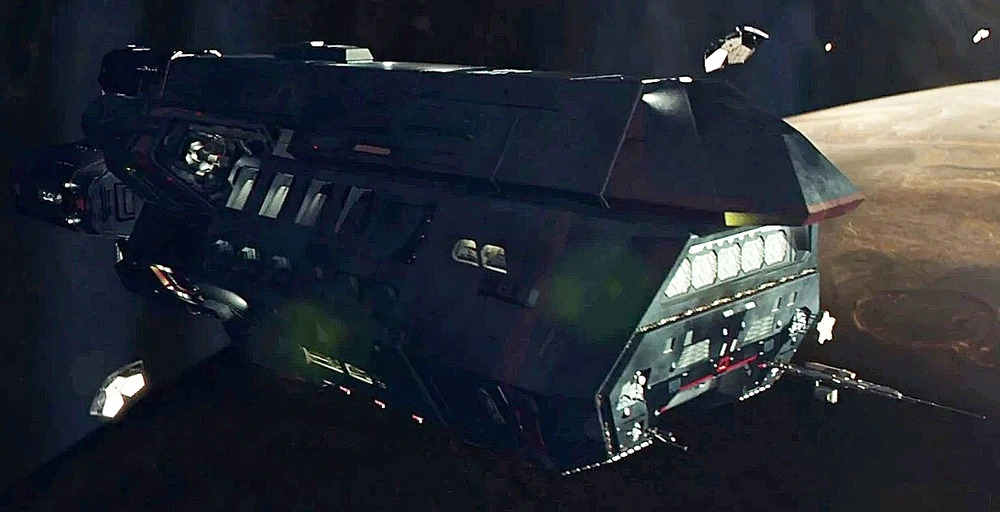
https://expanse.fandom.com/wiki/Scirocco
light cruiser
Pella-class light cruiser
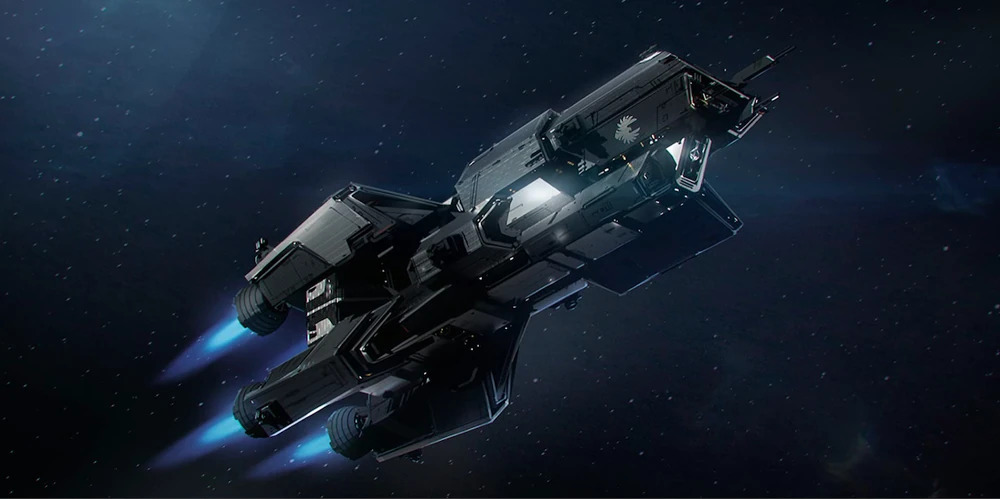
https://expanse.fandom.com/wiki/Pella_(TV)
Patrol Destroyer
Morrigan-class patrol destroyer
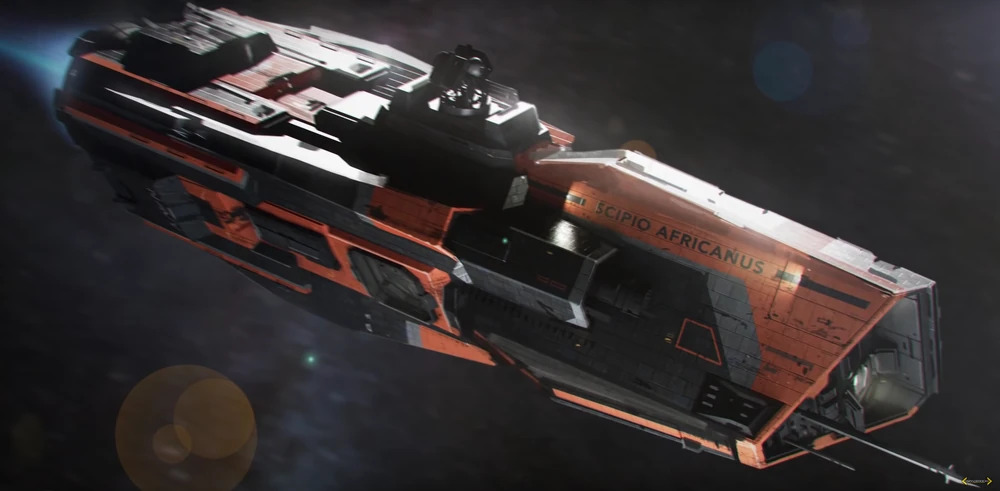
https://expanse.fandom.com/wiki/Morrigan-class_patrol_destroyer
Heavy frigate
Serrio Mal class
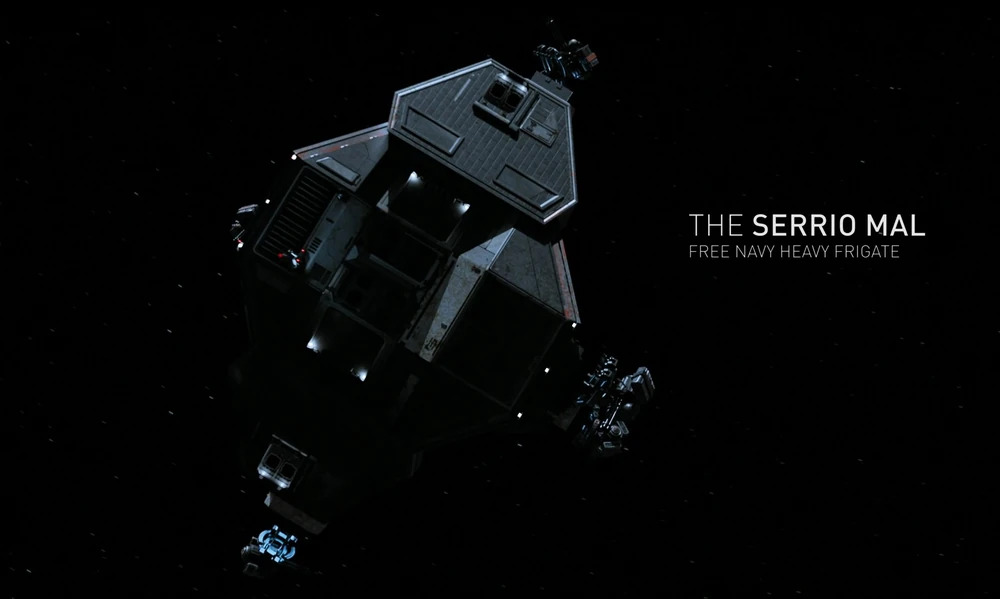
https://expanse.fandom.com/wiki/Serrio_Mal_(TV)
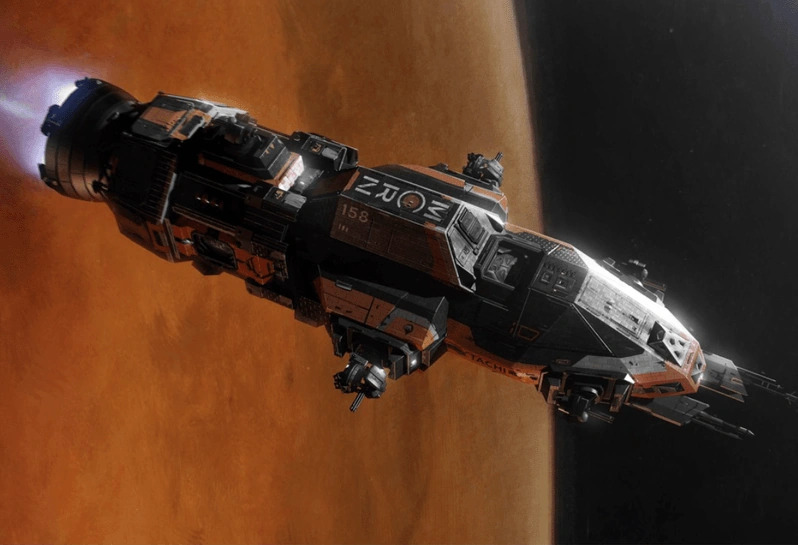

The naval philosophy of the United Nations Navy is centered on overwhelming force projection, strategic endurance, and maintaining control across the vast territory of human space. Backed by Earth’s immense industrial capacity and population, the UN Navy relies on large fleets, heavily armed capital ships, and layered defensive formations capable of sustaining prolonged operations. While often less technologically aggressive than Martian designs, UN doctrine emphasizes reliability, logistical depth, and the ability to dominate key shipping lanes and orbital regions through sheer presence and firepower. In combat, the UN Navy prefers coordinated fleet actions, missile saturation, and attritional warfare intended to wear down opponents over time rather than relying solely on speed or advanced technology.
United Nations Navy
Battle Ships
Truman-class dreadnought
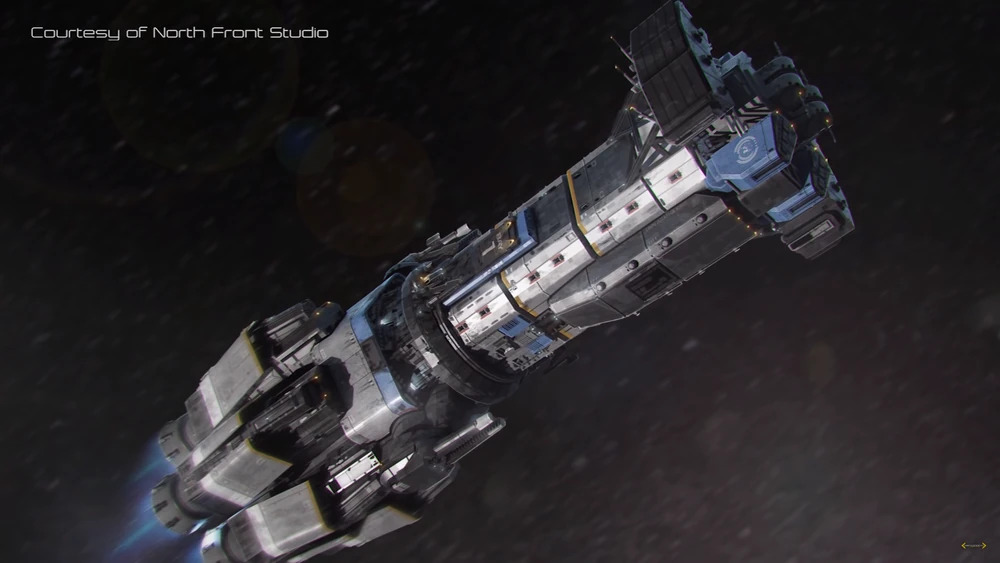
https://expanse.fandom.com/wiki/Truman-class_dreadnought_(TV)
Assault cruiser
Leonidas-class battleship
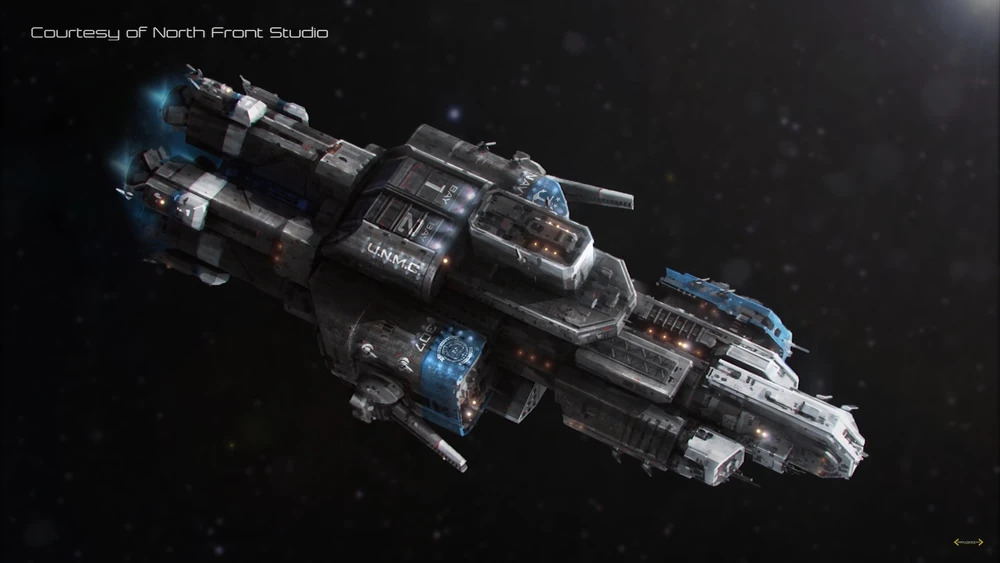
https://expanse.fandom.com/wiki/Leonidas-class_battleship
Destroyer
Andronicus -class
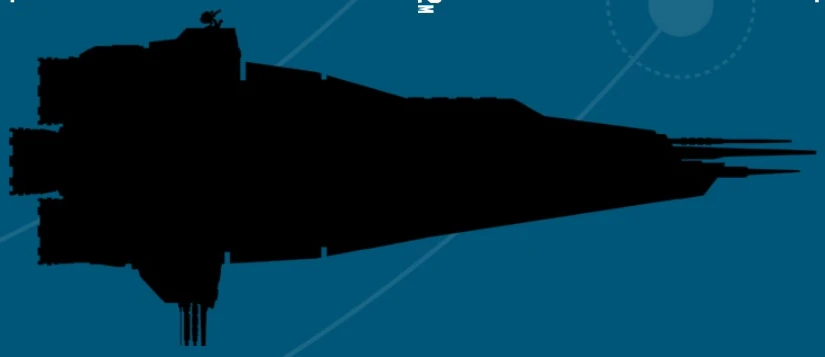
https://expanse.fandom.com/wiki/Andronicus-class_destroyer
Light destroyer
Munroe -class
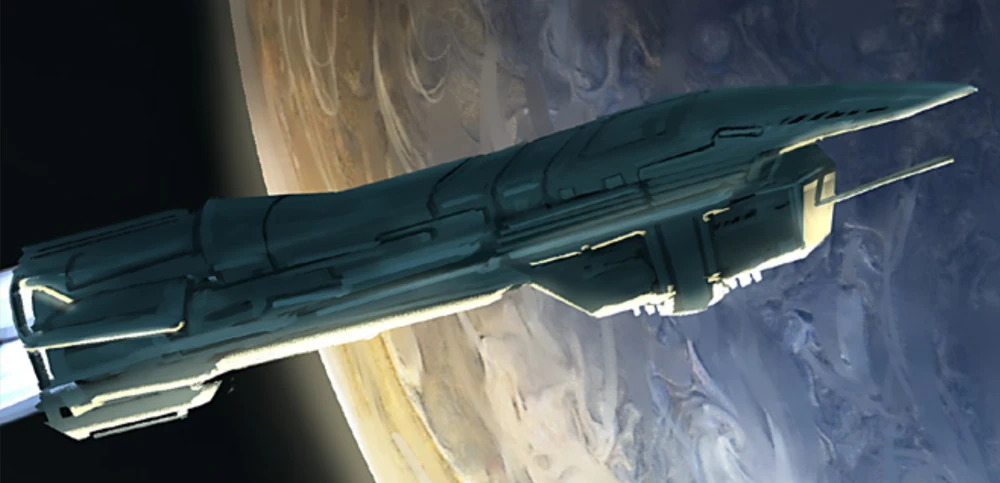
https://expanse.fandom.com/wiki/Munroe-class_light_destroyer
Escort Ship (Old Frigate)
Phantom -class escort
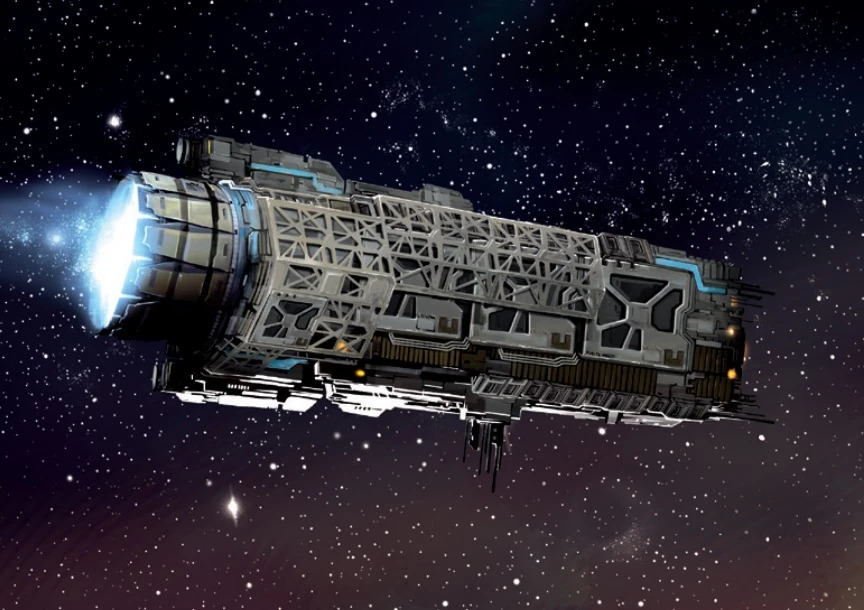
https://expanse.fandom.com/wiki/Phantom-class_escort
Special Ship
Amun-Ra-class Stealth Frigate
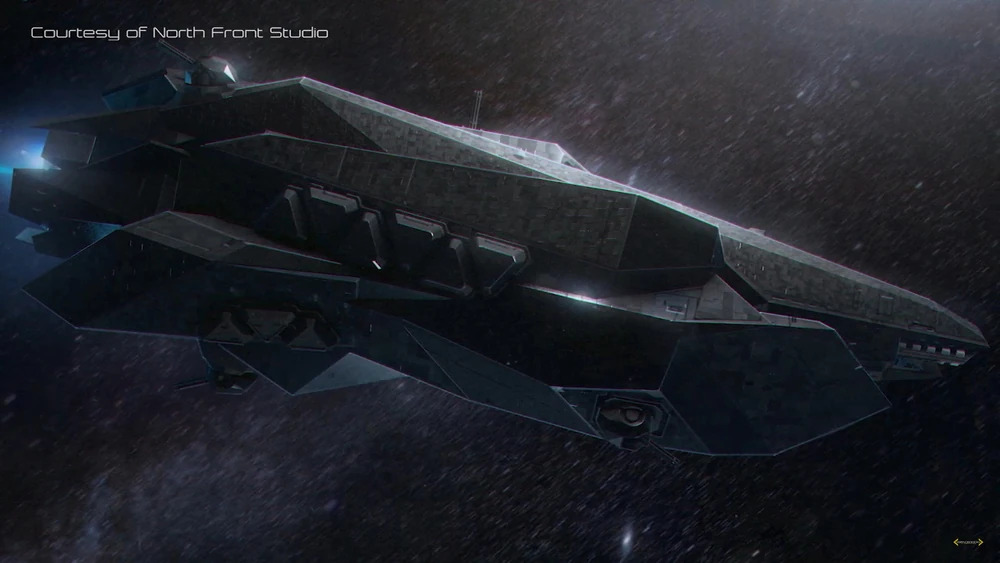
https://expanse.fandom.com/wiki/Amun-Ra-class_stealth_frigate
Awards
Decals
Earth Flags (UN)
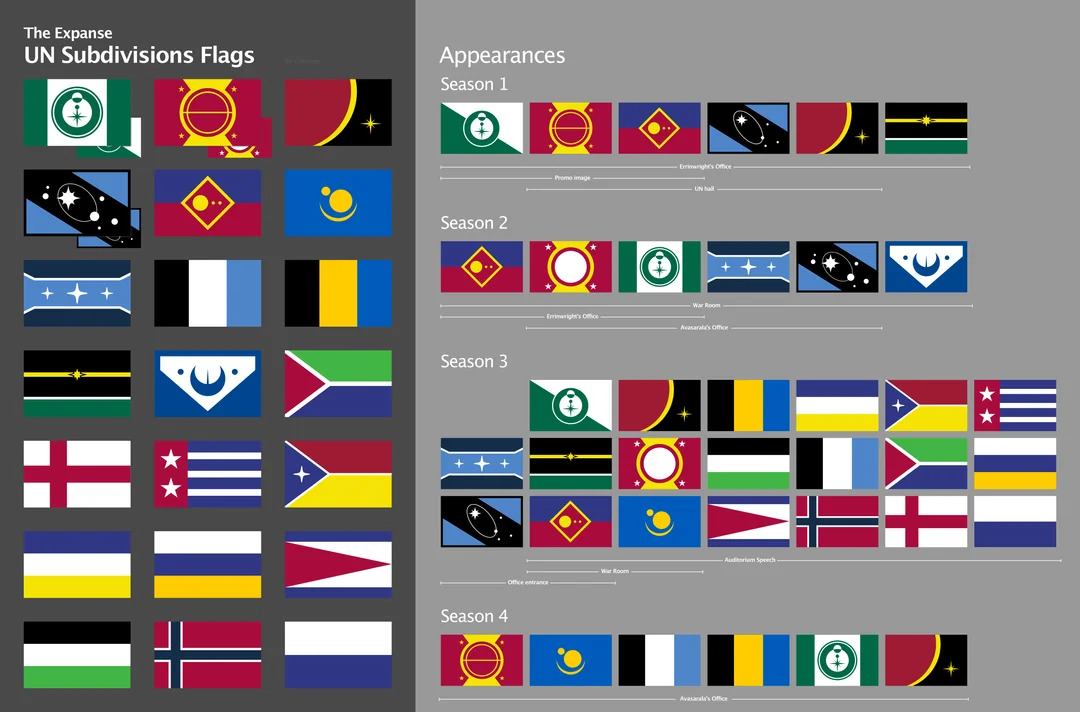

UN Navy

Mars Flag

Mars Banner

Mars Navy
Mars Asteria Emblem
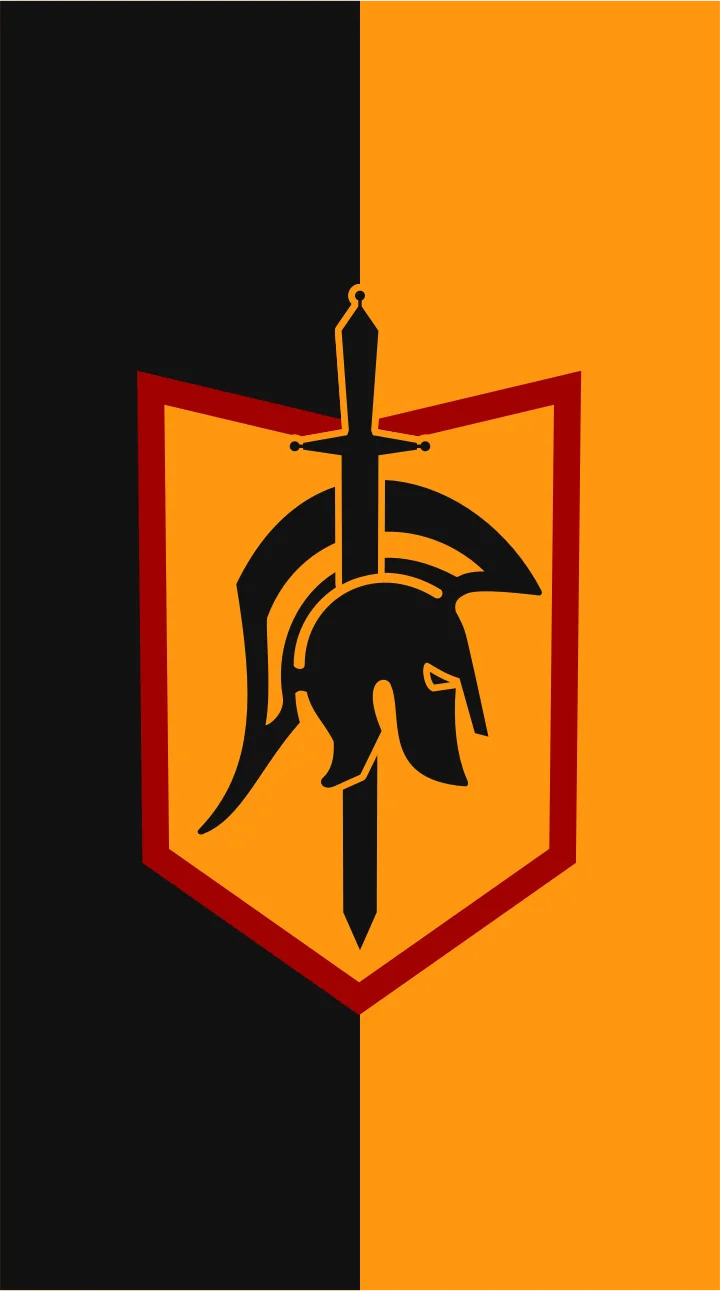
Ceres Station
Mao-Kwikowski Mercantile

Protogen

3D Decorations
Mars power armor
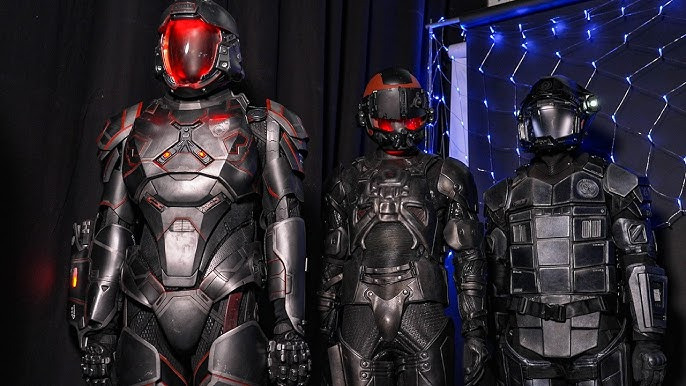
UN Light armor

Mars Uniform

UN Uniform

Mars Drone
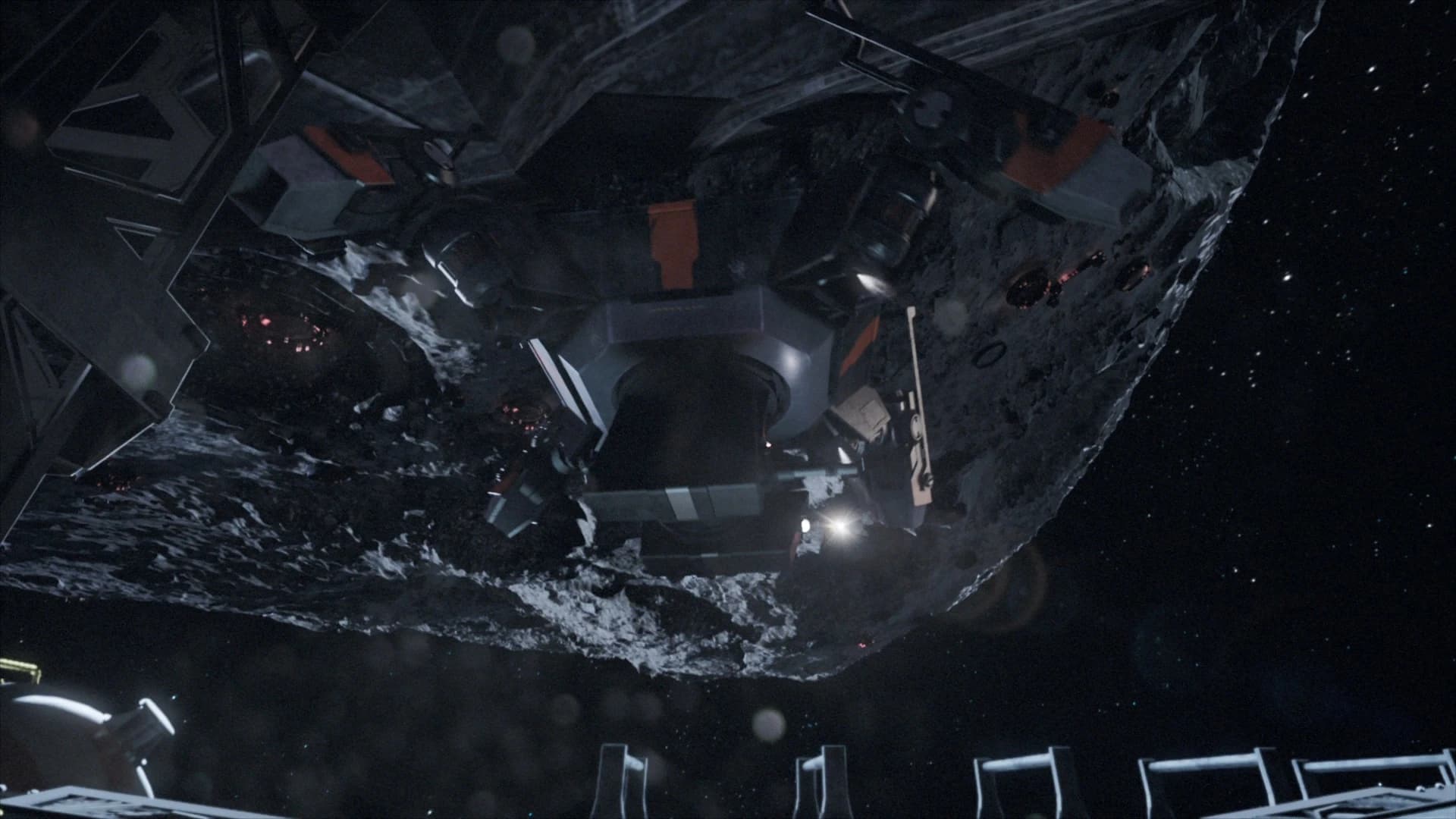
Mars battle rifle
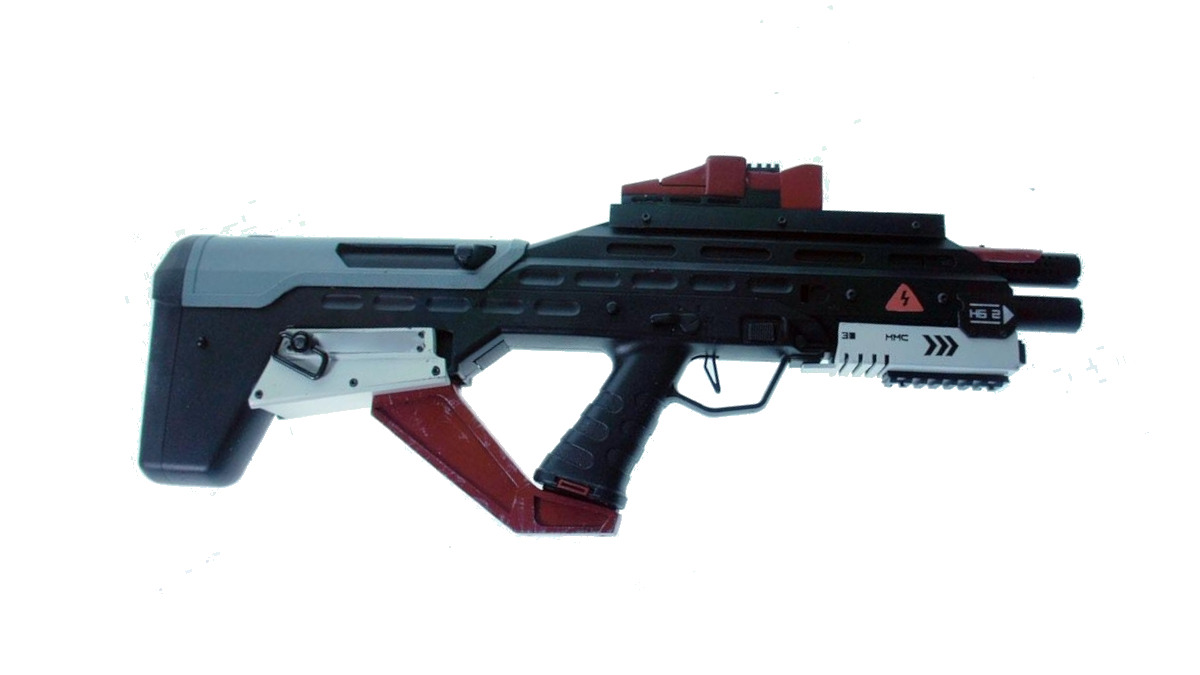
UN battle rifle

Avatars
mars marine

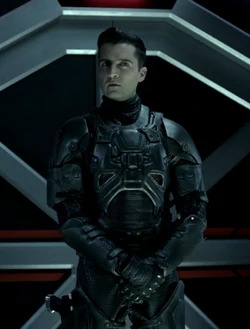
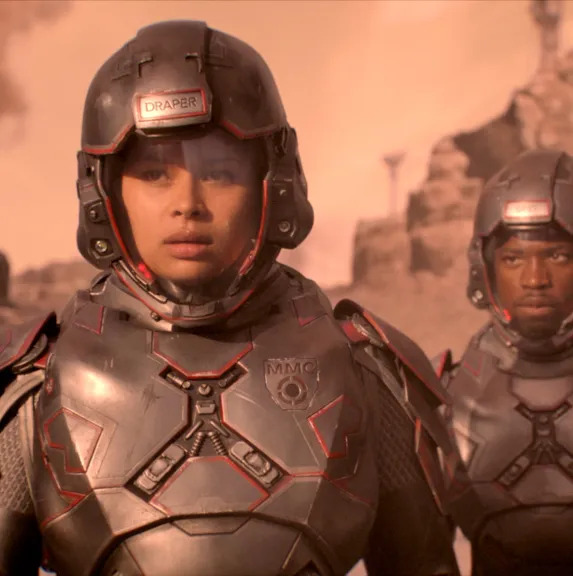
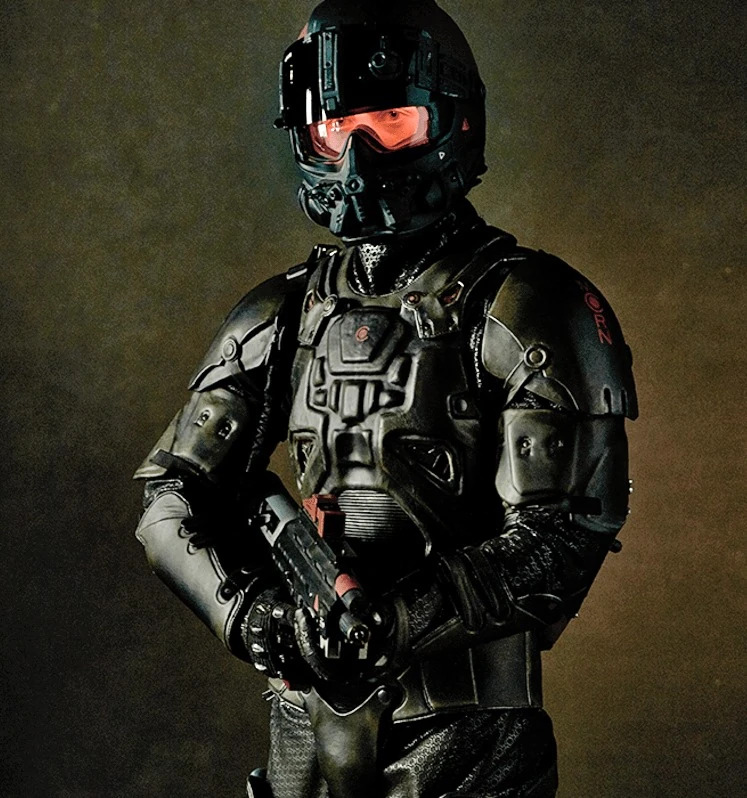
Earth marine
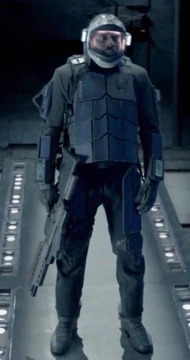
Space Suit
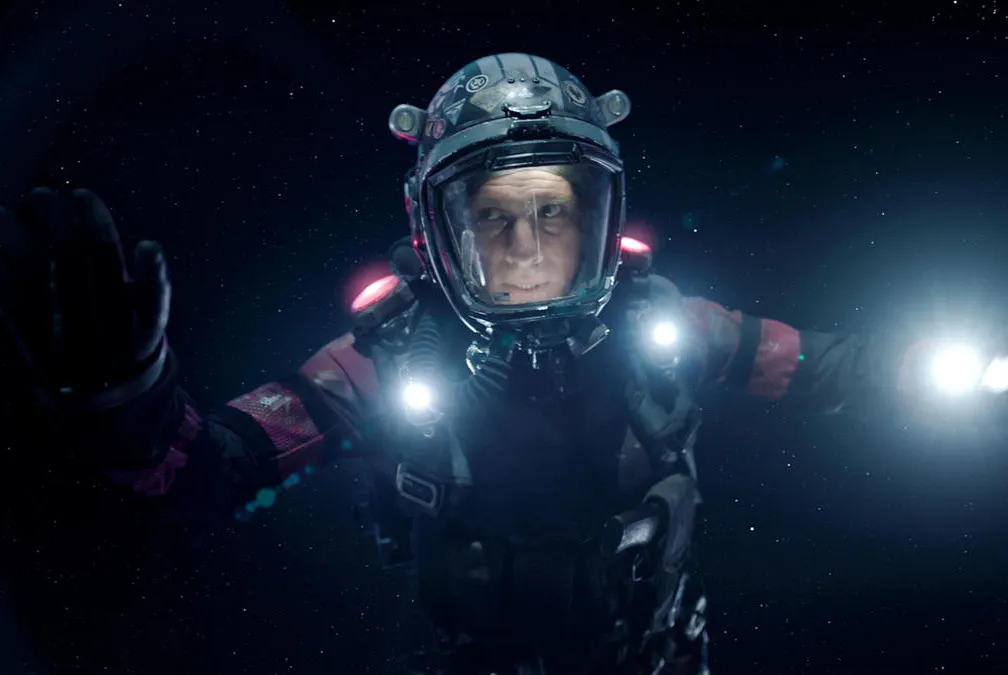
Belter

Protomolecule Hybrid

mars naval officer

UN naval officer

Name Tags
Belt Interceptor
Drive Plume Hunter
MCRN Vanguard
Void Survivor
Orbital Dominance
Belter
PD Grid Defender
Railgun Operator
Missile Saturation Specialist
Ceres Blockade Runner
Transfer Orbit Veteran
Belter’s Nightmare
Fleet Anchor
Reactive Burn
Vehicle Award
USS Northampton (CLC-1)
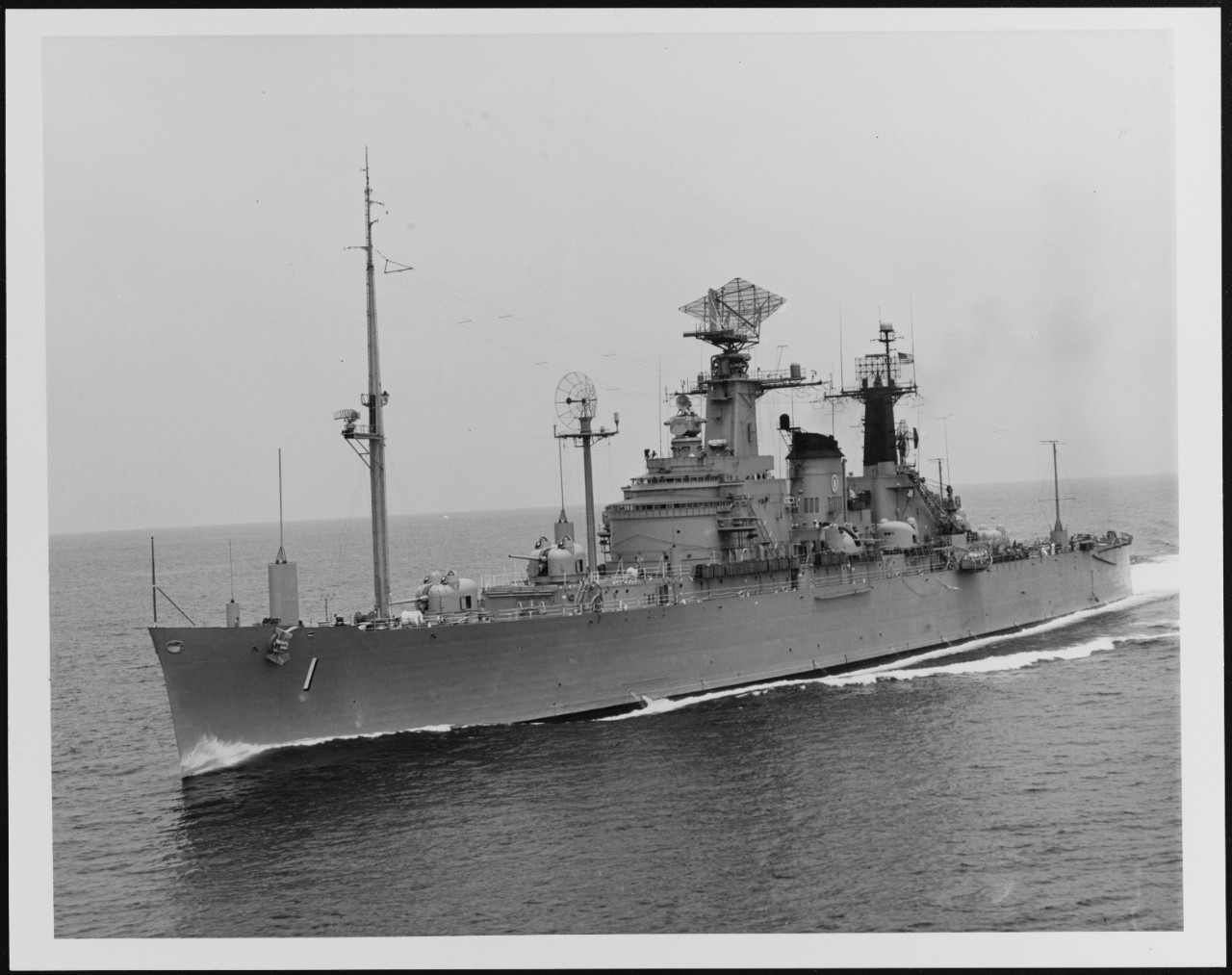
Command light cruiser USS Northampton (CLC-1) (1960): the first in command
Music
Soundtrack
https://youtu.be/V44uJKyS5LM?si=NsFQ_pfTTmvpnpAJ
https://youtu.be/Datu4xtAXJg?si=I1n-T6Cxn4OdmJxy
https://youtu.be/D6N9FU7tuj0?si=QWYVee-eFLVY5LWA
https://youtu.be/b7wR6P7l23Q?si=7bt3MHAsKhschPzs
https://youtu.be/q37yQv90GCI?si=NW0yergxf_X5suS7
Idea Board
Stuff
https://youtu.be/XuqEX1PnG9I?si=HK0M7J7C0j9YA5QP
https://youtu.be/esvXJ_Bfcmk?si=DNIpkc7Gg--hBLNA
https://youtu.be/NqDcnwrsq6U?si=Q7j6z-z3KjXVqoX-
https://youtu.be/GhV6bc4FhPU?si=fYVZPiPMiqcAVuhe
- YES I serve Mars ✅
- NO ❌
- Maybe I do? 🤔💭
- The Ships and there Models
- Space Combat
- The IP (The Expanse)
- The Awards
- I Stated No ❌
- Something Else → In Chat
Good luck out there Spacer & Remember that little maneuver is going to cost you!
The Maneuver

?file=Mcrncorvetteclassconceptart.png)