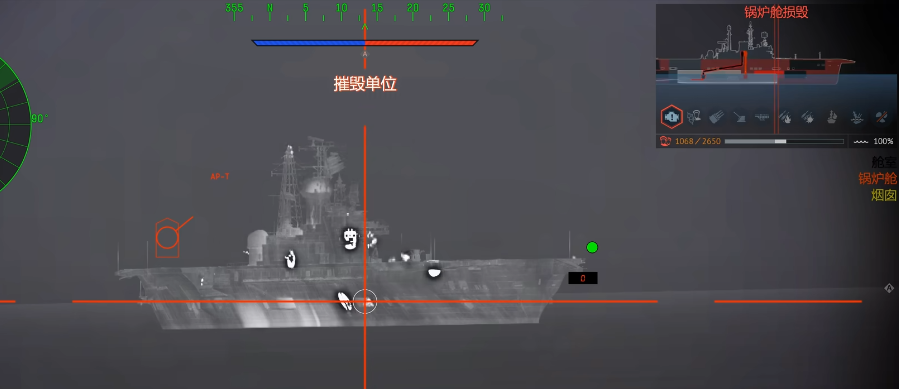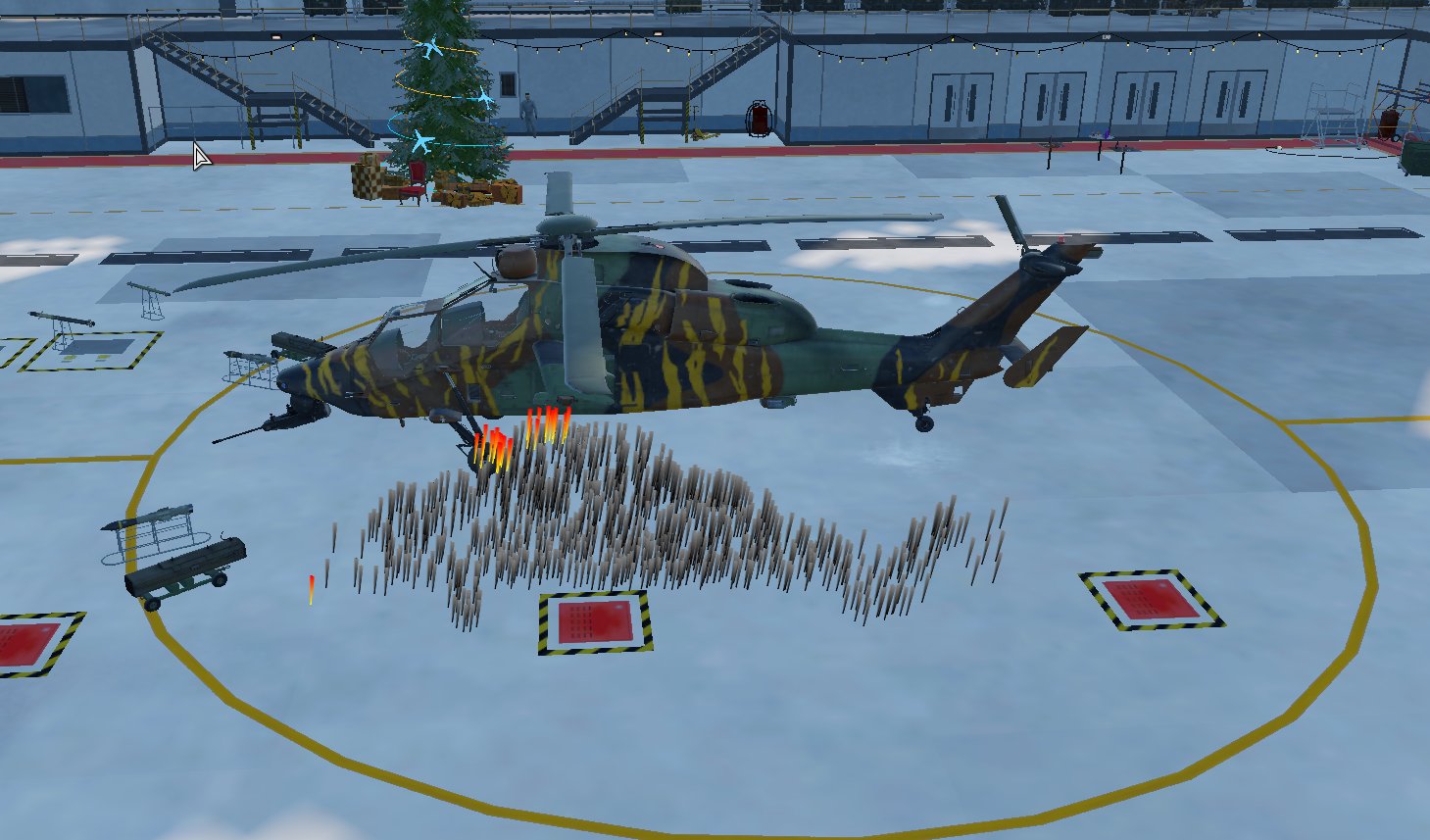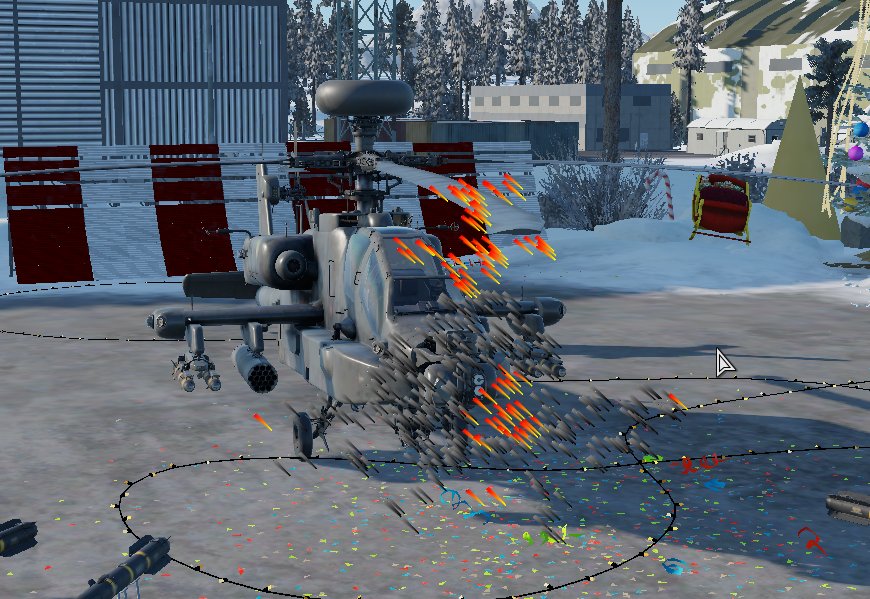
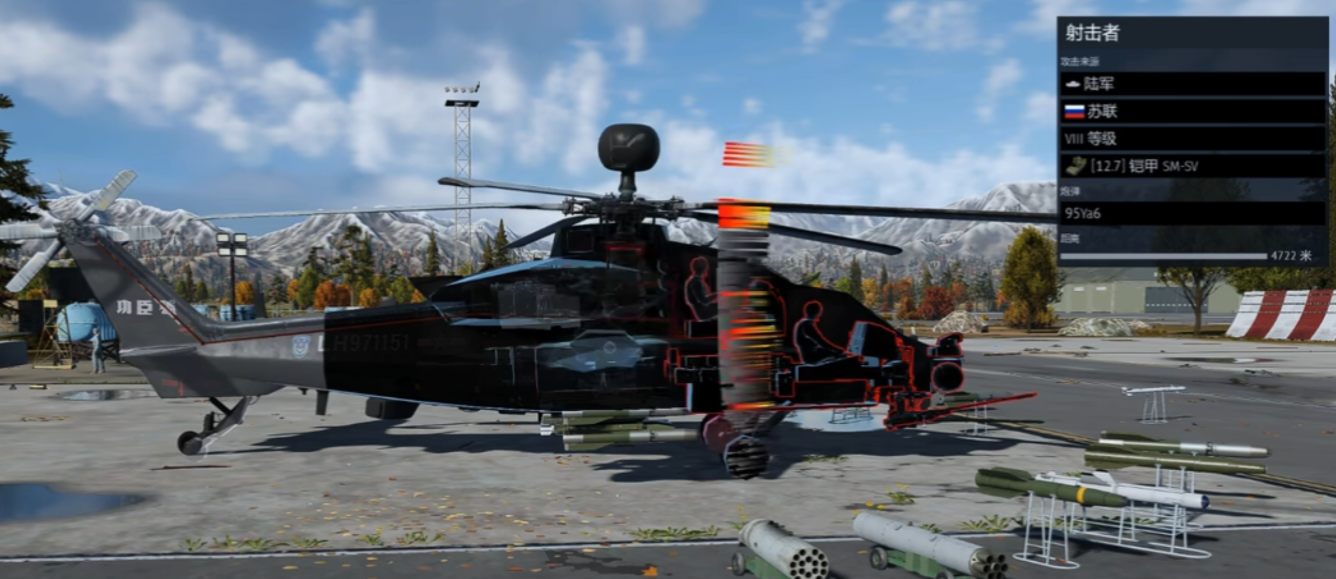
The damage caused by the 95YA6M's preformed fragments is far beyond normal values

The total mass of prefabricated fragments (105kg) has far exceeded the total mass of the projectile body (32.5kg).
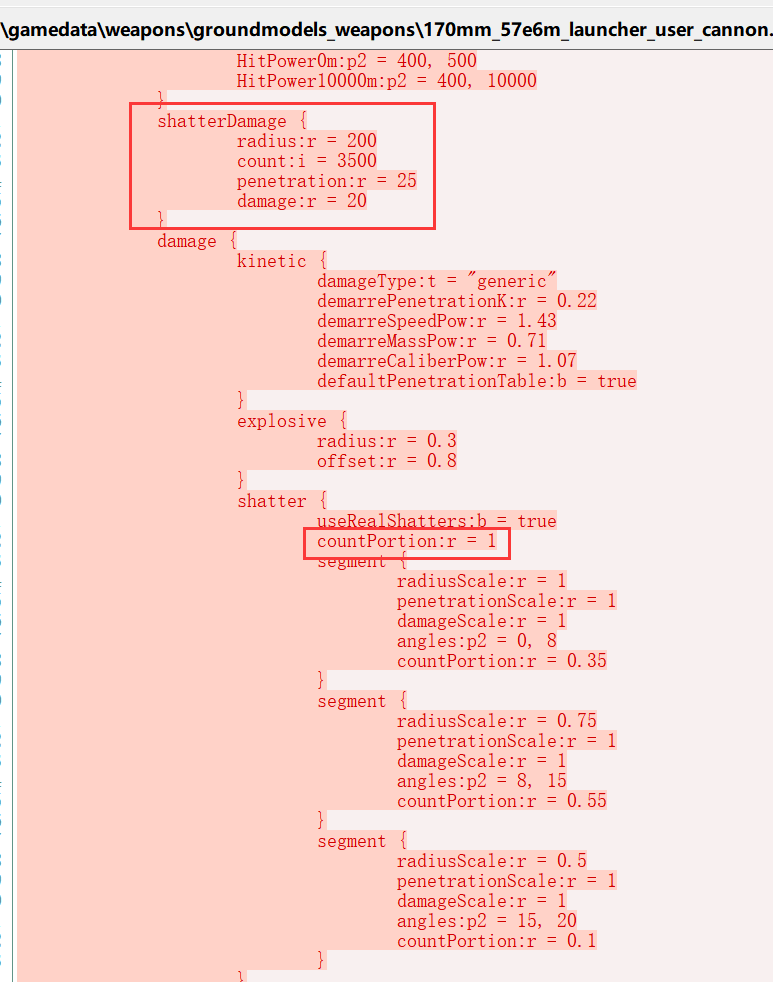
The 95ya6m charge is 770g, with a total damage of 70,000 fragments. The BUK M3 charge is 50kg, with a total damage of 56,000 fragments
The fragmentation generated by the 95ya6m far exceeds its missile mass and even has higher damage than that of the 9M317MA
He only needs four missiles to destroy an aircraft carrier
Doesn’t anyone think the fragmentation of the 95YA6M is beyond common sense, or did I miss the discussion


002
003

005
image

16 Likes

Soviets are really obsessed with making their stuff as versatile as possible. Kh29, 9m2200, vikhr, zsu 57 2, khrizantema radar and now this. Anti-air, anti-ground, anti-ship missile. And you can have 12 of them. Peak of “smekalka”

2 Likes

Nah its just pure Russian Bias

4 Likes

I think you can translate the full original blog about how this is caused

1 Like

image
image

Translation:

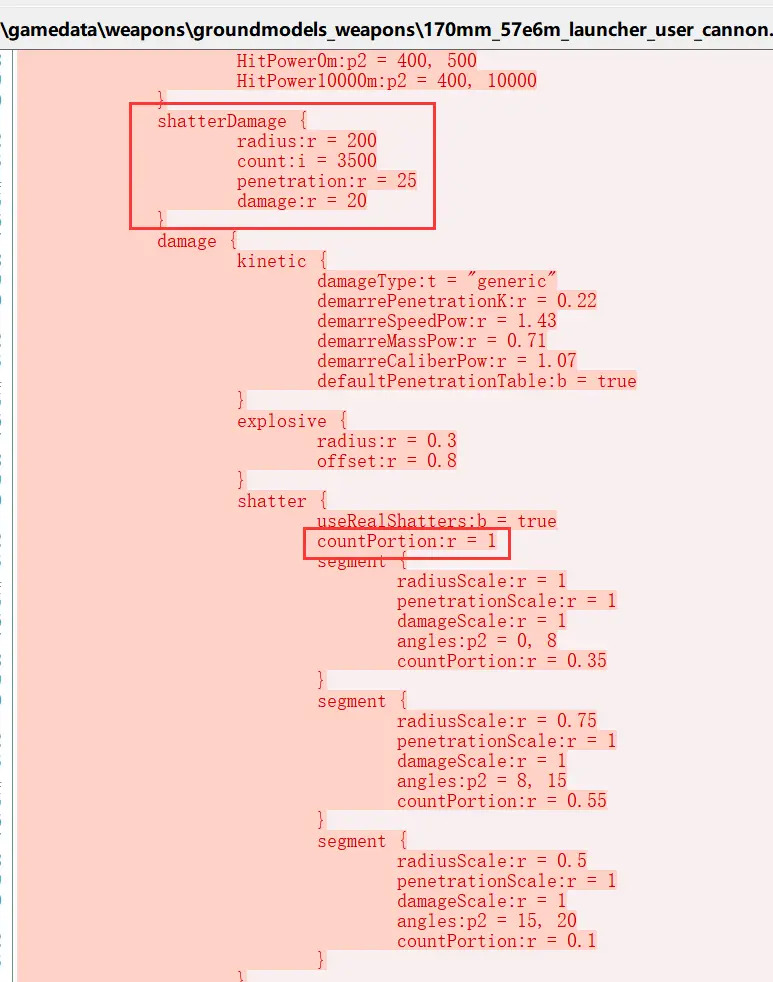
The 95YA6M’s additional Al-Heid preformed fragment section directly provides 3500 fragments , with a fragment range of 200 meters , single fragment penetration depth of 25 , and damage of 20 . The total damage per launch is 70,000 , and the fragment quantity coefficient is directly set to 1 (Figure 1).

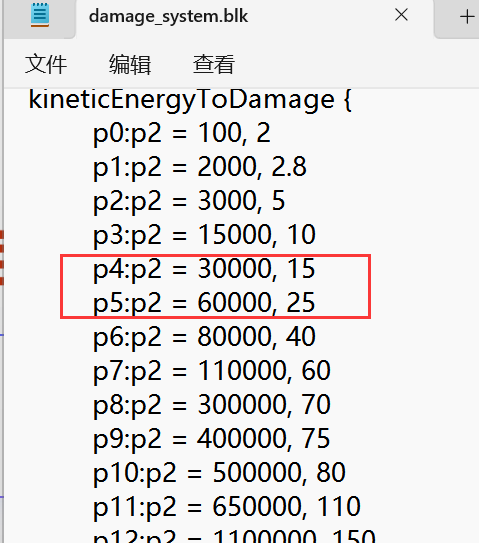
What level does 20 kinetic damage points correspond to? According to the in-game kinetic-damage conversion table (Figure 2), 20 damage points equate to 45 kJ of kinetic energy , which is already on par with a 20mm cannon . Assuming all preformed fragments fully inherit the missile’s maximum speed of 1700 mps (Al-Heid type preformed fragment warheads contain less explosive charge, mainly serving to propel the fragments rather than significantly accelerating them like conventional high-explosive fragmentation warheads; moreover, missiles typically experience speed loss during operation, so 1700 mps is taken as a direct estimate), the mass of each fragment required to achieve 45 kJ of kinetic energy would be approximately 30 grams . 30 grams × 3500 fragments already raises serious inconsistencies.

For comparison, a standard high-explosive fragmentation warhead:
The 95YA6 has a theoretical fragment count of 2560 , with a theoretical penetration depth of 8mm , damage of 14.2 , and a radius of 45.9m . Due to the universal fragmentation template for anti-aircraft missiles having a total quantity coefficient of only 0.505 , even when estimating using the maximum energy sector parameters (1.5× radius, 1.5× damage), the total damage remains at 27,600 , with a radius of 69m and penetration depth of 12mm .

In terms of total fragment damage output , one 95YA6M missile is more than twice as powerful as two older 95YA6 missiles, and even far surpasses systems like the Buk (total fragment damage: 56,812) .

Although a remote detonation at 50 meters is theoretically disadvantageous for maximizing fragment effectiveness, the given fragment range of 200 meters ensures that most of the fragments retain significant damage and penetration capability by the time they reach the target aircraft, indicating very generous numerical design .

Additionally, with a 50-meter detonation distance and a maximum fragment cone angle of 20 degrees , the fragment cloud achieves an effective lethal radius of 18 meters at the target’s position (50 × tan20°). Even with manual guidance inaccuracies, this is generally sufficient to completely destroy fixed-wing aircraft .

3 Likes

In normal ahead, damage is traded for range. In 95ya6m, both range and damage are required, and both are filled in extremely high.
The total mass of the prefabricated fragments (105kg) has far exceeded the total mass of the projectile body (32.5kg)

Picture

image


image
image

Supplementary Reading Translation:

The perception that AHEAD is a weak mechanism primarily stems from the relatively conservative numerical design of earlier implementations.

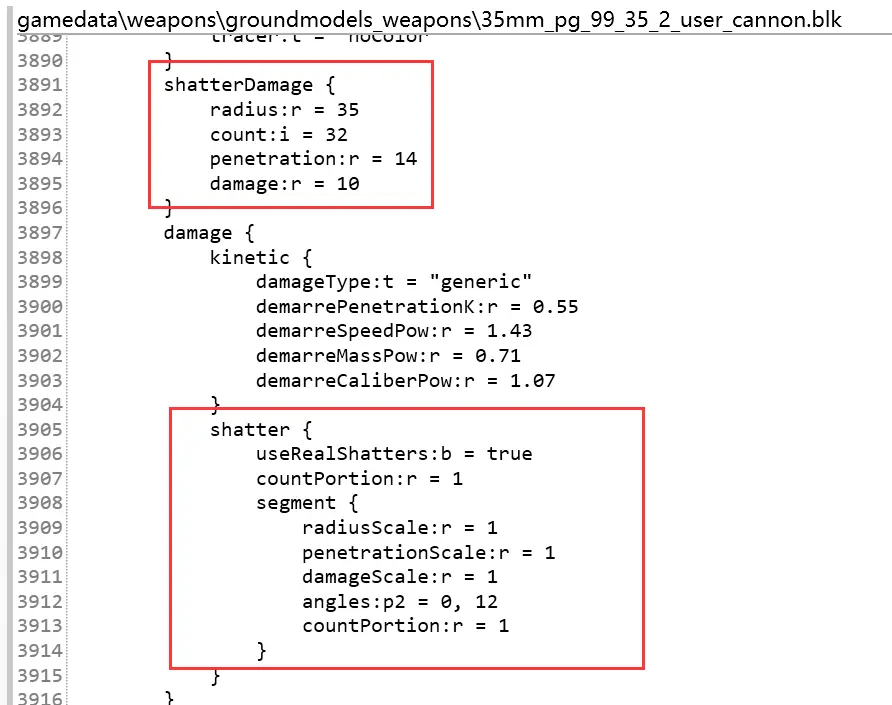
The earliest AHEAD system in the game is the Type 09 High (09G) (Figure 1):

  • 32 fragments with 14mm penetration depth , 10 damage points each
  • Trigger distance: 15 meters , fragment cone angle: ±12° , effective radius: 35m
  • Total fragment damage per shell: 320 , less than 1/200th of the 95YA6M’s

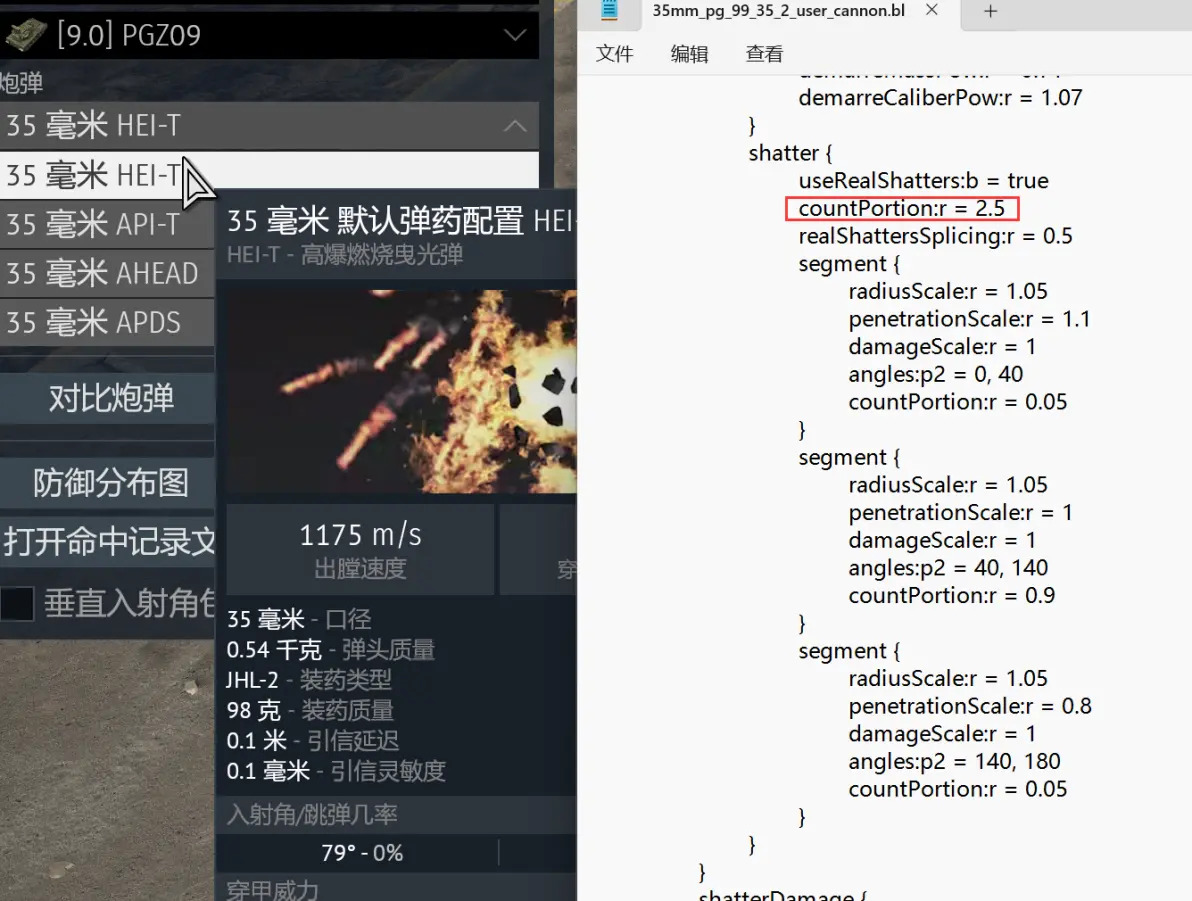
In comparison, the 35mm HEI-T high-explosive incendiary-tracer round (Figure 2):

  • 379 fragments with 2mm penetration depth , 2.6 damage points each
  • Effective radius: 4.9m
  • Due to the game assigning high fragment quantity coefficients to small-caliber HE rounds, its total damage per shell reaches 992

This shows that normal AHEAD systems involve trade-offs in numerical design :

  • Compared to standard HE fragmentation rounds from the same gun, AHEAD fragments have much higher penetration depth and effective radius , with a significantly larger damage zone (a ±12° cone angle at 15 meters expands to a 3.2m radius circle )
  • However, AHEAD’s total fragment damage is only one-third of standard HE (and due to the more realistic fragment radius, fragments lose 43% of damage and penetration after traveling 15 meters). This aligns with AHEAD’s physical characteristics, as an extremely low charge coefficient inherently limits total fragment energy.

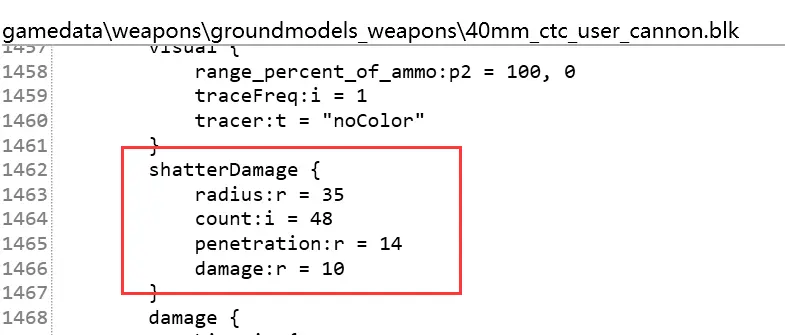
Later iterations, such as the 40mm AHEAD (Figure 3), increased fragment count to 48 pieces while keeping other parameters identical to the 35mm version. It still significantly underperforms compared to its 40mm HE counterpart in total damage output.

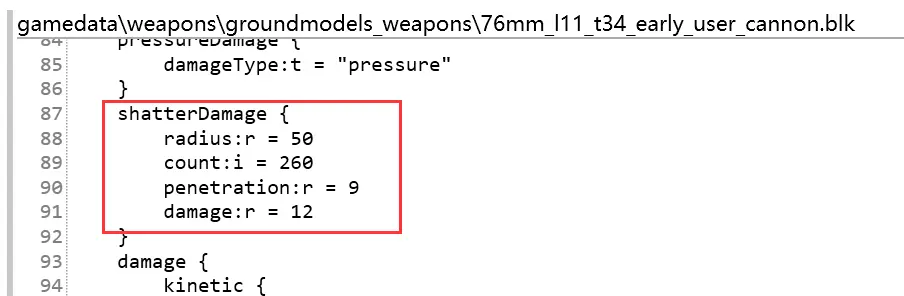
Other systems using similar damage mechanics include the SU-76’s shrapnel shell (Figure 4), which provides 260 fragments at 12 damage points each, totaling 3,120 damage —only 1/22nd of the 95YA6M’s output.

Thus, the 95YA6M’s numerical values are extremely unusual in every sense , defying the established balance seen in other AHEAD implementations

6 Likes

By the same insane math AHEAD also has 1kg of fragments so needless to say, somebody came up with a model written for thesis and didn’t even cross check their own math

Please stop spreading misinformation