The structural steel plate is also only 35mm instead of 50mm RHA that is supposed to be present.
3 Likes
I’ve carefully analyzed the test data, and minor improvements can be suggested overall.
The turret is slightly behind the test results; there’s definitely room for adding about 50mm of protection for the ERA.
The hull… That’s more complicated. Turret data can’t be used for the hull due to its different design, but I’ve estimated the current resistance so far that the 3BM42 penetrates the ERA and the rear 60mm armor almost completely (it’s impossible to say for sure, but it penetrates 55mm+). However, it’s impossible to estimate the exact penetration depth based on the test reference images, other than that it’s significant (35-40mm+). If the 3BM42 penetrates the rear 60mm armor by 40mm in the game, the overall resistance will increase by 30-40mm of steel equivalent.
Side without improvements. Current performance matches testing.
Although I would still like to see the turret ERA armour defeat around 380-400mm of KE penetration as per my calculations, an increase of 50mm would still make it about 340mm.
It is a change in the right direction, and I am glad you are able to come around to it. It’s an acceptable compromise until more solid data on its performance becomes available.
For the hull, I have not done as extensive calculations, so I won’t speak much about it. If you think that about a 40mm increase is realistic, then I think it should be considered.
Since the game uses the same tiles for both hull and turret ERA, increasing the protection provided by them from 140mm for each tile to about 160-165mm will provide the discussed increase.
Would it be possible to suggest to the devs an option to remove the skirts as we often see done with Oplots in Thai service?
2 Likes
Honestly, I didn’t correct the figure; I meant to say around 70.
But again, you simply don’t know the actual durability of the first 60mm sheet.
In any case, you’ll get the same results as in the tests.
1 Like
70mm increase would be great. A more than acceptable compromise.
I think the main thing is that the results are the same as in the tests. I think we agree on that.
1 Like
I don’t think we do, I think we would reach the test results within a good margin of error if we do implement a 70mm increase.
I will say that most likely the in game performance is a bit closer to the test results than I previously thought.
What I meant was that the main thing is that they match AFTER the changes. It doesn’t matter if it’s 70 or 100 mm.
Yes we agree then
What are our next steps now? How to get this implemented? I assume you have done deeper calculations which would be needed for a bug/dev report.
Well, you could compile a report on the turret. This is an obvious point, and there are no “assumptions” like with the UFP.
If I were you, I would:
- Fire a 3BM42 from 100 meters.
- Fire another Long-Rod APFSDS, adjusting the penetration so that the shell doesn’t penetrate a 60mm plate. I personally succeeded with the M774 at 2,000 meters. It would be better if you adjusted it more precisely.
Use the BM Oplot testing video as a historical source.
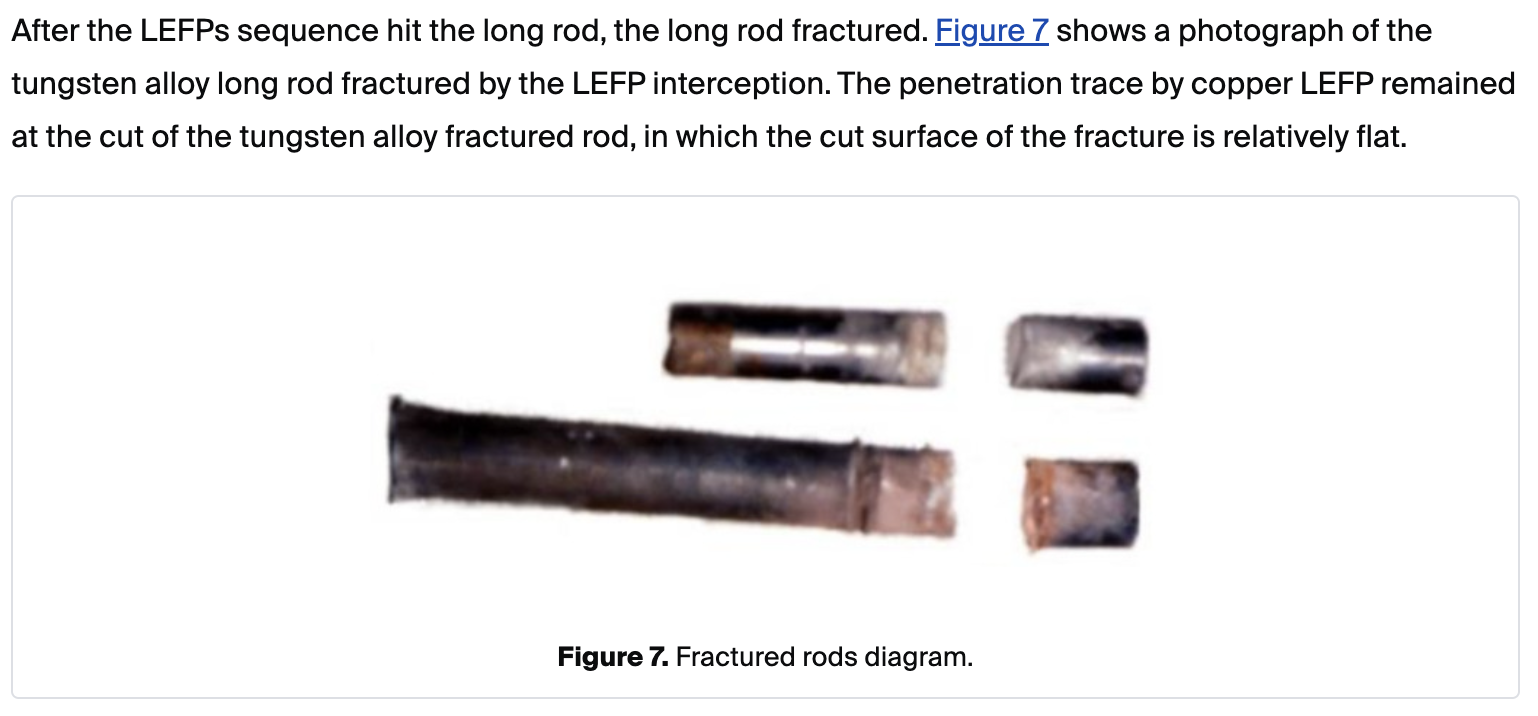
Linear Shape Charge test shows clean flat cut on long rod which should reduce penetration severely.
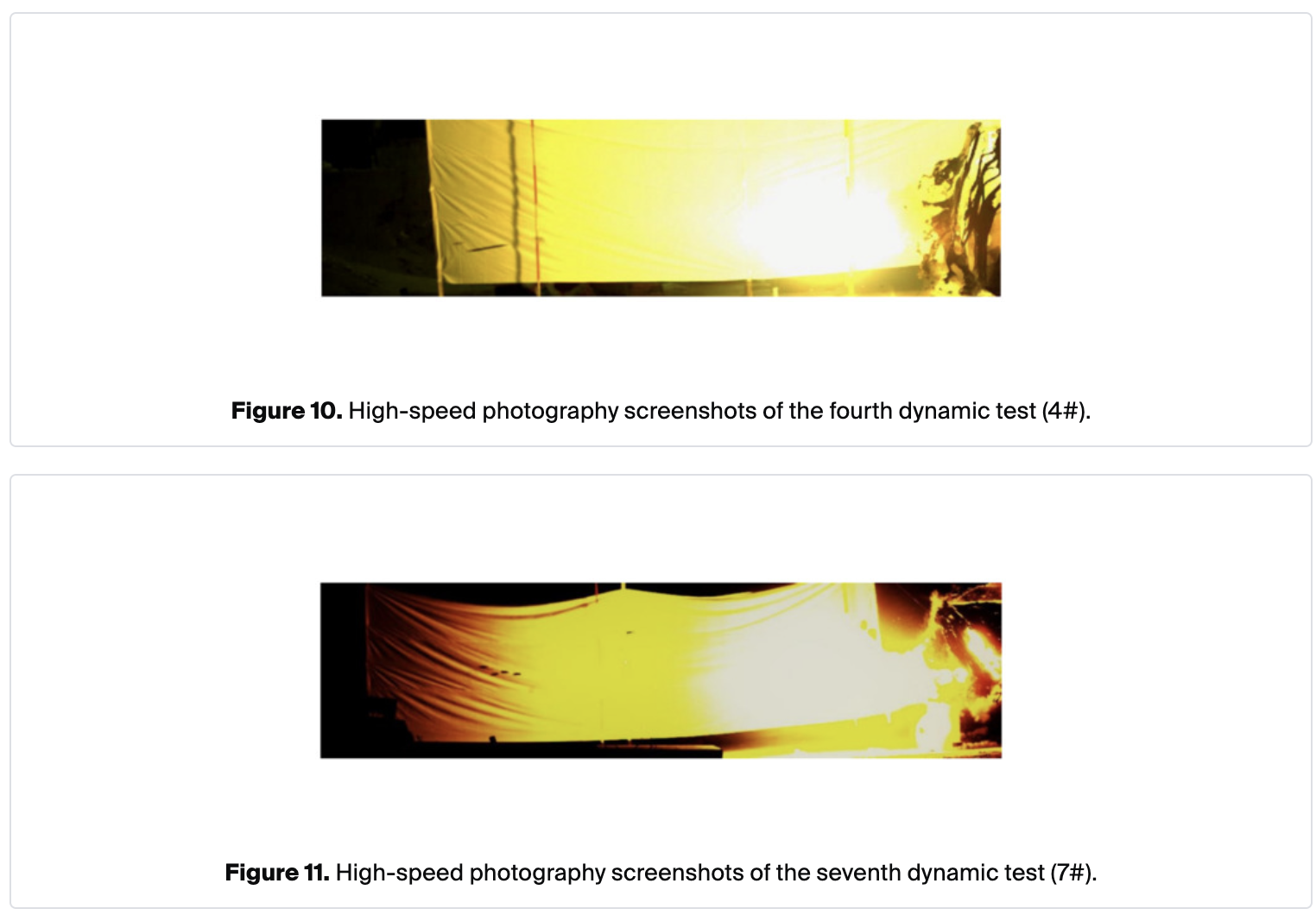
Test 4 was done at 60 degrees of impact while test 7 was done at 30 degrees of impact. You can see how the long rod was impacted much more at 30 degrees being cut in 4 small pieces and all moving in different directions.
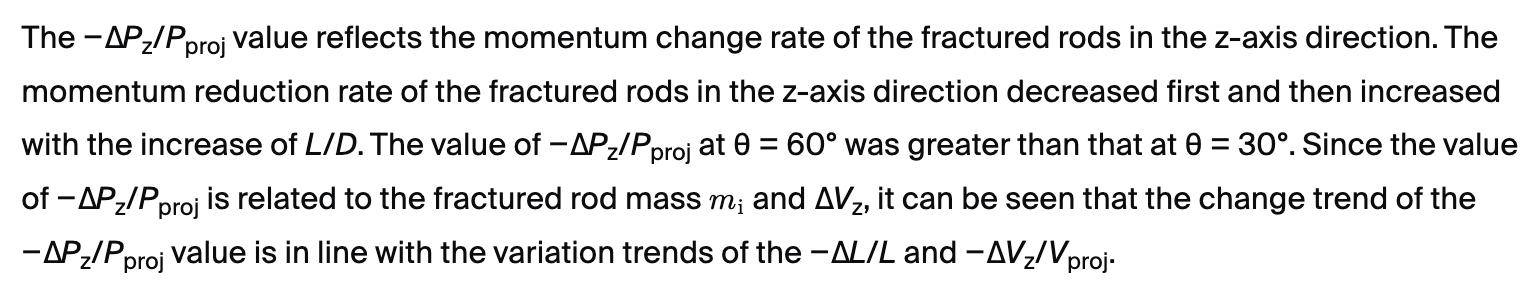
Also tests conrimed that an attack angle of 30 degrees caused more angular momentum than 60 degrees. Do note that this angle is 90-Theta as the experiment setup tests the angle at which the LSC hits the long rod.
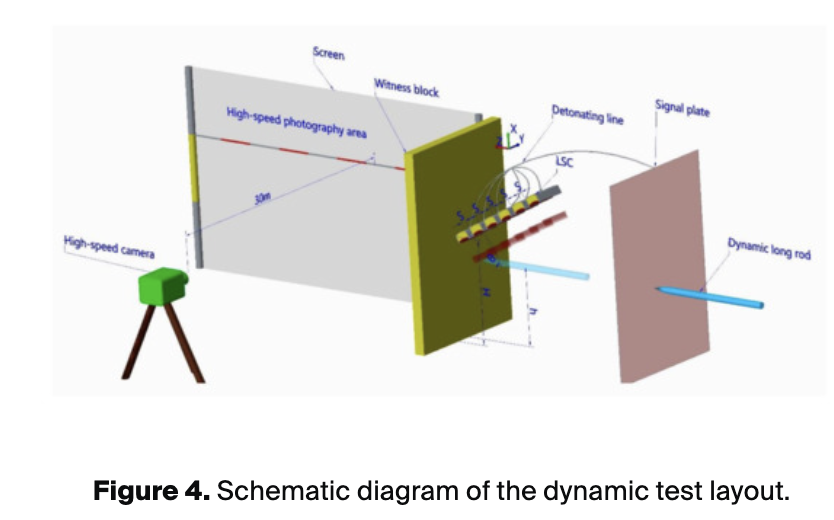
Do note that this test was done with up to 6 of LSC charges while the Oplot has three plates of 7 LSC charges on the side skirts which means that the long rod if it impacts the side would be cut in even smaller pieces, have less penetration, and more angular momentum
This one phrase discredits everything else, since a flat cut is impossible in a dynamic test.
says who? This is what LSC is designed for. And you can see in the photos of the rod taken by high speed cameras after being hit by LSC and its flat. Are you going to say the images are fake now?
The laws of physics. The APFSDS moves at high speed, and the shaped charge cannot impact precisely one point.
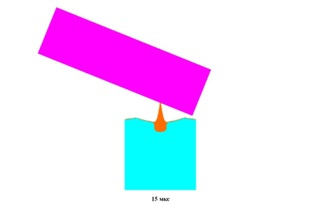
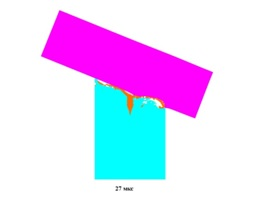
The speed of the APFSDS, although not equal to the speed of the cumulative jet, is high enough that its impact is not even close to one point
The photo shows nothing but a flat cut, which can only be obtained in static tests.

You can count however you want, but it doesn’t work that way. The velocity of a cumulative charge is only 3-4 times higher than that of an APFSDS. With such a difference, a flat cut is impossible.
I don’t understand why people use some no-name articles, only attaching questionable fragments.
" Deformation and Fracture Failure of a High-Speed Long Rod Intercepted by Linear Explosively Formed Penetrators Sequence" Yishu Li, Zhonghua Huang, Anshun Shi, Xiangqun Xu, Sanmin Shen, and Han Liu
Go read it urself then. They even used the same copper mold as duplet.
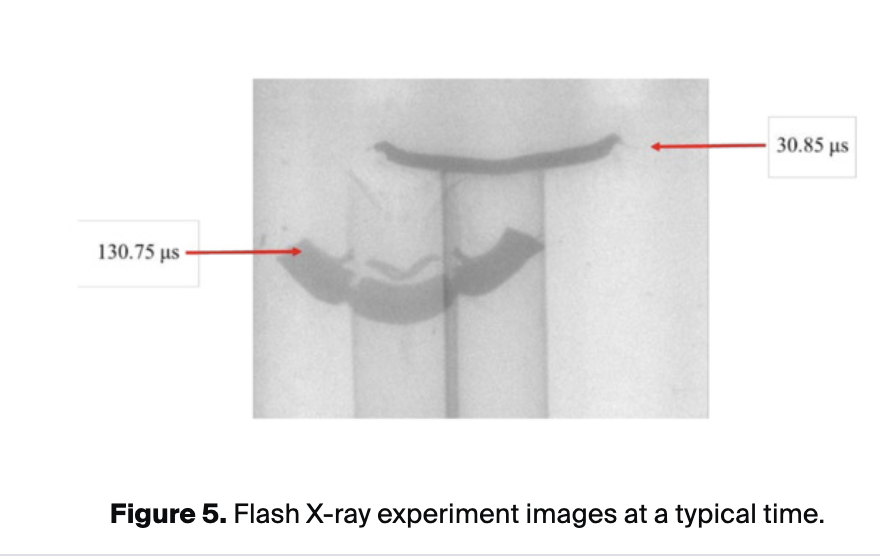
And you can see how its already flipped at 130 micro seconds.
1 Like