How it feels to read this chat after failing physics.

24 Likes
yo chat i passed my physics 2 exam (probably)
6 Likes
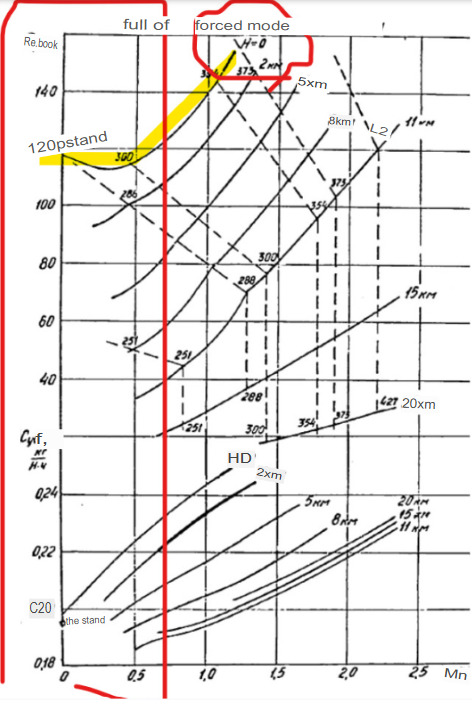
Brother its installed and represents at sea level. the thrust drops off slightly as it reaches Mach 1. Which is pretty normal given the mass ram effect at @ sea level or 0 height.
This is take-off thrust.
I am in process of getting master’s degree in aerospace to understand all of this.
1 Like
1 Like
literally says stand
Same, (Technically Mech Eng with specialization in Aerospace since my state doesn’t offer an Aerospace Degree.)
1 Like
This is a certified BETAB-500Sh moment.
5 Likes
damn i am doing aero but planning to switch to mech as thats more flexible in the long term
1 Like
All I’m saying is, Lockheed hires both, sooooooooo.
1 Like
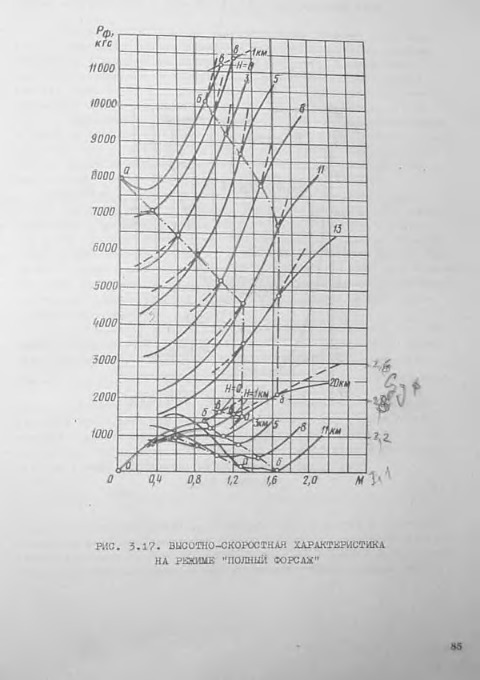
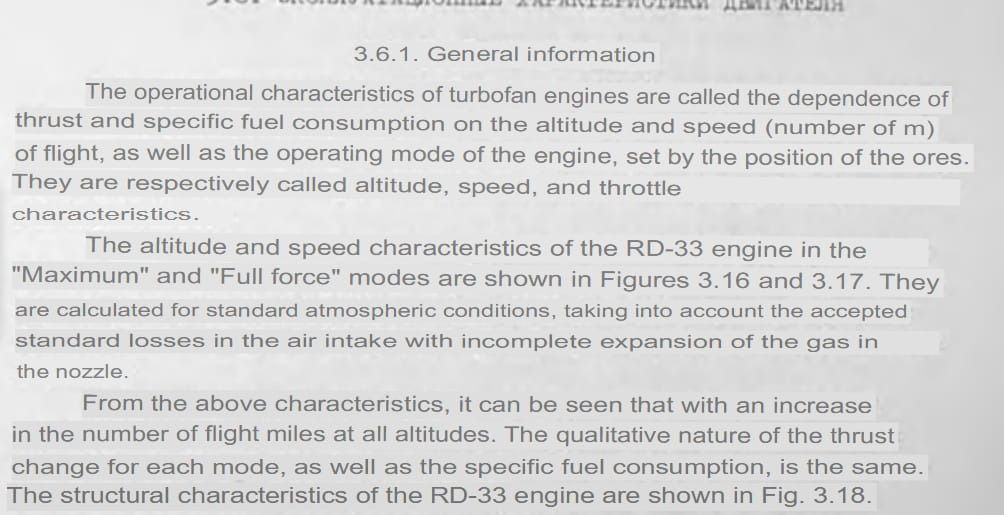
haha let me start showing you guys the thrust to weight of the MiG-29 how it literally proves its all installed thrust
I’ll figure it out.
Eventually.-
2 Likes
Yes sir but MiG-29 is the critical key here because GJ has modelled every 4th generation fighter after it since Apex Predators. Including the Flankers. GJ takes it upon themselves to reduce thrust in the name of “channel loss”. This mistake works to their advantage as it grants them full liberty to reduce many American fighters far below reality just the same.
They don’t even know what take-off thrust is but somehow magically knows how to calculate thrust at sea level, replicate atmospheric conditions to represent a standard day & apply the manufacturer’s correction factors for installation they never had for any given jet???
Lol no, they are literally just reducing historical thrust based on how they feel to fit a BR or particular theme of a major update.
3 Likes

9 Likes
lol Bro you make this memes so damn quick, before I can even’t correct myself.
You didn’t really have to correct it.
You meant sea level, and where do Seals live?
That’s right. The sea.

5 Likes
I still just want my 20 different UMPK variants for Su-34…
Maybe a UPAB-1500TV…
75km max range for a FAB-1500 UMPK is so peak
5 Likes
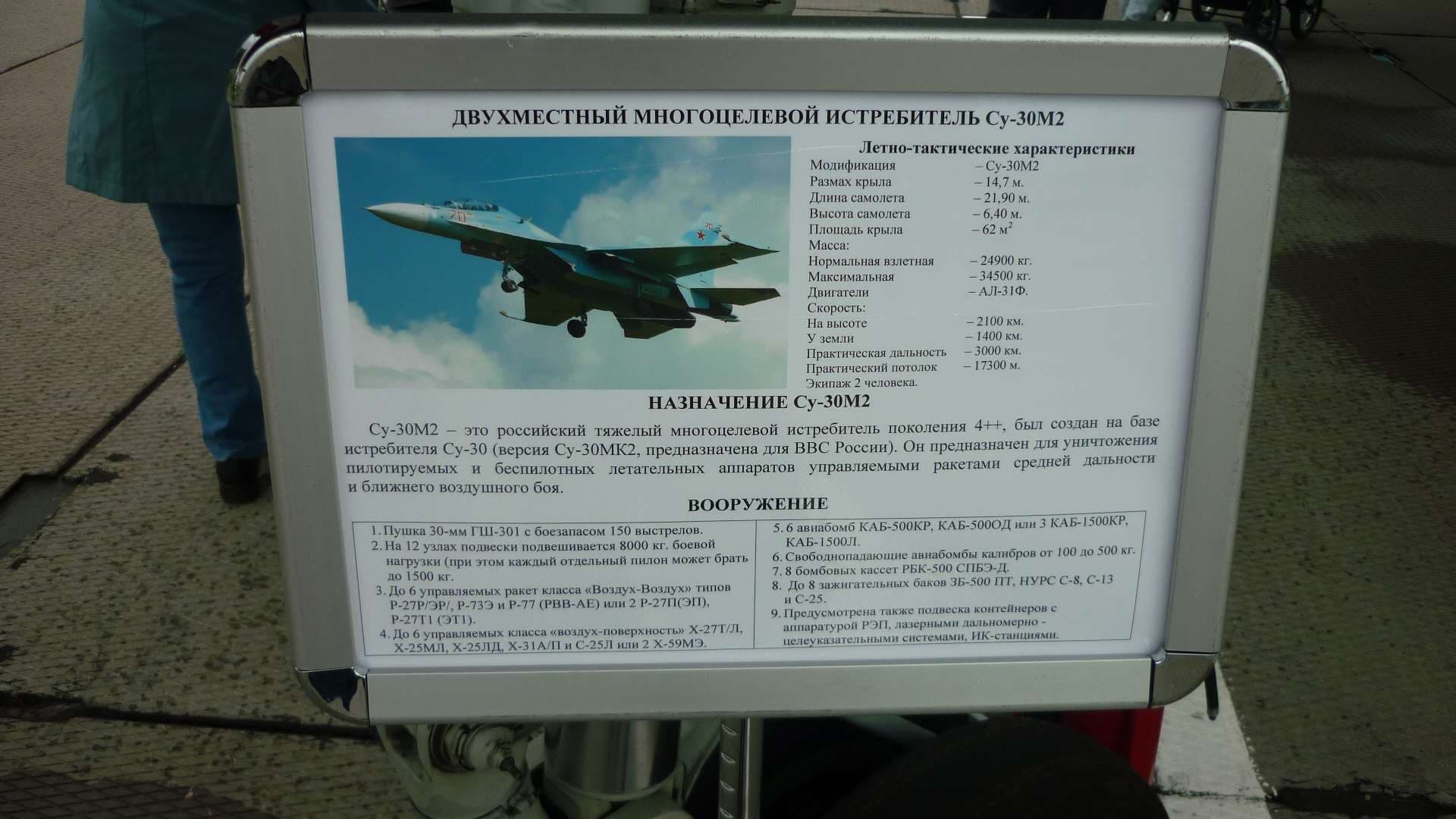
Just curious about that top pic, Su-30M2 w/ AL-31FM1?
afaik Su-30M2s had AL-31F?
(Not using this pic as a source but I’m too lazy to open the Sukhoi book)
2 Likes
Brother I have not even dove into the engines after that is why I did not highlight them after. Though I briefly looked and later models had these engines well according to this book. (Gimmie a second)
My main concern was highlighting the Su-30SM take-off thrust. How it relates to static thrust at sea and why its related to why most aircraft in War Thunder are fictional.