yes, and it is still nowhere near that in game
cant be, because navy doesnt have anything to launch at that speed
again cant be, most US testing would be against subsonic targets, with a lot of IR missile tests against near static flares
yes, and it is still nowhere near that in game
cant be, because navy doesnt have anything to launch at that speed
again cant be, most US testing would be against subsonic targets, with a lot of IR missile tests against near static flares
It probably can more or less? When im saying 8km average engagement range in game, thats averaged across all aspects, against a target doing minor manuevering. Also at relatively low altitude (1km~).
Max range in terms of, launching at high altitude, in a target going straight head on, mach 0.9 (like the US does for range figures); yeah i wouldnt be suprised if it hits or exceeds 25km. Although i havent tested this scenerio myself.
Current IR missiles in such front aspect scenerioes are are already just seeker limited. Seeker limits are the only reason we dont stuff see 9km+ front aspect AAM-3 shots in game that often.
it dosent
it uses the same booster as the 9m but not seeker
9x
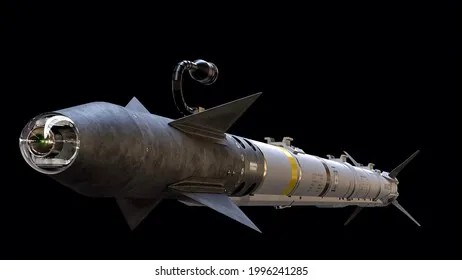
9m
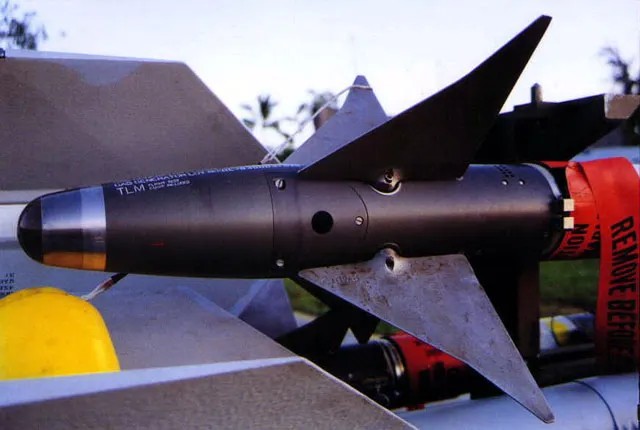
I don’t any difference with this 2 images, does the X have gatewidth IRCCM?
9m uses ir
This is how it looks
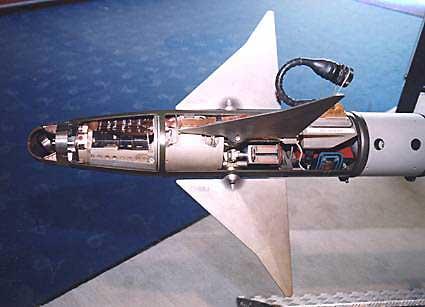
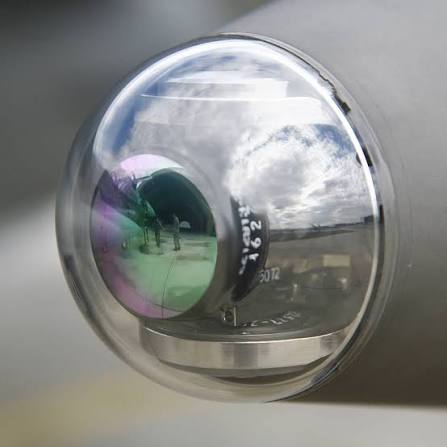
9x uses iir hense why the glass around the seeker is clear
Close up image
Sorry for my poor knowledge but what’s the difference between IR and IIR?
All i can imagine is that it has 2 modes using IR guidance and UV-based guidance, but i’m sure i’m wrong with this theory.
IIR means imaging infrared
where the seeker sees an image in the IR spectrum and tracks it based on both heat and shape, and is much more effective that other IRCCM techniques
because of this it should be practically immune to most countermeasures including DIRCM, as they do not obscure the shape of the target and are easily filtered out
eg. this is supposedly what the 9x seeker sees
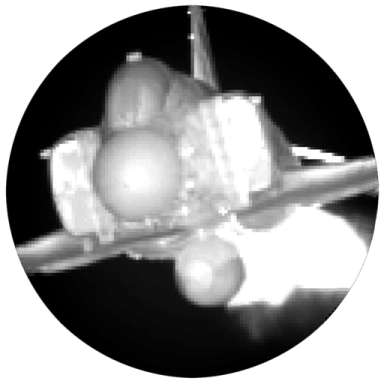
My Laptop from 2011 can create images with better quality than that sh*t, but if it’s more effective than gatewidth missiles, sure let’s add it.
whats special about r74? upgraded IRCCM over r73 or something? cuz right now as far as I know the aim9x would be the same as r73 except for smokeless motor and better IRCCM (near impossible to flare)
it cant on the IR spectrum
and from the distance the seeker can
9x should pull harder, have a longer effective and max range, along with being functionally impossible to flare
I’m not sure it will be implemented in game. Highly doubt it will have the seeker’s POV modeled in game with real time 2D image of the plane. I would imagine Gaijin would just buff the seeker and just blame it on the game’s limitation.
IIR is already modeled in game
just not for air to air missiles for some reason
it is how stuff like IR mavericks and spikes work
IR seeker use heat source of an aircraft to track targets
IR seeker got upgraded many time to make them more resistant to flares and false positive like the sun or other unwanted heat sources
IRCCM in short
Thats why dual band dual channel (ir/optical) and multi element seeker exist
The 9m doesnt have a dual band but has an irccm that can discriminate flares so in short it basically knows what a flares heat is and the heat from a jet engine
How it works
The seeker uses rise time to spot when a heat source suddenly gets much brighter (indicating a flare) then shuts down for a short period of time while still going to the last known location
you know how the rest works i assume
Dual band seekers can do the difference between a flare and a jet engine because of their different uv signatures making them extremely hard to decoy and to make matters worse some of them have the ability to shrink the seekers fov basically making it impossible to flare
Thats why the r73 and magic 2 are so good
Dual channel have the ability to use both ir and optical contrast
In game unfortunately you have to choose between the 2
Irl they work together
If the ir channel gets confused by a flare the optical channel can stay locked on the aircraft physical shape
They also have the ability to use fov gating like the magic 2 and r73
Multi element seekers are pretty much borderline iir seeker
take the dual band seeker and the dual channel seeker then put them together and you get something that is extremely close to an IIR seeker
can use fov gating
Irl its fov is documented to be much small than the r73 and has more flare resistant seeker than most of the missiles of it generation
Can determine the shape of the object it is tracking and discriminate flares
If it was implemented the same way it is irl
It would be unflareable
Now IIR seekers uses most of the things ive mentioned above but instead it takes a picture of your aircraft shape and heat signature and anything that doesn’t look like the picture while its tracking is ignored
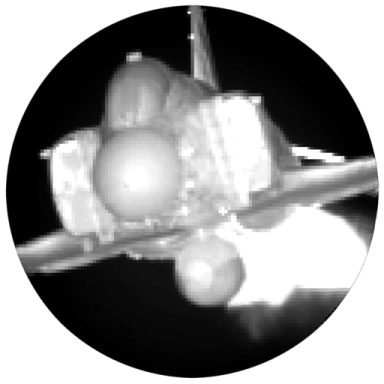
If it gets added to air, then only way to defeat it is multipathing or bleeding energy I’d imagine.
cant multipath IR
you would have to lead it into the ground or bleed it of energy
sorry I meant more like hiding behind a hill, not true flying low to the ground
iirc neither of these are dual band
they just reduce their seeker FoV right after launch to make the missile less likely to see flares while still tracking the target
Its not really IIR
its just dual irccm
Mav and skipes just have a small fov 0.1 that only works after launch
If it was iir it wouldnt get fooled by dead tanks
Well i was talking about how those seekers work irl and what missile uses its
There in that quote i was just referring to the fov gating ability that the magic 2 and r73 have