- Yes
- No
- As a Tech-Tree Vehicle
- As a Premium Vehicle
- As a Squadron Vehicle
- As an Event Vehicle
- N/A
Credit to OstrichKnight for first discovering SU-85/88 (r) from the newsreel.
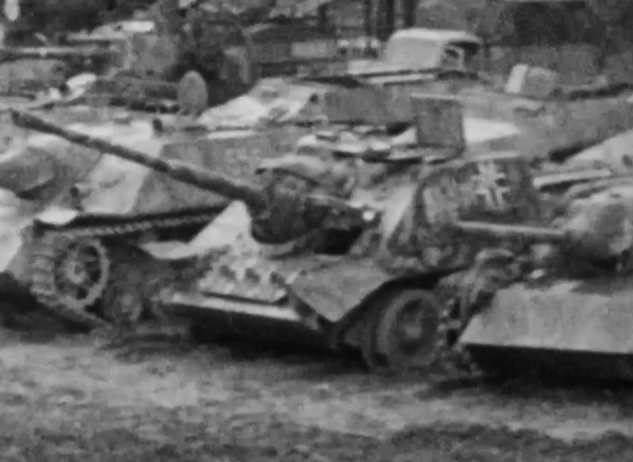
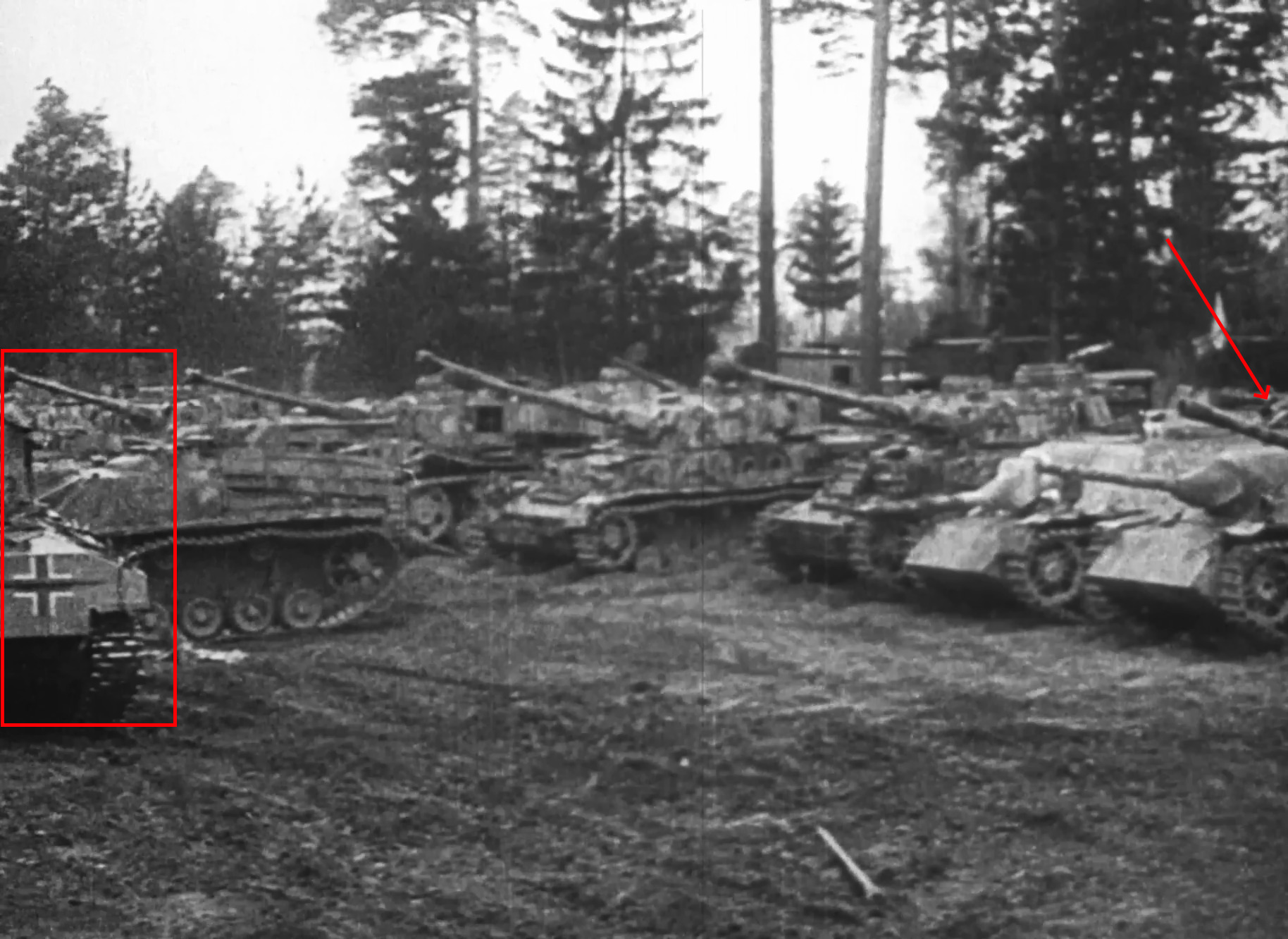
After the discovery of T-34-88 was published, people found out a German Captured SU-85 (timestamp 5:44) equipped with a gun with the same unique features: an 85/88 mm Flak 39 (r) anti-aircraft gun-style muzzle brake and a two-piece built-up tapering barrel from the same Latvian Newsreels ( Nacistiskās Vācijas armijas kapitulācija Kurzemē, “Padomju Latvija” Nr. 5/6 ), from which T-34-88 was discovered. After a thorough investigation, that SU-85 was certainly rearmed with an 88 mm cannon.
Designation
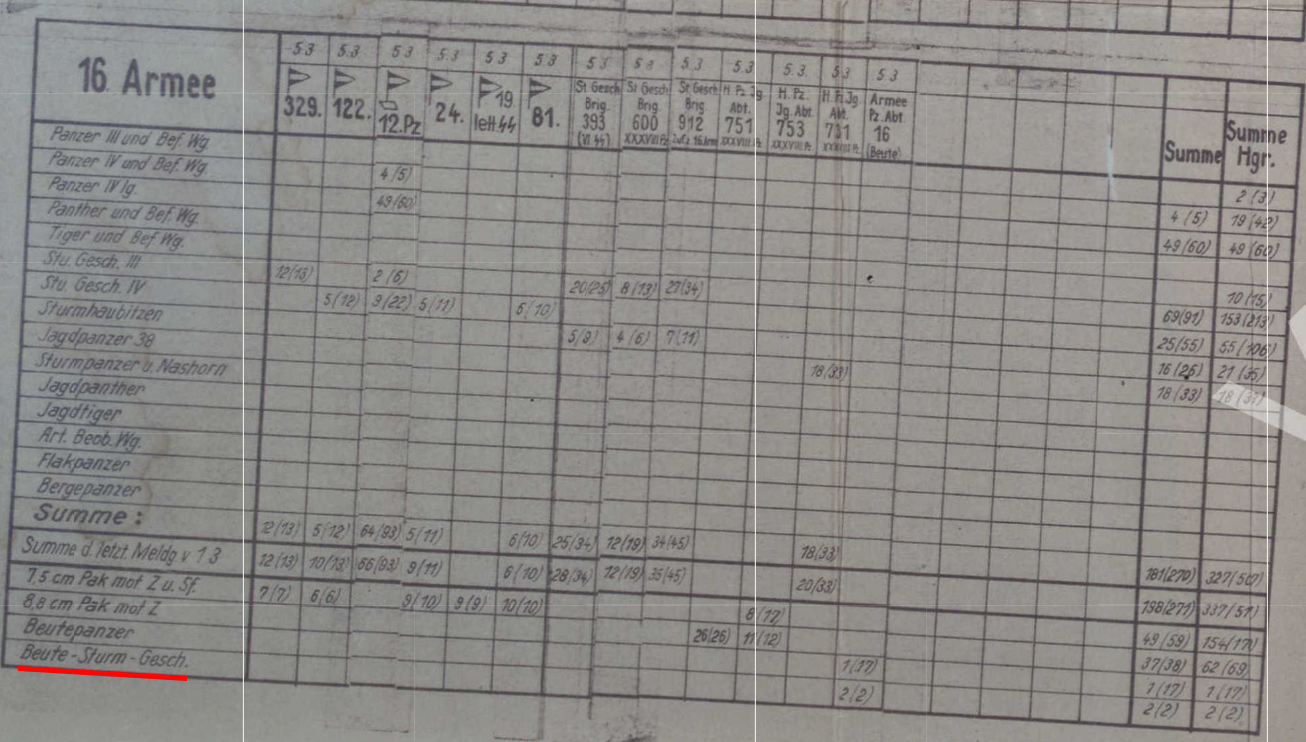
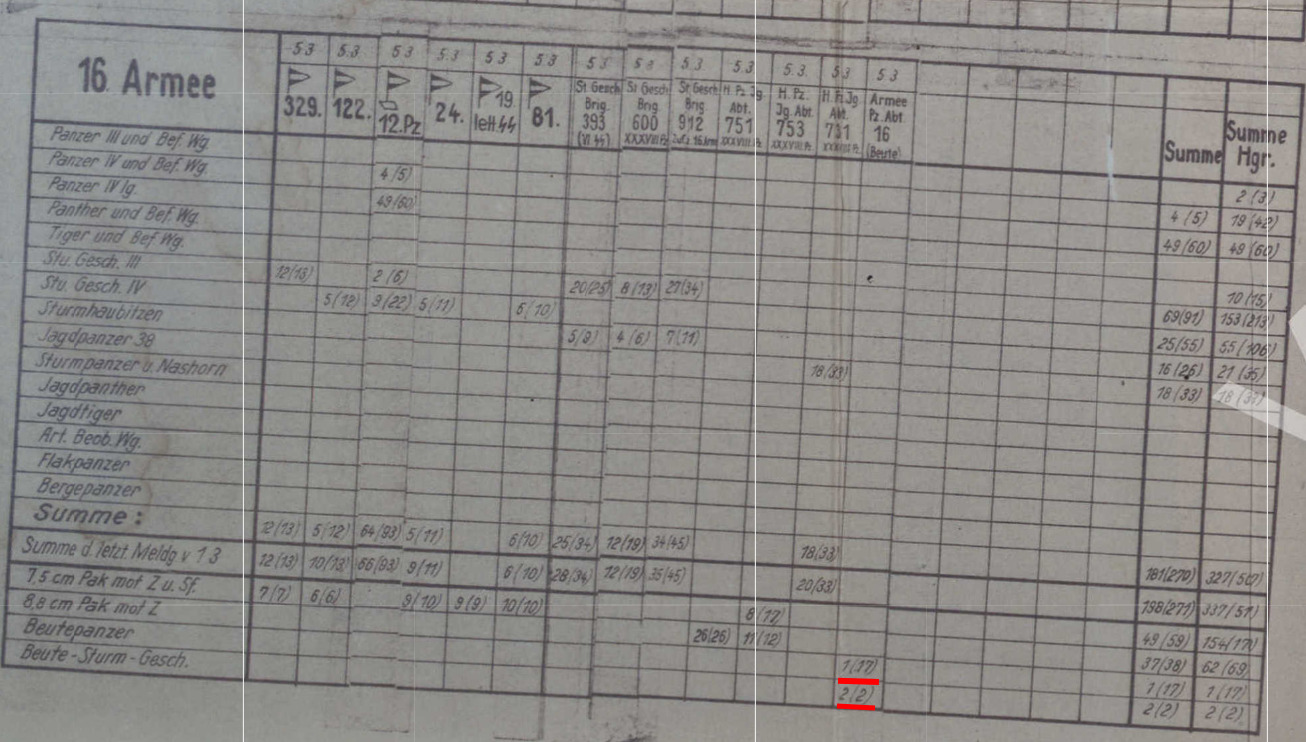
There is no known historical designation of this tank destroyer in either German or Soviet documents. The SU-85/88 (r) is just a given designation. It is designated as StuG instead of Jg.Pz., because it was designated as Beute-Sturm-Gesch. in the 5/3/1945 Deployed Units Overview Table of the 16th Armee.
SU-85/88 (r) Features
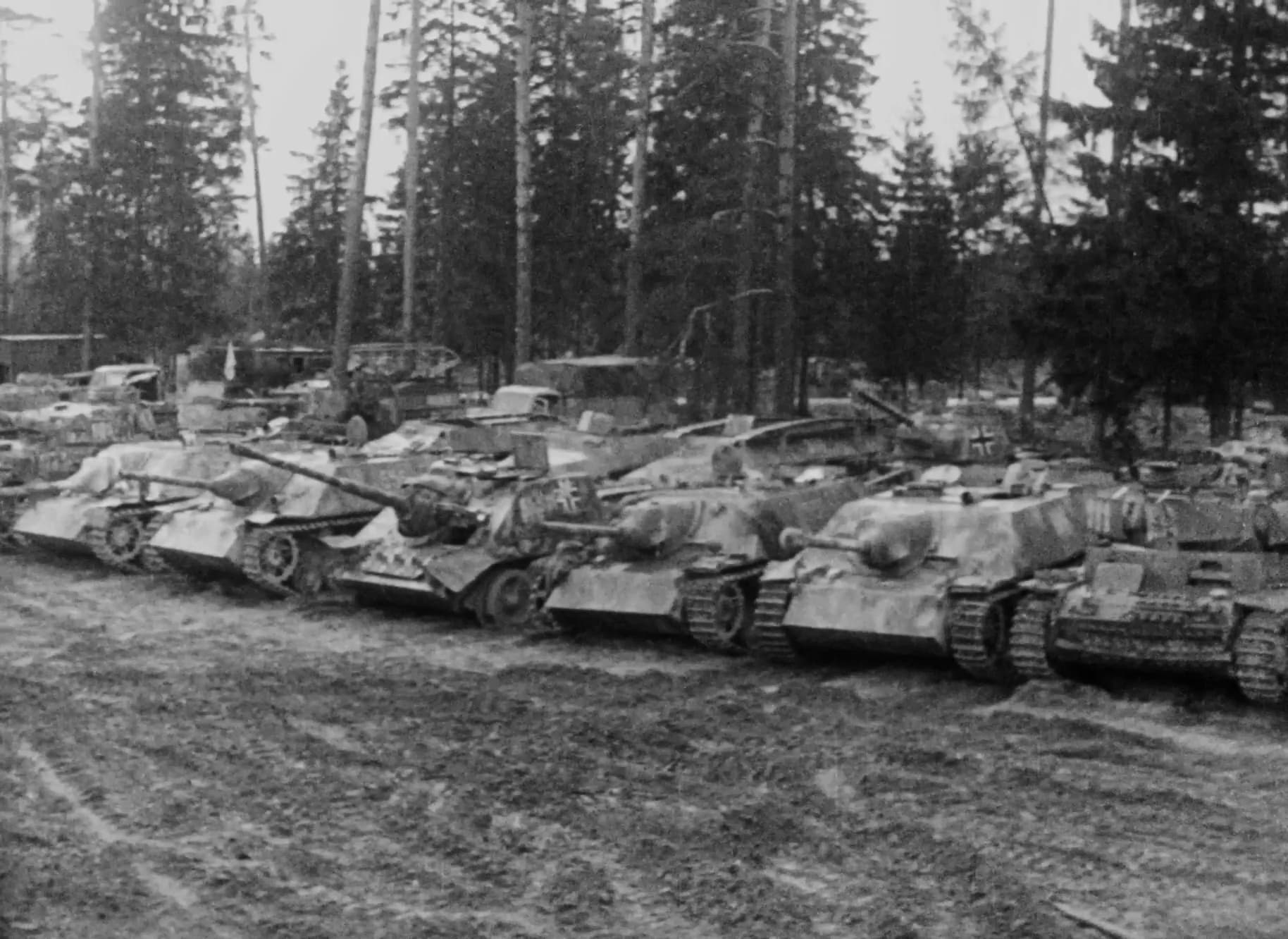
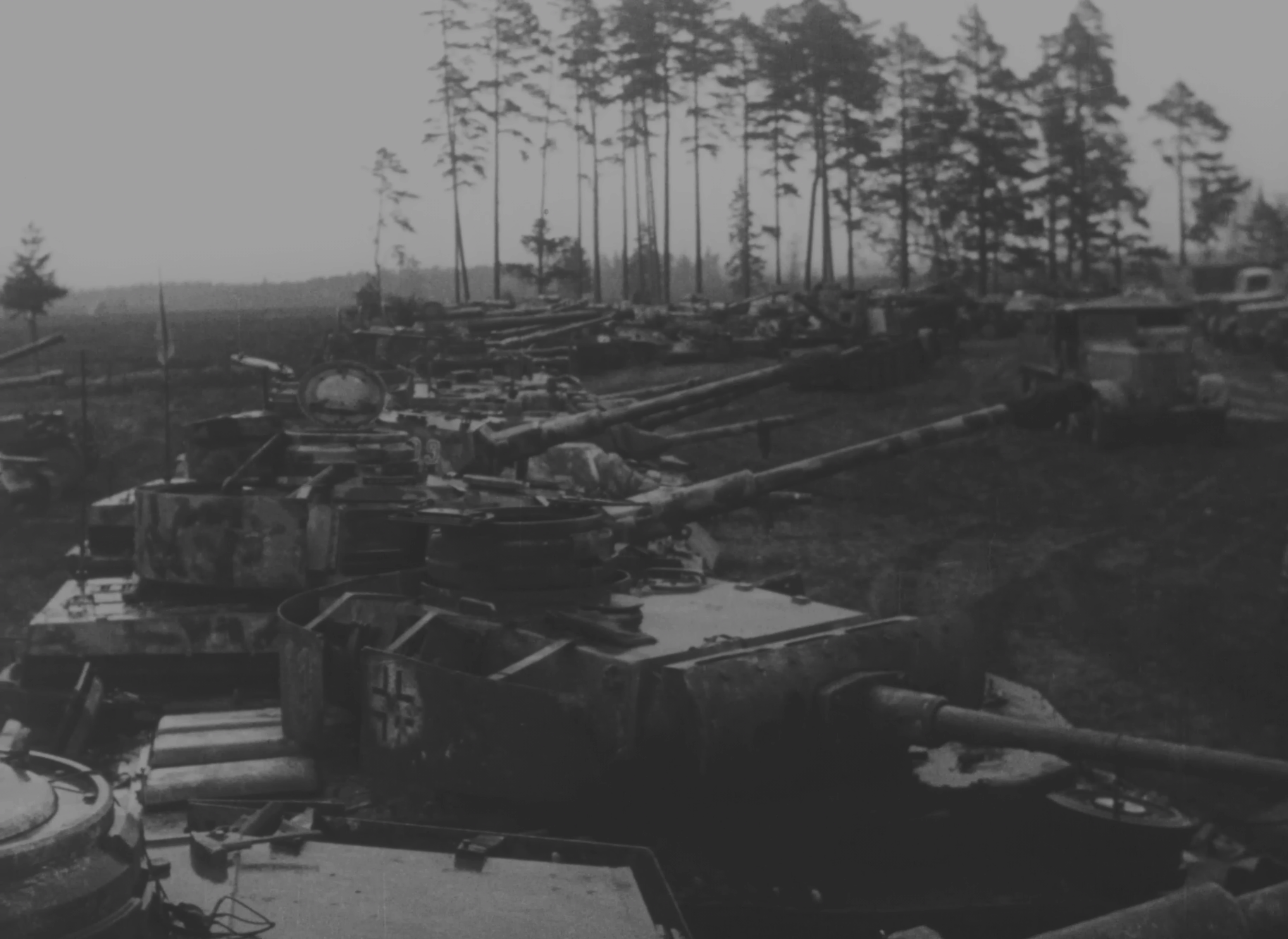
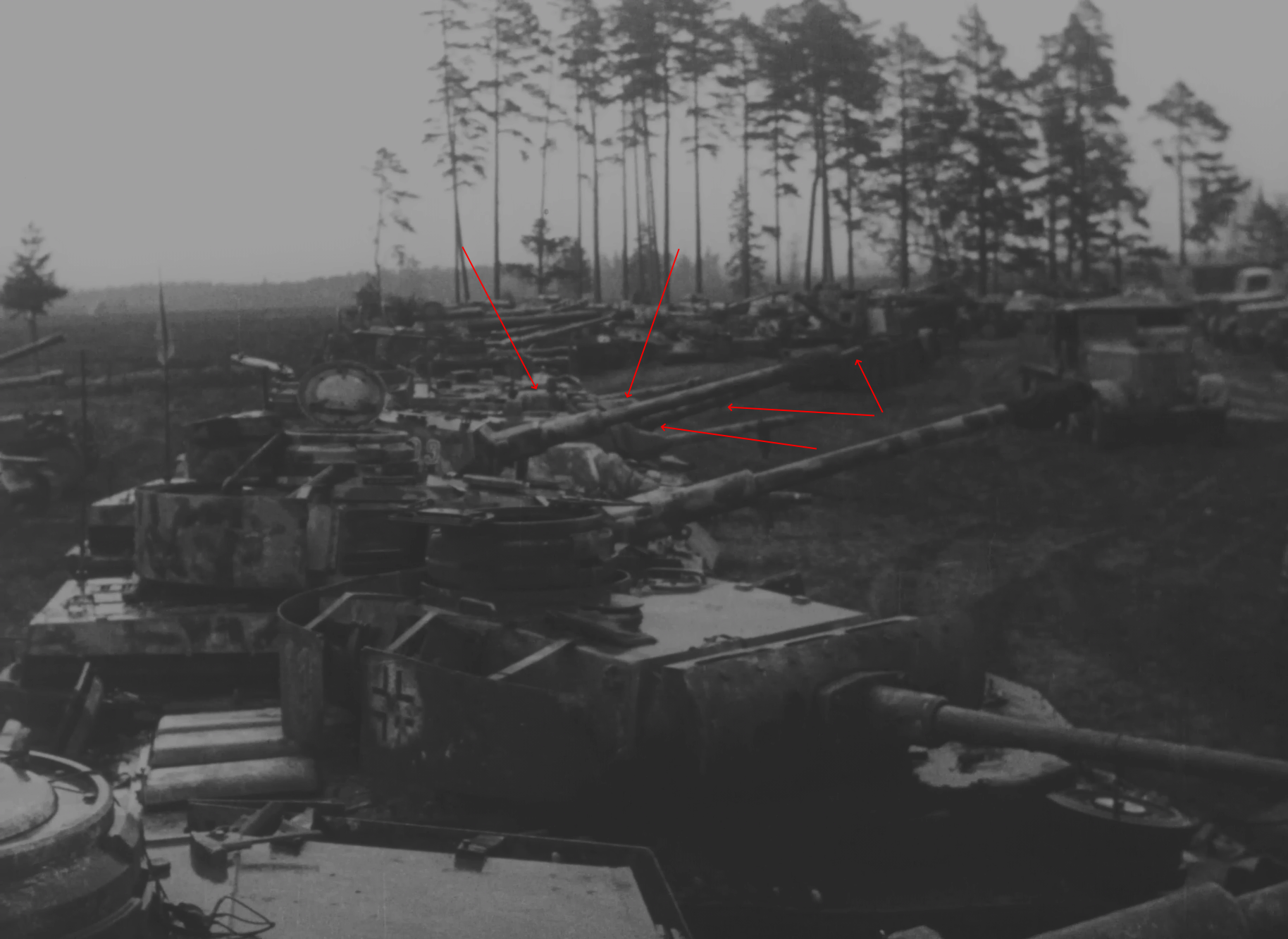
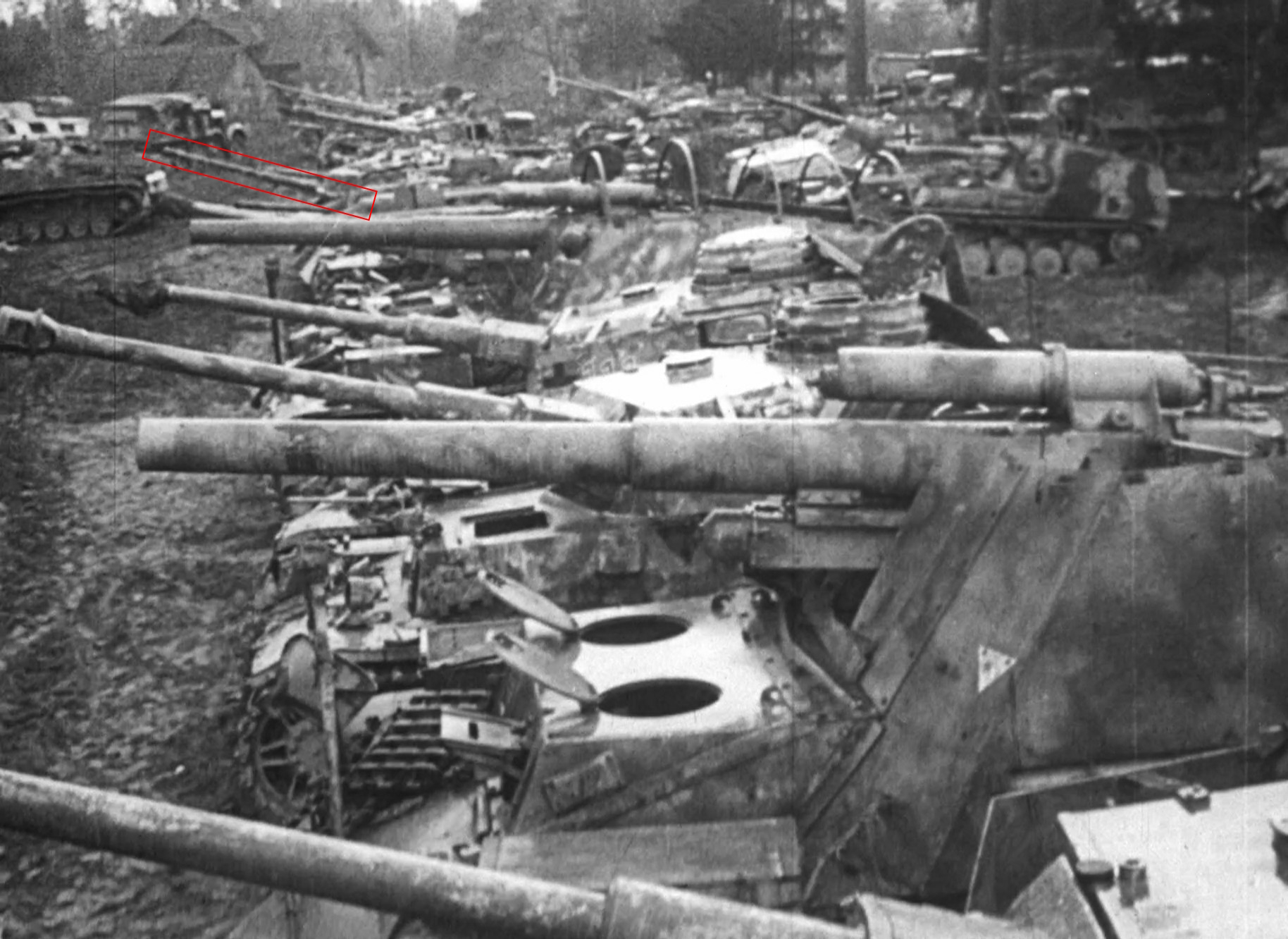
In the footage, it was painted with a German iron cross insignia, repainted with German camouflage (together with the gun), and a penetration hole is visible on the left side of the gun shield. It is very likely that SU-85/88 (r) was pushed into combat. As the SU-85/88 (r) has the frontal bulges and a box-shaped cupola, it can be determined that the SU-85/88 (r) was originally an SU-85 instead of an SU-85M or SU-100. Given that only the gun tube was altered, while the gun shield remained unchanged, the D-5S recoil system would most likely remain intact, but its gun breech would be bored out to fire German 88 mm shells.


The penetration hole on the left side of the gun shield
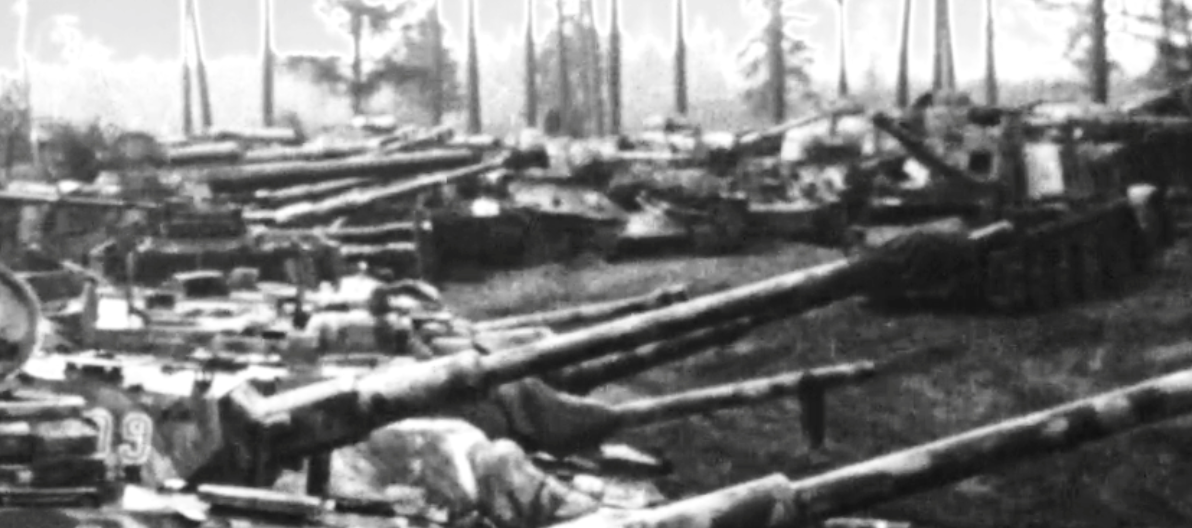
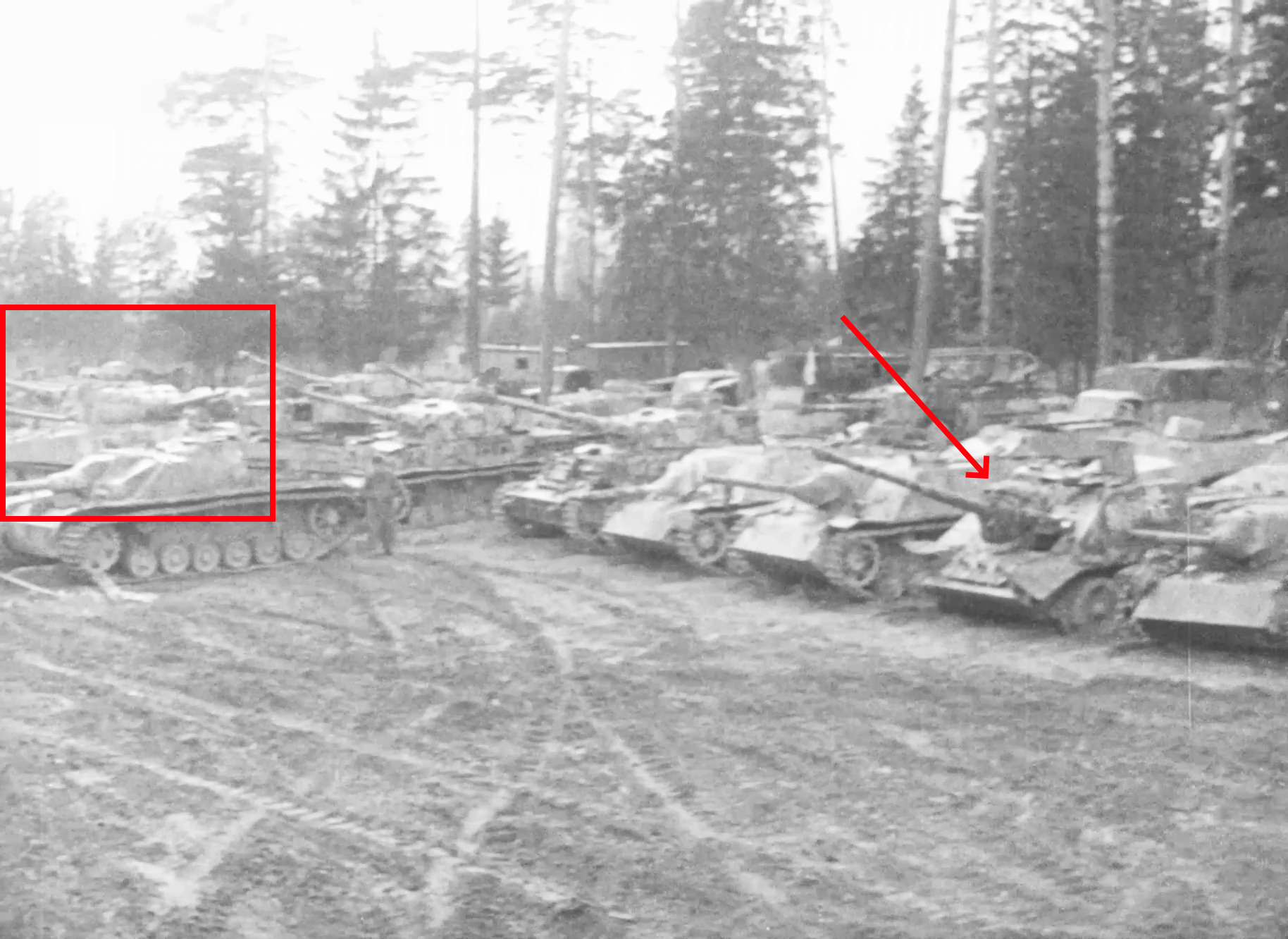
Side shot of SU-85/88 (r):
Why was it not rearmed with an 85 mm 52-K gun tube?
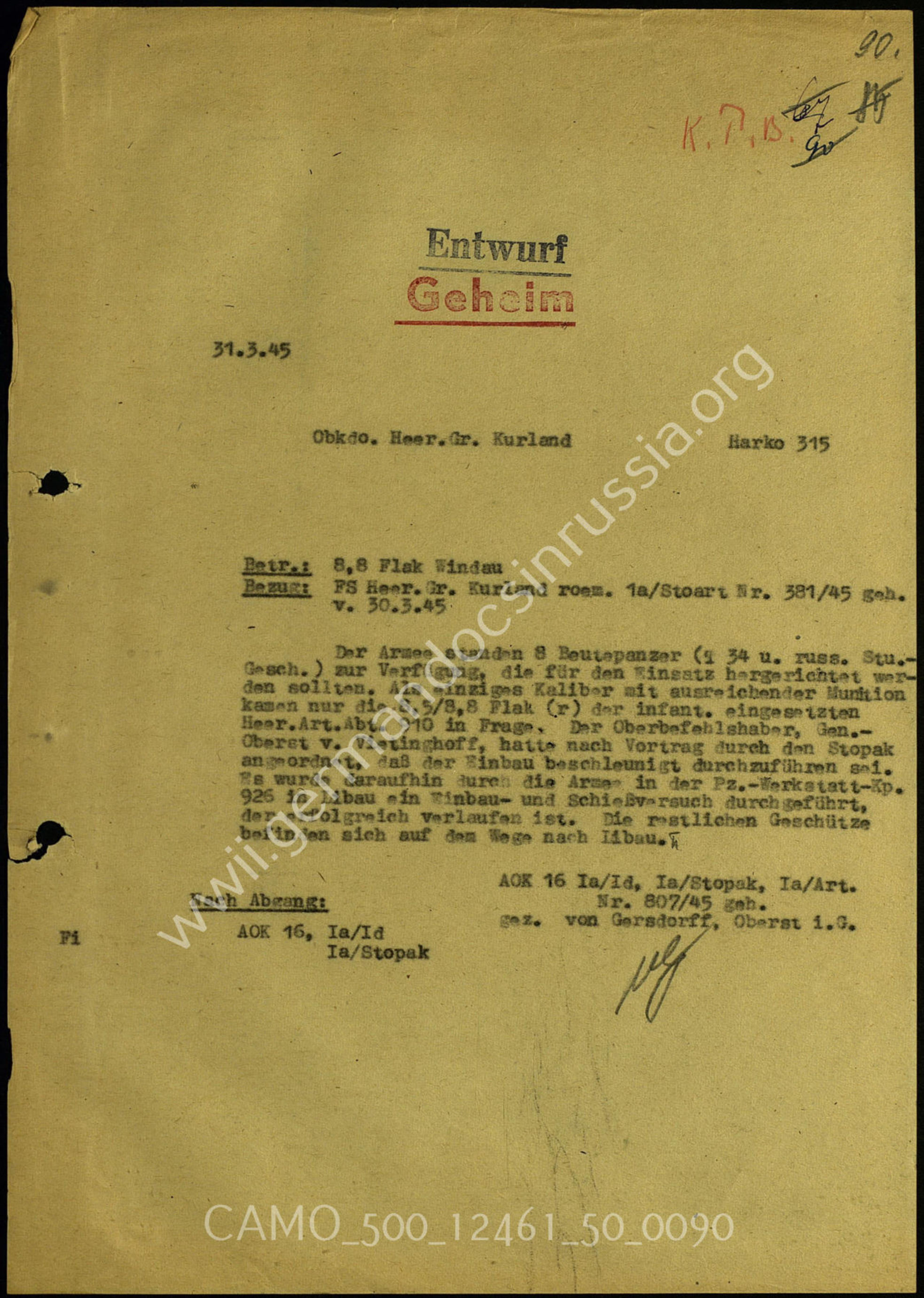
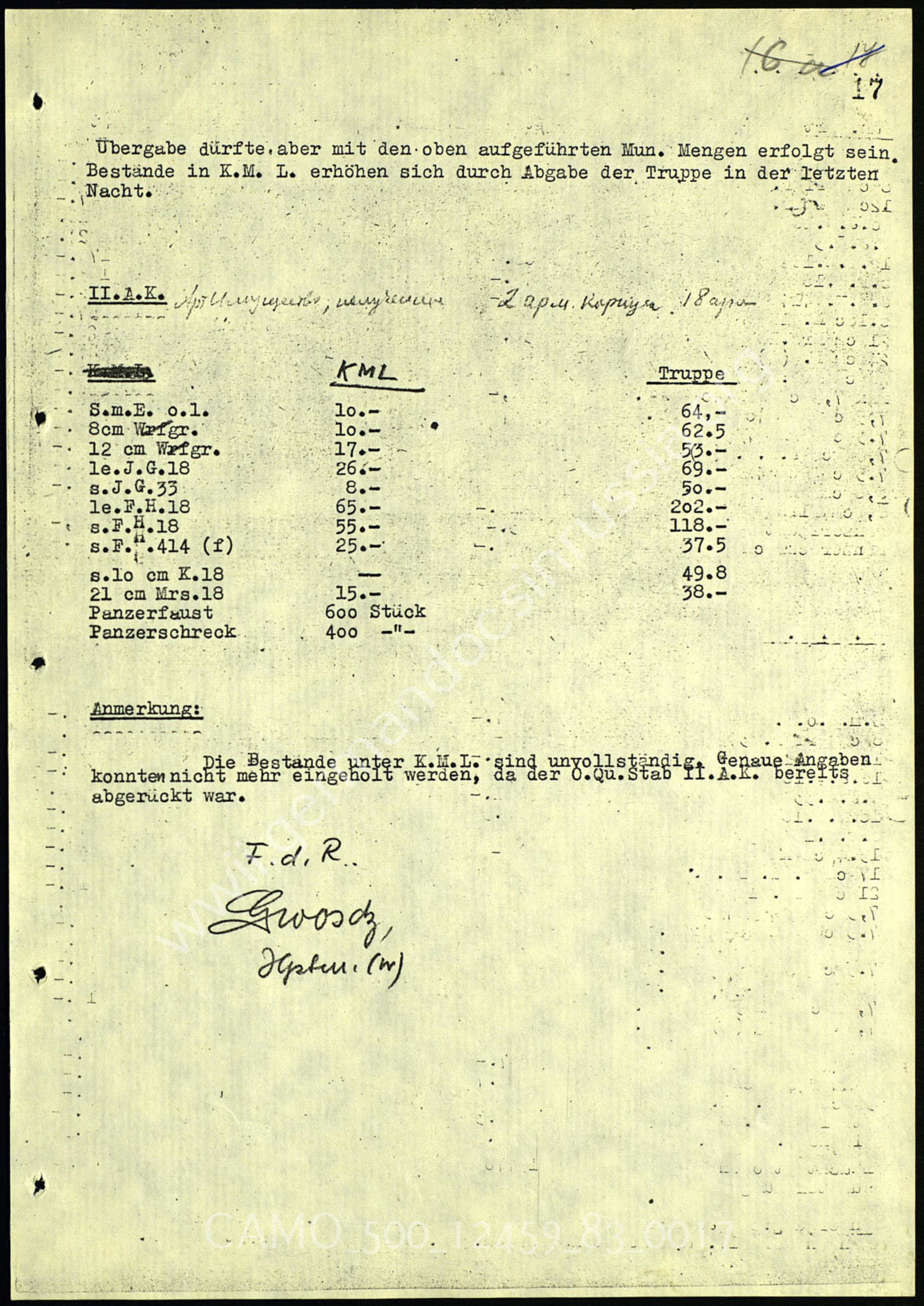
Firstly, there was only a German document indicating that they successfully installed an 85/88 mm Flak(r) gun onto one of the eight captured Soviet AFV(7 T-34 and 1 Soviet StuG), and planned to convert the rest later.
said document.
Secondly, the SU-85/88 (r)'s gun had a straight built-up gun step that no other Soviet tapered 85 mm guns had. Therefore, Germans did not just replace or boring out the D-5S gun tubes with captured Soviet 85 mm gun tubes. They converted the 85 mm gun to 88 mm through the Umgeseelt method.
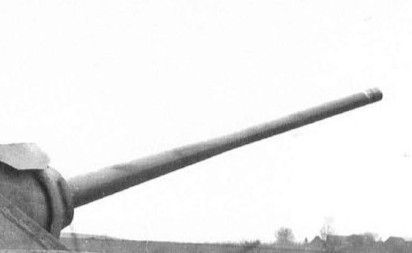
D-5S

KS-12
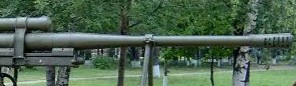
KS-12A
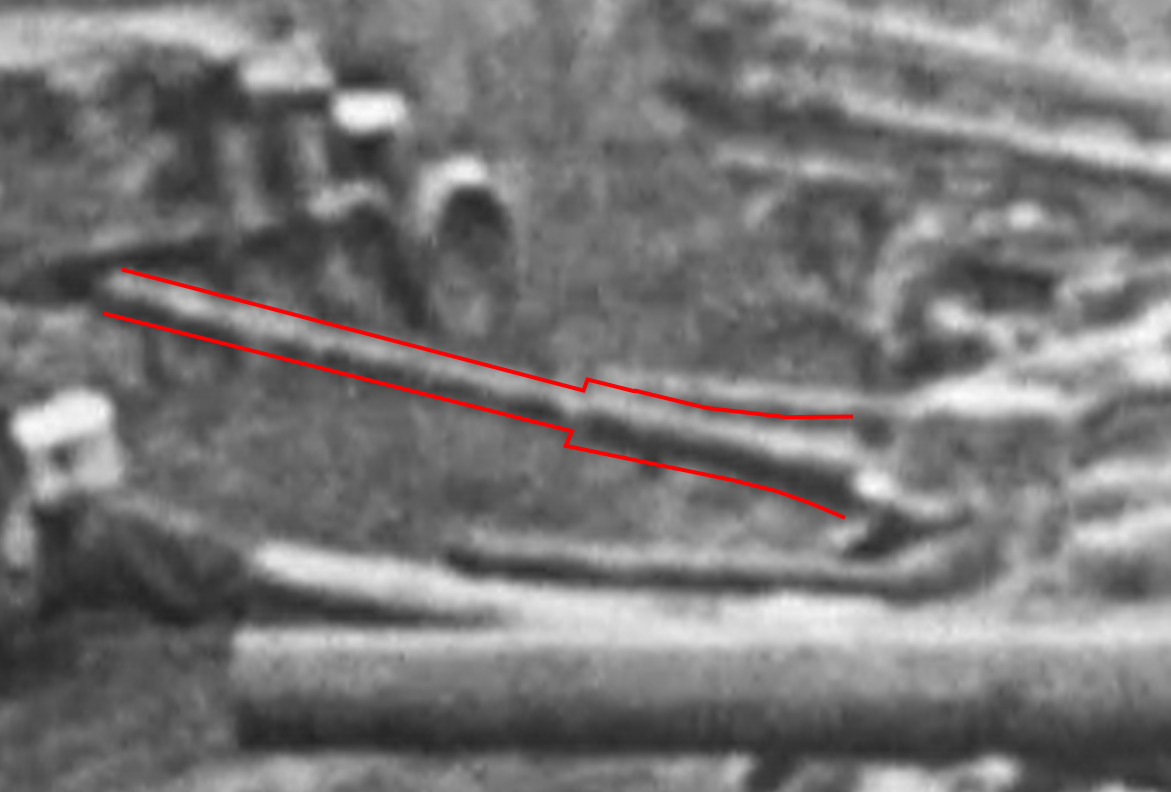
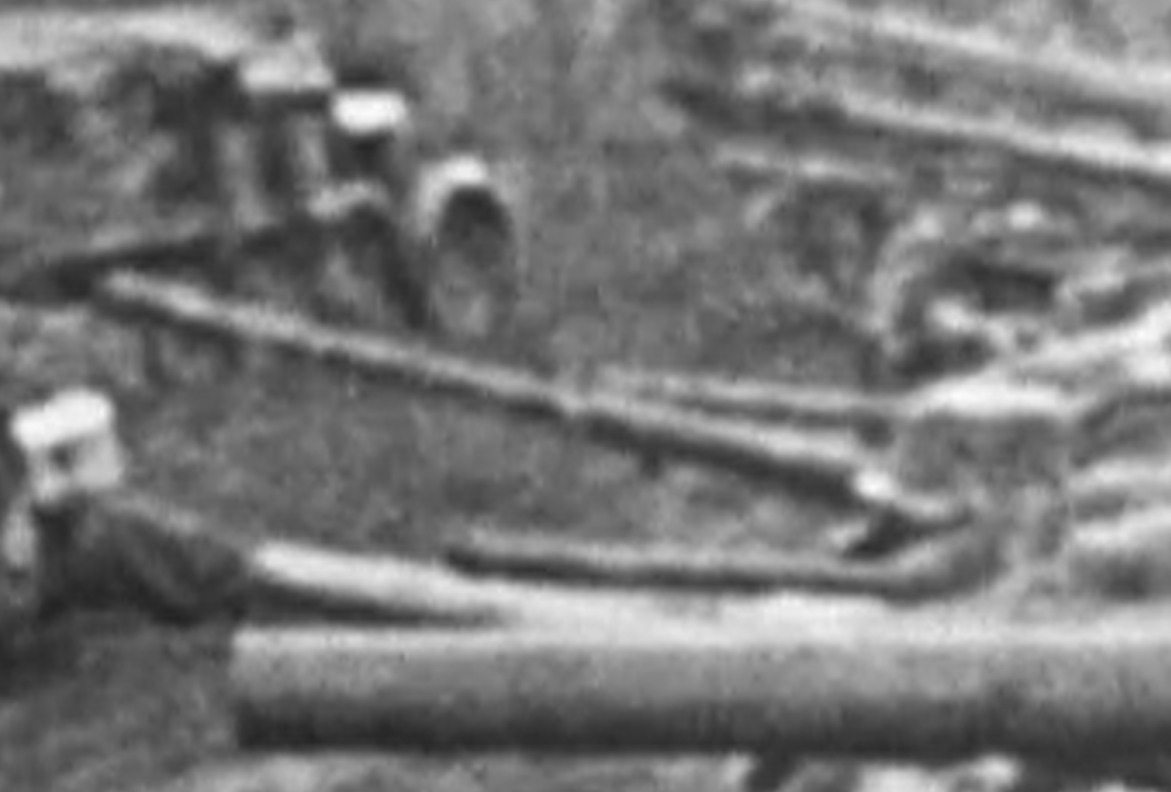
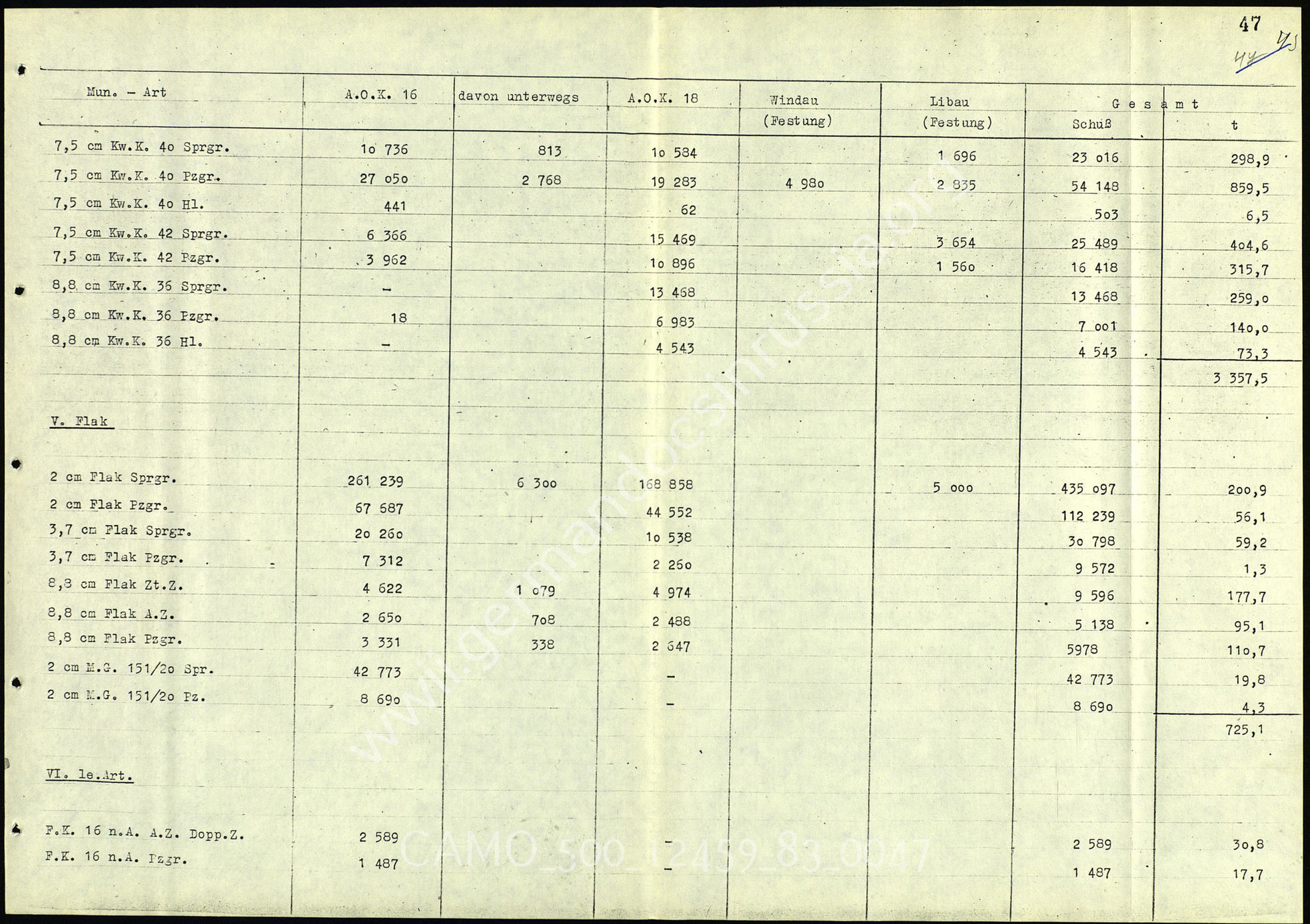
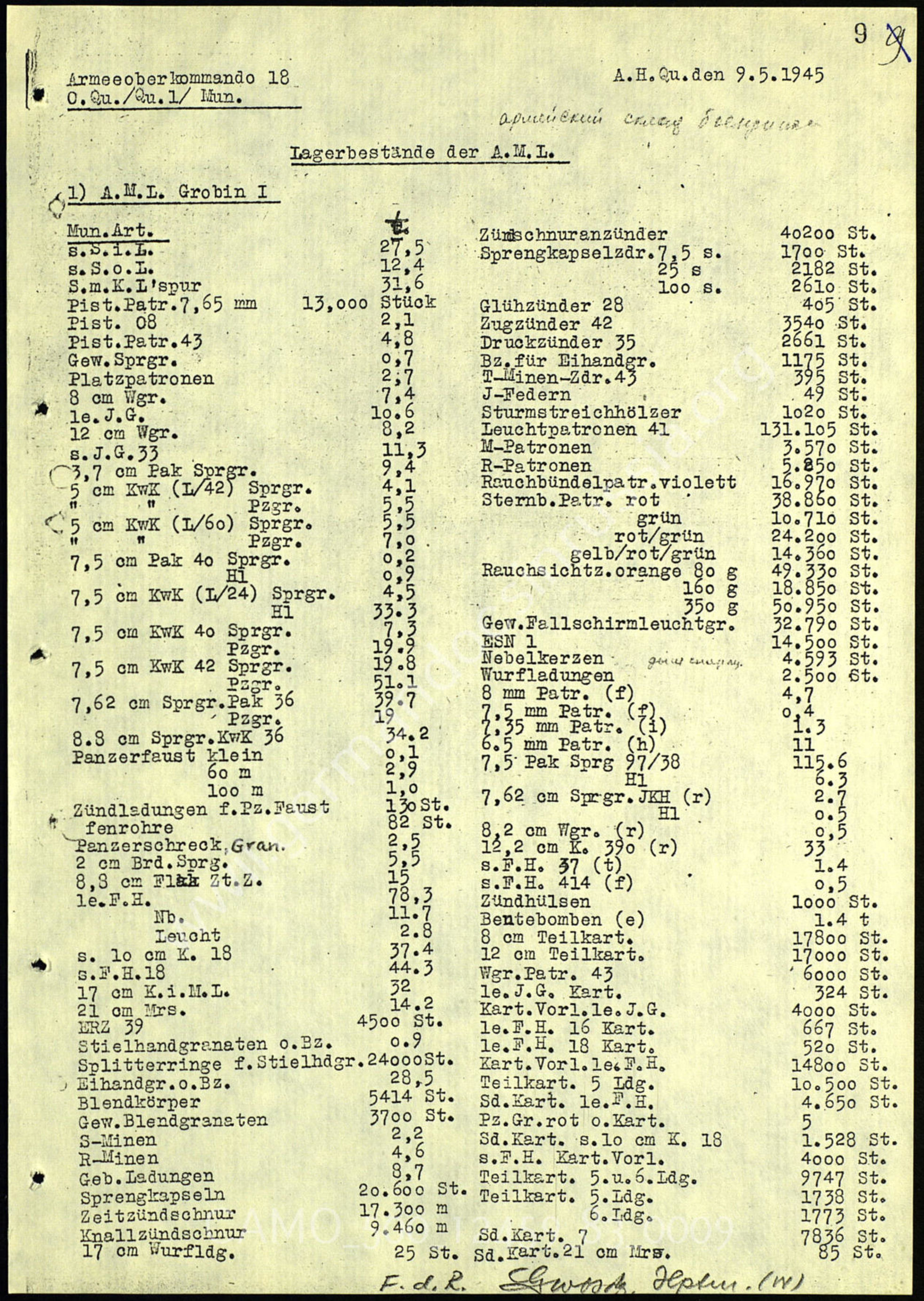
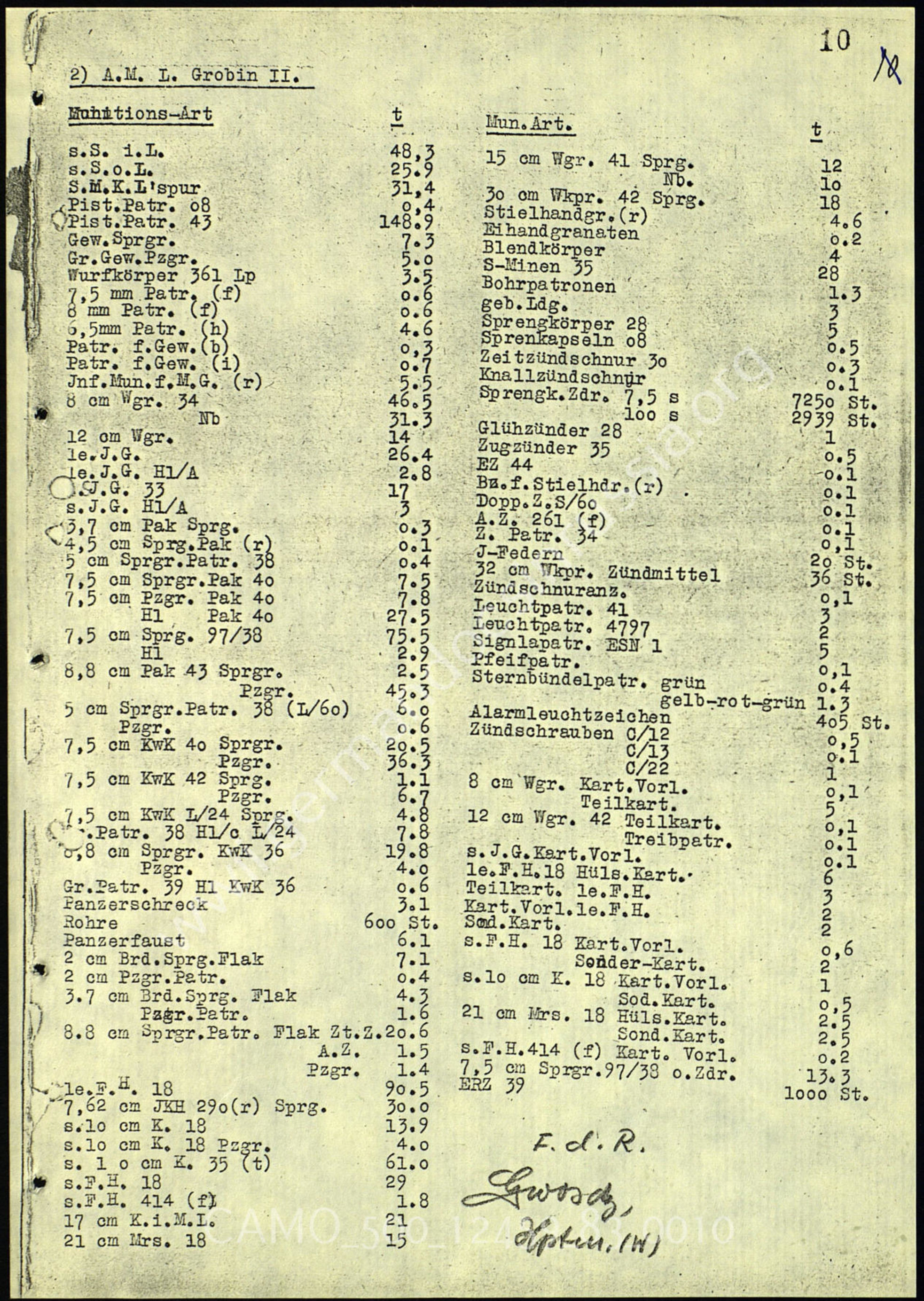
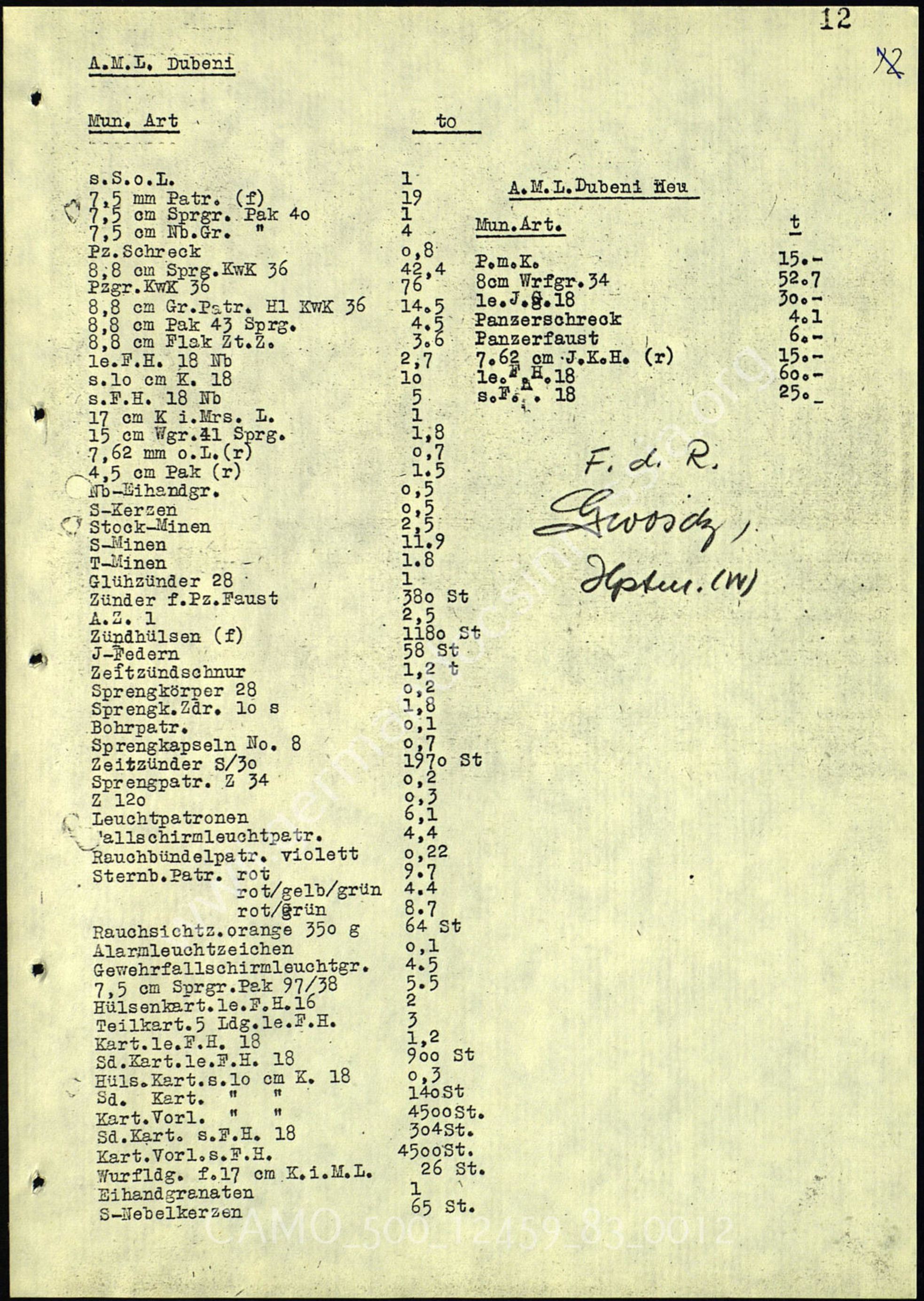
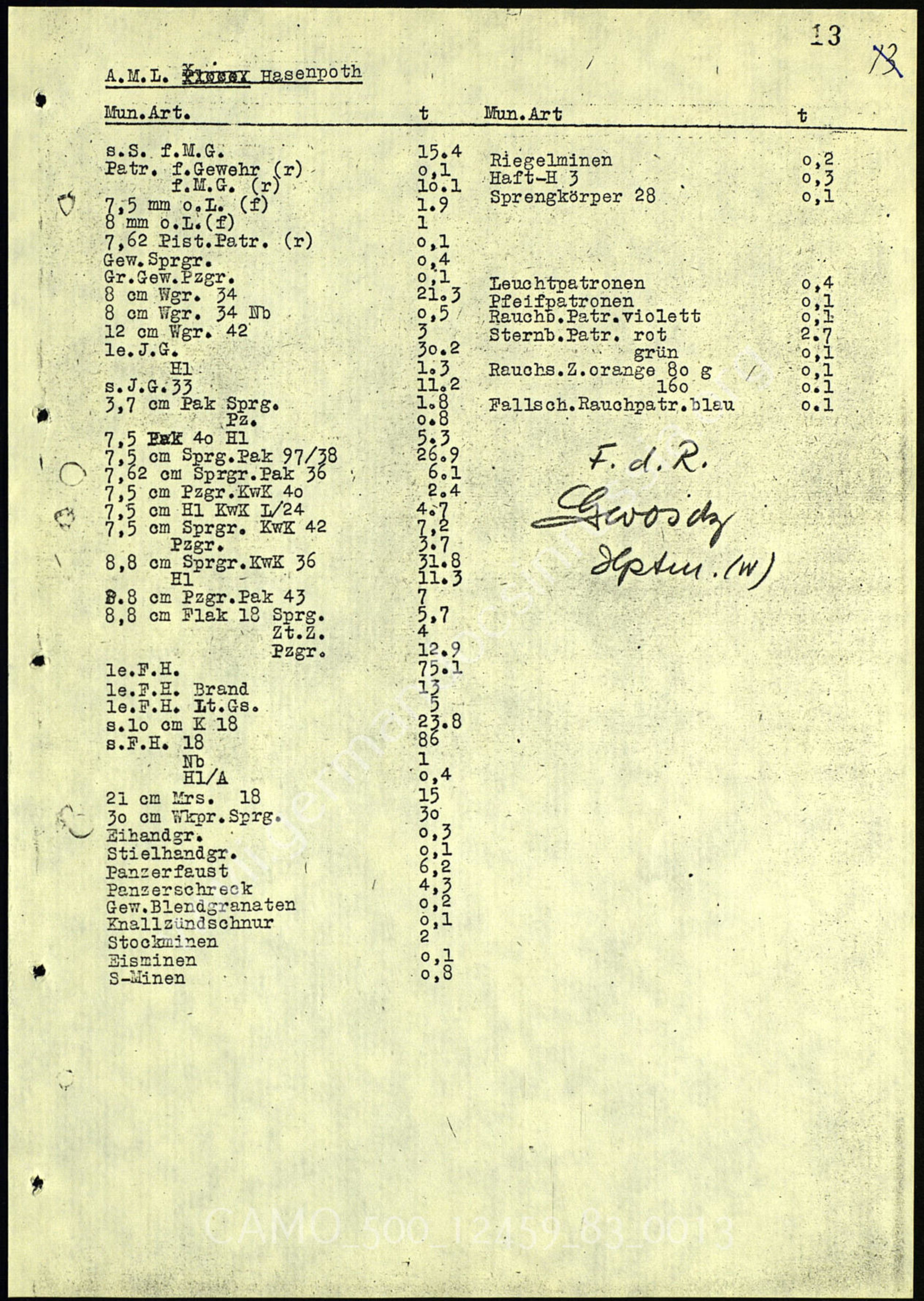
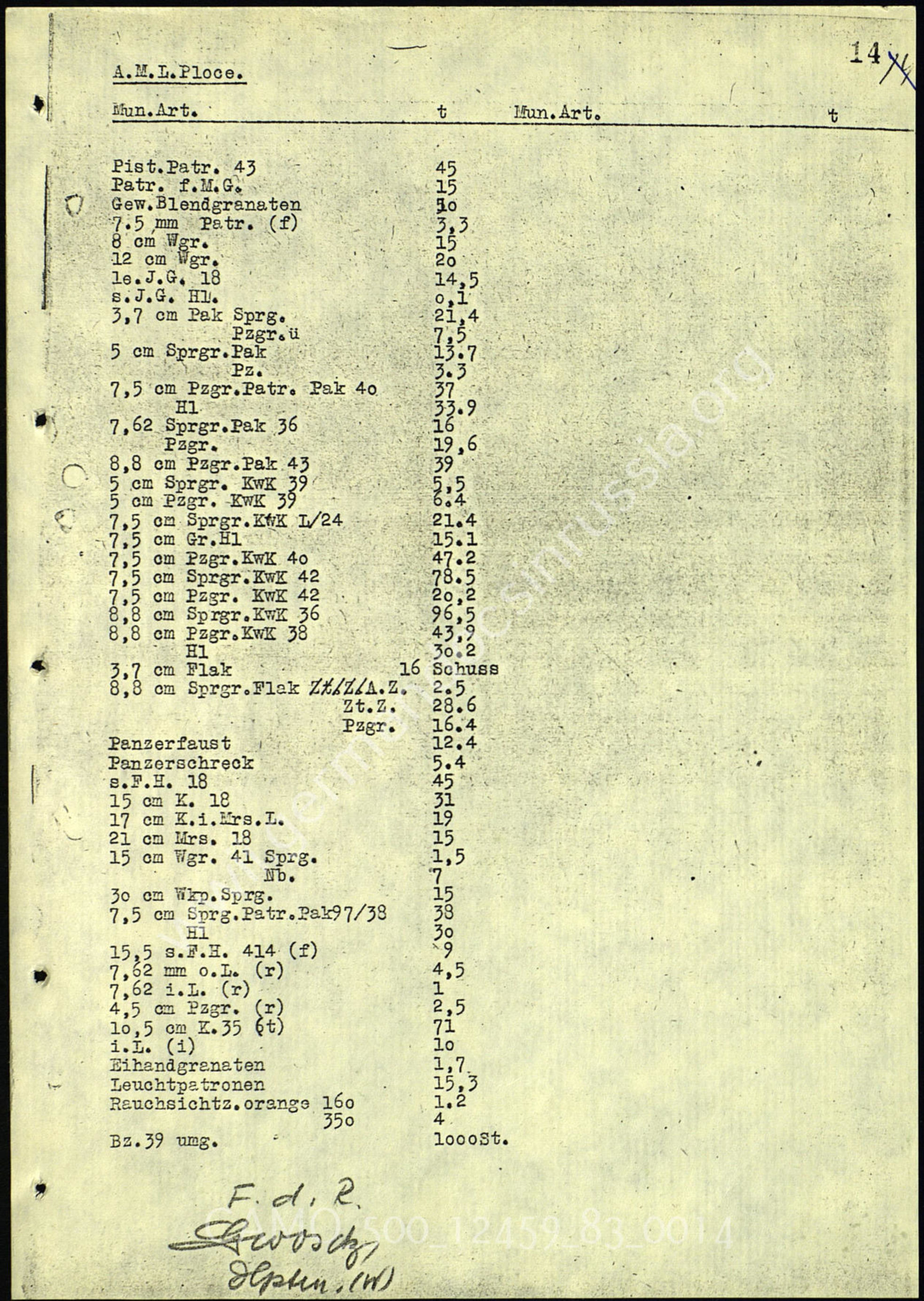
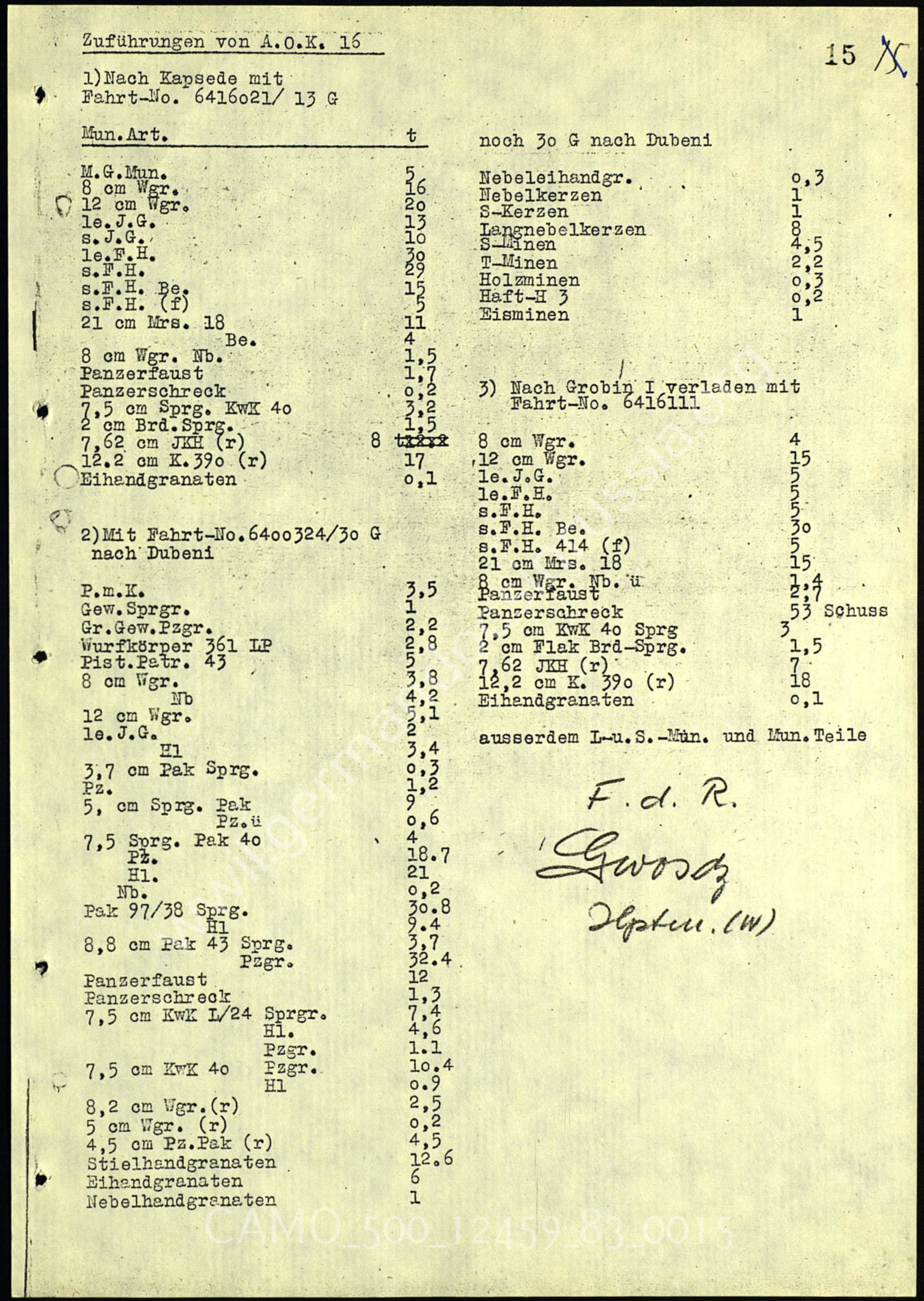
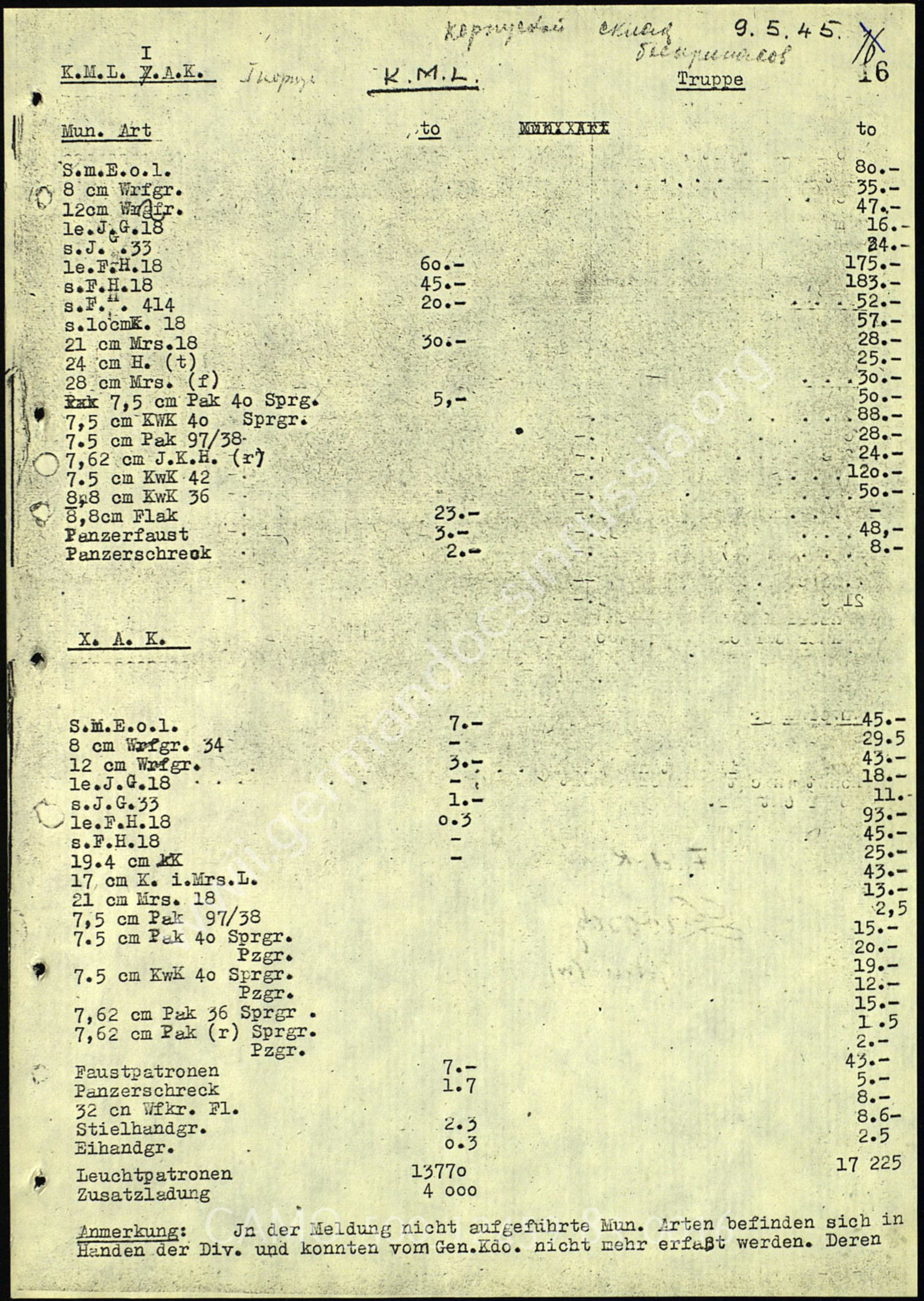
Finally, according to “Documents of the Quartermaster General of Army Group Courland: Organizational charts of the Army Group’s supply units and the subordinate AOK and associations, etc.”, there was no Soviet 85 mm ammunition in any unit’s or any stockpile’s inventory.
Germans repaired the vehicle, replaced the gun, repainted it with German camouflage and insignia, and most probably pushed it into battle. Logistically, the probability that they rearmed the SU-85/88 (r) with an 85 mm gun that they had no 85 mm ammunition to fire was close to zero.

Main Gun
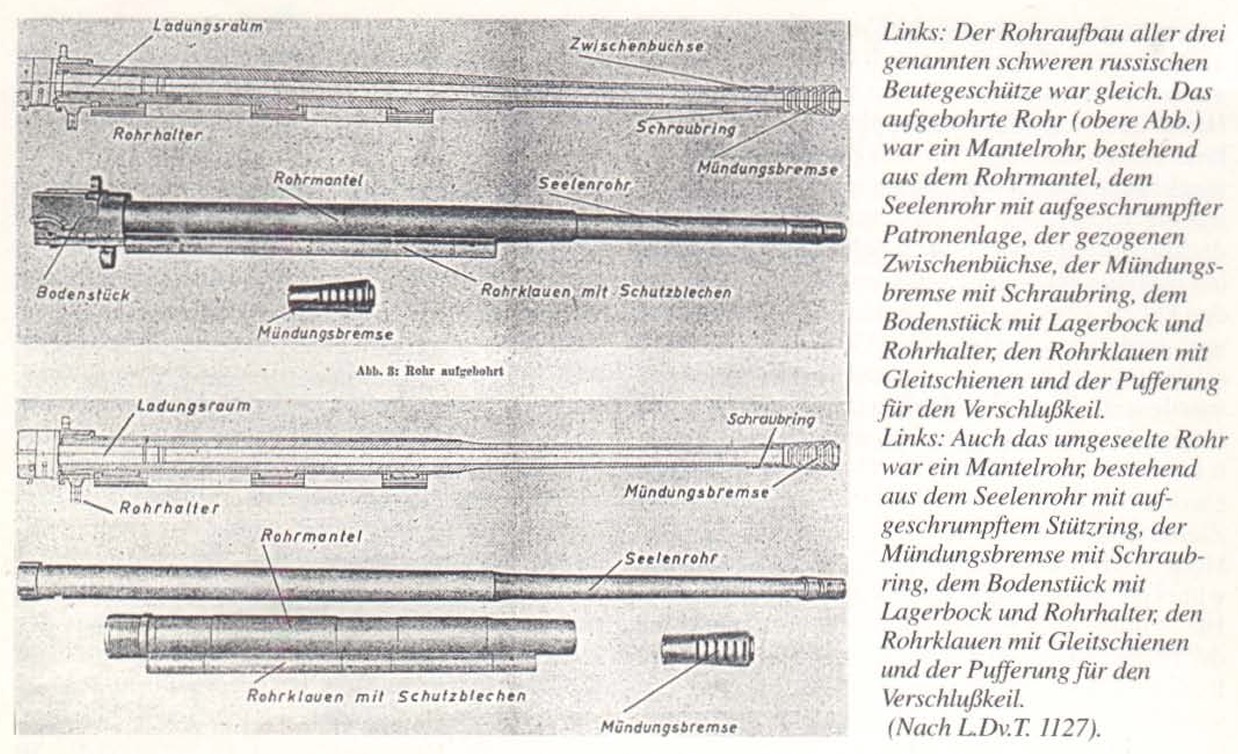
Converting 85 mm guns into 88 mm was not a one-time thing. The Germans had been converting hundreds of captured Soviet 76.2 mm and 85 mm anti-aircraft guns into 88 mm anti-aircraft guns and issuing them to air defence units. However, the supply of their original 76.2 mm and 85 mm ammunition was limited. Since the characteristics of the captured guns were very similar to those of the German 88 mm AA Gun, Germany decided to convert the Soviet AA guns so that they could use German 88 mm AA ammunition.
-
Reaming the gun tube to 88 mm; and (Ger. Aufgebohrt)
-
Boring out the gun jacket, reinforcing the springs of the equilibrators, and inserting an 8.8 cm Flak 18 gun tube into the gun jacket. (Ger. Umgeseelt)
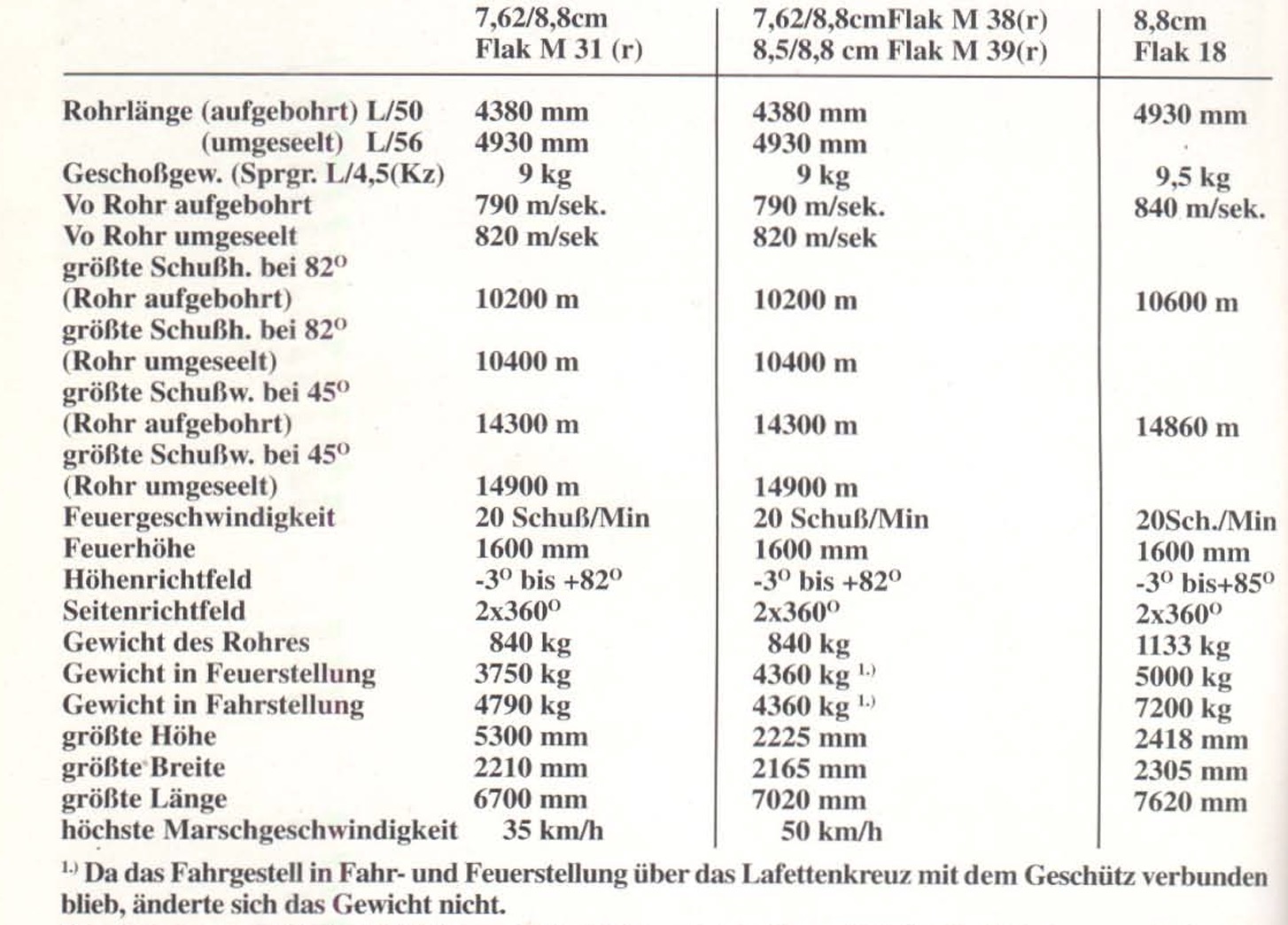
Source: Waffen Arsenal So39 - Beuteflak bei der Wehrmacht 1939-1945
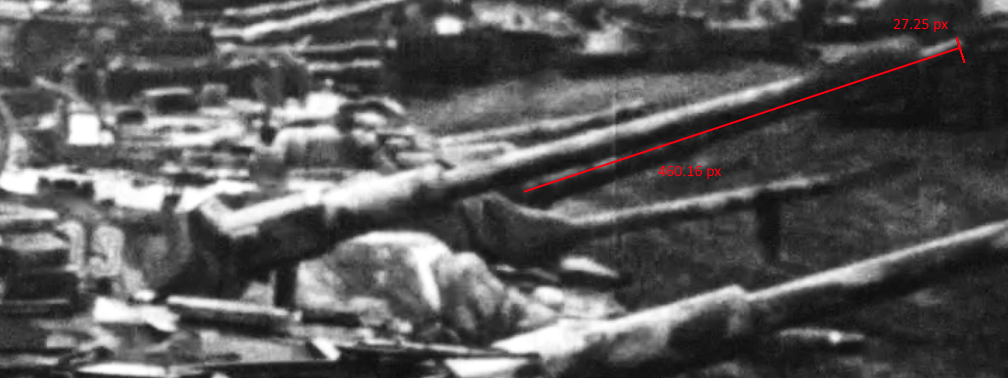
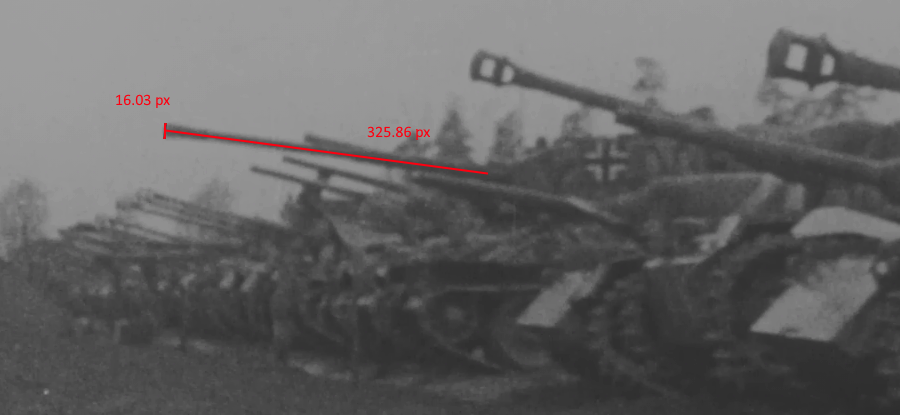
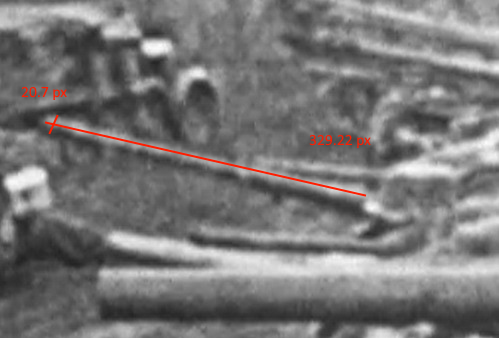
By comparing the muzzle brake’s calibre of the SU-85/88 (r) and T-34-88, we can tell that the SU-85/88 (r) gun was shorter than that of T-34-88. It was most likely to be a rebored 85/88 mm 52-K gun tube (4,380 mm) instead of an 88 mm Flak 18 gun tube (4,930 mm), the one installed on the T-34-88.
Ammunition
On 31 March 1945, Höherer Artillerie-Kommandeur 315 (HArko 315) received a telegram named 8.8 cm Flak Windau, stating: The army had 8 captured tanks (T-34s and a Russian assault gun) at its disposal, which were to be prepared for deployment. The only caliber for which sufficient ammunition was available was the 8.5/8.8 cm Flak (r) of Infantry-employed Army Artillery Battalion 910. The Commander-in-Chief, Colonel General von Vietinghoff, after a briefing by the anti-tank staff officer (Stopak), ordered that the installation be carried out as quickly as possible. Subsequently, the army carried out an installation and firing trial at Tank Workshop Company 925 in Libau, which was successfully completed. The remaining guns are on their way to Libau.

Translation credited to pureSkyrim
The converted 8.5/8.8 cm gun fired the percussion-primed 88×571 mmR 8.5/8.8 cm Flak (r) ammunition, rather than the electrically primed 88×571 mmR Kw.K. 36 round. SU-85/88 (r) should be able to fire all ammunition available for 8.8 cm FlaK 18/36/37
SU-85/88 (r) in German Service
Colonel General von Vietinghoff most likely issued his order before 10th March 1945. The installation and firing trial of the first 88 mm converted AFV most likely took place well before 19th March 1945.
In that case, SU-85/88 (r) could be one of the two operating Beute-StuG listed under the A.Pz.Abt.16 (Beute) in the Deployed Units Overview Table on 5 March 1945.
For the “Commander-in-Chief, Colonel General von Vietinghoff, after a briefing by the anti-tank staff officer (Stopak), ordered that the installation be carried out as quickly as possible,” part, it must have taken place before the 10th March 1945, as Colonel General Heinrich von Vietinghoff was reassigned to command Army Group C on 10th March 1945.

Source: Heinrich von Vietinghoff - Wikipedia
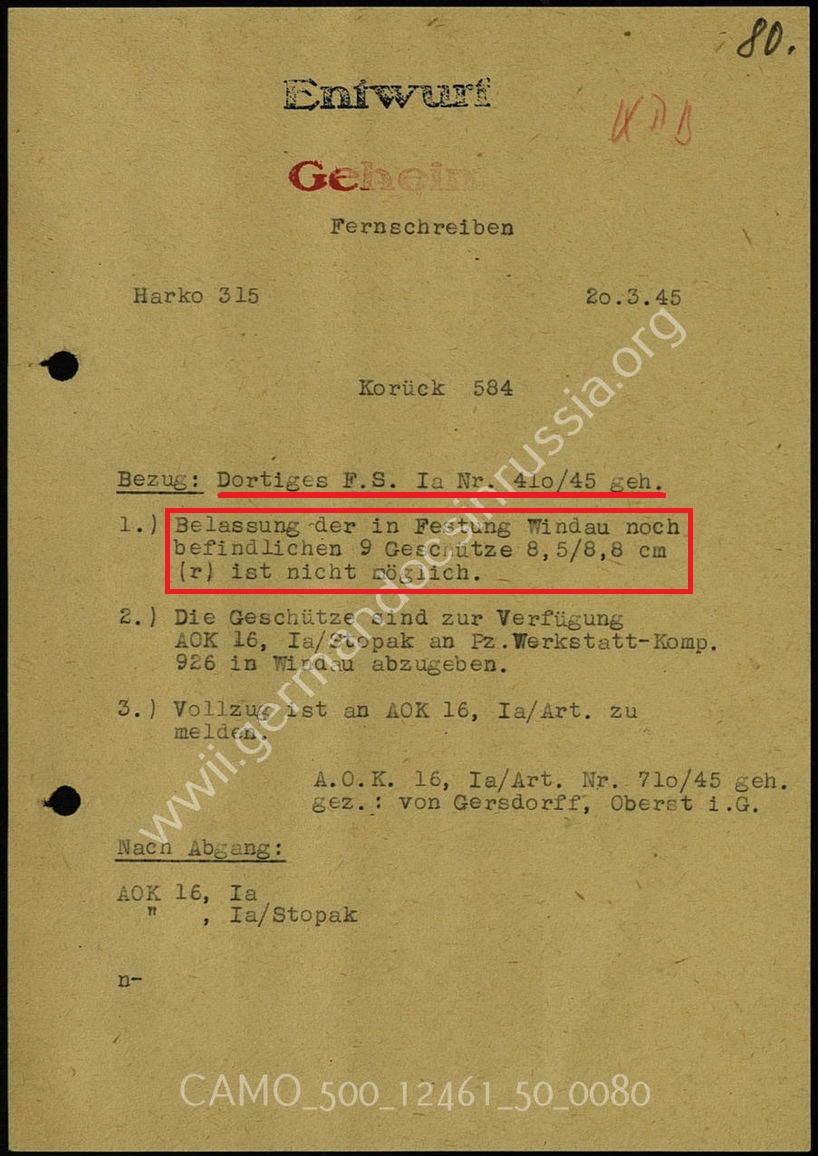
For the “The remaining guns are on their way to Libau.” part, according to another telegram named 'Bezug: Dortiges F.S. Ia Nr. 410/45 geh”, AOK 16, Ia/Art. informed Korück 584 that they cannot keep the 85/88 mm Flak(r) guns in Fortress Windau as they had already been handed over to Tank Workshop Company 926 on 20th March 1945.
The two captured assault guns being written off, which SU-85-88 was very likely to be one of, and four inoperable captured tanks being put back into operational condition were first recorded in the 15/3 Deployed Units Overview Table from the “Unterlagen der Operationsabteilung IIIb des Generalstabs des Heeres bei OKH: Lagekarte der Heeresgruppe Kurland, einschließlich Übersicht der eingesetzten Kräfte.” of 19th March 1945.
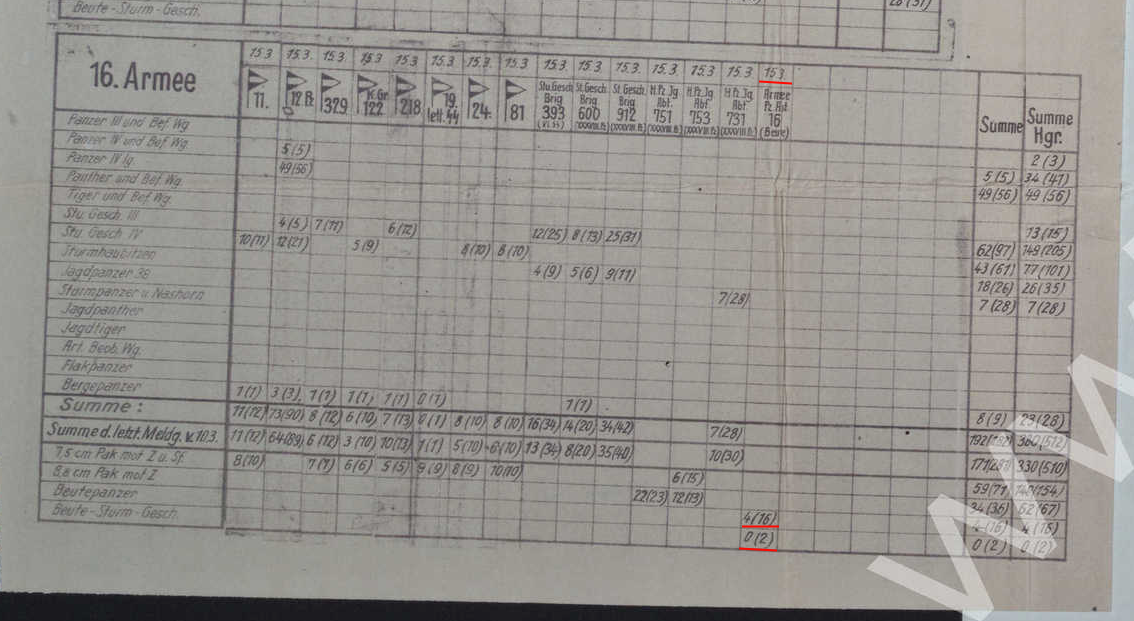
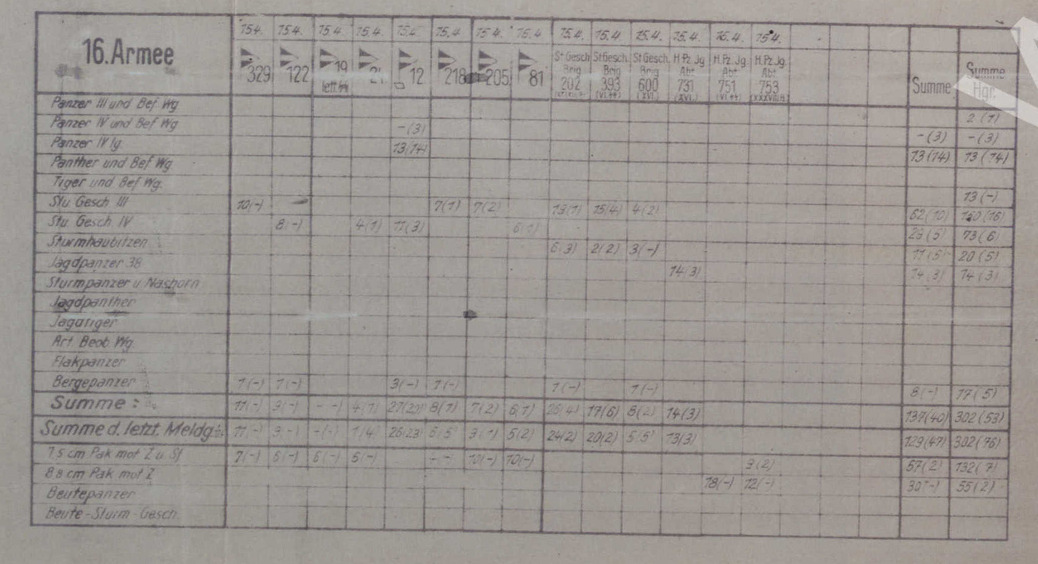
The first 88 mm gun conversion of the SU-85-88 was very likely completed before 20th March 1945, nine 85/88 mm Flak(r) guns in Fortress Windau were reported to be handed over to the Tank Workshop Company 926.
The front shot and side shot of SU-85/88 (r) from the newsreel “Nacistiskās Vācijas armijas kapitulācija Kurzemē”, from the National Archives of Latvia.
The front shot and side shot of SU-85/88 (r) from another newsreel “Padomju Latvija Nr. ⅚” filmed in May 1945”, from the National Archives of Latvia.

SU-85/88 (r) – Specifications
(Click to show)
| Category | Specification |
|---|---|
| Designation | SU-85/88 (r) |
| Origin | Nazi Germany/Soviet Union |
| Crew | 4 (Commander, Gunner, Loader, Driver) |
| Combat Weight | ~29.6 metric tons |
Dimensions
- Hull Length: ~6.10 m
- Width: 3.00 m
- Height: 2.30 m
Mobility
| Engine | V-2-34 V12 Diesel (T-34 engine) |
|---|---|
| Horsepower | ~500 hp @ 2,000 rpm |
| Transmission | 5-speed manual |
| Top Speed (Road): | ~55 km/h |
| Operational Range: | ~400 km (with external fuel drums) |
| Power-to-Weight Ratio | ~16.7 hp/ton |
| Suspension: | Christie |
| Tracks: | T-34 standard tracks |
Armament
Main Gun: 8,5/8,8 cm L/50 canon (D-5S)
Muzzle Speed: 790 m/s
Ammunition Types: (Same as Flak 18/36/37 in 1945)
- APCBC-HE (Pzgr. 39)
- APCBC (Pzgr. Patr. 41),
- HE-TF (Sprgr. Patr. L/4.5 (Kz))
- HE (Sprgr. L/4.5)
- Incendiary Shrapnel (Gr. Br. Schr. Flak.)
Source: OP 1666 Volume 2
Horizontal Guidance: -10/10°
Vertical Guidance: -5/25.0°
Ammo Capacity: ~45 rounds
Armor Protection
Hull Front (Upper Glacis): 45 mm @ 50°
Hull Front (Lower Glacis): 45 mm @ 45°
Hull Sides: 45 mm (vertical)
Hull Top Sides: 45 mm
Rear Armor: 45 mm
Roof/Floor: 20 mm
Gun Manlet: 60 mm