- Yes
- No
Hello everyone, and welcome to this new suggestion.
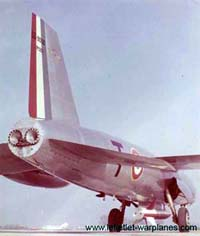
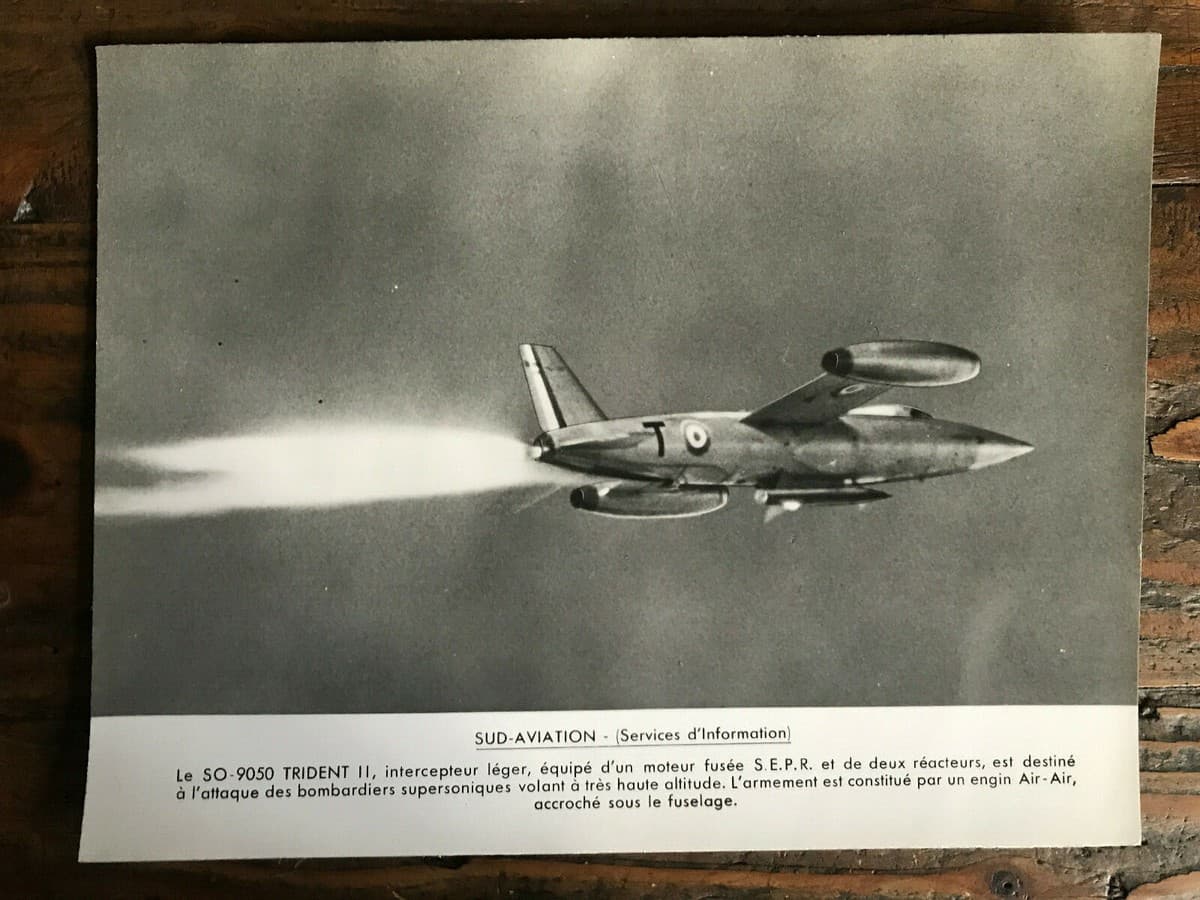
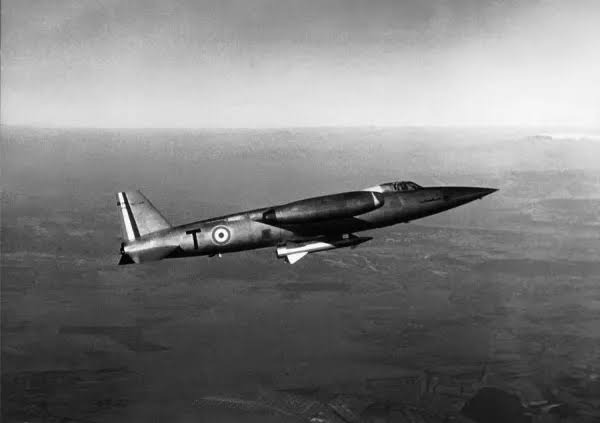
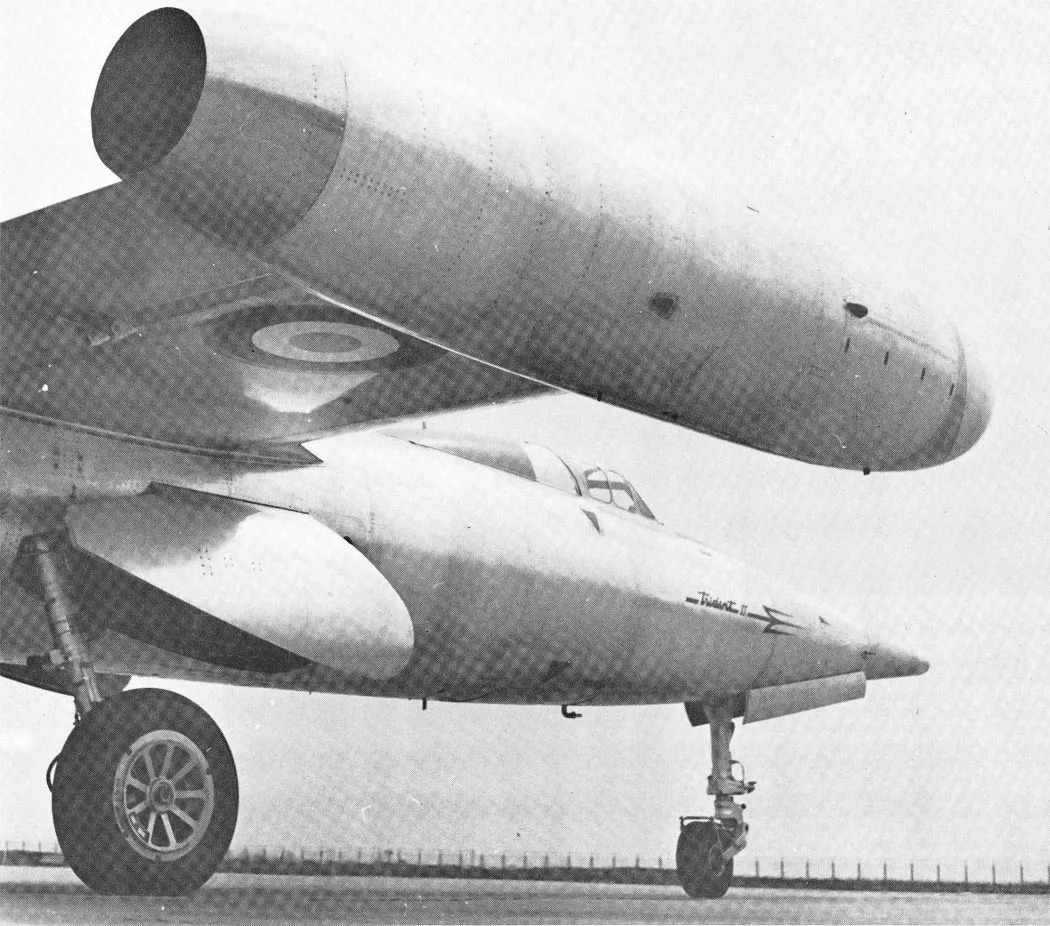
Today, I am presenting a new French prototype from the early Cold War era: the SO.9050 Trident II.
At the beginning of the Cold War, the nuclear arms race pushed the major powers to develop increasingly fast and high-flying aircraft capable of penetrating enemy airspace while avoiding interception. This led to the emergence of a new generation of interceptors designed specifically to counter these high-speed, high-altitude threats. French manufacturers were quick to explore this new field, and among the most unusual designs to emerge was the SO.9050 Trident II.
In the early 1950s, Sud-Ouest Aviation (SO) began developing an unconventional interceptor concept centered around a rocket engine. The aircraft would rely primarily on rocket propulsion to achieve extremely high speeds and altitudes, while small turbojet engines would provide enough power to return the aircraft to base once the rocket fuel had been exhausted.
The first prototype, the SO.9000 Trident I, made its maiden flight in 1953. It featured a particularly unusual configuration, with three rocket engines installed inside the fuselage and a small turbojet engine mounted at each wingtip. Despite several accidents during the testing program, the concept demonstrated sufficient potential to justify further development.
This led to the creation of an improved version designed to eventually carry operational military equipment. Designated SO.9050 Trident II, the new aircraft made its maiden flight in 1956. Equipped with a more powerful rocket engine and improved systems, it fulfilled many of the requirements set by the French Air Force and was subsequently transferred to the CEV (Flight Test Center) for further evaluation.
The “SE” designation refers to the pre-production aircraft ordered specifically for these trials. During its time at the CEV, the Trident II demonstrated exceptional performance and established several impressive records. In 1958, one aircraft reached Mach 1.9, while successive flights pushed the altitude record to 19,500 meters and eventually to an astonishing 24,217 meters.
Unfortunately, the program was also marked by tragedy. That same year, a test pilot was killed while flying one of the aircraft during a rehearsal, dealing a serious blow to the program.
Although the Trident II had been designed with the capability to carry weapons, it never received operational armament. Instead, the aircraft was limited to mock-ups of the missiles it was intended to carry. Nevertheless, the planned armament, payload, and radar installation are all documented, making the Trident II an interesting candidate for inclusion in the game despite never reaching operational service.
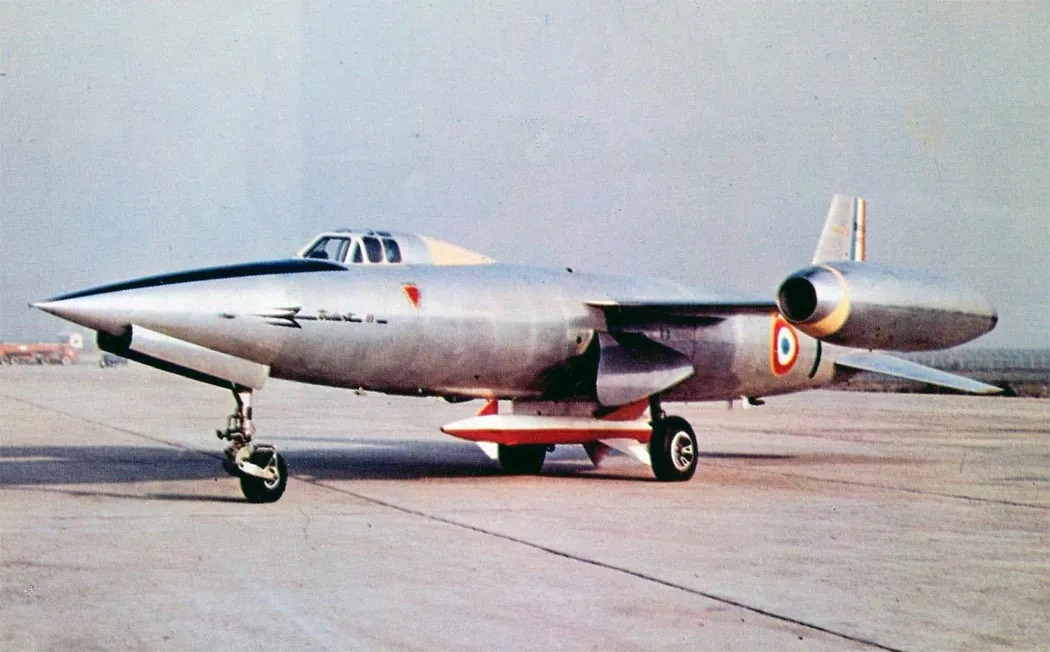
Characteristics
Length : 12.70 m
Width : 6.98 m
Height : 2.94 m
Mass :
- Empty : 2,625 kg
- Max : 5,150 kg
The aircraft features a highly distinctive propulsion system, comprising a twin-chamber SEPR 631 rocket engine delivering 29.42 kN of thrust and two Turbomeca Gabizo turbojets, each mounted at a wingtip. This configuration enables the aircraft to reach a top speed of Mach 1.92 and a service ceiling of 24,000 meters. Notably, the aircraft can climb to 15,000 meters in 2 minutes and 15 seconds.
The crew consists of a single pilot.
Equipment
The aircraft was designed to carry a nose-mounted radar, specifically the DRA.5A or DRA.5B model (housed in a redesigned nose cone). These radars enabled the guidance of the R511 missile.
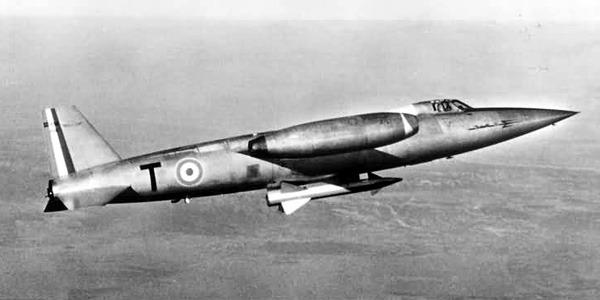
Weapons
Its armament is notably simple, consisting solely of a single Matra R511 missile (already in the game) mounted under the fuselage; while the initial plan called for a missile under each wing, the weapon’s size necessitated limiting the payload to just one centrally mounted missile.
In-game, this aircraft would be an interesting addition to the French tech tree, offering an extremely fast interceptor capable of rapid climbs to high altitudes, yet one whose capabilities are significantly constrained by the lack of an onboard cannon and the reliance on a single missile.
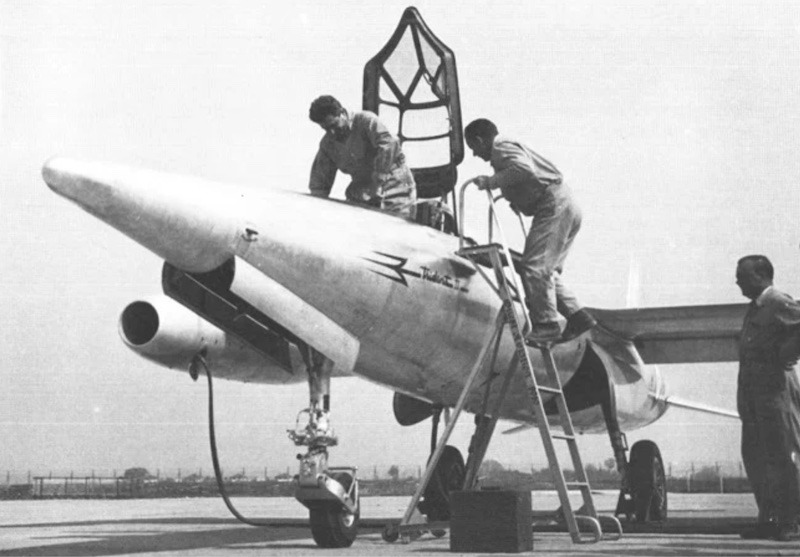
Video
Le SO.9050 Trident : l’avion-fusée oublié du Bourget !
SNCASO SO.9000 Trident I & SO.9050 Trident II
Jet Aircraft Trident II Establishes World Altitude Record (1958)
Sources
- France Aviation Le Trident SO 9000 et SO 9050 :Maquetland.com:: Le monde de la maquette
- 19 juillet 1955 : premier vol du SNCASO SO.9050 Trident II, intercepteur à propulsion mixte. | Theatrum Belli
- Prototypes.com/Les intercepteurs à moteur-fusée/I. Origine du Trident
- S.N.C.A.S.O. SO-9050 ‘Trident’ II - Trident 2 - Chasseur - Un siècle d’aviation française