- Yes
- No
Hello everyone
Today I’m introducing a new French aircraft, the Sipa S.111A
In 1944, the SIPA aircraft factory was requisitioned by Germany to begin production of the Arado Ar 396, itself derived from the German Arado Ar 96 training aircraft. However, following the Normandy landings and the rapid collapse of German forces in France, these aircraft were never delivered to Germany. After the war, the unfinished aircraft were taken over by the French manufacturer. SIPA redesignated them SIPA S.10 and offered them to the rebuilding French Air Force as training aircraft, at a time when France urgently needed new equipment to modernize its aviation units.
The aircraft made its first flight at the end of 1945. Early tests showed that it had good flight characteristics and a solid structure, combining both wood and metal in its construction. This hybrid design made the aircraft relatively robust and suitable for intensive training use. Only minor changes were initially required, the most notable being the replacement of the propeller, which improved overall performance. Over time, the aircraft received several upgrades. These included the installation of new onboard equipment, a modified canopy, and eventually a different engine. These improved versions were designated S.11, which introduced a sliding canopy, and later S.111, which incorporated additional electronic equipment. The latest modification to the aircraft were the addition of a new angine and a complete overhaul of the structure, changing from a structure made primarily of wood and canvas to an all-metal structure, making the device much stronger and more durable.
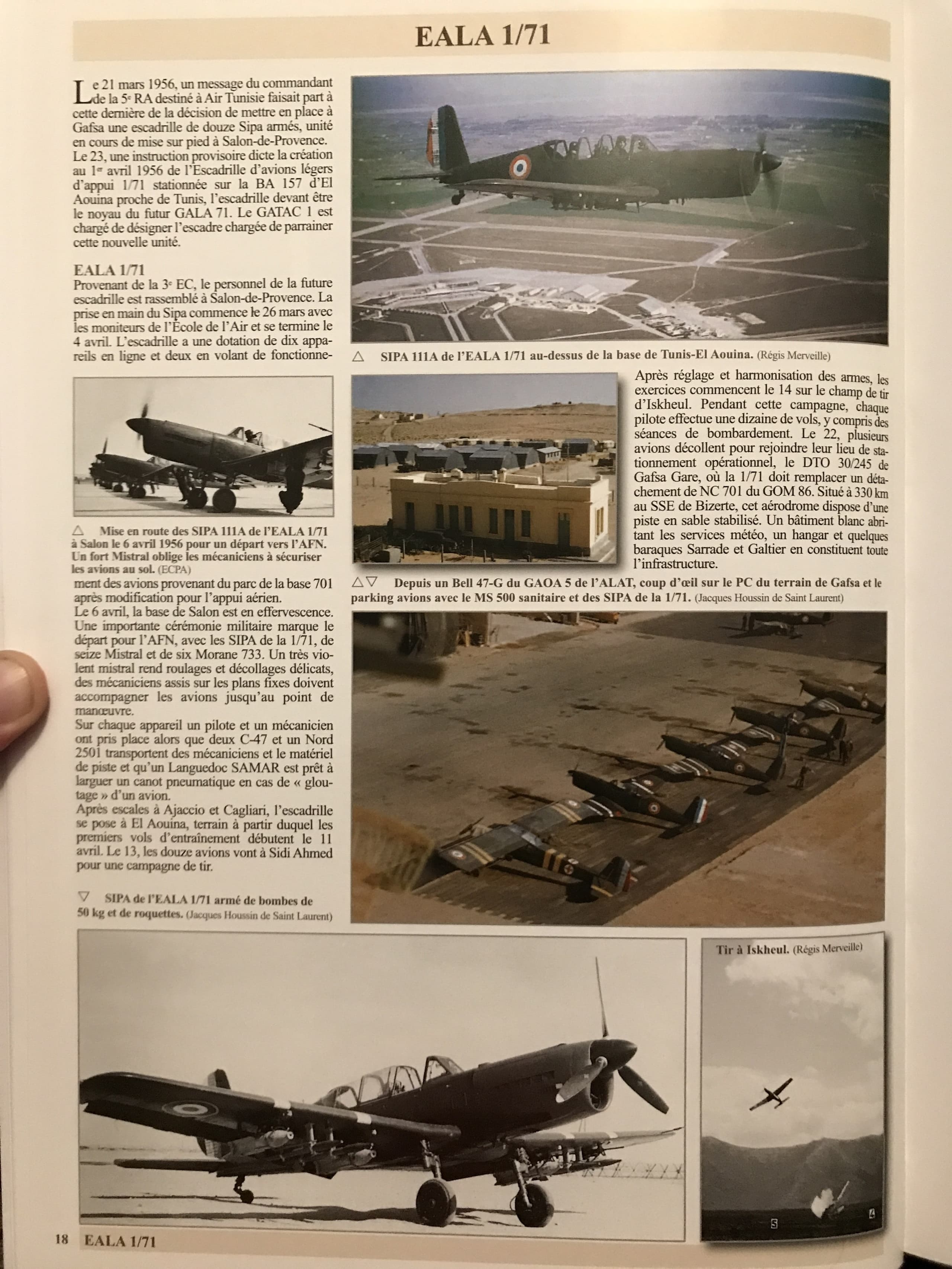
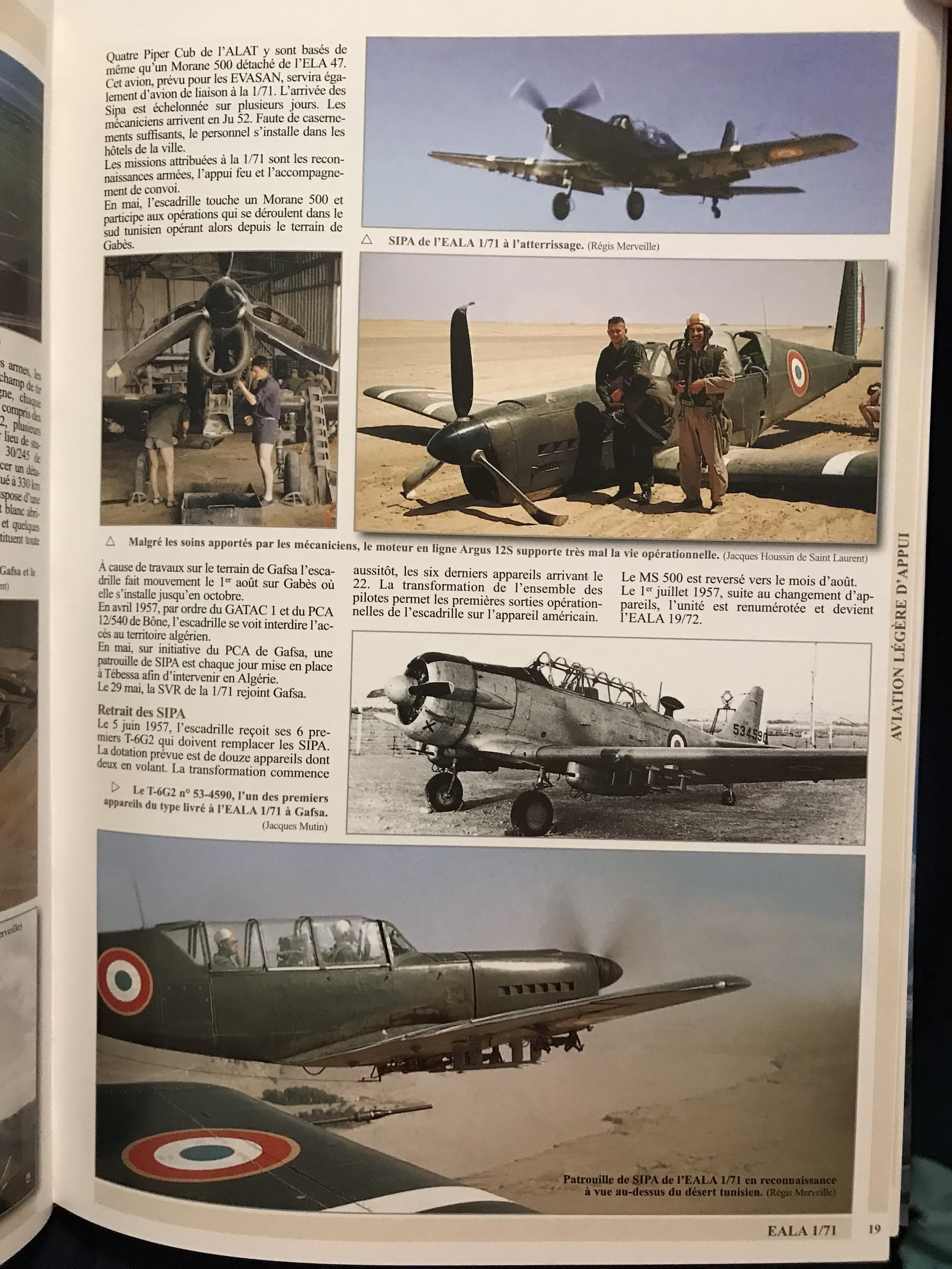
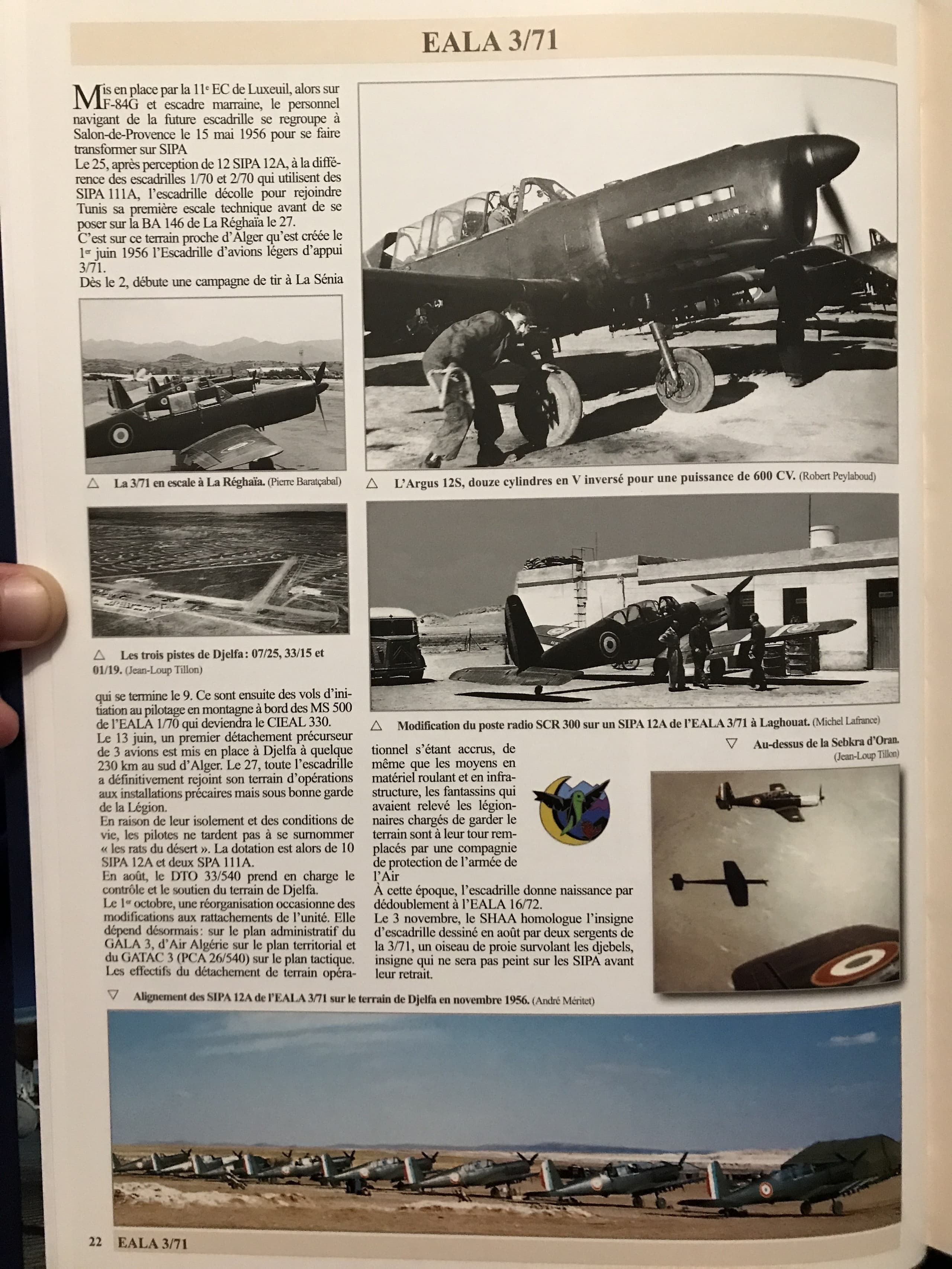
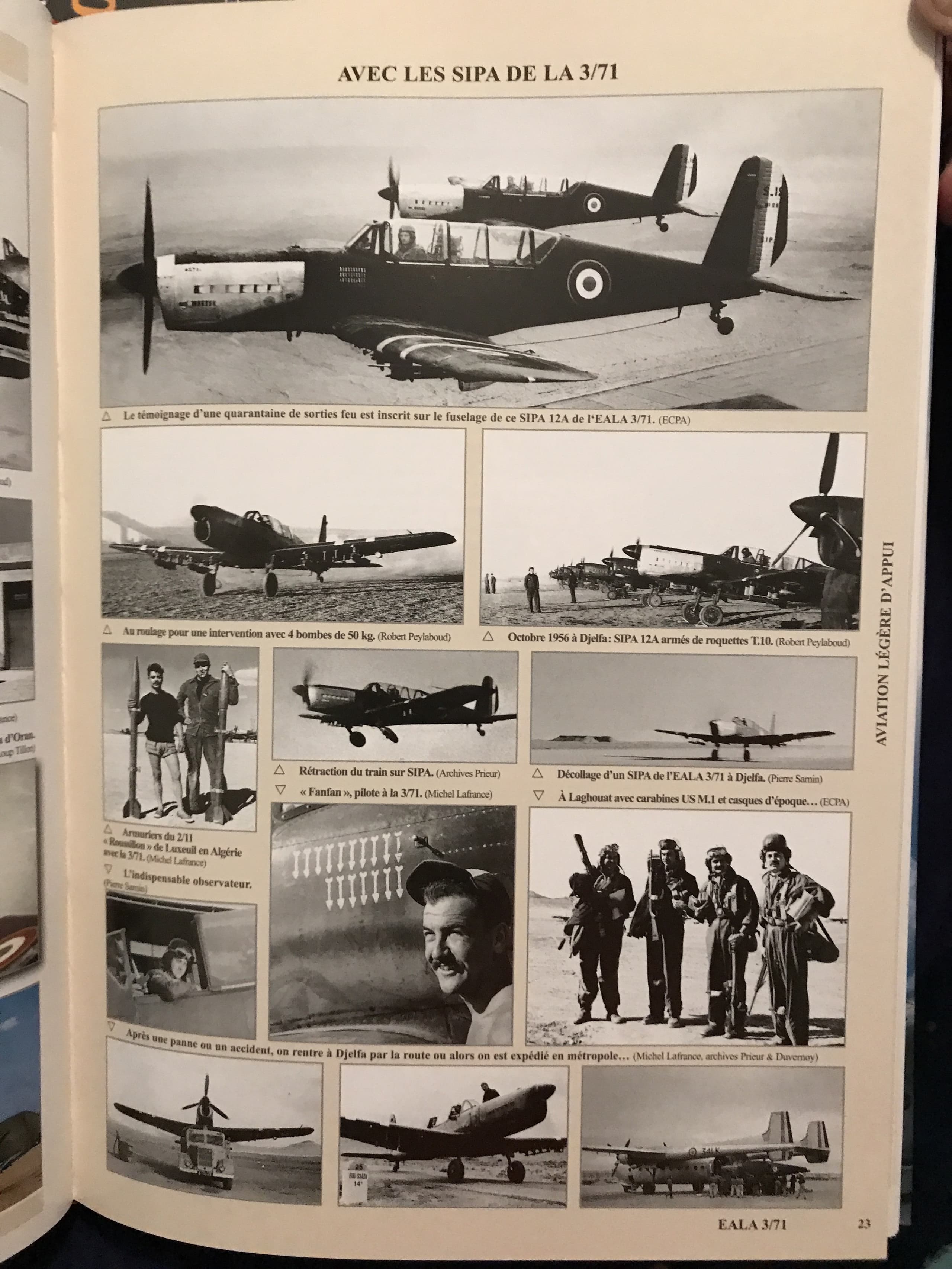
In 1956, during the Algerian War, France decided to send part of its light aircraft fleet to the front to provide close air support. Some of the Sipa S.12s were then modified by the CEV (Flight Test Center) into the Sipa S.12A (the A standing for Armed). The modifications were the same as those made to the Sipa S.111, allowing the aircraft to perform various close air support missions in support of ground forces.
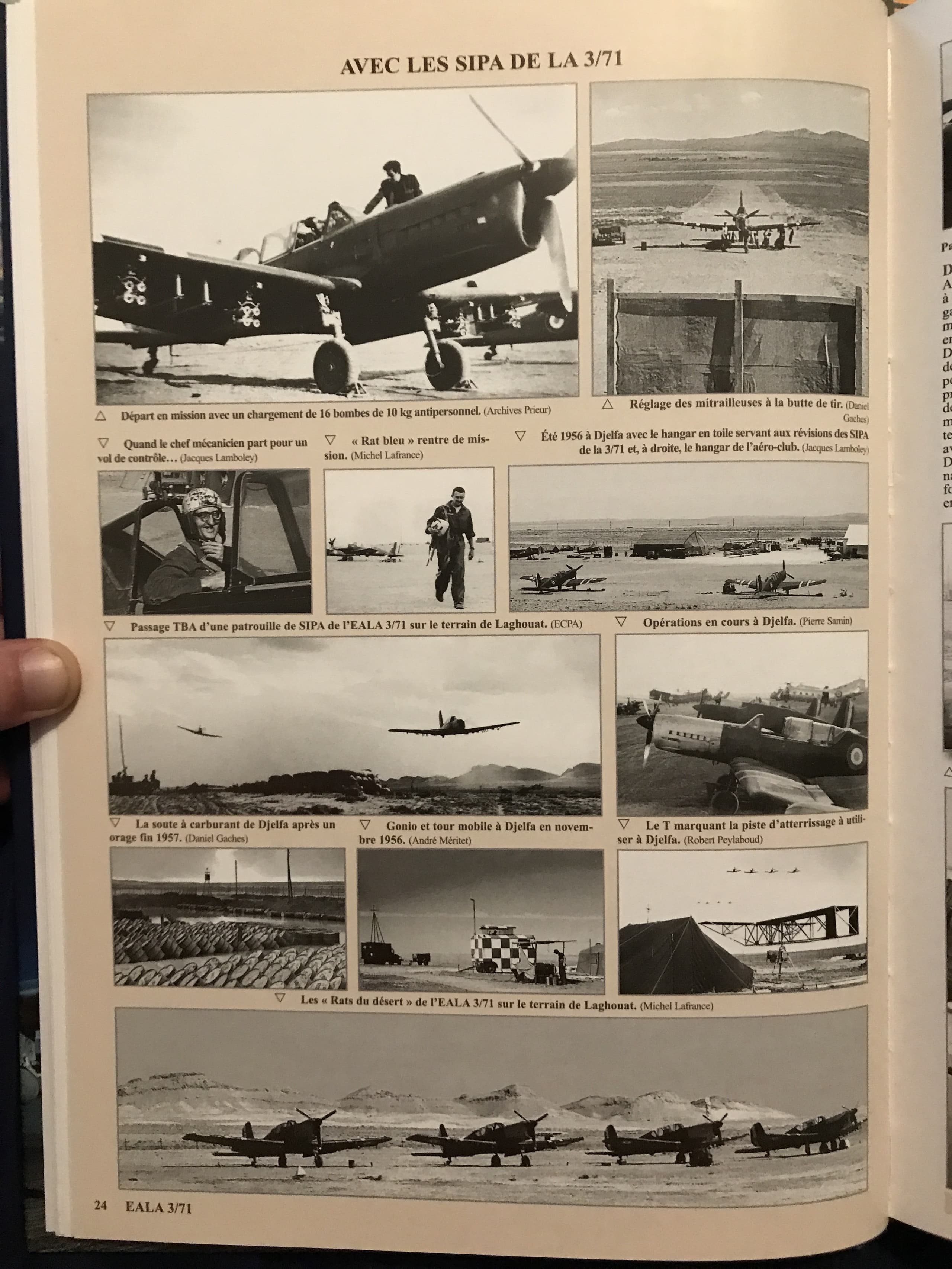
These aircraft carried out various missions during the war, including reconnaissance missions from French bases in Tunisia and support operations for ground forces. The Sipa aircraft were gradually withdrawn from service due to their limited payload capacity and age, and replaced by more modern aircraft.
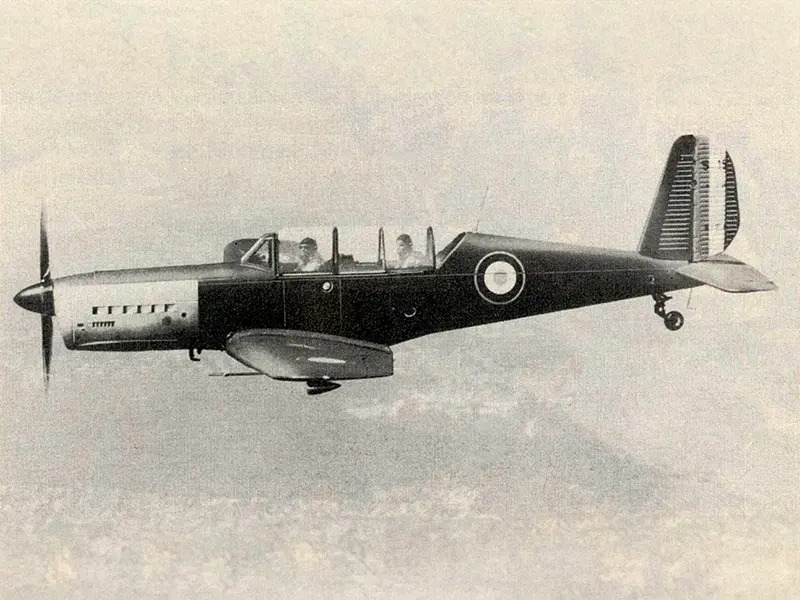
Characteristics
Length : 11.00m
Width : 9.32m
Heignt : 2.45m
Mass :
* Empty : 1910.00kg
* Max : 2335.km
The aircraft is powered by a 600 hp SNECMA 12.S.02 engine, allowing it to reach a top speed of 360 km/h and an altitude of 8,000 m. Its estimated range is 1000 km.
The crew consists of two people: a pilot and a navigator/radio operator in the rear seat.
Weapons
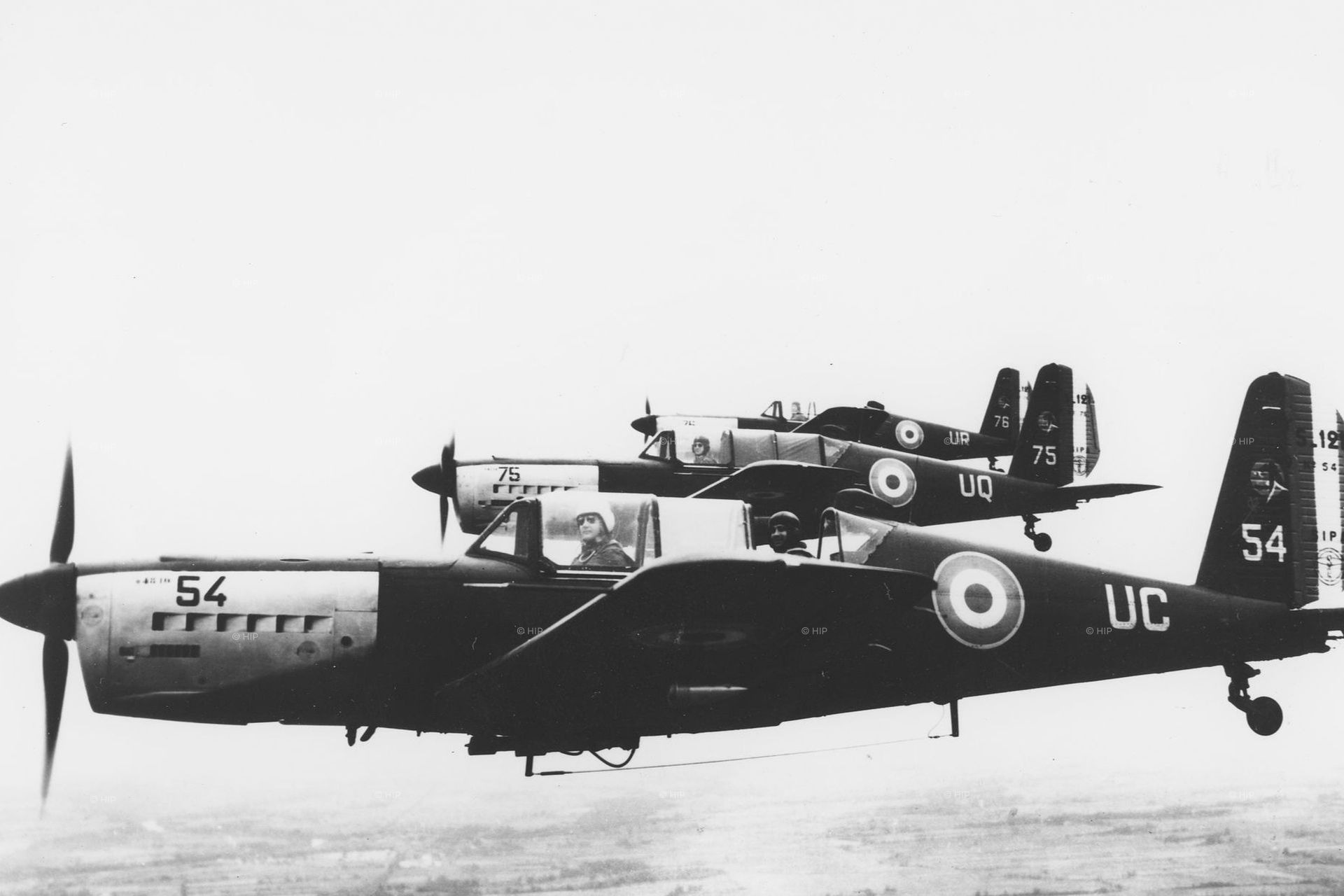
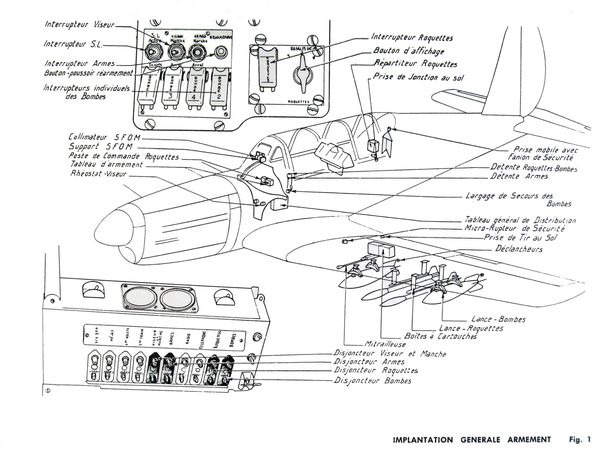
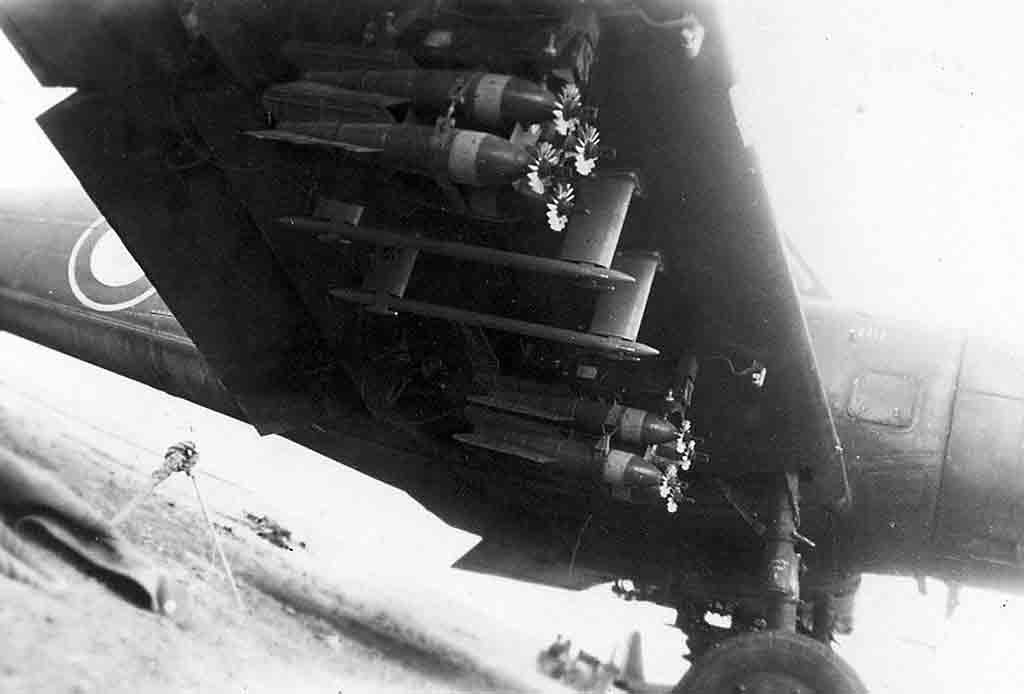
The Sipa S.12A has four hardpoints and a machine gun under each wing.
The machine guns used are 7.5mm MAC 34/39s, each with 600 rounds of ammunition.
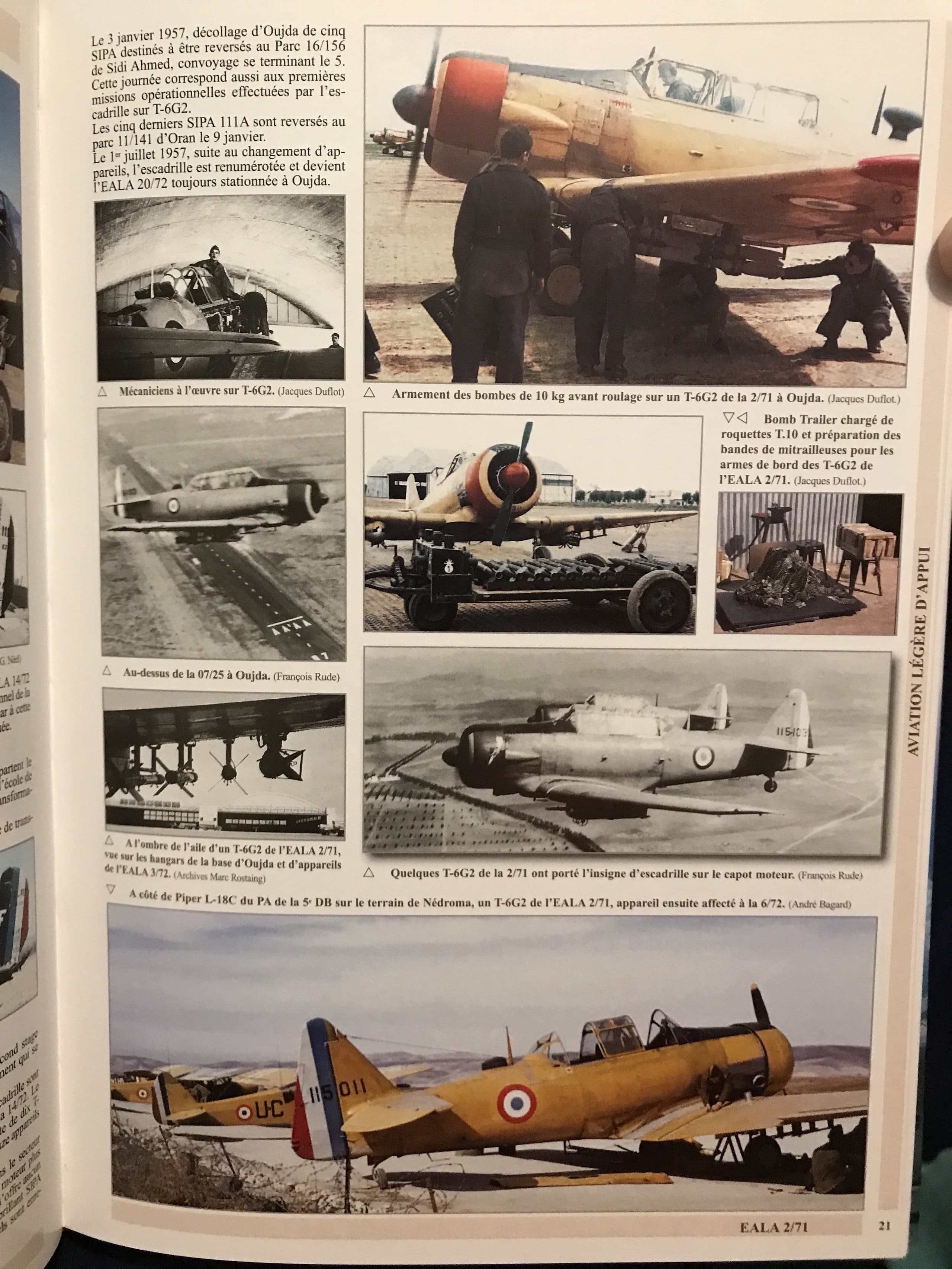
The hardpoints allow for the carriage of various types of armament (all armaments are available on all hardpoints), including:
- Matra T-10 rocket
- Matra T-14 rocket
- 50kg Alkan bomb
- 10kg Alkan anti-personnel bomb
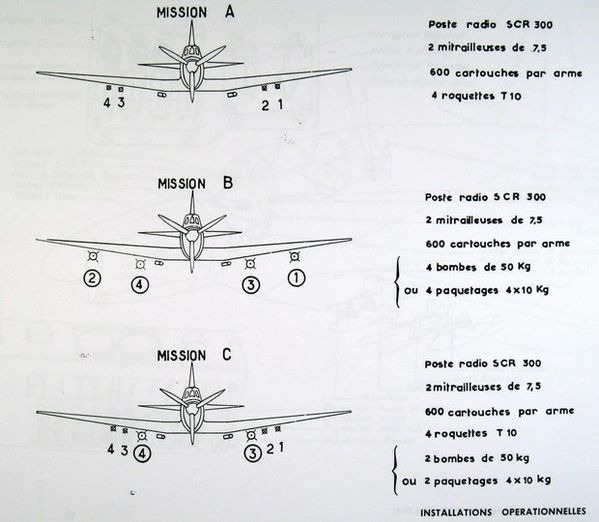
In the game, this aircraft would be an interesting addition, providing a second version of the plane that differs significantly due to its much more robust structure and more powerful engine, thus greatly improving its flight performance. This would complement the French tech tree in a very interesting way.
Sources

- SIPA S.10 / S.11 / S.12 — avionslegendaires.net
- SIPA S-10
- SIPA S-12
- https://www.servicehistorique.sga.defense.gouv.fr/ark/933196
- 09 - Les SIPA S.10 - S.11 - S.12 en Algérie - Le blog de Avions de la Guerre d’Algérie
- En vol avec Roland… - Pilote de chasse: un métier, une passion
- S.I.P.A. S-10 - Entrainement - Un siècle d’aviation française
- SIPA - Escadrilles