- Yes
- No
Hello everyone, and welcome to this new suggestion.
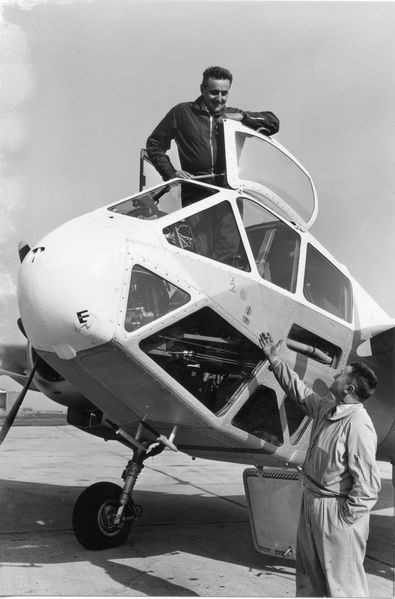
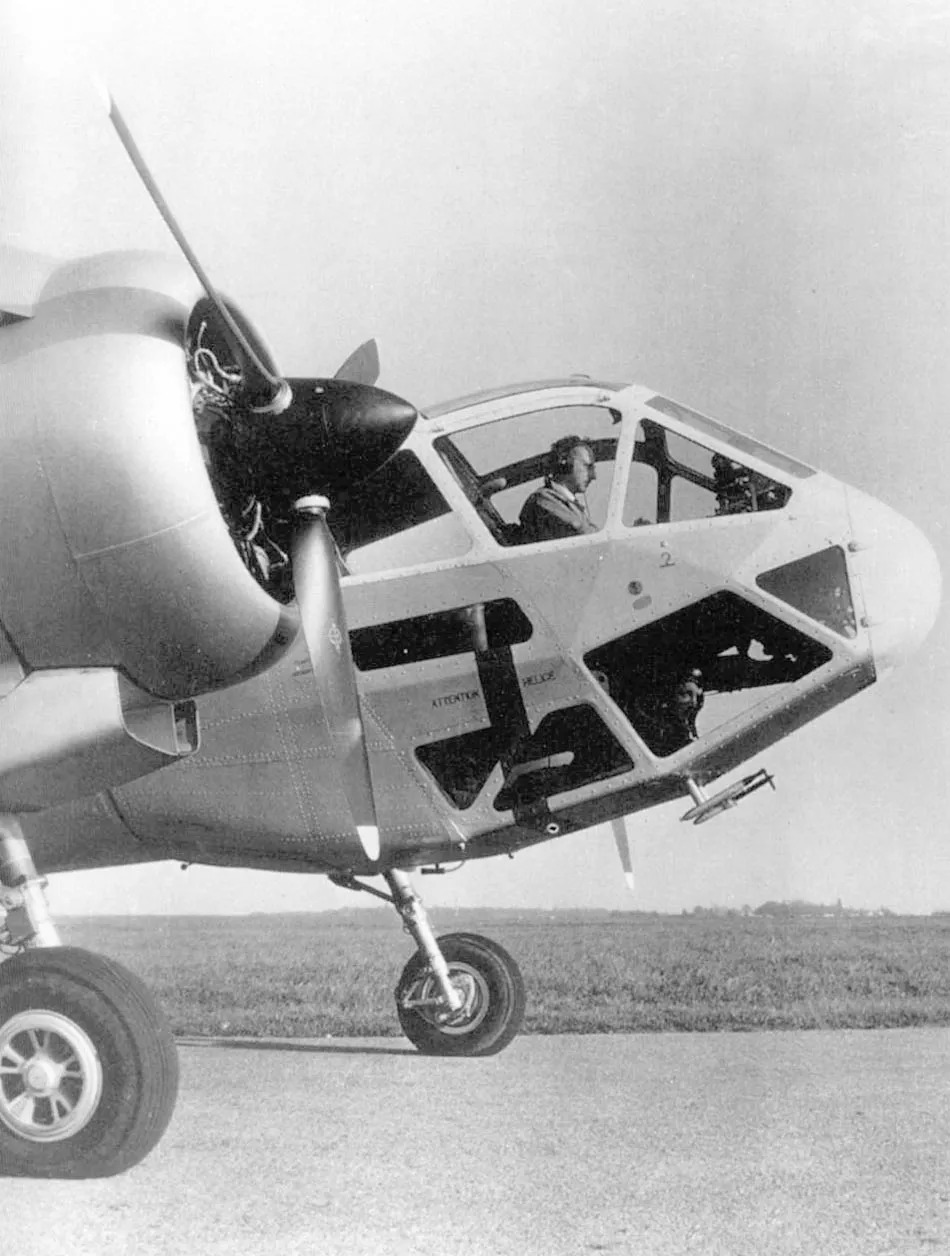
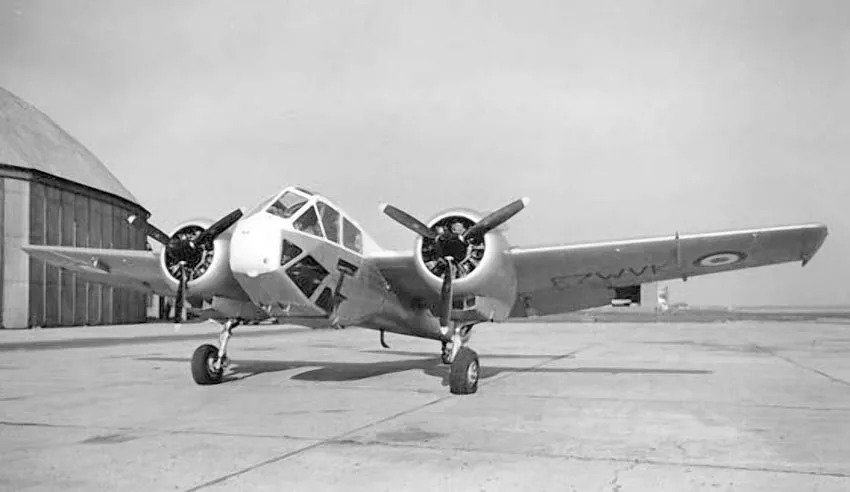
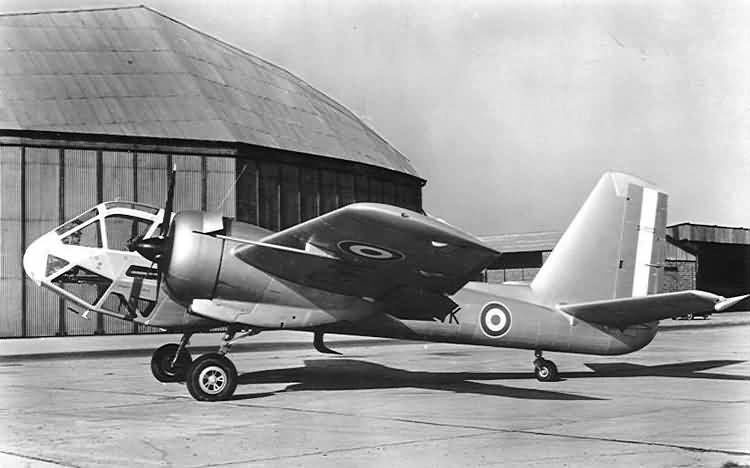
Today, I am presenting a new French counter-insurgency aircraft prototype: the SIPA S.1100.
During the early 1950s, France became involved in several colonial conflicts, most notably the First Indochina War and later the Algerian War. These campaigns highlighted the need for a dedicated close air support aircraft capable of operating from rough airstrips, remaining over the battlefield for extended periods, and providing accurate fire support to ground troops. In response, the French government encouraged several manufacturers to develop specialized counter-insurgency aircraft, giving rise to projects such as the Dassault MD 410 Spirale, the Potez 75, and the SIPA S.1100.
Although SIPA was primarily known for producing light civilian aircraft and military trainers, the company saw an opportunity to enter the military attack aircraft market. The project was led by chief engineer Yves Gardan, who designed a compact aircraft specifically intended for battlefield support.
By the time the prototype neared completion in the late 1950s, however, the operational situation had changed considerably. Rather than waiting for new indigenous designs to mature, the French military had already adopted surplus North American T-6 Texans, which had proven effective as improvised counter-insurgency aircraft in Algeria. With this immediate requirement already fulfilled, official interest in the SIPA project diminished significantly before the aircraft had even begun its flight-test program. Consequently, only a single prototype was completed.
The aircraft carried out its first test flights in early 1958. Unfortunately, evaluations quickly revealed that the S.1100 suffered from inadequate engine power, resulting in disappointing overall performance that fell well below military expectations. While the aircraft’s handling characteristics were considered acceptable, its limited speed and climb performance prevented it from fulfilling the demanding operational role for which it had been designed.
The project came to a tragic end later that same year. During a demonstration flight intended to showcase the aircraft before French military officials, the prototype attempted an aerobatic maneuver before losing control and crashing in front of the assembled spectators. The pilot was killed in the accident, and with military interest already fading, the loss of the only prototype effectively ended the program. Plans for a second aircraft were immediately abandoned, and the SIPA S.1100 disappeared before it had any chance of entering production.
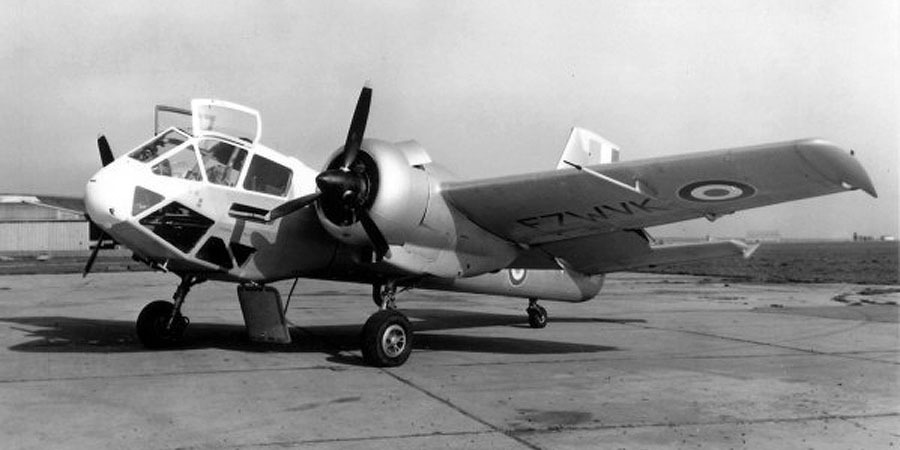
Characteristics
Length : 11.30 m
Width : 14.70 m
Height : 3.75 m
Mass :
- Empty : 4 000 kg
- Max : 6 200 kg
The aircraft is powered by two Pratt & Whitney R-1340 engines, each producing 610 hp, enabling it to reach a top speed of 380 km/h (which is particularly slow for an aircraft of that era) and a service ceiling of 6,800 m, as well as a maximum range of 2,000 km.
The crew consists of three people.
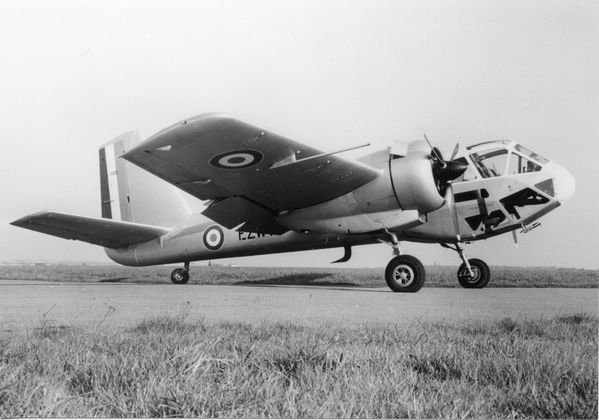
Weapons
While the aircraft’s performance leaves something to be desired, its armament is quite impressive; it boasts a solid offensive setup featuring cannons and a capable secondary payload capacity.
Primary armament:
- 2 or 4 x 20mm cannons
- 2 x 30mm cannons
Secondary armament:
- 900 kg of ordnance distributed across 3 hardpoints