I think this isn’t a problem for middle/long range missiles.
As for PL-12/15, they are capable for both type.
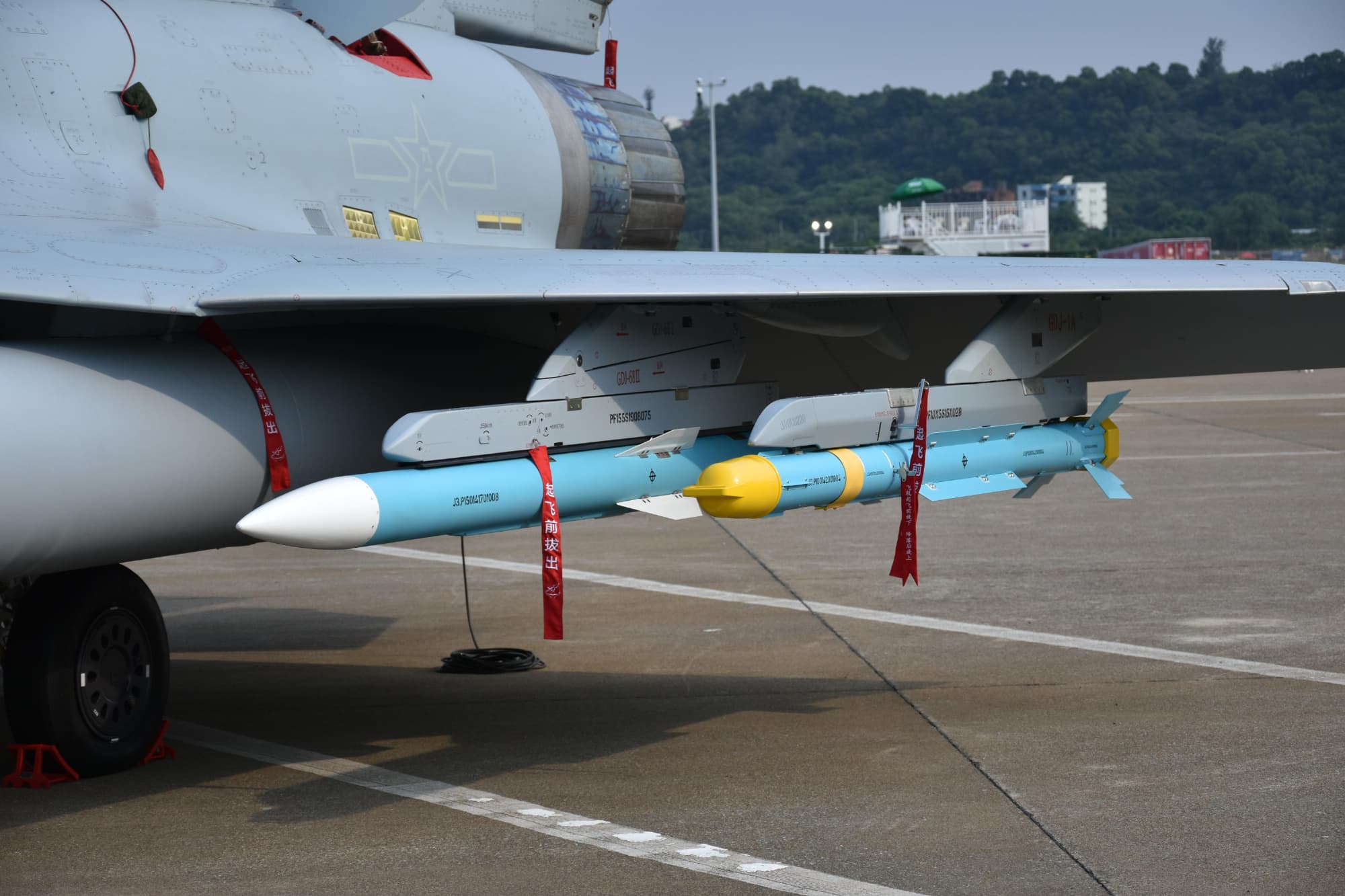
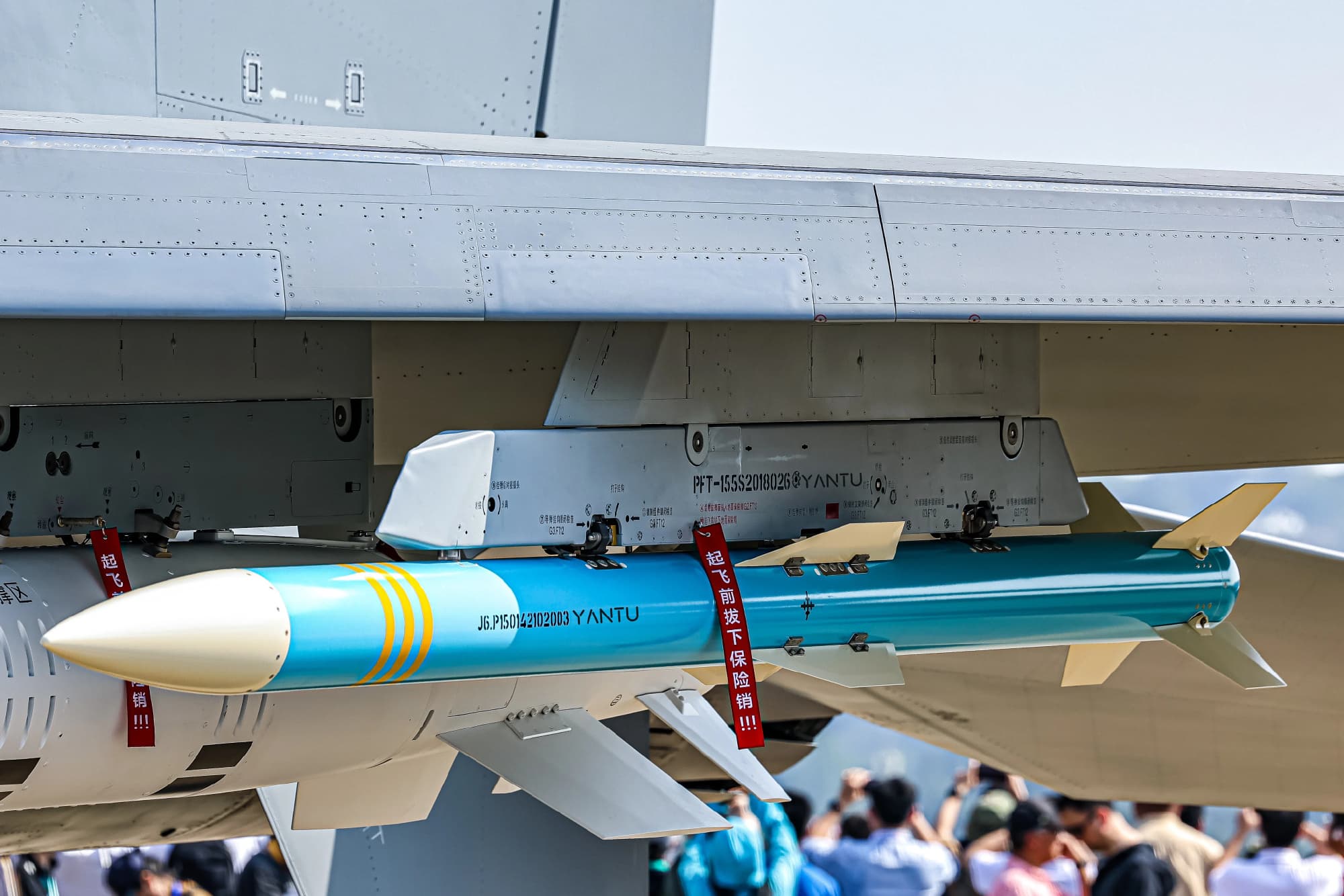
PF10 pylon which is universal for PL-10/12/15
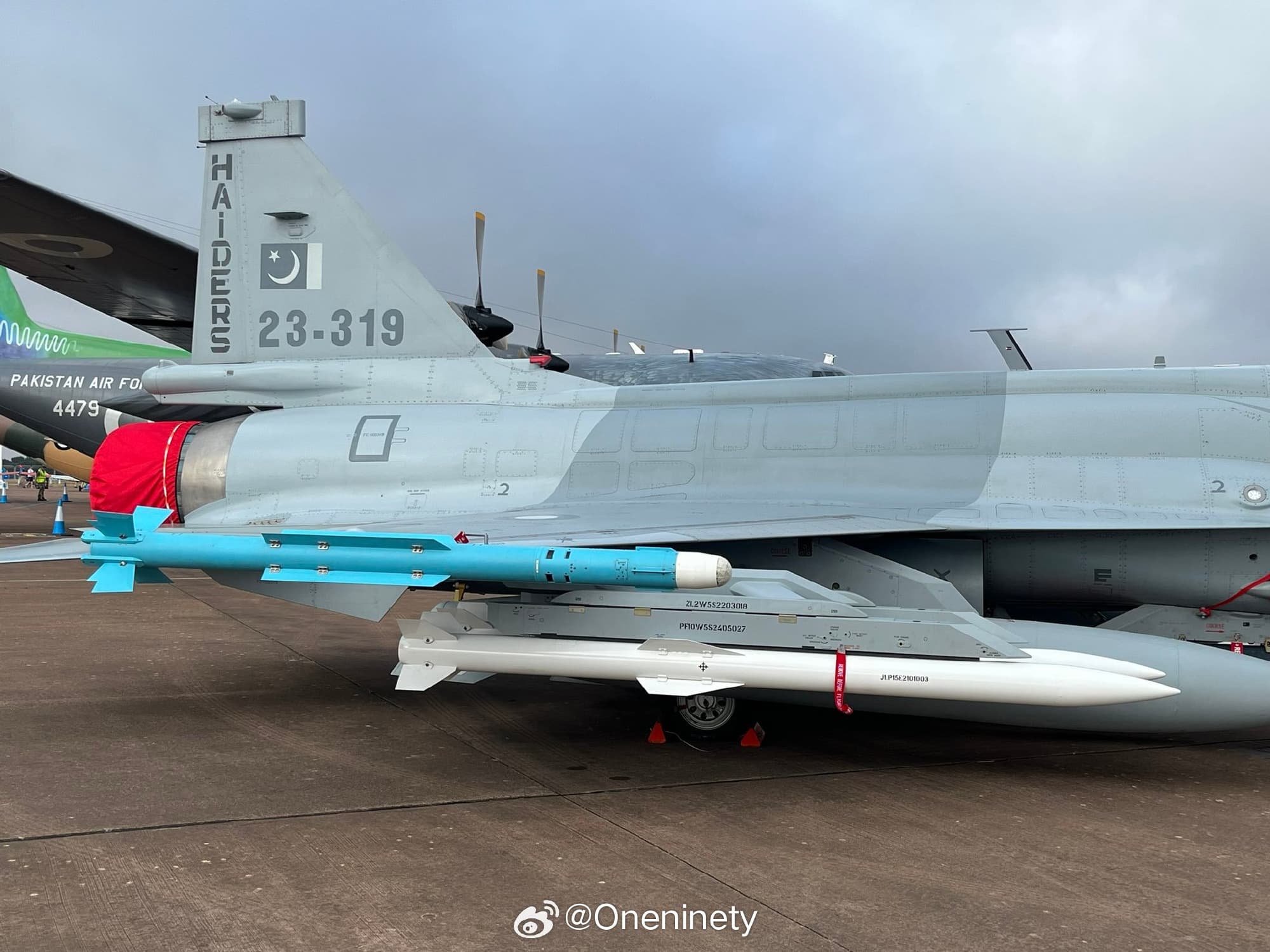
PF12 changed to PFT12
I think this isn’t a problem for middle/long range missiles.
As for PL-12/15, they are capable for both type.
PF10 pylon which is universal for PL-10/12/15
PF12 changed to PFT12
Super interesting, didn’t know that.
Would impact their close in performance but yes mostly meaningless in the medium/long range profiles. I suppose its eases maintenance and mounting procedures which is good for logistics reasons.
I think this won’t influence the seeker, but just the engine delay for very short time, so just tiny influence.
and I remember seeing a paper about a special control method of missiles, related to very complex aerodynamic computation and control, so very hard to achieve in old time but available with modern missile-borne computer.
it’s can make the missile turn up to 180° with start speed before fire the engine, work like the adjust TVC engine in 9M331, make BVR missiles perform better in close range, this could also be related.
but this memory is very blurry so better don’t take its details seriously
Typically and using AIM-120C-5 from an ejector as an example, you get the delay of firing the booster as the missile falls, then another delay from boost to maneuver as the missile clears the airframe. Modern missiles/systems could have improved the later delay with maneuver limitations (example being it cant pull straight up into the airframe but lateral or downward maneuver would be unlimited). But that fall from the ejector is always going to be there. But as covered for medium/long range shots its meaningless.
though this recalls me the SARH delay in game, it’s the delay both for seeker and engine, causing most of the complaining about random flying AIM-7Fs
Yeah the seeker delay is to prevent the angle gating setting too early and cause the missile to track nothing.
I discussed this with a developer some time ago. Angle gating was introduced before update 2.35, and the limits were tightened in 2.35+. Then was updated to only applied after the missile has found a target, as the gate could sometimes misalign on a maneuvering target during pre-launch, causing the missile to track nothing.
Here you can see the gate set incorrectly and the missile guides to nothing.
I think the delay in engine ignition and maneuvering is quite clear in this clip of a J-20 firing a supposed PL-15
Roughly 2 seconds from boost to maneuver assuming this video isn’t sped up or slowed down. And about 0.2 seconds for ejector to booster.
Hard to say from the angles but looks like the drop distance is higher than on AIM-120A as seen here;
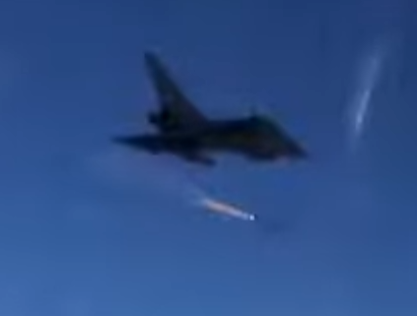

though it’s more like programmed loft, almost same in most missile launch videos.
I never seen videos about how ARH missiles moving when launched to close targets.
If you’ve got videos of that I’d be interested to see, but a pre-programmed loft would also be impacted by a maneuver delay.
I mean, for long range launch, it could be maneuvering gently to avoid energy loose, so this kind of video may tell what really the hard delay for missile is.
and I think the delay is also used to avoid hitting the plane itself? and avoid the rocket gas get into plane engine
Oh yeah absolutely, I’m just enjoying some speculation don’t worry.
Yes as far as I know that’s the whole reason for the delay.
Rails help with this as the missile is always on a predicted direct path off the aircraft so you can have a much lower delay. But when ejecting the missile you introduce variance (turbulent air etc), so to protect the aircraft they introduce a maneuver delay to ensure the missile is clear of the launching aircraft.
Another example, returning to bombs. Ejector racks allow bombs to be released during supersonic flight. At those speeds, the airflow can force a released bomb back up toward the aircraft. By using an ejector that forcefully pushes the bomb downward and away, this problem is prevented.
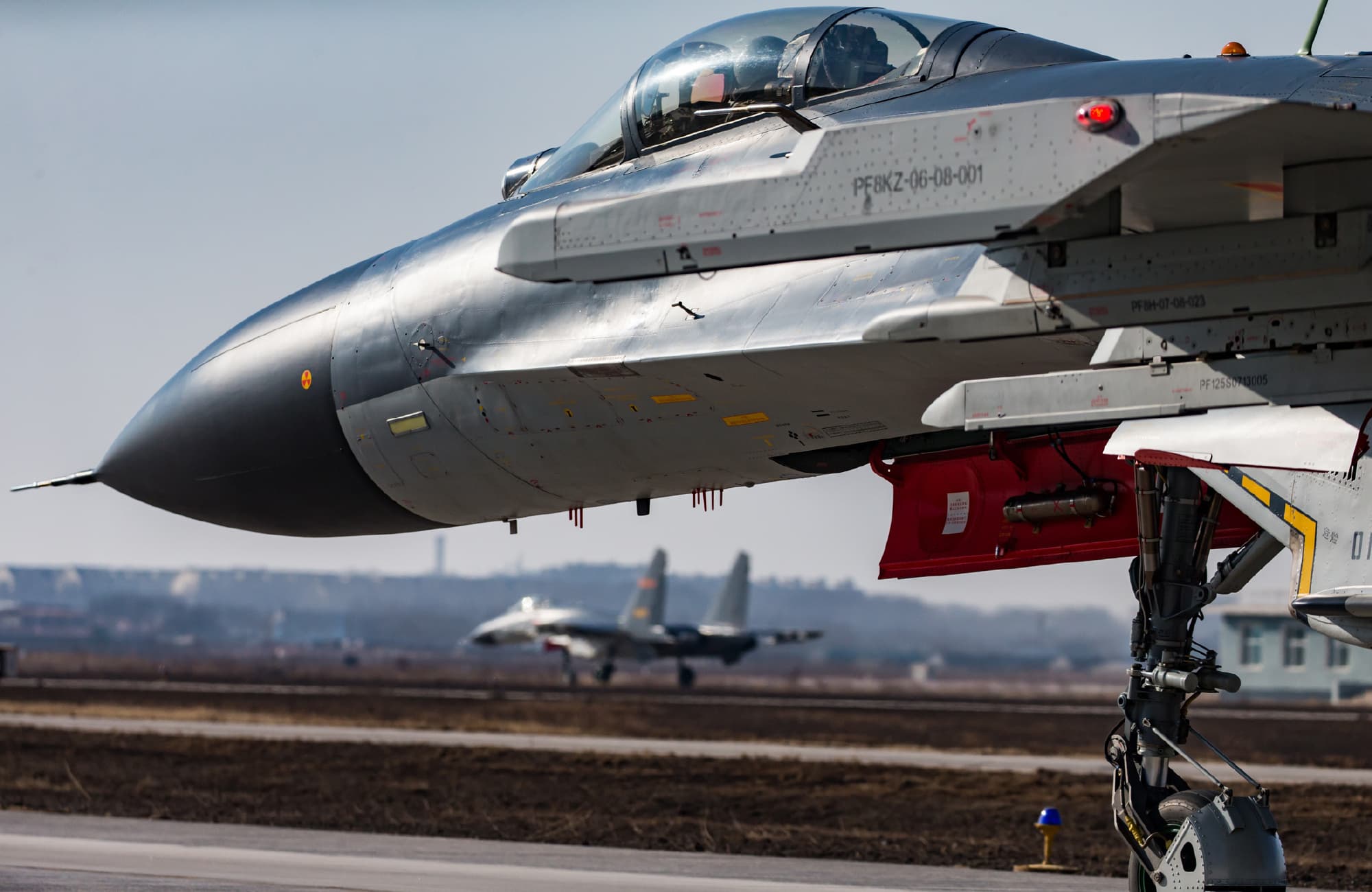
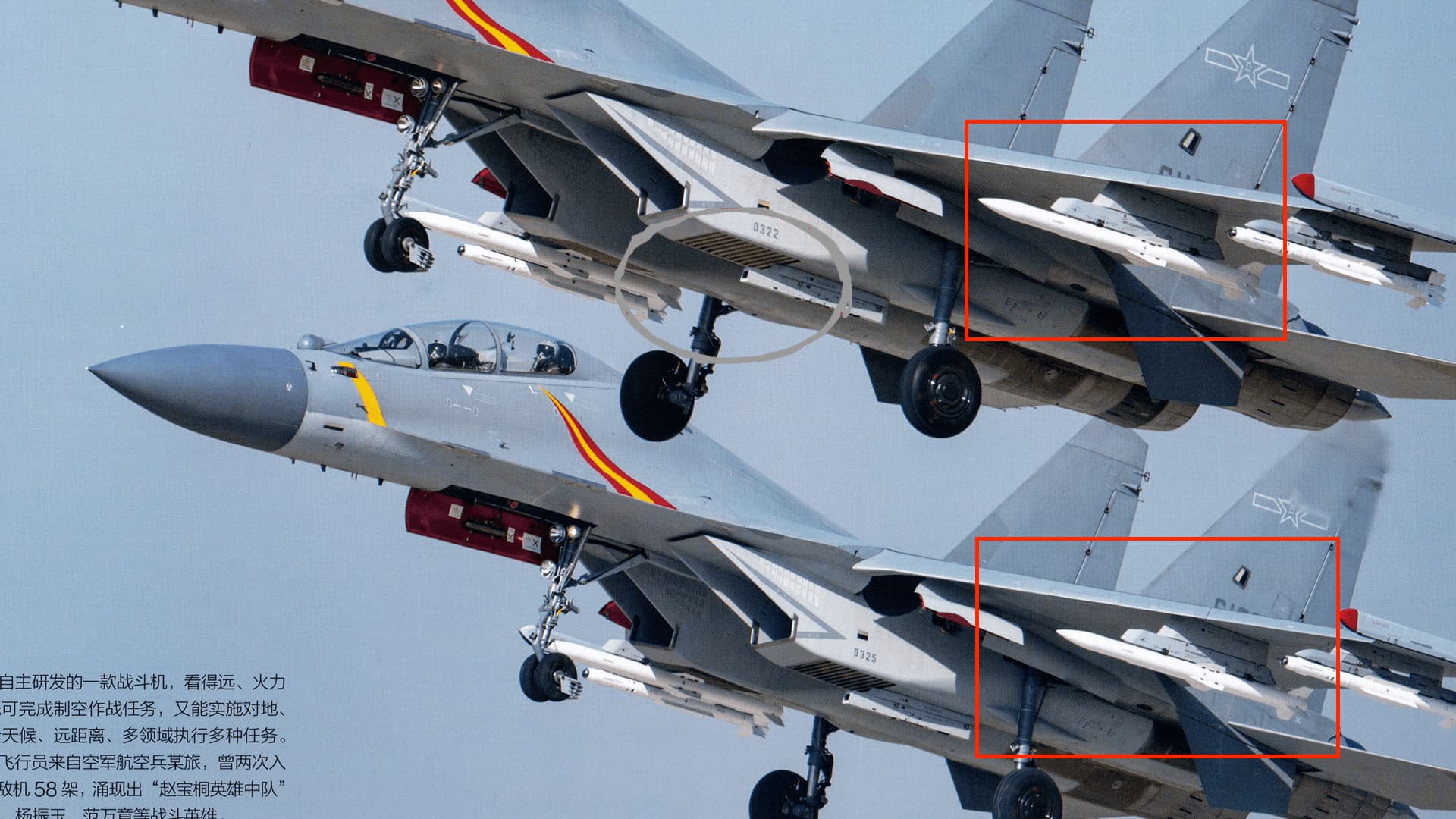
From PLAAF promotional photos, it seems that unless missiles are the main focus of the presentation, aircraft are typically not displayed carrying a full or varied missile load, which appears to be an unwritten practice. I have only found photos showing missiles carried on the external hardpoint adjacent to the pylon I marked on the J-16, and I believe this alone is already sufficient proof.
Therefore, if the J-16 is introduced into the game in the future, it should be able to receive a 10+2 loadout, right?
Not something I could ever confirm mate haha sorry.
this is the 3rd hard point, 1st is wing tip, 2nd with PL-10
Yes, what I mean is that the missile launchers on the hardpoints carrying missiles in this set appear to be the same type as the empty launcher I showed earlier.
a quick check of pylons.
PF8 wing tip and PF8 under wing for PL-8/10, PF12 for PL-12
Just saying we are not guaranteed that these are PL12/15.
shi has a higher guidance delay than the damn r-37m🥀