Do u have a link or some more of this research article. Cause I fear this is the same thing as the Pl8b thing that never saw light.
Unfortunately not, ive looked for it but haven’t had any luck. Seen the folks over in sinodefenceforum talk about it and these pictures I got from @Yamahagi
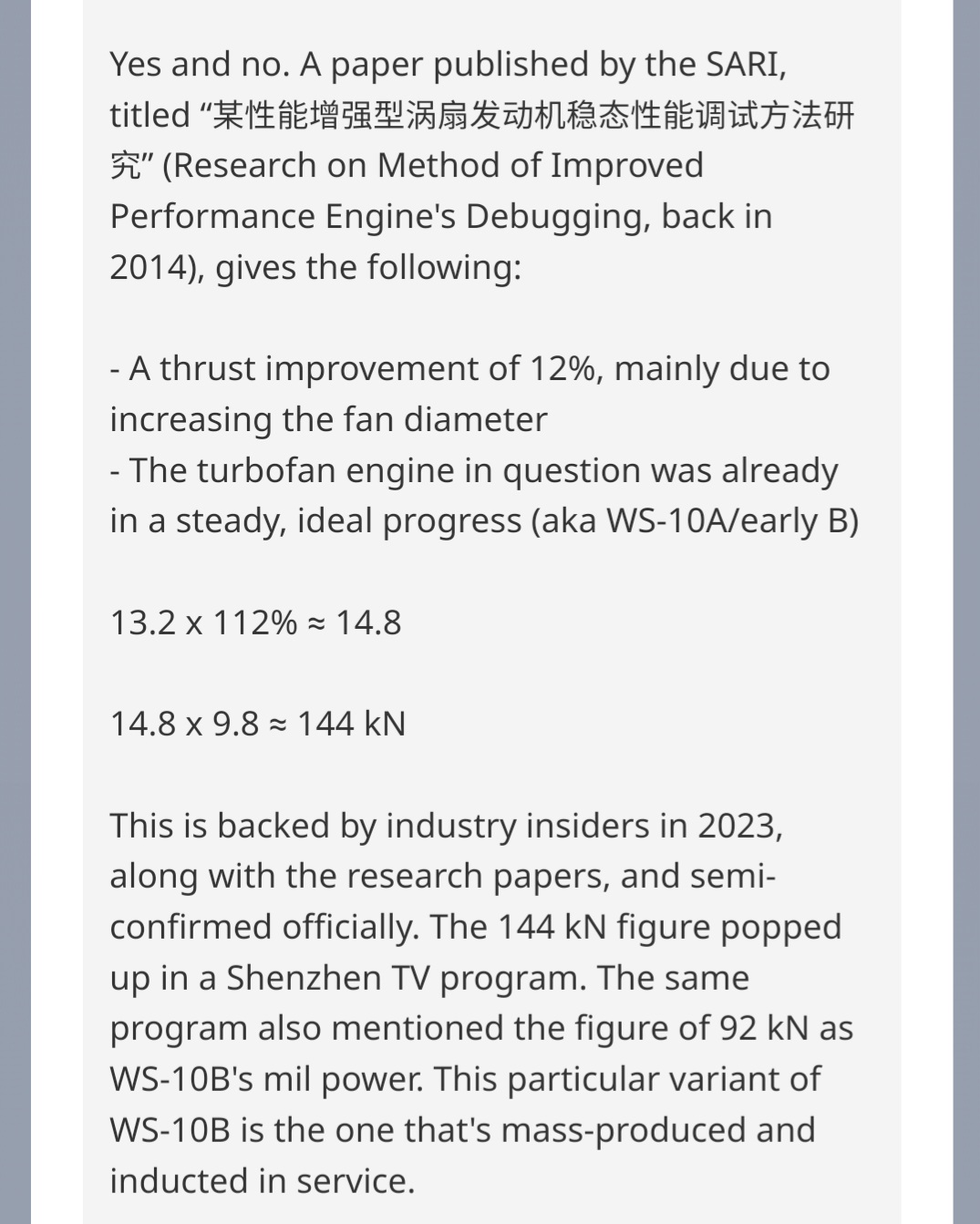
The document is from 2014 apparently

Then 144kN it is, the J10C and J16 are gonna have comical amounts of thrust
1 Like
For the j-10c its comical levels of thrust, not really for the flankers
Matching the AL-41FS while being 1.3 ton lighter is gonna be plenty good enough
2 Likes
Thankyou.
Why is 405 back?
A few things I am going to note after reading this:
- We do not have specific figures for the thrust, so it is impossible to suggest to gaijin, that this refers to 144kN, since what is 12% based off is very much debatable. It will be quite weak evidence to me even, nvm Gaijin especially for these quite ambiguous sources.
- Nothing suggested this must be WS-10, nvm which variant, as far as this goes nothing proves that this mentioned engine is actually WS-10, or which variant of WS-10 this is.
Just saying it is possible as well this is WS-20, since in 2014 WS-20 has done a dozen tests on IL-76 already.
Yeah i had a look through it myself and didn’t find anything concrete as to what its referring too,
Only thing I can say is it would fit quite well tho as we know the max thrust of the WS-10A is 132kn and an increase of 12% would be roughly similar to publicly available thrust figures of the WS-10B
I mean it did say on bench, so for (assuming everything stays the same) aircrafts carrying it, it’s gonna be 12t *1.12 so 13.4 t roughly, which will be great, considering J-10C will likely come in as a slightly heavier vehicle than J-10A, and this will be even better for J-11.
1 Like
Just finished this week’s WT, so I’m back lol.
The article mentions several key points: derived from the same core engine, and the base model engine was already certified. The only engine that met these criteria before 2014 was the WS-10A.
The WS-20 isn’t a derivative of the same core engine, and the WS-18 wasn’t certified by 2014 either.
For specific thrust details, refer to this section.
It never mentioned the ‘same core engine’ because it is itself an improvement on an engine, so the core engine itself could refer to an early version of WS20 anyway.
But did not mention entered service, which base WS-10A has, which is why I remain sceptical about it.
WS-20 was however a derivative of WS-10. IDK about WS-18 being certified in 2014 and WS20 already completed comprehensive tests on Il-76 since late 2013.
I do hope this is WS-10 but, well IDK about Gaijin’s standards.

The WS-20 is based on the core of the WS-10, but it is a high-bypass turbofan developed for the Y-20, belonging to a completely different application category than the WS-10 and not representing the performance and reliability improvements described in the article. The WS-20 is intended to replace the WS-18, but there is no developmental lineage between the two.

The term “finalized” here indicates that the engine had completed its development cycle, and the WS-10A only achieved final certification after resolving reliability issues encountered with the J-11B Block 02.
The WS-18 conducted its first test flight in December 2014, not its final certification. Additionally, you’ve overlooked a simple fact: neither the WS-18 nor the WS-20 are products of AVIC Shenyang Engine Group. The WS-18’s flight tests were conducted by Chengdu, while the WS-20 was developed by AVIC ACAE (AECC now).
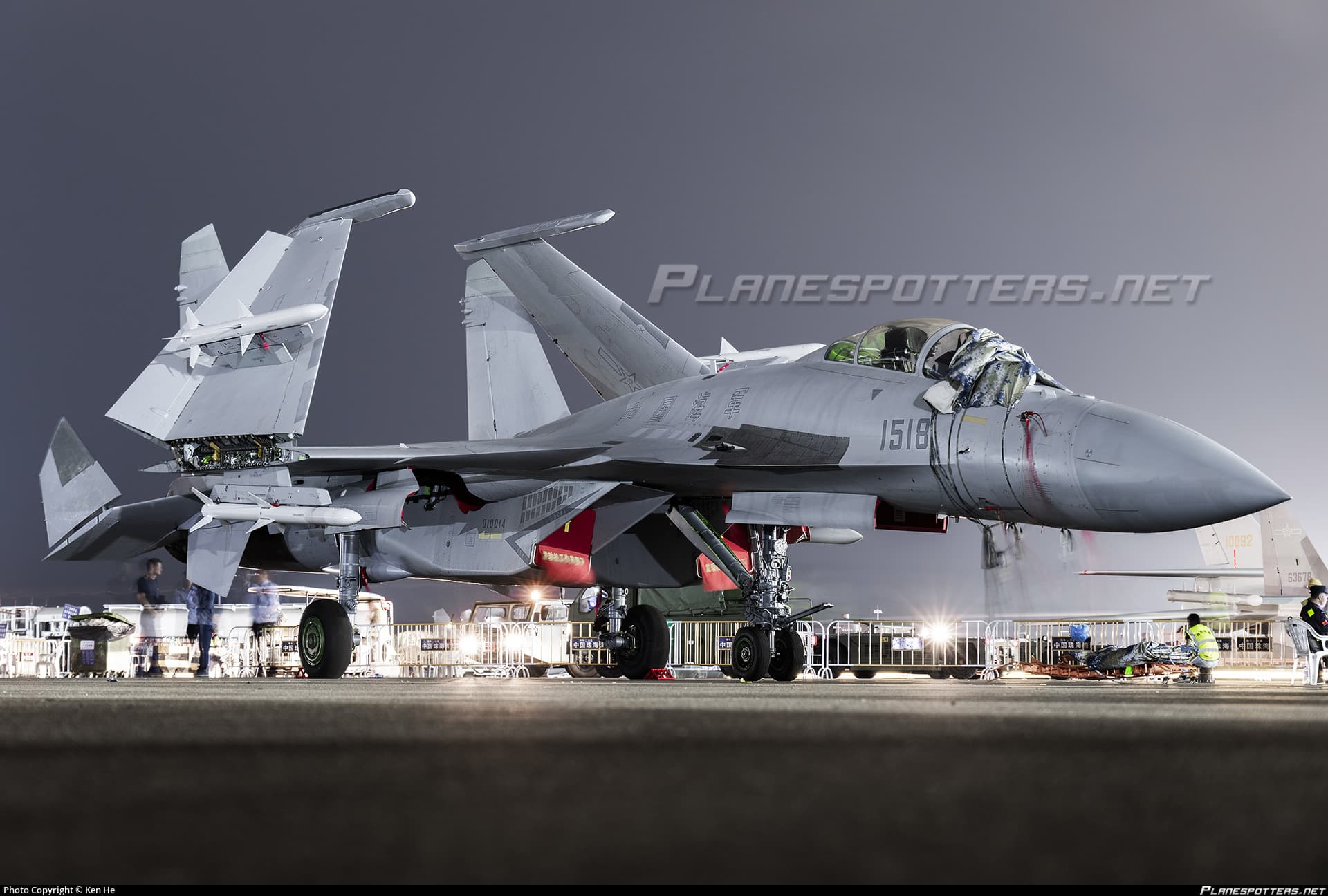
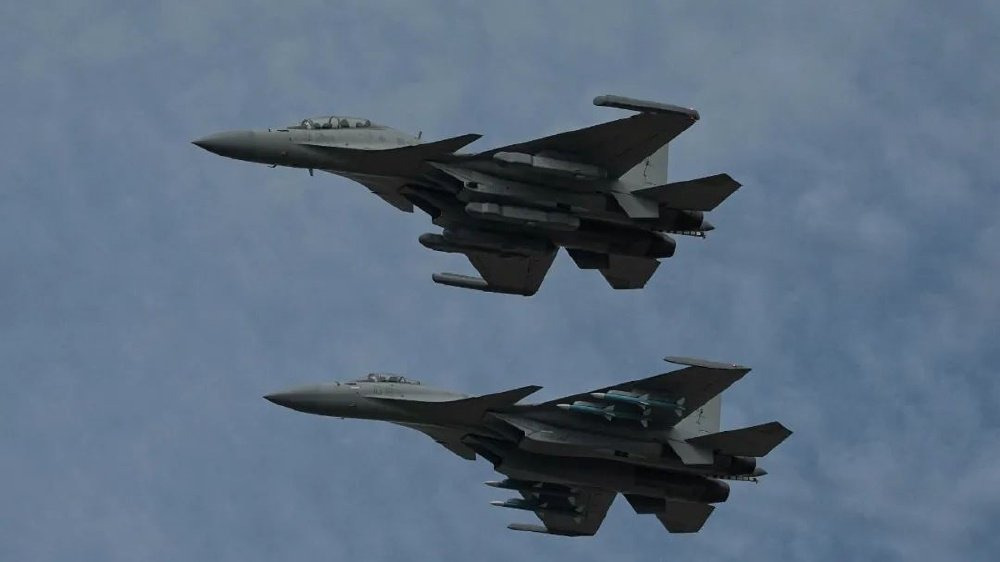
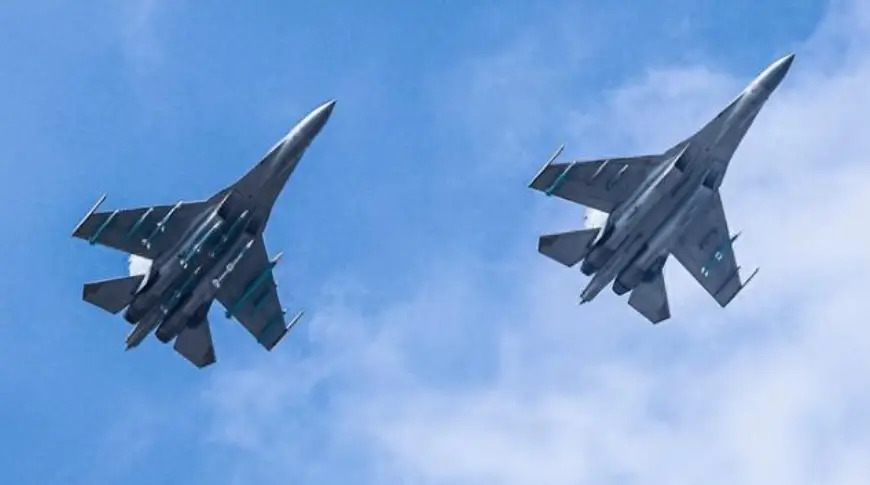
Have you guys managed to find any photos of the J-16 carrying a PL-15 on the outermost underwing pylon? I’ve largely given up on seeing it happen for the J-11B but I really hope the J-16 would at least have some evidence of being able to carry 10 PL-15s
there is an image of it, but it’s likely photoshopped. I don’t think there’s any unphoshopped images of pl-15 on outer wing pylons.
aforementioned image

there are no photos because its not possible.
2 Likes
That does suck, unless they give the J16 the dual racks from the J10C it will just forever be stuck with 8 BVRAAMs, that’s a pretty huge disadvantage.
The PL-15 and PL-10 are compatible with a universal launcher rail, and weight is not a constraint. The primary concern is the PL-15’s length, which may affect wingtip aerodynamic torque and interfere with aileron movement.
However, the J-15T features extended wingtip pylons, so you can expect improved BVRAAM payload capability. There are also rumors that the outer underwing stations of the J-15 series can carry the PL-12/PL-15.
1 Like
From the images I’ve found on the internet. I don’t even think the J-11BG can carry Fox3s on the outer wing pylon. I’ve noticed it’s a different missile pylon on the outer pylon carrying Fox2s than the ones carrying Fox3s.
I’ve also yet to see a photo of it with the inner wing pylon that the J15s and J16s get.
The launcher and pylon must be considered separately. The outer underwing pylons are extended forward to avoid interference with the ailerons. The primary launcher include the PF-8, PF-10, PF-15, and PFT-15, among which the PF-10 is compatible with both the PL-10, PL-12 and PL-15.


1 Like
Thanks for the explanation.
Though it doesn’t change the fact that I’ve never seen photos of a fox3 being carried on the outer wing pylon on the BG, actually on any J-11, J-15, or J-16. If you have some, I would love to see them. Even the J-11BG models I’ve seen don’t even have outer pylon PL-12. 😭