- Yes
- No
Hello everyone, and welcome to this new suggestion.
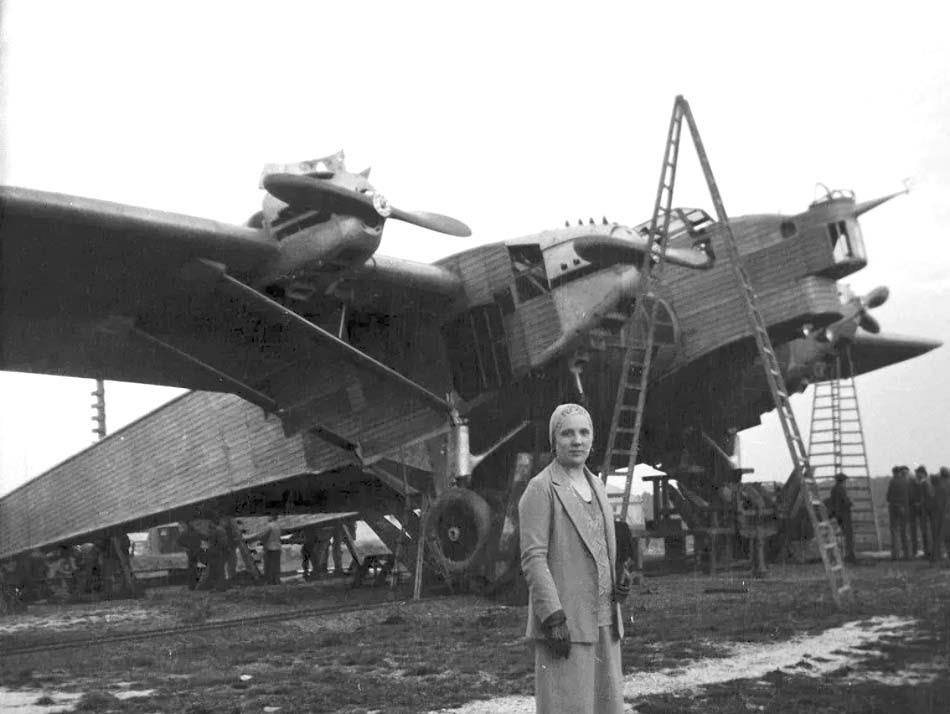
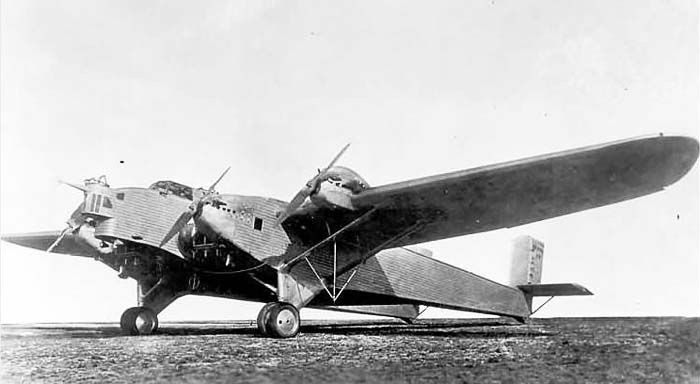
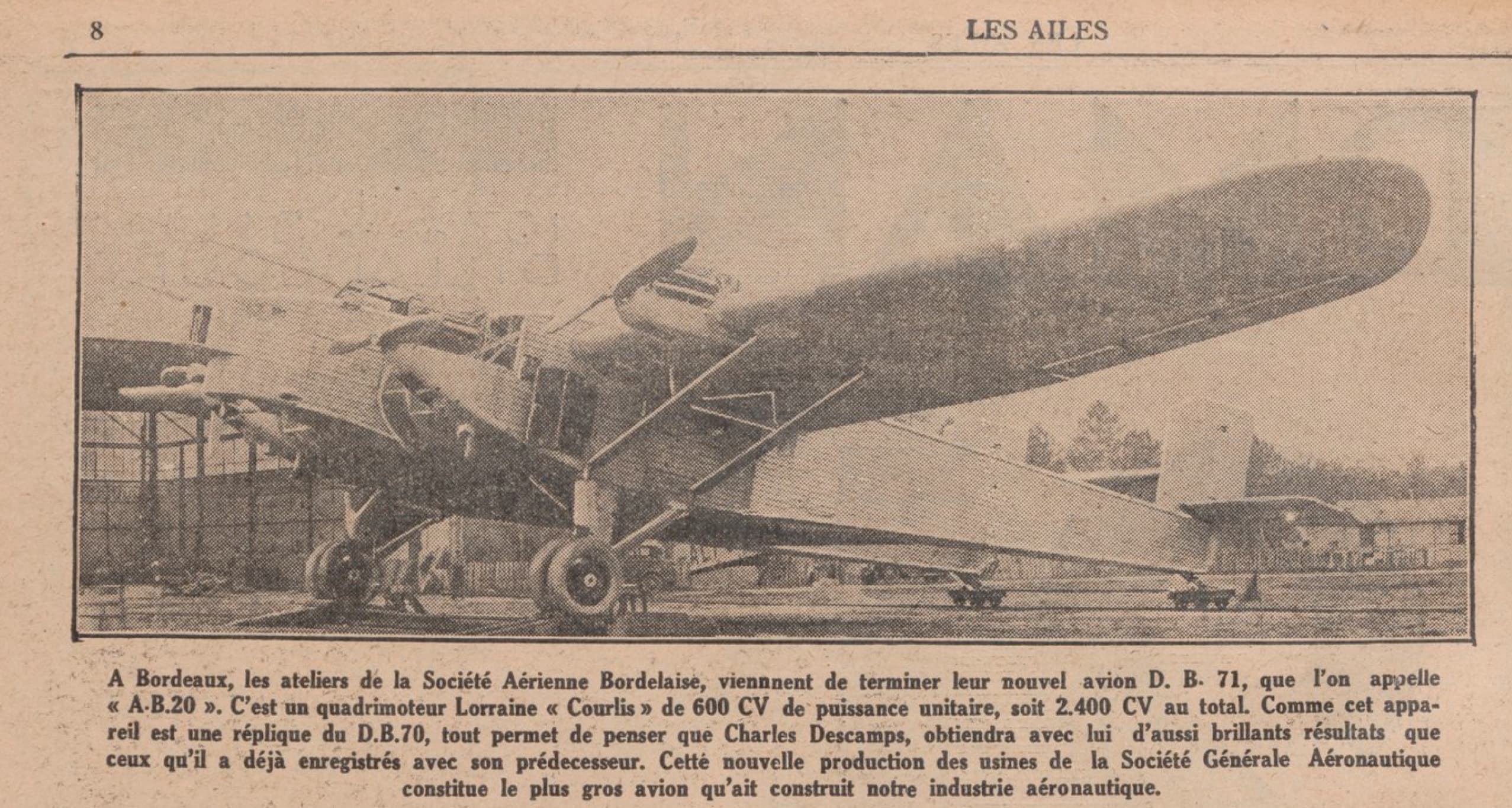
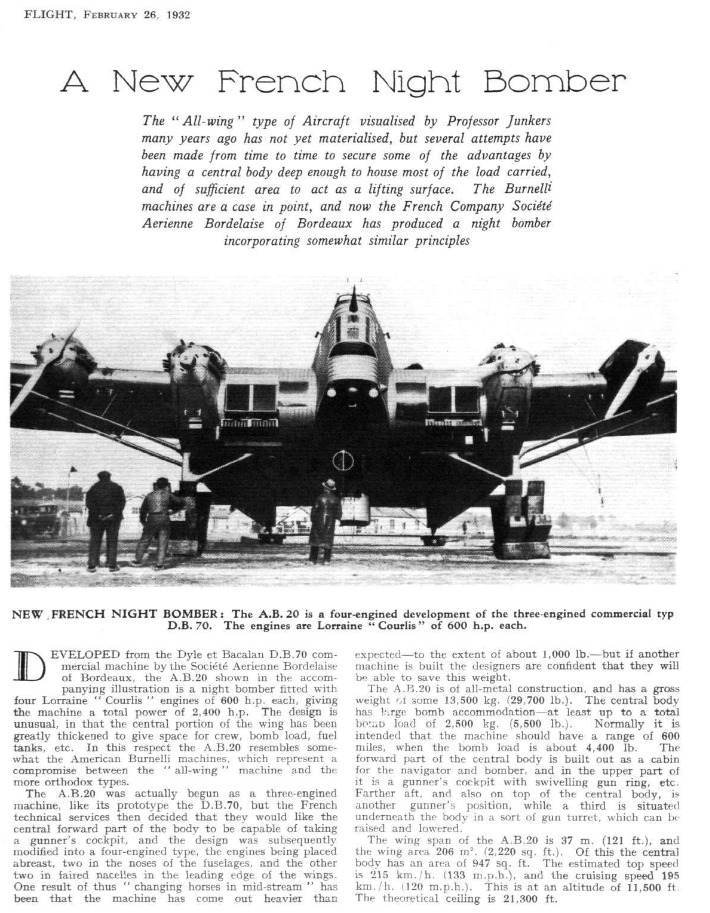
Today, I am presenting a new French aircraft prototype—probably one of the strangest I have suggested so far: the SAB A.B.20.
In the early 1930s, military aviation was undergoing a major transformation. As the concept of strategic bombing gained importance, air forces around the world began looking for aircraft capable of carrying increasingly heavy bomb loads over long distances. France was no exception, and French manufacturers were encouraged to explore new concepts that could potentially provide the Air Force with a capable heavy bomber.
Among the companies taking up the challenge was the Société d’Aviation Bordelaise (SAB), founded on the former facilities and expertise of Dyle et Bacalan. The company decided to build upon one of its earlier experimental concepts, the DB-30, which featured an unusual “lifting-body” configuration intended to generate additional lift from the fuselage itself.
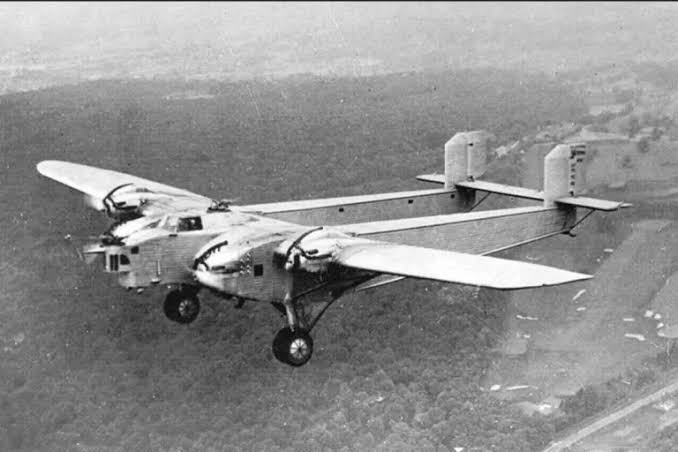
The first aircraft developed from this concept was designated A.B.20. Its appearance was certainly unconventional: the aircraft featured an extremely broad fuselage, a large wing, and a cockpit positioned high above the main body. The unusual proportions gave it an almost cartoon-like appearance compared with the conventional bombers of the period.
The prototype made its maiden flight in 1932 and subsequently underwent a series of tests intended to evaluate both its structural integrity and its flight characteristics. The design was certainly ambitious, but the results quickly revealed its limitations.
Despite its innovative approach, the A.B.20 suffered from extremely poor aerodynamic performance. Its bulky fuselage generated considerable drag, resulting in a very low top speed and a disappointing rate of climb. These characteristics were particularly problematic for a bomber, as an aircraft this slow would have been extremely vulnerable to enemy fighters.
The rapid development of aviation technology during the 1930s only made matters worse. As new fighters became faster and more powerful, the A.B.20’s performance became increasingly inadequate. The concept was therefore abandoned after the testing phase, and the aircraft never progressed beyond the prototype stage.
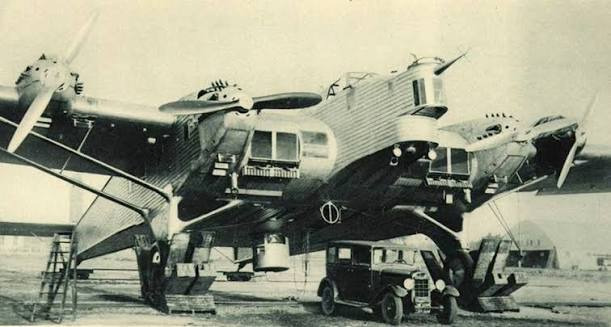
Characteristics
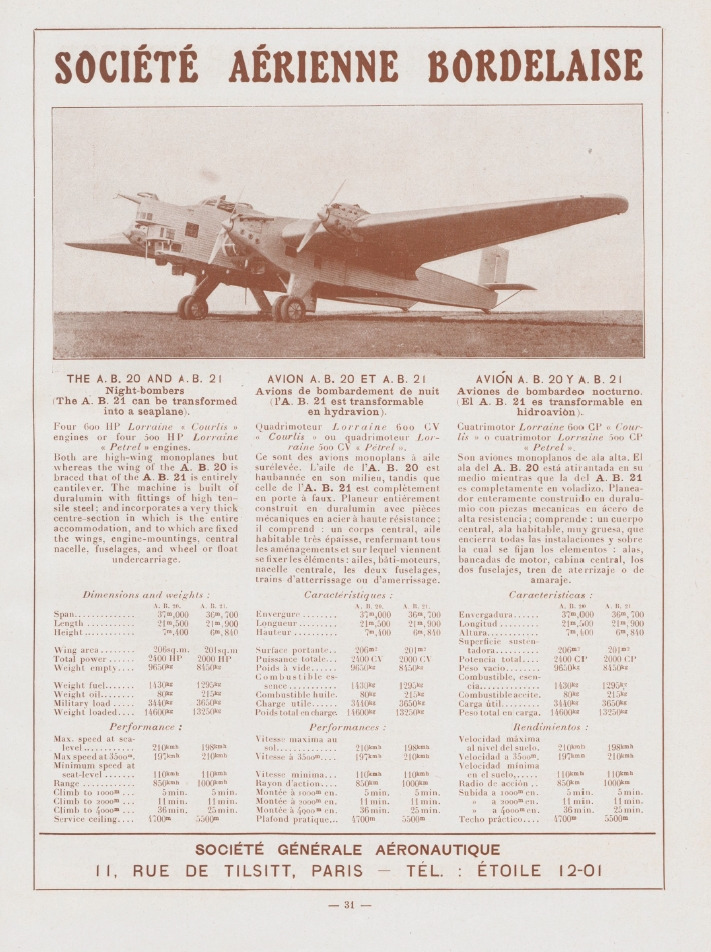
Length : 21.50 m
Width : 37.00 m
Height : 7.40 m
Mass :
- Empty : 9,650 kg
- Full : 14,600 kg
The aircraft is powered by four 600 hp Lorraine engines. This substantial power allows it to take off within 300 meters, though its aerodynamics limit its top speed to 210 km/h and its ceiling to 4,700 meters (an altitude that takes nearly an hour to reach). It has a range of 850 km at a cruising speed of 180 km/h.
Its crew consists of a pilot, a co-pilot, an observer/bombardier, a flight engineer, and three gunners.
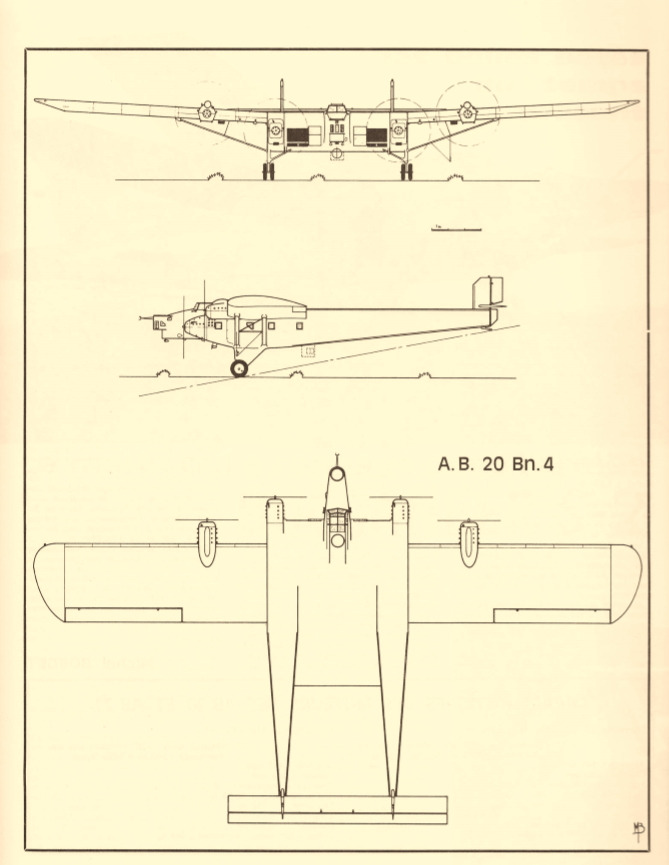
Weapons
The aircraft’s armament is a particularly interesting feature worth highlighting. It boasts solid defensive weaponry paired with an excellent bomb-carrying capacity:
Defensive armament:
- 2 x 7.7mm Vickers machine guns (dorsal T.O.7 turret)
- 2 x 7.7mm Vickers machine guns (nose T.O.7 turret)
- 2 x 7.7mm Vickers machine guns (ventral T.O.7 turret)
Offensive armament:
- 2,500 kg of bombs (using 100 kg, 200 kg, or 500 kg bombs)
In-game, this aircraft would be a fantastic addition for France, providing a heavy bomber capable of carrying a very impressive bomb load, while still being limited by its flight performance.
Pictures