I won’t be counting the Helicopters here since this thread is not about Helis. I will not be considering the Jets here either since they can be very easily be added in the regular TT. The rest will definitely be considered and be slotted in their appropriate tab
Antonov An-72P

Technically it’s a Border Patrol aircraft rather than Maritime Patrol but that’s being picky as its job is surveillance and armed reconnaissance of sea borders.
Not a huge punch but a twin 23mm and a pair of rocket pods or other stores is adequate to annoy any angry fishermen.

Its not easy to squeeze Antonov designs in to WT despite being such a large and well know company. Perhaps a little leeway in capability might be allowed?
4 Likes
Avro Lincoln MR31.
Hardly a looker but as the end of the true Manchester/Lancaster/Lincoln line it’s worth looking at that extra extra long snout added for its crew comfort during long oversea jaunts.

No wonder the Shackleton went with a new roomier fuselage instead, although to be fair that wasn’t exactly a Miss Universe figure either.
1 Like
Time to revive this thread!
There are so much more patrol aircraft that we all have missed goddamn I will just list them here but many more may just be forgotten. I was originally supposed to post this in a different thread but thought, this should be better in here.
Anyways here are some patrol aircraft that I think would be good enough in-game:
Gruman AF Guardian (Killer Variant):
Spoiler
The Grumman AF Guardian is the first purpose-built anti-submarine warfare (ASW) carrier-based aircraftto enter service with the United States Navy. It consisted of two airframe variants, one for detection gear, the other for weapons. The Guardian remained in service until August 1955, when it was replaced by the twin-engined Grumman S-2 Tracker.
Armament:
Rockets: 6× 5 in (127 mm) unguided High Velocity Aircraft Rockets (HVAR)
Bombs: 4,000 lb (1,814 kg) of bombs, torpedoes, and depth charges


Martin P4M Mercator:
Spoiler
The Mercator was an unsuccessful contender for a United States Navy requirement for a long-range maritime patrol bomber, with the Lockheed P2V Neptune chosen instead. It saw a limited life as a long-range electronic reconnaissance aircraft. Its most unusual feature was that it was powered by a combination of piston engines and turbojets, the latter being in the rear of the engine nacelles.
Armament:
4 × 20 mm (0.787 in) cannon in nose and tail turrets
2 × 0.50 in (12.70 mm) machine guns in dorsal turret
Up to 12,000 lb (5,400 kg) of bombs, mines, depth charges, or torpedoes
Avionics:
AN/APS-33 search radar


Martin P6M SeaMaster:
Spoiler
The Martin P6M SeaMaster was an experimental strategic bomber flying boat built by the Glenn L. Martin Company for the United States Navy that almost entered service; production aircraft were built and Navy crews were undergoing operational training, with service entry expected in about six months, when the program was cancelled on 21 August 1959.
Armament
Guns: 2 × 20 mm cannon in rear remote operated turret (1,000 RDS/20mm)
Mines: 28 x MK36 Mod 1 (1,001 lb/ea, 454 kg/ea) - 28,028 lb/Tot (12,713 kg)
Mines: 15 x MK25 Mod 2 (2,030 lb/ea, 921 kg/ea) - 30,450 lb/Tot (13,812 kg)
Mines: 36 x MK50 Mod 0 (504 lb/ea, 228 kg/ea) - 18,144 lb/Tot (8,230 kg)
Mines: 15 x MK52 Mod 0,1,2,3,4,5,6 (1,348 lb/ea, 611 kg/ea) - 20,220 lb/Tot (9,172 kg)
Mines: 8 x MK39 Mod 0 (2,025 lb/ea, 919 kg/ea) - 16,200 lb/Tot (7,348 kg)
Mines: 15 x MK19 Mod 2 (540 lb/ea, 245 kg/ea) - 8,100 lb/Tot (3,674 kg)
Mines: 5 x MK10 Mod 9 (1,960 lb/ea, 889 kg/ea) - 9,800 lb/Tot (4,445 kg)
Reconnaissance: High Altitude Reconnaissance Camera 4,050 lb/Tot (1,837 kg)
Reconnaissance: 27 x M120(T9E8) Photoflash (154 lb/ea, 70 kg/ea) 4,158 pounds (1,886 kg)
Bomb: 2 x MK91 (3,500 lb/ea, 1,588 kg/ea) - 7,000 lb/Tot (3,175 kg)
Bomb: 1 x MK28 (1,800 lb/ea, 817 kg/ea) - 1,800 lb/Tot (817 kg)


Lockheed P-2 Neptune / P2V-7U/RB-69A ‘Goshawk’':
Spoiler
In 1954 under Project Cherry, the US Central Intelligence Agency (CIA) obtained five newly built P2V-7 and converted these into P2V-7U/RB-69A variants by Lockheed’s Skunk Works at Hangar B5 in Burbank, California, for the CIA’s own private fleet of covert ELINT/ferret aircraft.
The CIA sent ttwo P2V-7U/RB-69As to Hsinchu Air Base, Taiwan, where by December 1957, they were given to a “black op” unit, the 34th Squadron, better known as the Black Bat Squadron, of the Republic of China Air Force; these were painted in ROCAF markings. The ROCAF P2V-7U/RB-69A’s mission was to conduct low-level penetration flights into mainland China to conduct ELINT/ferret missions including mapping out China’s air defense networks, inserting agents via airdrop, and dropping leaflets and supplies. The agreement for plausible deniability between US and Republic of China (ROC) governments meant the RB-69A would be manned by ROCAF crew while conducting operational missions, but would be manned by CIA crew when ferrying RB-69A out of Taiwan or other operational area to US.
Armament:
Six fixed forward-firing 20 mm cannon
Twin 20 mm cannon in Emerson tail turret
Rockets: 2.75 in (70 mm) FFAR in removable wing-mounted pods
Bombs: 8,000 lb (3,629 kg) including free-fall bombs, depth charges, and torpedoes
Can Carry the AUM-2 Petrel/Kingfisher C AGM with the P-2V6 variant

ROC RB-69A ‘Goshawk’ Variant used by the CIA to map out PRC air defense

A Petrel carried by a P2V Neptune aircraft
Fokker F-27 Maritime Enforcer/Dolphin (Thai Service) & Fokker F-50 Maritime Enforcer Mk.2 (Singapore Service):
Spoiler
Little known development from the Fokker F-27 Friendship Airliner, the Maritime Enforcer is its Armed Maritime Patrol Aircraft Variant only in service with the RTAF. The F-50 is a modernization upgrade of the same aircraft for the RSAF.
Armament:
Provision for up to 3930 kg (8,664 Ib) of disposable stores carried on two fuselage pylons and six underwing hardpoints; typical weapons include up to four AS torpedoes, or AM.39 Exocet, Sea Eagle, Harpoon, Maverick or Sea Skua anti-ship missiles.


Ilyushin Il-38 Dolphin:
Spoiler
The Ilyushin Il-38 “Dolphin” (NATO reporting name: May) is a maritime patrol aircraft and anti-submarine warfare aircraft designed in the Soviet Union. It was a development of the Ilyushin Il-18 turboprop transport.
Armament:
20,000 lb (9,000 kg) of disposable stores, including depth charges, mines, torpedoes and bombs.
Kh-35E anti-ship missile


Shaanxi Y-8 Gaoxin-6:
Spoiler
It is the first long-range maritime patrol aircraft of the PLAN. The PLA Naval Aviation Corps operates a small fleet of the aircraft. The Y-8X development programme was commenced in 1983 when Shaanxi Aircraft Company (now Shaanxi Aircraft Industry Corporation) proposed the development of a special purpose aircraft based on the Y-8 turboprop transport aircraft. The Y-8 is a Chinese licensed copy of the Soviet / Russian An-12 Cub aircraft. Y-8X is the first special mission variant derived from the Y-8 military transport aircraft. The development project was assigned to Shaanxi in October 1983 and design proposal was approved by the PLAN in November 1984.
Armament:
Little is known as to what exactly it can carry on its internal bomb bay but based on released pictures, it should be able to carry at least 4 Yu-7 Torpedo.


Canadair CP-107 Argus:
Spoiler
The Argus replaced the last of the Avro Lancasters as well as the Lockheed Neptunes that had been bought as an interim measure pending the arrival of the Argus in the maritime reconnaissance or patrol role. One of the most effective anti-submarine warfare (ASW) aircraft of its day, the Argus was a mainstay for the RCAF. A large amount of equipment was carried, including: search radar, sonobuoys, electronic counter measures (ECM), explosive echo ranging (EER) and magnetic anomaly detector (MAD).
Armament
(Maximum load of 8,000 lb (3,600 kg))
Internal load:
Mark 30, Mark 43 mod 0, Mark 44 and Mark 46 torpedoes.
350 lb (160 kg) Mark 54 depth bombs and practice bombs.
Sonobuoys.
Mark 400 Signal Underwater Sound Charges (SUS).
LUU2/B 2 million candle power parachute flares. Mines were neither trialled nor used.
External load: (maximum 3,800 lb (1,700 kg))
The Argus carried out trials for AGM-12B Bullpup air-to-surface missiles and 2.75 inch Folding-Fin Aerial Rockets (FFAR) but these were never used operationally.


Bréguet 1150 Atlantic:
Spoiler
The Breguet Br.1150 Atlantic is a long-range maritime patrol aircraft designed in response to a 1958 NATO specification as a replacement for the Lockheed P2V Neptune, Breguet’s submission was declared the winner over several competing bids. To produce the Atlantic, a multinational consortium, Société d’Étude et de Construction de Breguet Atlantic (SECBAT), was established. During 1963, an initial order for 60 Atlantics – 40 for France and 20 for Germany – was received. Follow-on orders from export customers followed shortly thereafter. It was first introduced to operational service during 1965.
Armament:
Up to 3,500 kg (7,700 lb), including torpedoes, depth charges, mines, anti-ship missiles, bombs and/or buoys
- 8x Mk 46 or 7x Murene series
- 2x AM39 Exocet missiles or 4x laser-guided 250 kg bombs, 4x MU90 torpedoes


Hawker Siddeley Nimrod MR2:
Spoiler
The Hawker Siddeley Nimrod is a retired maritime patrol aircraft developed and operated by the United Kingdom. It was an extensive modification of the de Havilland Comet designed in response to a requirement issued by the Royal Air Force (RAF) to replace its fleet of ageing Avro Shackletons, the Nimrod MR1/MR2s were primarily fixed-wing aerial platforms for anti-submarine warfare (ASW) operations; secondary roles included maritime surveillance and anti-surface warfare.
Armament
Hardpoints: 2× under-wing pylon stations and an internal bomb bay with a capacity of 20,000 lb (9,100 kg), with provisions to carry combinations of:
Missiles:
Air-to-air missile:
- 2× AIM-9 Sidewinder (non-standard in RAF service, only mounted on the MR2 during the Falklands War)
Air-to-surface missile:
- Nord AS.12
- Martel missile
- AGM-65 Maverick
- AGM-84 Harpoon
Bombs:
Depth charges:
- 2x US-owned B57 nuclear depth bombs (until 1992)[95]
- WE.177A nuclear depth charges (10kt)
Other:
- Air-dropped Mk.46 torpedoes
- Sting Ray torpedoes
- Naval mines
- Sonobuoys


Hawker Siddeley Nimrod MR4:
Spoiler
The BAE Systems Nimrod MRA4 was a planned maritime patrol and attack aircraft intended to replace the Hawker Siddeley Nimrod MR2. In the 2010 Strategic Defence and Security Review of the Armed Forces, the UK government announced the cancellation of the MRA4 on 19 October 2010.
Armament
Hardpoints: 2× under-wing pylon stations and an internal bomb bay with a capacity of 20,000 lb (9,100 kg), with provisions to carry combinations of:
Missiles:
Air-to-air missile:
- 2× AIM-9 Sidewinder (non-standard in RAF service, only mounted on the MR2 during the Falklands War)
Air-to-surface missile:
- AGM-65 Maverick
- AGM-84 Harpoon
- Storm Shadow
Bombs:
- Depth charges
Other:
- Air-dropped Mk.46 torpedoes
- Sting Ray torpedoes
- Naval mines
- Sonobuoys


2 Likes
Also are trainers allowed here? Well the L-39 is considered a COIN jet so I guess it is.
I just heard about this but Taiwan actually has a light jet trainer that can double as a light attack aircraft. Meet the:
AIDC AT-3B Tzu Chung

A proposal for this has already been approved for consideration on the old forums, which I actually hope Gaijin remembers because ffs look at this thing. Designed in collaboration with Northrop - it is quite literally a mini F-5 if you can even make it smaller. Also look at this.

Look at the absolute unit of a missile it got strapped on there goddamn! Its probably the Hsiung Feng II infrared & active radar air-to-ship missile but that is one large missile. It can also carry the Sky Sword I missile used in the just released Antelope AAV.

Heres a bonus:


2 Likes
Combat Trainers are allowed however i’ll add a caveat for some of them since some of them can be added to the regular Air TT and do just fine. Same goes for some of the Maritime Patrol aircraft
As much as i love the Sea Master and jet powered flying boats in general it won’t be on this list. Even though Maritime Patrol is one of the roles the Sea Master can do it’s main role in the end of the day is Strategic bombing
1 Like

Martin P5M-1 Marlin, a forgotten Beauty!

Very much overlooked the P5M served the USN from 1951 until the final Patrol flight of a SP-5B (P5M-2) by VP-40 in November 1967 which signalled the end of regular flying boat operations. The P5M-1, identifiable by its low set horizontal tail, would be my choice for inclusion as she would at least have a chance to ward off tail chasers by virtue of her rear turret that would later be replaced by the antenna for the AN/APN-122.
A once familiar sight as a P5M-2 gets hoisted aboard the Seaplane Tender USS Currituck (AV-7)
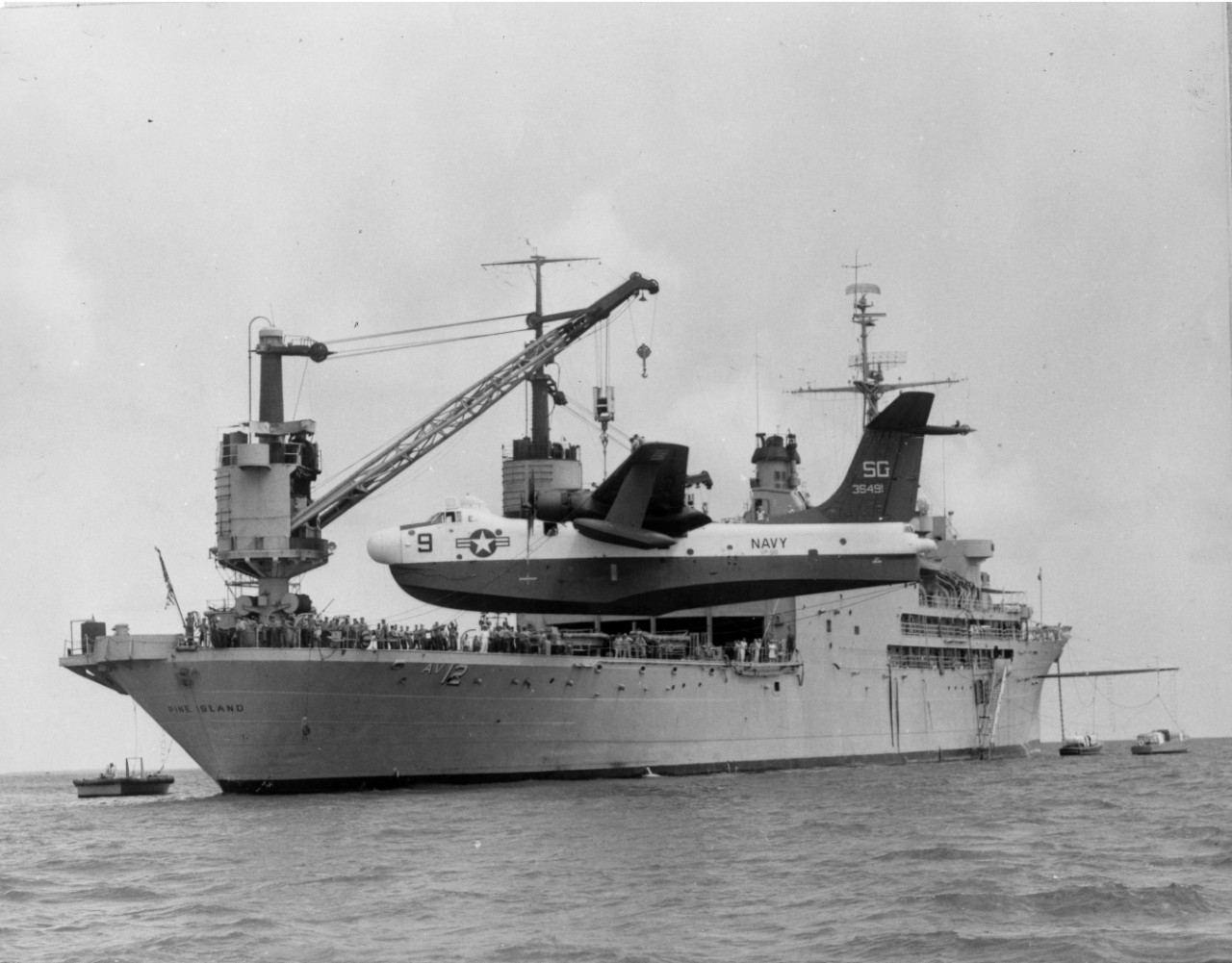
The P5M-2 was also operated by the French Navy in an attractive white over blue scheme. The lack of any defensive armament on this variant would make her rather less usable in WT though.

3 Likes
The S-3 Viking is so underrated man
2 Likes
Another possible aircraft would be the Thai GAF N22B Nomad.
It is listed on the Thai Aviation website as having one airframe (46126) with the “JL.9” designation, the J designating an attack aircraft. The same JL designation was used for Thai AC-47s (JL.2)

I have recently found this image of a Thai Nomad armed with a door mounted 20mm rotary cannon

There’s also this image of a 20mm rotary cannon mounted to the Nomad, which seems to line up with the Thai configuration and camouflage, though it might not be Thai.

3 Likes
That is a really good find
I keep finding references that the N22B Nomads can carry external payloads on the fuselage and wings but the only image i could find a GAF N22 with hardpoints is this image below of an Indonesian Naval Air Arm N-22 Nomad with a wing hardpoint

3 Likes
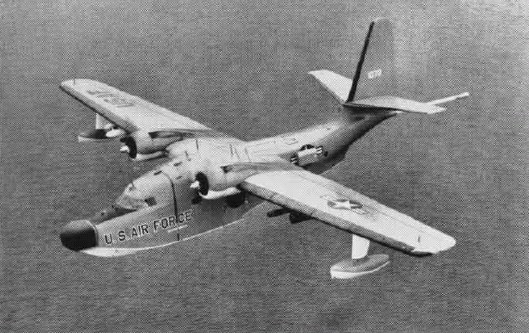
SA-18B Albatross
A ASW Floatplane variant of the HU-16 Albatross. It has 4 hardpoint that can mount rocketpods (including Zuni’s), HVAR’s, Depth Charges (up to 500Ibs), dumb bombs or 4 torpedoes
Even though it’s operated by the US. Greece and Norway also operated SA-18B Albatross
1 Like
Greetings i come to perform necromancy!
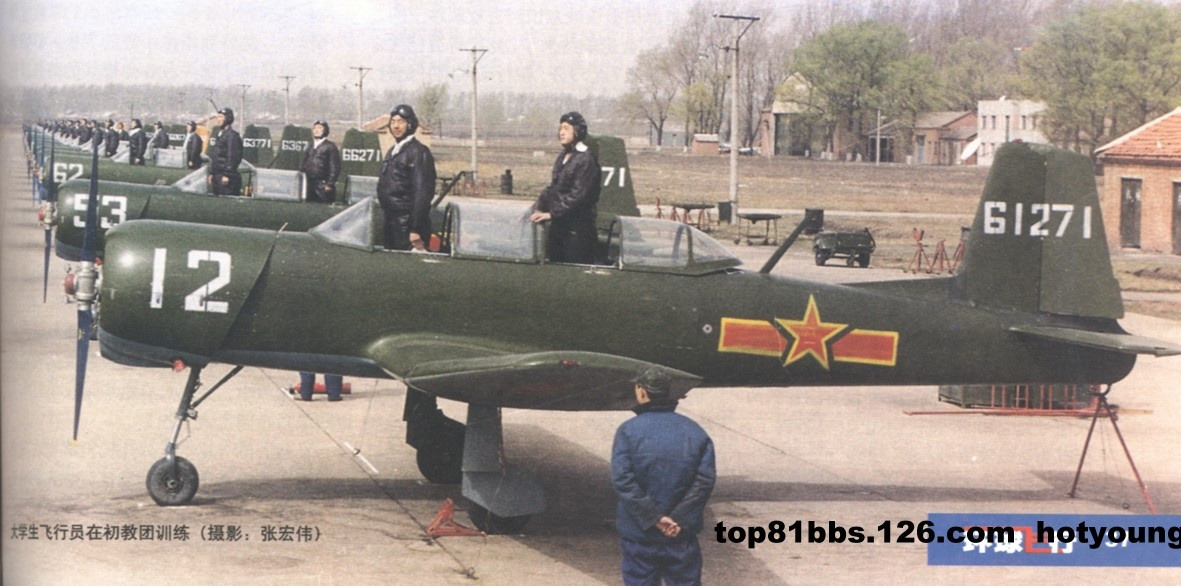
Information seems to be very scarce but there is supposedly a border patrol variant of the Nanchang CJ-6 light trainer called the CJ-6B it supposedly has 2 machine guns and can carry a small amount of rockets/bombs under the wings
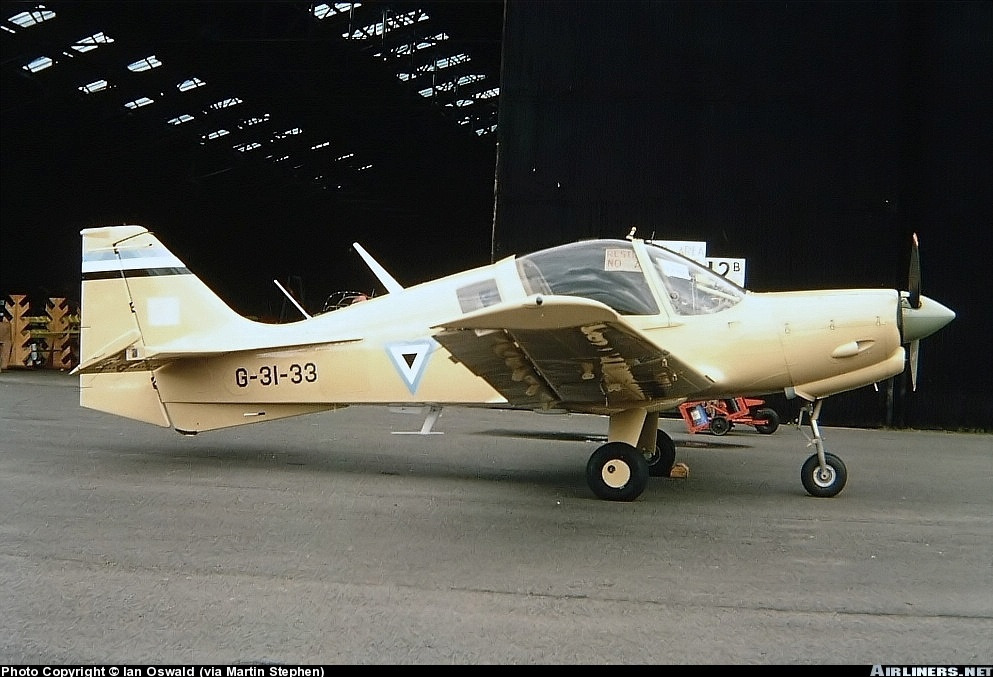
I also didn’t quite see mention of the Scottish Aviation Bulldog 130/120 model 1210, a single improved bulldog made for the Air arm command of the Botswanna armed forces and was supposedly meant to be a light attack variant. though once again information is scarce.
The CJ-6B will be added as soon as I find images and/or schematics to see it’s weapon load. The Main reason why the 130 is not included is because of the lack of data. Not helped that judging from what we do know it would be too similar to the Bulldogs operated by the UK and several other countries (Malta and Lebanon)
The M-28 will be on the list soon. I need to find more info, particularly any loadouts (if they have any) on the earlier versions since they were used as Maritime patrol aircraft
1 Like
Massive Update:
- Several new entries including a few French COIN aircraft, a few American & Soviet floatplanes, new entries for nations mainly The Koreas. Some existing entries are now changed. Several of the new and existing entries now link to suggestions.
- The CL-760 is now specified as a unfinished prototype/mockup
- The Convair Model 48 Charger is now specified as a functional prototype.
- The IAI-1124N is now renamed from “Seascan” to “Shahaf”
- The ARHLAC is now renamed from “ARHLAC” to “Paramount Mwari”
There’s also a couple of vehicles that are suggested that will unfortunately will not get an entry
- OV-1D “Atalef”: Israeli operated Mohawk. It’s not going to get an entry since I mentioned this aircraft a thread in regards to potential additions to the Israeli TT and they shut it down stating to the effect of “Israel never used it in a offensive combat role and most likely were never armed nor likely have the necessary equipment for said armament to even work.” Before anybody asked; Yes Argentina also operated the OV-1D however the Argentine OV-1D Mohawk isn’t quite the same as their Israeli or even American counterpart hence why Argentine Mohawk can use offensive ordinances unlike their Israeli counterparts.
1 Like
Hey,
I just read your post and here are some of my opinions and feedback.
First I think these aircraft have merit to be added to the game, but the handling around them needs to be reevaluated (to prevent situations like GRB right after the addition of the Pucara).
Even if we like them, they have, in my opinion, nothing to do in mixed battles. As you mentioned, they are completely impossible to balance correctly, and if more get added, they will either simply obliterate the battlefield for the most modern ones or be completely useless for the oldest ones.
They could possibly find their place in ARB as attackers but they might suffer a lot from their BRs. If more modern ones have A2A armament, solutions would be to either : remove it (sadly) to make them fit at a lower bracket, or to restrict it to its least op version. BUT, like most of us know, air realistic battles are not made for COIN aircraft in general because of its extremely high PVP tendencies.
That’s why I think that if they get added to the game, making a gamemode specifically designed for them could be nice to have. I have some rough ideas about what they could look like :
-
The Infantry kill streak way : One way of adding them to the game without much balancing pressure would be to integrate them to the upcoming infantry modes, as a sort of kill streak like helicopters, but at a way higher spawn cost (around 1500 points). They would be filling their roles while still being relatively easy to take out by the enemy team (with guns, AA emplacements, vehicles or manpads)
-
The Air EC way : One way to make them fun to play would be to have a Air Enduring Confrontation mode centered around light CAS, a bit in the same vibe as Nuclear escalation, but without all the nuke stuff. The objective would be to make your team progress by fulfilling CAS missions to help ground AI units to progress on the battlefield. Tasks could for example be : destroying enemy blockades, destroying lightly armored positions, attack supply lines (convoys or depots), etc. all while defending your side. There would be AA guns to defend positions. There could even be, let’s ba crazy, photo reconnaissance missions that could allow by taking pictures from the battlefield (with an associated mechanic to permanently spot enemy positions taken in that picture).
-
The asymmetrical PVE COIN gamemode way : One last way I can think about, to make these aircraft’s true purpose shine, would be to create a a gamemode where their capabilities would be necessary, in an asymmetrical PVE gamemode only allowed to strike aircrafts. It would comport a team of 4 to 8 players from a peacekeeping force (or something similar) tasked to help ground troops in their missions. The role of these strike aircrafts would be to help these ground troops (AI) to achieve their missions while protecting them from enemy guerrilla (AI). To win a battle, the objective would be for the team to endure the less ally losses possible (both players and AI), while causing the most damage possible to the enemy side. The battle end after a set timer: your team loses if you endured too much allied losses or if you didn’t manage to cause sufficient damage to the enemy ; you win if you succeed at both tasks, the reward multiplier being based on your combat efficiency and the amount of losses your team endured (the less losses your team has, the higher the multiplier is), to underline the exhausting aspect of guerrilla warfare. There would be four main types of objectives, that I mainly took from the actual missions given to the EALA during the Algerian War from 1954 to 1962 (EALA stands for “Escadrilles d’Aviation Légère d’Appui” in French or “Light Aviation Support Squadrons” in English):
- Frontal attacks against the insurgent troops : mainly destruction of static objectives and convoys (mg emplacement, trucks, blockades, clandestine depots, lightly fortified positions…)
- Convoy protection (trucks or trains) from potential ambushes (which will be able to trigger the following objective).
- Emergency close air support : these would be temporary events where air support would be needed rapidly to help allied forces in case of ambushes or faux-pas, or helicopters protection for troops extraction, etc…
- Photo reconnaissance missions that could allow, by taking pictures of the battlefield from the air (with an associated mechanic) to permanently spot enemy positions taken in that picture, making it as important as CAS to progress in the mission in order to make the mission easier for you and your allies.
Note : I might make suggestions for gamemodes like 2 and 3 since they have some good potential and interesting mechanics.
I also have some feedback maybe on how you could improve your post’s readability.
Spoiler
- Adding pictures of the presented vehicles could be handy to visualize which aircraft each nation could possess.
- Using markdown formatting will help you to better structure your post to improve readability. Use hashtags to make titles, or use dotted lines to create separations.
- You can even use colors for your text (just not red as it is reserved to moderation)
Also, thanks for linking my suggestion to your post, that’s how I learned about it. ;)
PS: You can also add the T-6 Texan to your French list as it was majorly used in Algeria
Pictures
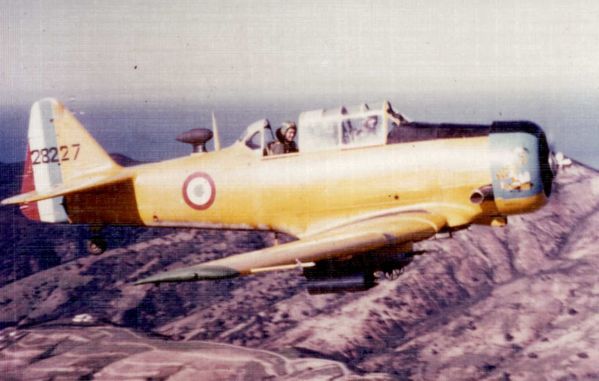
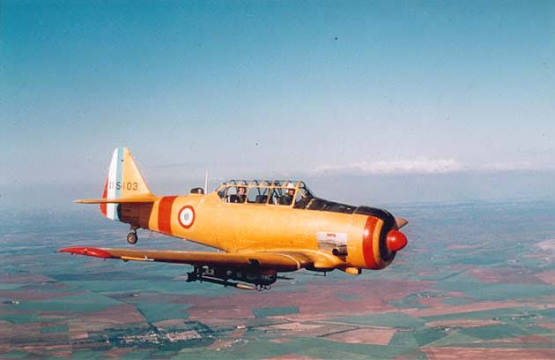
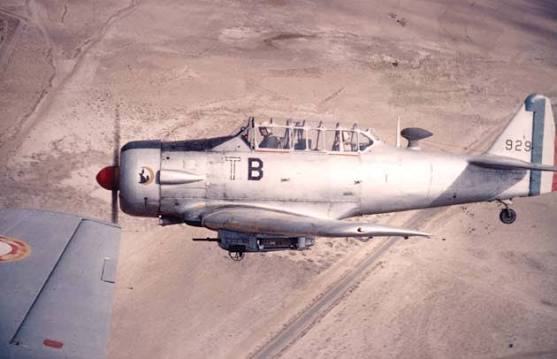
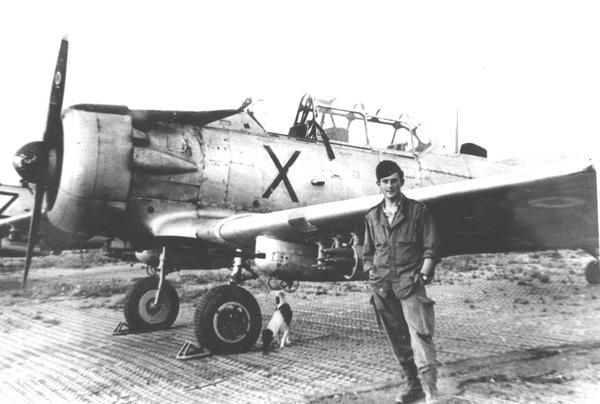
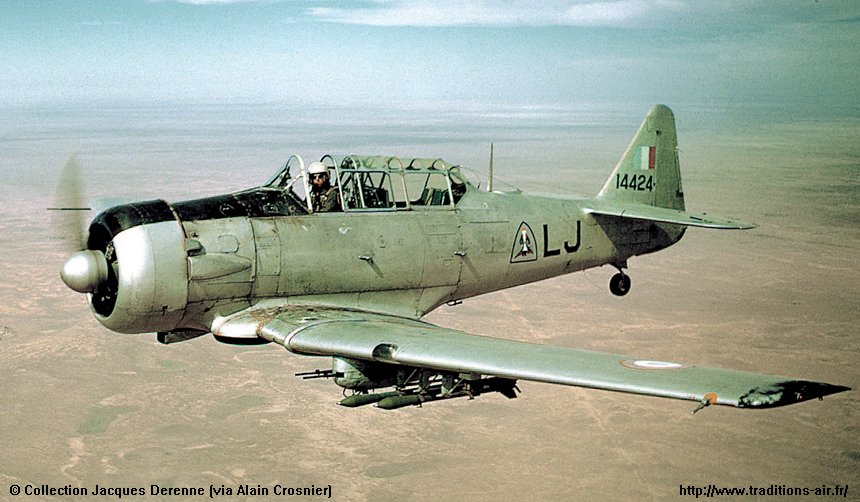
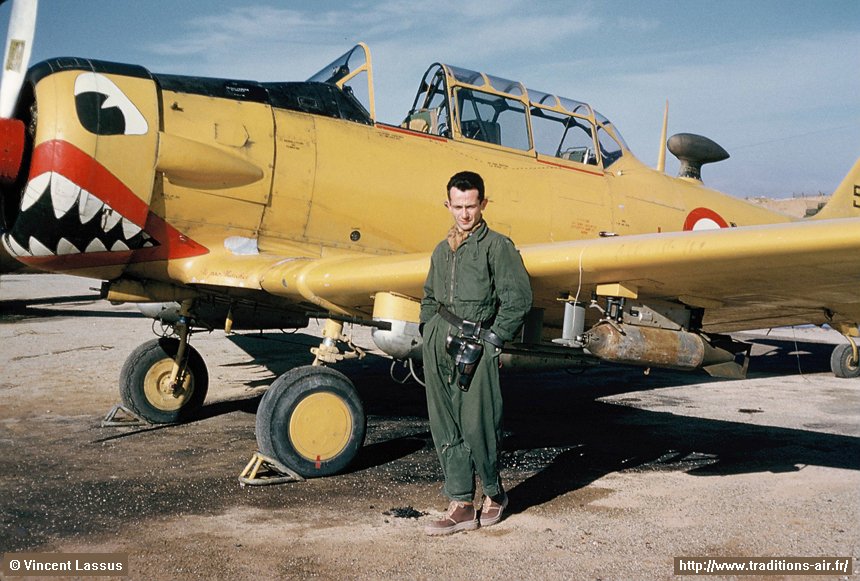
1 Like
Thanks for the feedback.
Generally I do agree with you that COIN aircraft cannot be properly balanced in this game, with the only real solution is to treat COIN aircraft as their own class. Probably with their own associated gamemodes. Only being paired with Helicopters and Aircraft in EC, GRB and/or Naval. Maybe Nuclear Escalation. With some exceptions, they don’t fit well into the current Air Battles mode. Then again I share a similar opinion with Missile only Aircraft (e.g: MiG-25PD). Your suggestions are also quite good. Though I feel like Photo Reece could be just an extension of the existing scouting/scout UAV mechanics that we already have in GRB.
Readability is a issue which i’ll fix gradually. Same for images though for some of the suggestions, I’ll link to suggestions for said aircraft first then add the images later since i’m more focused on aircraft that don’t have any suggestions (active, passed to devs or implemented)
PS: You can also add the T-6 Texan to your French list as it was majorly used in Algeria
I will add it soon as the T-6G Texan. The French did operate quite a few T-6 variants. The T-6G specifically is uniquely a French upgrade. I would also add the caveat that other nations operated that model particularly Portugal.
1 Like
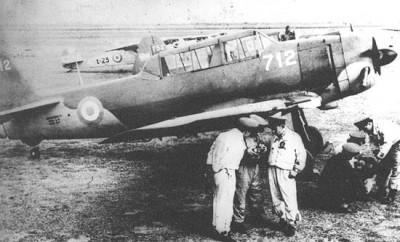
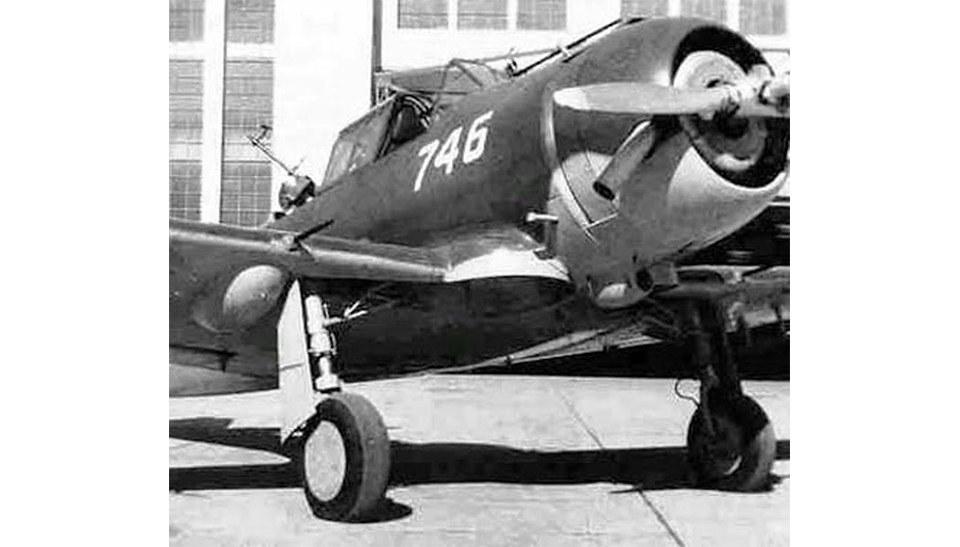
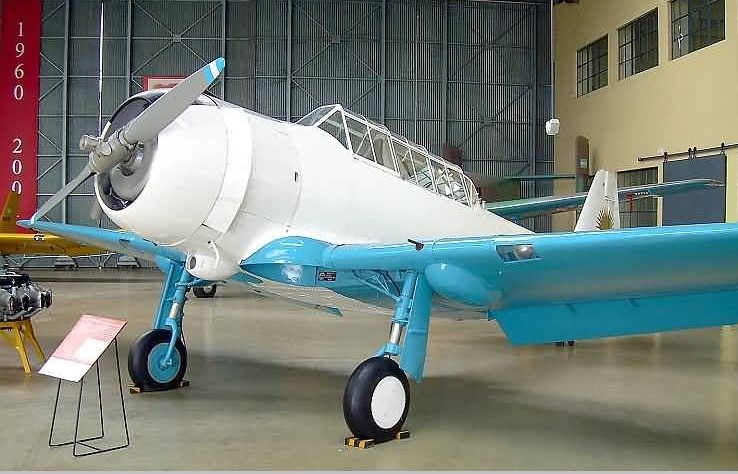
I.Ae. 22 DL
Argentine development of the I.Ae. 21 DL, itself a modified NA-16-1 (better known as the Harvard I) that introduced new locally designed wings but ultimately failed to live up to expectations.
The 22 was a more thorough redesign and was much more successful with an ultimate production run of 201 aircraft used for advance training and light attack duties.
2 Likes
I occasionally think that COIN aircraft could be added in heli trees. Some of them at least, not all of them. Just to avoid silly situations like a Cessna shooting down a BV 238 with Hellfires in ARB.
Heli trees have loads of space, and COIN aircraft operate on similar gameplay ideals, i.e. a slow airborne vehicle with potentially strong armament. The balancing would come via BR and spawn point costs. A rockets-only COIN aircraft for example could be a much lower BR than a rockets-only helicopter. But a higher BR than you would expect a fixed wing that is so slow to be.
2 Likes