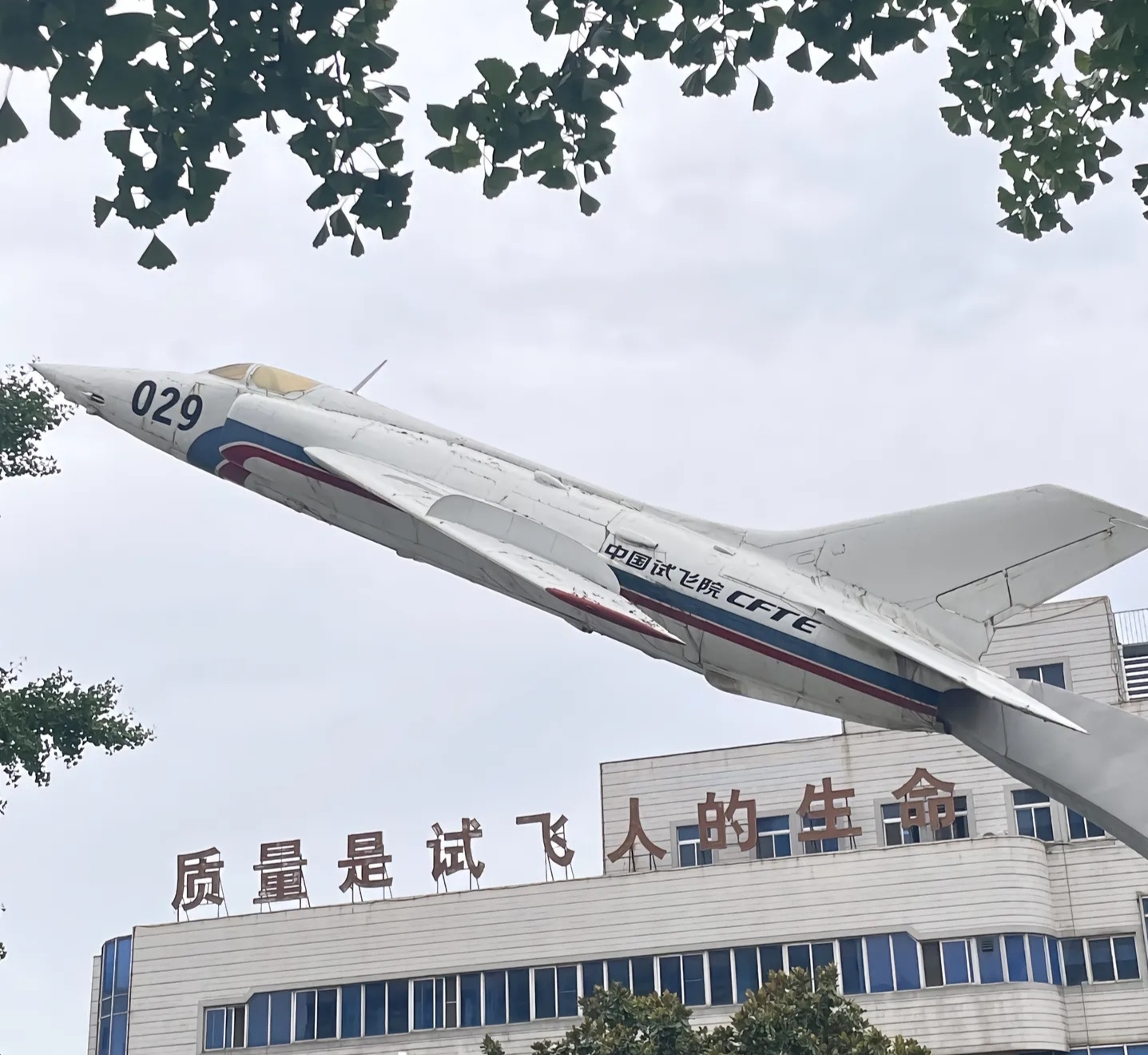
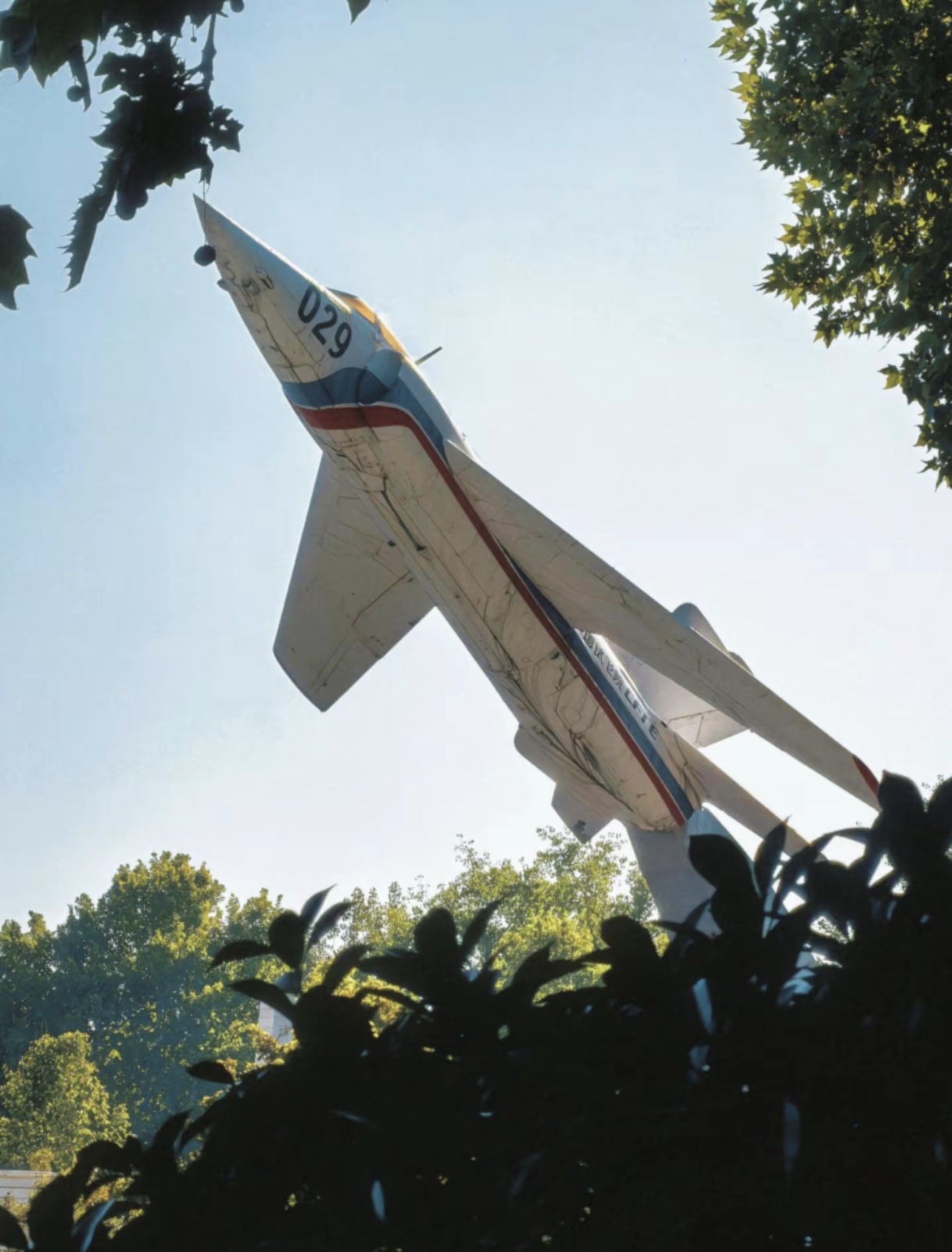
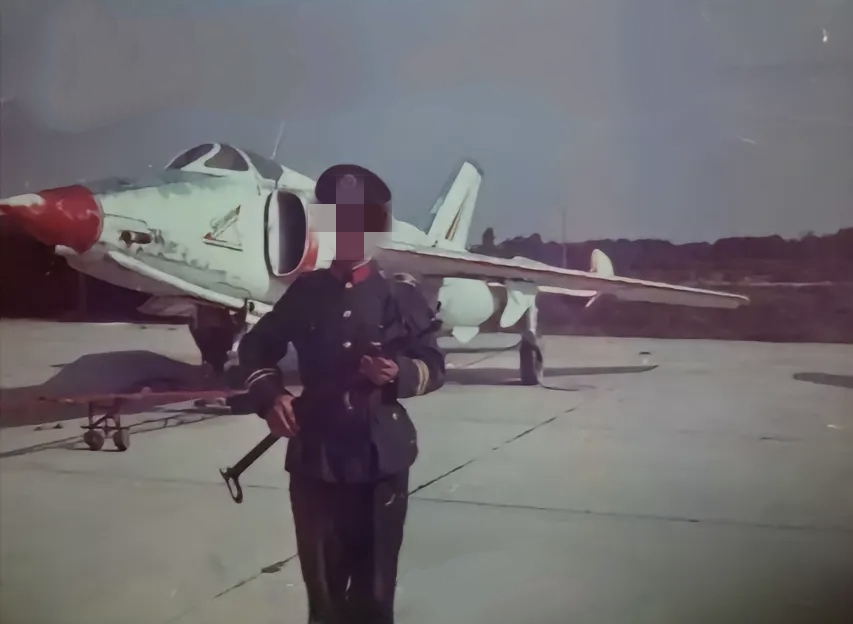
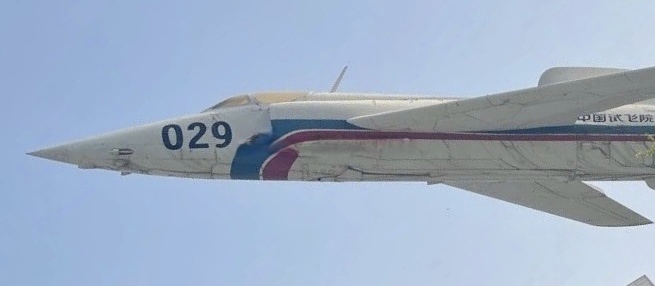
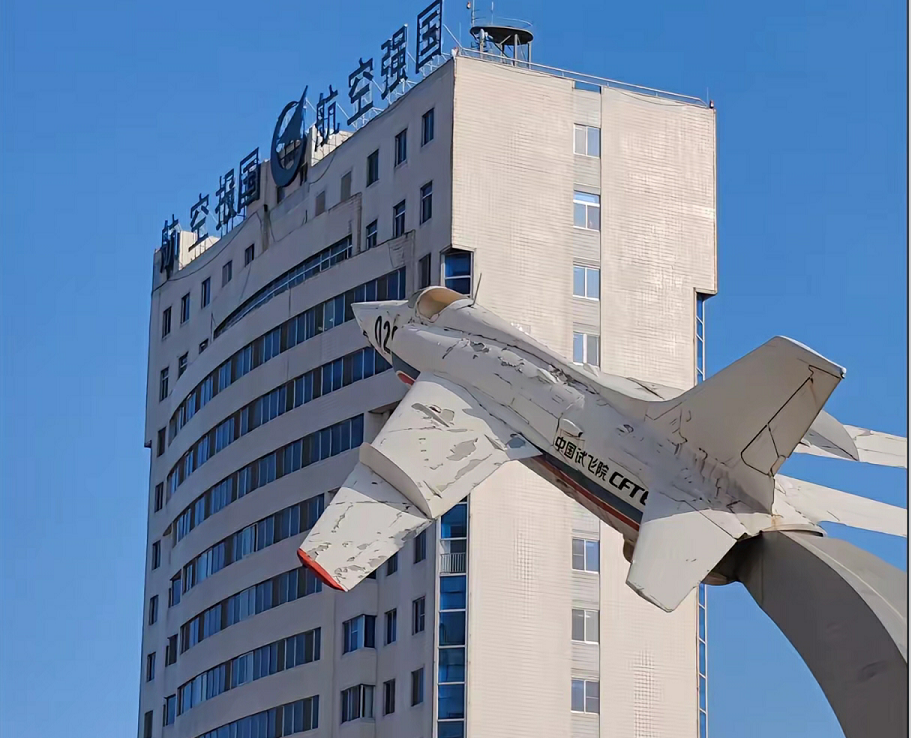
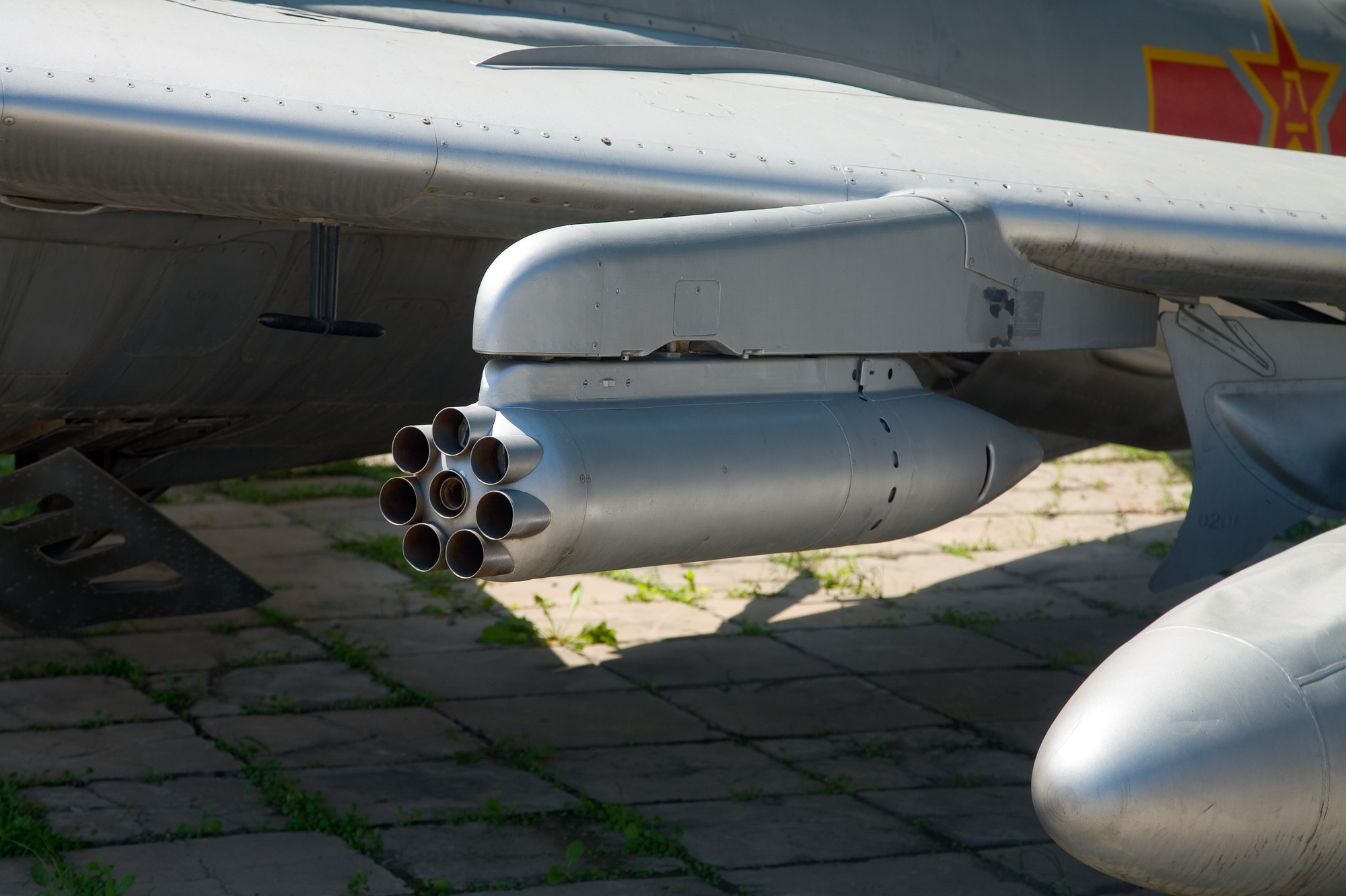
The Q-5 (prototype) was China’s first independently developed supersonic attack aircraft, created by the Nanchang Aircraft Factory based on the J-6 (MiG-19). The project’s initial codename was (雄鹰-302)。The prototype featured 30mm cannons located on either side of the nose.
- Yes
- No
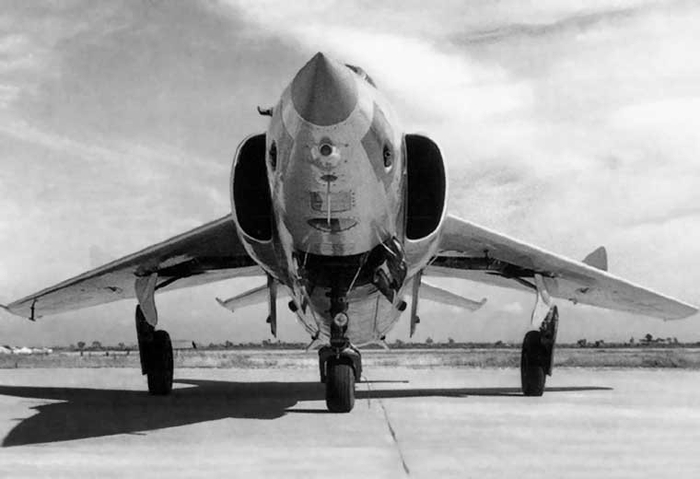
In the early 1950s, during amphibious operations such as the liberation of Yijiangshan Island, the close air support capabilities of the Soviet Il-10 attack aircraft left a deep impression on the Chinese military. To meet the urgent needs of the Air Force, in August 1958, the Nanchang Aircraft Factory was tasked with developing a supersonic attack aircraft. The goal was to provide the People’s Liberation Army Air Force with a dedicated attack aircraft capable of low-altitude penetration, close air support, and ground attack missions. Lu Xiaopeng served as the chief designer. The aircraft was based on the J-6 (MiG-19) fighter but abandoned the J-6’s nose air intake in favor of a configuration with air intakes on both sides of the tapered nose, a wasp-waist fuselage design, and all-moving tailplanes with oblique axes. Two 30mm cannons were installed on each side of the nose, and four symmetrical air intakes were added to the nose and ventral weapons bay doors. By May 1960, theoretical drawings and aerodynamic performance reports were completed, and the three prototypes’ materials, process equipment, and assembly jigs were largely finished. However, due to the severe economic difficulties caused by the “Three Years of Natural Disasters,” the National Defense Industry Commission decided to “observe the Q-5 attack aircraft trial production for six months before making a decision.” The trial production team, originally over 300 people, was significantly reduced, and the prototype production line was dismantled. Only 14 people, including Lu Xiaopeng, remained. The project faced the risk of cancellation in 1961, but Lu Xiaopeng and the Nanchang Aircraft Factory Director Feng Anguo refused to accept this. Although the project became a secondary priority, the 14-person trial production team persisted in secretly advancing the work. Later, Xue Shaoqing, Vice Minister of the Aircraft Industry, inspected the factory’s progress, leading to the rapid revival of the Q-5 project. Finally, in July 1963, the first airframe for “static testing,” designated 01, was completed.
Subsequently, the leadership of the Nanchang Aircraft Factory decided to allocate more personnel to support the Q-5 development and reported to the central government to resume the Q-5 trial production work. On June 4, 1965, the 02 prototype successfully completed its maiden flight at Zhangshu Airport in Jiangxi. However, during subsequent aerial cannon tests, the smoke from the continuous firing of the two 30mm nose cannons was instantly ingested by the side air intakes. The rotational speed of both engines dropped sharply, the high-pressure compressors experienced surge and vibration, ultimately leading to a dual-engine flameout! Fortunately, the test pilot immediately ceased firing, stabilized the aircraft’s direction, and successfully restarted the engines. The test aircraft landed safely. Post-flight test data confirmed that the cannon smoke caused a 28% loss in oxygen flow to the Q-5’s side air intakes, leading to simultaneous surge and flameout in both engines. Therefore, starting with the 04 prototype, the nose-mounted 30mm cannon design was abandoned. Instead, one Type 23-2 23mm cannon was installed in each wing root. The 04 prototype also had the original nose cannon ports sealed and the cannons relocated to the wing roots.
A total of 4 prototypes were produced:
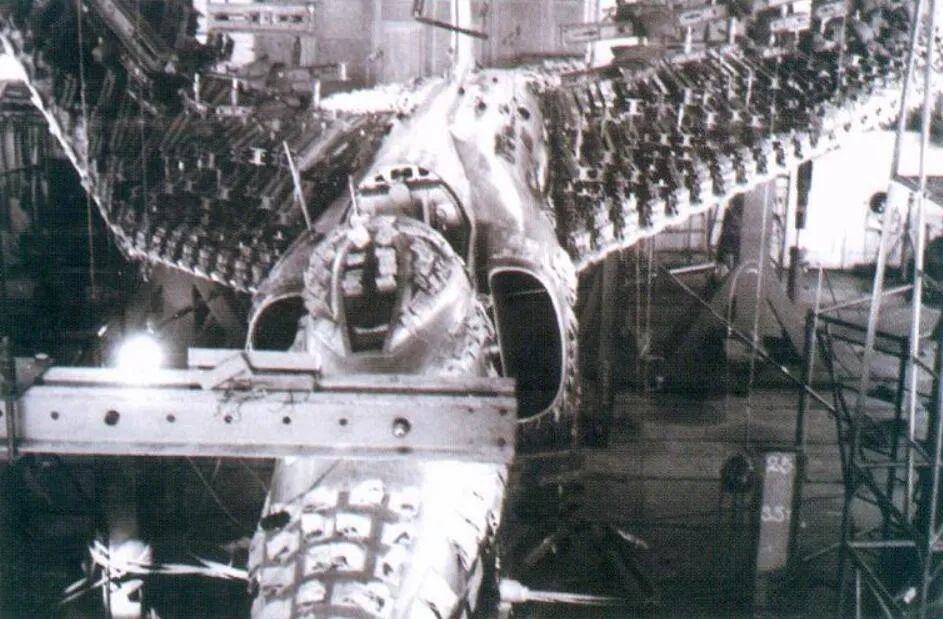
- 01 Prototype: Used for full-aircraft suspension load testing to verify structural strength. It was prematurely damaged at 85% load due to operator error (using two 8mm steel cables instead of 16mm cables), resulting in airframe destruction.
- 02 Prototype: After its successful maiden flight, it continued with test flight programs for stability, controllability, etc. It is currently preserved at the China Flight Test Establishment in Yanliang, Shaanxi, converted into a static display sculpture after retirement.
- 03 Prototype: Manufactured after the loss of the 01 prototype. It was used for new static tests to verify that the modified and strengthened structure met strength requirements, ensuring the aircraft’s structural reliability.
- 04 Prototype: Specifically responsible for flight performance testing. After the nose cannons were relocated to the wing roots, it also participated in combat test flights before being handed over to the troops. It is currently preserved at the China Aviation Museum in Xiaotangshan, Beijing.
01 Prototype:
02 Prototype:
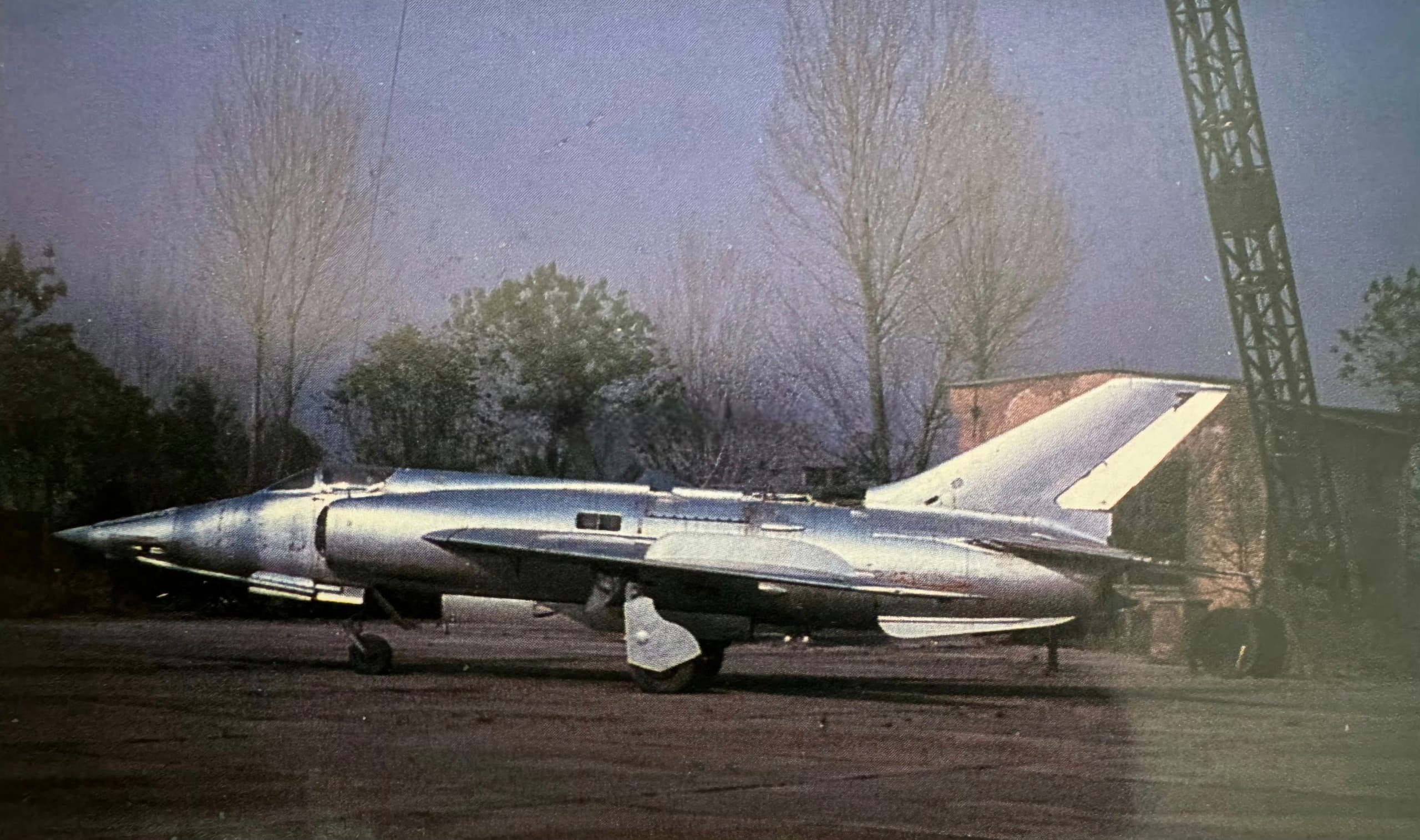
03 Prototype:
Also used for suspension load destructive testing; no photos have surfaced.
04 Prototype:
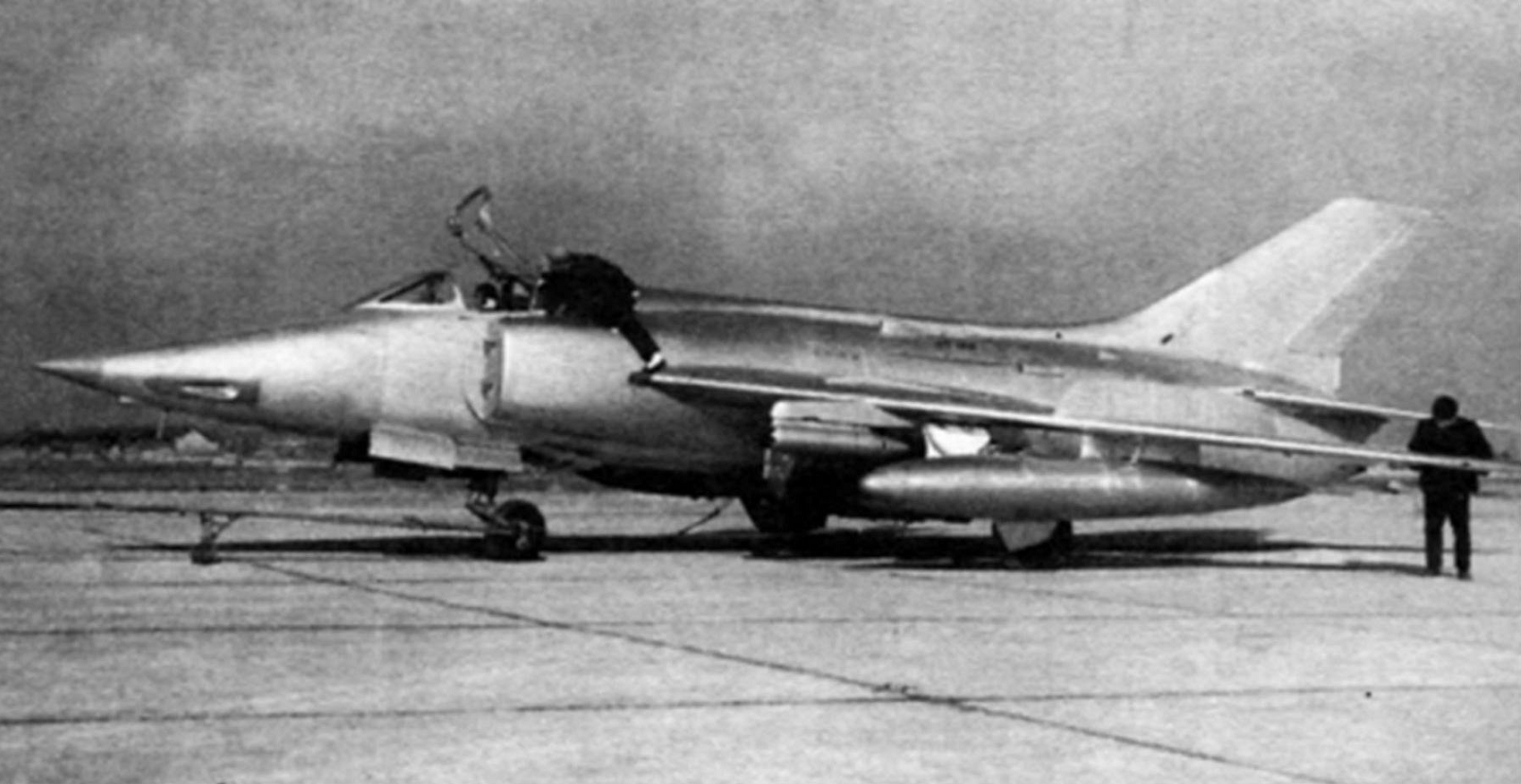
Spoiler
Although the two 30mm cannons on the prototype’s nose could cause engine flameout during continuous firing, this can be disregarded in-game. It could appear as a Battle Rating 9.0 event or premium vehicle.
Differences between the Q-5 prototype and the existing Q-5 early model in-game:
- Cannons located on both sides of the nose, using 30mm cannons.
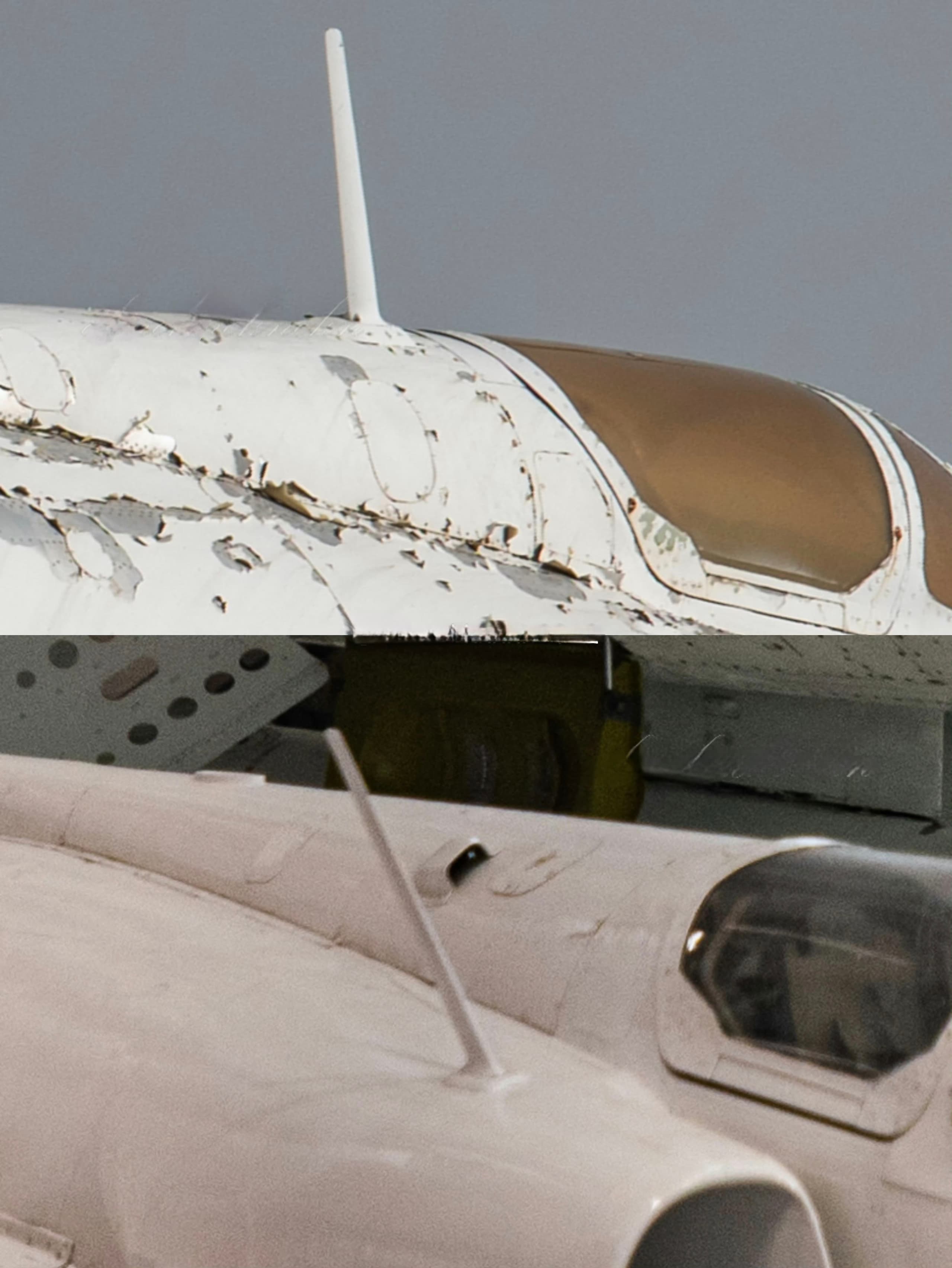
- The 02 prototype has a blade antenna on top of the dorsal spine, while the 04 prototype is the same as the early model.
- Four symmetrical air intakes are added to the nose and ventral weapons bay doors.
Spoiler
- Length: 15.65 m
- Height: 4.33 m
- Wingspan: 9.68 m
- Wing area: 27.95 m²
- Empty weight: Approx. 6,400 kg
- Normal takeoff weight: 9,130 kg
- Maximum takeoff weight: 11,300 kg
- Internal fuel weight: 2,000 kg (approx. 2,640 L)
- Maximum payload: 1,500 kg
- Cruise speed: 807 km/h
- Maximum level speed: 1,240 km/h
- Service ceiling: 16,500 m
- Combat radius: 600 km
- Maximum range: 1,630 km (with drop tanks)
- Takeoff run: 700–750 m
- Landing run: 1,060 m (without drag chute)
Powerplant:
- Two WP-6 turbojet engines, each producing 25.5 kN thrust, and 31.87 kN thrust with afterburner.
Spoiler
6/8 hardpoints (the publicly known 02 prototype had 2 pylons on the wings, but the publicly known 04 prototype had 4 pylons on the wings)
- 2 × 30 mm cannons (Type 30-1 aircraft cannons, 70 rounds per gun)
- 4 × 250 kg bombs (2 in the internal bomb bay, 2 on the ventral hardpoint)
- 2 × rocket pods
- 2 × 760 L drop tanks
Spoiler
The 04th prototype
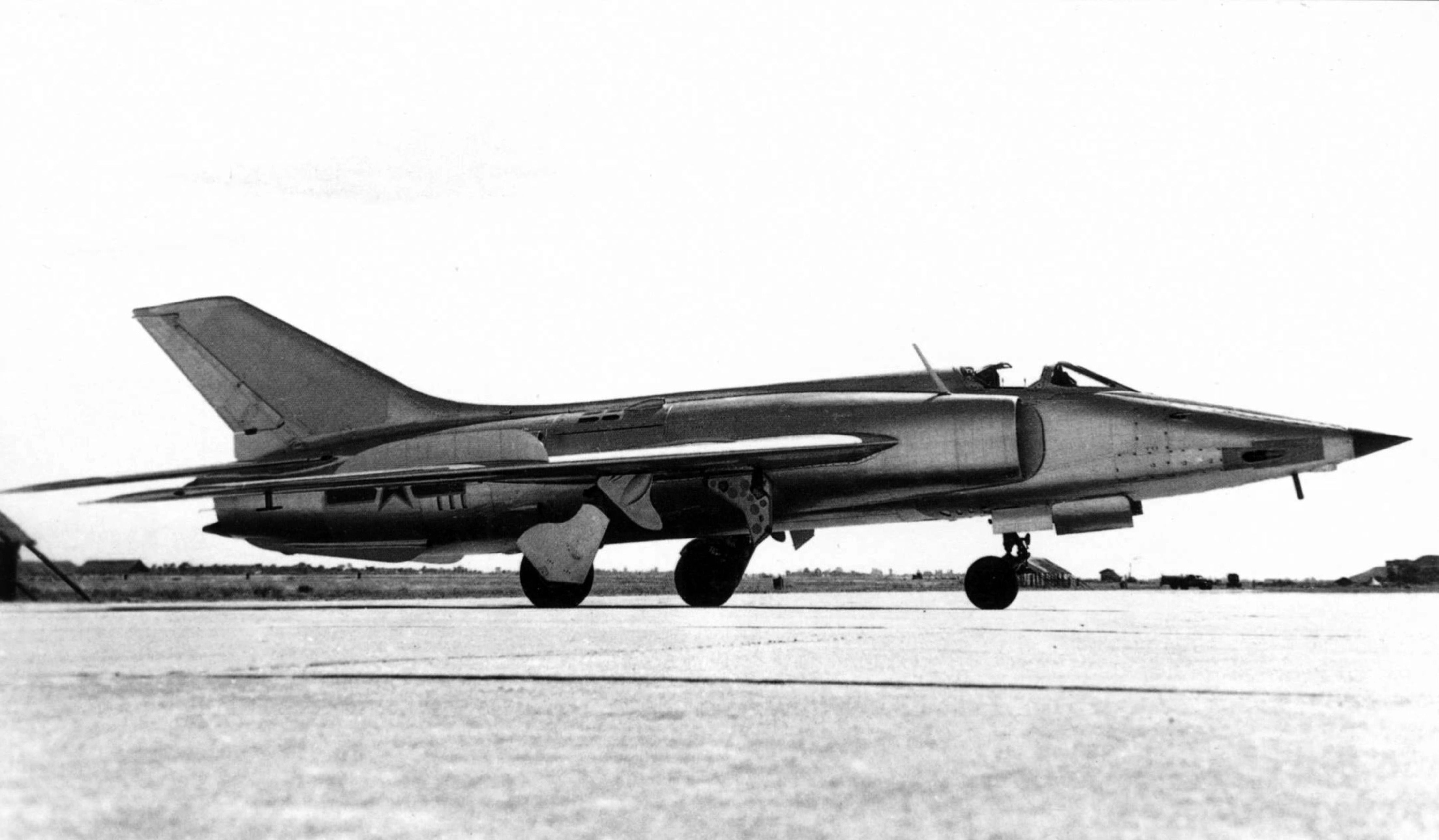
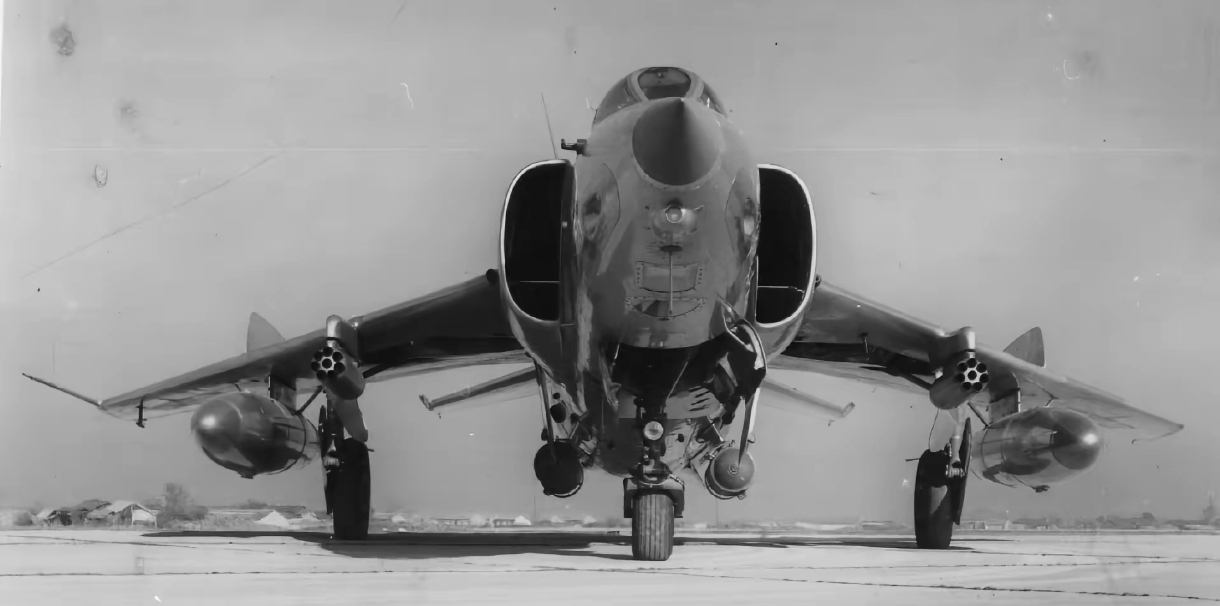

The 04th prototype had its original nose cannon ports sealed
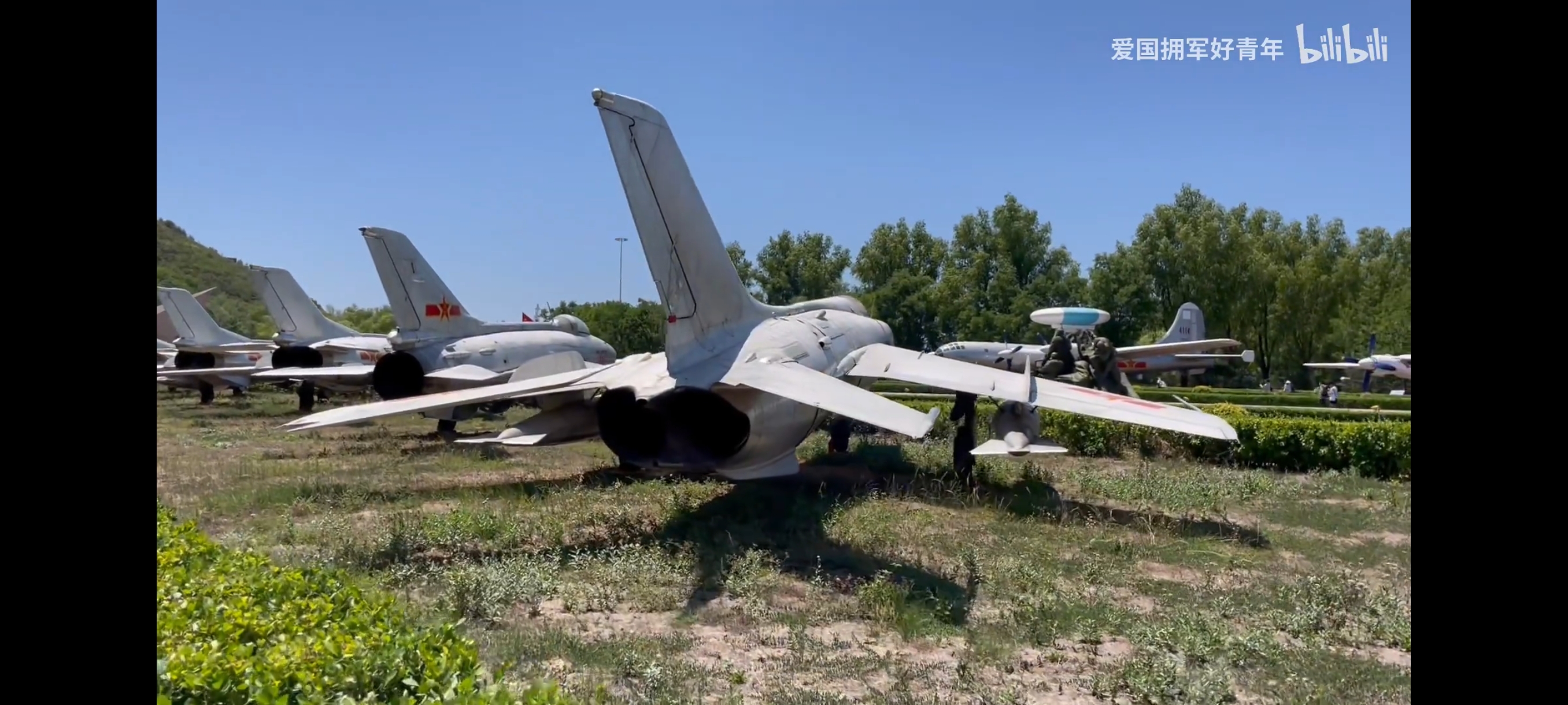
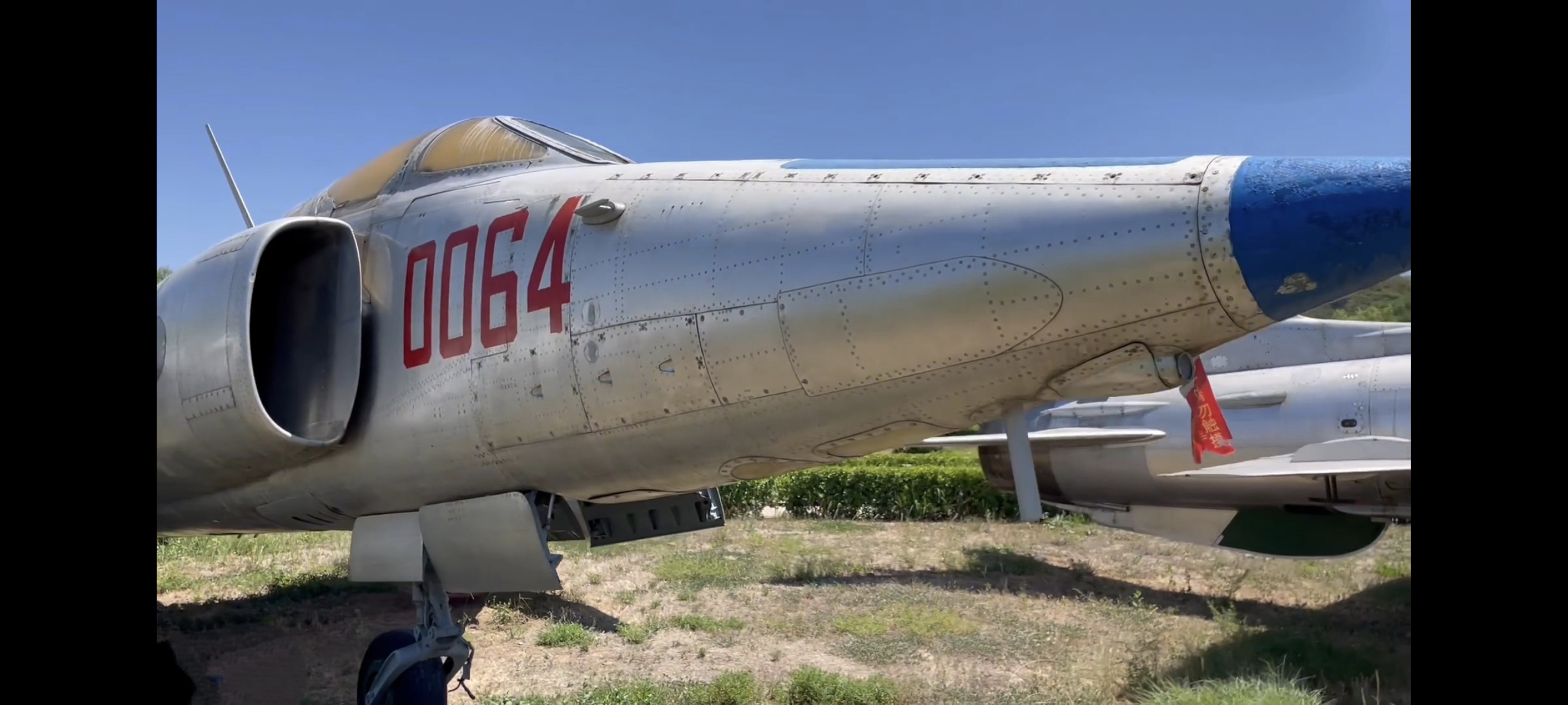
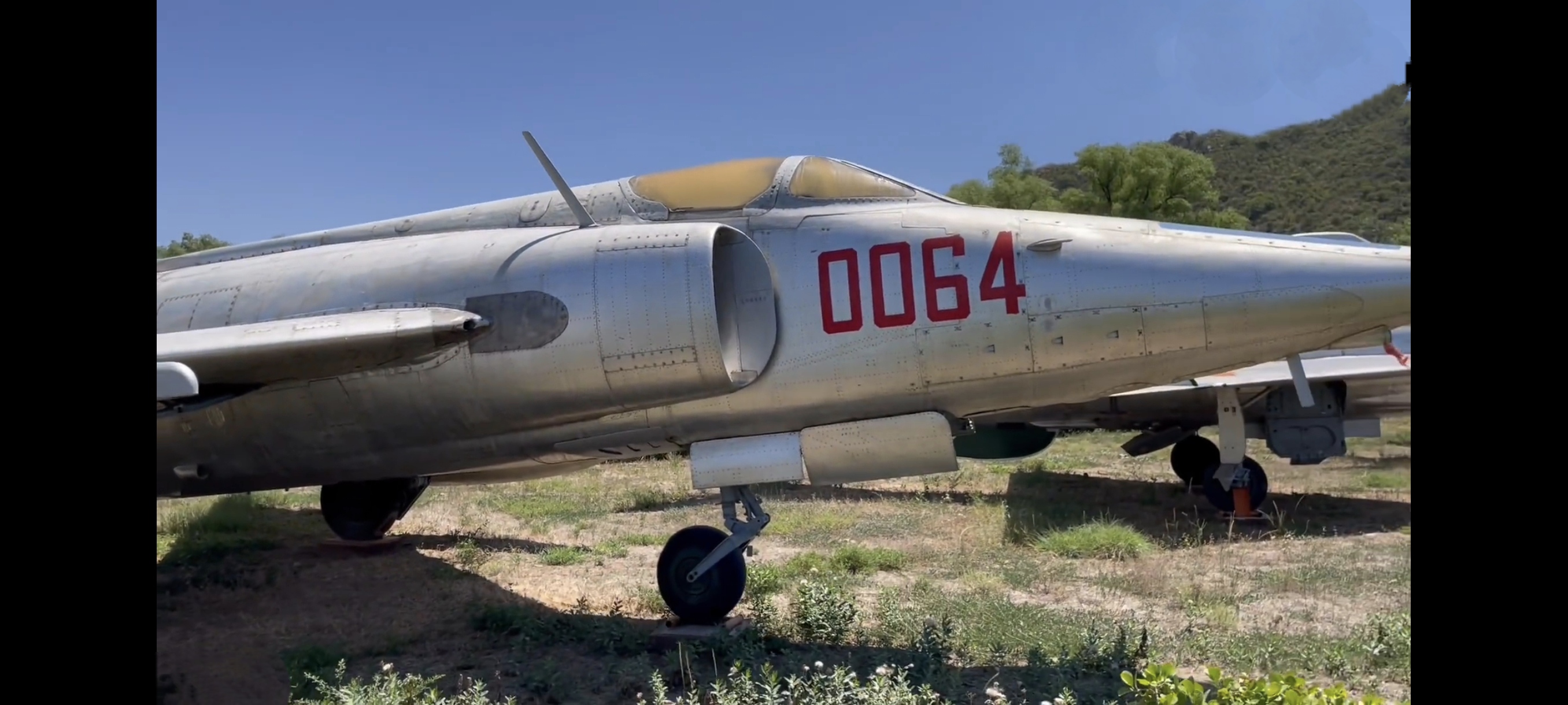
The 02th prototype