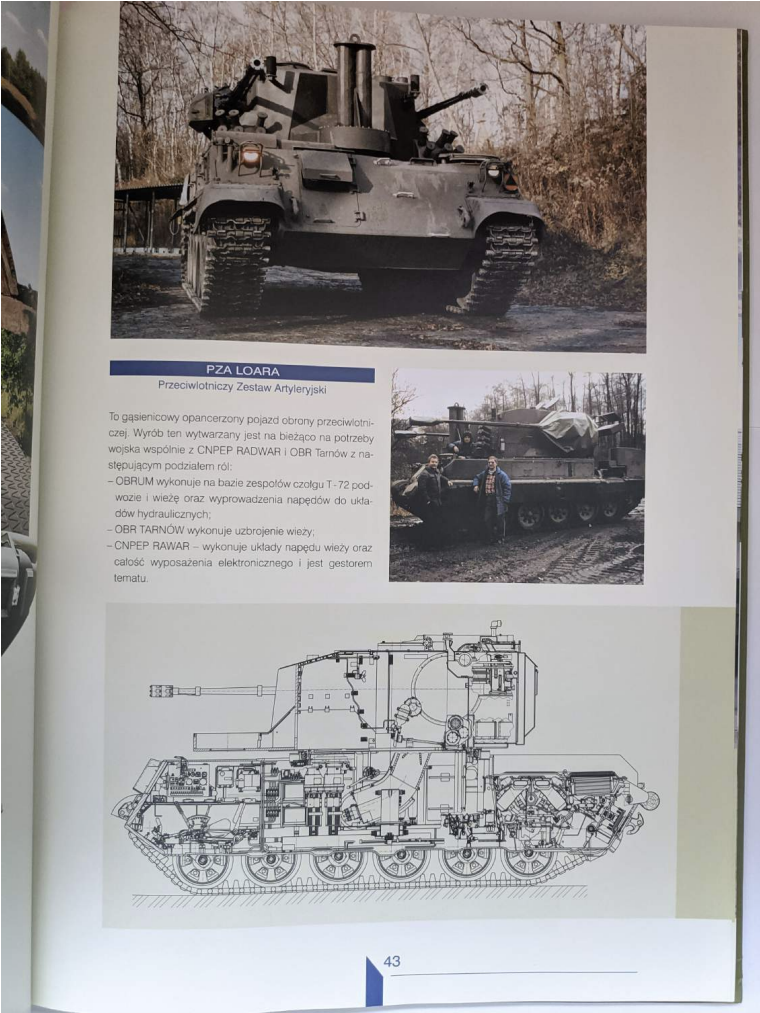
This post is a rework to the original suggestion by PenguinRed
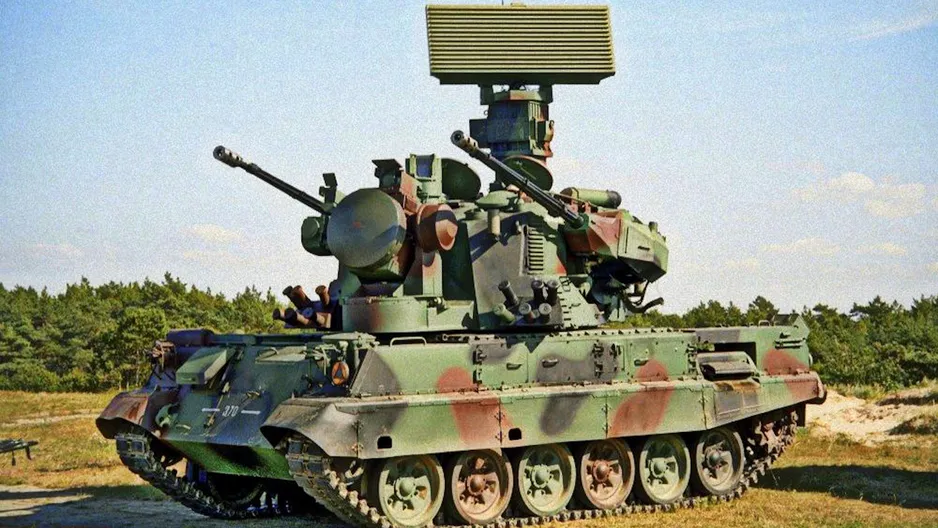
PZA Loara

History
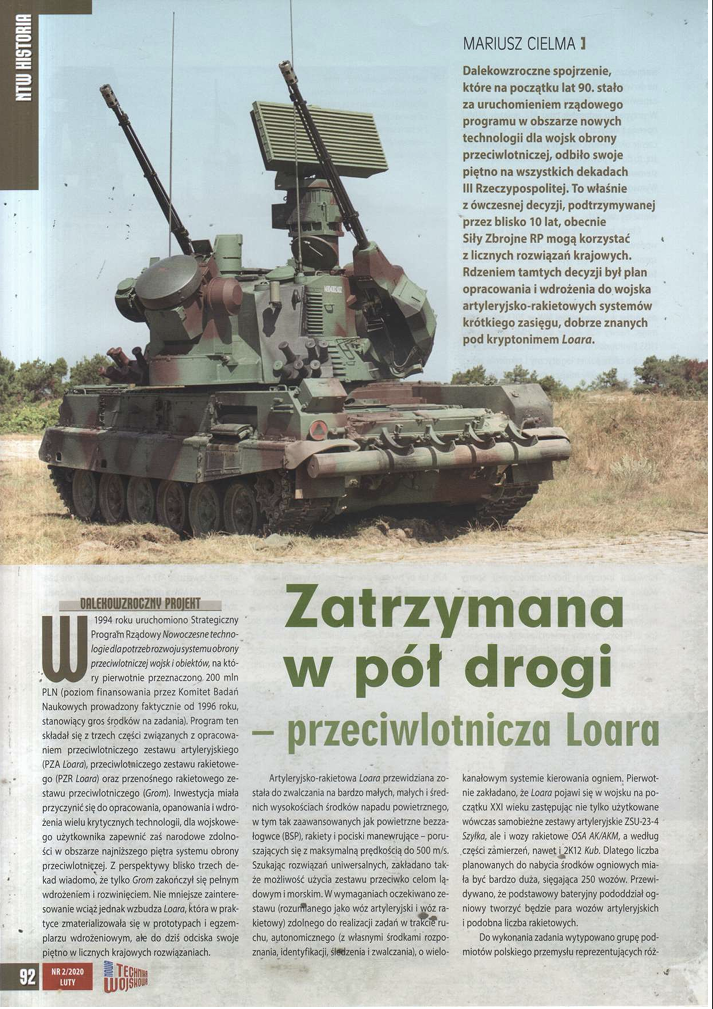
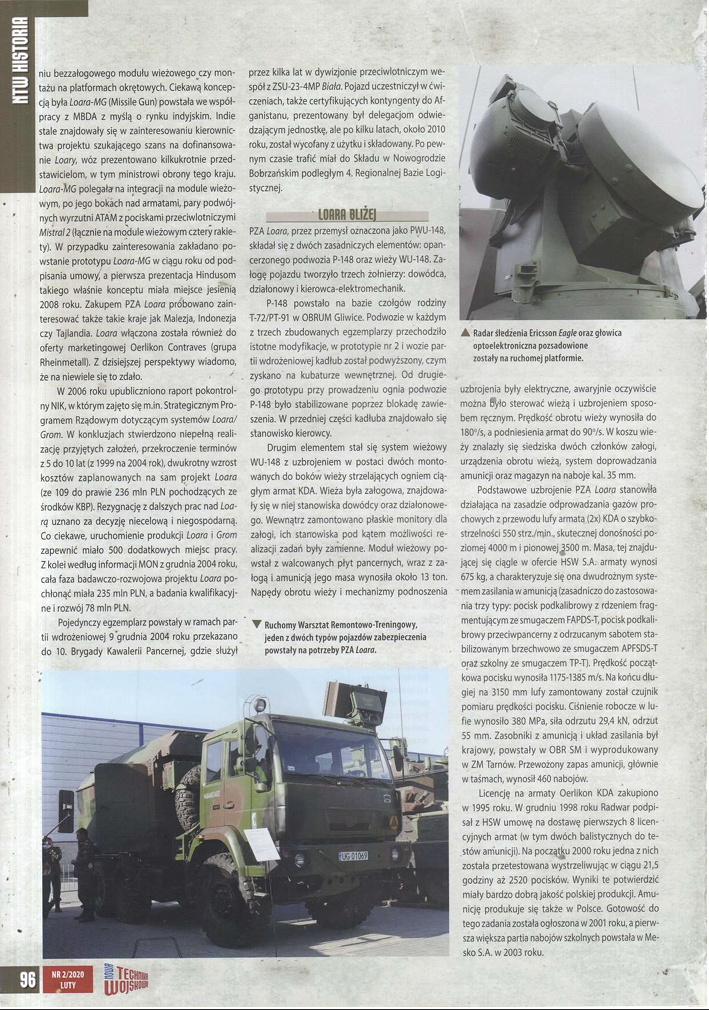
In 1994, the Strategic Government Program “Modern Technologies for the Development of Anti-Air Defense Systems for Troops and Facilities” was launched. This program consisted of three parts related to the development of an anti-aircraft artillery system (PZA Loara), an anti-aircraft missile system (PZR Loara), and a portable anti-aircraft missile system (Grom).
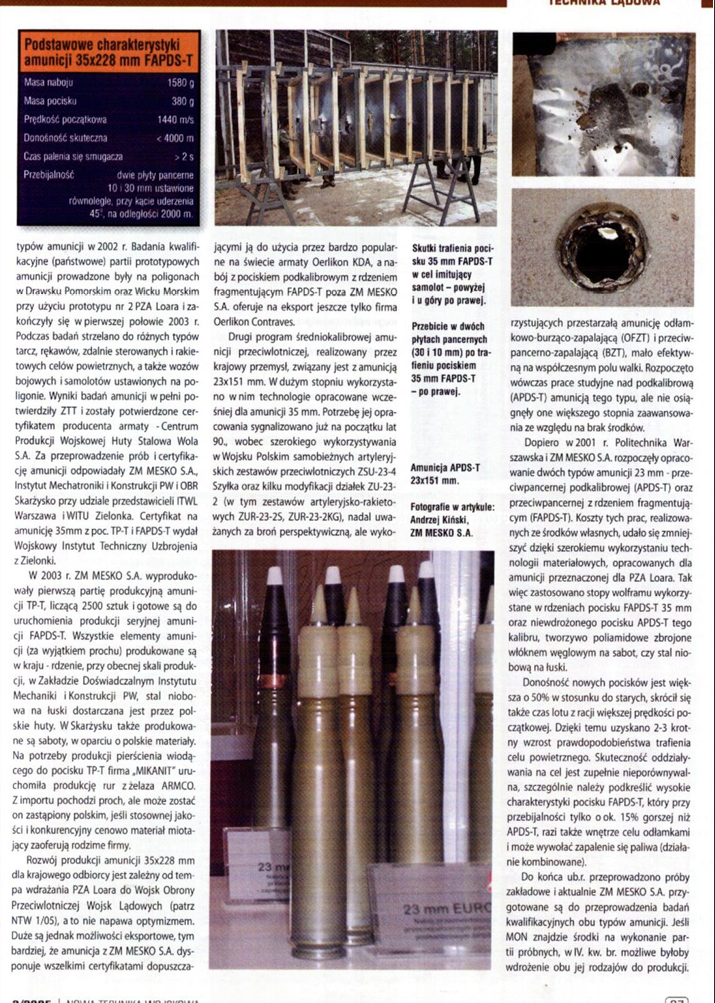
The tactical and technical assumptions approved in 1997 stipulated the need for five types of ammunition for this gun: APDS-T, FAPDS-T, HEI-T, SAPHEI-T, and TP-T. Analyses undertaken at the time showed that purchasing a license to produce this type of ammunition was impossible within the budget allocated in the Strategic Program. However, it turned out to be realistic to begin work on such ammunition in the country.
In 1997, it was decided to develop three types of ammunition: APDS-T and FAPDS-T by Warsaw University of Technology, in cooperation with ZM MESKO and TP-T by OBR “Skarżysko” and ZM MESKO.
During the R&D phase of ammunition development, it was deemed unnecessary to continue work on the APDS-T and focus was shifted on FAPDS-T which was very modern at that time.
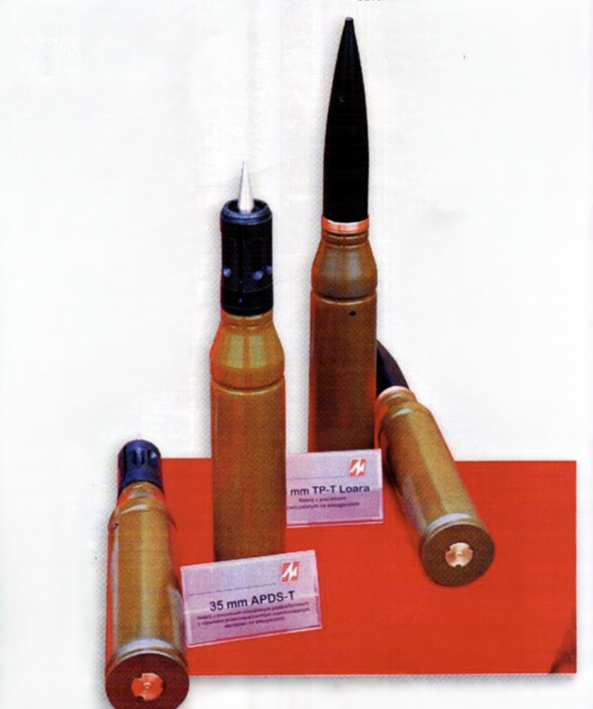
APDS-T round before being abandoned in favour of FAPDS-T
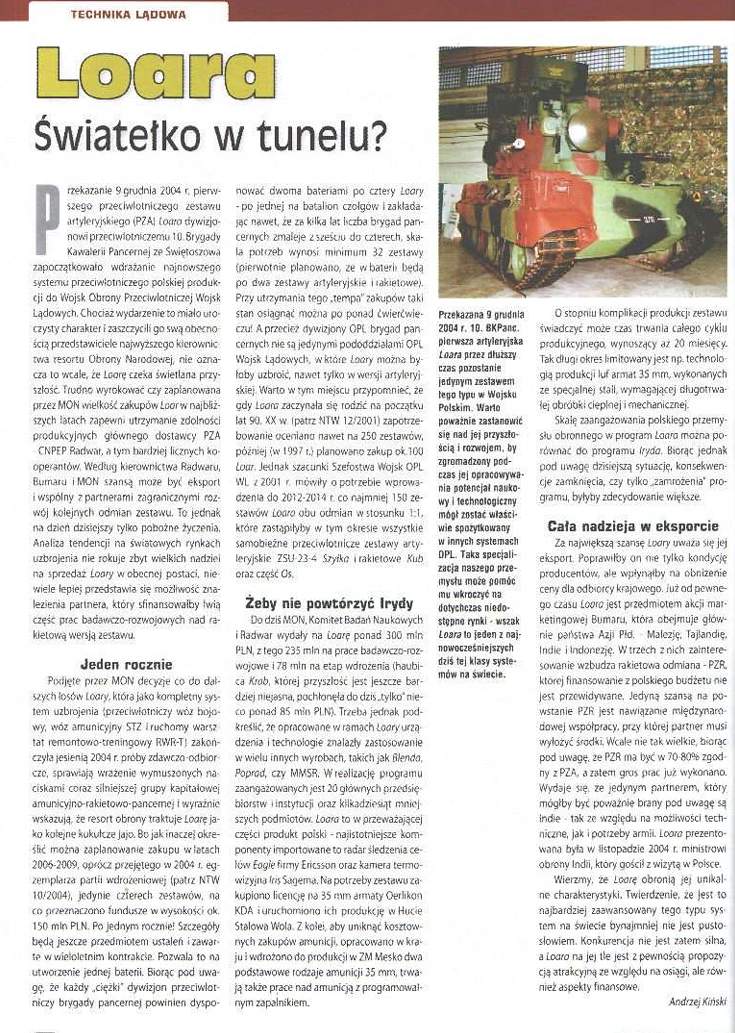
The first firings of the PZA Loara took place in September 2000 at the Wicko training ground. Shortly after, in November 2000, the first public presentation of the functional model of the PZA Loara took place at CNPEP Radwar.
A modified, self-supporting body of the T-72M tank was used. The modifications included relocating the driver’s station to the left side, strengthening the torsion bars, creating space in the rear of the hull for an auxiliary power unit, and increasing the battery capacity.
A turret welded from rolled armor plates was mounted on the self-supporting body. 35 mm cannons are mounted externally on both sides of the turret. The turret traverse drive and cannon elevating mechanisms are electric. These drives, which provide very high angular speeds, were developed at Radwar.
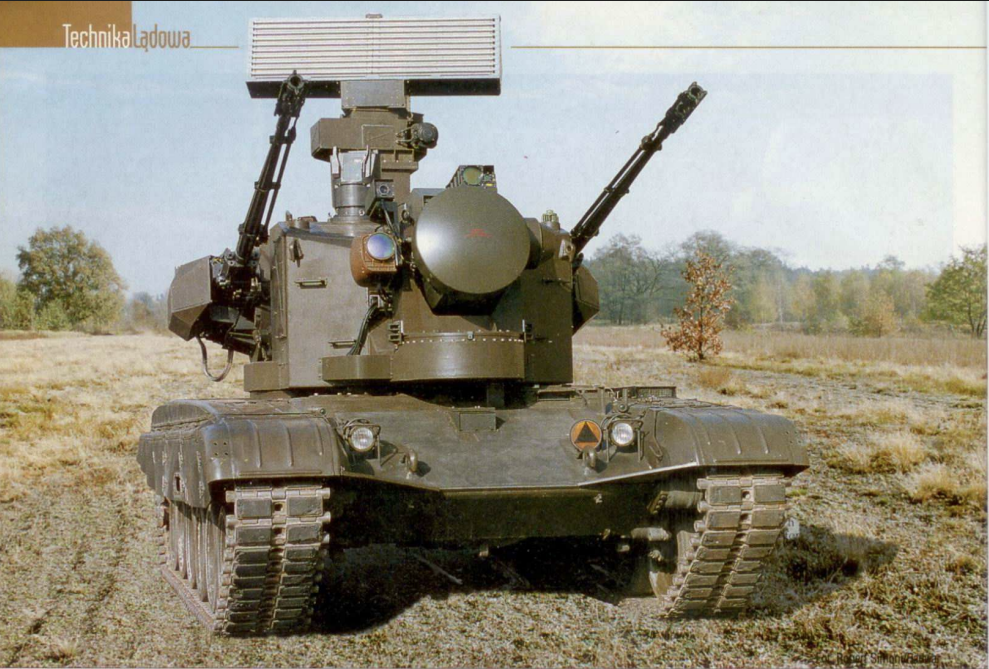
1st prototype
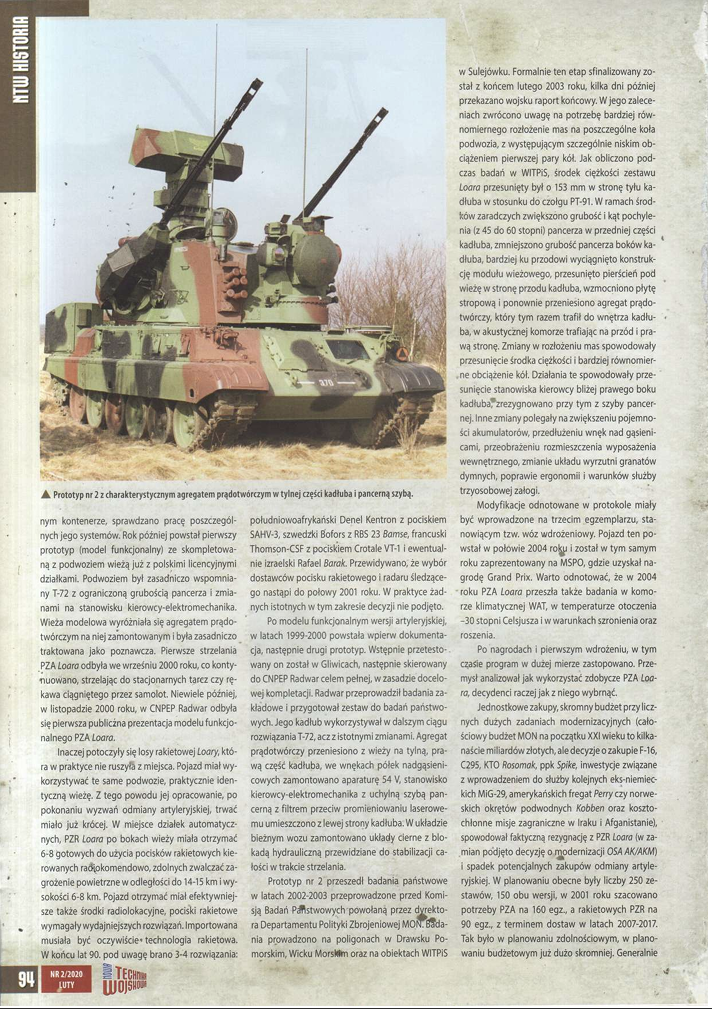
Following a functional model of the artillery version, a second prototype was built between 1999 and 2000. It was initially tested in Gliwice and then sent to CNPEP Radwar for full, essentially final, completion. Radwar conducted factory tests and prepared a set for state trials. Its hull continued to utilize the T-72’s design, albeit with significant changes. The power generator was relocated to the rear right of the hull, while the driver’s station, with a hinged armored windshield with a laser radiation filter, was placed on the left side of the hull. The vehicle’s running gear was equipped with friction systems with a hydraulic lock to stabilize the entire system during firing.
2nd Prototype underwent state trials in 2002-2003, conducted before the State Research Commission appointed by the Director of the Armament Policy Department of the Ministry of National Defense. Tests were conducted at the training grounds in Drawsko Pomorskie, Wicko Morskie, and at the WITPIS facilities in Sulejówek. This stage was formally finalized at the end of February 2003, with the final report submitted to the military a few days later. Its recommendations highlighted the need for a more even weight distribution among the individual chassis wheels, with a particularly low load on the first pair of wheels. As calculated during the WITPIS tests, the center of gravity of the Loara system was shifted 153 mm toward the rear of the hull compared to the PT-91 tank.
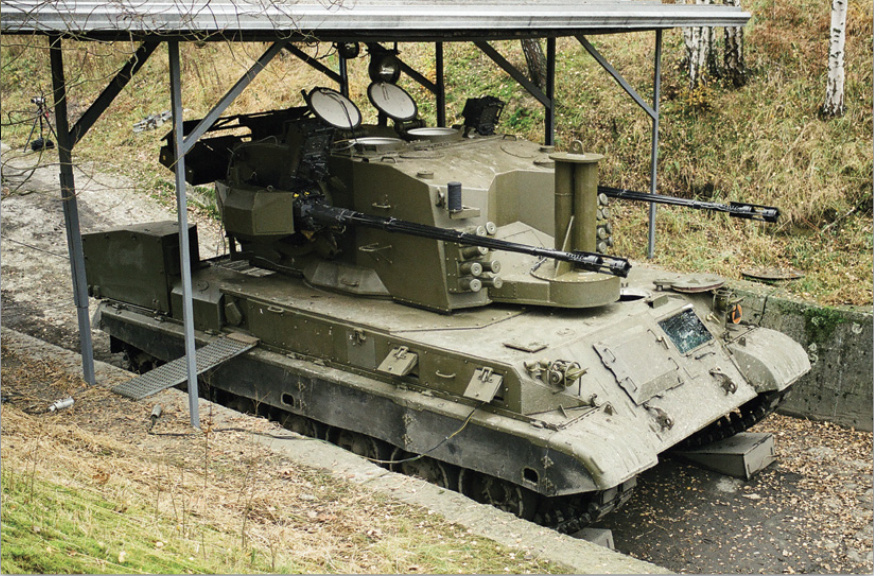
2nd prototype at training grounds
As part of the countermeasures, the armor thickness and slope angle in the front of the hull were increased (from 45 to 60 degrees), the armor thickness on the sides of the hull was reduced, the turret module structure was extended further forward, the turret ring was moved forward toward the front of the hull, the roof plate was reinforced, and the generator was relocated, this time inside the hull, in an acoustic chamber, to the front and right side. Changes to the weight distribution shifted the center of gravity and distributed the load more evenly across the wheels. These actions moved the driver’s station closer to the right side of the hull, and armored glass was eliminated. Other changes included increasing battery capacity, extending the track bays, rearranging the internal equipment, changing the smoke grenade launcher layout, changing the search radar antenna, improving ergonomics and operating conditions for the three-person crew.
The modifications noted in the protocol were to be implemented on the third vehicle, the so-called implementation vehicle. This vehicle was built in mid-2004 and presented at the MSPO the same year, where it won the Grand Prix. In 2004, PZA Loara also underwent tests in the Military University of Technology’s climatic chamber, at an ambient temperature of -30 degrees Celsius and under conditions of frost and dew.
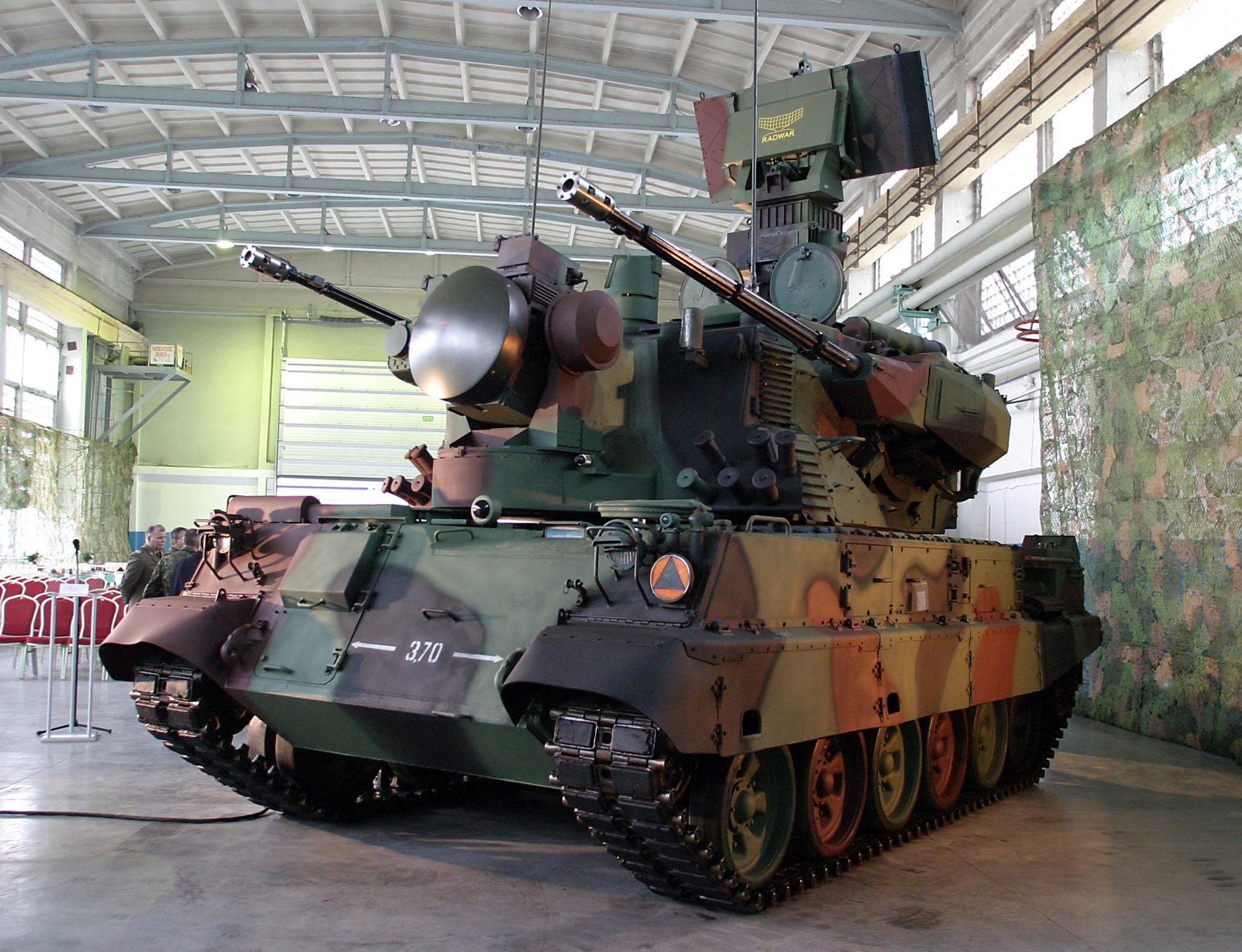
After the awards and initial implementation, the program was largely halted. Individual purchases, a modest budget, and numerous large-scale modernization projects led to the de facto abandonment of the PZR Loara and a decline in PZA purchases.
A single vehicle, manufactured as part of the implementation batch, was transferred to the 10th Armored Cavalry Brigade on December 9, 2004, where it served for several years in the anti-aircraft division, alongside the ZSU-23-4MP Biała. The vehicle participated in exercises, including those certifying contingents for Afghanistan, and was presented to visiting delegations. However, after several years, around 2010, it was decommissioned and placed in storage.
Characteristics
Armament
-
Turret: WU-148
- Horizontal guidance speed: up to 180 deg/s
- Vertical guidance speed: up to 90 deg/s
- 2 x 35mm Oerlikon KDA
- Elevation: -5°/+85°
- Two-plane stabilizer
- Fire rate: (550 rds/m each)
- Ammo capacity: 420 + 40 (2x210 + 2x20)
- Ammo feeding: Dual-feed
-
2x6 81mm Gak-81 smokes
-
Ammo:
-
APDS (DM23)
-
FAPDS-T (domestic)
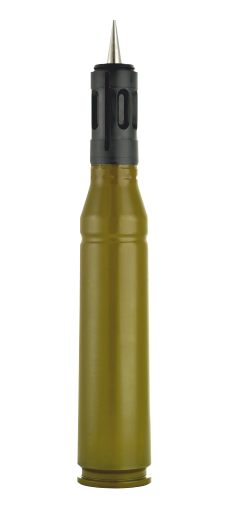
- Projectile weight: 380 g
- Cartridge weight: 1460 g
- Muzzle velocity: 1440 m/s
- Charge weight: ~376 g (5802,57 gr)
- Dispersion: ≤ 0.6 mils at 1 000 m
- Penetration: 10 and 30 mm RHA 45° NATO at 2000 m within distance of 60mm to each other
-
Mobility
- Crew (3): Driver, Commander, Gunner
- Engine: S-12U
- power: 625 kW / ≈850 PS @ 2000 rpm
- Transmission:
- Gears: 7 forward, 1 reverse
- Max speed: 60 km/h
- Combat weight: 45300 kg
Armor
Turret and hull are made from RHA
It’s armor protects crew from small arms fire
Optics, electronics
-
Commander optic:
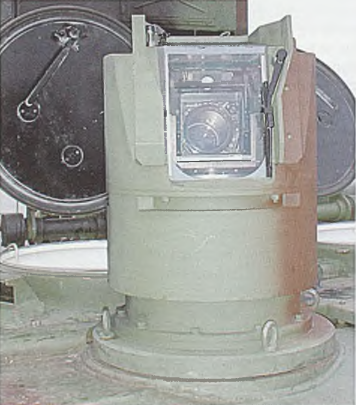
- PSPD-1 Periscope:
- Two-plane stabilizer
- Zoom: 8x
- PSPD-1 Periscope:
-
RSWW-148 3D Phase Array Search Radar:
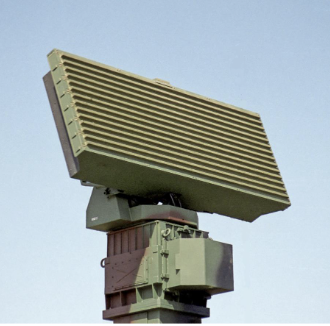
- Frequency band: NATO - E/F, IEEE - S
- Radar rotation: 60 rpm
- Detection range: 26 km
- Detection altitude: 6 km
- Elevation coverage: 55°
- Identification of targets: 64
- Beams: Transmitting - 1, Receiving - 5
- Detection of hovering helicopters
- Efficient ECCM
- IFF built in
-
Ericsson Eagle Mk 2 Engagement radar:
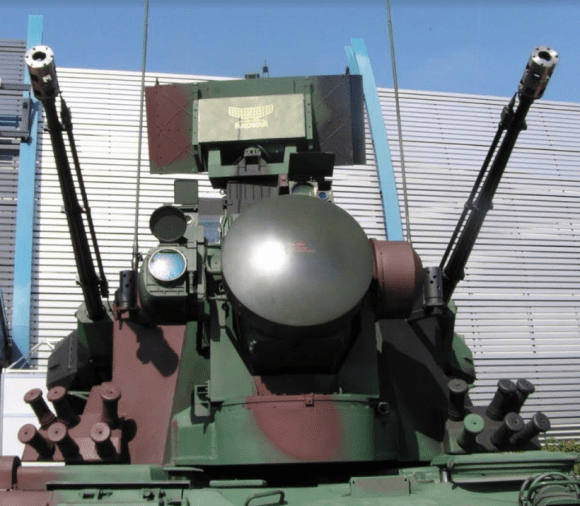
- Frequency band: NATO - K, IEEE - Ka
- Range: 30 km
-
KTVD-1 daylight camera
-
Sagem FLIR camera:
- 2nd generation
- Electronic zoom: 2x
-
Videotracker
-
Laser rangefinderㅤ
-
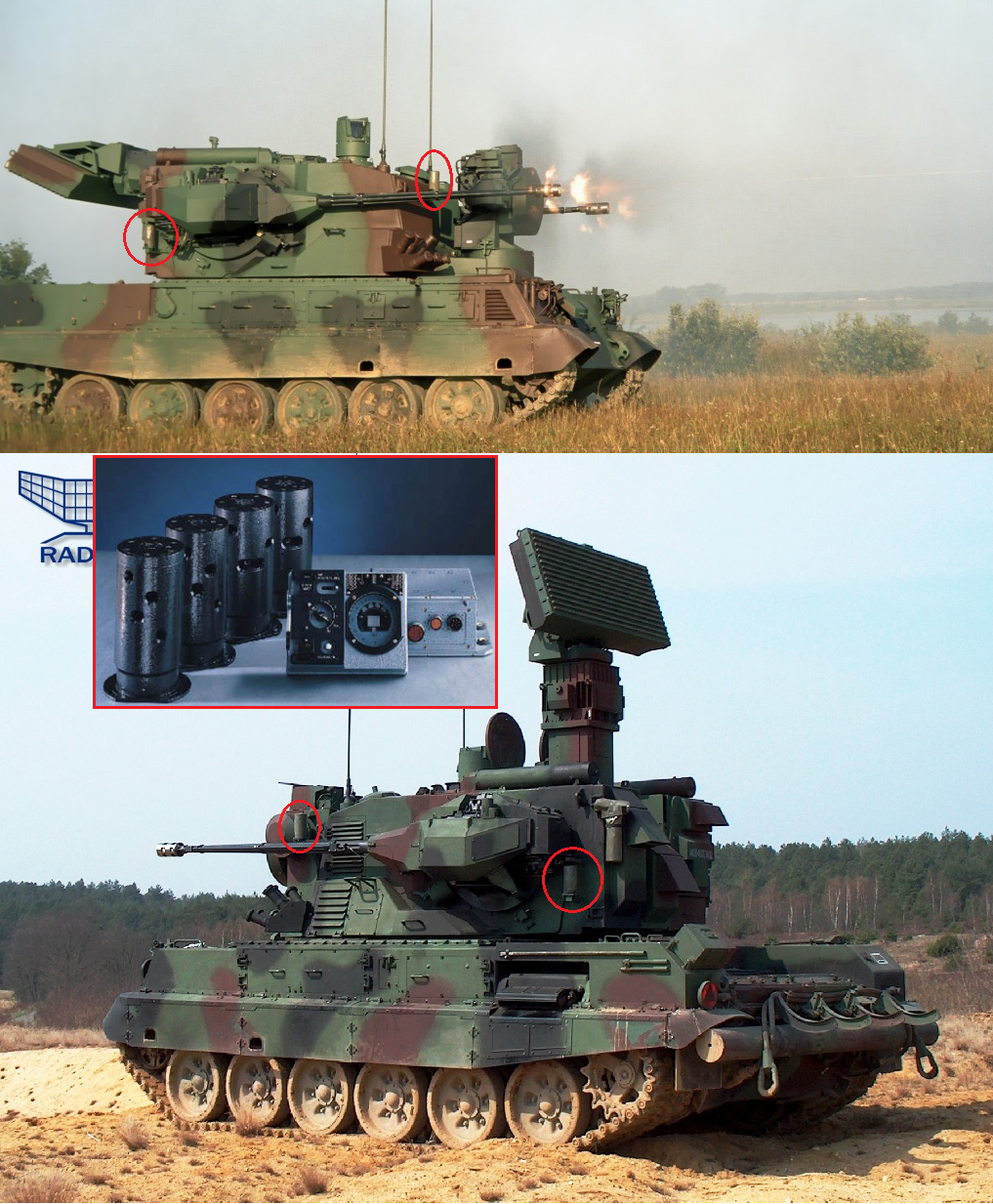
SSC-1 Obra Laser warning system
- Detection angular range in vertical plane: -6°/+20°
- Detection angular range in horizontal plane: 360°
- Range of detected radiation: 0.6 μm – 11 μm.
Dimensions
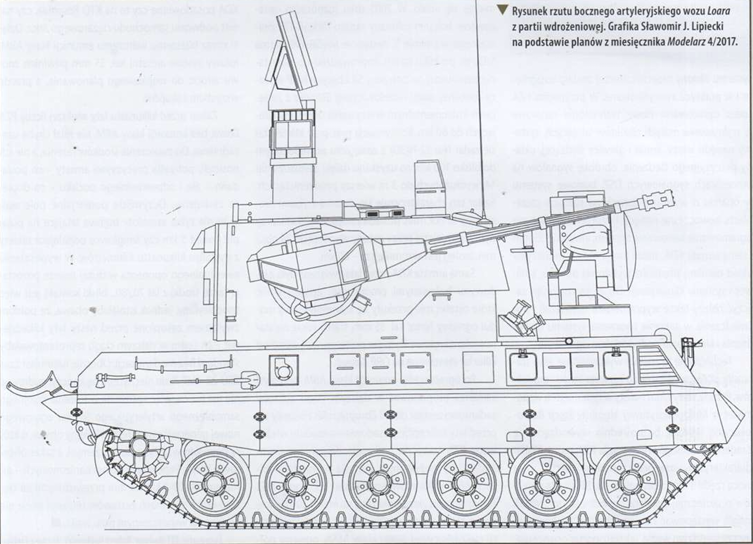
Overall length: 6670 mm
Overall width : 3470 mm
Ground clearence: 470 mm
Summarized characteristics
- Crew (3)
- Driver, gunner, commander
- 2 x 35mm Oerlikon KDA
- Ammo: FAPDS-T, APDS
- Elevation: -5°/+85°
- Two-plane stabilizer
- Fire rate: (550 rds/m each)
- Commander Periscope
- Two-plane stabilized
- Gunner sight
- 2nd Gen thermals
- LWS SSC-1 Obra
- Laser Rangefinder
- 12 x 81mm Gak-81 smokes
- Combat weight: 45,3 t
- Engine: S-12U 625 kW / ≈850 PS
- Max speed: 60 km/h
- Length 6,67 m Width: 3,47 m
Photos
https://www.youtube.com/watch?v=OrubYAMT5EY
https://www.youtube.com/watch?v=Bdz-NtAD2SU
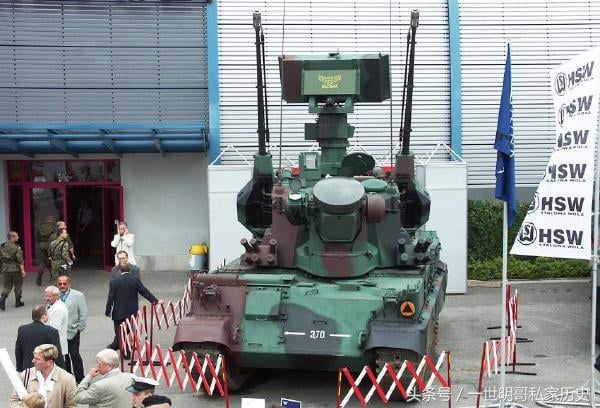
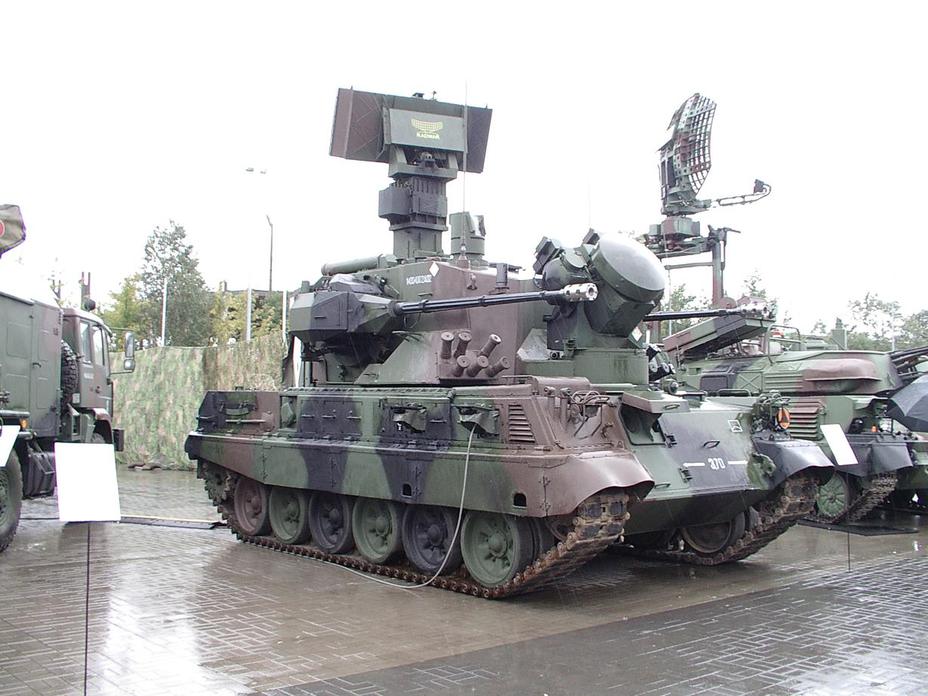
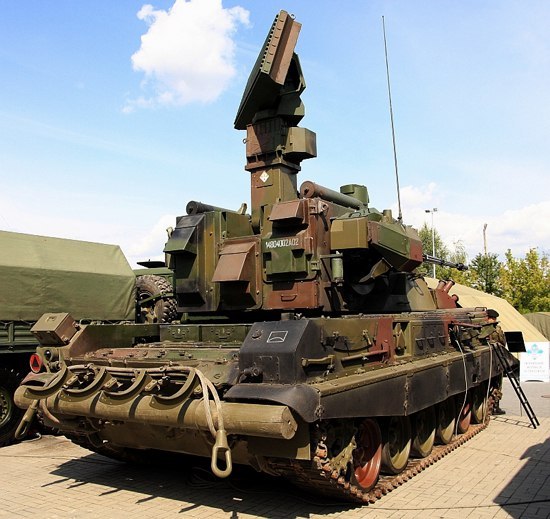
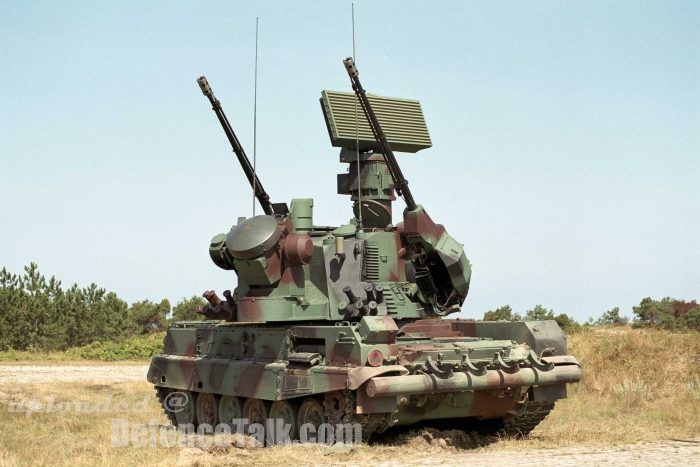
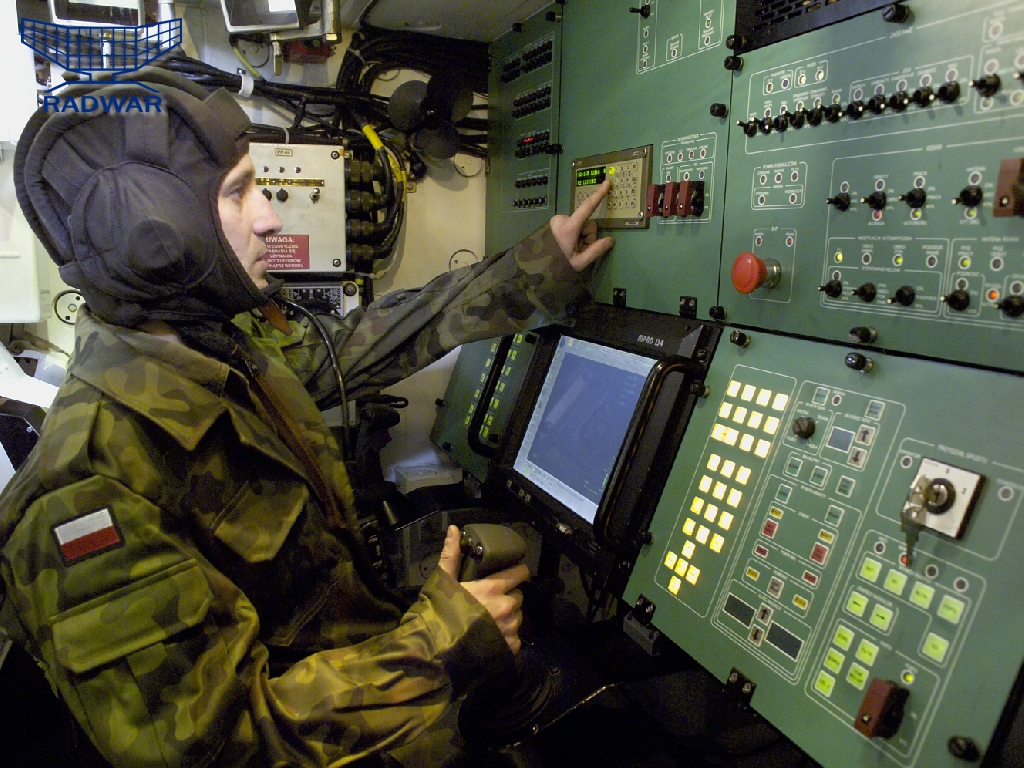
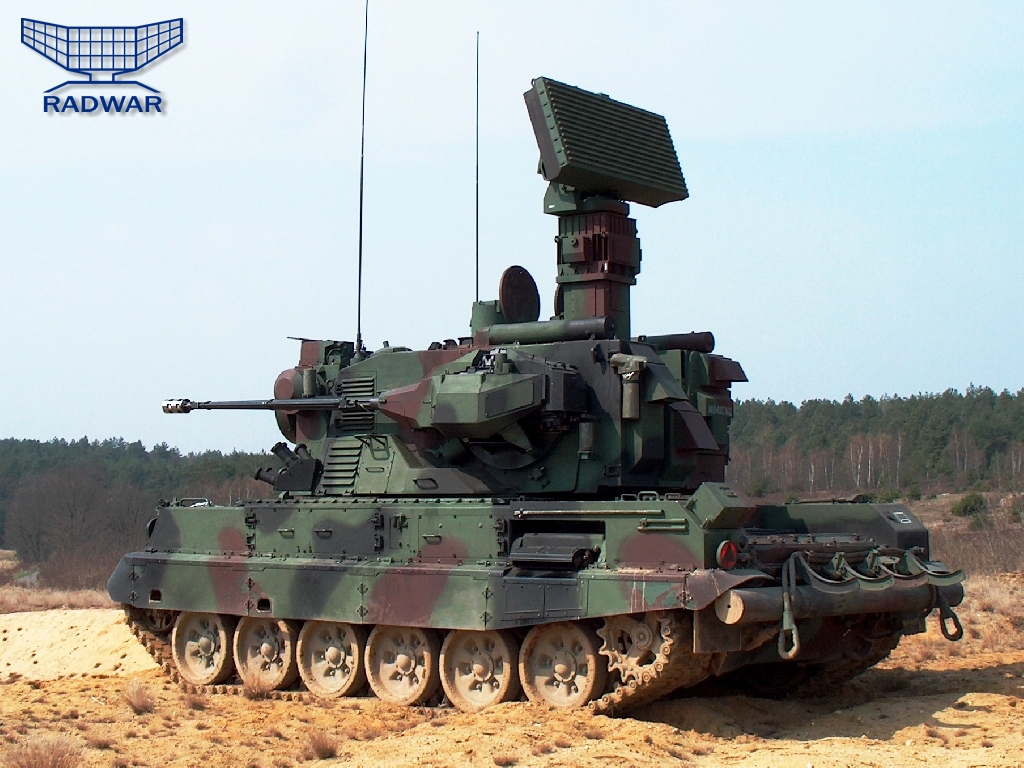
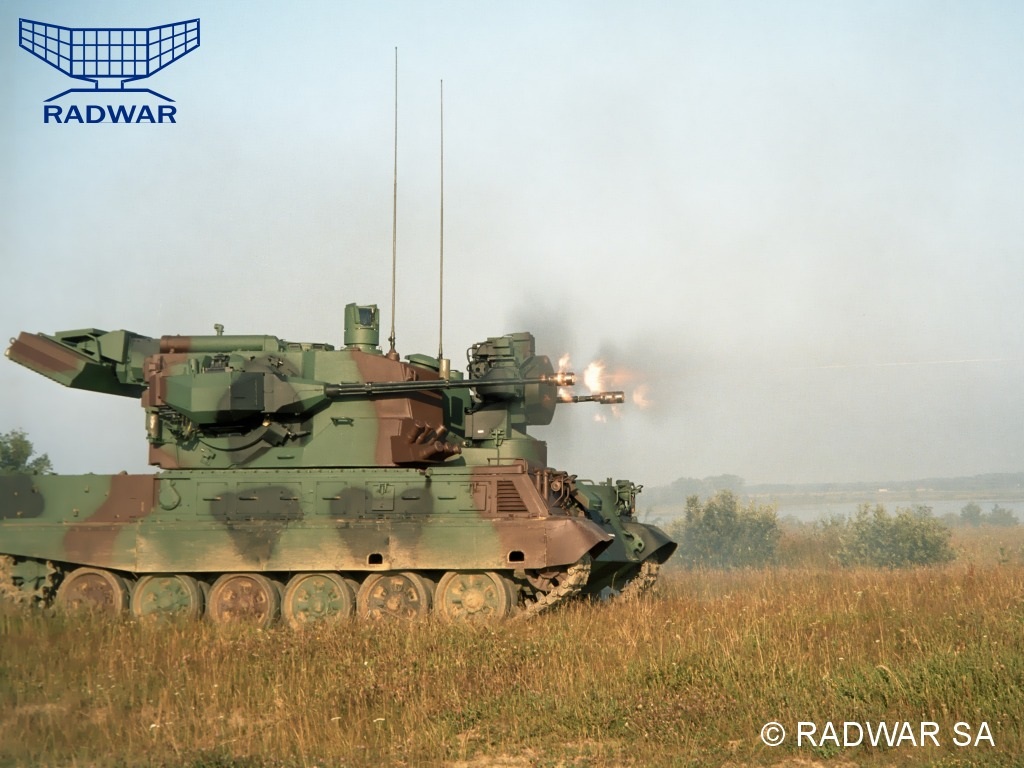
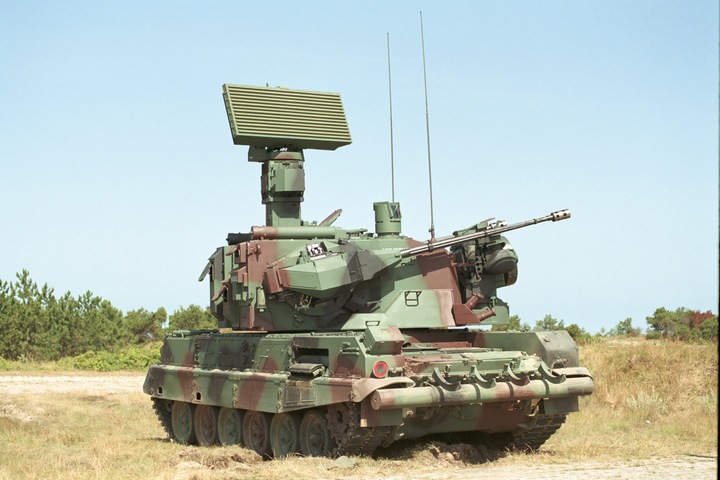
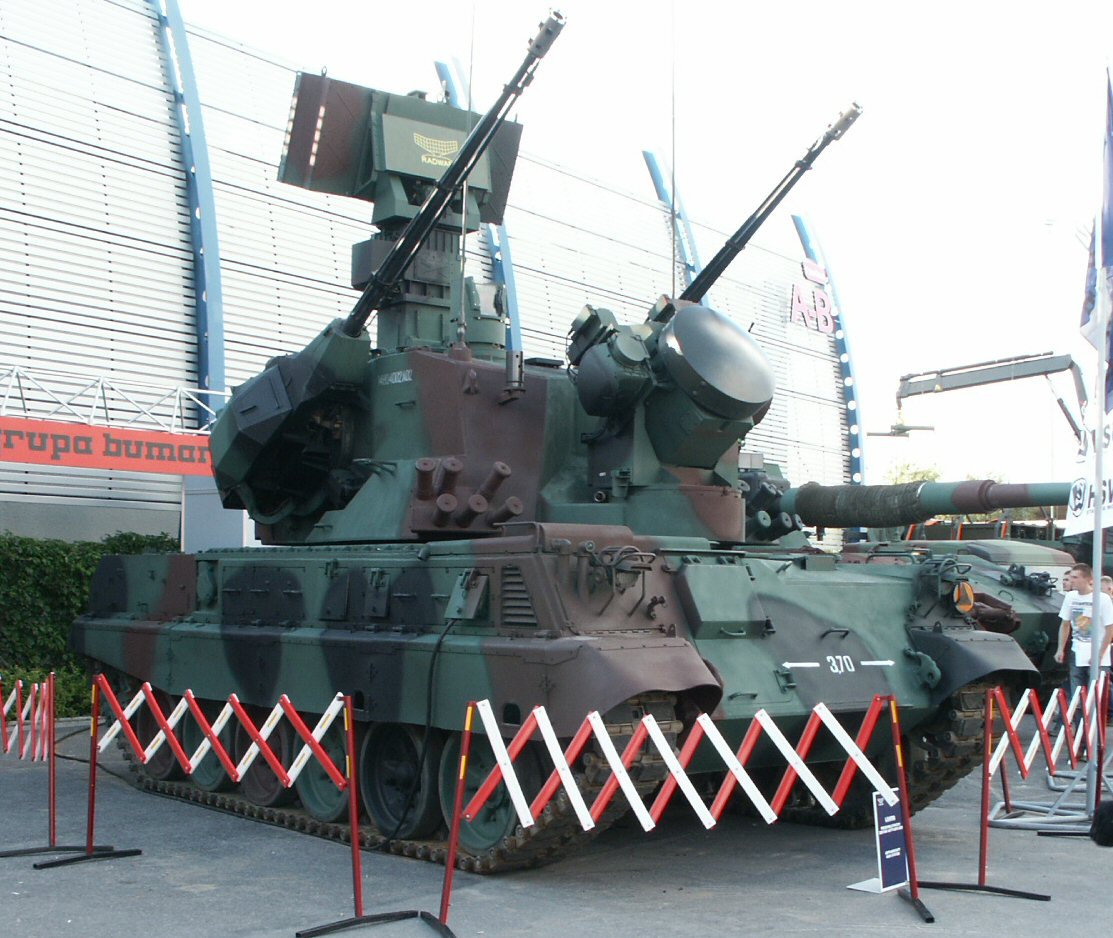
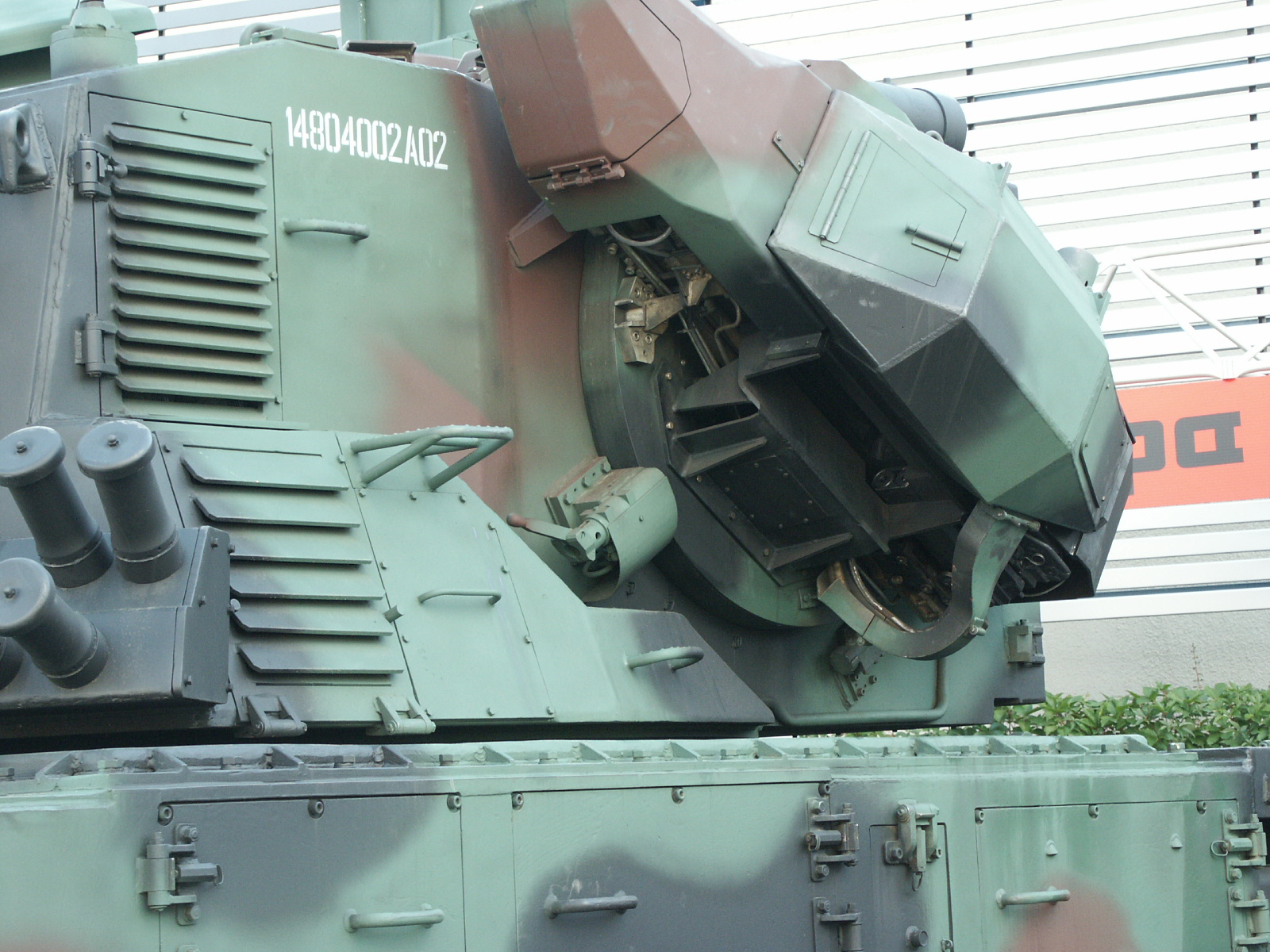
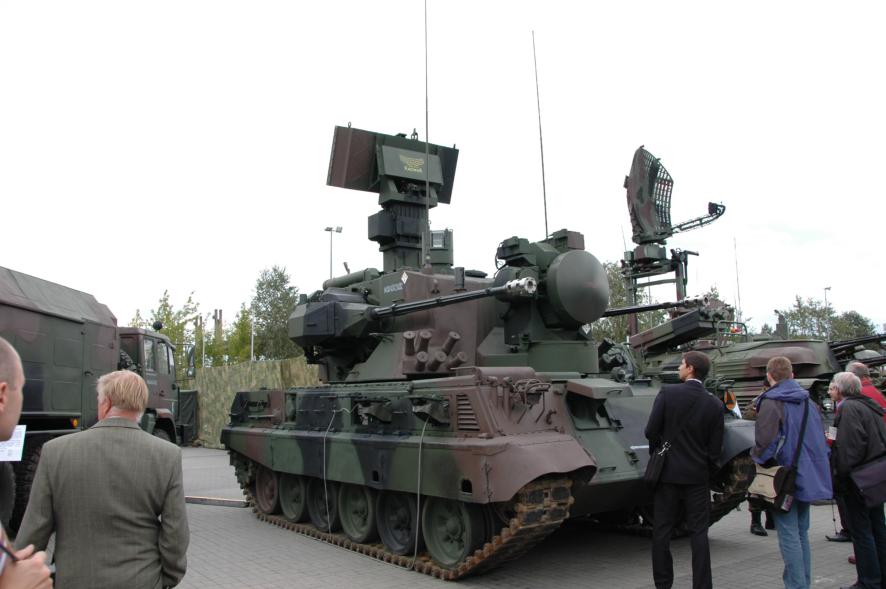
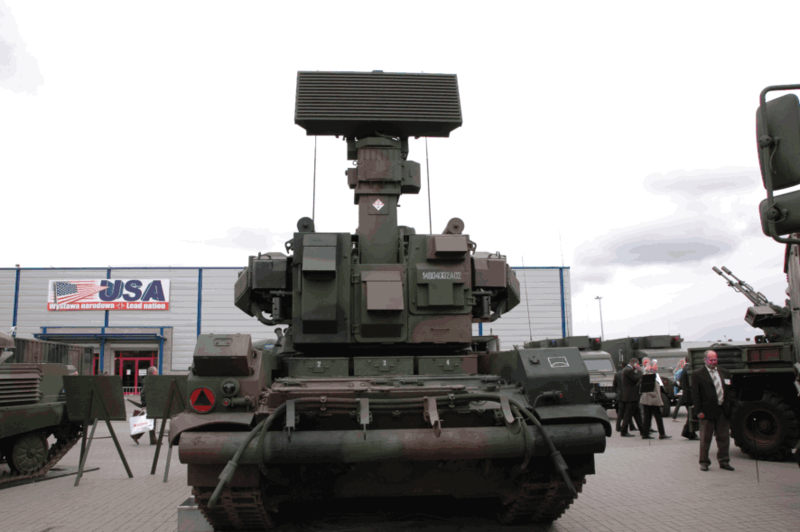
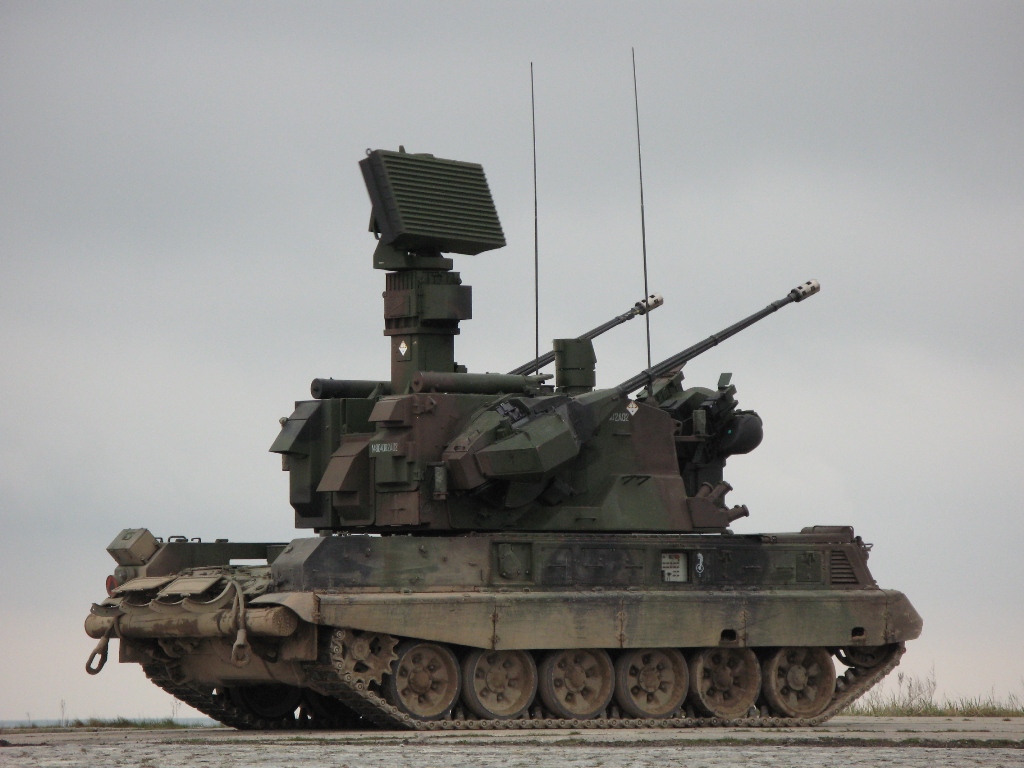
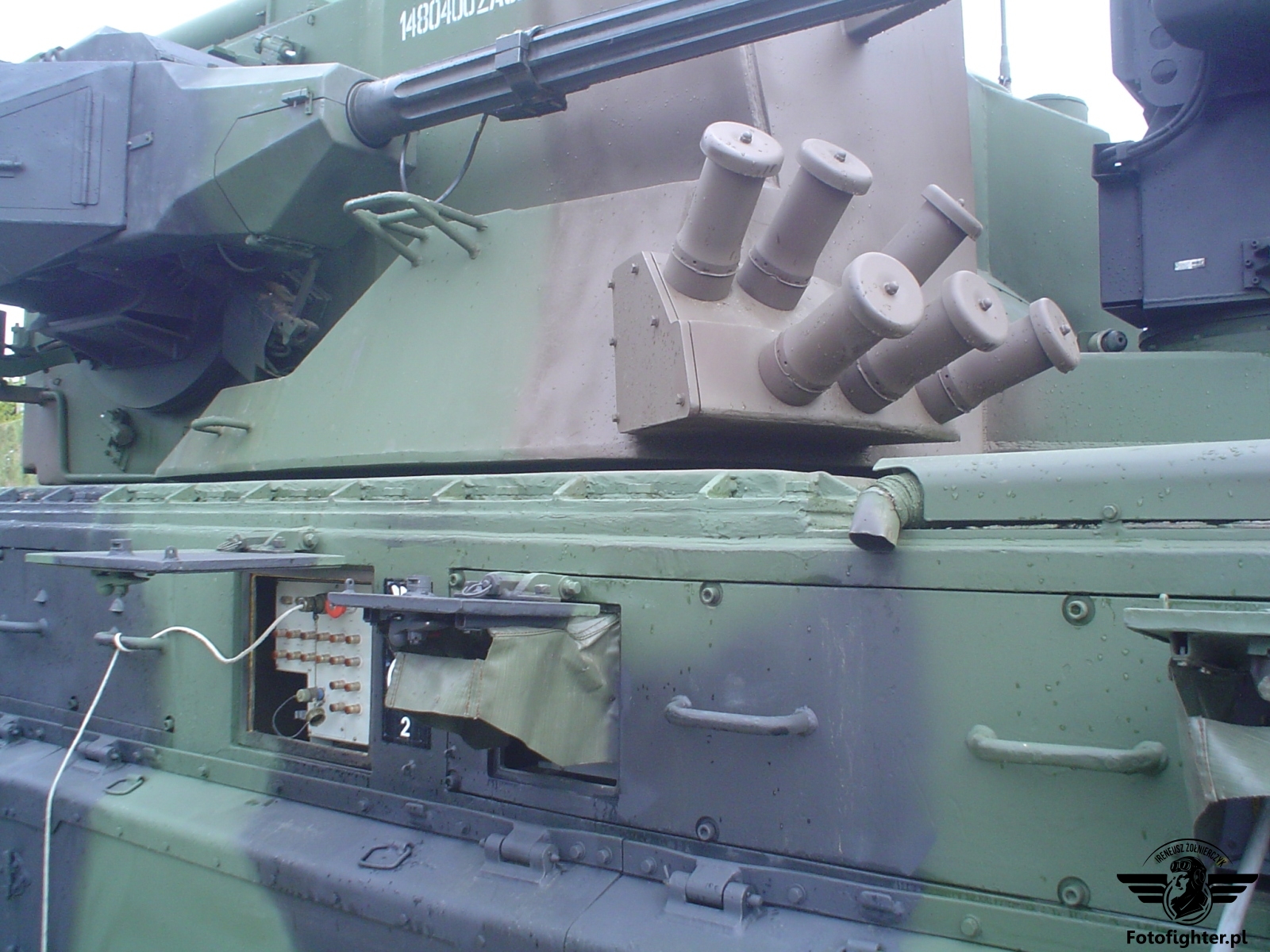
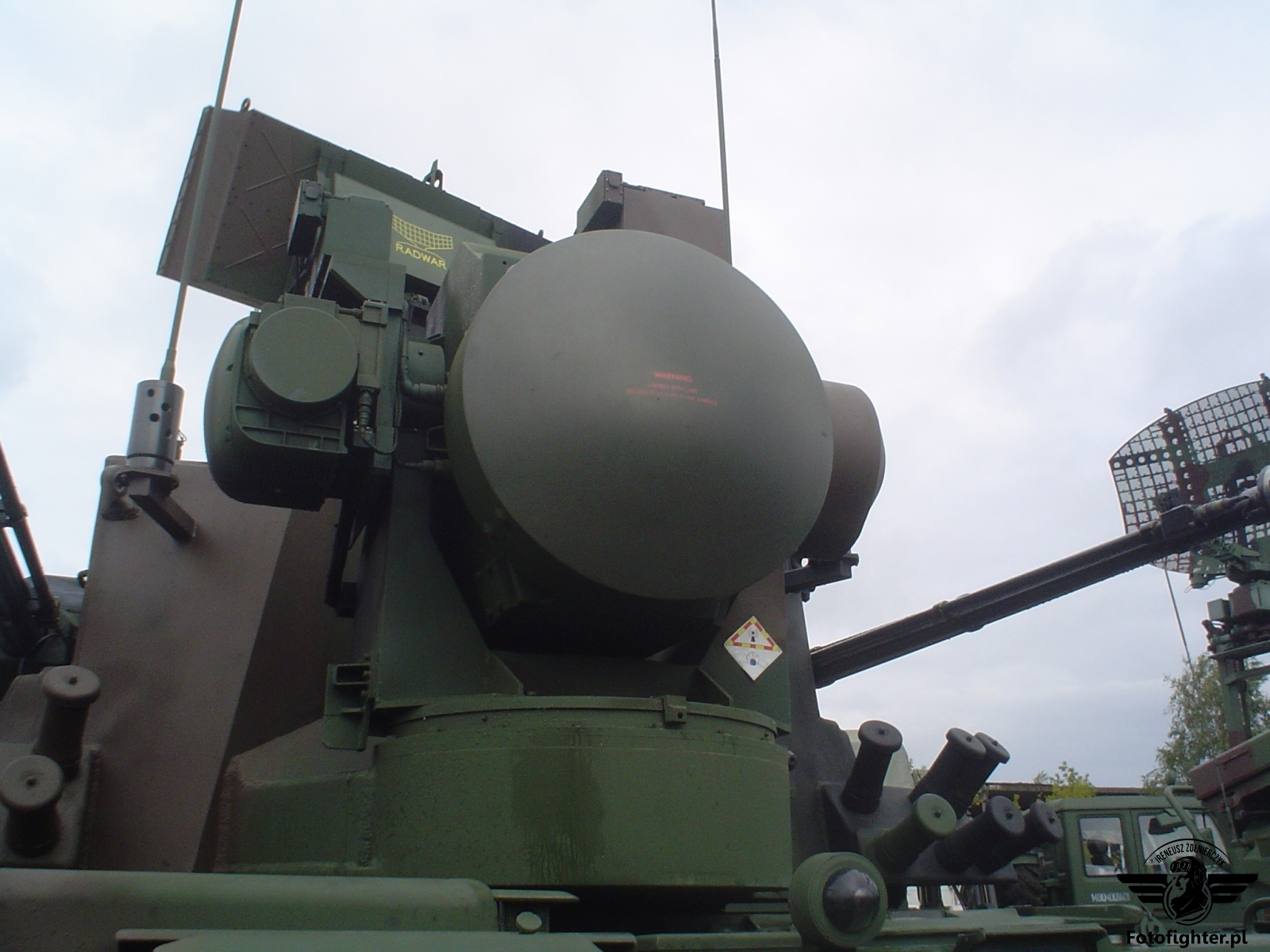
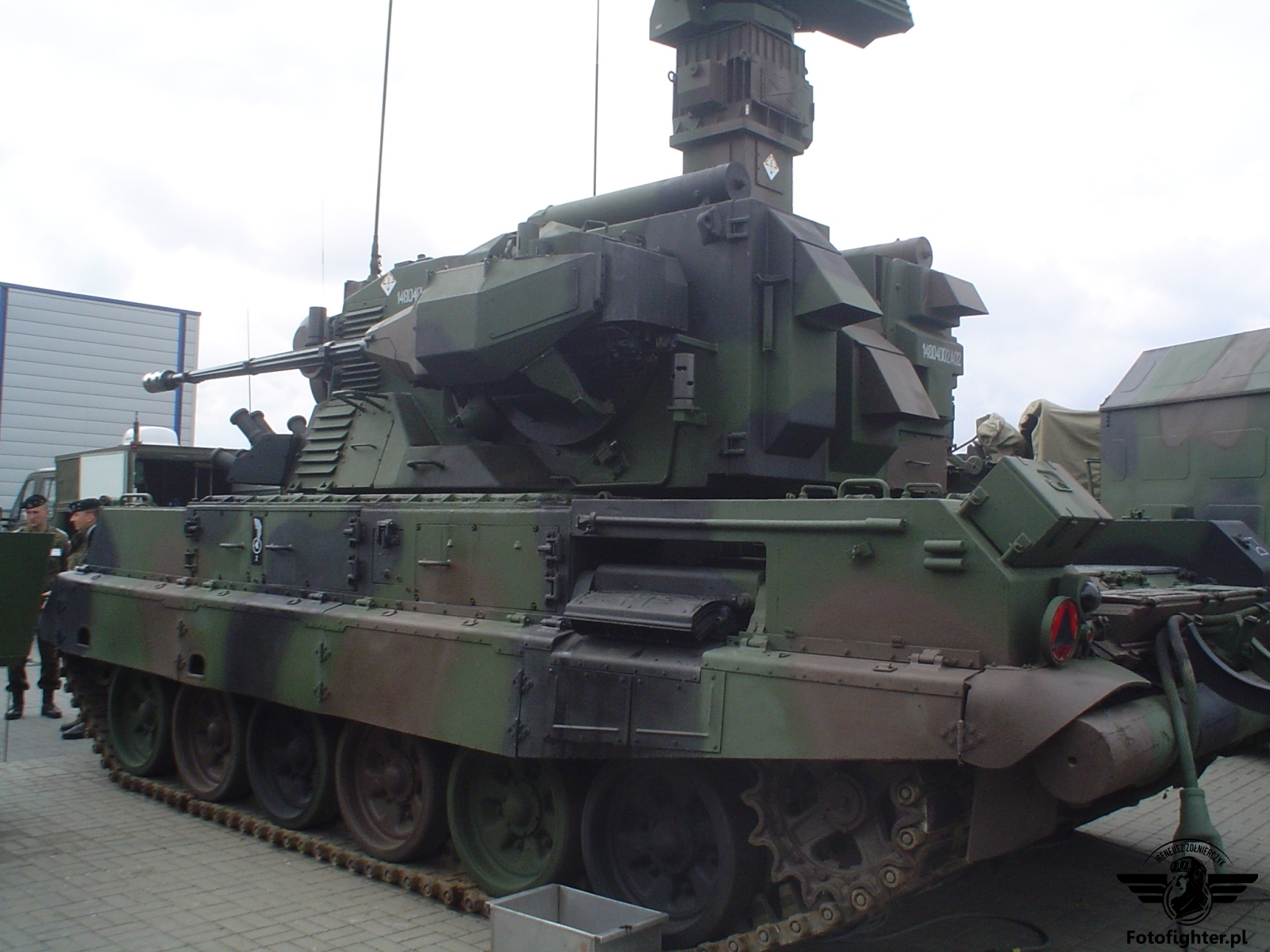
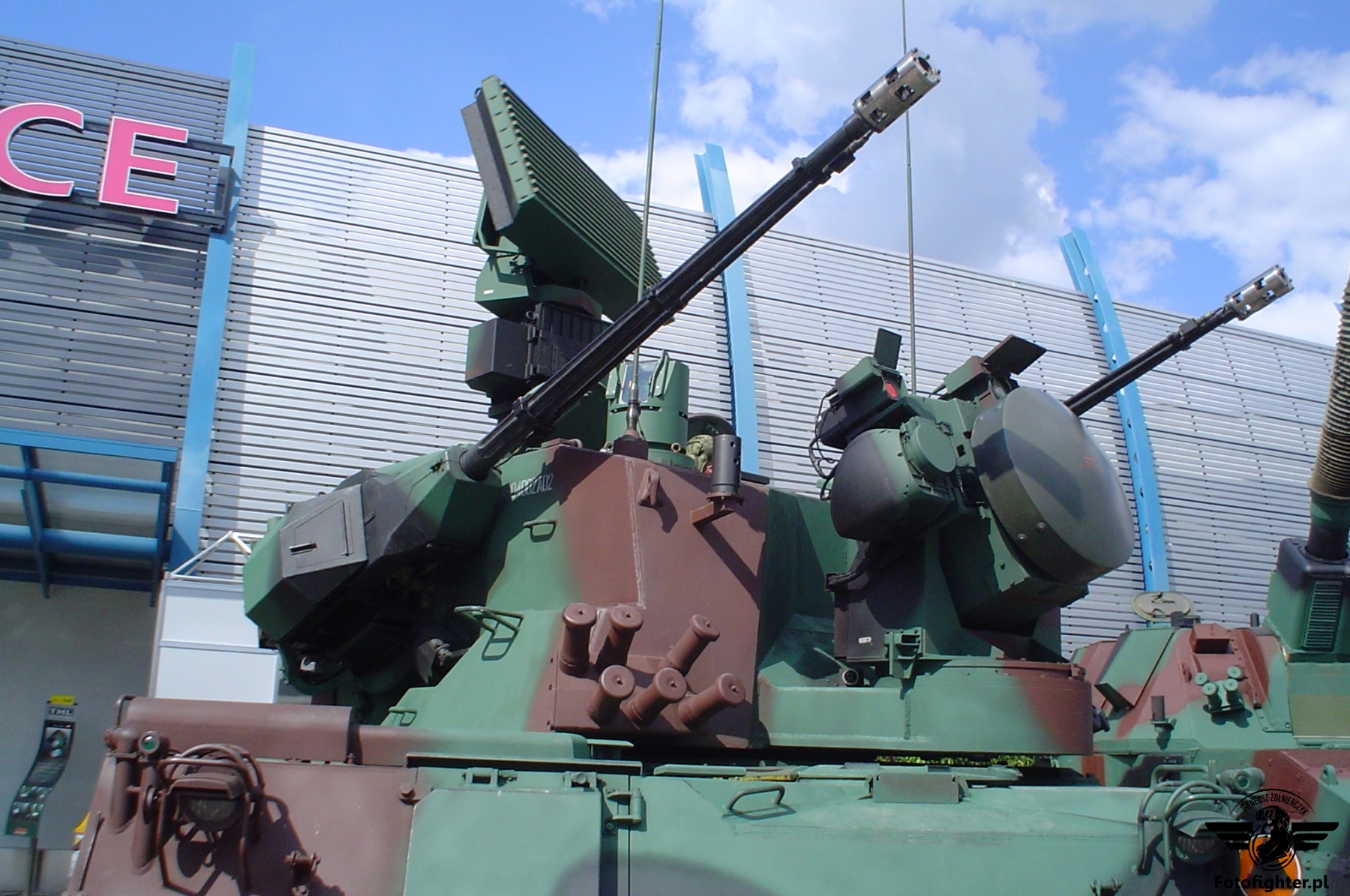
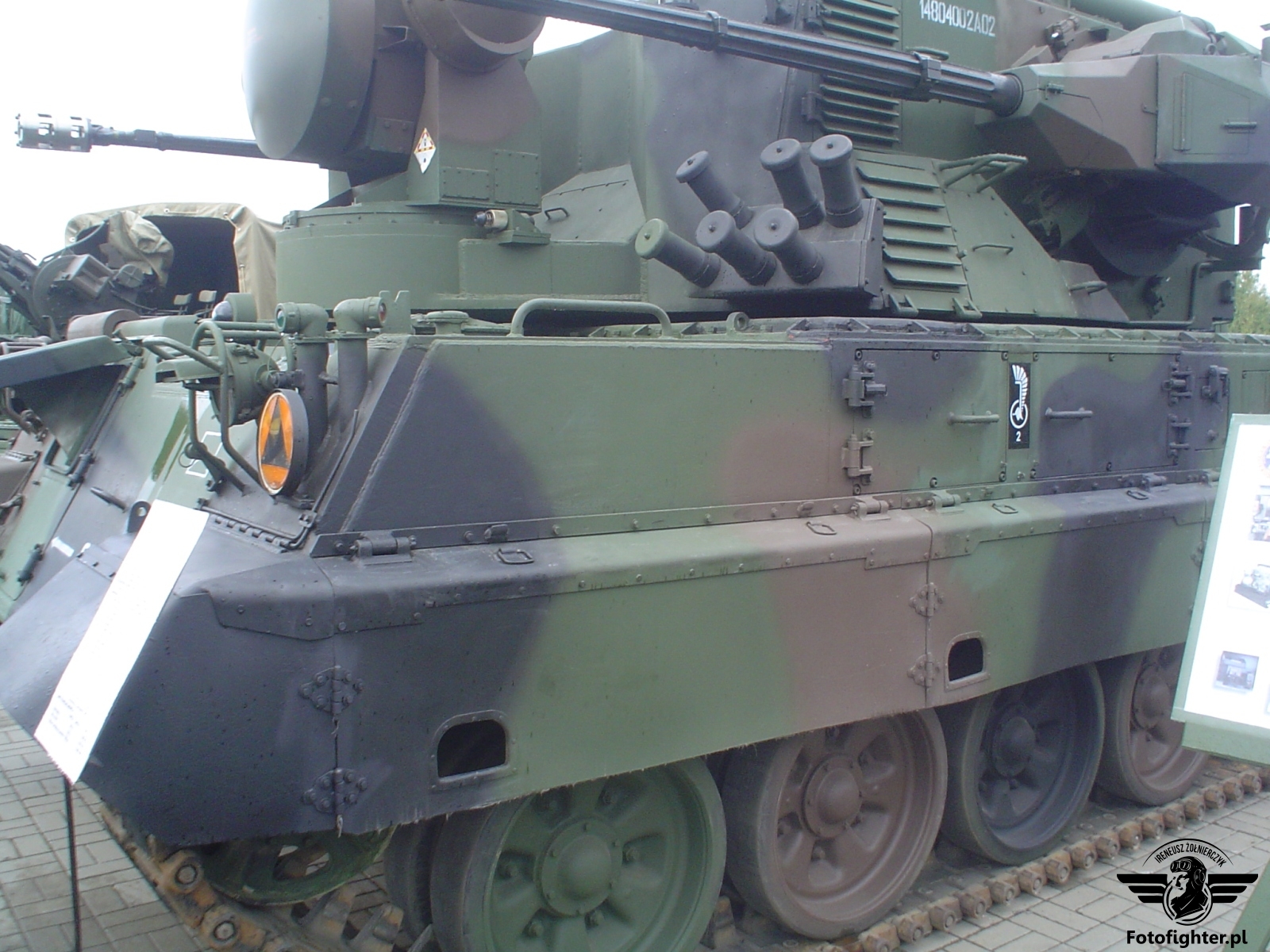

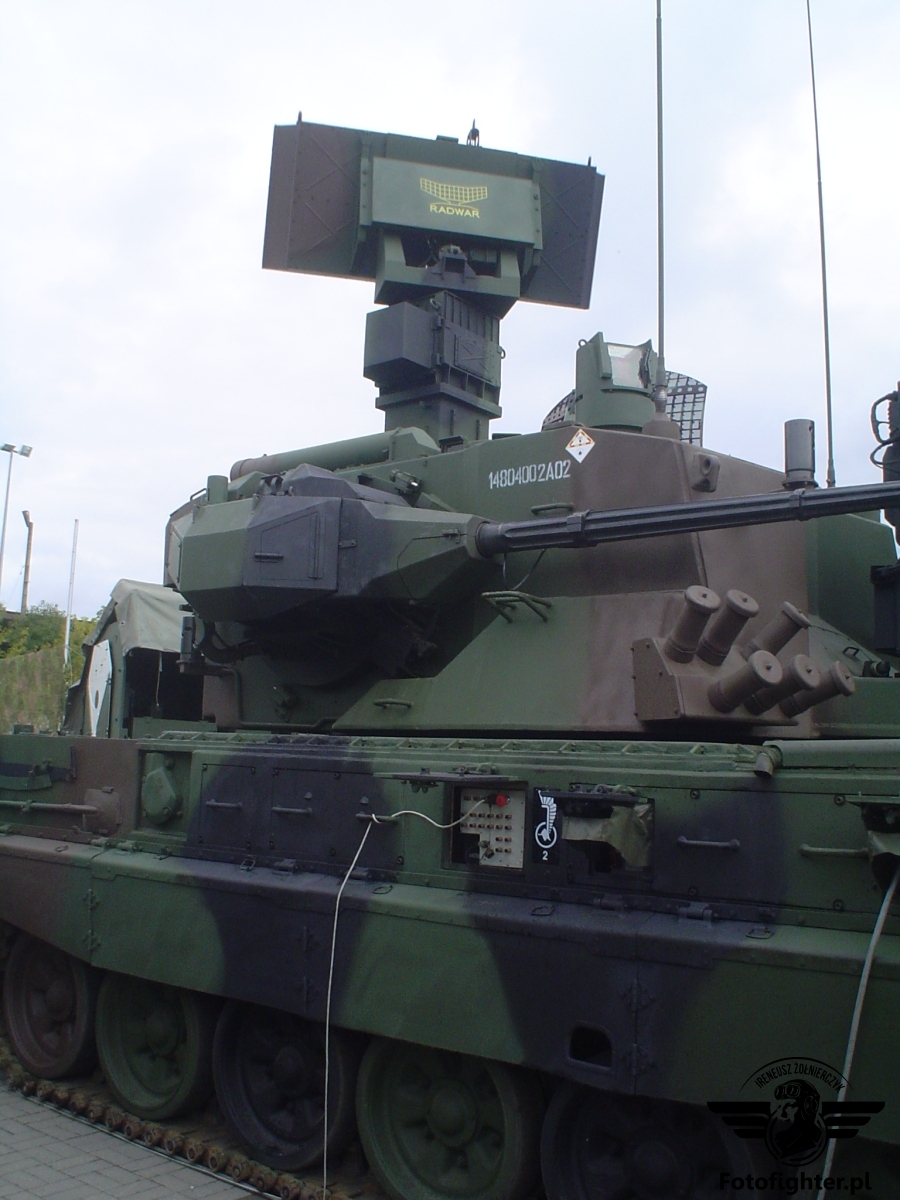
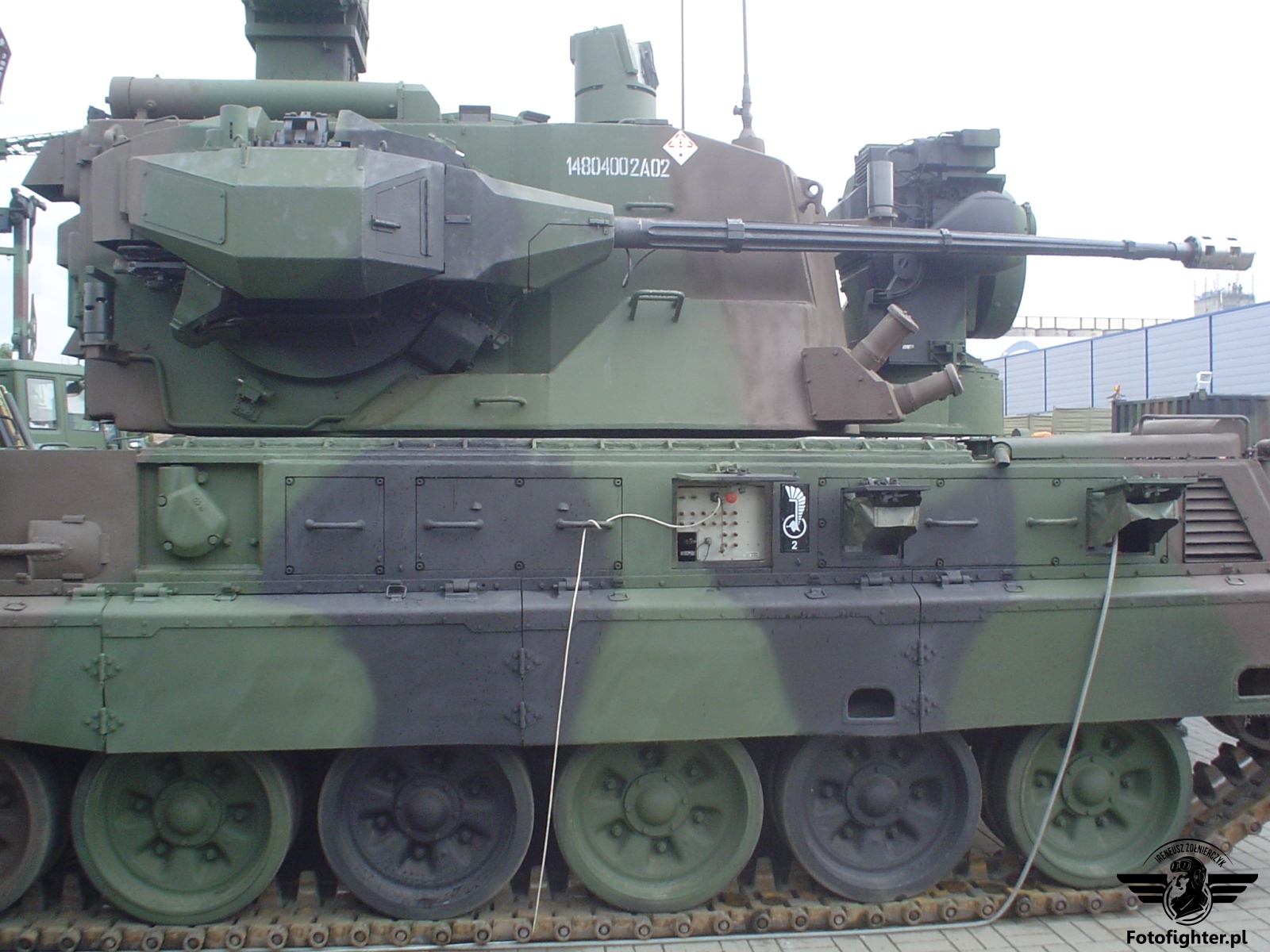
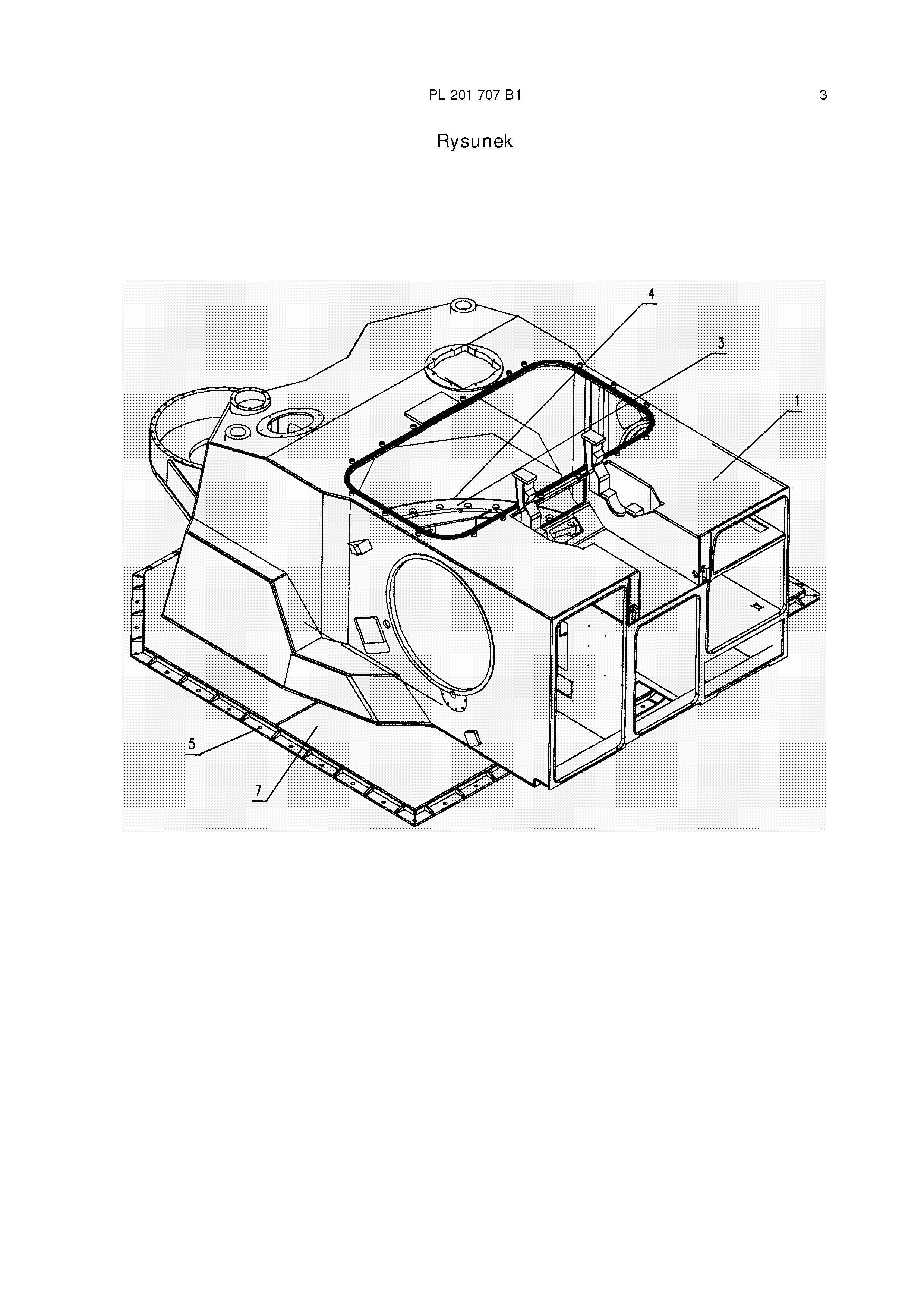
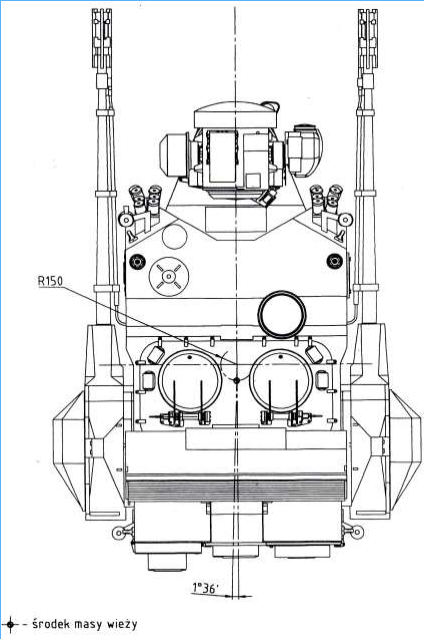
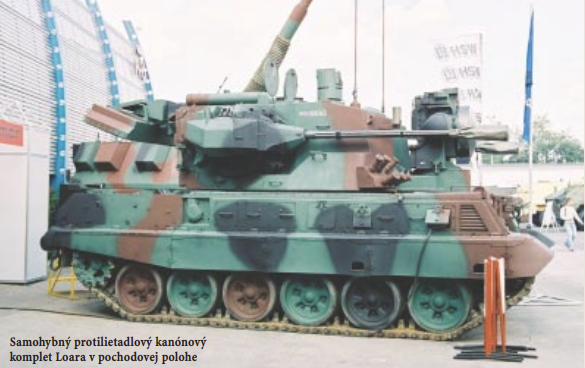
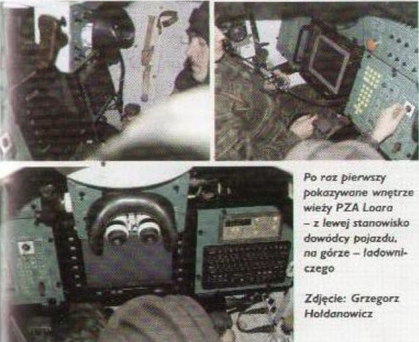
WU-148 from 1st & 2nd prototype
Sources
Broshures/Books/Magazines/Manufacturer
-
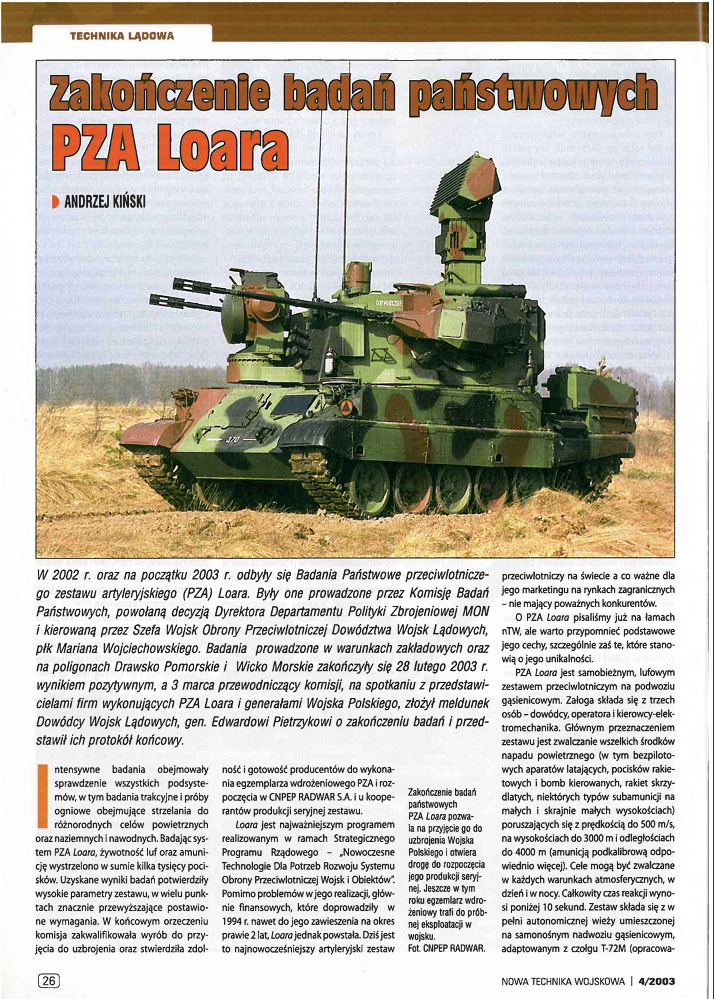
Nowa Technika Wojskowa 04/2003
-
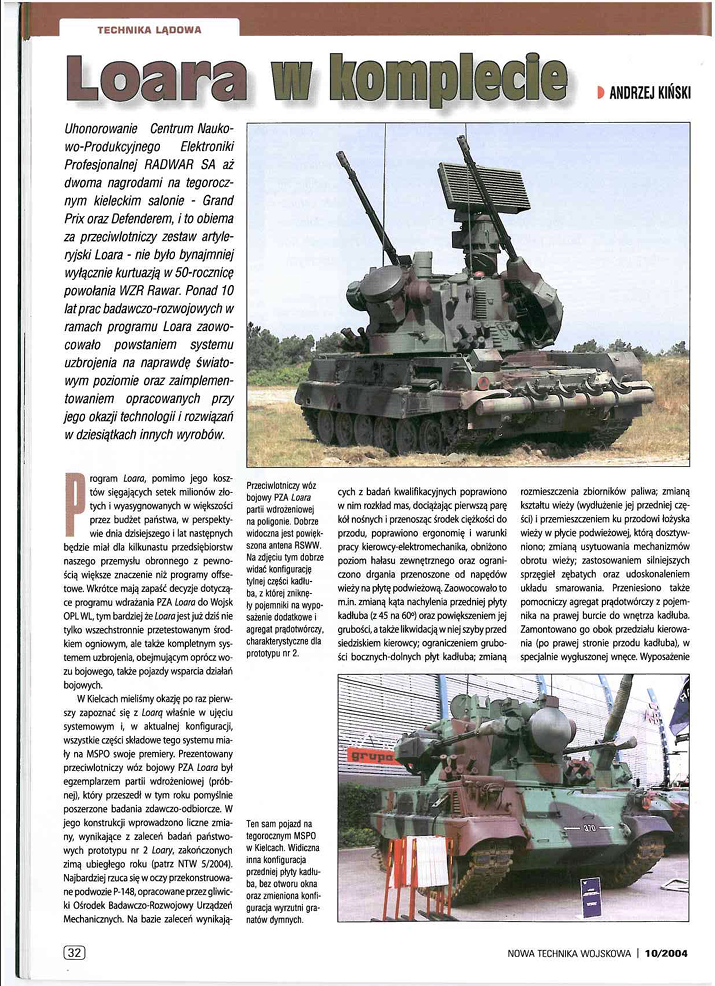
Nowa Technika Wojskowa 10/2004
-
Nowa Technika Wojskowa 01/2005
-
Nowa Technika Wojskowa 02/2005
-
Nowa Technika Wojskowa 02/2020
-
Polish Defence Industry 04/2006
https://web.archive.org/web/20251008193956/https://przemysl-obronny.pl/wp-content/uploads/2012/11/PDI-04-2006.pdf#page=26 -
Prace PIT, 50 lat Polskiej Radiolokacji 1953-2003
https://delibra.bg.polsl.pl/Content/37284/BCPS_41175_2003_Prace-Przemyslowego-.pdf#page=34 -
Szybkobieżne Pojazdy Gąsienicowe 02/2003
https://web.archive.org/web/20180919202325/http://www.obrum.biz/upload/downloads/spg/203/06_HOLOTA_KIKLAISZ.pdf -
Przegląd Wojsk Lądowych 08/2006
https://web.archive.org/web/20061002000952/http://www.army.mil.pl/strona_pl/publicystyka/pwl/pwl08_06/szkol16.pdf#page=2 -
General data by Radwar
CNPEP RADWAR SA: Offer: Military Products
CNPEP RADWAR SA: Oferta: Wyroby dla wojska

Armament
dimensions, mobilty
Przegląd Wojsk Lądowych 08/2006
Polish Defence Industry 04/2006
Armor
Szybkobieżne Pojazdy Gąsienicowe 02/2003
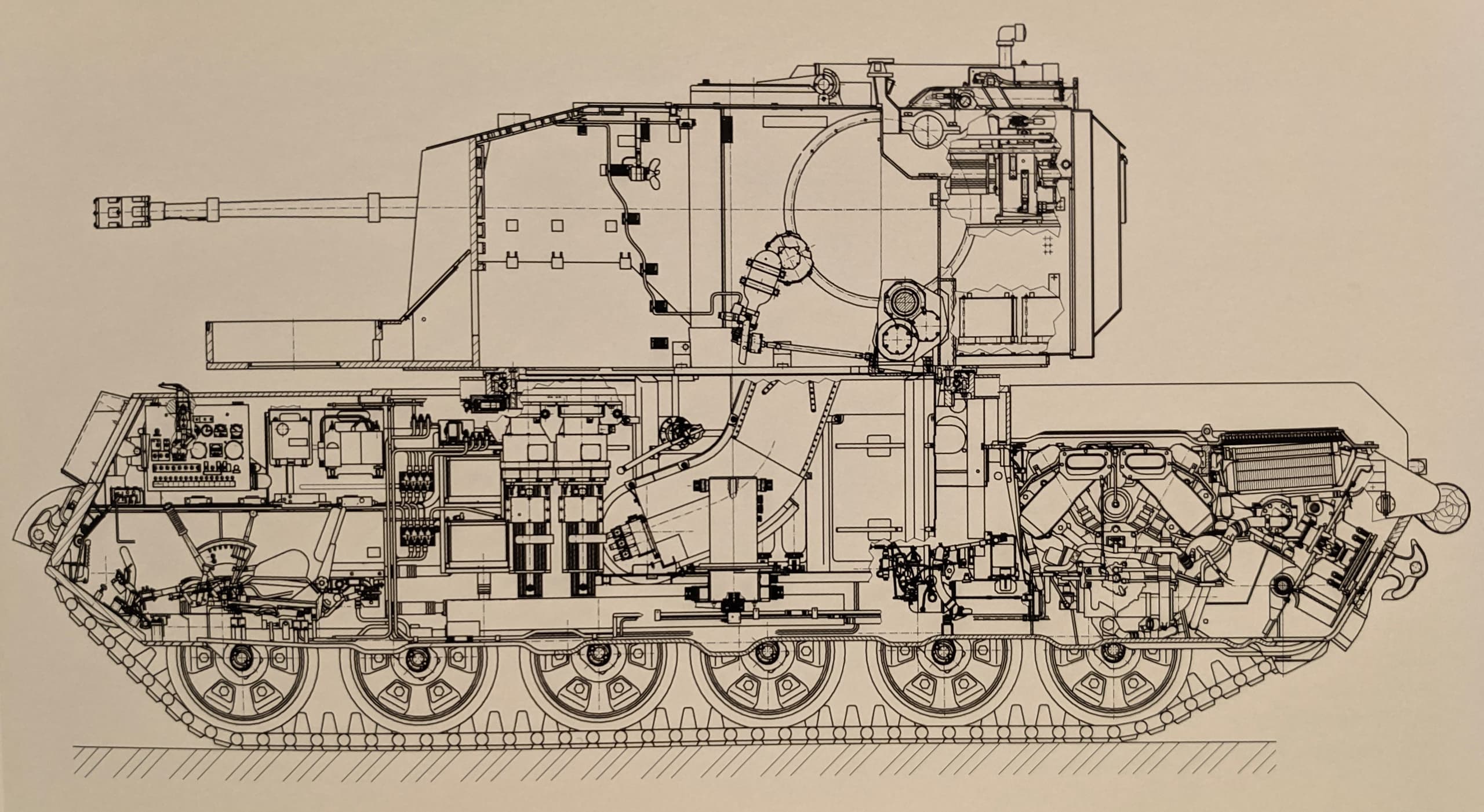
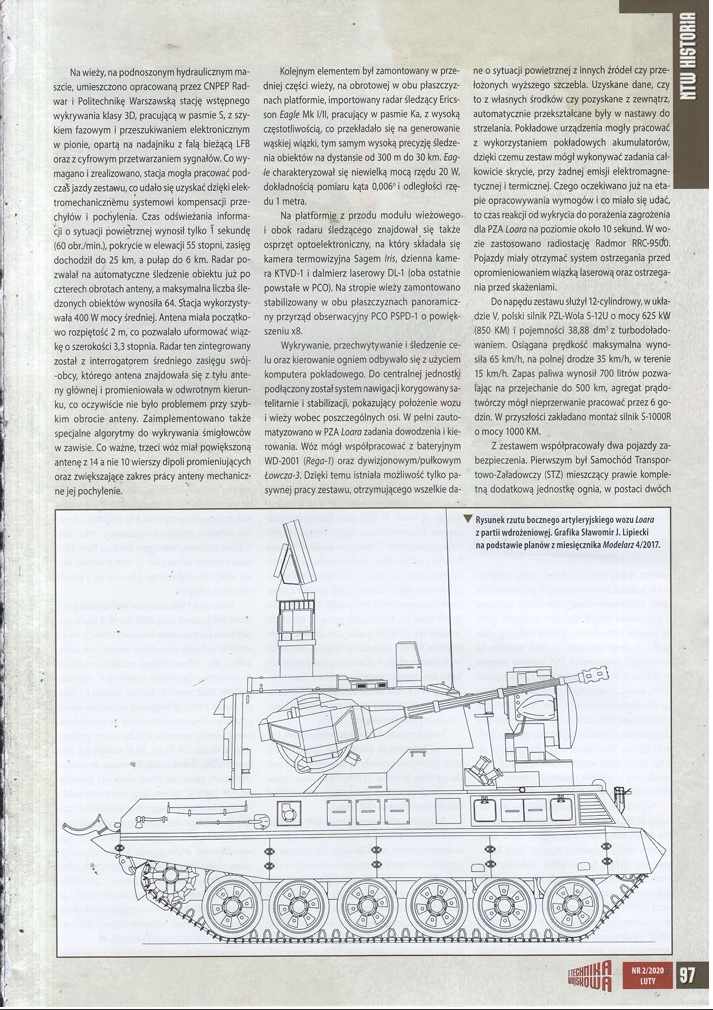
- Loara’s cross section
40 lat OBRUM. Od zakładu produkcji doświadczalnej do spółki praw handlowego.