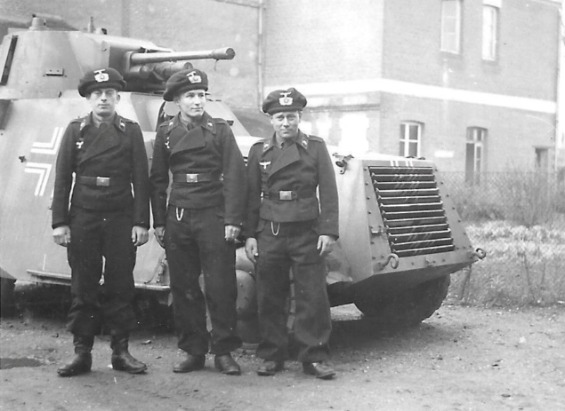
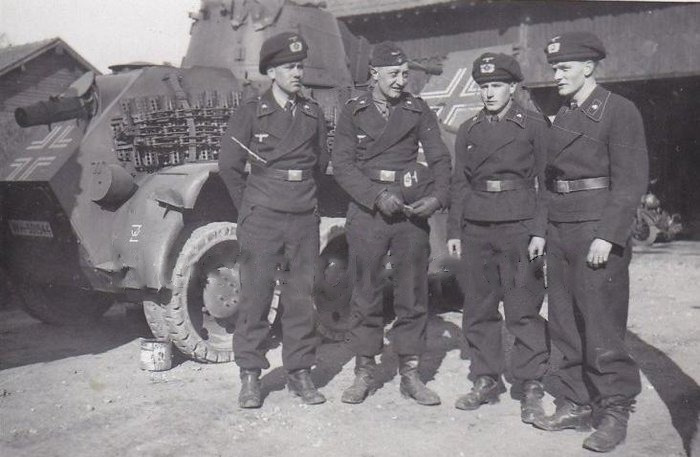
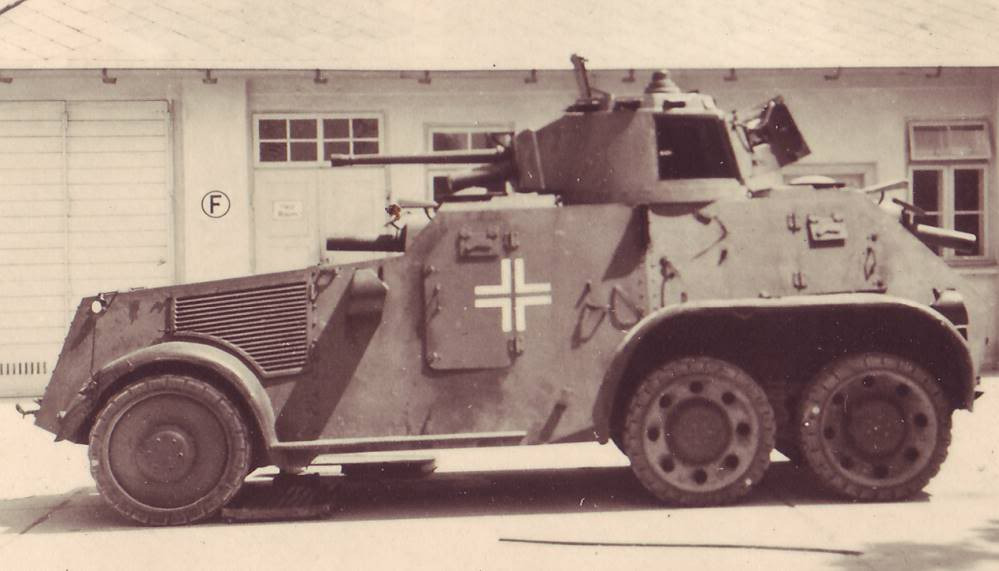
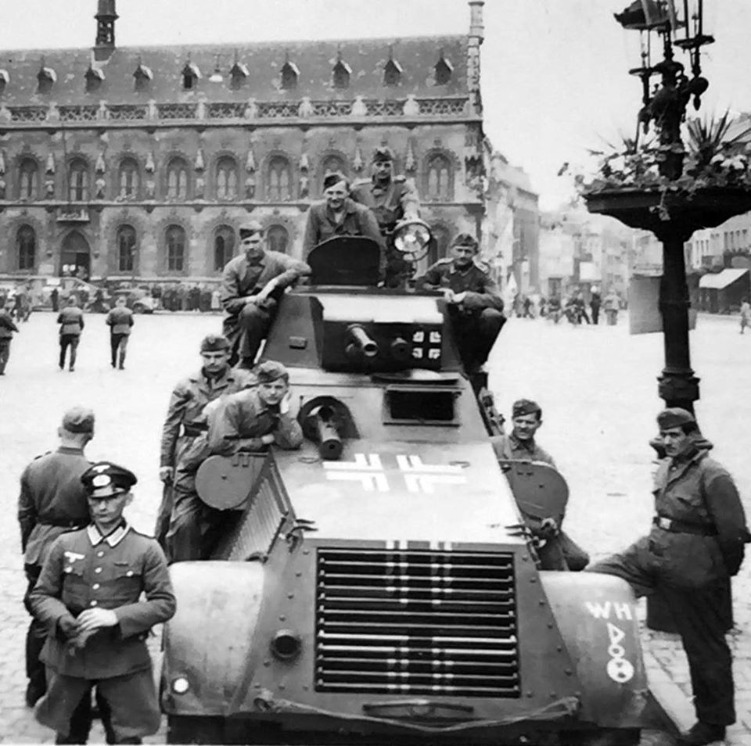
I would like to suggest the Pz.Sp.Wg. L 202 (h) (L-180) in a later configuration modifed by the german crew with MG 34 and air filled wheels. The addition of L-180 isnt part of the name, but clarification, as both the L-180 and L-181 were simply summed up under the name of Pz.Sp.Wg. L 202 (h), which were captured from the Dutch (Holland → h, even tho the country is Niederlande) and the Danish (Dänemark → d)
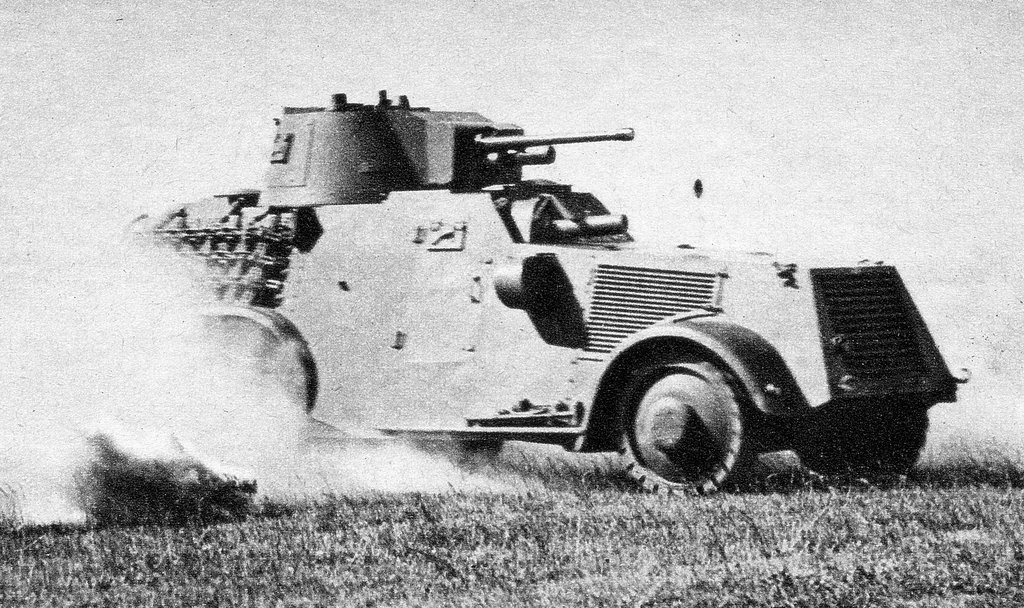
The family of armored vehicles L-180, 181 and 182 were developed by AB Landsverk in the interwar years for both own use (as the Pbil M/41) as well as export (Denmark, Estonia, Finland, Ireland, Lithuania, Netherlands).
Overall they were based on 3 different German chassises, the Büssing-NAG (180), Mercedes-Benz (181/182) as well as with german engines. This was good for germany befor and in the war, for export, as well as after capture.
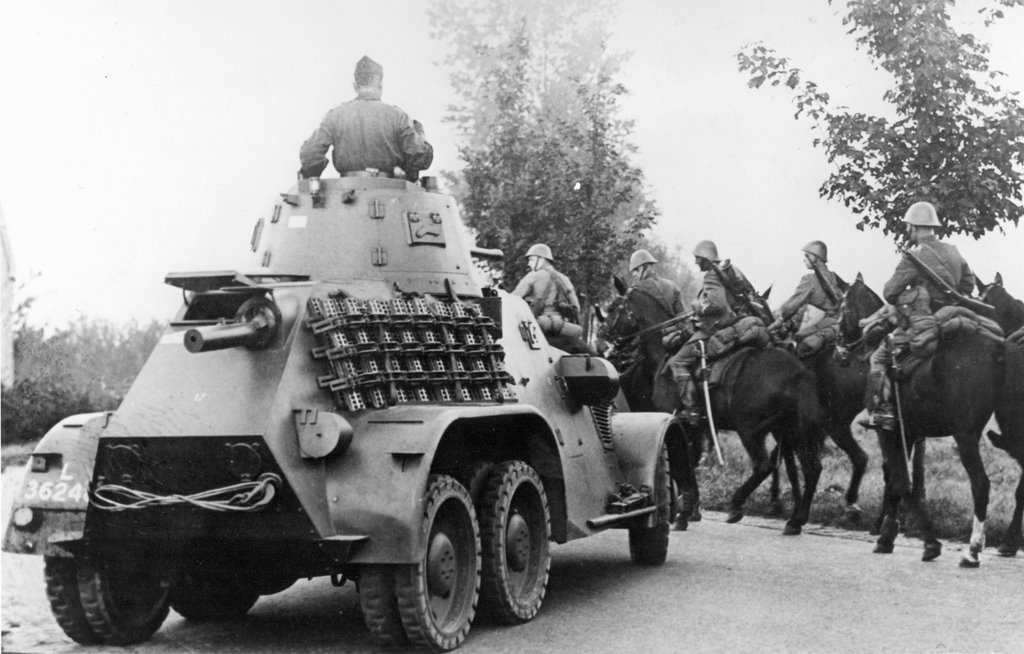
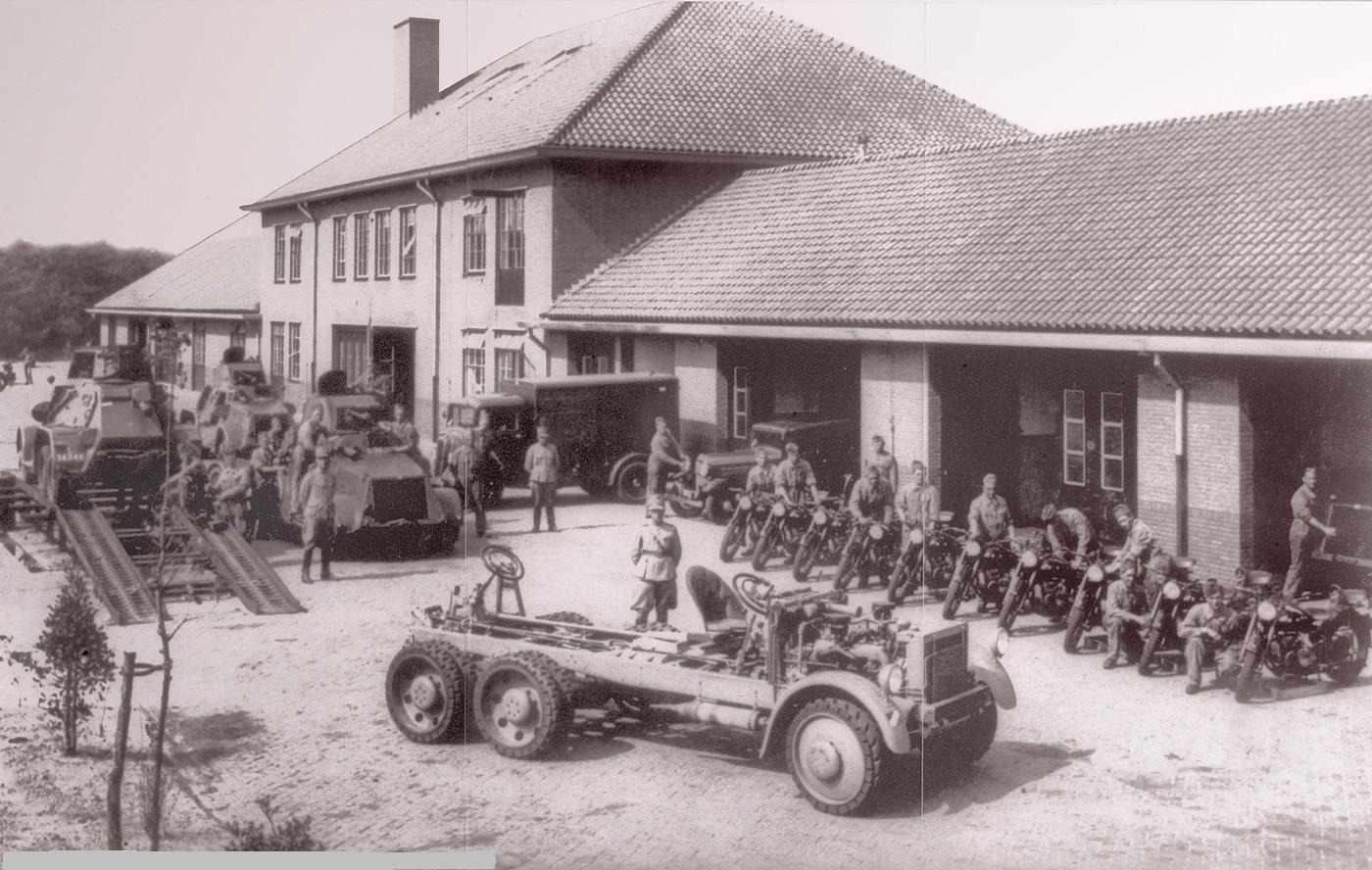
As written above, they were given the (h) designation, as they were captured in the Netherlands, which bought 13-14 L-180 in 1938, where they were designated Pantserwagen M-38, as well as 12 L-181, which were the Pantserwagen M-36.
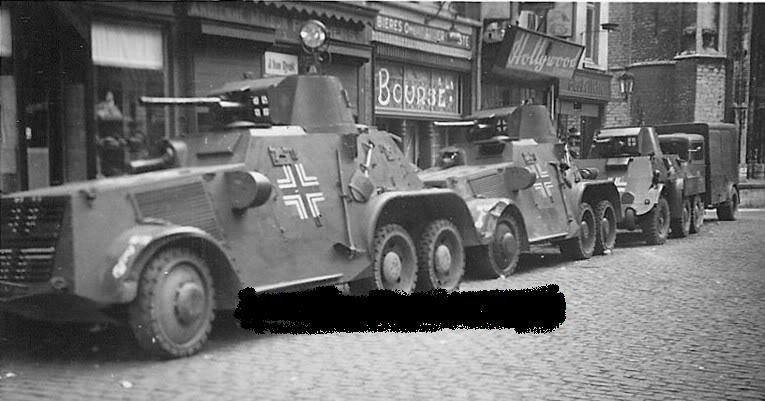
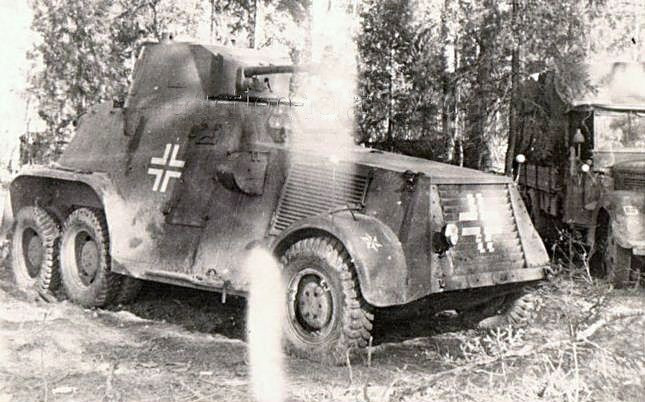
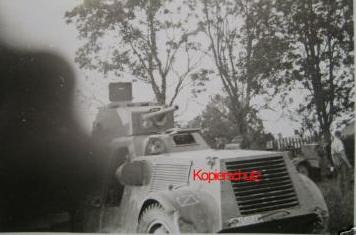
They were used in the two sqadrons in the 1940 invasion by Germany, which subsequently captured the remaining ones. They then were mainly used by the 227th Infantry devision in france and later on the eastern front.
They were rather similar to Germanys own Armored cars, as well as being based on a German Chassis and engine, could be kept in service relatively easily, resulting in their usage continuing until 1945. The armor thickness was 5-15mm, with the turret being 15mm, which in german classification offered immunity to 7,92mm S.m.K. from all ranges and angles, while the 9mm front offers protection from 30m at 30°, the side armor of 5mm however offered only protection from S. and s.S. ball ammo.
The L-180 was constructed on the 6x4 Büssing-NAG chassis, powered by the Büssing-NAG L8V V8 engine of 7,910 cm³ and 155 PS at 3000 RPM, its also written as 180 PS at 3000 RPM. This is because in 1941 the engine was uprated, by increasing the cylinder diameter from 107mm to 110mm, volume from 7,910 cm³ to 8,363 cm³ and the carburator replaced by the Solex MMOVS. There is no direct info if/when they changed the engines in the armored car, however since the production line changed in 1941, sooner or later, with an overhaul, the engines should have been replaced. The solid rubber wheels on at least 1 vehicle were also at some time replaced by air filled wheels. As well as the different Lewis guns replaced by MG 34, which im mainly suggesting, as it further differentiates from the original vehicle.
The armarment is the 3,7 cm Bofors L/45, which is based on the 3,7 cm Tak L/45, however with a 8mm longer casing (250 → 258mm) with a bigger propellant (189+2g → 205-220g) resulting in an overall slightly higher performance. This gun was first captured in Poland, where it gained the designation 3,7 cm Pak 36 (p) L/45, as well as in Denmark with 3,7 cm Pak 157 (d).
Germany used both captured and own ammo with it, which were rather similar from the beginning, since the Bofors was based on the Pak L/45.
I was unable to find out wether the armarment had a different name for the use in the L-180 and 181.
Pictures:(Click to show)
Main focus of this suggestion: (with MG 34s and air filled wheels.)
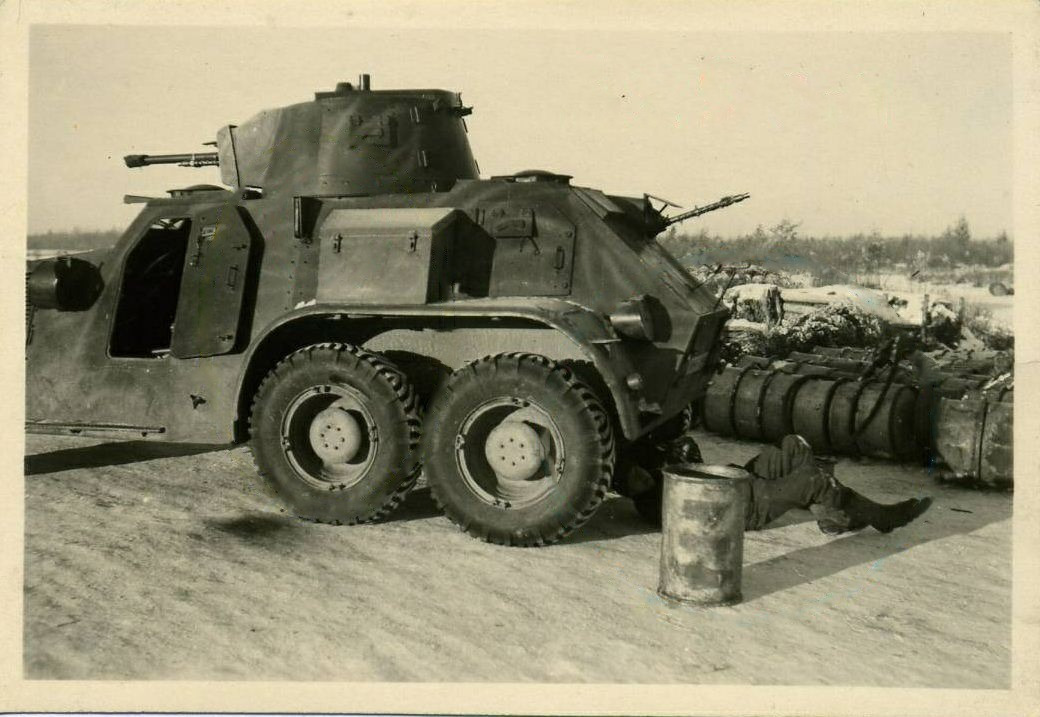
Further german captured and used ones:
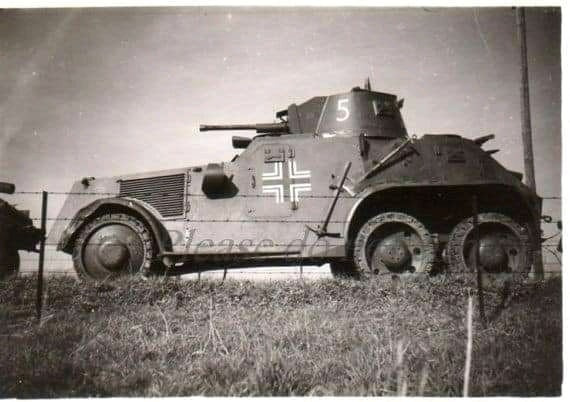
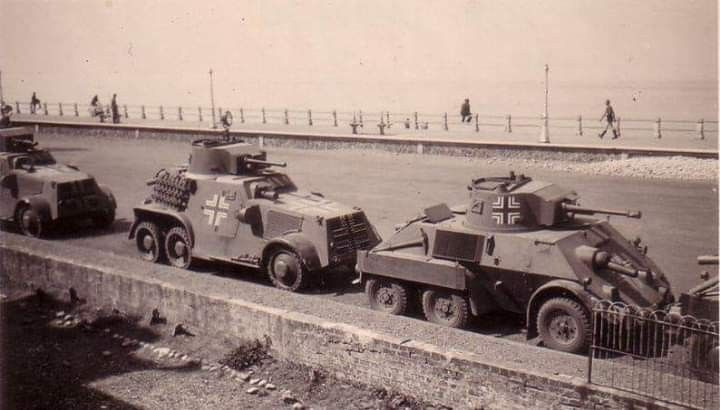
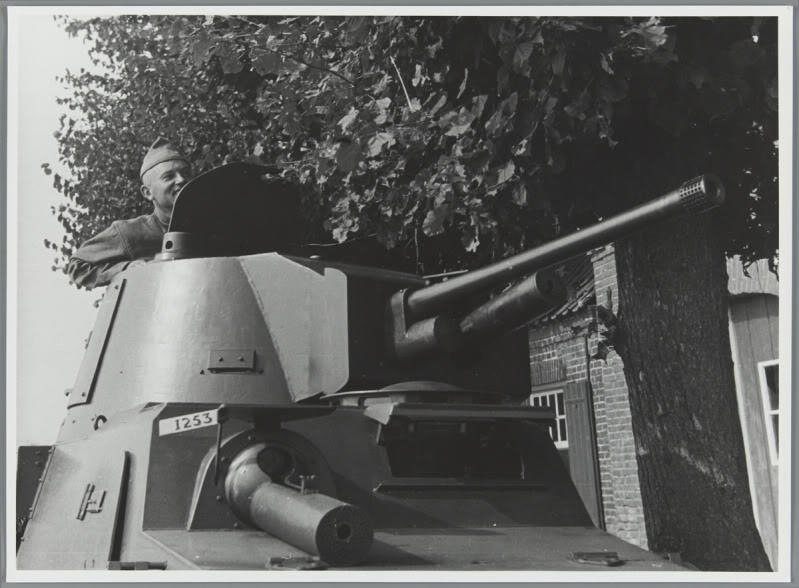
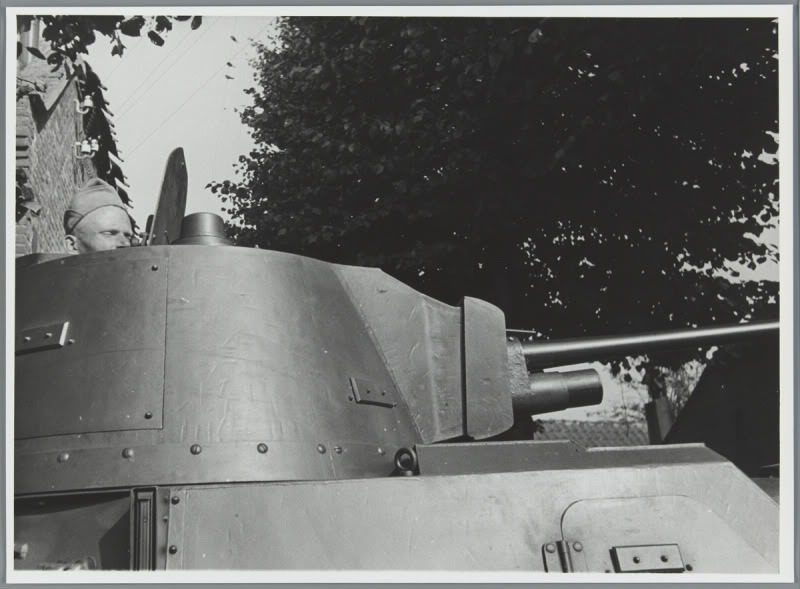
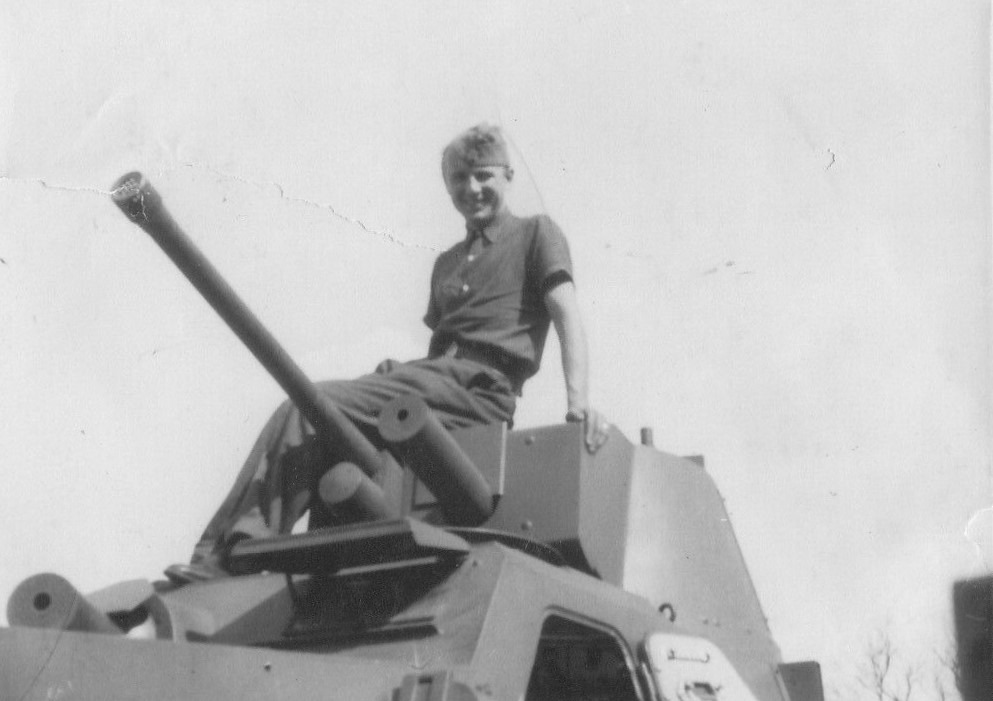
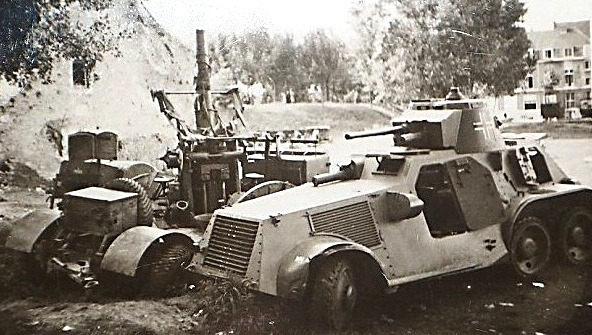
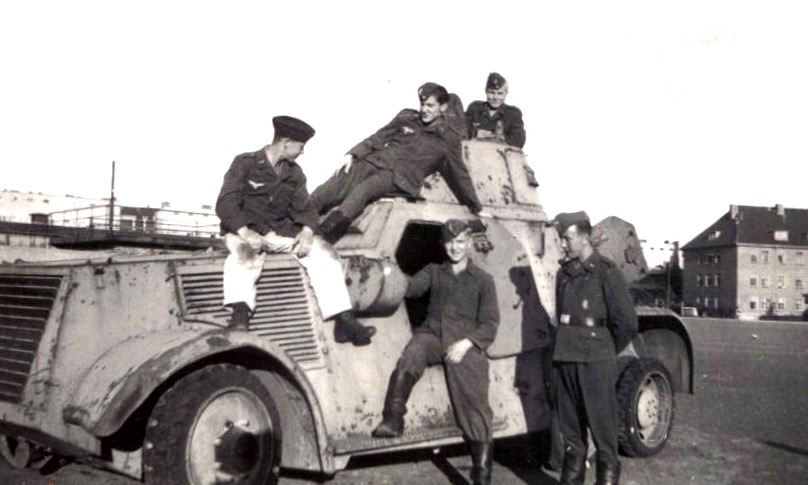
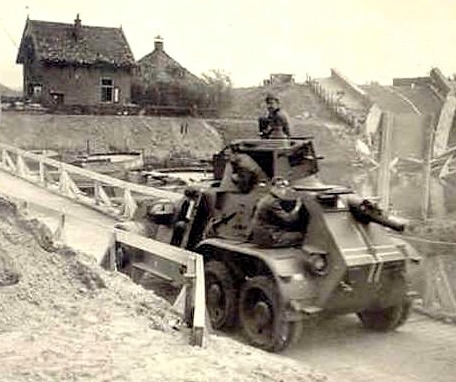
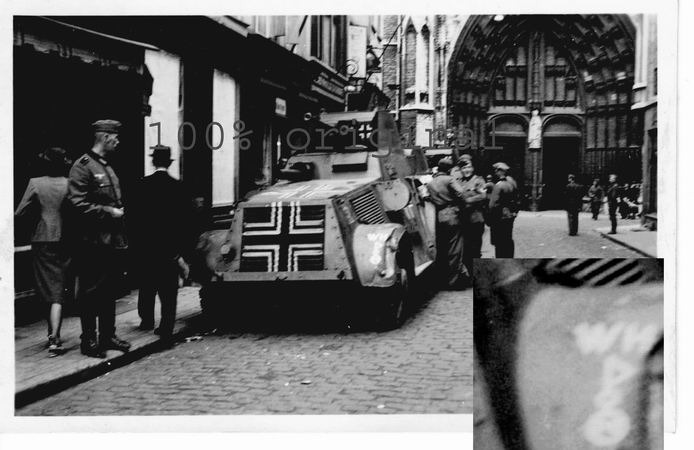
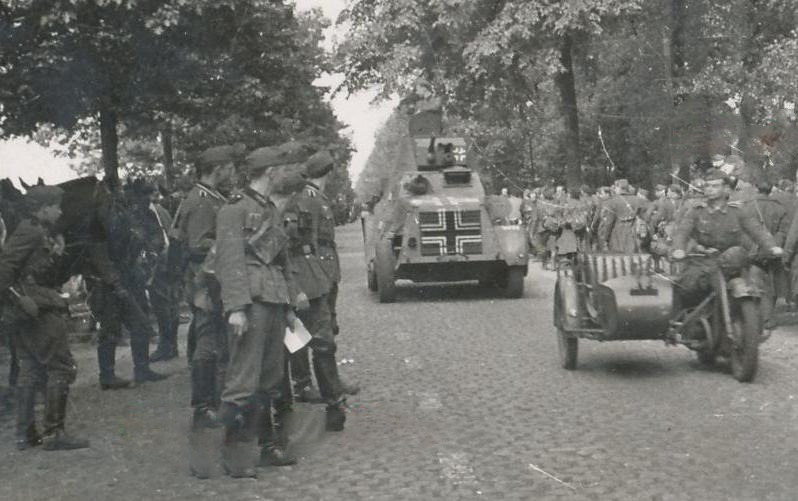
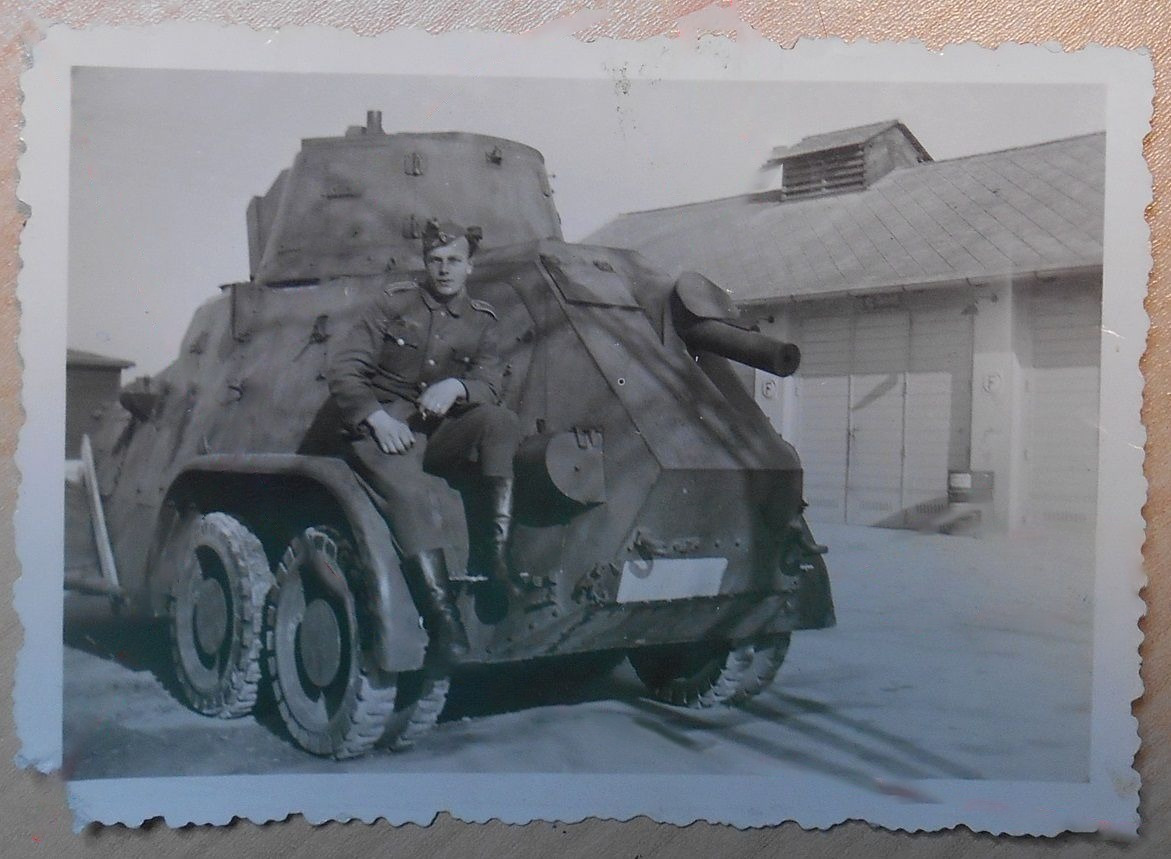

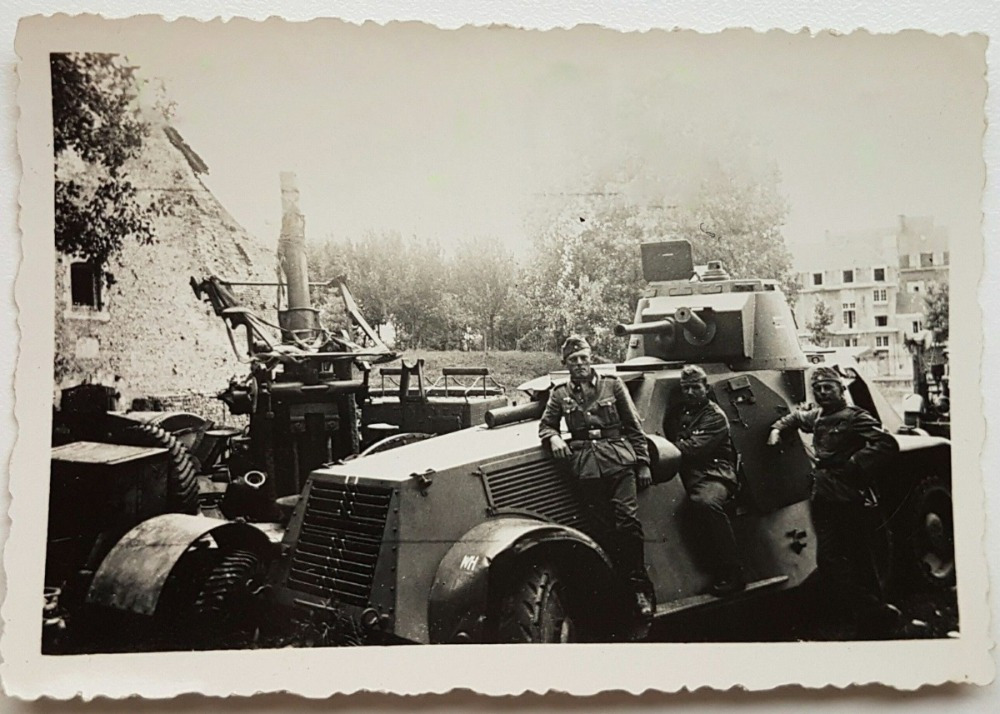
Not german but still:

Armarment:
3,7 cm Pak 36 (p) L/45 (3,7 cm Bofors L/45)
and Coax 7,92mm MG 34 (+2 in the hull).
original 7,92x57mm Lewis gun (also 2 hull Mgs) (Click to show)
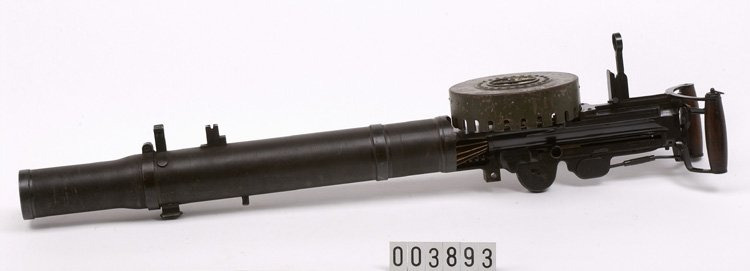
Elevation: -10° to +25° (or 30°?)
Traverse: 360°
Ammo storage: 60 rounds for the 3,7 cm and 2800-4000 rounds for the MGs.
Round Types: Aphe-T, HEF-T and HVAP-T of both captured and german stock.
While i dont know, its rather unlikely that germany gained access to swedish stock of ammo, if then most likely captured from the Dutch or Danish, obviously excluding the APDS found in game.
Ammo Characteristics: (Click to show)
AP:

Pzgr. umg. (APHE-T) 0,685 kg 13g Np.10 (22,1g TnTa) 805m/s 53mm/10m

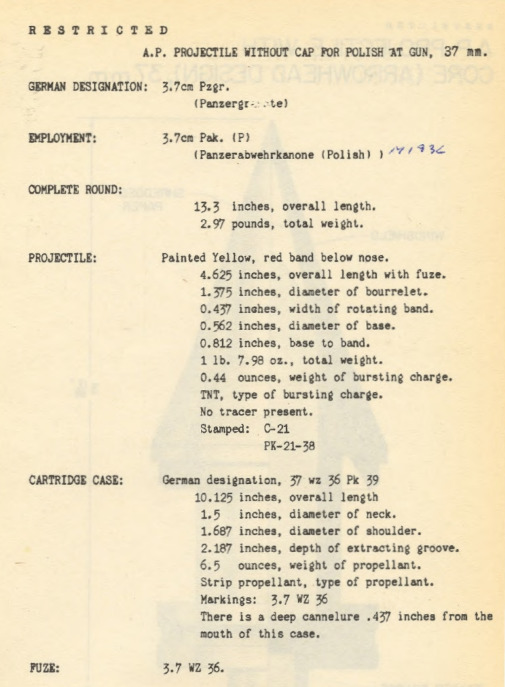
Pzgr.40 (APCR-T) 0,37 kg 1030m/s 15x58mm Core 135-139g 88mm/10m


HE:
Sprgr.18 umg. (He) 0,615kg 830m/s 26 g Np.10 (44,2g TNTe)
(umg. (umgebaut/modified) they took the older 2 copper driving band Sprgr.18 and turned the lower part down also removing the 2nd lower driving band and new production.)


Sprgr.40 (He) 0,665 kg 810m/s 45 g Np.10 (76,5g TNTe)


And Characteristerics of the Vehicle:
Weight: 7,825 kg
L / W / H: 5,86m / 2,24m / 2,28m
Engine: Büssing-NAG L8V V8 155 PS at 3000 RPM (Production changed to uprated 180 PS at 3000 RPM in 1941)
Speed: 80 km/h / 40 km/h reverse.
Crew: 5 (2 drivers)
Armor: Turret: 15mm, Hull front 9mm and sides 5mm, at various angles.
- Yes
- No
Source:
Geschossringbuch I
RH 8/3770K
Captured Armored Cars and Vehicles in Wehrmacht Service in World War II
Beute-Kraftfahrzeuge und -Panzer der deutschen Wehrmacht