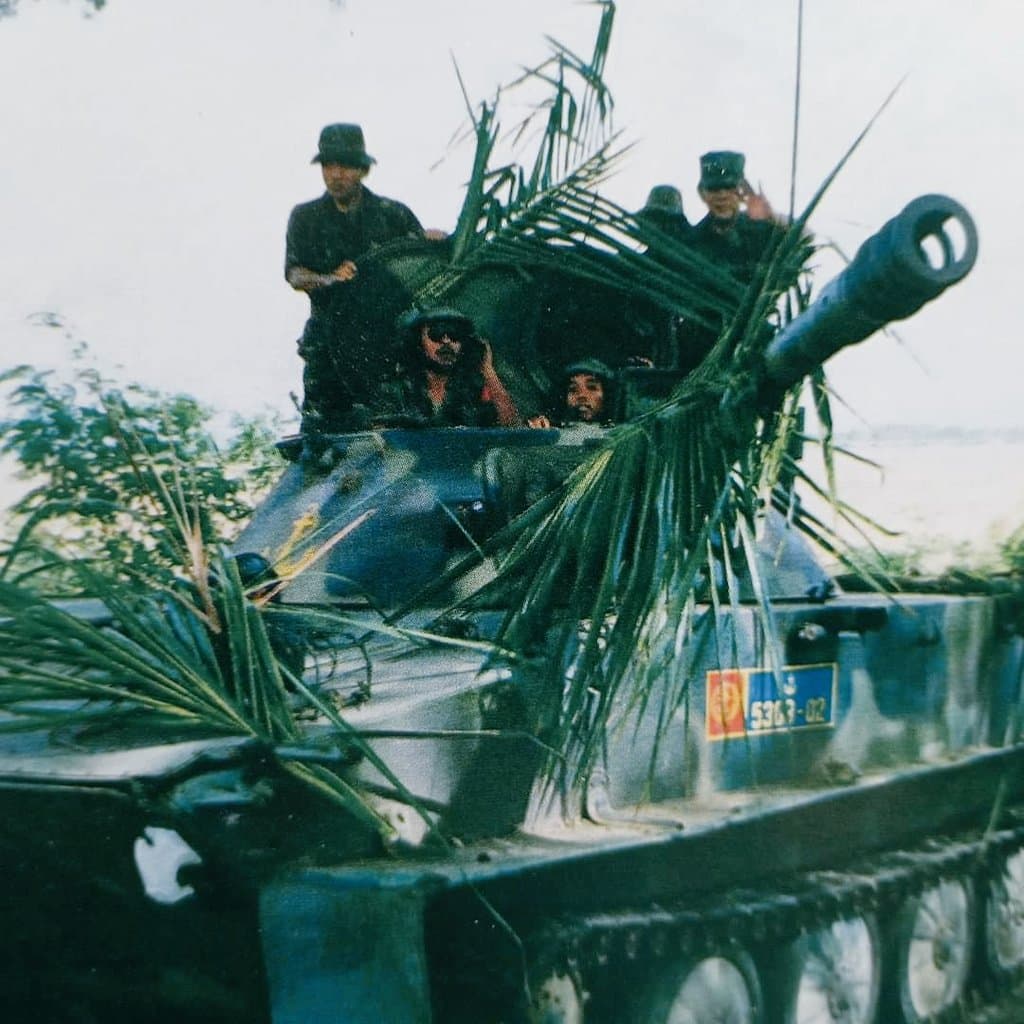
Hello everyone! Today I would like to suggest the Modernization Program for the Indonesian PT-76. This program was conducted twice, once in the 90s and another in the 2020s. The retrofit program consists of a change in armament, engine, as well as the installation of a electric systems for the FCS & turret traverse.
Details
During the Second World War, the Red Army combat experience shows that water obstacles (rivers & lakes) were a massive obstacle, with them slowing down armored advances. Due to this abundance of water crossings, the Soviets became quite well-versed in the craft of bridging & ferrying operations, making great use of lend-lease amphibious vehicles in the process. But around the time, there was no domestic development of an amphibious vehicle designs. During the pre-war era the Soviets had used the T-37, T-38 & T-40, but these amphibious tanks are woefully outclassed come 1941, with a majority of them being destroyed during the first few months of the war.
In the immediate post-war era it was quickly understood that there was a need for the Soviet Union to rapidly develop a new generation of modern amphibious tanks, armored personnel carriers as well as other armored vehicles. With the first-generation of Soviet Tanks began to leave the production line, priority was given to the development of an amphibious light reconnaissance tank with enough firepower to establish and hold bridgeheads which had proven to be quite challenging during the wartime water crossings.
This resulted in the first post-war development of a new vehicle named the
R-39 Amphibious light tank as well as its brother the R-40 APC by the Krasnoe Sormovo Plant. However, this vehicle was deemed unsatisfactory due to its poor amphibious performance, with the prototype sinking on one occasion in the Volga River. A larger hull volume was needed in order to provide the required amphibious characteristics.
Object 101 (R-39 Amphibious Tank)
Responsibilities of making the amphibious tank was transferred from the Krasnoe Sormovo plant to the VNII Transmash bureau which had been established on the basis of the Chelyabinks No. 100 experimental plant design bureau, working in-tandem with the enterprise “Post Code No.1125”. Development of the new tank took some inspiration from the failed R-39 prototype, mainly in the form of the propulsion system. The new tank would receive factory designation Object 740, and the APC variant was called the Object 750.
The new amphibious tank would have the technical requirements as follows: a 76.2mm Main gun, a combat weight of 13-14 tons, as well as being operated by a three-man crew. The tank was to be capable of fording through bodies of water accompanied by advanced infantry detachment with the purpose of capturing rivers and coastal bridgeheads. The armor was required to provide protection against shell shrapnel and 12.7mm DShK AP round. The tank was to be powered by a V-6 diesel engine at 220 hp.
Two pre-production prototypes of the PT-76 were developed in spring of 1950, they were put into State trials near polotsk. The tank had met and even surpassed the original design requirements, and it was deemed acceptable for service with a pre-production series being manufactured for service trials with the Soviet Army. The Soviet Army trials was conducted successfully in the Sevastopol in 1951 and was recommended for use in combined sea landing operations involving ships and marine infantry to establish a beachead. The Object 740 was taken into service with the Soviet Army as the PT-76. Full series production started in 1952 with the plant producing 200 tanks a year by 1954. The PT-76 was first seen in public during a parade on Red Square, Moscow in May 1952.
PT-76 Prototype
The PT-76B is different from the earlier models mainly with the installation of a 76.2mm D-56TS tank gun equipped with the two-plane stabilizer STP-2P “Zarya”, which is the same system used in the T-54B & T-55 tanks. Additionally the PT-76B includes every improvements of the previous model into one single new variant.
With the installation of the stabilizer, several changes was included in the PT-76B compared to the original models, these include moving the head light on the roof of the turret to the right side of the turret, a newly designed turret rotation mechanism, reinforced sealing of the turret ring to improve watertightness. Starting with the Obr.1959, the vehicle was fitted with a widened wave-deflector shield. But other than that, the overall layout and placement of equipment within the tank’s compartment remains unchanged. Some minor changes were also conducted in the fighting compartment to improve crew comfort and efficiency, such as an adjustable backrest and footrest for the commander and an added handrail for the loader to better support them to load the gun whilst standing up.
Soviet PT-76B leaving the water
In 1955, Indonesia approached the US in order to purchase many different military hardware for around 6 million US Dollars to use against separatists and rebel movement which was prevalent of the time. But the proposal was denied due to concerns that the equipment will be used to fight against the Dutch in the West Irian Dispute. The disapproval let to the Navy & Air Force seeking alternative providers from East Bloc Nations. The Army meanwhile still has some opponents to fully embracing soviet-oriented weaponry, and as such weren’t fully committed. This openness resulted in the Air Force and Navy obtaining many different Eastern-bloc equipment from Czechoslovakia, Poland & Yugoslavia.
With the intensifying conflict of the West Irian Dispute in the early 60s, then-President Sukarno ordered Defence Minister A.H. Nasution to obtain more military equipment from the Soviet Union, with almost all proposed purchases made by the Air Force and Navy fully approved by the Soviets. In mid-1961, Nasution then returned to Moscow to discuss more purchase plans. During this visit was when the PT-76 was first purchased by Indonesia alongside others such as 3 Marine brigades worth of personnel equipment, as well as other hardware like the Komar-class Missile boat & the Amphibious BTR-50 APC. Though they were purchased for Operation Trikora (Invasion of West Irian), ultimately they were not used as the dispute was settled between Indonesia & Netherlands with the New York Agreement.
Defence Minister, General A.H. Nasution (right) photographed in Moscow to purchase defence equipment for Operation Trikora (January, 1961)
The
PT-76Bs was put into service with the Cavalry branch of the Army as well as the Marine Corps of the Navy. Its first combat use was during the Konfrontasi era (Indo-Malay Confrontation), but they were only put into limited use because Indonesia only acts in a supporting role for the North Kalimantan Communist Guerillas. but after the 30th September Movement and the rise of the Pro-Western New Oder Government, Indonesia switches side and supported the Malay Government against their former allies.
Because of the new government, relation between Indonesia and Soviet Union collapsed. This resulted in the primarily Soviet-equipped Armed Forces having difficulty in maintaining its readiness, this was the case for the PT-76B as well, which forces the Marine Corps to cannibalize its fleet of PT-76s just to keep them running. Yet even with those difficulties, the PT-76B became the Marine Corps’ primary tank when Indonesia launched Operation Lotus (Invasion of East Timor) in 1975. The PT-76B acts as the spearhead for Marine Landings during the invasion, providing cover fire for the landed Marines.
Fleet of PT-76B preparing to embark an LST towards East Timor for Operation Lotus
Some time in the 80s, Indonesia planned on purchasing new amphibious armored vehicles considering that the older assets obtained from the 60s were becoming outdated. At the time, the only nations which has a high amount of amphibious warfare capability were the Soviets and the Americans, also including Britain & the French in a more limited capacity. Both the US & Soviets were unwilling to sell their amphibious products, as such the government was put in a bit of a predicament. Because of this, Indonesia had to look for alternatives. The solution came from Teddy Rusdy, who was the right-hand man for the Minister of Defence and Commander of the Armed Forces, General Moerdani.
Teddy Rusdy had taken a look at an Israeli-modified PT-76 & BTR-50 APC of the Northern Command. The tanks were captured from Egypt forces during the Yom Kippur war of 1973. He then conducted a further discussion through his connection in Mossad, which resulted in the agreement between both parties for the purchase or modification of the Indonesian PT-76.
Due to the controversial nature of Indonesia & Israel relations, the retrofit program receive a secret codename “Project Beta”. With “Project Alpha” being used for the procurement of the Indonesian Air Force’s A-4E from Israel.
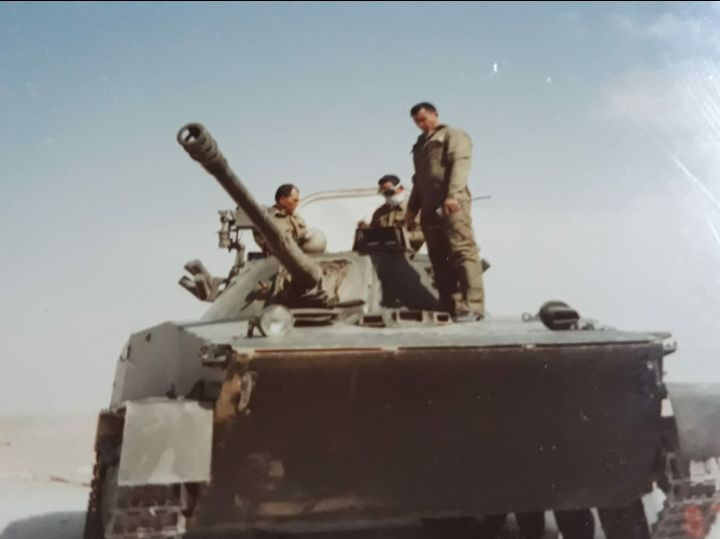
Indonesian Officers in Israel to evaluate the PT-76-2000 as a part of Project/Operation Beta
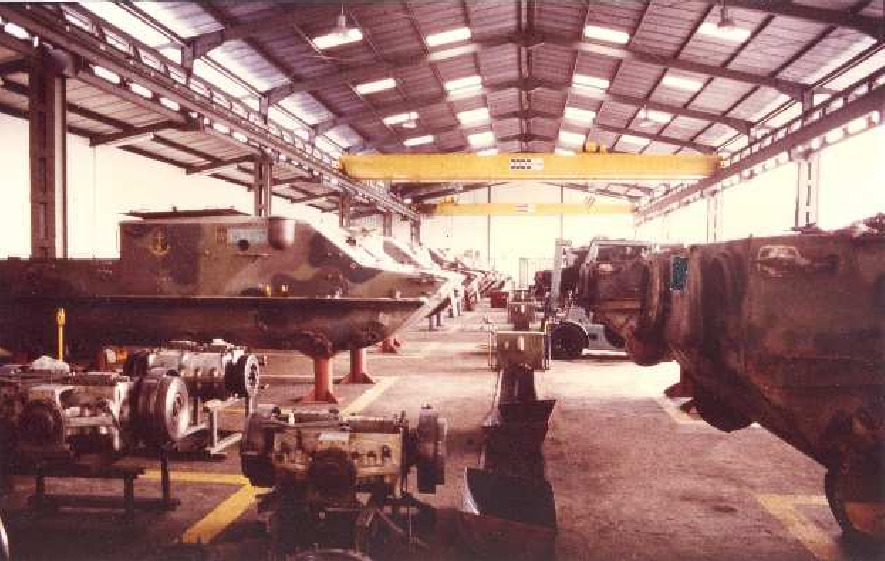
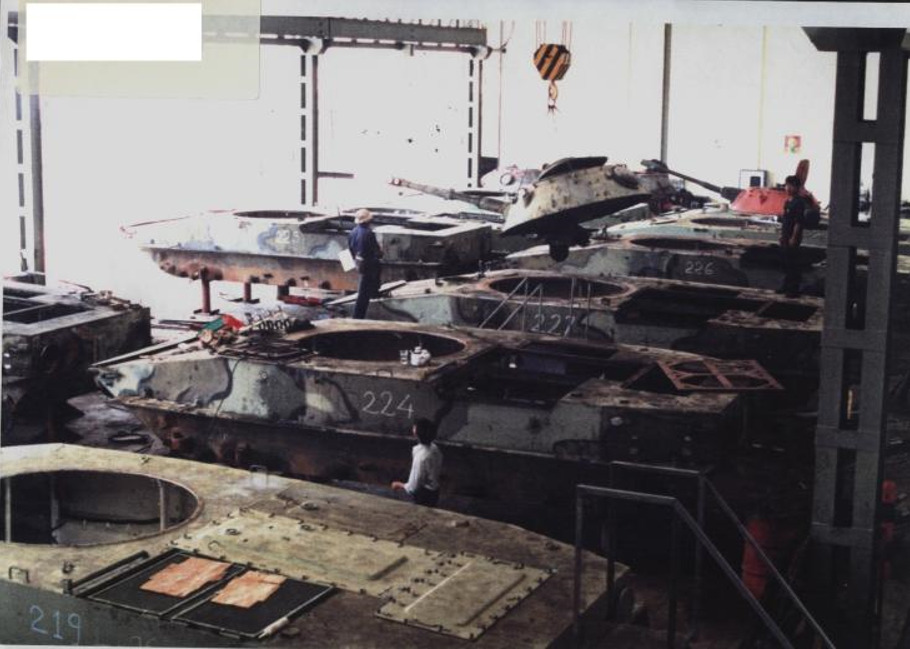
For the retrofit program, Nimda was selected as the contractor, with the company working with a local Indonesian company (PT. Also Putra Indonesia (PT.API)) which is located in Cileungsi, Western Java to help oversee the upgrade. The program was conducted with supervision of 5 technical experts from Israel as well as personnel of the Indonesian Marine Corps. After two years of development, the upgrade program was fully completed for use by two battalions of the Marine Corps.
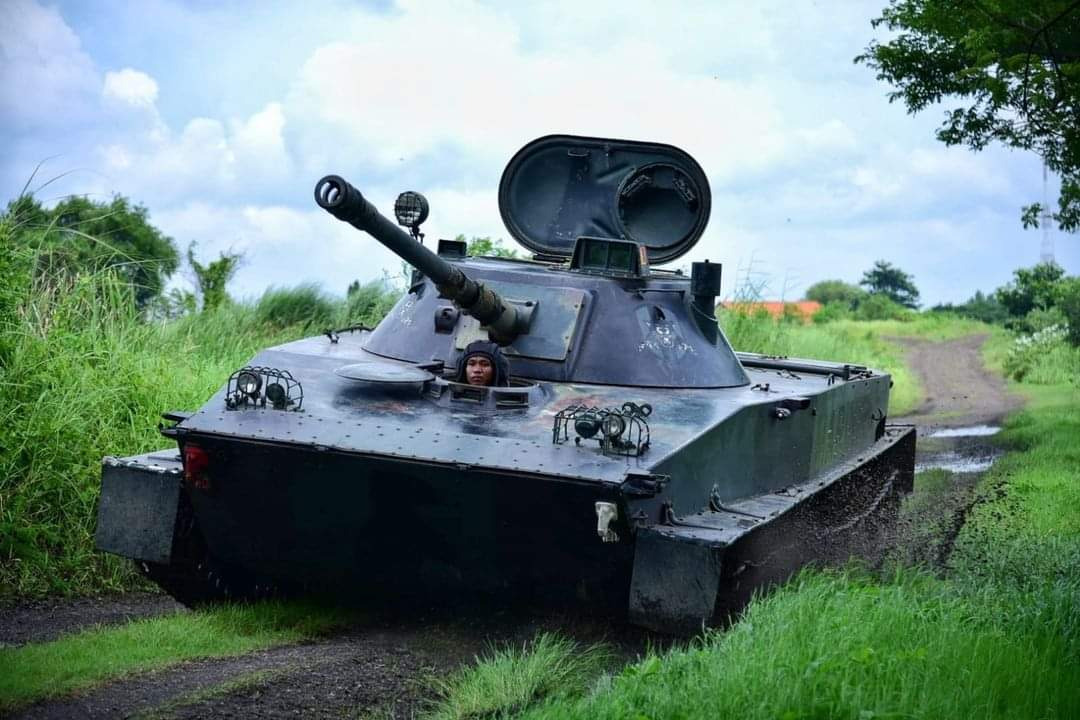
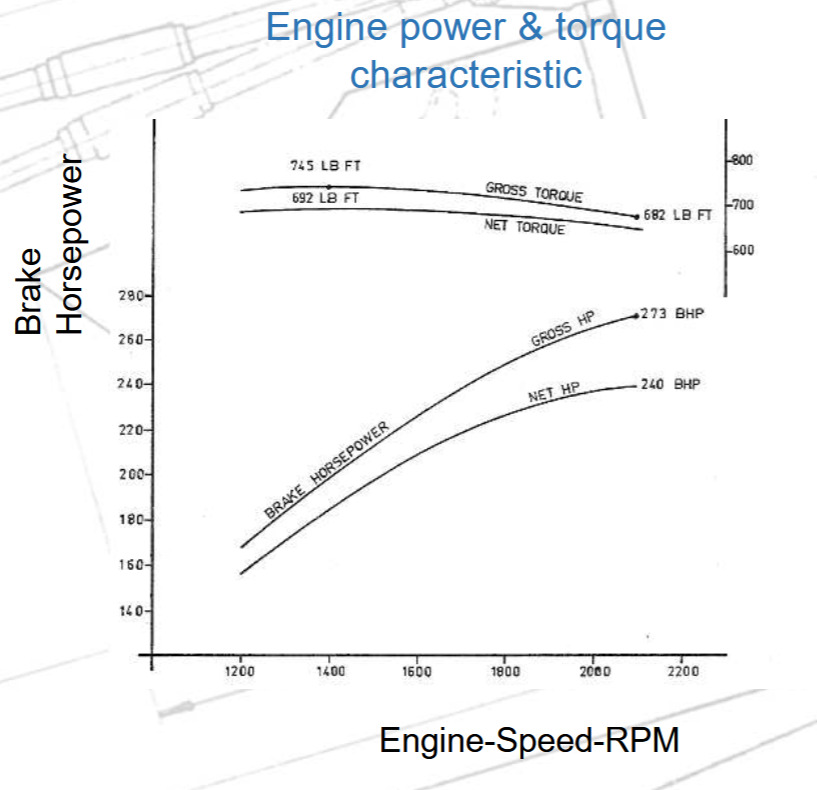
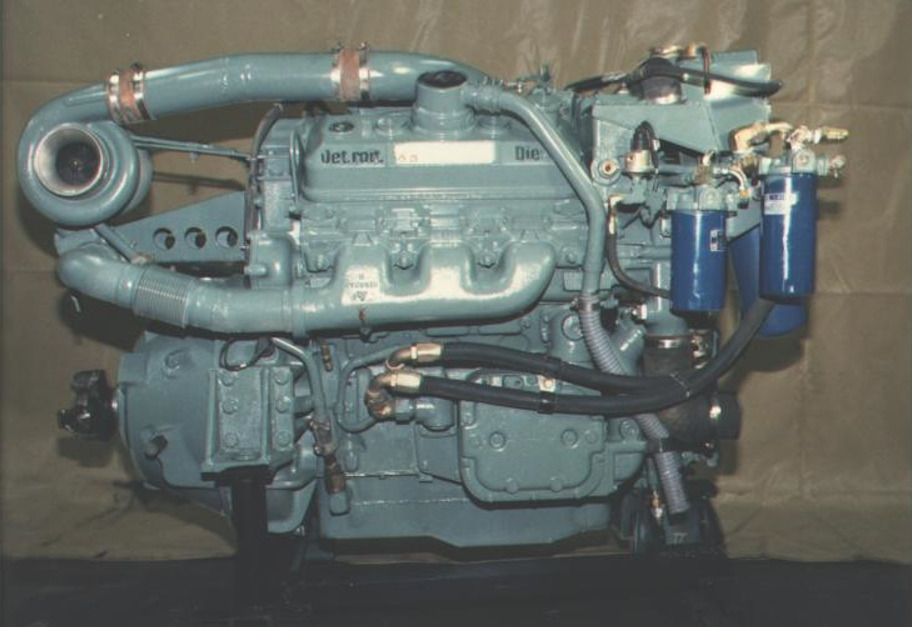
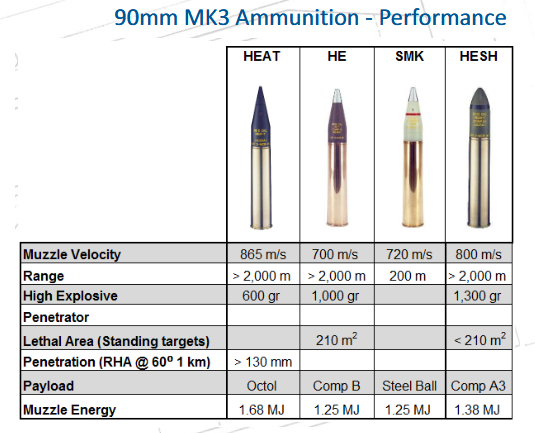
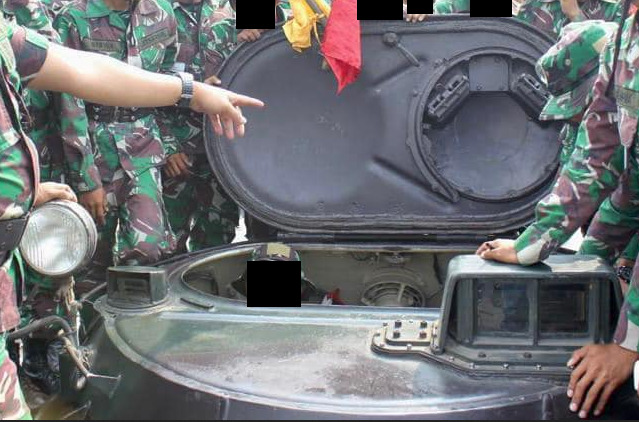
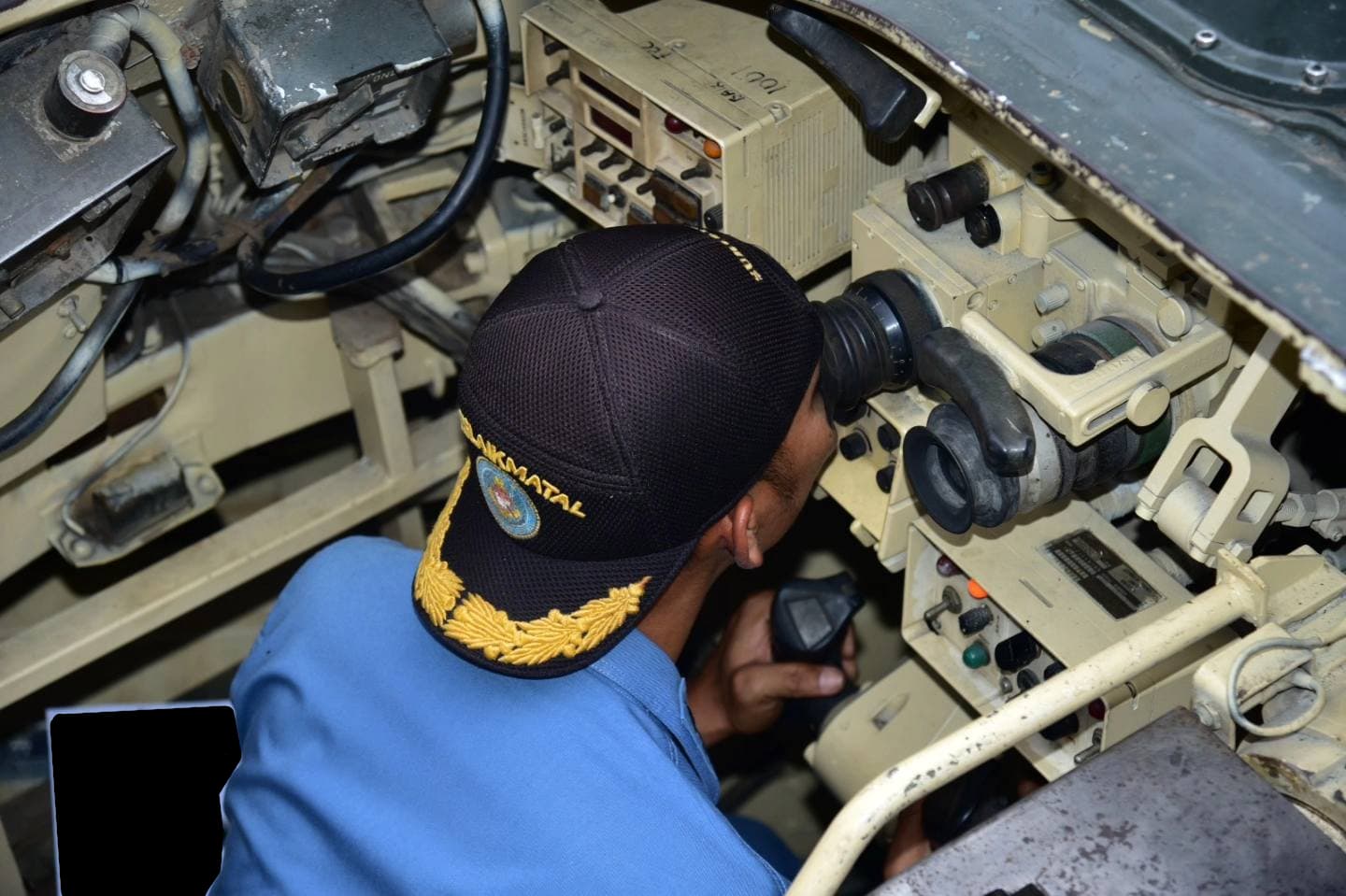
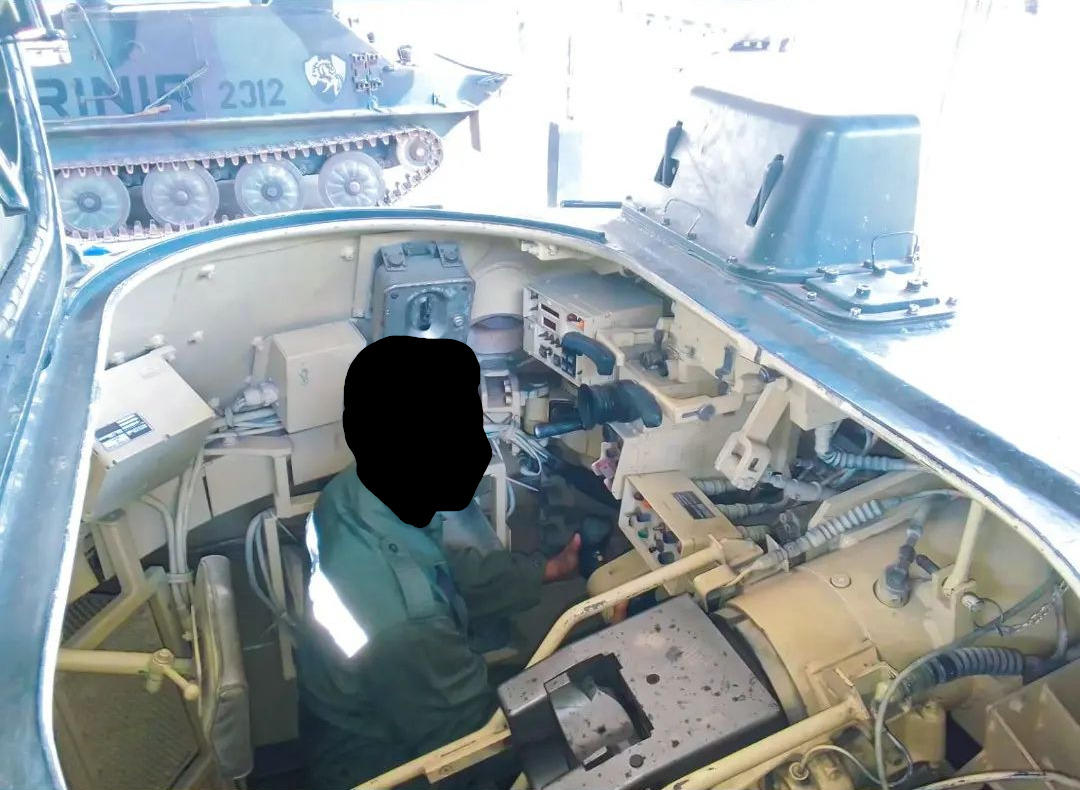
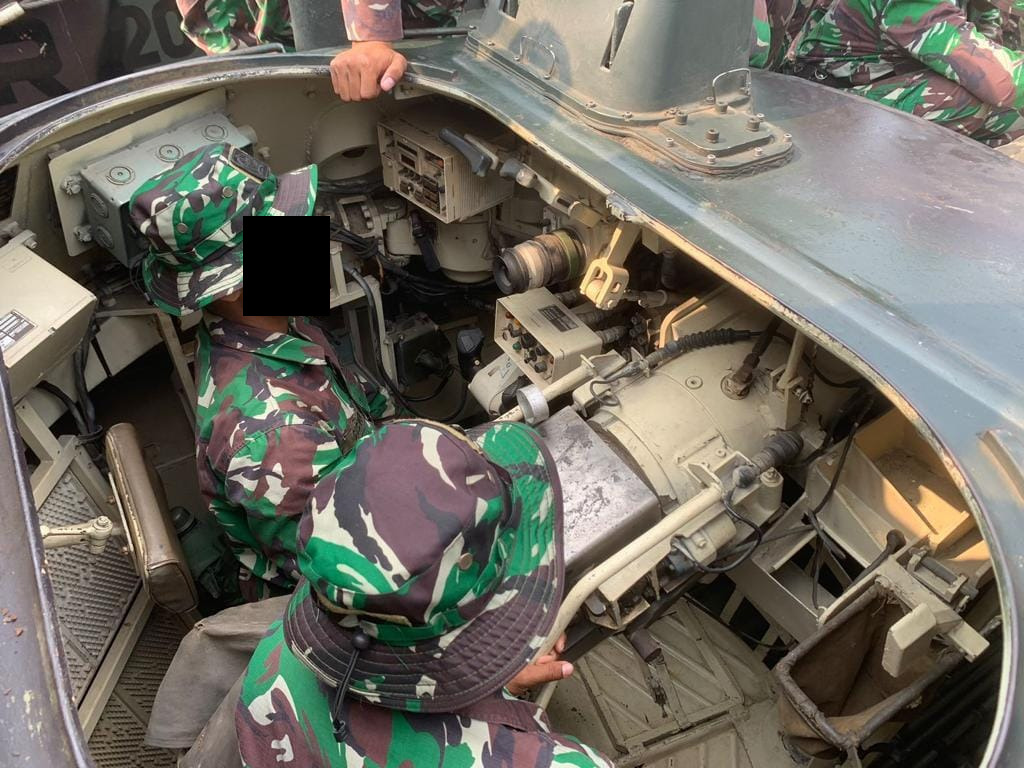
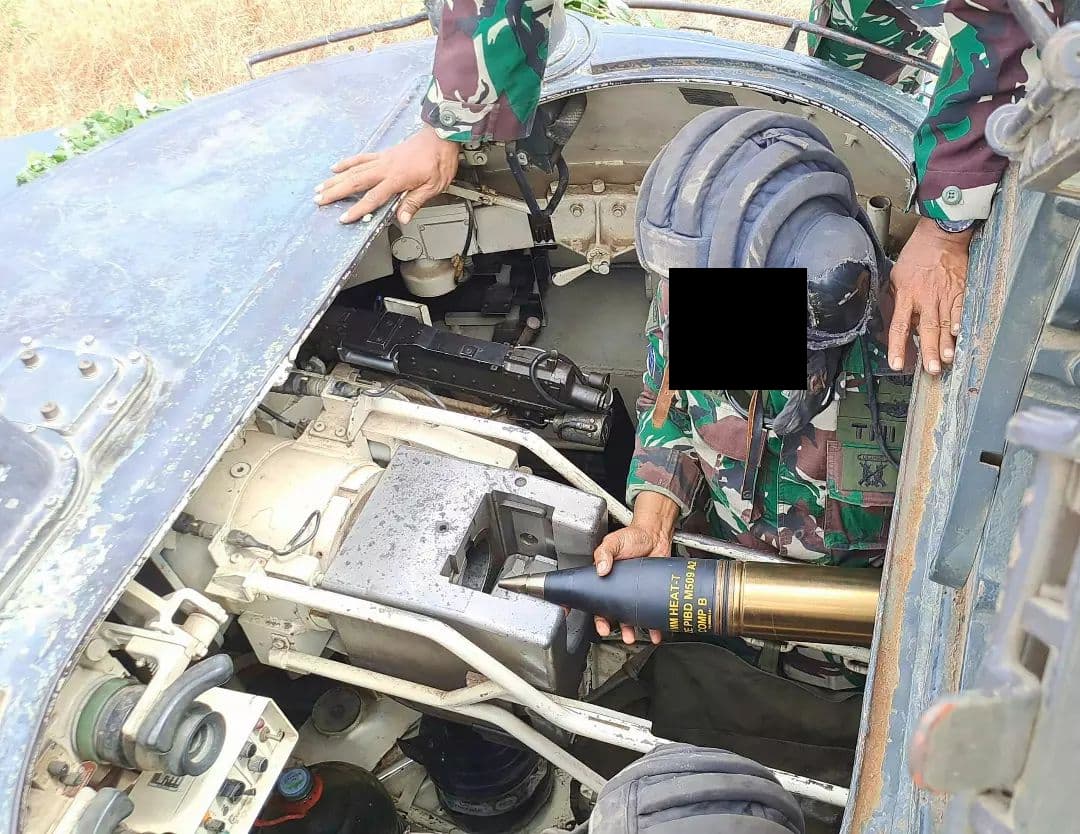
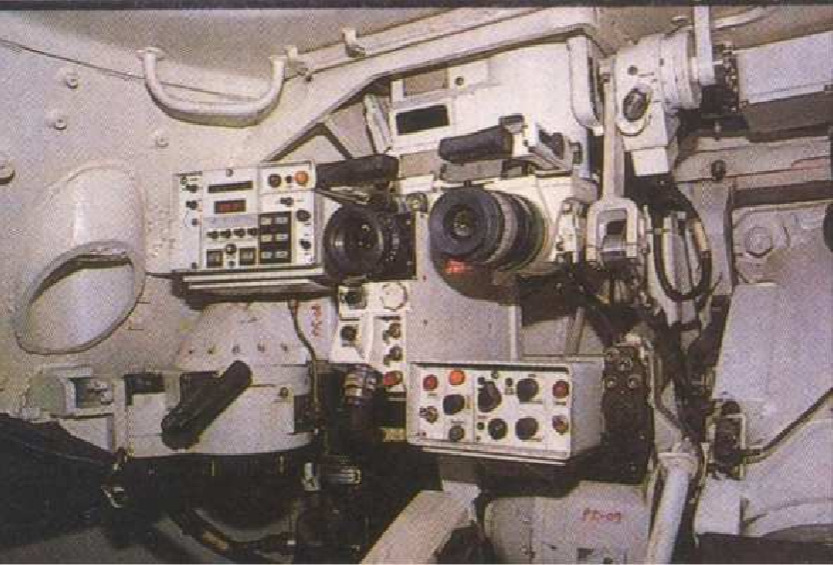
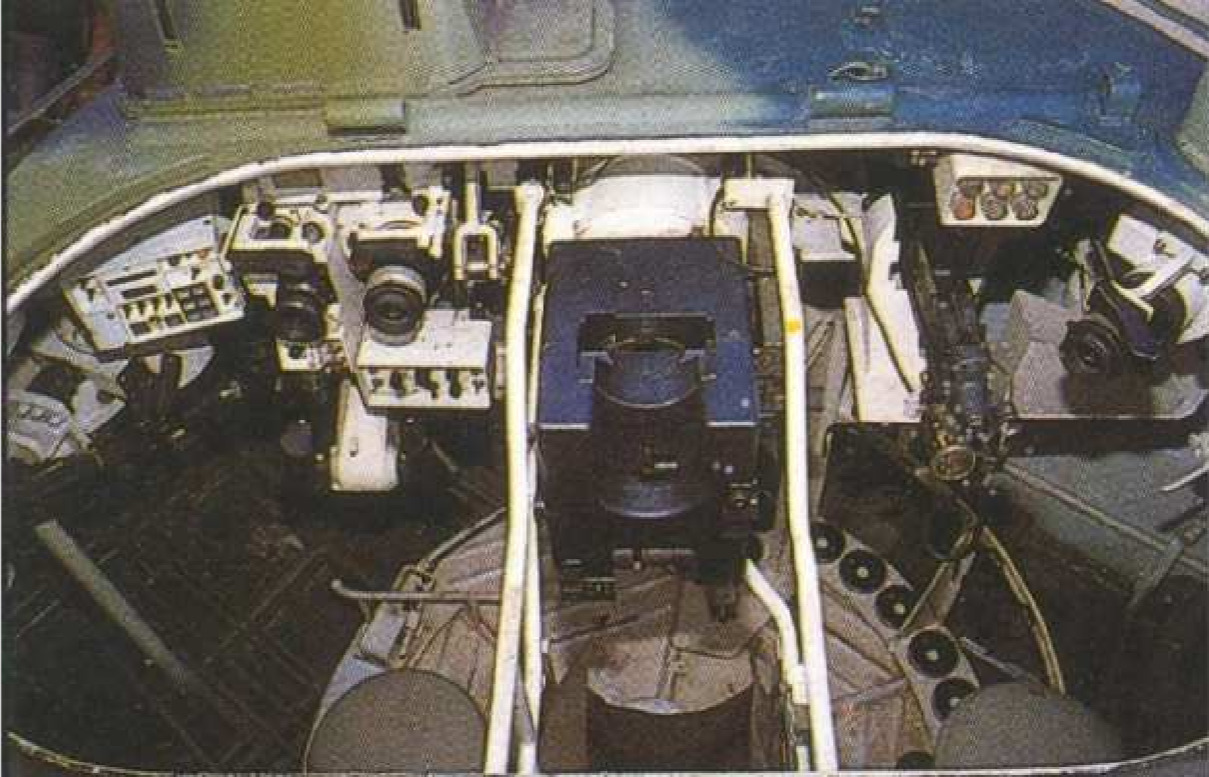
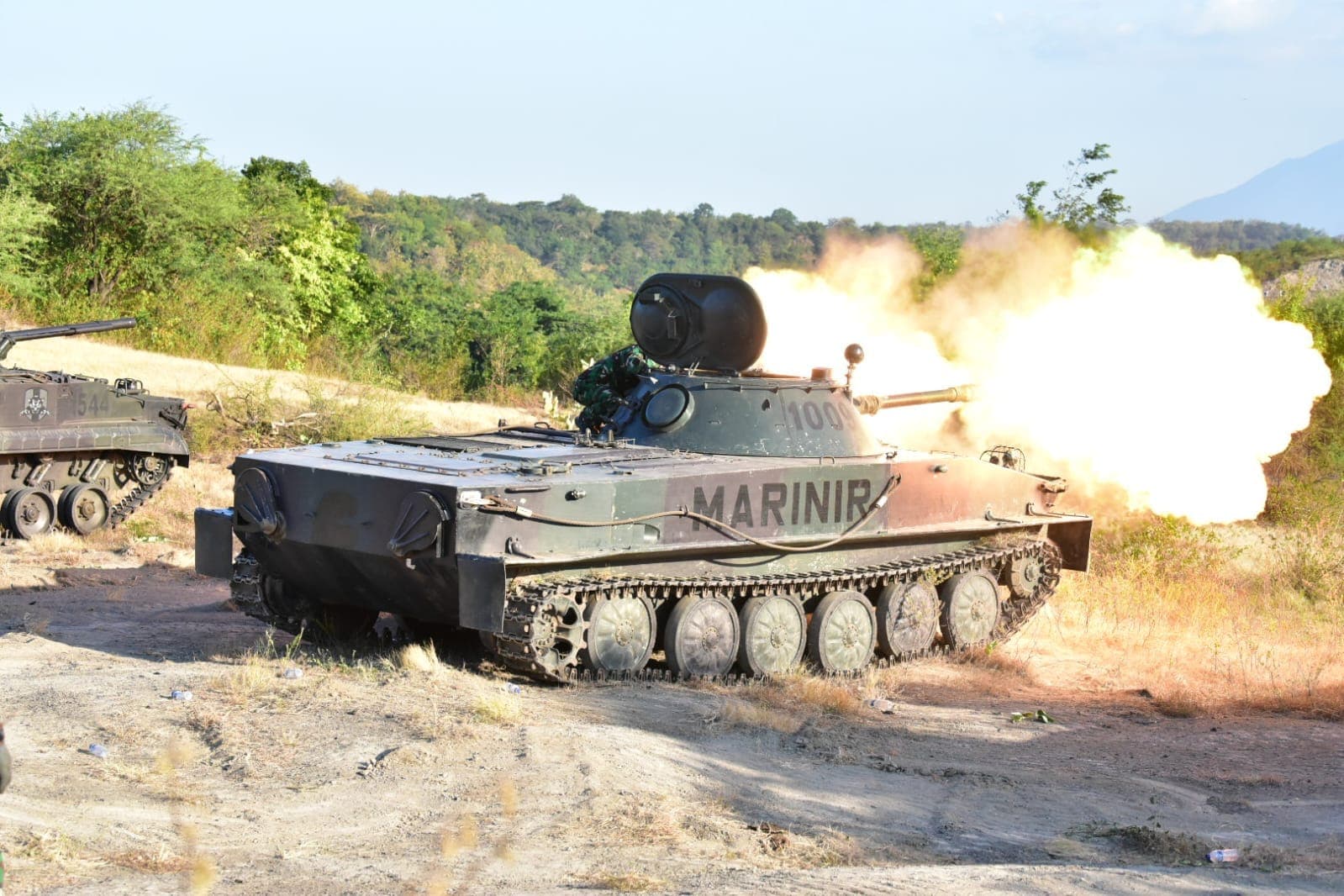
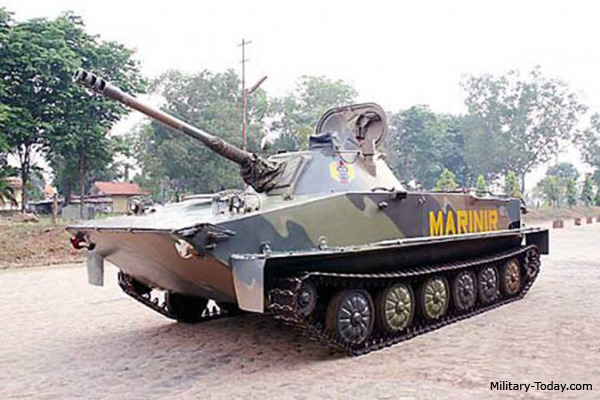
The retrofit program includes a change of engine from the original soviet one to a Detroit Diesel 2-stroke 6-Cylinder 1.2 t Trubocharged DDA V-92T engine with 290hp. This results in the vehicle having an increased top speed of 58km/h. The original soviet armament was also changed to the Belgian 90mm Cockerill Mk.3. The cannon has a length of 3,248 m & can directly hit targets up to 2.2 km. The cannon is capable of firing a wide-range of ammunition, such as HEAT, HE, Smoke & HESH rounds. Other changes focuses on reliability, with the addition of an automatic fire extinguishing system, a new fire control system for the gun with night-vision, as well as an electrically-powered turret control system.
Fleet of BTR-50s awaiting retrofit at PT. API’s facility in West Java
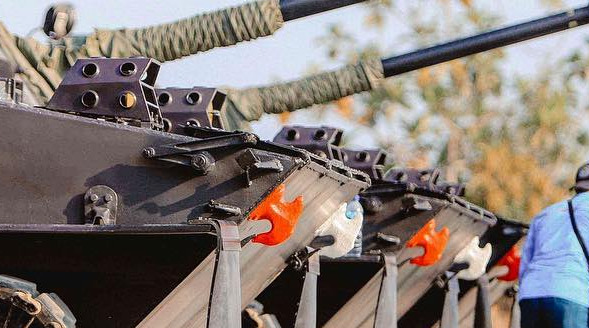
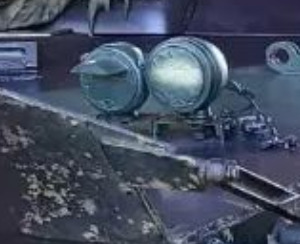
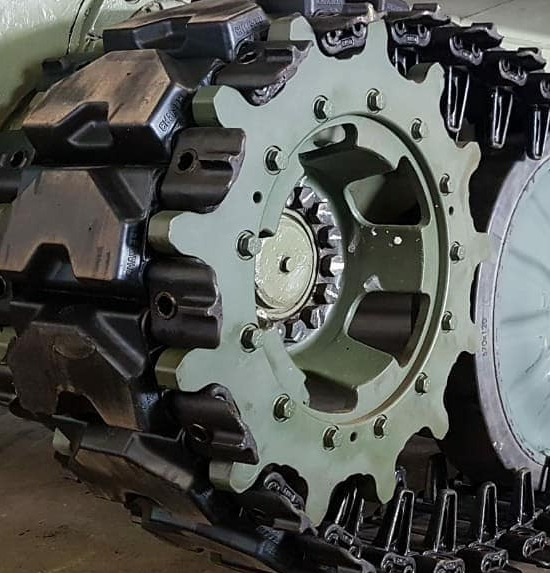
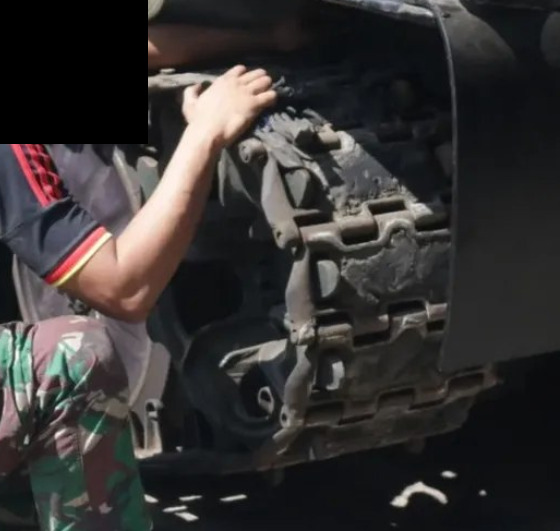
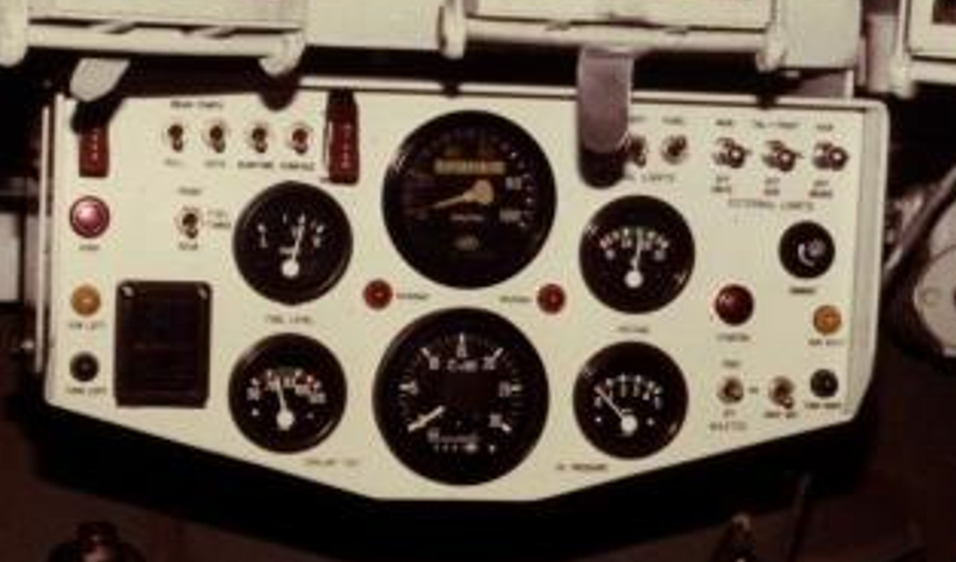
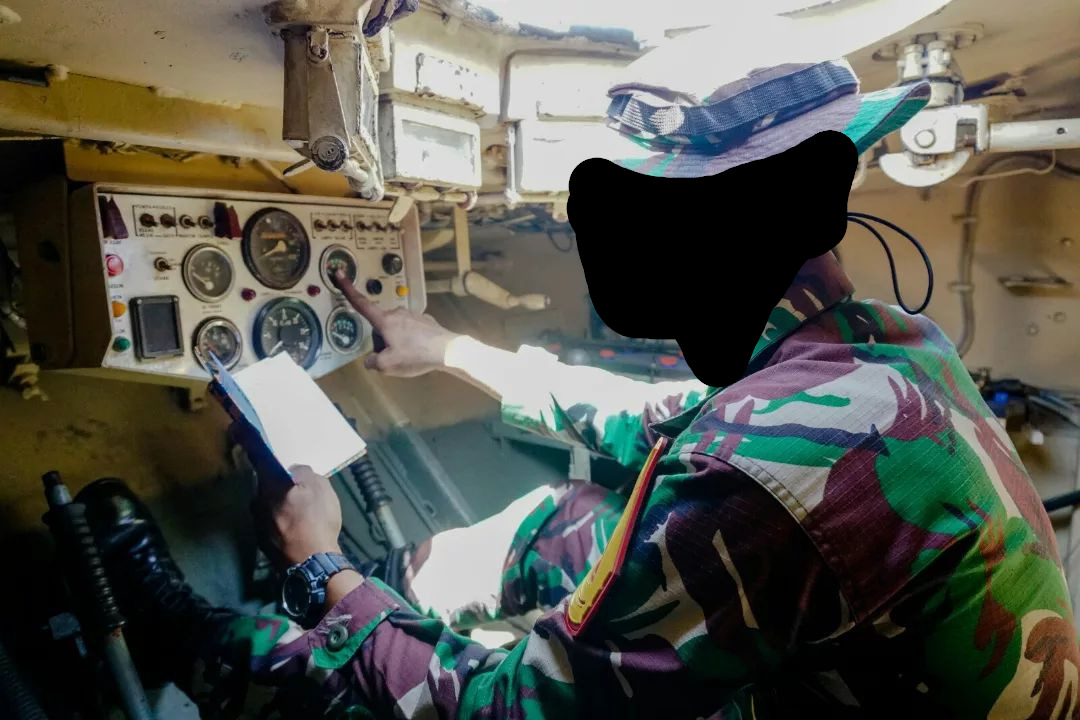
In 2020, another upgrade program was conducted, this time by PT. Lumindo Artha Sejati (PT.LAS). There isn’t any major difference between the two upgrade package, with the two upgrades being quite literally identical. Nevertheless, there are some minor visual differences between the two of them, namely PT.LAS (2020) uses a new headlight housing which resembles that of a food grater, with circular holes. Meanwhile PT.API’s (1990s) uses the older soviet-style open headlight housing with grilles. Another difference can be spotted in the tracks used. PT.LAS uses a Thai-made Chaiseri track pads, with them being of a completely different shape than PT.API’s. Another difference is in the driver’s dial/control panels, but the difference is very minor and not noticeable.
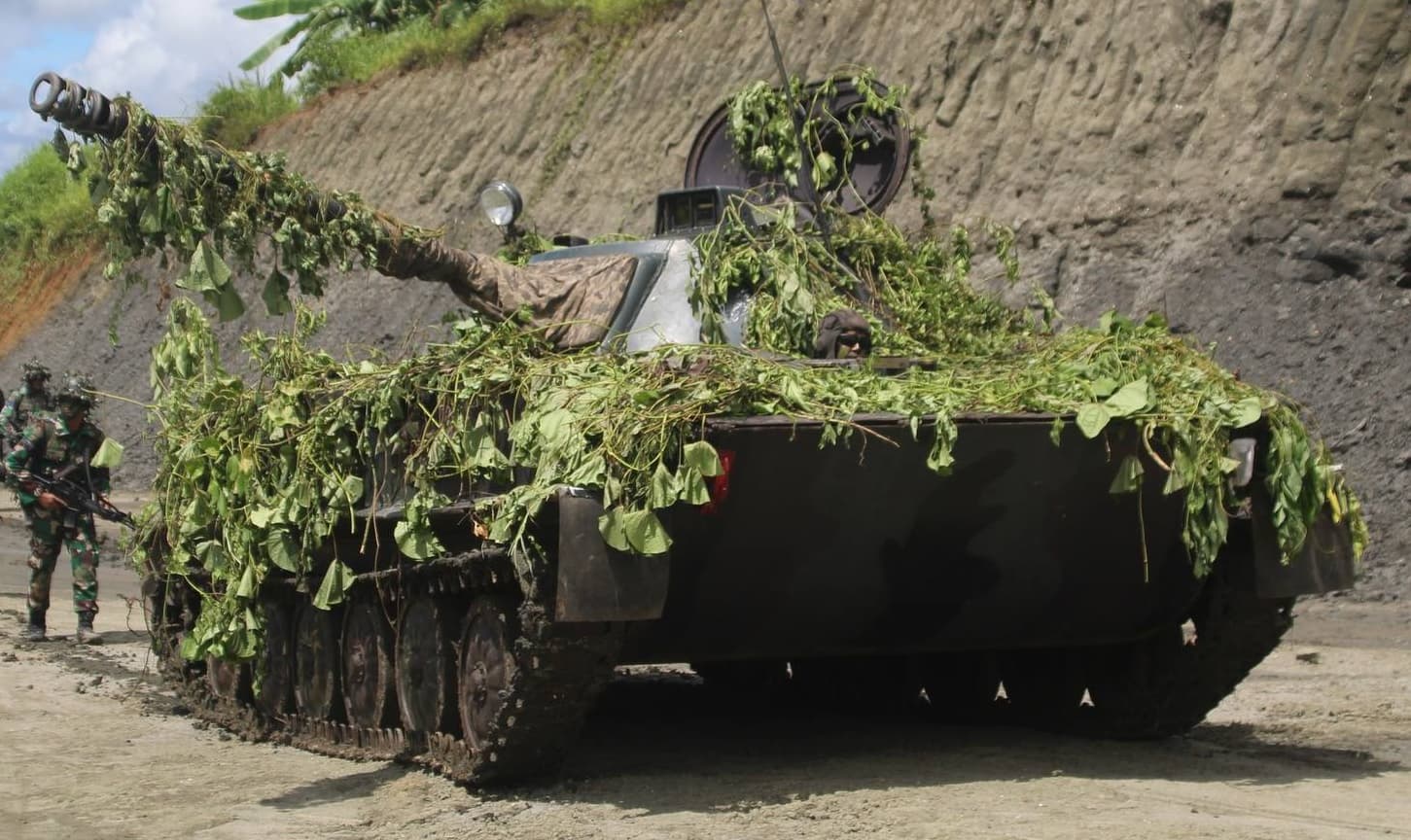
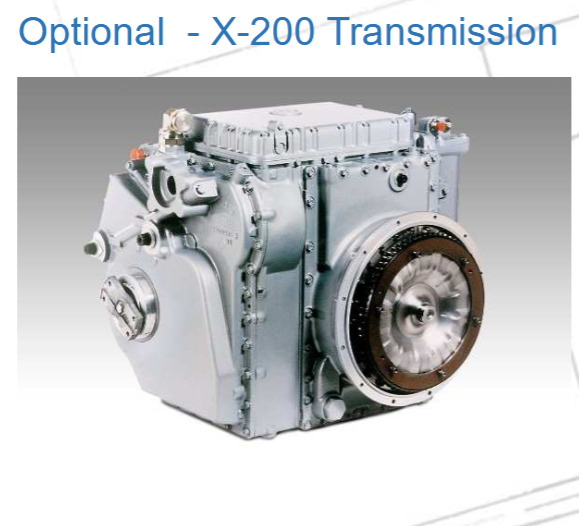
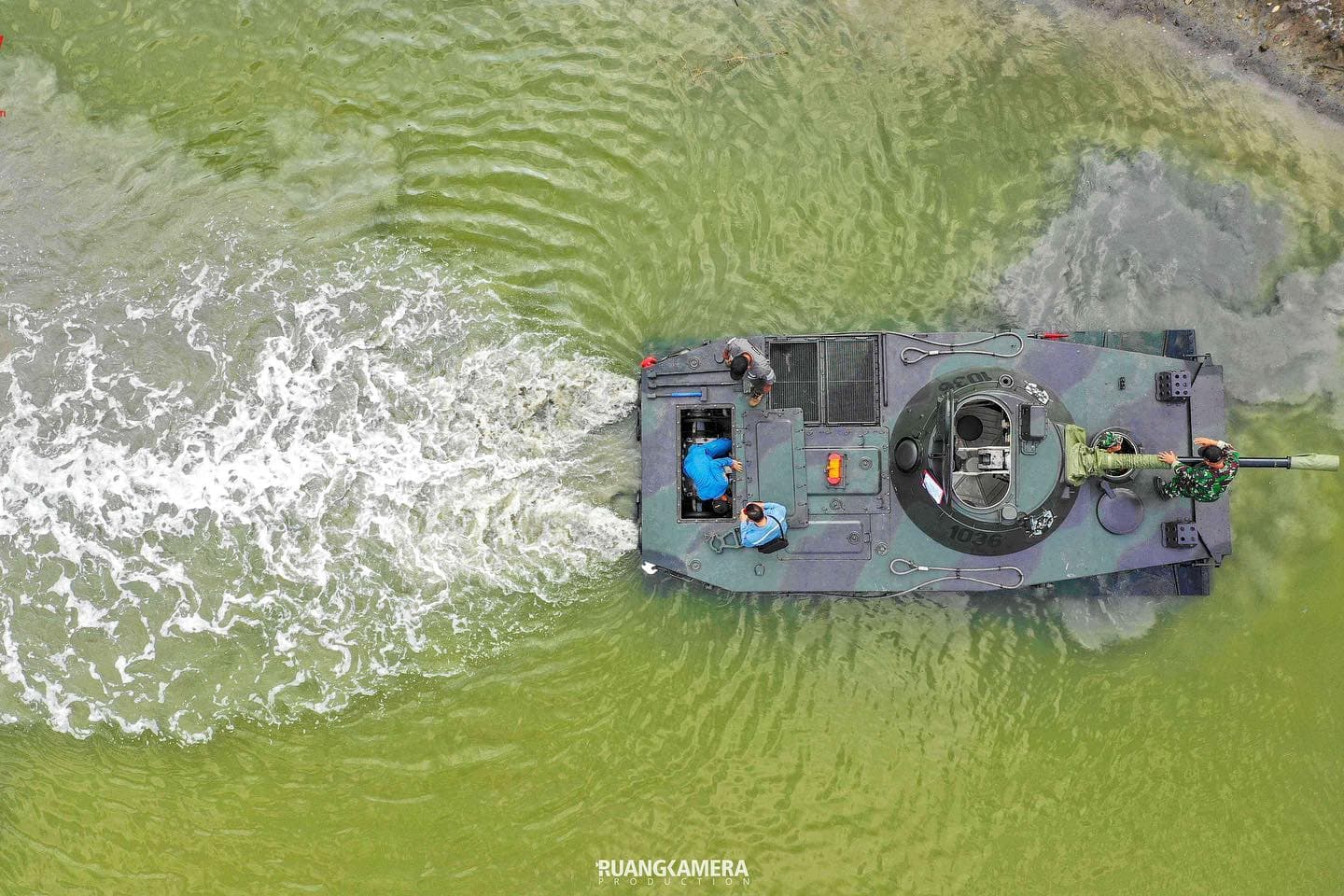
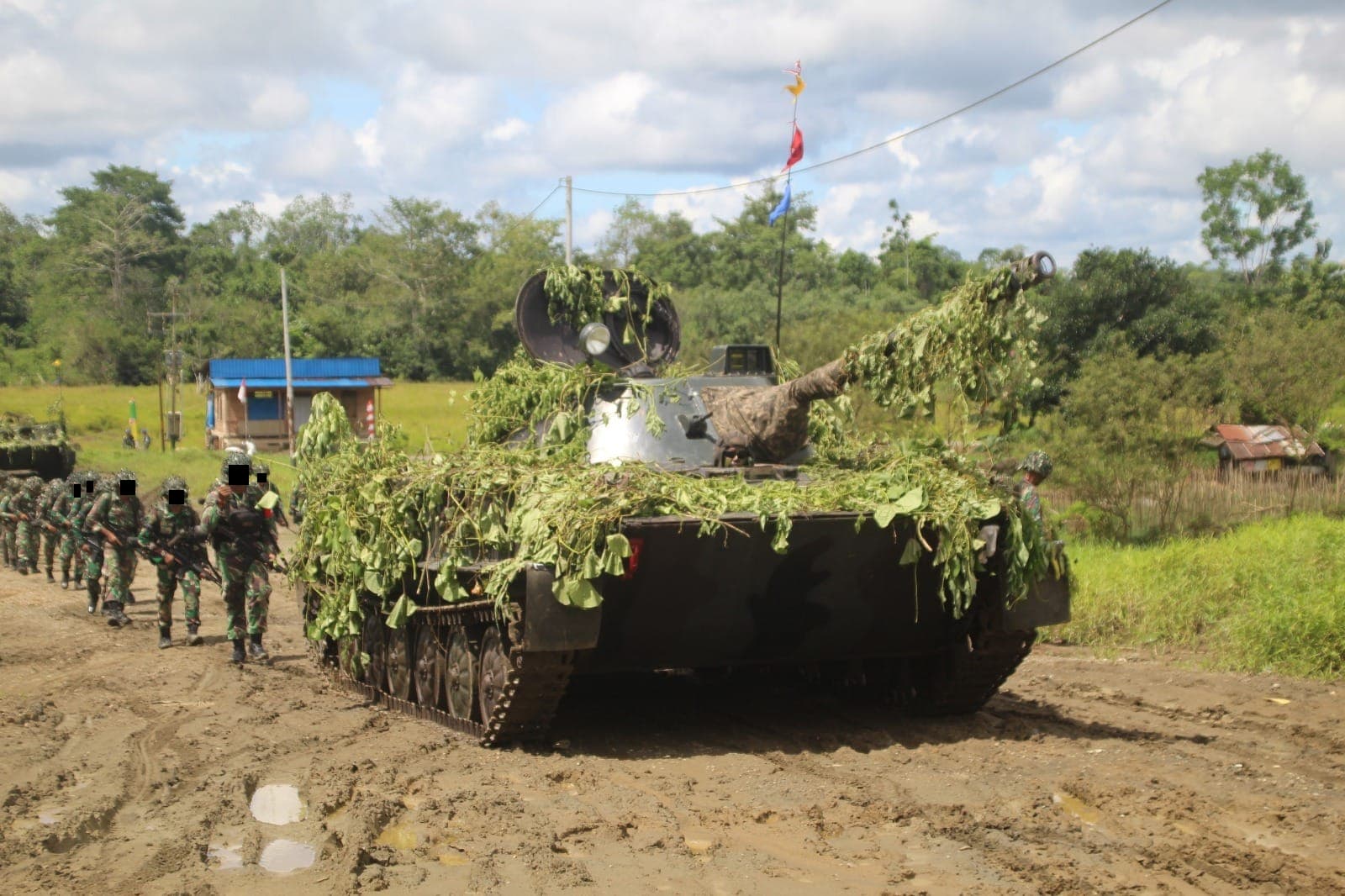
In mid-to-late 2020s, there were plans to convert 40 Indonesian PT-76 with a whole host of new upgrades, this upgrade was to be conducted by PT.LAS alongside Ukrainian company Ukrspecexport. The gun was to be changed with an autoloading 90mm Cockerill Mk3M-A2 gun being able to fire the Falarick 90 Gun-launched missile. Other changes include a new engine, transmission, “Zaslon-L” APS, a new MFD for aiming and new FCS. However, due to the recent conflict it seems unlikely that the upgrade will materialized in the near future. Nevertheless the PT-76B & PT-76(M) are still being used by the Marine Corps 62 years later, with them being actively used in exercises on both land and sea. The vehicle is unlikely to be retired anytime soon.
Indonesian PT-76(M) photographed during a recent exercise

PT-76(M)