- Yes
- No
History:
As the Project 122bis sub chasers because obsolete, Poland wanted to expand it’s naval capabilities, planning for small frigates in the late 1950s and heavily armed sub chasers with guided anti submarine torpedoes and depth chargers. However due to the ambition of the targets and the fact that weapon systems had to imported from the USSR, Poland needed a stop gap solution.
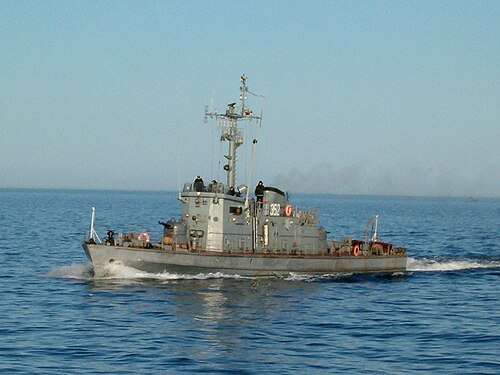
Eventually, it was decided to base the next anti sub vessels off of the locally produced Project 912 patrol vessels. The 912M didn’t differ much from it’s predecessor barring slightly different firing angles, minor changes to the superstructure and the inclusion of a MR-104 artillery fire control radar.
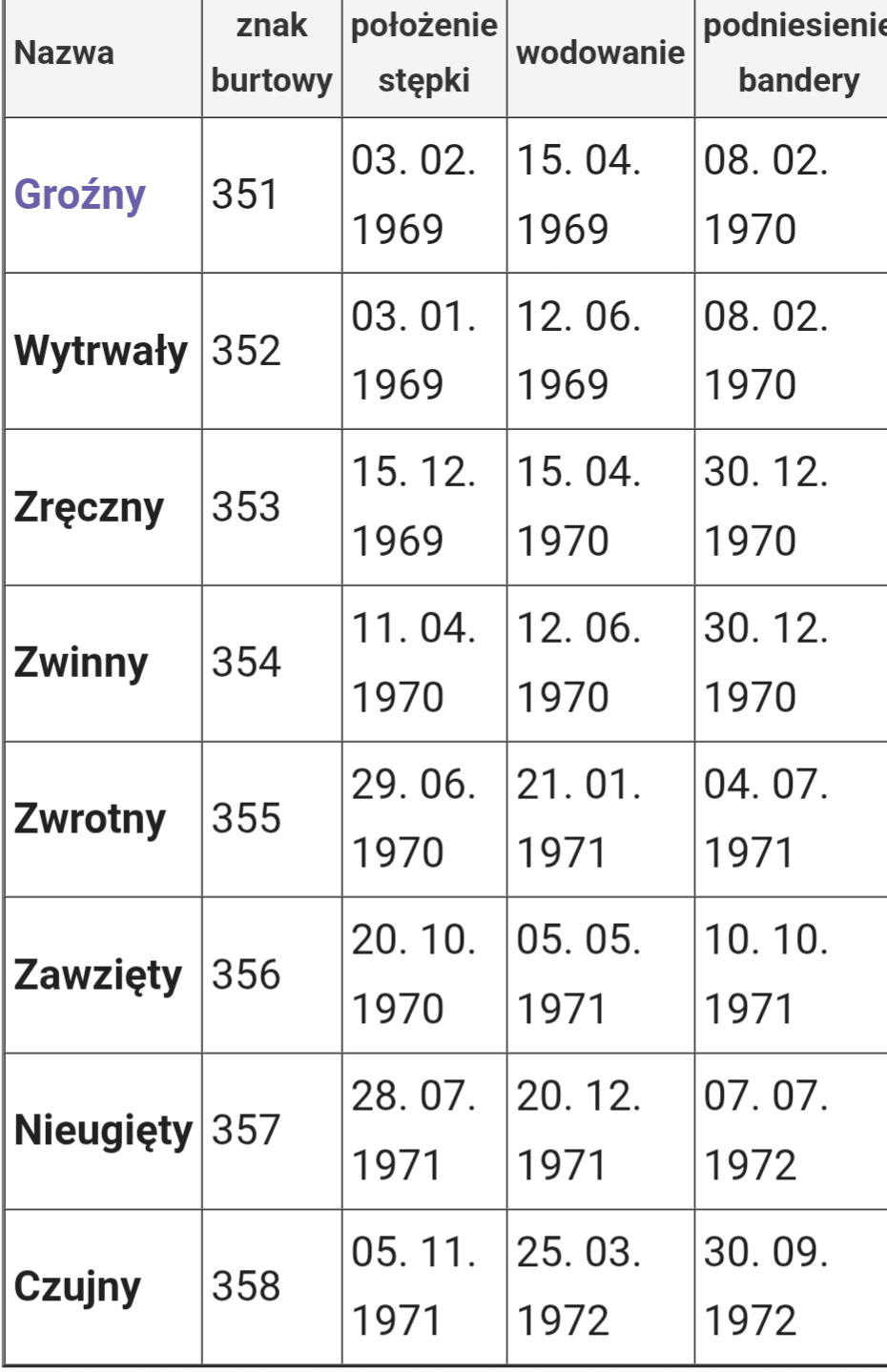
Table of each ships (from left to right) name, side number, lay down date, launching, commission and decommissioning.

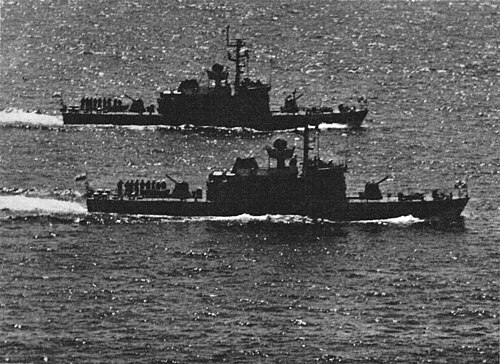
The ships would replace the Project 112bis sub chasers in the 11th chasers squadron stationed in Hel.
While the class had a peaceful career, a total of 3000 depth charge attacks were practiced between the 8 boats.
The class ended up participating in multiple exercises including Posejdon-75 in June 1975 and Reda 83 between May 4th to the 26th of May in 1983.
Eventually the class was decommissioned in 2 waves. First was Nieugięty and Zwrotny in 10/10/2003 followed by the other 6 on 06/07/2004. The vessels in the class would be considered by some authors as the most controversial units in the Polish post war navy
Specifications:
Armament: 4x 30m AK-230, 4 AMD-1000 mines and 12-24 B-1 depth charges
Displacement: 212t
Complement: 27
Top speed: 44.45km/h
Width: 6.29m
Length: 41.26m
Radar: MR-104 artillery fire control radar
Sources:
Jarosław Ciślak: Polish Navy 1995: ships, aircraft and helicopters, armament, organization .
Robert Rochowicz: The history of the “912s” – patrol boats and chasers