- Yes
- No
Hello everyone, and welcome to this new suggestion.
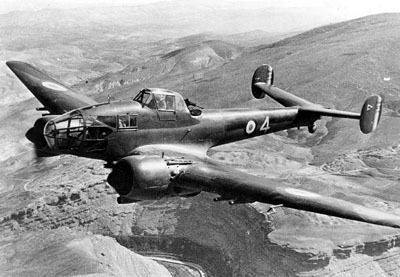
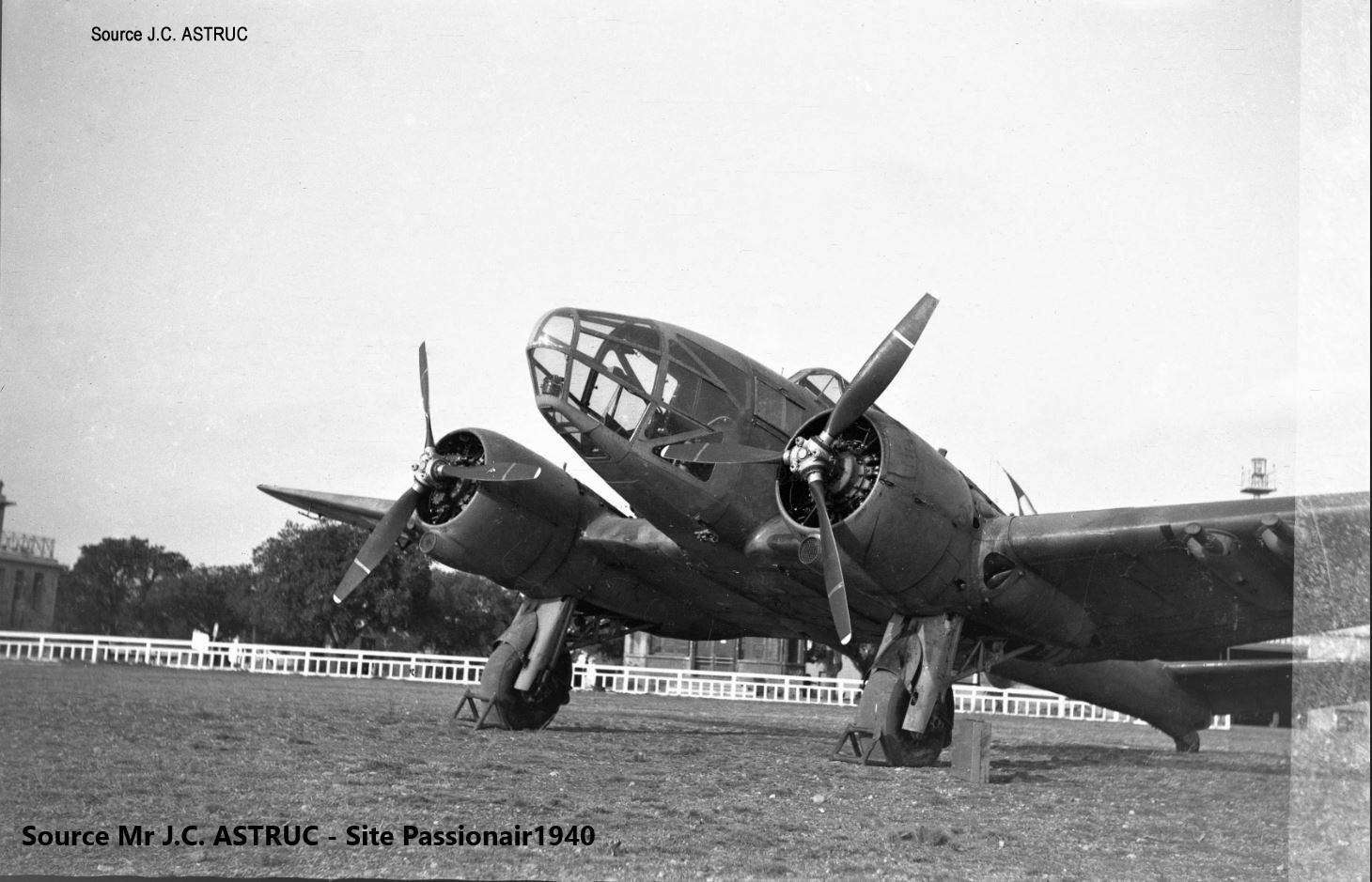
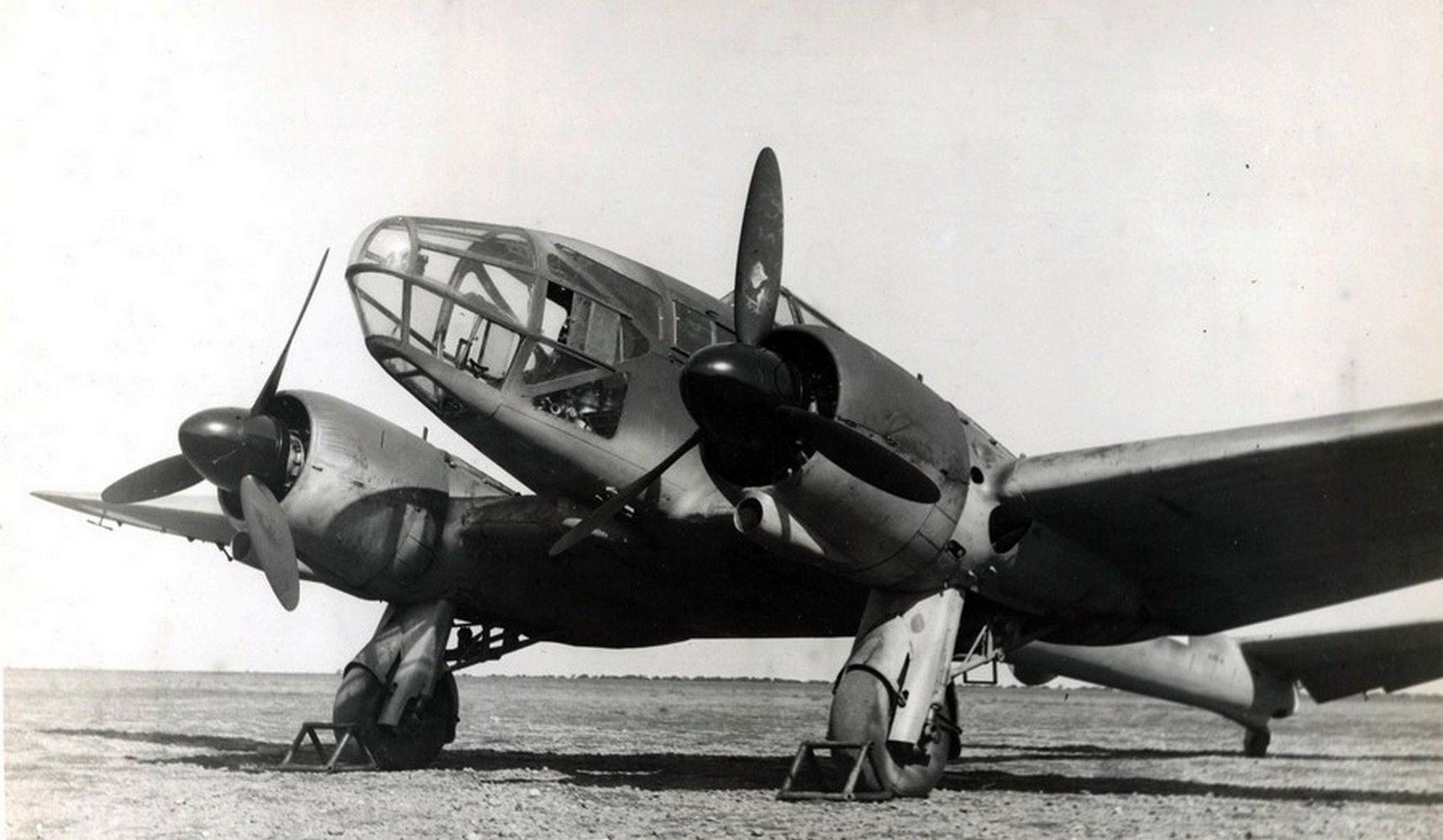
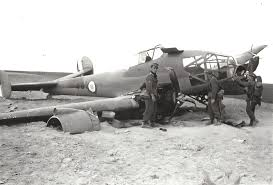
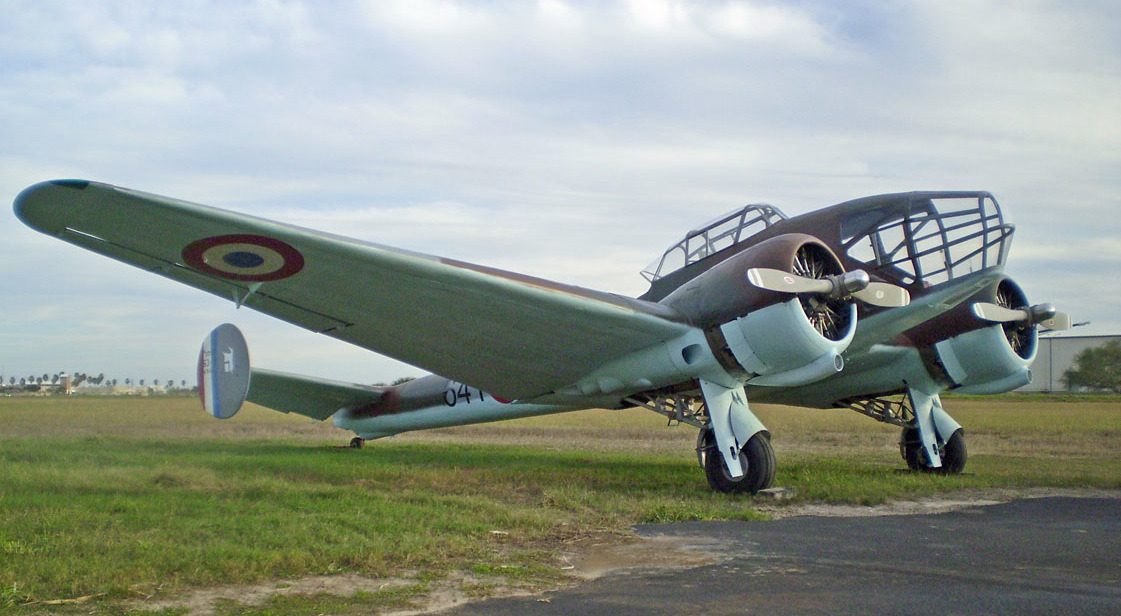
Today, I am presenting one of the final operational variants of the legendary Potez 63 family: the Potez 63.11 A3.
In the late 1930s, the French Air Force sought a modern tactical reconnaissance aircraft capable of replacing its aging observation platforms. Potez initially answered this requirement with the Potez 637 A3, a reconnaissance derivative of the successful Potez 63 family. Although the aircraft demonstrated excellent flight characteristics and performed well during its early service, its distinctive ventral observation gondola proved to be poorly insulated, exposing the crew to extremely uncomfortable conditions during high-altitude missions. While the aircraft itself was considered a success, these shortcomings convinced the Air Force that an improved design was needed almost immediately.
Potez responded by developing the Potez 63.11, which made its maiden flight in late 1938. Although it retained the same general airframe as the earlier variants, the aircraft featured a completely redesigned nose with extensive glazing that accommodated the observer, eliminating the ventral gondola altogether. This new arrangement significantly improved crew comfort, reduced aerodynamic drag, and simplified the aircraft’s overall structure. However, the redesign was not without drawbacks. While the glazed nose offered excellent forward visibility, many crews considered the downward and rearward view inferior to that provided by the ventral gondola of the Potez 637, making certain reconnaissance and artillery observation missions more difficult.
The Potez 63.11 entered operational service in 1939. Production initially suffered from delays caused by the rapid expansion of the French aviation industry, but manufacturing soon accelerated, and a total of approximately 730 aircraft were completed, making it by far the most numerous variant of the entire Potez 63 family. By the outbreak of the Second World War, it had become the standard tactical reconnaissance aircraft of the French Air Force, equipping numerous reconnaissance groups and carrying out photographic reconnaissance, artillery spotting, liaison, and battlefield observation missions during the Battle of France.
Following the French defeat in 1940, surviving aircraft found themselves serving under several different operators. Many continued flying with the Vichy Air Force, while others escaped to North Africa or joined the Free French Air Forces, where they remained in service for reconnaissance and communication duties during the early years of the war. Captured aircraft were also evaluated and employed by the Luftwaffe, primarily for liaison and training missions. As a result, the Potez 63.11 became one of the few French aircraft of the period to wear the markings of three different air forces during the conflict.
Despite its widespread service, the Potez 63.11 was rapidly overtaken by advances in aviation technology and gradually replaced by more modern reconnaissance aircraft. By the end of the Second World War, the surviving examples had become obsolete, and the last airworthy aircraft were withdrawn from service and scrapped, bringing the long history of the Potez 63 family to a close.
Characteristics
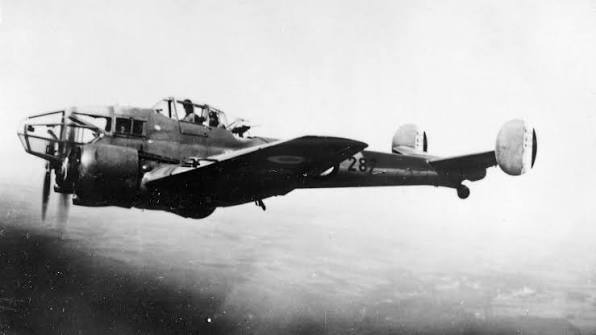
Length : 10.93 m
Width : 16.00 m
Height : 3.08 m
Mass :
- Empty : 3 136 kg
- Max : 4 530 kg
The aircraft is powered by two 700 hp Gnome & Rhône 14M 4/5 engines, allowing it to reach a top speed of 425 km/h at an altitude of 4,000 m and a service ceiling of 8,500 m. Its range was 1,700 km.
The crew consists of three people: a pilot, a rear gunner, and an observer stationed in the nose.
Weapons
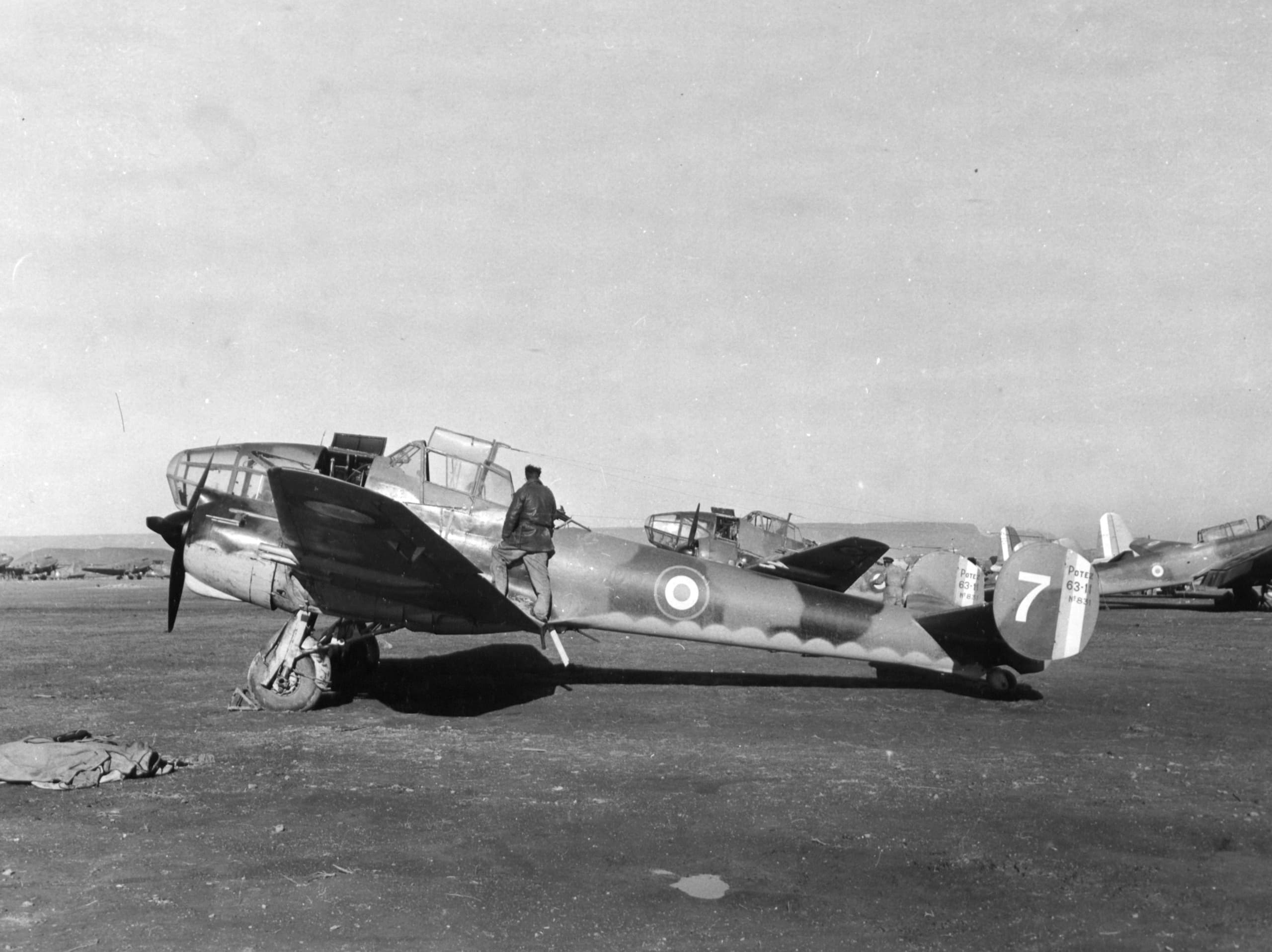
The aircraft’s armament evolved significantly throughout its service life, starting with virtually no primary armament and ending with a setup capable of robust self-defense.
Initial:
Defensive armament:
- 1 x 7.5mm MAC 34 machine gun (rear dorsal turret)
- 1 x 7.5mm MAC 34 machine gun (ventral gondola)
Offensive armament:
- 1 x 7.5mm MAC 34 machine gun (under the nose)
1940:
Defensive armament:
- 1 x 7.5mm MAC 34 machine gun (rear dorsal turret)
- 1 x 7.5mm MAC 34 machine gun (ventral gondola)
Offensive armament:
- 3 x 7.5mm MAC 34 machine guns (under the nose)
- 4 x 7.5mm MAC 34 machine guns (under the wings)
- 4 x 50kg bombs (under the wings)
In-game, this aircraft would be an interesting addition to the French tree, offering a plane with good air-to-air combat capabilities (in its final version) as well as light ground-attack capabilities, thereby effectively rounding out the tree.