- Yes
- No
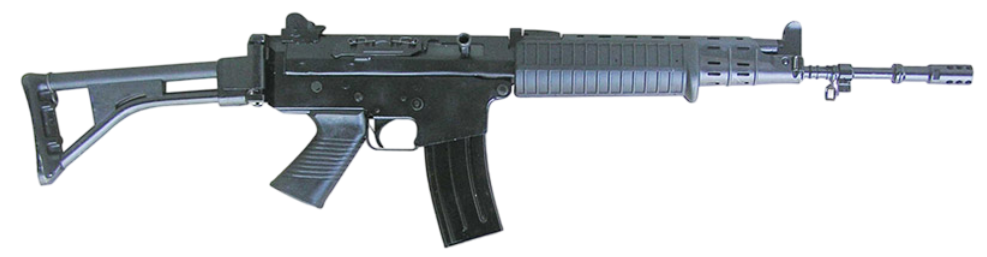
The SS1 (short for Senapan Serbu 1, lit. ‘Assault Rifle 1’) is the standard assault rifle of the Indonesian armed forces and Indonesian National Police. It is based on the FN FNC rifle, but modified in order to meet ergonomic and tropical environment needs.
It is currently being phased out and replaced by the Pindad SS2
Background
Spoiler
In 1976 from experience gained in the field, an idea to create a new assault rifle to replace the existing standard issue SP-1 battle rifle surfaced. In 1977 a prototype dubbed SS-77 (Senapan Serbu 1977) was born.
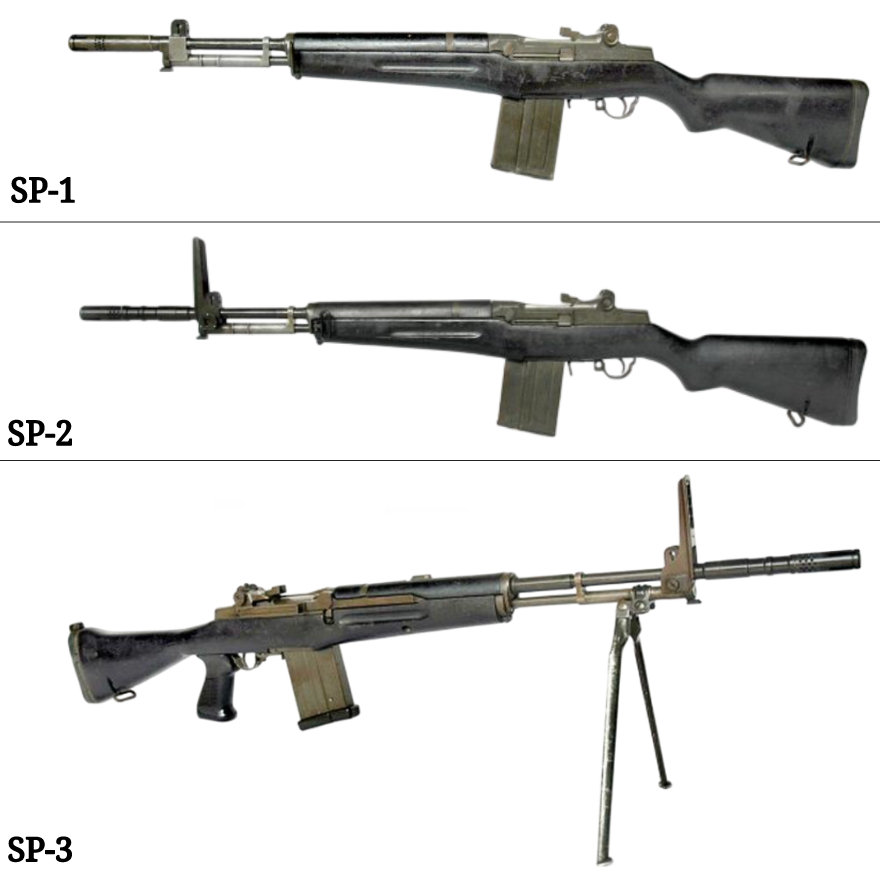
Prior SS1, the main Indonesian army service rifle are SP series Battle rifle (License built Beretta BM-59)
The SS-77 assault rifle design and operating system were based on the ArmaLite AR-18, with a gas-operated, rotating bolt mechanism. It has a magazine capacity of 30 rounds chambered in 5.56x45 mm caliber with Safe-Semi-Auto firing modes. The SS-77 assault rifle design includes both a standard long-barreled version and a carbine (short-barreled) variant with a folding stock. In 1978, 150 prototypes with foldable stock were produced, of which 30 were sent to the Army Research and Development Service (Dislitbangad) for testing purposes.
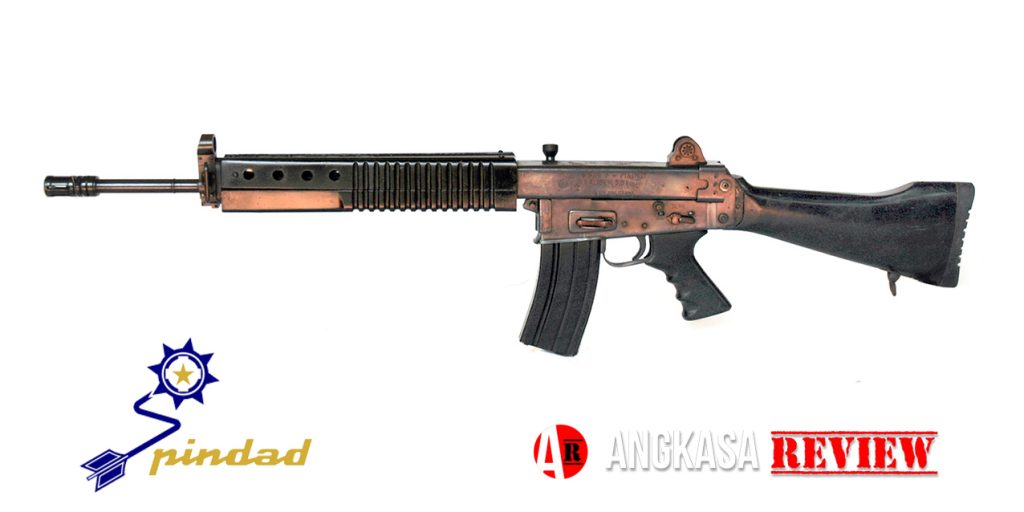
Pindad SS-77 Prototype
In 1979, the SS-77 was further developed using 7.62x51mm ammunition, resulting in the SS-79 (Senapan Serbu 1979). The Indonesian Army (TNI AD) and the Department of Defense and Security (Dephankam) intended to adopt it as the standard infantry rifle, replacing the SP-1 as previously planned. However, due to considerations issued by the Agency for the Assessment and Application of Technology (BPPT) in 1982, the decision was not to produce it from scratch due to a lengthy timeframe and high research and development costs.
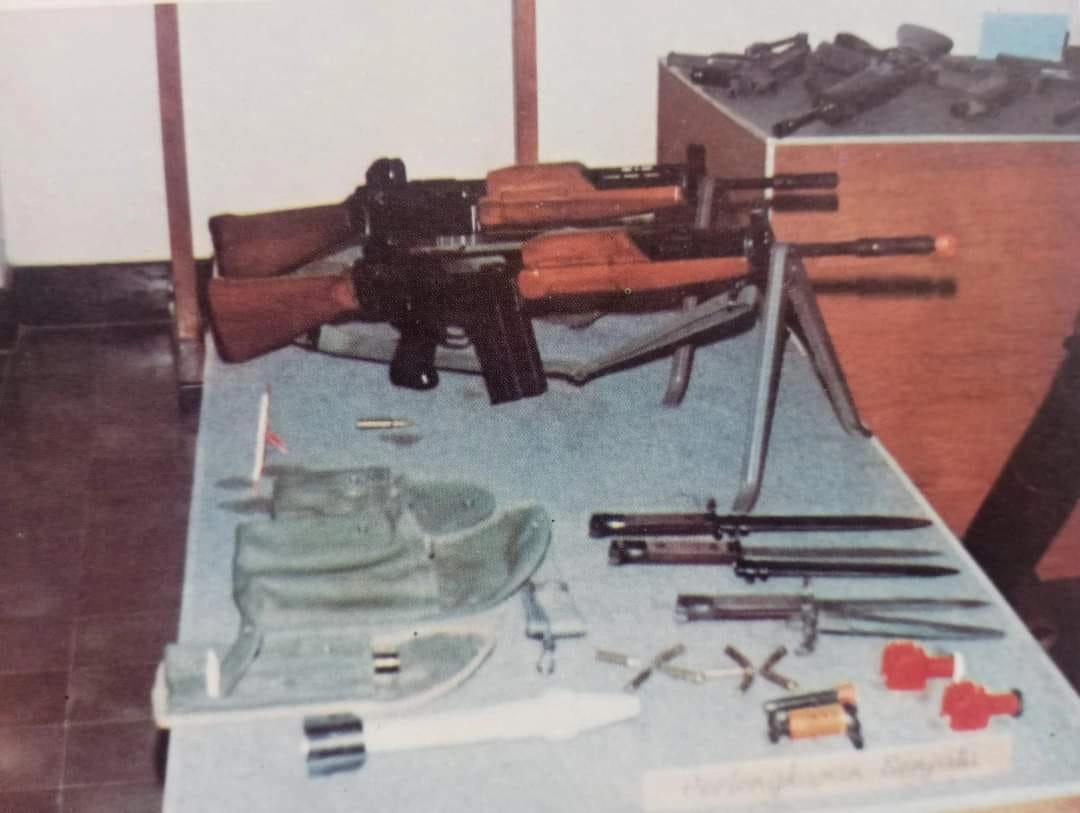
Pindad SS-79 prototype
As a cost-saving and time-efficient approach, BPPT proposed licensing existing assault rifles that had already proven their durability and reliability in the field. During the initial evaluation, six types of assault rifles were considered: the German HK33, the American M16A1, the Belgian FNC, the Swiss SIGSG 540, the Austrian Steyr AUG, and the Pietro Beretta AR70.
The trials included:
- Ease of disassembling, and assembling weapons in the field
- Ease of lining up, formations, and marching
- Reliability combat tests in the field
The trial results are based on the assessment criteria and the assessment sequence is as follows:
- HK33
- M16A1
- FNC
- AR70
- SG 540
- Steyr AUG
Then the possibility of further production in Pindad was evaluated.
From the test results, three strong candidates emerged: HK33, M16A1, and the FNC. While the HK33 was the top choice, its use of a delayed blowback system instead of a gas-operated mechanism (a requirement by Indonesia), complex and expensive technology, and certain components (especially the barrel) made local production unfeasible, certain components also have to be supplied from Germany especially rollers. Consequently, the adoption of HK33 was canceled.
The M16A1, which was favored by the troops for its light weight was the second candidate, faced stringent requirements. These included importing ammunition, main mechanical system components, and barrels directly from the United States. In 1977, the Government of Indonesia (GOI) aimed to transform the Indonesian Army Military Industries (Pindad) Small Arms Factory in Bandung into a co-production facility for M16A1 rifles. Both Colt Industries and Lockheed Aircraft Corporation submitted proposals. By 13 December 1977, the Defense Security Assistance Agency( DSAA) was processing Colt’s request for an export license. At year’s end, the DSAA awaited contract details to draft a Memorandum of Understandingfor approval by the Secretary of State and Congress. On 23 August 1978, Indonesia invited the US to negotiate regarding the use of the weapon. As a result, the US said that Indonesia could only produce 150,000 M16A1s, and not all components could be made in Indonesia, such as the trigger housing, munitions, upper and lower mechanical housings, and barrel. Consequently, the adoption of the M16A1 was canceled.
Ultimately, the FNC (the third candidate) was chosen and officially became the modern infantry assault rifle used by the entire Indonesian National Armed Forces. The decision to select the FNC was influenced by the ease of technology transfer offered by the principal manufacturer, FN Herstal SA from Belgium, which agreed to provide up to 100% technology transfer. With FNC, all technology is given, starting from the smallest down to the production machines, so that true technology transfer can be achieved.
Another key consideration was that the FNC assault rifle had already adopted a 7-inch barrel and used SS-109 ammunition (full metal jacket as per NATO standards. Subsequently, in February 1983, BPPT, representing the Indonesian government, reached an agreement with FN Herstal SA of Belgium. As part of the deal, PT Pindad was required to produce a minimum of 200,000 FNC rifles. After meeting this requirement, no further royalties needed to be paid to the principal. Initially, the TNI imported these assault rifles directly from Belgium. It wasn’t until 1984 that production began at the PT Pindad factory in Kiara Condong, Bandung, Indonesia, after completing all necessary preparations. The officially designated name for this assault rifle became SS-1 (Senapan Serbu 1). According to the agreement, FN Herstal agreed to finance the repair and retrofit program of existing 20,000 FNCs that had issues which were already purchased by Dephankam.
After 10,000 FN FNC rifles were bought for the Indonesian military, Pindad secured a license in 1984 from FN to manufacture the FNC. Indonesia adopted the SS1s into official service by 1991.
Difference between FNC and SS1
Spoiler
Visually there is not much difference between SS1 and FNC, the main visual difference are in the front grip where in Indonesian SS1 the front grip are ribbed compared to the FNC front grip
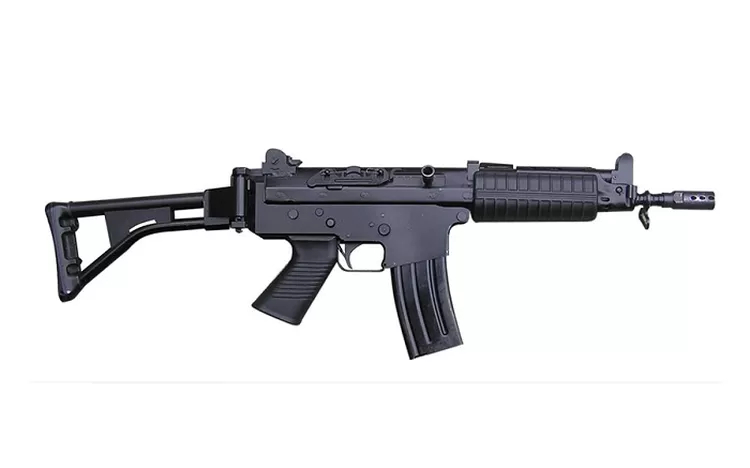
SS1
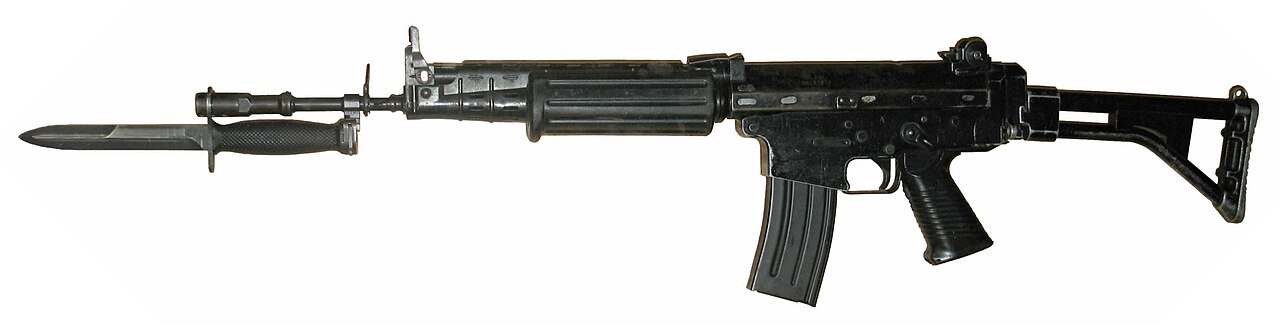
FNC
Variant of the SS1
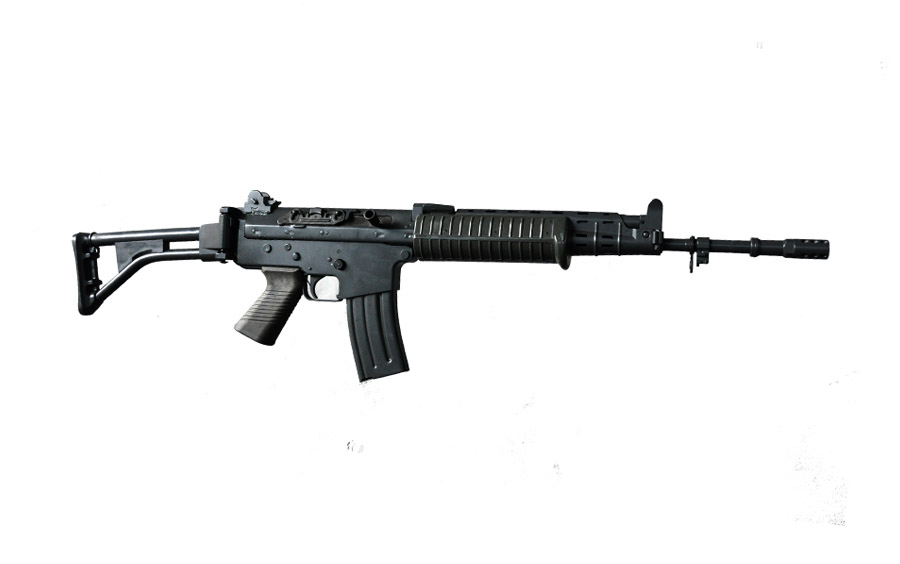
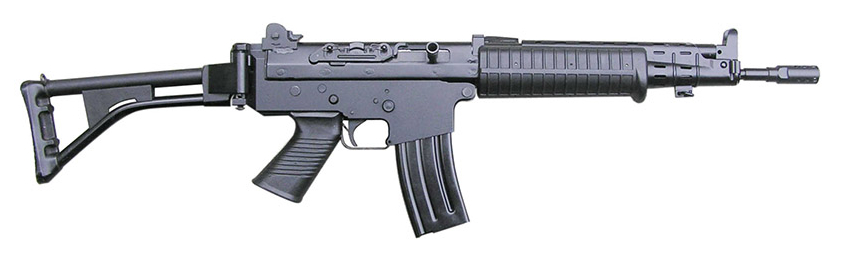
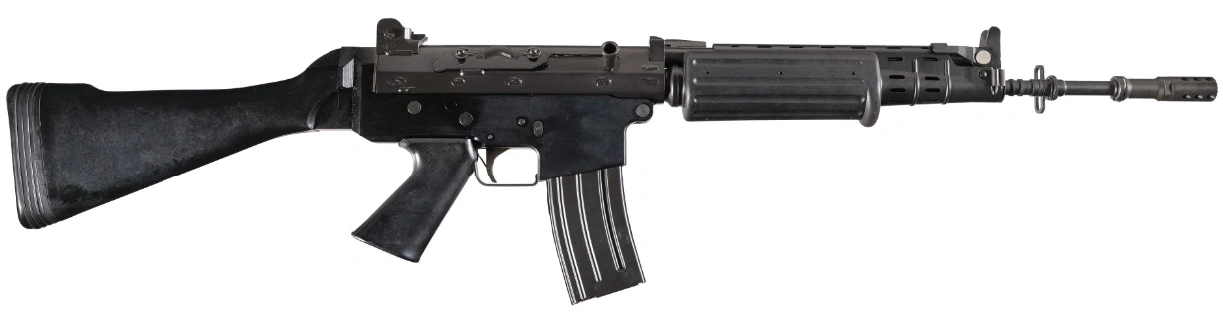
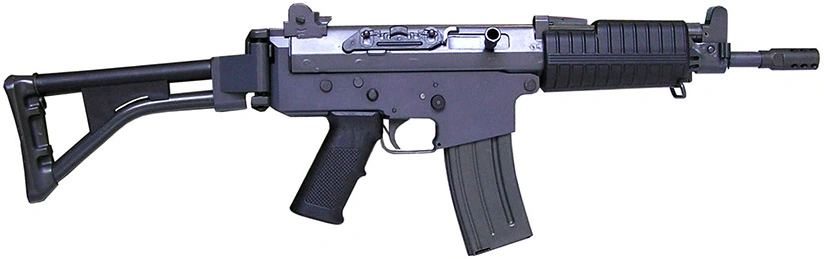
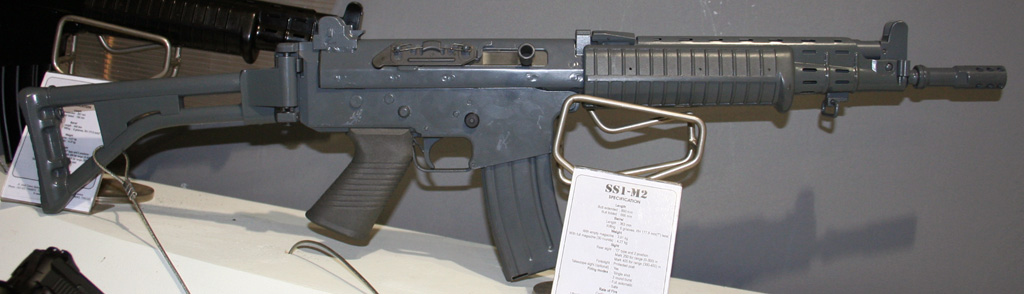
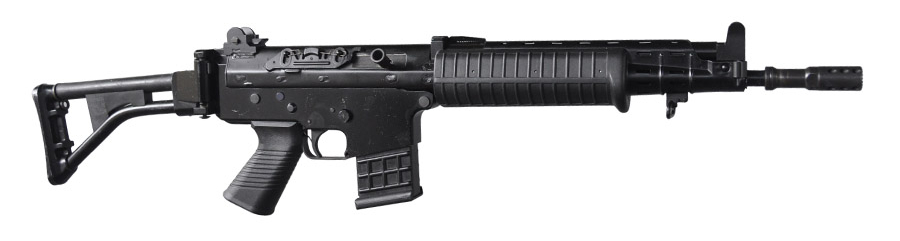
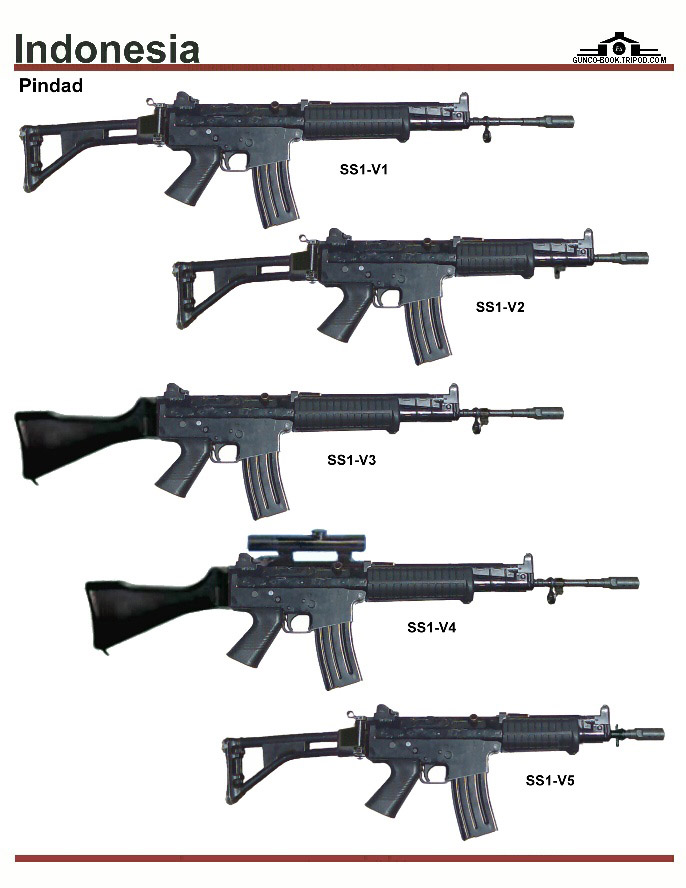
Why we should get this assault rifle as 3D Decoration?
Spoiler
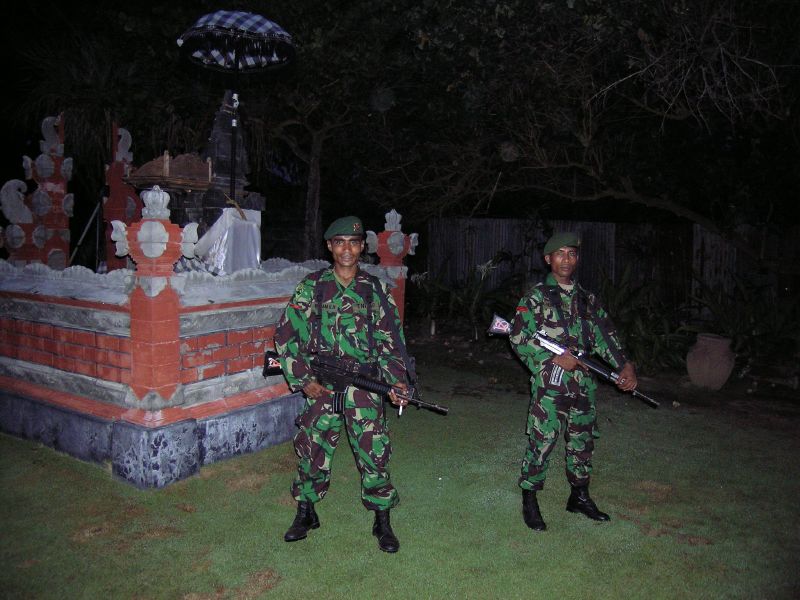
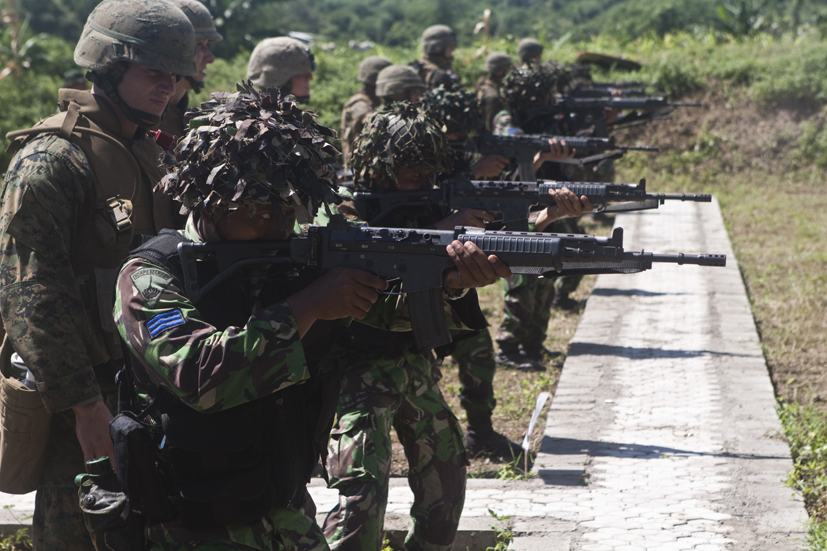
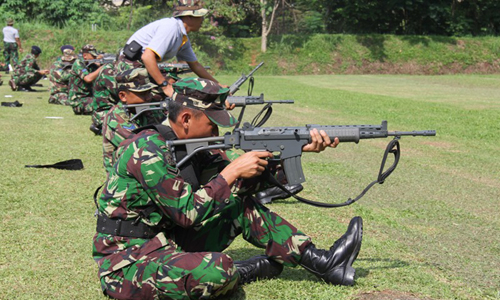
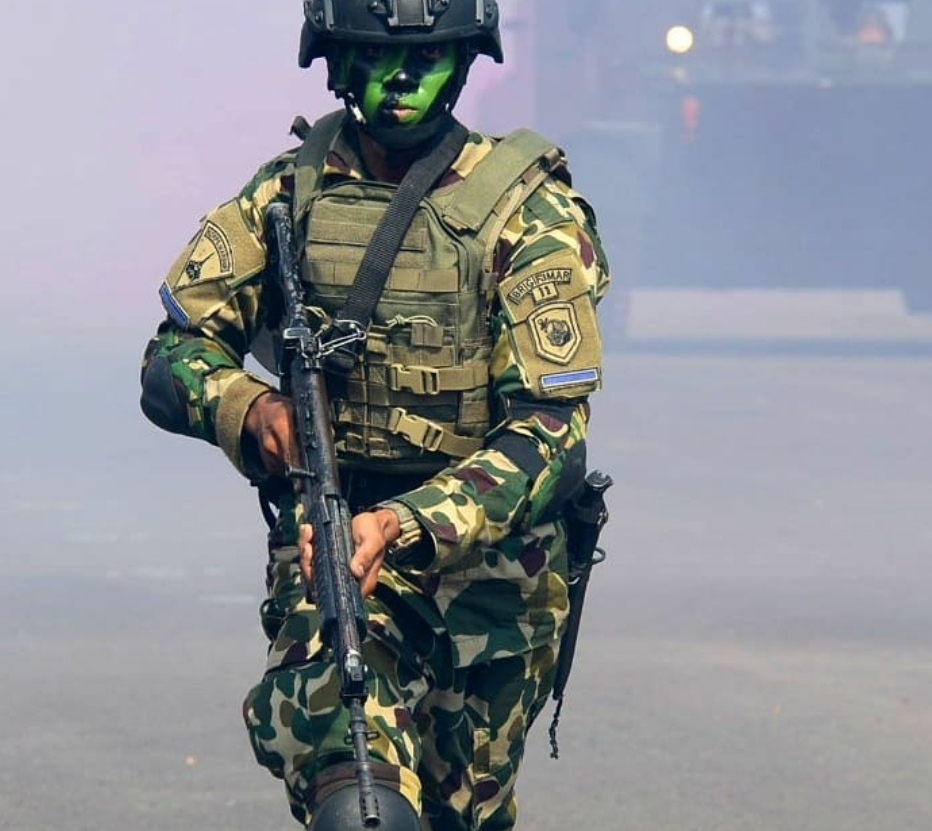
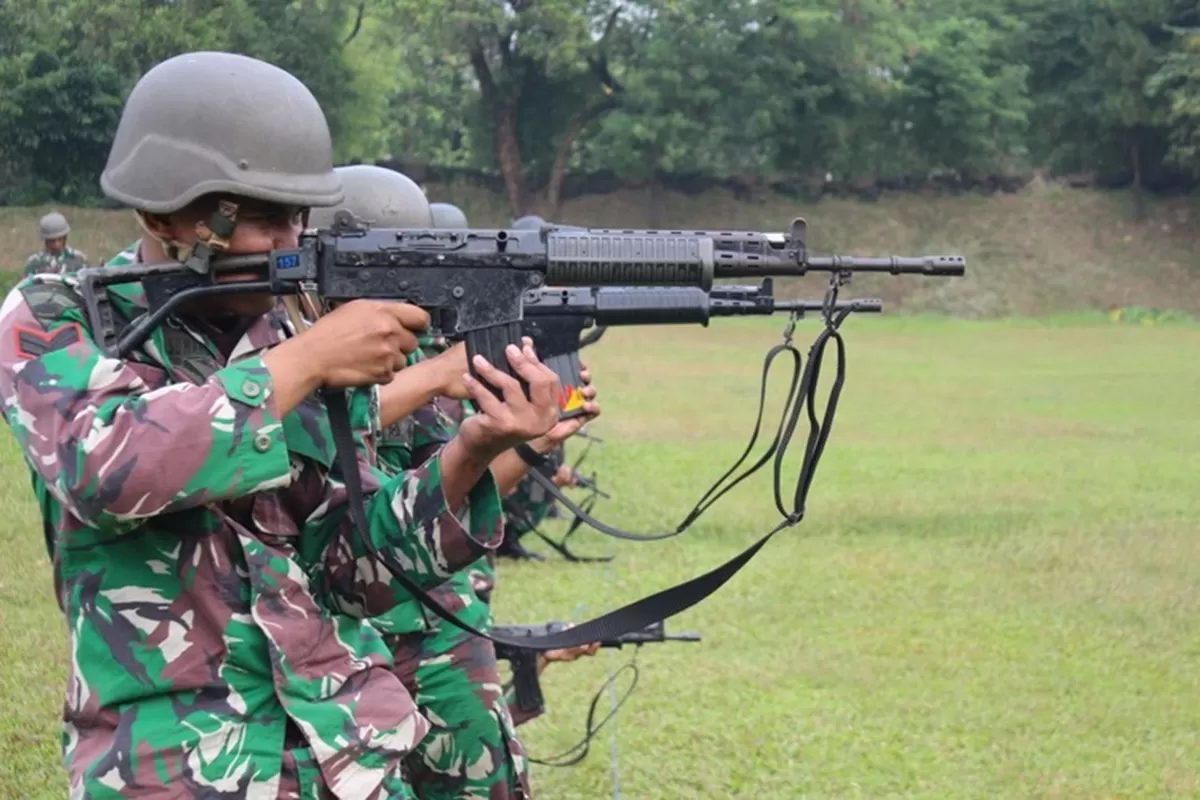
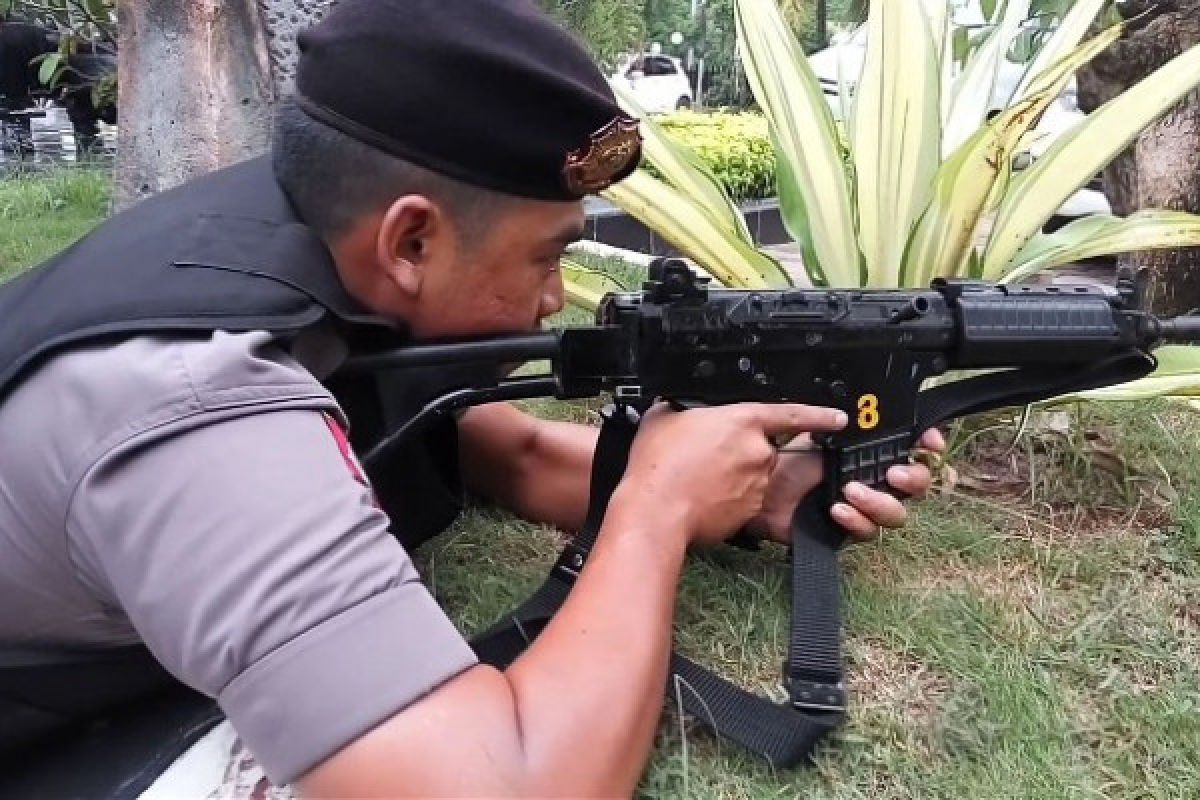
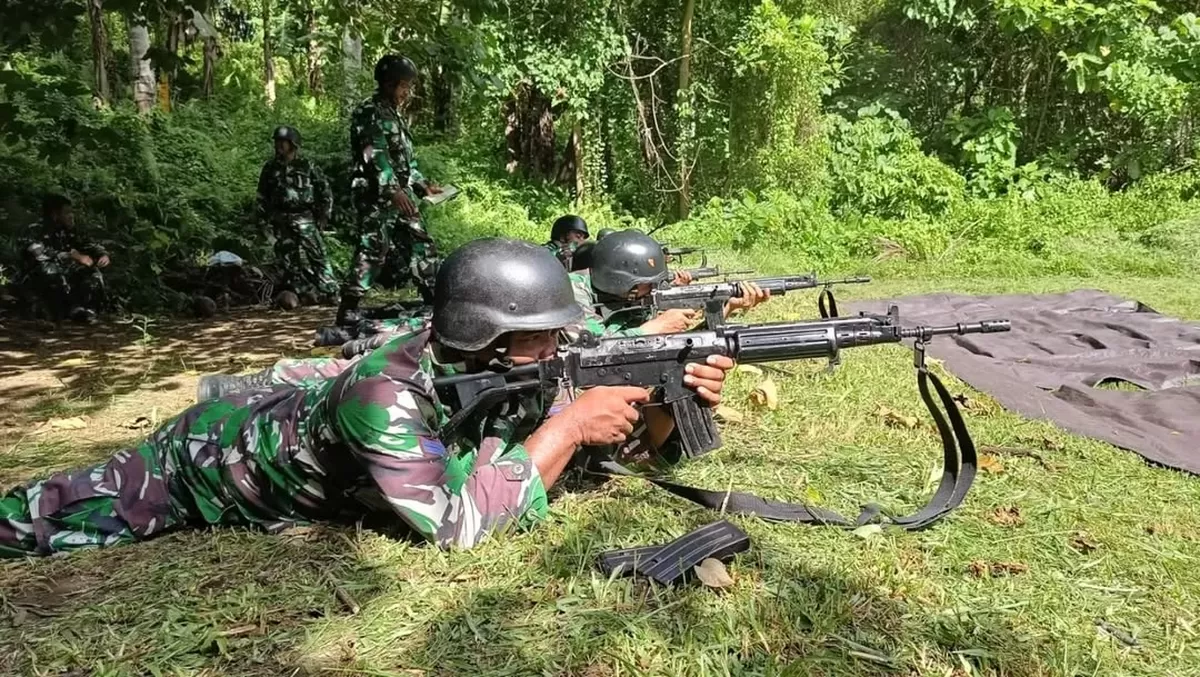
Just like with SS2 3D decoration SS1 Assault Rifle could be added to the game for Indonesian ground vehicle in JP Tech tree from event or BP, especially with the carbine version that mainly used by Specialized vehicle crew in Indonesian Army and Marines
Additional Picture
Source