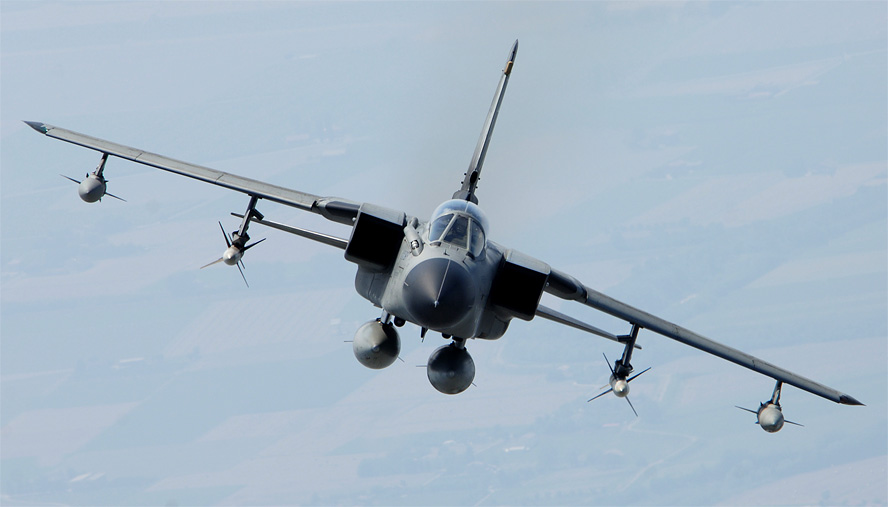
Welcome to my first vehicle suggestion about the German Tornado ECR. I hope you like it.
- Yes
- No
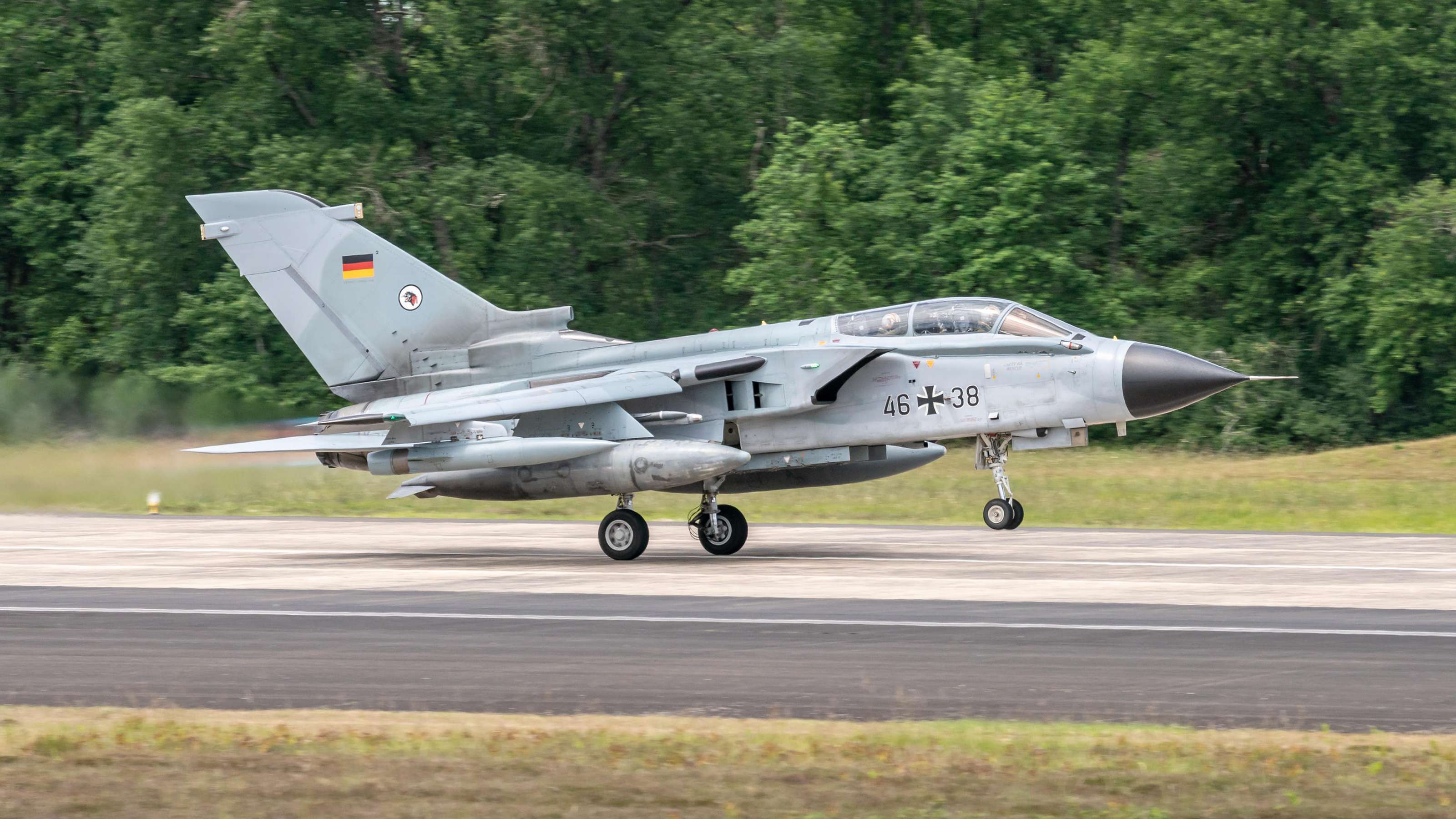
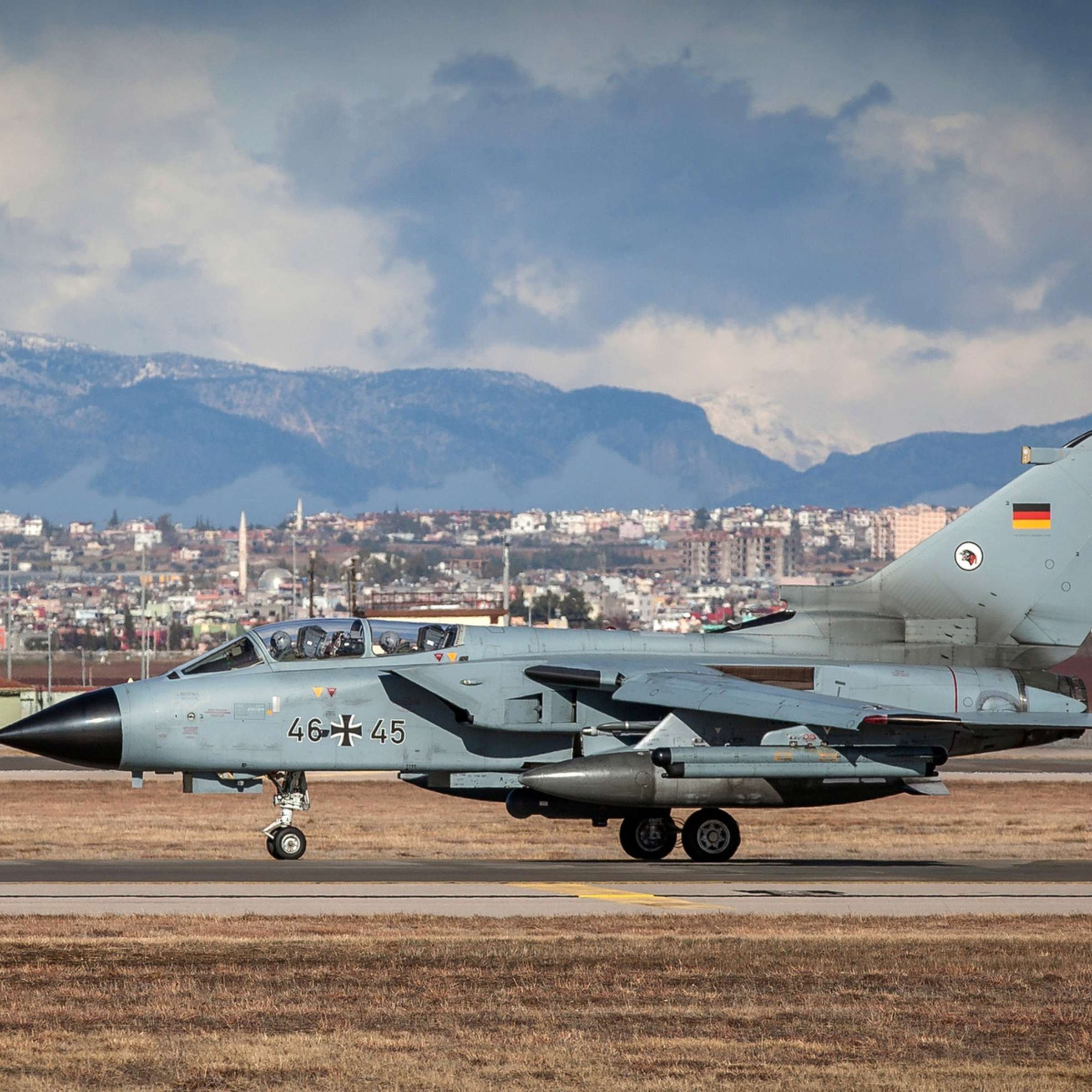
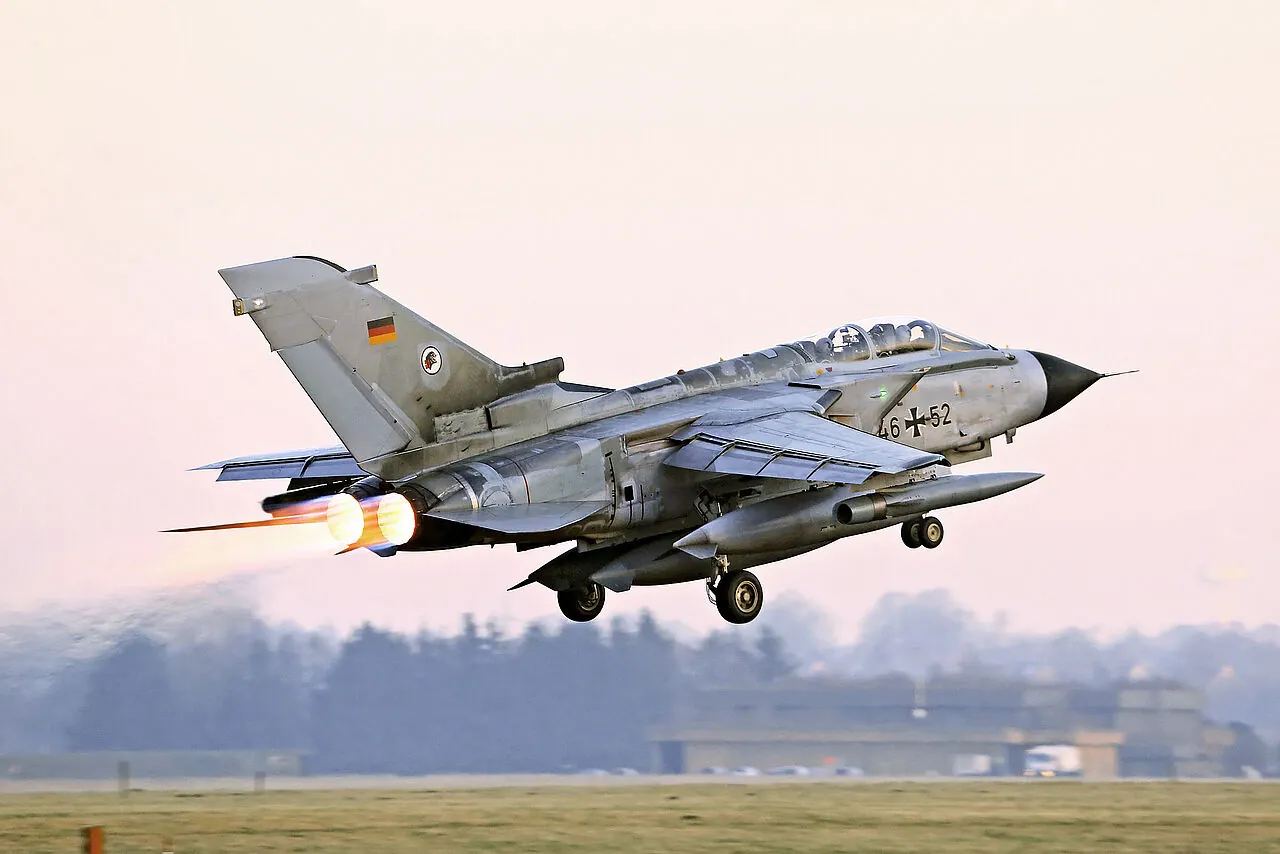
The Tornado ECR (Electronic Combat and Reconnaissance) represents a specialized iteration of the Tornado IDS, developed in response to a specific requirement from the German Air Force. This variant is exclusively operated by the German and Italian Air Forces, and its design purpose encompasses tactical reconnaissance, as well as the detection, identification, and suppression of adversary air defense systems (SEAD).
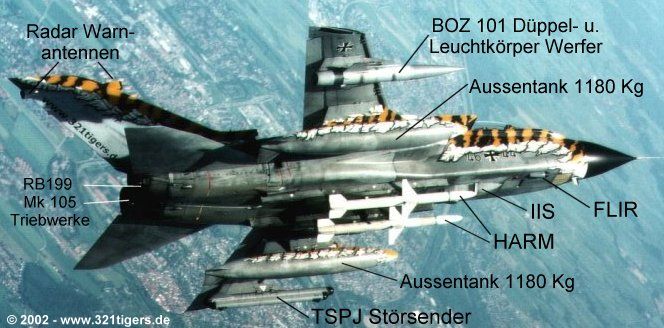
The aircraft is outfitted with an Emitter Location System (ELS), which facilitates the detection, localization, and identification of hostile radar emissions. Upon identifying a threat, the Tornado ECR is capable of engaging radar-controlled air defense systems through the deployment of AGM-88 HARM, thereby establishing its role as a principal platform within NATO for SEAD missions.
Germany initially articulated its requirement for the ECR variant in the early 1980s, culminating in an order for 35 newly manufactured aircraft in 1986. Deliveries proceeded until January 28, 1992, at which point the 35th and final aircraft was transferred. This particular aircraft also signified the conclusion of Tornado production by MBB, marking it as the last of the 357 aircraft manufactured by the company.
On the 24 March 1999, NATO began its air operation Allied Force against the Federal Republic of Yugoslavia. In this conflict, the German Air Force played a significant role for the first time, particularly through the deployment of its Tornado aircraft. They created breaches in the enemy air defenses and conducted reconnaissance on the adversary.
Air Wing 1 of the German Air Force was significantly involved in the operation with its ECR Tornados. The jets were used for electronic warfare reconnaissance and the suppression of enemy air defenses. Their mission was to protect allied aircraft by locating, identifying, and neutralizing enemy air defense systems with specialized guided missiles.
Established on 30 June 1995, Air Wing 1 was primarily composed of elements from Fighter-Bomber Wing 32 and Reconnaissance Wing 51 “Immelmann” and was stationed on 21 July 1995 at the military airfield in Piacenza, Italy Up to 14 recce Tornados were deployed—“recce” stands for “reconnaissance”—along with Tornado ECR aircraft used for the suppression of enemy air defenses.
The Tornados of the German Air Force were part of a multinational contingent from various NATO member states. The objective was to stop Serbian forces in Kosovo and ensure the security of the civilian population there. The Tornados were used both for air strikes and reconnaissance missions. They were important for gathering information about enemy targets and engaging them. For this purpose, ECR Tornados often penetrated enemy airspace first in order to detect and counter threats.
One of the greatest challenges for German Tornado pilots during Operation Allied Force was overcoming enemy air defense systems, as Serbian forces possessed a sophisticated network of surface-to-air missile systems and anti-aircraft artillery.
During that timeframe, German Tornado ECRs deployed 236 HARMs, which were instrumental in the cessation of hostilities.
Operation Allied Force concluded on June 10, 1999, after 79 days. The ECR Tornados were subsequently redeployed to their home bases, while the RECCE Tornados remained in the theater to support ongoing SFOR and KFOR operations.
On July 27, 2001, the wing’s active operational flying phase concluded, and personnel returned to Lechfeld and Jagel. The ECR Tornados were then placed on standby status, maintaining operational readiness until 2002, prepared to provide further support to SFOR and KFOR forces if needed.
| length | 17.23 m |
| Height | 5.95 m |
| Wingspan at 25 degrees sweep | 13.91 m |
| Wingspan at 45 degrees sweep | 11.58 m |
| Wingspan at 67 degrees sweep | 8.56 m |
| Wing area at 25 degrees sweep | 31 m² |
| Empty weight | 14 t |
| Maximum starting weight | 28.5 t |
| Engines | 2x Turbo-Union RB199-34R MK.105 |
| Afterburner thrust | ~76.95 kN |
| Speed (in low-level flight) | up to Mach 1.3 |
Guns:
No Guns
Ballistic bombs (braked and unbraked):
MK-82
MK-83
MK-84
Air-to-Ground Munitions(Guided):
GBU-54
AGM-88B HARM/AGM-88E AARGM
ARMIGER (IR)
Air-to-Ship
Kormoran / Kormoran 2
Air-to-Air:
Aim-9L & Aim-9L/I & Aim-9L/I-1
Aim-2000 IRIS-T
Targeting Pod LITENING
BOZ-101
TSJP (Tornado Self-Protection Jammer)
Up to 4 external fuel tanks à 1500 liters
Build-in ELS/ESM