- Yes
- No
Hello everyone, and welcome to this new suggestion!
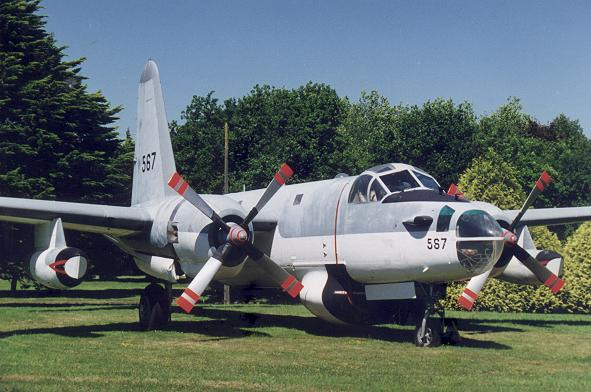
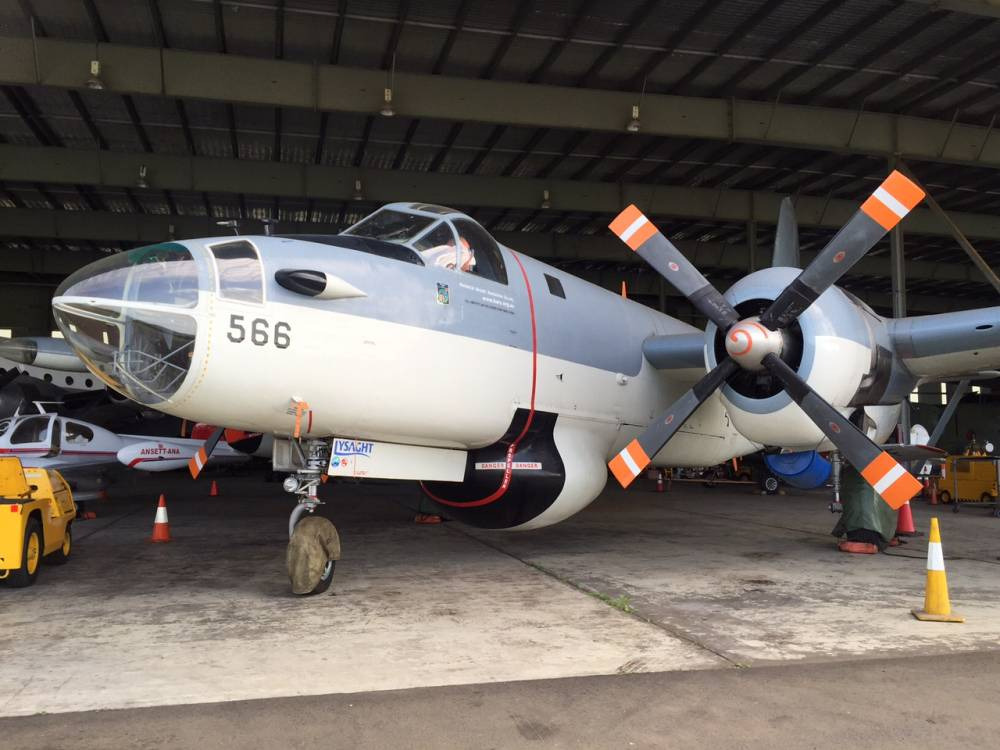
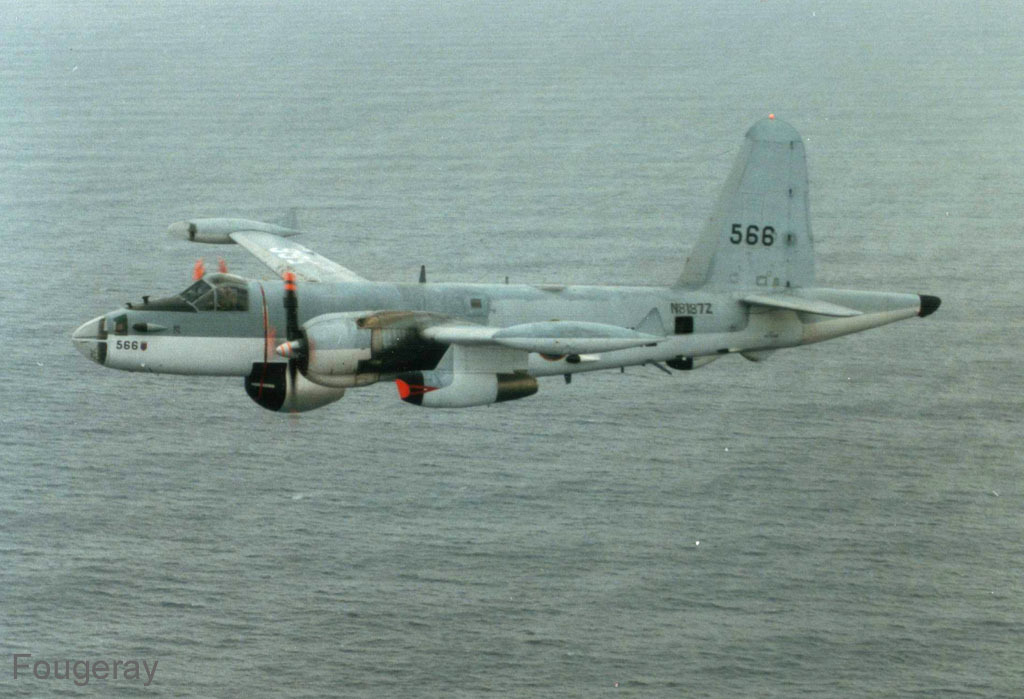
Today, I am presenting an iconic aircraft used by French forces: the Lockheed P2V-7 Neptune.
Developed in the United States at the end of World War II, the P2V Neptune was a twin-engine maritime patrol aircraft that was remarkably advanced for its time. It was particularly notable for a radar capable of detecting submarine periscopes, a true technological breakthrough upon its introduction. Rugged, versatile, and produced in numbers exceeding 1,000 units, it was adopted by eleven countries and produced in numerous specialized variants for anti-submarine warfare, reconnaissance, and long-range surveillance.
By the late 1950s, France was already operating around thirty P2V-6 Neptunes but sought to expand and modernize its maritime patrol capabilities. The rapid evolution of the submarine threat, specifically the emergence of faster, better-armed submarines, prompted the French Naval Aviation branch (Aéronavale) to seek a higher-performance aircraft. They turned to Lockheed and the latest version of the Neptune family: the P2V-7. This new variant featured improved propulsion, adding two pod-mounted jet engines, along with modernized avionics and significantly enhanced anti-submarine warfare (ASW) capabilities. It carried a more substantial anti-ship and anti-submarine payload, including torpedoes, depth charges, and mines, though it lacked the defensive turrets found on the P2V-6; this design choice reflected a doctrinal shift toward long-range detection rather than close-range combat. France ordered 34 of the aircraft,locally designated the P-2H, with deliveries beginning in 1958. Upon arrival, they were assigned to squadrons 23F, 24F, and 25F, as well as Pacific-based units such as 9S and 12S, where they performed crucial maritime surveillance over vast areas. Capable of covering long distances and remaining airborne for extended periods, the Neptunes carried out a wide range of missions, including ocean surveillance, anti-submarine warfare, search and rescue, and the protection of shipping lanes. They operated across the globe, from the North Atlantic to the Pacific and the Indian Ocean.
The P2V-7 remained a cornerstone of French maritime patrol operations for many years. It was only gradually replaced by the arrival of the Breguet Atlantic, an aircraft specifically designed for this role and equipped with more advanced electronics. The last French Neptunes were finally retired from service in 1984, marking the end of more than two decades of intensive and significant service.
Characteristics
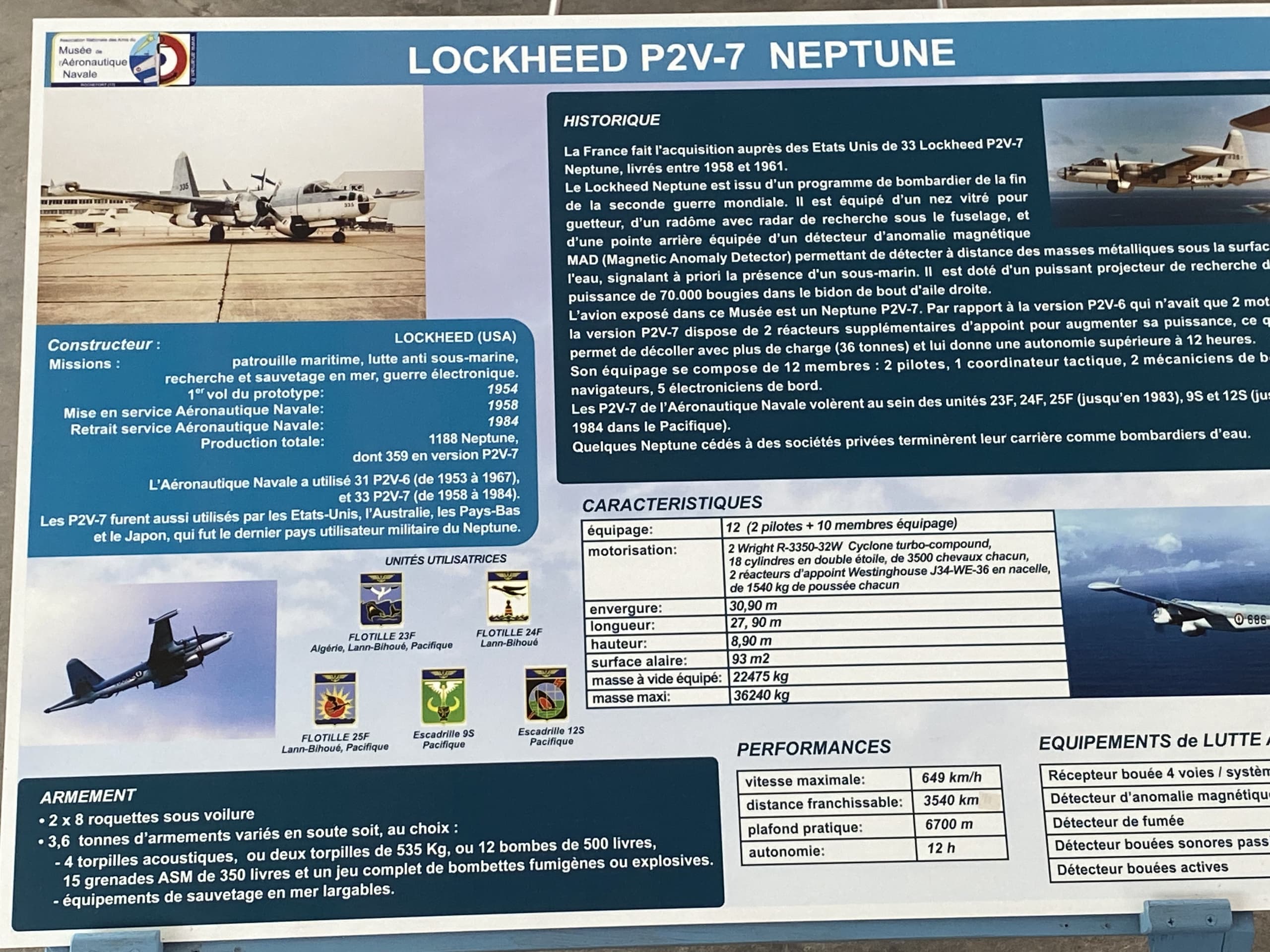
Length : 27.90 m
Width : 30.90 m
Height : 8.90 m
Mass :
- Empty : 22475 kg
- Max : 36240 kg
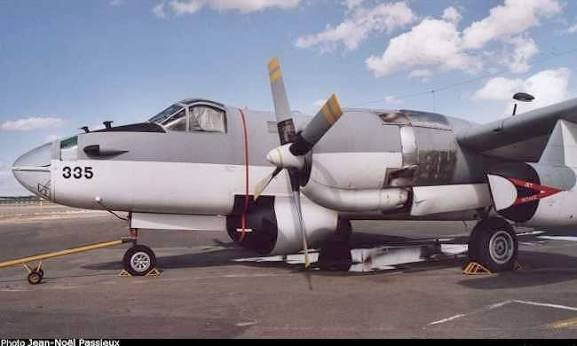
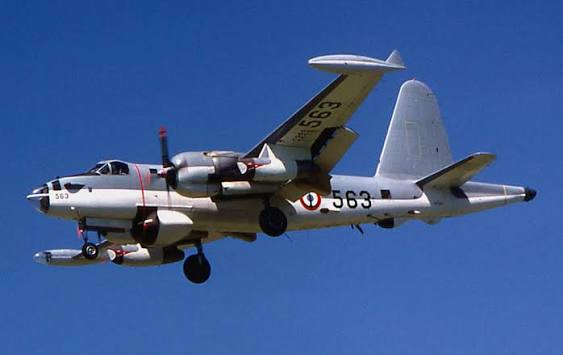
The aircraft features a rather unconventional propulsion system, consisting of two 3,500 hp Wright R-3350-32W radial engines and two Westinghouse J34-WE-36 jet engines used to boost takeoff thrust, thereby enabling the aircraft to take off with a heavier payload. Its top speed is 649 km/h, and it has a service ceiling of 6,700 meters. Endurance is estimated at 12 hours, giving the aircraft a range of 3,540 km.
The crew consists of 12 personnel, including two pilots, a mission commander, and operators for the various detection systems.
Equipment
This version of the aircraft features more advanced detection systems than the previous one, enabling it to perform its tasks much more efficiently.
Radar:
- APS-20 maritime detection radar (on the P2V-7, it is coupled with an IFF system, allowing it to distinguish between friendly and enemy vessels)
ASW:
- 1 MAD (Magnetic Anomaly Detector)
- Julie and Jezebel detection systems for sonobuoys
Weapons
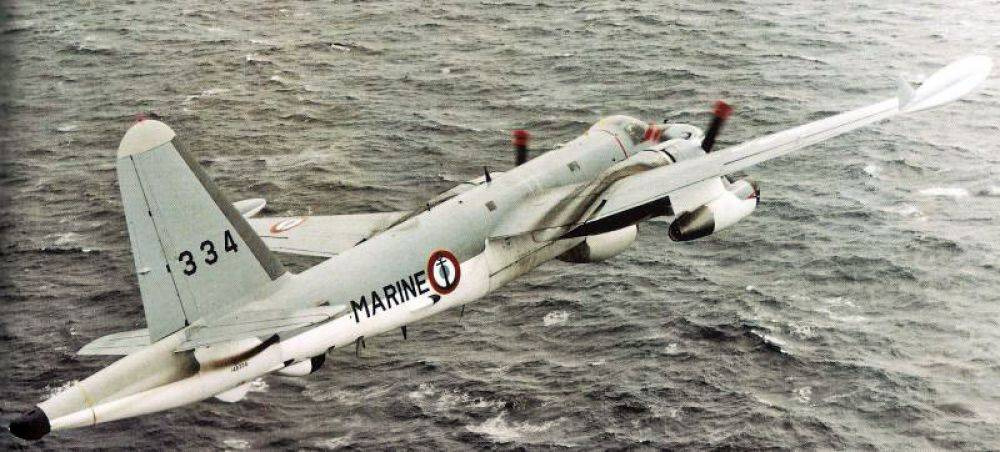
Unlike the P2V-6, the P2V-7 lacks defensive armament, making it particularly vulnerable to aerial attacks. However, its anti-ship and anti-submarine payload options remain highly impressive. Its armament includes:
Under-wing:
- 8 x 2 rockets
- 2 x AS-12 missiles
Internal bay:
- 4 light torpedoes
- 2 heavy torpedoes
- 12 x 500 lb bombs
- 15 x 350 lb depth charges
In-game, this legendary naval aircraft would be a particularly interesting addition, introducing a modern anti-submarine and anti-ship platform equipped with all the necessary gear for this type of combat. However, its lack of defensive armament makes the aircraft particularly vulnerable, which would require careful balancing.
Video
Neptune P2V-7 vie et fin
Aéronavale et la fin des “Neptune P2V7” à la 25F en 1983. (Version 2022)
Neptune P2V-7 Escadrille 12S à Tahïti FAAA en 1979
1970 23F Neptune P2V7 BAN Lann Bihoué
Sources
- Lockheed P2V-7 Neptune - Musée de l’Air et de l’Espace
- P2V-6/ -7 (P-2H) Neptune
- Le vieux Lockheed P2V Neptune de Brienne-le-Château va t-il être sauvé ? — avionslegendaires.net
- Lockheed P2V-7 - Escadrilles
- La flottille 25F retrouve en Australie un ancien Neptune de la Marine nationale | Mer et Marine
- AVIATION 1895 - 1975 | La Marine Nationale française a utilisé le Lockheed P-2 Neptune (principalement la version P2V-7/SP-2H) de 1953 à 1984, recevant un total de 34 app… | Facebook
- Lockheed P2V-7 Neptune Marine Nationale : Walkaround Complet et Visite Intérieure - Master194
- Lockheed P-2 Neptune