- Yes
- No
Hello everyone, and welcome to this new suggestion!
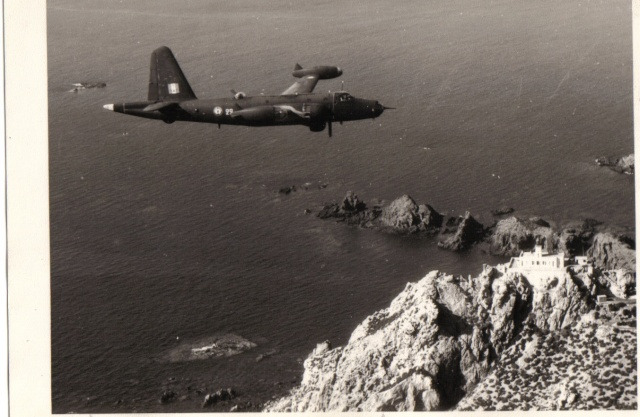
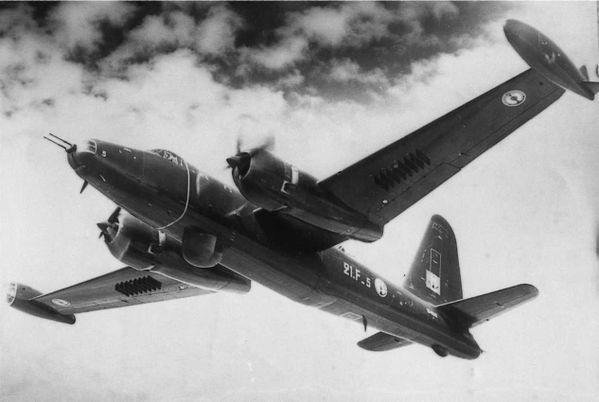
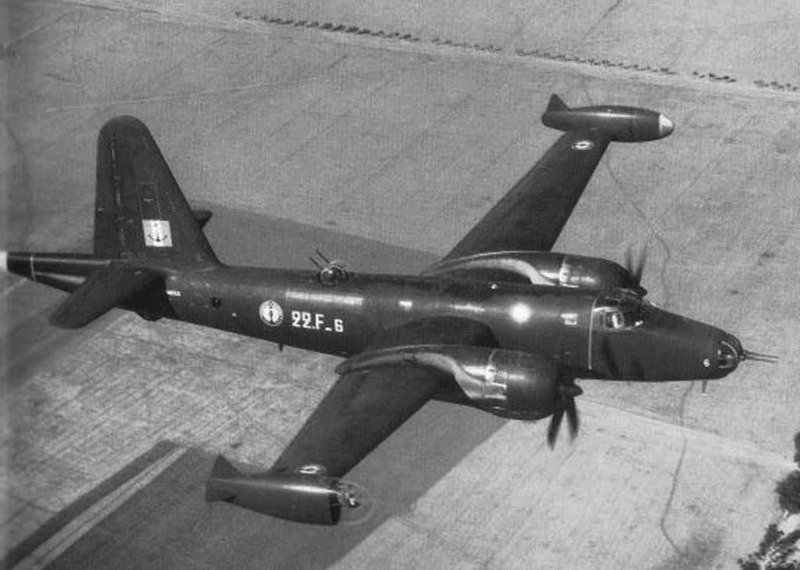
Today, I’m presenting an iconic aircraft used by the French armed forces: the Lockheed P2V-6 Neptune.
Developed in the United States at the very end of World War II, the P2V Neptune is a twin-engine maritime patrol aircraft that was particularly advanced for its time. It is distinguished in particular by the integration of a radar capable of detecting underwater periscopes, a revolutionary capability when it entered service. Robust, reliable, and extremely versatile, more than 1,000 were produced and adopted by eleven countries, giving rise to numerous variants optimized for anti-submarine warfare, reconnaissance, and long-range surveillance.
In the early 1950s, as France continued to rebuild its armed forces, the need for a truly modern maritime patrol aircraft became apparent. Coastal missions were then carried out by the Nord 1402 Noroît, an aircraft with undeniable qualities but whose technical weaknesses, exacerbated by a fatal crash in 1954, eroded the confidence of the General Staff. Faced with the operational urgency, France turned to the Neptune and ordered 31 P2V-6s, 26 of which were delivered in 1953 and 5 in 1955, marking a significant increase in capabilities for the French Naval Aviation. These aircraft joined the 21F, 22F, and 23F squadrons, where they quickly formed the backbone of French maritime surveillance.
Within the French Navy, the P2V-6 Neptunes performed a wide variety of missions: coastal patrol, high seas surveillance, anti-submarine warfare, and maritime reconnaissance. They also played a significant role during the Algerian War, participating in various operations, notably mine laying and coastal surveillance. Their versatility and significant autonomy make them invaluable tools in a complex operational environment.
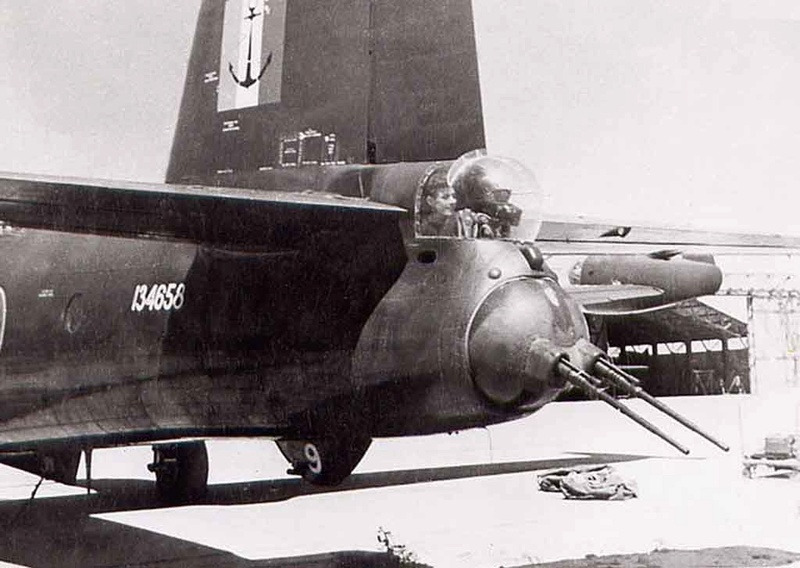
Throughout their service life, the aircraft evolved to meet the Navy’s needs. The original anti-aircraft turrets, having become obsolete, were removed to free up space for new specialized equipment. Among the most important additions was the MAD (Magnetic Anomaly Detector), installed in place of the rear turret, which allowed submarines to be detected by the disturbances they generate in the Earth’s magnetic field. The P2V-6s began to be phased out of service with the arrival of the more modern P2V-7s, better suited to the increasing demands of anti-submarine warfare. The last French P2V-6s were finally withdrawn from service in 1969, thus concluding a distinguished career that had left its mark on the evolution of French maritime patrol.
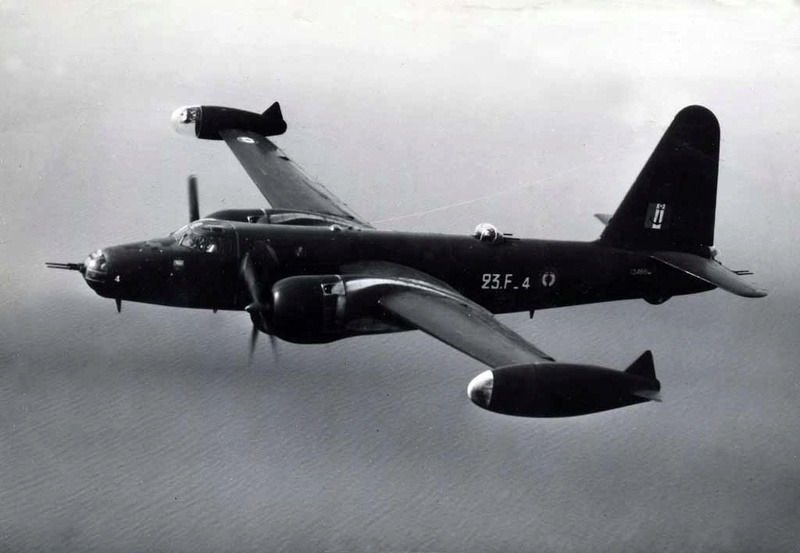
Characteristics
Length : 27.94 m
Width : 31.65 m
Height : 8.94 m
Mass :
- Min : 22,650 tons
- Max : 36,240 tons
The aircraft is powered by two Wright R-3350-32W Duplex-Cyclone engines, each producing 3,700 hp. This gives it a maximum speed of 584 kilometers per hour and a service ceiling of 6,800 meters. Its range is 3,471 kilometers at a cruising speed of 333 kilometers per hour.
The crew consists of 7 to 9 members, including a pilot, a co-pilot, gunners/observers, and officers operating the detection equipment.
Equipment
In addition to various communication and navigation equipment, this version of the Neptune is equipped with various systems enabling it to detect maritime and underwater targets.
- APS-33 radar
- AN/ASQ-8 MAD
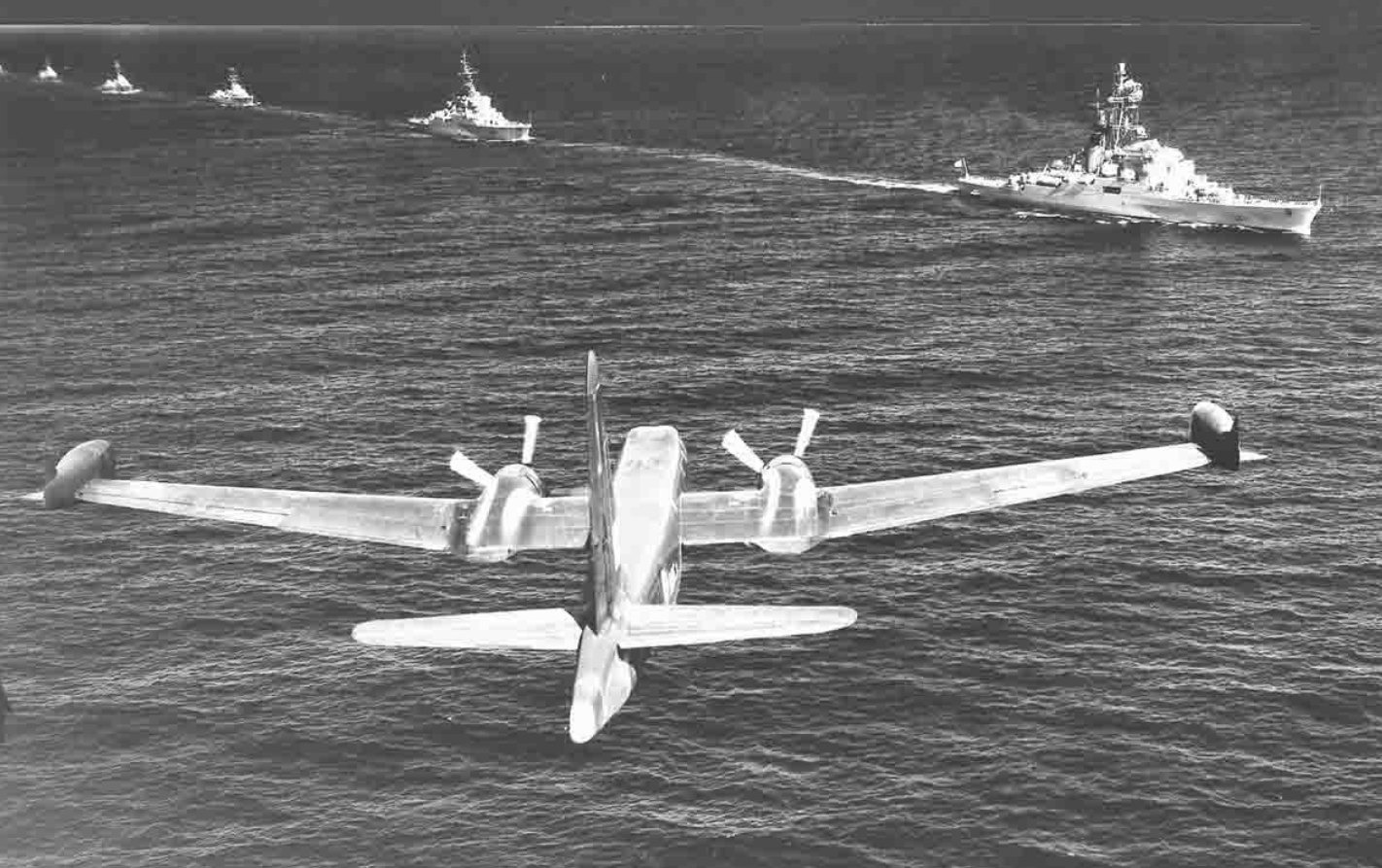
In addition, a searchlight is installed at the end of the starboard wing and is connected to the forward gun, allowing the landscape in front of the aircraft to be illuminated, facilitating the search for targets during night missions.
Weapons
The aircraft’s armament is particularly versatile, allowing it to effectively defend itself against aerial threats and to effectively engage maritime as well as land targets.
Defensive armament:
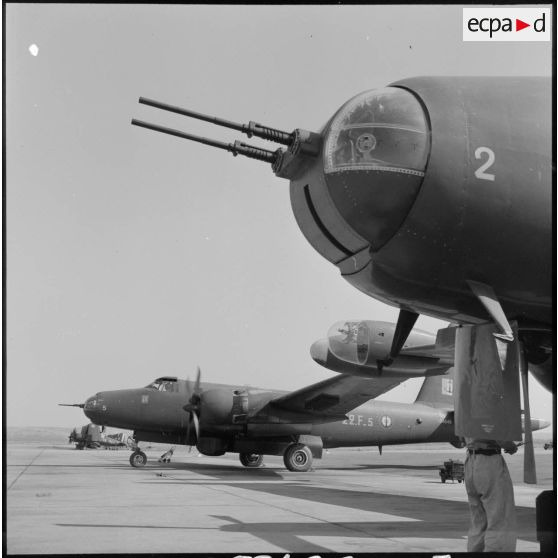
- 1 twin 20mm turret in the tail (removed in 1955 for the installation of the MAD)
- 1 twin 20mm turret in the nose (removed in 1957 and replaced by the glazed nose)
- 1 twin 12.7mm turret on the dorsal side (removed in 1959)
Offensive armament:
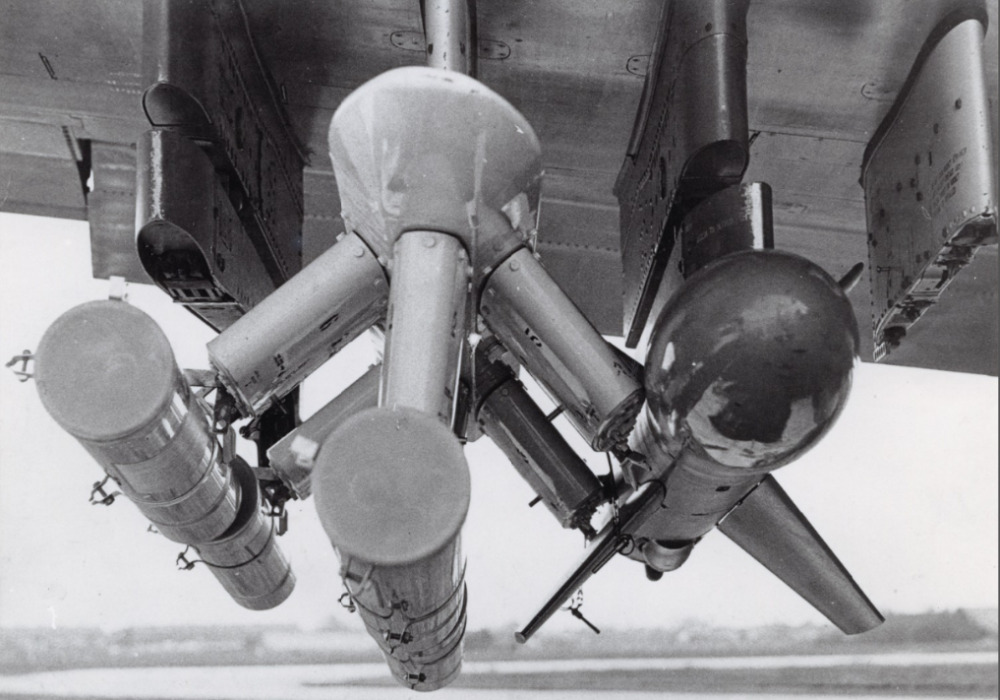
- 8 underwing hardpoints for rockets or buoy
- 16 internal hardpoints for 4 tons of bombs, mines, torpedo or grenades
The integration of SS12 missiles was tested on the external hardpoints; however, it is not certain that this addition was particularly used in mission and combat situations.
In the game, this aircraft would be a valuable addition to the French tech tree, providing a light bomber with decent defensive armament. Furthermore, if submarines were to be added to the game, this aircraft would be a particularly interesting addition to the French tech tree, providing an anti-submarine warfare aircraft.
Pictures
Sources
- ImagesDéfense - Les Neptune (P2 V6) au repos.
- La Flottille 23F franchit le cap symbolique des 230.000 heures de vol | Ministère des Armées et des Anciens combattants
- La flottille 25F retrouve en Australie un ancien Neptune de la Marine nationale | Mer et Marine
- Lockheed P-2 Neptune
- Lockheed P2V-7 Neptune - Musée de l’Air et de l’Espace
- P2V-6/ -7 (P-2H) Neptune
- Mémorial des officiers de marine
- 48 - Lockheed P2V6 et P2V7"Neptune" (Marine). - Le blog de Avions de la Guerre d’Algérie
- Lockheed P-2 Neptune