- Yes
- No
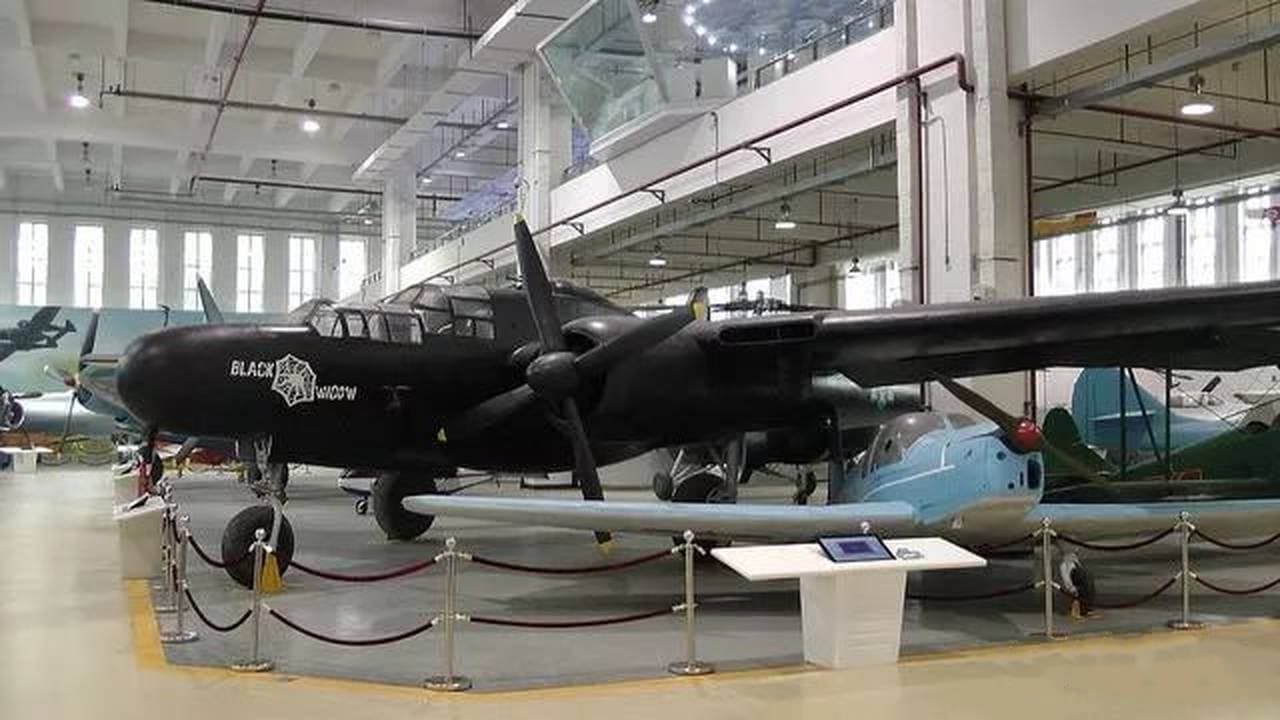
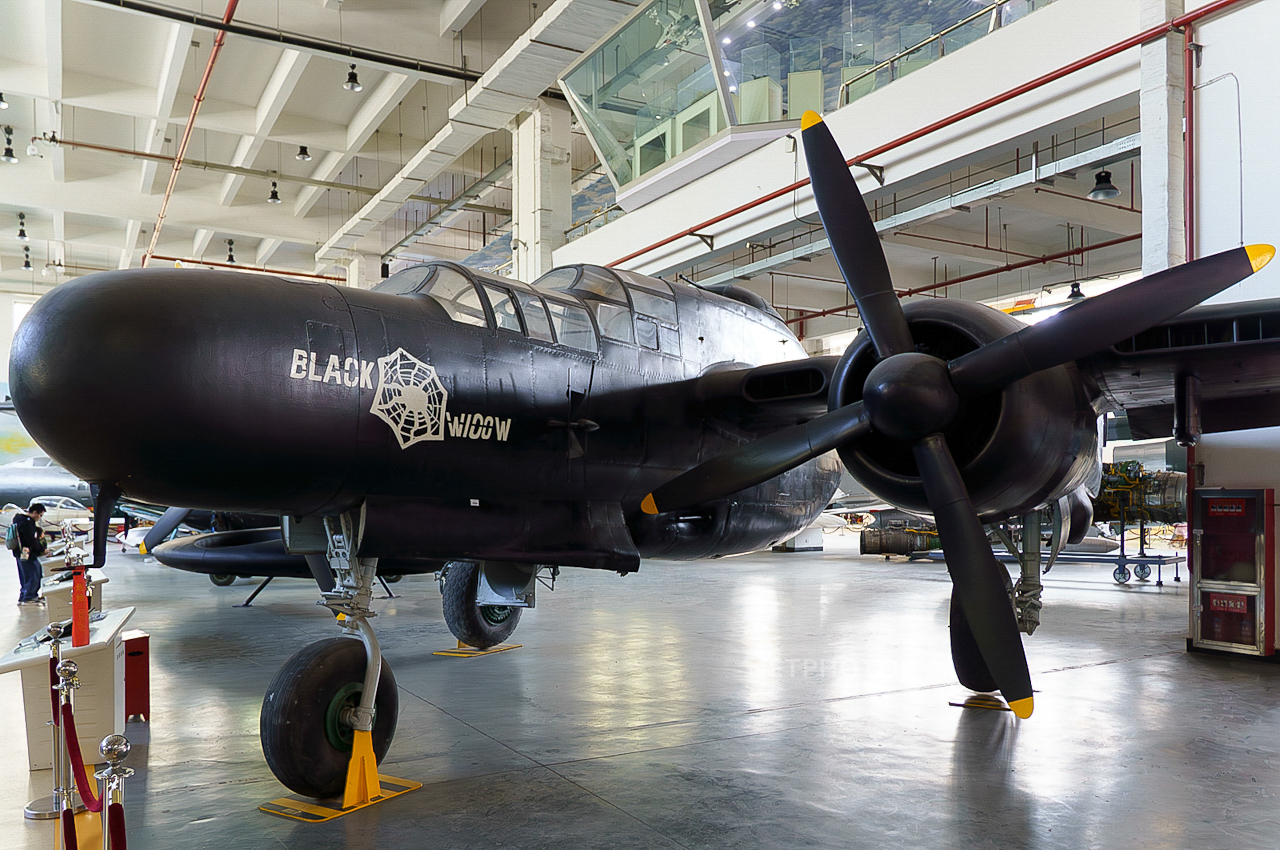
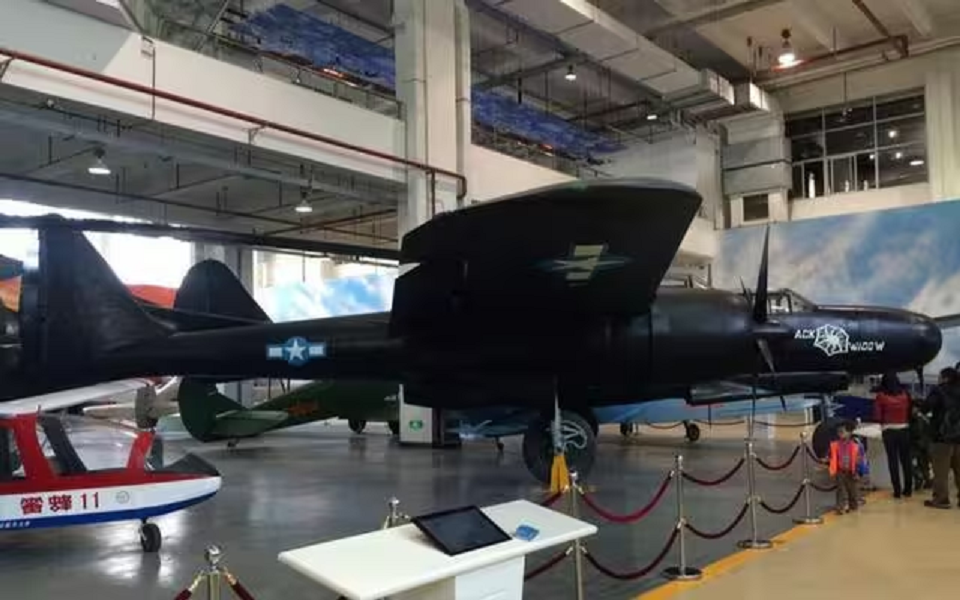
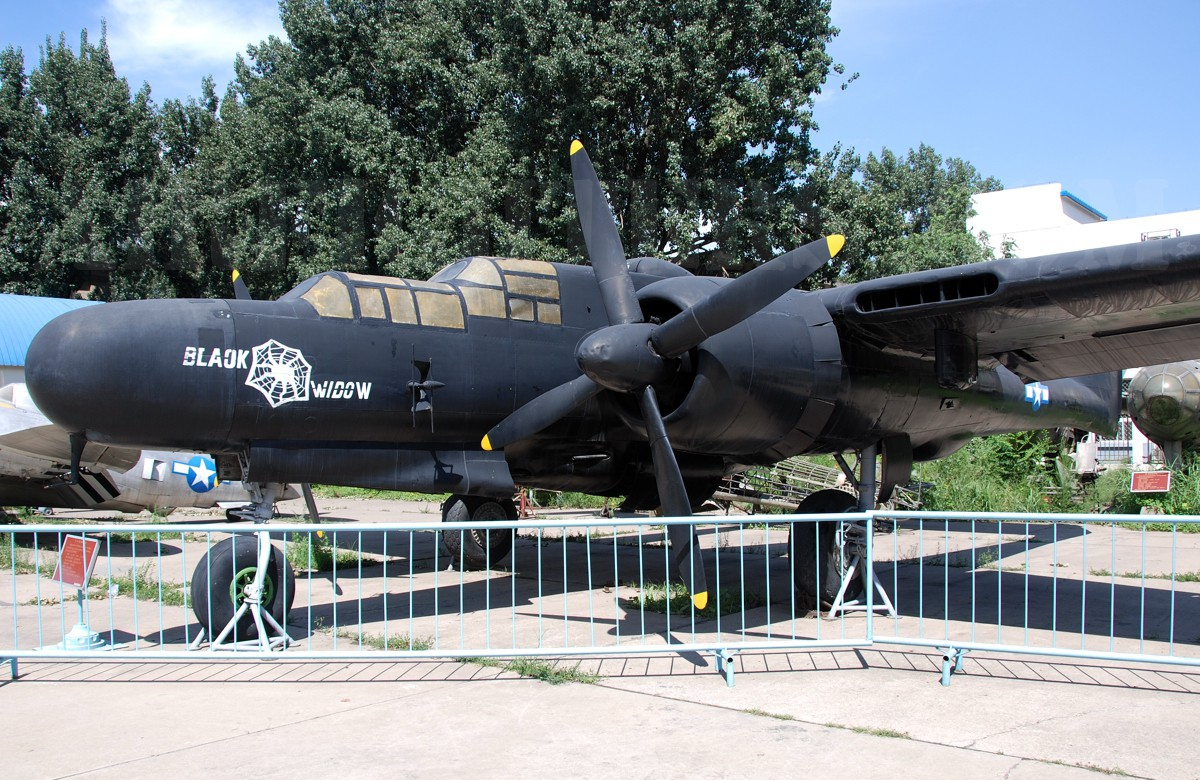
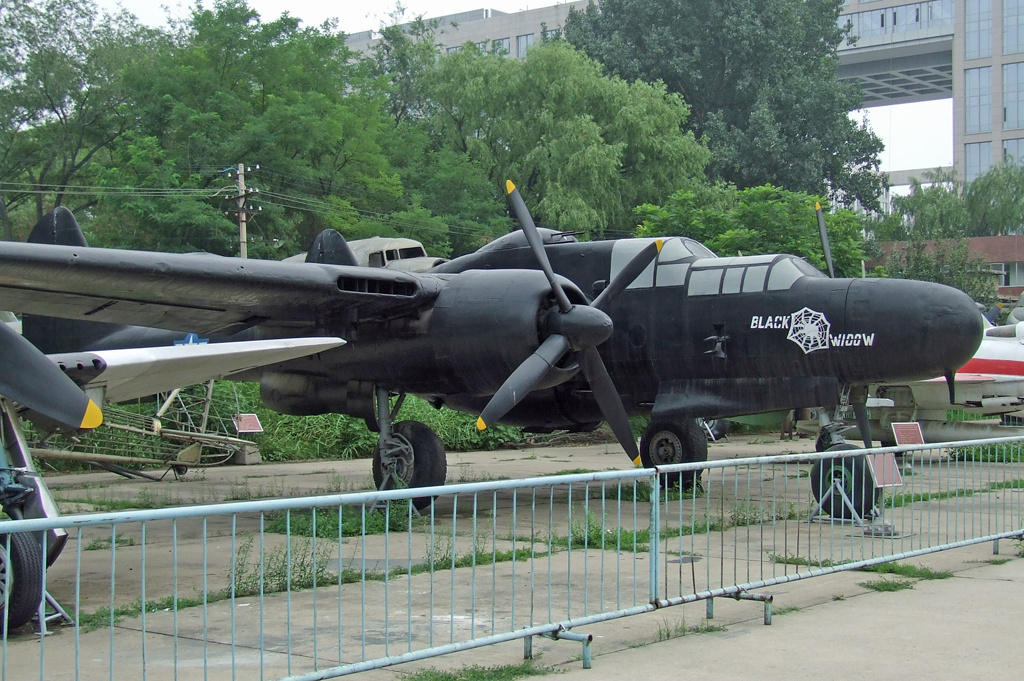
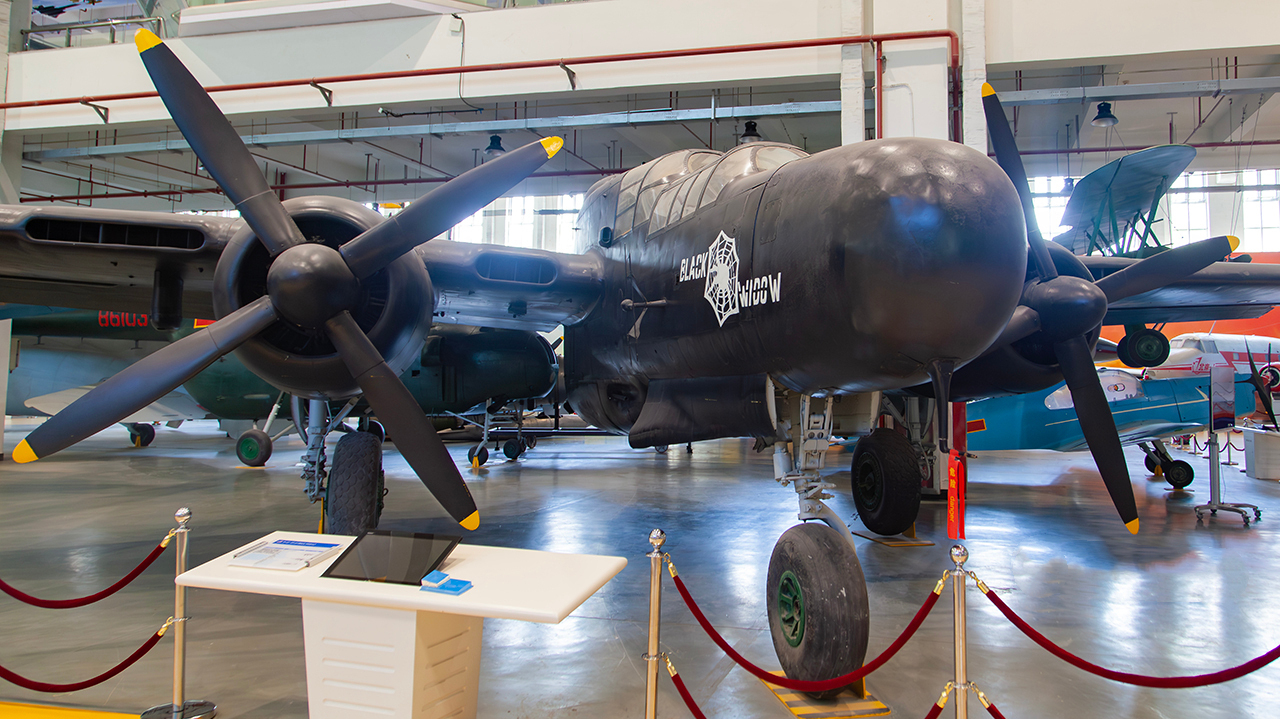
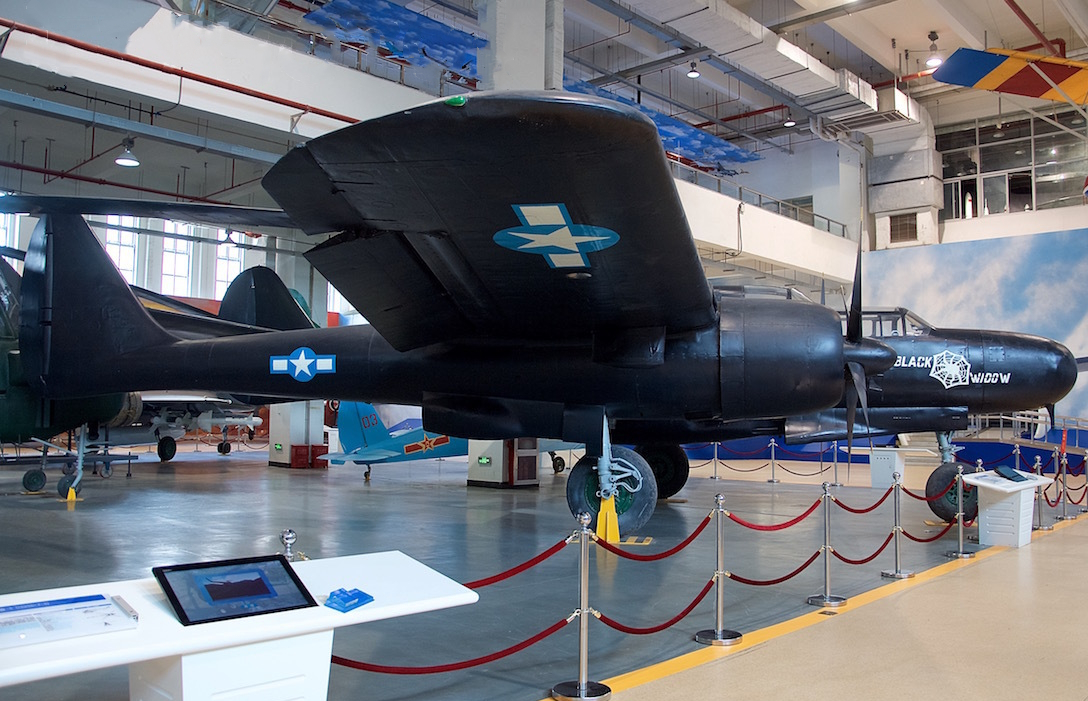
The P-61 “Black Widow” was a heavy night fighter developed by Northrop during World War II. It was the first practical night fighter designed in the United States, and also the world’s first fighter aircraft specifically designed for night operations. During WWII, the “Black Widow” was deployed to China to assist in the fight against Japanese forces. After the war, one P-61B (serial number 42-39715) was presented to the Nationalist Government of China. The aircraft model is P-61B-15-NO.
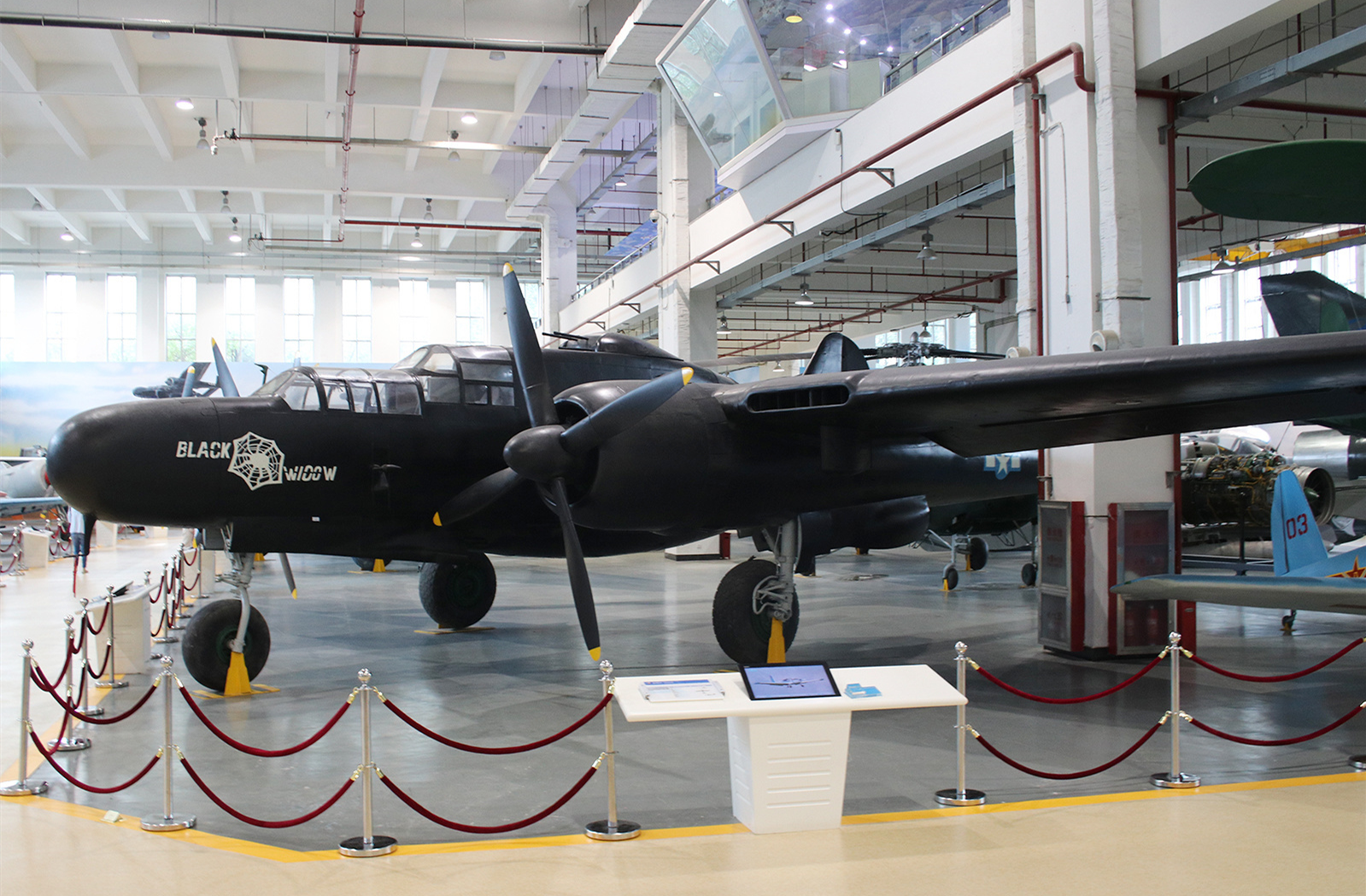
The P-61 originated from a British requirement for a night fighter issued in 1940. Northrop designed a heavy twin-boom, twin-engine fighter with a unique three-crew layout—pilot, radar operator, and gunner. The aircraft was powered by two Pratt & Whitney R-2800 “Double Wasp” engines and equipped with the SCR-520 airborne intercept radar, then the most advanced of its kind, enabling it to search for and attack enemy aircraft at night. Its black paint scheme helped it blend into the night sky for combat missions.
The P-61 served in the European, Mediterranean, Pacific, and China-Burma-India theaters during World War II. In the European theater, it achieved a loss rate of only 0.7%, credited with shooting down 127 enemy aircraft and 18 V-1 flying bombs. The P-61 made its first flight on May 26, 1942, and began entering squadron service between August and September 1943. It was completely retired from service by 1954. Total production for all variants was 706 aircraft, of which 450 were P-61B models.
Although most “Black Widows” were deployed by the US military to the Pacific theater, a few units contributed to China’s war effort. In the early years of the war, China’s air force was weak, and Japanese aircraft not only attacked the front lines but also raided rear areas with impunity. On October 5, 1944, the US Army Air Force’s 426th Night Fighter Squadron (426th NFS) was stationed at various airfields in China with four P-61 Black Widows. On December 25, 1944, a detachment from the 427th Squadron arrived at Kunming Airfield in China to relieve the 426th detachment, though the bulk of the squadron remained in Burma.
On the night of October 29, 1944, a P-61 took off from Kunming and shot down a Japanese aircraft, scoring the type’s first kill in the China theater. After several months of combat, the “Black Widow” quickly became a nemesis to Japanese fighters. Its unusual appearance and superior night-fighting capabilities posed a serious threat to Japanese pilots. Japan’s nocturnal raids were largely suppressed, and they became hesitant to launch further night attacks. The “Black Widow” then shifted its mission from defensive operations to offensive night intruder missions.
The P-61 operated uniquely in the China theater: the “Black Widows” handled search and interception while Chinese pilots were responsible for offensive strikes, coordinating with Chinese ground forces to resist Japanese attacks on the Burma Road and other areas. P-61s also flew from bases at Xinjin, Liangshan, and Ankang to attack railways, roads, and communication systems in Japanese-occupied areas. Some P-61B of the 427th Squadron were modified with wing-mounted rocket launchers for ground-attack missions against Japanese targets.
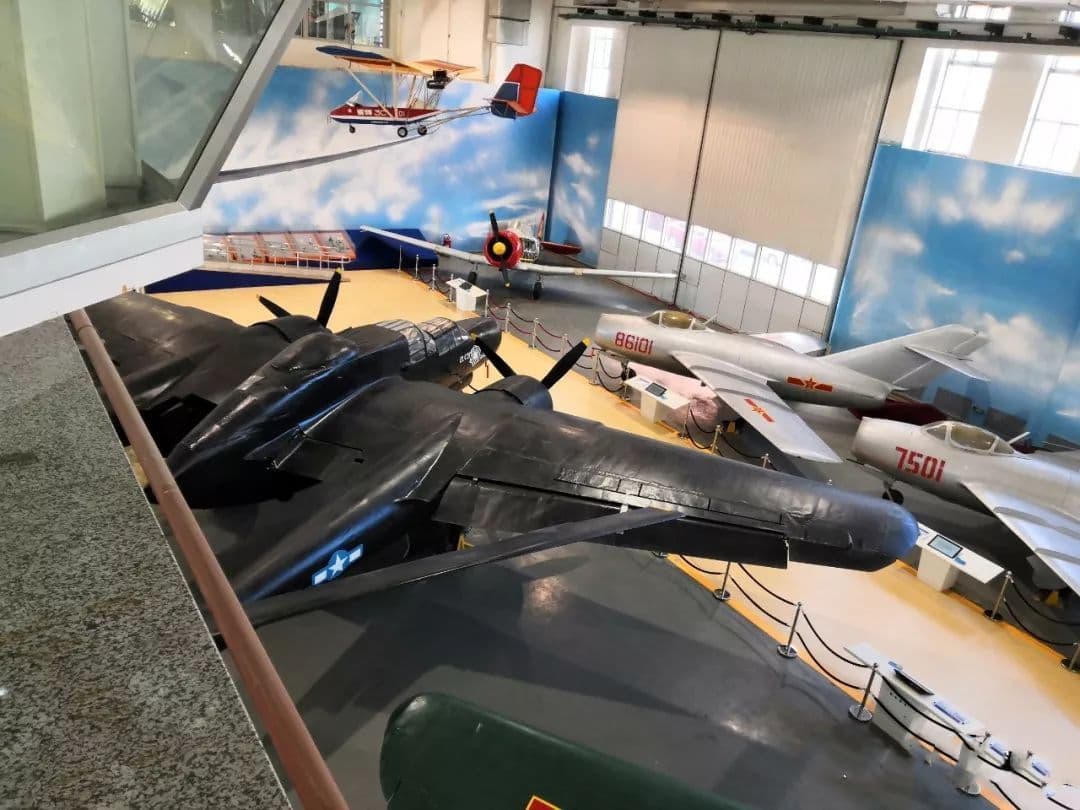
After the war, the U.S. night fighter squadrons withdrew from China, and most “Black Widows” were shipped back to the United States. However, one P-61 Black Widow was left behind in Chengdu due to wartime maintenance requirements. The U.S. military generously gifted it to China, albeit to the Nationalist government. In 1948, as the Nationalists faced military collapse, the Air Force Mechanic School relocated to Taiwan, but the “Black Widow” was not taken—it remained in Sichuan as a training aircraft for the Aeronautical Department of Sichuan University. After the Chinese Civil War, it was moved to Beijing and became a centerpiece of the Beijing Air and Space Museum, where it remains to this day.
According to public records, only four intact P-61 Black Widows survive worldwide, all in museums—three in the United States and one in China (manufacturing number N1234).
In-game Consideration: Given its historical significance, this aircraft could be implemented in War Thunder as a Battle Pass vehicle or event aircraft.
| Parameter | Value |
|---|---|
| Crew | 3 (Pilot, Radar Operator, Gunner) |
| Length | 14.9 m |
| Height | 4.47 m |
| Wingspan | 20.2 m |
| Wing area | 61.6 m² |
| Cruise speed | 518 km/h |
| Maximum speed | 595 km/h (at 6,100–6,370 m) |
| Rate of climb | 884 m/min |
| Empty weight | 9,510 kg |
| Maximum takeoff weight | 14,700 kg |
| Engine | 2 × Pratt & Whitney R-2800-65 “Double Wasp” 18‑cylinder air‑cooled radial engines |
| Power per engine | 2,000 hp (takeoff) / 2,040 hp (emergency) |
| Service ceiling | 10,100 m |
| Normal range | 1,930 km |
| Maximum range | 2,330 km (with drop tanks) |
| Fuel capacity | 2,430 L |
| Weapon | Details |
|---|---|
| Ventral cannons | 4 × 20 mm cannons (600 rounds total) |
| Dorsal remote turret | 4 × 12.7 mm machine guns (1,600 rounds total) |
| Underwing hardpoints | |
| Bombs | 4 × 725 kg bombs (common configuration in China theater) |
| Bombs | 4 × 454 kg bombs |
| Rockets | 2 × 3‑tube launchers (total of 6 * 127 mm “Bazooka”‑type rockets, field‑modified by 427th NFS in China) |
| Drop tanks | 2 × 625 L or 1,140 L jettisonable drop tanks |
Radar Type: SCR‑720C