- Yes
- No
Hello everyone,
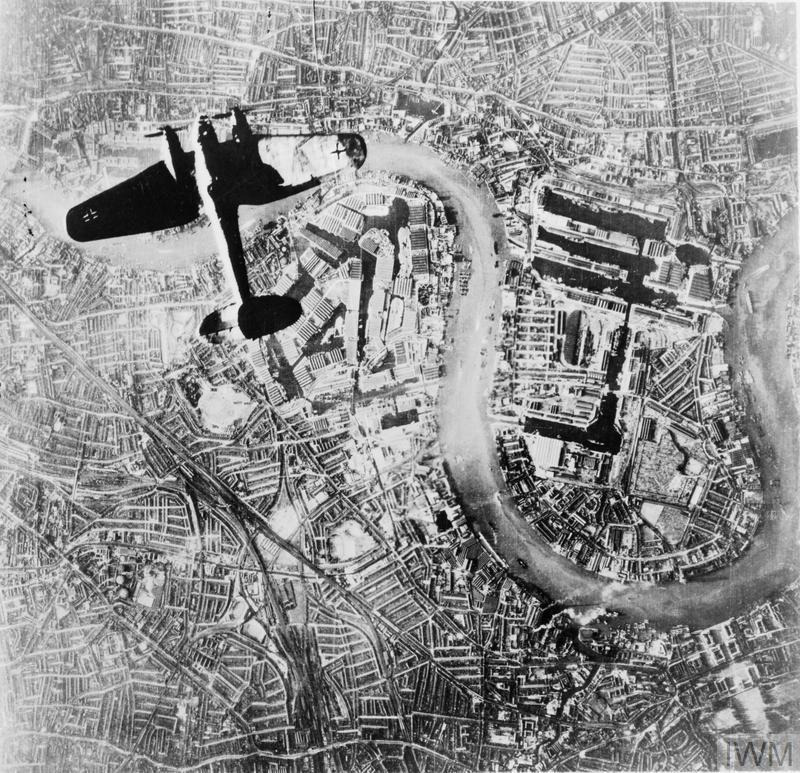
I would like to suggest a historical operation-style air battle mode based on London, 1940, during the opening phase of the Blitz and the wider Battle of Britain.
This would not be a normal team deathmatch map. Instead, it would be a structured operation where both teams have clear historical objectives: the Luftwaffe must push bomber formations across the Channel and strike London’s docks, industrial zones, rail links, and anti-aircraft positions, while the RAF must scramble, intercept, protect the city, and reduce bombing effectiveness before the raid reaches its target.
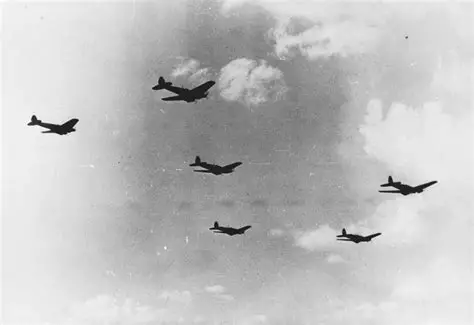
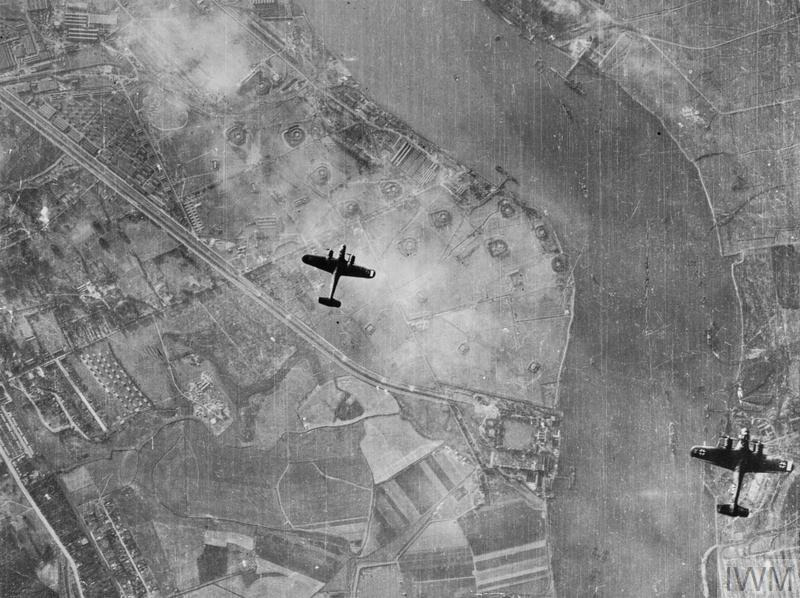
The focus would be on the tension of a large bomber raid: Heinkel He 111s approaching London in formation, Ju 87 Stukas diving onto selected tactical targets, RAF Hurricanes and Spitfires scrambling to intercept, Bf 109s trying to keep the fighters off the bombers, and heavy anti-aircraft fire over the Thames and East End.
Historical Background
The setting would be September 1940, when the Luftwaffe shifted from attacking RAF infrastructure to mass raids against London. The raid on 7 September 1940 marked the start of the Blitz, with German aircraft attacking London’s East End, docks, and industrial areas.
The Heinkel He 111 would be one of the central aircraft in this mode. It was one of the Luftwaffe’s most recognizable and important medium bombers during the Battle of Britain, and it fits the role of the main bomber formation very well.
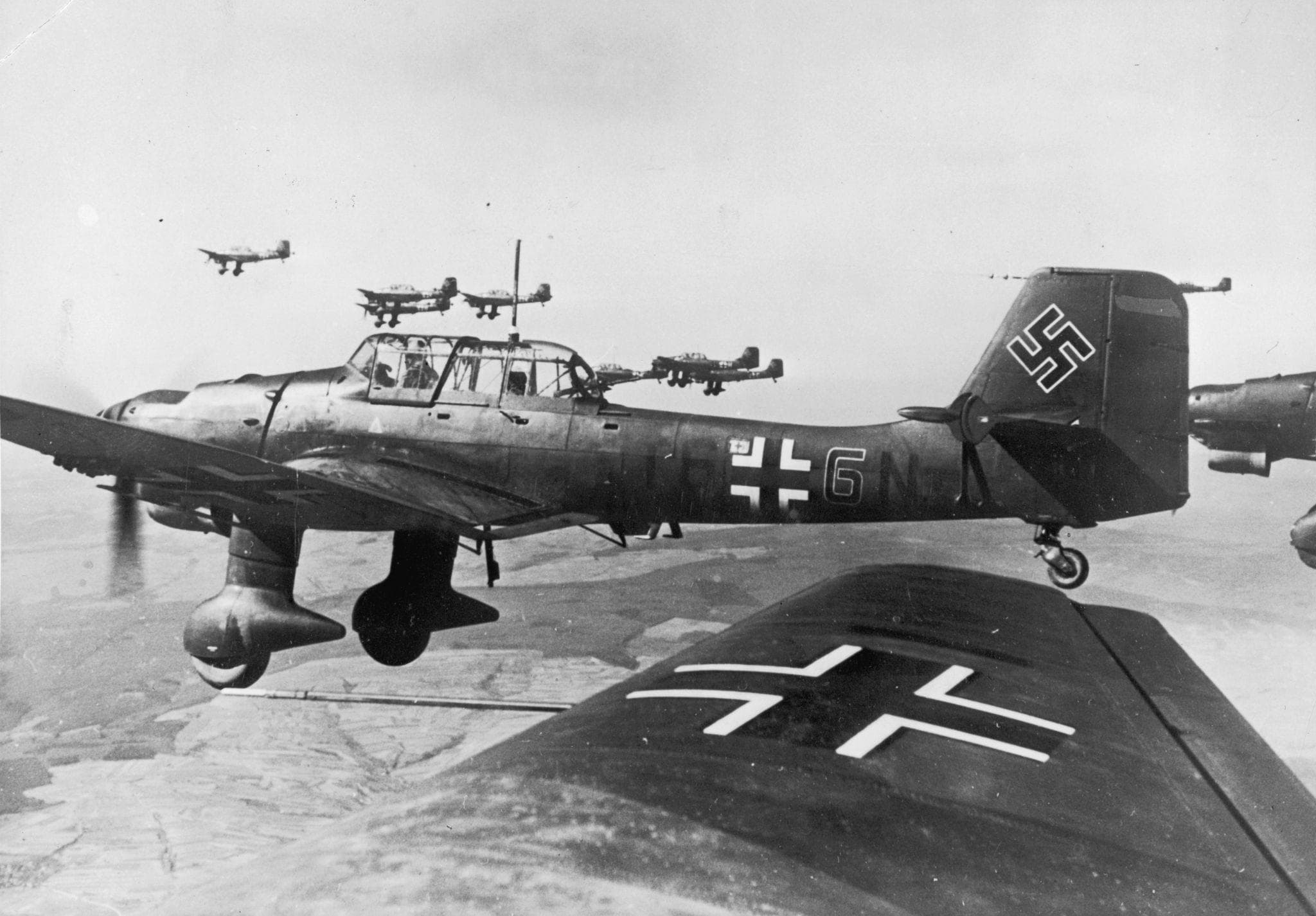
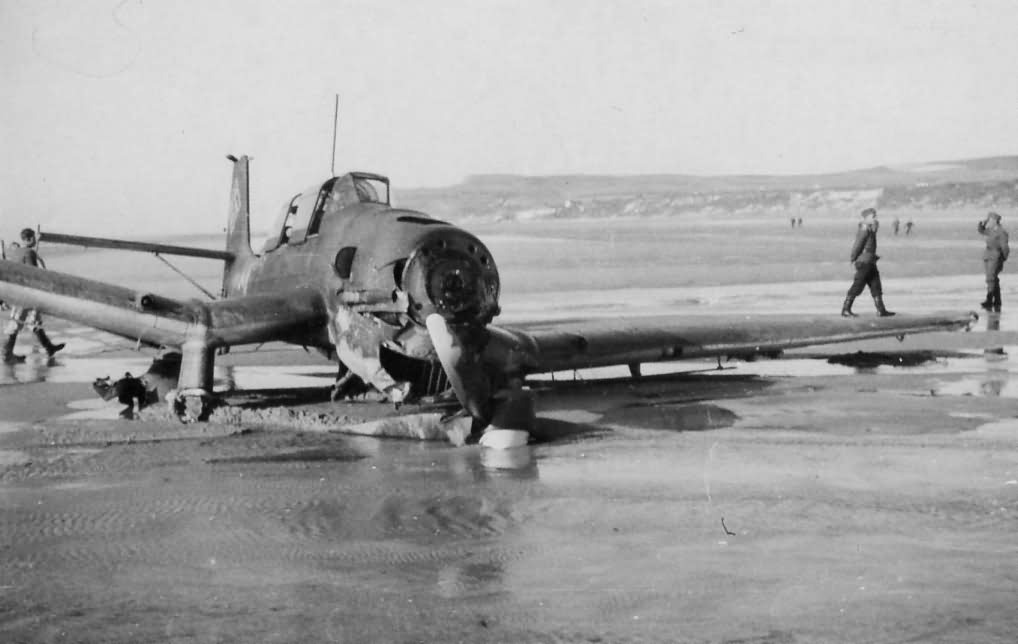
The Ju 87 Stuka should also appear, but with gameplay balanced around its historical weakness. By this stage of the Battle of Britain, the Stuka had already proven highly vulnerable against organized RAF fighter opposition. That makes it very interesting for gameplay: powerful in a dive attack, but extremely exposed if RAF fighters break through the escort.
Mode Name
Operation London 1940
Alternative title: The First Night of the Blitz
Map Area
The map would focus on London and the Thames corridor.
Suggested playable zones:
- Thames Estuary approach
- East London docks
- Isle of Dogs
- Wapping
- London industrial districts
- Rail yards and supply depots
- Anti-aircraft batteries around the city
- RAF forward airfields outside London
The Thames should be the main visual landmark. Bomber formations would use it as a navigation line into the target area, while RAF players use it to locate incoming raids.
Recommended Battle Rating Range
Early-war aircraft only.
Suggested BR range:
- Arcade: 1.7–3.3
- Realistic: 2.0–3.7
- Simulator: early Battle of Britain bracket
Luftwaffe Aircraft
Main attackers:
- Heinkel He 111 H-3 / H-6
- Junkers Ju 87 B-2 / R-2
- Dornier Do 17
- Junkers Ju 88 A-1
Escorts:
- Bf 109 E-1
- Bf 109 E-3
- Bf 109 E-4
- Bf 110 C
RAF Aircraft
Interceptors:
- Hurricane Mk I
- Spitfire Mk I
- Spitfire Mk II
- Defiant, if appropriate for event rotation
Possible support aircraft:
- Blenheim fighters/bombers for limited counter-objectives
- AI RAF patrol aircraft around airfields
Main Gameplay Concept
This mode should work like an operation with phases.
Phase 1 — Channel Approach
The Luftwaffe team spawns over occupied France or the Channel with bomber formations already assembling.
He 111s fly at medium altitude in large groups.
Bf 109s and Bf 110s spawn slightly above or ahead of the bomber stream.
Ju 87s spawn lower and behind the main formation, intended for tactical attacks rather than strategic bombing.
RAF players spawn from airfields in southern England and receive early warning of incoming raids.
Objectives:
Luftwaffe:
- Keep the bomber formation alive.
- Cross the Channel with enough bombers intact.
- Suppress coastal radar or forward air defenses if optional targets are active.
RAF:
- Intercept before the bombers reach London.
- Break up escort cover.
- Damage or scatter bomber formations before they reach the city.
Phase 2 — London Raid
Once the Luftwaffe reaches the London area, the main targets become active.
Primary Luftwaffe targets:
- East End docks
- Warehouses
- Rail yards
- Fuel storage
- Industrial buildings
- Anti-aircraft batteries
- Searchlight sites
He 111s attack from altitude with level bombing.
Ju 87s attack specific tactical points using dive bombing.
Do 17s and Ju 88s can hit secondary objectives.
RAF players must defend the target zones and destroy or disrupt enough bombers before bombs are released.
Phase 3 — Stuka Strike Window
A special gameplay moment should happen when the Stuka wave enters the battle.
The Stukas would not be the main strategic bomber force. Instead, they should be used as a high-risk precision strike force.
Possible Stuka objectives:
- Destroy a heavy AA battery.
- Hit a command post.
- Bomb a rail bridge.
- Attack dockside fuel tanks.
- Knock out a radar or communications target.
- Strike a barrage balloon winch area.
This would create a gameplay difference between aircraft types:
He 111:
- Slower, durable enough in formation, strategic bombing role.
- Needs escort and formation discipline.
Ju 87:
- Very accurate dive bomber.
- Dangerous if ignored.
- Extremely vulnerable if caught by fighters.
This would make the Stuka feel powerful without making it unrealistic or overpowered.
Phase 4 — Withdrawal or Final Interception
After the bombing run, surviving Luftwaffe aircraft must escape back across the Channel.
RAF aircraft can still score by shooting down bombers during withdrawal.
Luftwaffe players receive additional rewards for:
- Reaching target area
- Dropping bombs on assigned targets
- Returning to base
- Escorting bombers successfully
- Destroying RAF interceptors near bomber formations
RAF players receive additional rewards for:
- Destroying bombers before bomb release
- Damaging bombers enough to force early bomb drops
- Destroying Stukas before dive release
- Protecting key London targets
- Surviving interception patrols
Victory Conditions
Luftwaffe Major Victory:
- Heavy damage to docks and industry
- Multiple bomber formations reach target
- At least some bombers return safely
Luftwaffe Minor Victory:
- Moderate damage to target areas
- Heavy losses but enough bombs delivered
RAF Minor Victory:
- Some targets damaged, but bomber losses are high
- Stuka strike largely stopped
RAF Major Victory:
- Main bomber wave broken before London
- Stuka tactical strike fails
- London target damage remains low
Special Mechanics
- Bomber Formation Integrity
He 111s should receive a small reward bonus for staying near other bombers.
This encourages realistic formation flying and makes escort gameplay meaningful.
- Raid Warning System
RAF players should receive staged warnings:
- “Raid detected crossing the Channel.”
- “Large bomber formation approaching Thames Estuary.”
- “Enemy aircraft over East London.”
- “Stuka dive attack reported near target zone.”
This would make the battle feel like an actual air defense operation.
- Dynamic Searchlights and AA
If played as an evening or night-style operation, searchlights and AA fire could become more intense as bombers reach London.
Even in a daylight version, London should have heavy flak around important targets.
- Civilian City Protection as Target Health
The mode should not require bombing civilian housing directly. Instead, the target system can focus on military, industrial, and logistics objectives:
- Docks
- Rail yards
- Warehouses
- Fuel storage
- Factories
- AA sites
- Command posts
This keeps the mode historically grounded without making the objective awkward or distasteful.
- Stuka Vulnerability
Ju 87s should have strong objective value but limited survivability.
The Stuka should be rewarded for accurate dive bombing, but it should not be able to survive easily without escort. This reflects its real Battle of Britain problem: it was excellent where Germany had air superiority, but very vulnerable in contested skies.
Why This Would Be Good for War Thunder
This operation would create a very different kind of air battle.
Instead of everyone climbing into a scattered dogfight, the match would have a clear purpose:
- Bombers matter.
- Escorts matter.
- Interception timing matters.
- RAF defense matters.
- Stuka attacks create high-drama moments.
- The map has recognizable historical atmosphere.
The Battle of Britain is already one of the most iconic air campaigns in history, but a London 1940 operation would make it feel more alive and cinematic.
The player experience would be:
- Luftwaffe bomber pilots trying to hold formation under pressure.
- Bf 109 pilots diving onto interceptors.
- Stuka pilots lining up dangerous dive attacks through flak.
- Hurricane and Spitfire pilots scrambling to break the raid before it reaches London.
- London below covered in smoke, searchlights, barrage balloons, docks, factories, and anti-aircraft fire.
Suggested AI Units
Luftwaffe AI:
- He 111 bomber formations
- Do 17 or Ju 88 secondary formations
- Limited Ju 87 strike groups
- Bf 109 escort groups
RAF AI:
- Hurricane patrols
- Spitfire interceptors
- Ground-based AA
- Searchlights
- Barrage balloons around key London areas
Optional Event Variants
Variant 1 — Daylight Raid
Best for normal War Thunder gameplay.
Clear visibility, heavy fighter combat, bomber escort focus.
Variant 2 — Evening Raid
More cinematic.
Lower sun, smoke over London, searchlights beginning to activate, stronger atmosphere.
Variant 3 — Night Blitz Event
More experimental.
Searchlights, radar-style callouts, heavier reliance on spotting, bombers more difficult to intercept.
Preferred Version
The best version would probably be an evening operation.
It would allow normal fighter gameplay while still capturing the feeling of the Blitz beginning over London.
Conclusion
Operation London 1940 would be a strong historical air operation because it combines strategic bombing, escort combat, interception, dive bombing, and city air defense into one focused mission.
It would give He 111s a proper role, make Stukas exciting but risky, and give RAF fighters a historically meaningful defensive objective.
This could be one of the most cinematic early-war operation modes in the game.