Mr. @Smin1080p_WT , when will the Ki-48 be added to the tech tree? Blocking the Ki-48 as a single experimental aircraft as an event vehicle is unfair. Approximately 2,000 Kawasaki Ki-48 aircraft of four main variants (Ki-48-I, Ki-48-II Ko, Ki-48-II Otsu, Ki-48-II Hei) were built.
2 Likes
When they wake up and realize that top tier isn’t the only market in the game.
5 Likes
I think you’re misreading this part, when the line is flat in “Figure. 6c” the missile is no longer turning and is pointed upwards and is boosted by the rocket engine which provides the vertical acceleration. If you look at “Figure. 6f” you see the corresponding wing incidence during the measured flight and you can see that the wings are periodically deflected in time with the missiles rotation until around 0.3-0.4 seconds in at which point they “dither” to stabilize the flight path, once the wings are no longer actively deflecting the vertical acceleration stabilizes and flattens out.
The g-load experienced from “turning” should instead be read from the “CONTROL PANE PITCH RATE” graph ( “Figure. 6e” ). So i still think my description is more accurate at this point in time.
(Unless i’m very tired and completely misreading this paper, i’ve been reading and analysing papers all week for a university assignment…)
Well it’s clearly by far the best earning market for them.
Yeah, the OSA is a really good system, imo hampered by the vertical search zone and the RPM of the radar only.
Been looking for sources to confirm its vertical search zone, but havent found anything conclusive yet. Found some differing stats
ehhh, it’ll come with the su-35 only for china is my bet for China’s sole KH-38 carrier
I’m talking about a concept called “balance”
Why would Gaijin give the nation that already has the third best APFSDS round an even better one when other nations MBTs are limited to (in some cases significantly) worse rounds?
The Leo 2A6/7 and the CR3TD are the only MBTs with a better performing APFSDS round (Object 292 aside).
The Leclercs, Arietes, CR2s, Merkavas, Type 10s/90s, Oplots and all of the MBTs in the Chinese and USSR tree are limited to worse APFSDS rounds and I would argue that a lot of these MBTs are worse off in more aspects than just firepower.
Could the US use an MBT with better protection? Sure
Should the Abrams get more firepower? No
Yes, because of this, the USA now ranks last in terms of efficiency.
Slight issue with this, is the next MBT I can think of with better protection (that we for sure know of) would be this masterpiece:
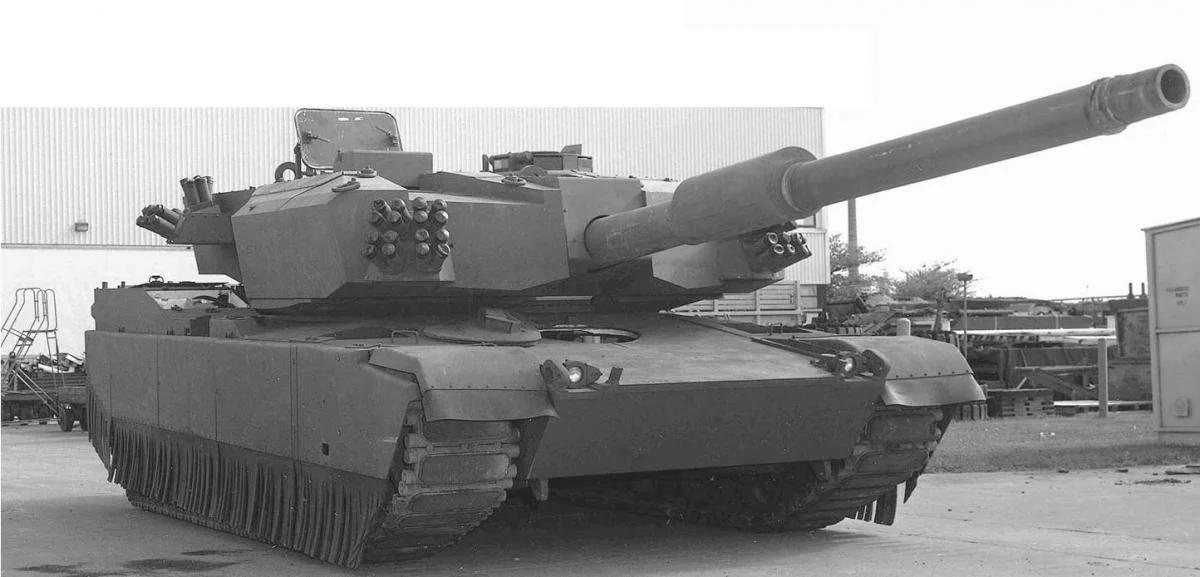
The slight issue being that it would also bring the best round to the game (at least that I am aware of).
Wouldn’t the SEPv3 be an upgrade in terms of protection?
Supposedly it should, but also the previous Survival Enhancement Packages should have, theoretically, brought better armor as well. There is a current ongoing discussion elsewhere over these upgrades, and no conversations ever seem to get anywhere.
1 Like
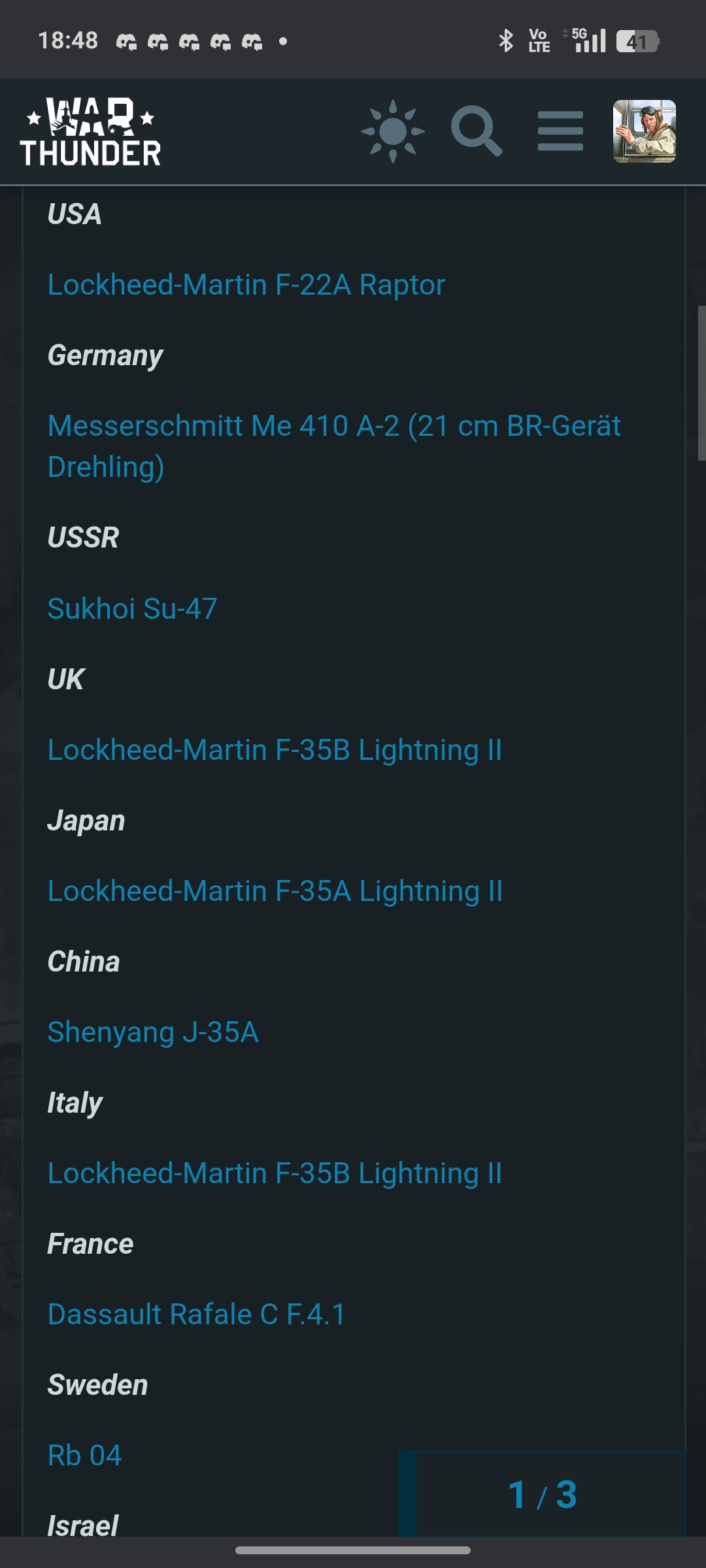
No denying there sepv3 has a visibly thicker hull, actually might be that the turret is the one visibly thicker I don’t recall. Both are better however
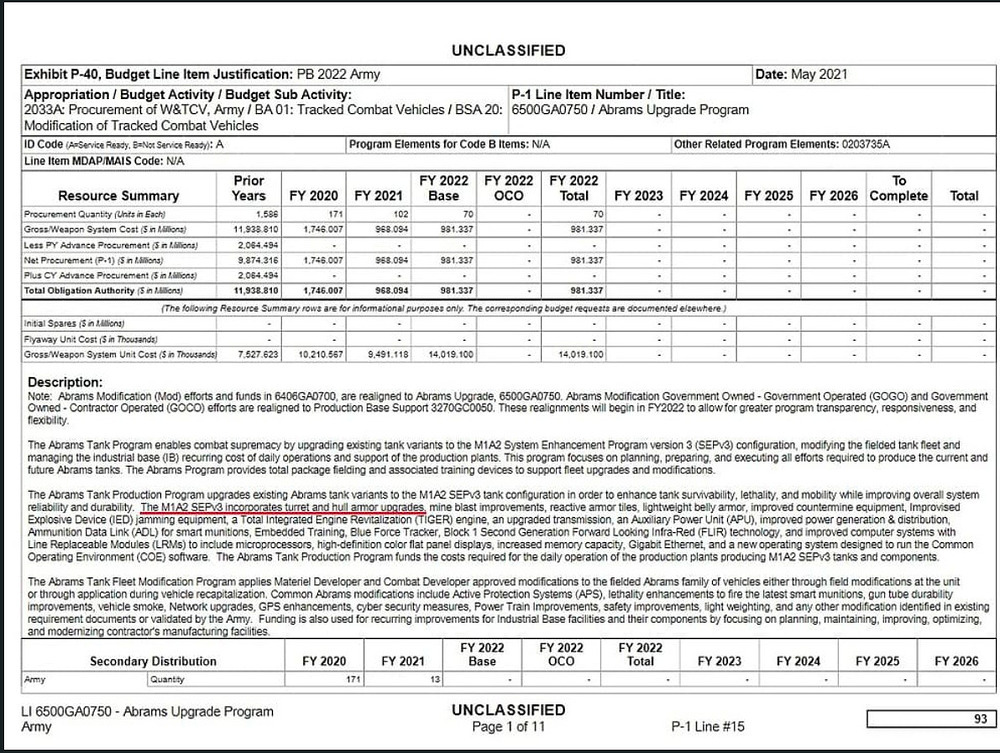
Yes, Sepv3 has NGAP(next generation armor package) both in the hull and turret.
2 Likes
Oh for sure, they made enough money to give us these gaudy, tacky premium hangars, but seemingly nothing else that’s really QoL.
3 Likes
Problem with SEPv3, along with a lot of other modern MBT’s, is actual values. Over on the thread for large caliber MBT’s, I dug through a couple different technical reports and found armor values for CATTB turret, as well as weight of hull and turret, and spall liner thicknesses and locations (in turret). It would be a much easier addition (technically speaking) than the SEPv3, and I haven’t even found armor values for the hull, or more sources for ammunition.
Sepv3s regardless of accurate numbers will likely be very meta.
Hopefully with some diamonds in the rough.






1 Like
The most exciting thing would be voice lines for RIOs and WSOs
The Osprey and Fennec would be cool too tho
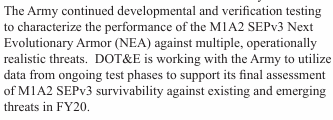
That’s the issue with adding tanks with classified armor like sepv3, there are no values out there for the armor package. The only thing I ever found specifically about the Sepv3 armor package was this document
2 Likes