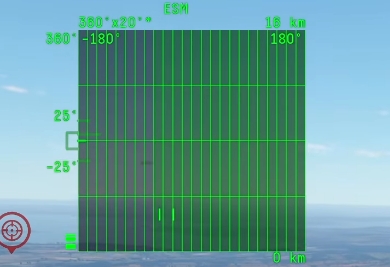
ESM search (Electronic Support Measures search) is a passive electronic warfare function that scans the electromagnetic spectrum to detect, intercept, and analyze radar emissions from other platforms without transmitting any signals, unlike traditional radar modes, it does not actively send pulses; instead, it listens for electromagnetic radiation produced by external radar systems such as aircraft radars, naval radars, and ground-based air-defense systems.

By analyzing signal characteristics such as frequency, pulse repetition interval (PRI), pulse width, modulation patterns, and signal strength, the system can determine the type, location, and potential threat level of the emitting radar, these parameters are compared with a threat library database, allowing the system to identify whether the detected radar is a search radar, fire-control radar, tracking radar, or missile guidance system.
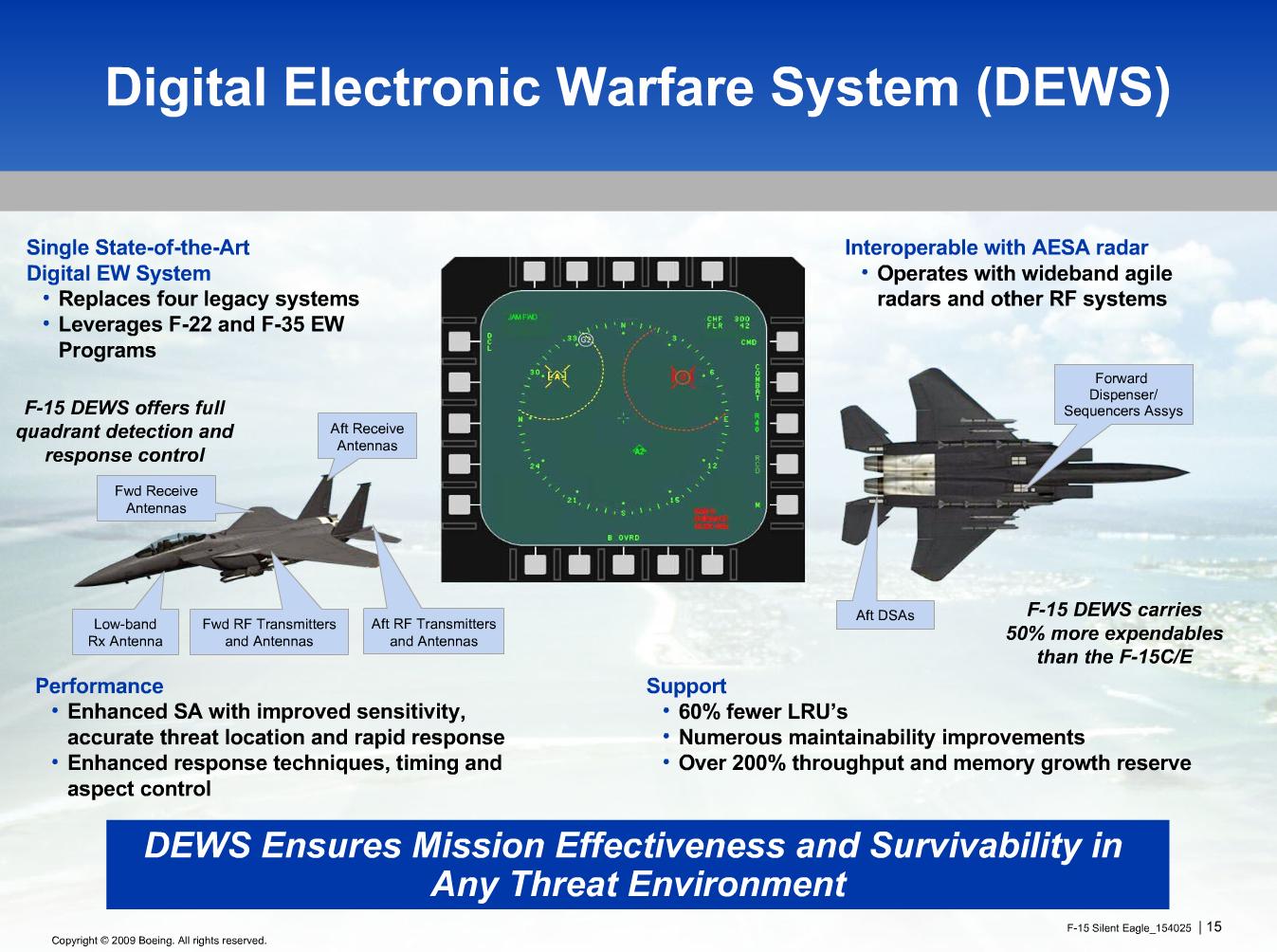
Because ESM search is passive it provides a major tactical advantage: it allows platforms to detect enemy radar activity without revealing their own position. In many cases, ESM systems can detect radar emissions at much greater distances than a radar could detect the platform through reflected signals.
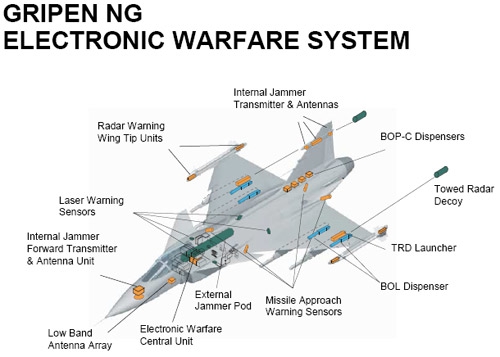
This capability is particularly important for 5th-generation aircraft and modern AESA radar platforms, where electronic warfare, sensor fusion, and passive detection are critical for survivability and situational awareness, systems integrated with ESM can support early warning, electronic intelligence gathering, targeting support, and electronic countermeasures.
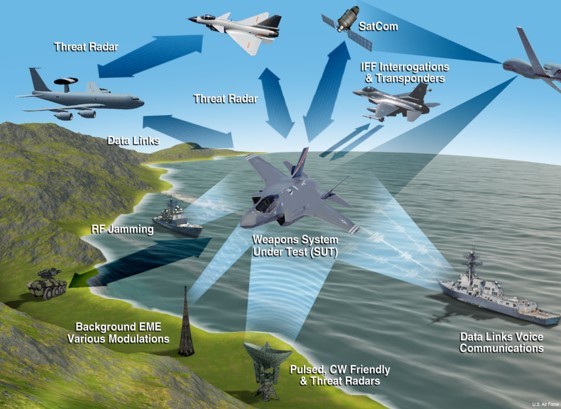
As electronic warfare technology continues to evolve, ESM systems are becoming more advanced and integrated with other capabilities such as long-range sensor networks, ballistic missile detection systems, and next-generation combat platforms, playing an increasingly important role in modern and future battlefields.
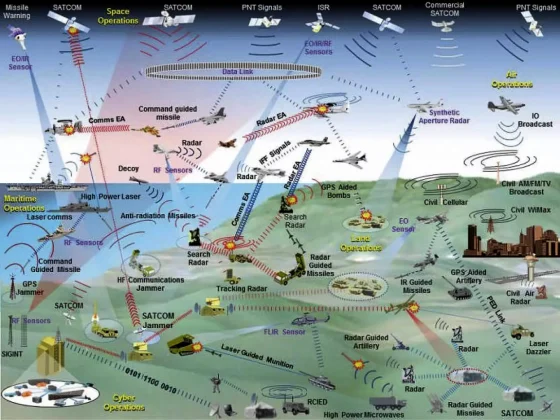
How it works?
ESM systems do not emit radar waves.
They listen to electromagnetic radiation (especially radar signals) from enemy platforms such as aircraft, ships, or SAM systems.
When a radar emission is detected, the system analyzes parameters such as:
- frequency
- pulse width
- pulse repetition interval (PRI)
- signal strength
- direction of arrival
These characteristics are then compared with a library of known radar signatures to identify the emitter type.
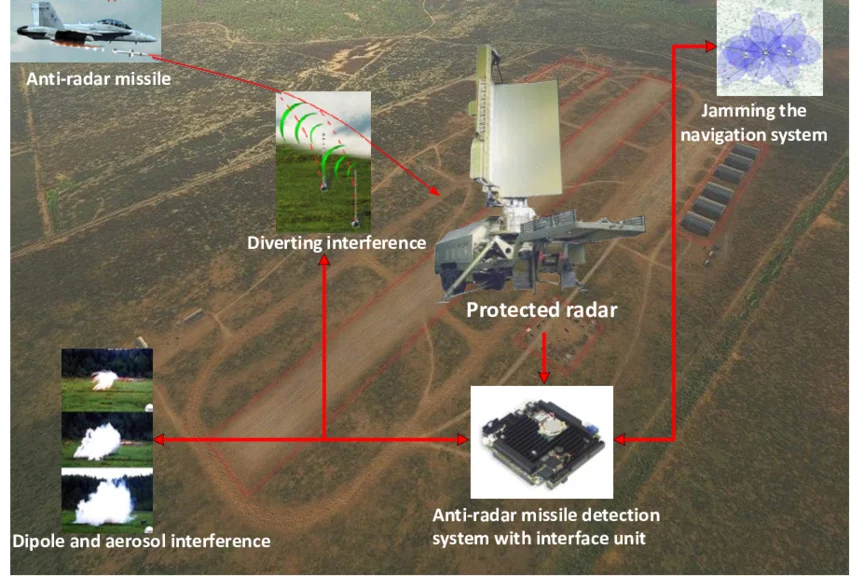
ESM data can support early interception, improve targeting awareness, and assist electronic warfare systems by identifying which radars may need to be jammed or avoided. It is especially important in modern air combat where aircraft must detect threats such as tracking radars and missile guidance systems as early as possible.

I do not want to bore you; this system is an update that WT management has planned for 2026 and 2027 for the GEN-4+ tanks, new radars, new missiles, new ATGM’S, new game modes, new game mechanics for last gen techs and current military things for F-35, Su-57, and other long-range ballistic missiles, and it will also soon receive ESM and electronic warfare features on other gen 4.5 aircraft maybe they are can mix everything likely SATCOM (Datalink - Radar - ESM - Satellite Link - Network Centric Radar - Multistatic AWACS)