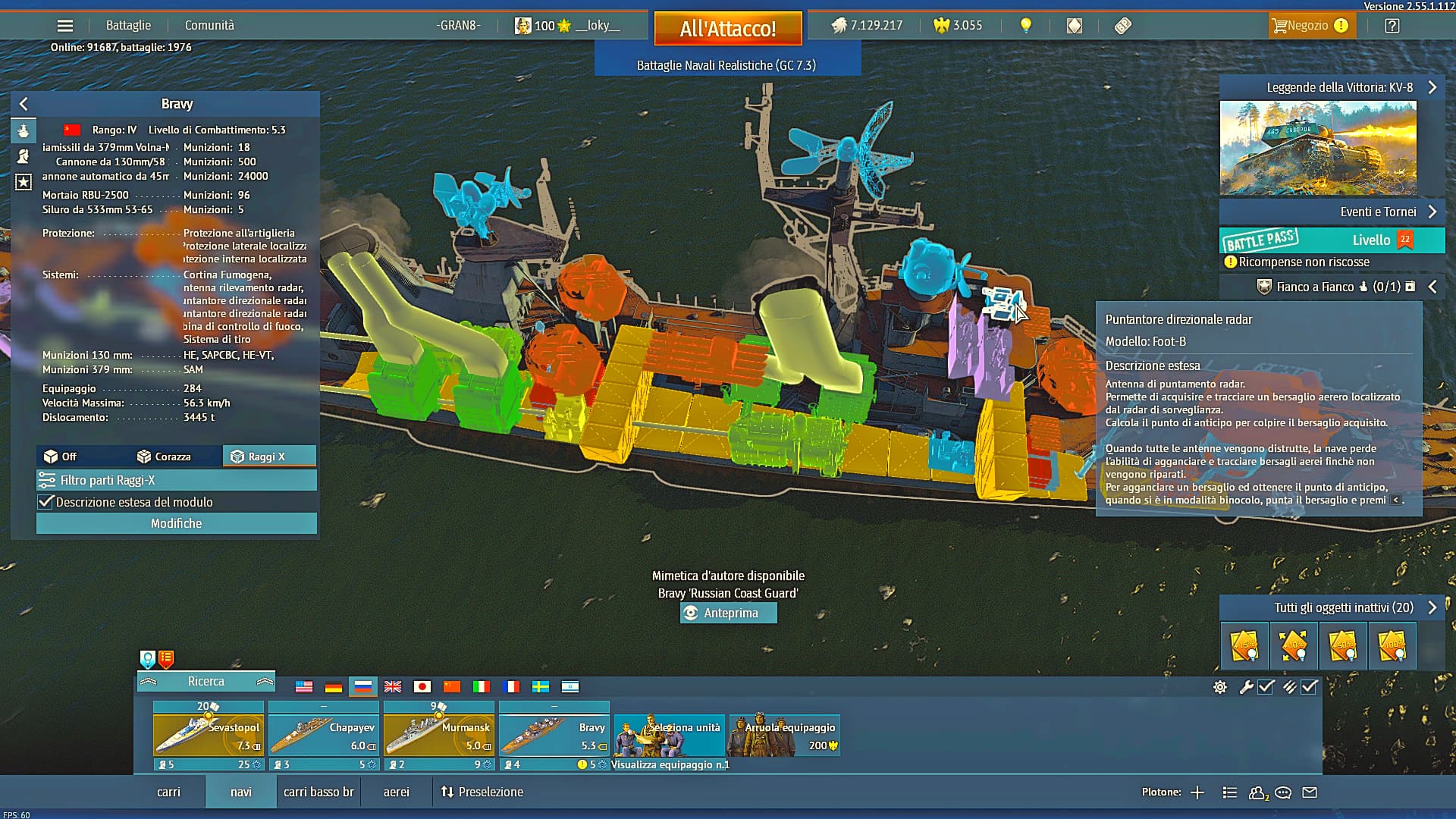
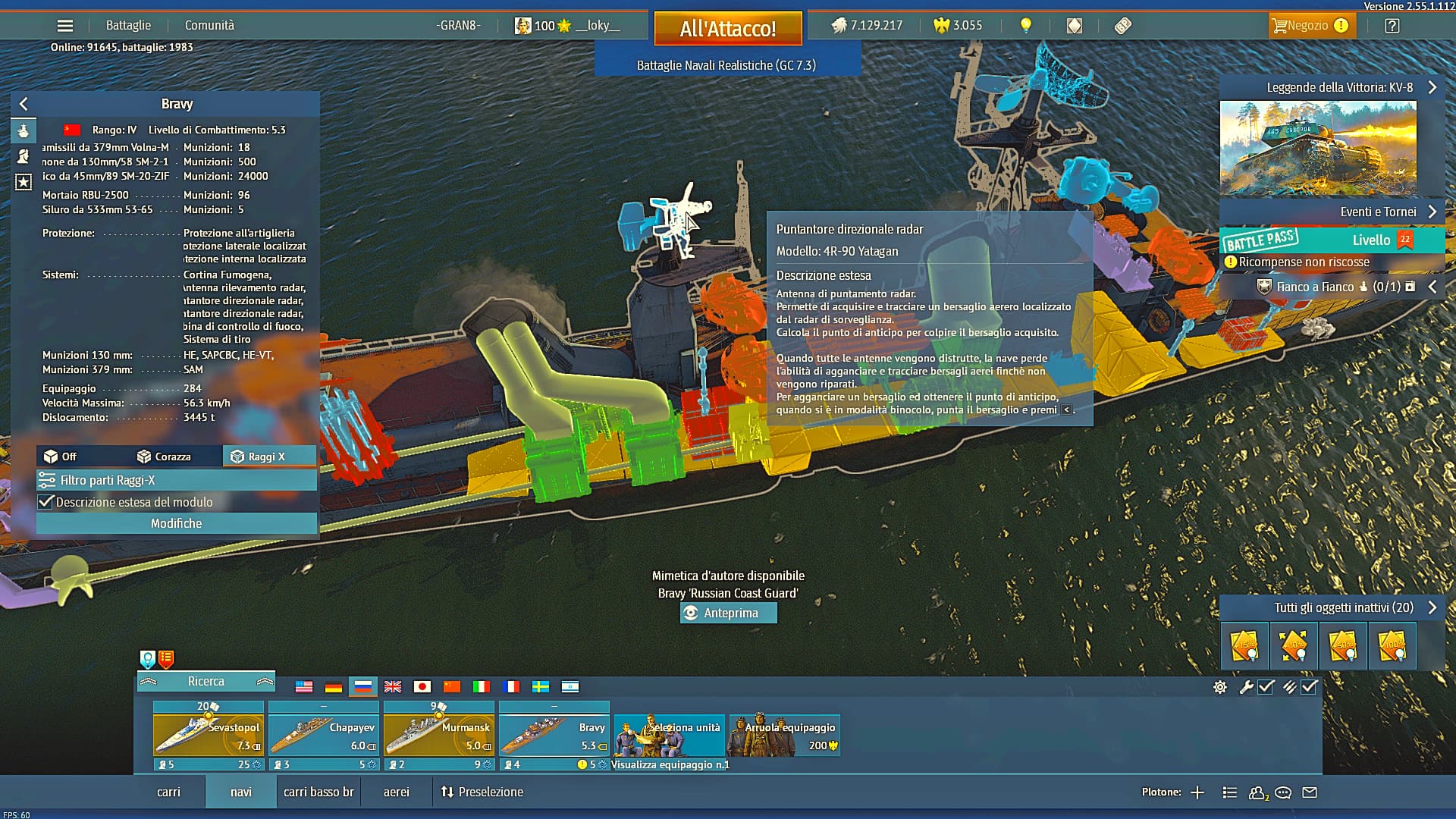
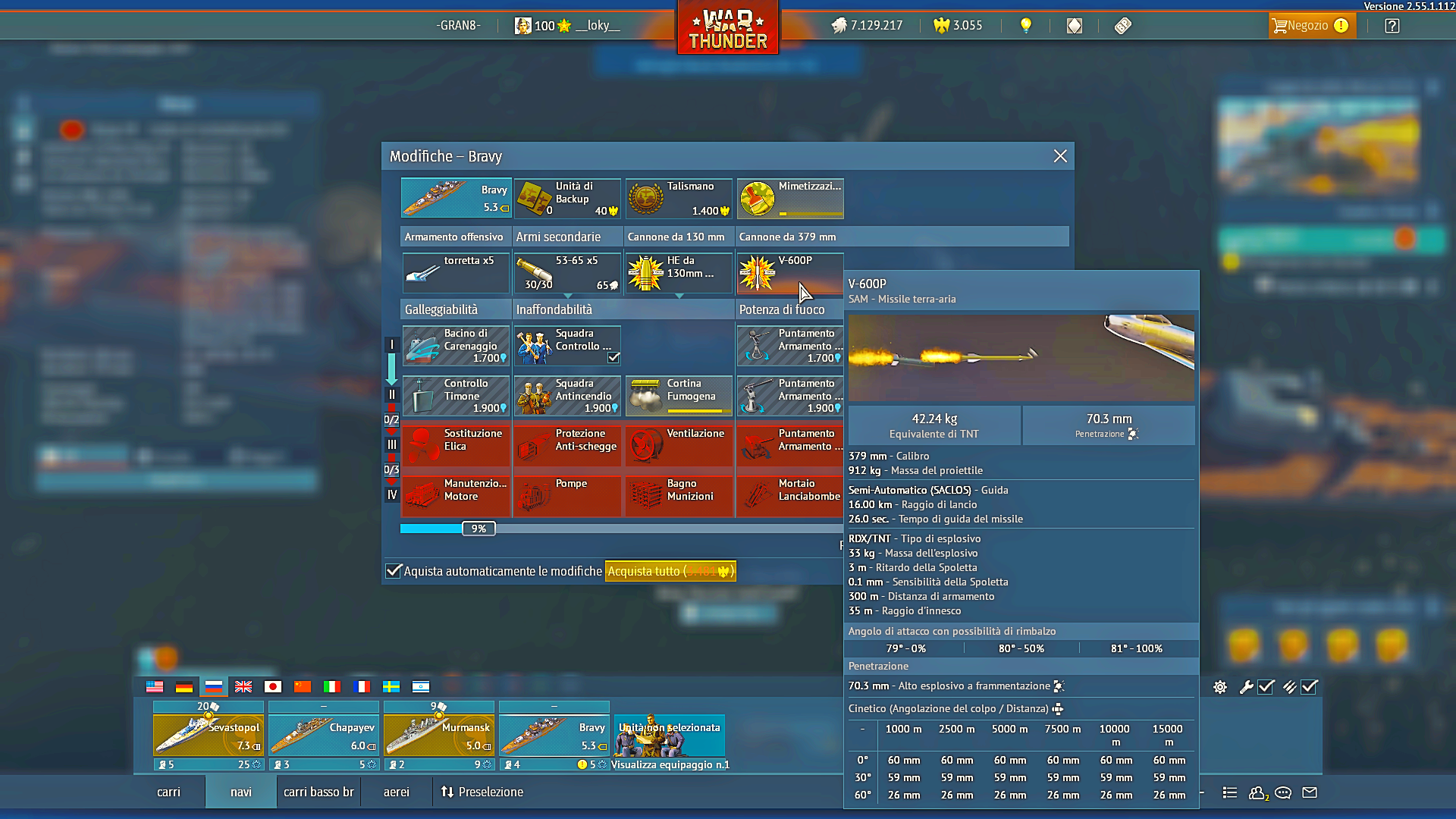
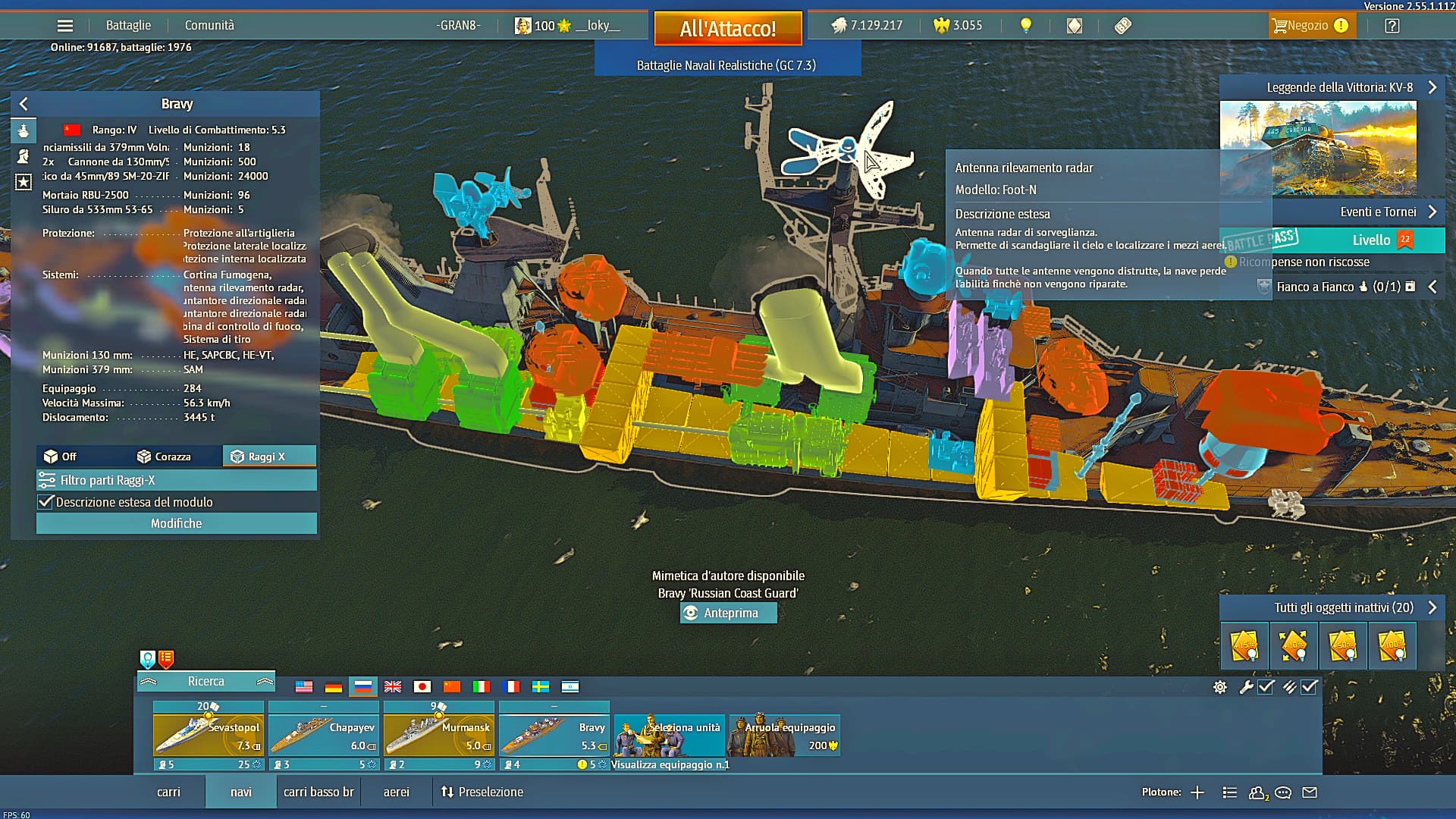
- Yes
- No
ai description of how have work
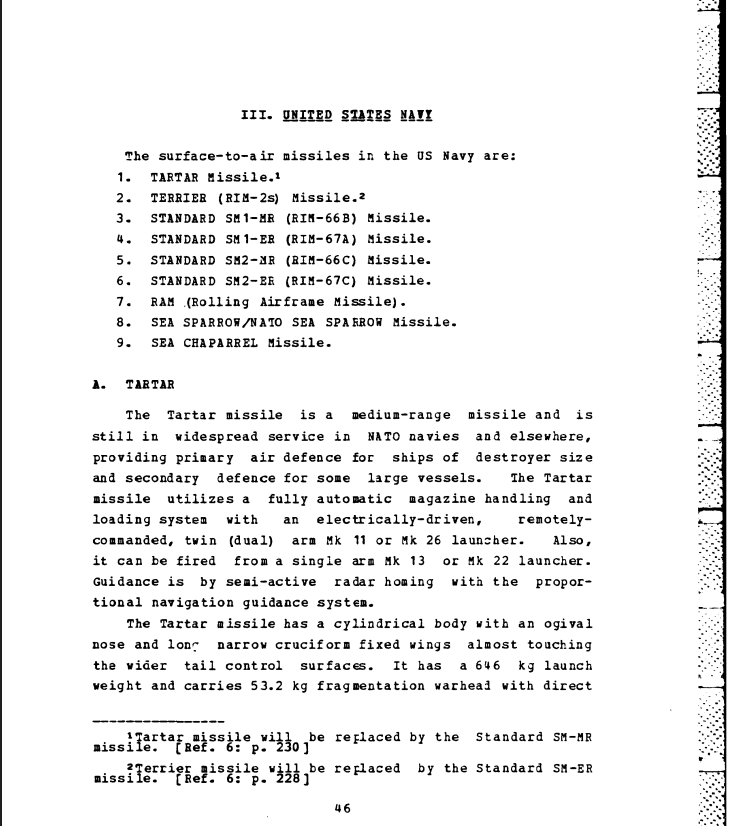
Based on official US Navy documentation and historical Ordnance Pamphlets (OPs), the combination of the AN/SPG-51 radar and the RIM-24 Tartar missile forms the core of the medium-range air defense system for small-to-medium surface combatants (Tartar Guided Missile Fire Control System, based on the Mk 73 / Mk 74 fire control system).
Here is the general technical description and combined operation of both systems.
- AN/SPG-51 Fire Control Radar
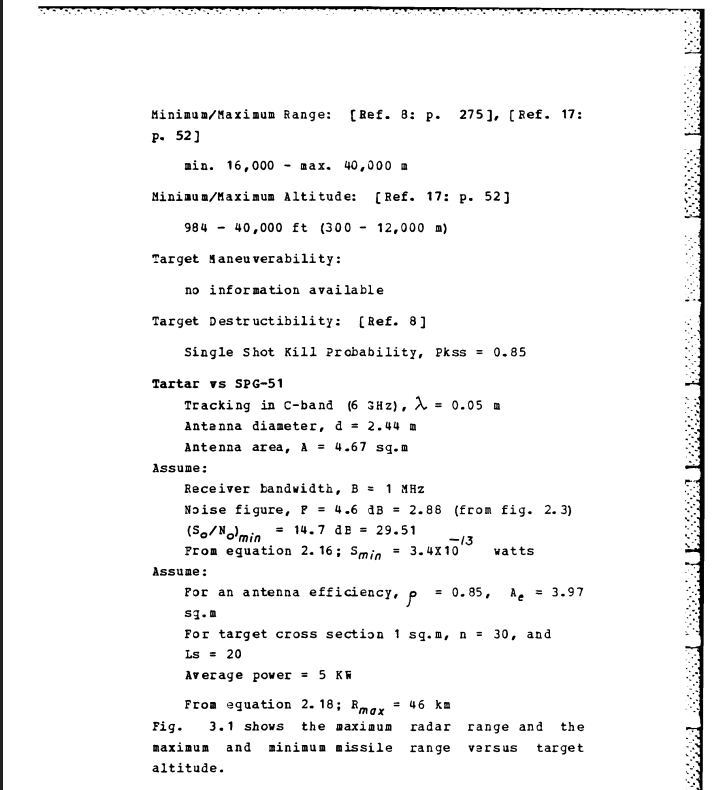
The AN/SPG-51 is a dual-antenna radar system (monopulse tracking + illuminator) operating in a combined band, specifically designed for three-dimensional target acquisition, automatic tracking, and missile guidance.
Architecture and Frequencies (Original OP Configuration)
- Tracking Channel: Operates in C-band (frequencies between 5450 and 5825 MHz). It utilizes a pulsed technique (Pulse-Doppler in upgraded versions) to precisely determine target range, azimuth, and elevation, filtering out sea clutter.
- Illumination Channel: Operates in X-band (frequencies between 10250 and 10500 MHz). It uses a continuous wave (CW) transmitter powered by a klystron. This beam does not calculate range for the ship; instead, it acts as a “beacon” for the missile’s seeker.
- Antenna: Consists of a main parabolic reflector approximately 2.5 meters (7.7 feet) in diameter with an offset horn feed.
Operational Fire Control Cycle
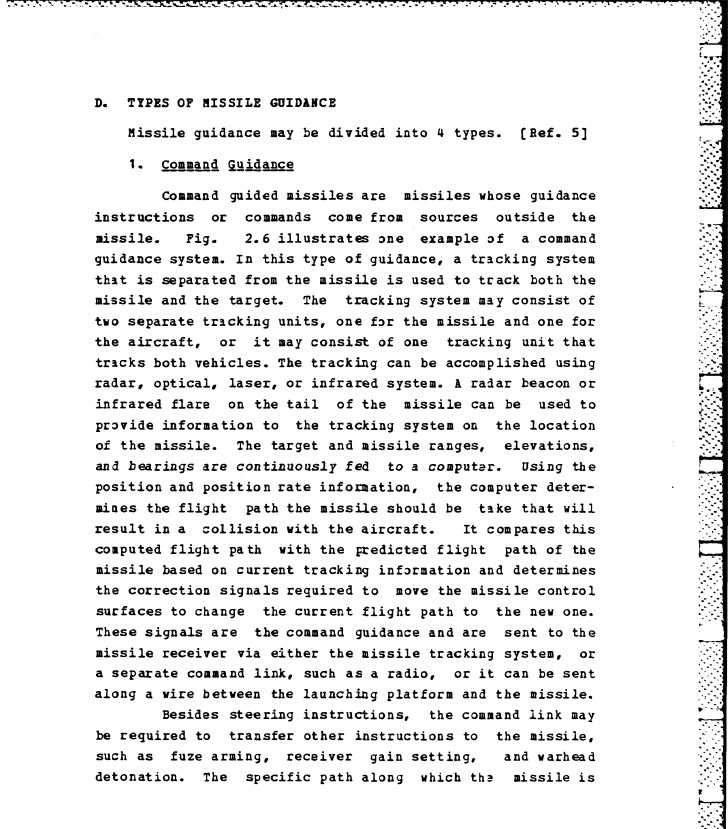
- Target Designation: The ship’s air search radar (e.g., AN/SPS-48 or SPS-40) detects a threat and transfers 2D or 3D coordinate data to the Mk 74 system.
- Acquisition and Lock-on: The AN/SPG-51 antenna slews to the designated sector and performs a local search until it intercepts the target with its C-band beam, establishing tight automatic tracking (lock-on).
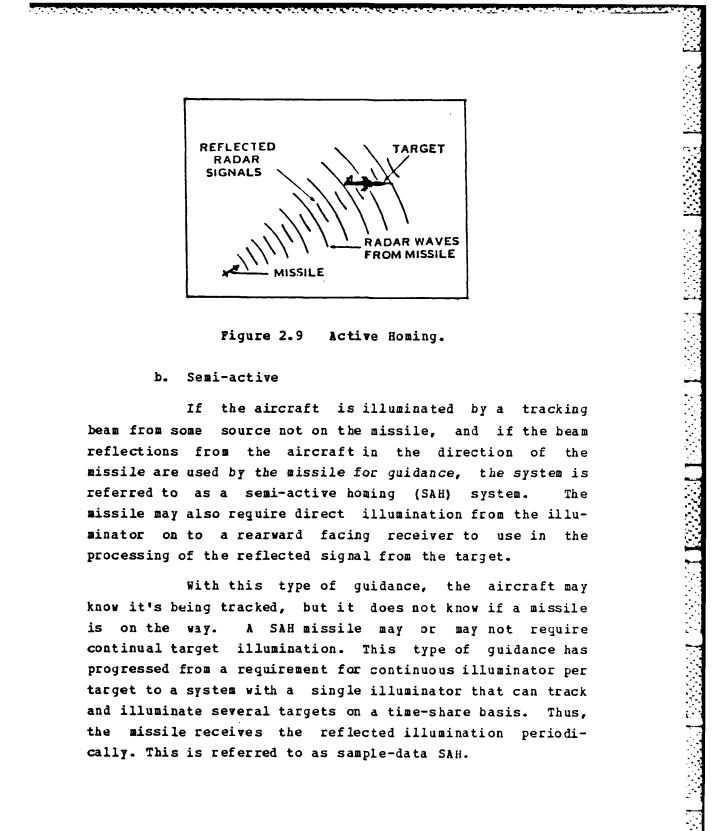
- Terminal Illumination: Upon the firing command, the X-band (CW) transmitter projects a continuous, narrow beam onto the target. The energy from this beam reflects off the target’s airframe, creating the radar echo that guides the missile.
- RIM-24 Tartar Missile Operation
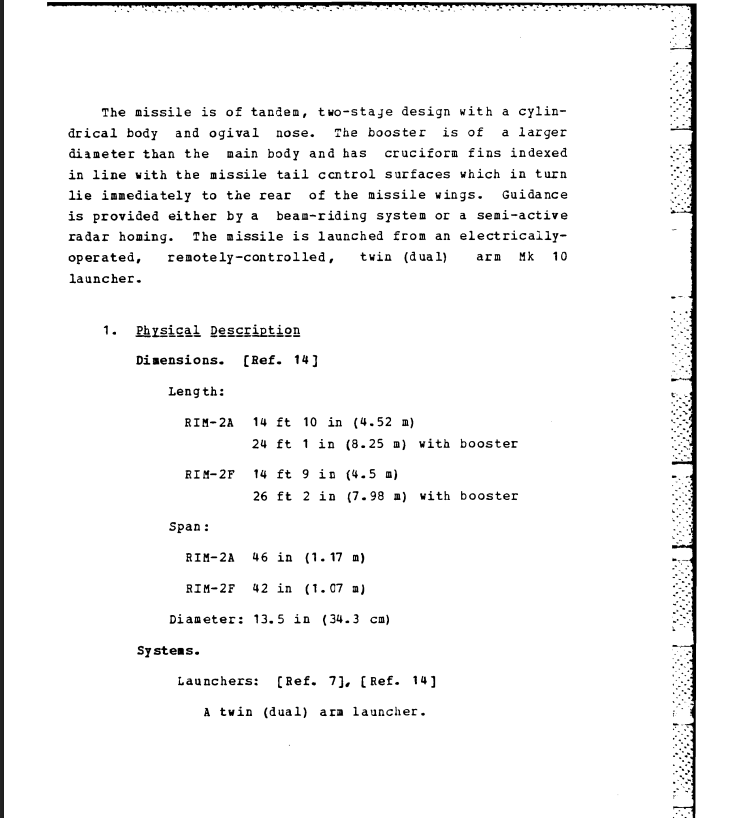
The RIM-24 Tartar (originally designated as Guided Missile Mark 15) is a single-stage, solid-propellant surface-to-air missile developed to eliminate the need for the heavy rear booster used by the Terrier system, allowing installation on smaller destroyers and frigates.
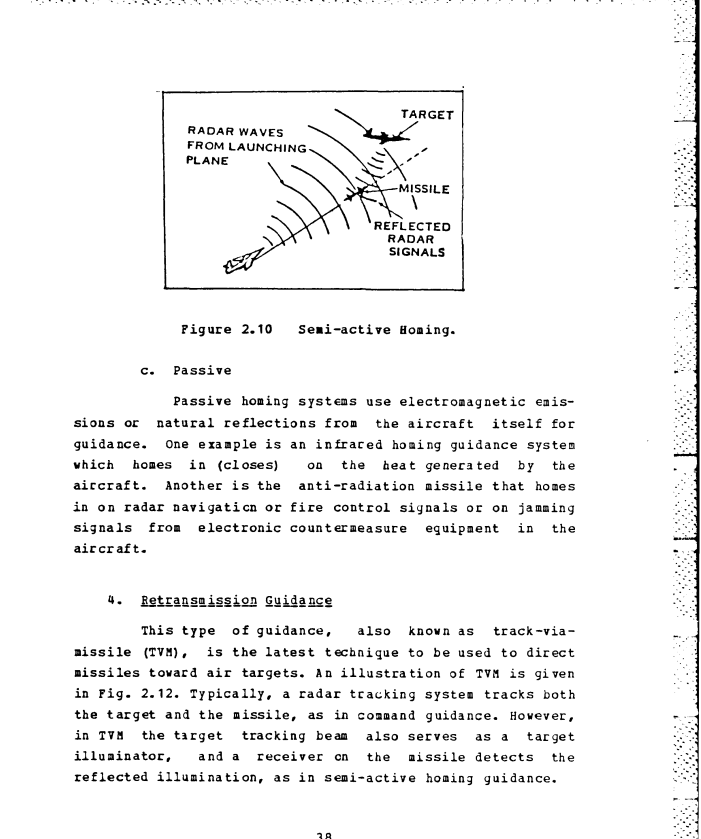
Guidance Logic: Semi-Active Radar Homing (SARH)
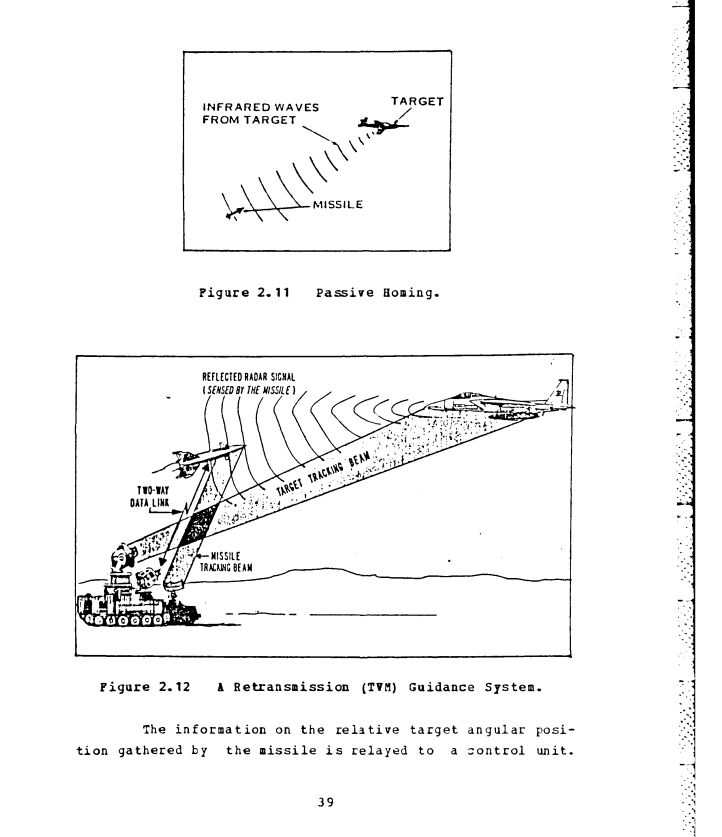
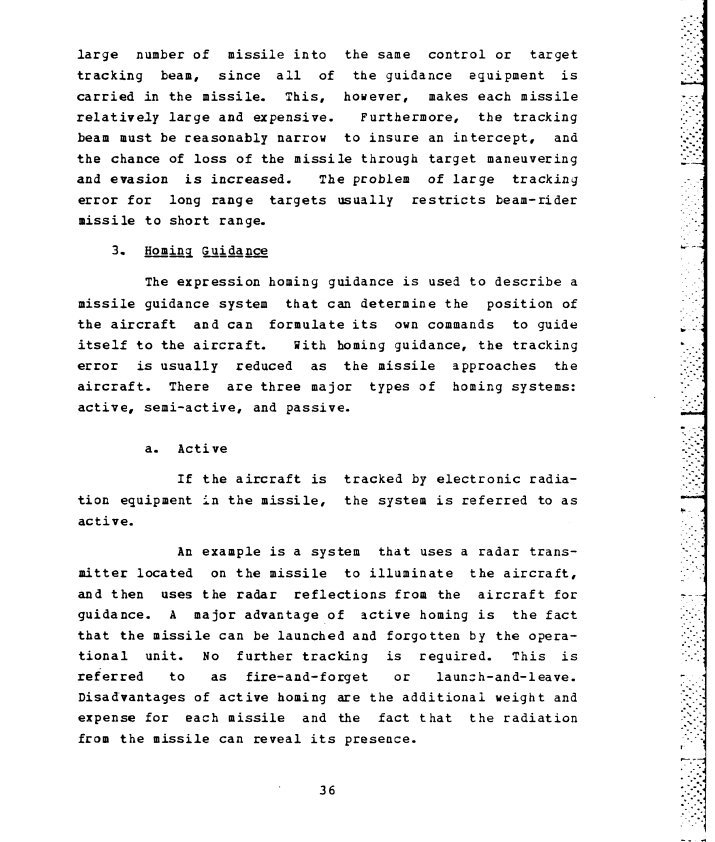
The RIM-24 does not have an internal radar that emits its own waves; it operates on the principles of semi-active radar guidance.
- Forward Antenna (Seeker): Located in the nose of the missile, it detects the X-band energy reflected off the target (generated by the AN/SPG-51).
- Rear Antenna (Rear Reference): Receives the direct radio frequency reference signal emitted from the launching ship.
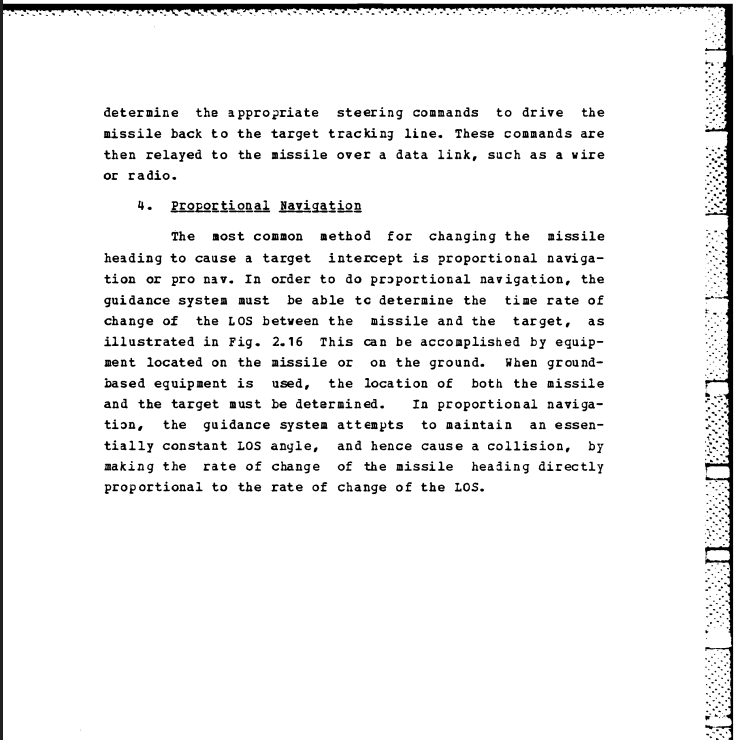
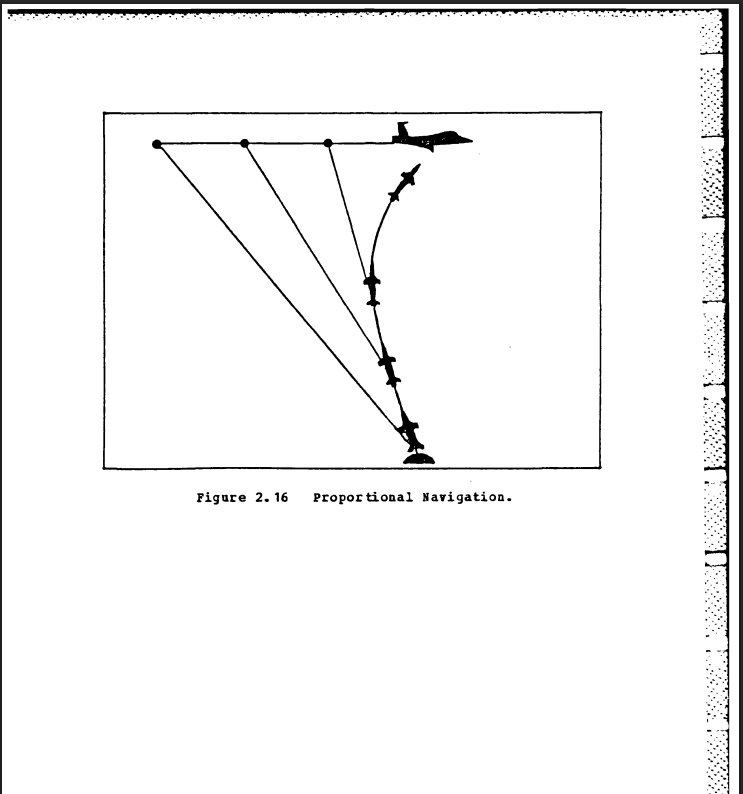
- Onboard Processing: The internal guidance computer compares the clean rear reference signal with the target-reflected forward signal. Using the frequency shift (Doppler effect caused by relative motion), it calculates the optimal proportional navigation collision course.
Flight and Interception Sequence (Standard US Navy OP)
- Pre-Launch Phase: The ship’s fire control computer calculates the intercept trajectory and transmits warm-up data, telemetry, and operating frequencies to the missile while it is on the launcher (e.g., Mk 11 or Mk 13).
- Launch and Propulsion: The dual-thrust solid propellant rocket motor (Aerojet Mk 1 or similar) ignites. The first phase provides a high-acceleration boost to clear the launcher and accelerate the missile to supersonic speeds (approx. Mach 1.8 - 2); the second phase provides a lower-thrust sustain burn to maintain cruise speed.
- Guidance Phase: Hydraulic cruciform wings located mid-body control the missile’s steering in flight, constantly directing it toward the center of the radar reflection cone.
- Passive Tracking Mode (ECCM): According to Navy OP specifications, if the target utilizes active Electronic Countermeasures (jamming), the RIM-24 can automatically switch to Home-on-Jam (HOJ) mode, using the enemy’s own jamming signal as a passive guidance source.
- Detonation: When the missile enters the immediate vicinity of the threat, the radar proximity fuze detects the close-range threshold and detonates the high-explosive blast-fragmentation warhead (approx. 53 kg / 130 lbs) to destroy the aircraft via blast wave and shrapnel.
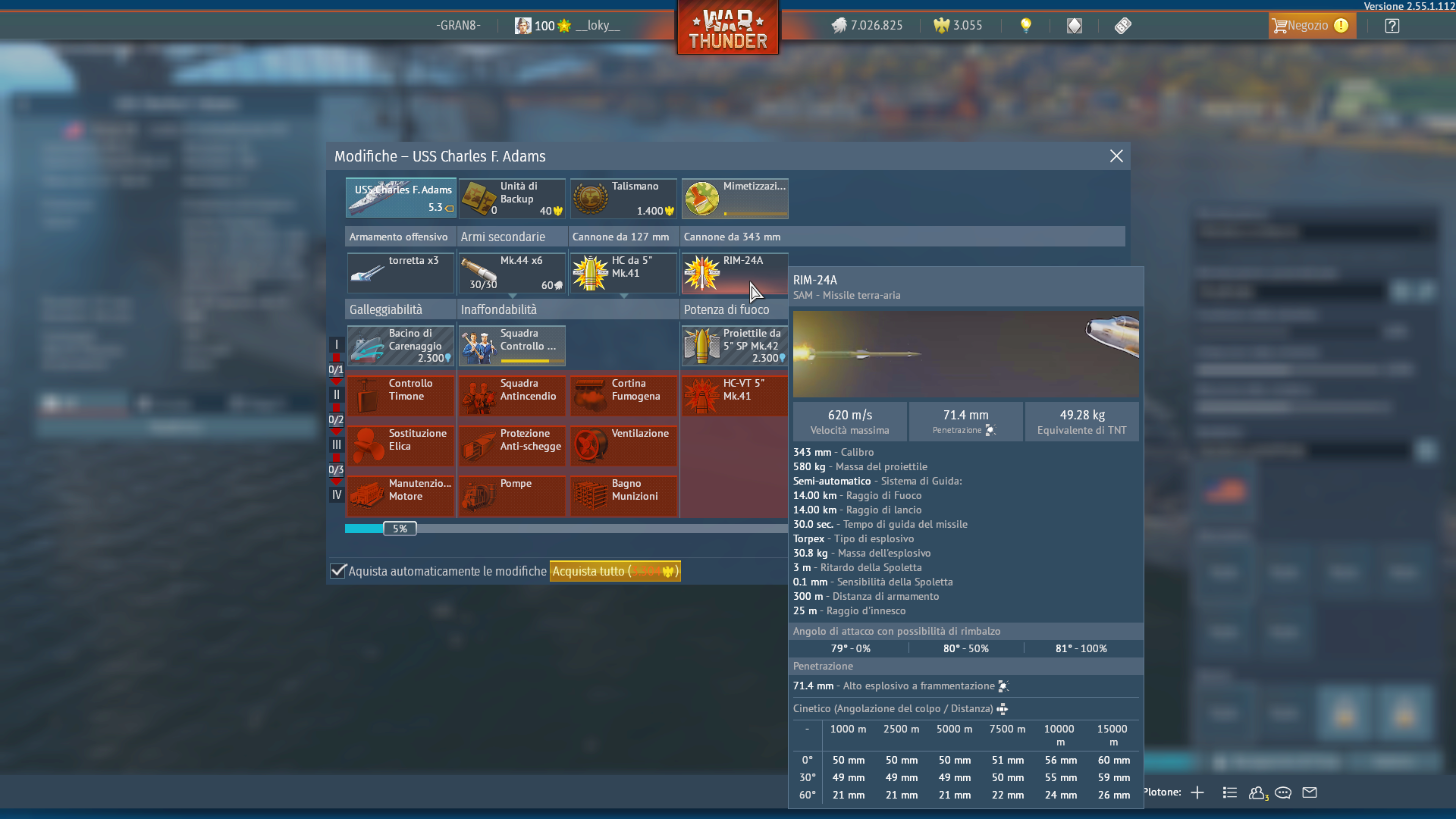
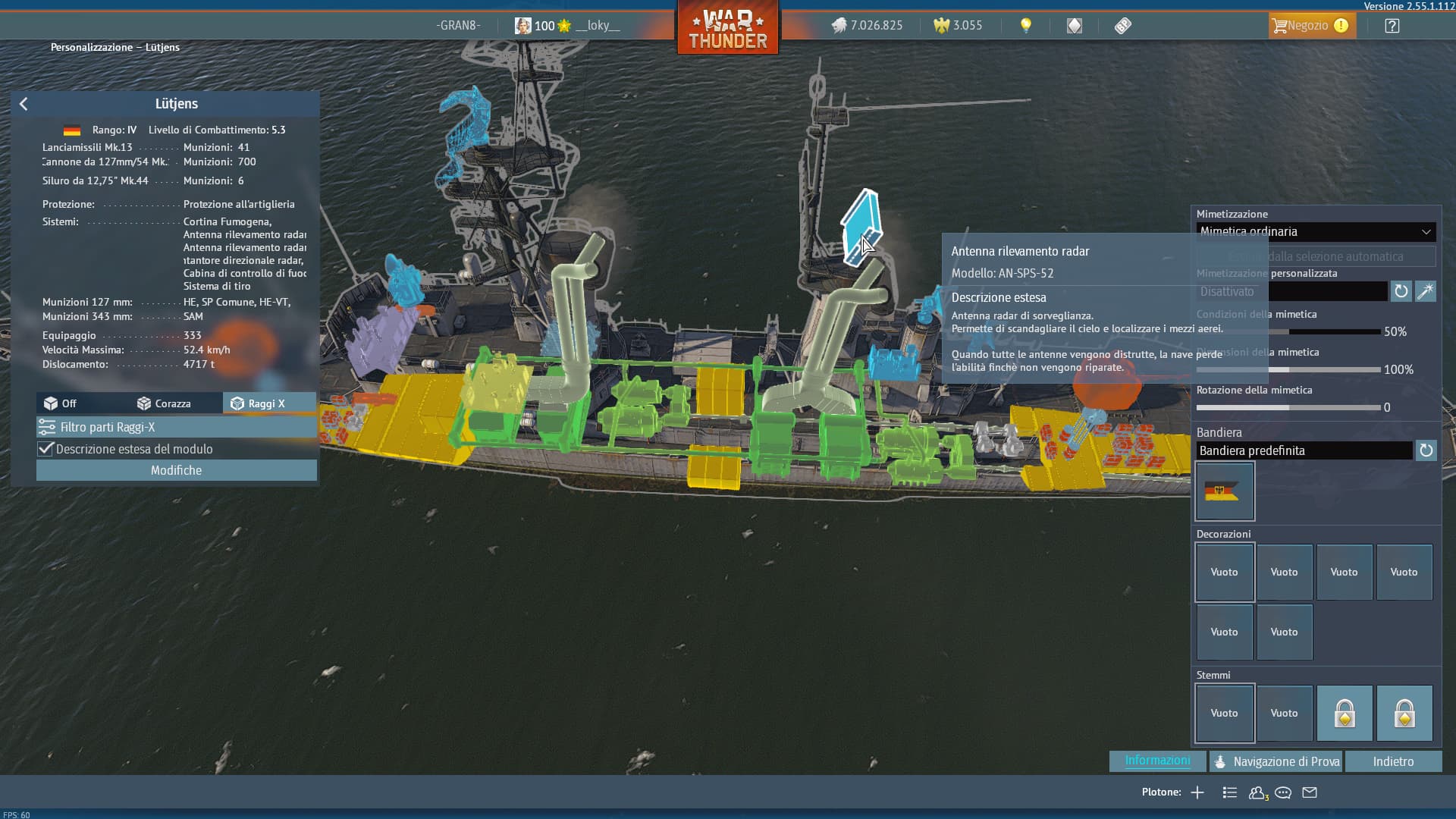
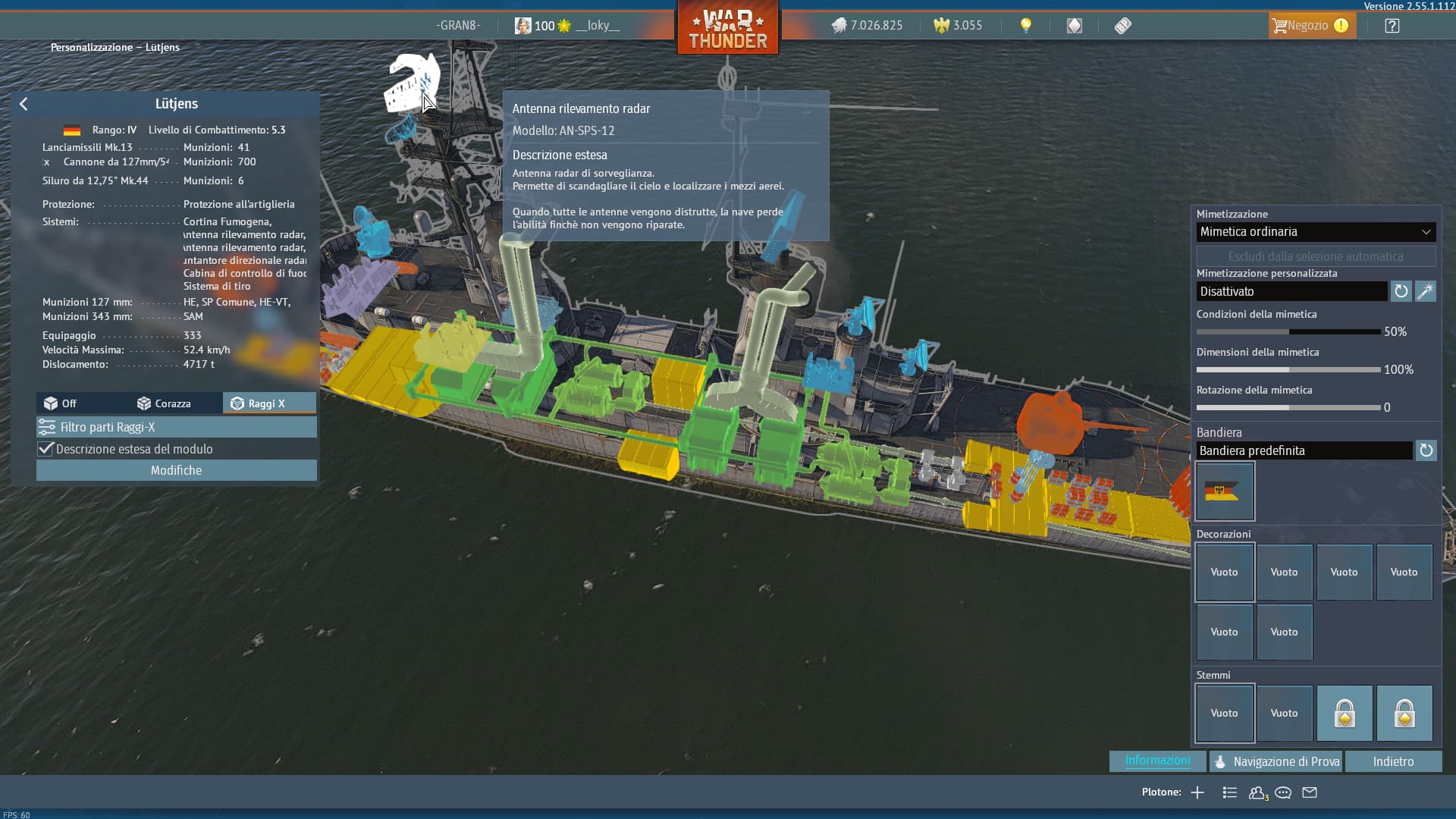
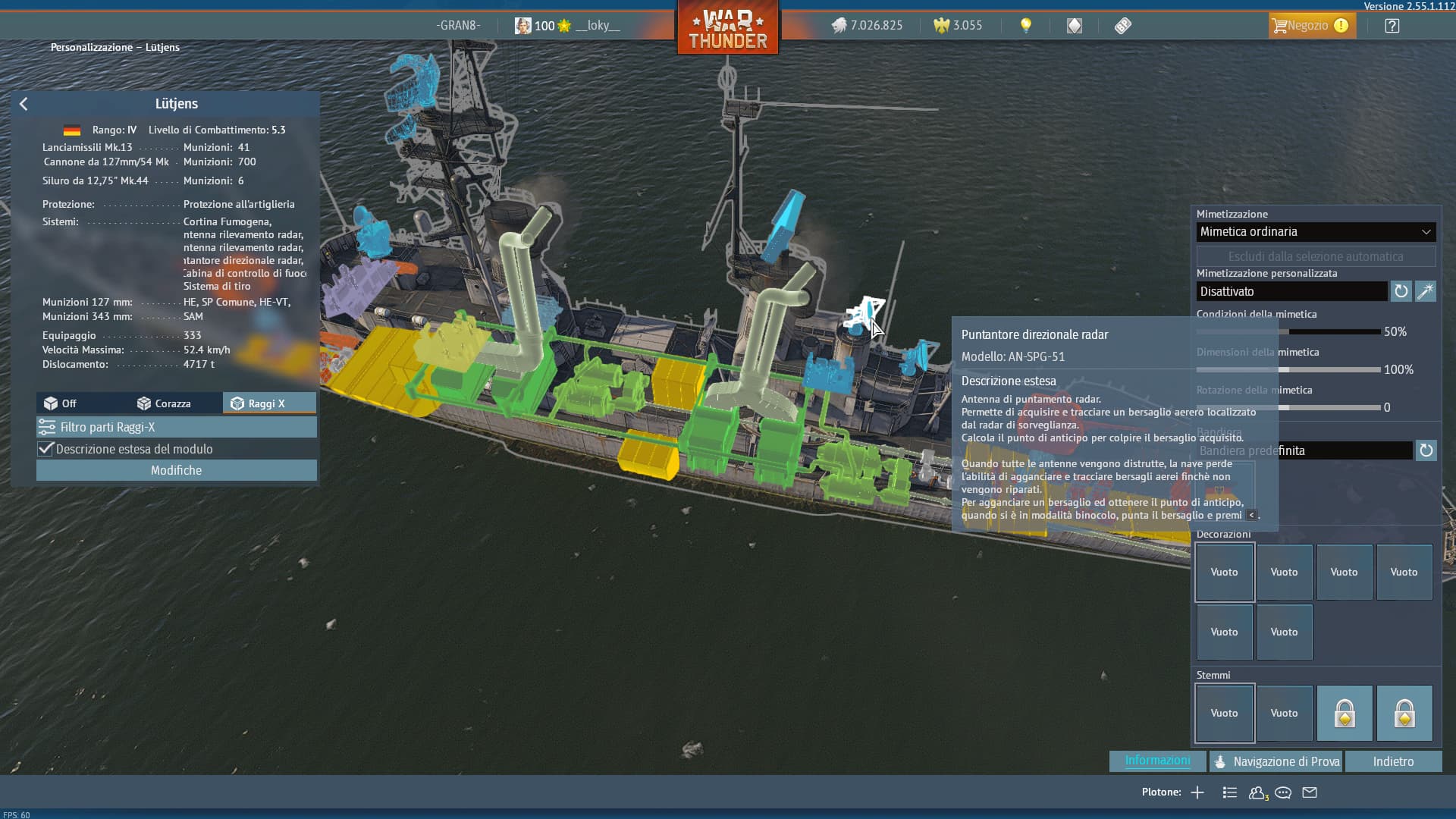
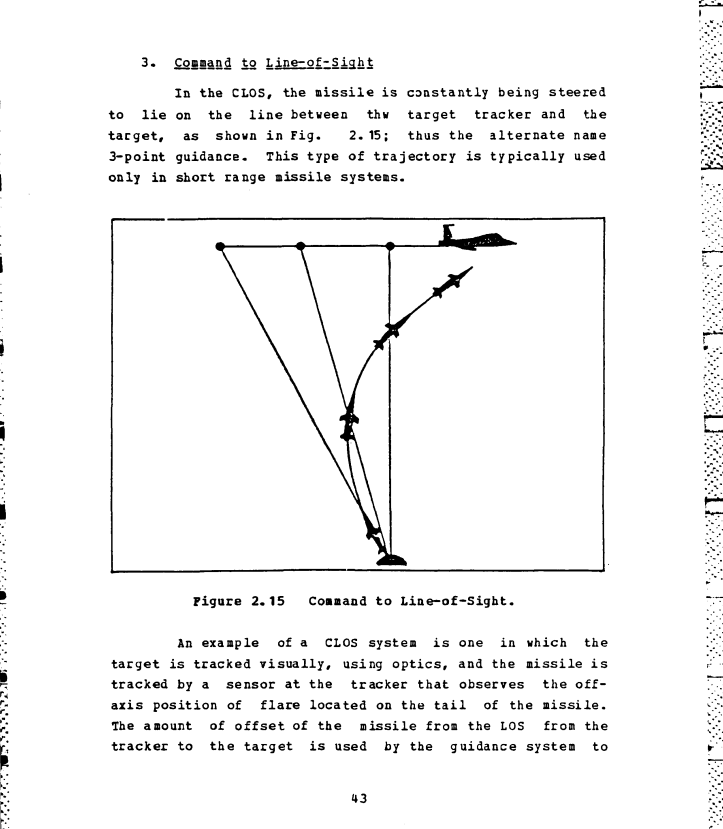
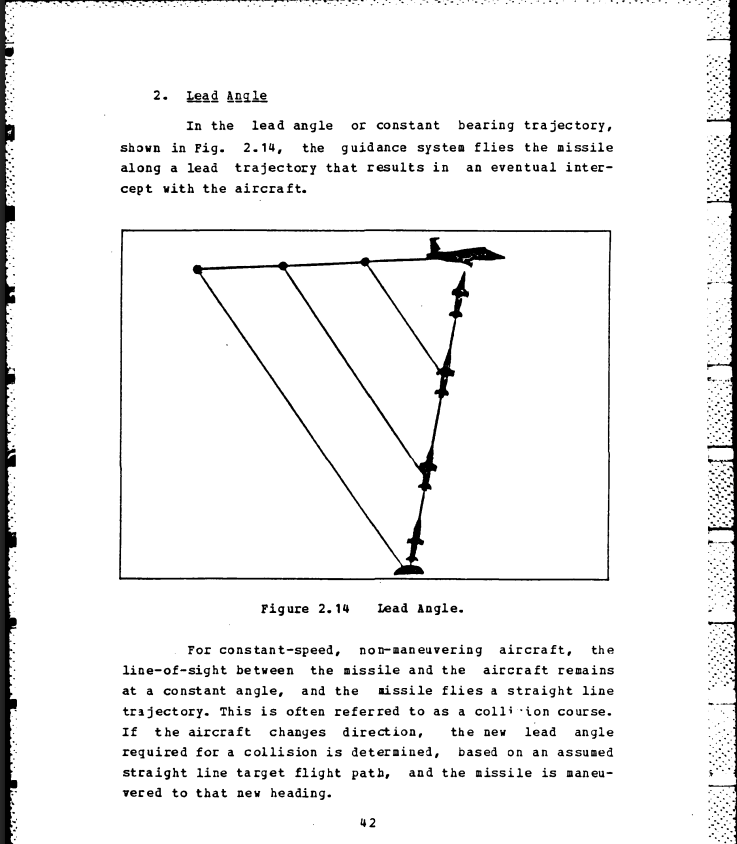
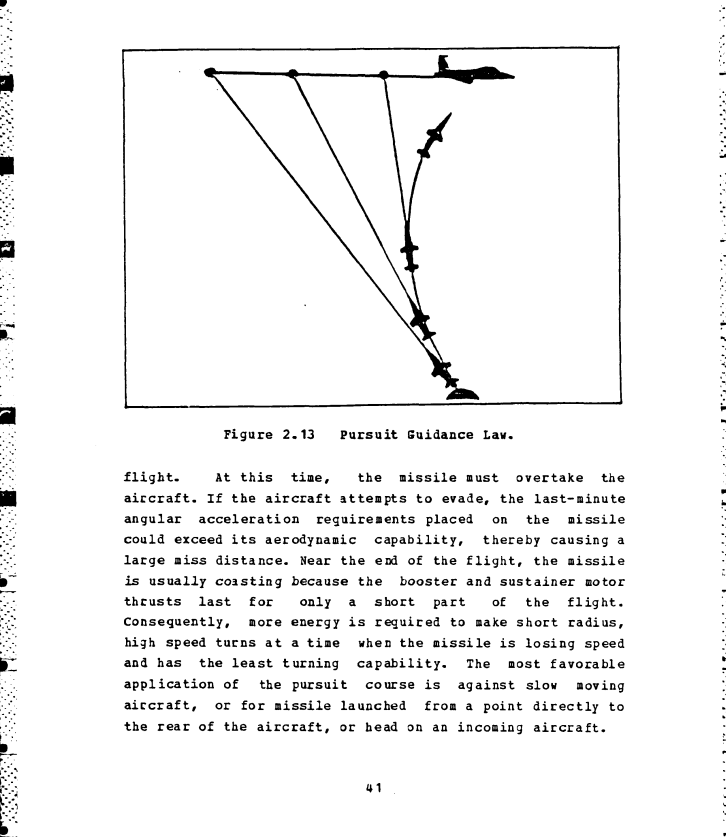
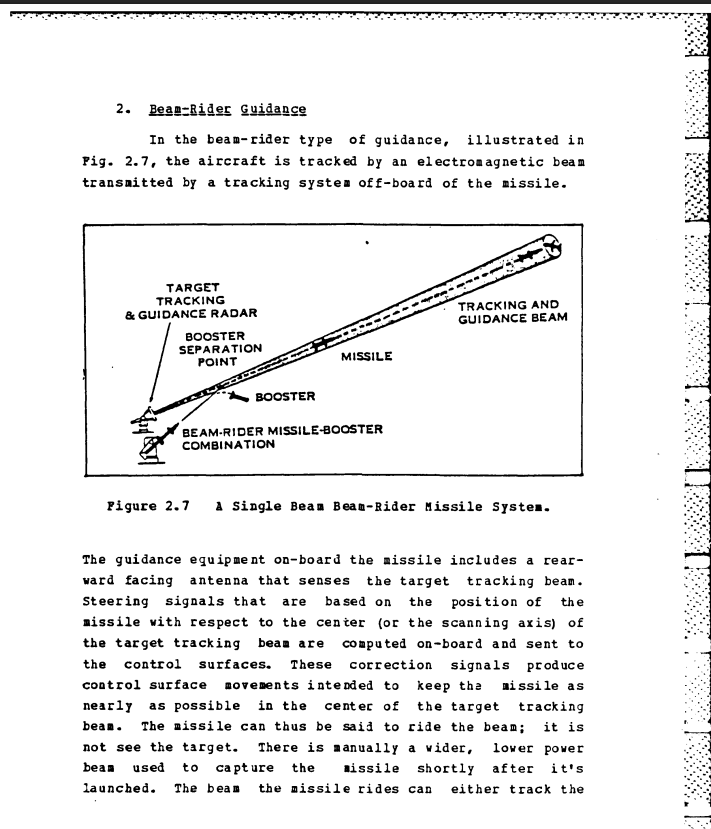
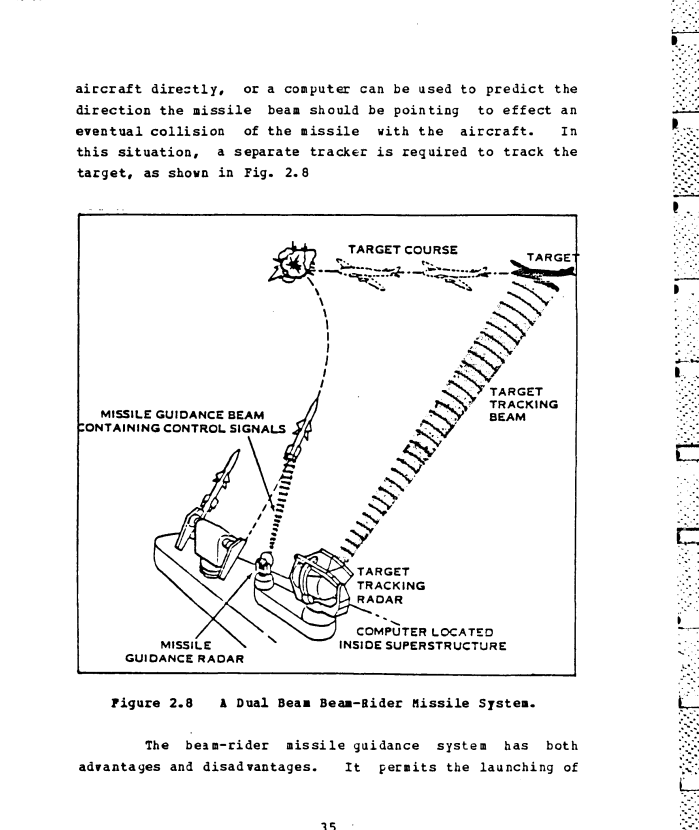
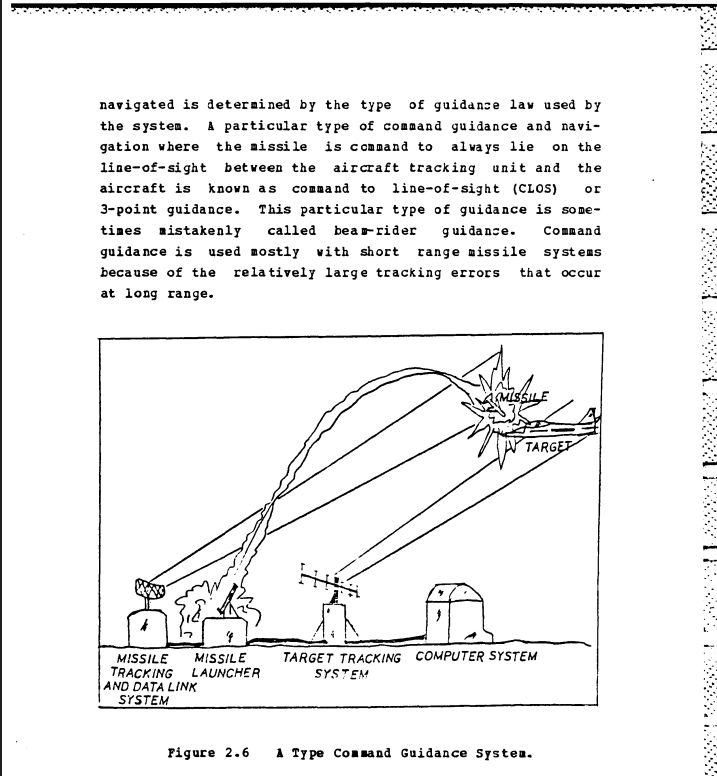
in game the radar dont work with the capability of tracking when using the rim 24a and the missile are used like an a saclos what is wrong when is a sah below the info:
i have opened same an a report for bug if wanna help to reach the dev and try to fix this issue is an huge help if get +1: Community Bug Reporting System