- Yes
- No
- Modification for C6N1-S/20mm
- New vehicle
- No
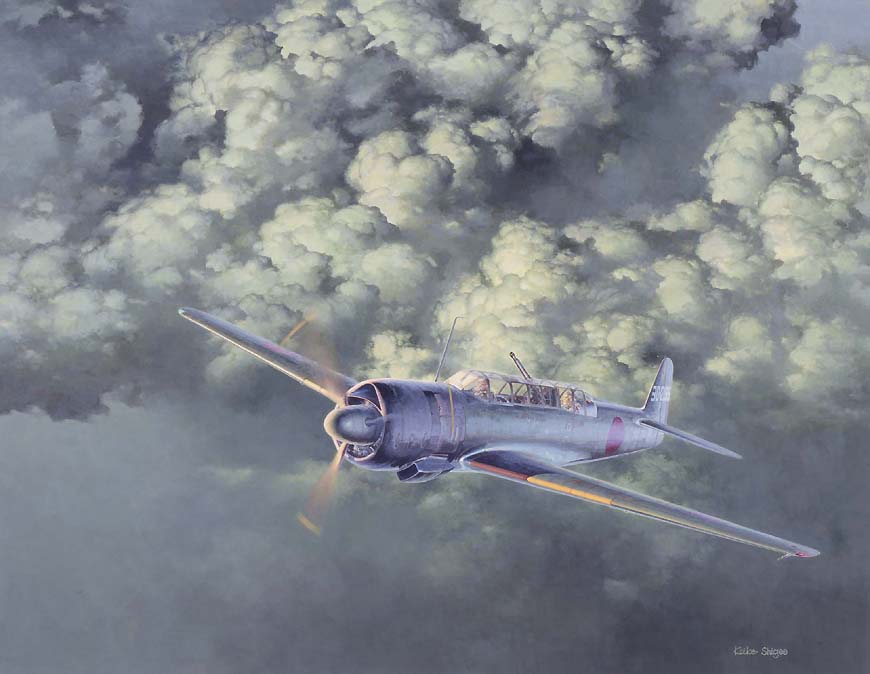
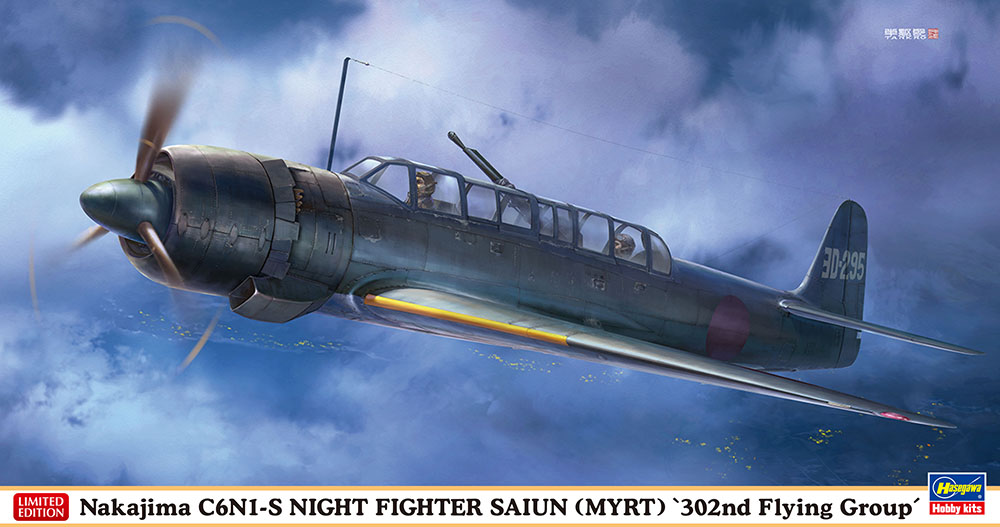
Nakajima C6N1-S / 30mm cannon (彩雲一一型改造夜戦)
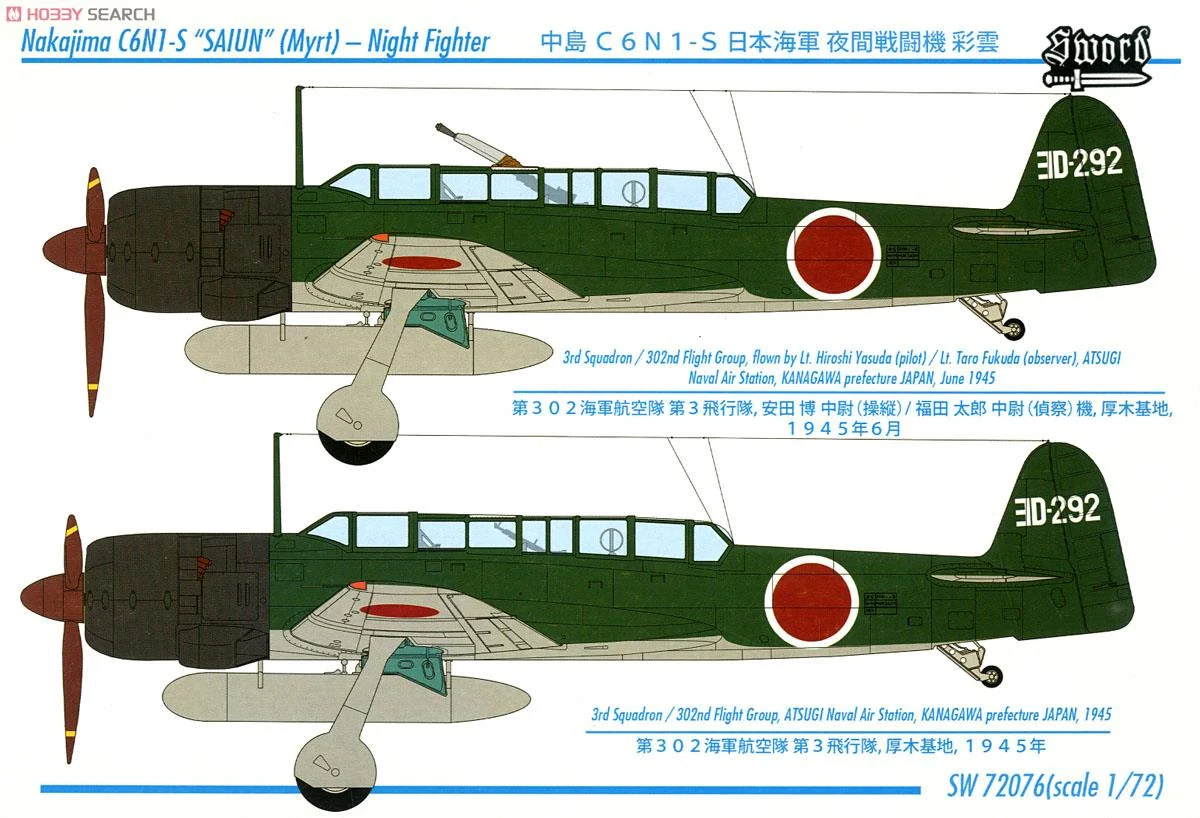
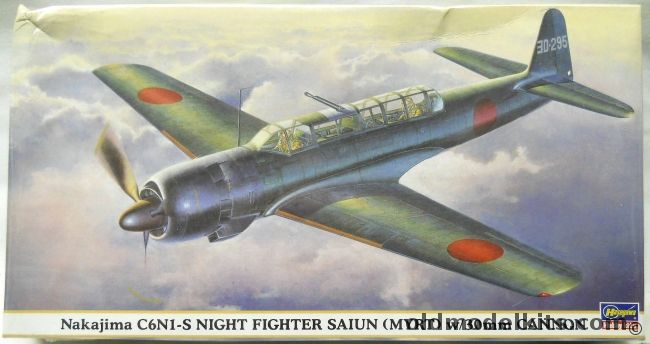
The Nakajima C6N1-S with a 30 mm cannon was a single aircraft from the series of Japanese provisional night fighters Nakajima C6N1-S from the 302nd Naval Air Squadron created in 1945. Overall, only 6 Nakajima C6N1-S were built, of which 5 were the C6N1-S /20 mm cannon. The version with the 30 mm cannon was created in June 1945.
History
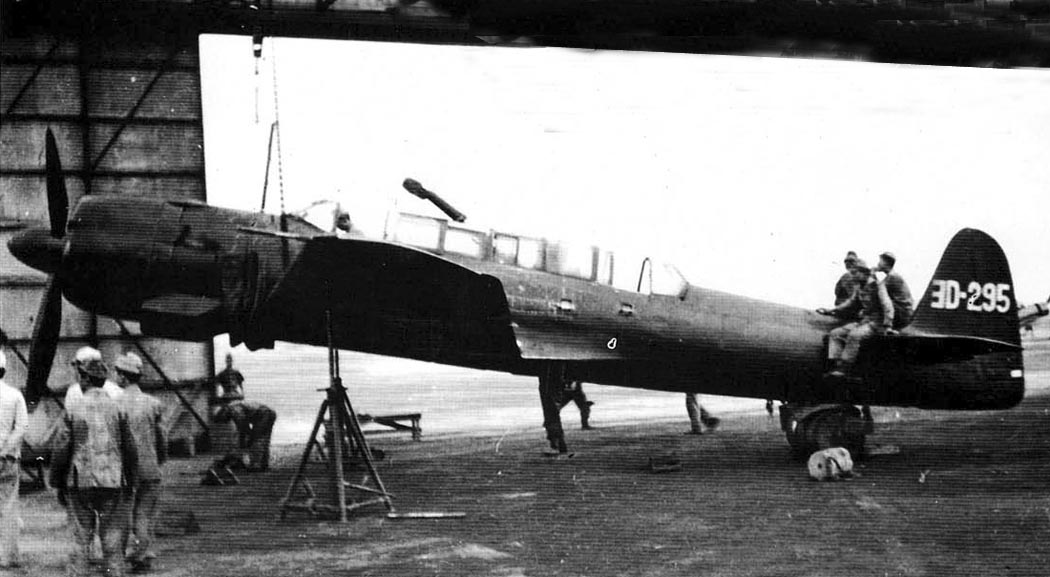
In 1945, during combat using makeshift night fighters, the Japanese noticed a couple of serious problems. There were two major issues: the B-29’s speed made it difficult to intercept them, and the makeshift night fighters lacked radar. The Japanese knew that adding radar would reduce the aircraft’s performance due to the increased weight, which was already a problem. The only Japanese night fighter with sufficiently high speed was the Nakajima C6N1-S, armed with two oblique Type 99 cannons. These planes were the fastest aircraft in the Japanese Navy, and it was considered a waste not to use them. The decision was made that instead of adding weight with radar, they would increase firepower so that even the briefest sighting of American B-29s could end in shooting them down. Therefore, it was decided to replace the two 20mm Type 99 Model 2 cannons with a single 30mm Type 5 cannon, with powerful firepower. During the replacement of the Type 99 gun with the Type 5, it turned out that the barrel of the Type 30 gun protruded from the aircraft’s fairing (the Type 5 gun is about 20 cm longer than the Type 99), so a fairing was installed on it. The modified aircraft was ready in June 1945. The plane received the tail number “Yo D-295” and its crew consisted of Second lieutenant Hiroshi Yasuda (pilot) and Taro Fukuda (observer/radio operator/Type 5 gun loader/navigator). In June 1945, the C6N1-S/30 mm aircraft was undergoing tests, and on June 28, firing tests with the Type 5 gun were conducted. It was previously discovered that the wing skin deformed during firing and takeoffs, but it wasn’t critical damage. Worse was the discovery that the protruding Type 5 gun barrel caused the aircraft’s maximum speed to drop by 28 km/h. However, it was decided to continue using the Nakajima C6N1-S/30mm aircraft. On the night of August 1 to August 2, a Nakajima C6N1-S/30 mm fighter spotted a lone American B-29 bomber. The Japanese plane approached the bomber from below at 7,000 meters and opened fire with a Type 5 gun, firing its entire ammo supply (10 rounds) at the target. Unfortunately, it’s not known if the B-29 was shot down. Until the end of the war, “Yo D-295” was used by Second Lieutenant Hiroshi Yasuda and Taro Fukuda. The further fate of the Nakajima C6N1-S/30 mm plane ‘Yo D-295’ is unknown.

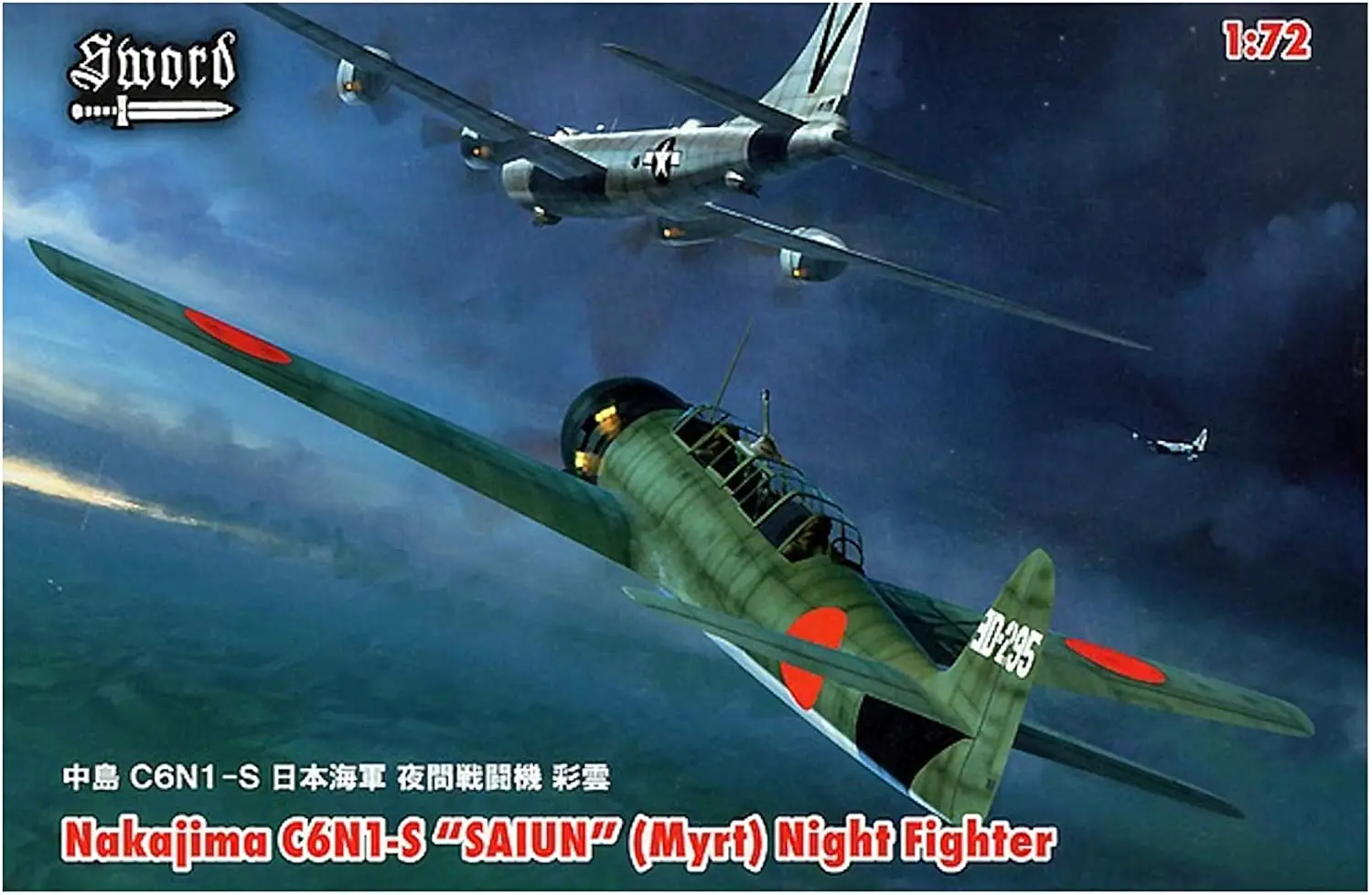
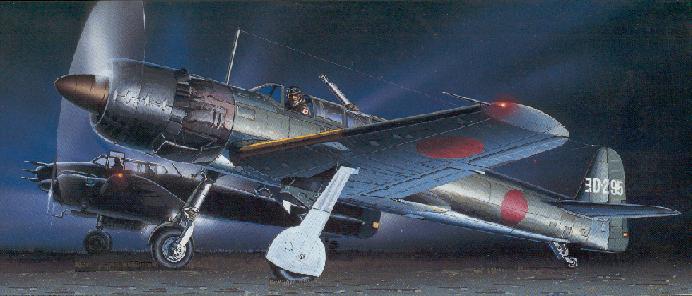
Construction description
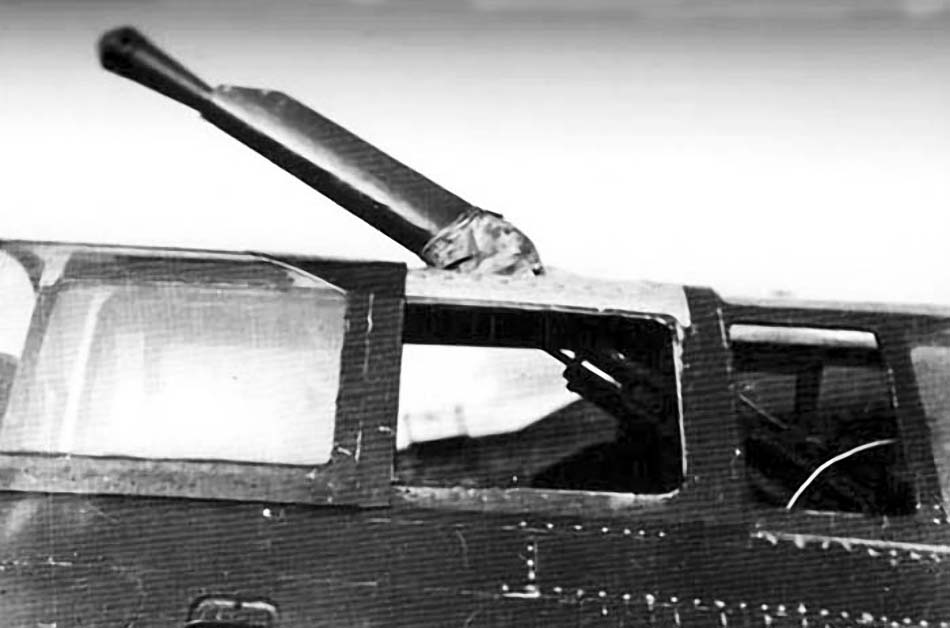
The Nakajima C6N1-S/30mm is almost identical to the Nakajima C6N1-S/20mm, the only difference being the armament. Instead of being armed with one or two Type 99 Model 2 20mm cannons, the plane is equipped with a single Type 5 30mm cannon. There’s a fairing installed around the barrel that rises from the cockpit.
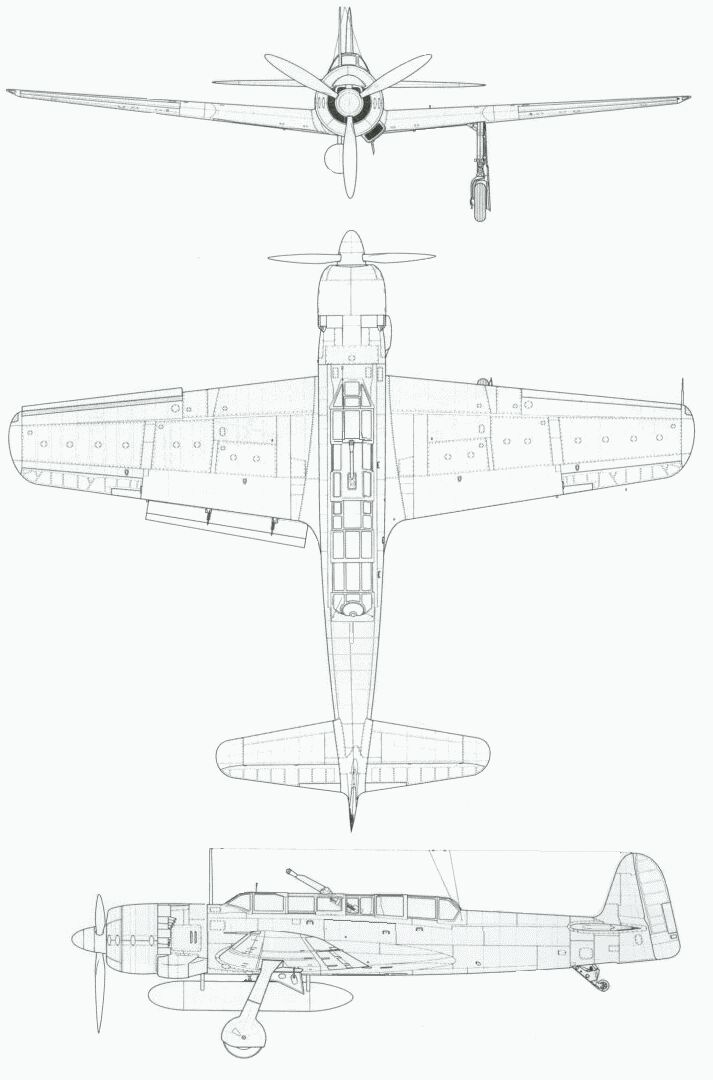
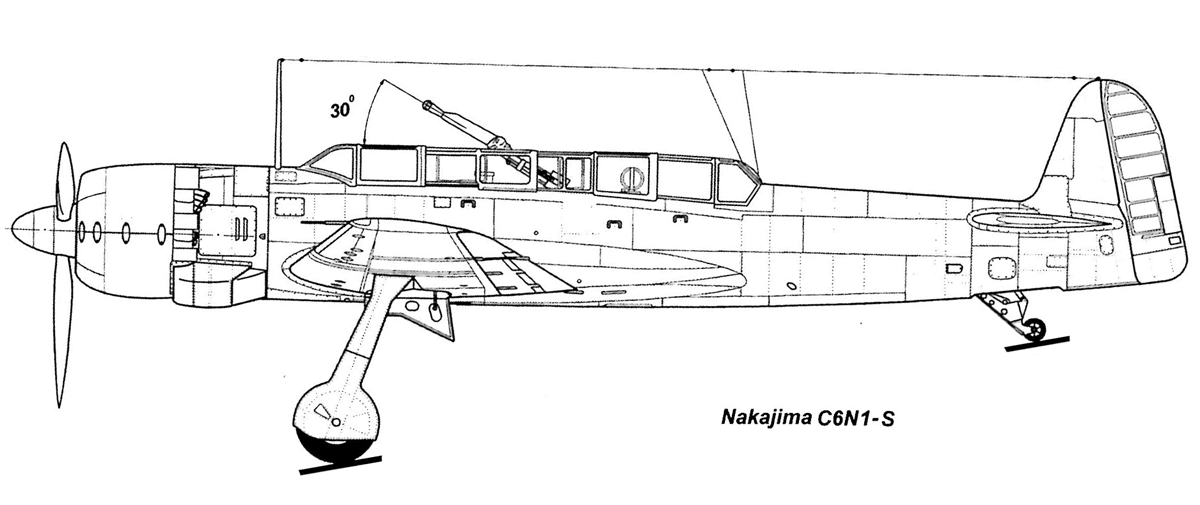
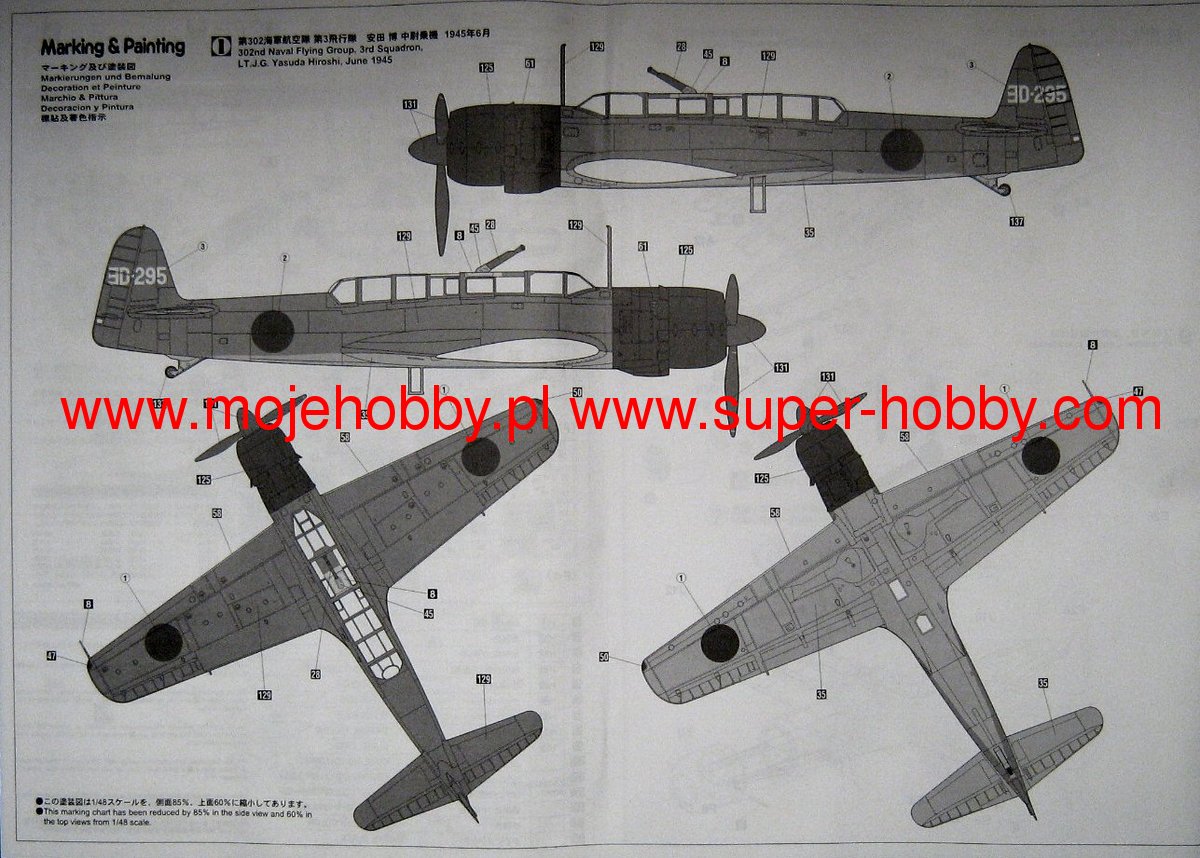
Appearance of the shroud around the barrel of the Type 5 gun
General characteristics
- Crew: 2
- Length: 11 m
- Wingspan: 12.5 m
- Height: 3.96 m
- Wing area: 25.5 m2
- Empty weight: 3,026 kg
- Gross weight: 4,090 kg
- Max takeoff weight: 5,262 kg
- Powerplant: 1 × Nakajima NK9B Homare 11 18-cylinder air-cooled radial piston engine, 1,485 kW (1,991 hp)
- Propellers: three-blade propeller with a constant speed of rotation with a diameter of 3,500 mm.
Performance
- Maximum speed: 581 km/h
- Cruise speed: 389 km/h
- Range: 3000 km
- Service ceiling: 10740 m
- Climb Rate: 14,1 m/s
Armament
- Guns:
- 1 x Type 5 30mm Cannon (minimum 10 rounds)
- 1 × Flexibly mounted rearward-firing 7.92 mm Type 1 machine gun (?) (450 bullets)
Armour
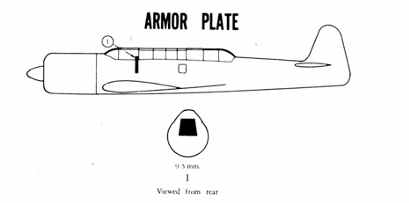
- armor plate 9.5mm behind the pilot
Arrangement of armor plates
Additional equipment
- Fuel tank extinguisher No. 1 and 4
- Engine fire extinguisher
Special thanks
Summary
The Nakajima C6N1-S with the Type 5 30 mm cannon is an interesting plane for Japan. It’s one of Japan’s makeshift night fighters, providing insane firepower against enemy bombers. Of course, this unique plane is very situational, but that doesn’t mean you can’t have a lot of fun with it. This plane is suitable as a premium plane, for an event, regular TT, or even as a modification for the Nakajima C6N1-S/20mm. I encourage you to discuss in the comments and to share your own knowledge on this subject.
Finally, I apologize for the linguistic and logical errors because unfortunately English is not my main language and I had to use google translator.
Internet sources
彩雲 (航空機) - Wikipedia
Nakajima C6N Saiun - Wikipedia
Nakadžima C6N1-S Saiun [Myrt] : Nakadžima
Nakajima C6N1-S ‘Saiun’, (Iridecent Cloud), (Myrt). 302nd Kokutai, (Hasegawa) | ModelPlanes.de
Уголок неба ¦ Nakajima C6N-1S Saiun
Book sources
- 日本航空機辞典 1910年(明治43年)~1945年(昭和20年) 上巻 (Encyclopedia of Japanese Aircraft 1910 (Meiji 43) – 1945 (Showa 20), Volume 1) page 266
- 野沢正『日本航空機総集 中島篇』(Masaru Nozawa ‘Comprehensive Collection of Japanese Aircraft: Nakajima Volume’) page 221-227
- Japońskie Samoloty Marynarki 1912-45 część I (Japanese naval aircraft 1912-45 part I) page 105-107
- Japanese Heavy Fighters 1937-1945 , page 171-174
*『日本軍用機写真集』3 (偵察、フライングボア、トレーナー、輸送) ,文林堂, (“Japanese Military Aircraft Photo Collection 3 (Reconnaissance, Flying-Boar,Trainer,Transport)”, Bunrindo) page 133-134 - Model-art-595-Night-fighters.pdf - Dysk Google
- Maru Mechanic 003 - Saiun C6N,Type 0 Seaplane E13A

Thank you for reading the suggestion, see you in the next one. Good luck pilots