- Yes
- No
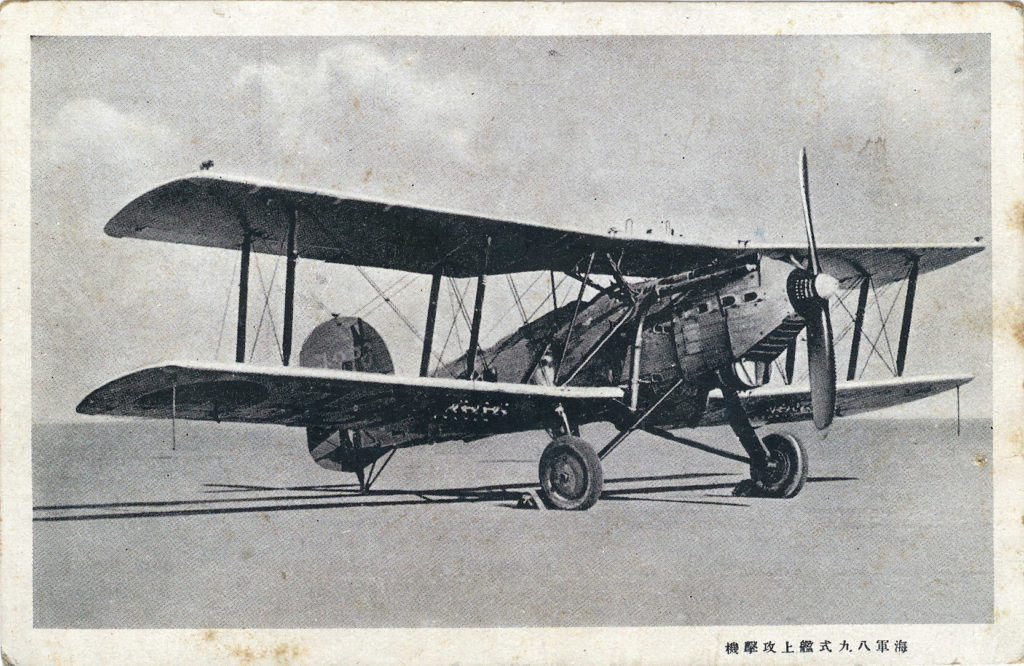
Mitsubishi B2M1 (八 九 式 一 号 艦 上 攻 擊 機)
The Mitsubishi B2M1 is a Japanese carrier-based torpedo bomber developed in 1932 (the prototype was accepted for production). Its full name is Type 89 Carrier Attack Aircraft No. 1 (八 九 式 一 号 艦 上 攻 擊 機). This aircraft was produced between 1930 and 1935, and together with the improved B2M2, a total of 204 aircraft were built. It participated in combat against the Chinese in 1932 and 1937.
History
In 1928, the Japanese Navy was looking for a successor to the successful but quickly aging Mitsubishi B1M bomber. The requirements for the new aircraft were very specific:
- A BMW engine with a power of 450-600 hp or a Hispano Suiza engine with a power of 600 hp or a Lorraine engine with a power of 600-650 hp was required
- The aircraft’s construction was to be metal and wood.
- Wingspan below 15m
- Overall length below 10 m
- Maximum height below 3.8m
- Maximum speed above 203 km/h
- Climb time to an altitude of 3000m under 15 minutes
- Flight range: 3 hours with full armament and 8 hours without armament
- Landing speed 83 km/h
- Runway length with a headwind of 20 km/h - 45 meters
The requirements for the aircraft’s size and takeoff distance were dictated by the fact that the successor to the Mitsubishi B1M had to fit in the aircraft elevator on the aircraft carrier and be able to take off from the carrier. Companies Aichi, Kawanishi, Mitsubishi, and Nakajima entered the competition. Mitsubishi put the most effort into it, having previously lost the tender for a carrier-based fighter (a competition for a new carrier-based aircraft in which the Nakajima A1N won). To ensure victory over the competition, Mitsubishi organized its own contest and sent requests to the British companies Sopwith Aircraft Co., Blackburn Aircraft Co., and Handley Page. The designs of the new aircraft received the Japanese designations 3MR3 (Sopwith Aircraft Co.), 3MR4 (Blackburn Aircraft Co.), and 3MR5 (Handley Page). After the presentation of the designs to Mitsubishi, the winning project was the 3MR4 by Blackburn. On May 28, 1928, Mitsubishi purchased a license for the 3MR4 aircraft, and in December 1928, construction of the first prototype began. The aircraft was built at the Blackburn Aircraft Co. facilities, where Mitsubishi first sent engineer Hajime Matsuhara for inspection and assistance, later joined by engineers Fukui, Yui, and Arikawa. The Blackburn-Mitsubishi 3MR4 was likely completed in 1929 and tested at Blackburn’s test airfield, after which it was disassembled and sent to Japan, arriving in February 1930. Along with the aircraft came Blackburn engineer G.E. Petty, who assisted in assembling the first prototype and building the second prototype. The Blackburn-Mitsubishi 3MR4 was equipped with a 600 hp Hispano-Suiza engine, but the second prototype received a more powerful Mitsubishi Type Hi engine with 650 hp (a licensed version of the Hispano-Suiza engine) and was completed on October 31, 1930. However, the second prototype crashed due to a pilot error during an emergency landing. Therefore, on February 2, 1931, a third prototype was built, which was sent for testing to the Japanese Navy Command. The aircraft proved to be difficult to land, had poor stability, and suffered from oil overheating issues, but it met the maximum speed requirement, reaching 216.5 km/h. The Japanese Navy ordered improvements to the aircraft’s design. Mitsubishi responded to these requirements with a fourth prototype, designated factory Ka-3, which had a redesigned tail and new Handley-Page type slots. This aircraft went for testing and proved successful. In March 1932, the Mitsubishi Ka-3 aircraft was accepted into service as the Type 89 Carrier Attack Aircraft (later changed to Type 89 Carrier Attack Aircraft No. 1), or briefly B2M1. Mass production lasted from 1932 to 1935, and together with the improved variant Mitsubishi B2M2 developed in 1934, a total of 204 aircraft were produced. A small number of Mitsubishi B2M1, along with Mitsubishi B1M1/2/3, supported Japanese forces during the Shanghai Incident, operating from the aircraft carriers Kaga and Hōshō. During further service of the Mitsubishi B2M1 aircraft, the plane proved to be very prone to malfunctions, which was not even corrected by its improved version, the Mitsubishi B2M2, leading to the end of production in 1935. Mitsubishi B2M1/2 aircraft remained in frontline service until 1937, when during the Second Sino-Japanese War, all aircraft participating in a raid on Hangzhou were lost. This led to the withdrawal of B2M aircraft from frontline service. By 1941, it is likely that all B2M aircraft had been scrapped.

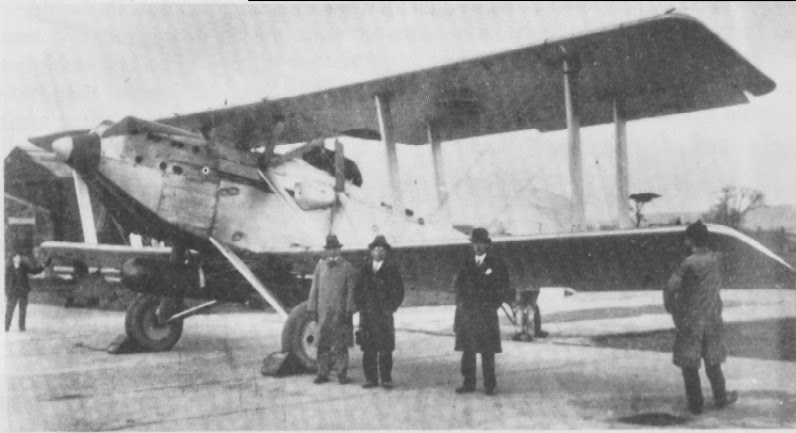
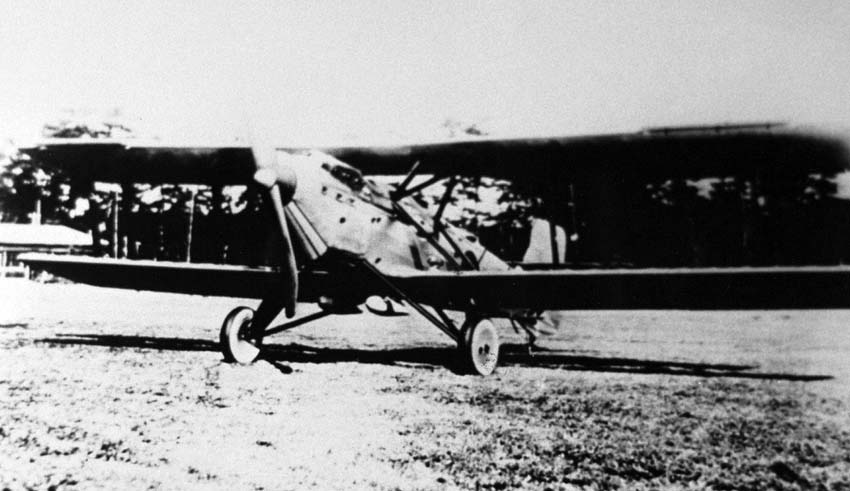
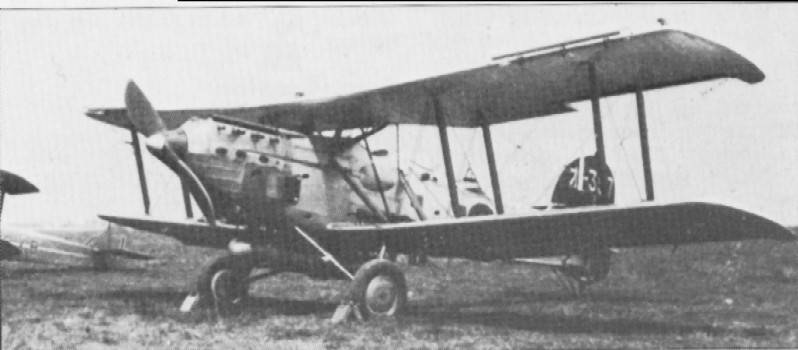
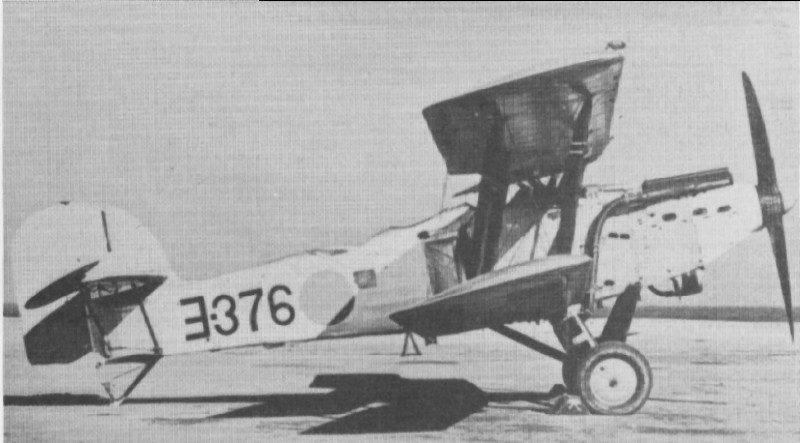
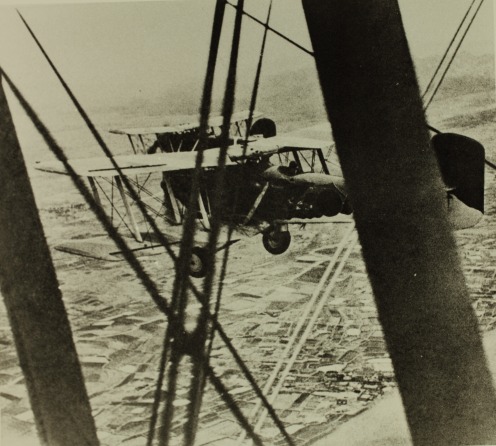
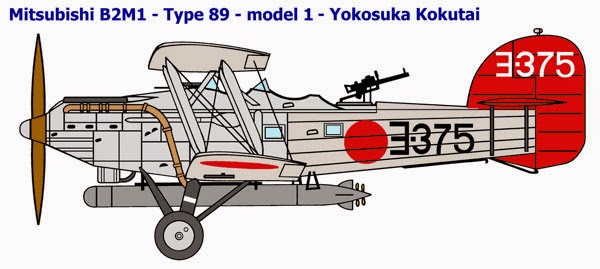
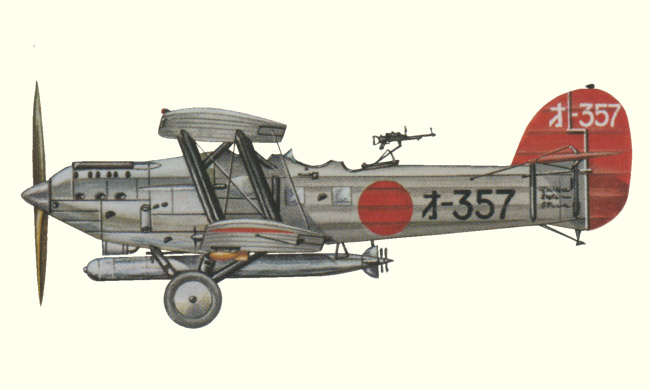
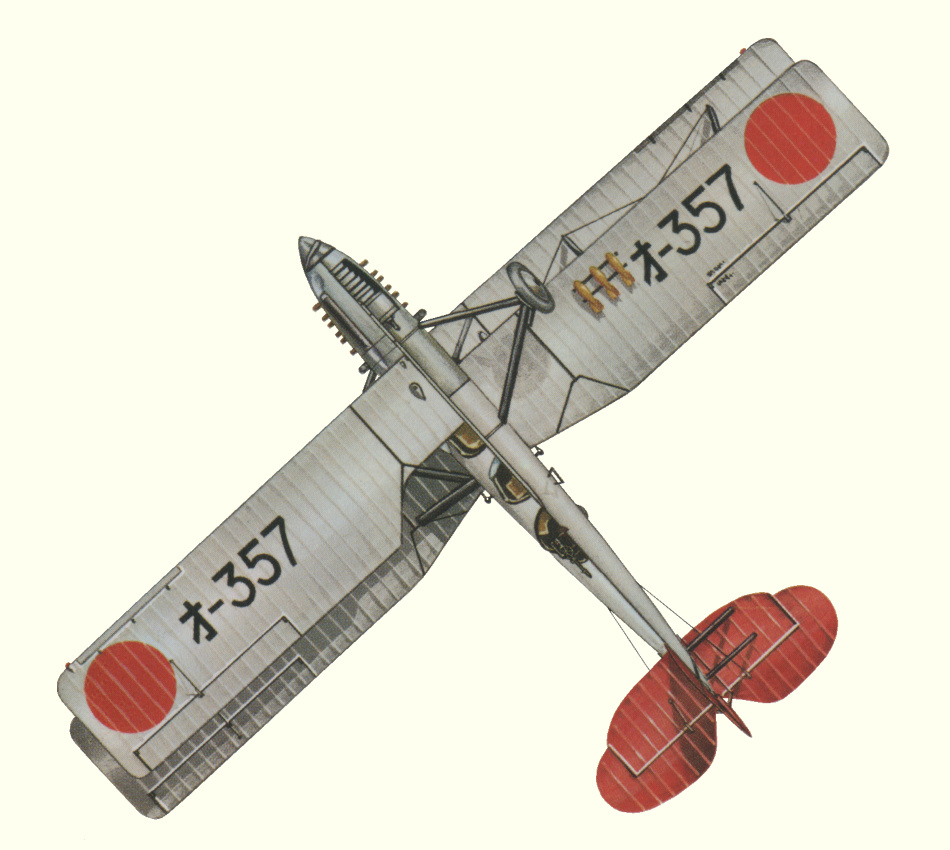
Art about the Mitsubishi B2M1
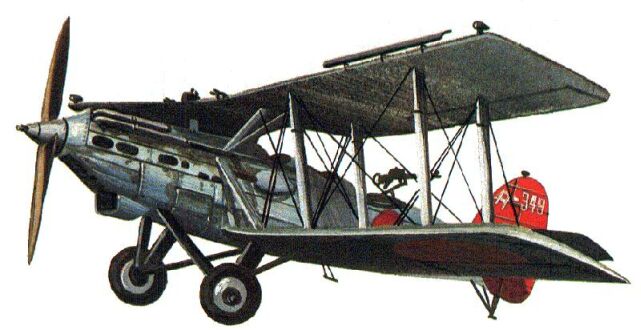
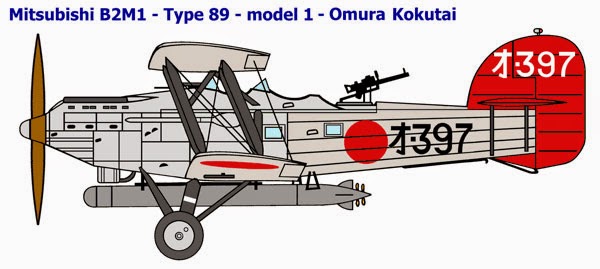
Construction description
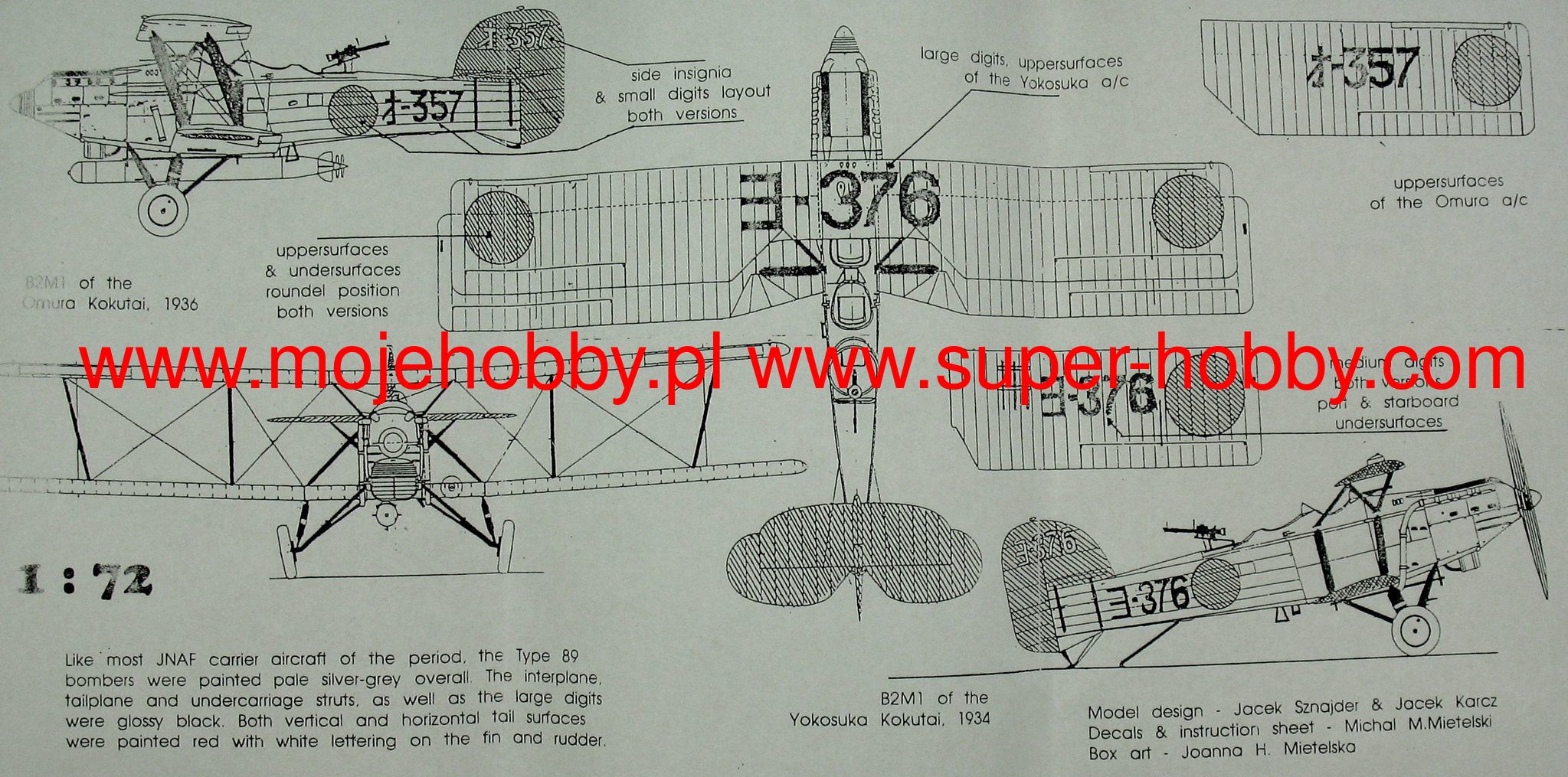
The Mitsubishi B2M1 is a three-seat carrier-based aircraft constructed with metal tubing covered with aluminum sheets and fabric in a biplane layout. The aircraft has fixed landing gear with a tail skid. It is powered by a Mitsubishi Type Hi (Hispano-Suiza) water-cooled V-12 engine with a take-off power of 478 kW (650 hp). The propeller is a fixed-pitch, two-blade wooden design with a diameter of 3,690 mm. The aircraft’s armament consists of a fixed 7.7 mm Vickers machine gun above the engine and a movable 7.7 mm Vickers machine gun in the observer’s cockpit. Under the fuselage, a Type 91 or Type 94 aerial torpedo can be installed. Instead of a torpedo, one 800 kg or 500 kg bomb, or two 250 kg bombs can be mounted. Under the wings, the Mitsubishi B2M1 can carry six 60 kg or 30 kg bombs.

General characteristics
- Crew: 3
- Length: 10,27 m
- Wingspan: 15,22 m
- Height: 3,71 m
- Wing area: 55 m2
- Empty weight: 2260 kg
- Gross weight: 3600 kg
- Maximum Take-off Weight: ?
- Powerplant: 1 × Mitsubishi Type Hi (Hispano-Suiza) water-cooled V-12 engine with a take-off power of 478 kW (650 hp)
- Propellers: Two-blade wooden propeller with a fixed pitch and a diameter of 3,690 mm
Performance
- Maximum speed: 212-213 km/h
- Cruising speed: 182 km/h
- Range: 1020 km (?)
- Maximum Range: 1775 km
- Service ceiling: 4500 m
- Climb Rate: ?
- Rate of climb: 18,0 min to 3000 m
Armament
- Guns:
- 1 x Fixed Vickers 7.7mm Machine Gun in the nose
- 1 x A movable Vickers 7.7 mm machine gun in the observer’s position
- Bombs
- 1 x 800 kg bomb under the fuselage
- 1 x 500 kg bomb under the fuselage
- 2 x 250 kg bombs under the fuselage
- 6 x 60 kg bombs under the wings
- 6 x 30 kg bombs under the wings
- 1 x Torpedo Type 91 under the hull
- 1 x Torpedo Type 94 under the hull (?)
Special thanks
Summary
The Mitsubishi B2M1 is an interesting aircraft for Japan in War Thunder. Although this bomber is slow (the Swordfish is slightly faster), it carries a huge bomb-torpedo payload, making it useful in land, naval, and air battles. The Mitsubishi B2M1 is also similarly armed to the Swordfish, so it will be able to defend itself in air battles. I encourage you to discuss in the comments and to share your own knowledge on this subject.
Finally, I apologize for the linguistic and logical errors because unfortunately English is not my main language and I had to use google translator.
Internet sources
八九式艦上攻撃機 - Wikipedia
Mitsubishi B2M - Wikipedia
Mitsubishi B2M (1927)
Micubiši B2M1 (palubní útočný letoun typ 89 model 1) : Micubiši
Mitsubishi B2M - torpedo-bomber
Уголок неба ¦ Mitsubishi B2M
Japanese Aircraft of WWII: Mitsubishi B2M1 and 2 Navy Type 89 Carrier Attack Aircraft - Part 2
Book sources
- Mikesh, Robert C.; Abe, Shorzoe (1990).Japanese Aircraft, 1910-1941 page 167-168
- 日本航空機辞典 1910年(明治43年)~1945年(昭和20年) 上巻 (Encyclopedia of Japanese Aircraft 1910 (Meiji 43) – 1945 (Showa 20), Volume 1) page 164
- 野沢正『日本航空機総集 三菱篇』出版協同社 - page 130-134
- Japońskie Samoloty Marynarki 1912-45 część II (Japanese naval aircraft 1912-45 part II) page 25-27

Thank you for reading the suggestion, see you in the next one. Good luck pilots