- Yes
- No
Hello everyone, and welcome to this new suggestion.
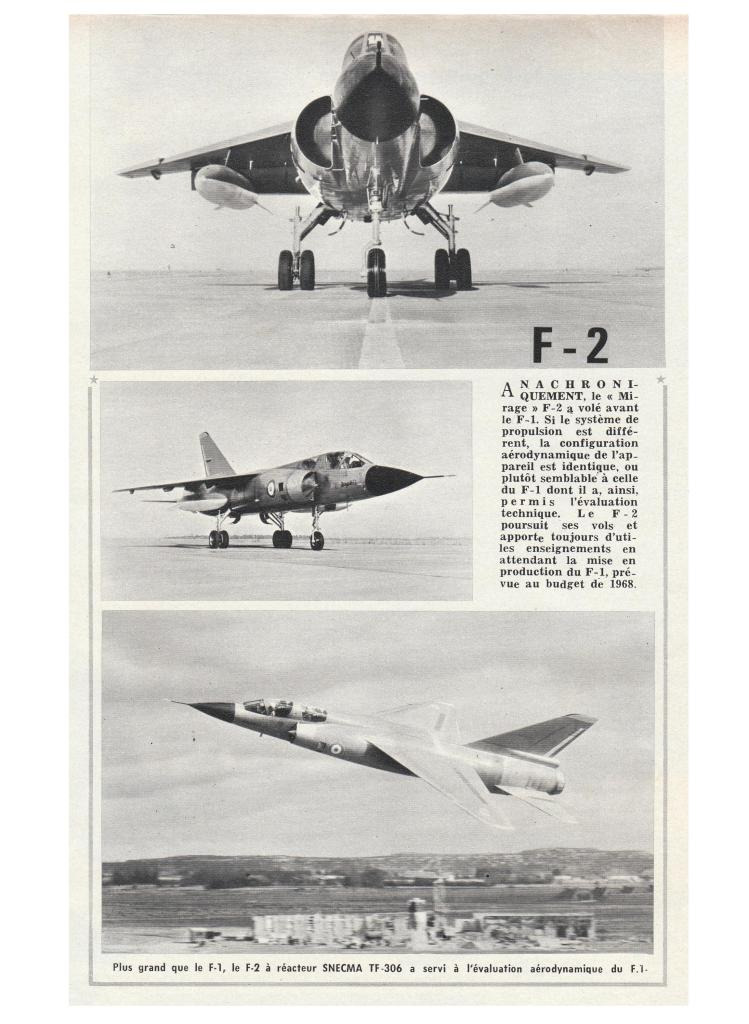
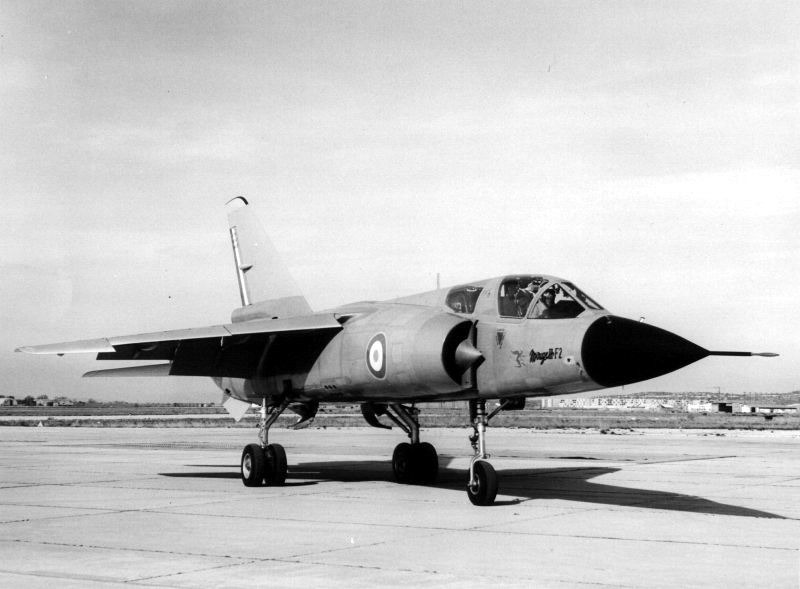
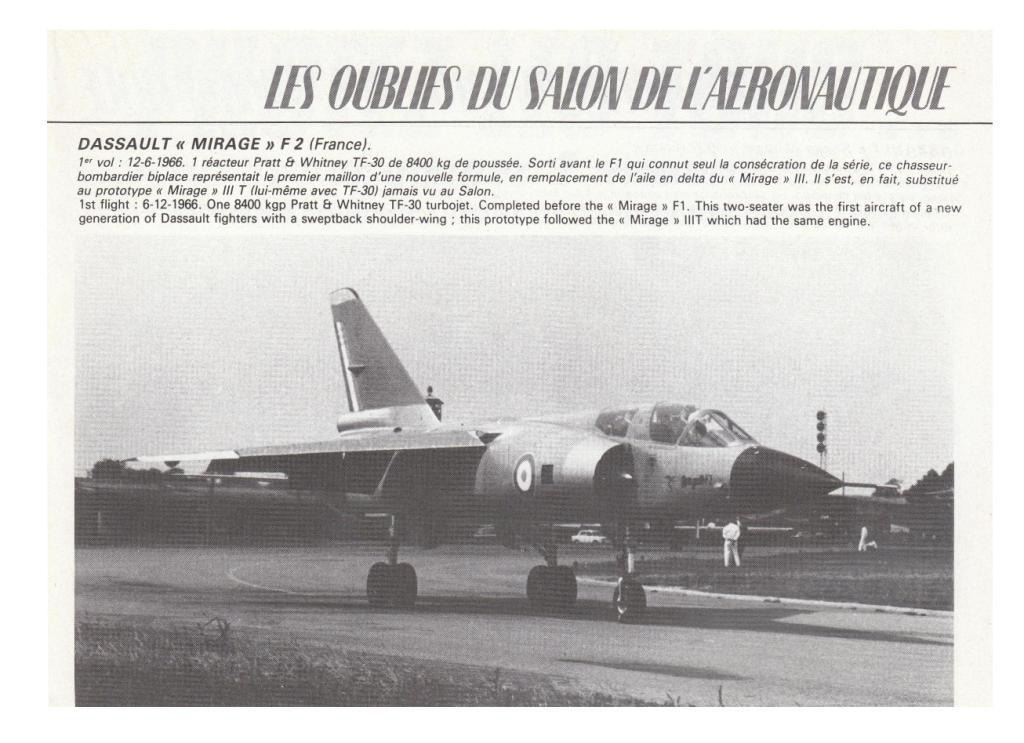
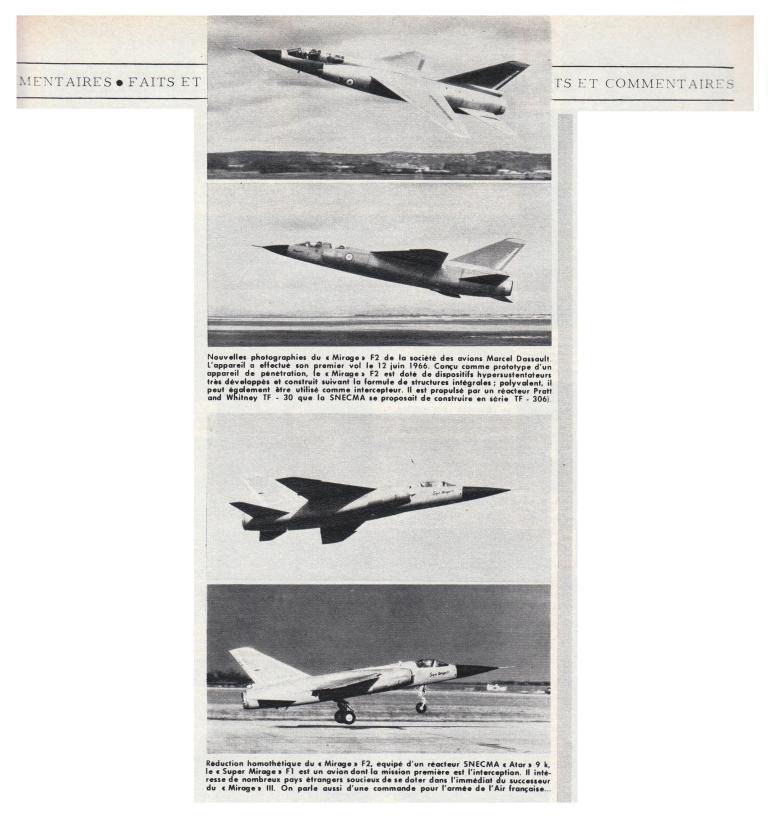
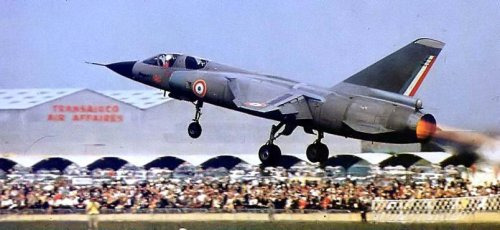
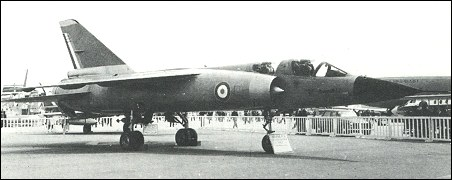
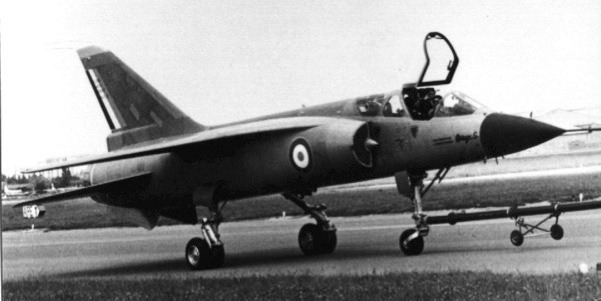
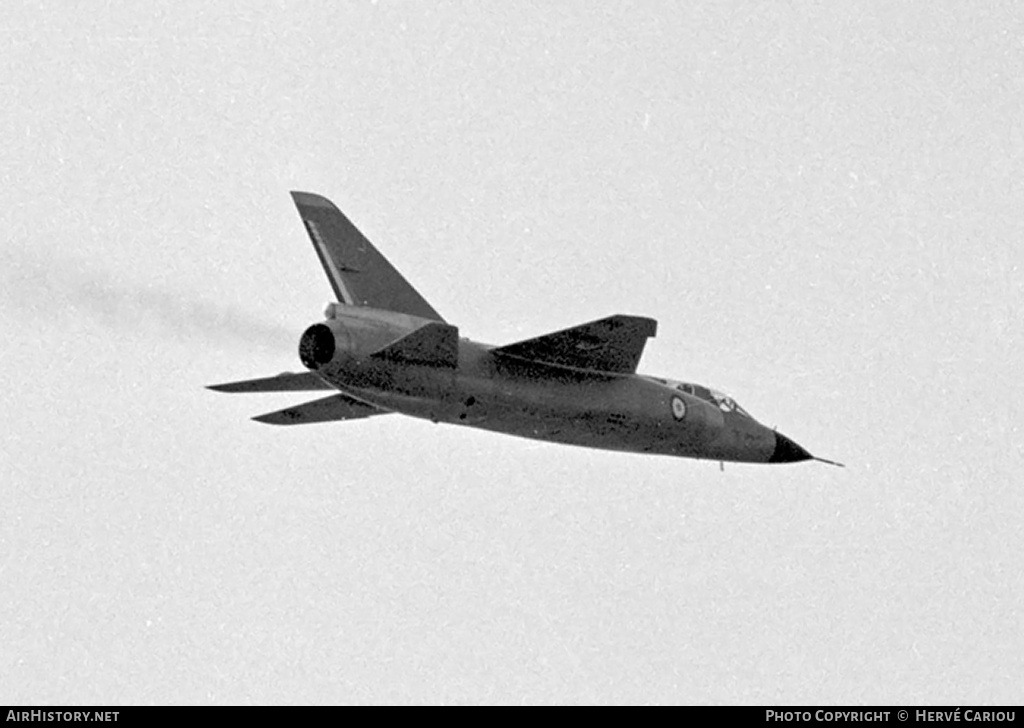
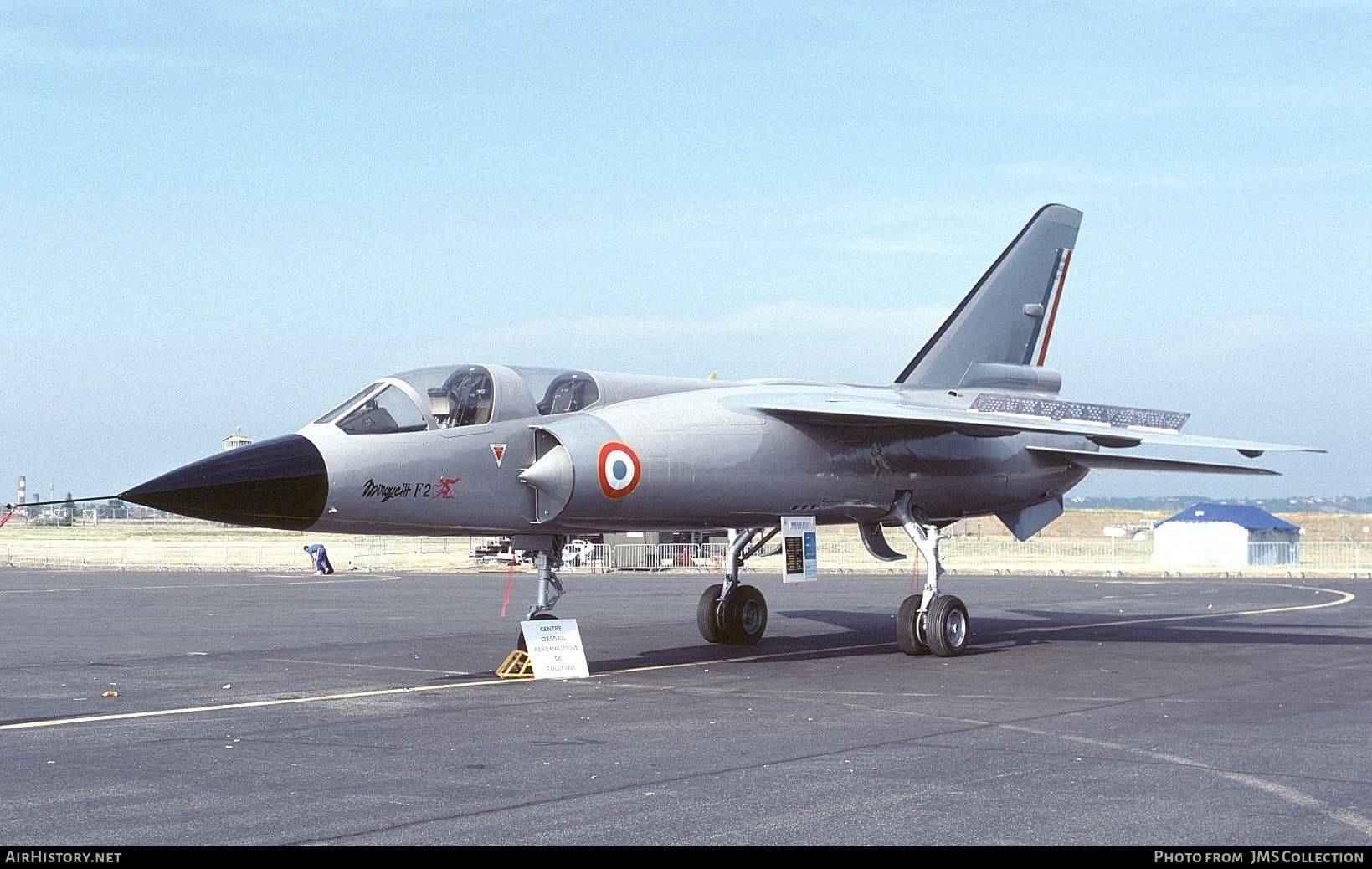
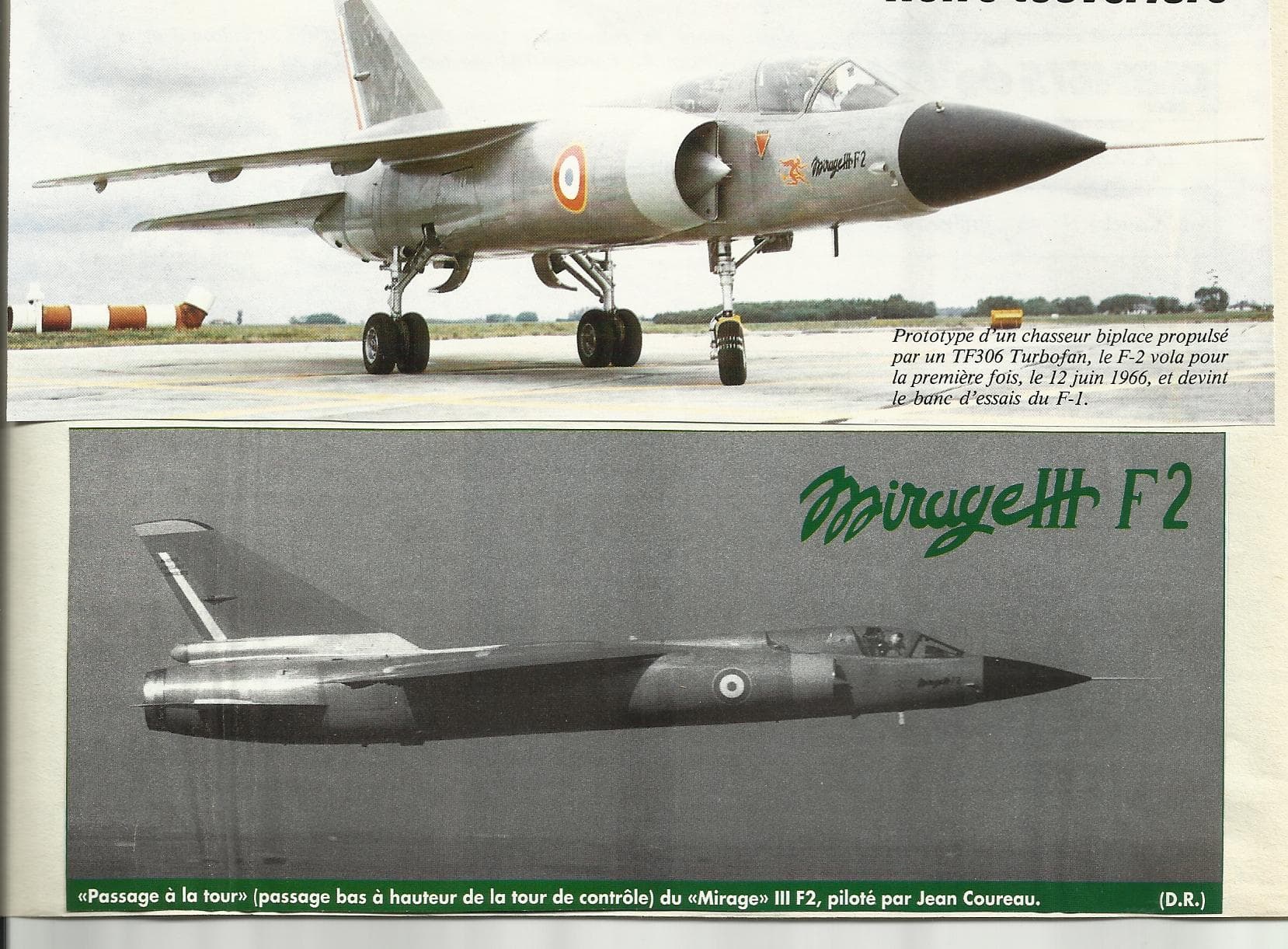
Today I’m talking about a rather unusual aircraft: the Mirage F2.
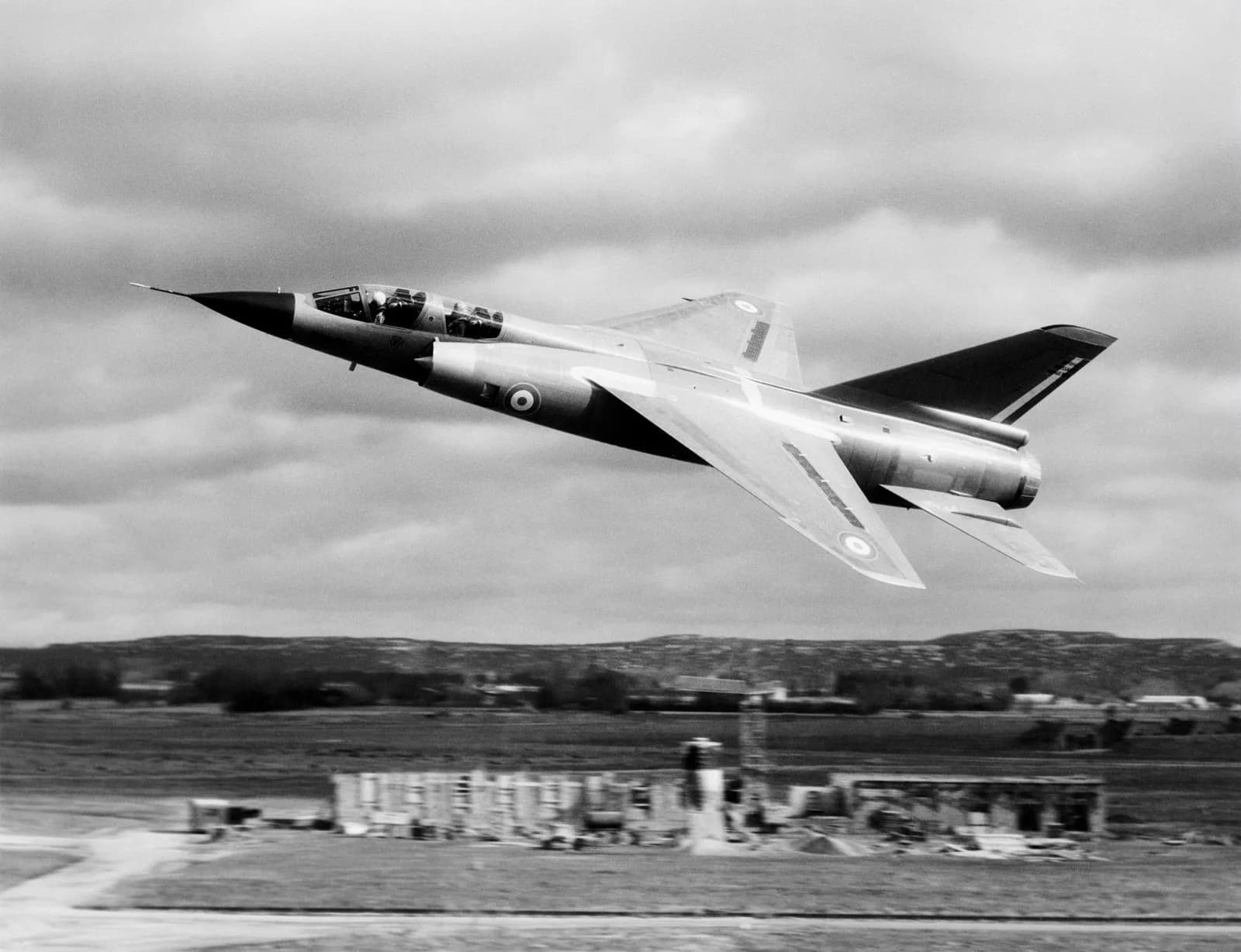
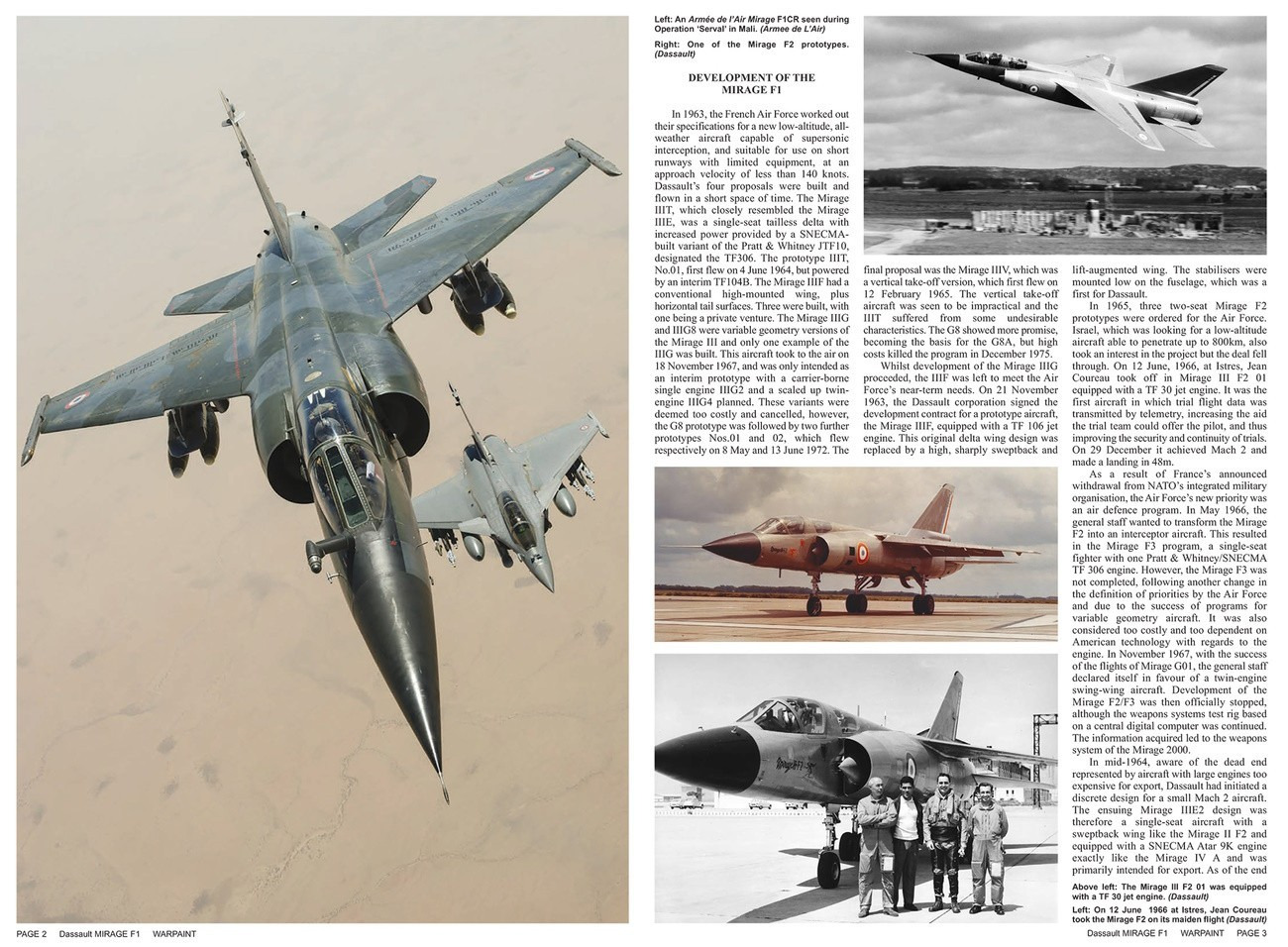
During the 1960s, the French Air Force was looking into acquiring a modern aircraft capable of operating from short and uneven runways. The Mirage IIIs, then in their early stages of service, simply couldn’t take off from temporary runways due to their delta wings. Dassault, building on the production of the last French aircraft, seized the opportunity and produced an aircraft based on the Mirage III, which was named the Mirage III F2 (later renamed the Mirage F2). This two-seater aircraft, featuring a more standard swept-back wing than the delta wing, as well as lift flaps, met the specifications provided. The aircraft could land at 140 knots and had a more robust landing gear than the Mirage III (the aircraft could land in 480 meters).
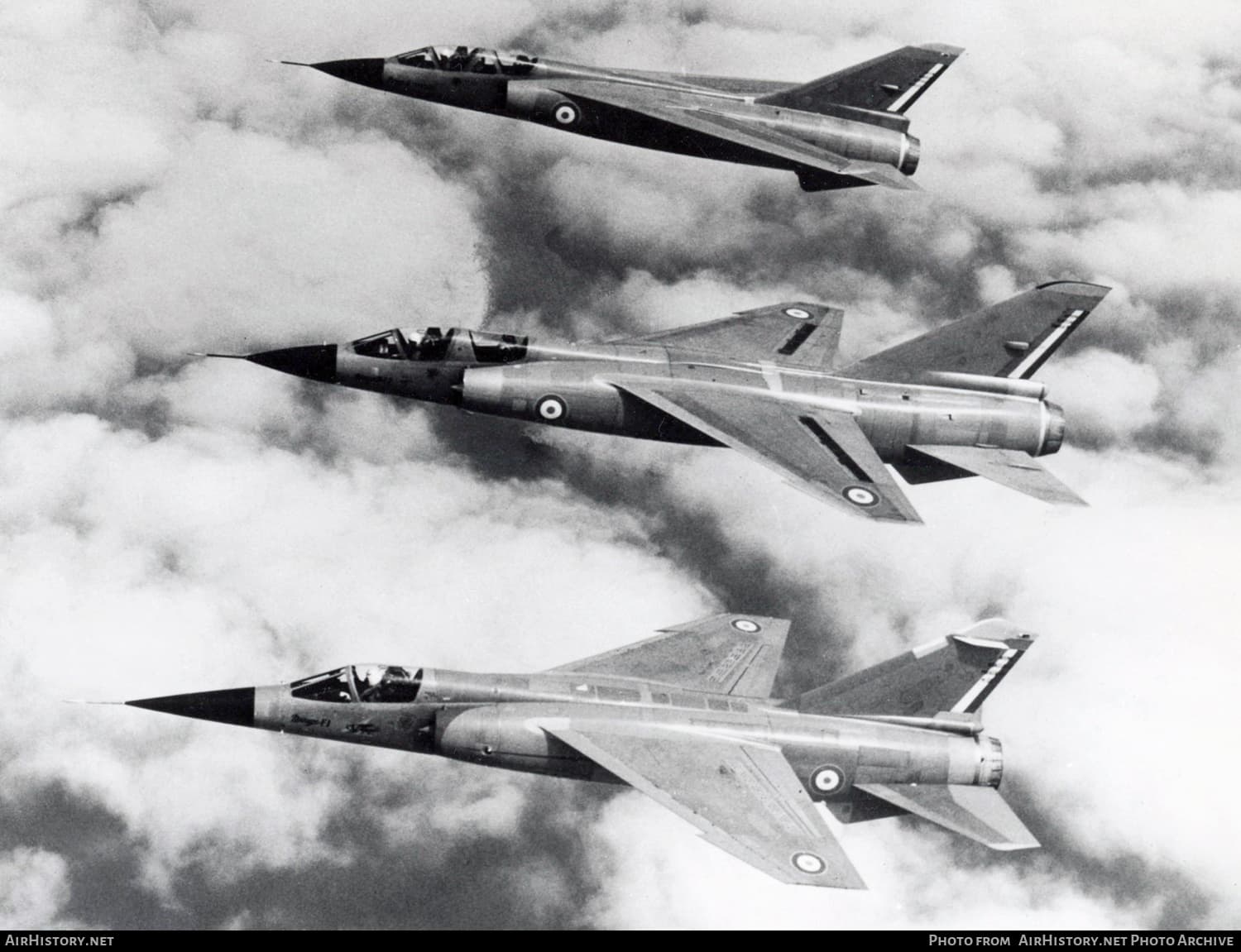
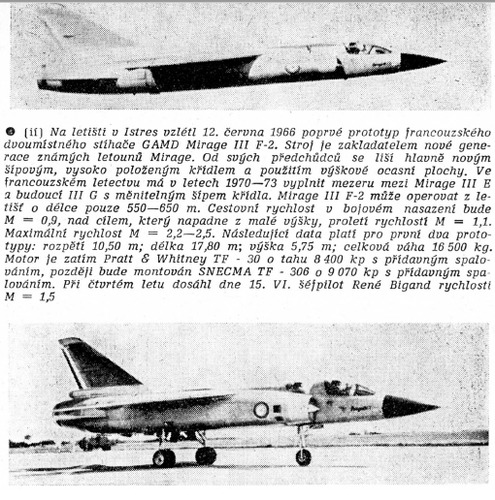
The first prototype, the Mirage III F2 01, flew in June 1966, equipped with the TF30 engine, and reached Mach 2 at the end of the same year. This aircraft, ordered by the French, also attracted the attention of the Israeli army, which wanted an aircraft intended for penetration (the discussions never went very far due to conflicts over the use of the aircraft, France wanting an interception and then low-altitude penetration aircraft, while Israel wanted an aircraft dedicated to ground attack). In France, the Mirage F2 unfortunately did not achieve commercial success either; in fact, the Mirage G program (based on the same fuselage), taking place at the same time and having similar or even superior results, was preferred (even if in the end neither aircraft was put into service). The Mirage F2 still performed 214 test flights and was also used to build Dassault’s most famous swept-wing aircraft, the Mirage F1, which incorporated many of the same technologies (lift flaps, spoilers, etc.).
Although it never carried weapons in flight (it is mentioned that weapons tests were conducted on the ground, but no images have been published), the Mirage F2 was equipped with its own combat computer and various electronic equipment, making it suitable for flight tests and trials. This is why I make this suggestion (the source used are essentially the document “Aeronautical Armament: Paris Aeronautical Establishment (1939-1978)” (reference AA 3K2) preserved at the Châtellerault SHD) and ".
Characteristics
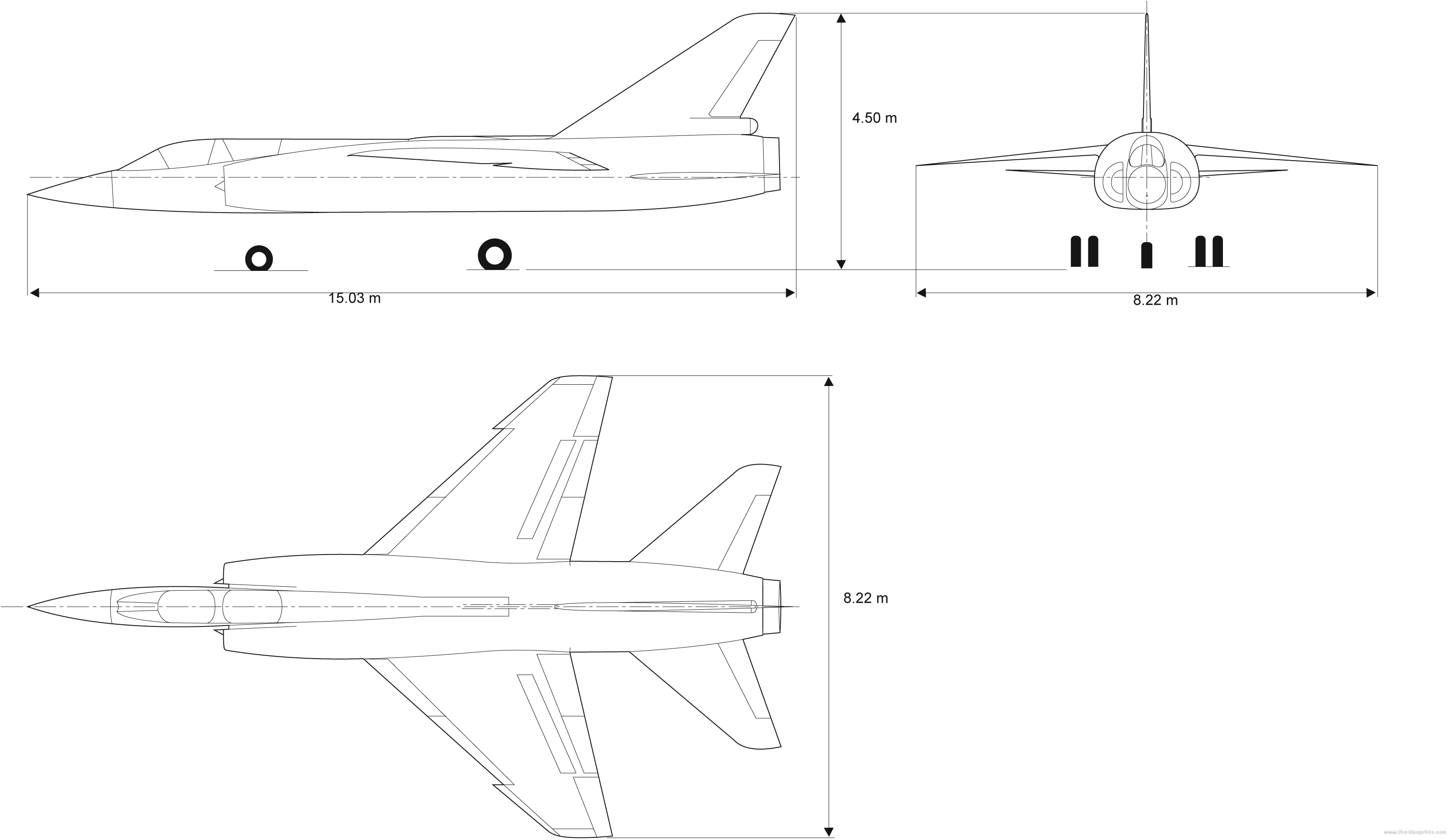
Physically, this aircraft is immense, measuring several meters longer than the Mirage F1. Its size is surprising when compared to the various aircraft of the time in service with the French Air Force.
Length: 17.50 m
Wingspan: 10.50 m
Height: 5.80 m
Weight:
Min: 9.5 tons
Max: 18 tons
The aircraft is powered by an 8,600 kgp Pratt & Whitney TF-306 engine, allowing it to reach a maximum speed of over Mach 2 and climb to an altitude of 20,000 m.
Equipment
In terms of equipment, the Mirage F2 is equipped with various components found on aircraft of its era, including an inertial control unit, radio, and a combat computer. All the necessary equipment was installed, making it a combat-ready aircraft that would unfortunately never see combat.
The radar installed in its nose is the RAFAL radar (no information is known about it). This radar was intended to guide missiles, using a similar approach to the Mirage III radar.
No countermeasures were installed on this aircraft, as they appeared several years later in the French armed forces.

Weapons
In terms of armament, the Mirage F2 never performed a demonstration with its underwing equipment, although the combat computer was installed. However, we know the weapons and technologies of the time, as well as the aircraft’s hardpoints, which gives us the following armament.
The various weapons are therefore mounted on seven hardpoints, a weapon configuration that would be found on its successor, the Mirage F1.
2 AIM-9B missiles (on the wingtips)
2 Matra Magic 1 missiles (on the wingtips)
3 R530 missiles (under the wings and fuselage)
SAMP Type 21 / Type 21 200 bomb (under the wings and fuselage)
SAMP Type 25 / Type 25 200 bomb (under the wings and fuselage)
Matra SNEB rockets (under the wings and fuselage)
It should also be noted that tests were conducted to integrate 30mm DEFA cannons, which would have allowed the aircraft to have a weapon system similar to other aircraft of the time.
Various external fuel tanks can be installed under the wings and fuselage to extend its range.
In-game, this aircraft would be an extremely important addition to the French tree, bringing an aircraft with good combat capabilities but limited by the technologies of its time. This aircraft would therefore perfectly fill the French tree with a combat aircraft much heavier than the Mirage III but carrying more armament than them. Thus diversifying the gameplay of the tree and making it more attractive.

Sources
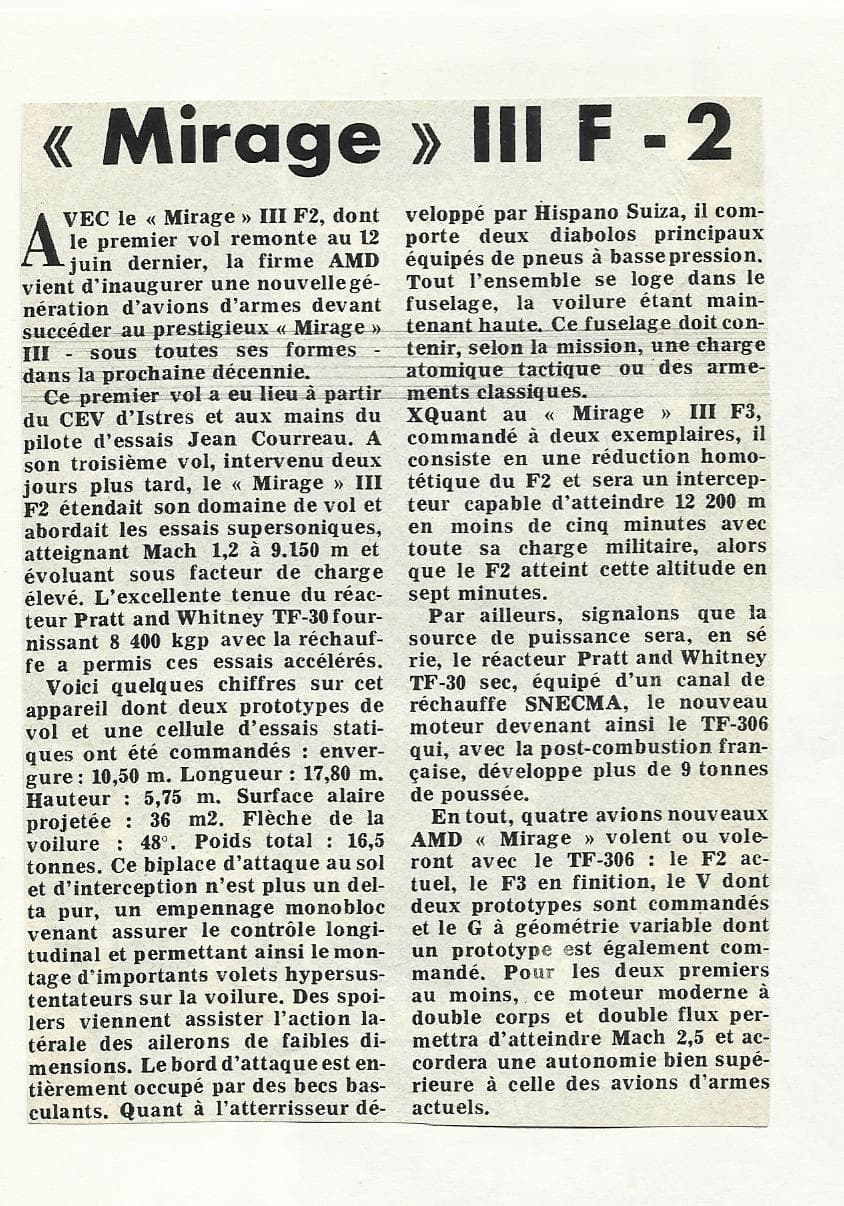
https://www.dassault-aviation.com/fr/passion/avions/dassault-militaires/mirage-iii-f2-f3/
MIRAGE III F2 | Service historique de la Défense
Un demi siècle d’aéronautique en France, LES AVIONS MILITAIRES, Tome II by Jacques Bonnet
https://www.avionslegendaires.net/avion-militaire/dassault-mirage-f2/
Dassault Mirage F2
Dassault 'Mirage' F-2 - Mirage F2 - Chasseur - Un siècle d'aviation française
Dassault Aviation Mirage F2