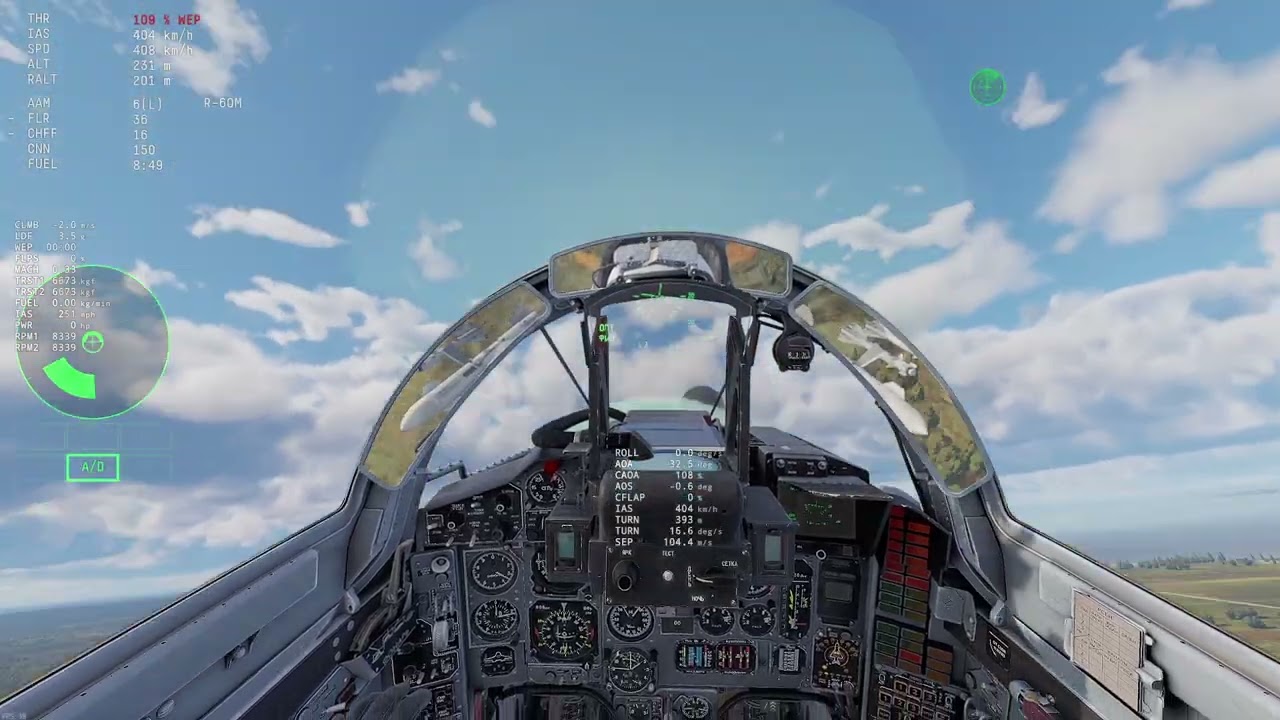
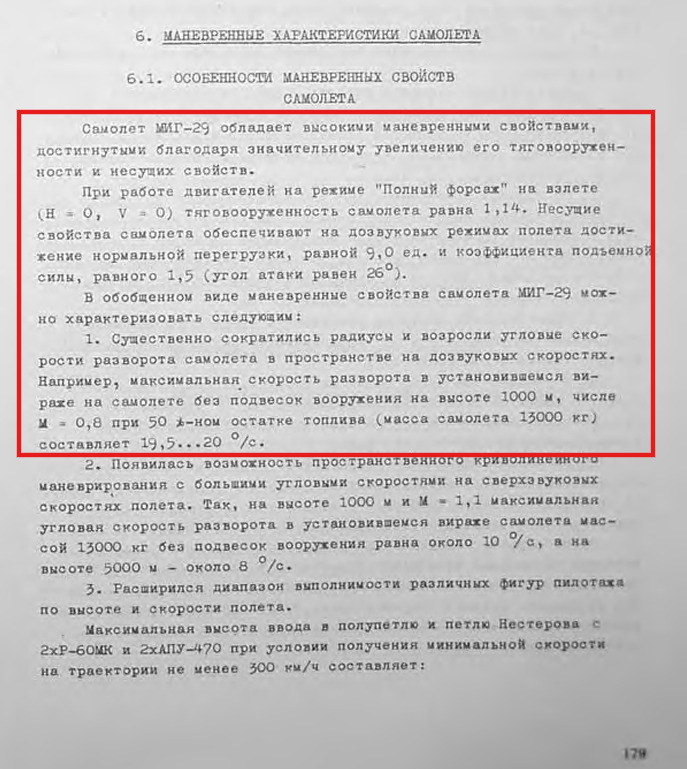
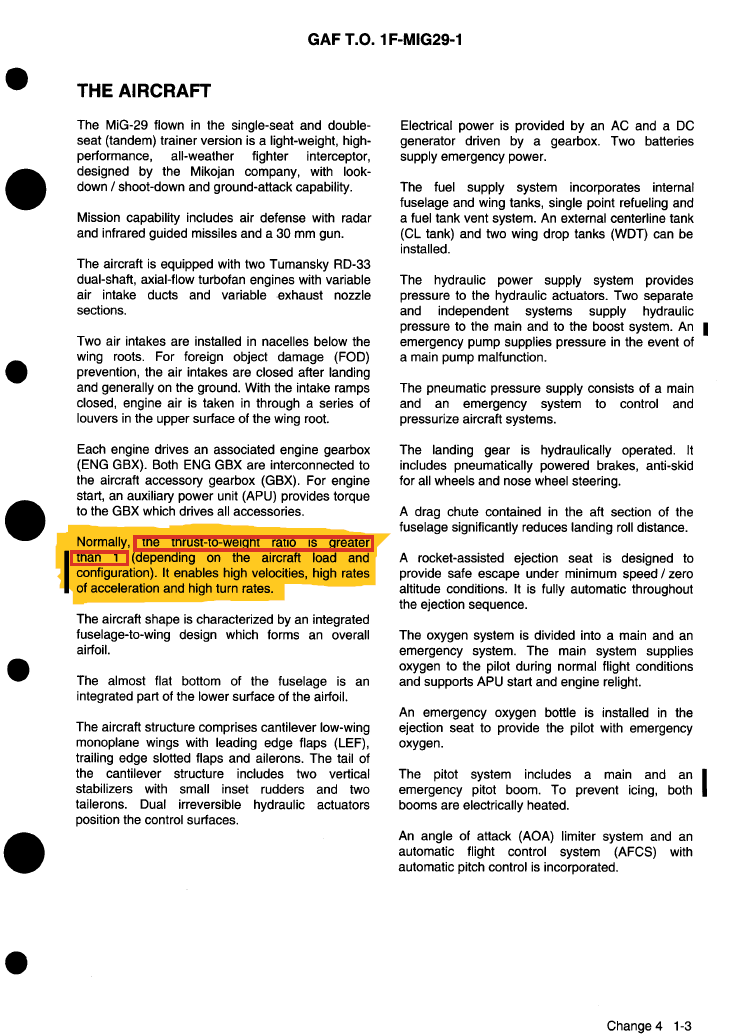
Well not quite. Its actually more logical than it seems as the developers started off correctly with the MiG-29. But then went off the handle the moment they decided to give the 9-13 in the middle of Update Apex Predators this science fictional R-27ER that a child could only imagine.
Gaijin initially planned to go with the initial production 9.12, makes sense. However, as they learned from the MiG-23 etc. the Initial production 9.12 did not have countermeasures. So, Gaijin decided to skip 3 production batches of MiG-29 & gave us the 9-13.
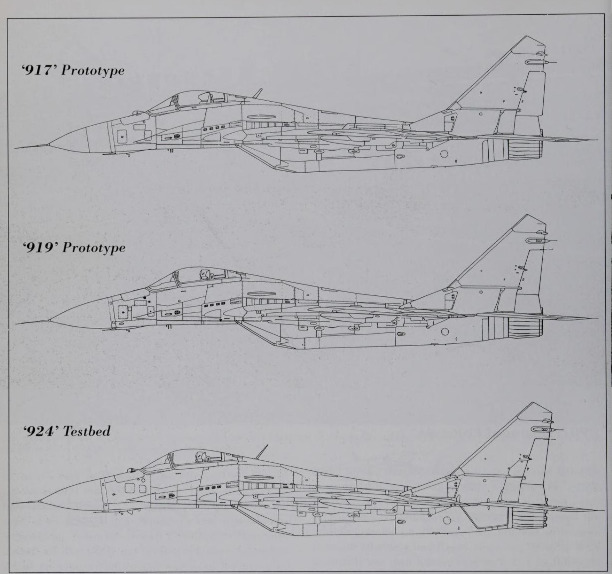
The initial production MiG-29 based on 924 test bed, ventral fins, short flush rudder chords, lower thrust class in the first series of the RD-33, instantaneous alpha is limited to 21-22 degrees, lacks forebody vortex generation & no R-73. As depicted at the bottom.
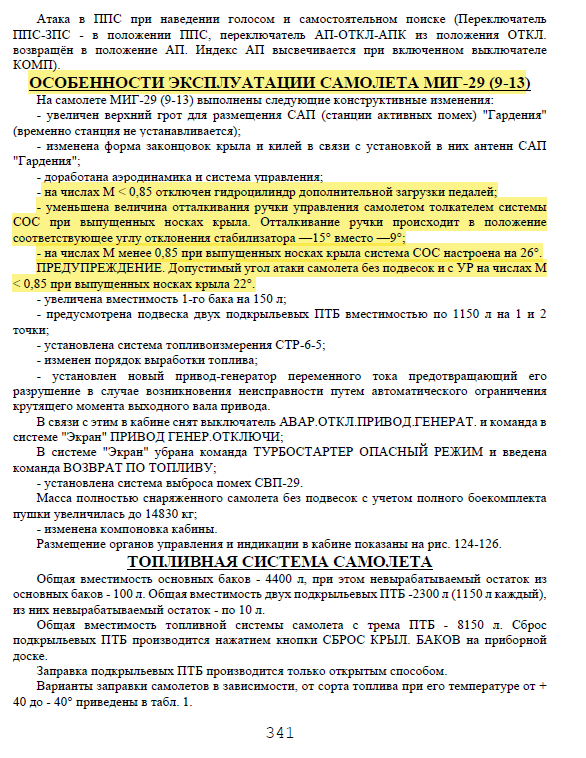
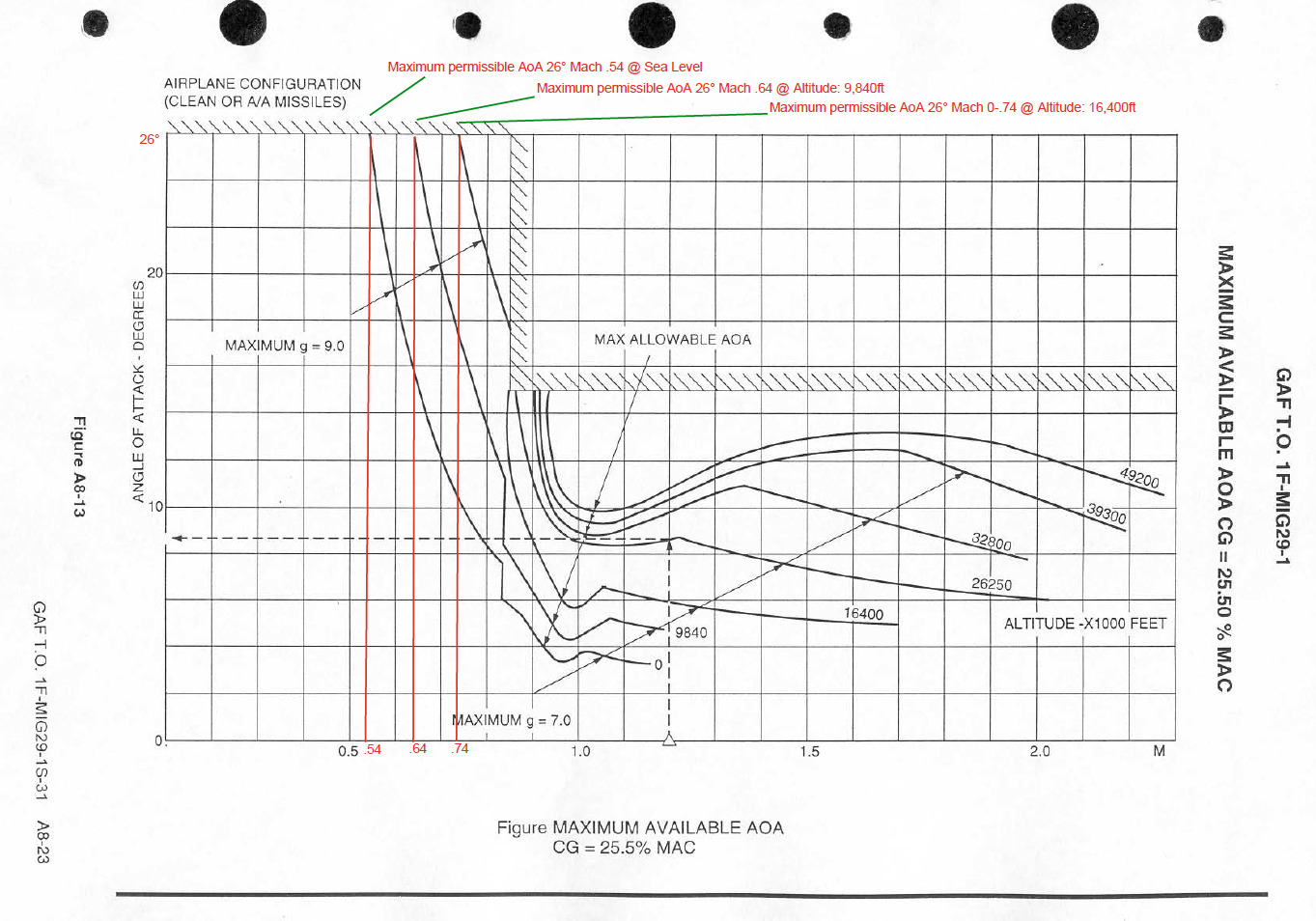
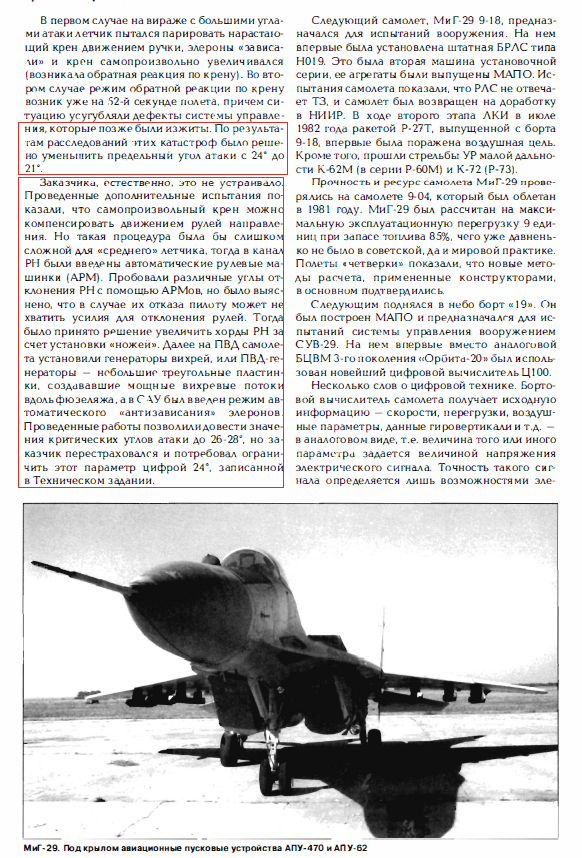
Gaijin gave us the 9.13 and 9.12A to give us countermeasures, but they forgot to upgrade the flight models to those very standards. They then screwed up further by modeling every single Mig-29 after the initial pre-production 9.12 that killed several pilots and a test pilot, the VVS & TsAGI ordered all existing and production aircraft have their angle of attack combat override feature in the SOS-3M disabled (17kg of stick force to override) as well as reduce the permitted angle of attack to reduced from factory 24 degrees AoA to 21 during investigation and while the manufacturer correct the design flaw.
The first stage of corrections for production 9.12 was based on the 919 prototype and corrected the fatal design flaw of the initial production. Because this was not considered upgrade or modification by the VVS, but merely a correction to a design flaw. Therefore, it was still considered within the same production run of index of 9.12.
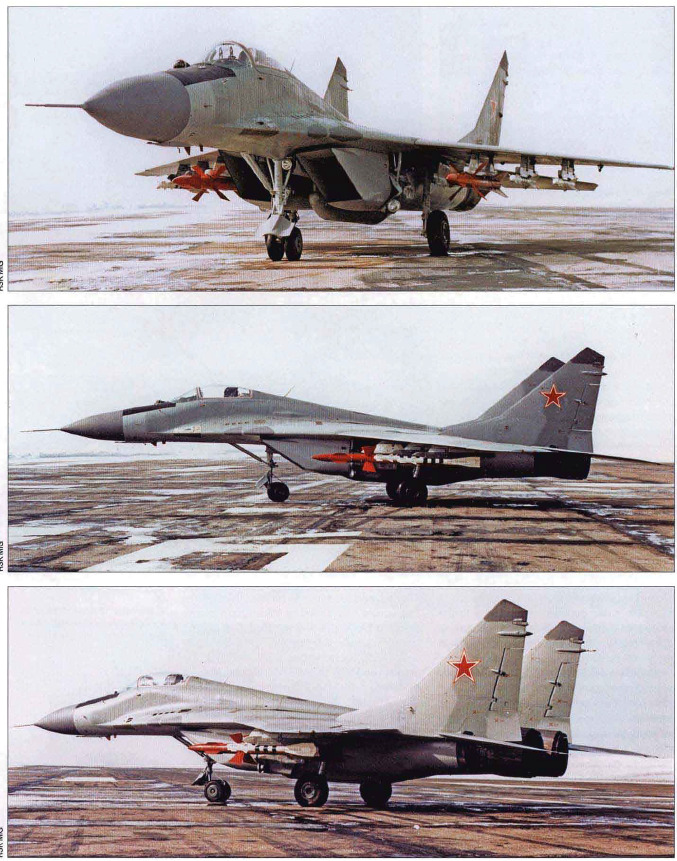
By 1984, however, the automatic bank corrector in the rudder control circuit had passed its trials and was introduced on production aircraft, rendering the ventral fins unnecessary; besides, they complicated access to the engine cowlings. Most early-production MiG-29s had the ventral fins removed in service.
The increased-chord rudders tested on the sixth prototype and introduced on late-production aircraft were also associated with high-alpha handling. Large rudder deflection in order to counter bank at high AOAs proved inadvisable, as the pilot had difficulty in bringing the rudders to neutral position manually in the event of an autopilot or actuator failure. The solution was to reduce rudder deflection in this
mode and compensate for this by increasing rudder area. Another change made on late MiG-29s was the ailerons set at 5° upward deflection in the neutral position to improve the spin recovery characteristics further.
This late 9.12 production MiG-29’s AOA limit set by VWS imposed a 24° limit, just to be on the safe side.
So critical angles of attack to 26-28" where obtainable, but the customer played it safe and demanded that this parameter be limited to the figure of 24°, as recorded in the Technical Assignment.
Late production 9.12 are based on 9.19 prototype, increased vortex lift with addition of forebody vortex generator, automatic steering for rudder deflection and anti-hang mode for ailerons ACS. AoA was incrementally increased to 24 degrees. No countermeasures and no MiG-29 in game comes from the late product index 9.12.