I already said before that it is not worth spending more of my time just to receive the same answer again: that they know something is wrong, but because it is “not wrong enough,” they do not consider it worth changing. That is why I encourage others to continue with this, because I am honestly tired of their responses.
My conclusion is that they are using the Oswald efficiency factor as a compensation tool to hide errors in the game’s physical model.
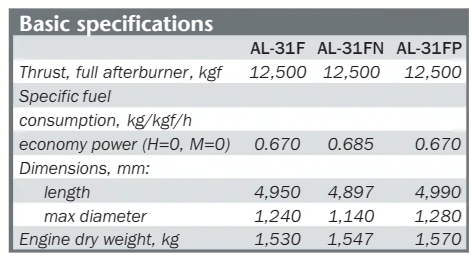
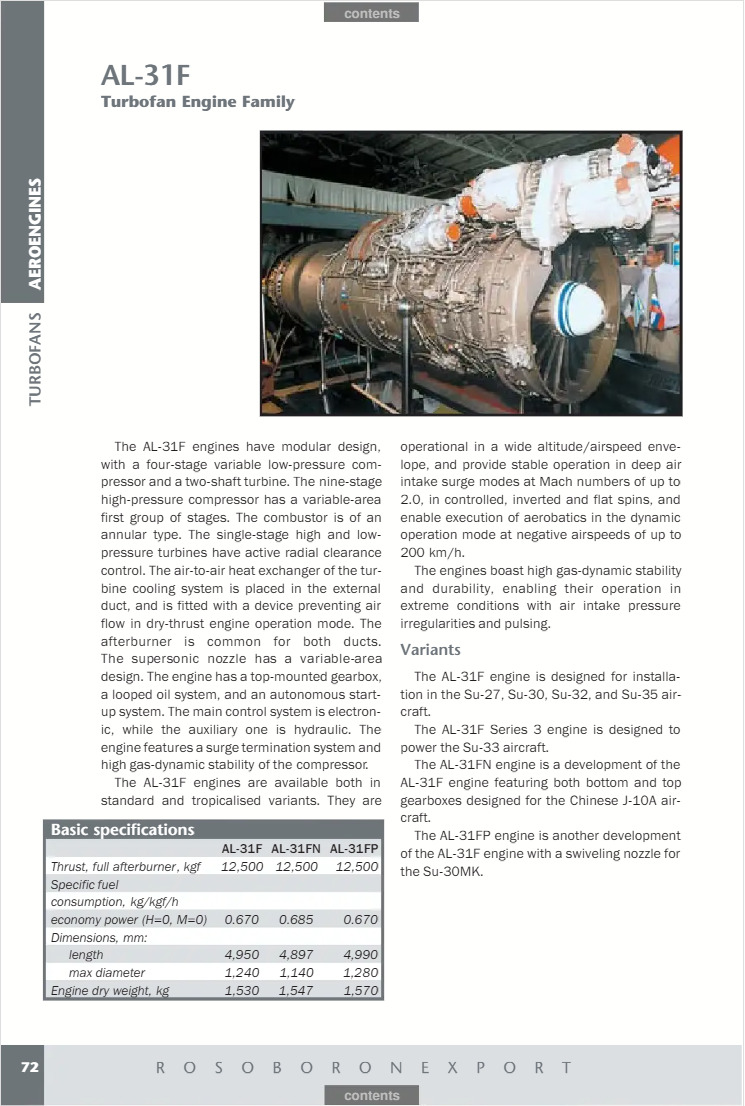
The problem is not only that the drag is slightly higher. They already know that. In fact, if Cx comes out slightly higher, they can say that the difference is small and “not worth changing,” as happened with my drag report. But the real problem is deeper: when other parameters of the model do not match, they use the Oswald factor to force the different graphs to look close to the real ones.
In other words, instead of properly correcting each part of the model, parasite drag, induced drag, thrust, lift, wing efficiency, and overall airframe behavior, they adjust the final global parameter so that the visual result of the polar looks acceptable. The problem is that this does not mean the physics are correct. It only means the curve looks similar in those conditions.
The Oswald efficiency factor should represent the real aerodynamic efficiency of the wing, not be used as a “balance slider.” If they artificially reduce it to compensate for excessive thrust, drag errors, or other flaws in the model, then they damage other parts of the aircraft’s behavior. The graph may look close in one specific area, but the airframe remains incorrectly modeled in other flight conditions.
The argument that “the drag is only slightly higher” does not solve the problem, because Oswald is not only correcting that small excess drag. It is compensating for accumulated errors that cannot be easily isolated from the outside: excessive thrust, a shifted polar, incorrect induced drag, and possibly a wrong distribution of wing efficiency.
That is why the result can look “almost real” on a graph while still being physically wrong. If Oswald is used to hide errors in the model, then the aircraft may be balanced at one point and broken in others.
And if I am wrong about this, then a developer should answer and clarify how these values are actually being used. But realistically, that will not happen. Proving these cases is extremely specific and complicated because there are not enough public sources available, and they can always fall back on the same argument: “not enough information.” And I’m tired of this.