In game they’ll all be notched the same if nothing changes.
In that sense having a lower hard lock range would actually not be too bad : less reaction time for target to notch
As for MICA and soon Meteor, the anti stealth part has already been identified as an issue, which is why MICA NG EM is currently being produced with a new AESA seeker, which Meteor MLU will, in turn, most likely inherit the same way it was done with AD4A and its derivative on MICA and Meteor base versions.
Yeah, but the chaff rejection via angle gating would be different.
True, but if you have a longer tracking range, you can track at closer ranges with less power, which can put you under the RWR threshold, aka LPI. That’s the thing with AESA seekers. Ask Indians how SPECTRA fared against PL15.
I’m betting that will probably be part of a next generation of AESA equipped AAMs. Not coming in game anytime soon anyway
If you know how to notch, 7.5°, 9°, 12°, 15°, it all doesn’t make that much difference.
What makes MICA particularly dangerous in game is the TVC and the raw acceleration. To come back to meteor, i don’t think we will have the same issue tbh
It’s not that simple. In RB you have missile markers and you immediately see whether the missile bit the chaff, or didn’t and act accordingly. SB, however, is an entirely different ball game and a successful notching without chaffing the missile, where MICA is particularly problematic, is a few levels more difficult.
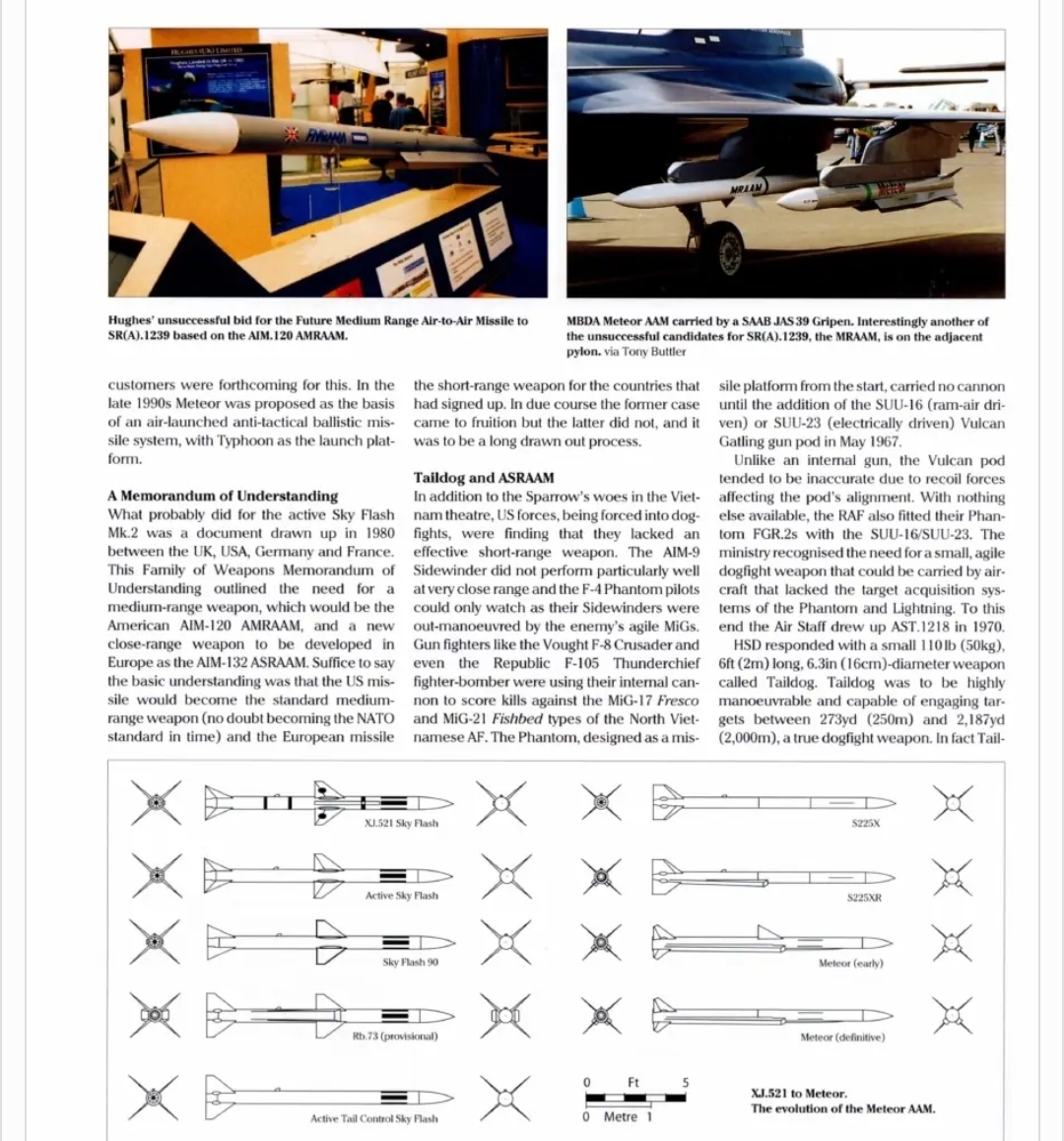
Unfortunate, UK-France joint missile programs make great missiles. I don’t know why they can’t still fund Meteor MLU with France and continue with their FASE program. Luckily Stratus program still seems to be alive.
i wonder if america is investing in ramjets with the LREW. aim260 was designed for stealth fighters, a ramjet missile would just be too ineffective for the weapon bays of the fighters. but on a non stealth platform such as the f15 or even f16 combined with DL on awacs could be a advantage of keeping 4th gen aircraft
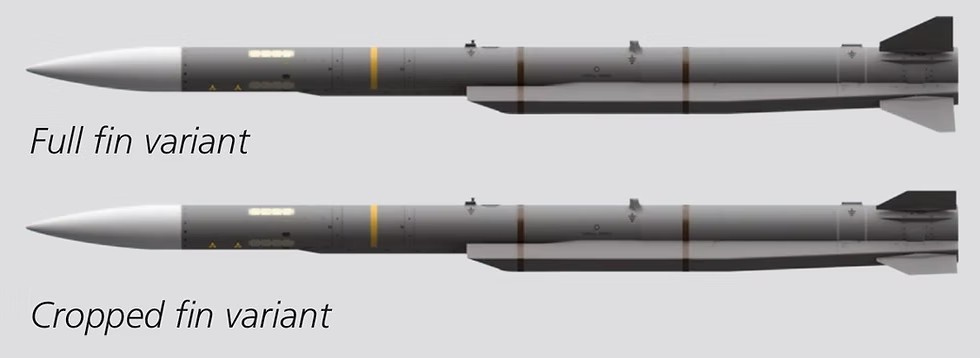
Not sure I understand where this is coming from. The meteor is roughly the same size as the AIM120, and the air intakes aren’t taking a lot of space, unless you wanted to stack them on top of each other, which I think is already not the case for the AIM120
In any case the ramjet intakes don’t really have an impact on the wingspan, so Vizender isn’t wrong on this one i’d say
From what is currently known :
Comet is the french interim solution - quick development on known tech - and most likely an enlarged MICA NG, you could see it as a modern 530D
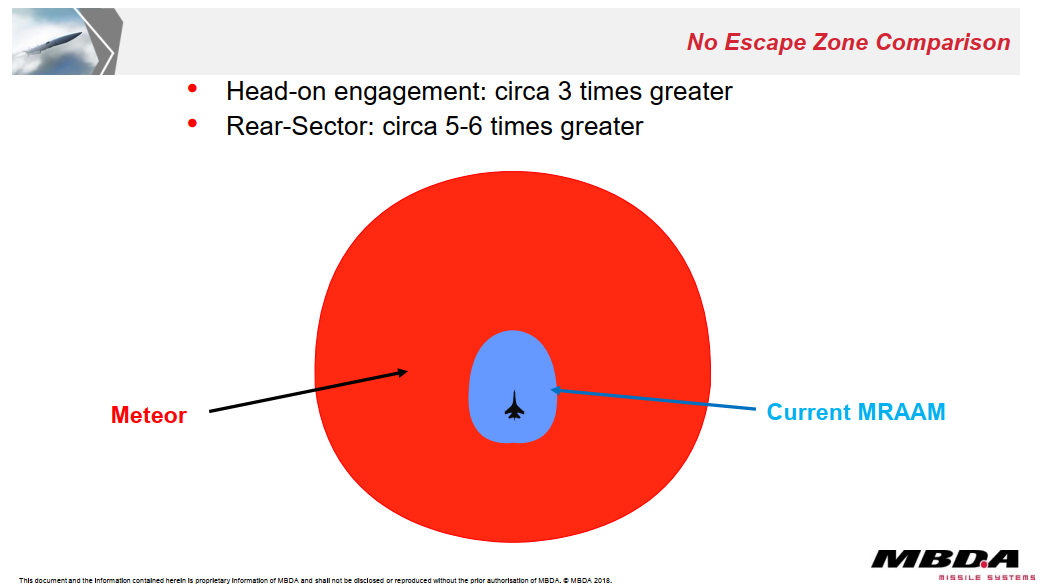
FASE will be done in cooperation, but only with 2 countries (France and UK). Meteor MLU could have been abandonned for several reasons : not future-proof enough against large eastern missiles, and necessarily requiring the 6 countries that developped meteor to be around the table, which could have taken some time, time there is not considering the current context
The decision also follows the memorandum of understanding signed by the UK and France on 1 April to conduct a 12-month joint study into a Meteor successor, a deliverable of the Lancaster House 2.0 treaty that will assess the future threat environment, identify candidate technologies and set a development roadmap, overseen by a new joint Complex Weapons Portfolio Office.
Ayo, the Ramjet motor is capable of recharging the batteries on Meteor? Or they’re just conventional batteries with a considerably more duration than the average AMRAAM?
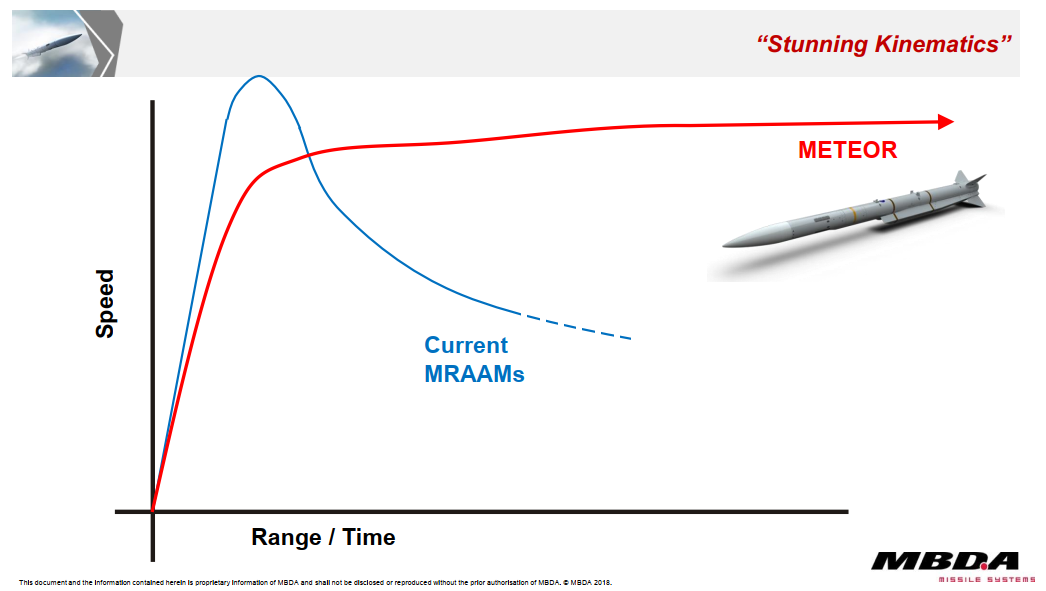
Looking at the 100km in 90s figure, for 200km it would be 3 minutes or more, for 250km 4 minutes or more, thats quite a long time for a missile thats not that big
Definitely not rechargeable (it would’ve been nice, though)
Battery time is likely to be around ~225 seconds (just under 4 mins; this is roughly ~25% more than AIM-120C-5’s battery time), maybe more to take into account the unpowered glide when it eventually runs out of fuel (for those 150+ km shots, for example)
I don’t think it does run out of fuel. By reducing the throttle substantially for a marginal amount of thrust, you still get a decent drag reduction from the motor being active. And I think the missile is encoded to try and retain a short booster burn to be lethal at terminal.
The ALARM missile had a maximum battery life of well over 5 minutes (something like 7.5 minutes IIRC), and it achieved that using late-1980s technology.
Granted ALARM is a bit bigger than Meteor, but with 20 odd years of technology improvements I expect Meteor could quite easily have a battery life of 5 minutes or more.
Woah, now that makes sense to me the 250km+ range figures, thats a lot of time, so something as bigger as Stratus RS shouldnt be limited by battery life to reach ultra long range shots like 600km (not saying it has that range or anything like that, just that it wouldnt be limited by battery life)