- Yes
- No
Hello everyone, and welcome to this new suggestion.
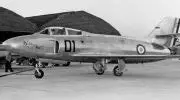
Today, I am presenting a new prototype French aircraft that could be added to the game: one of the first french made jet fighter equipped with a radar, the MD.453 Mystère III
In the early 1950s, the rapid development of jet bombers and the emergence of all-weather interception as a strategic necessity led the French Air Force to seek a modern night fighter capable of operating in poor visibility and adverse weather conditions. At the time, France relied primarily on imported aircraft for this role, and Dassault sought to provide a domestically designed alternative by adapting its successful Mystère family into a dedicated interceptor. This project became the MD.453 Mystère III, one of the earliest French attempts to develop a radar-equipped jet fighter specifically designed for all-weather operations.
Rather than designing an entirely new aircraft, Dassault based the Mystère III on the proven Mystère II airframe while introducing numerous modifications to accommodate its new mission. The most noticeable change was the completely redesigned forward fuselage, which was lengthened to house an airborne interception radar in the nose. The cockpit was also enlarged to accommodate a second crew member responsible for operating the radar and assisting with navigation during night and bad-weather missions. These modifications gave the aircraft a distinctive appearance compared to previous members of the Mystère family while preserving much of the original airframe and its flight characteristics.
The prototype made its maiden flight in 1952, launching a comprehensive flight-test program designed to evaluate both the aircraft’s handling characteristics and the concept of a radar-equipped interceptor. Throughout these trials, the Mystère III demonstrated satisfactory flight performance. However, a specific issue arose regarding the radars to be tested: although the nose had been lengthened and widened, it was still not large enough to properly house the equipment. The concept was subsequently abandoned, and the aircraft was re-evaluated as a day fighter.
Although the prototype performed well during testing, the French Air Force ultimately decided against putting it into production. Interception requirements had evolved rapidly during the development phase, and Dassault was already working on more advanced aircraft offering significantly higher performance. The experience gained with the Mystère III directly contributed to the development of the MD.454 Mystère IV. Consequently, only a single Mystère III prototype was built.
Despite never entering operational service, the MD.453 Mystère III holds a significant place in the history of French military aviation. It represented Dassault’s first serious attempt to design a dedicated all-weather interceptor and demonstrated the technical feasibility of a French-designed, radar-equipped jet fighter. Although quickly overtaken by technological advances in aviation, the aircraft provided valuable experience in radar integration, crew coordination, and interceptor design.
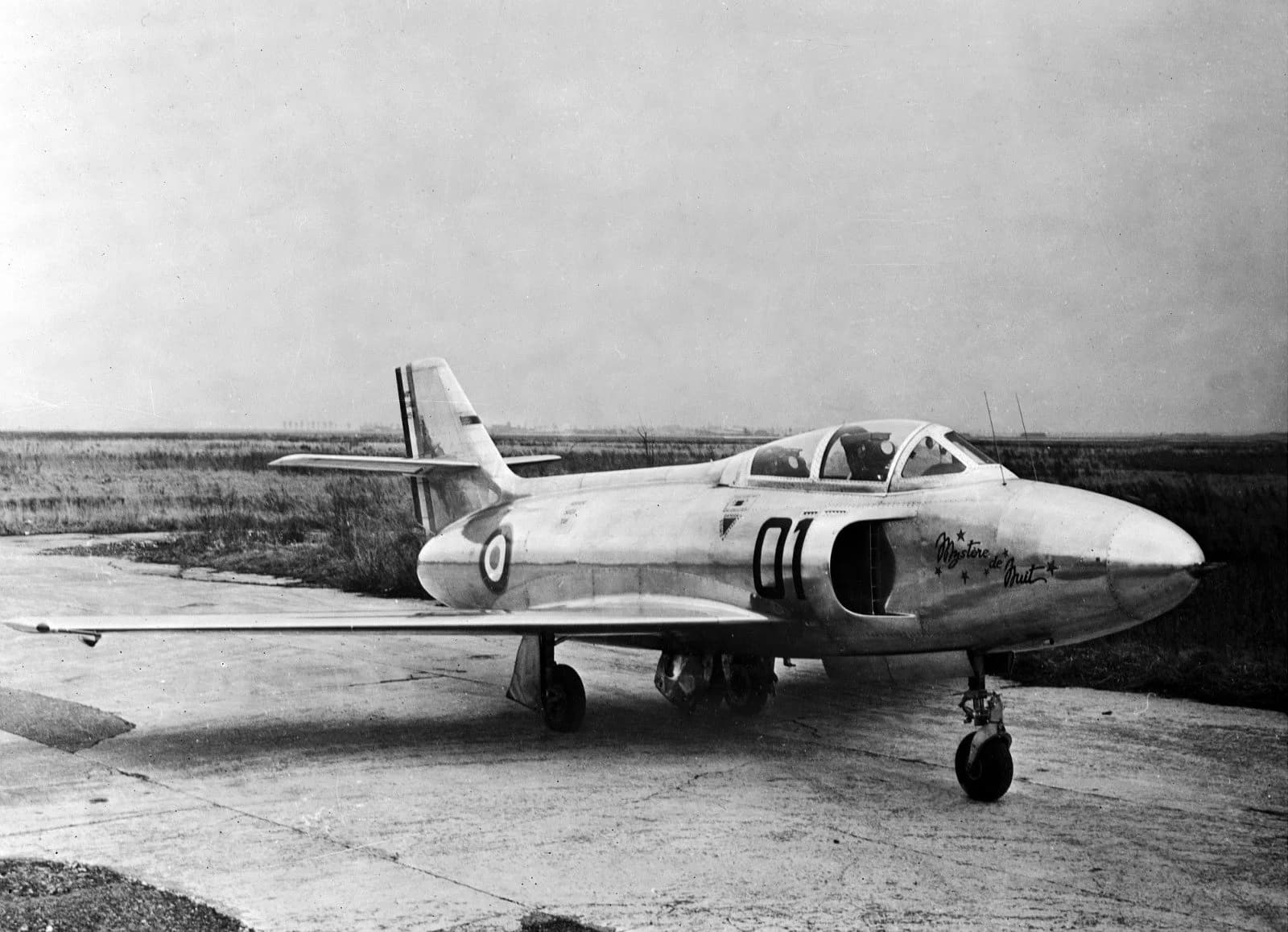
Characteristics
Length : 11.62 m
Width : 12.86 m
Height : 4.47 m
Mass : 7335 kg
The aircraft is powered by a single Hispano-Suiza Tay 250 jet engine, enabling it to reach a speed of 1,075 kilometers per hour and climb to a maximum altitude of 12,000 meters. It has a flight endurance of approximately two hours.
The crew consists of a pilot and a radar operator seated in the rear, responsible for operating the detection equipment used for night navigation.
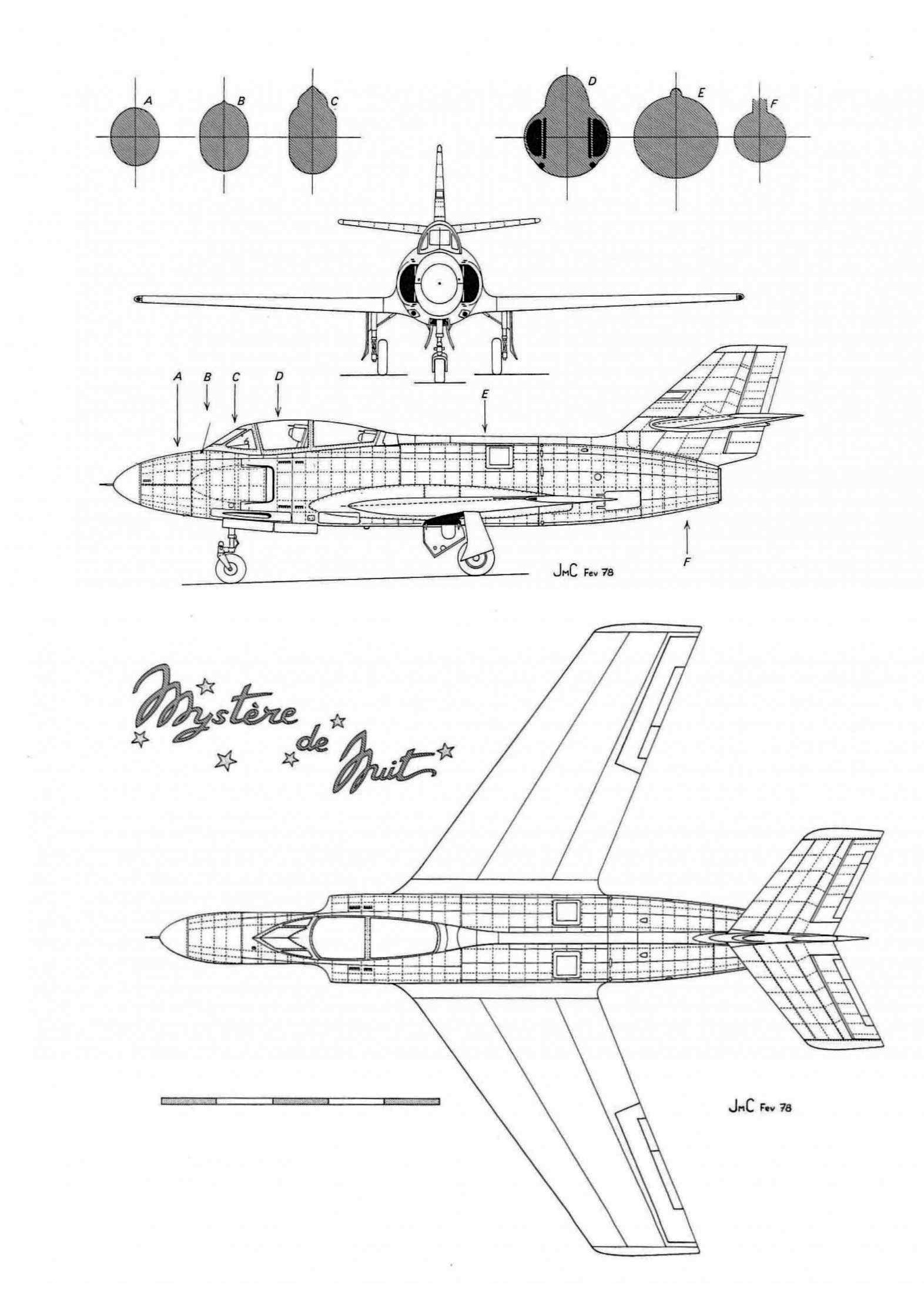
Equipment
Initially, the aircraft was intended to be equipped with a nose-mounted radar, specifically, the British AI Mk 17 or the American APG-33. However, due to space constraints, neither was ultimately installed.
It is worth noting, however, that this aircraft is also known for being one of the first to be equipped with an ejection seat.
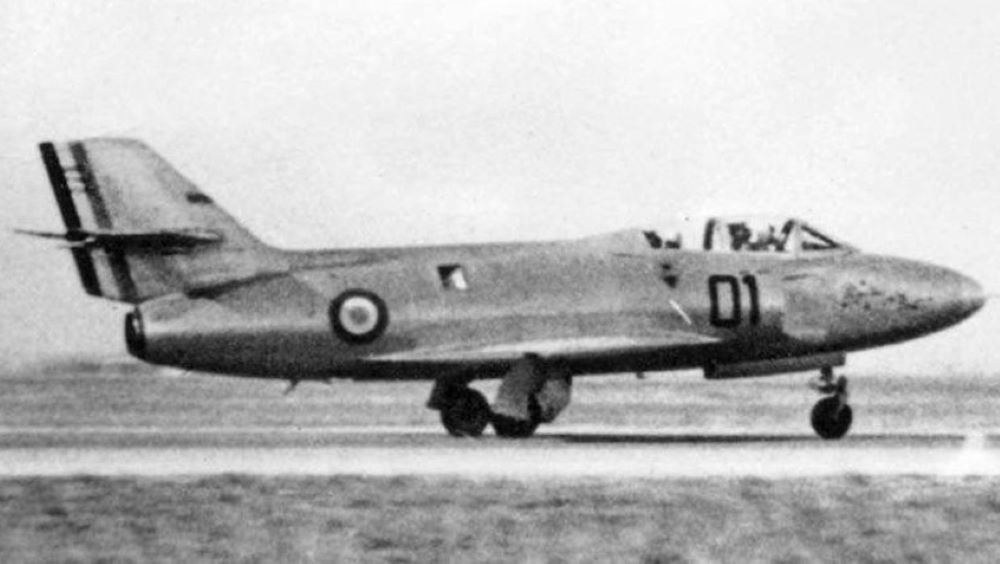
Weapons
The aircraft’s armament is particularly simple; indeed, initially designed as a night fighter, it carries only two 30mm DEFA cannons mounted under the fuselage, which was more than sufficient for its assigned missions.
In-game, this aircraft would be an interesting addition to the French tech tree, providing a combat plane based on an existing chassis but with numerous modifications that make it completely different, adding diversity and thus complementing the tree in a valuable way.
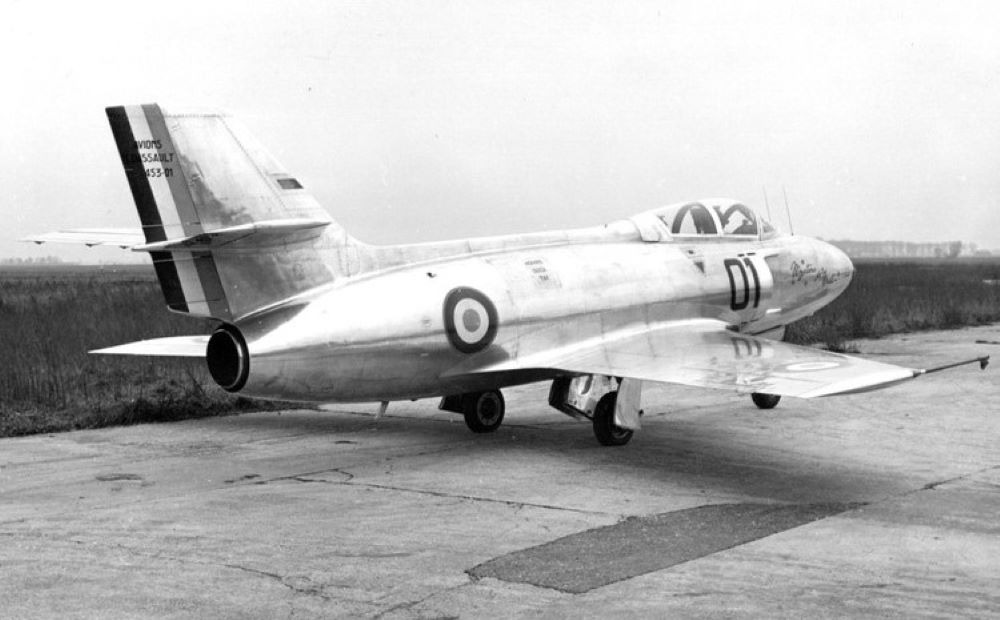
Pictures
Sources
- MD 452 Mystère II : origines, caractéristiques et performances
- Dassault MD.453 Mystère III — avionslegendaires.net
- Dassault MD-453 Mystère III
- Dassault MD.451 / MD.453 Mystère III – All Aero
- Dassault MD-453 ‘Mystère’ III - Mystère 3 - Chasseur tous temps - Un siècle d’aviation française
- Dassault MD 453 Mystere IIIN 1952 (France). Chasseur nocturne. Au tout début des années 1950, Dassault avait effectué des expériences sur le chasseur Ouragan pour créer une variante de chasseur nocturne biplace, mais lorsque le Mystere II est arrivé, le développement s’est concentré sur ce nouveau chasseur. Le Mystere IIIN, qui en a résult, partageait la plupart des caractéristiques spéciales de chasseur de nuit conçues pour l’Ouragan, notamment un nez solide (contenant un radar), des prises d’air latérales et un cockpit en tandem pour deux sièges. Comme le Mystere IIC, il était équipé de deux canon ADEN de 30 mm. Le Mystere IIIN prendra son envol en juillet 1952 et la construction de trois prototypes fut prévue, mais seul l’original a été construit. Malheureusement, ce projet a été aussi bref que celui du chasseur nocturne Ouragan, à l’instar du nouveau chasseur de… - Avions moches, bizarres, ratés, projets abandonnés et aviation insolite. | Facebook